Monday, January 14, 2013

Deep UV reflected photography - Uranus-U filter

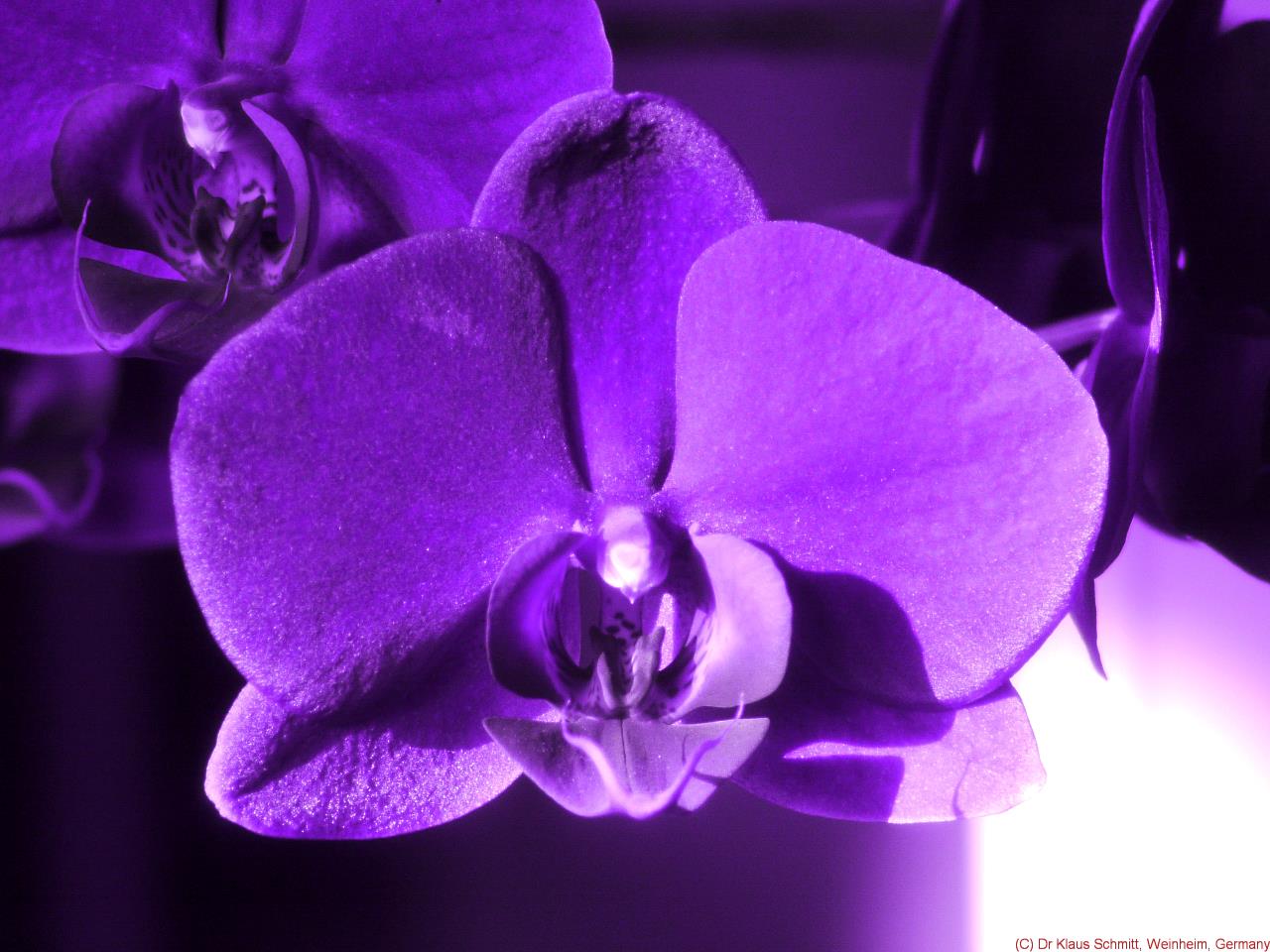
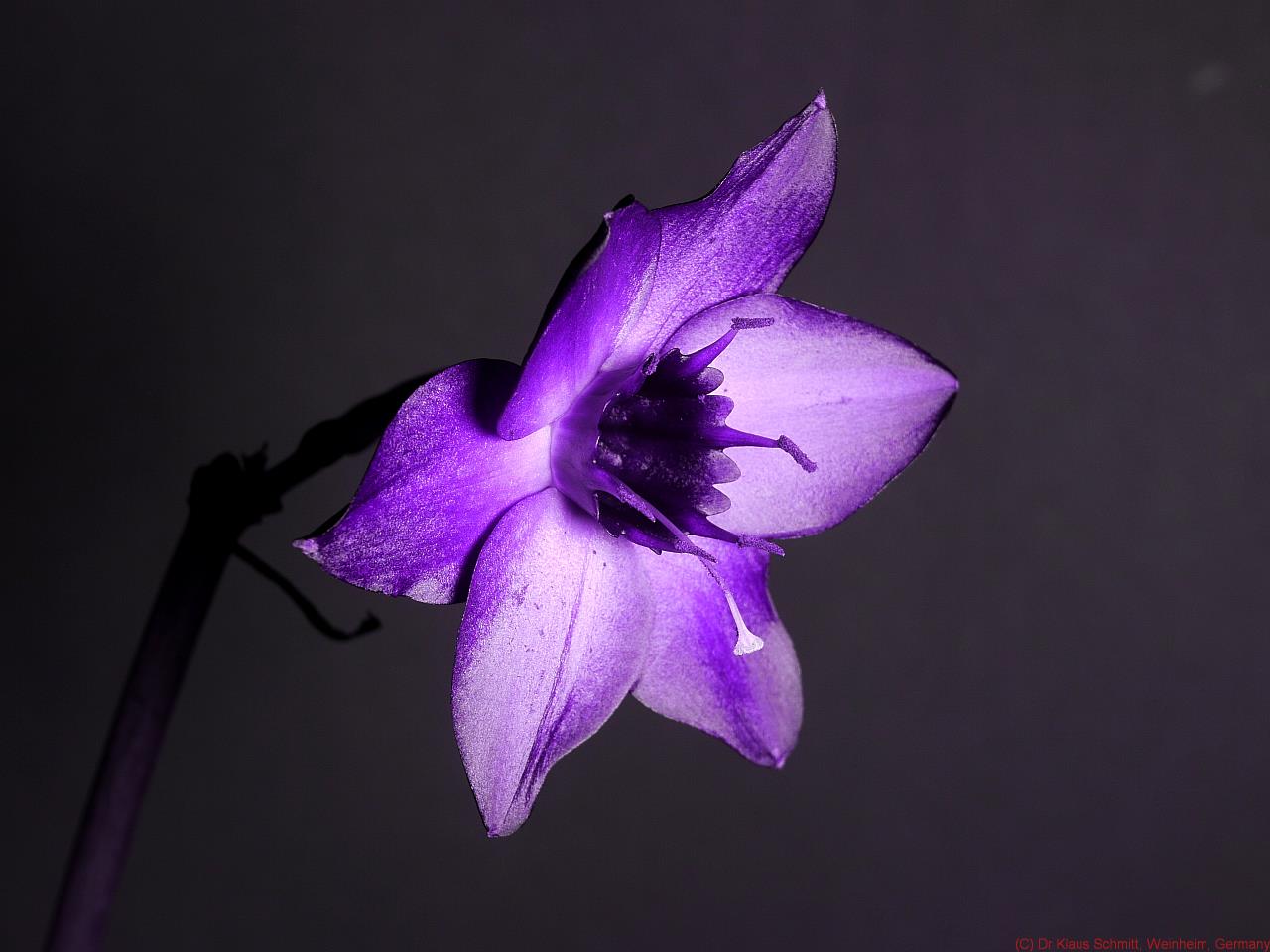
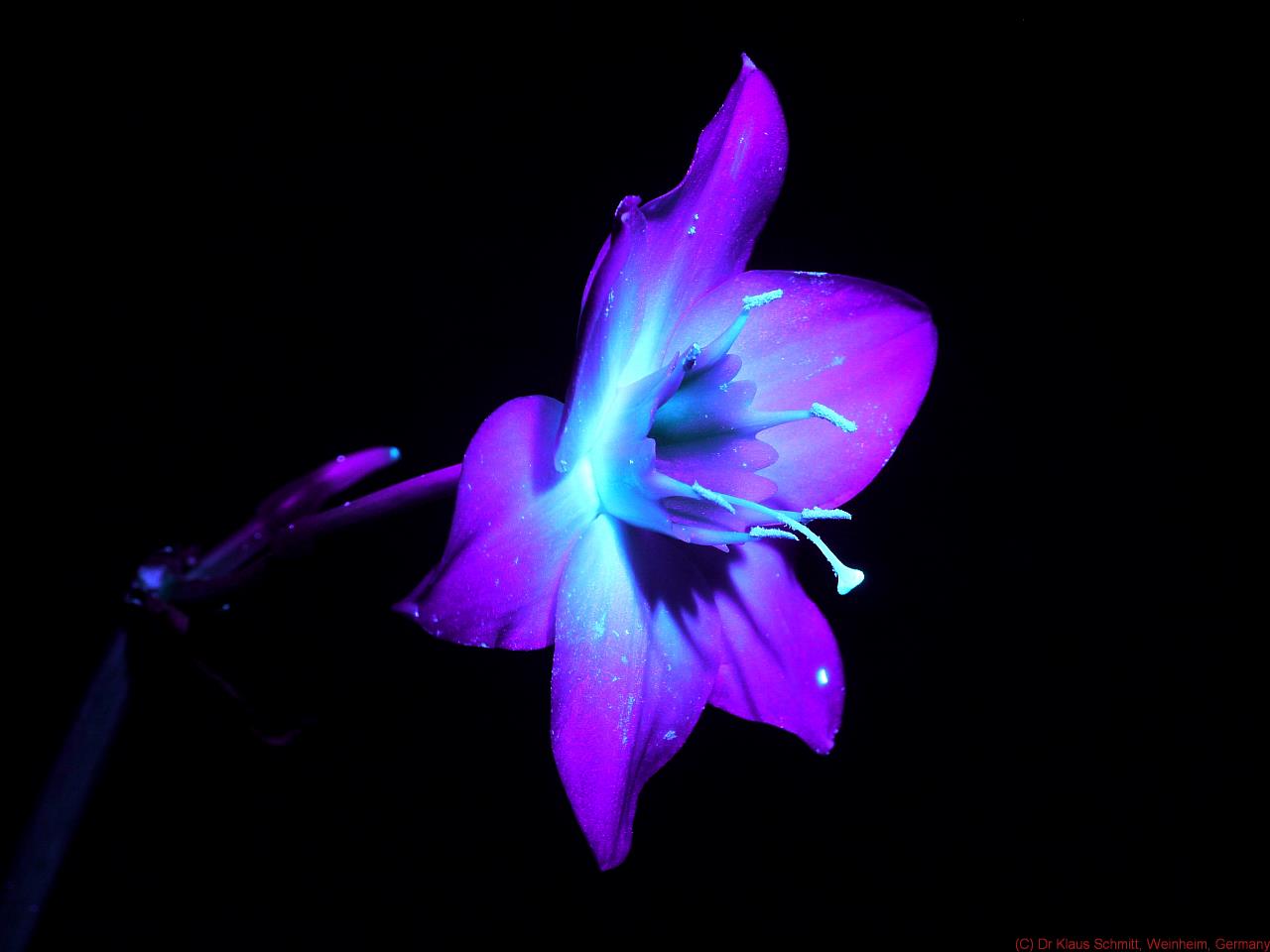
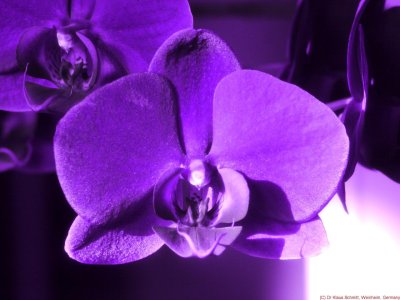
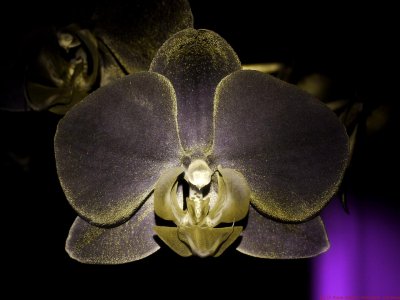
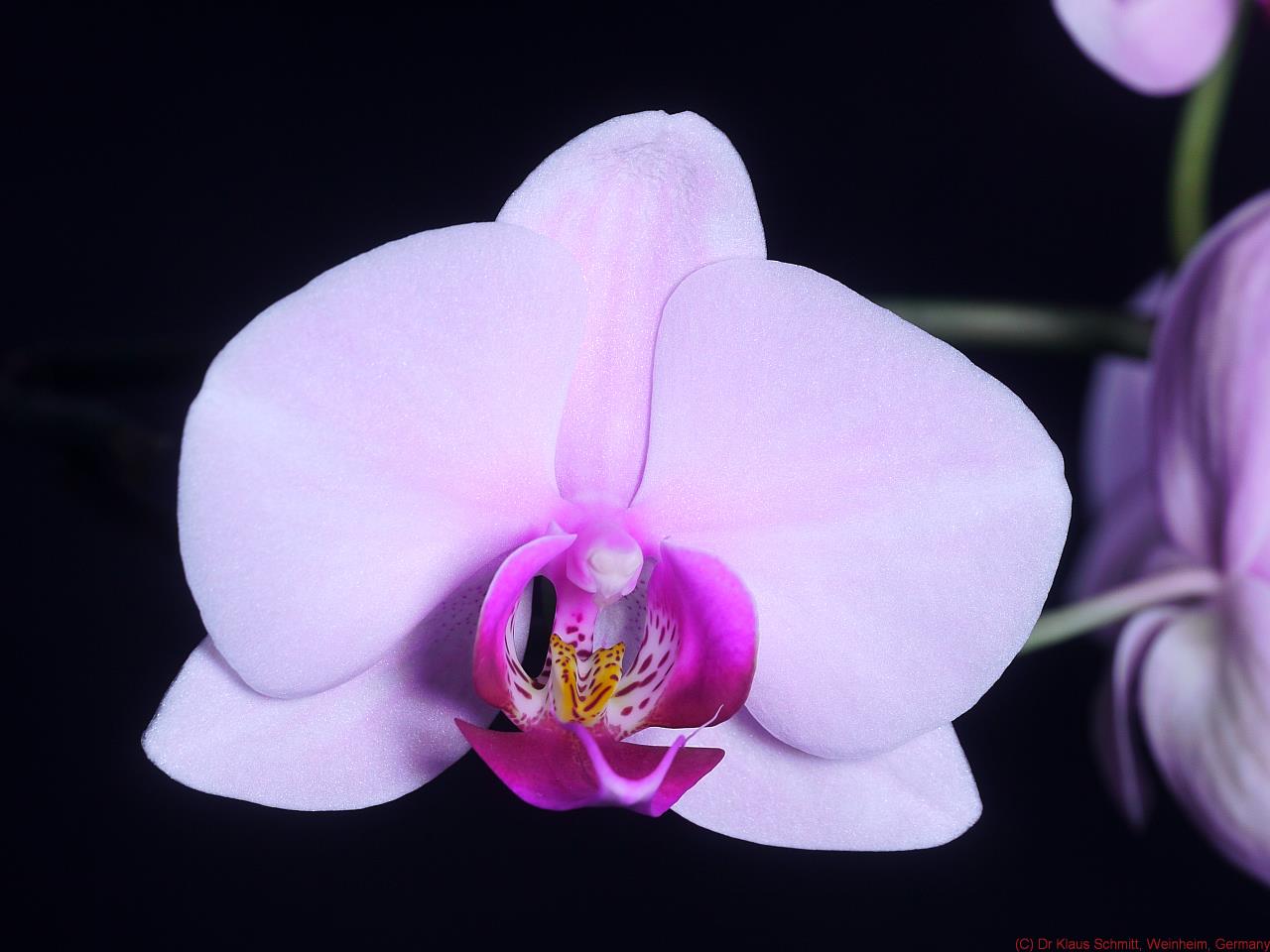
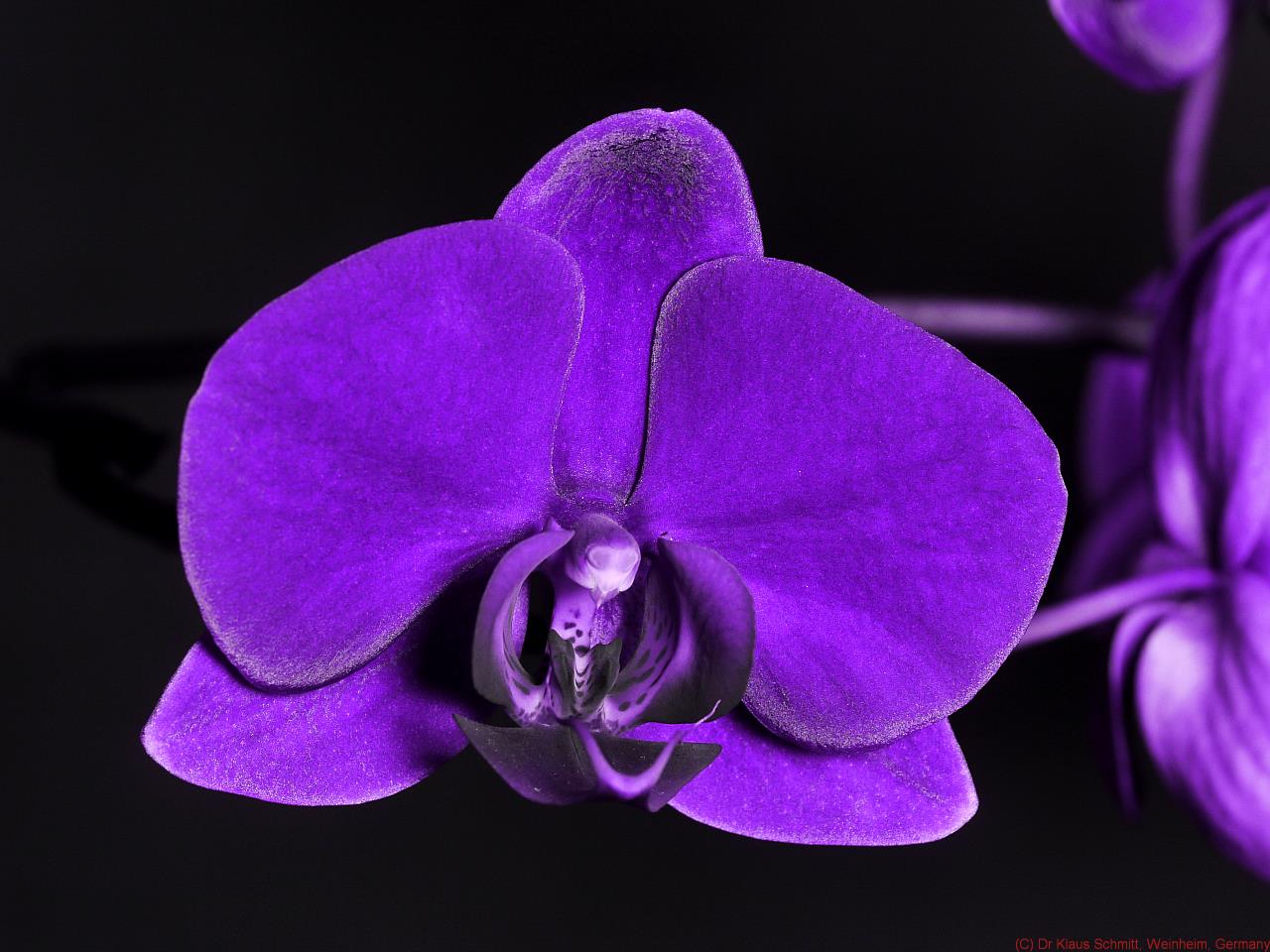
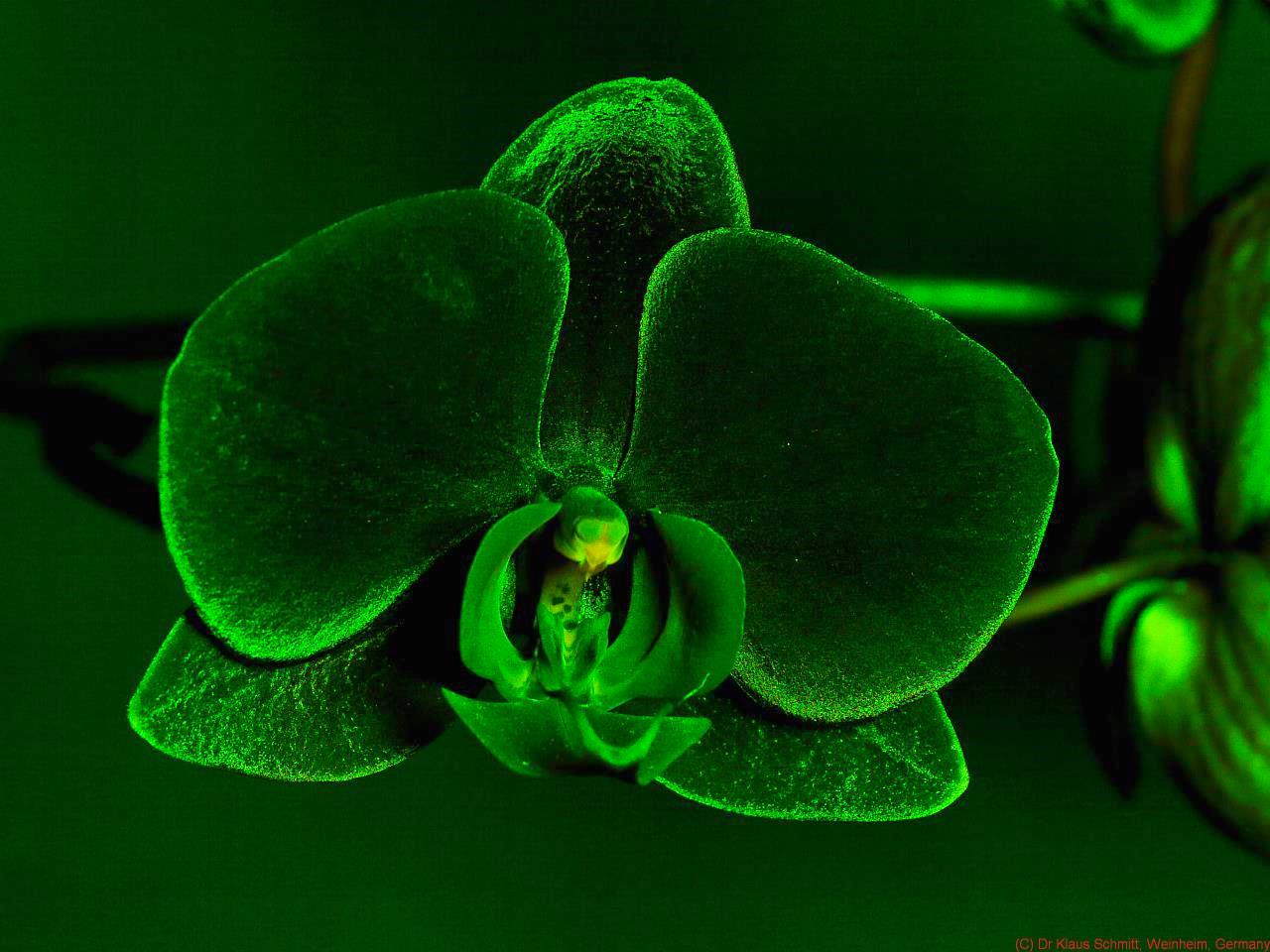
Today again about that Phalaenopsis orchid, but this time used as a target for deep UV reflected photography. Usually I use my "work horse" UV filter, the Baader-U filter, but this time also the Saturn-U (300-350nm, eff. 325nm) and Uranus-U (300-325nm, eff. 313nm) filter, the latter newly introduced here now. Lens used was the 94mm CERCO quartz fluorite lens. Light source was a modified for UV high power Xenon flash.

Here now some results: [click on image to see a larger one]

visible light image using UV/IR cut filter:
 

UV image using Baader-U filter (approx. 320-395nm, effective peak approx. 375nm):
 

UV image using Jupiter-U filter (approx. 280-385nm, effective peak approx. 365nm):
 

UV image using Saturn-U filter (approx. 300-350nm, effective peak approx. 325nm):
 

UV image using Uranus-U filter (approx. 300-325nm, effective peak approx. 313nm):


Interesting to notice, how the visible details change when the used wavelength gets shorter and the appearance of that turquoise color. I'm looking forward to testing this with flowers having more prominent UV patterns, once spring is here...

Stay tuned, more will follow on that fascinating subject...

More info on this very interesting field may be found on my site http://www.pbase.com/kds315/uv_photos

Friday, January 11, 2013

Quartz lens for reflected UV photography?

Today about using a quartz lens for reflected UV photography. I'm using quite rare Quartz Takumar f3.5 85mm for this and one of the few flowers available, a Phalaenopsis orchid, as well as my "work horse" UV filter, the Baader-U filter. Light source was sunlight and a Nichia UV LED (365nm). The questions was, how the image quality would turn out, knowing that such lenses should only be used for a quite narrow wavelength band (literature states between 10nm and 20nm depending on source), as these lenses are not chromatically corrected. All shots were done stopped down to f8, which is a usual working aperture to get enough DOF and sharpness.

[click on image to see a larger one]
Here some results:
visible light image using UV/IR cut filter:
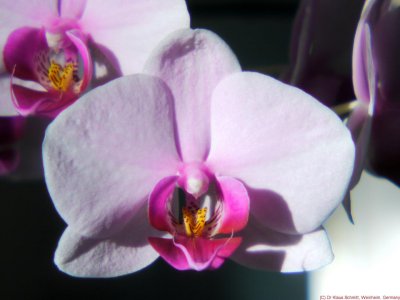
 

multispectral image (i.e. unfiltered) and sunlight:
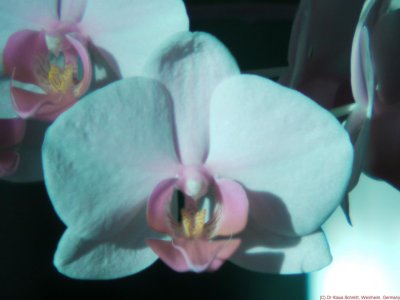
 

UV image using Baader-U filter and sunlight:
 

UV image using Baader-U filter and sunlight + 365nm UV LED:
 

Findings:
1) There is a substantial focusing difference, here 5mm between the UV (95mm) and the VIS image (100mm between front and camera mount), resulting in a 5% different image size when focused both (UV image is smaller). Distance orchid - camera was 700mm.
2) When white light is being used for visible photography, the 400-750nm band is quite broad, i.e. 350nm, which leads to quite visible CA (around edges), soft image and loss of contrast.
3) When white light is being used for multispectral (i.e. unfiltered ca 300-1100nm) photography, that band is even broader, leading to even softer images and loss of contrast.
4) Also the UV image taken in sunlight using a Baader-U filter (320-395nm i.e. 75nm bandwith) leads to rather soft images, but a bit better as the band is narrower, only 75nm wide.
5) The UV image taken in UV LED light at 365nm (ca 20nm bandwith) using a Baader-U filter leads to the best image, as here only the narrow 20nm bandwith of the UV LED around 365nm plays a role. The image is crisp, sharp (see structures on petals) and has a rather high contrast.

Conclusion is, that only if quasi monochromatic photography is being done (either using narrowband UV filters or narrowband UV light), acceptable results can be expected. For broadband UV photography, chromatically corrected UV lenses are required, such as quartz fluorite lenses.

Stay tuned, more will follow on that fascinating subject...

More info on this very interesting field may be found on my site http://www.pbase.com/kds315/uv_photos
Tuesday, December 4, 2012

Quartz fluorite lens vs Komuranon enlarger lens for reflected UV photography

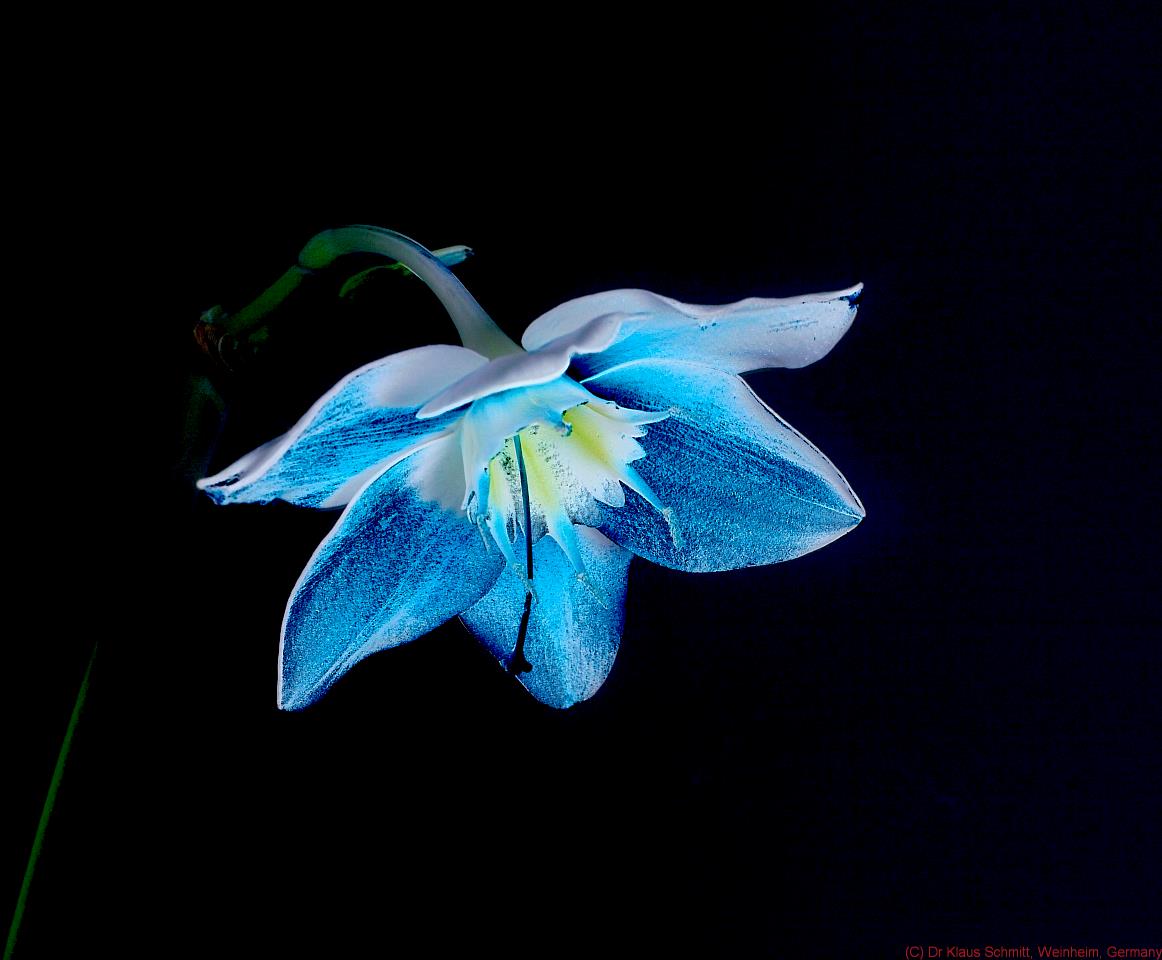
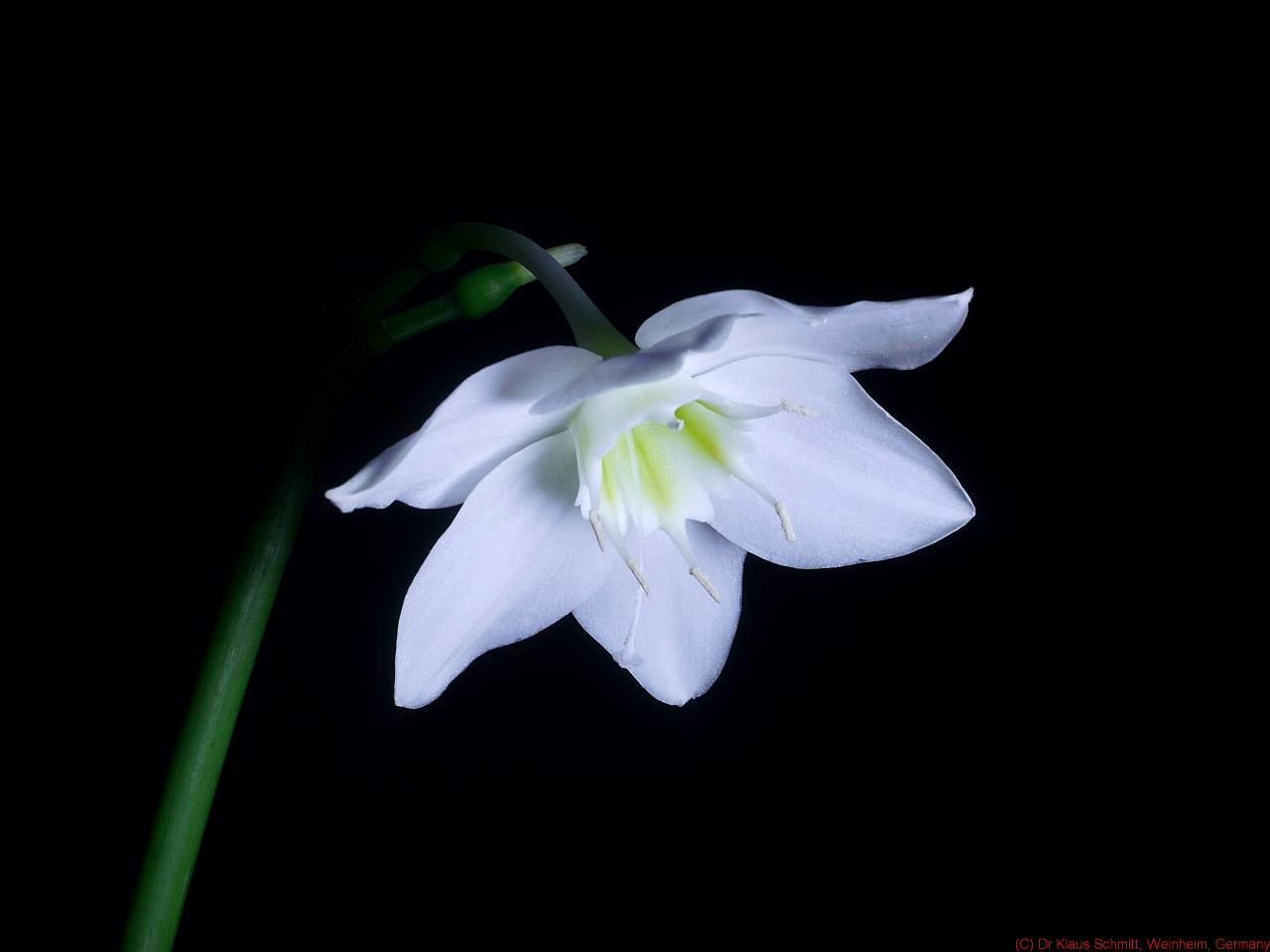
Today about comparing a quartz fluorite lens with a conventional, but UV capable enlarger lens. I'm using a beautiful flower, Eucharis × grandiflora, also called Amazon Lily, for that as well as my "work horse" UV filter, the Baader-U filter and a Hamamatsu f3.5/50mm quartz fluorite lens as well as a 3.5/50mm 6e/4g enlarger lens, a Komuranon-S 3.5/50mm. Light source was an UV enhanced Xenon flash.

[click on image to see a larger one]

1) Quartz Fluorite lens:
visible light image:
 

"standard" UV image using Baader-U filter:
 

UV - VIS differential:
 

2) Enlarger lens:
visible light image:
 

"standard" UV image using Baader-U filter:
 

UV - VIS differential:
 

This flower does not have a very prominent UV pattern, nor does it reach very deep into UV, so this comparison here is limited to the range down to about 370nm, bare that in mind. The quartz fluorite lens is the much sharper one and also has quite less focus shift, but still this enlarger lens seems to be useful, at least as a beginners lens for reflected UV photography.

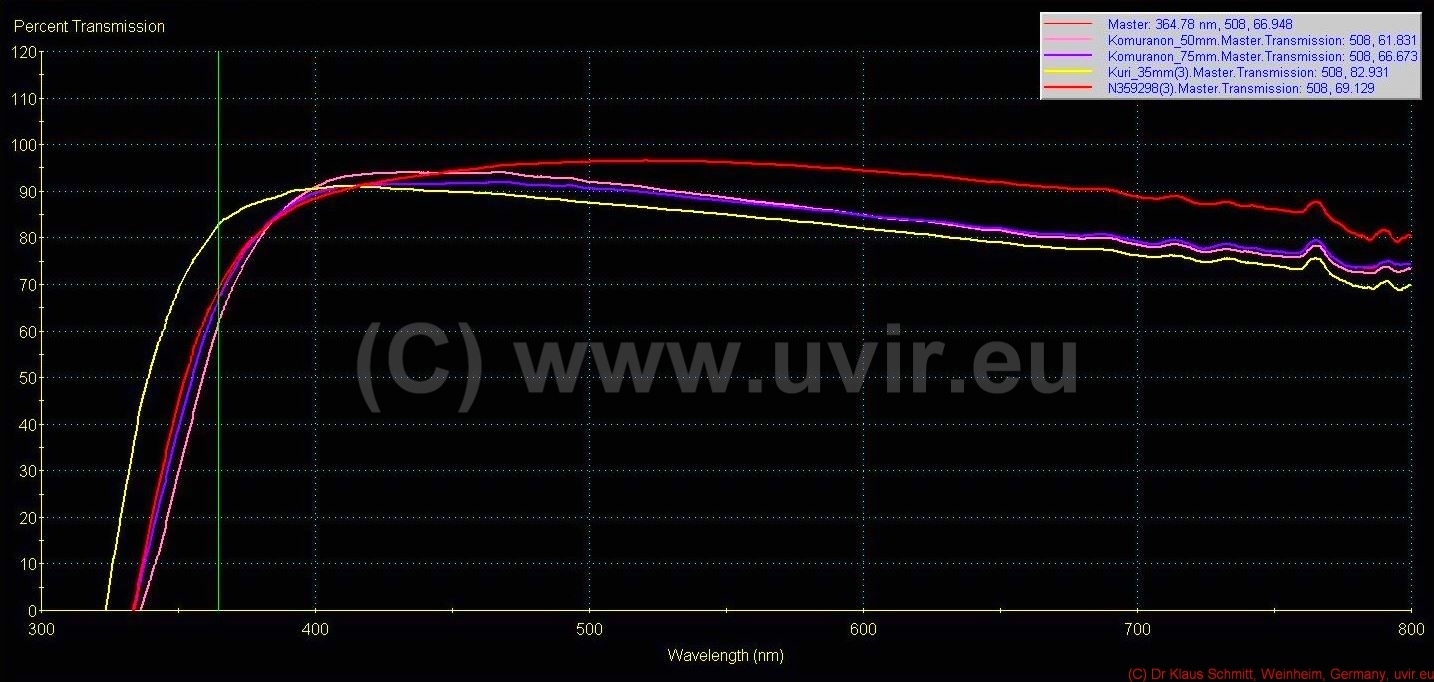
Here the transmission chart of this KOMURANON enlarger lens, as compared to my "standard" comparison lenses which reveals that it transmits UV quite similar to a Noflexar 35mm to about 335-340nm.
 

Stay tuned, more will follow on that fascinating subject...

More info on this very interesting field may be found on my site http://www.pbase.com/kds315/uv_photos
Monday, December 3, 2012

Eucharis grandiflora: UV induced fluorescence and reflected colorful UV photography II

This is again about: Eucharis × grandiflora, also called Amazon Lily this time using my "work horse" UV filter, the Baader-U filter and a Hamamatsu f3.5/50mm quartz fluorite lens. Light source was an UV enhanced Xenon flash and a Nichia UV torch for the UV induced stimulated visible fluorescence (UVIVF) shot.

[click on image to see a larger one]

visible light image:
 

"standard" UV image using Baader-U filter:
 

UV stimulated visible fluorescence using UV/IR blocking filter:
 

UV stimulated visible fluorescence using different UV/IR blocking filter:
 

Also here not much prominently visible UV pattern, except that the base of the flower, where usually nectar can be found, lights up, as well as its pollen does.

Stay tuned, more will follow on that fascinating subject...

More info on this very interesting field may be found on my site http://www.pbase.com/kds315/uv_photos

Eucharis grandiflora: UV induced fluorescence and reflected colorful UV photography

Today about a flower I haven't posted about: Eucharis × grandiflora, also called Amazon Lily. I was using my "work horse" UV filter, the Baader-U filter and my CERCO quartz fluorite lens. Light source was an UV enhanced Xenon flash and a Nichia UV torch for the UV induced stimulated visible fluorescence (UVIVF) shot.

[click on image to see a larger one]

visible light image:
 

"standard" UV image using Baader-U filter:
 

shortwave UV image using Jupiter-U filter:
 

UV stimulated visible fluorescence using UV/IR blocking filter:
 

Not much prominent UV pattern, except that the base of the flower, where usually nectar can be found, lights up, as well as its pollen does.

Stay tuned, more will follow on that fascinating subject...

More info on this very interesting field may be found on my site http://www.pbase.com/kds315/uv_photos
Monday, November 5, 2012

Bidens ferulifolia: stereo 3D reflected colorful UV photography

Today about stereo 3D shooting in reflected UV light using the same Bidens flower I have shown here in 2D. I was using my "work horse" UV filter, the Baader-U filter and my CERCO quartz fluorite lens. Light source was an UV enhanced Xenon flash. Target was one of my last Bidens ferulifolia flowers, as the first snow has already been here...

[click on image to see a larger one]

2D visible light image for comparison:
 

3D stereo UV image using Baader-U filter for crosseyed 3D viewing:
 

3D stereo UV image using Baader-U filter for LRL crosseye/parallel universal 3D viewing:
 

3D stereo in my opinion even better documents the prominent UV pattern this flower has...

Stay tuned, more will follow on that fascinating subject...

More info on this very interesting field may be found on my site http://www.pbase.com/kds315/uv_photos

Bidens ferulifolia: Colorful reflected UV ultraviolet photography III

Today, as has been previously shown,  some more recent results with a bit more colorful images using various UV lights and filtering, when shooting in reflected UV light. I was using my "work horse" UV filter, the Baader-U filter and my CERCO quartz fluorite lens. Light source was an UV enhanced Xenon flash, except otherwise mentioned. Target was one of my last Bidens ferulifolia flowers, as the first snow has already been here...

[click on image to see a larger one]

visible light image:
 

"standard" UV image using Baader-U filter:
 

pure 365nm UV LED:
 

UG11 + IR blocking filter:
 

XBV2 filter:
 

XBV4 filter:
 

XNUV (highspeed UV) filter:
 

IR filter >750nm:
 

Now this is "artsy" playing with light, but it still documents very well the prominent UV pattern this flower has. HERE is the same flower in 3D Stereo representation.


Stay tuned, more will follow on that fascinating subject...

More info on this very interesting field may be found on my site http://www.pbase.com/kds315/uv_photos