Monday, February 18, 2013

Soligor / Kyoei 105mm lens for reflected UV photography II

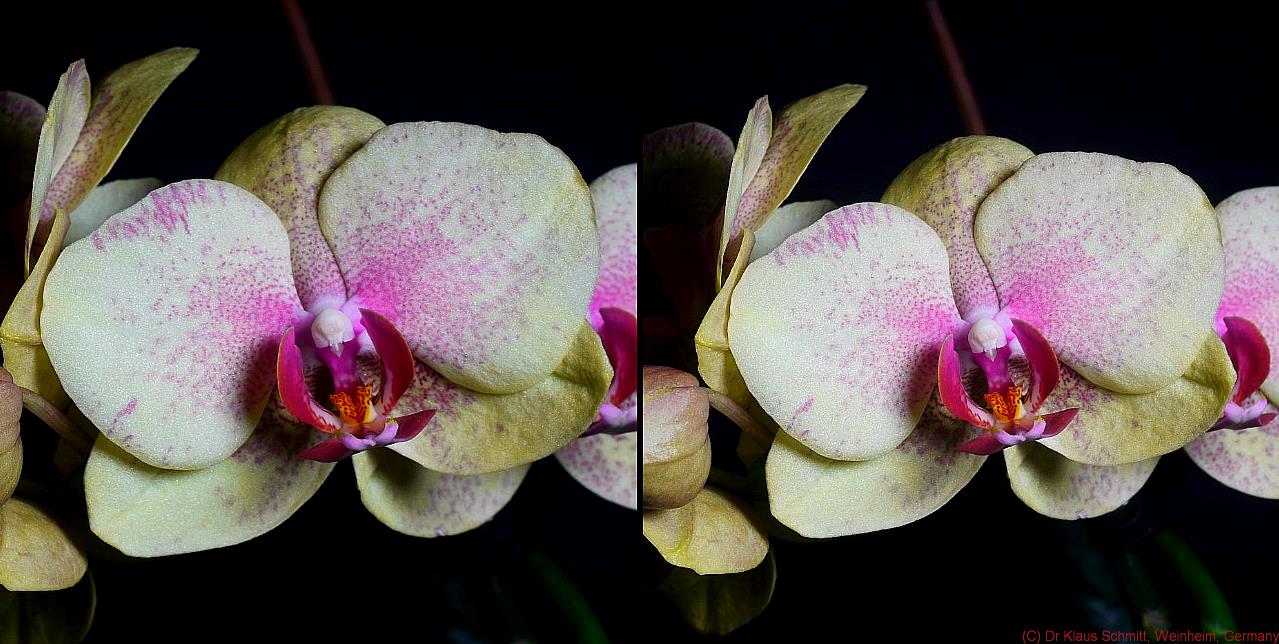
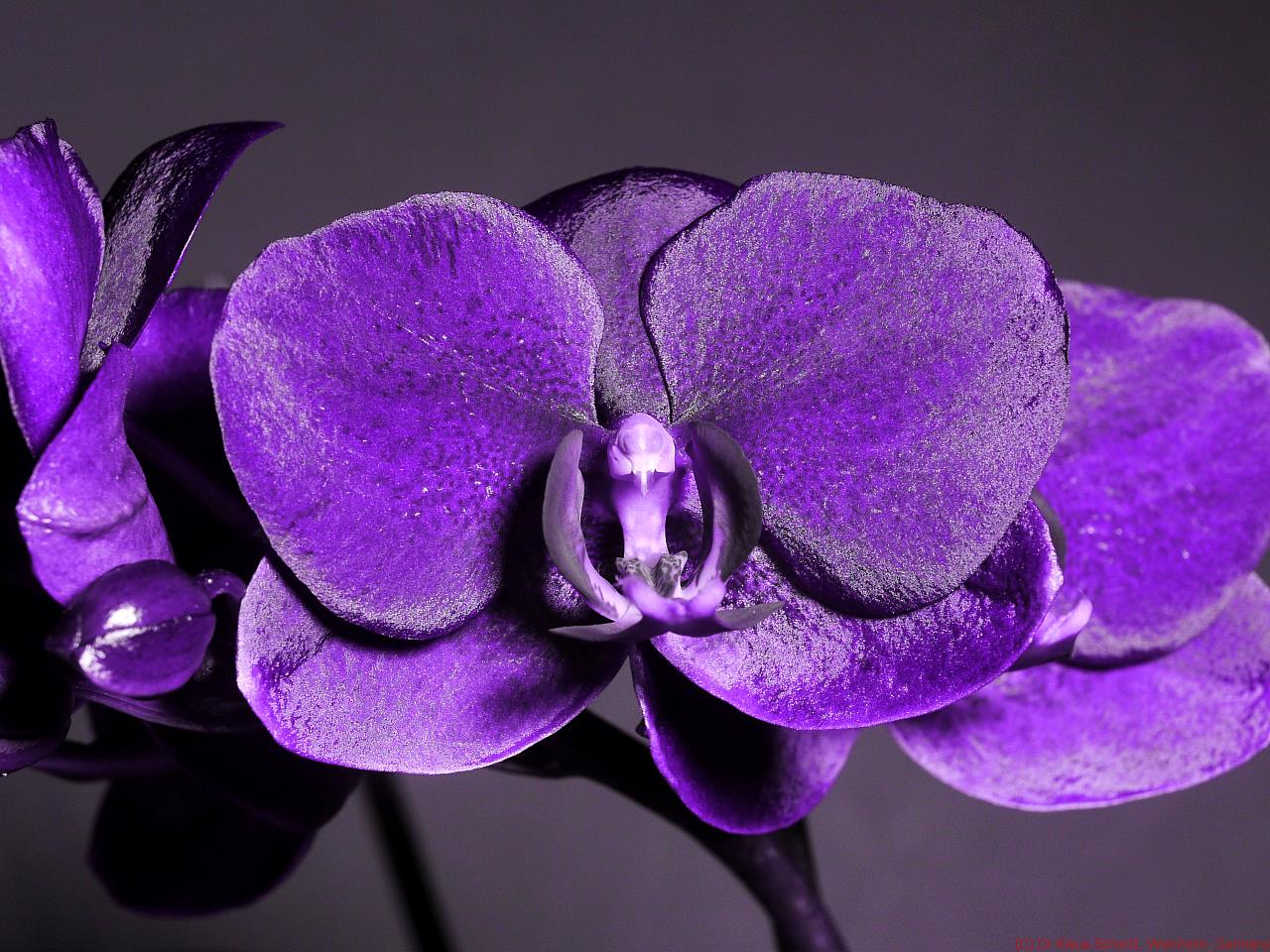
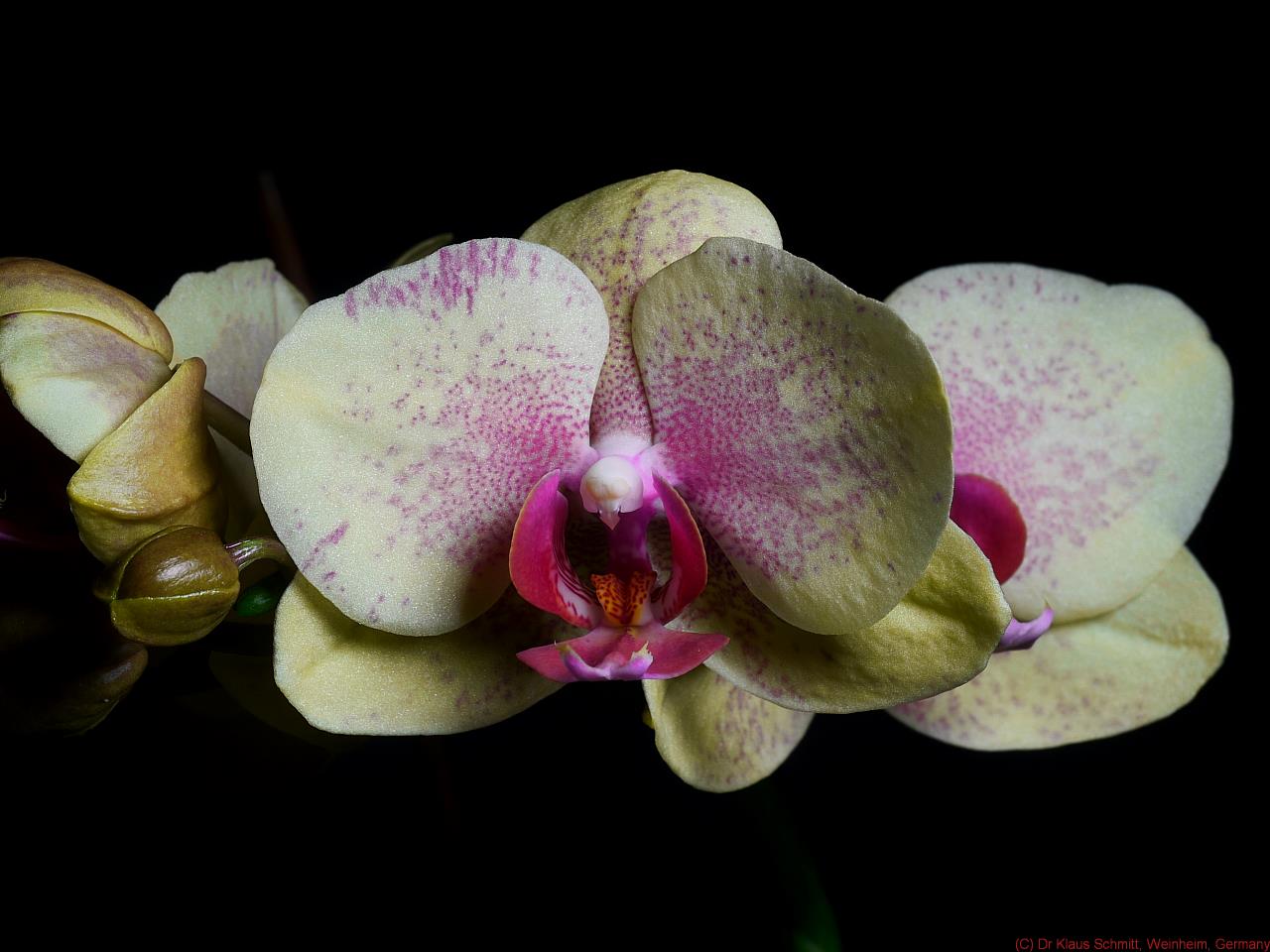
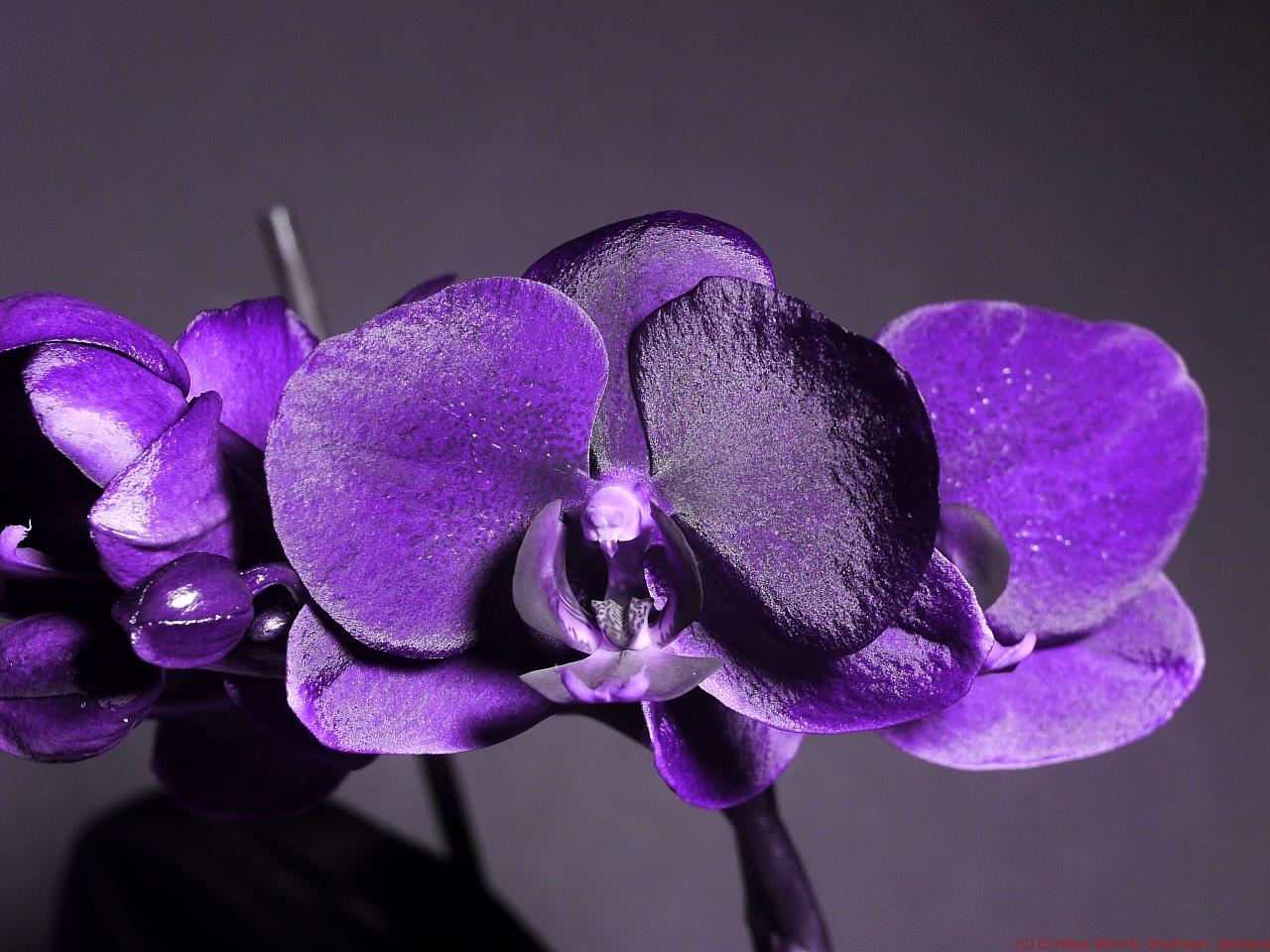
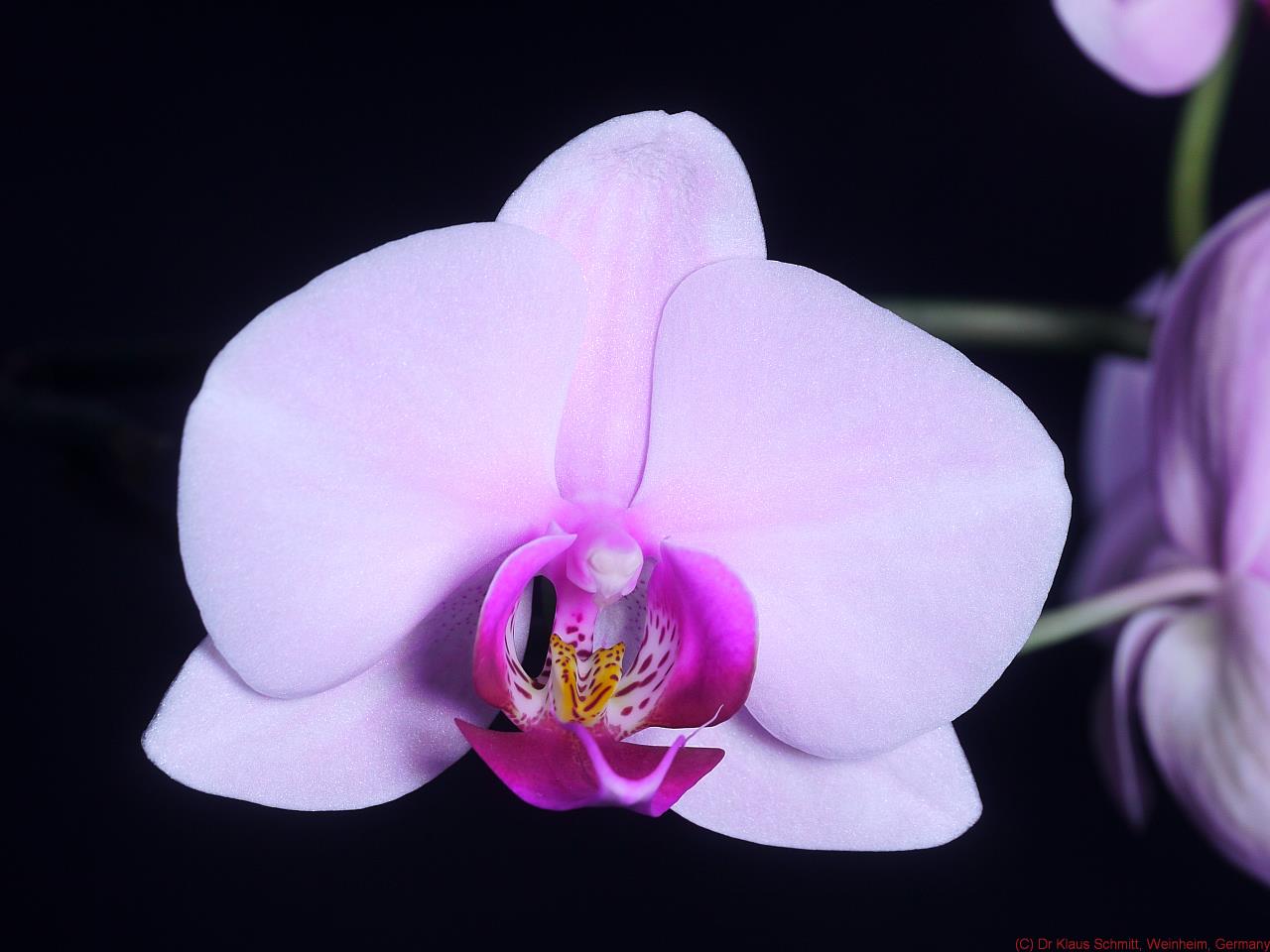
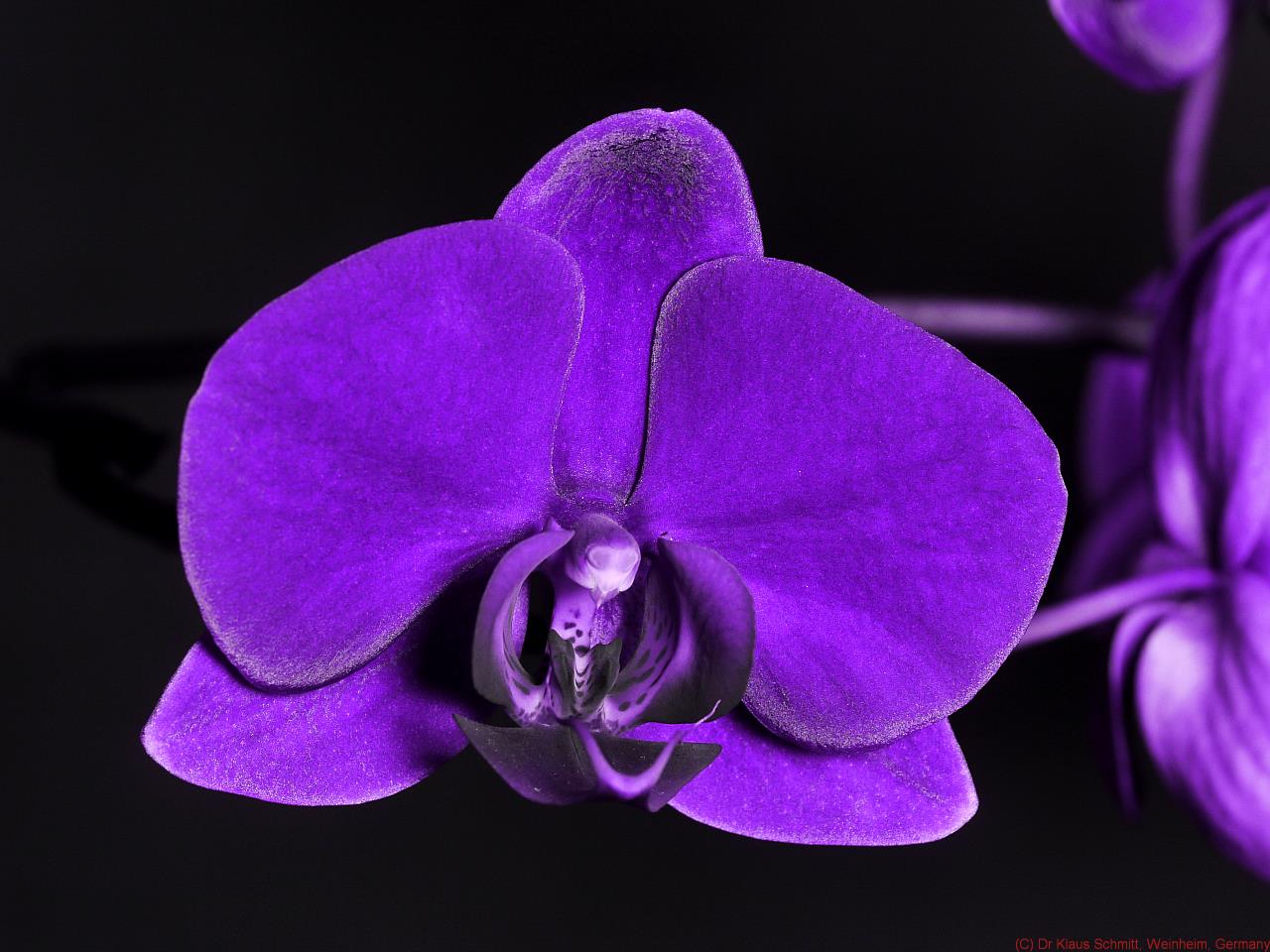
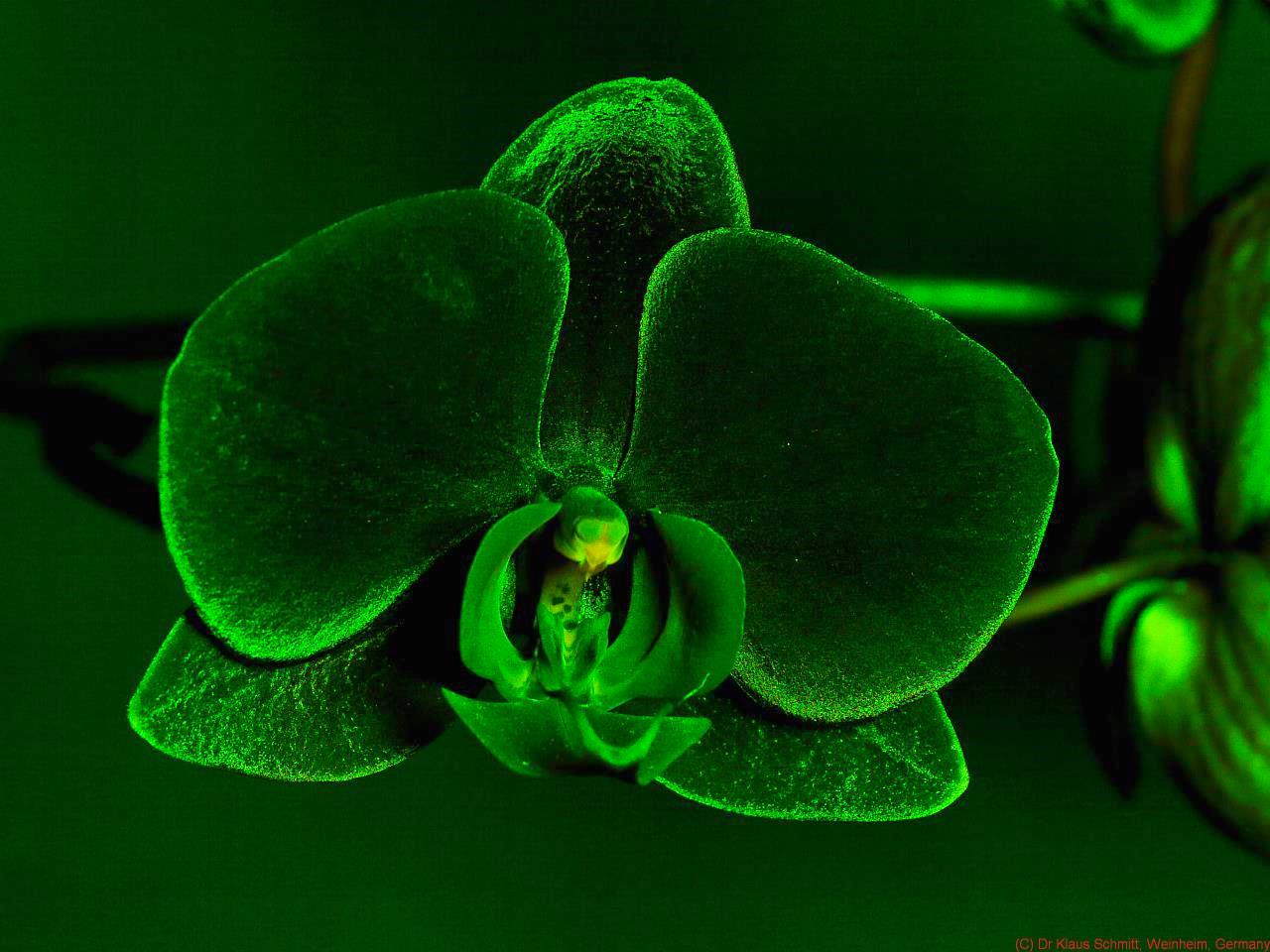
Here again about the Soligor (also sold as Kyoei) f3.5 / 105mm, a quite capable lens for reflected UV photography I have written before here. This time in comparison with my all day UV lens, the CERCO 94mm quartz fluorite lens. I'm using a yellow/red Phalaenopsis flower for that and my "work horse" UV filter, the Baader-U filter plus the deeper reaching Jupiter-U filter. Light source was an UV enhanced Xenon flash. All shots done at f8 and presented on a side-a-side format for easier comparison, left the Soligor, right the CERCO lens.

[click on image to see a larger one]

Visible light image:
 

UV image using Baader-U filter (approx. 320-395nm, effective peak approx. 375nm):
 

UV image using Jupiter-U filter (approx. 280-385nm, effective peak approx. 365nm):
 

Also this comparison confirms, that it is a very sharp and seemingly deep into UV reaching lens, with only some 0.9% focal shift. Of course it does not reach as deep into UV as the CERCO lens, but nevertheless quite a useful lens!


Stay tuned, more will follow on that fascinating subject...

More info on this very interesting field may be found on my site http://www.pbase.com/kds315/uv_photos

Soligor / Kyoei 105mm lens for reflected UV photography

Today about the Soligor (also sold as Kyoei) f3.5 / 105mm, a quite capable lens for reflected UV photography, discovered a while ago by a forum colleague, who also discovered the Kuribayashi / Kyoei 35mm lens from the same lens family. I'm using a yellow/red Phalaenopsis flower for that and my "work horse" UV filter, the Baader-U filter plus the deeper reaching Jupiter-U filter. Light source was an UV enhanced Xenon flash. All shots done at f8 and presented on a side-a-side format for easier comparison.

[click on image to see a larger one]

Visible light image vs UV image using Baader-U filter (approx. 320-395nm, effective peak approx. 375nm):
 

Visible light image vs UV image using Jupiter-U filter (approx. 280-385nm, effective peak approx. 365nm):
 

UV images, Baader-U vs Jupiter-U filter:
 

A very sharp and seemingly deep into UV reaching lens, with only 0.9% focus shift. Quite a useful lens!


Stay tuned, more will follow on that fascinating subject...

More info on this very interesting field may be found on my site http://www.pbase.com/kds315/uv_photos

Sunday, February 17, 2013

100mm Focotar Enlarger Lens vs CERCO 94mm quartz fluorite lens for reflected UV photography

Today another comparison between a special UV lens and a conventional, but UV capable enlarger lens, a f5.6/100mm Focotar. I have done a similar comparison here and here as well as here. I'm using beautiful Valentine Day's roses for that and my "work horse" UV filter, the Baader-U filter plus the deeper reaching Jupiter-U filter. Lenses used are a CERCO 94mm quartz fluorite lebs as well as a capable for UV 100mm Focotar enlarger lens. Light source was an UV enhanced Xenon flash. All shots done at f8 and presented on a side-a-side format for easier comparison, right: enlarger lens, left CERCO quartz fluorite lens.

[click on image to see a larger one]

Visible light image:
 

UV image using Baader-U filter (approx. 320-395nm, effective peak approx. 375nm):
 

UV image using Jupiter-U filter (approx. 280-385nm, effective peak approx. 365nm):
 

It gets pretty obvious that this enlarger lens reaches surprisingly close to the CERCO quartz flourite lens! The difference is there, yet quite small. Quite a useful lens!


Stay tuned, more will follow on that fascinating subject...

More info on this very interesting field may be found on my site http://www.pbase.com/kds315/uv_photos

Wednesday, February 6, 2013

Zeiss UV-Planar 60mm lens vs 60mm enlarger lens for reflected UV photography

Today about comparing a special UV lens with a conventional, but UV capable enlarger lens. I have done a similar comparison previously here and here. I'm using a beautiful yellow/red Phalaenopsis flower, for that as well as my "work horse" UV filter, the Baader-U filter. Lenses used are a Zeiss UV-Planar 4/60mm as well as a capable for UV 4.5/60mm enlarger lens that will be revealed here later. Light source was an UV enhanced Xenon flash. All shots done at f8.

[click on image to see a larger one]

Visible light image for comparison:
 

1) UV Planar f4/60mm: "standard" UV image using Baader-U filter:
 

2) Enlarger lens: "standard" UV image using Baader-U filter:
 

It gets pretty obvious that this enlarger lens reaches close to the UV-Planar lens, yet it is quite a bit away in terms of sharpness + contrast. But it is a capable lens it seems. Quite a useful lens!


Stay tuned, more will follow on that fascinating subject...

More info on this very interesting field may be found on my site http://www.pbase.com/kds315/uv_photos

Monday, February 4, 2013

50mm Hamamatsu Quartz fluorite lens vs D.O. Industries enlarger lens for reflected UV photography II

Today again about comparing a quartz fluorite lens with a conventional, but UV capable D.O. Industries enlarger lens. I have done a similar comparison previously here. I'm using a beautiful yellow/red Phalaenopsis flower, for that as well as my "work horse" UV filter, the Baader-U filter. Lenses used are a Hamamatsu f3.5/50mm quartz fluorite lens as well as a 4.5/50mm D.O. Industries enlarger lens. Light source was an UV enhanced Xenon flash. All shots done at f8.

[click on image to see a larger one]

Visible light image for comparison:
 

1) Quartz Fluorite lens: "standard" UV image using Baader-U filter:
 

2) Enlarger lens: "standard" UV image using Baader-U filter:
 

UV - VIS differential:
 

It gets pretty obvious that this very affordable D.O. Industries enlarger lens reaches quite close to the quartz fluorite lens, yet can't quite beat it in terms of sharpness + contrast. But it is astonishingly close. Also its focus shift is relatively small, as the differential image clearly shows. Quite a nice lens!

I have written about that enlarger lens before HERE


Stay tuned, more will follow on that fascinating subject...

More info on this very interesting field may be found on my site http://www.pbase.com/kds315/uv_photos

Wednesday, January 30, 2013

Mold on a gourd: reflected UV photography

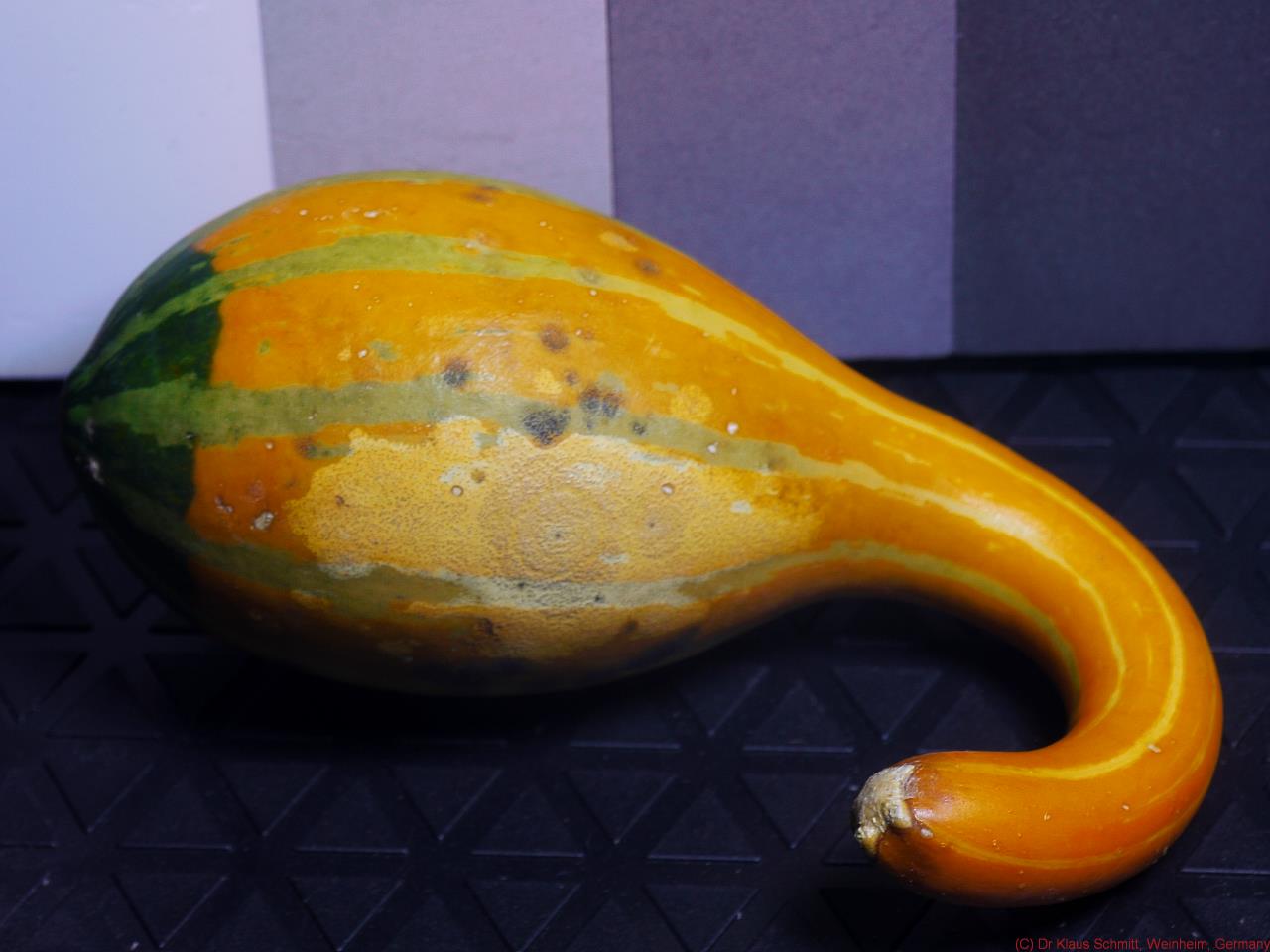
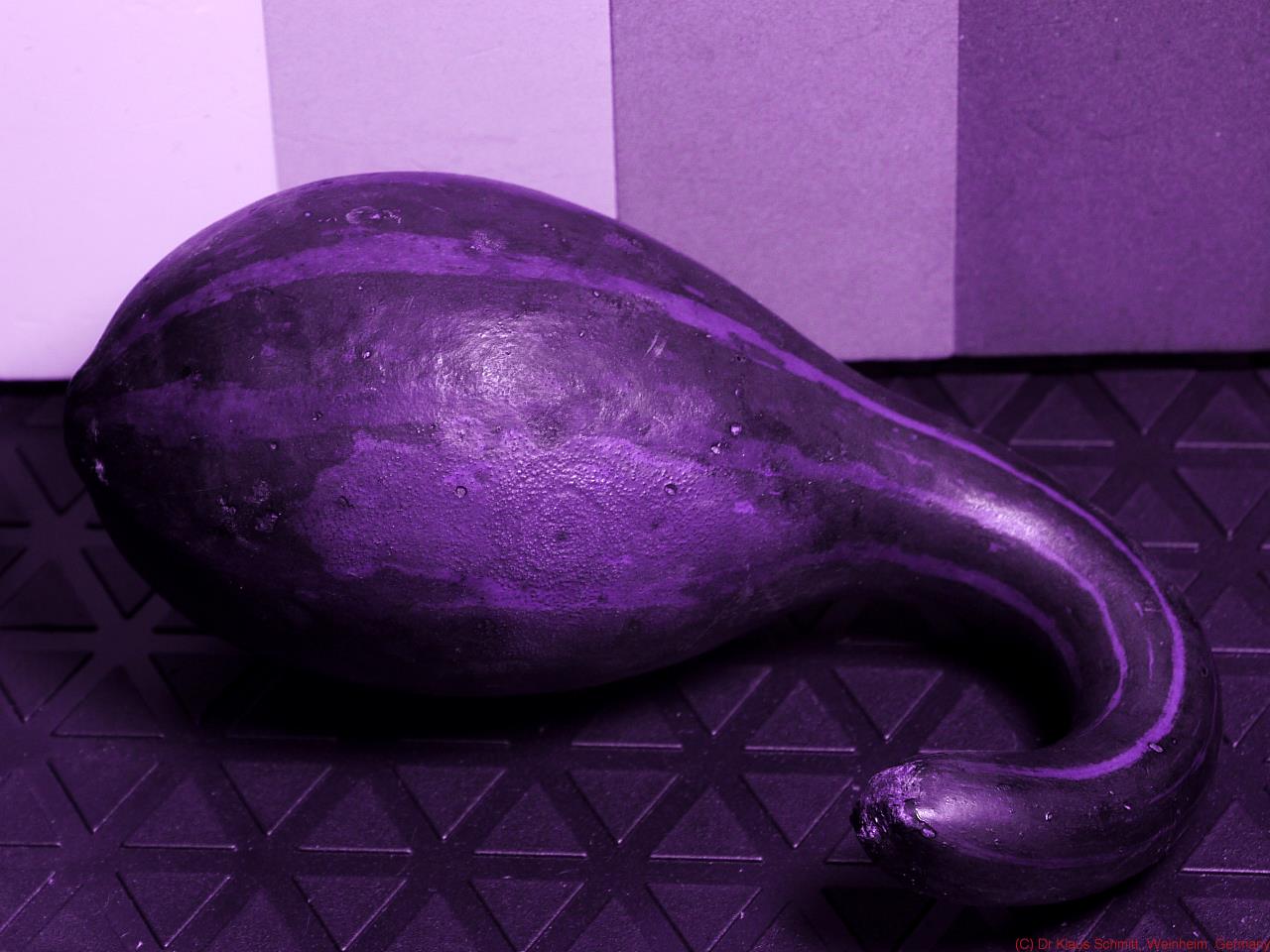
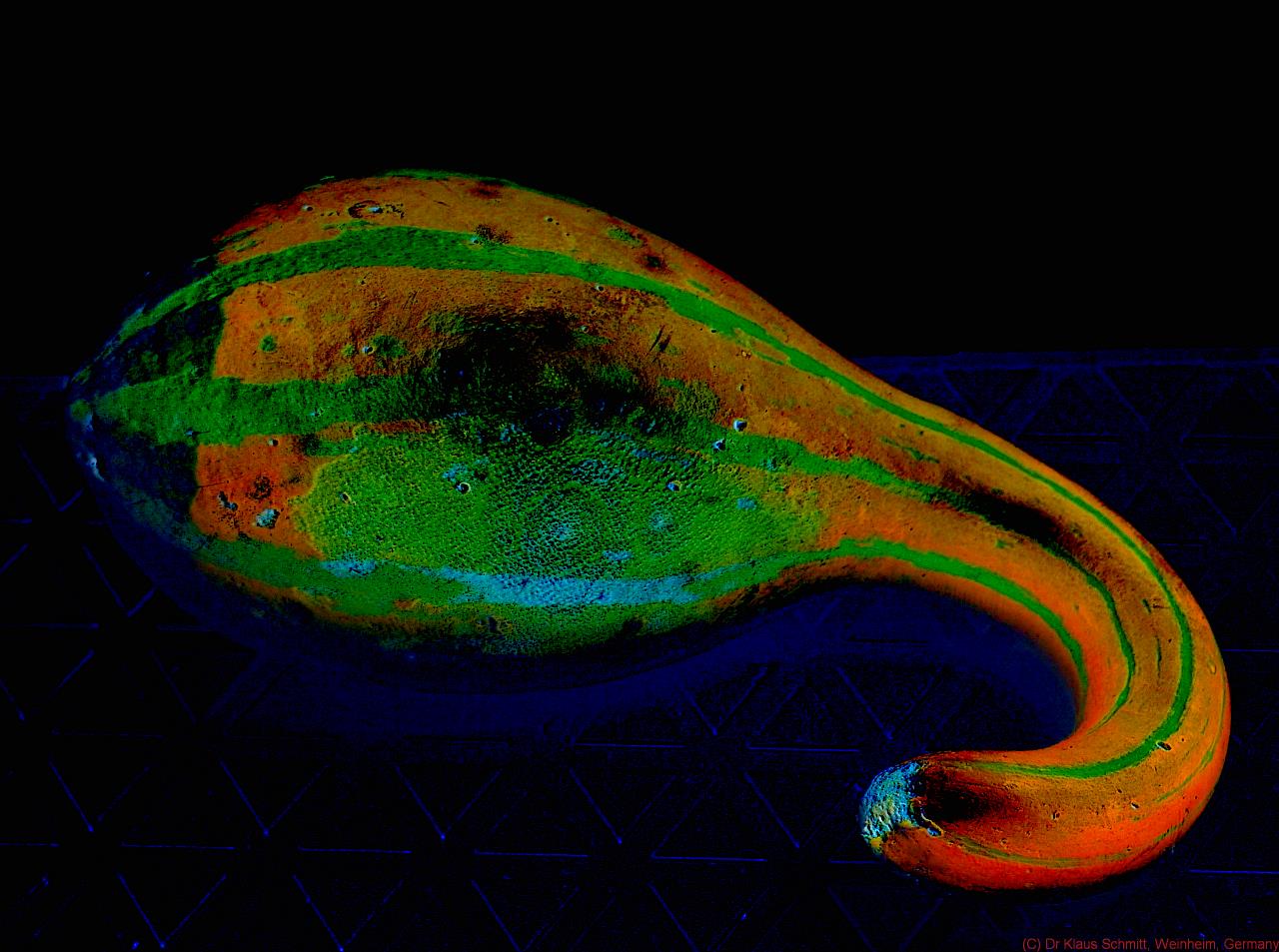
Today about mold on a gourd and making that visible using reflected UV photography using my "work horse" UV filter, the Baader-U filter. Lens used was an older enlarger lens. Light source was a modified for UV high power Xenon flash.

Here now some results: [click on image to see a larger one]

visible light image using UV/IR cut filter:
 

UV image using Baader-U filter (approx. 320-395nm, effective peak approx. 375nm):
 

Differential image VIS - UV:


Well, as one can see, UV and visible image contribute differently to that mold, UV bounces off right from teh surface, while visible light penetrates a bit deeper, which the differential image makes quite visible.

Stay tuned, more will follow on that fascinating subject...

More info on this very interesting field may be found on my site http://www.pbase.com/kds315/uv_photos

Monday, January 14, 2013

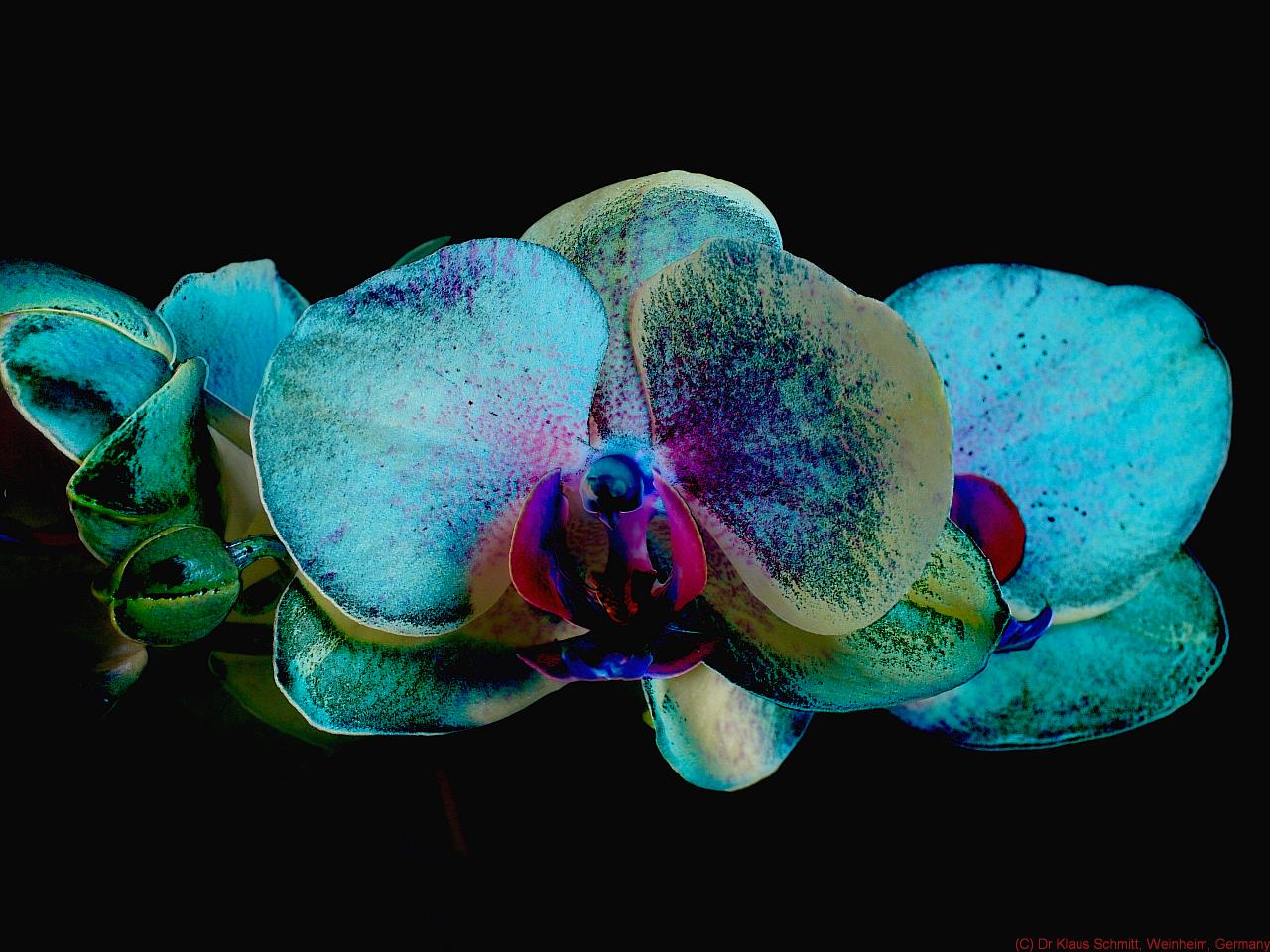
Deep UV reflected photography - Uranus-U filter

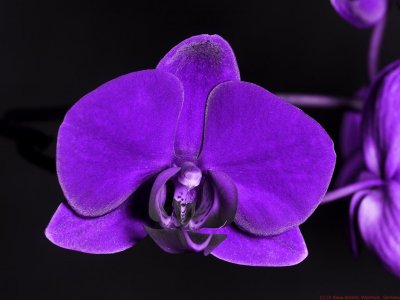
Today again about that Phalaenopsis orchid, but this time used as a target for deep UV reflected photography. Usually I use my "work horse" UV filter, the Baader-U filter, but this time also the Saturn-U (300-350nm, eff. 325nm) and Uranus-U (300-325nm, eff. 313nm) filter, the latter newly introduced here now. Lens used was the 94mm CERCO quartz fluorite lens. Light source was a modified for UV high power Xenon flash.

Here now some results: [click on image to see a larger one]

visible light image using UV/IR cut filter:
 

UV image using Baader-U filter (approx. 320-395nm, effective peak approx. 375nm):
 

UV image using Jupiter-U filter (approx. 280-385nm, effective peak approx. 365nm):
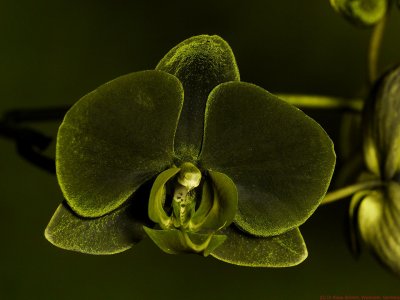
 

UV image using Saturn-U filter (approx. 300-350nm, effective peak approx. 325nm):
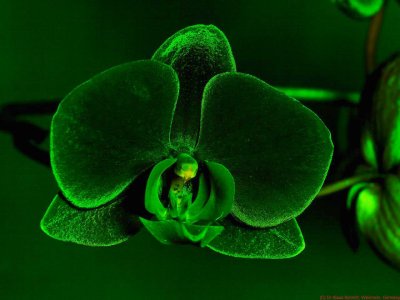
 

UV image using Uranus-U filter (approx. 300-325nm, effective peak approx. 313nm):
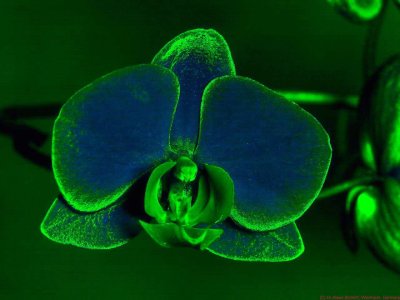


Interesting to notice, how the visible details change when the used wavelength gets shorter and the appearance of that turquoise color. I'm looking forward to testing this with flowers having more prominent UV patterns, once spring is here...

Stay tuned, more will follow on that fascinating subject...

More info on this very interesting field may be found on my site http://www.pbase.com/kds315/uv_photos