Sunday, February 23, 2014

Spring Flowers 2014: Tussilago farfara - Coltsfoot - 80mm Quartz Fluorite lens for reflected ultraviolet photography II

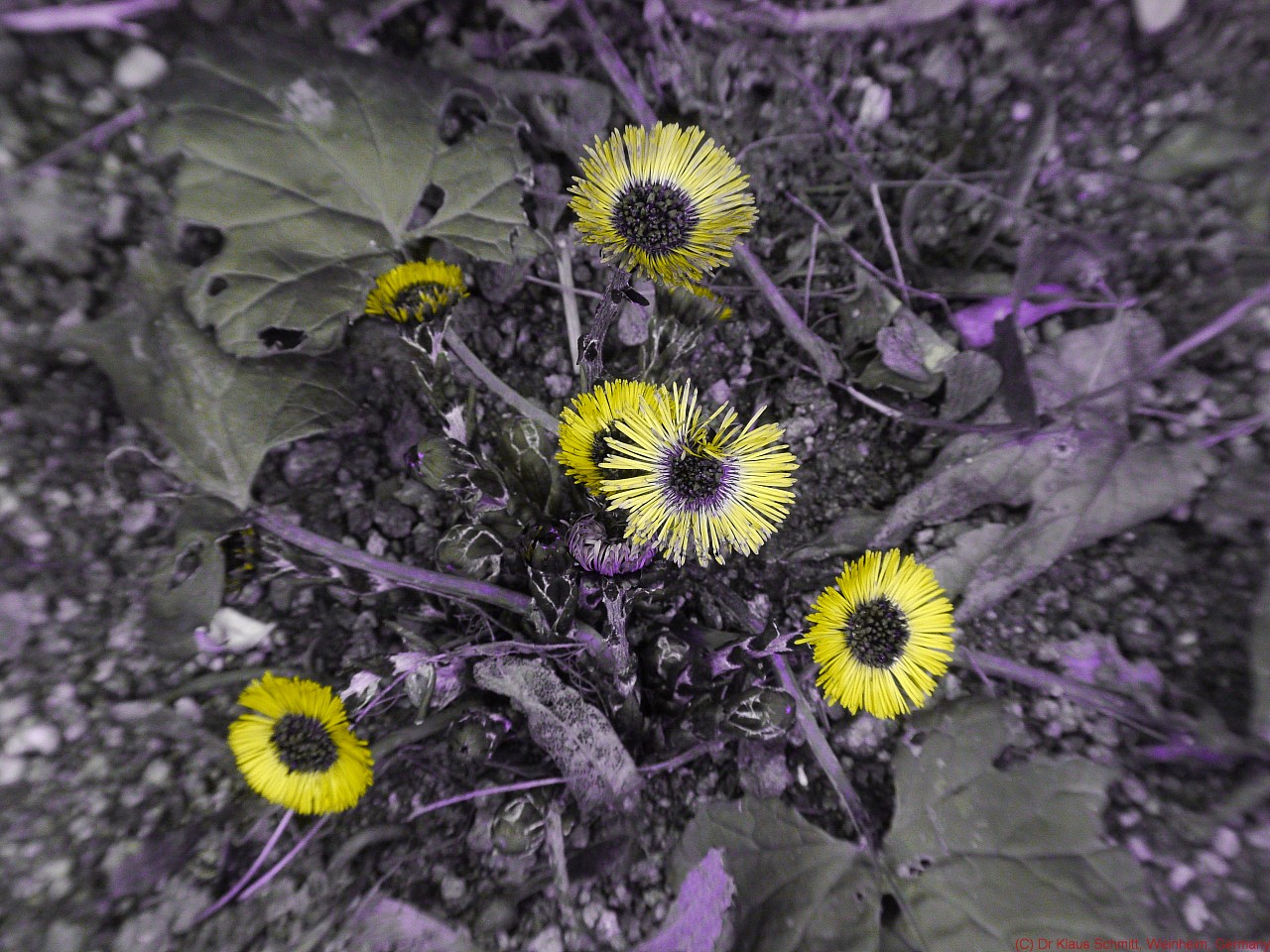
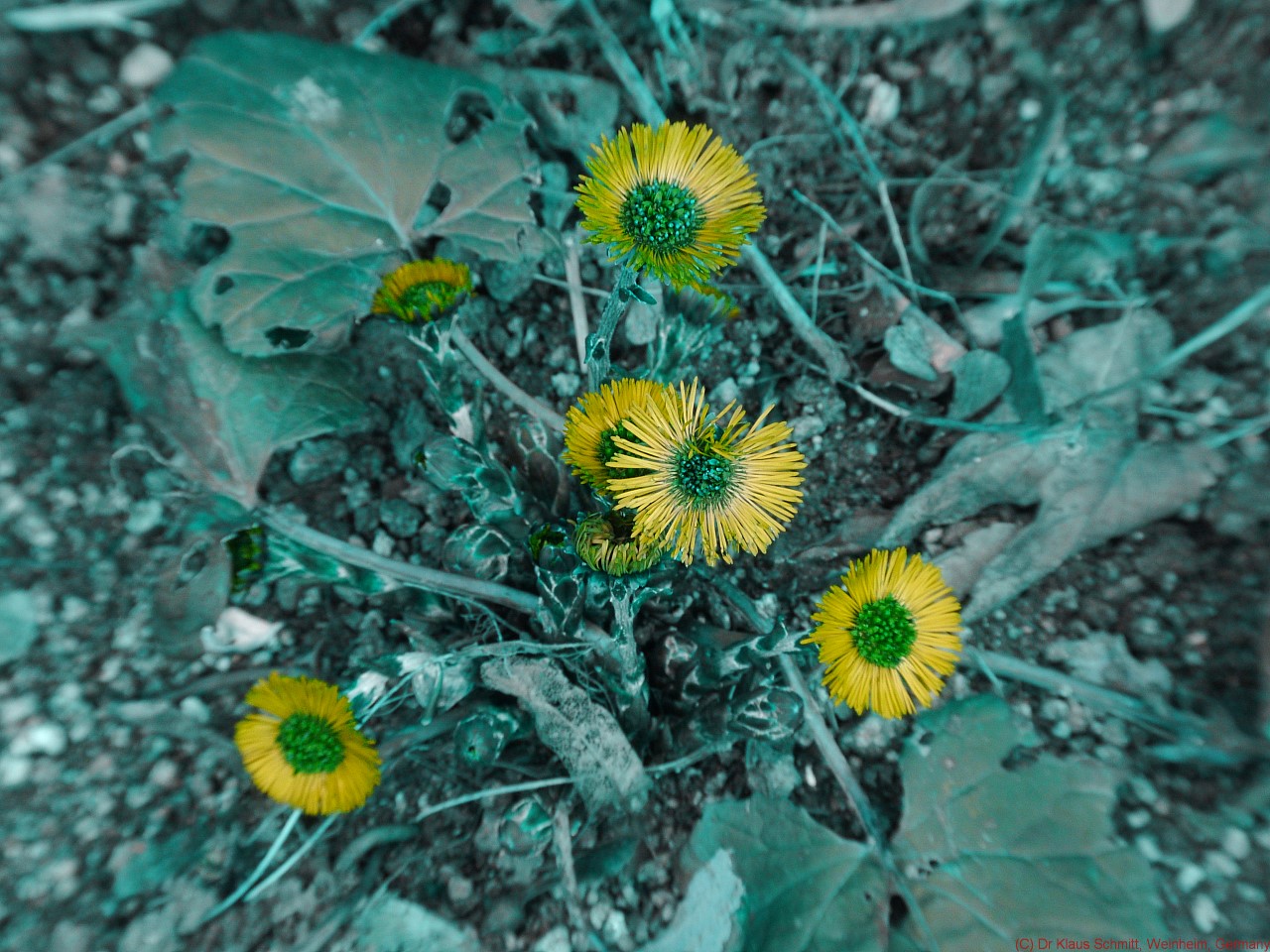
Here now more studio shots of that well known Tussilago farfara - Coltsfoot early spring flower. Shots were done aside from visible photography in reflected ultraviolet using Baader-U filter and in simulated bee vision using my XBV6 filter. Lens used was my X80QF f3.2 / 80mm Quartz Fluorite lens. Light source was a modified Xenon flash. All shots were done at approx. f8.

[click on image to see a larger one]

Visible light image:  

UV image using Baader-U filter (approx. 320-395nm, effective peak approx. 375nm):  

Simulated bee vision image using experimental XBV filter:  

Triptych of the above images:  


This Coltsfoot flower has a well known bulls-eye UV pattern, its center is UV dark, whereas its petals strongly reflect around 365nm. This older quartz fluorite lens is reproducing this quite well also in the studio and all that gets nicely visible.

There are "in situ" shots of that flower HERE.

Stay tuned, more will follow on that fascinating subject...

Spring Flowers 2014: Tussilago farfara - Coltsfoot - 80mm Quartz Fluorite lens for reflected ultraviolet photography

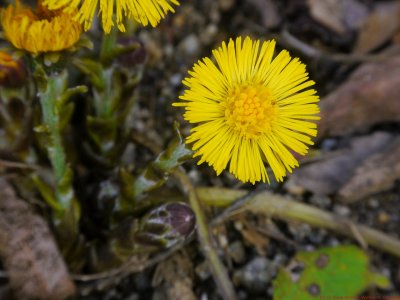
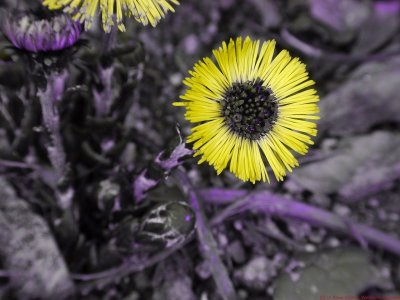
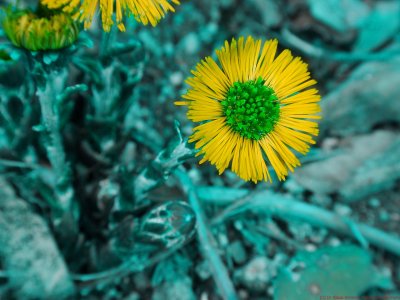
Well, spring finally seem to have arrived in Weinheim where I live, so here a few shots of some first spring flowers, the well known Tussilago farfara - Coltsfoot . Shots were done aside from visible photography in reflected ultraviolet using Baader-U filter and in simulated bee vision using my XBV6 filter. Lens used was my X80QF f3.2 / 80mm Quartz Fluorite lens. Light source was sun. All shots were done at approx. f8.

[click on image to see a larger one]

Visible light image:  
UV image using Baader-U filter (approx. 320-395nm, effective peak approx. 375nm):  
Simulated bee vision image using experimental XBV filter:  
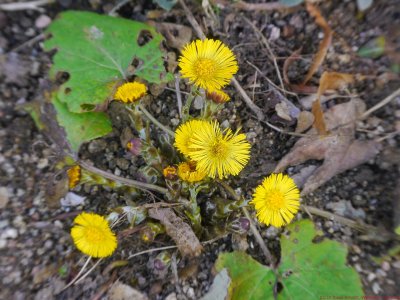
And here shots of the whole plant:
Visible light image:  
UV image using Baader-U filter (approx. 320-395nm, effective peak approx. 375nm):  
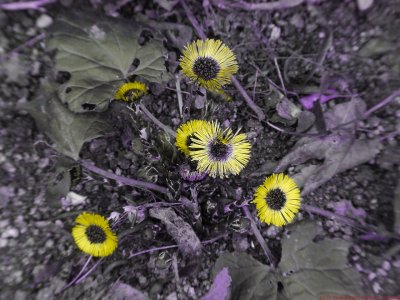
Simulated bee vision image using experimental XBV filter:  
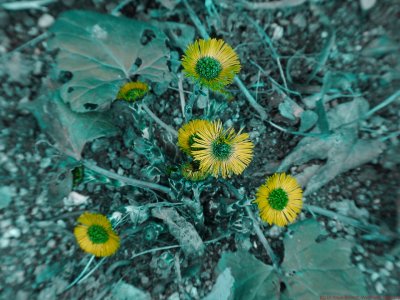

This Coltsfoot flower has a well known bulls-eye UV pattern, its center is UV dark, whereas its petals strongly reflect around 365nm, making it aan easy target for the first bees in spring. This older quartz fluorite lens is reproducing this quite well and all that gets nicely visible.

There is another thread with studio images of that flower HERE

Stay tuned, more will follow on that fascinating subject...

Spring Flowers 2014: Iris reticulata - 80mm Quartz Fluorite lens for reflected ultraviolet photography

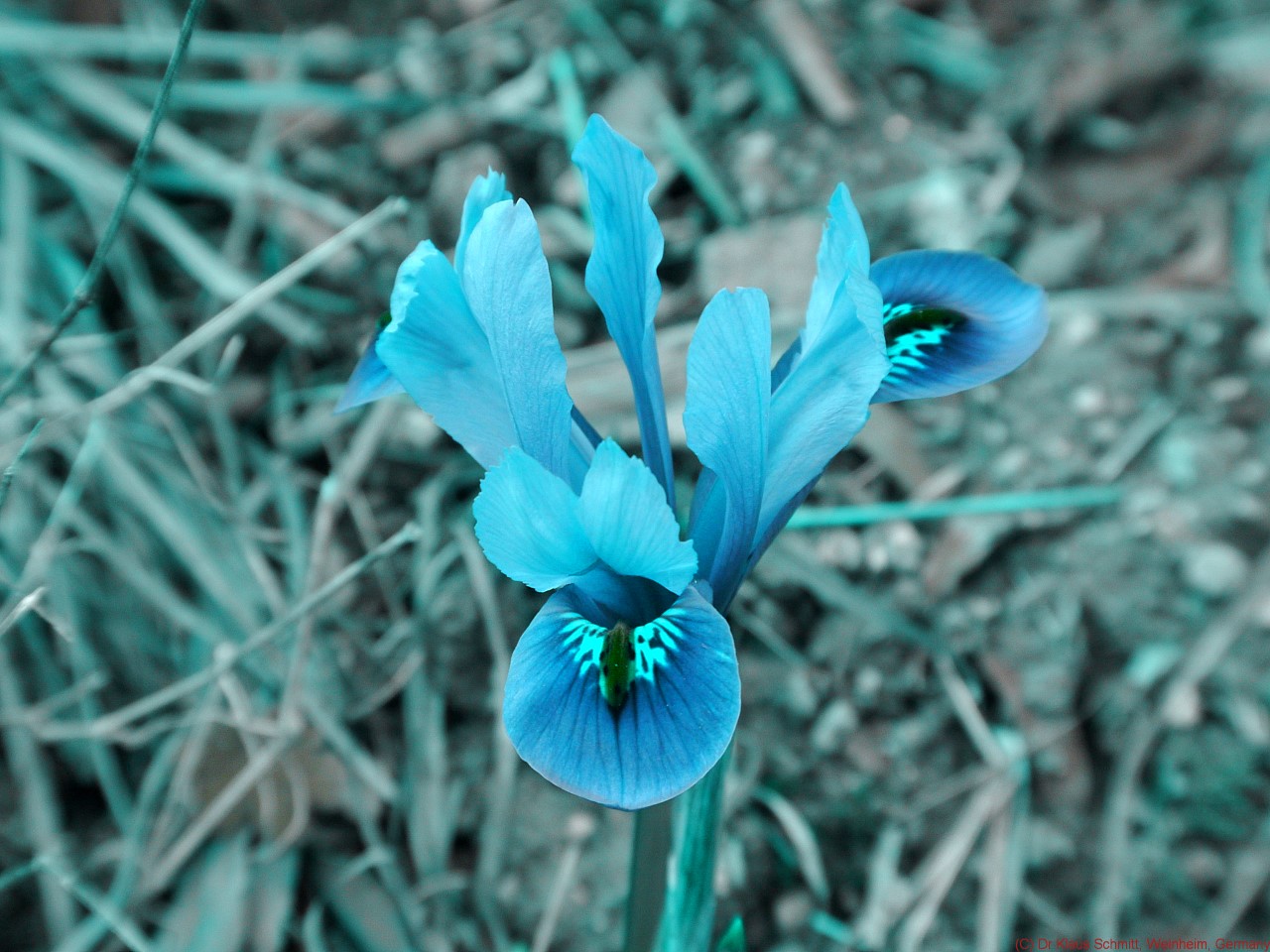
Well, spring finally seem to have arrived in Weinheim where I live, so here a few shots of some first spring flowers, like that Iris reticulata . Shots were done aside from visible photography in reflected ultraviolet using Baader-U filter and in simulated bee vision using my XBV6 filter. Lens used was my X80QF f3.2 / 80mm Quartz Fluorite lens. Light source was sun. All shots were done at approx. f8.

[click on image to see a larger one]

Visible light image:  

UV image using Baader-U filter (approx. 320-395nm, effective peak approx. 375nm):  

Simulated bee vision image using experimental XBV filter:  


This iris has a UV pattern, its petal "lips" are UV dark, wheras the rest of the petals reflect stronger around 380nm. This older quartz fluorite lens is reproducing this quite well and all that gets nicely visible.


Stay tuned, more will follow on that fascinating subject...

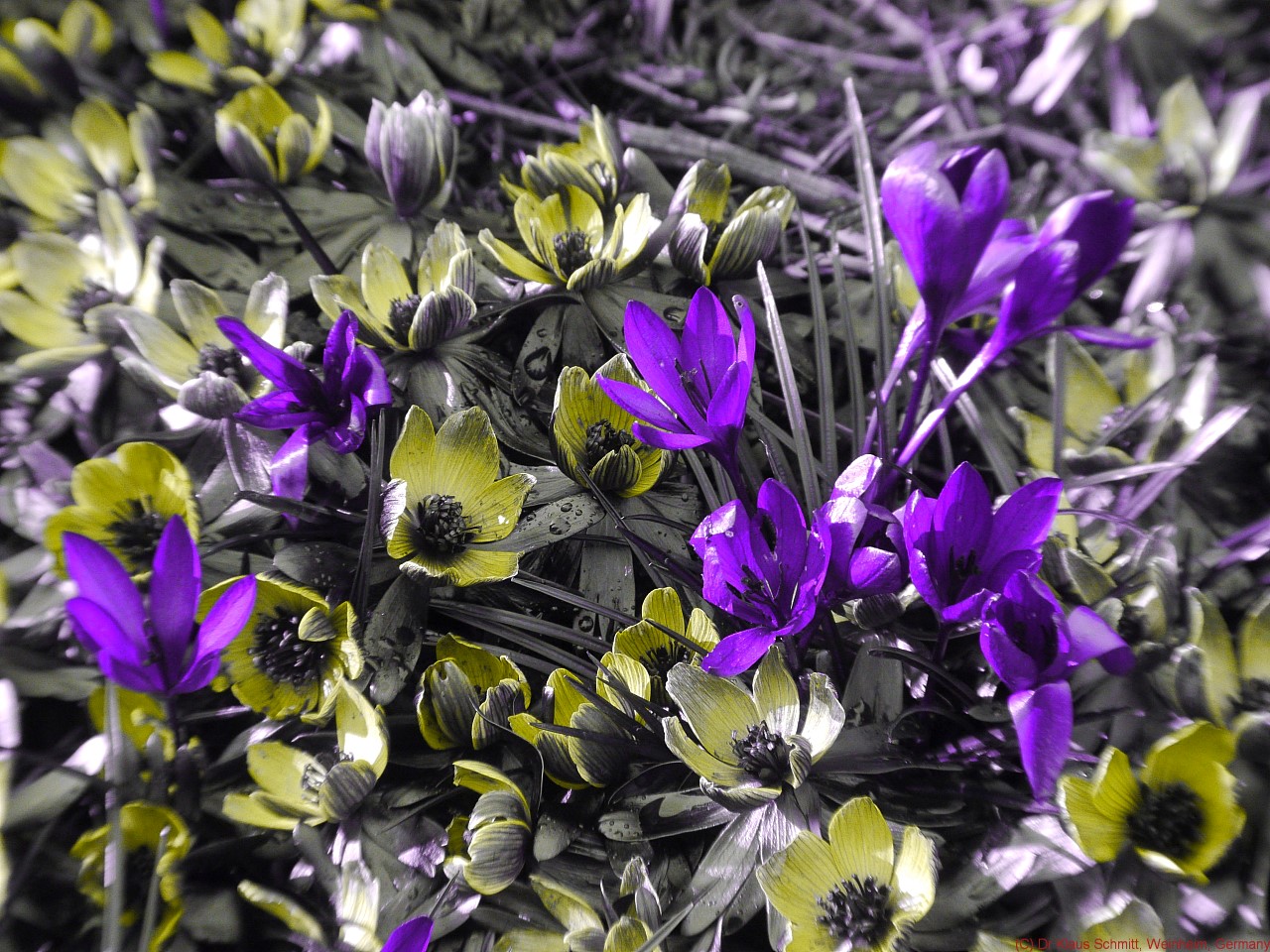
Spring Flowers 2014: Competing for bee attention - 80mm Quartz Fluorite lens for reflected ultraviolet photography

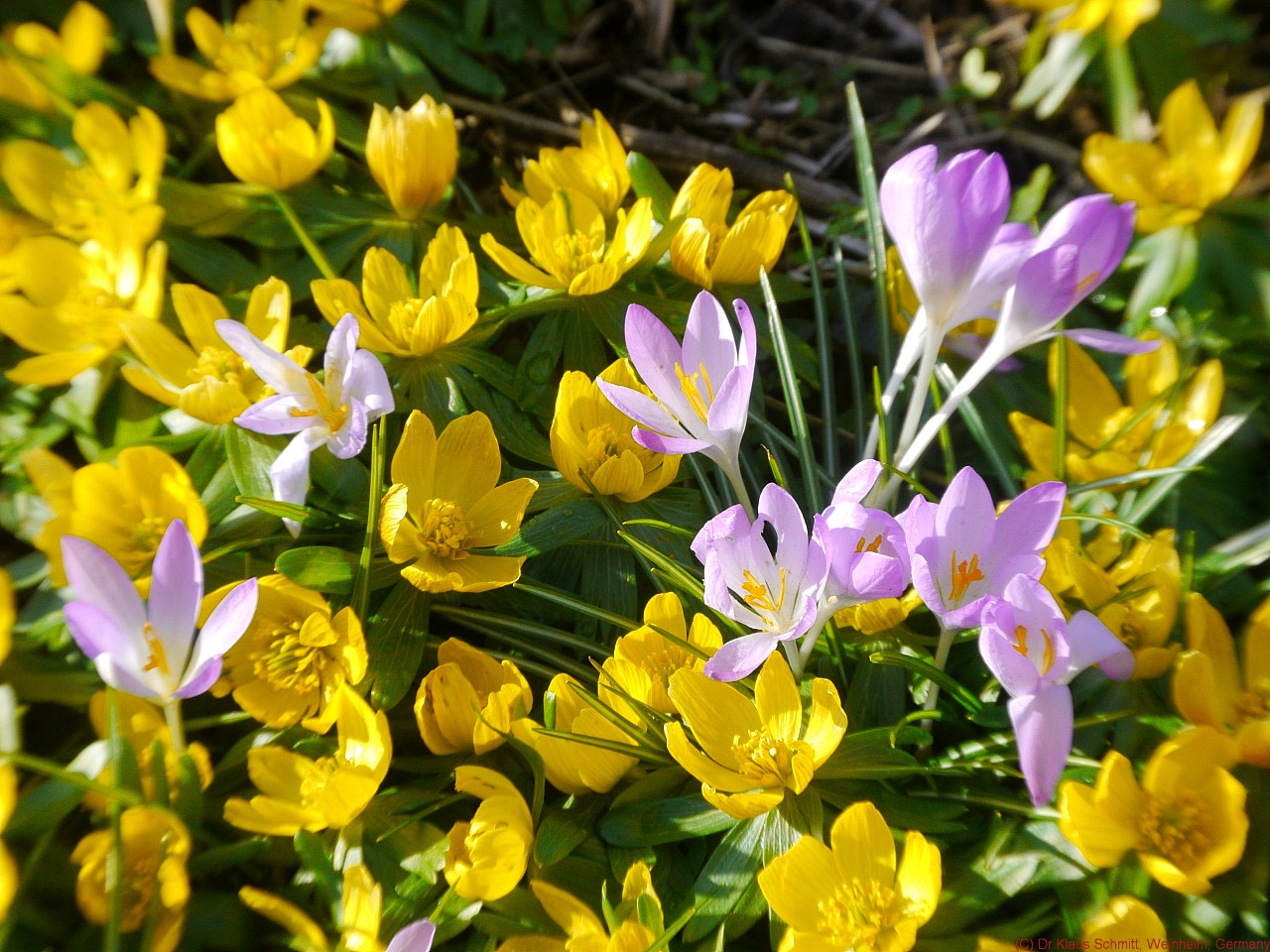
Well, spring finally seem to have arrived in Weinheim where I live, so here a few shots of some first spring flowers, Crocus and Winter Aconite, obviously competing for bee's attention. Shots were done aside from visible photography in reflected ultraviolet using Baader-U filter and in simulated bee vision using my XBV6 filter. Lens used was an older f3.2 / 80mm Quartz Fluorite lens. Light source was sun. All shots were done at approx. f8.

[click on image to see a larger one]

Visible light image:  

UV image using Baader-U filter (approx. 320-395nm, effective peak approx. 375nm):  

Simulated bee vision image using experimental XBV filter:  


It is quite interesting to notice that Winter Aconite with UV reflection around 365nm and Crocus reflecting UV around 380nm are competing for bee's attention. I wonder which one wins, there haven't been many bees aroudn, mainly bumble bees, but I guess the Crosus does. This older quartz fluorite lens is reproducing this quite well and all that gets nicely visible.


Stay tuned, more will follow on that fascinating subject...

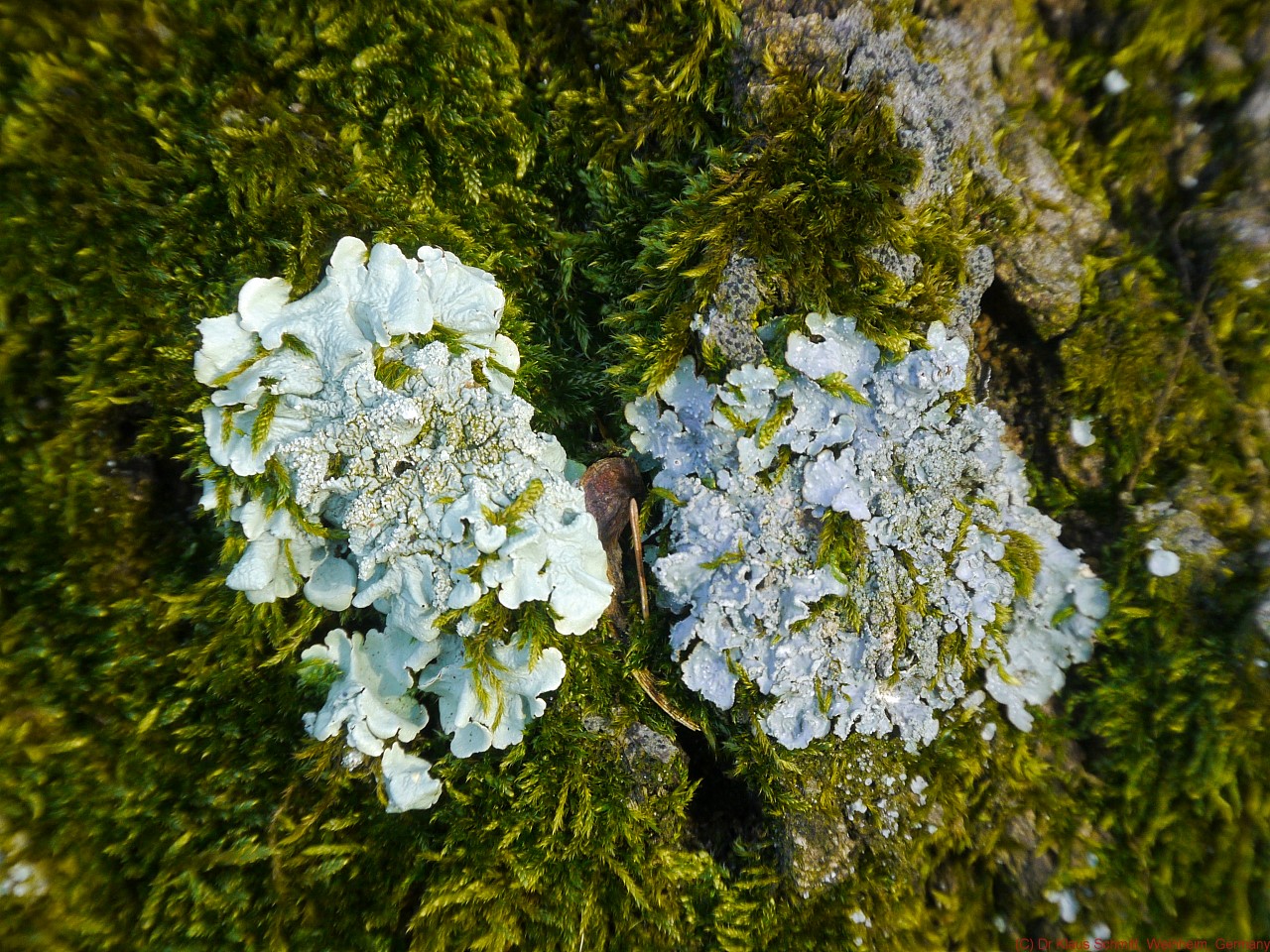
Lichen - 80mm Quartz Fluorite lens for reflected ultraviolet photography

Well, today a few shots of some unidentified lichen I found today growing on an old oak tree Lichen. Shots were done aside from visible photography in reflected ultraviolet using Baader-U filter, and just out of curiosity, in simulated bee vision using my XBV6 filter. Lens used was an older f3.2 / 80mm Quartz Fluorite lens. Light source was sun. All shots were done at approx. f8.

[click on image to see a larger one]

Visible light image:  

UV image using Baader-U filter (approx. 320-395nm, effective peak approx. 375nm):  

Simulated bee vision image using experimental XBV filter:  


It is quite interesting to see how these two different lichen types look so very similar to us humans, but seen in ultraviolet light, they appear very different (so they do to bees)! Before I have noticed (Link below), that this UV reflection might be an indicator for alive lichen. This older quartz fluorite lens is reproducing this quite well and all that gets nicely visible.

I have written about Lichen before HERE.

Stay tuned, more will follow on that fascinating subject...
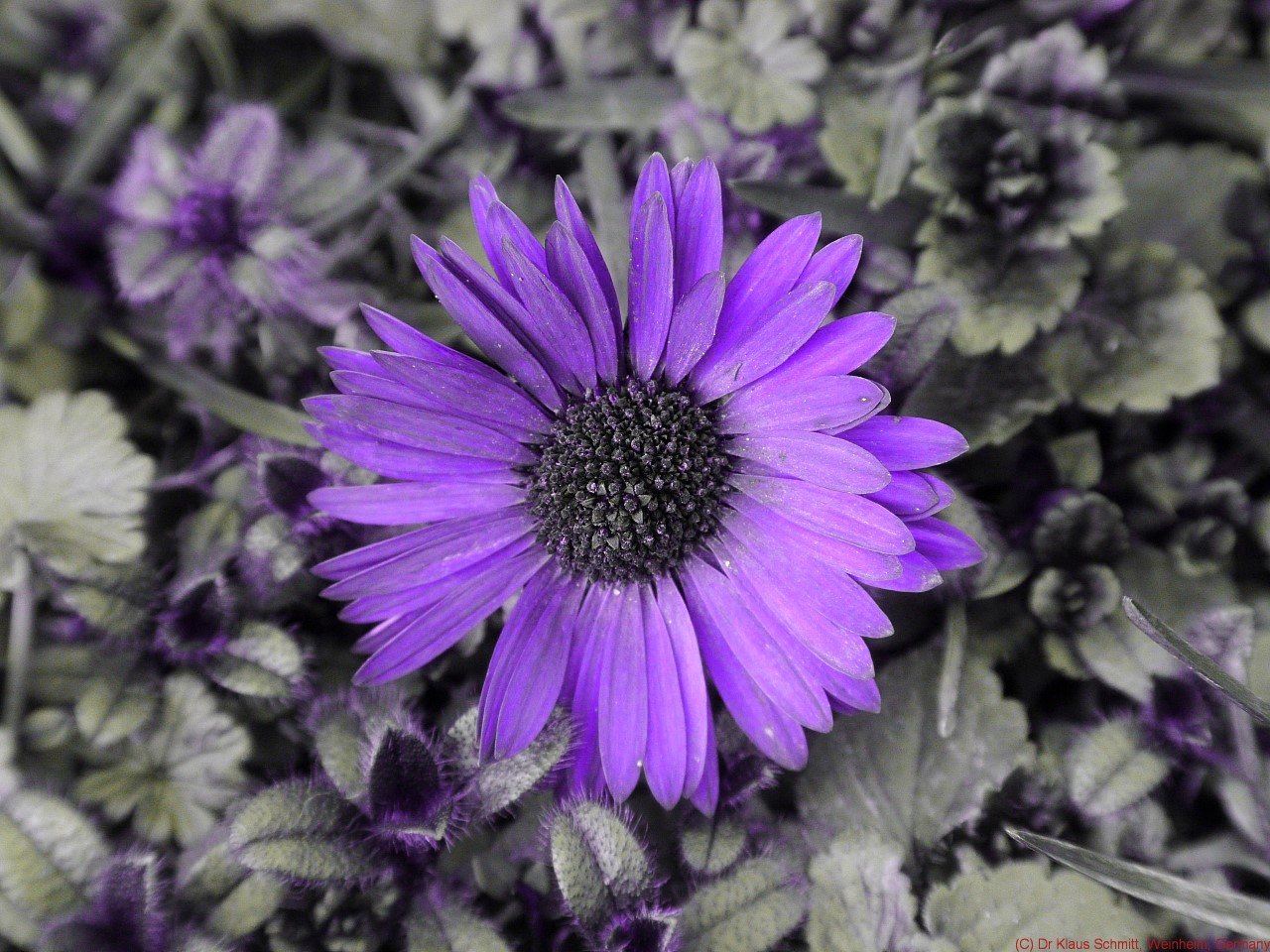
Spring Flowers 2014: Bellis perennis - Common Daisy - 80mm Quartz Fluorite lens for reflected ultraviolet photography

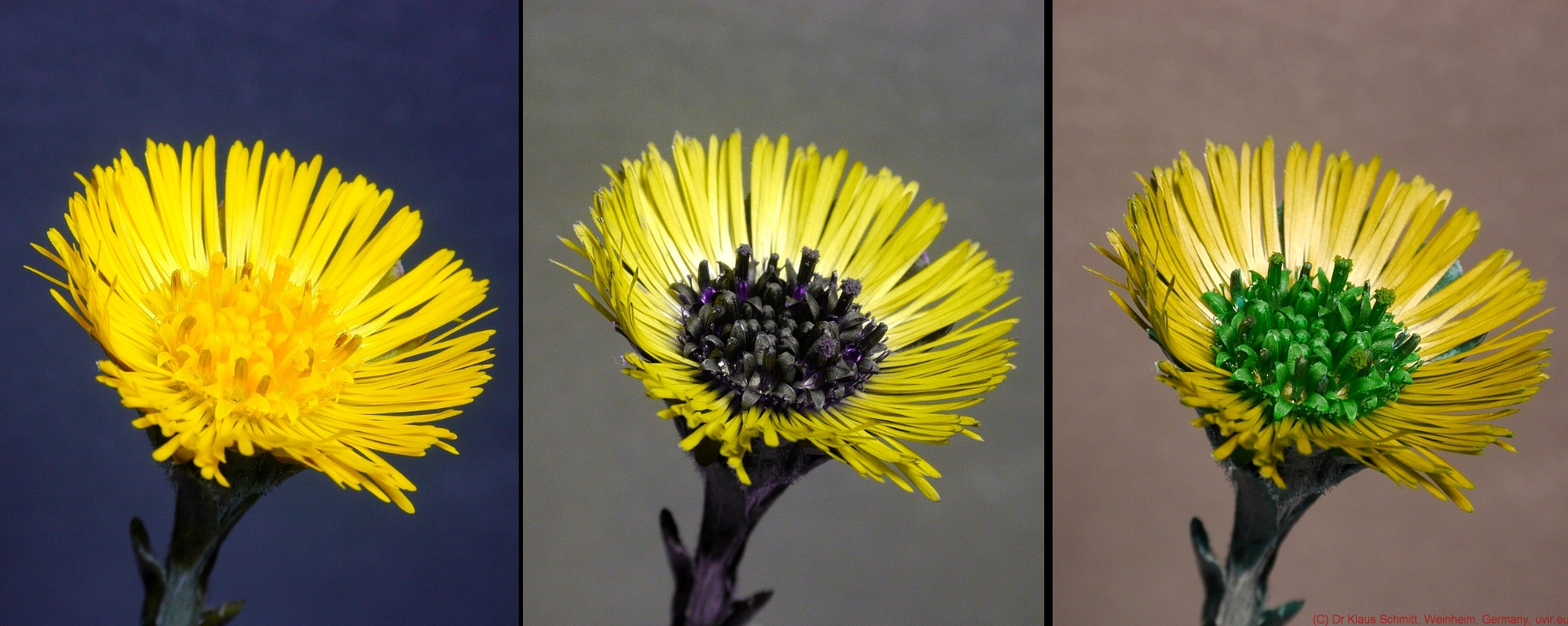
Well, spring finally seem to have arrived in Weinheim where I live, so here a few shots of some first spring flowers, like that Bellis perennis - Common Daisy.. Shots were done aside from visible photography in reflected ultraviolet using Baader-U filter and in simulated bee vision using my XBV6 filter. Lens used was an older f3.2 / 80mm Quartz Fluorite lens. Light source was sun. All shots were done at approx. f8.

[click on image to see a larger one]

Visible light image:  

UV image using Baader-U filter (approx. 320-395nm, effective peak approx. 375nm):  

Simulated bee vision image using experimental XBV filter:  


Common Daisy has a bulls-eye UV pattern, its center is UV dark, and the petals are UV reflective aroudn 380nm. This older quartz fluorite lens is reproducing this quite well and all that gets nicely visible.


Stay tuned, more will follow on that fascinating subject...

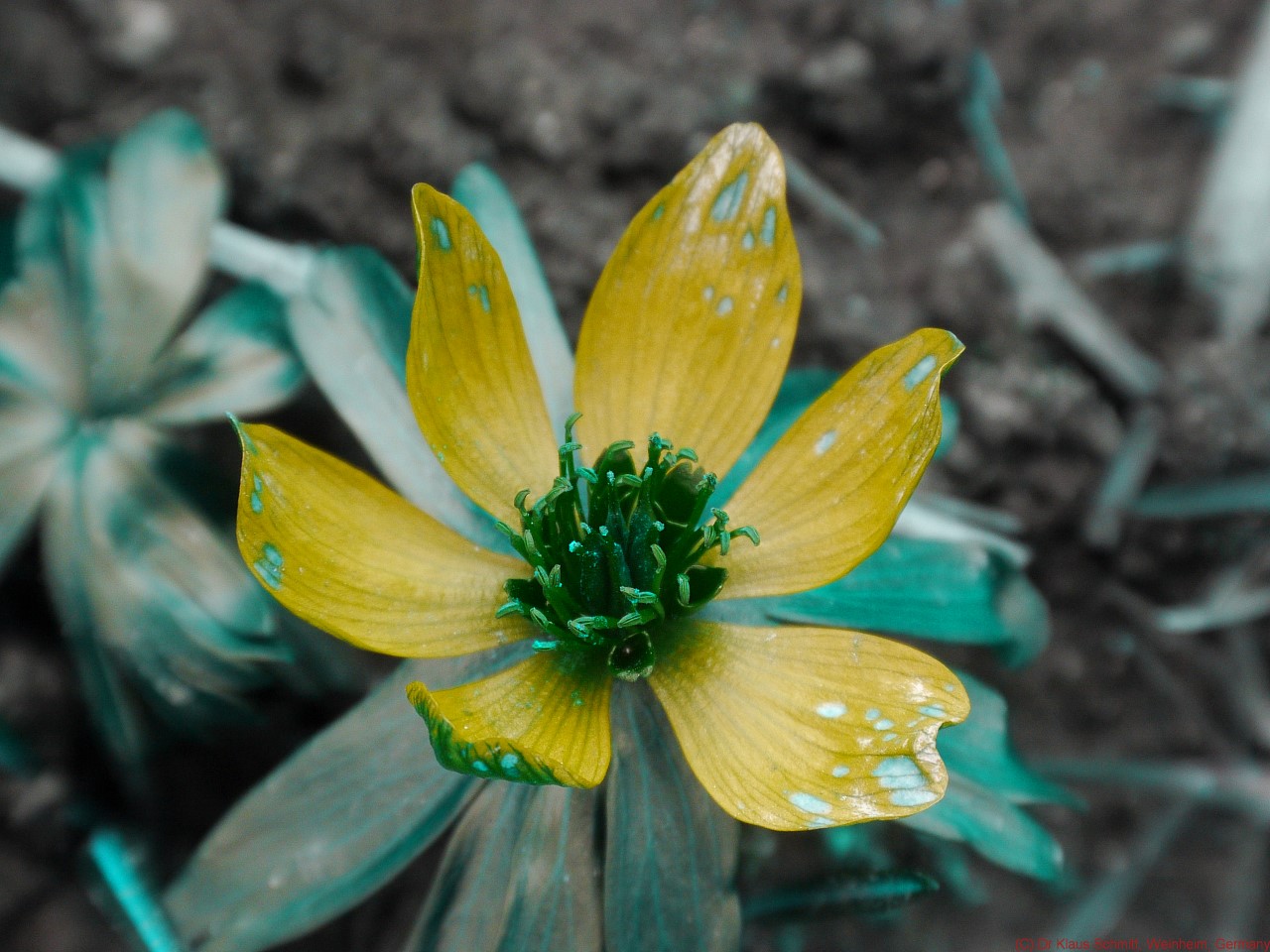
Spring Flowers 2014: Eranthis hyemalis - Winter Aconite - 80mm Quartz Fluorite lens for reflected ultraviolet photography

Well, spring finally seem to have arrived in Weinheim where I live, so here a few shots of some first spring flowers, like that Eranthis hyemalis - Winter Aconite.. Shots were done aside from visible photography in reflected ultraviolet using Baader-U filter and in simulated bee vision using my XBV6 filter. Lens used was an older f3.2 / 80mm Quartz Fluorite lens. Light source was sun. All shots were done at approx. f8.

[click on image to see a larger one]

Visible light image:  

UV image using Baader-U filter (approx. 320-395nm, effective peak approx. 375nm):  

Simulated bee vision image using experimental XBV filter:  


Winter Aconite has a prominent UV pattern, its center (anthers, stamen) is UV dark, and the petal ground seems to have some highly reflecting spots radially centered around the stamen. This older quartz fluorite lens is reproducing this quite well and all that gets nicely visible.


Stay tuned, more will follow on that fascinating subject...