Tuesday, June 18, 2013

Treasury flower - Gazania rigens in deep reflected ultraviolet photography III

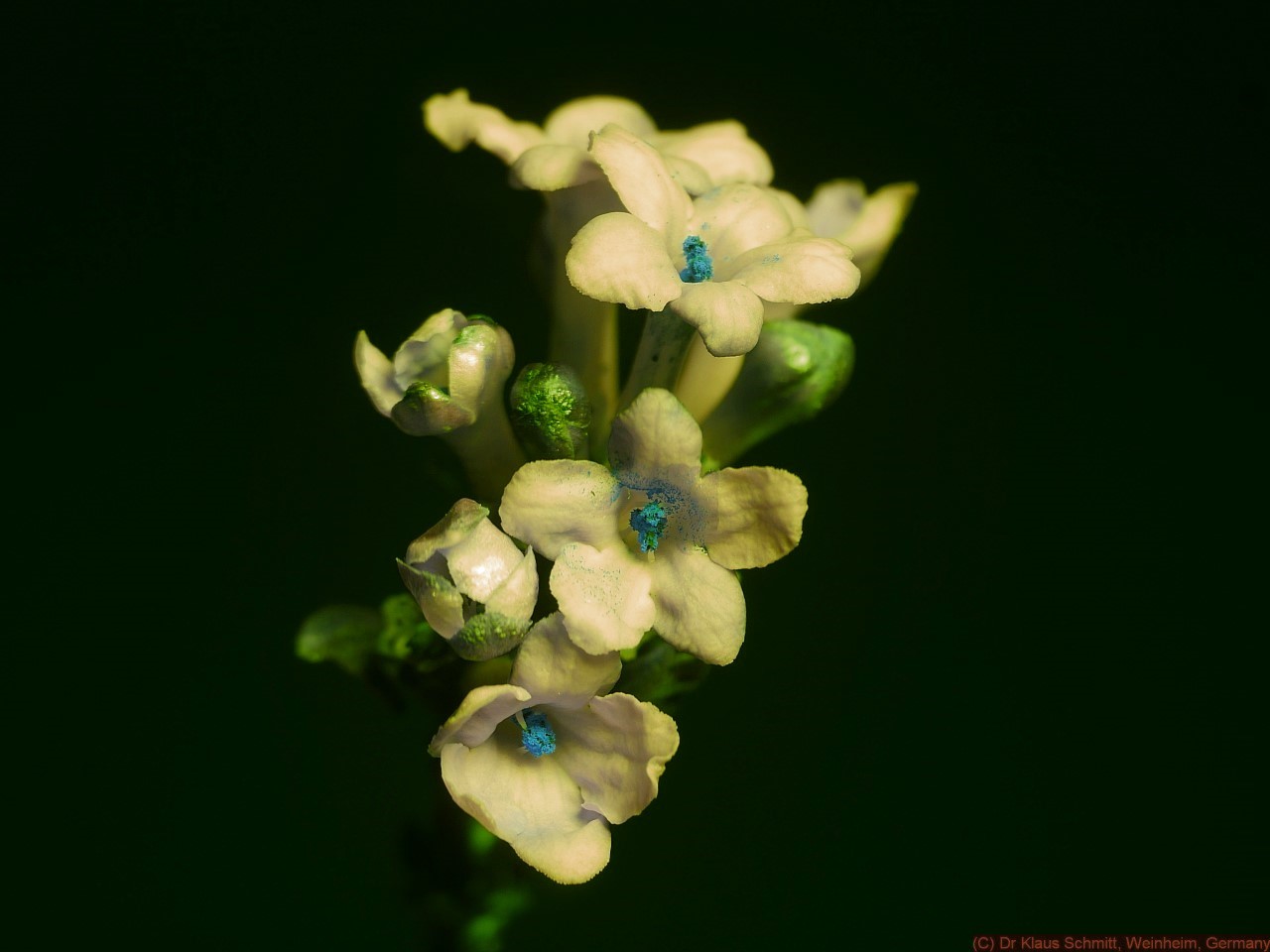
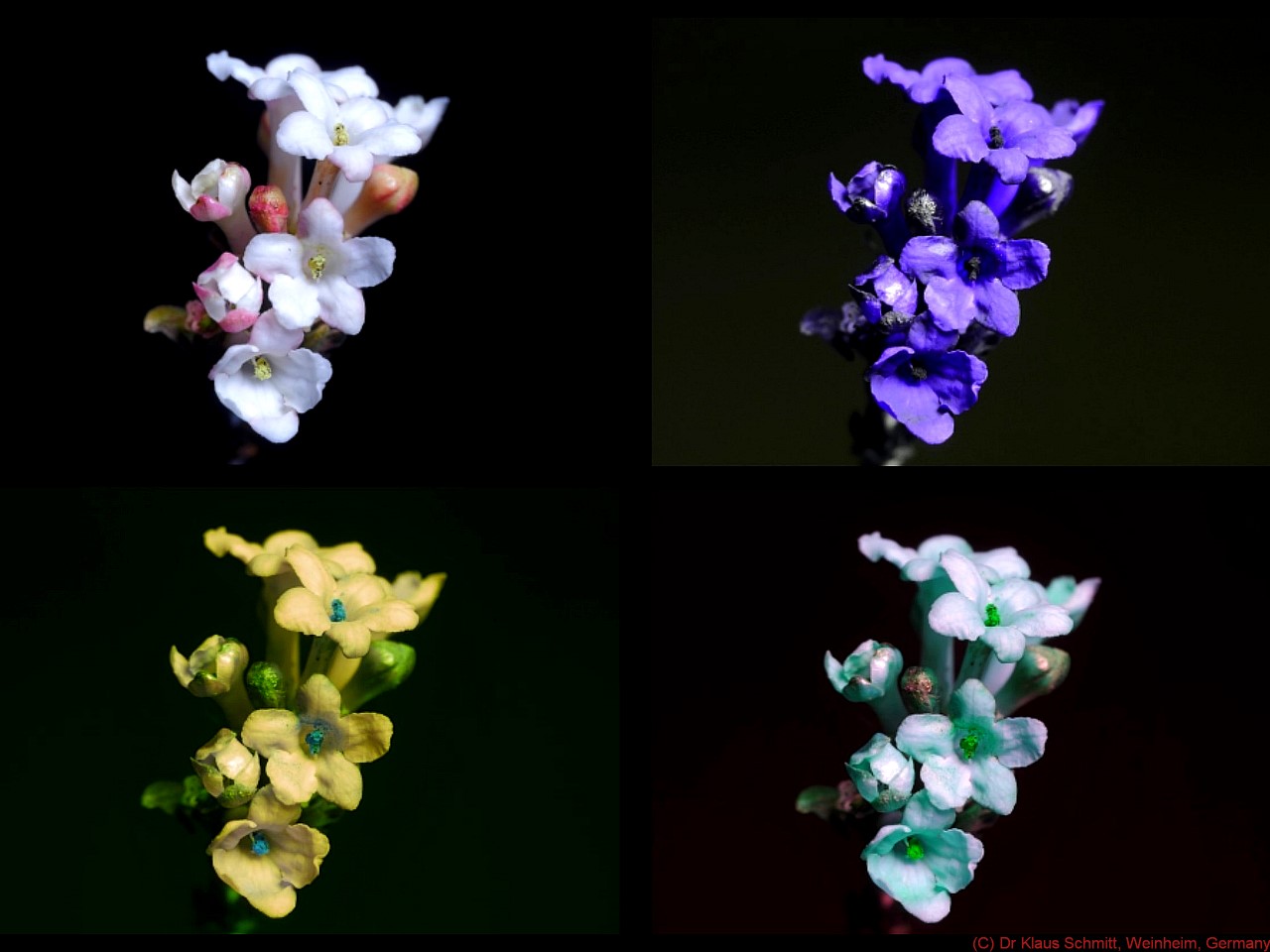
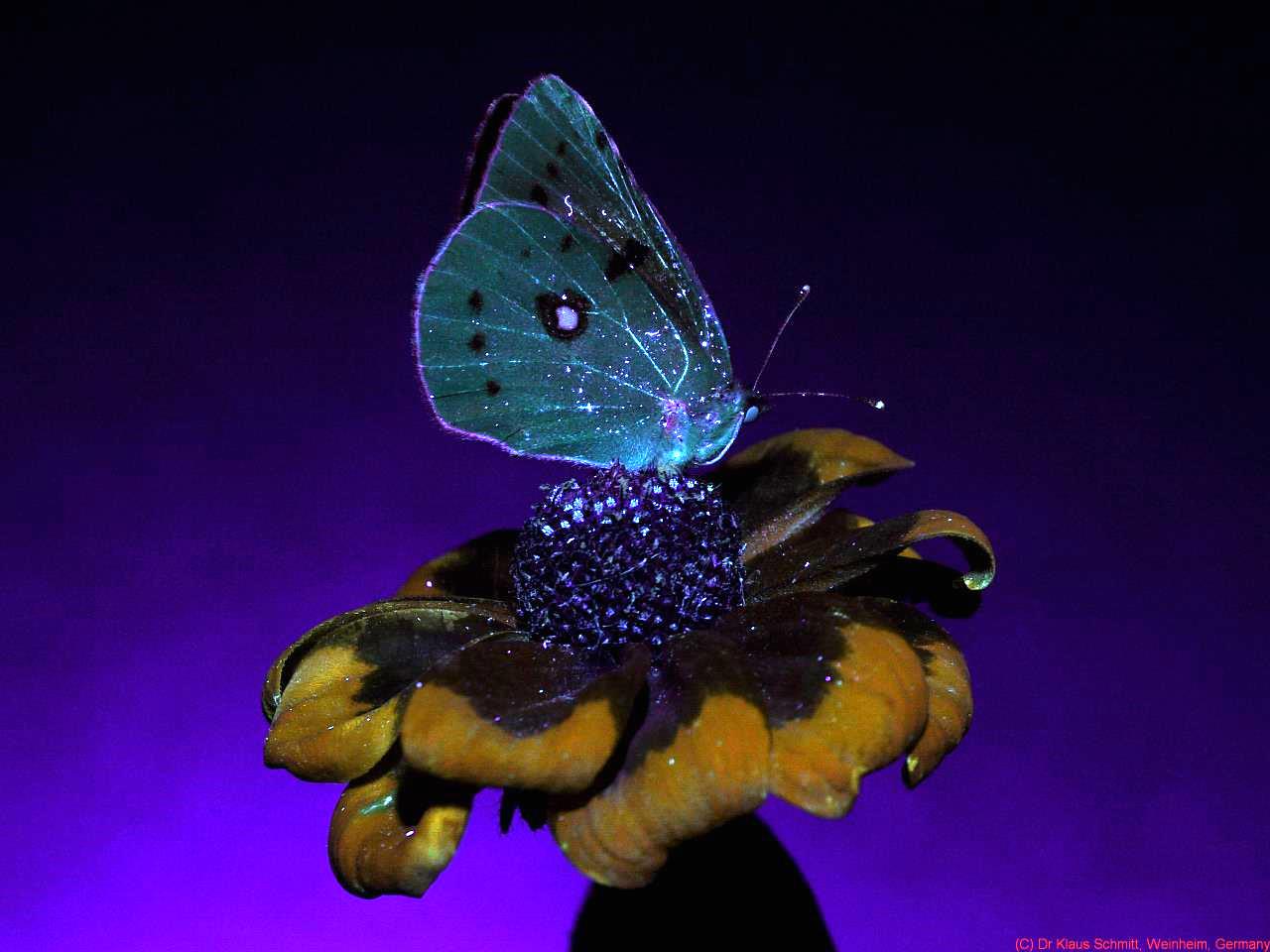
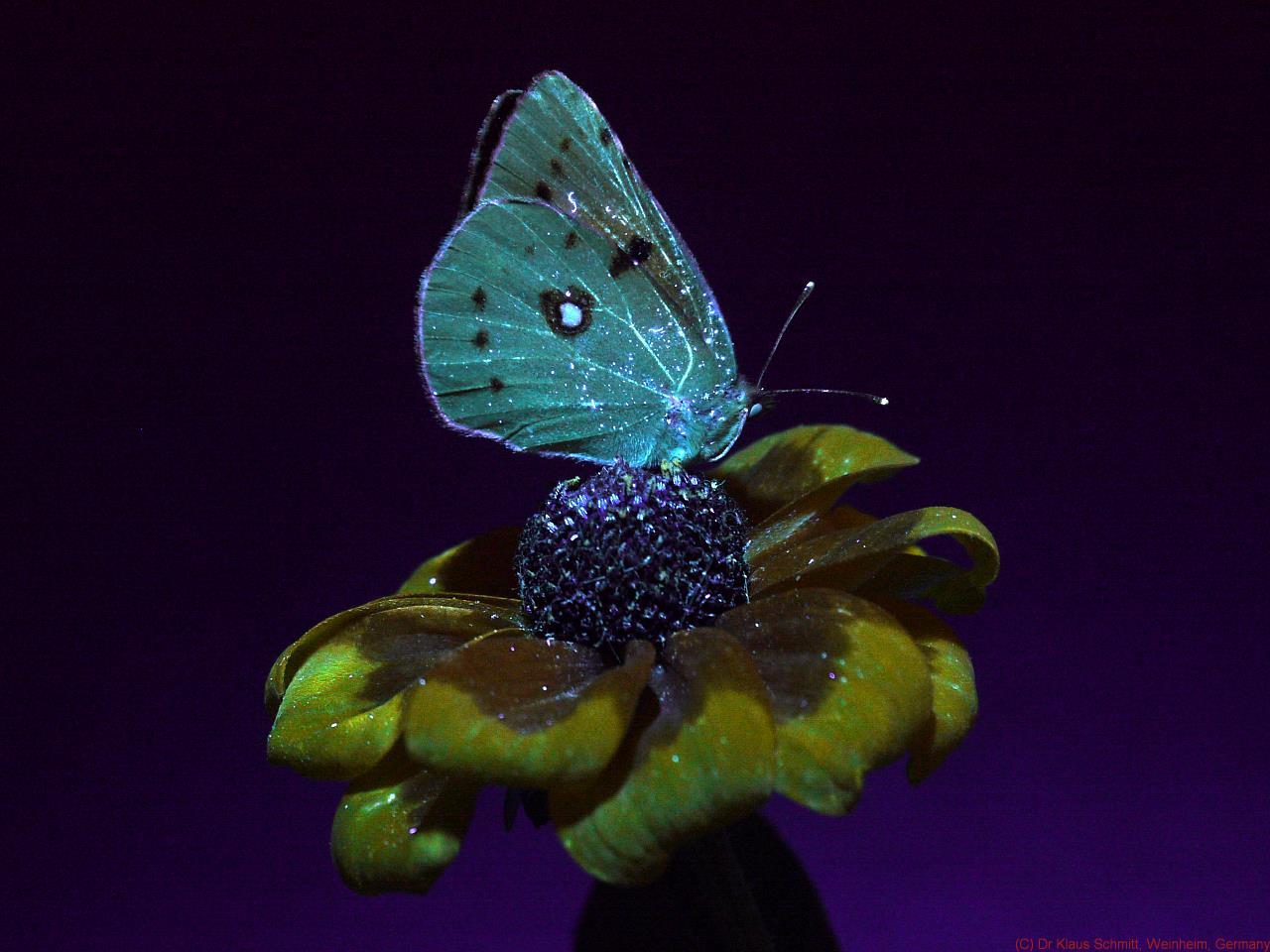
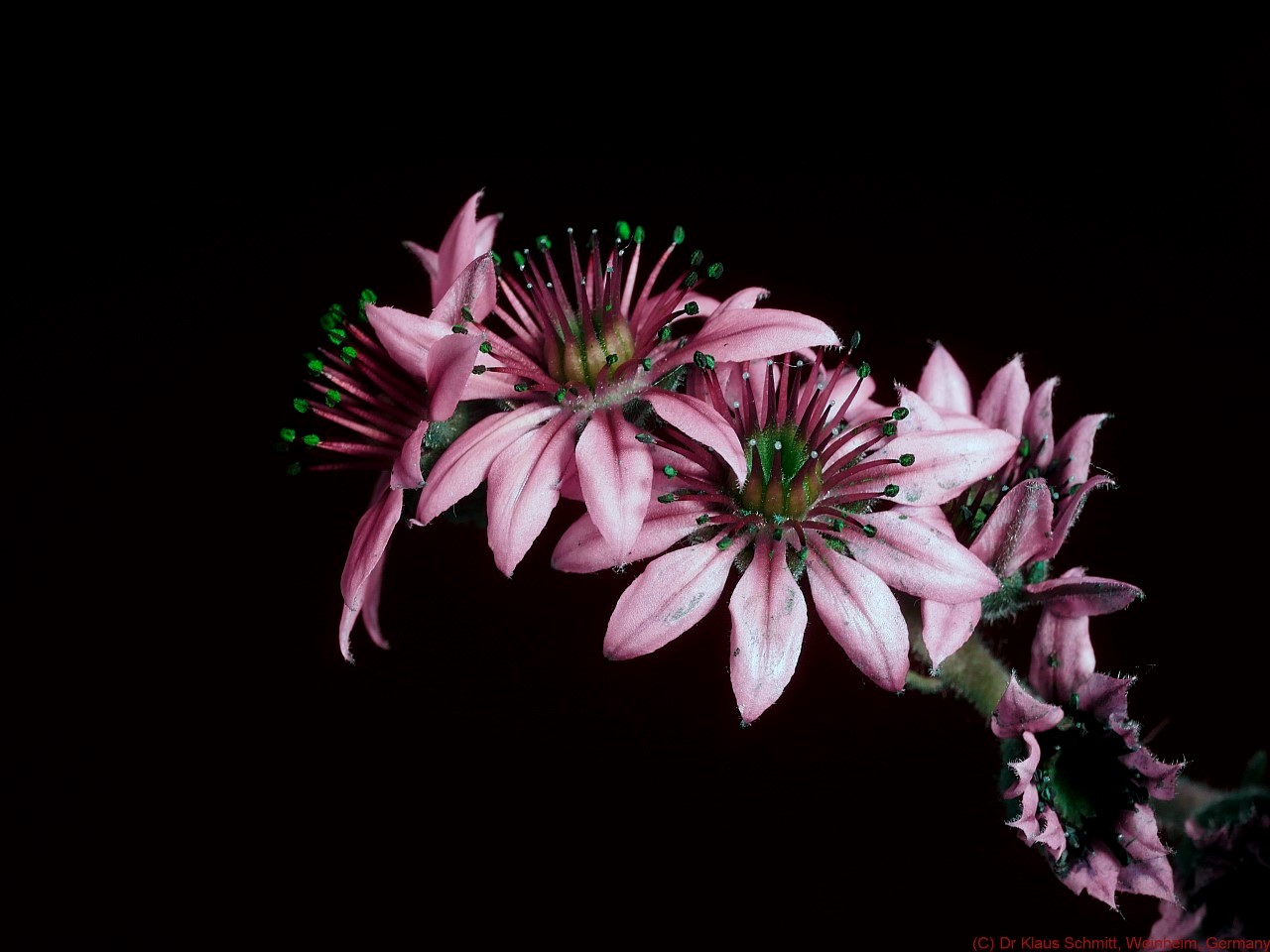
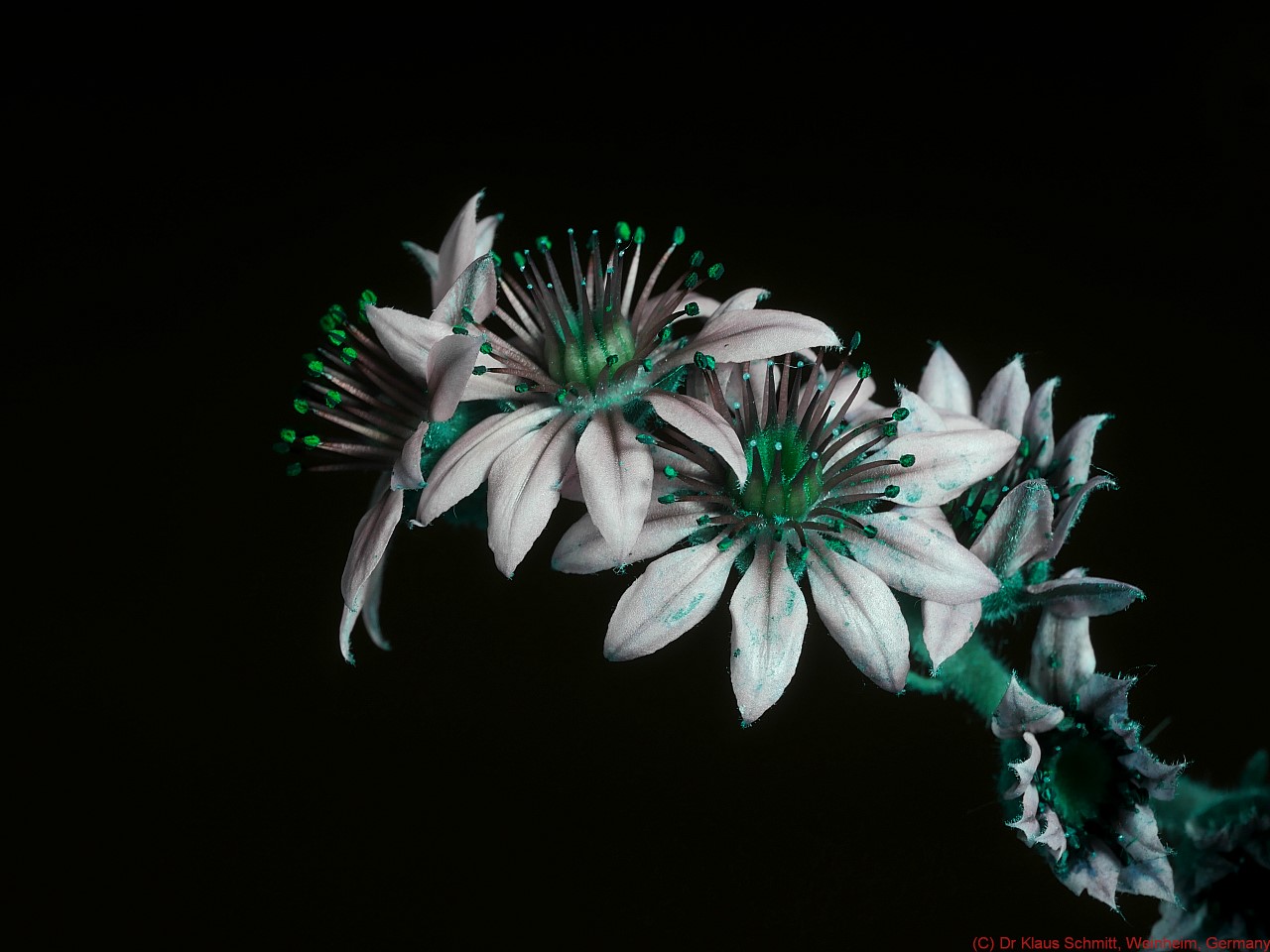
Today about the same Gazania flower Treasury flower - Gazania rigens in reflected ultraviolet photography using my "work horse" UV filter, the Baader-U filter, but this time comparing them to two other UV transmitting filters, a stack for longer wave UV using Schott UG1 and one for shorter using Schott UG11 plus as IR blocker Schott S8612 filter. But this time every image was individually white balanced. Lens used was the 94mm CERCO quartz fluorite lens. Light source was a modified for UV high power Xenon flash.

[click on image to see a larger one]

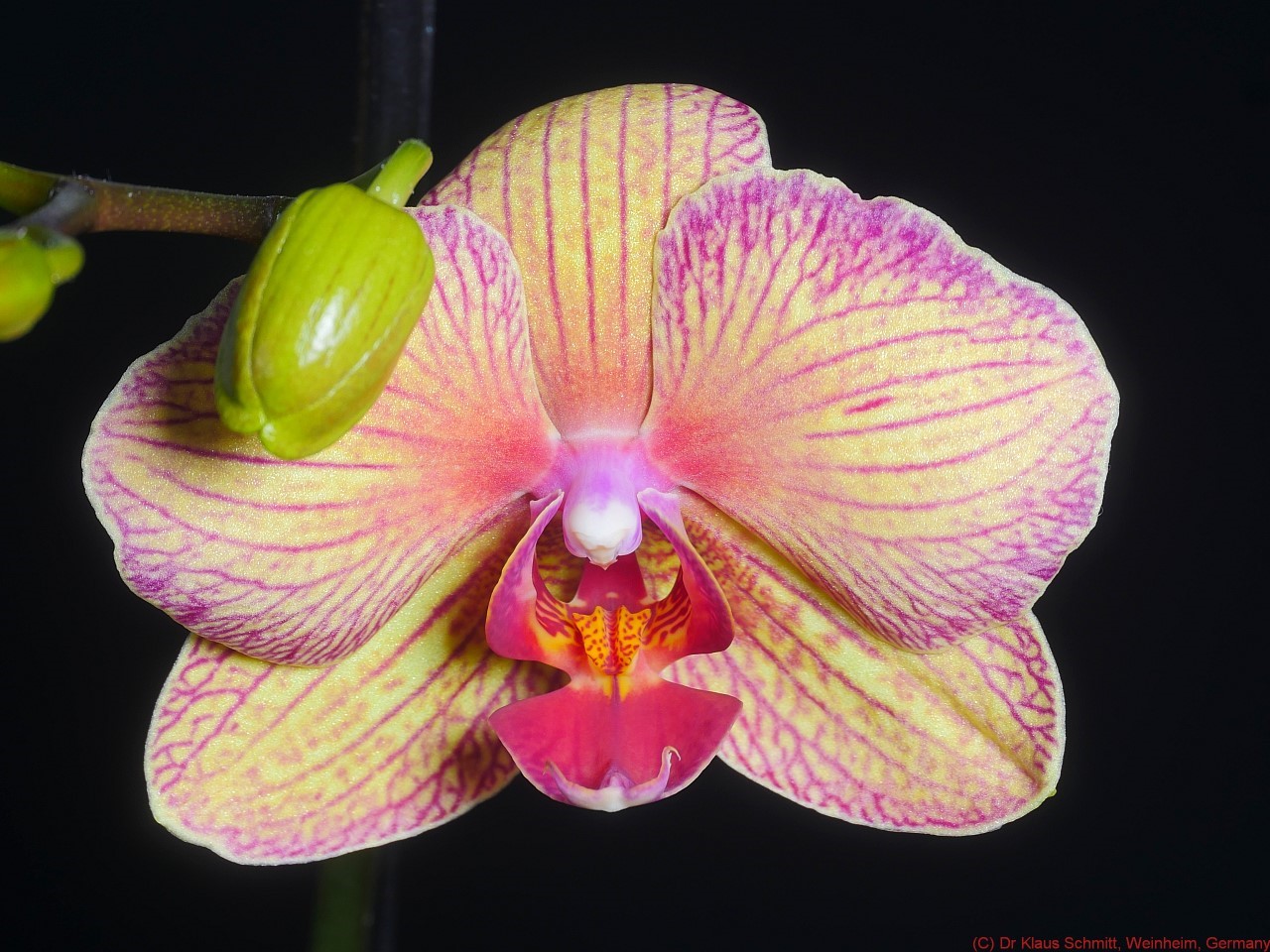
Visible light image using UV/IR cut filter:
 

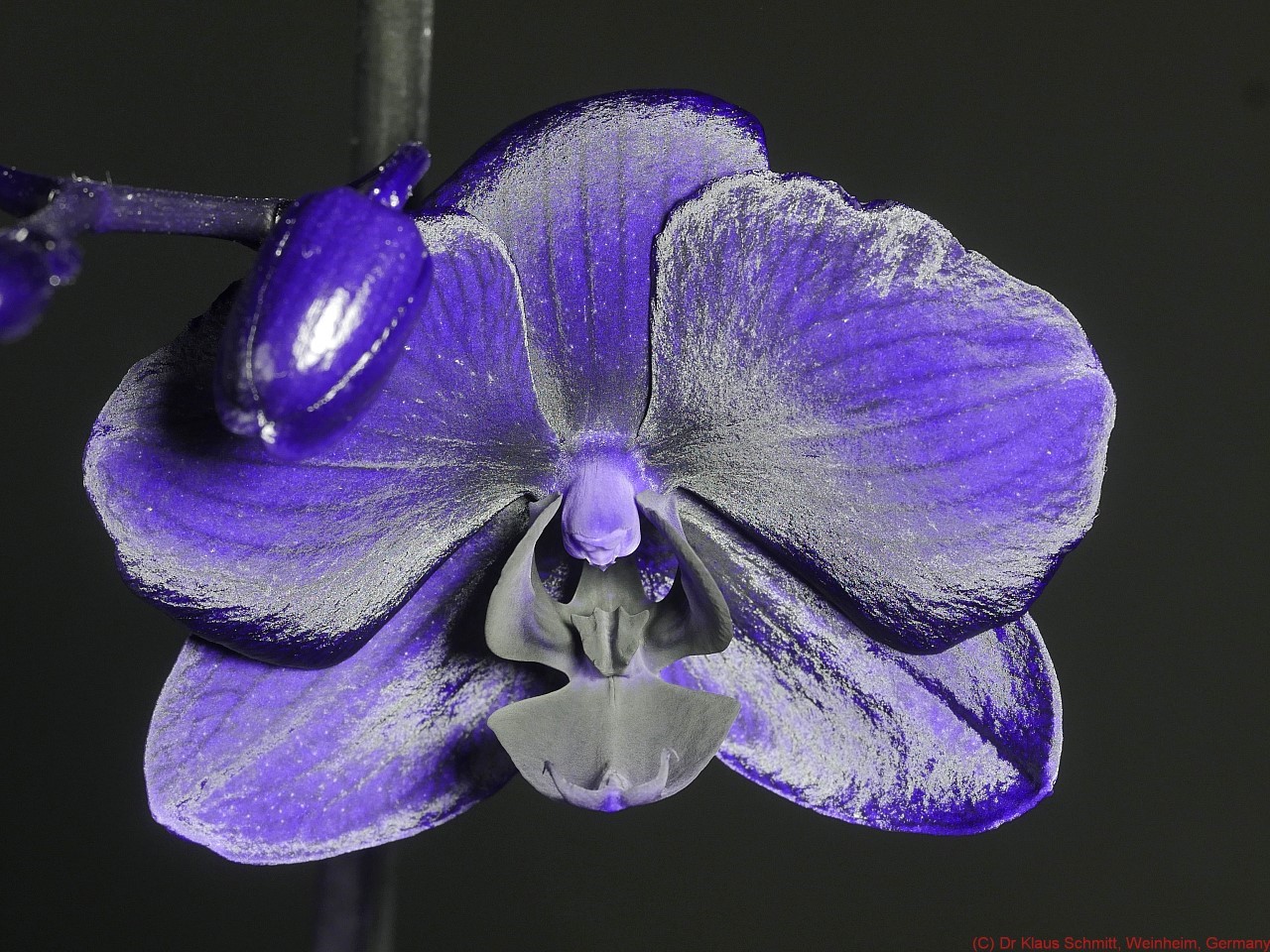
UV image using Baader-U filter (approx. 320-395nm, effective peak approx. 375nm):
 

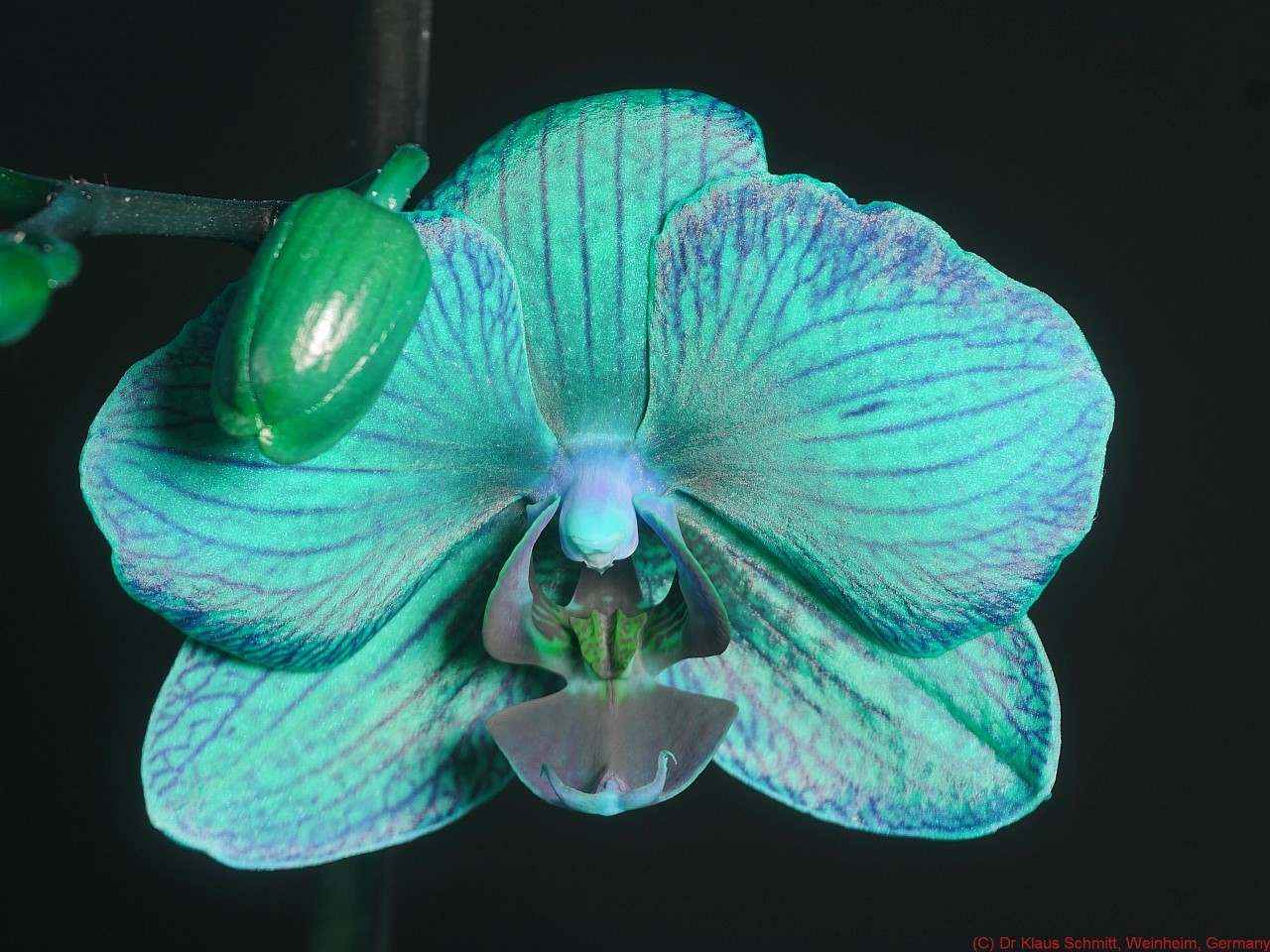
UV image using a UG11 filter stack:
 

UV image using Jupiter-U filter:
 

UV image using a UG1 filter stack:


Interesting to notice, that those very different UV filters produce quite similar results, the deeper into UV reaching ones with finer details, the one rather on the long wave UV end, like the UG1 based filter stack shows less details and tints the image bluish, the latter most likely because of some blue leakage. Seemingly the UG11 + S8612 filter stack as well as the Jupiter-U filter produces quite similar detailled results than the Baader-U filter, but need more exposure and show some greenish overall hue. All that gets nicely visible.

I have written about that flower and those filters previously HERE.

Stay tuned, more will follow on that fascinating subject...

More info on this very interesting field may be found on my site http://www.pbase.com/kds315/uv_photos

Sunday, June 16, 2013

Treasury flower - Gazania rigens in deep reflected ultraviolet photography II

Today about the same Gazania flower Treasury flower - Gazania rigens in reflected ultraviolet photography using my "work horse" UV filter, the Baader-U filter, but this time comparing them to two other UV transmitting filters, a stack for longer wave UV using Schott UG1 and one for shorter using Schott UG11 plus as IR blocker Schott S8612 filter. Lens used was the 94mm CERCO quartz fluorite lens. Light source was a modified for UV high power Xenon flash.

[click on image to see a larger one]

Visible light image using UV/IR cut filter:
 

UV image using Baader-U filter (approx. 320-395nm, effective peak approx. 375nm):
 

UV image using a UG1 filter stack:
 

UV image using a UG11 filter stack:


Interesting to notice, that those UV marks gets more or less visible using also those two filter stacks, however the shorter wave one has a clear edge over the longer wave one, revealing much finer details, and that all gets nicely visible.

There is a follow-up article about those filters, using individual white balance HERE.

I have written about that flower previously HERE.

Stay tuned, more will follow on that fascinating subject...

More info on this very interesting field may be found on my site http://www.pbase.com/kds315/uv_photos
Saturday, June 15, 2013

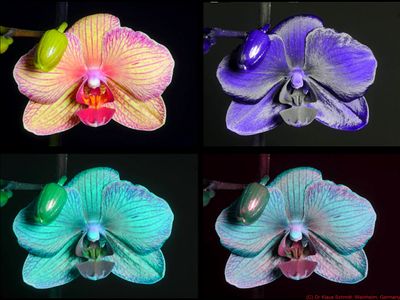
Treasury flower - Gazania rigens in deep reflected ultraviolet photography, simulated butterfly and bee vision

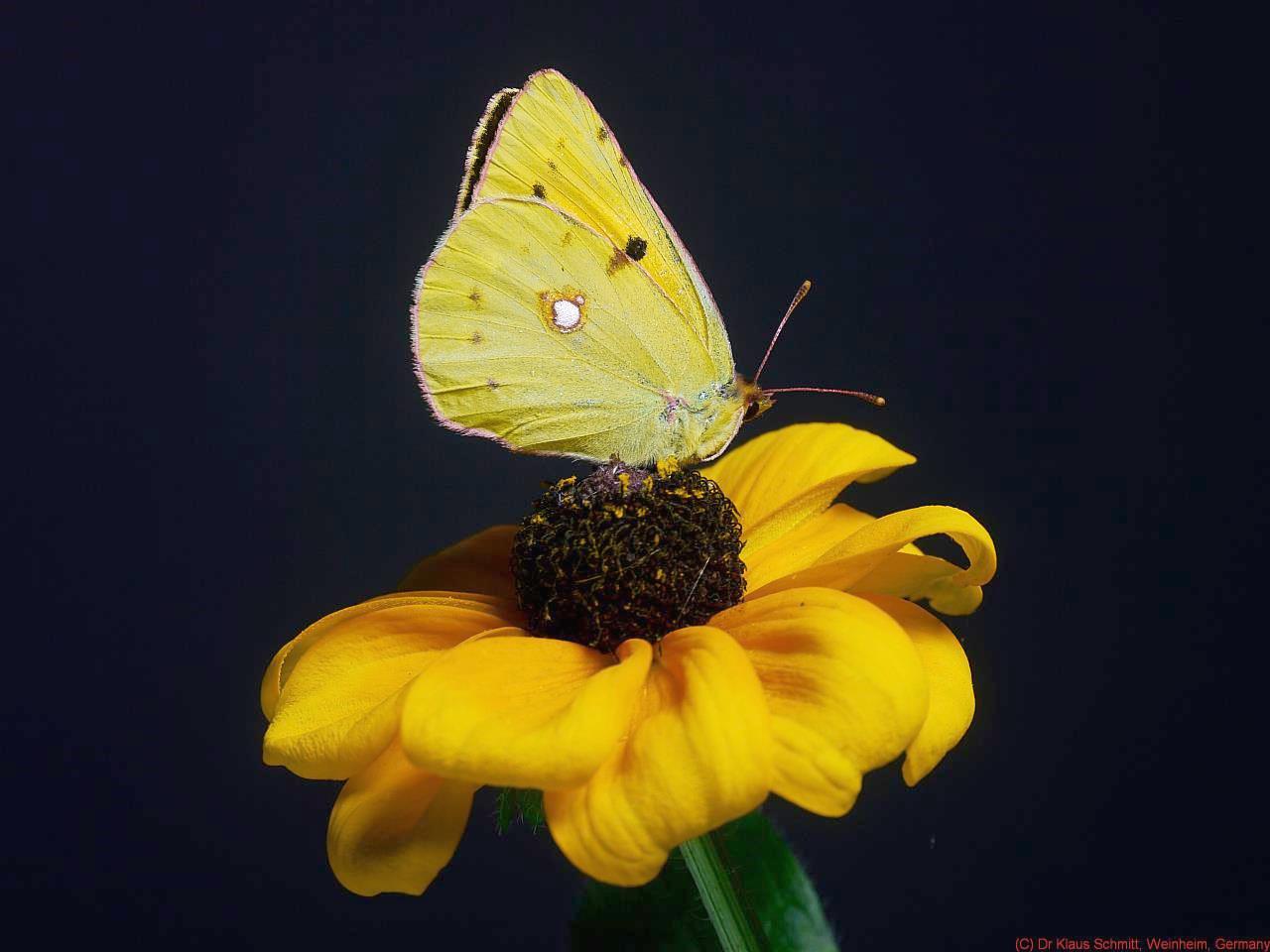
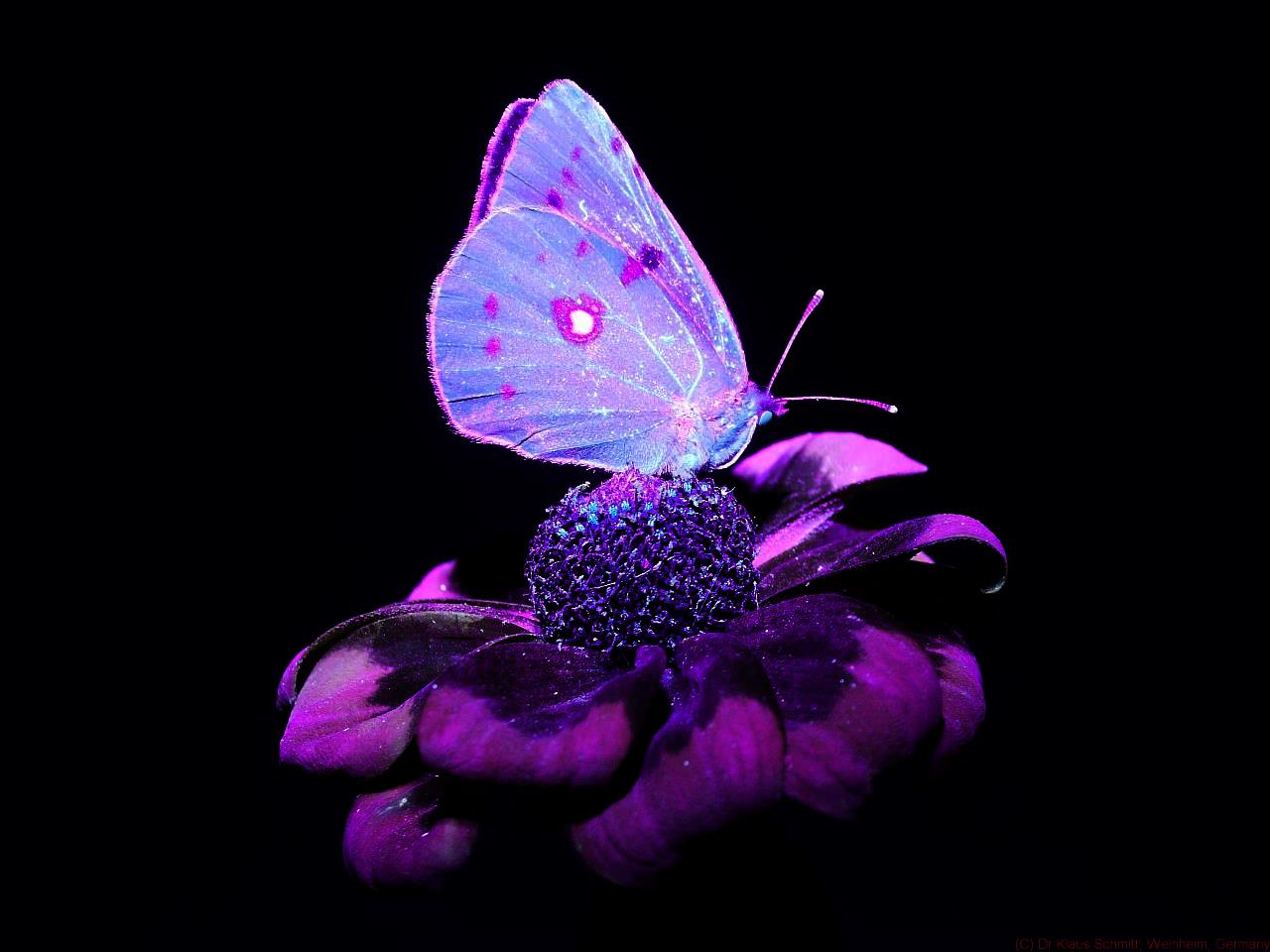
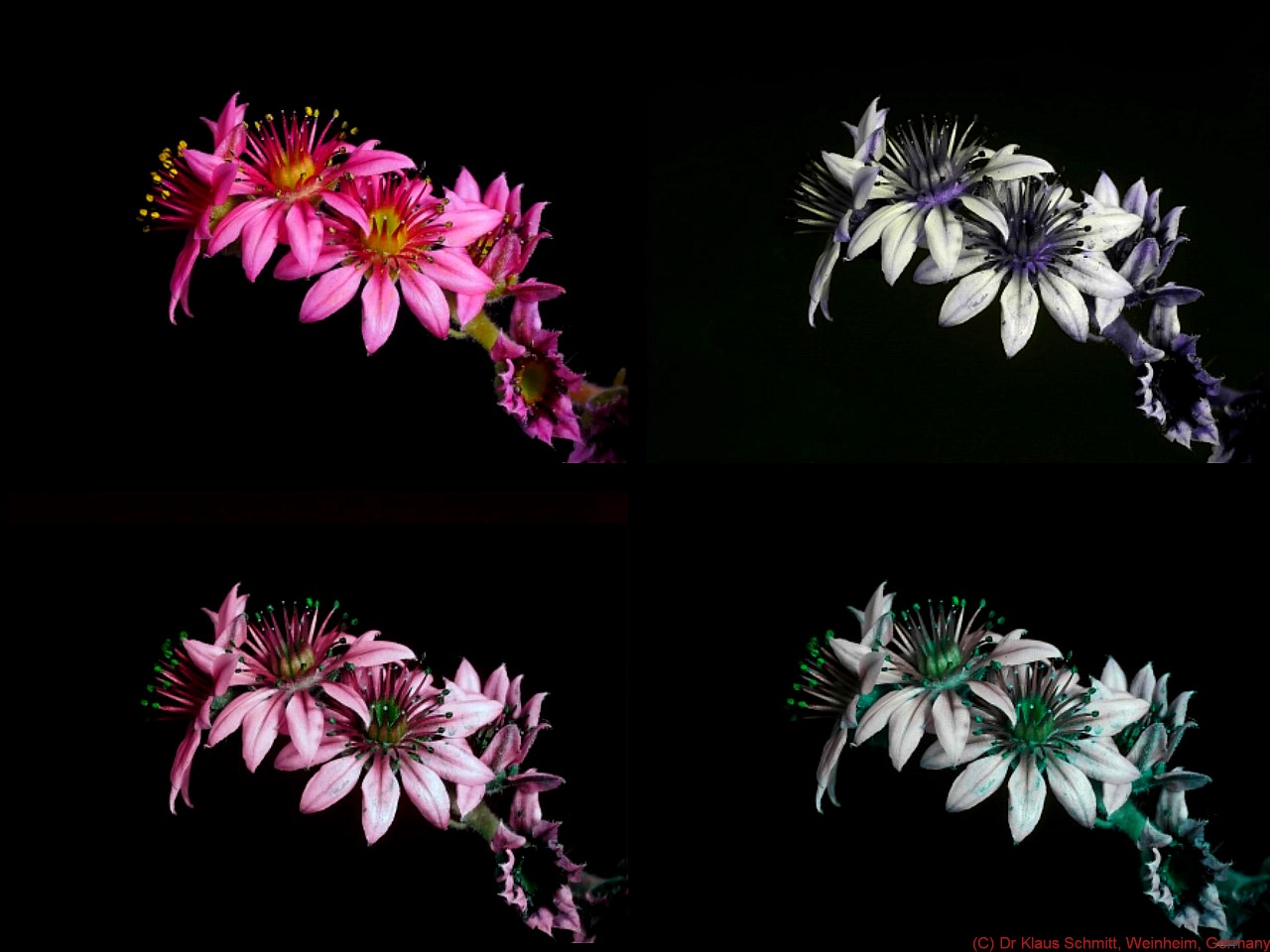
Today about a Gazania flower Treasury flower - Gazania rigens in reflected ultraviolet photography using my "work horse" UV filter, the Baader-U filter as well as my XBV filters for simulating bee and butterfly vision, but this time additionally also the Jupiter-U (280-385nm, eff. 365nm) and Saturn-U (300-350nm, eff. 325nm) filters. Lens used was the 94mm CERCO quartz fluorite lens. Light source was a modified for UV high power Xenon flash.

[click on image to see a larger one]

Visible light image using UV/IR cut filter:
 

UV image using Baader-U filter (approx. 320-395nm, effective peak approx. 375nm):
 

UV image using Jupiter-U filter (approx. 280-385nm, effective peak approx. 365nm):
 

UV image using Saturn-U filter (approx. 300-350nm, effective peak approx. 325nm):
 

Simulated butterfly vision (UV - VIS) using XBV3 filter:
 

Simulated bee vision (UV - VIS) using XBV5 filter:
 

Simulated bee vision (UV - VIS) using XBV6 filter:
 

Infrared light image using IR filter:
 

Polyptych of the above:


Interesting to notice, how the visible details change when the used wavelength gets shorter and the then appearance of unique colors. The outer petals reflect strongly UV around 370nm, there are also highly reflecting marks inside around a dark UV center and that all gets nicely visible.

There is a Part II about this same flower using filter stacks HERE.

Stay tuned, more will follow on that fascinating subject...

More info on this very interesting field may be found on my site http://www.pbase.com/kds315/uv_photos

Saturday, June 8, 2013

Ladyslipper - Cypripedum sp in reflected ultraviolet photography, simulated butterfly and bee vision II

Today more shots of that decorative flower Ladyslipper - Cypripedium sp in reflected ultraviolet photography using my "work horse" UV filter, the Baader-U filter as well as my XBV filters for simulating bee and butterfly vision. Lens was a CERCO 94mm quartz fluorite lens. Light source was sun. All shots were done at about f5.6.

[click on image to see a larger one]

Visible light image:
 

UV image using Baader-U filter (approx. 320-395nm, effective peak approx. 375nm):
 

Simulated butterfly vision (UV - VIS) using XBV3 filter:
 

Simulated bee vision (UV - VIS) using XBV6 filter:
 

Quadriptych of the above:
 

Seen from a different angle...
Visible light image:
 

UV image using Baader-U filter (approx. 320-395nm, effective peak approx. 375nm):
 

Simulated butterfly vision (UV - VIS) using XBV3 filter:
 

Simulated bee vision (UV - VIS) using XBV6 filter:
 

Quadriptych of the above:


This Ladyslipper flower has no very specific UV pattern, but quite UV bright around 390nm is its balloon formed lower petal. The Welsh Poppy petals reflect strongly around 365nm with a dark UV center and that all gets nicely visible.

There is more about that flower HERE.

Stay tuned, more will follow on that fascinating subject...

More info on this very interesting field may be found on my site http://www.pbase.com/kds315/uv_photos
Cinquefoil - Potentilla in reflected ultraviolet photography, simulated butterfly and bee vision

Today shots of a decorative flower, a small creeping Cinquefoil - Potentilla in reflected ultraviolet photography using my "work horse" UV filter, the Baader-U filter as well as my XBV filters for simulating bee and butterfly vision. Lens was a CERCO 94mm quartz fluorite lens. Light source was sun. All shots were done at about f5.6.

[click on image to see a larger one]

Visible light image:
 

UV image using Baader-U filter (approx. 320-395nm, effective peak approx. 375nm):
 

Simulated bee vision (UV - VIS) using XBV5 filter:
 

Triptych of some of the above:


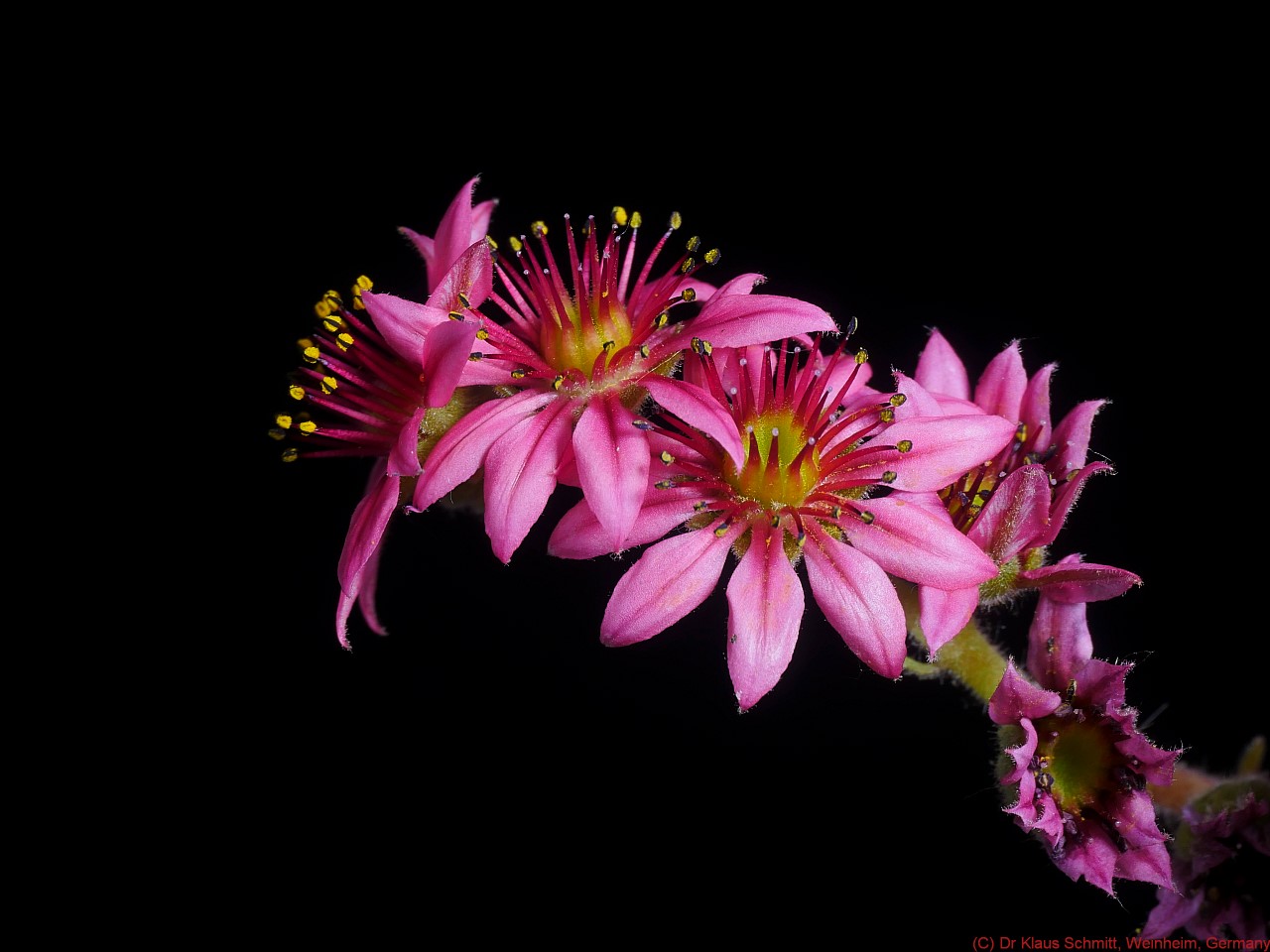
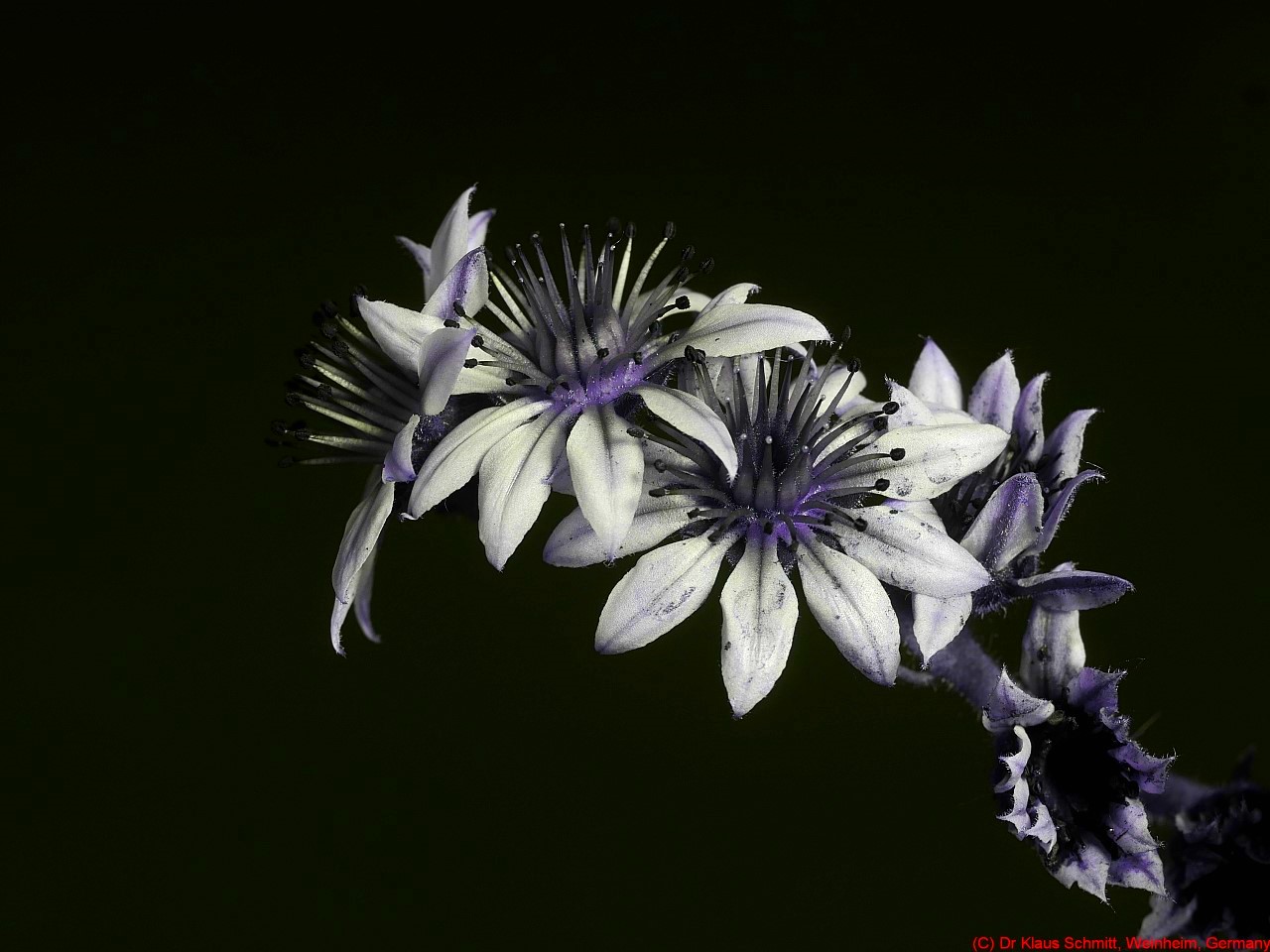
This Potentilla flower has a specific UV pattern, UV bright petal tips reflecting around 365nm, and a UV dark center which all gets nicely visible.

I havwe written about a similar Potentially flower HERE.

Stay tuned, more will follow on that fascinating subject...

More info on this very interesting field may be found on my site http://www.pbase.com/kds315/uv_photos
Thursday, June 6, 2013

Biting Stonecrop - Sedum acre in reflected ultraviolet photography, simulated butterfly and bee vision

Today shots of a decorative flower, a small creeping Biting Stonecrop - Sedum acre in reflected ultraviolet photography using my "work horse" UV filter, the Baader-U filter as well as my XBV filters for simulating bee and butterfly vision. Lens was a CERCO 94mm quartz fluorite lens. Light source was sun. All shots were done at about f5.6.

[click on image to see a larger one]

Visible light image:
 

UV image using Baader-U filter (approx. 320-395nm, effective peak approx. 375nm):
 

Simulated bee vision (UV - VIS) using XBV6 filter:
 

Simulated bee vision (UV - VIS) using XBV5 filter:
 

Quadriptych of some of the above:


This Sedum flower has a specific UV pattern, UV bright petal tips reflecting around 365nm, and a UV dark center which all gets nicely visible.


Stay tuned, more will follow on that fascinating subject...

More info on this very interesting field may be found on my site http://www.pbase.com/kds315/uv_photos
Ladyslipper - Cypripedium candidum in reflected ultraviolet photography II

Today again more shots of a decorative flower, a white Ladyslipper - Cypripedium candidum in reflected ultraviolet photography using my "work horse" UV filter, the Baader-U filter as well as my XBV filters for simulating bee and butterfly vision. Lens was a CERCO 94mm quartz fluorite lens. Light source was sun. All shots were done at about f5.6.

[click on image to see a larger one]

Visible light image:
 

UV image using Baader-U filter (approx. 320-395nm, effective peak approx. 375nm):
 

Simulated bee vision (UV - VIS) using XBV6 filter:
 

Triptych of the above:


This white Ladyslipper flower has a very unusual UV pattern, reflecting at 360nm (yellow), 370nm (white) and 385nm (purple). All gets nicely visible here.

I have before posted about this flower in more detail HERE.

Stay tuned, more will follow on that fascinating subject...

More info on this very interesting field may be found on my site http://www.pbase.com/kds315/uv_photos