Showing posts with label enlarger lens. Show all posts

Tuesday, November 12, 2013

Old 105mm + 75mm Helioplan enlarger lenses for reflected ultraviolet photography

Today about some older, quite capable UV transmitting Helioplan enlarger lenses. I'm using a Gazania rigens flower for that test as well as my "work horse" UV filter, the Baader-U filter. Lenses used were older 75mm and 105mm Helioplan enlarger lenses of dialyte construction. Light source was Xenon light. All shots were done at f11.

[click on image to see a larger one]

Diptych image using 75mm lens, Visual and reflected UV using Baader-U filter (approx. 320-395nm, peak approx. 350nm):
 

Diptych image using 105mm lens, Visual and reflected UV using Baader-U filter (approx. 320-395nm, peak approx. 350nm):
 

Diptych image 75mm vs. 105mm lens, both reflected UV using Baader-U filter:
 

The comparison images clearly show that the 75mm has an edge over the 105mm lens in terms of UV tramsission, but also in terms of sharpness. Both lenses are nevertheless quite capable, despite their 50++ years of age.

P.S.: The visual images were not re-adjusted in focus, to show the small focus shift between VIS and UV.

Stay tuned, more will follow on that fascinating subject...

More info on this very interesting field may be found on my site http://www.pbase.com/kds315/uv_photos

Tuesday, September 17, 2013

Orange coneflower - Rudbeckia fulgida in reflected ultraviolet photography and simulated bee vision VII

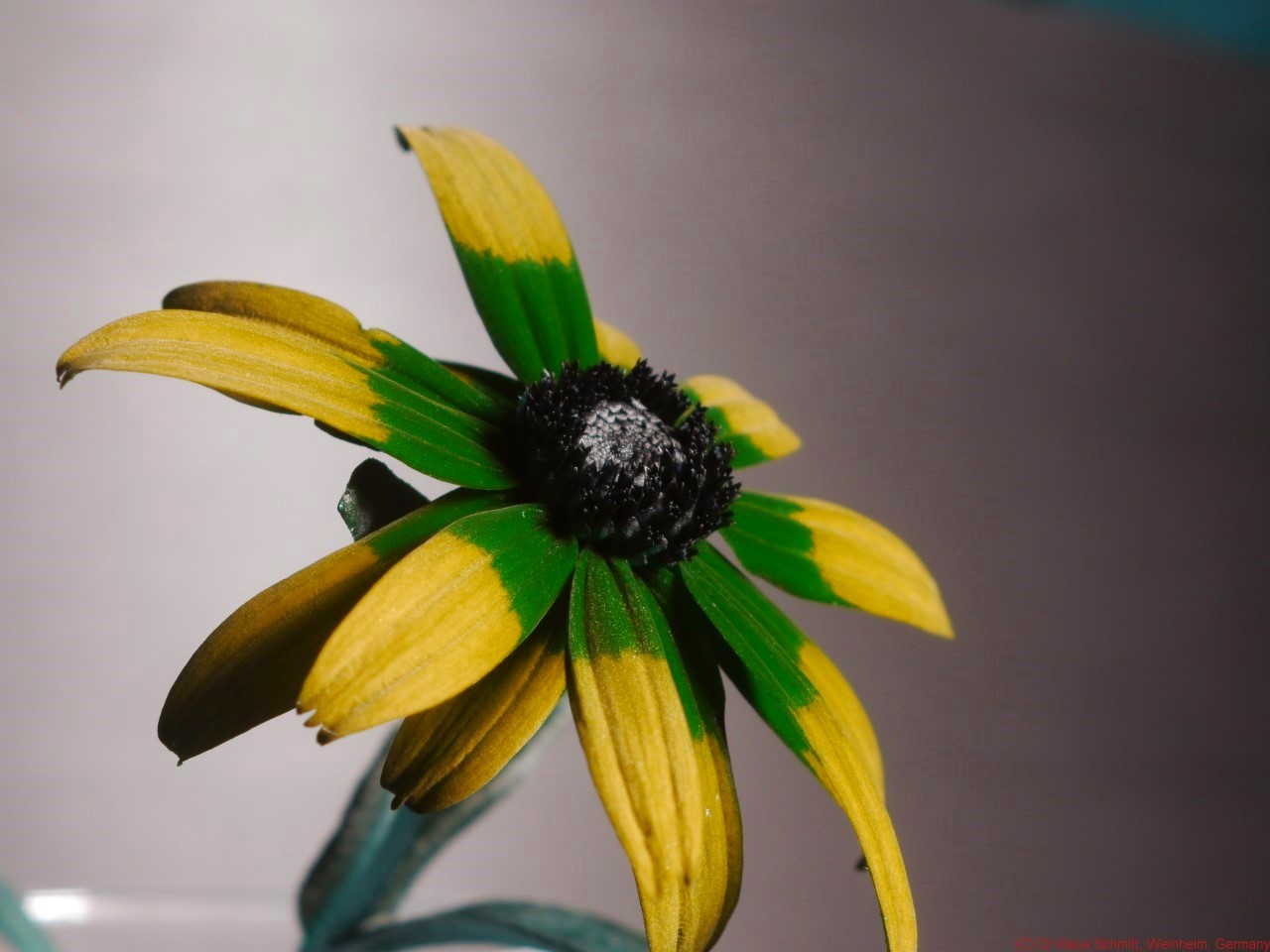
Today more shots of that decorative flower Orange coneflower - Rudbeckia fulgida var deamii in reflected ultraviolet using Baader-U filter and in simulated bee vision using my XBV6 filter. Lens used was an older f3.5/40mm enlarger lens. Light source was Xenon flash. All shots were done at f8.

[click on image to see a larger one]

Visible light image:  

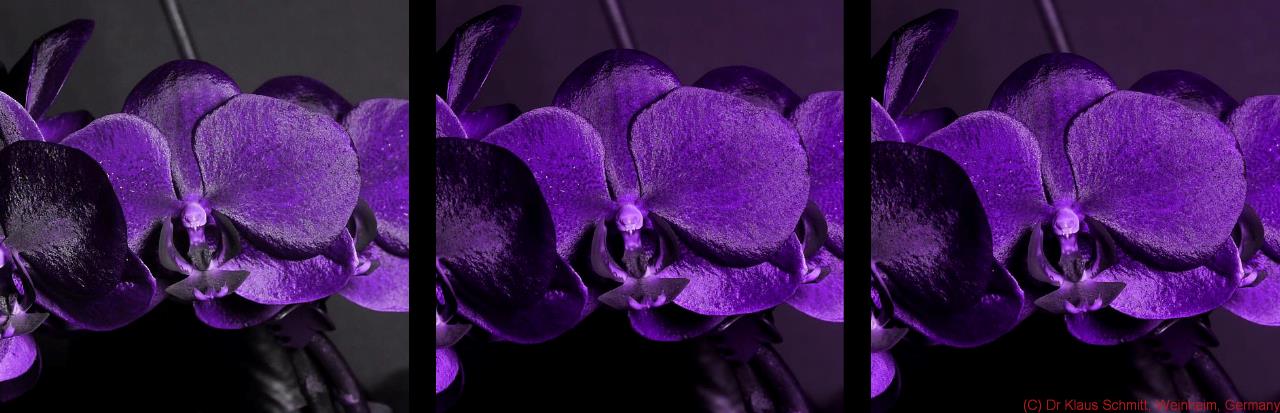
UV image using Baader-U filter (approx. 320-395nm, effective peak approx. 375nm):  

Simulated bee vision image using experimental XBV filter:  

Triptych of the above images:  


This attractive flower shows its very specific UV pattern, its petals have an UV dark pattern, invisible to us humans. The lens being just an older enlarger lens, it transmits a little less UV (up to 340nm) than a capable UV lens like the Dialyte lenses used previously, but quite enough to make the UV pattern visible.

I have previously written about this flower HERE.

Stay tuned, more will follow on that fascinating subject...

Tuesday, March 12, 2013

35mm BESLAR enlarger lens for reflected UV photography

Today again about a simple, but as it turned out, quite UV capable BESLAR f3.5/35mm enlarger lens. I have done a similar enlarger lens comparison for a 100mm lens here and here and a comparison for 50mm lenses previously here. I'm using a yellow/red Phalaenopsis flower for that and my "work horse" UV filter, the Baader-U filter plus the deeper reaching Jupiter-U filter. Light source was an UV enhanced Xenon flash. All shots were done at f8 and are presented in a side-a-side format for easier comparison.

[click on image to see a larger one]

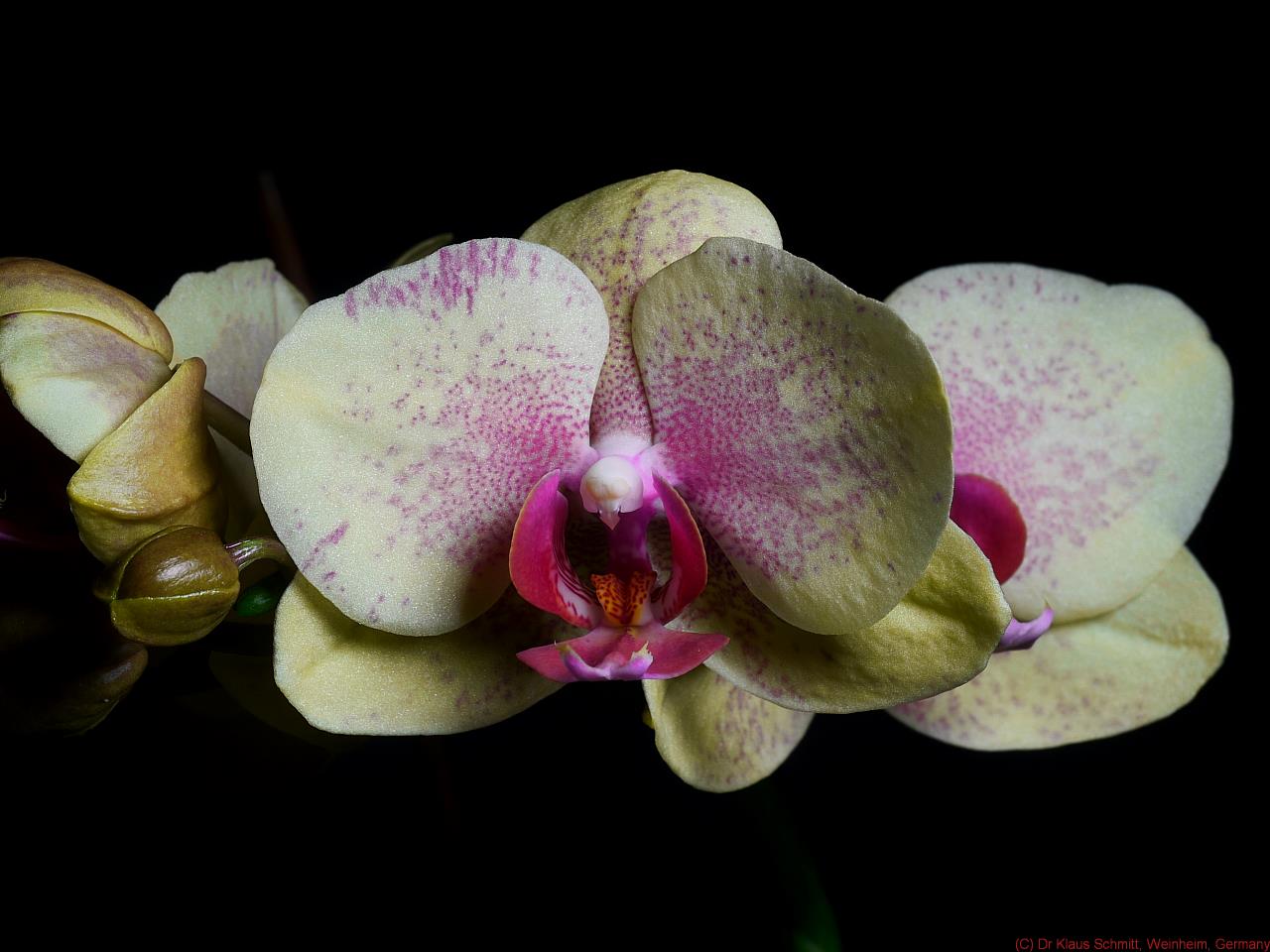
Images showing on the left a visible light image and on the right using the Baader-U filter (approx. 320-395nm, effective peak approx. 375nm):
 

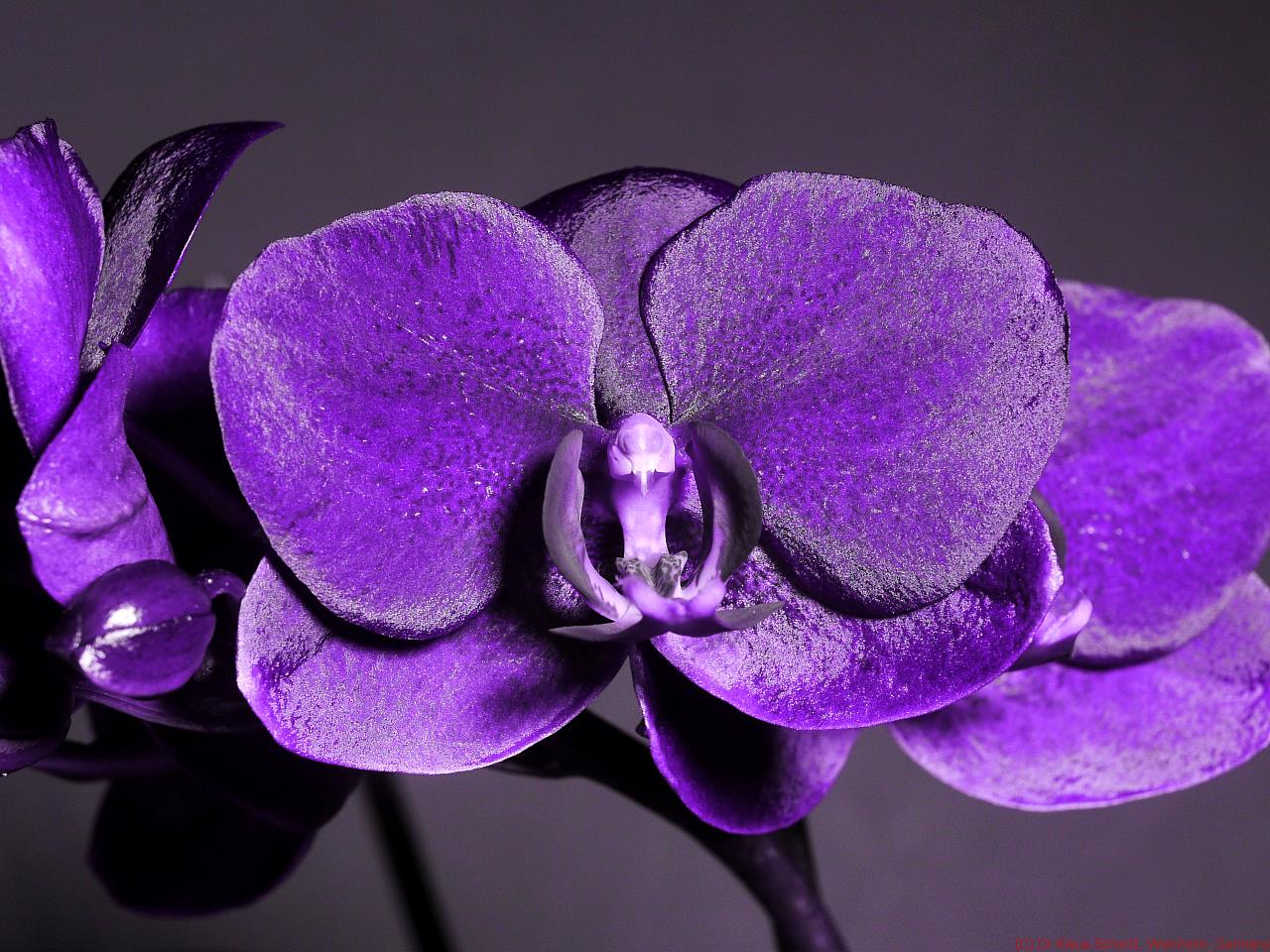
UV images using shown on the left the Baader-U filter (approx. 320-395nm, effective peak approx. 375nm) and on the right my Jupiter-U filter (approx. 280-385nm, effective peak approx. 365nm):
 

UV detail images using shown on the left the Baader-U filter (approx. 320-395nm, effective peak approx. 375nm) and on the right my Jupiter-U filter (approx. 280-385nm, effective peak approx. 365nm):
 

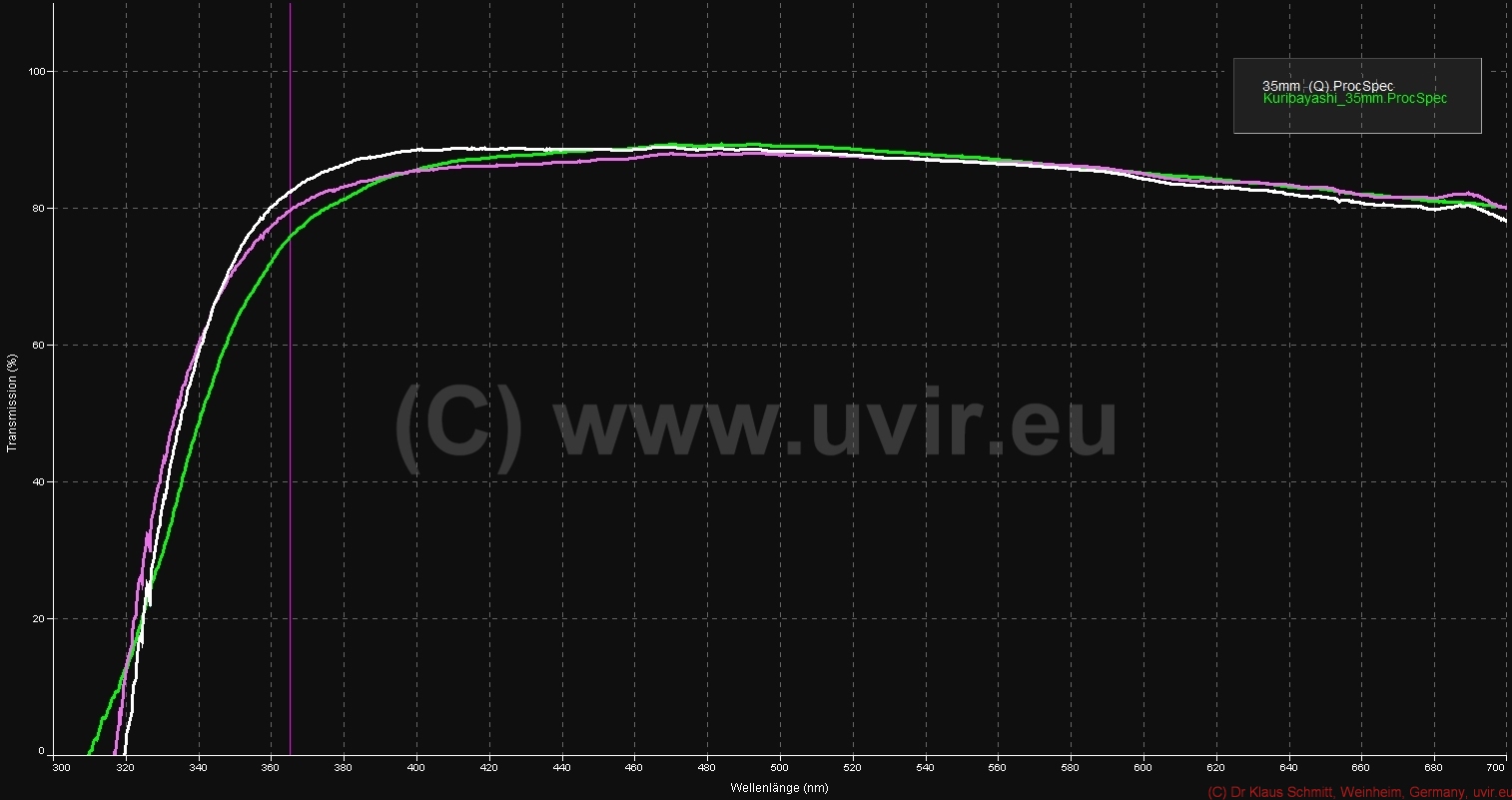
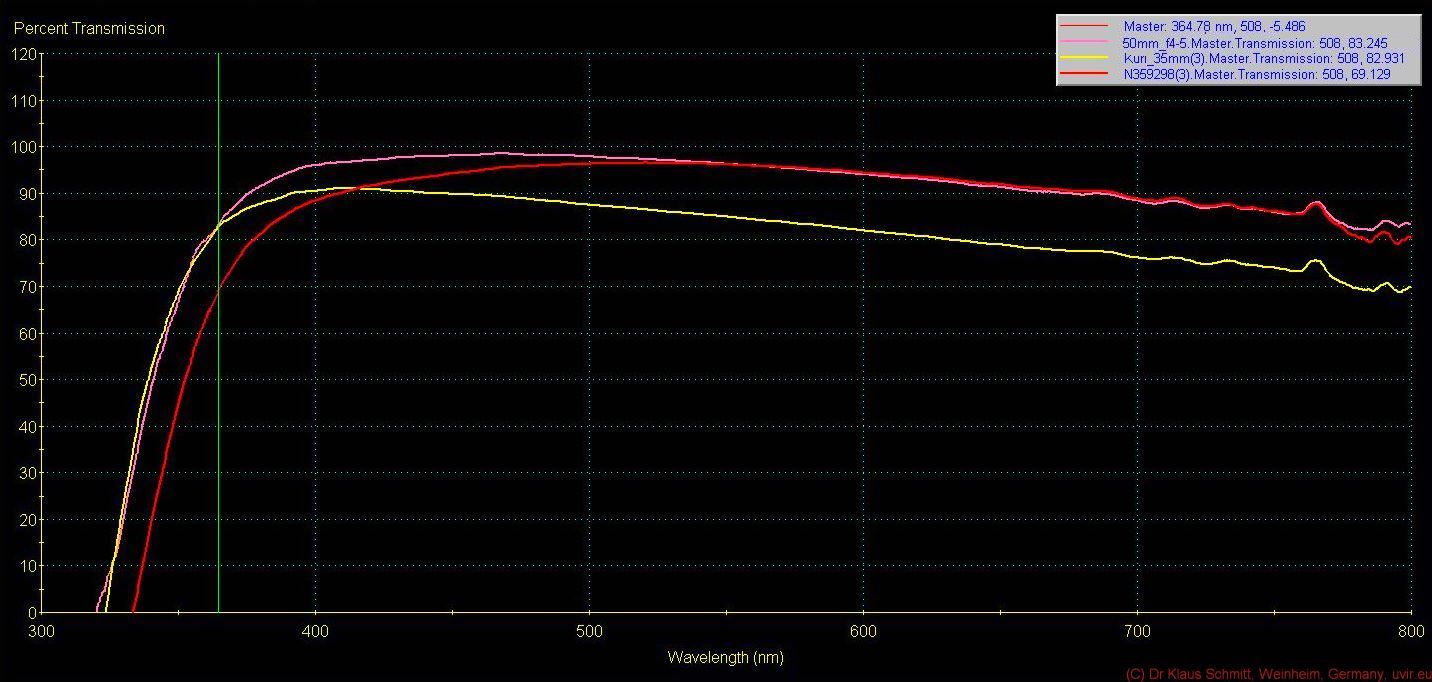
Transmission graph:
 

Well, this little enlarger lens performs acceptably well, seemingly has quite a high UV transmission of about 80% and quite a deep reach into the UV region to about 320nm (white line), compared to my new standard 35mm lens (green line), the Kuribayashi 35mm. I also tested a rebadged version under a different moniker (pink line) which seems to perform about identical.


Stay tuned, more will follow on that fascinating subject...

More info on this very interesting field may be found on my site http://www.pbase.com/kds315/uv_photos

Tuesday, March 5, 2013

Spring Flowers 2013 - 100mm Focotar enlarger lens for reflected ultraviolet photography

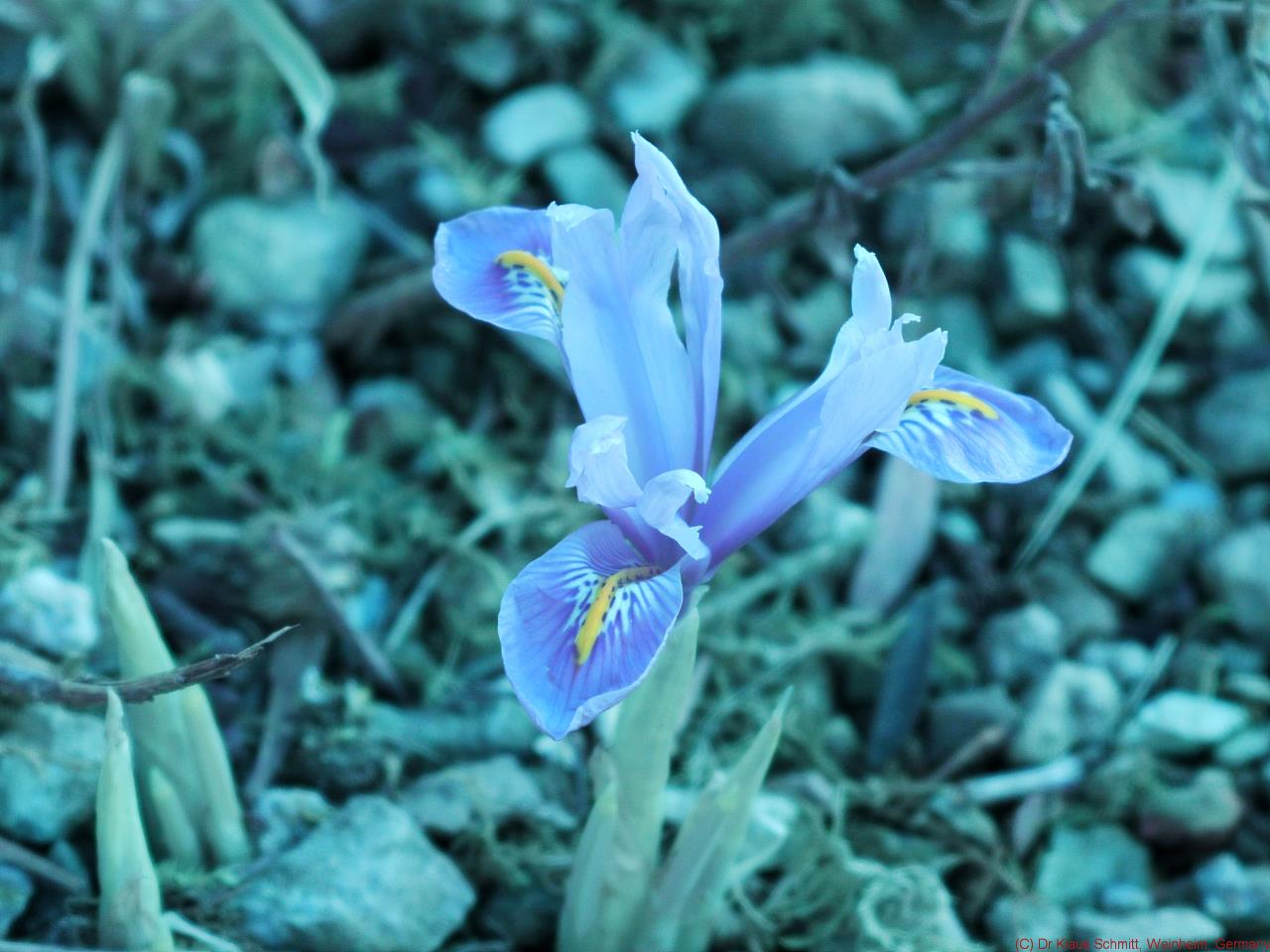
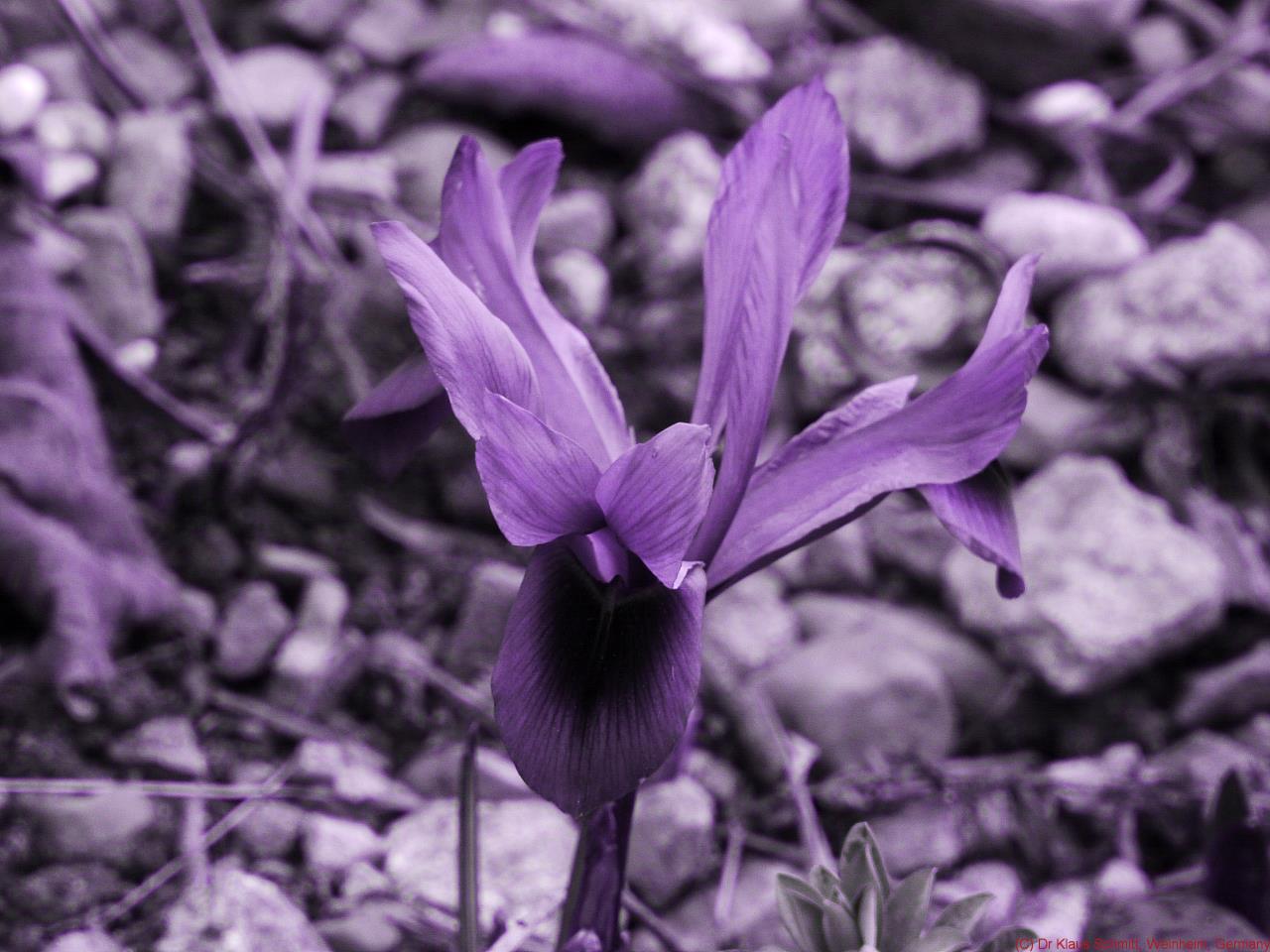
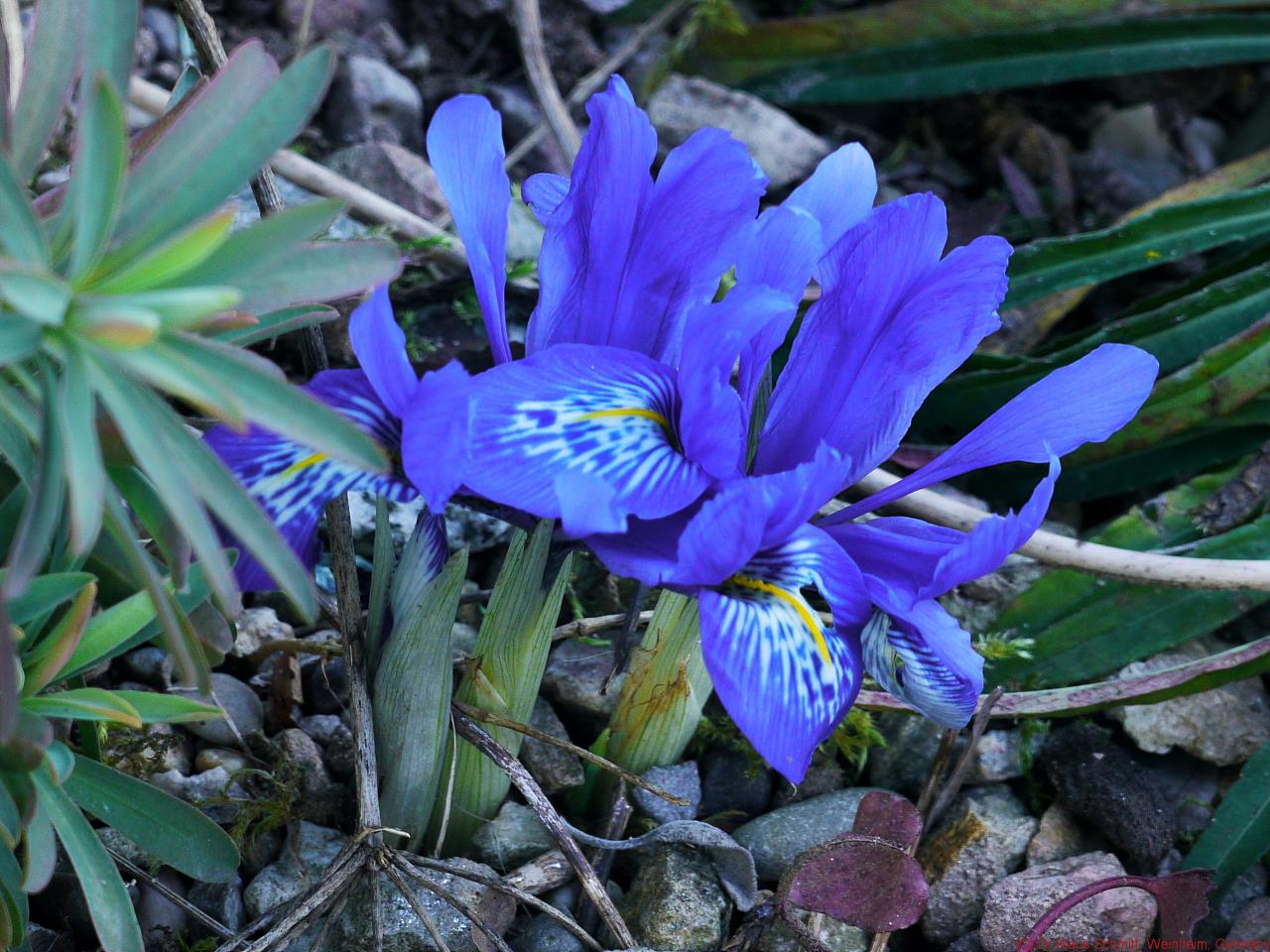
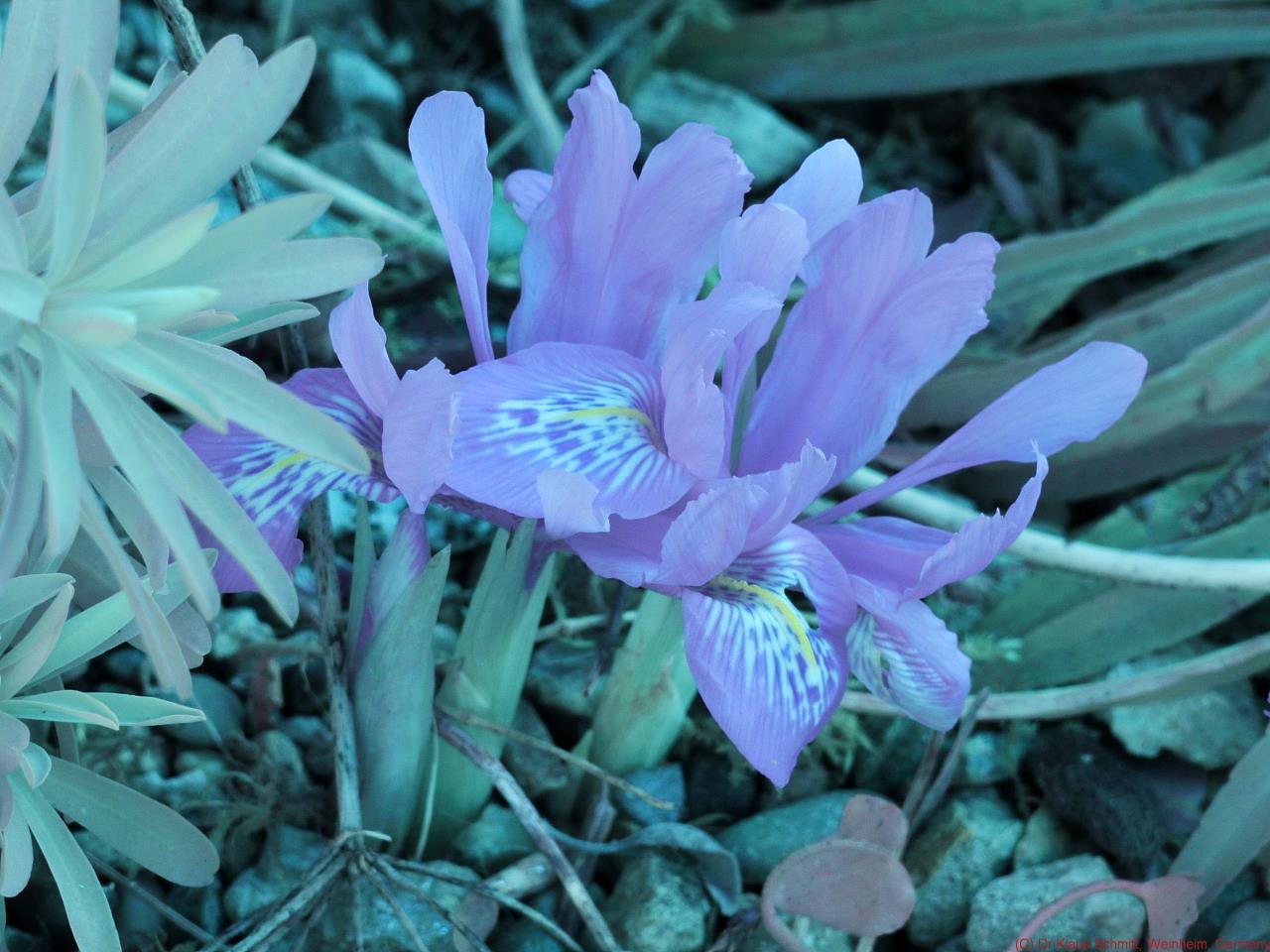
Today about the same early spring Irises shot in reflected ultraviolet photography that I had shown before when shot with the Cerco quartz fluorite lens. Filter used was my "work horse" UV filter, the Baader-U filter. Lens used was an old 100mm Focotar enlarger lens. Light source was the last sunrays of that wonderful spring Sunday. All shots were done at about f8. So, on to the results now...

[click on image to see a larger one]


Visible light image:
 

UV image using Baader-U filter (approx. 320-395nm, effective peak approx. 375nm):
 

VIS-IR image using no filter:


Visible light image:
 

UV image using Baader-U filter (approx. 320-395nm, effective peak approx. 375nm):
 

VIS-IR image using no filter:


Visible light image:
 

UV image using Baader-U filter (approx. 320-395nm, effective peak approx. 375nm):
 

VIS-IR image using no filter:
 

So, I hope you enjoy seeing some early spring flowering Irises!


Stay tuned, more will follow on that fascinating subject...

More info on this very interesting field may be found on my site http://www.pbase.com/kds315/uv_photos

Saturday, February 23, 2013

Quartz fluorite lens vs 100mm Focotar enlarger lenses for reflected UV photography III

Today again about comparing a quartz fluorite lens with two conventional, but UV capable enlarger lenses. I have done a similar comparison for a 100mm lens here and here and a comparison for 50mm lenses previously here. I'm using a yellow/red Phalaenopsis flower for that and my "work horse" UV filter, the Baader-U filter plus the deeper reaching Jupiter-U filter. Lenses used are a CERCO 94mm quartz fluorite lens as well as two different 100mm Focotar enlarger lenses. Light source was an UV enhanced Xenon flash. All shots were done at f8 and are presented in a side-a-side format for easier comparison. CERCO lens is leftmost.

[click on image to see a larger one]

Visible light images:
 

UV images using Baader-U filter (approx. 320-395nm, effective peak approx. 375nm):
 

UV images using Jupiter-U filter (approx. 280-385nm, effective peak approx. 365nm):
 

It gets pretty obvious that both enlarger lenses reach quite close to the quartz fluorite lens, but neither can't quite beat it in terms of sharpness + contrast. Admittedly both are quite close. Both enlarger lenses have a very small and nearly neglectable focus shift, 0.45% (middle lens) and 0.46% (right lens). I rate them very useful lenses and the best I have found so far!


Stay tuned, more will follow on that fascinating subject...

More info on this very interesting field may be found on my site http://www.pbase.com/kds315/uv_photos
Sunday, February 17, 2013

100mm Focotar Enlarger Lens vs CERCO 94mm quartz fluorite lens for reflected UV photography

Today another comparison between a special UV lens and a conventional, but UV capable enlarger lens, a f5.6/100mm Focotar. I have done a similar comparison here and here as well as here. I'm using beautiful Valentine Day's roses for that and my "work horse" UV filter, the Baader-U filter plus the deeper reaching Jupiter-U filter. Lenses used are a CERCO 94mm quartz fluorite lebs as well as a capable for UV 100mm Focotar enlarger lens. Light source was an UV enhanced Xenon flash. All shots done at f8 and presented on a side-a-side format for easier comparison, right: enlarger lens, left CERCO quartz fluorite lens.

[click on image to see a larger one]

Visible light image:
 

UV image using Baader-U filter (approx. 320-395nm, effective peak approx. 375nm):
 

UV image using Jupiter-U filter (approx. 280-385nm, effective peak approx. 365nm):
 

It gets pretty obvious that this enlarger lens reaches surprisingly close to the CERCO quartz flourite lens! The difference is there, yet quite small. Quite a useful lens!


Stay tuned, more will follow on that fascinating subject...

More info on this very interesting field may be found on my site http://www.pbase.com/kds315/uv_photos

Wednesday, February 6, 2013

Zeiss UV-Planar 60mm lens vs 60mm enlarger lens for reflected UV photography

Today about comparing a special UV lens with a conventional, but UV capable enlarger lens. I have done a similar comparison previously here and here. I'm using a beautiful yellow/red Phalaenopsis flower, for that as well as my "work horse" UV filter, the Baader-U filter. Lenses used are a Zeiss UV-Planar 4/60mm as well as a capable for UV 4.5/60mm enlarger lens that will be revealed here later. Light source was an UV enhanced Xenon flash. All shots done at f8.

[click on image to see a larger one]

Visible light image for comparison:
 

1) UV Planar f4/60mm: "standard" UV image using Baader-U filter:
 

2) Enlarger lens: "standard" UV image using Baader-U filter:
 

It gets pretty obvious that this enlarger lens reaches close to the UV-Planar lens, yet it is quite a bit away in terms of sharpness + contrast. But it is a capable lens it seems. Quite a useful lens!


Stay tuned, more will follow on that fascinating subject...

More info on this very interesting field may be found on my site http://www.pbase.com/kds315/uv_photos

Monday, February 4, 2013

50mm Hamamatsu Quartz fluorite lens vs D.O. Industries enlarger lens for reflected UV photography II

Today again about comparing a quartz fluorite lens with a conventional, but UV capable D.O. Industries enlarger lens. I have done a similar comparison previously here. I'm using a beautiful yellow/red Phalaenopsis flower, for that as well as my "work horse" UV filter, the Baader-U filter. Lenses used are a Hamamatsu f3.5/50mm quartz fluorite lens as well as a 4.5/50mm D.O. Industries enlarger lens. Light source was an UV enhanced Xenon flash. All shots done at f8.

[click on image to see a larger one]

Visible light image for comparison:
 

1) Quartz Fluorite lens: "standard" UV image using Baader-U filter:
 

2) Enlarger lens: "standard" UV image using Baader-U filter:
 

UV - VIS differential:
 

It gets pretty obvious that this very affordable D.O. Industries enlarger lens reaches quite close to the quartz fluorite lens, yet can't quite beat it in terms of sharpness + contrast. But it is astonishingly close. Also its focus shift is relatively small, as the differential image clearly shows. Quite a nice lens!

I have written about that enlarger lens before HERE


Stay tuned, more will follow on that fascinating subject...

More info on this very interesting field may be found on my site http://www.pbase.com/kds315/uv_photos

Tuesday, December 4, 2012

Quartz fluorite lens vs Komuranon enlarger lens for reflected UV photography

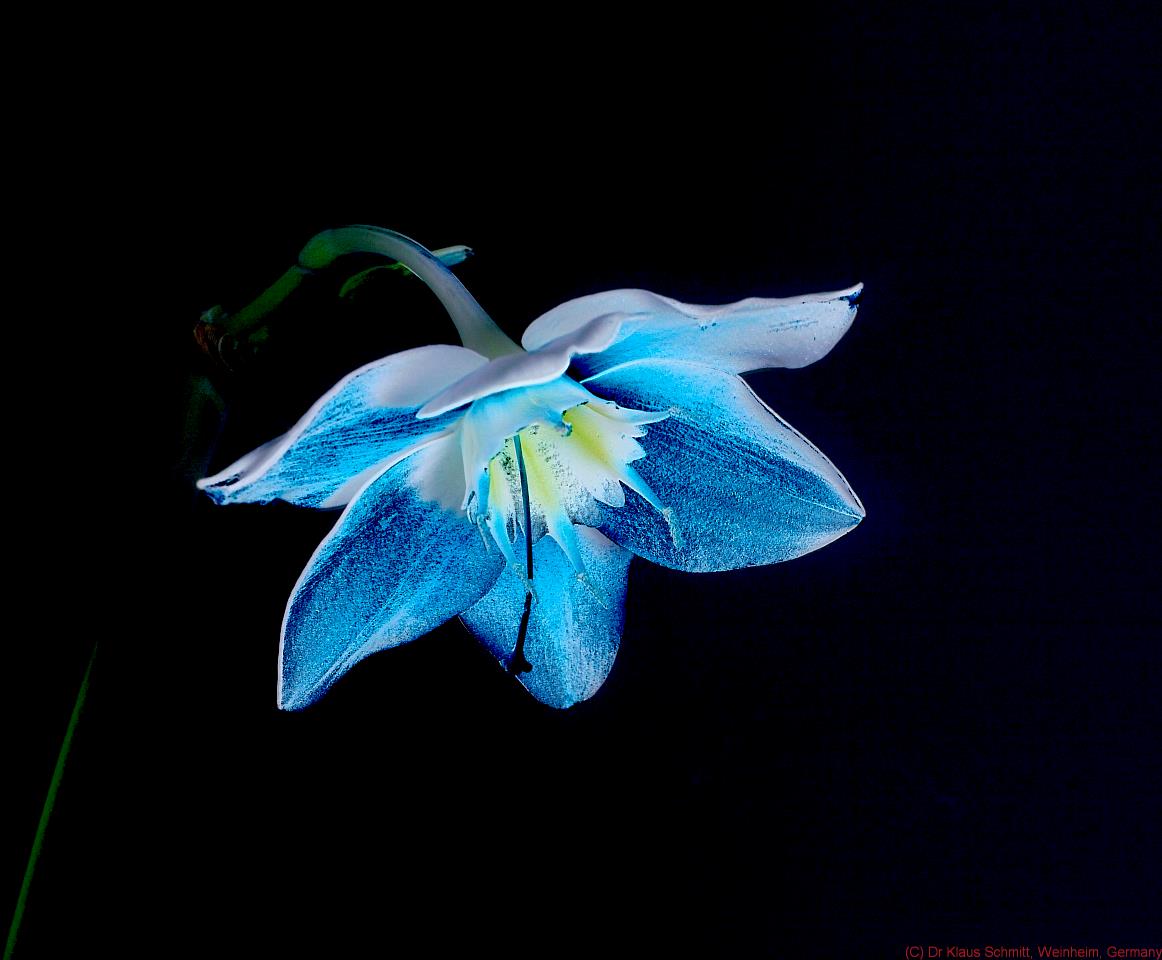
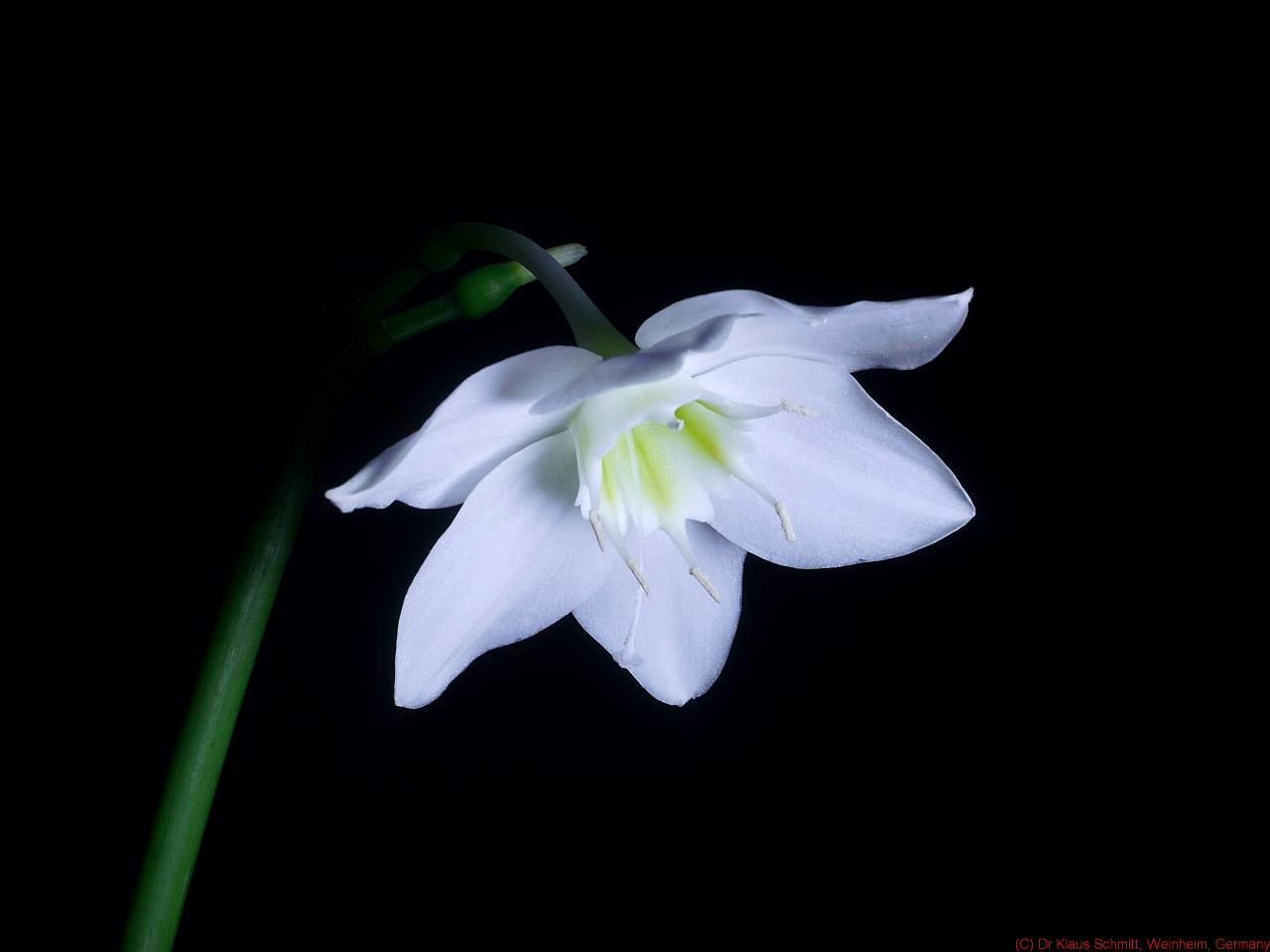
Today about comparing a quartz fluorite lens with a conventional, but UV capable enlarger lens. I'm using a beautiful flower, Eucharis × grandiflora, also called Amazon Lily, for that as well as my "work horse" UV filter, the Baader-U filter and a Hamamatsu f3.5/50mm quartz fluorite lens as well as a 3.5/50mm 6e/4g enlarger lens, a Komuranon-S 3.5/50mm. Light source was an UV enhanced Xenon flash.

[click on image to see a larger one]

1) Quartz Fluorite lens:
visible light image:
 

"standard" UV image using Baader-U filter:
 

UV - VIS differential:
 

2) Enlarger lens:
visible light image:
 

"standard" UV image using Baader-U filter:
 

UV - VIS differential:
 

This flower does not have a very prominent UV pattern, nor does it reach very deep into UV, so this comparison here is limited to the range down to about 370nm, bare that in mind. The quartz fluorite lens is the much sharper one and also has quite less focus shift, but still this enlarger lens seems to be useful, at least as a beginners lens for reflected UV photography.

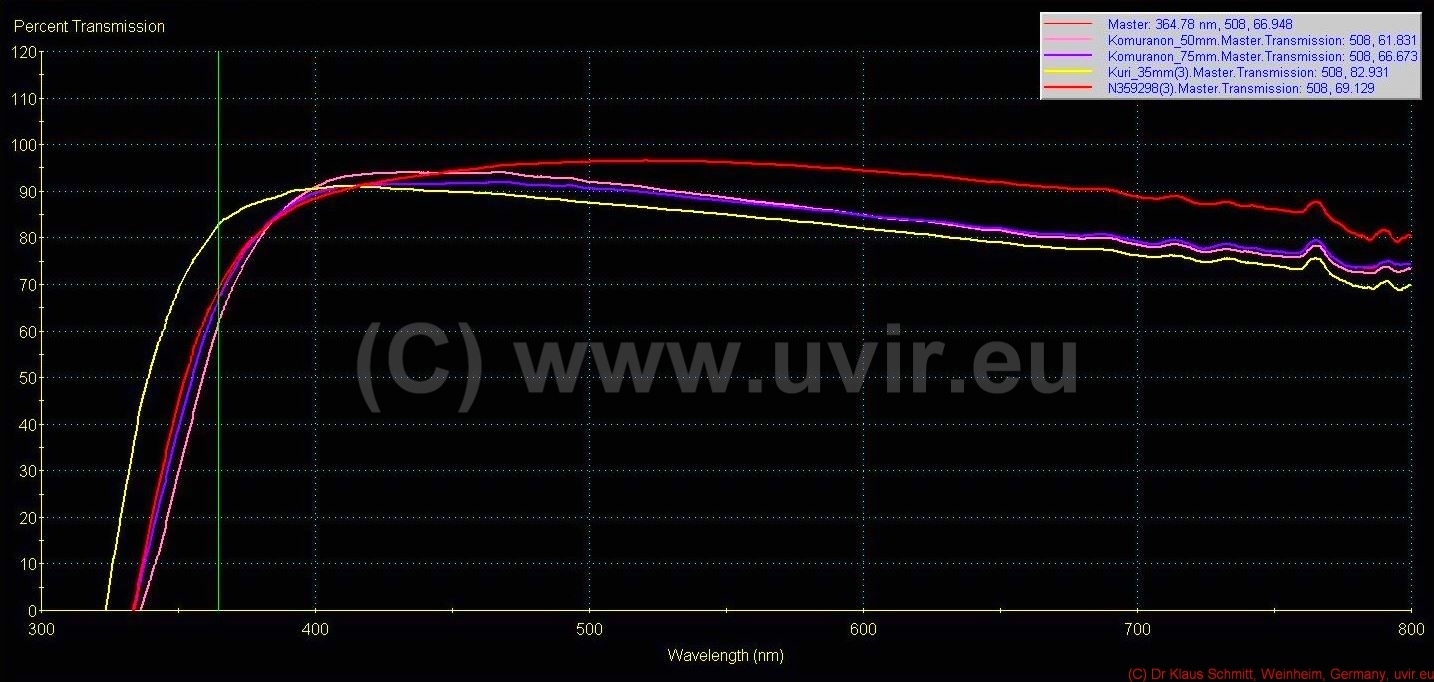
Here the transmission chart of this KOMURANON enlarger lens, as compared to my "standard" comparison lenses which reveals that it transmits UV quite similar to a Noflexar 35mm to about 335-340nm.
 

Stay tuned, more will follow on that fascinating subject...

More info on this very interesting field may be found on my site http://www.pbase.com/kds315/uv_photos

Friday, October 12, 2012

D.O. Industries 50mm old enlarger lens: reflected UV ultraviolet photography
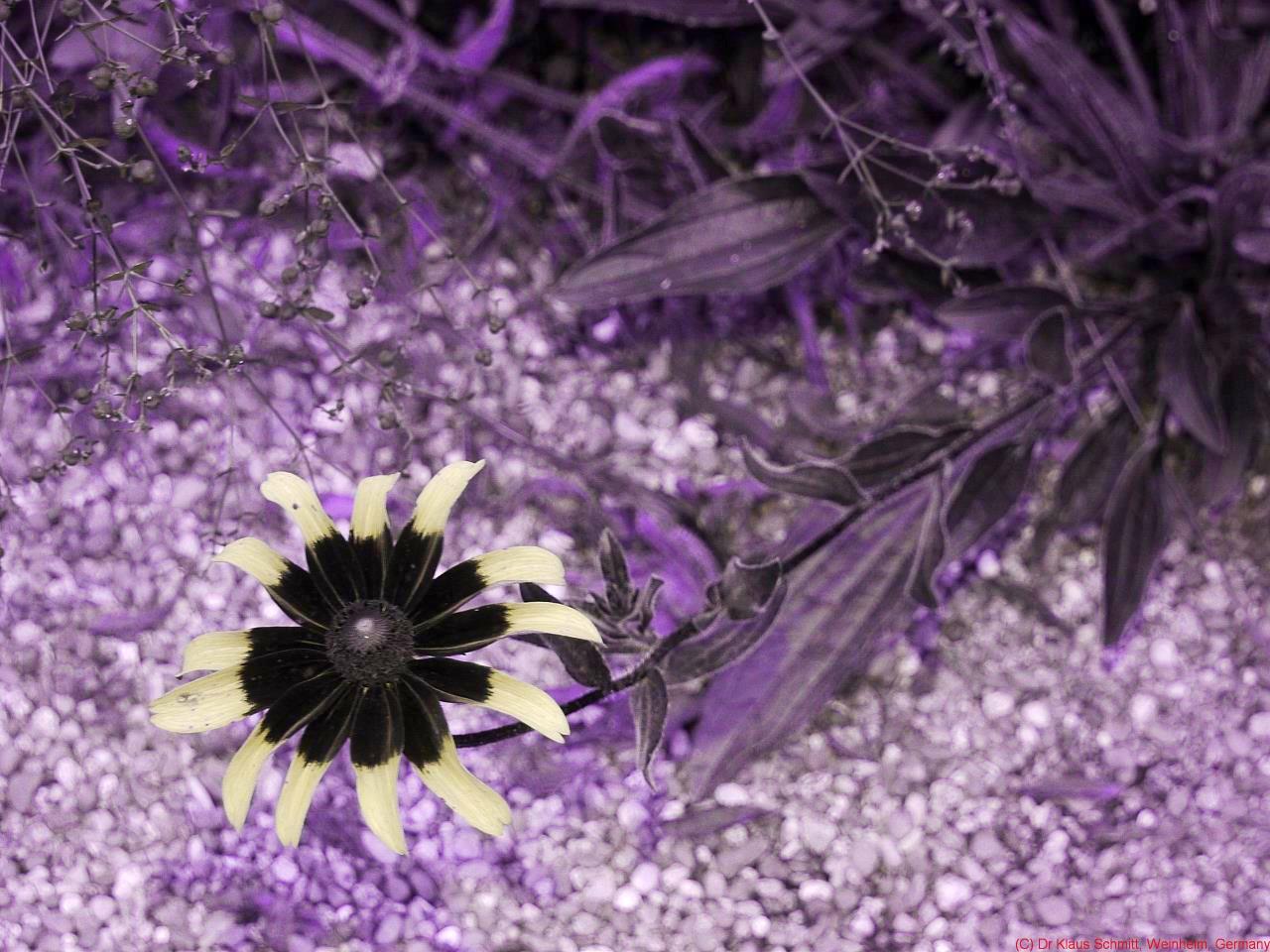
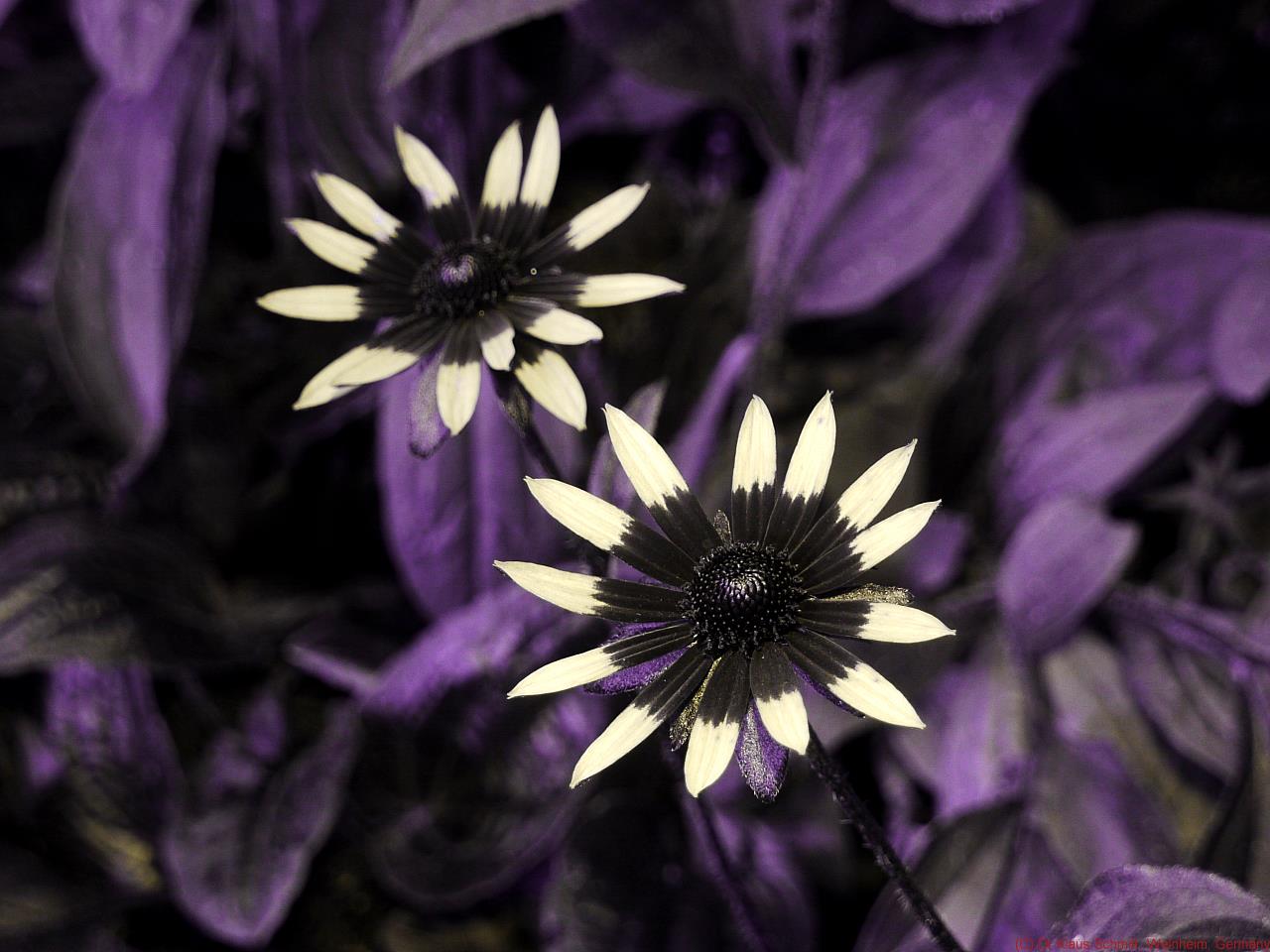
I was digging through boxes, when some older, but new in box D.O. Industries f4.5/50mm enlarger lens fell into my hands. Well, I was curious to see how it would perform in UV, so I took a few shots in the Hermannshof park with it, using my "work horse" UV filter that never let me alone, the Baader-U filter. How nice that this lens has a 40.5mm  filter thread, as not all enlarger lenses have that. A simple short M42 focusing helicoid served as a focusing aid and as it has a Leica thread mount (M39), so simple M39-M42 ring was all needed to make it fit. All shots were done at f8 in evening last sunlight with not much UV left to use.

[click on image to see a larger one]

Rudbeckia hirta, wild form from Illinois:


same, but closer:


Rudbeckia fulgida:
 

Quite impressive performance for a most likely simple Cooke triplet 3e/3g lens. Oh and I forgot to mention, is has no (or barely any) focus shift. Here is its transmission graph versus my usual reference lenses, which reaveals how well this lens transmits UV:


More research and testing needs to be done, but it could form the basis of a comparably cheap UV photography system; we'll see...

Stay tuned, more will follow on that fascinating subject...

More info on this very interesting field may be found on my site http://www.pbase.com/kds315/uv_photos