Saturday, April 18, 2026

Cliff maids - Lewisia cotyledon in reflected ultraviolet photography, simulated bee and butterfly vision XI

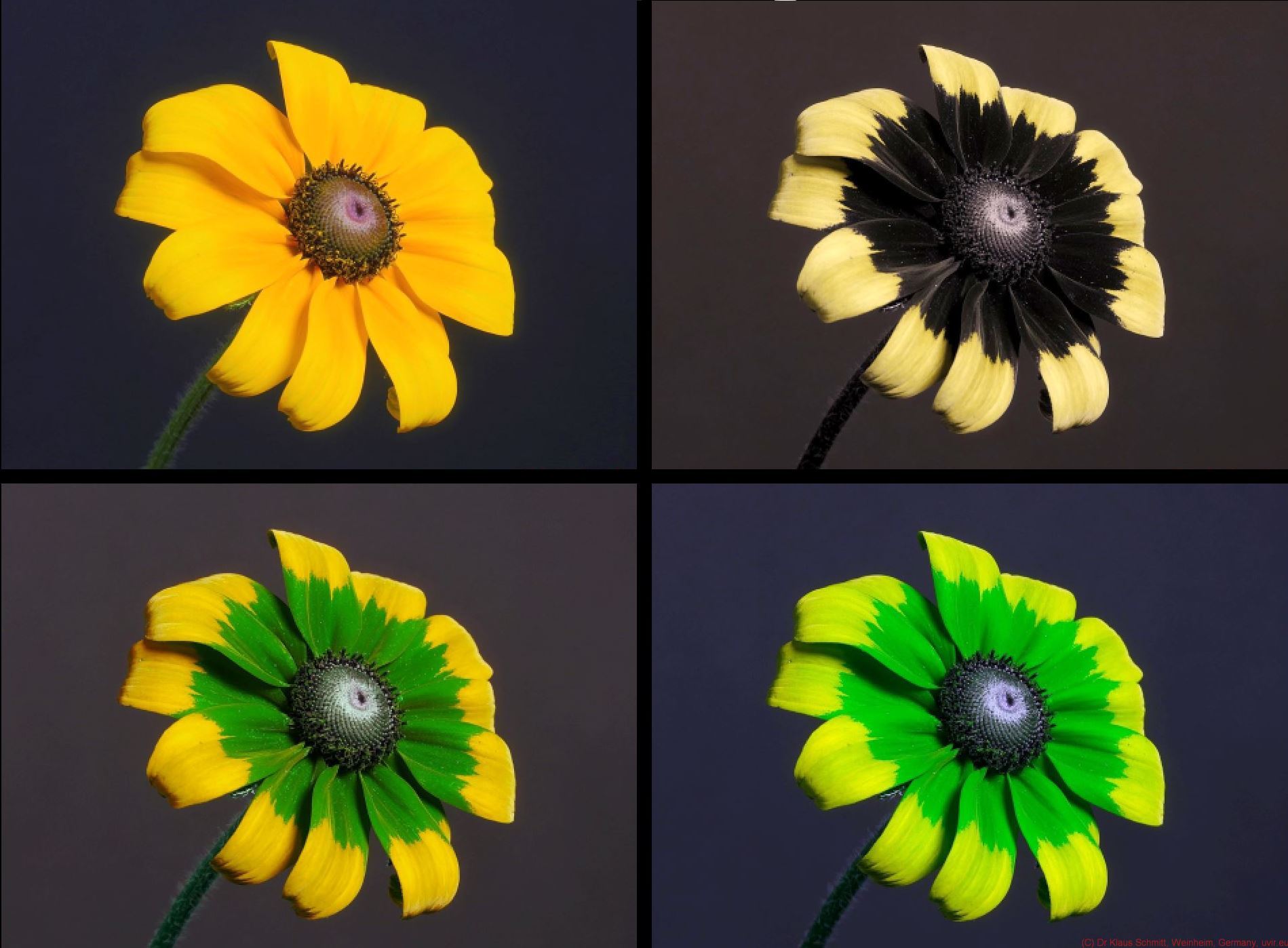
Today in Spring 2026 after some hiatus due to a move to the French border more shots of a white long blooming, perennial flower Cliff maids - Lewisia cotyledon in reflected ultraviolet photography and simulated bee and butterfly vision. All shots were done at f8 in reflected ultraviolet photography using my "work horse" UV filter, the Baader-U filter, as well as my XBV filters for simulated bee and butterfly vision. Lens was a UV-Nikkor 105mm quartz fluorite lens. Light source was sunlight and some UV LED help.

[click on image to see a larger one]

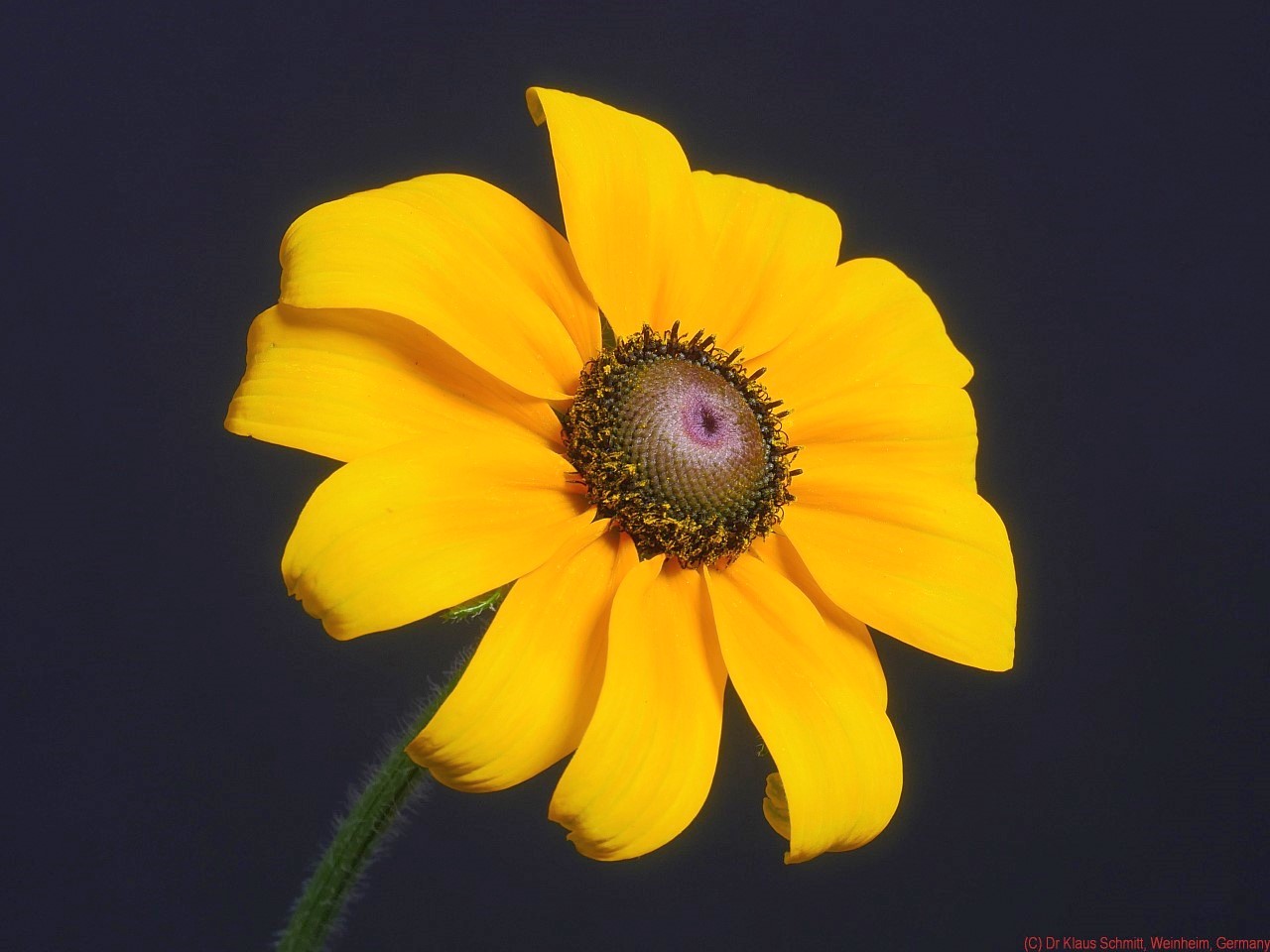
Human vision:
 

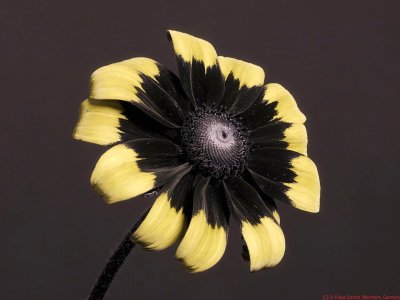
Reflected UV:
 

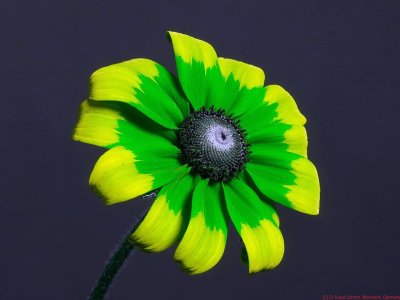
Simulated bee vision:
 

Simulated butterfly vision:
 

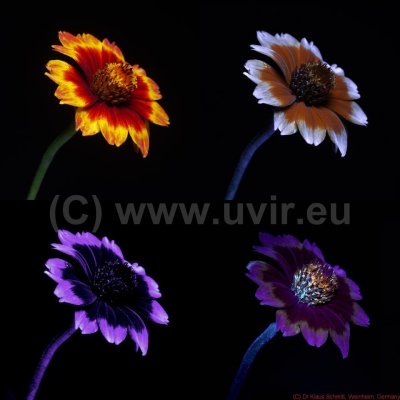
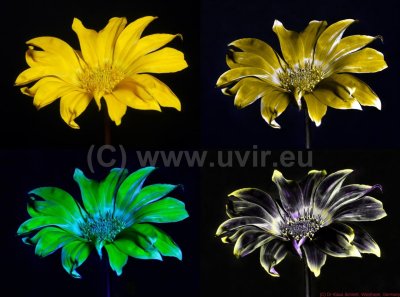
Quadriptych of human vision, UV, simulated bee and butterfly vision (left to right, top to bottom):
 

Lewisia has a visible UV pattern, its petal tips are UV bright around 385nm, its center is UV dark, so this gets quite nicely visible, also in simulated butterfly and bee vision. 

But there is also a highly UV reflective area visible, formed by those shiny petals which is especially quite visible in UV! 

 I have written more about that flower HERE
 
Stay tuned, more will follow on that fascinating subject...

More info on this very interesting field may be found on my site http://www.pbase.com/kds315/uv_photos

Monday, January 26, 2026

Spider Web reflects UV to attract prey III
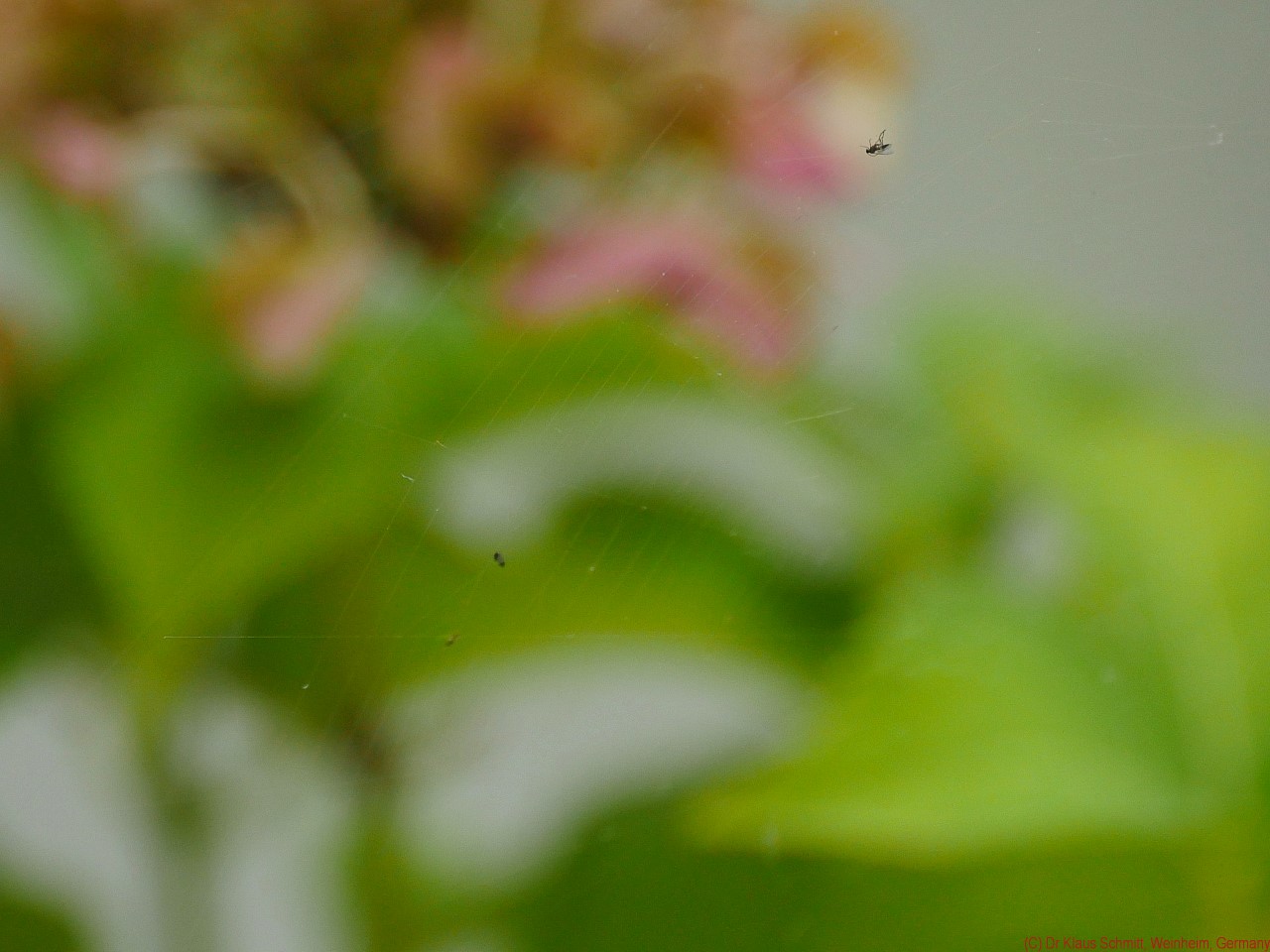
I have written a while ago about spider webs which would actually reflect ultraviolet (UV) light, so as to attract prey (insects like bees etc).

Now it just happened that National Geographic Learning (Cengage) asked me for permission to use my works for their teaching materials.

These were shot in reflected UV and visible light. Lens used was my UV-Nikkor 105mm, for reflected ultraviolet light I used my "work horse" UV filter, the Baader-U filter. Light source was available light and a UV LED light with Nichia UV LED emitting at 365nm.

[click on image yields a larger one]

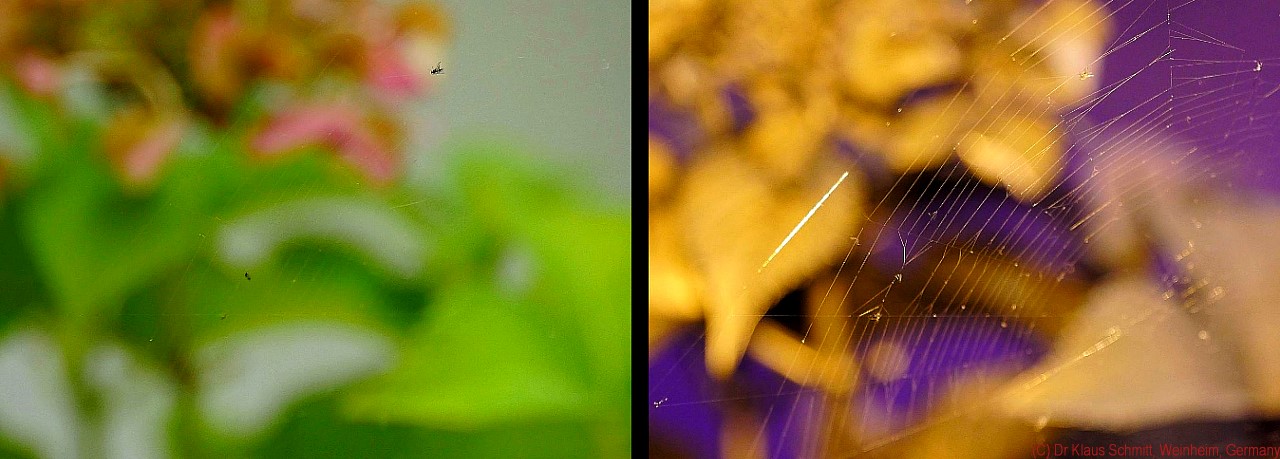
Spider web in visible light (hardly visible at all) with some prey:


and now the proof that the web actually reflects UV light strongly:


Here two diptychs showing this side-a-side (visible light is left, reflected UV on the right):


Detail of the above:


Quite amazing what happens in nature, if you take a closer look...also in wavelengths that we humans cannot see, but animals and insects can!

I have previously written about that HERE

Stay tuned, more will follow on that fascinating subject...

More info on this very interesting field may be found on my site http://www.pbase.com/kds315/uv_photos