Showing posts with label filter. Show all posts

Friday, May 9, 2014

Filter leakage in reflected UV ultraviolet photography - How not to test a filter for leakage IV

Today about a method to test UV transmitting filters for leakage that should not be used. In priciple the idea seems to be straight forward and quite obvious: Shine a strong white light through an UV transmitting filter (a ionic colored LUV U2 will be used here) and if one (or a camera) "sees" something transmitted, that filter seems to leak. Well, let's have a look if that is really that easy....

[click on image to see a larger one]

What my iPhone5 sees when shining a strong Cree white LED light through a LUV U2 filter:
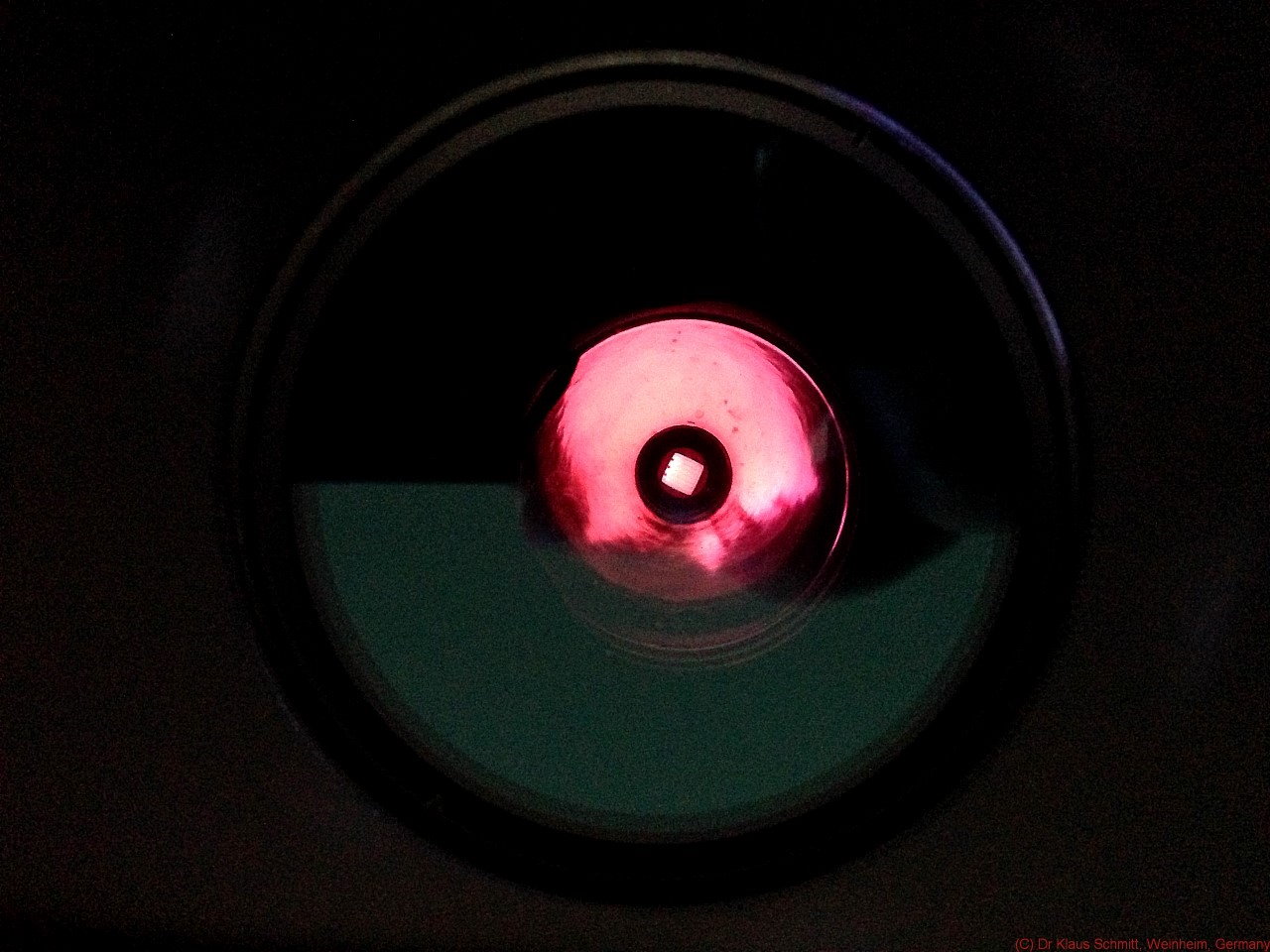
 
So do I see leakage here? My iphone sees that as red, but I really see violet, so it either depends on the WB used or theremust be something else. It is basically all a matter of intensities, as the filter from what I know and have measured earlier has about OD4 suppression outside the UV range up to NIR, then using a very strong LED torch with an intensity of for instance 10.000 then gives 0.0001 (OD4) x 10000 = 1 and that can be easily recorded.

But let's see what my spectrometer system reveals about that same situation:
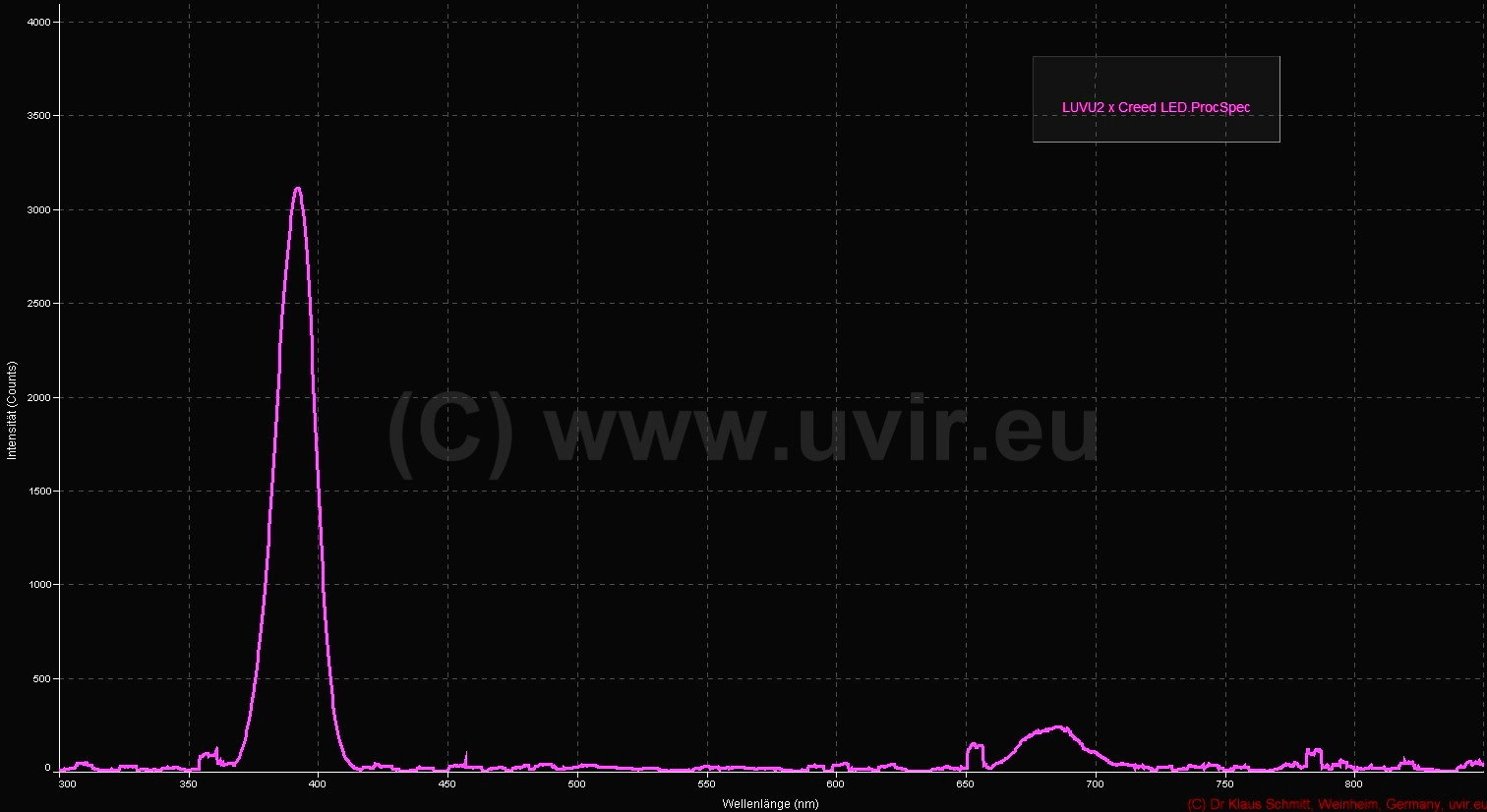
 
Obviously even that white CREE LED does emit some UV (peaks at 392nm) and there is some red between 650-710nm - that also explains why I see violet, as there is some UV + blue + red. (ignore the ripples, this is just noise caused by the very long integration time).

So what do we see now here in the next image: I have added to the experiment (using the same spectrometer settings) the Cree white LED light w/o that UV transmitting filter shining through 2x ND3 filters, equivalent to using 1x ND6 to reduce that enormous bright light to one my spectrometer can handle:
 
I needed two stacked neutral density ND3 filters (i.e. ND6) to reduce that intensity to a manageable level and to get about the same amount of count at around 670nm. So that means that this Cree LED is so intense, that it is even able to have that internal used phosphor (used to achieve the bright white light) emit some UV and some dark red!

Just to make that clear, ND6 means 1:1.000.000 reduction in intensity, so adjusting my previous example to real data now: if the UV transmitting filter suppresses OD4 (0.0001) and one uses a light with intensity 1.000.000 and shine it through that filter, one would still get 100 intensity counts (or simpler calculated OD6 – OD4 = OD2 equals a factor of 100). BUT in normal photography, one does not have that situation, so this really is irrelevant and renders such "test" useless.

Let me summarize:
I could not detect any IR leakage using the LUV U-2 filter as well as the spectrometric test did not show leakage up to 800nm in my earlier tests. So using a very strong LED torch of unknown properties to shine through such a filter, does not create a suitable and reliable testing method, nor do I recommend to use that. Neither do I recommend to look through such a filter pointing at the sun, as this creates an enormous risk for ones eyesight due to the high UV transmittance!!

I have previously written about filter leakage HERE.

Stay tuned, more will follow on that fascinating subject...

More info on this very interesting field may be found on my site http://www.pbase.com/kds315/uv_photos

Monday, April 20, 2009

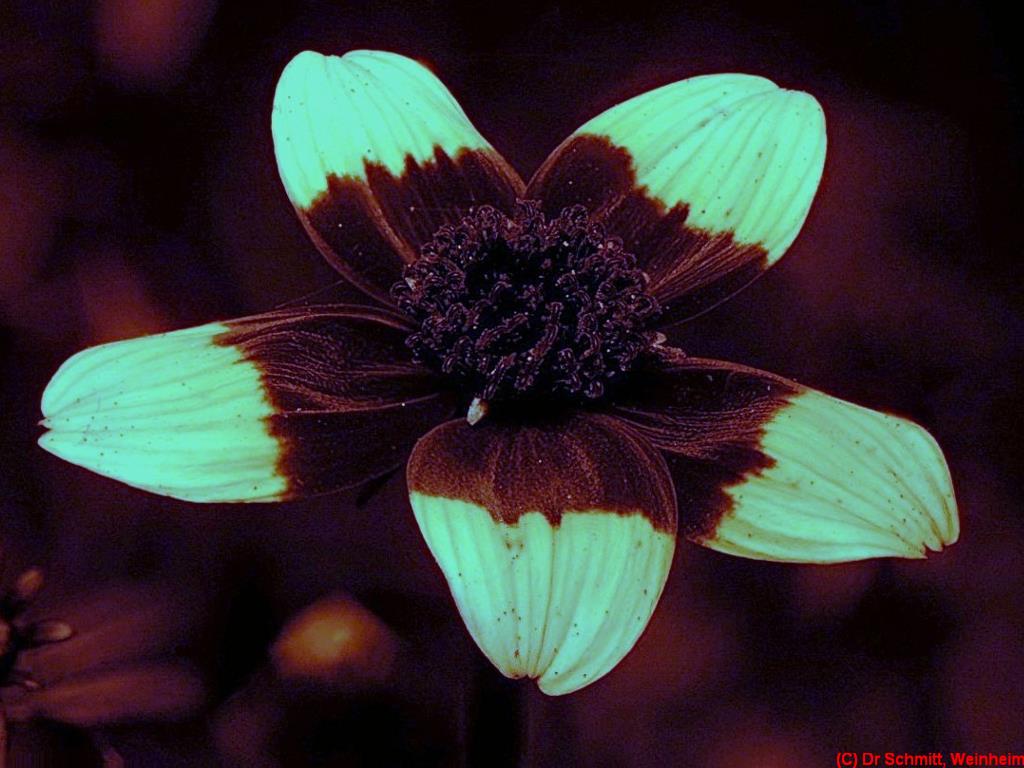
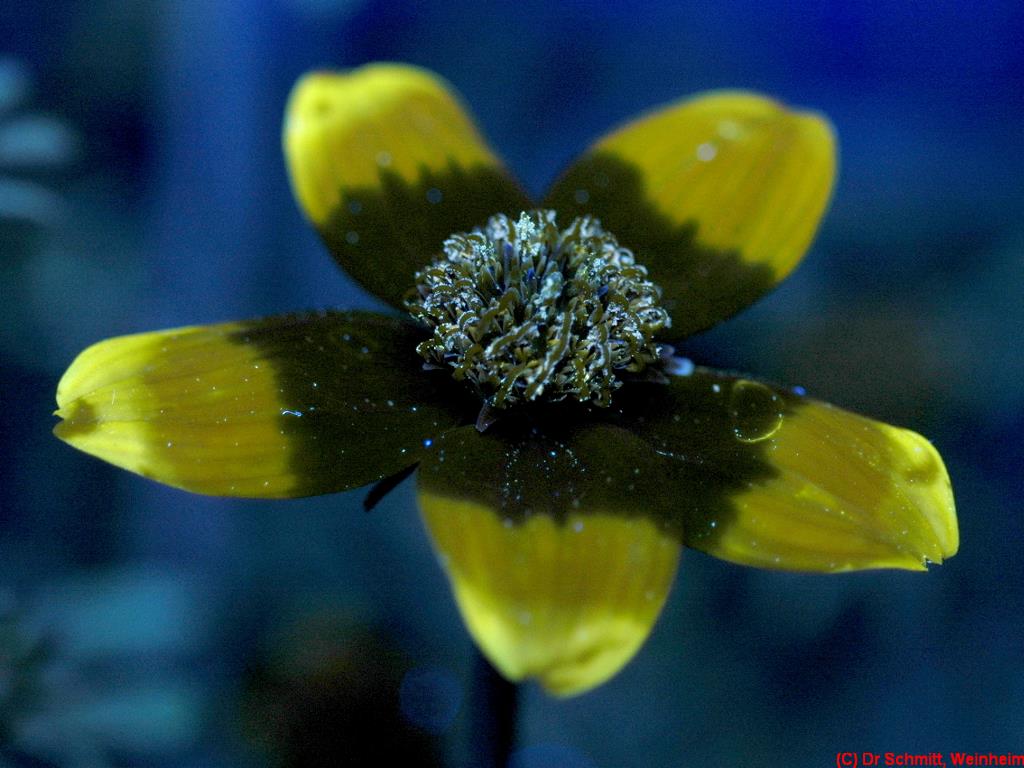
Bidens ferulifolia, various filters + light sources

Well, another nice target for UV photographic experiments is Bidens ferulifolia, the variety "Peters's Surprise".

Equipment used was: Nikon D70 (unmodified), ISO400, f5.6-8, 1/160sec, old 100mm enlarger lens.

[click on image to see a larger one]

VIS using XCUT2 filter (400-650nm):


UV using Baader U-filter (310-390nm) - synthetic DOF:


XUVIR multispectral filter (300-1000nm), UV Flash:


UV induced fluorescence using XCUT2 filter (400-650nm), UV flash:

So, as you may see, a variety of results also that flower shows us.

P.S.: if you wonder what "synthetic DOF" means, I used "stacking" to increase the DOF artificially.


Stay tuned, more will follow on that fascinating subject...

More info on this very interesting field may be found on my site http://www.pbase.com/kds315/uv_photos

Thursday, April 16, 2009

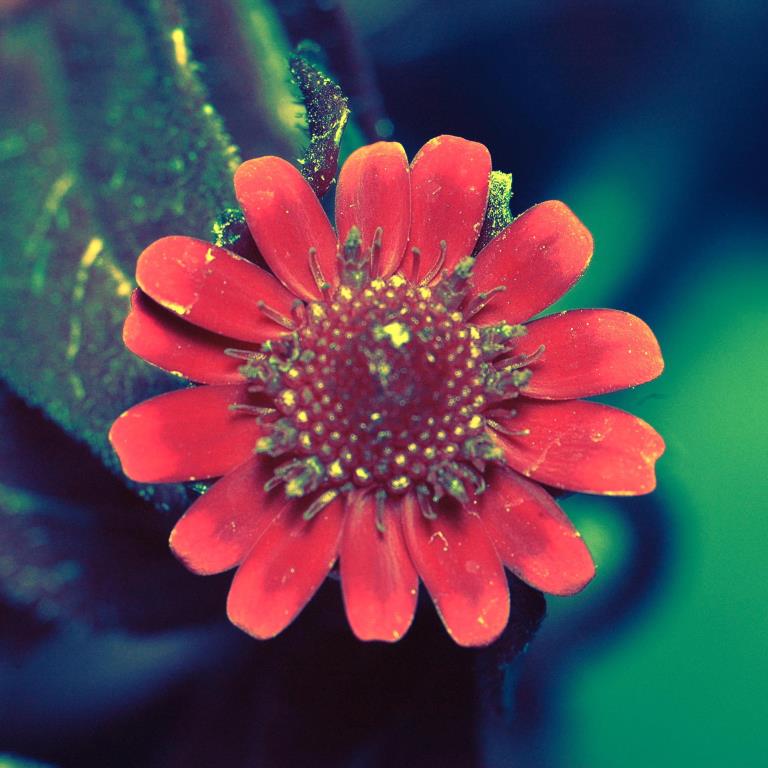
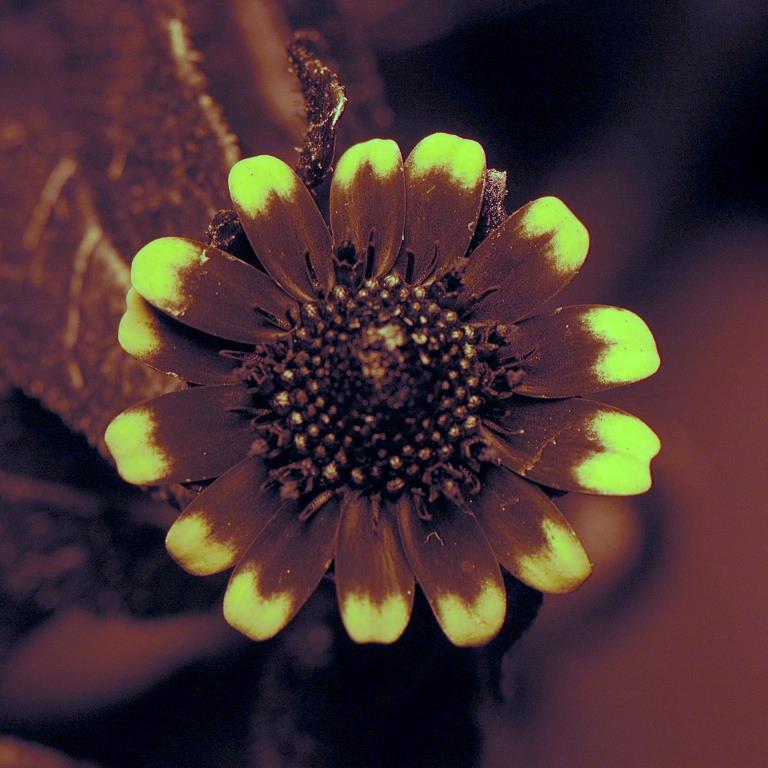
Creeping Zinna, multispectral, UV induced fluorescence, reflected UV etc.

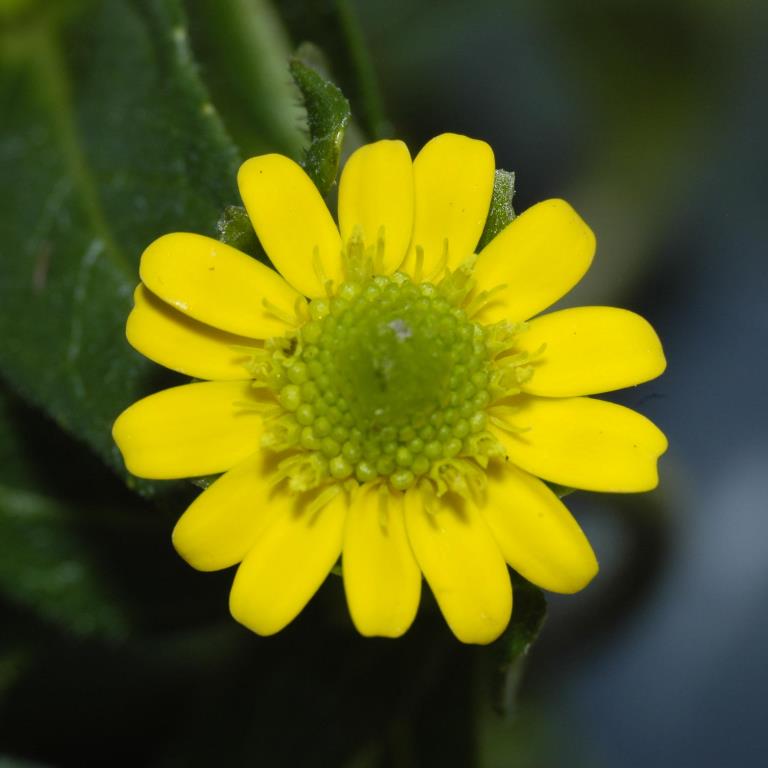
A walk over the local market not only brought some nice white "Lambertheimer" asperagus and new "Galatiner" potatoes home, nope, also a nice "Creeping Zinna" (Sanvitalia procumbens) plant made it to my balcony.

An ideal target to test out the UV enhanced High Power Xenon, the XUVIR "one shot" filter, the Xcut2 filter as well as the well known Baader U filter.

Equipment used was: Nikon D70 (unmodified), UV Nikkor 105mm lens @ ISO400, f11, 1/180sec.

[click on image to see a larger one]

VIS using XCUT2 filter (400-650nm):


UV using Baader U-filter (310-390nm):


XUVIR multispectral filter (300-1000nm), UV Flash:


XUVIR filter (300-1000nm), unfiltered flash for multispectral recording


UV induced fluorescence using XCUT2 filter (400-650nm), UV flash:


Sanvitalias UV pattern is actually not that easy to shoot. That may been seen if you have a look at the reflection spectra which I took, since the UV reflection of the petal tip (white line) is less than 10%, just a little bit more than the rest of the petal (teal line) which has hardly any UV reflection. At the same time the IR reflection is very high. So very careful filtering and a strong UV source is needed :


So, as you may see, a variety of results may be produced....and yes, the asparagus was delicious...

Stay tuned, more will follow on that fascinating subject...

More info on this very interesting field may be found on my site http://www.pbase.com/kds315/uv_photos
Monday, March 16, 2009

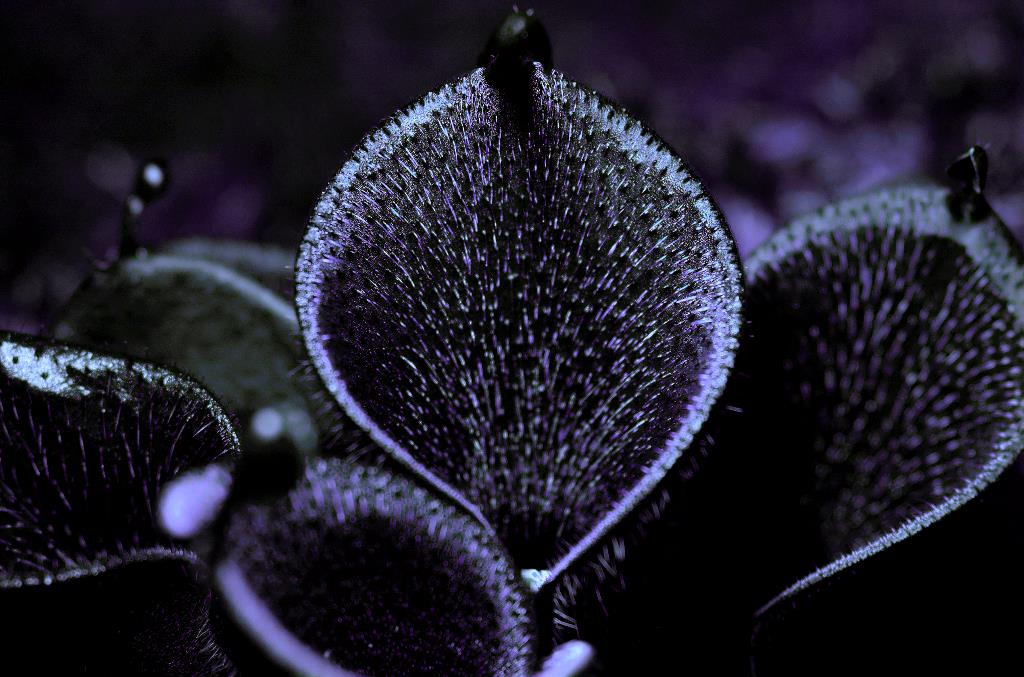
Carnivore plant shows UV pattern

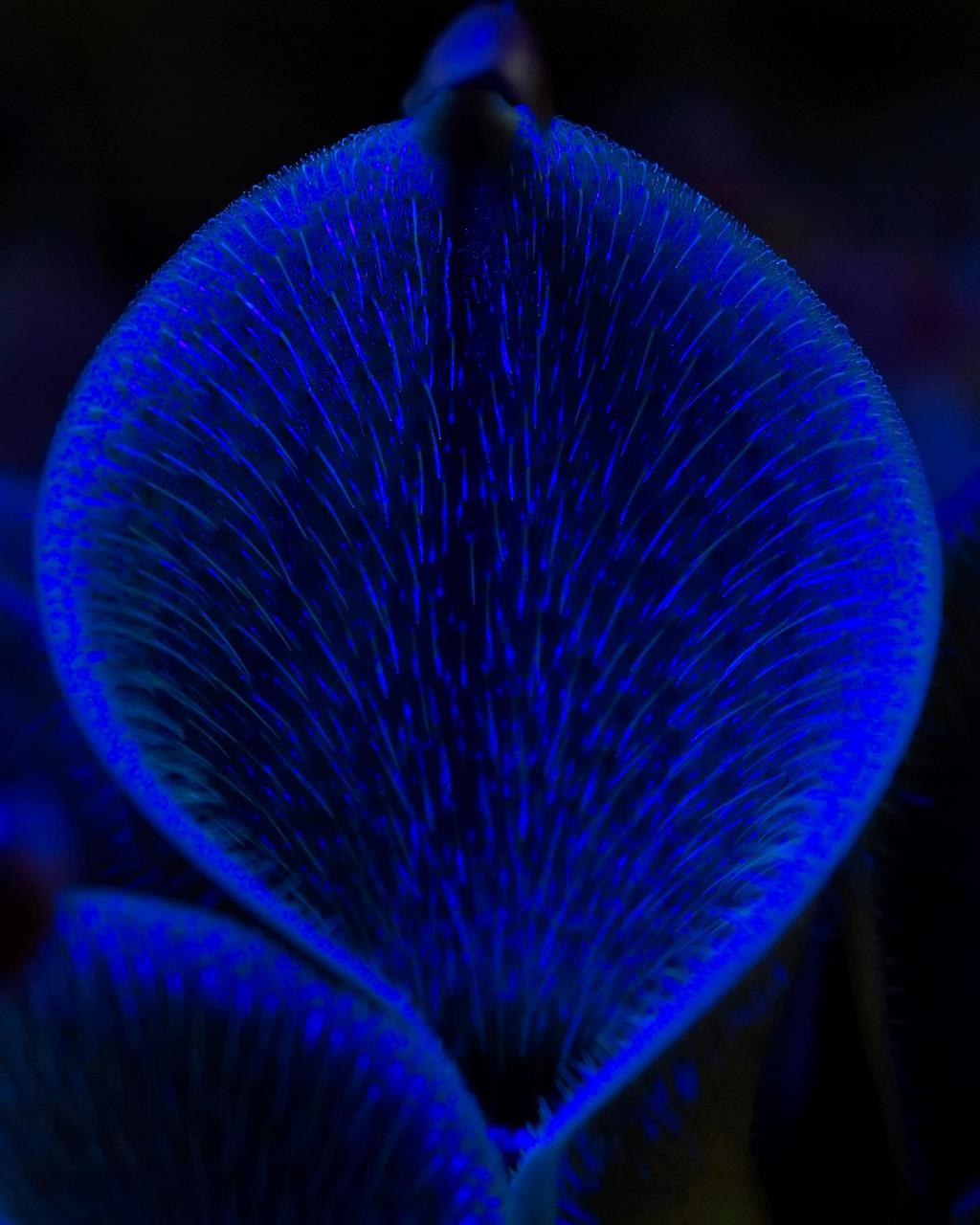
A friend of mine, Dr. Andreas Wistuba, collects and breeds special forms of carnivore plants and we were both wondering if some would show some UV reflective patterns. Well indeed, some do on these "needles" which prevent their prey to escape!!

Shot using off the shelf D70, UV-Nikkor 105mm, SB-140 flash + 2" Baader U-filter (310-390nm) (resp. UV blocking filter for the fluorescence shot)
[click on image to see a larger one]
UV shot:


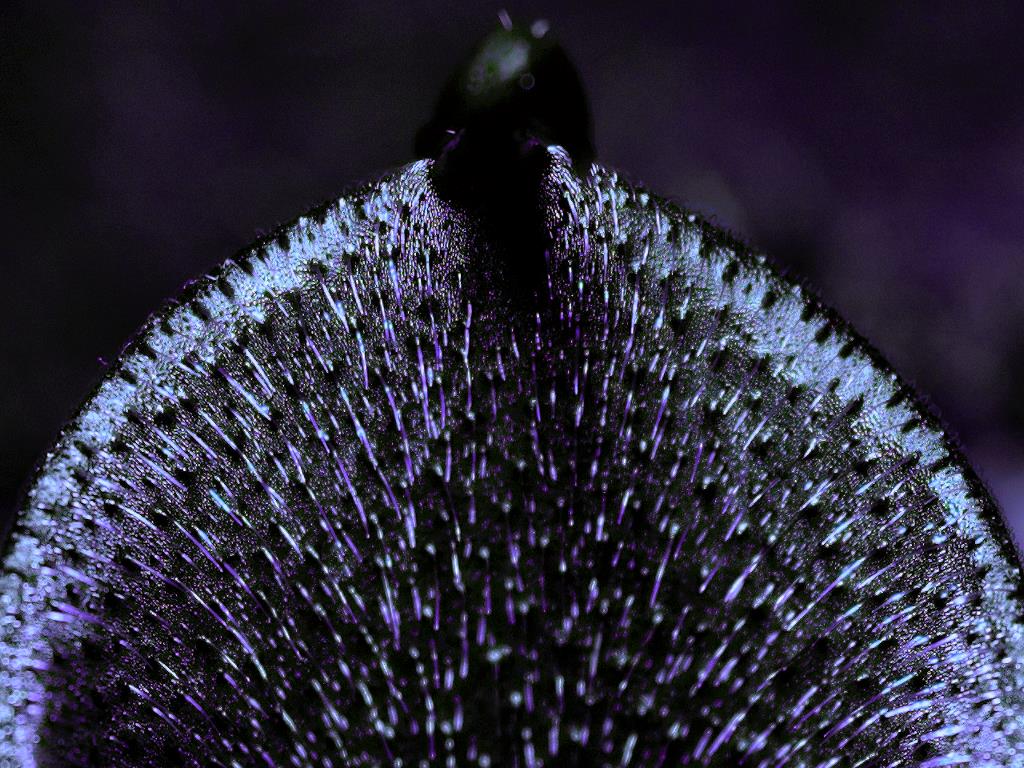
UV shot detail:


Fluorescence shot:

Not sure what caused that, but evolution surely had a reason to develop that UV pattern!

Stay tuned, more will follow on that fascinating subject...

More info on this very interesting field may be found on my site http://www.pbase.com/kds315/uv_photos

Monday, January 26, 2009

Filters for UV induced visible Fluorescence

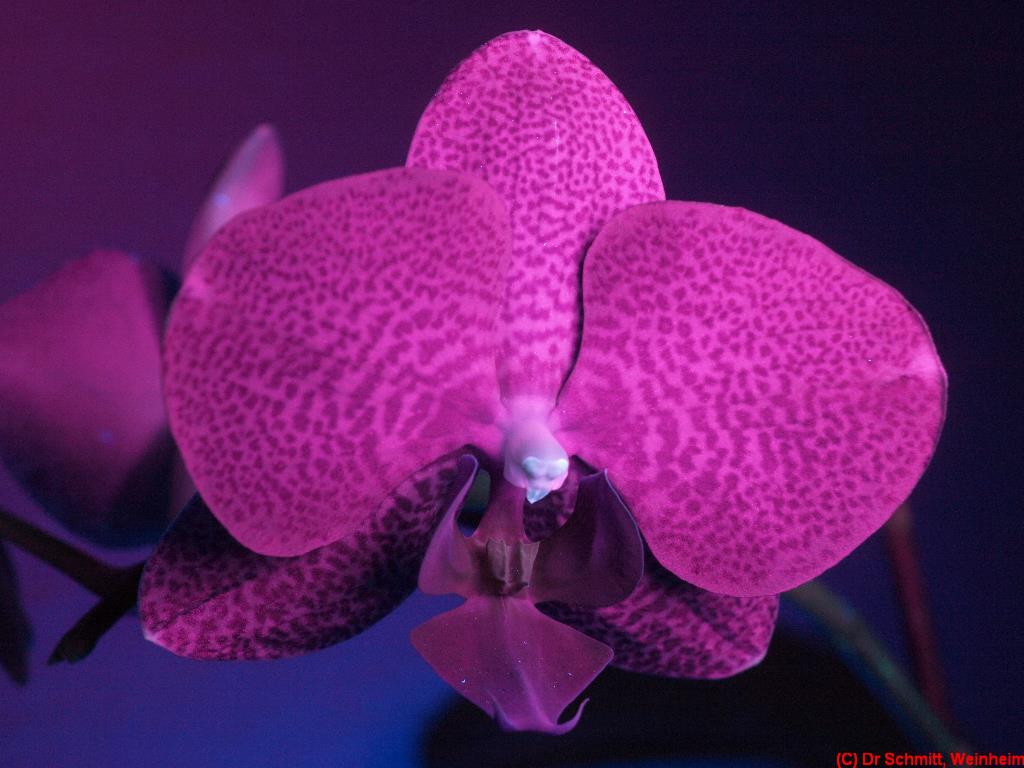
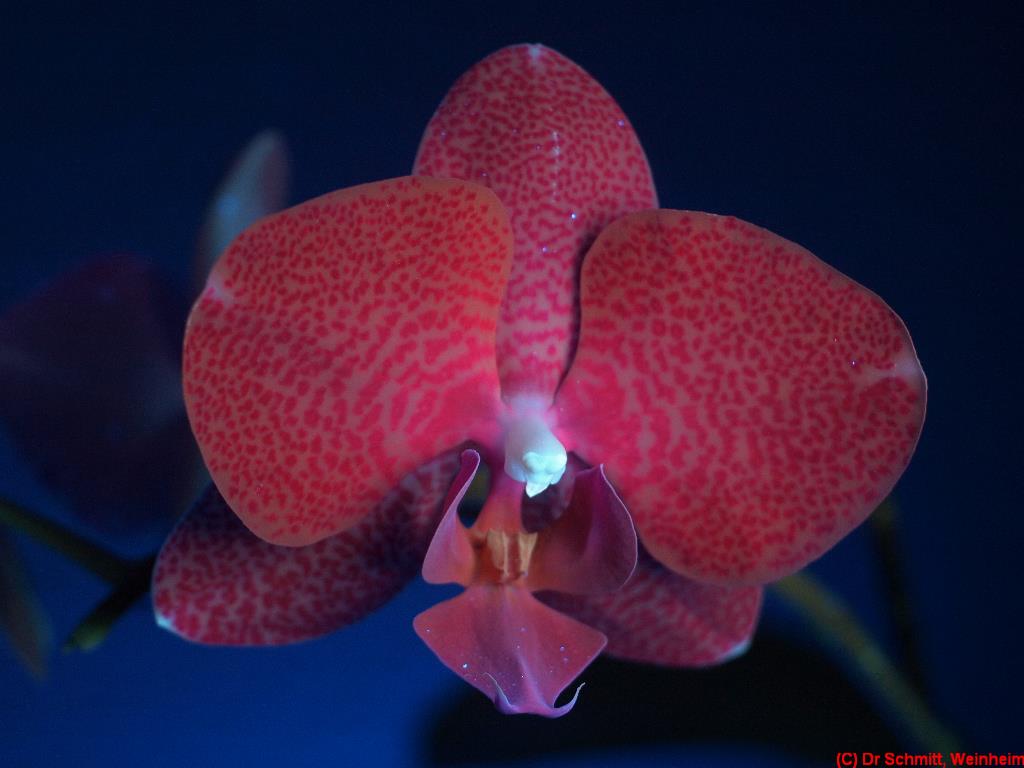
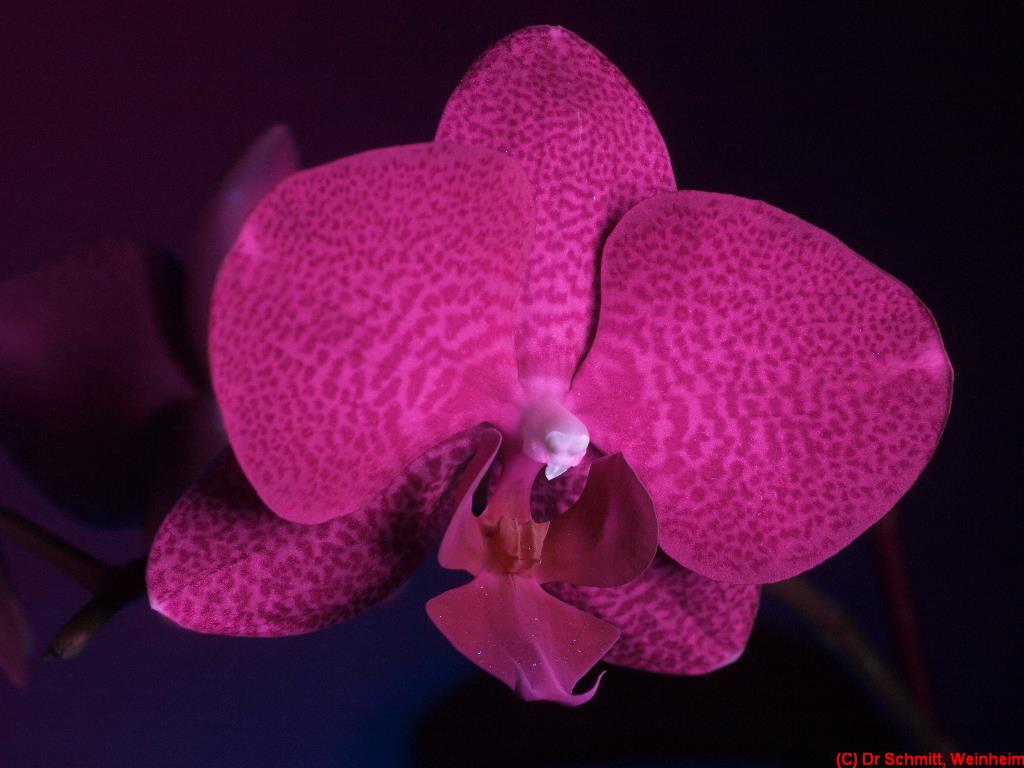
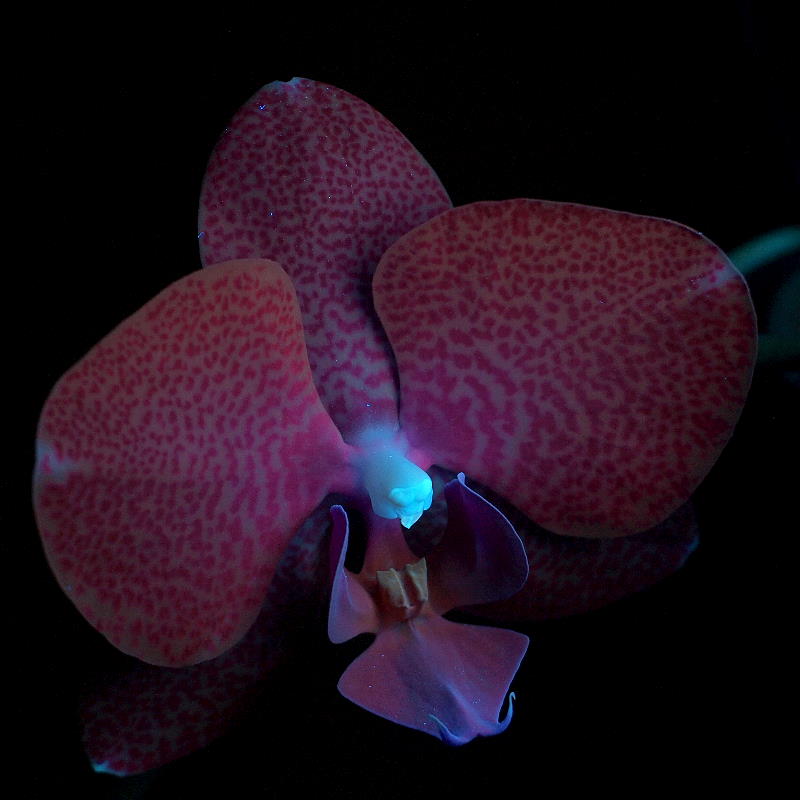
Here now an overview and comparative test of filters for UV induced visible fluorescence, as an outcome of a recent test I made using a Phalaenopsis as a target. I was using for that test my newly developed High Power UV Flash with UV transmitting front filter to stimulate UV induced visible fluorescence.  As optics I used the X35 lens at f8, 1/160 exposure time and the various mentioned filters (but any good lens for visible photography would obviously do).

Just a reminder: The intention was to find a filter, which allows to record visible fluorescence in the 400-650nm range. Deep red or NIR flourescence >650nm is tricky to record, since it coincides with NIR (near infrared) transmitted from the flash, so it would be wiped out in the resulting images (IR leakage). To record that, either a NIR blocking but UV transmissive flash front filter has to be used (a bit tricky, but could be done by sandwiching a BG38 or BG40 filter in front of the UV transmissive flash filter), OR a excinting source like the Nichia 365nm UV LED has to be used, which emits no NIR/IR at all.

[click on image to see a larger version]

1. Schott BG38 filter, transmits UV, but filters out IR - NOT useful


2. Commercial noname IR Cut filter, obviously transmits UV, blocks IR - NOT useful


3. Omega UV cut, IR blocking filter (from 650nm onwards) - too much blue also cut off (missing blue)


4. Baader UV IR Cut filter - nice colors, but transmits to about 700nm, which creates an
issue with most UV transmissive flash filters, since NIR is transmitted (too bright reds)


5. Baader UV IR Cut filter + IR cut filter (from 650nm onwards) - nice and UV flash issue
also nicely covered; but needs two stacked filters


6. Xcut filter, UV + NIR cut, transmits ca 410-650nm - works nicely, the best, all in just one filter


7. Xcut2 filter, UV + NIR cut, transmits ca 400-650nm - works nicely, bit on the cold side with enhanced blue, all in just one filter


8. Tiffen Hotmirror - quite some UV bleed through - NOT useful
[identical to the Canon Hot Mirror Filter btw.]


9. B+W 489 IR blocking filter - quite some UV bleed through - NOT useful
[the B+W 486 digital UV IR cut filter cuts on at 370nm, so it will be about the same, NOT useful result]


10. Noname Hot Mirror Filter - quite some UV bleed through - NOT useful


...and just for the fun of it and for comparison....purely reflected UV...
Baader U-filter ("Venus") 310...390nm


Stay tuned, more will follow on that fascinating subject...

More info on this very interesting field may be found on my site http://www.pbase.com/kds315/uv_photos
Sunday, January 18, 2009

High Power UV Flash for stimulated visible Fluorescence

Here a recent test I made to see if my newly developed High Power UV Flash would be able with just one pop to stimulate UV induced visible fluorescence. I used the X35 lens at f8, 1/160 exposure time and a Xcut blocking filter (prototype) ,which only allows 400-650nm vivible light to pass and thus also controls the risk of IR leakage coming from the flash, since Xenon emits plenty of IR. The flash itself is modified for high UV output and uses a quartz flashtube plus a UV transmissive, visible light blocking filter.

The following pic is (C) Michigan State University and shows clearly the high IR output of a normal Xenon flash (red line). The blue line however shows the effect of a flash circuit modification, allowing more amps per square centimeter to pass through the Xenon plasma, so as to enhance UV output and suppress the usually high IR content.

Here now the shot and the proof that the High Power UV Flash idea works to stimulate visible fluorescence:

[click on image to see a larger version]

And now how fluorescent minerals look like using that flash.

All fluorescent minerals from the famous Franklin Mine/USA:

Stay tuned, more will follow on that fascinating subject... More info on this very interesting field may be found on my site http://www.pbase.com/kds315/uv_photos
Tuesday, November 11, 2008

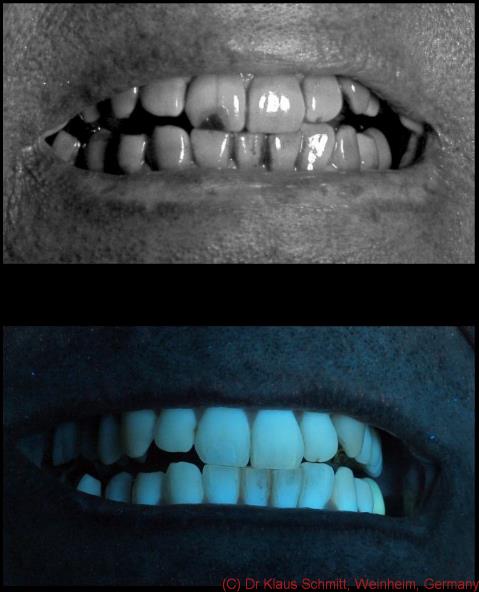
Teeth and UV I

Today about teeth and ultraviolet photography.

I found in some older books some contributions of Prof. Woods and esp. Ch. Lunnon about photograping teeth using ultraviolet light.

So here some results using my calibrated for UV X35 lens, a Baader 2" U-filter and my newly developed High Power UV flash.

The top image clearly shows, repairs, cracks, plaque etc. whereas the second one using a special filtering technique also shows bacteria build up (plaque) as reddish cast and repairs having being done. The small size of the images here do not really show the amount of detail which gets visible using these techniques.

[click on image let's you see a larger image]


Stay tuned, more will follow on that fascinating subject...

More info on this very interesting field may be found on my site http://www.pbase.com/kds315/uv_photos
Friday, October 12, 2007

Nichia 365nm UV LED based UV lamp ... first results

[update: there is a much more powerful system available now based on the new Nichia 4 dice chips NC4U133 (365nm) and NC4U134 (385nm), which has about 3.5x the power]

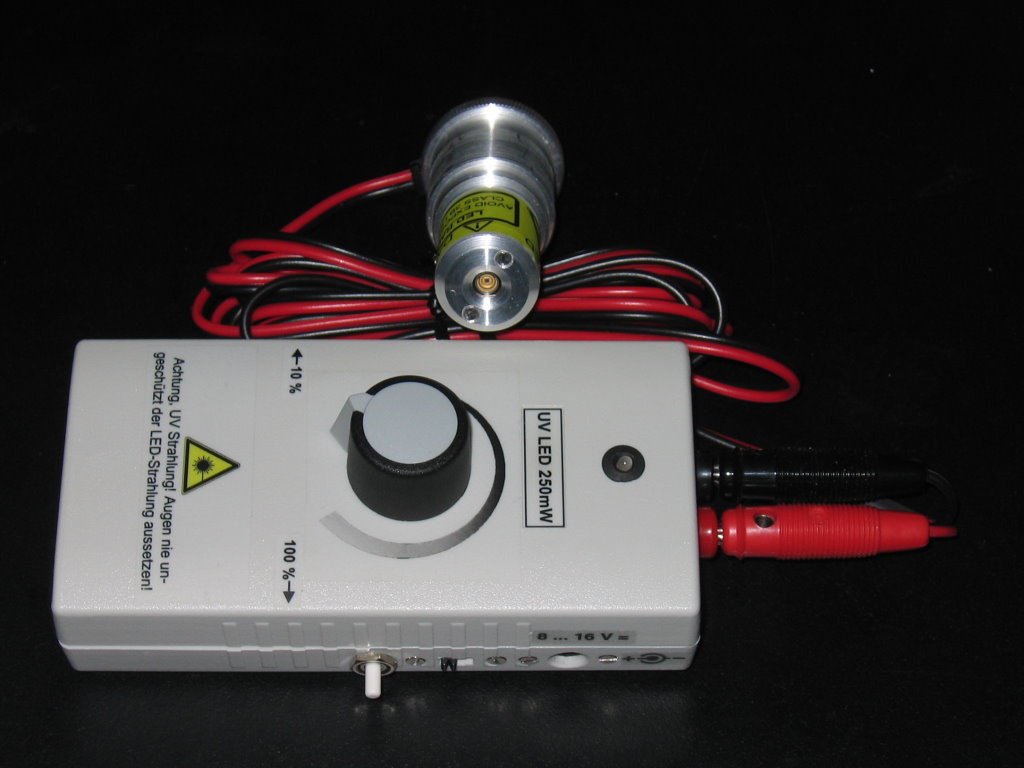
I just got an UV lamp/flash based on the powerful 250mW Nichia NCSU033A 365nm UV LED which was specifically made for my photographic goals.

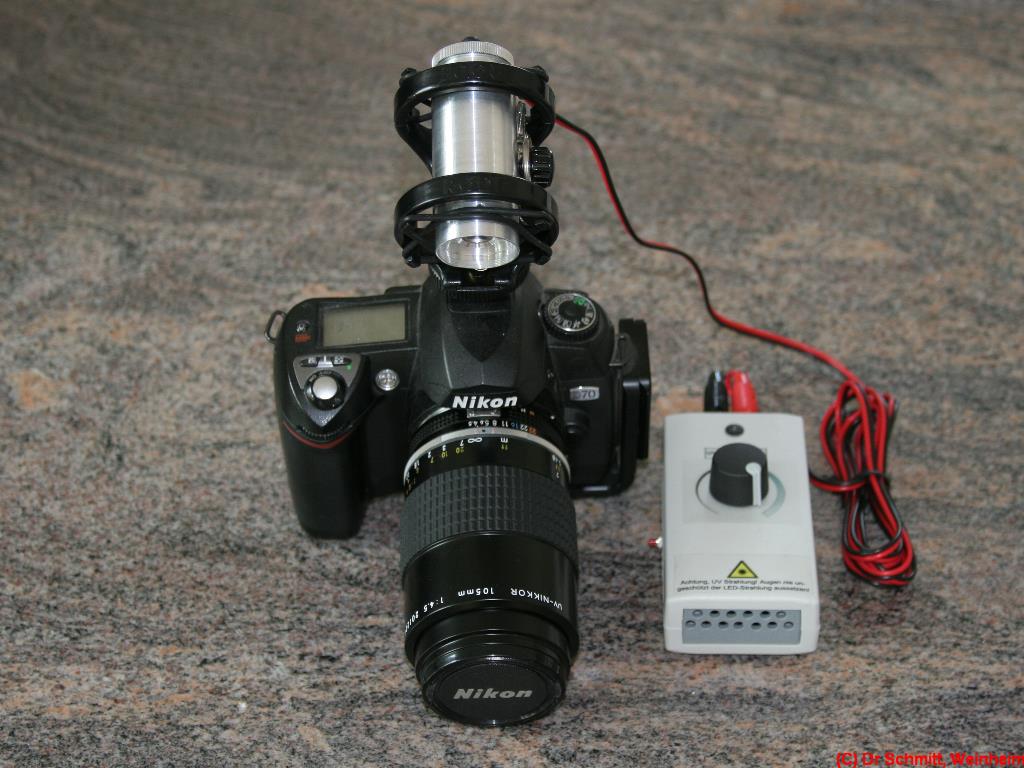
Here now the first pre-production sample and some results. It is made to operate from mains but also from battery (8..16Volts) so would also allow portable operation for many hours. The LED is built into a cooling cylindrical housing and will also be equipped with an adaptor for an UV light guide (quartz or liquid). Power is adjustable from 0...100% and I have also foreseen a 10% and 100% switch. To trigger that via the camera is the next thing to work on.

This is how the first sample looks like, nice I would say:
[click on image yields a larger version].


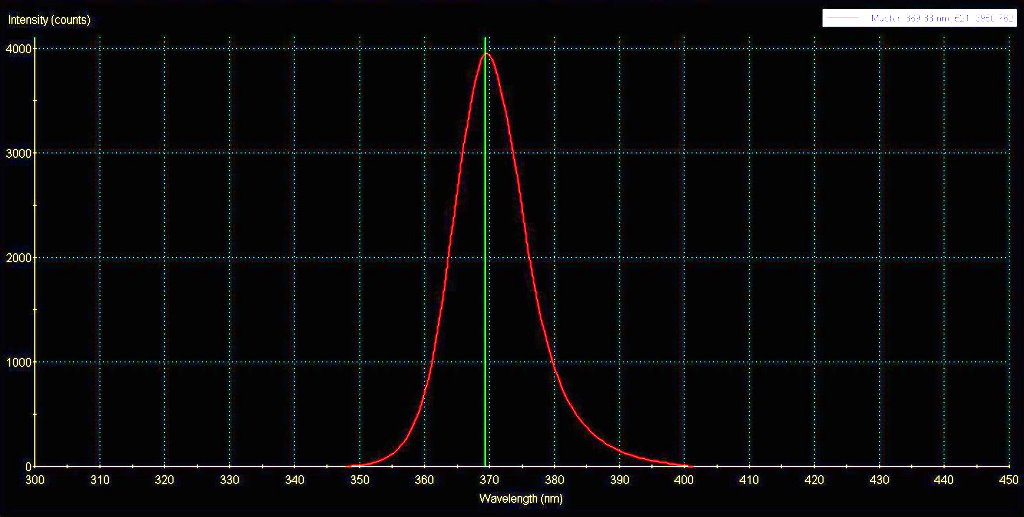
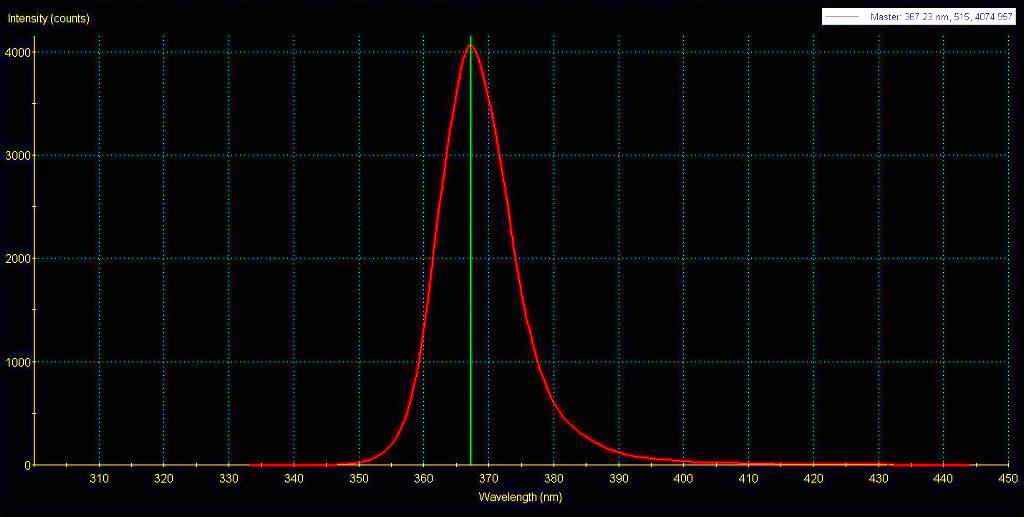
The emitted wavelength depends a bit on the power the LED operates at, but the shift is small (367 @10% vs. 369nm @ 100%), see attached spectras. The output of visual light is indeed very small, but of course visible esp. at full power.

@100% Power [normalized Intensity, not absolute output]:


@10% Power [normalized Intensity, not absolute output]:


The UV LED showed only minimal long term drift due to thermal effects of ca 0.7nm 
(from 370.0 to 370.7nm after 20mins @100%); start temp: 20 degrees, end temp ca. 42 degrees Celsius. The green line was the center wavelength at start, the blue line  shows the minimal shift of that wavelength over time thanks to the excellent control 
logic:


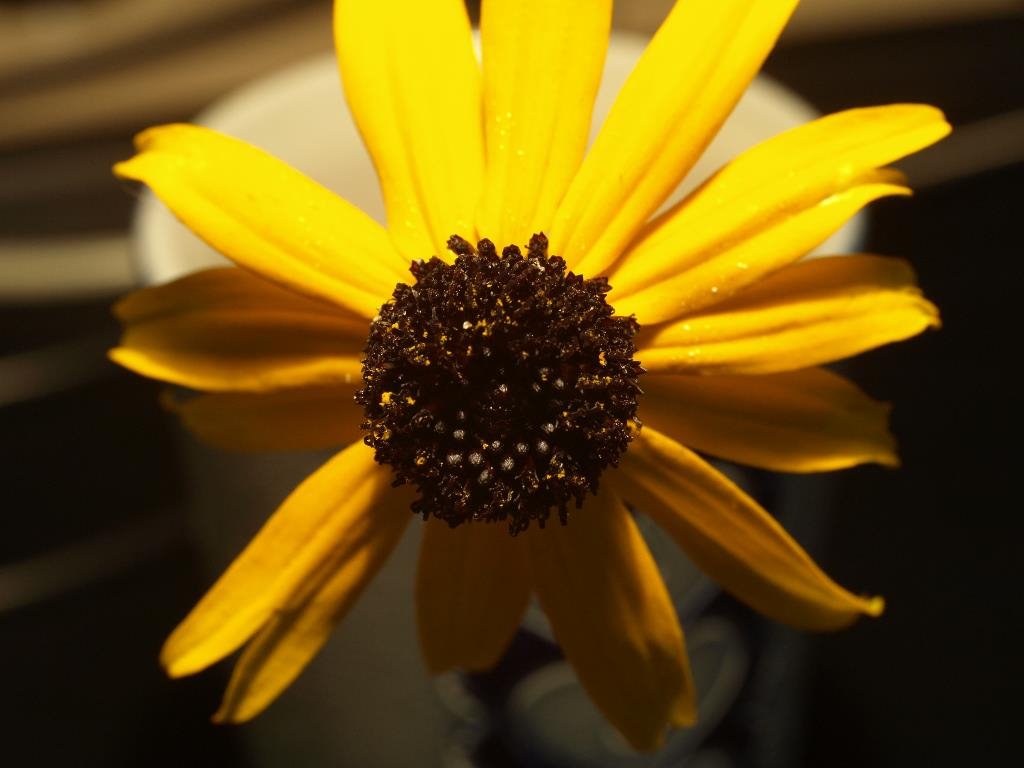
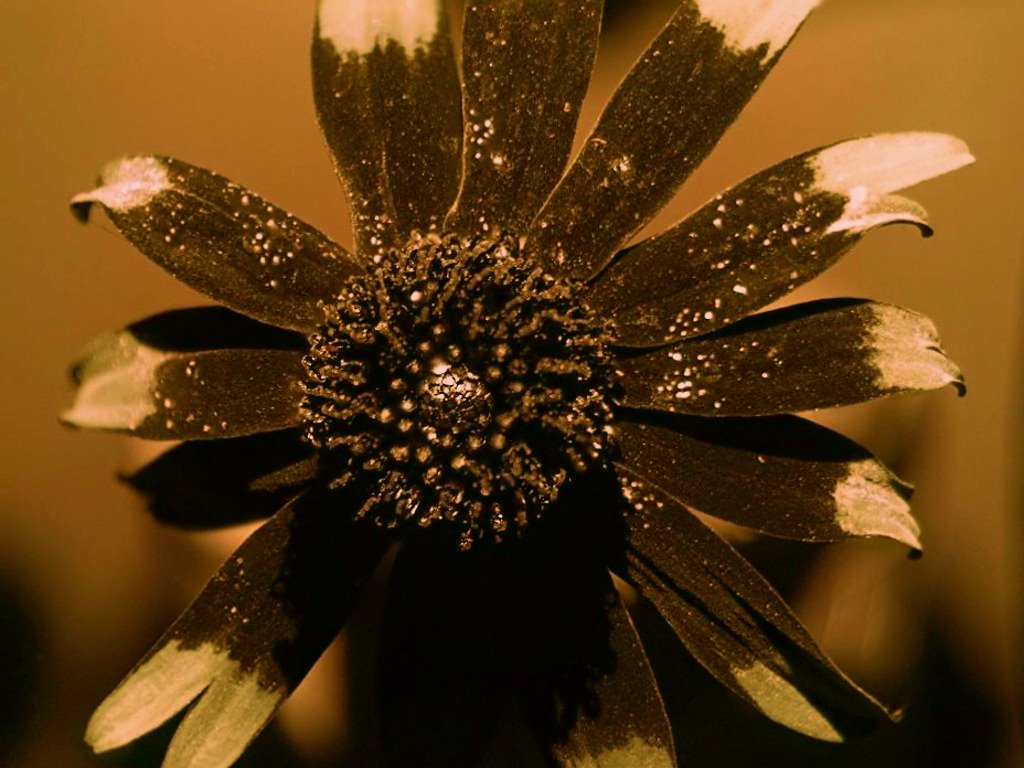
Now on to the photographic results using that UV LED. Target here was a Rudbeckia flower, since it sports a nice UV pattern.

VISUAL shot:


UV induced visual FLUORESCENCE (using Baader UV/IR Cut filter):


UV (using Baader 2" U-filter):


UV + UV induced visual FLUORESCENCE (no filter, shot in darkness):


Unaltered shots directly from the camera, just sized down.

And here some test using synthesized DOF for the UV shot:


and some shot from the side in much higher magnification using UV Rodagon 60mm + Baader UV/IR Cut filter to show the fluorescent pollen:


100% crop:


So in total I would find that litte gem quite useful...

Even more so since now it has been enhanced, so a camera is able to trigger the unit as long as the shutter is open to full power and then falls back to a preadjusted value. Quite nice, so one is not exposed to full power all the time and handling is much easier.


A further enhancement is an adjustable f1 quartz condensor lens which allows to focus/defocus the UV beam depending on the lighting situation needed. Plus there is also now an adaptor to a quartz or liquid light guide to direct UV light as needed.


P.S.: There are now also different LED heads available, such as a 385nm head, white light with different color temperatures (3500 - 8000 K) plus for IR (850nm and longer)

P.P.S.: there is now also a holder for a camera hotshoe which makes operation very easy.


A laser pointer also fits in to make it easy to target:


Stay tuned, more will follow on that technical subject...

More info on this very interesting field may be found on my site http://www.pbase.com/kds315/uv_photos