Wednesday, June 10, 2026

UFAR-12 41mm f/2.5 quartz fluorite lens does cobweb hens & chicks flowering

Well, some long time ago I had mentioned that I was able to "liberate" the two last survived multispectral quartz fluorite lenses UFAR-12 f2.5/41mm from the russian mission to Mars. Made by LOMO and designed by GOI, they represent (to me) a top result of the designers under Prof. Volossov who headed the optical design department of GOI in St Petersburg. Transmission of that lens is flat approx. 65% for 330...1000nm. Center resolution is approx. 80lpm

And today I took it out again and took some shots on my balcony, as there were some succulent Cobweb Hens & Chicks were starting to flower....

[click on image to see a larger one]

Human Vision (400-700nm):


Ultraviolet Vision (310-390nm):


Quite nice resolution this lens shows and it has a pretty good UV transmission, too which I have measured a while ago.


Stay tuned, more will follow on that fascinating subject...

More info on this very interesting field may be found on my site http://www.pbase.com/kds315/uv_photos

Wednesday, June 3, 2026

Slovakian Museum shows my works to show kids how bees and butterflies see flowers

Today about some of my works being used with my permission by the Zapadoslovenske Museum, Trnava, Slovakia  in an exhibition how bees and butterflies see flowers, March to October 2026.

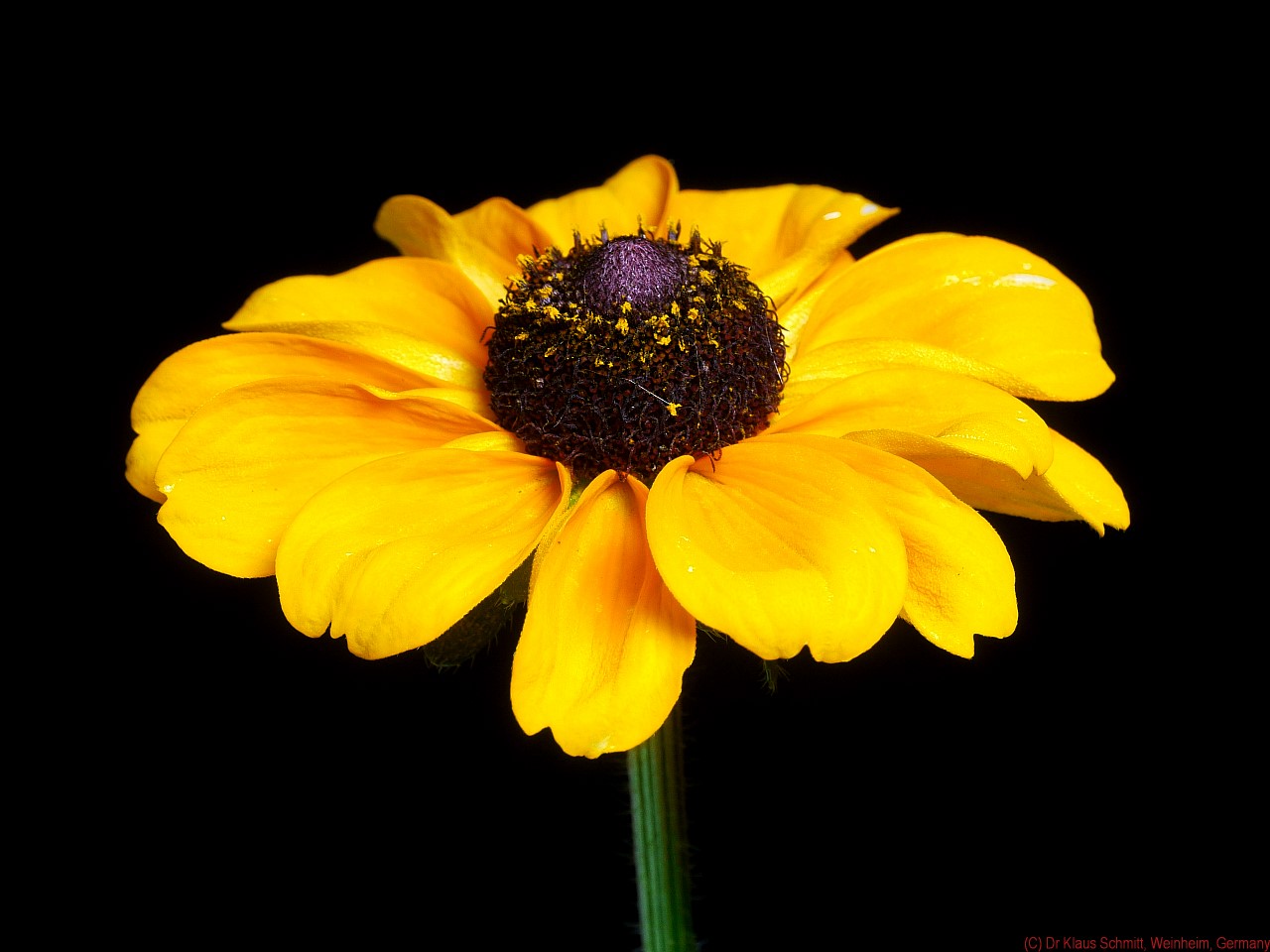
They chose to use my multispectral photos of an attractive yellow flower, a Rudbeckia hirta, which were shot by me in reflected ultraviolet photography, simulated bee and butterfly vision. All shots were done at f8 in reflected ultraviolet photography using my "work horse" UV filter, the Baader-U filter, as well as my XBV filters for simulated bee and butterfly vision. Lens was a UV-Nikkor 105mm quartz fluorite lens. Light source was a modified Xenon studio flash, modified for high UV output.

[click on image to see a larger one]

Human vision:
 

Reflected UV:
 

Simulated butterfly vision:
 

Simulated bee vision:
 

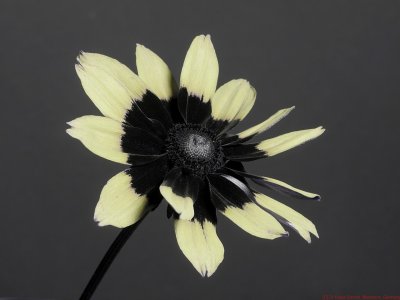
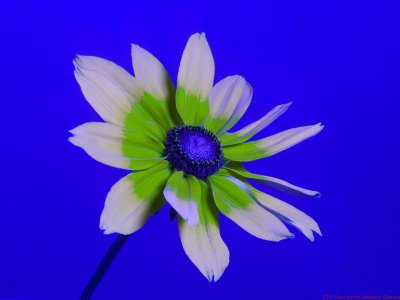
Quadriptych of human vision, UV, simulated butterfly and bee vision (left to right, top to bottom):
 

Rudbeckia hirta's outer petals strongly reflect UV around 365nm, whereas its center parts are quite darker, reflecting around 365nm, hence forming invisible to us humans UV nectar guides for UV seeing insects. This is all invisible to us humans, but clearly visible to bees and butterflies, and all this will be nicely visible to the visitors.

I have written more about this flower HERE.

Stay tuned, more will follow on that fascinating subject...

More info on this very interesting field may be found on my site http://www.pbase.com/kds315/uv_photos 
Stay tuned, more will follow on that fascinating subject...

Saturday, April 18, 2026

Cliff maids - Lewisia cotyledon in reflected ultraviolet photography, simulated bee and butterfly vision XI

Today in Spring 2026 after some hiatus due to a move to the French border more shots of a white long blooming, perennial flower Cliff maids - Lewisia cotyledon in reflected ultraviolet photography and simulated bee and butterfly vision. All shots were done at f8 in reflected ultraviolet photography using my "work horse" UV filter, the Baader-U filter, as well as my XBV filters for simulated bee and butterfly vision. Lens was a UV-Nikkor 105mm quartz fluorite lens. Light source was sunlight and some UV LED help.

[click on image to see a larger one]

Human vision:
 

Reflected UV:
 

Simulated bee vision:
 

Simulated butterfly vision:
 

Quadriptych of human vision, UV, simulated bee and butterfly vision (left to right, top to bottom):
 

Lewisia has a visible UV pattern, its petal tips are UV bright around 385nm, its center is UV dark, so this gets quite nicely visible, also in simulated butterfly and bee vision. 

But there is also a highly UV reflective area visible, formed by those shiny petals which is especially quite visible in UV! 

 I have written more about that flower HERE
 
Stay tuned, more will follow on that fascinating subject...

More info on this very interesting field may be found on my site http://www.pbase.com/kds315/uv_photos
Monday, January 26, 2026

Spider Web reflects UV to attract prey III

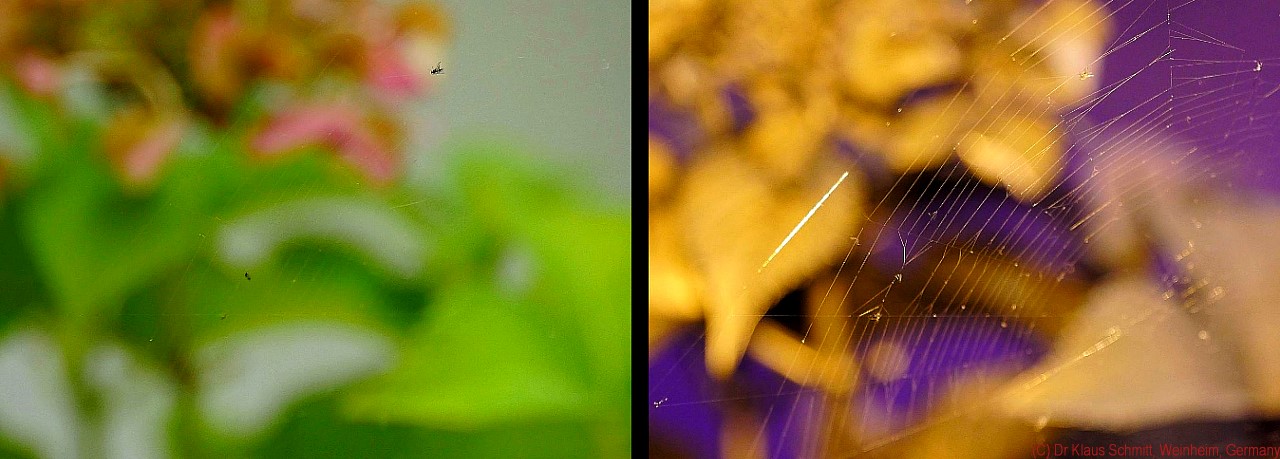
I have written a while ago about spider webs which would actually reflect ultraviolet (UV) light, so as to attract prey (insects like bees etc).

Now it just happened that National Geographic Learning (Cengage) asked me for permission to use my works for their teaching materials.

These were shot in reflected UV and visible light. Lens used was my UV-Nikkor 105mm, for reflected ultraviolet light I used my "work horse" UV filter, the Baader-U filter. Light source was available light and a UV LED light with Nichia UV LED emitting at 365nm.

[click on image yields a larger one]

Spider web in visible light (hardly visible at all) with some prey:


and now the proof that the web actually reflects UV light strongly:


Here two diptychs showing this side-a-side (visible light is left, reflected UV on the right):


Detail of the above:


Quite amazing what happens in nature, if you take a closer look...also in wavelengths that we humans cannot see, but animals and insects can!

I have previously written about that HERE

Stay tuned, more will follow on that fascinating subject...

More info on this very interesting field may be found on my site http://www.pbase.com/kds315/uv_photos

Monday, December 8, 2025

A forthcoming Book on Animal Eyes will be using my multispectral works

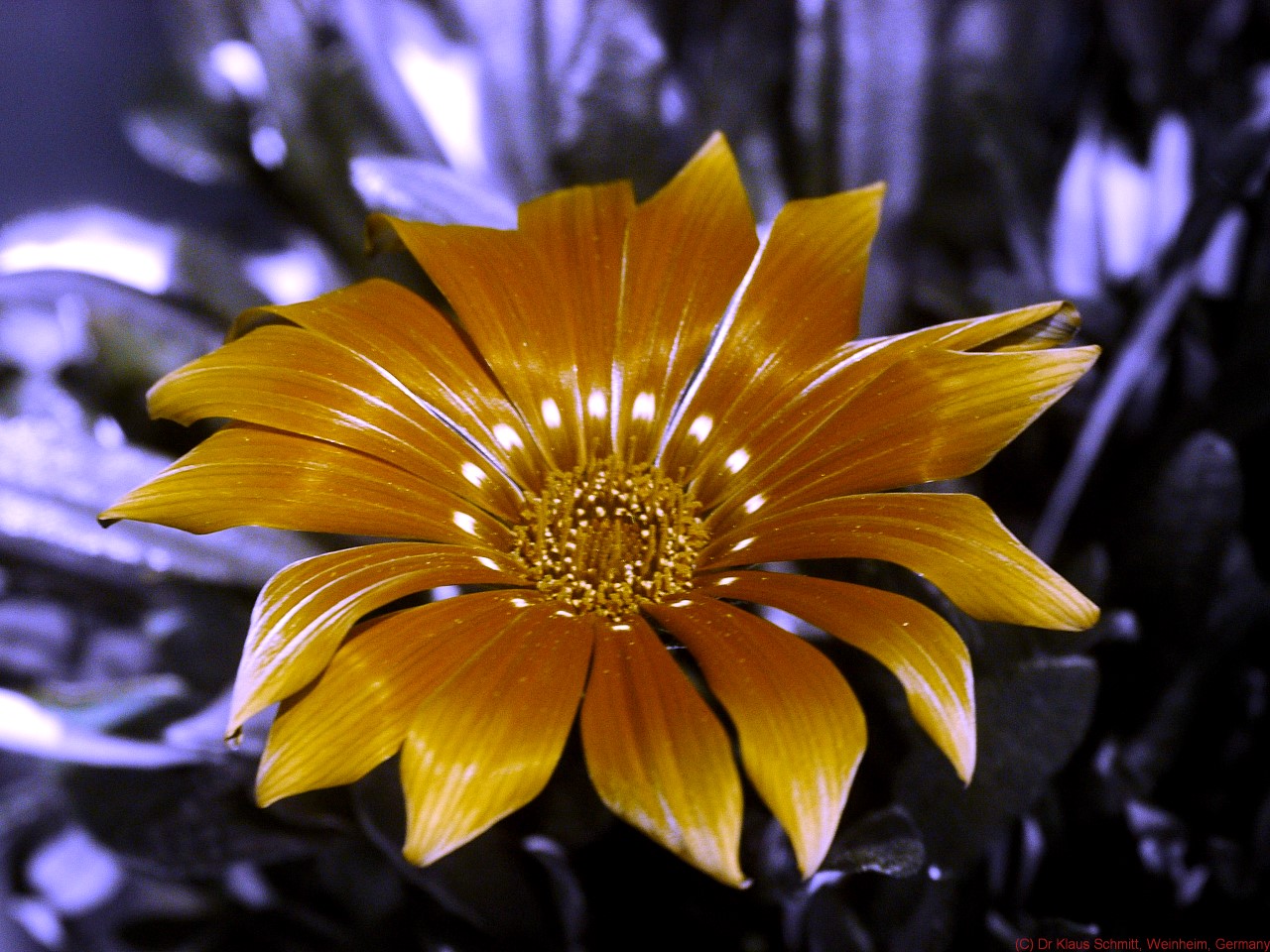
Today about a forthcoming in 2026 book "The Ilustrated Book of Colors" which will be using some of my multispectral photographic works. Professor Yasushi Noguchi (Tokyo Polytechnic University, Faculty of Arts, Department of Interactive Media) will be using my images in the chapter "Animal Eyes" to illustrate how differently species see the world. He will be using the following pictures of a Gazania rigens. 

All shots were done at f8 in reflected ultraviolet photography using my "work horse" UV filter, the Baader-U filter, as well as my XBV filters for simulated bee and butterfly vision. Lens was a UV-Nikkor 105mm quartz fluorite lens. Light source was sunlight, background was the flower's own foliage.

[click on image to see a larger one]

 Human vision:
 

Reflected UV:
 

Simulated butterfly vision:
 

Simulated bee vision:
 

Quadriptych of human vision, UV, simulated butterfly and bee vision (left to right, top to bottom):
 

Quite interesting colors get visible, hence why my images will be used in a publication about "Animal Eyes".


Stay tuned, more will follow on that fascinating subject...

More info on this very interesting field may be found on my site http://www.pbase.com/kds315/uv_photos
Saturday, November 22, 2025

A forthcoming publication about synthetic Lichens

Today about a forthcoming publication using the following pictures of that same Lichen I have reported about (most likely Xanthoria parietina and Physcia adscendens grown into each other), that I found growing on a broken branch. Shots were done in UV induced visible fluorescence (UVIVF) using my CERCO 94mm quartz/fluorite lens, the Baader UV/IR Cut filter and another special longer wave cut filter as well as my Nichia high power UV LED system that was used as a light source.

[click on image to see a larger one]

Human vision image using UV/IR Cut filter:

UVIVF image using a special UV Cut filter:

UVIVF image using Baader UV/IR Cut filter:

Quite interesting colors get visible, hence why my images will be used in a publication about "synthetic lichens".


Stay tuned, more will follow on that fascinating subject...

More info on this very interesting field may be found on my site http://www.pbase.com/kds315/uv_photos
Wednesday, October 22, 2025

Nature in Brilliant Colors Exhibit at Canadian Museum of Nature (CMN) in Ottawa, Canada

Today about some of my works being used with my permission by the Canadian Museum of Nature (CMN) in Ottawa, Canada. Their idea was to have an digital interactive exhibition on floral seduction strategies, showing how flowers invisible to us interact with bees and butterflies using reflected ultraviolet (UV) light.

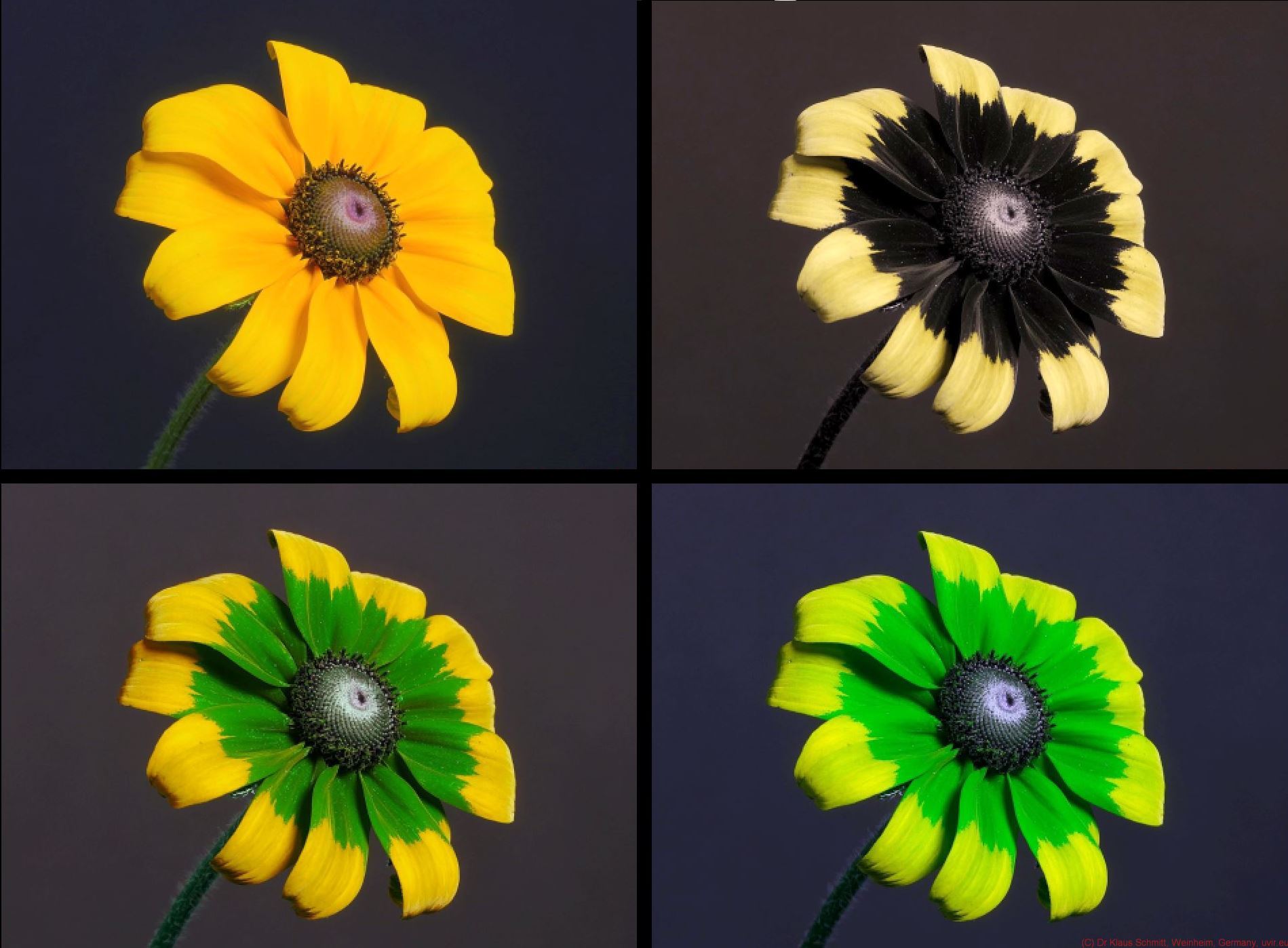
They chose to use an attractive yellow flower, a Rudbeckia hirta, which were shot by me in reflected ultraviolet photography, simulated bee and butterfly vision. All shots were done at f8 in reflected ultraviolet photography using my "work horse" UV filter, the Baader-U filter, as well as my XBV filters for simulated bee and butterfly vision. Lens was a UV-Nikkor 105mm quartz fluorite lens. Light source was a modified Xenon studio flash, modified for high UV output.

[click on image to see a larger one]

Human vision:
 

Reflected UV:
 

Simulated butterfly vision:
 

Simulated bee vision:
 

Quadriptych of human vision, UV, simulated bee and butterfly vision (left to right, top to bottom):
 

Rudbeckia hirta's outer petals strongly reflect UV around 365nm, whereas its center parts are quite darker, reflecting around 365nm, hence forming invisible to us humans UV nectar guides for UV seeing insects. This is all invisible to us humans, but clearly visible to bees and butterflies, and all this will be nicely visible to the visitors at the Canadian Museum of Nature (CMN) in Ottawa, Canada from May 15, 2026 to January 10, 2027

I have written more about this flower HERE.

Stay tuned, more will follow on that fascinating subject...

More info on this very interesting field may be found on my site http://www.pbase.com/kds315/uv_photos 

Stay tuned, more will follow on that fascinating subject...

Tuesday, May 27, 2025

Exhibition on Floral Seduction Strategies at Montreal Botanical Garden

Today about some of my works being used with my permission by the Montreal Botanical Garden. Their idea was to have an exhibition on floral seduction strategies, showing how flowers invisible to us interact with bees and butterflies using reflected ultraviolet (UV) light at the Montreal Botanical Garden, Canada.

They chose to use an attractive yellow flower, a Rudbeckia hirta, which were shot by me in reflected ultraviolet photography, simulated bee and butterfly vision. All shots were done at f8 in reflected ultraviolet photography using my "work horse" UV filter, the Baader-U filter, as well as my XBV filters for simulated bee and butterfly vision. Lens was a UV-Nikkor 105mm quartz fluorite lens. Light source was a modified Xenon studio flash, modified for high UV output.

[click on image to see a larger one]

Human vision:
 

Reflected UV:
 

Simulated butterfly vision:
 

Simulated bee vision:
 

Quadriptych of human vision, UV, simulated bee and butterfly vision (left to right, top to bottom):
 

Rudbeckia hirta's outer petals strongly reflect UV around 365nm, whereas its center parts are quite darker, reflecting around 365nm, hence forming invisible to us humans UV nectar guides for UV seeing insects. This is all invisible to us humans, but clearly visible to bees and butterflies, and all this will be nicely visible to the visitors at the Montreal Botanical Garden from June 27 to August 17, 2025.

I have written more about this flower HERE.

Stay tuned, more will follow on that fascinating subject...

More info on this very interesting field may be found on my site http://www.pbase.com/kds315/uv_photos 

Stay tuned, more will follow on that fascinating subject...

Wednesday, April 30, 2025

Palmengarten Frankfurt / Main Germany showing kids invisible to us bee and butterfly vision

Today about my works being used with my permission by the Palmengarten Botanical Garden Frankfurt/ Main Germany. Their idea was to show kindergarden kids how bees and butterflies see the world including their ability to see reflected ultraviolet (UV) light. 

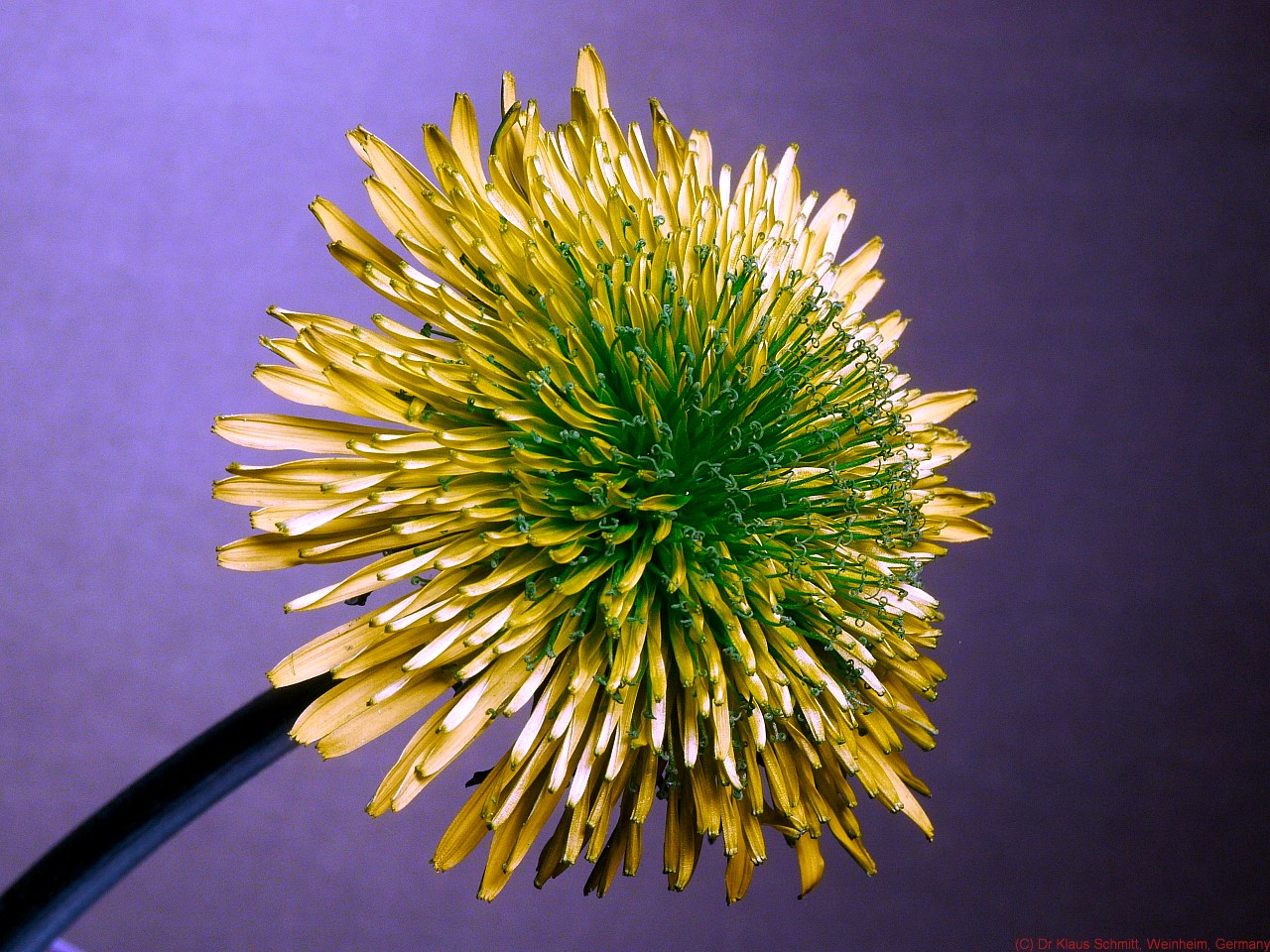
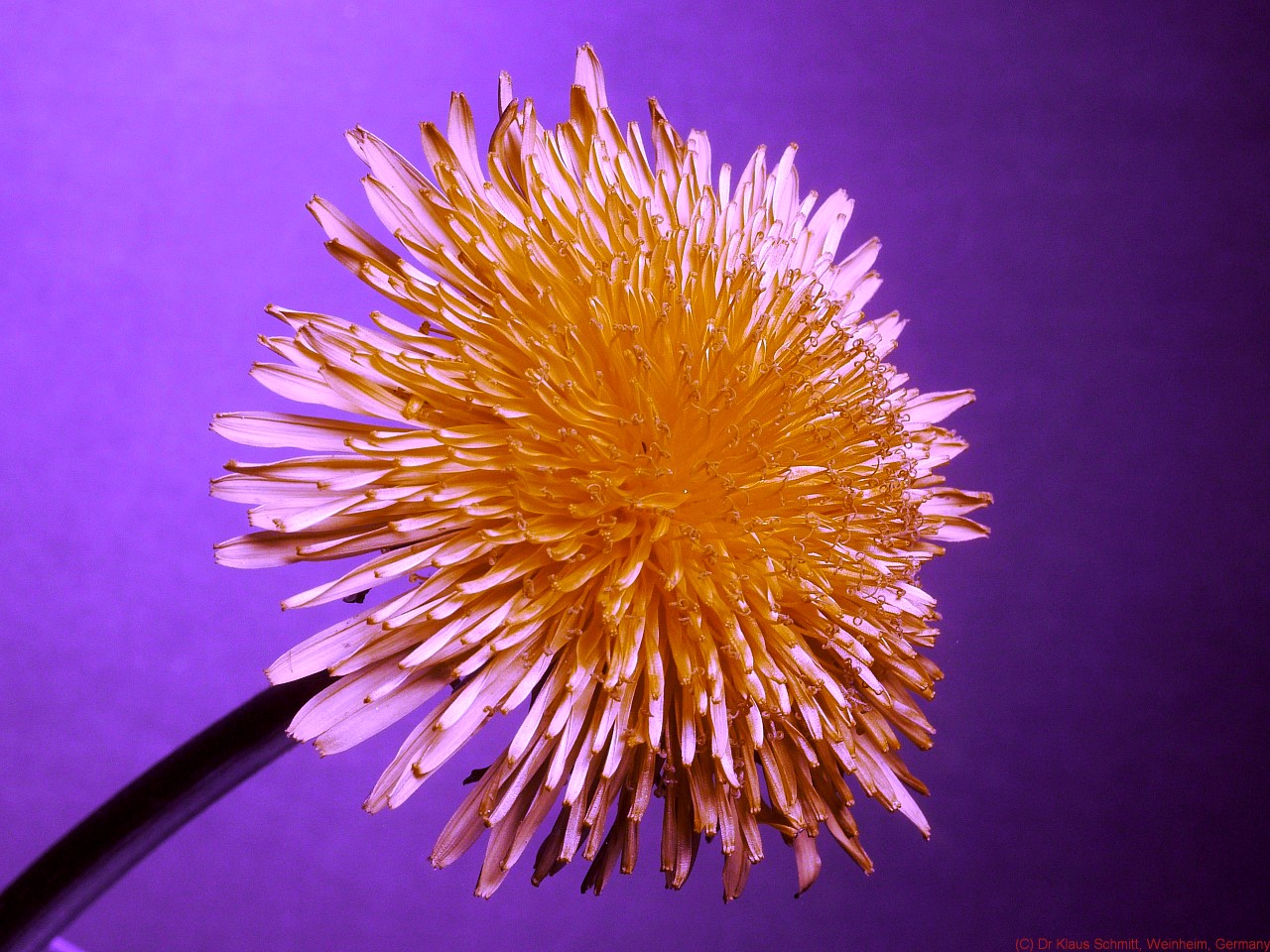
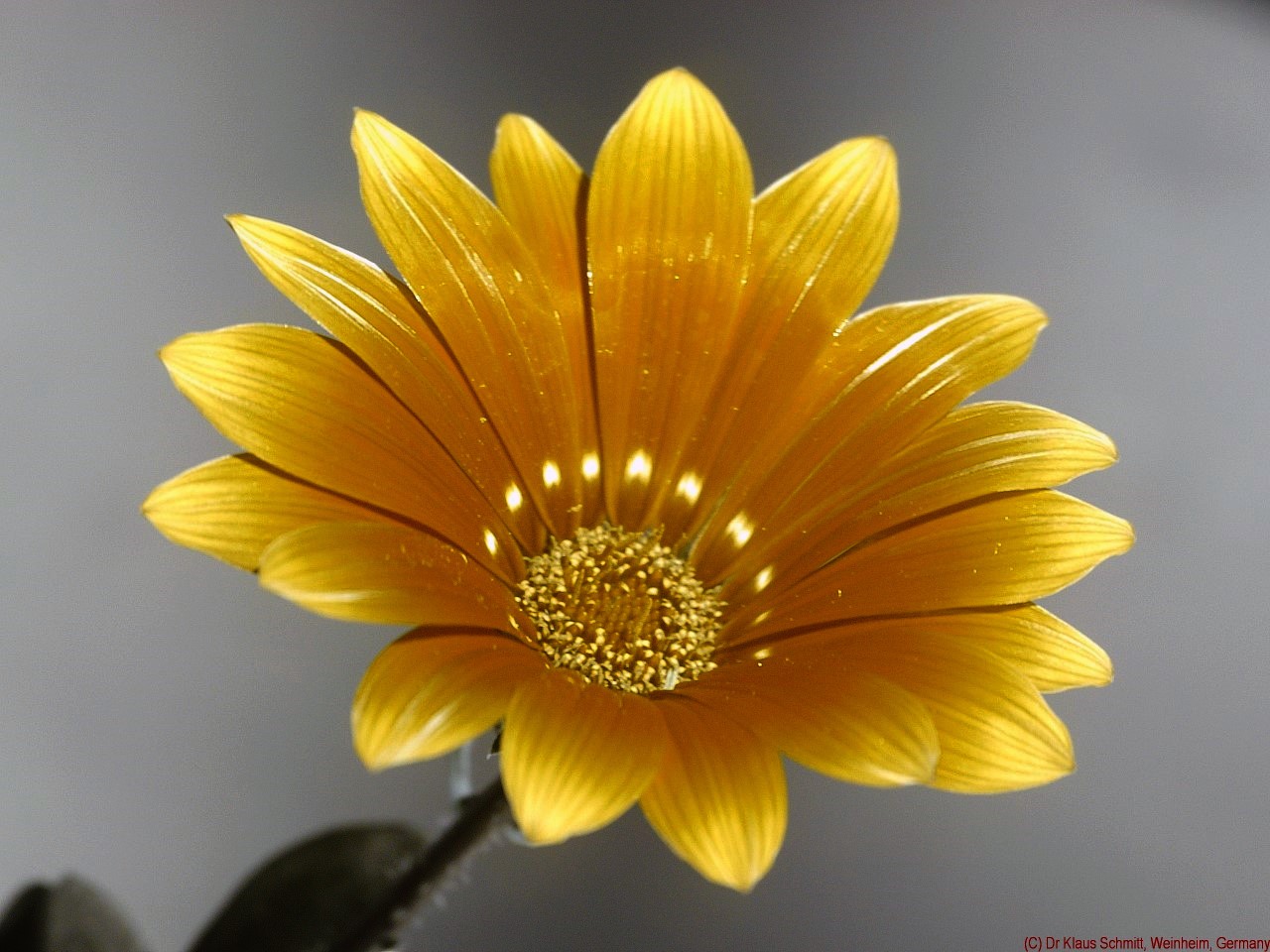
They chose to use some attractive flower pictures of mine: Taraxacum and Gazania which were shot by me in reflected ultraviolet photography, simulated bee and butterfly vision. All shots were done at f8 in reflected ultraviolet photography using my "work horse" UV filter, the Baader-U filter, as well as my XBV filters for simulated bee and butterfly vision. Lens was a UV-Nikkor 105mm quartz fluorite lens. Light source was Xenon flash light.

[click on image to see a larger one]

Taraxcacum Human vision:
 

Taraxacum Bee Vision:
 

Taraxacum Butterfly Vision:
 

Gazania Human vision:
 

Gazania bee vision:
 

Gazania butterfly vision:
 

These flowers outer petals strongly reflect UV around 365nm, whereas the stamens are quite darker, hence forming UV nectar guides for UV seeing insects. This is all invisible to us humans, but clearly visible to bees and butterflies, and all this will be nicely visible to the kids and visitors at Palmengarten Botanical Garden Frankfurt/Main Germany

Stay tuned, more will follow on that fascinating subject...

More info on this very interesting field may be found on my site http://www.pbase.com/kds315/uv_photos 

Stay tuned, more will follow on that fascinating subject...

More info on this very interesting field may be found on my site http://www.pbase.com/kds315/uv_photos

Tuesday, April 29, 2025

Rare lenses on forthcoming auction incl. special lenses for UV (pt I)

I will auction off some (very) rare lenses at a forthcoming auction including special lenses for UV photography. Auction will start on: May 17, 2025 10:00 AM CET (Central European Summer Time)

Part I will be auctioned; see details here in that link to the mflenses site (I'm admin there):

List of rare Lenses on auction/viewtopic,p,1591664.html#1591664 

Part II will happen this autumn...


Wednesday, April 23, 2025

Texas State Park Authorities showing Rudbeckia hirta UV patterns at Lake Sommerville Park

Today about my works being used with my permission by the Texas State Park Authorities. Their idea is to show visitors how differently bees and butterflies see the world, including their ability to see reflected ultraviolet (UV) light in one of their state parks, the Lake Sommerville Park.

They chose to use an attractive yellow flower, a Rudbeckia hirta, which were shot by me in reflected ultraviolet photography, simulated bee and butterfly vision. All shots were done at f8 in reflected ultraviolet photography using my "work horse" UV filter, the Baader-U filter, as well as my XBV filters for simulated bee and butterfly vision. Lens was a UV-Nikkor 105mm quartz fluorite lens. Light source was a modified Xenon studio flash, modified for high UV output.

[click on image to see a larger one]

Human vision:
 

Reflected UV:
 

Simulated butterfly vision:
 

Simulated bee vision:
 

Quadriptych of human vision, UV, simulated bee and butterfly vision (left to right, top to bottom):
 

Rudbeckia hirta's outer petals strongly reflect UV around 365nm, whereas its center parts are quite darker, reflecting around 365nm, hence forming UV nectar guides for UV seeing insects. This is all invisible to us humans, but clearly visible to bees and butterflies, and all this will be nicely visible to the visitors at Lake Sommerville State Park, TX USA.

I have written more about this flower HERE.

Stay tuned, more will follow on that fascinating subject...

More info on this very interesting field may be found on my site http://www.pbase.com/kds315/uv_photos 

Stay tuned, more will follow on that fascinating subject...

Saturday, December 21, 2024

Nature in Brilliant Colour exhibit at the Royal Ontario Museum in Toronto, Canada showing butterfly vision

I have been asked by the Royal Ontario Museum (ROM), Queens Park, Toronto Canada for permission to exhibit a series of images to simulate the vision of butterflies at their forthcoming exhibit "Nature in Brilliant Colour " which is a travelling exhibit originally developed by the Field Museum Chicago. The exhibition will run from 14 December 2024 to 17 August 2025.

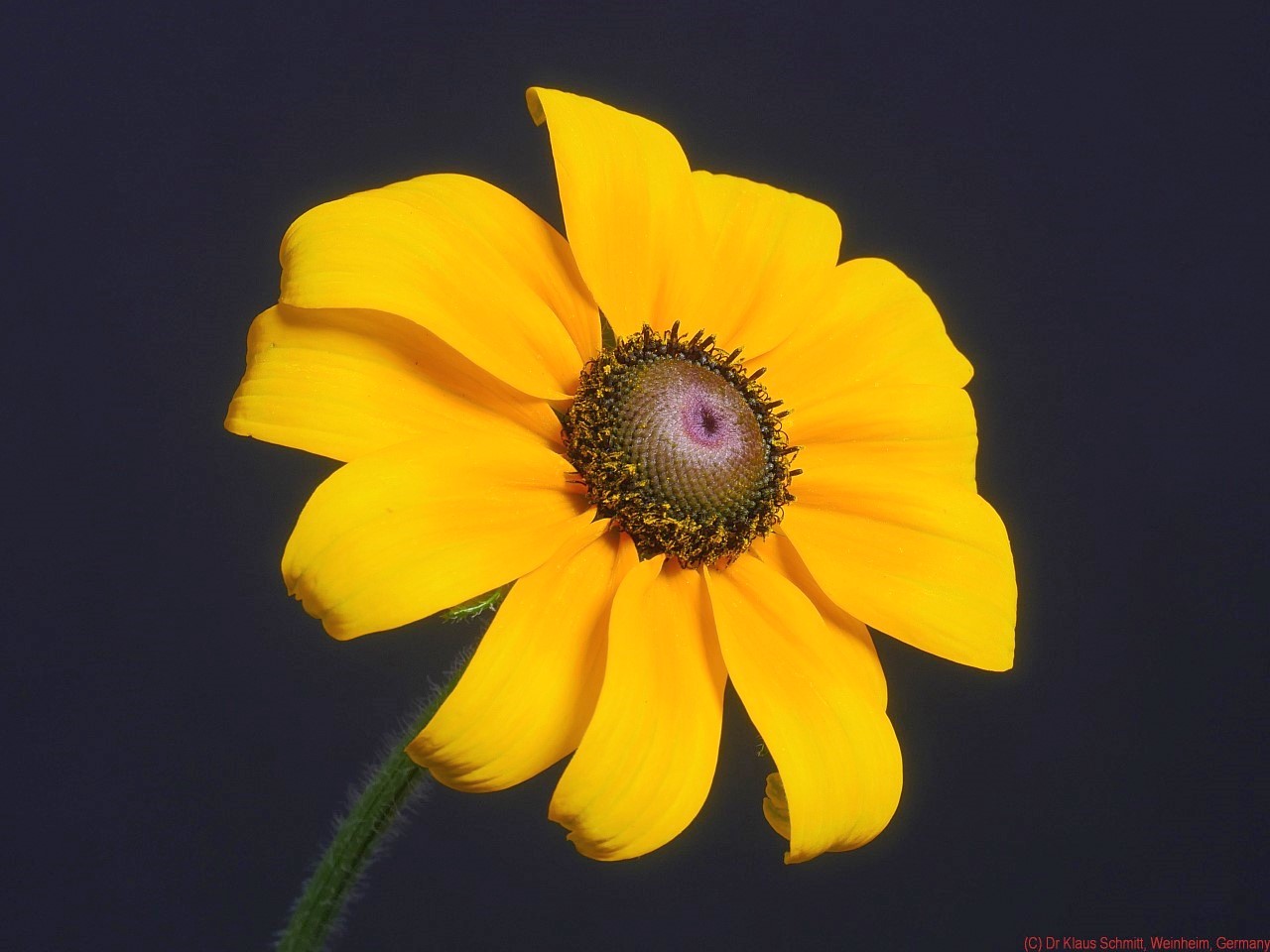
For that exhibit I chose images of a Rudbeckia hirta flower Black Eyed Susan - Rudbeckia hirta which I had shot using visible and reflected ultraviolet photography. All shots were then done at f8 in reflected ultraviolet photography using my "work horse" UV filter, the Baader-U filter, as well as my XBV filters for simulated animal vision. Lens was a UV-Nikkor 105mm quartz fluorite lens. Light source was a modified Xenon flash.

[click on image to see a larger one]

Human vision:
 

Simulated butterfly vision:
 

I chose Rudbeckia hirta, as it has a strong UV pattern, its petal tips are UV bright around 365nm, but its center is quite UV dark, so this gets quite nicely visible, hence why I used this flower here to simulate butterfly vision.

 
Stay tuned, more will follow on that fascinating subject...

More info on this very interesting field may be found on my site http://www.pbase.com/kds315/uv_photos
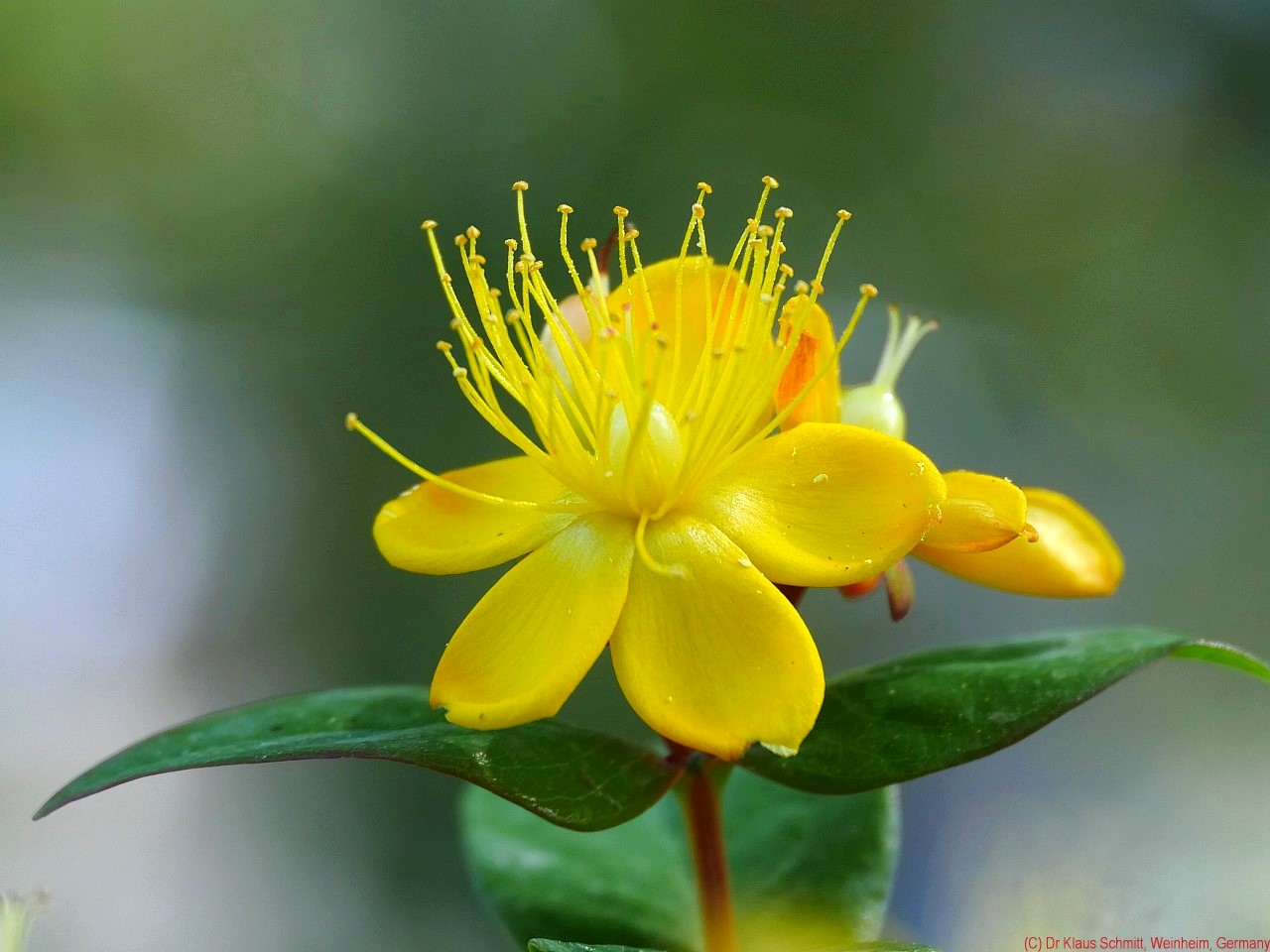
Kaunergrat Nature Park Tyrol Austria shows St. John's wort - Hypericum in reflected ultraviolet photography and simulated bee and butterfly vision

Today about my works being used with my permission by the Naturpark Kaunergrat (Pitztal – Fließ – Kaunertal) in Tyrol / Austria. Their idea was to show visitors how bees and butterflies see the world including their ability to see reflected ultraviolet (UV) light. 

They chose to use an attractive yellow flower, a St. John's wort - Hypericum sp. which were shot by me in reflected ultraviolet photography, simulated bee and butterfly vision. All shots were done at f8 in reflected ultraviolet photography using my "work horse" UV filter, the Baader-U filter, as well as my XBV filters for simulated bee and butterfly vision. Lens was a UV-Nikkor 105mm quartz fluorite lens. Light source was sunlight.

[click on image to see a larger one]

Human vision:
 

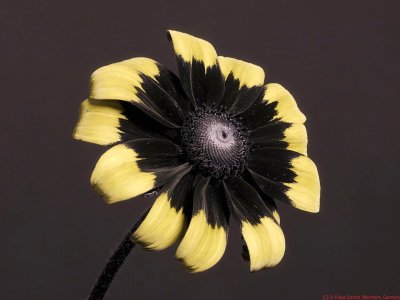
Reflected UV:
 

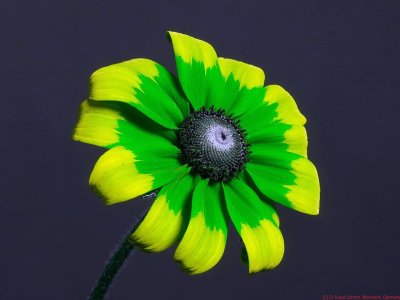
Simulated butterfly vision:
 

Simulated bee vision:
 

Quadriptych of human vision, UV, simulated butterfly and bee vision (left to right, top to bottom):
 

Hypericum's outer petals strongly reflect UV around 365nm, whereas its stamens are quite darker, reflecting around 385nm, hence forming UV nectar guides for UV seeing insects. This is all invisible to us humans, but clearly visible to bees and butterflies, and all this will be nicely visible to the visitors at Kaunergrat nature park Tyrol, Austria.

I have written more about this flower HERE.

Stay tuned, more will follow on that fascinating subject...

More info on this very interesting field may be found on my site http://www.pbase.com/kds315/uv_photos Those shown multispectral images of mine where shot in my studio with my "work horse" UV-Nikkor f4.5/105mm quartz fluorite lens using the Baader UV/IR Cut filter and my proprietary XBV filters for simulated bee + butterfly vision. Light source in studio used was a Xenon flash modified for high UV output outside.

Stay tuned, more will follow on that fascinating subject...

More info on this very interesting field may be found on my site http://www.pbase.com/kds315/uv_photos