Friday, April 18, 2014

Creeping Cinquefoil - Potentilla reptans flower in reflected UV ultraviolet photography and simulated bee vision III

Today shots of a spring flower I have written about before, Creeping cinquefoil - Potentilla reptans) in reflected ultraviolet photography using my "work horse" UV filter, the Baader-U filter as well as my XBV filter for simulating bee vision. Lens was a CERCO 94mm quartz fluorite lens. Light source was sunlight. All shots were done at about f5.6.

[click on image to see a larger one]

Visible light image:
 

UV image using Baader-U filter (approx. 320-395nm, effective peak approx. 375nm):
 

Simulated bee vision (UV - VIS) using XBV6 filter:
 

Triptych of the above:


This Potentilla flower has quite a prominent UV pattern, its center is UV dark and the tips of its petals are UV bright (reflecting around 365nm) and all this gets quite nicely visible.


Stay tuned, more will follow on that fascinating subject...

More info on this very interesting field may be found on my site http://www.pbase.com/kds315/uv_photos

Marsh marigold - Caltha palustris flower in reflected UV ultraviolet photography and simulated bee vision III

Today shots of a spring flower I have written about before, Marsh marigold (Caltha palustris) in reflected ultraviolet photography using my "work horse" UV filter, the Baader-U filter as well as my XBV filters for simulating bee vision. Lens was a CERCO 94mm quartz fluorite lens. Light source was sunlight. All shots were done at about f5.6.

[click on image to see a larger one]

Visible light image:
 

UV image using Baader-U filter (approx. 320-395nm, effective peak approx. 375nm):
 

Simulated bee vision (UV - VIS) using XBV6 filter:
 

Triptych of the above:


This Caltha flower has quite a prominent UV pattern, its center is UV dark, as well as some UV dark veins on its petals. The bee vision image additionally reveals some lit up anthers and all this gets quite nicely visible.


Stay tuned, more will follow on that fascinating subject...

More info on this very interesting field may be found on my site http://www.pbase.com/kds315/uv_photos

Wednesday, April 2, 2014

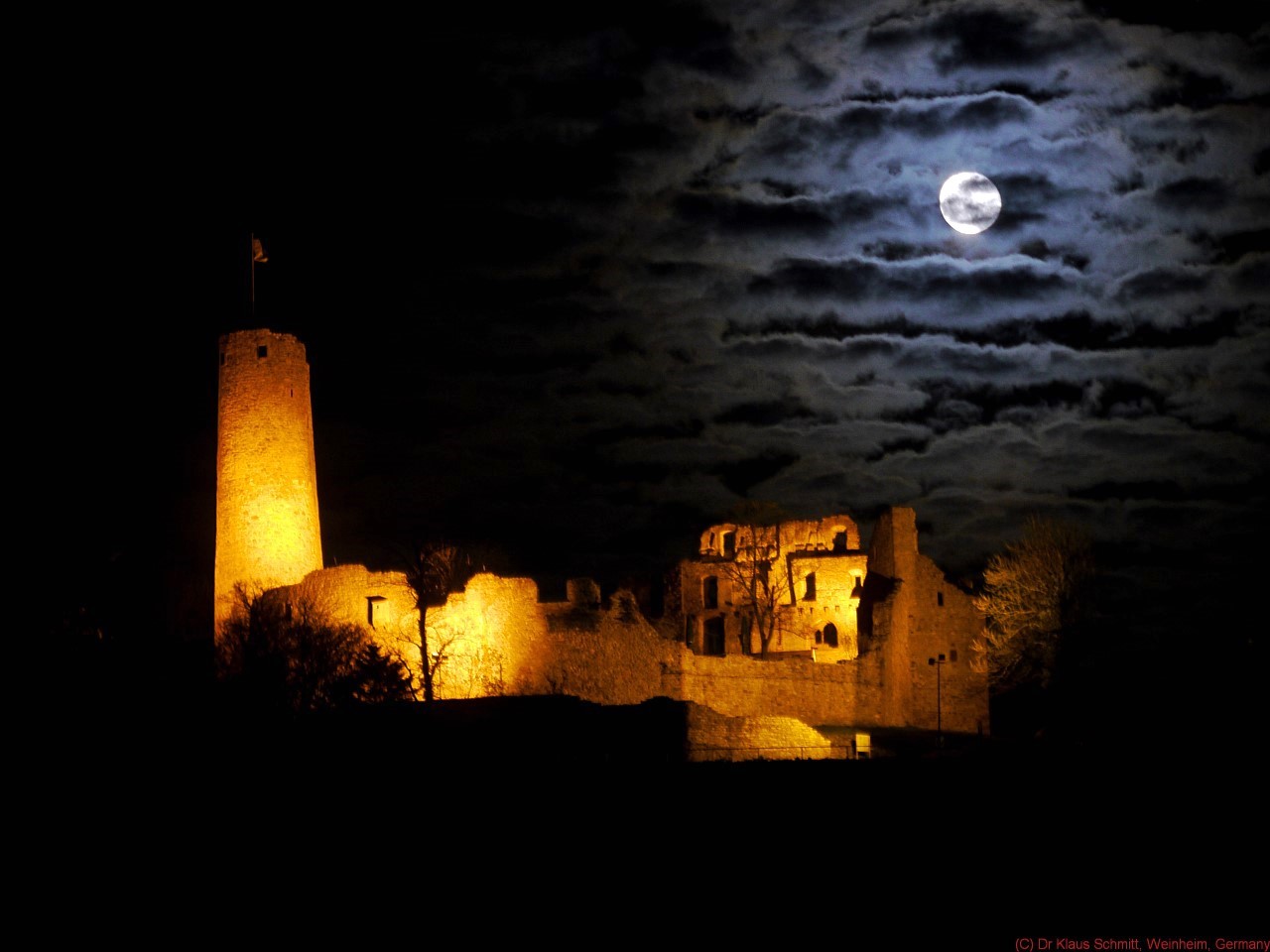
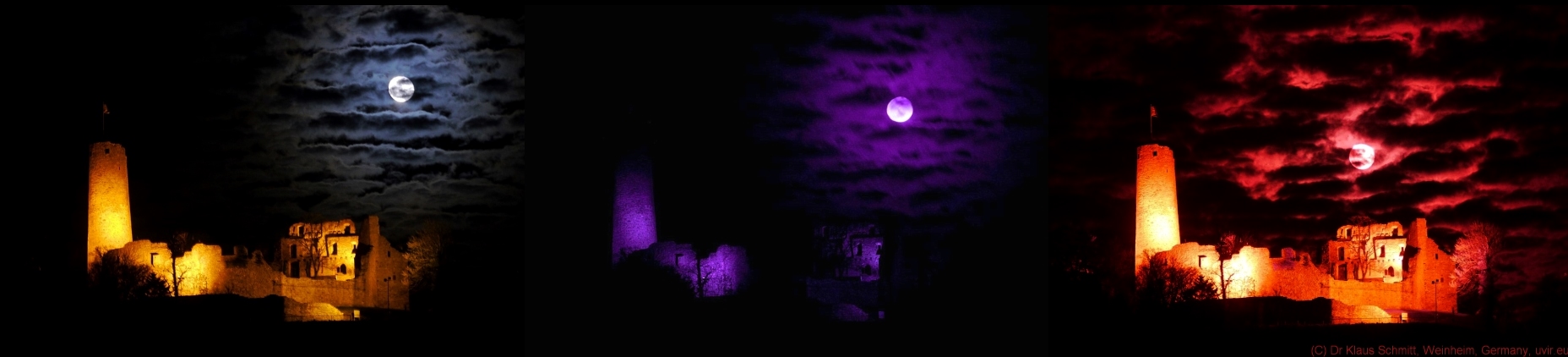
Full Moon over Weinheim Castle: multispectral photography

Here today shots of the full moon over Windeck castle here in my hometown Weinheim Germany. Shots were done aside from visible photography in reflected ultraviolet using Baader-U filter. Lens used was my CERCO 94mm quartz fluorite lens. Light source was moonlight resp. the castle lighting system. All shots were done at approx. f8. No later whitebalancing was done, pictures straight out of the camera.

[click on image to see a larger one]

Visible light image:  

UV image:  

IR image:  

Triptych of the above images:  


Full moon is always special and first I was sad to see all teh clouds, but then it turned out quite nicely and all that gets nicely visible.


Stay tuned, more will follow on that fascinating subject...

Wednesday, March 26, 2014

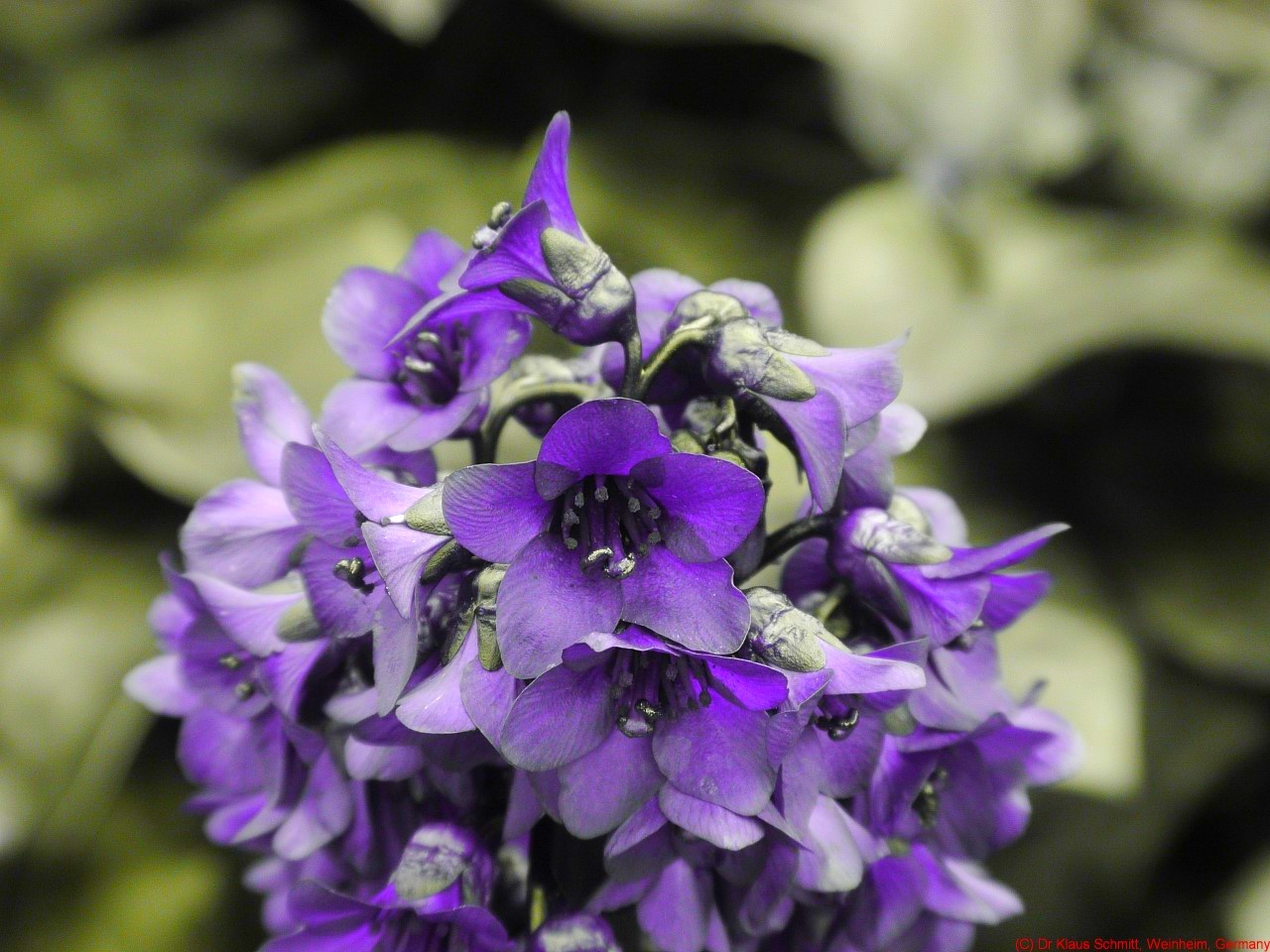
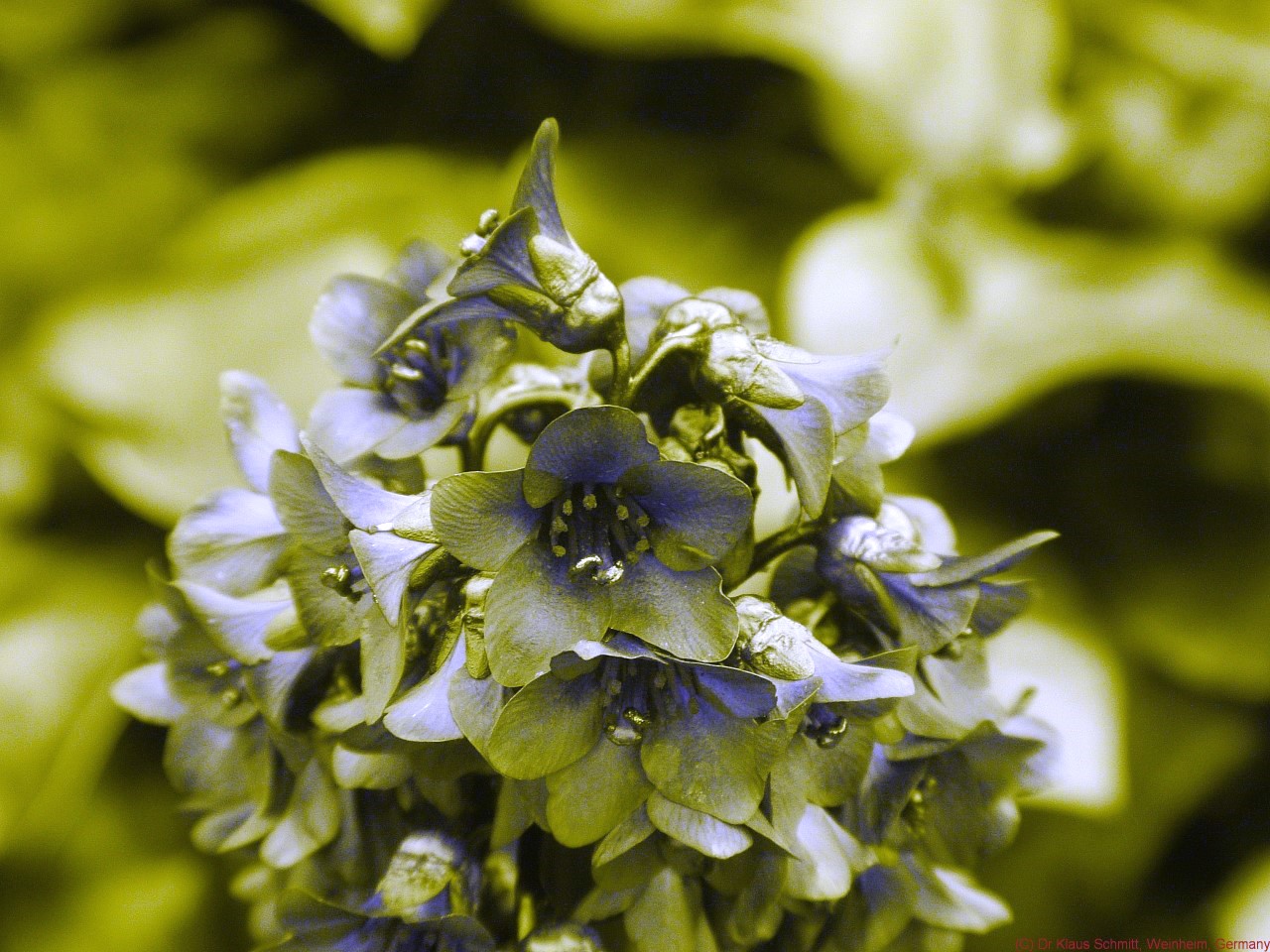
Spring Flowers 2014: Elephant's ears - Bergenia cordifolia - 80mm Quartz Fluorite lens for reflected ultraviolet photography

Here today shots of the pretty Elephant's ears - Bergenia cordifolia early spring flower. Shots were done aside from visible photography in reflected ultraviolet using Baader-U and the deeper reaching Jupiter-U filter, as well as in simulated bee vision using my XBV6 filter. Lens used was my X80QF f3.2 / 80mm Quartz Fluorite lens. Light source was sun. All shots were done at approx. f8.

[click on image to see a larger one]

Visible light image:  

UV image using Baader-U filter (approx. 320-395nm, effective peak approx. 375nm):  

UV image using Jupiter-U filter (approx. 280-385nm, effective peak approx. 365nm):  

Simulated bee vision image using experimental XBV filter:  

Quadriptych of the above images:  


This Bergenia flower has no prominent UV pattern, but highly UV reflective petals around 385nm. The X80QF quartz fluorite lens is reproducing this quite well and all that gets nicely visible.


Stay tuned, more will follow on that fascinating subject...

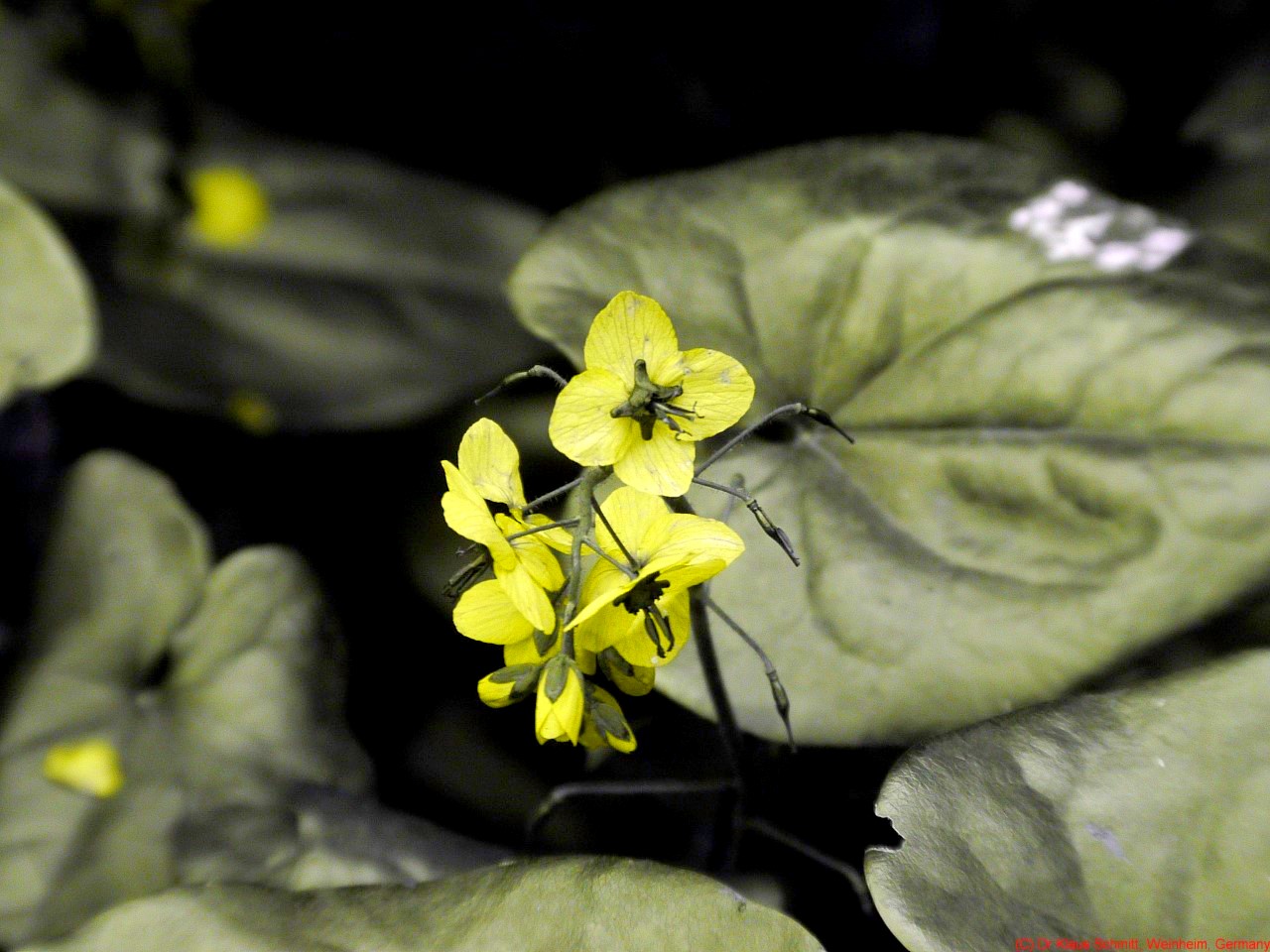
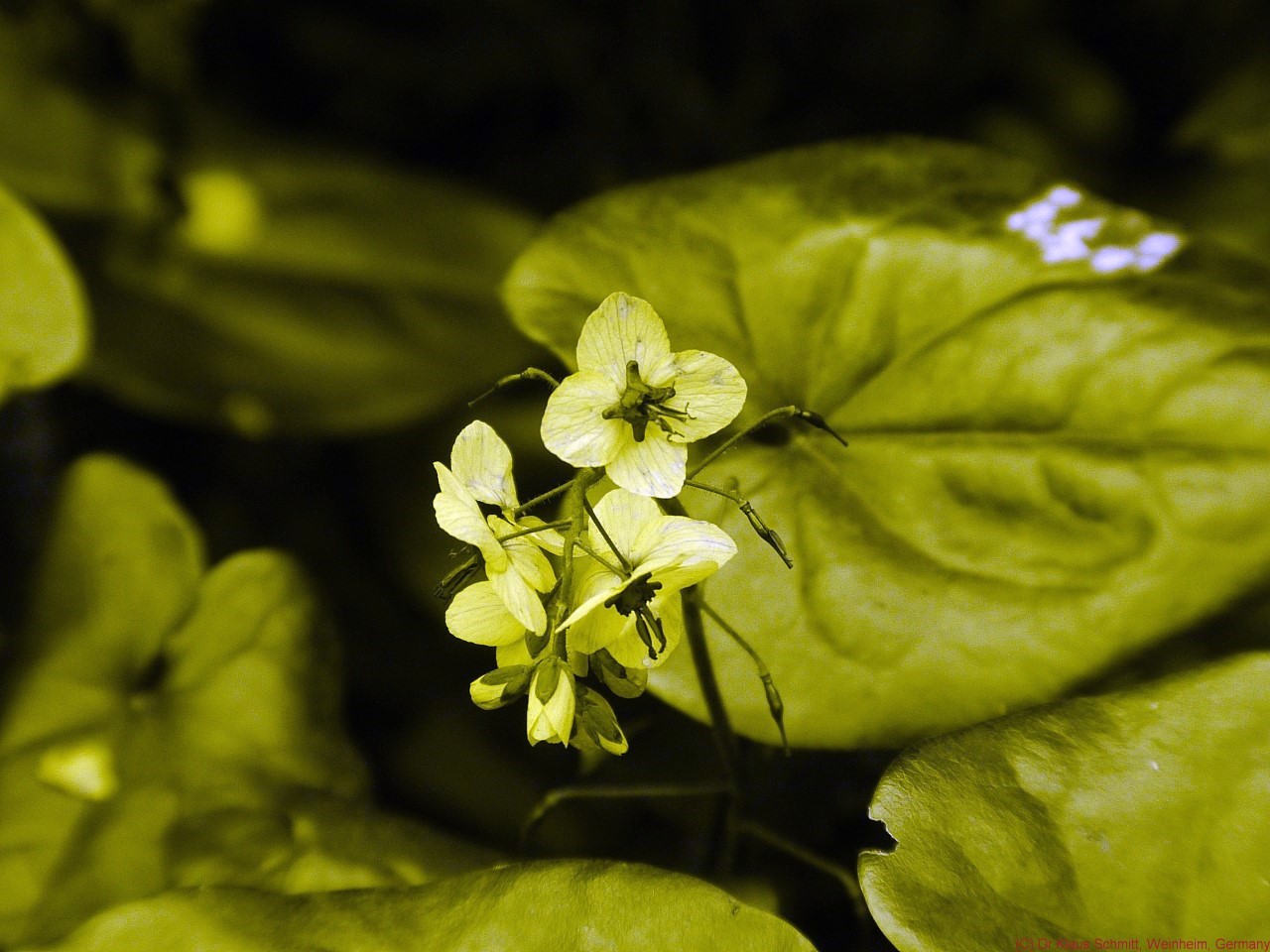
Spring Flowers 2014: Horny goat weed - Epimedium sulphureum - 80mm Quartz Fluorite lens for reflected ultraviolet photography

Here today shots of the interesting and quite pretty Horny goat weed - Epimedium sulphureum early spring flower. Shots were done aside from visible photography in reflected ultraviolet using Baader-U and the deeper reaching Jupiter-U filter, as well as in simulated bee vision using my XBV6 filter. Lens used was my X80QF f3.2 / 80mm Quartz Fluorite lens. Light source was sun. All shots were done at approx. f8.

[click on image to see a larger one]

Visible light image:  

UV image using Baader-U filter (approx. 320-395nm, effective peak approx. 375nm):  

UV image using Jupiter-U filter (approx. 280-385nm, effective peak approx. 365nm):  

Simulated bee vision image using experimental XBV filter:  

Quadriptych of the above images:  


This Epimedium flower has a prominent UV pattern, UV dark center and anthers, and highly reflective petals around 365nm forming some UV bullseye pattern. The X80QF quartz fluorite lens is reproducing this quite well and all that gets nicely visible.


Stay tuned, more will follow on that fascinating subject...

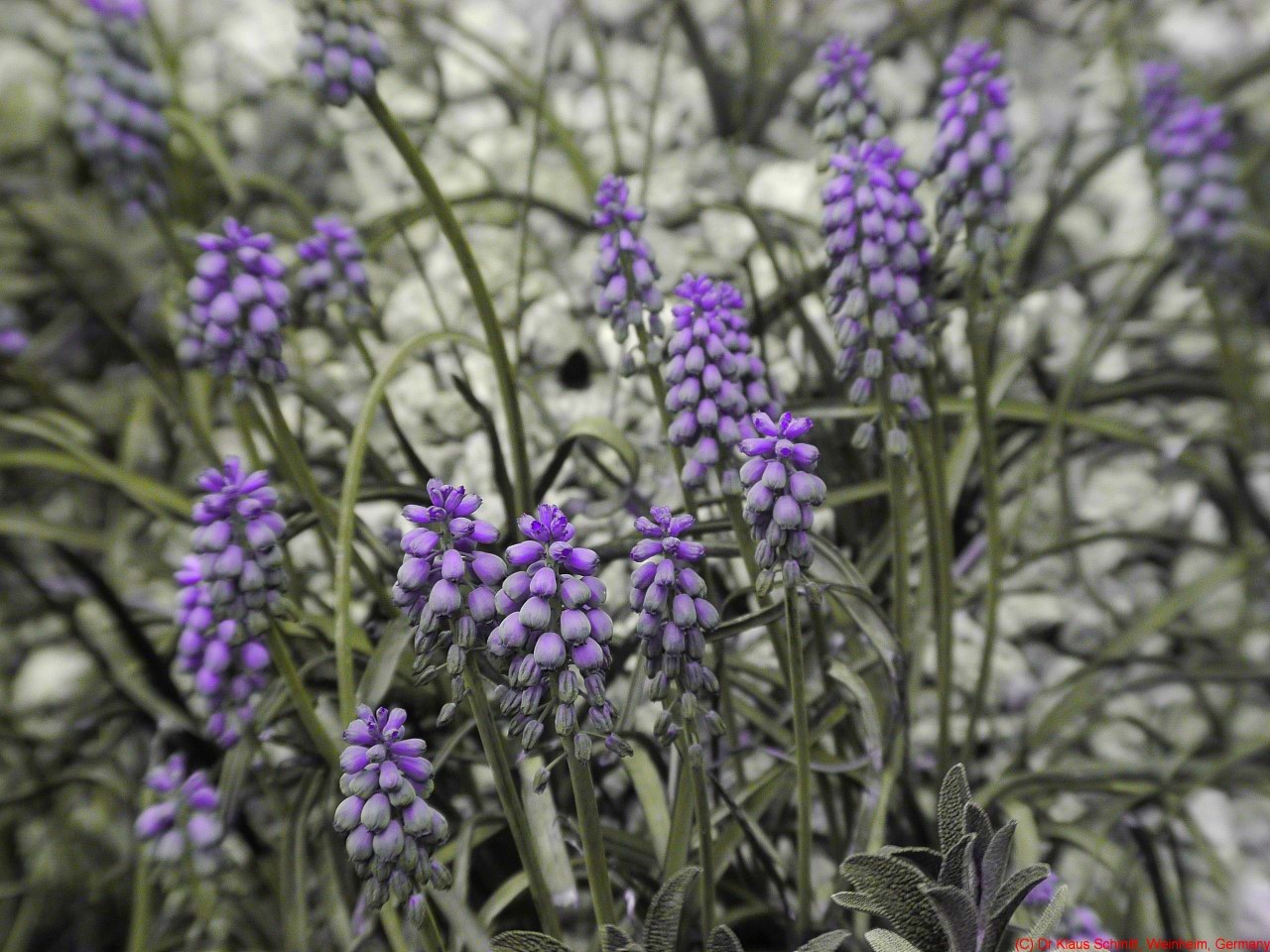
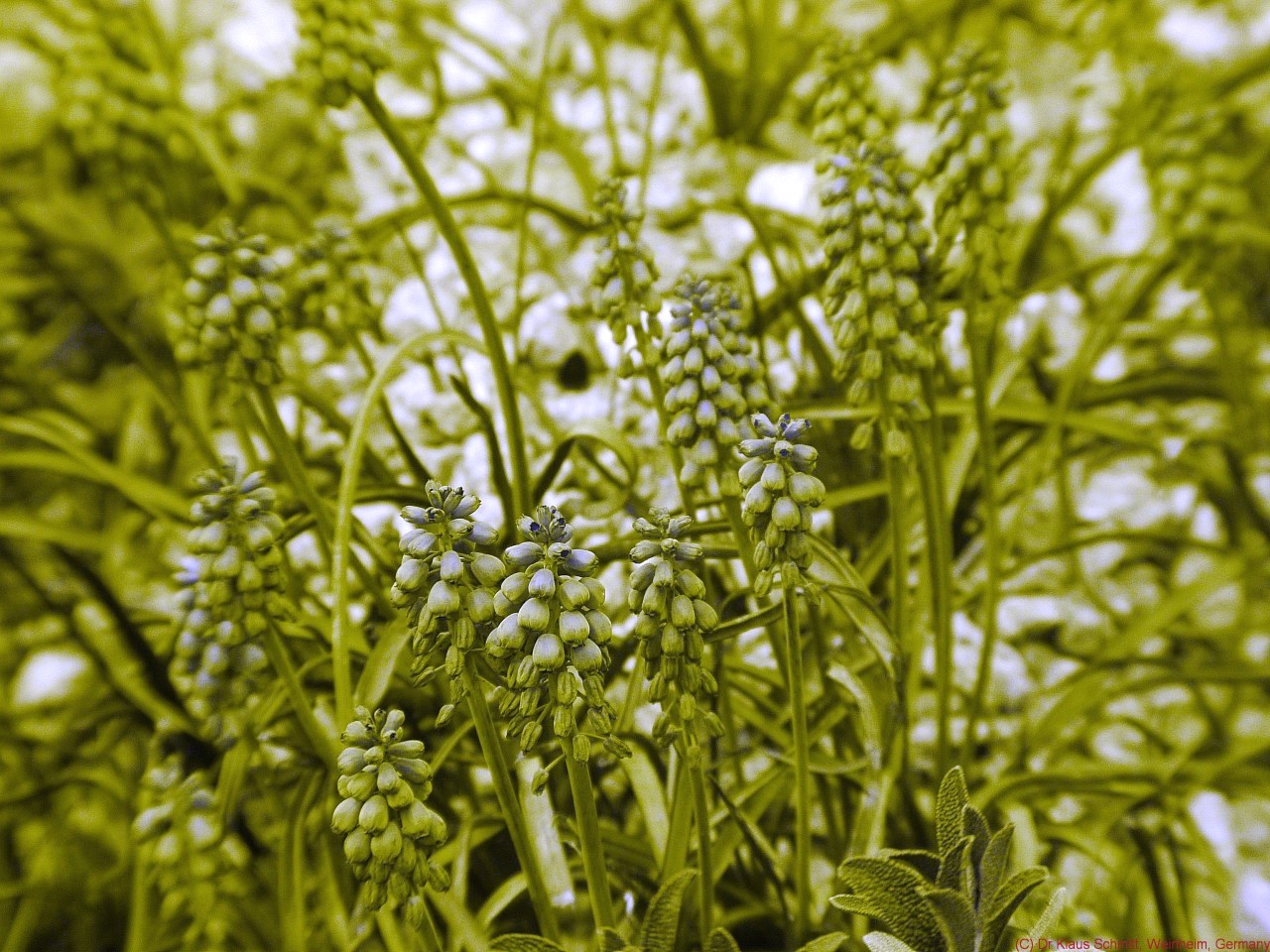
Spring Flowers 2014: Grape hyacinth - Muscari neglectum - 80mm Quartz Fluorite lens for reflected ultraviolet photography

Here today shots of the well known Grape hyacinth - Muscari neglectum early spring flower. Shots were done aside from visible photography in reflected ultraviolet using Baader-U and the deeper reaching Jupiter-U filter, as well as in simulated bee vision using my XBV6 filter. Lens used was my X80QF f3.2 / 80mm Quartz Fluorite lens. Light source was sun. All shots were done at approx. f8.

[click on image to see a larger one]

Visible light image:  

UV image using Baader-U filter (approx. 320-395nm, effective peak approx. 375nm):  

UV image using Jupiter-U filter (approx. 280-385nm, effective peak approx. 365nm):  

Simulated bee vision image using experimental XBV filter:  

Quadriptych of the above images:  


This Muscari flower has no very prominent UV pattern, but shows some reflection around 385nm. The X80QF quartz fluorite lens is reproducing this quite well and all that gets nicely visible.


Stay tuned, more will follow on that fascinating subject...

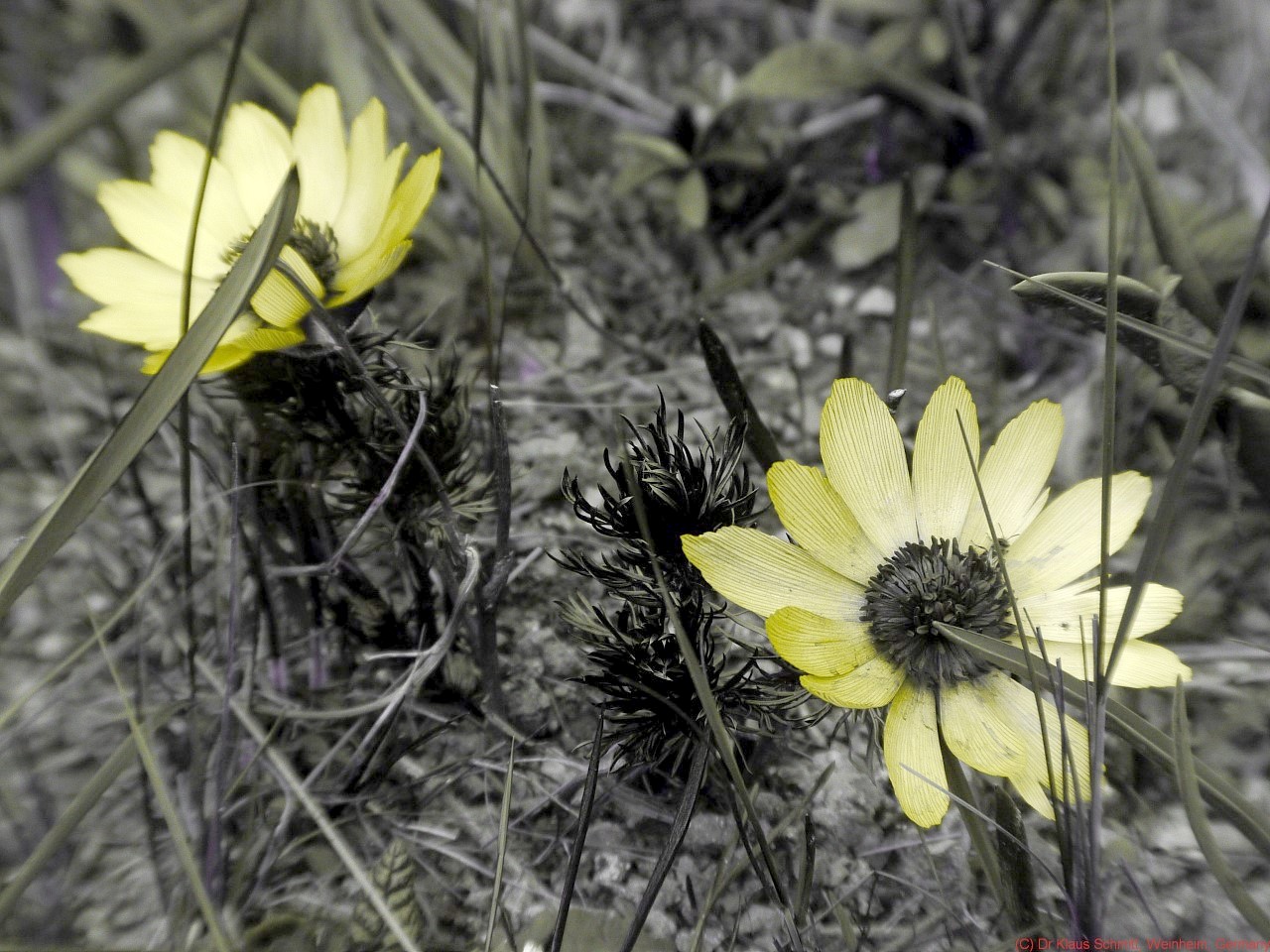
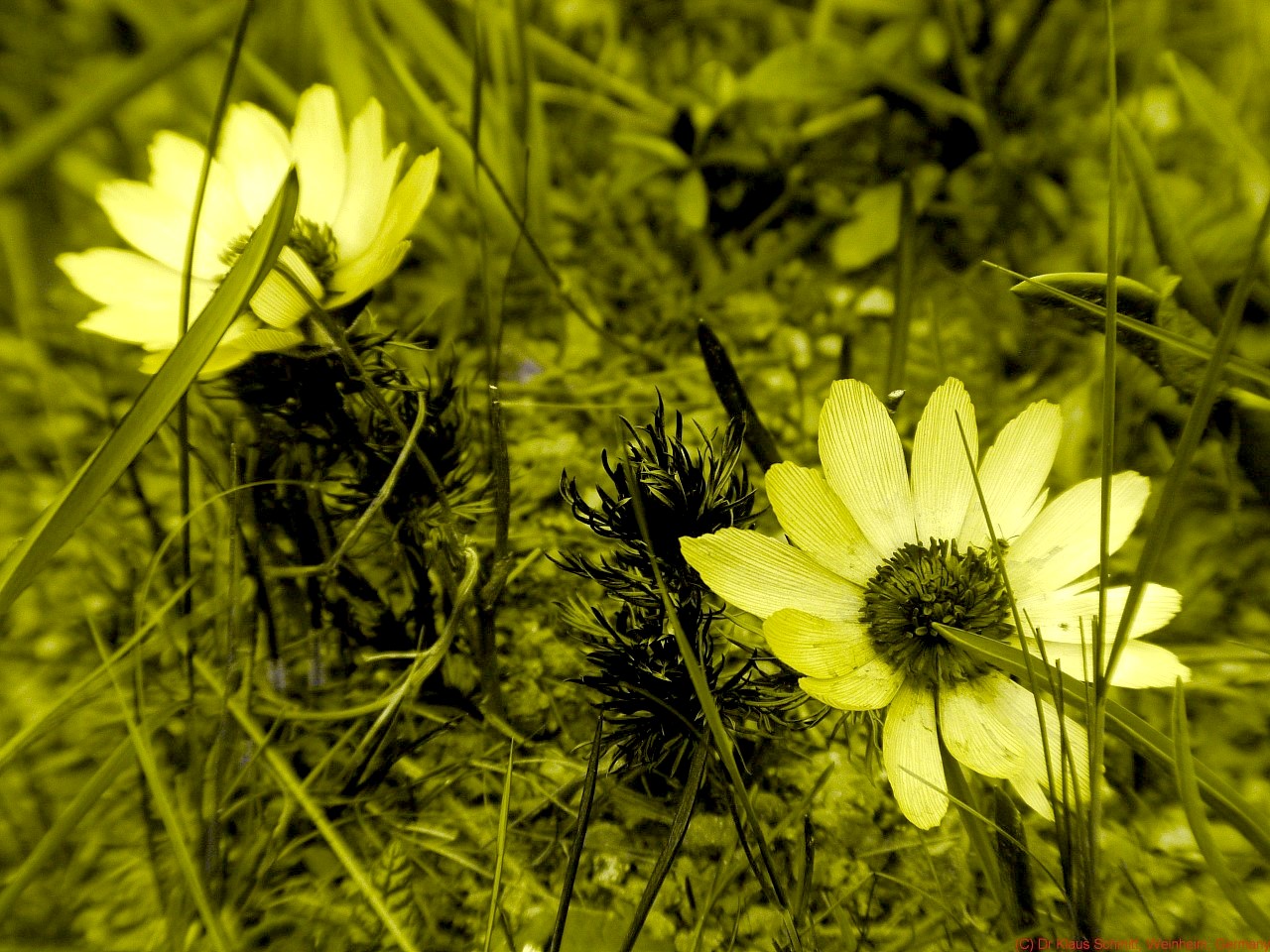
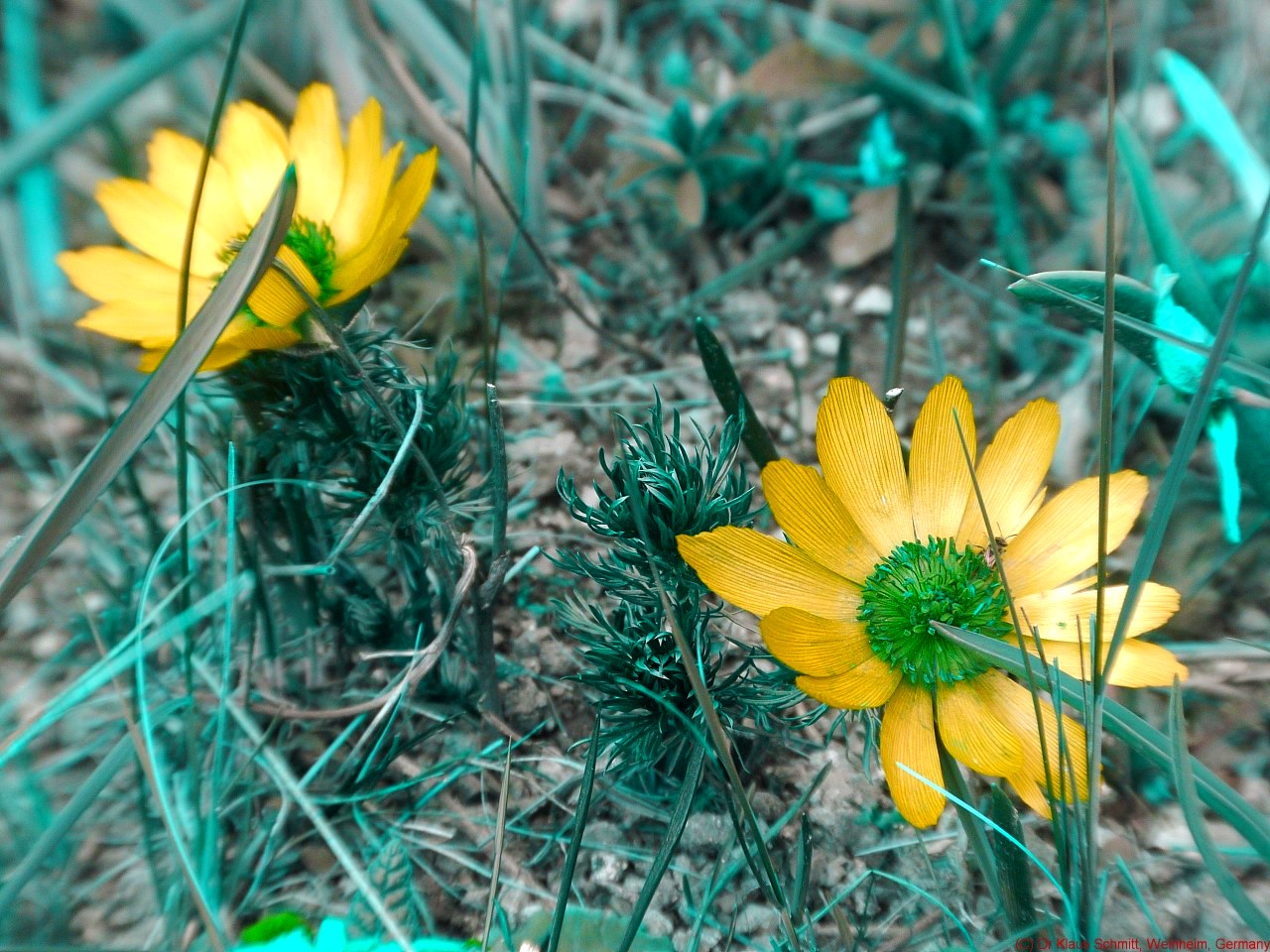
Spring Flowers 2014: Pheasant's Eye - Adonis vernalis - 80mm Quartz Fluorite lens for reflected ultraviolet photography

Here today shots of the pretty Pheasant's Eye - Adonis vernalis early spring flower. Shots were done aside from visible photography in reflected ultraviolet using Baader-U and the deeper reaching Jupiter-U filter, as well as in simulated bee vision using my XBV6 filter. Lens used was my X80QF f3.2 / 80mm Quartz Fluorite lens. Light source was sun. All shots were done at approx. f8.

[click on image to see a larger one]

Visible light image:  

UV image using Baader-U filter (approx. 320-395nm, effective peak approx. 375nm):  

UV image using Jupiter-U filter (approx. 280-385nm, effective peak approx. 365nm):  

Simulated bee vision image using experimental XBV filter:  

Quadriptych of the above images:  


This Adonis flower has a well known bulls-eye UV pattern, its center is UV dark, whereas its petals strongly reflect around 365nm. The X80QF quartz fluorite lens is reproducing this quite well and all that gets nicely visible.


Stay tuned, more will follow on that fascinating subject...