Monday, June 20, 2011

[UV] influence of ray angle when using the Baader-U or classic UV filter

Today again about the "workhorse" of reflected UV photography, the Baader-U "Venus" filter. The old Baader-U had 40 dichroitic layers, the new and currectly sold one has about 100 layers of dichroitic coatings, but on an ionic colored substrate (Schott UG11). That dichroitic coating is only applied to block the IR leakage that SCHOTT UG11 filter glass has, but not to define the filter characteristics itself, as in the case of a pure dichroitic filter on a transparent substrate.

It has been argued that dichroic filters are sensitive to the angle of incidence of the light and that the filter pass-band would be shifting towards shorter wavelengths. What was argued is, that if using wide angle lenses (which hardly exist for transmitted UV anyway), rays may enter the filter at such a high angle of incidence, that the filter transmittance and overall filter characteristics would severely be altered.

That mentioned effect is there of course, but in practice (at least in mine), I have never noticed a negative effect, also since my shortest focal length was about 28mm only and the largest sensor used APS format. At much wider angles and using a full format sensor it would certainly have more impact.

But let's just see how much impact in practice that really has...

Here a spectrometric measurement done in my optical lab (at 0-degrees and 45-degrees incident angle) to show the influence the angle of rays has.

[click on image to see a larger one]


So we see that about 10% in transmittance are lost at 45 degrees, which equals about -1/8 EV and so that has no real relevance on the photographic result. There is also some shift towards shorter wavelengths, but actually it is more a broadening of the total transmission band towards shorter wavelengths of some 13nm (325nm --> 312nm) on the left filter shoulder, whereas the right filter shoulder nearly remains the same (390nm --> 388nm) using the 10% transmittance values - that actually being a positive effect.

In summary the total transmitted energy (= proportional to the area under that curve) should stay about the same, so no effect on the exposure time should be expected, but an ever so slightest change in colors towards the edges of the image might be noticed, if using a full format sensor and a wide angle lens for reflected UV photography - which I have never noticed in my photographic practice.

Well and then there was a thought in the back of my head and I wondered what a ray at an incident angle of say 45 degrees would have to suffer if it had to pass through much more ionic classic "normal" i.e. uncoated colored filter glass at that angle in comparison to a ray at 0 degrees angle...

Here's the result, same setup as with the previously tested Baader-U filter, using the same basic filter glass: SCHOTT UG11


Interesting 12% peak transmittance loss, but no broadening of the transmitted band and no change in shape. In total also only about -1/8EV loss of transmittance, so not really of photographic relevance.

Stay tuned, more will follow on that fascinating subject...

More info on this very interesting field may be found on my site http://www.pbase.com/kds315/uv_photos

[UV, VIS] Rudbeckia flower unfolding, part II

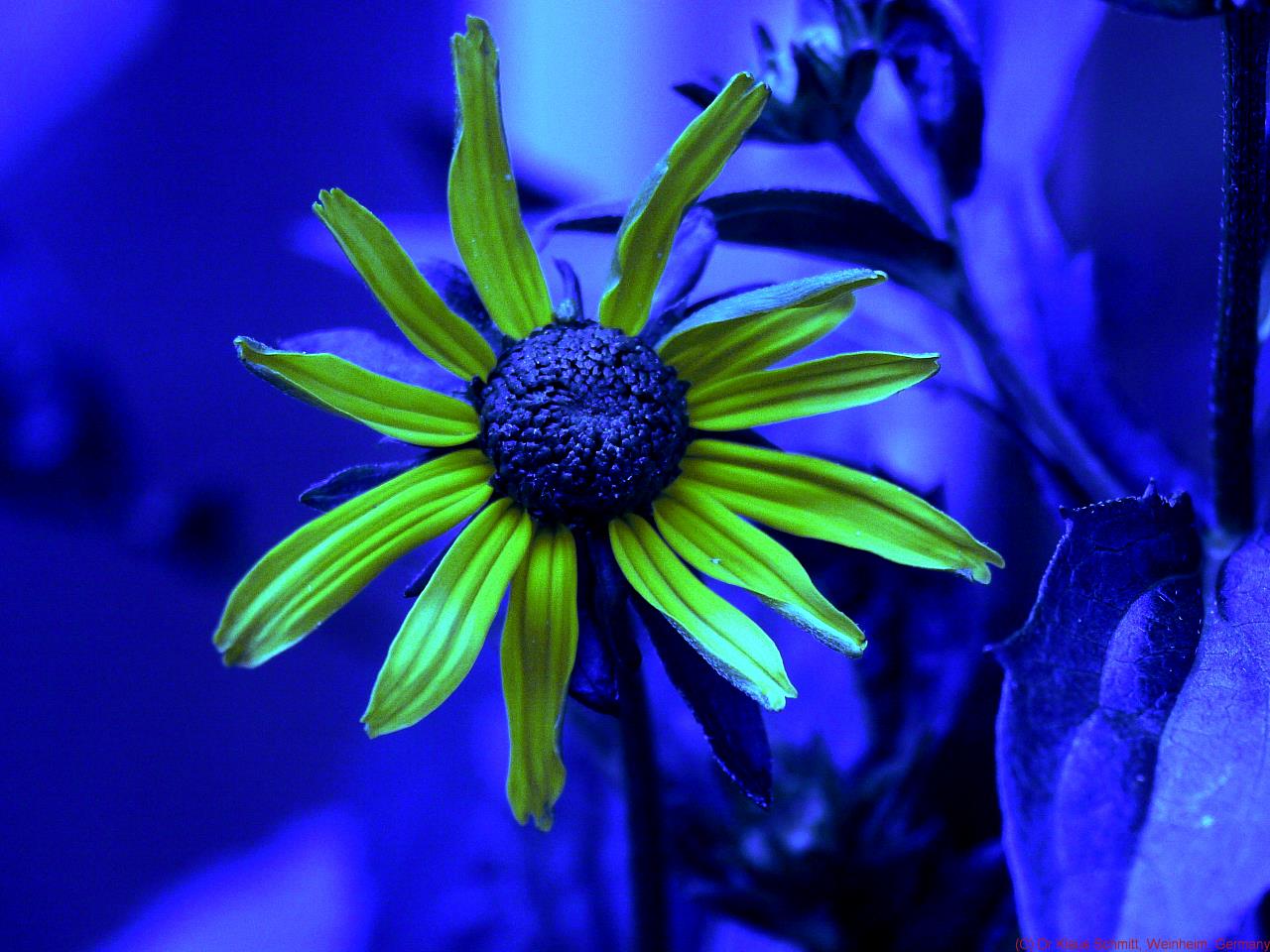
Today further shots of my first Rudbeckia flower this year I had written about before , using UV sensitive camera, Cerco 94mm lens, Baader-U resp. UV/IR Cut filter

[click on images to see larger ones]

UV shot:


VIS comparison shot:


Interesting to see how that UV pattern emerges within days; let's see what's happening on the following days ...

[ssshh, did you see the guest?]


Stay tuned, more will follow on that fascinating subject...

More info on this very interesting field may be found on my site http://www.pbase.com/kds315/uv_photos

Friday, June 17, 2011

[UV, VIS] Cerco 28mm multispectral lens

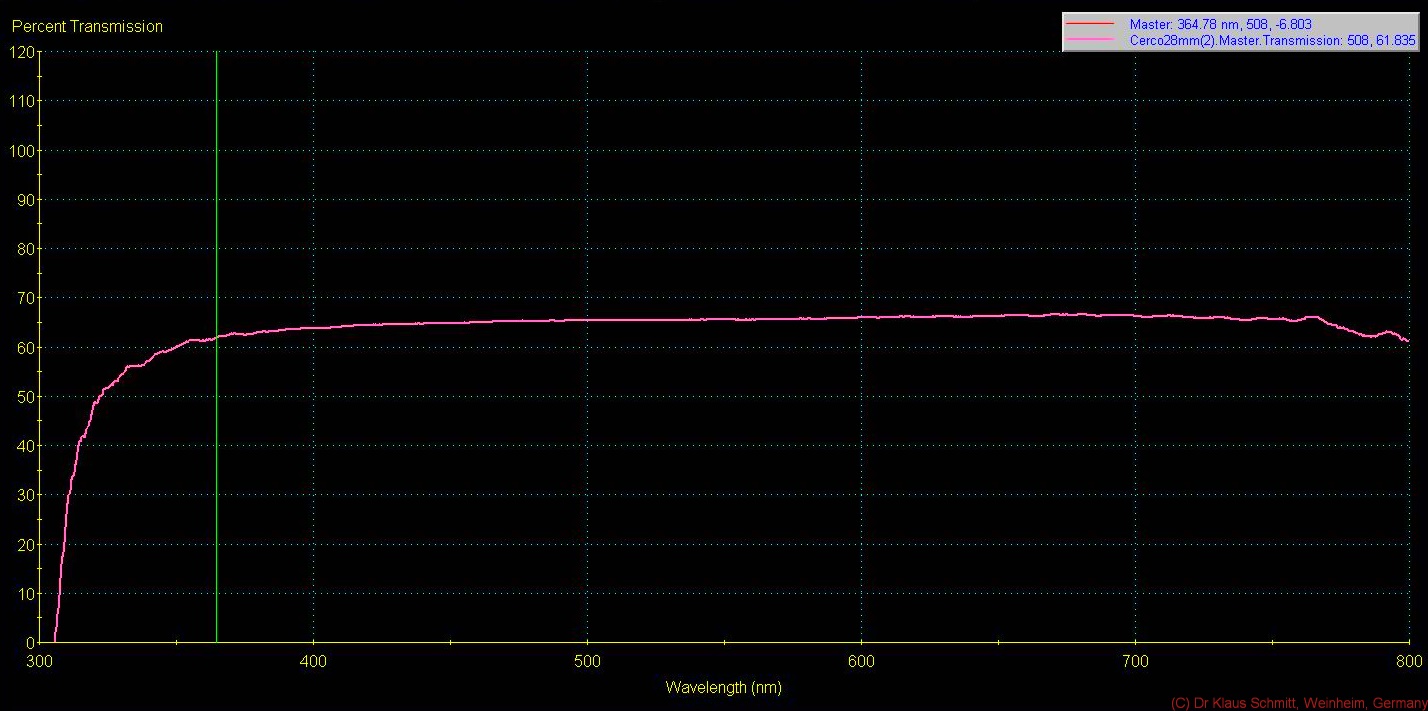
Today about a CERCO 3.5/28mm multispectral lens, made of fluorite / quartz and a big CAVEAT upfront, as I'm using this lens way outside its defined range, which has been made to serve as a lens for an image intensifier system originally with a 18mm image diameter - I'm using 21.6mm, because that's the sensor diameter of my UV sensitive camera. So what has to be expected is a sharp and contrasty center, but most likely quite some fall-off outside that central area.

Mechanically this lens is very tiny, about half the size of my thumb, c-mount and has a rare front filter thread. Register is quite short due to its defined use for an image intensifier, but meets c-mount lens standards and even focuses from beyond infinity to about 0.5m (so it cannot be used on Nikon bodies, to make it clear).

[click on image to see a larger one]

Transmission is quite good and as expected:

[measurement valid from about 315 - 750nm]

That said, now to the UV and VIS test results. All shots done in sunlight, ISO640, f5.6, focus set in visible light, no focus adjustments done. ReflectionDisc in camera whitebalance, reduced to 1280pix, sharpened for web, contrast enhanced (UV).

1) Rudbeckia fulgida flower close-up (same camera position as in my shots shown in other thread here)

VIS:


UV:


2) Shot down to the city (infinity):

VIS:


UV:


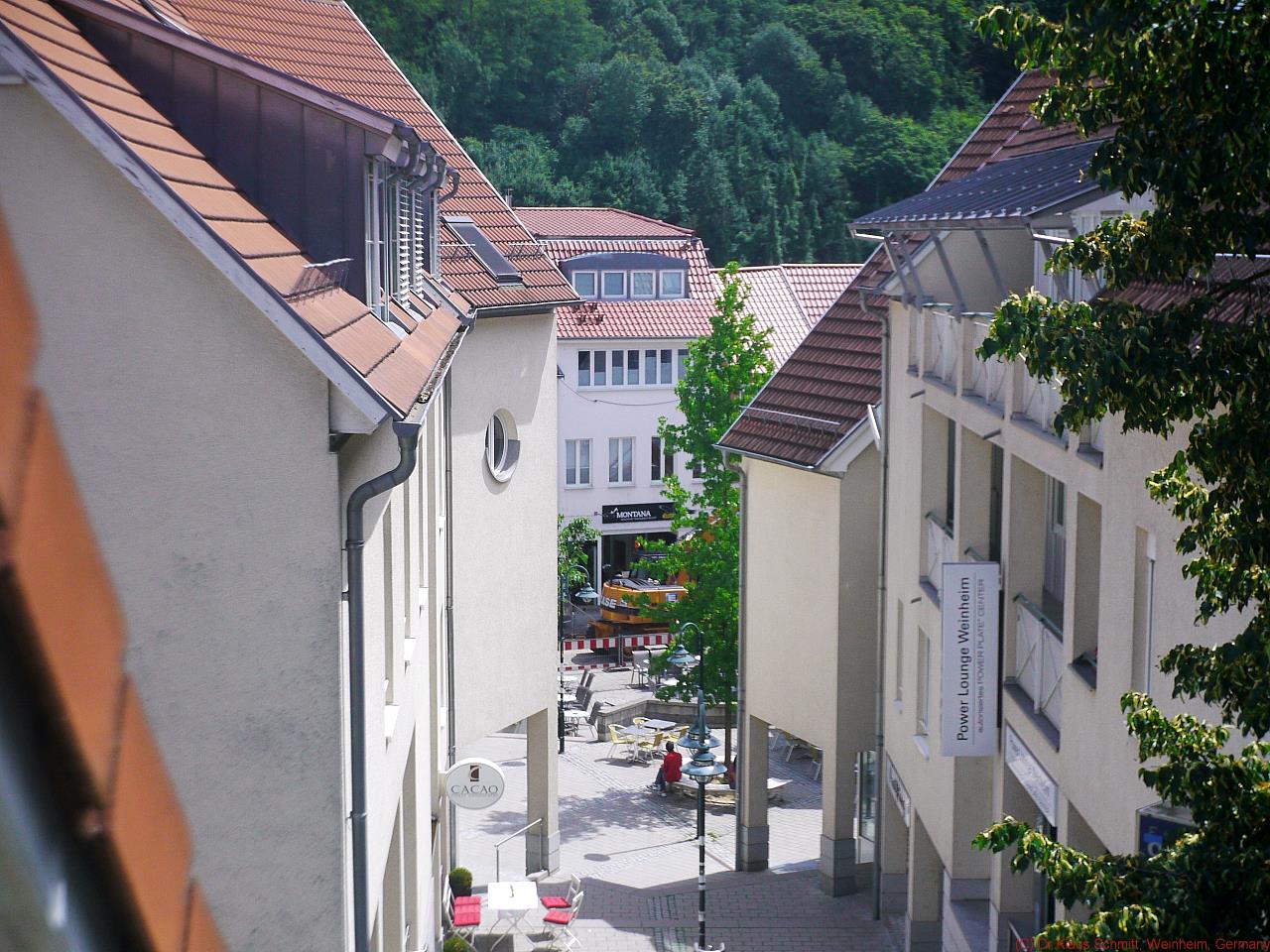
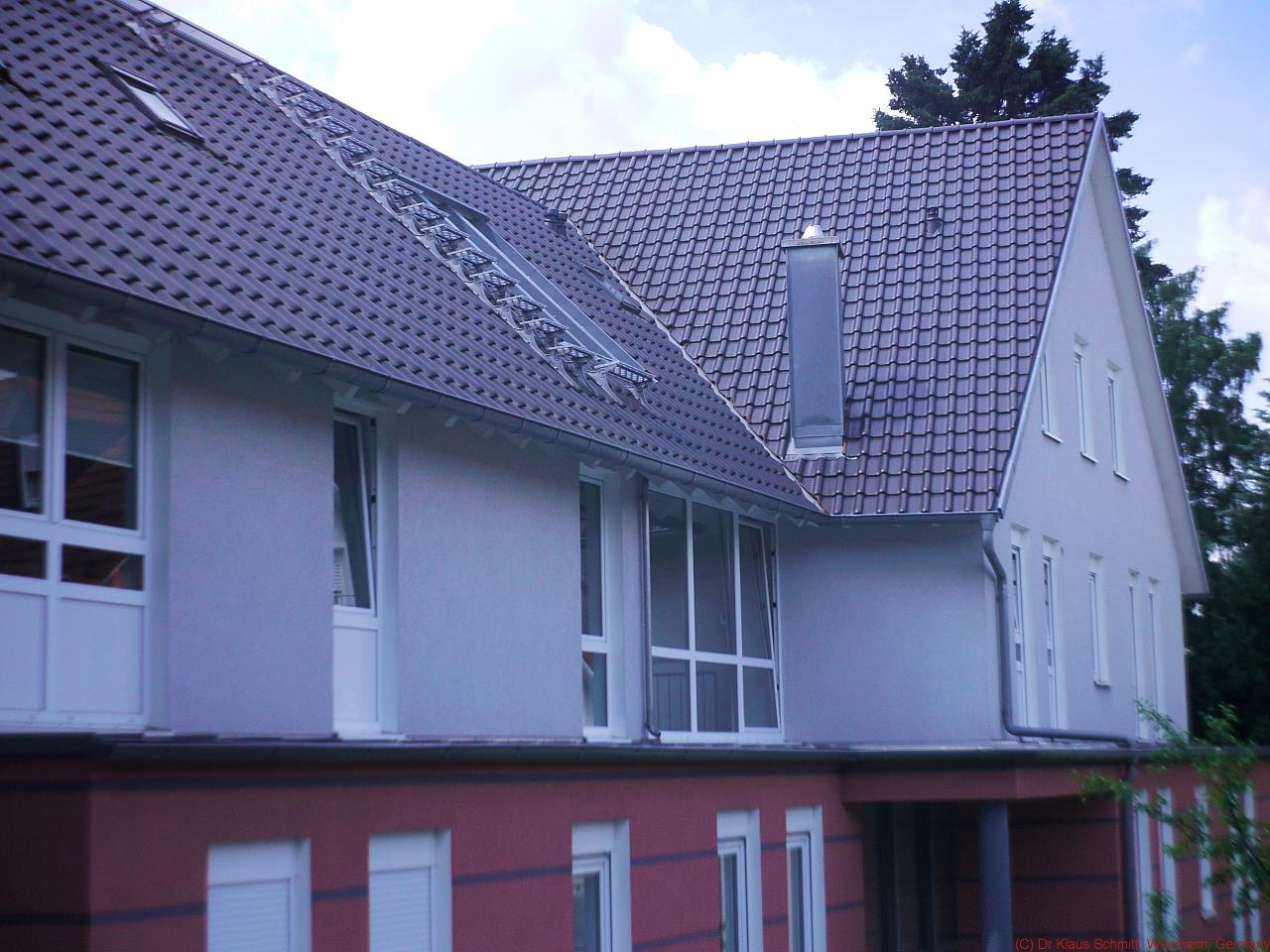
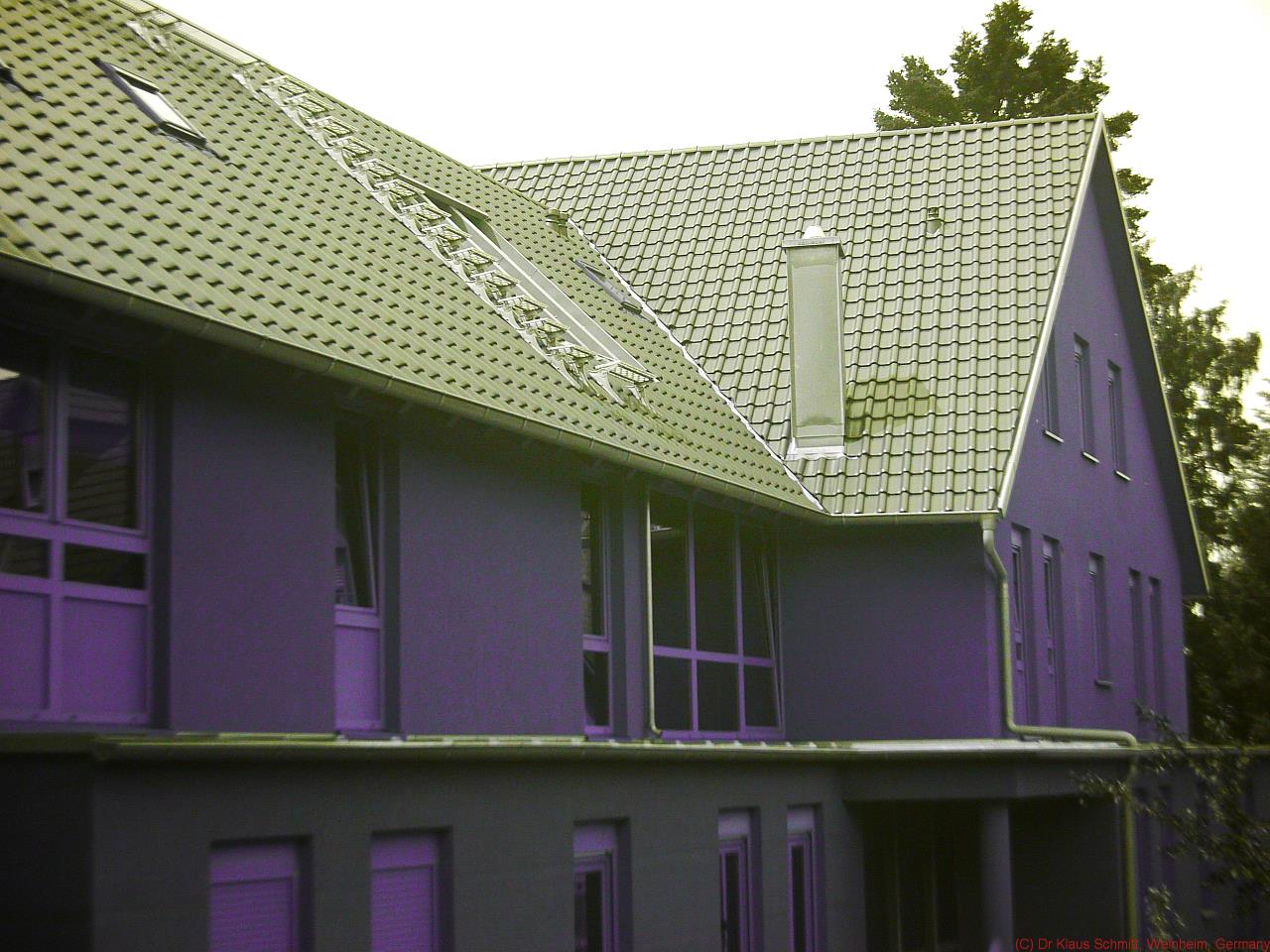
3) Shot of our neighbors house (ca 30m):

VIS:


UV:


Especially from the last two shots it gets quite clear, that this lens was used outside its defined image circle and the loss of sharpness is evident. The close-up shots are much better (as could have been expected due to the much larger projected image circle). The image center is actually quite sharp and contrasty for such a lens and esp. when compared with a Noflexar 35mm, which it certainly beats in resolution and transmission (but the Noflexar 35mm has the benefit to cover a FF sensor). This lens was made for very faint light intensities, so no wonder that it shows some signs of flare if used at high light intensities (although proper shading was used), but I could not detect a prominent hotspot (which its brother, the Cerco 94mm has).

Overall a nicely performing lens for UV-VIS (I haven't tested it for IR) if used inside the specified range, but also quite an expensive one (UV-Nikkor range).


Stay tuned, more will follow on that fascinating subject...

More info on this very interesting field may be found on my site http://www.pbase.com/kds315/uv_photos

Thursday, June 16, 2011

[UV, VIS, BV] first Rudbeckia flower unfolding

Today shots of my first Rudbeckia flower this year, using UV sensitive camera, Cerco 94mm lens, Baader-U resp. UV/IR Cut filter

[click on images to see larger ones]

UV shot:


Bee Vision (simulated using filter):


VIS comparison shot:


The idea is to see, how the UV pattern emerges within the next days when the flower totally enfolds ...


Stay tuned, more will follow on that fascinating subject...

More info on this very interesting field may be found on my site http://www.pbase.com/kds315/uv_photos
Tuesday, June 14, 2011

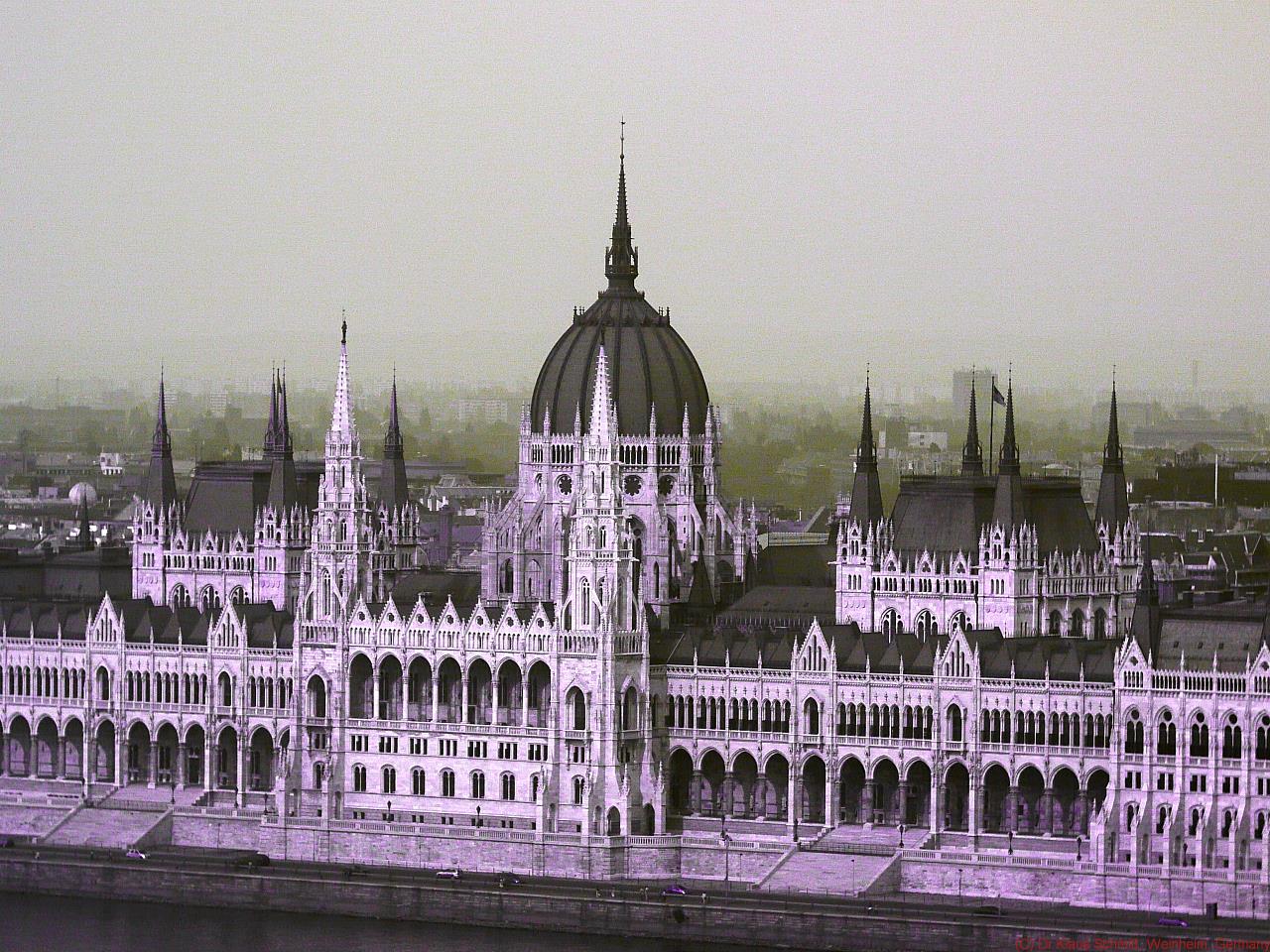
[UV] Hungarian Parliament building in reflected ultraviolet light

From a recent trip to Hungary, here a shot of the famous Hungarian Parliament building as seen from the Buda castle on the opposite side of the Danube river.

Shot using my UV sensitive camera, Cerco 94mm lens, Baader-U filter and preset UV WhiteBalance using my ReflectionDisc.

[click on image to see a larger one]


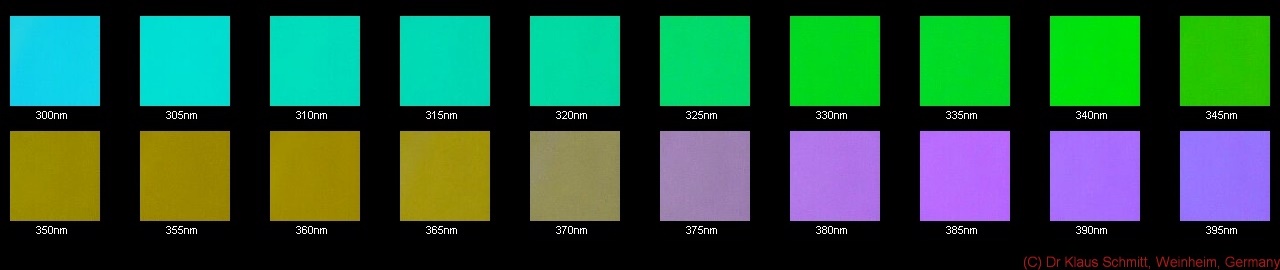
Reflected UV "colors" are according to the previously described "UV color palette" related to wavelength:


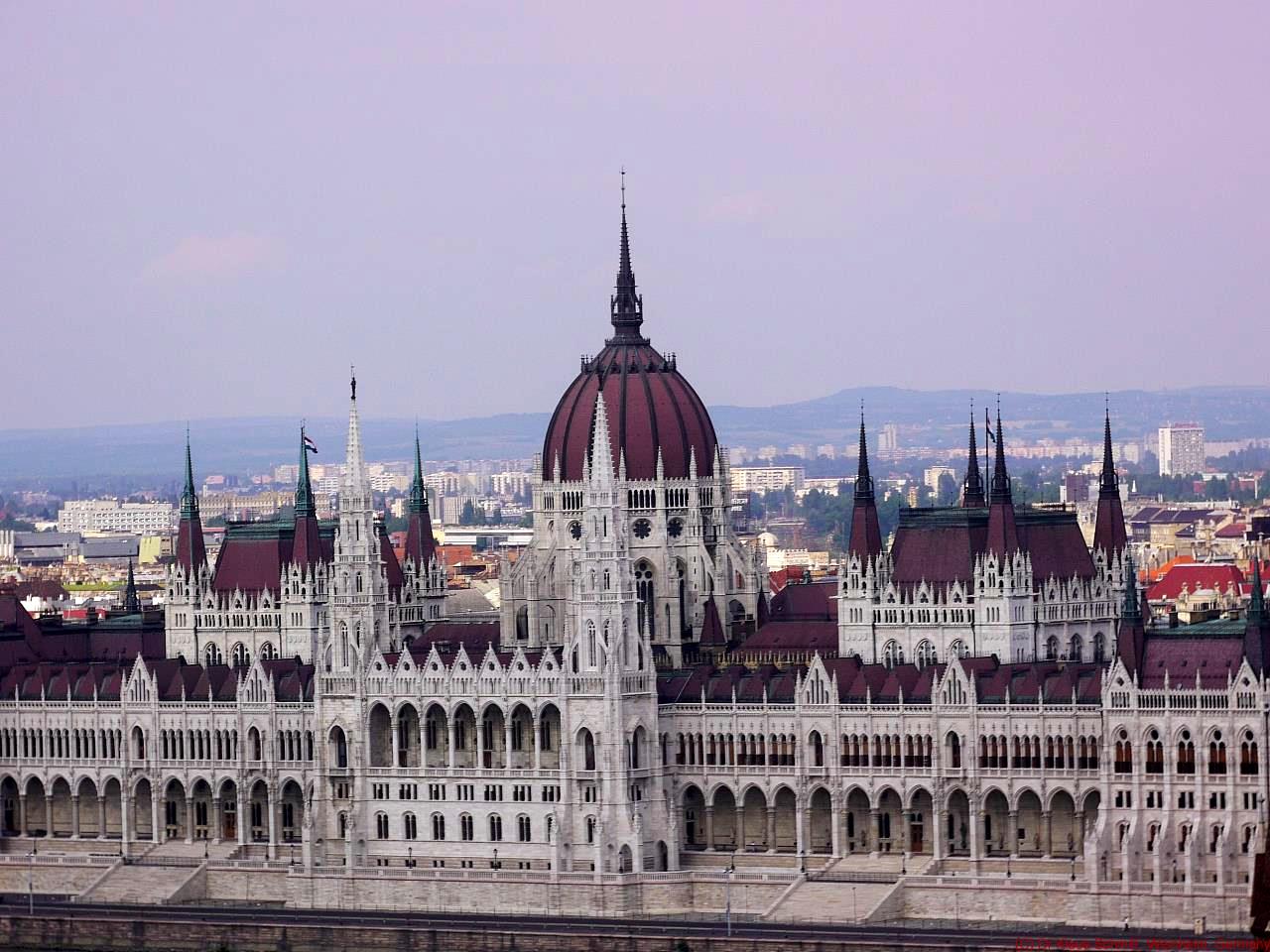
A visible comparison shot taken a few minutes from the one above looks like that:


Note the very different colors and especially the fogged background due to Rayleigh scattering of UV light which is much stronger for UV light than for visible or even IR light (this is why IR is so often used to penetrate clouds = make them transparent).

Stay tuned, more will follow on that fascinating subject...

More info on this very interesting field may be found on my site http://www.pbase.com/kds315/uv_photos

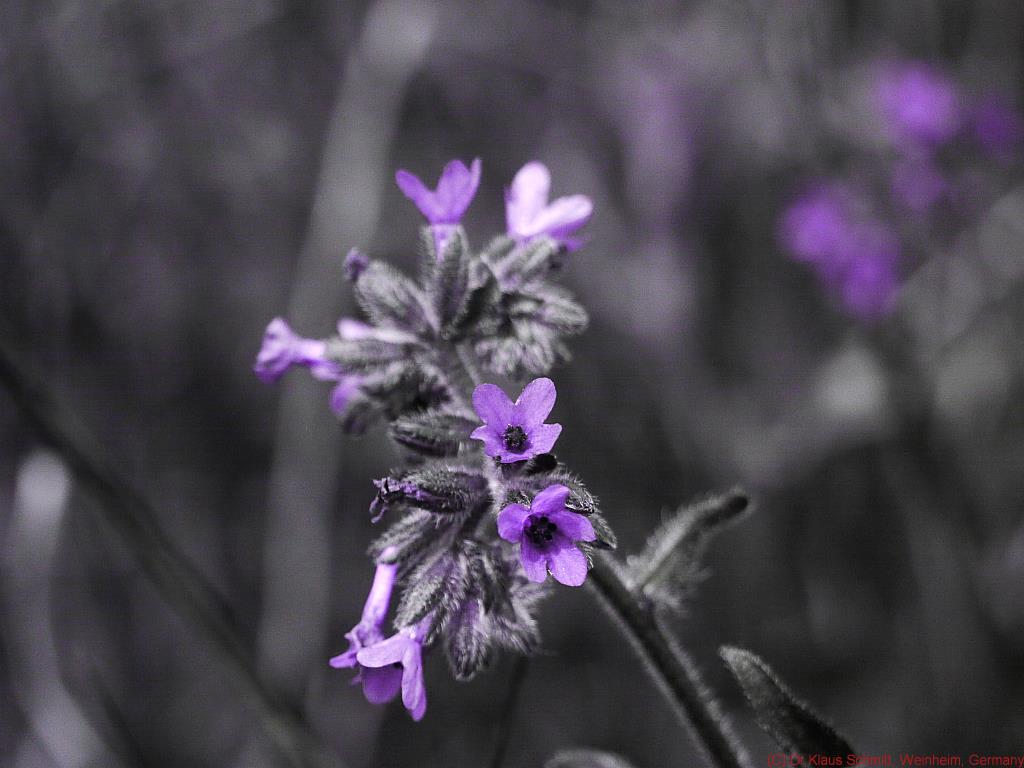
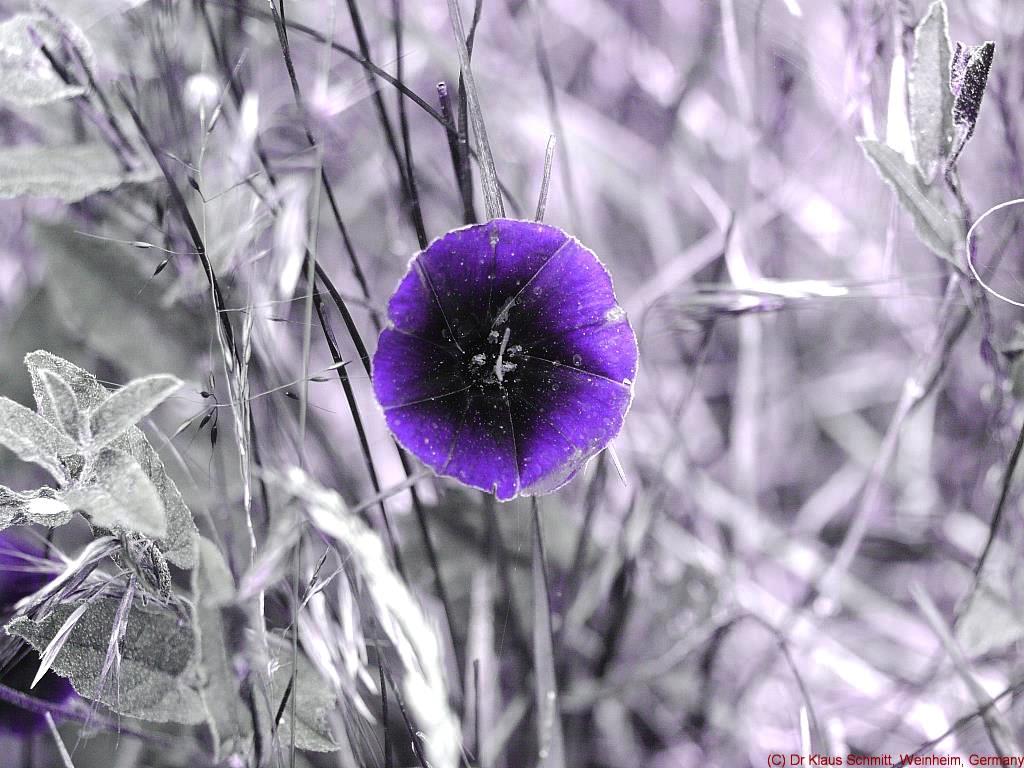
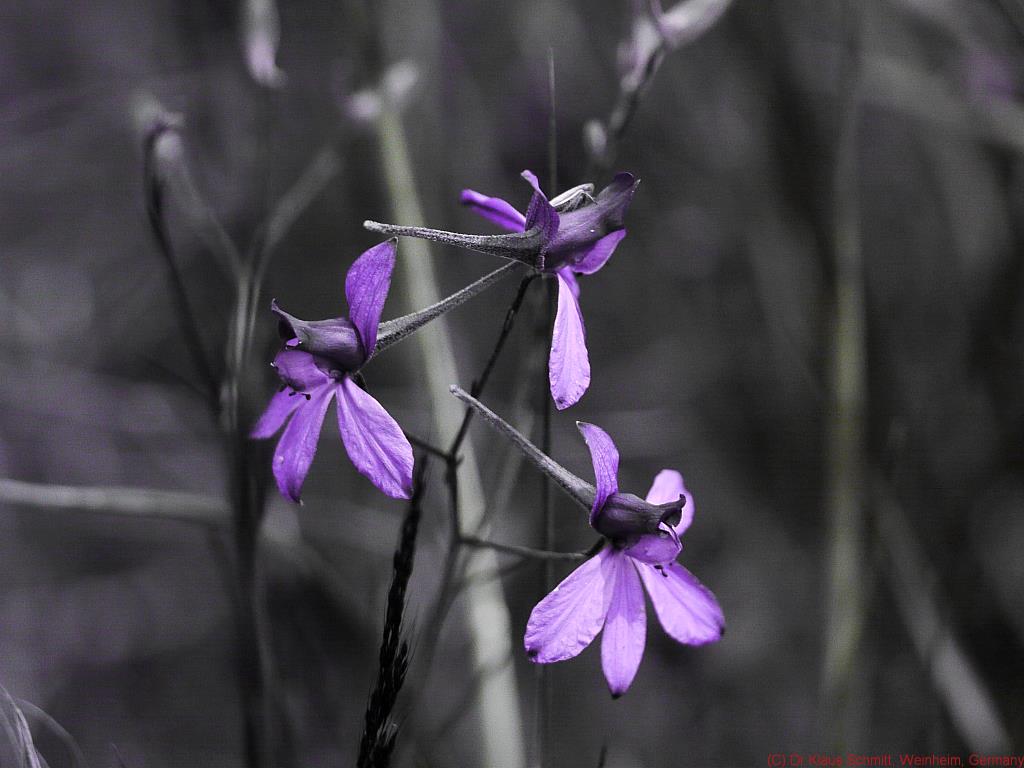
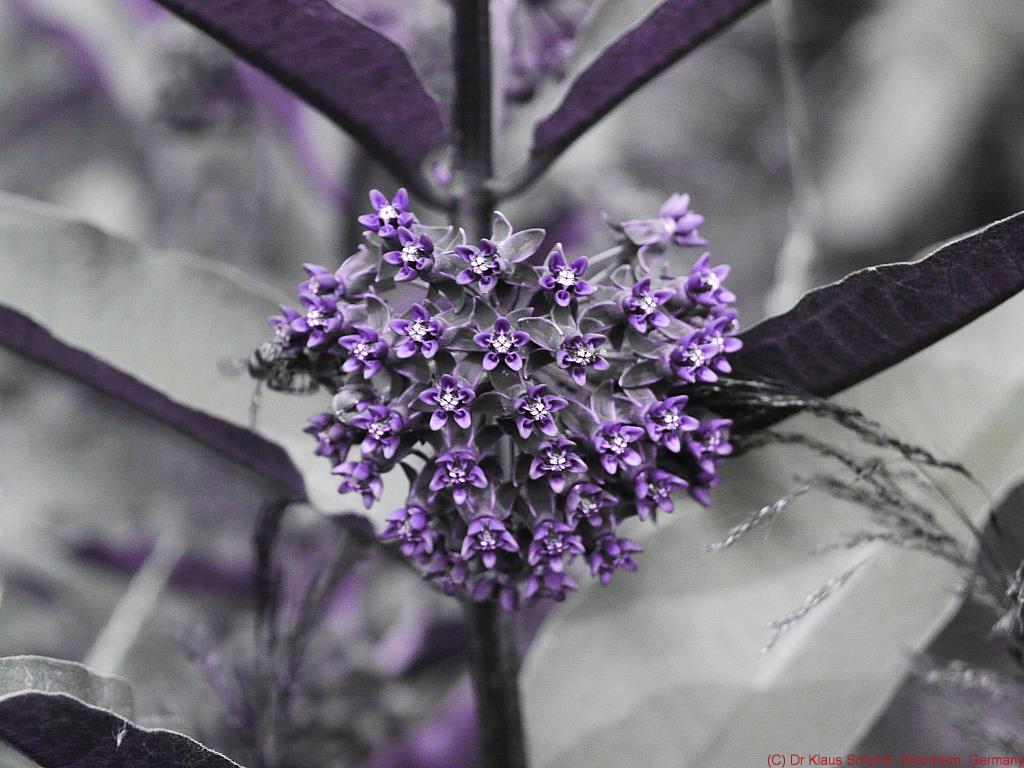
[UV] Hungarian Puszta flowers in reflected ultraviolet light

From a recent field trip to Hungary, a few flowers shots from the Kiskunsagi Nemzeti Park in the Hungarian Puszta.

Shot using my UV sensitive camera, Cerco 94mm lens, Baader-U filter and preset UV WhiteBalance using my ReflectionDisc.

[click on image to see a larger one]


A few butterfly shots in UV:


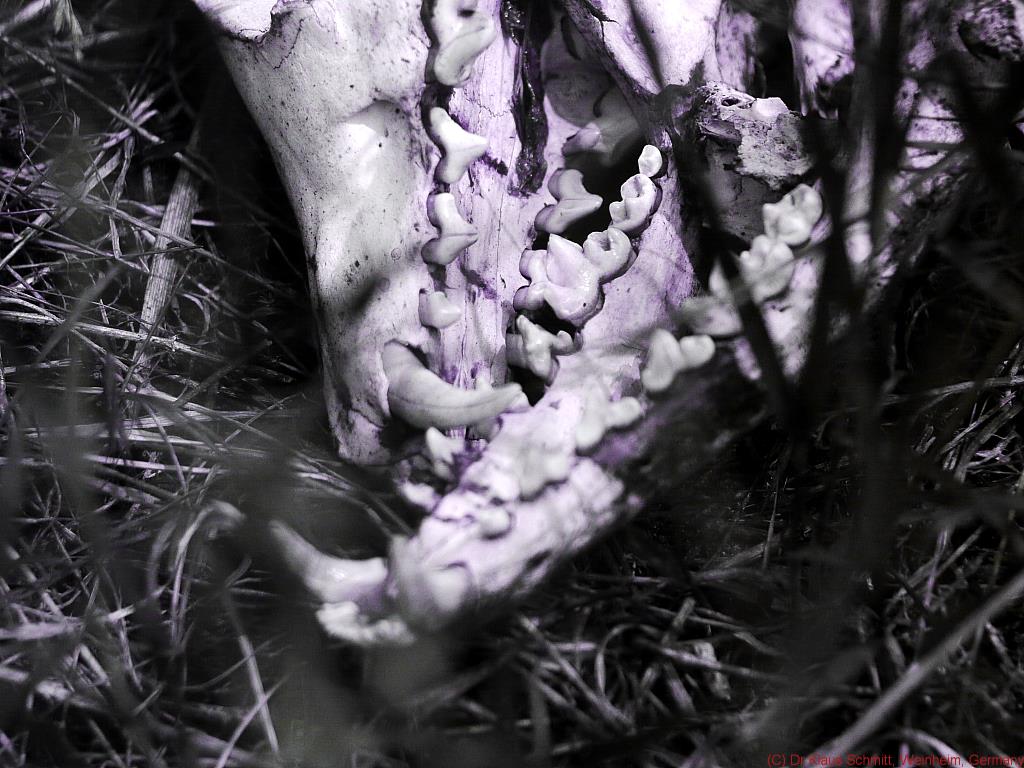
and the reminders of a predator:


Reflected UV "colors" are according to the previously described "UV color palette" related to wavelength:


Stay tuned, more will follow on that fascinating subject...

More info on this very interesting field may be found on my site http://www.pbase.com/kds315/uv_photos

Monday, June 6, 2011

[UV] on wide angle lens whitebalance using a GH1-UVIR

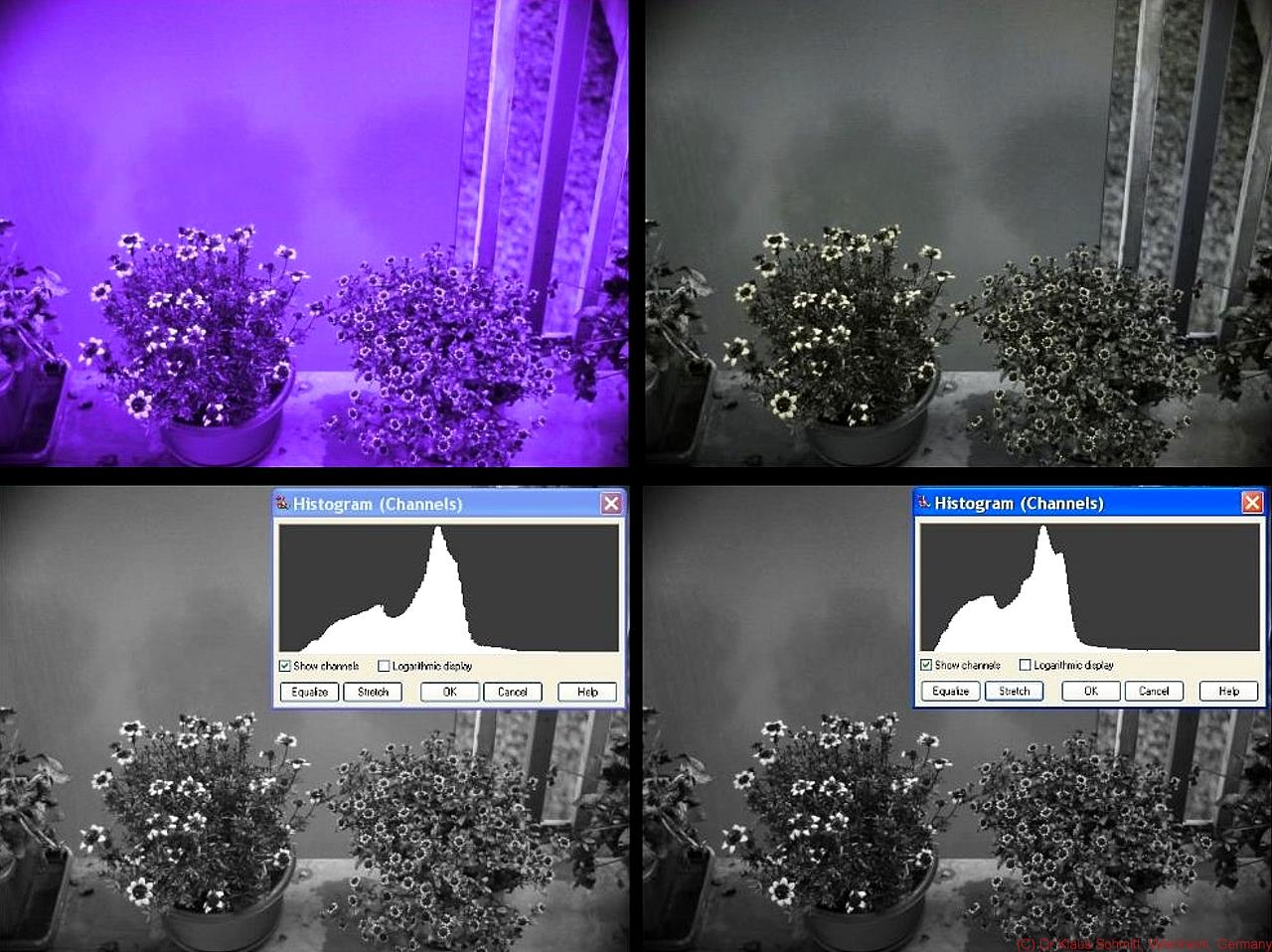
In previous posts on whitebalancing using my ReflectionDisc I warned about generalizing results and stated that it is only valid for that camera, that lens, that filter and that lighting situation. Well, I was curious, how much would change if two parameters were changed: a) using a wide angle lens (with substantial less UV transmission), b) lighting situation
So, using my GH1-UVIR, a Cerco 94mm lens, Baader-U filter and sunlight, I had preset a whitebalance for a similarely lit situation using my Reflection Disc, call that WB1 for now.

The weather today was very overcast and no sun, just about 250 microWatt/cm² UV-A (as measured using a calibrated Minolta UV-A meter).
The lens was changed, from a color corrected, flat transmitting (<300nm) quartz / fluorite lens to a non-color corrected not that much UV transmitting conventional wide angle lens, a 2.8/28mm in that case, which barely reaches about 350nm, to see which impact that would have. A set WB was done for that 28mm wide angle lens, call that WB2.
So what we see here is:
1) top left: previously set sunlight WB used (WB1)
2) top right: correct WB for that lighting situation set (WB2)
3) bottom left: previously set sunlight WB used (WB1), bw version with histogram
4) bottom right: correct WB for that lighting situation set (WB2); bw version with histogram
[click on image to see a larger one]


Here now quite some difference in whitebalancing may be noted; the preset WB1 was quite different from the correct WB2 for that lens (and lighting situation). Major impact had the lens change, not the changed lighting. As may be seen on the histogram, the correctly whitebalanced image is about 1/4 - 1/3 stop less exposed than the incorrectly one (both images were identically exposed at 1/1.6sec, same ISO) , so consequently using the correct WB at shooting time would require a somewhat higher exposure.

SUMMARY: UV whitebalance, for lenses having very different spectral (UV-) transmission, should be correctly set at exposure, not later in post processing and properly exposed (a tad more).
P.S.: I have tested at different exposure values (higher + lower) but the principal result remained the same.


Stay tuned, more will follow on that fascinating subject...

More info on this very interesting field may be found on my site http://www.pbase.com/kds315/uv_photos