Showing posts with label 280-385nm. Show all posts

Thursday, March 6, 2014

Spring Flowers 2014: Ranunculus ficaria - Lesser Celandine - 80mm Quartz Fluorite lens for deep reflected ultraviolet photography

Here today deep UV studio shots of the well known Ranunculus ficaria - Lesser Celandine early spring flower. Shots were done aside from visible photography in reflected ultraviolet using Baader-U filter as well as several UV only transmitting narrowband filters. Lens used my X80QF f3.2 / 80mm Quartz Fluorite lens. Light source was a modified Xenon flash. All shots were done at approx. f11.

[click on image to see a larger one]

Visible light image:  

UV image using Baader-U filter (approx. 320-395nm, effective peak approx. 375nm):  
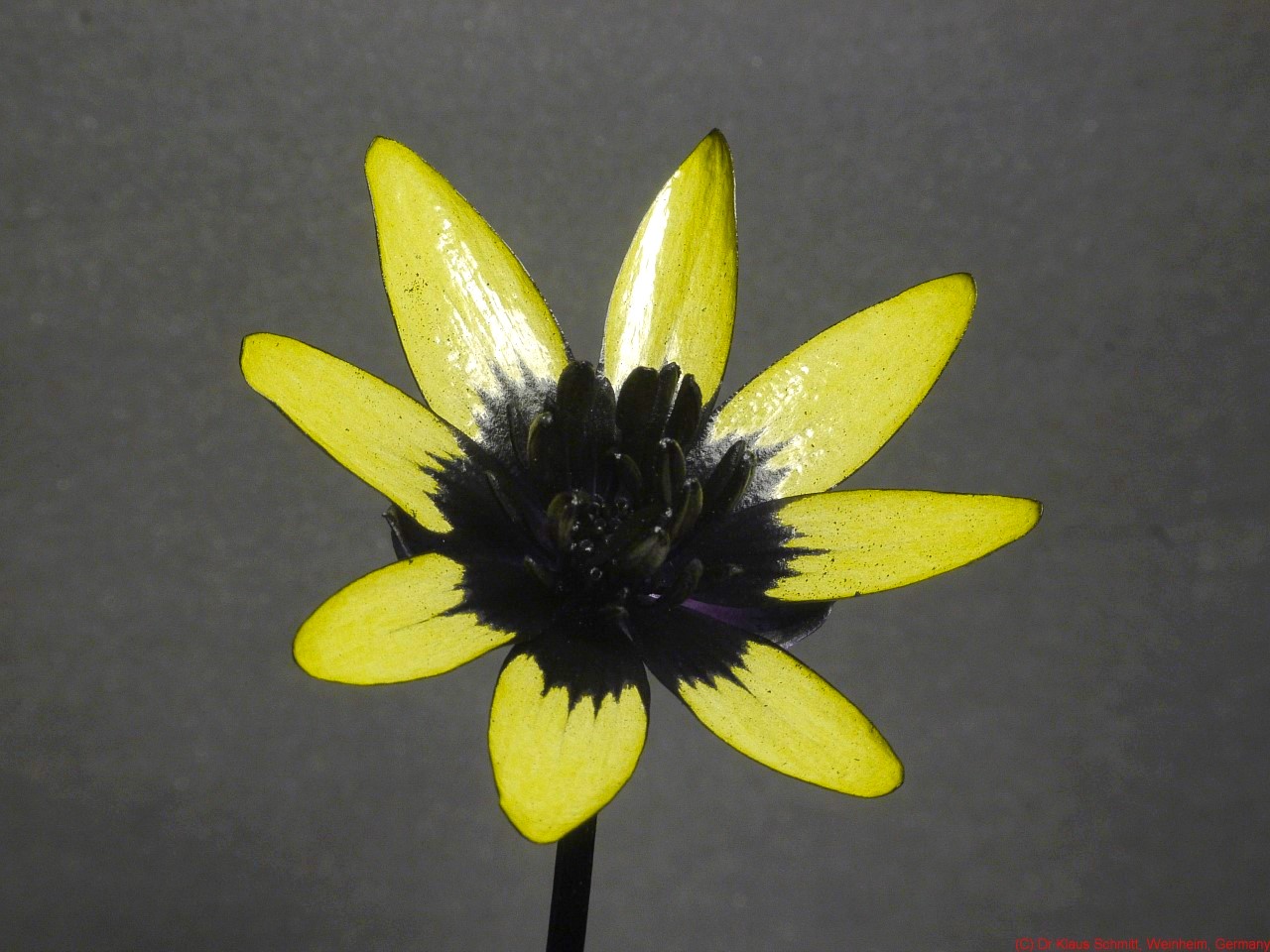
UV image using Jupiter-U filter (approx. 280-385nm, effective peak approx. 365nm):  

UV image using Saturn-U filter (approx. 300-350nm, effective peak approx. 325nm):  
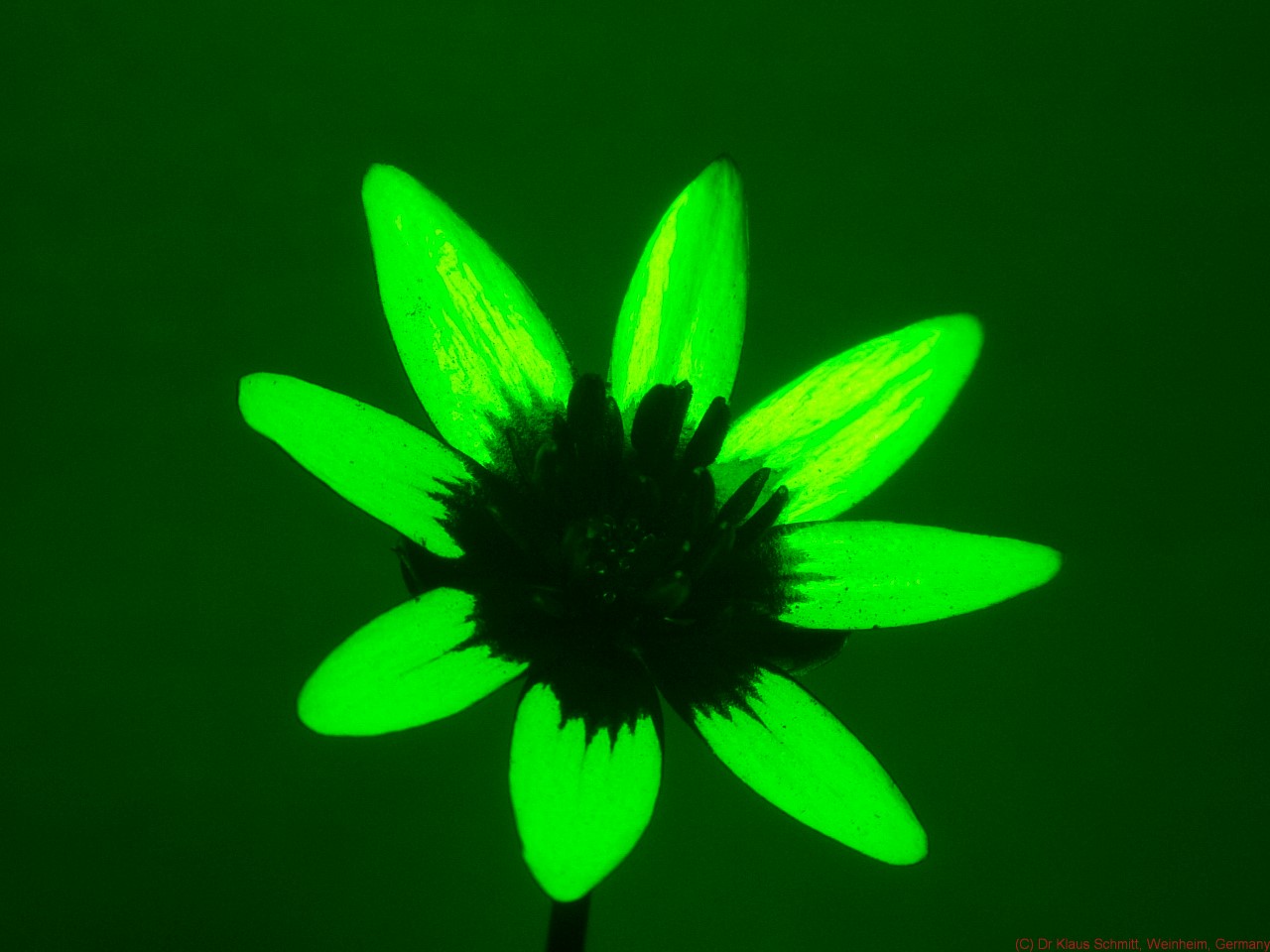
UV image using Uranus-U filter (approx. 300-325nm, effective peak approx. 313nm):  

UV image using Neptun-U filter (approx. 290-330nm, effective peak approx. 310nm):  
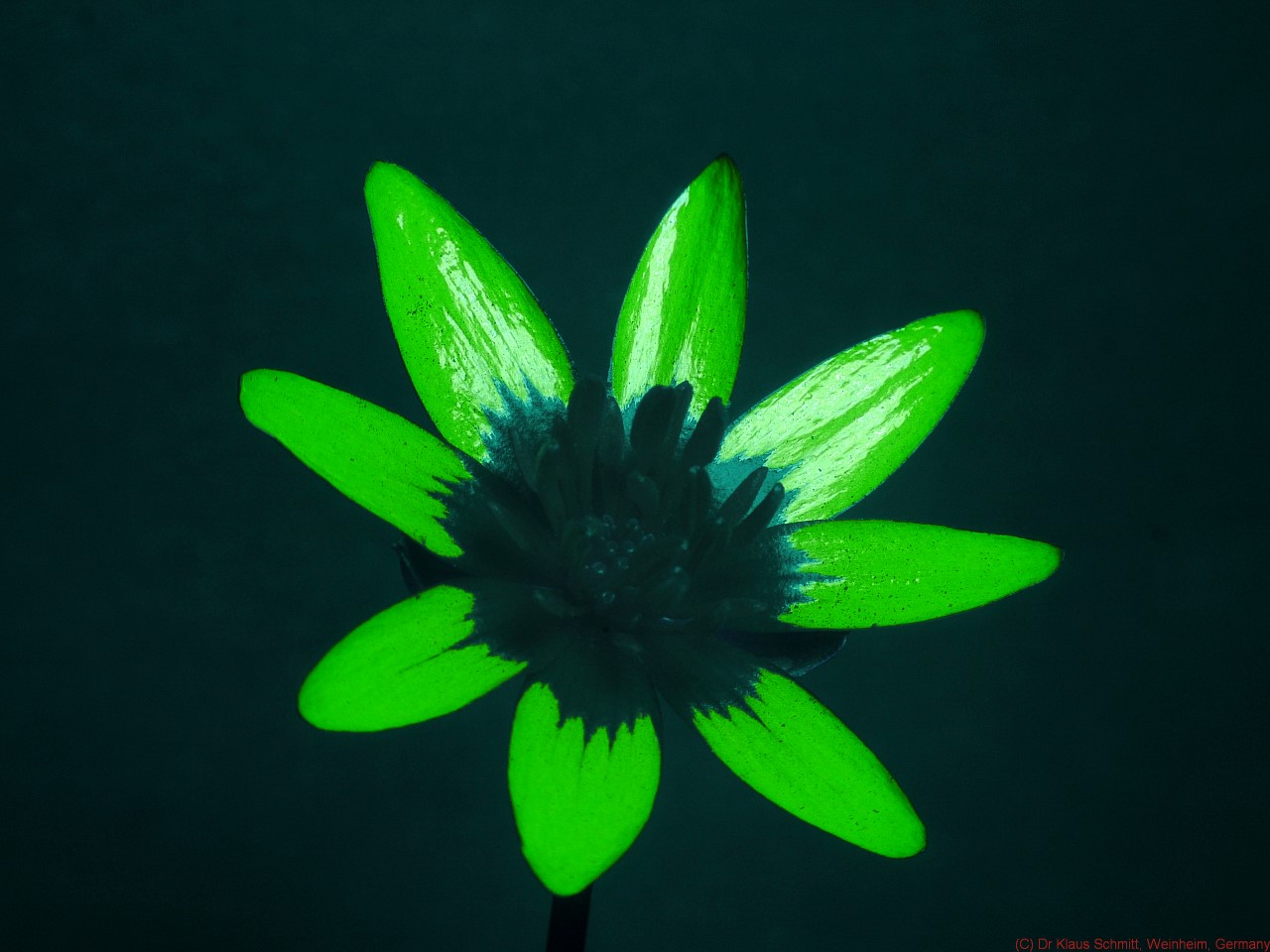
Hexaptych of the above images:  
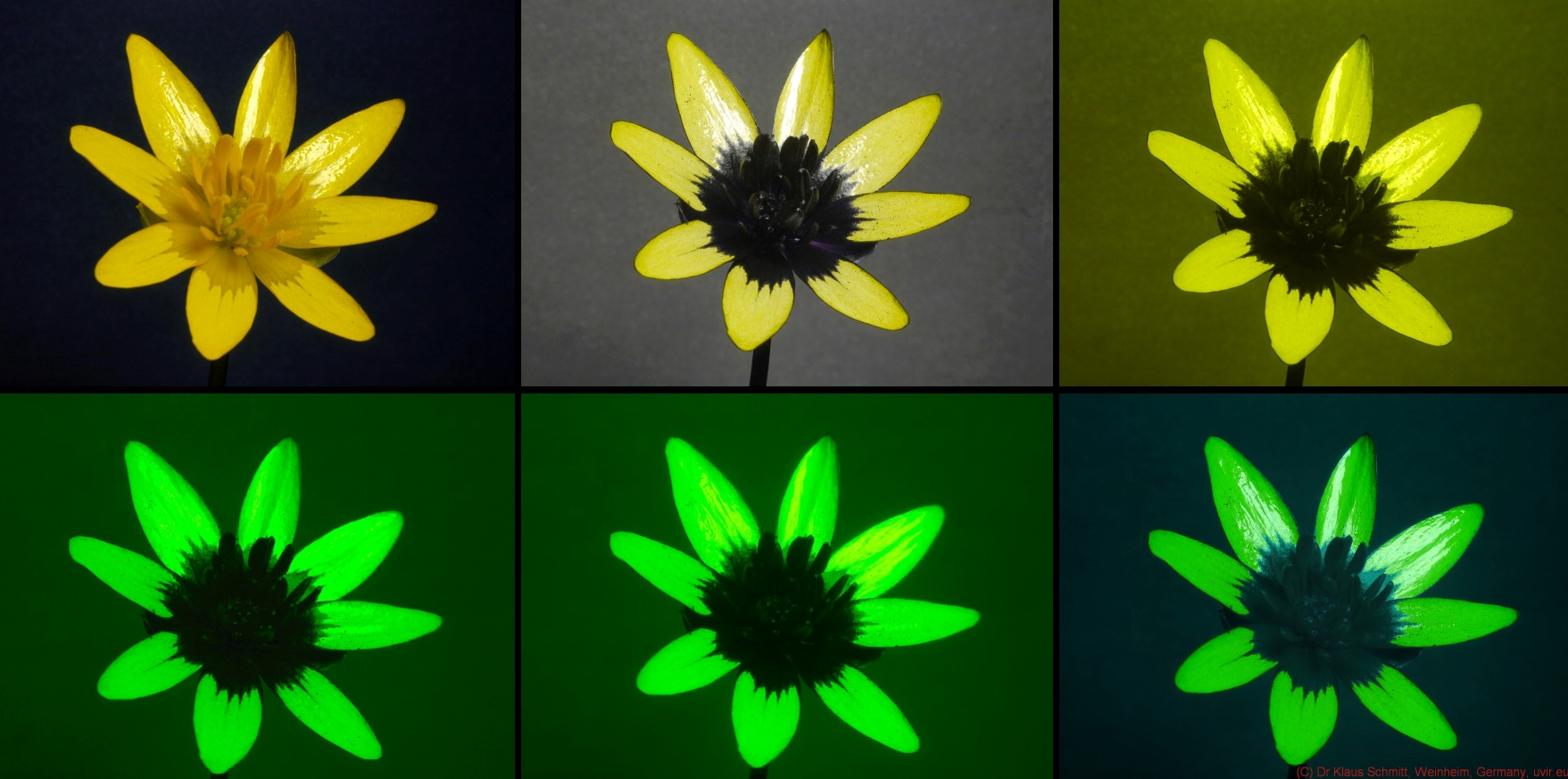

This Lesser Celandine flower has a well known bulls-eye UV pattern, this time down to 300nm and beyond. Its center is UV dark, but its petals are strong UV reflective around 365nm, ie. UV bright, both invisible to us humans. The X80QF apo quartz fluorite lens makes all that nicely visible.


Stay tuned, more will follow on that fascinating subject...

Saturday, March 1, 2014

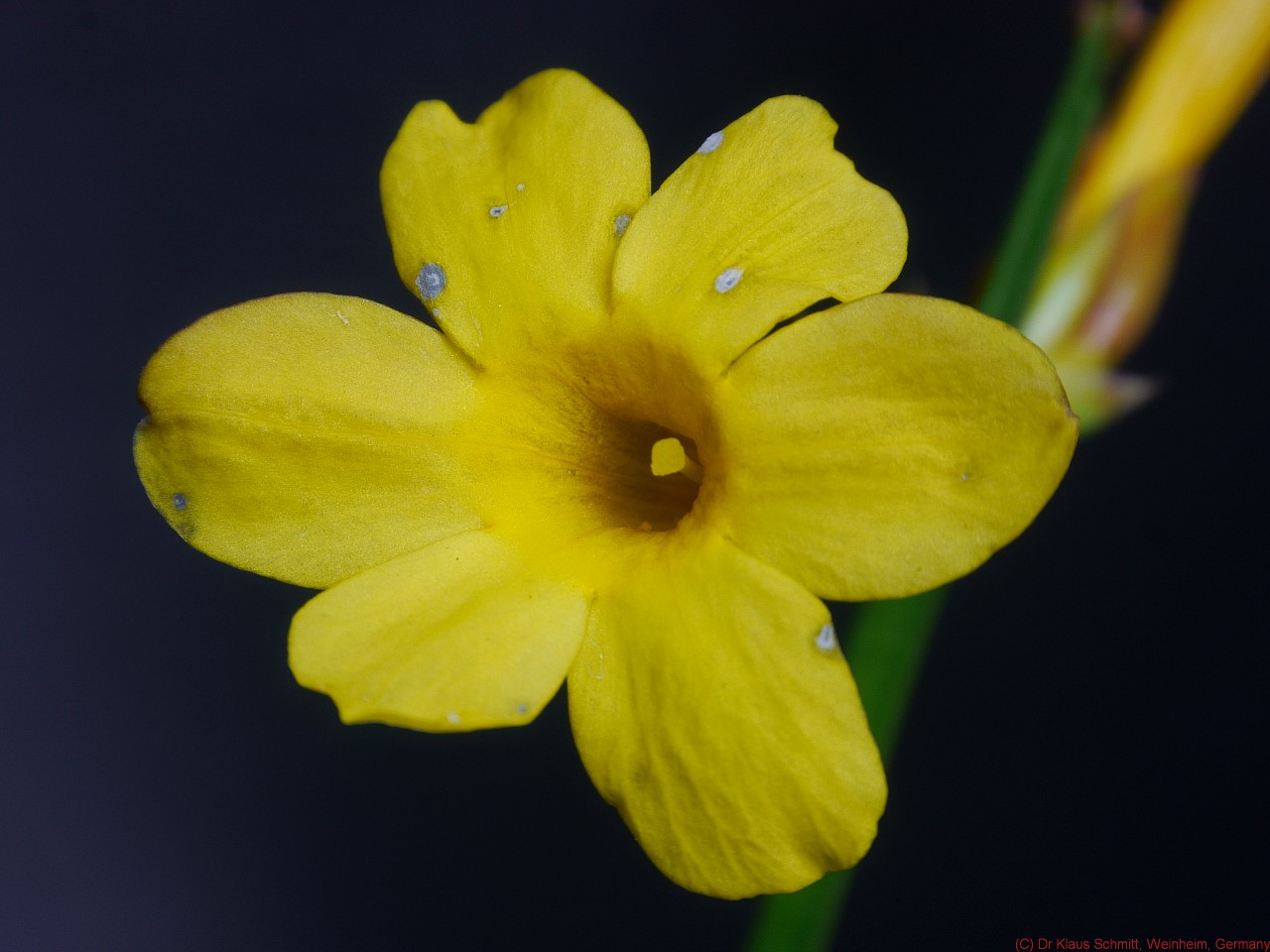
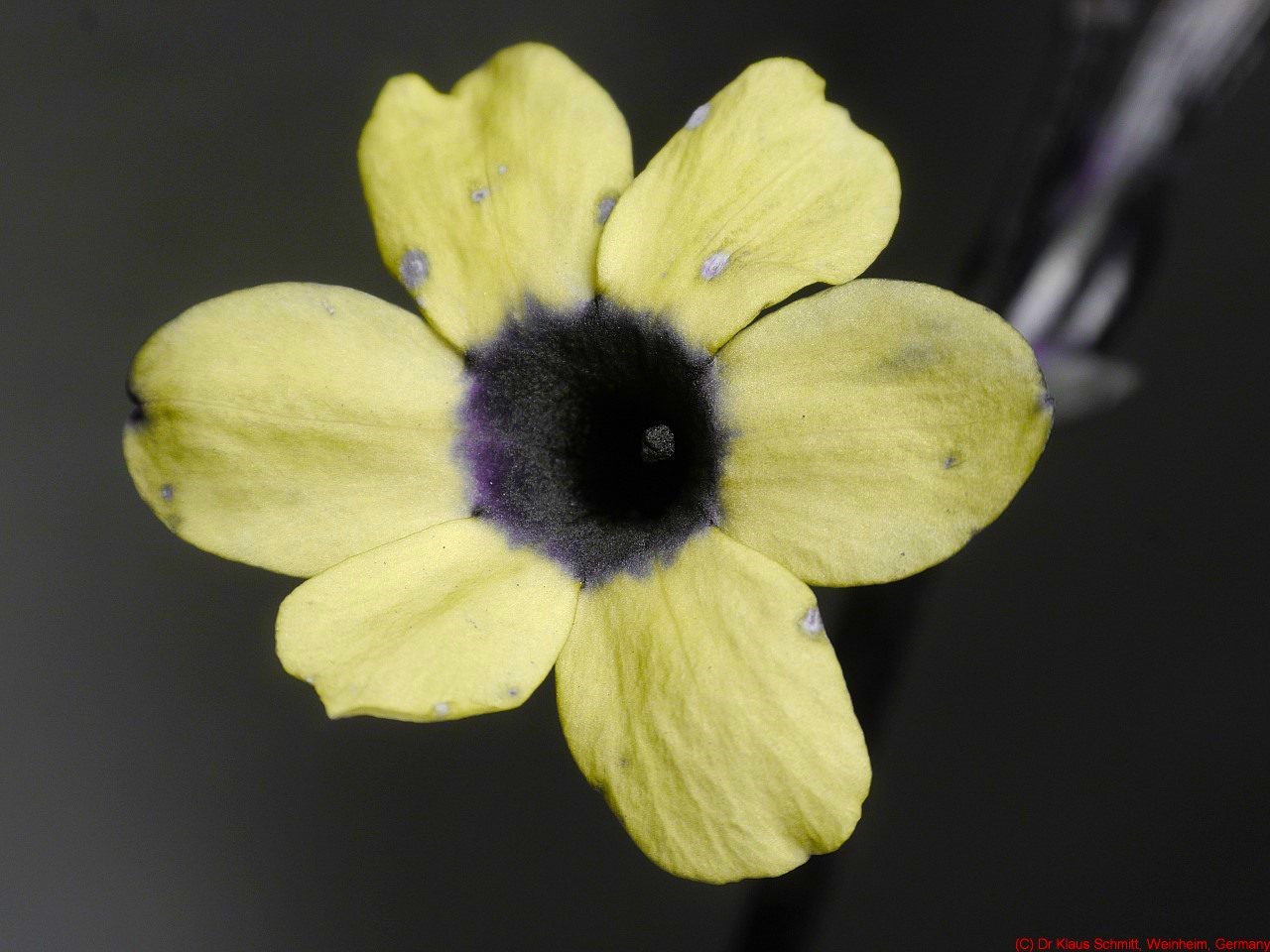
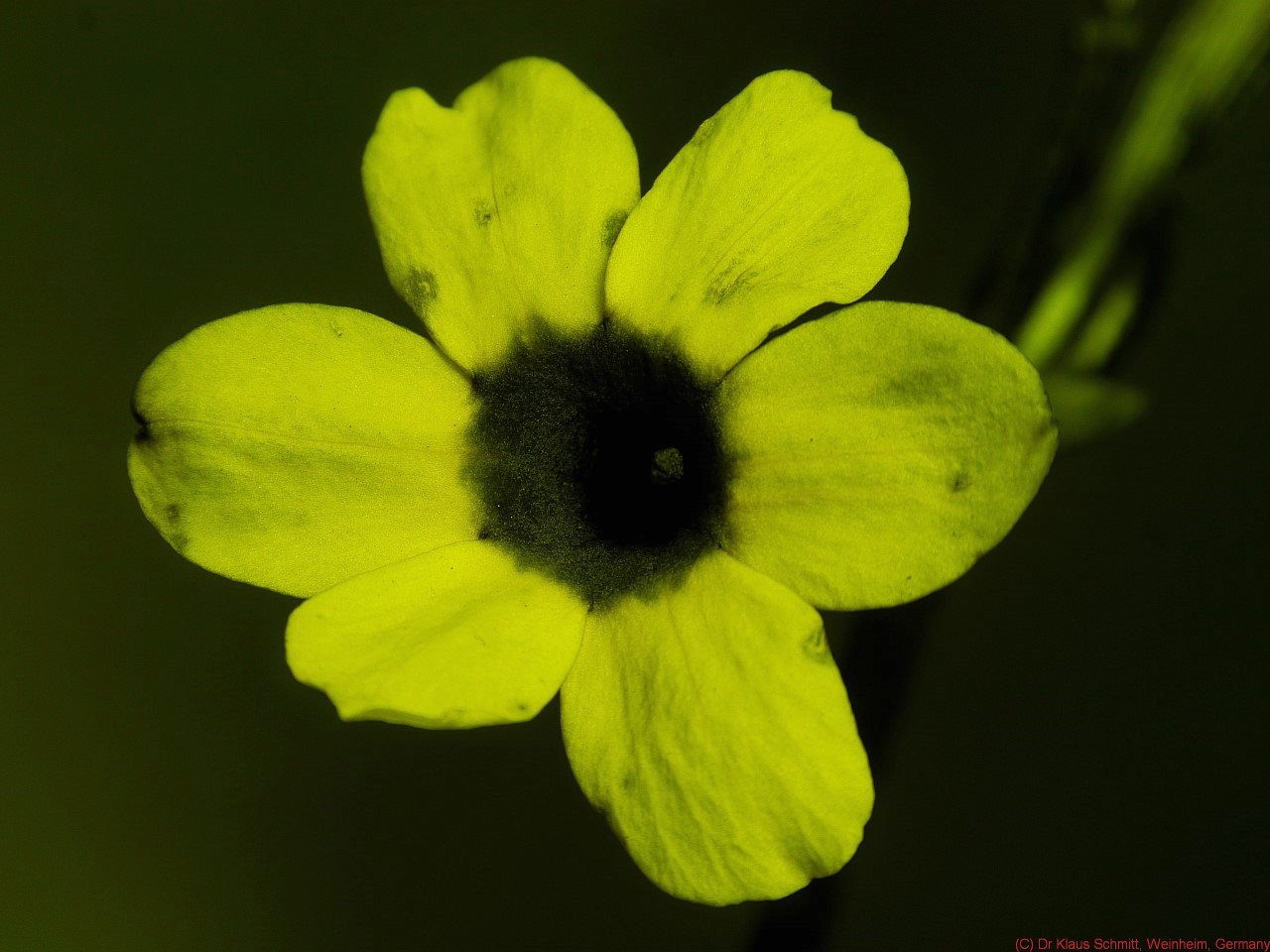
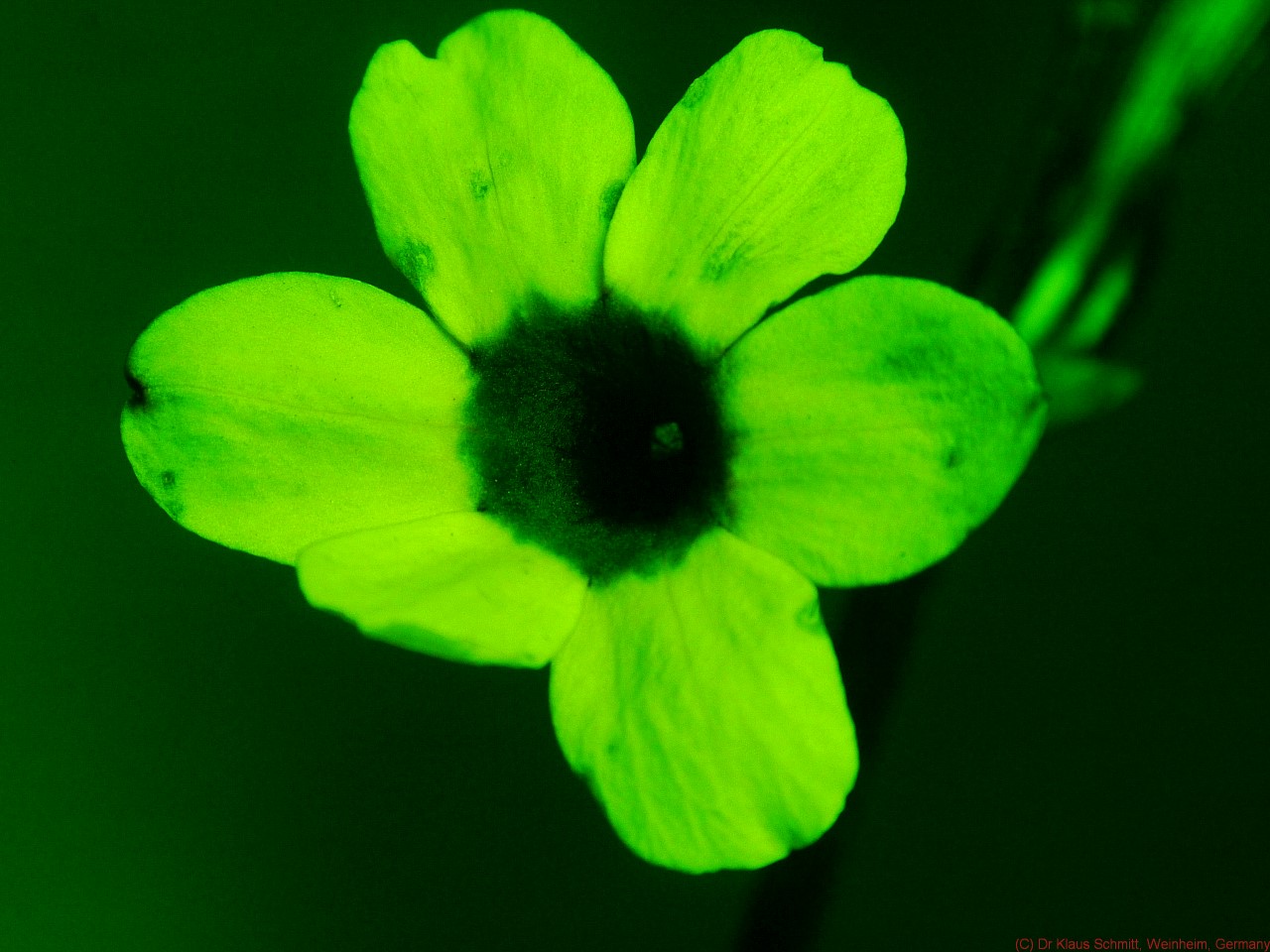
Winter Jasmine - Jasminum nudiflorum using X80QF for deep UV reflected ultraviolet photography

Today deep UV shots of that decorative winter flower Winter Jasmine - Jasminum nudiflorum in reflected ultraviolet using Baader-U filter as well as several UV only transmitting narrowband filters. Lens used was my X80QF f3.2 / 80mm quartz flourite lens. Light source was a modified Xenon flash. All shots were done at f11.

[click on image to see a larger one]

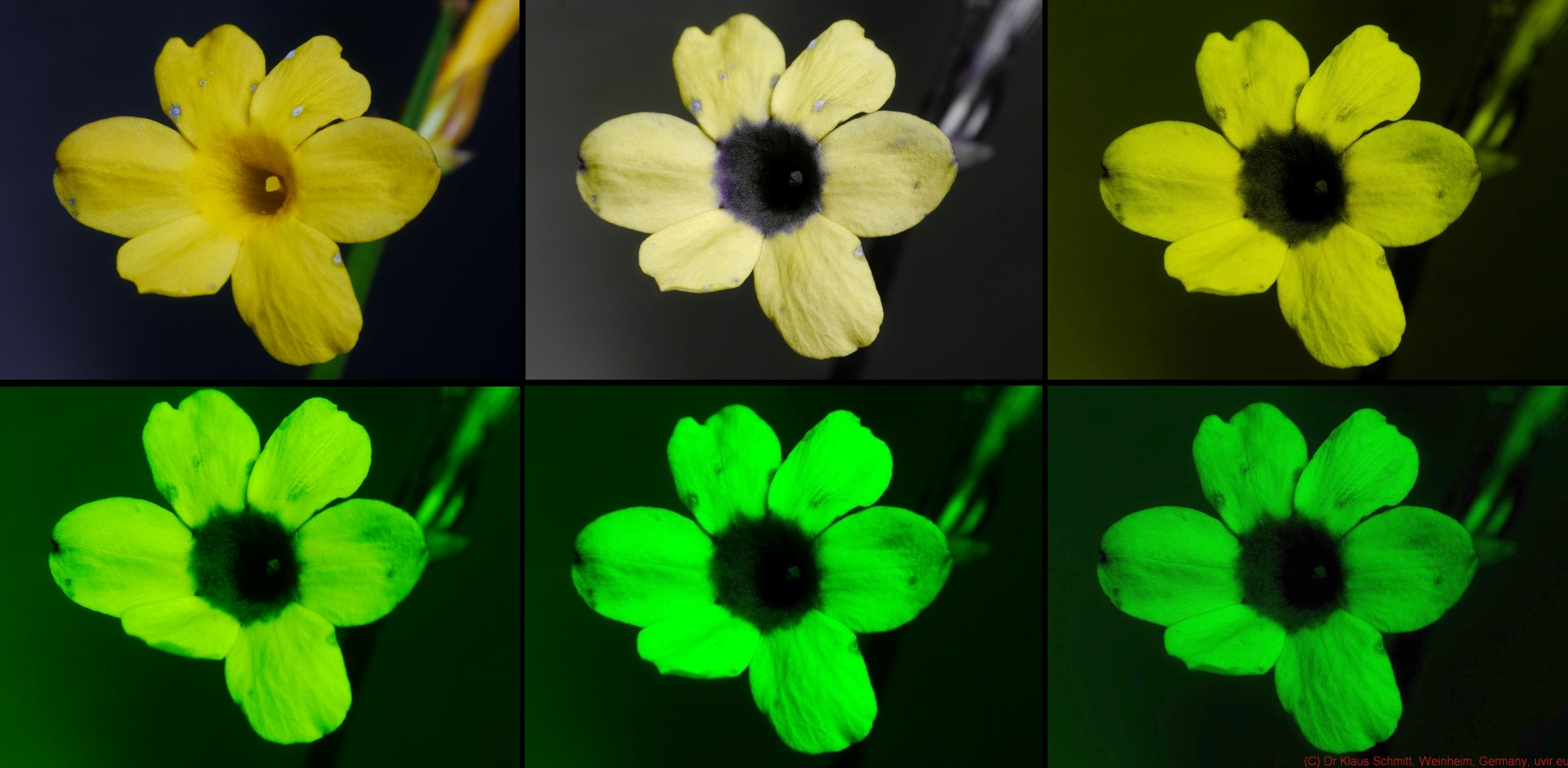
Visible light image:  

UV image using Baader-U filter (approx. 320-395nm, effective peak approx. 375nm):  

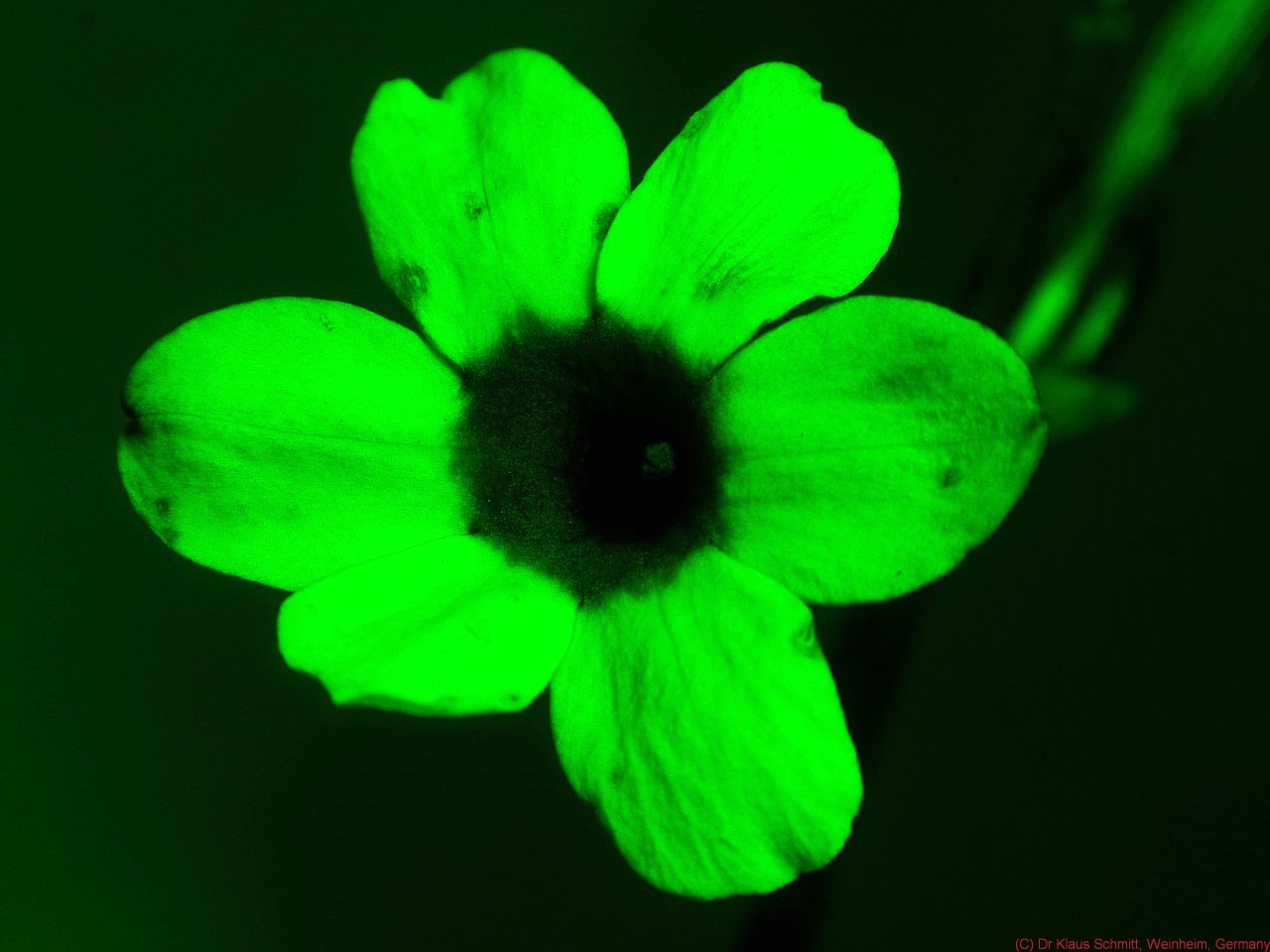
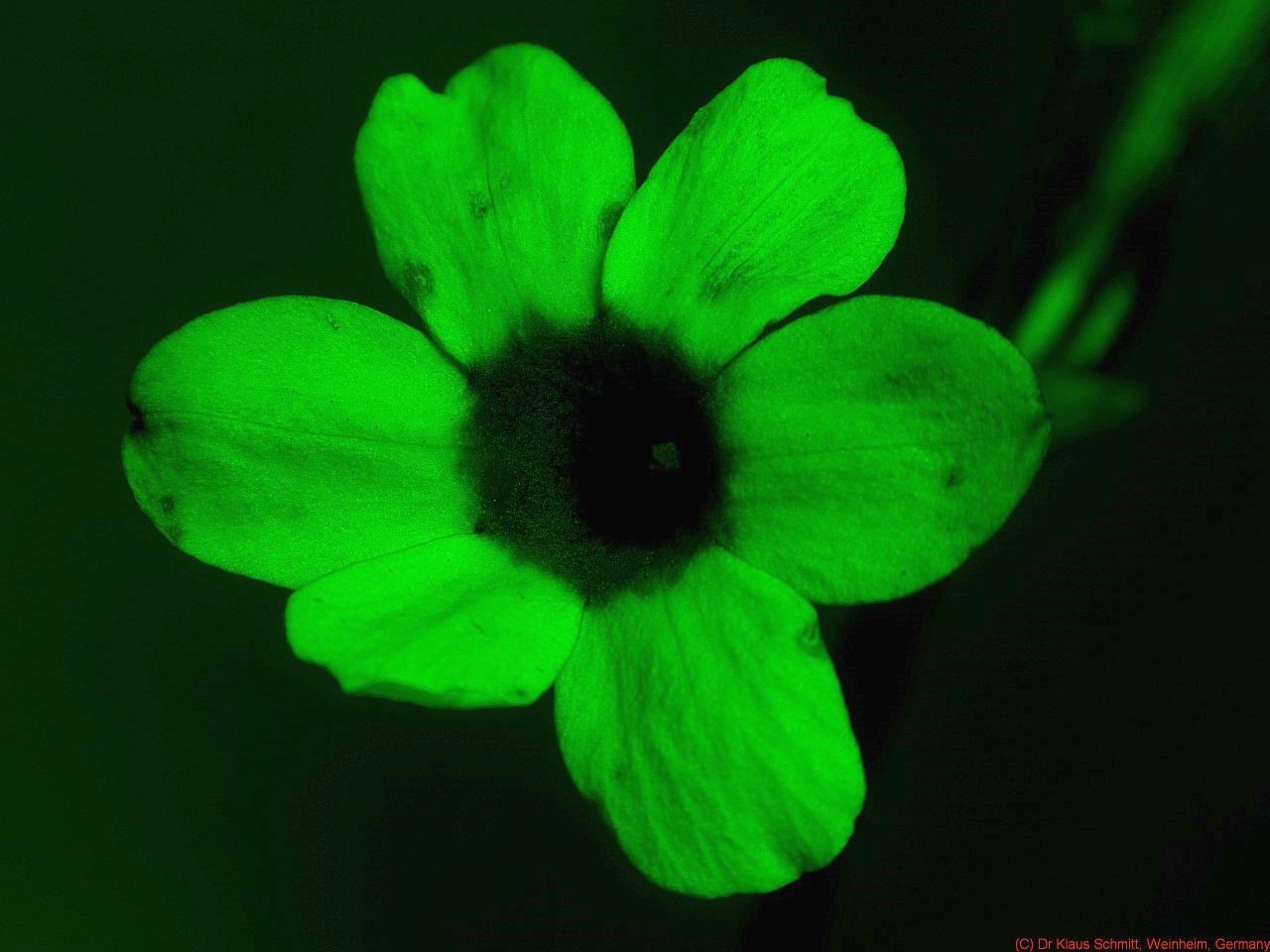
UV image using Jupiter-U filter (approx. 280-385nm, effective peak approx. 365nm):  

UV image using Saturn-U filter (approx. 300-350nm, effective peak approx. 325nm):  

UV image using Uranus-U filter (approx. 300-325nm, effective peak approx. 313nm):  

UV image using Neptun-U filter (approx. 290-330nm, effective peak approx. 310nm):  

Hexaptych of the above images:  


This attractive winter flower shows its very specific UV pattern, this time down to 300nm and beyond. Its center is UV dark, but its petals are strong UV reflective around 365nm, ie. UV bright, both invisible to us humans. The X80QF apo quartz fluorite lens makes all that nicely visible.


Stay tuned, more will follow on that fascinating subject...