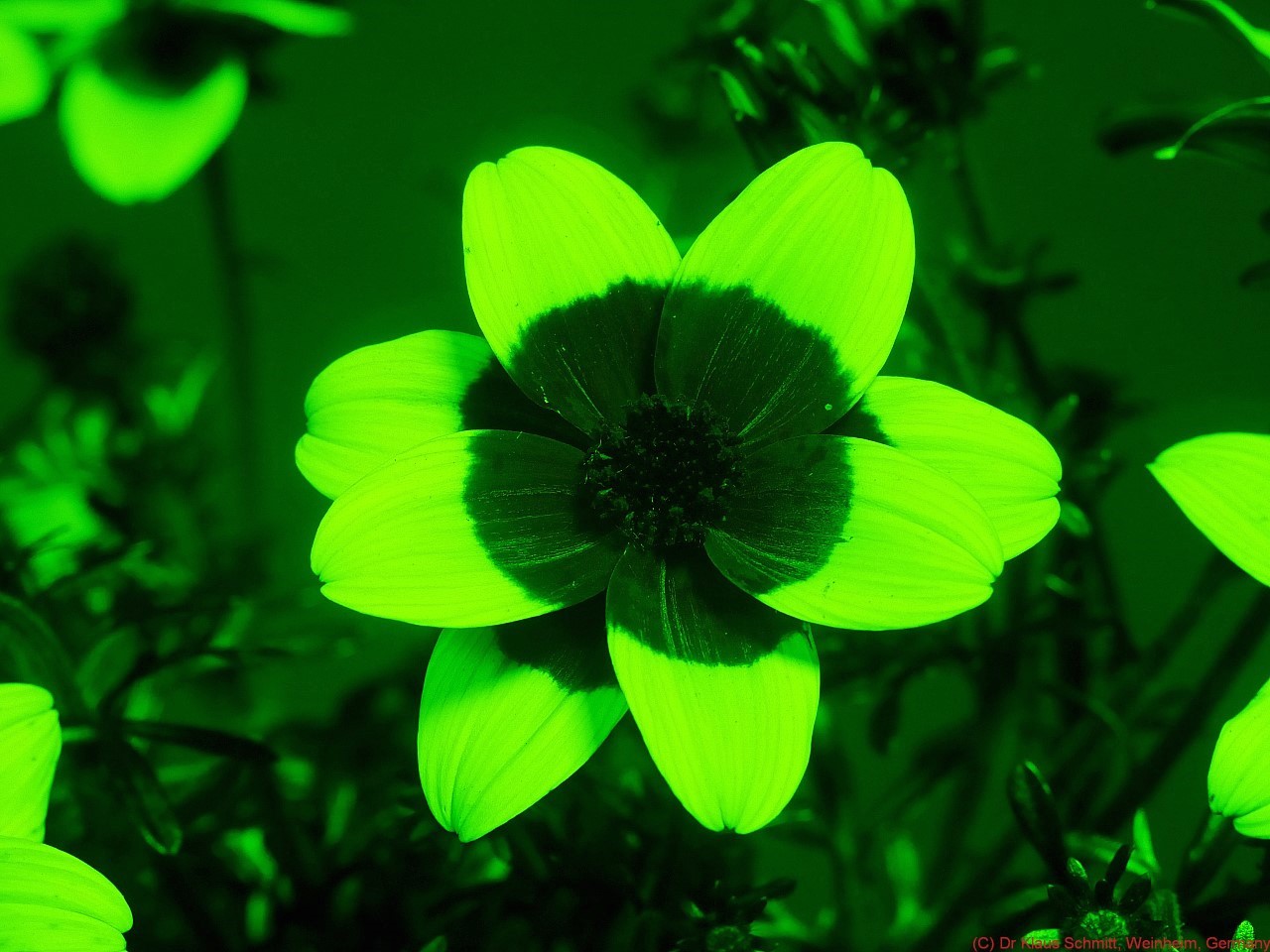
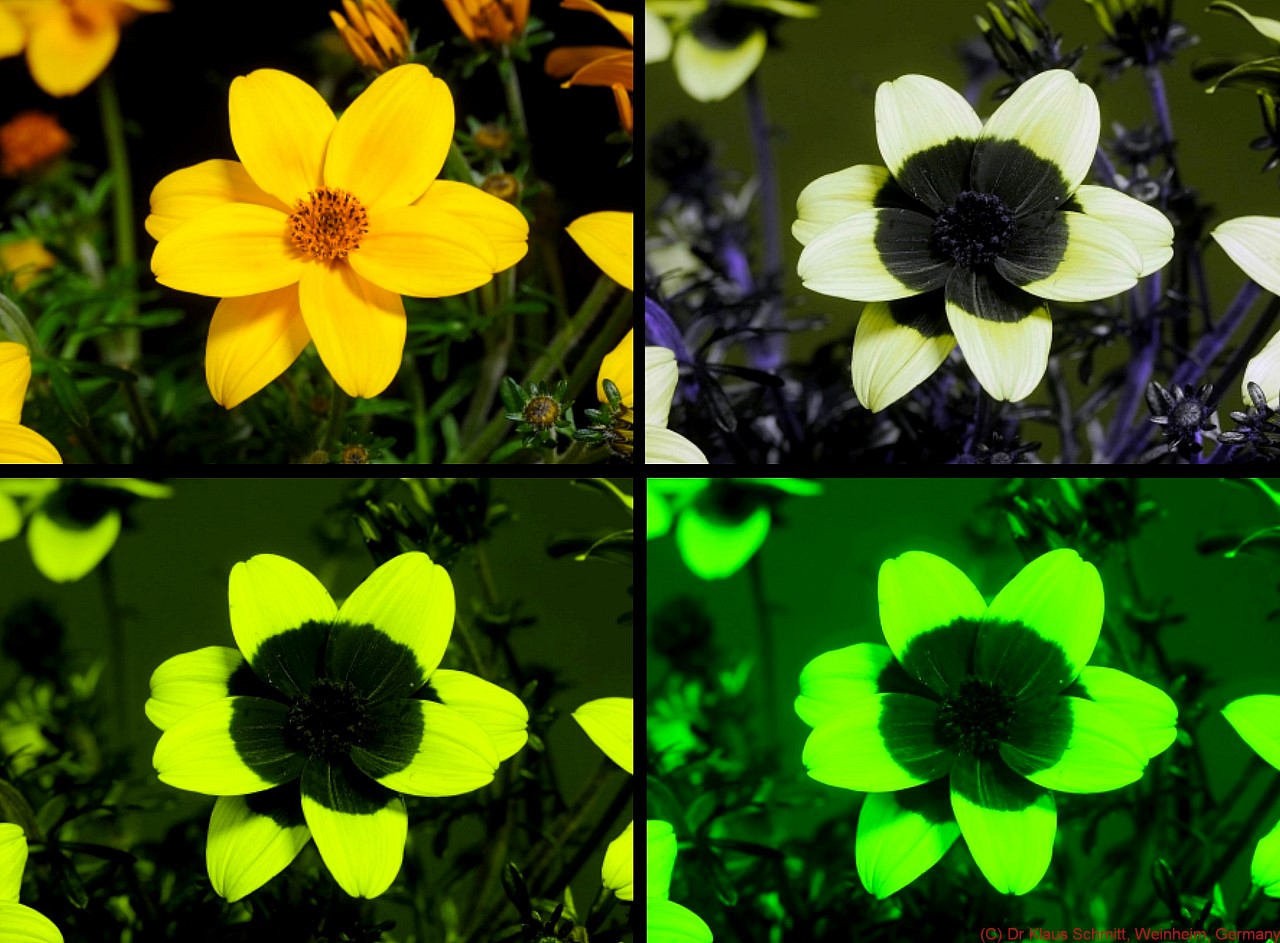
Showing posts with label bidens ferulifolia. Show all posts

Tuesday, February 7, 2023

My Work for NOVA PBS: Your Brain - Perception Deception

NOVA PBS will use some of my multispectral images in a forthcoming TV show, airing on May 18, 2023 3am in the US: Working title "Your Brain: Perception Deception”!

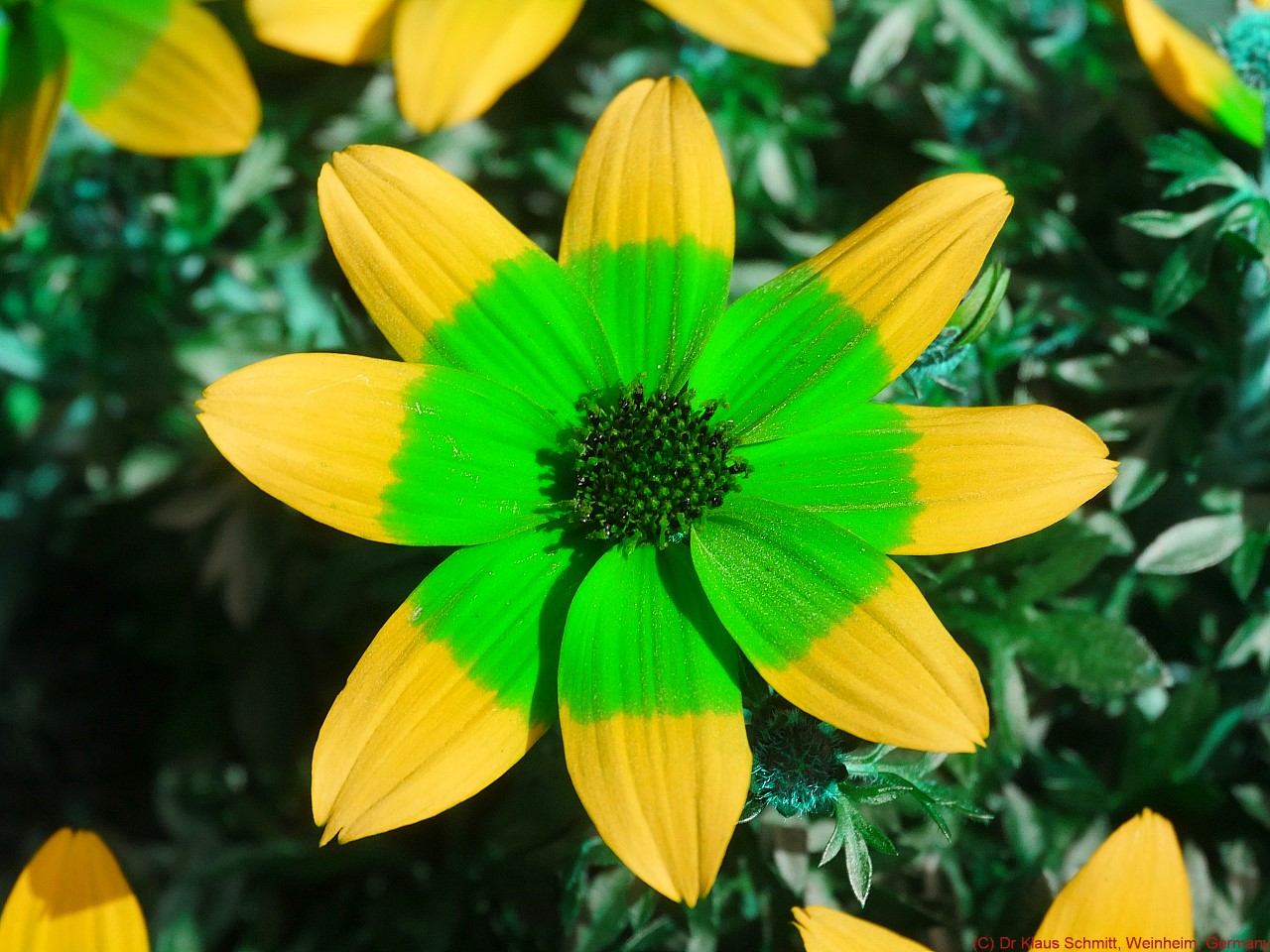
The following multispectral images of mine they used where shot in my studio and outside with my "work horse" UV-Nikkor f4.5/105mm quartz fluorite lens using the Baader UV/IR Cut filter and my proprietary XBV filters for simulated bee vision. Light source used was a Xenon flash modified for high UV output and sunlight outside.

[click on image to see a larger one]

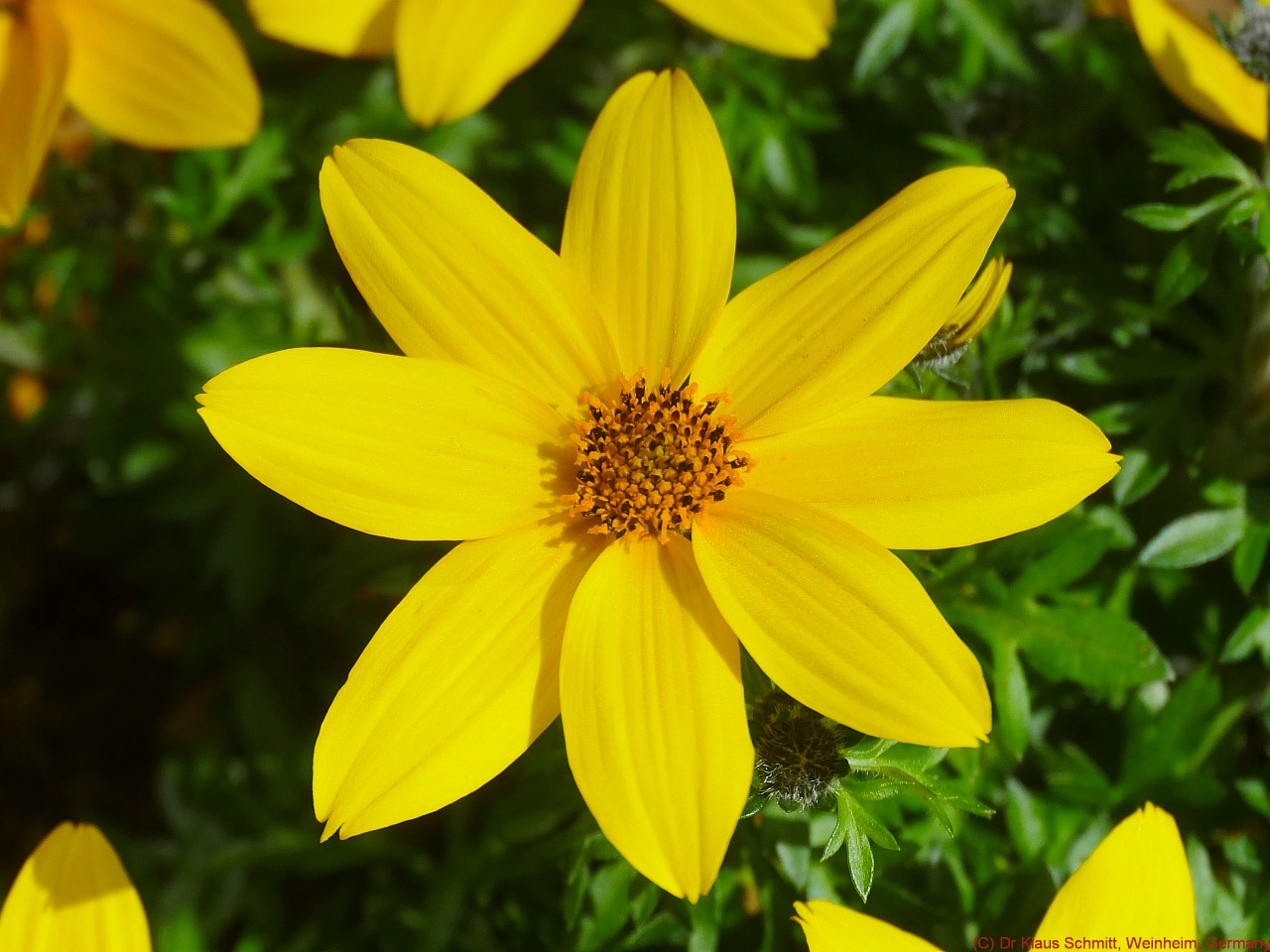
Bidens Human Vision (VIS):
 

Bidens simulated Bee Vision:
 

Gazania Human Vision (VIS):
 

Gazania simulated Bee Vision:
 

Rudbeckia Human Vision (VIS):
 

Rudbeckia simulated Bee Vision:
 

All these flowers have very specific UV patterns; the outer part of their petals are UV reflective around 360nm, but their inner parts show a UV-dark area which gets nicely visible.

Stay tuned, more will follow on that fascinating subject...

More info on this very interesting field may be found on my site http://www.pbase.com/kds315/uv_photos

Thursday, June 3, 2021

Apache beggarticks - Bidens ferulifolia in reflected ultraviolet photography as moving GIF XX

Today in 2021 more about that long blooming spring flower Apache beggarticks - Bidens ferulifolia in reflected ultraviolet photography and simulated bee and butterfly vision. All shots were done at f11 in reflected ultraviolet photography using my "work horse" UV filter, the Baader-U filter. Lens was a UV-Nikkor 105mm quartz fluorite lens. Light source was a modified for high UV output Studio flash.

[click on image to see a larger one]

Human vision:
 

Reflected UV:
 

Animated Gif image to show that invisible pattern (need to click):
 

Bidens has a strong visible UV "bullseye" pattern, its petal tips are UV bright around 365nm, its center is quite UV dark, so this gets quite nicely visible, also in this animated Gif-Image. 

I have written about Bidens previously HERE
 
Stay tuned, more will follow on that fascinating subject...

More info on this very interesting field may be found on my site http://www.pbase.com/kds315/uv_photos

Wednesday, June 2, 2021

Apache beggarticks - Bidens ferulifolia in reflected ultraviolet photography, simulated bee and butterfly vision XIX

Today in 2021 more shots of a long blooming spring flower Apache beggarticks - Bidens ferulifolia in reflected ultraviolet photography and simulated bee and butterfly vision. All shots were done at f11 in reflected ultraviolet photography using my "work horse" UV filter, the Baader-U filter, as well as my XBV filters for simulated bee and butterfly vision. Lens was a UV-Nikkor 105mm quartz fluorite lens. Light source was a modified for high UV output Studio flash.

[click on image to see a larger one]

Human vision:
 

Reflected UV:
 

Simulated butterfly vision:
 

Simulated bee vision:
 

Quadriptych (details) of human vision, UV, simulated bee and butterfly vision (left to right, top to bottom):
 

Bidens has a strong visible UV "bullseye" pattern, its petal tips are UV bright around 365nm, its center is quite UV dark, so this gets quite nicely visible, also in simulated butterfly and bee vision.

Here I was testing a new black backdrop, as it is rather difficult to find materials which really are "UV black", but this Japanese material seems to work very well, with approx. 0.7% reflection from UV to IR!

I have written about Bidens previously HERE
 
Stay tuned, more will follow on that fascinating subject...

More info on this very interesting field may be found on my site http://www.pbase.com/kds315/uv_photos

Saturday, April 17, 2021

Apache beggarticks - Bidens ferulifolia in reflected ultraviolet photography, simulated bee and butterfly vision XVIII

Today in 2021 shots of a long blooming spring flower Apache beggarticks - Bidens ferulifolia in reflected ultraviolet photography and simulated bee and butterfly vision. All shots were done at f8 in reflected ultraviolet photography using my "work horse" UV filter, the Baader-U filter, as well as my XBV filters for simulated bee and butterfly vision. Lens was a UV-Nikkor 105mm quartz fluorite lens. Light source was sunlight.

[click on image to see a larger one]

Human vision:
 

Reflected UV:
 

Simulated butterfly vision:
 

Simulated bee vision (new version):
 

Quadriptych (details) of human vision, UV, new simulated bee and butterfly vision (left to right, top to bottom):
 

Bidens has a strong visible UV "bullseye" pattern, its petal tips are UV bright around 365nm, its center is quite UV dark, so this gets quite nicely visible, also in simulated butterfly and bee vision.

I have written about Bidens previously HERE
 
Stay tuned, more will follow on that fascinating subject...

More info on this very interesting field may be found on my site http://www.pbase.com/kds315/uv_photos

Monday, June 8, 2020

Mirror lens for reflected UV photography pictorialism style II

Today more about using an older, rather overlooked 250mm mirror lens for reflected UV photography. The lens had been modified to accept a filter in its rear mount and also modified to M42 threads mount due to its orgiginal special mount for cine use. The lens focuses now from infinity to very close, a pleasure to use but due to is long focal length of 250mm still tricky to nail focus.

DOF at one (1) meter (3ft) is as thin as a razor blade when using this 250mm mirror lens and that doughnut shaped bokeh etc. makes it fun to use. Here now shots, quite reminds me of 19th century pictorialism.

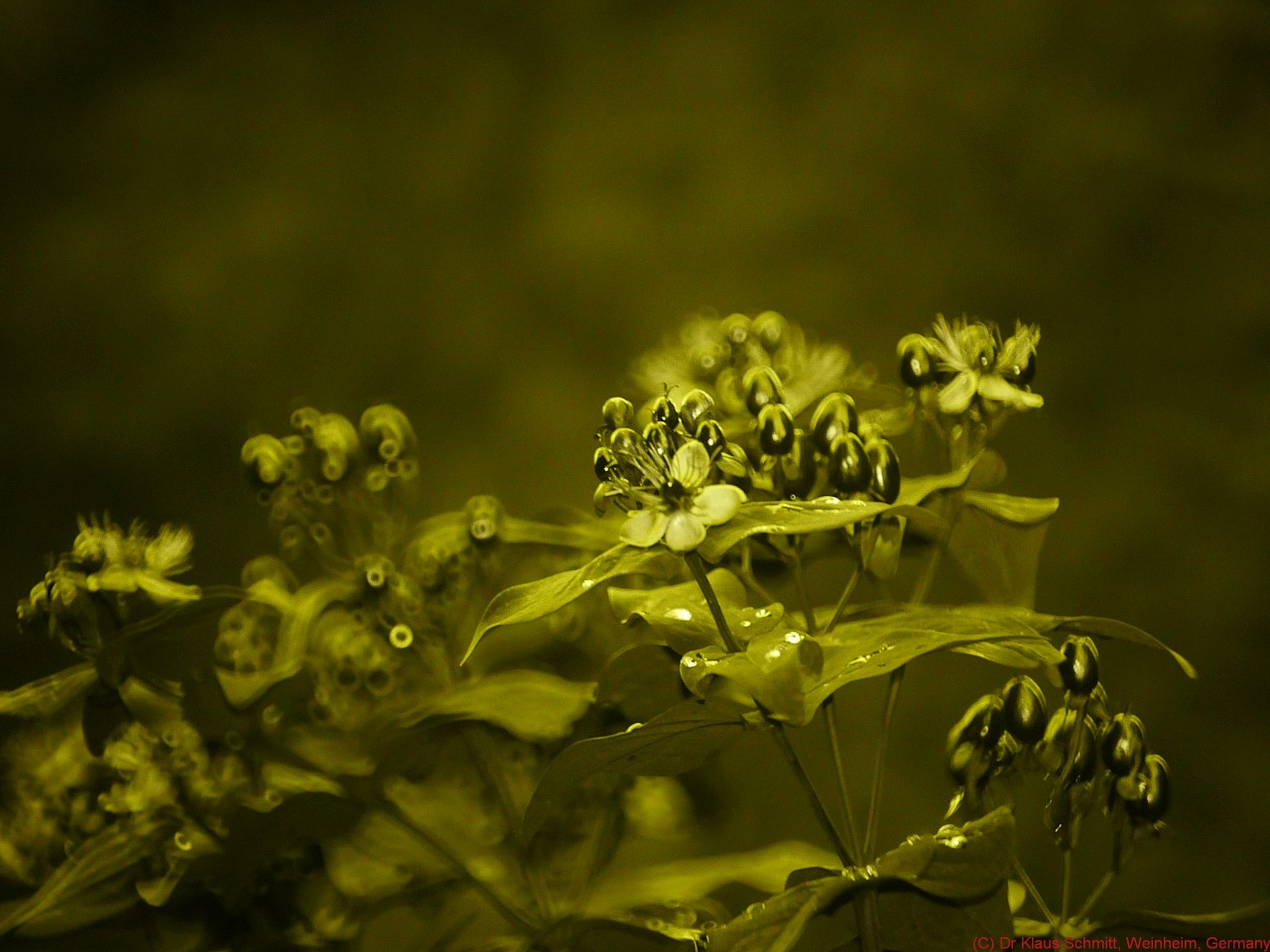
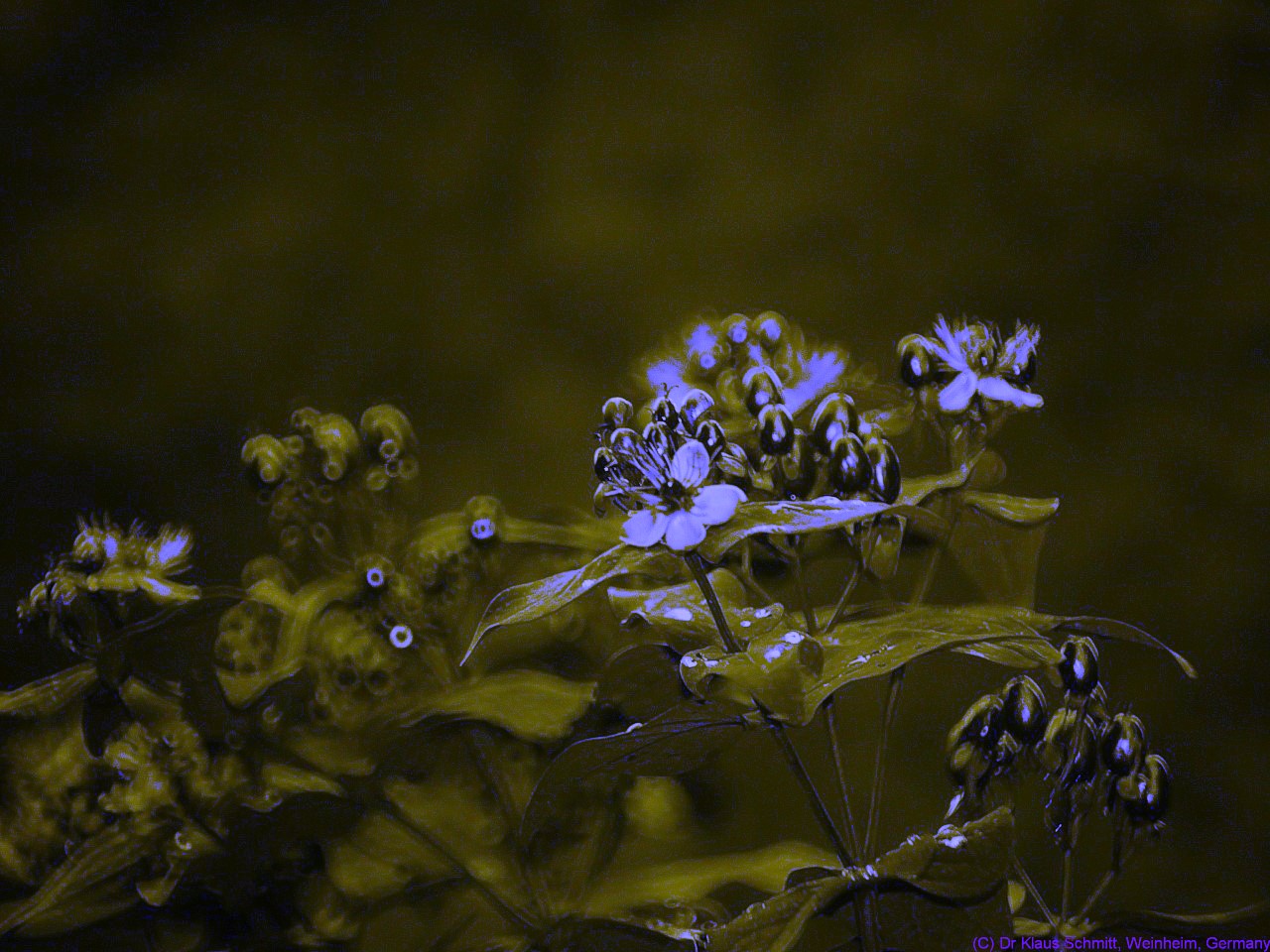
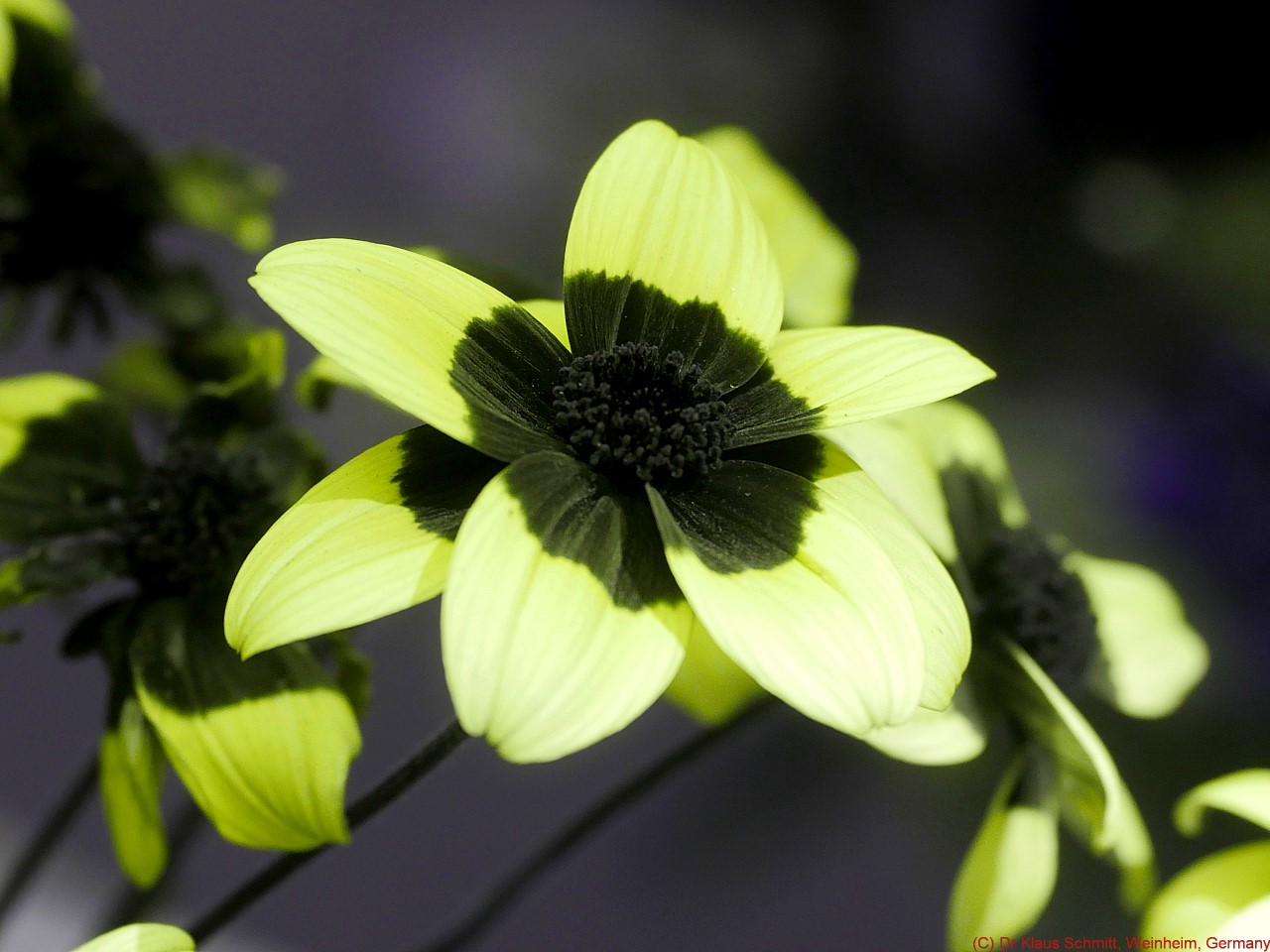
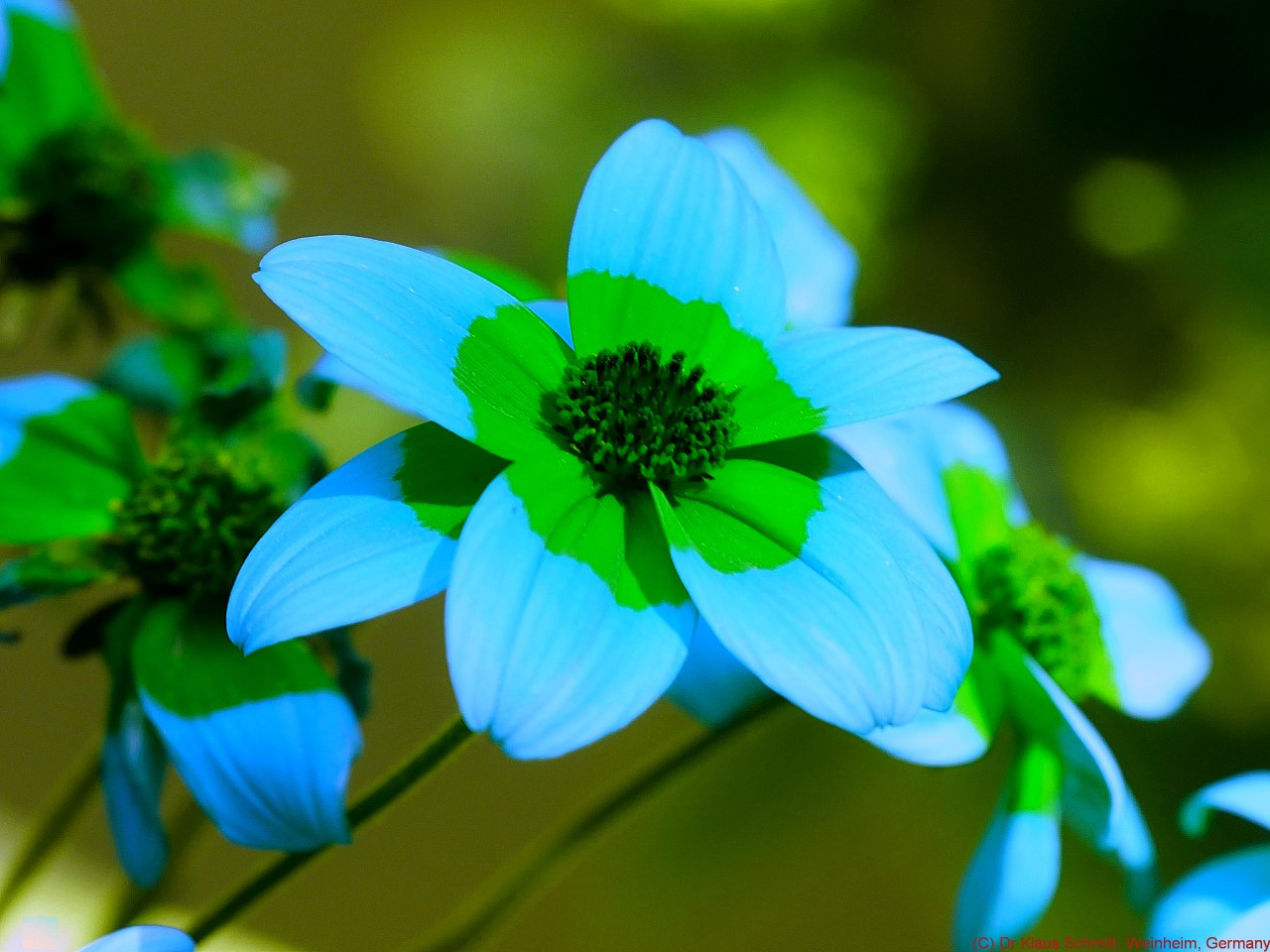
Here I used Hypericum and Bidens as targets. Light was sunlight (shade after rain) plus some 365nm Nichia UV LED light .

[click on image to see a larger one]

Hypericum:


whitebalanced it looks like that:


Bidens:


whitebalanced it looks like that:


which shows its dreamlike/surreal/ethereal rendering of images and of course the famous doughnut bubbles mirror lenses produce...

More about using mirror lenses for UV photography HERE

Stay tuned, more will follow on that fascinating subject...

More info on this very interesting field may be found on my site http://www.pbase.com/kds315/uv_photos

Tuesday, June 2, 2020

Apache beggarticks - Bidens ferulifolia in reflected ultraviolet photography, simulated bee and butterfly vision XVII

Today in 2020 more shots of a long blooming spring flower Apache beggarticks - Bidens ferulifolia in reflected ultraviolet photography and simulated bee and butterfly vision. Today with a new bee vison filtering. All shots were done at f8 in reflected ultraviolet photography using my "work horse" UV filter, the Baader-U filter, as well as my XBV filters for simulated bee and butterfly vision. Lens was a UV-Nikkor 105mm quartz fluorite lens. Light source was sunlight.

[click on image to see a larger one]

Human vision:
 

Reflected UV:
 

Simulated butterfly vision:
 

Simulated bee vision (new version):
 

Quadriptych (details) of human vision, UV, new simulated bee and butterfly vision (left to right, top to bottom):
 

Bidens has a strong visible UV pattern, its petal tips are UV bright around 365nm, its center is quite UV dark, so this gets quite nicely visible, also in simulated butterfly and the new bee vision.

I have written about Bidens previously HERE
 
Stay tuned, more will follow on that fascinating subject...

More info on this very interesting field may be found on my site http://www.pbase.com/kds315/uv_photos

Sunday, May 17, 2020

Apache beggarticks - Bidens ferulifolia in deeper reflected ultraviolet photography, simulated bee and butterfly vision XVI

Today in 2020 more shots of that long blooming spring flower Apache beggarticks - Bidens ferulifolia in reflected ultraviolet photography. All shots were done at f8 in reflected ultraviolet photography using my "work horse" UV filter, the Baader-U filter, as well as my deeper UV filters and the IDAS 330nm filter. Lens was a UV-Nikkor 105mm quartz fluorite lens. Light source was my UV enhanced Xenon flash.

[click on image to see a larger one]

Human vision:
 

Reflected UV:
 

Reflected deep UV with IDAS fiter (300-380nm, peak 330nm):
 

Reflected deeper UV (290-340nm, peak approx. 320nm):
 

Quadriptych (details) of human vision, UV, deep and deeper UV (left to right, top to bottom):
 

Bidens has a strong visible UV pattern, its petal tips are UV bright around 365nm, its center is quite UV dark, so this gets quite nicely visible, also in deep and deeper reflected UV photography.

I have written about Bidens previously HERE
 
Stay tuned, more will follow on that fascinating subject...

More info on this very interesting field may be found on my site http://www.pbase.com/kds315/uv_photos

Apache beggarticks - Bidens ferulifolia in reflected ultraviolet photography, simulated bee and butterfly vision XV

Today in 2020 first shots of a long blooming spring flower Apache beggarticks - Bidens ferulifolia in reflected ultraviolet photography and simulated bee and butterfly vision. All shots were done at f8 in reflected ultraviolet photography using my "work horse" UV filter, the Baader-U filter, as well as my XBV filters for simulated bee and butterfly vision. Lens was a UV-Nikkor 105mm quartz fluorite lens. Light source was my UV enhanced Xenon flash.

[click on image to see a larger one]

Human vision:
 

Reflected UV:
 

Simulated butterfly vision:
 

Simulated bee vision (alt. version):
 

Quadriptych of human vision, UV, simulated bee and butterfly vision (left to right, top to bottom):
 

Quadriptych (details) of human vision, UV, simulated bee and butterfly vision (left to right, top to bottom):
 

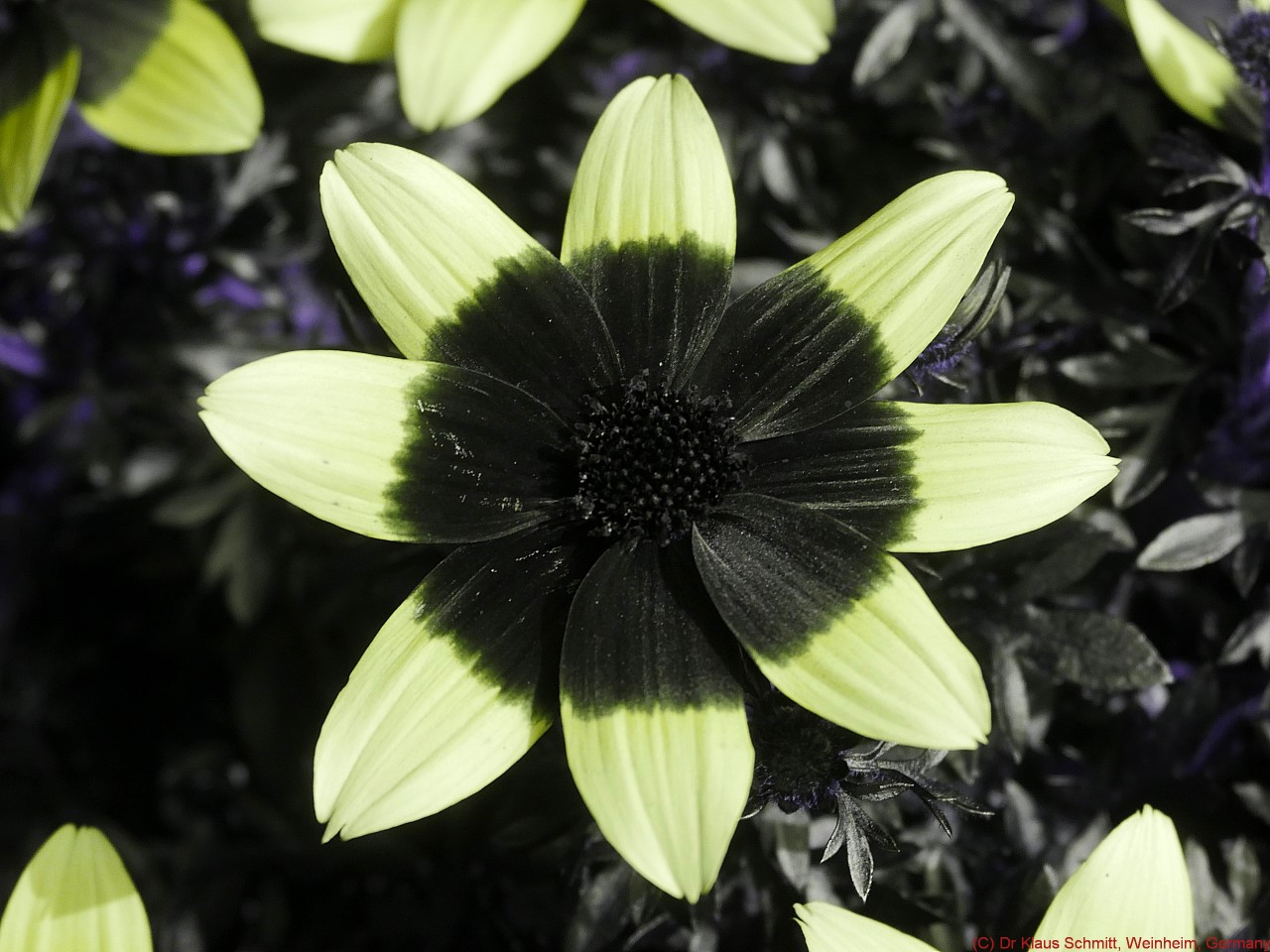
Bidens has a strong visible UV pattern, its petal tips are UV bright around 365nm, its center is quite UV dark, so this gets quite nicely visible, also in simulated butterfly and bee vision.

I have written about Bidens previously HERE
 
Stay tuned, more will follow on that fascinating subject...

More info on this very interesting field may be found on my site http://www.pbase.com/kds315/uv_photos
Wednesday, July 17, 2019

Apache beggarticks - Bidens ferulifolia in reflected ultraviolet photography, simulated bee and butterfly vision XIV

Today shots of that long blooming spring flower hybride Apache beggarticks - Bidens ferulifolia in reflected ultraviolet photography and simulated bee and butterfly vision. All shots were done at f8 in reflected ultraviolet photography using my "work horse" UV filter, the Baader-U filter as well as a new alternative "colorful" XSP UV transmission filter, and my XBV filters for simulated bee and butterfly vision. Lens was a UV-Nikkor 105mm quartz fluorite lens. Light source was sunlight and a little help from my Nichia 365nm UV LED.

[click on image to see a larger one]

Human vision:
 

Reflected UV:
 

Alternative colorful reflected UV filtering:
 

Simulated butterfly vision:
 

Simulated bee vision:
 

Quadriptych of human vision, UV, alternative reflected UV and simulated butterfly vision (left to right, top to bottom):
 

Quadriptych of human vision, UV, simulated butterfly and bee vision (left to right, top to bottom):
 

Bidens has a strong visible UV pattern, its petal tips are UV bright around 365nm, its center is quite UV dark, so this gets quite nicely visible in simulated butterfly and bee vision, also using that standard UV (Baader U) and new alternative reflected UV filter which delivers rather colorful UV images.

I have written about Bidens previously HERE
 
Stay tuned, more will follow on that fascinating subject...

More info on this very interesting field may be found on my site http://www.pbase.com/kds315/uv_photos
Monday, June 10, 2019

Apache beggarticks - Bidens ferulifolia in reflected ultraviolet photography, simulated bee and butterfly vision XIII

Today shots of that long blooming spring flower "Rockstar" hybride Apache beggarticks - Bidens ferulifolia in reflected ultraviolet photography and simulated bee and butterfly vision. All shots were done at f8 in reflected ultraviolet photography using my "work horse" UV filter, the Baader-U filter, as well as my XBV filters for simulated bee and butterfly vision. Lens was a UV-Nikkor 105mm quartz fluorite lens. Light source was sunlight and a little help from my Nichia 365nm UV LED. But today also about a different color scheme for simulated bee vision.

[click on image to see a larger one]

Human vision:
 

Reflected UV:
 

Simulated butterfly vision:
 

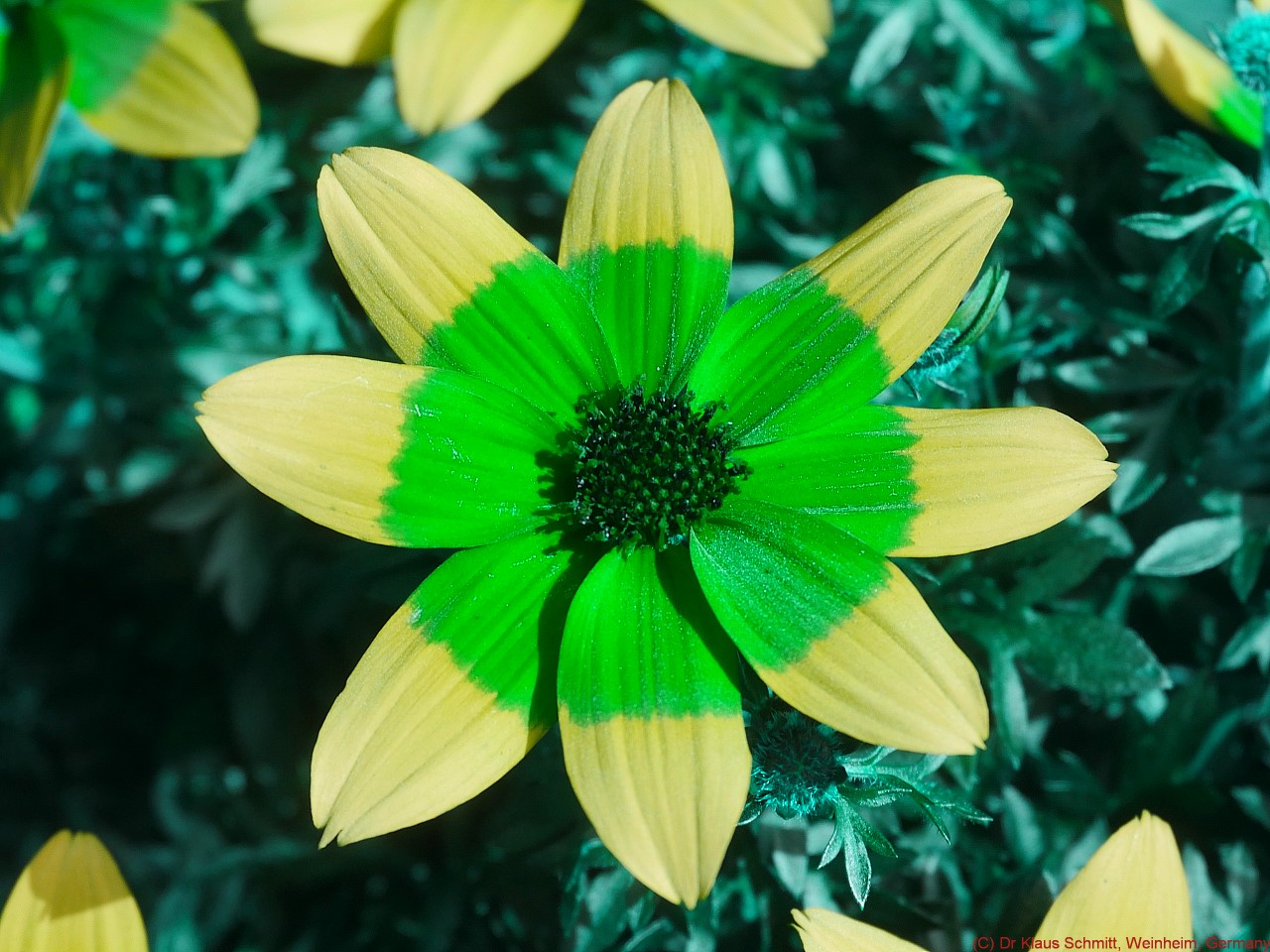
Simulated bee vision:
 

Simulated bee vision in alternative color mapping:
 

Quadriptych of human vision, UV, simulated butterfly and bee vision (left to right, top to bottom):
 

Same as before but with alternative color mapping for bee vision (bottom left):
 

The idea behind this mapping is, that the petal tips reflect all colors a bee can see, including UV, so it should be "white" to our eyes representing "bee-white"; the center however does not reflect UV, so it is colorful in the non-UV colors.

Bidens has a strong visible UV pattern, its petal tips are UV bright around 365nm, its center is quite UV dark, so this gets quite nicely visible in simulated butterfly and bee vision, also using a different color mapping scheme.

I have written about Bidens previously HERE
 
Stay tuned, more will follow on that fascinating subject...

More info on this very interesting field may be found on my site http://www.pbase.com/kds315/uv_photos