Showing posts with label focus shift. Show all posts

Thursday, May 14, 2020

Surprising STEINHEIL f2.8/50mm lens for reflected UV photography VII - Focus Shift

This again is about this older 50mm lens, which was made decades ago by famous lens maker STEINHEIL which attracted me, since it showed some seemingly good UV transmission, which have already shown here. I have already shown that it performs quite well using the Baader-U filter, and using some even deeper reaching UV filters, using a 340nm shortpass and the IDAS 330nm filter (I have the 2" version, no longer made).

Now I wanted to show today how the focus shift of this, or any other lens can be easily made visible. All images shot at f8, using a modified Xenon flash.

[click on image gets you a larger image]

VIS image using UV/IR Cut filter:
 

UV image using Bader-U filter (approx. 320-390nm, peak 360nm):
 

UV image using IDAS UV filter (approx. 300-380nm, peak 330nm):
 

UV image using 340nm UV filter (approx. 320-340nm):
 

Now it is about to show how those images differ in size, using a method I call "differential", i.e. a subtraction of two images, one visible and one UV, where any focus shift will show as overlapping on the borders of the object. If you looks close you will see this around the object.

VIS-UV (Baader-U filter) differential image:
 

VIS-UV (IDAS UV filter) differential image:
 

VIS-UV (340nm UV filter) differential image:
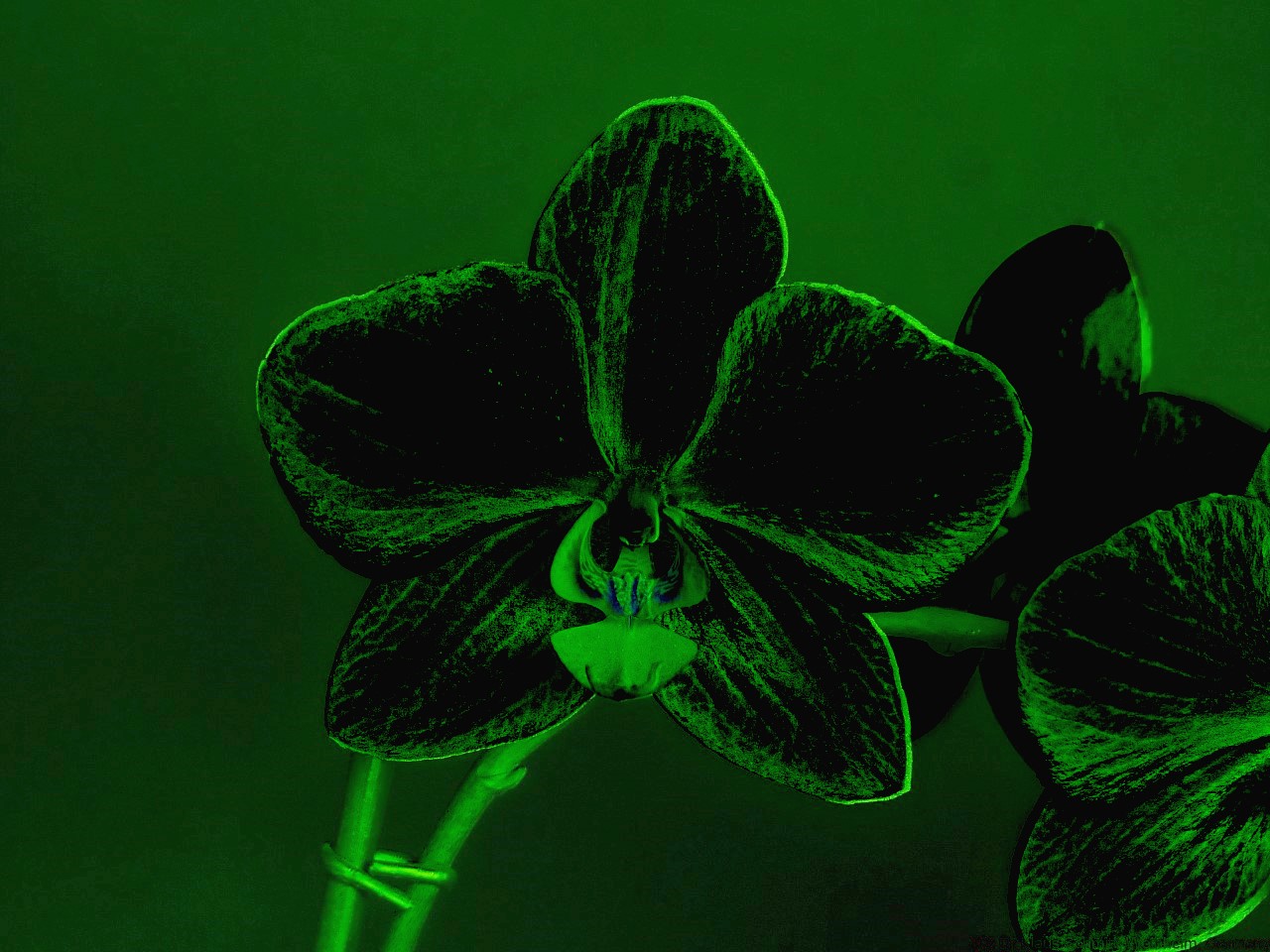
 

It got quite obvious before, that this lens is also performing very well at even shorter wavelengths, making it a very useful lens for reflected UV down to 330-340nm at an optimal f8/f11 setting, especially since the image size deviation between visible and UV image is also only 1.3% , which can be easily seen (and measured) from those differential images.

I have written about that lens more HERE.

Stay tuned, more will follow on that fascinating subject...

More info on this very interesting field may be found on my site http://www.pbase.com/kds315/uv_photos

Wednesday, September 19, 2012

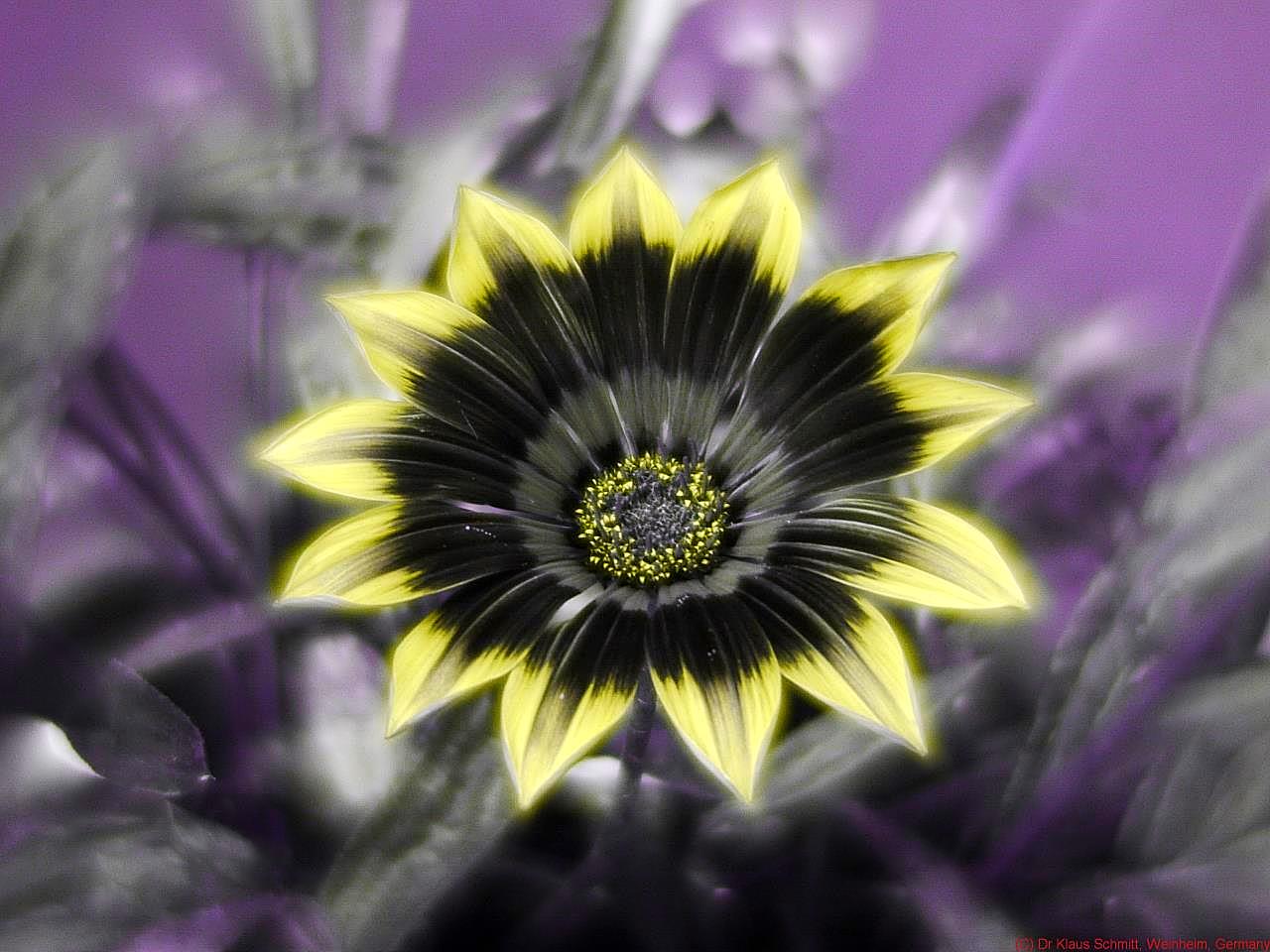
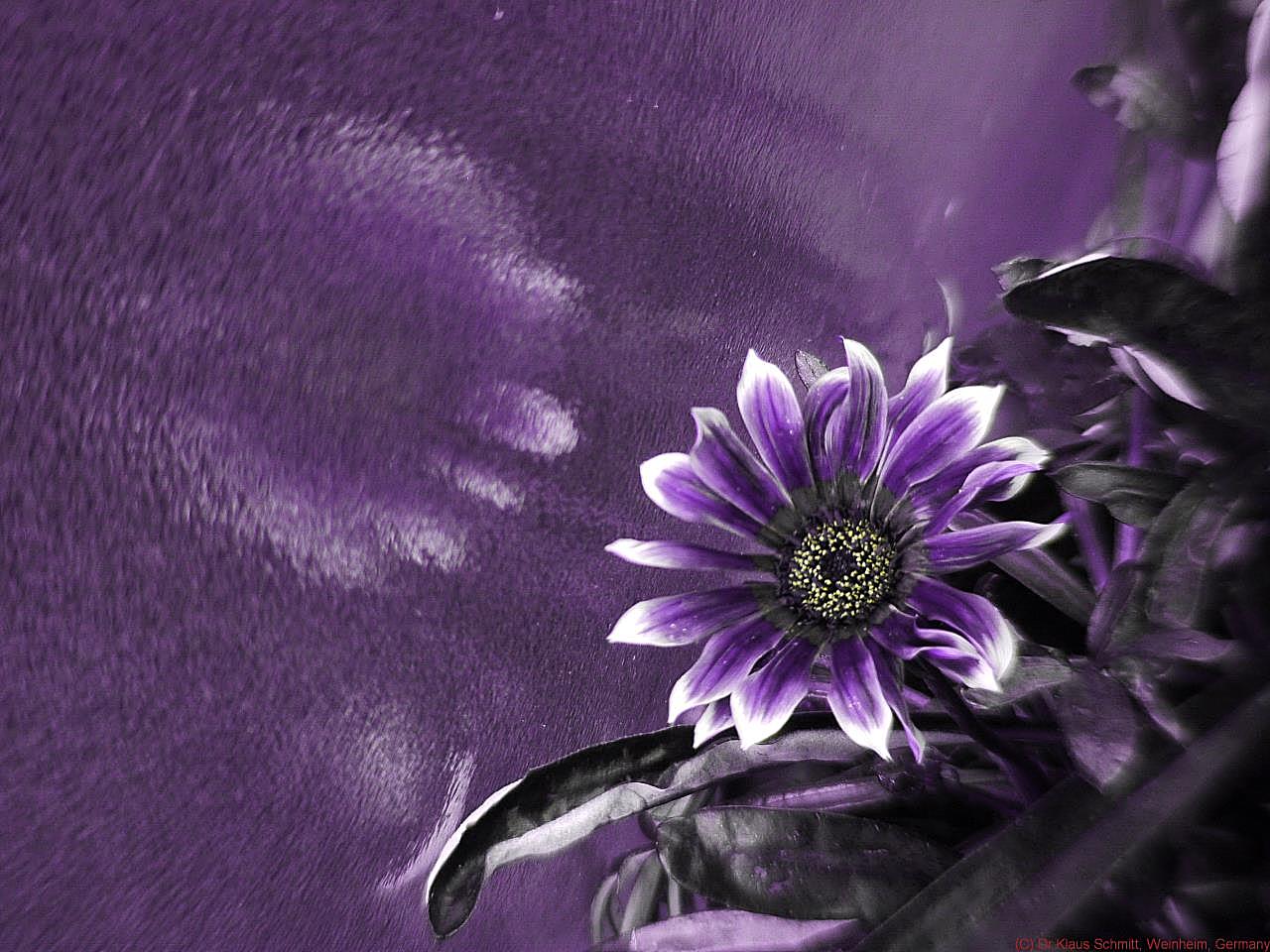
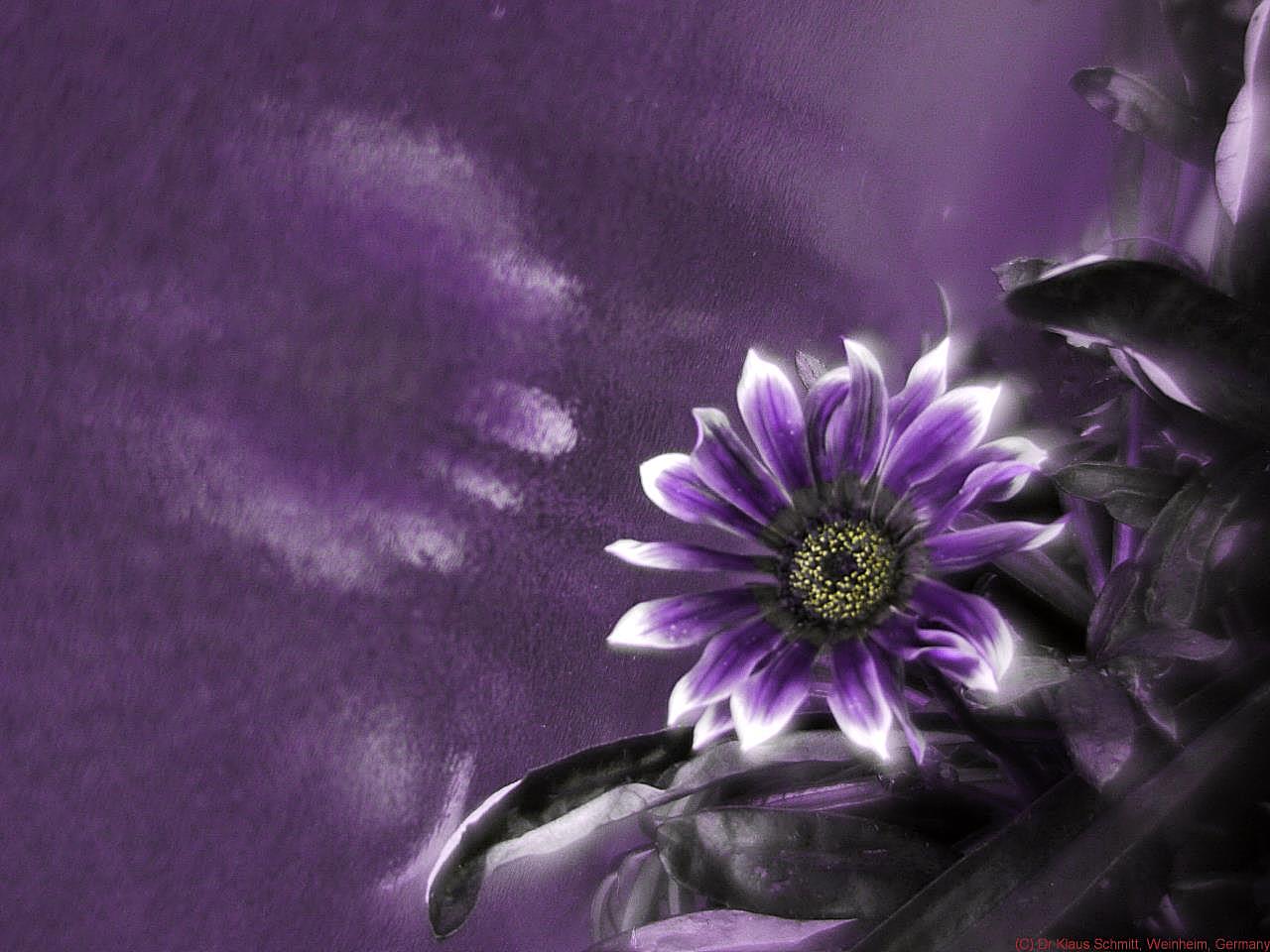
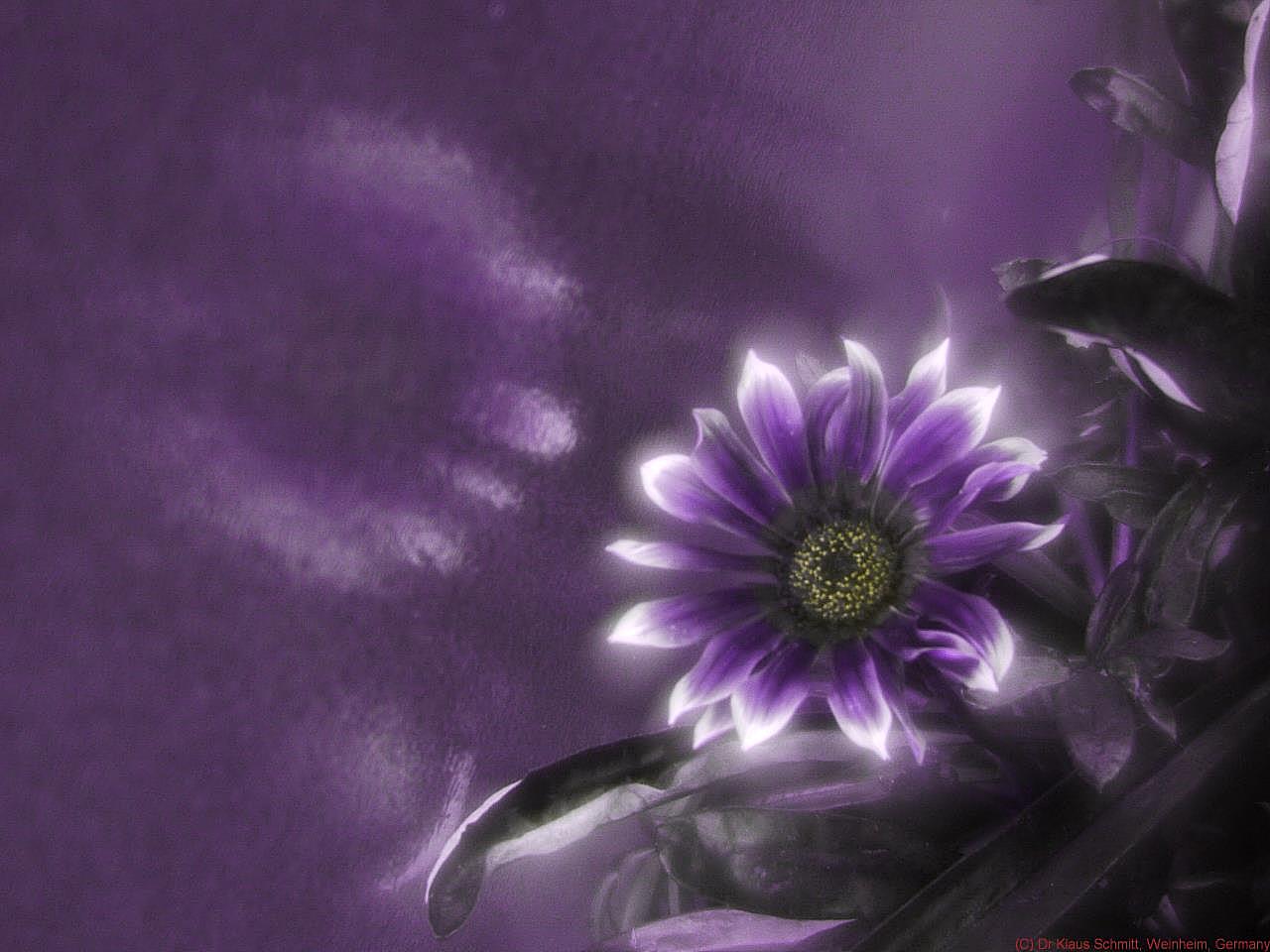
Gazania rigens: Quartz Singlet Lens for Soft Focus Reflected UV Ultraviolet Photography III

Today a set of shots with a Gazania rigens flower that I have shot previously with a quartz-fluorite lens now using a custom made up UV lens from a simple quartz singlet that I used before, stopped down mildly to various degrees, so as to control a wanted soft focus effect. Shots were done using the Baader-U filter and sunlight as light source and "contra lucem".

[click on image to see a larger one]


So, I'm sure this is not to everyones taste, but on my way to explore other possibilities then just "scientific" shots, it is a welcome new style.

Part II is HERE

Stay tuned, more will follow on that fascinating subject...

More info on this very interesting field may be found on my site http://www.pbase.com/kds315/uv_photos

Gazania: Quartz Singlet Lens for Soft Focus Reflected UV Ultraviolet Photography II

Today a set of shots with a different Gazania rigens flower that I have shot previously with a quartz-fluorite lens now using a custom made up UV lens from a simple quartz singlet that I used before, stopped down mildly to various degrees, so as to control a wanted soft focus effect. Shots were done using the Baader-U filter and sunlight as light source on my balcony with some glass mirror effect.

[click on image to see a larger one]


So, I'm sure this is not to everyones taste, but on my way to explore other possibilities then just "scientific" shots, it is a welcome new style.

Part I is HERE and part III is HERE

Stay tuned, more will follow on that fascinating subject...


More info on this very interesting field may be found on my site http://www.pbase.com/kds315/uv_photos

Tuesday, September 18, 2012

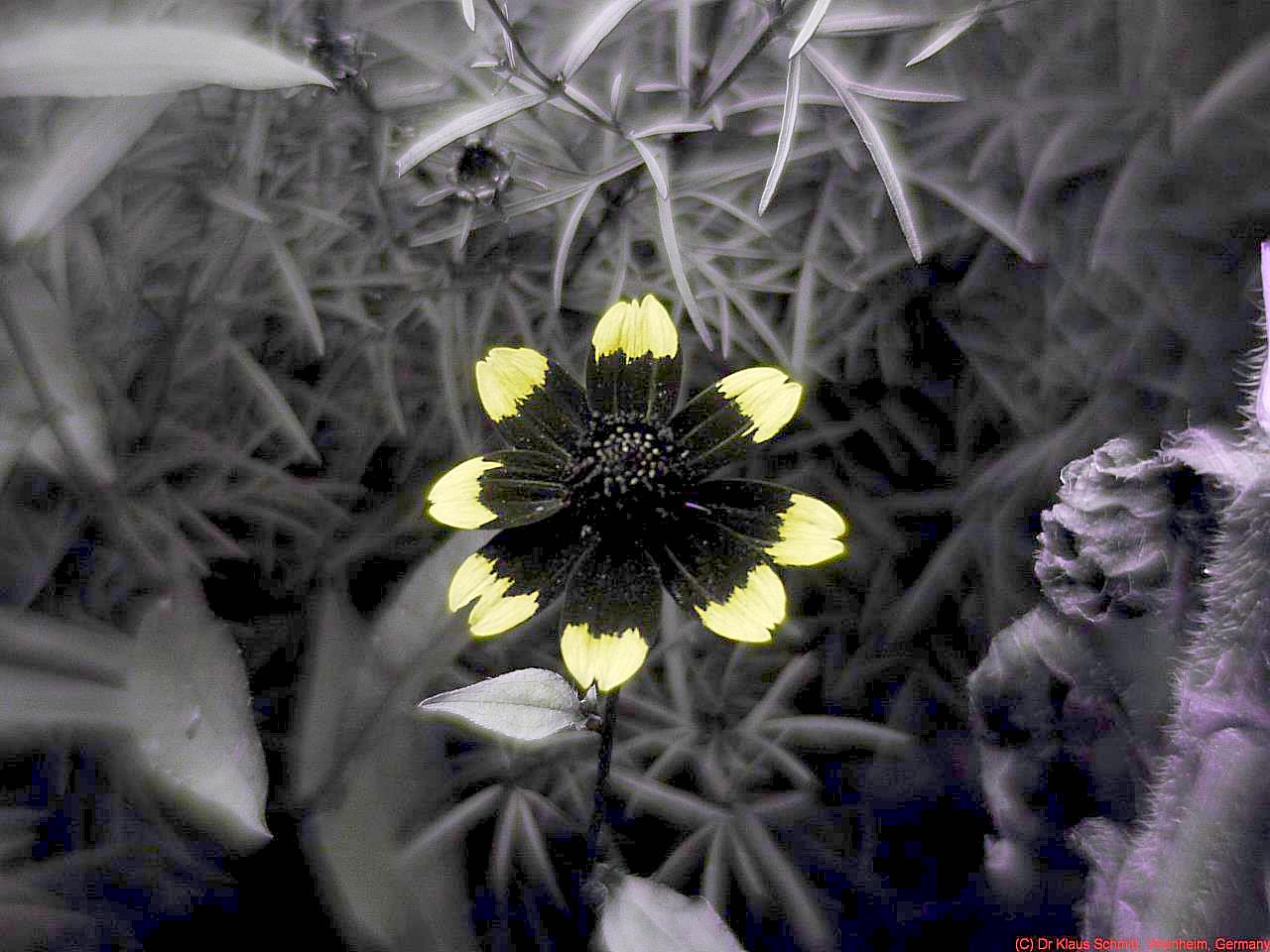
Rudbeckia triloba: Quartz Singlet Lens for Soft Focus Reflected UV Ultraviolet Photography

Today a set of shots with a Rudbeckia triloba flower using a custom made up UV lens from a simple quartz singlet that I used before, stopped down mildly to various degrees to control a wanted soft focus effect. Shots in UV were done using the Baader-U filter and sunlight was used as light source.

[click on image to see a larger one]


So, I'm sure this is not to everyones taste, but on my way to explore other possibilities then just "scientific" shots, it is a welcome new style.


Stay tuned, more will follow on that fascinating subject...

More info on this very interesting field may be found on my site http://www.pbase.com/kds315/uv_photos

Gazania rigens: Quartz Singlet Lens for Soft Focus Reflected UV Ultraviolet Photography

Today a set of shots with a Gazania rigens flower that I have shot previously with a quartz-fluorite lens now using a custom made up UV lens from a simple quartz singlet that I used before, stopped down mildly to various degrees, so as to control a wanted soft focus effect. Shots were done using the Baader-U filter and sunlight as light source.

[click on image to see a larger one]


So, I'm sure this is not to everyones taste, but on my way to explore other possibilities then just "scientific" shots, it is a welcome new style.

Part II is HERE and part III is HERE

Stay tuned, more will follow on that fascinating subject...

More info on this very interesting field may be found on my site http://www.pbase.com/kds315/uv_photos
Tuesday, June 19, 2012

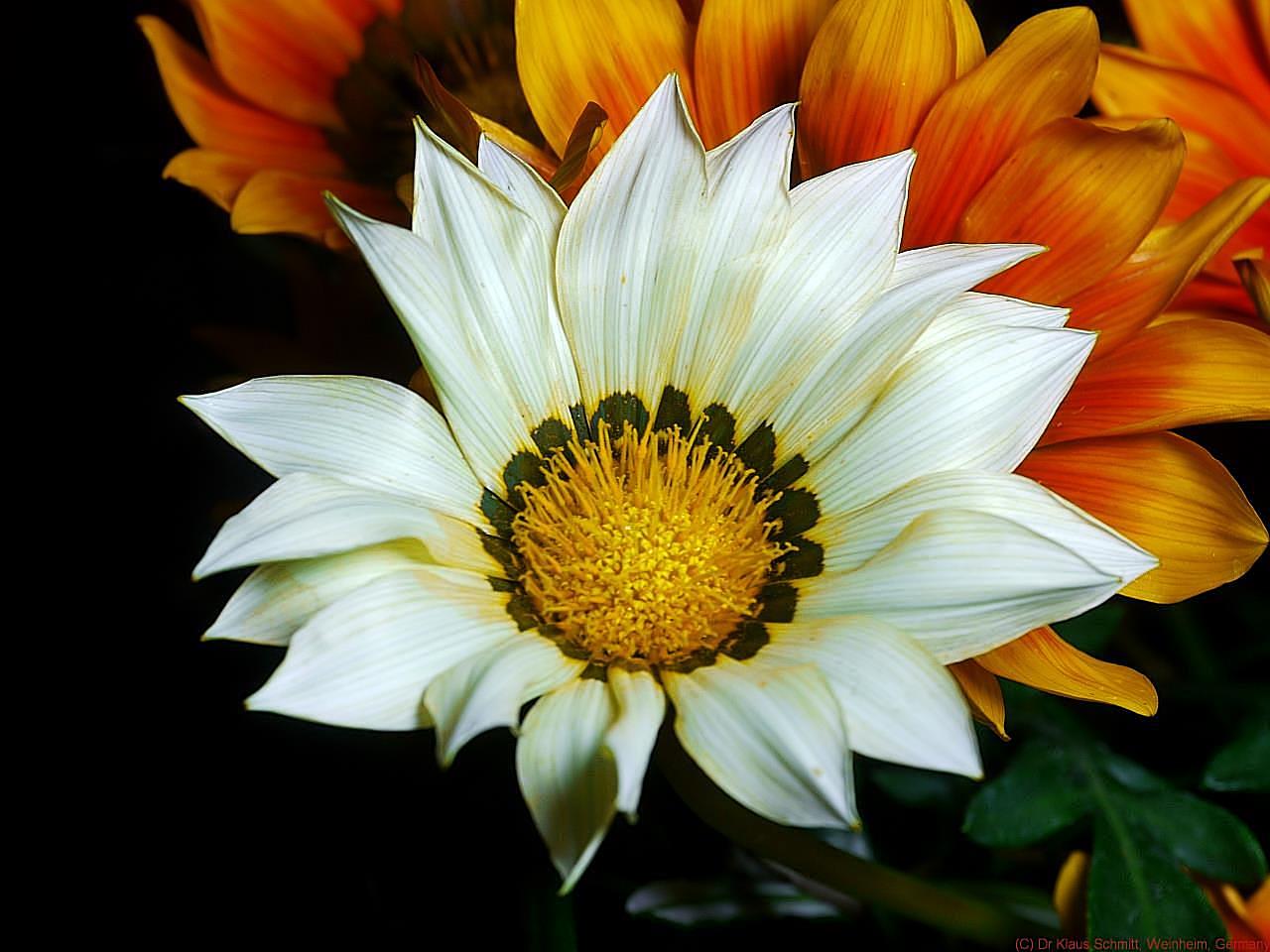
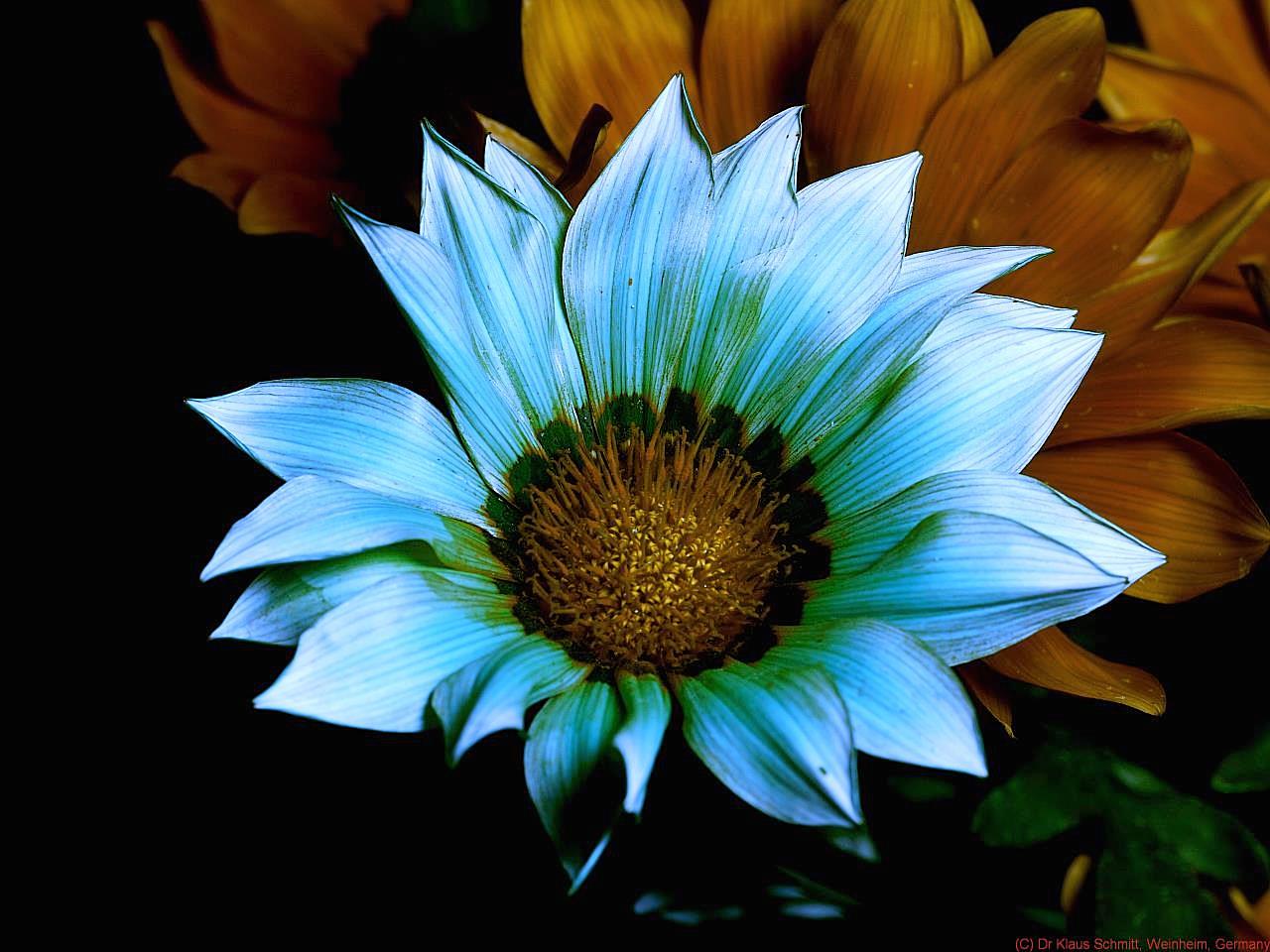
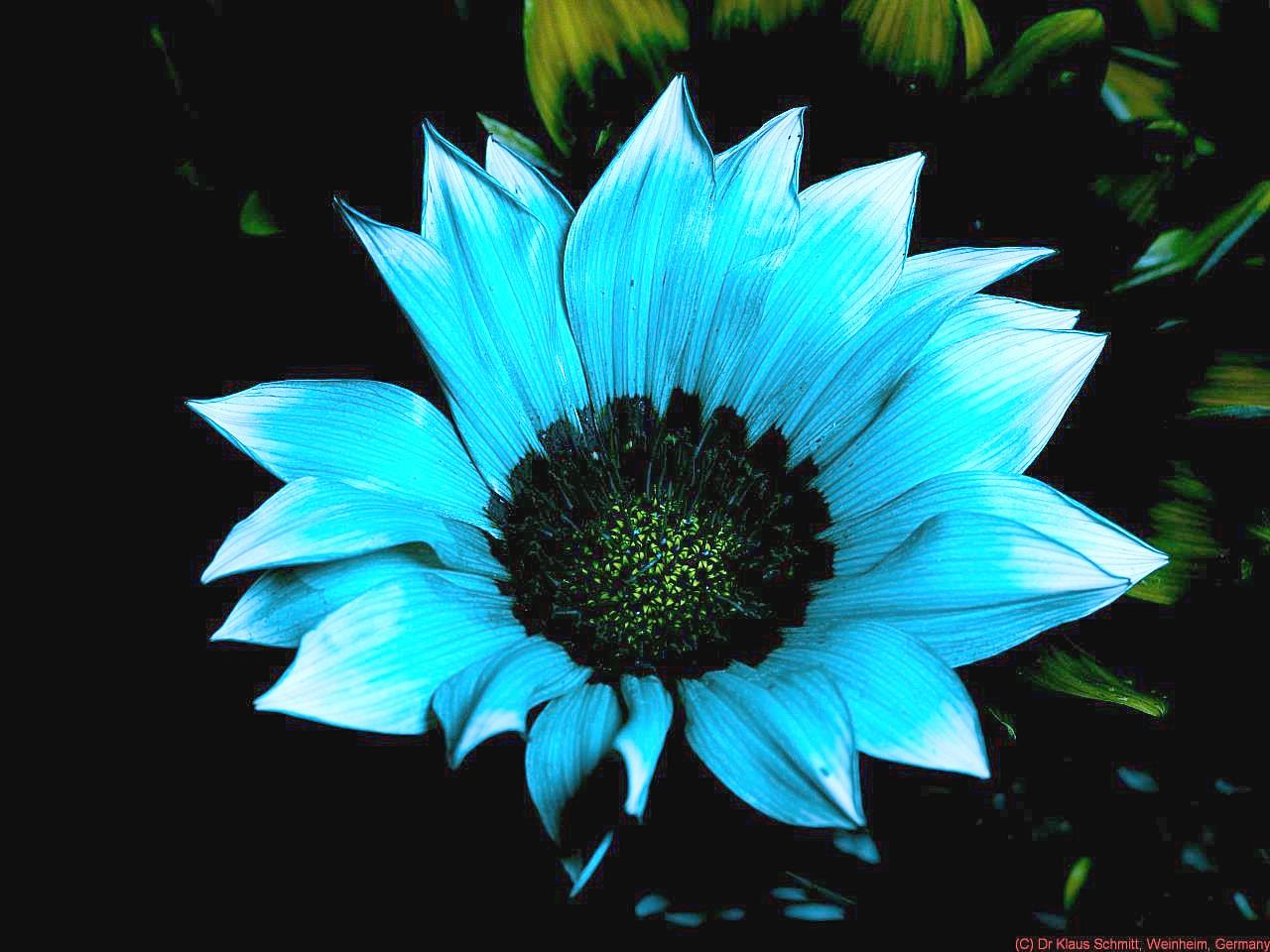
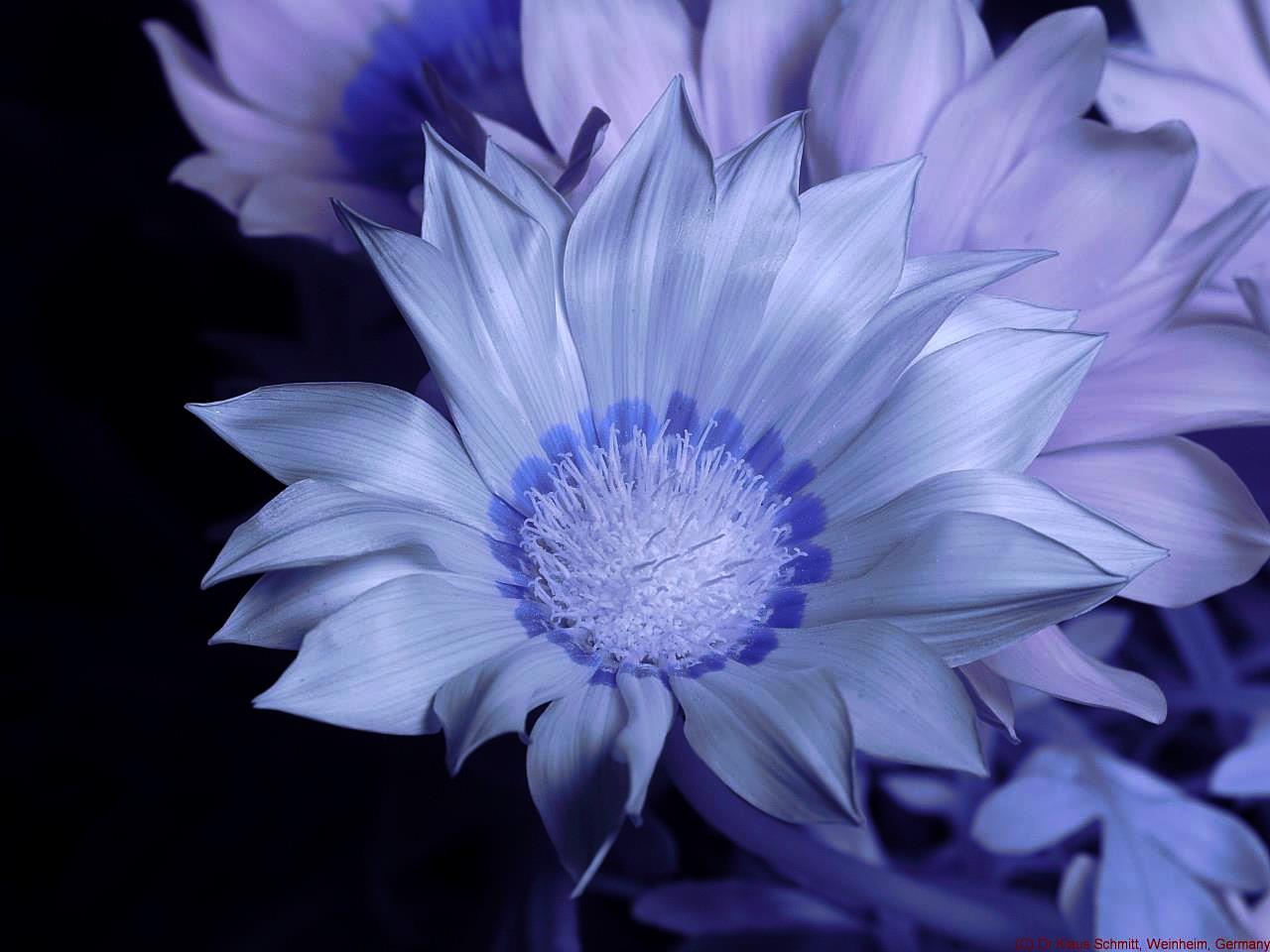
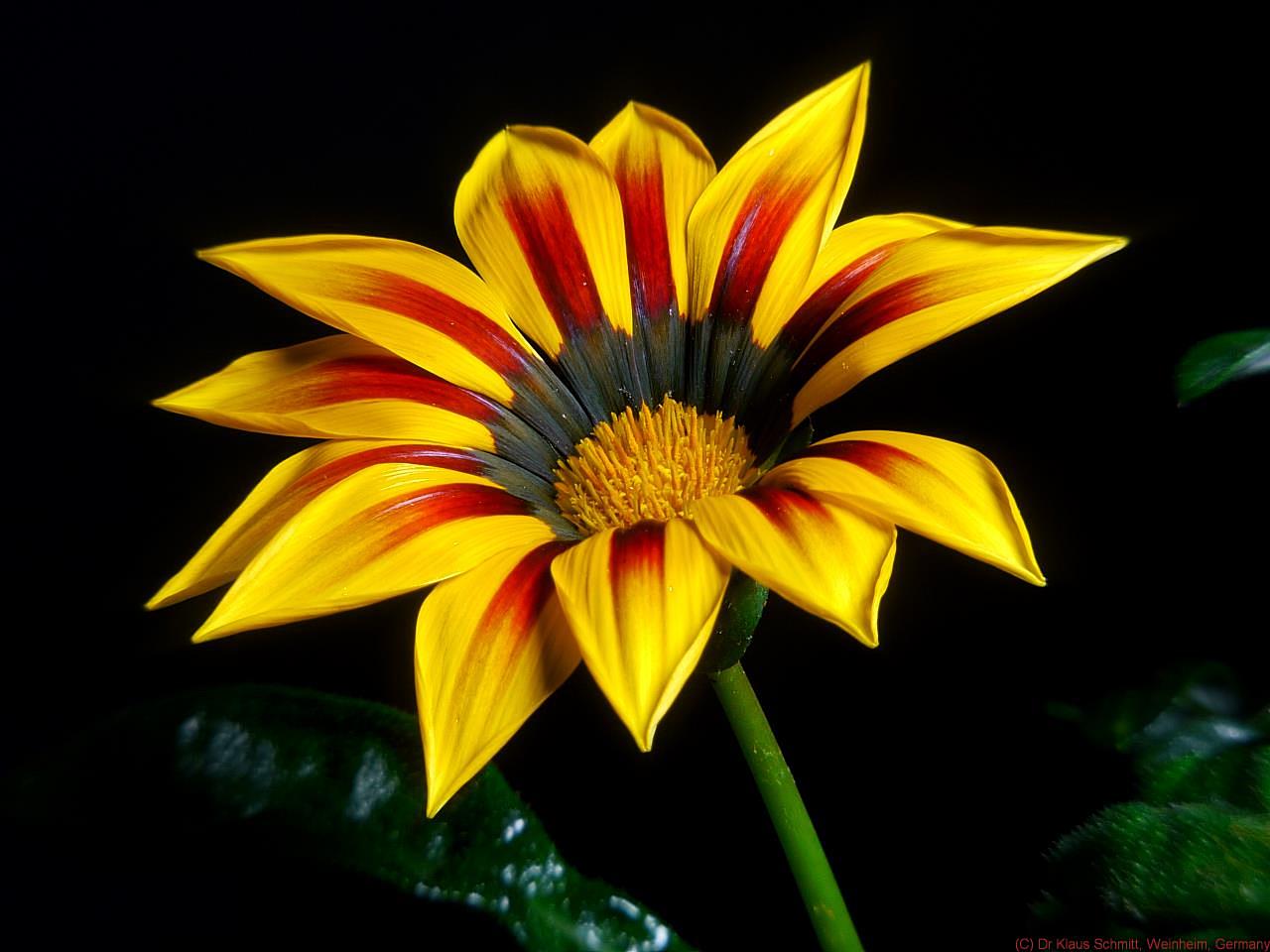
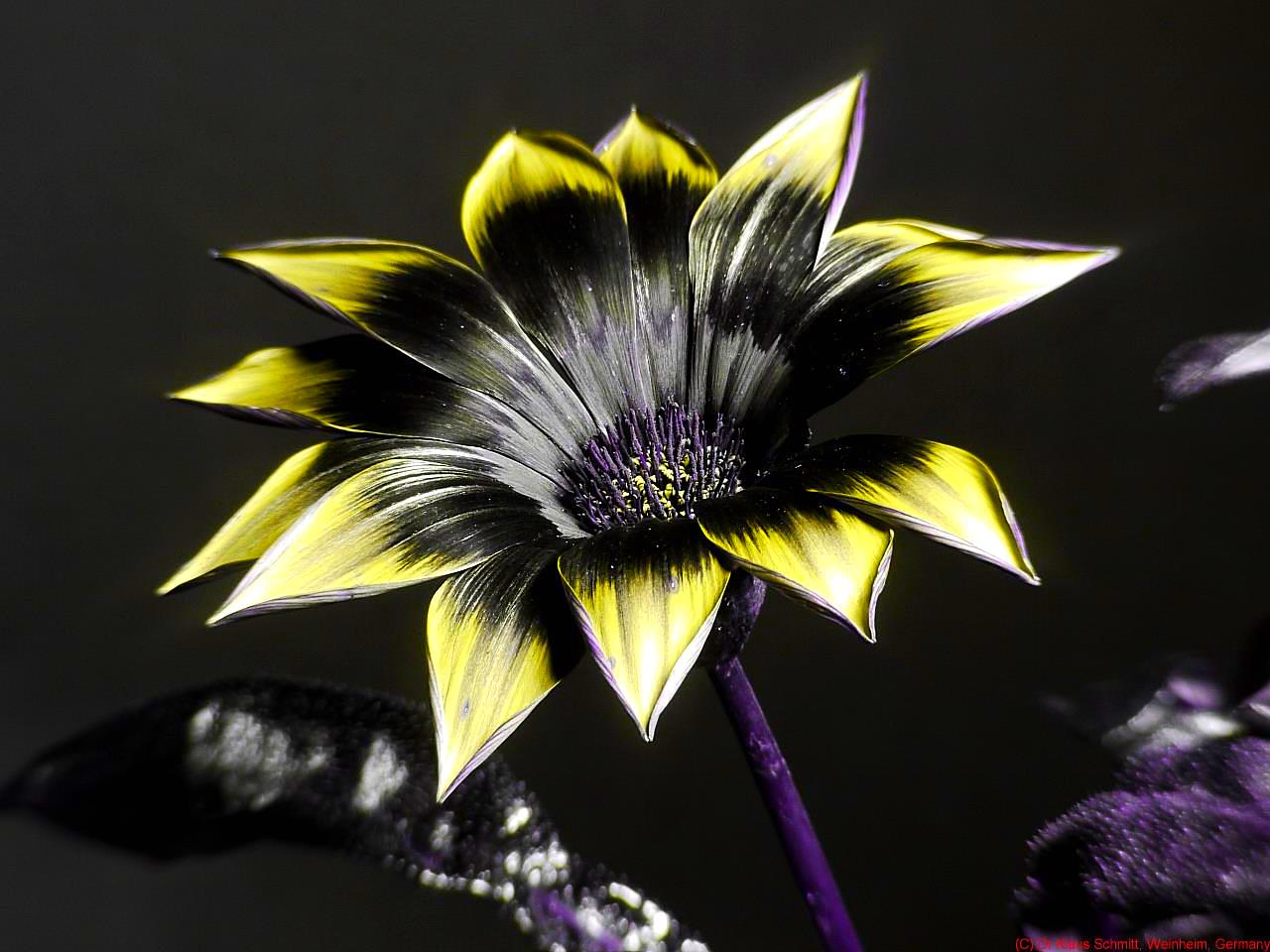
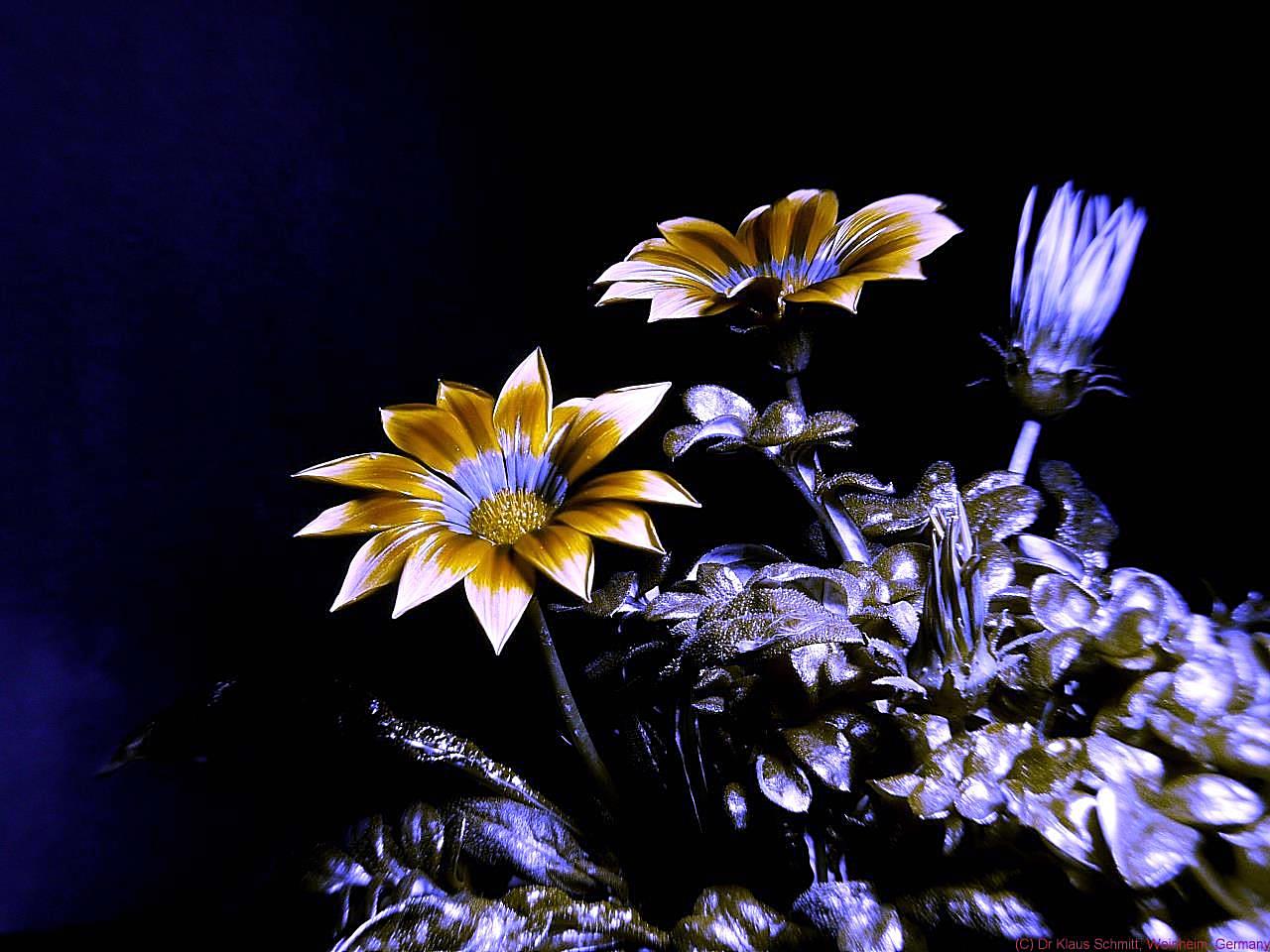
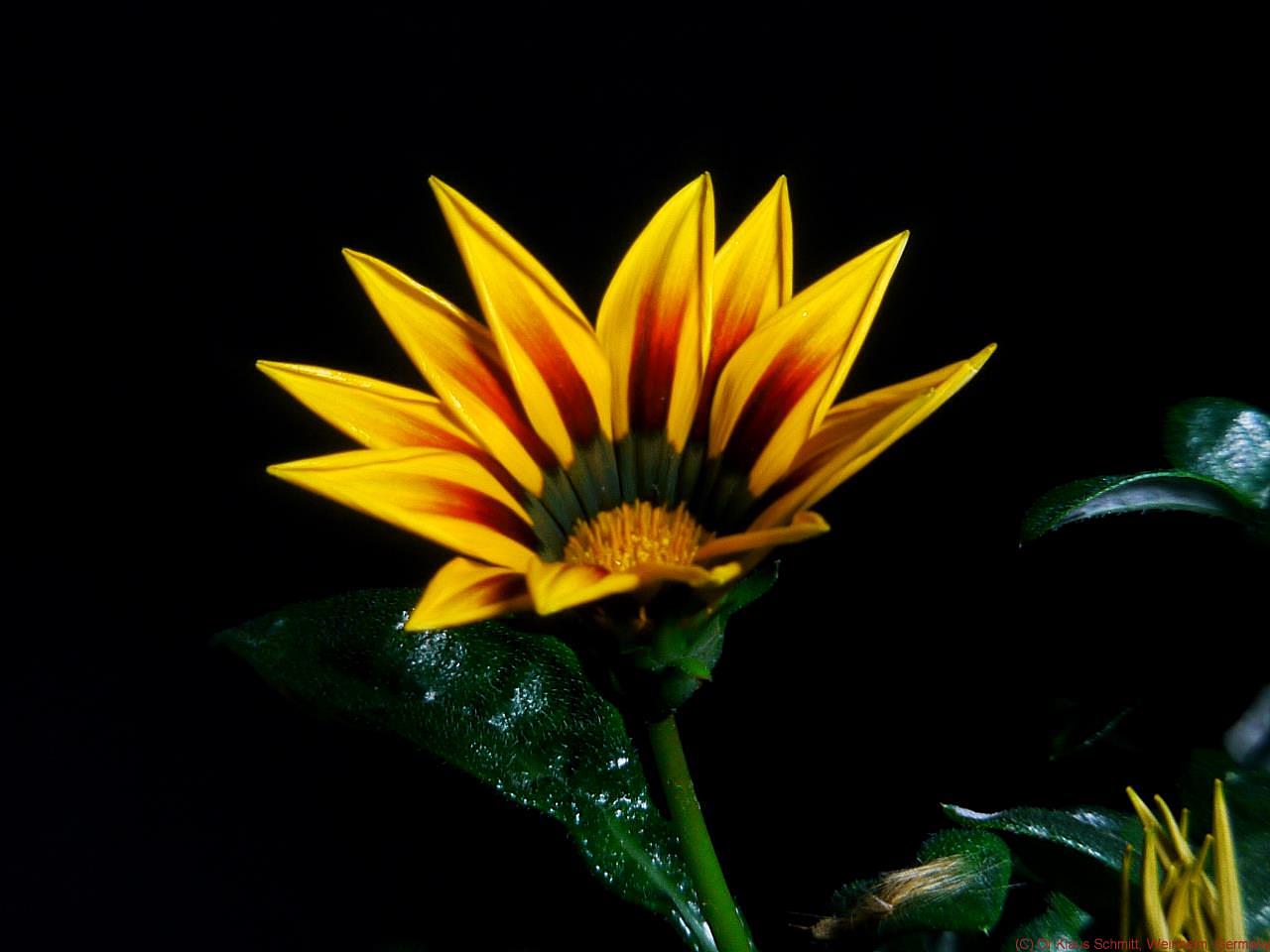
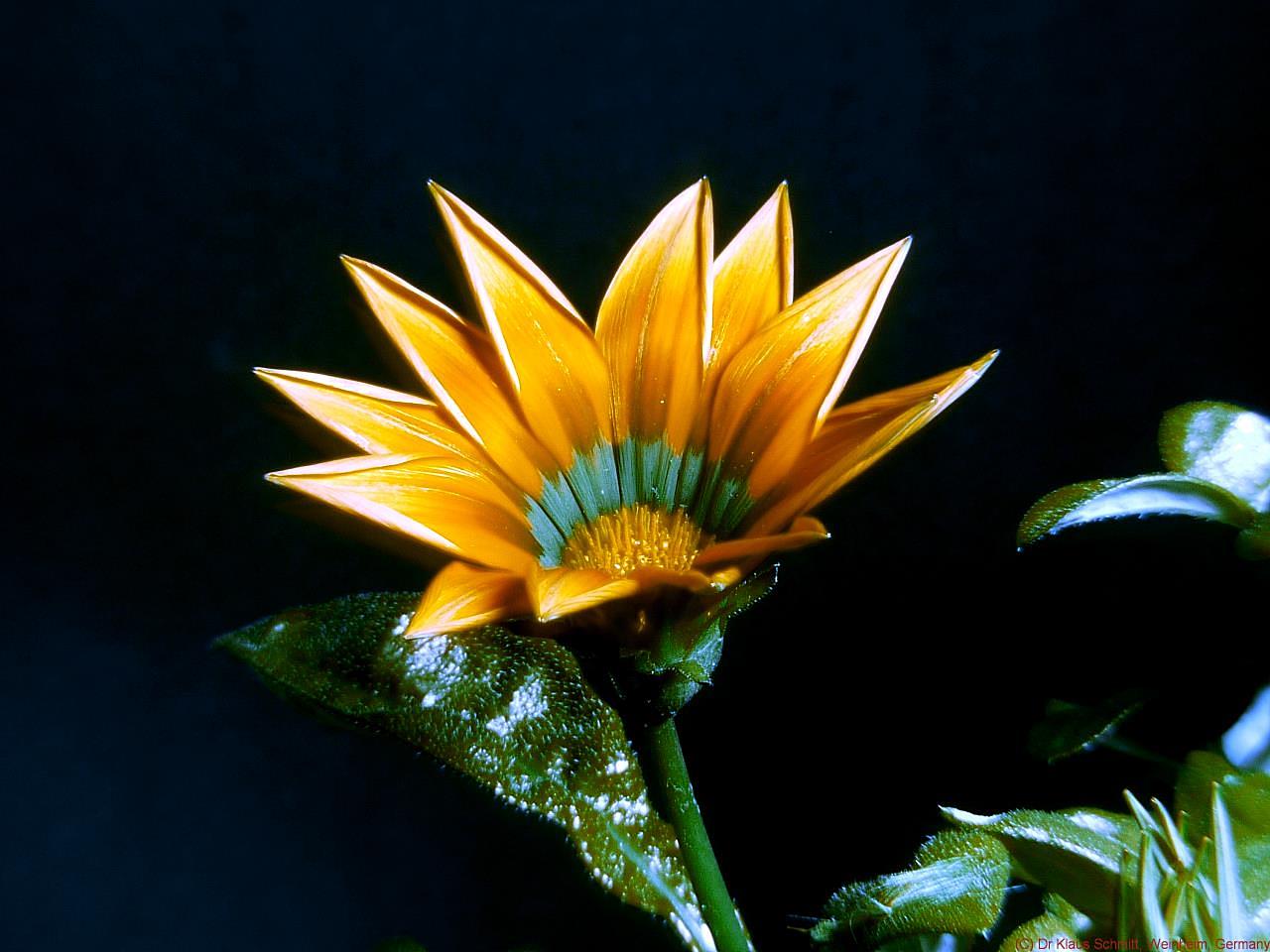
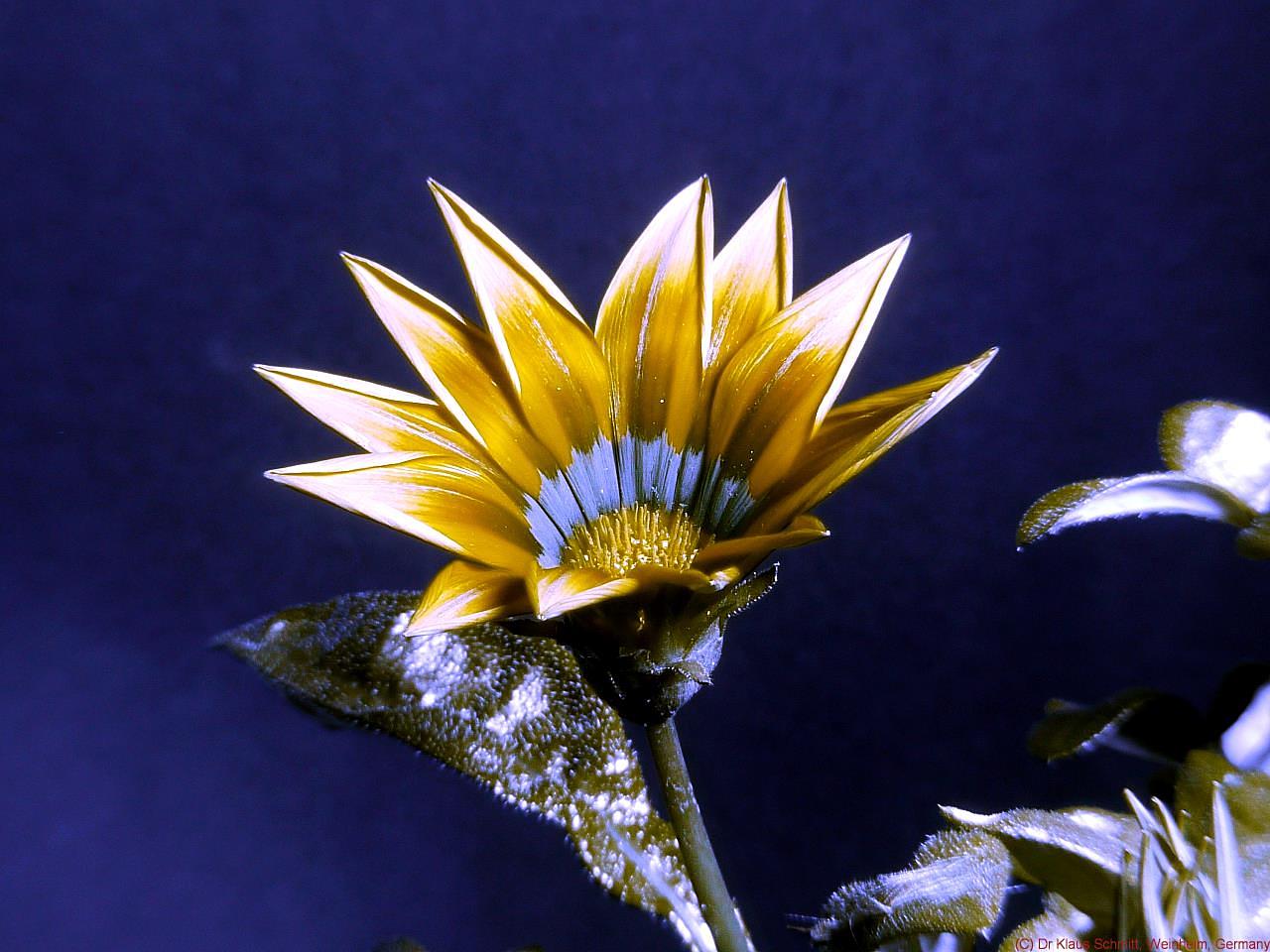
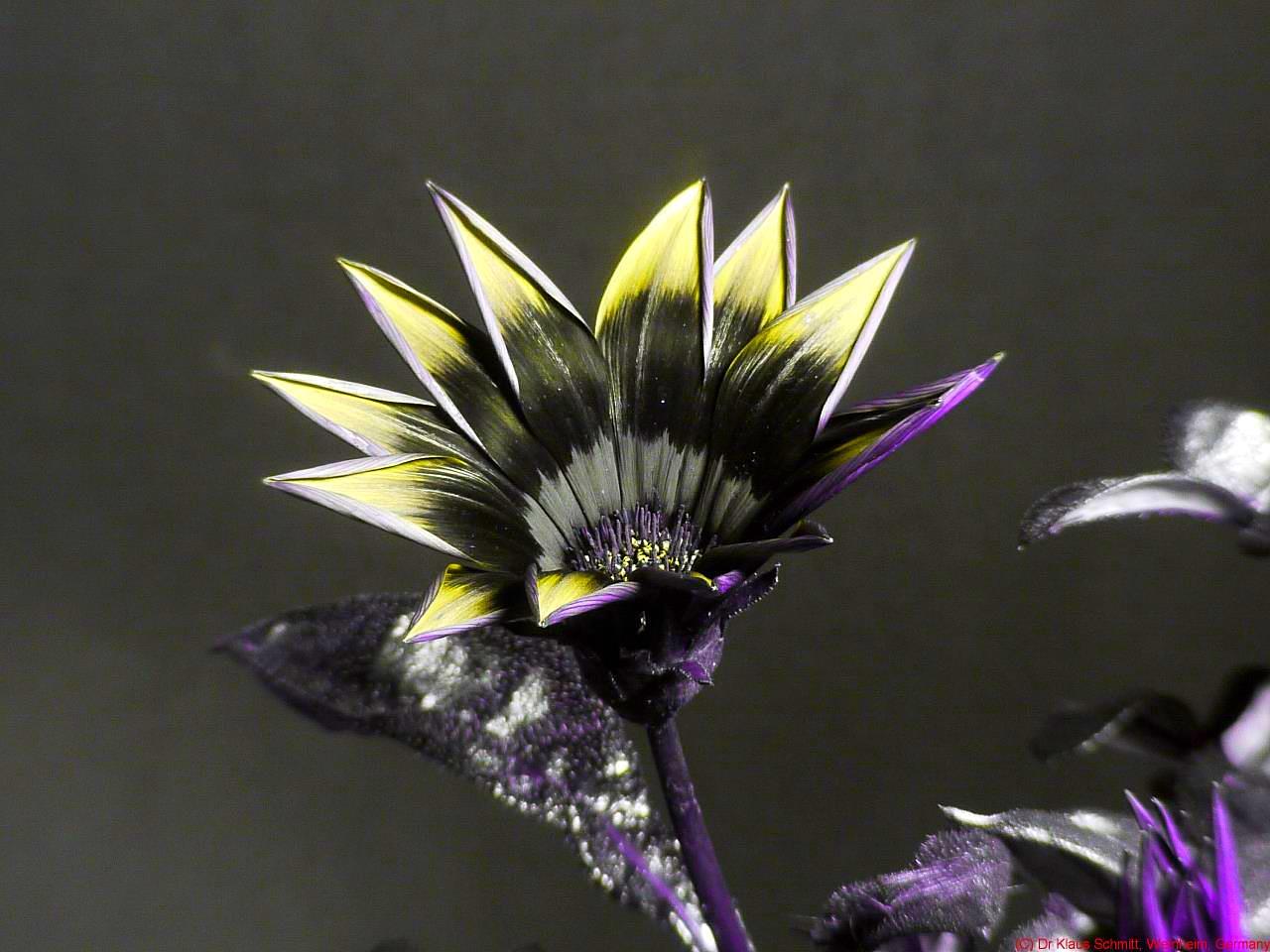
Gazania rigens "alba": human vision vs simulated bee vison; reflected UV ultraviolet photography

I discovered a white "alba" form of a Gazania rigens flower today and wanted to show this one in its multispectral respresentation. So I took some shots in normal human vision VIS, in UV using the Baader-U, Jupiter-U and the new Saturn-U (300-350nm) filter, as well as in simulated bee vision using my XBV2, XBV3 and the new, stricter XBV5 filters respectively.

[click on image to see a larger one]

Visual shot:


Simulated bee vison using XBV3 filter:


Simulated bee vison using XBV2 filter:


Simulated bee vison using XBV5 filter:


UV using Baader-U filter:


UV using Jupiter-U filter:


UV using Saturn-U (300-350nm) filter:


IR (basically) as it was shot using only a ND filter:


As you may have noticed, I'm still working on my bee vision (BV) filters; BV5 is a very strict one that cuts all longer than short wave green.

More about these special new filters here later in a seperate entry.


Stay tuned, more will follow on that fascinating subject...

More info on this very interesting field may be found on my site http://www.pbase.com/kds315/uv_photos
Saturday, June 16, 2012

Gazania rigens: human vision vs simulated bee vison using a quartz singlet lens for reflected UV ultraviolet photography (III)

This is a 3rd set of shots with the same flower Gazania rigens flower that I have shot previously with a quartz-fluorite lens and the same setup as in shots before using a custom made up UV lens from a simple quartz singlet, stopped down to around f16 (estimated as no scale). Shots are in normal human vision VIS, in UV using the Baader-U and Jupiter-U filter, as well as in simulated bee vision using my XBV2 and XBV3 filters respectively. Flower placed into the center, higher magnification, otherwise unchanged setup as before.

[click on image to see a larger one]

Visual shot:


Simulated bee vison using XBV3 filter:


Simulated bee vison using XBV2 filter:


Simulated bee vison using XBV5 filter:


UV using Baader-U filter:


UV using Jupiter-U filter:


I haven't re-adjusted the UV focus, so the rear of the flower drifts into blur, that could be avoided, if so wanted by individually adjusting focus for each shot.

I used a 365nm UV LED for focusing, that worked pretty well, even stopped down that much.

In my opinion this central placement is the best way to use this lens singlet, as it minimizes the visible blur, yet delivers acceptable sharpness in that whole spectral range.


Stay tuned, more will follow on that fascinating subject...

More info on this very interesting field may be found on my site http://www.pbase.com/kds315/uv_photos
Gazania rigens: human vision vs simulated bee vison using a quartz singlet lens for reflected UV ultraviolet photography (II)

This is a 2nd set of shots with the same flower Gazania rigens flower that I have shot previously with a quartz-fluorite lens and the same setup as in shots before using a custom made up UV lens from a simple quartz singlet, stopped down to around f16 (estimated as no scale). Shots are in normal human vision VIS, in UV using the Baader-U and Jupiter-U filter, as well as in simulated bee vision using my XBV2 and XBV3 filters respectively.

[click on image to see a larger one]

Visual shot:


Simulated bee vison using XBV3 filter:


Simulated bee vison using XBV2 filter:


Simulated bee vison using XBV5 filter:


UV using Baader-U filter:


UV using Jupiter-U filter:


The idea behind that 2nd set was to get a better estimate of the VIS-UV focus shift (measured 5.8%, VIS is quite larger) as well as to show the effect of out-of-center imaging, to get an idea how the blur develops. I guess that gets pretty clear now.


Stay tuned, more will follow on that fascinating subject...

More info on this very interesting field may be found on my site http://www.pbase.com/kds315/uv_photos
Friday, June 15, 2012

Gazania rigens: human vision vs simulated bee vison using a quartz singlet lens for reflected UV ultraviolet photography

This is a Gazania rigens flower that I have shot before but now using a custom made up UV lens from a simple quartz singlet, stopped down to around f16 (estimated as no scale). Took some shots in normal human vision VIS, in UV using the Baader-U and Jupiter-U filter, as well as in simulated bee vision using my XBV2 and XBV3 filters respectively.

[click on image to see a larger one]

Visual shot:


Simulated bee vison using XBV3 filter:


Simulated bee vison using XBV2 filter:


UV using Baader-U filter:


UV using Jupiter-U filter:


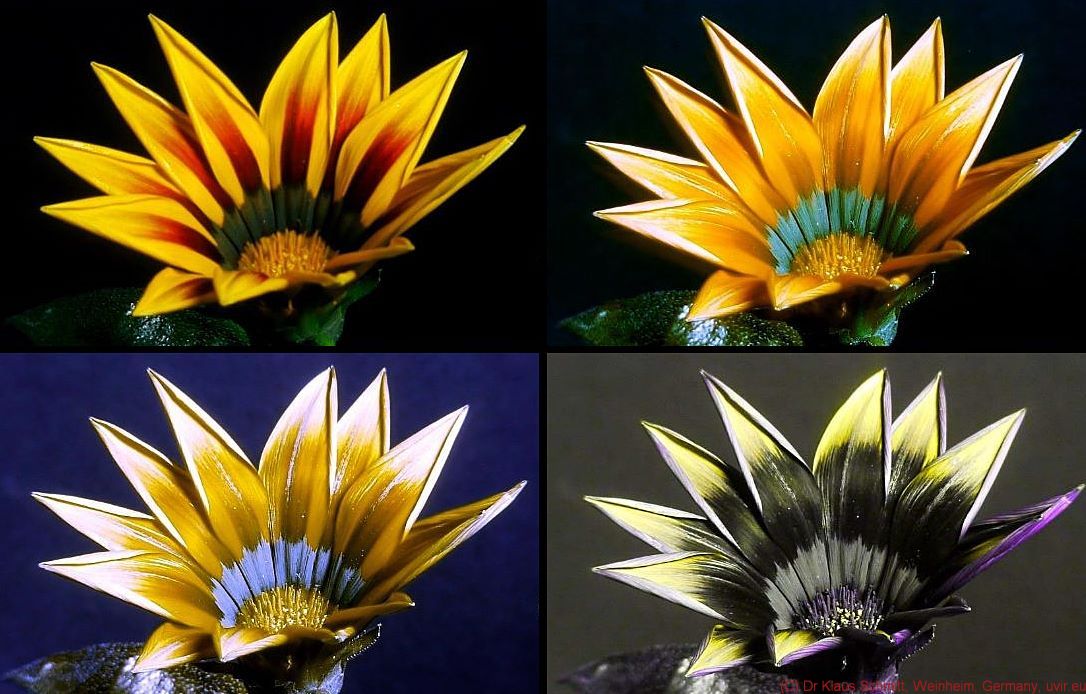
So and here you have the comparison as a quadriptych VIS-UV-BV2-BV3:


Missed the focus at the visible shot a bit obviously since this lens is not color corrected, i.e. has some focus shift. As you may further notice, the center is quite sharp, but of course the more outside it gets, the more the blur increases. For flowers this can actually be quite nice in my opinion.

Well, of course I cannot make a decision for somebody else if an investment of a few hours work and, depending if a mechanic is needed or not, the cost for making such a lens mount is within budget, but surely such a quartz singlet could be, as it can be had new for about $100. There is inconvenience of course, due to the "substantial" focus shift, but lifeview solves that easily.

Stay tuned, more will follow on that fascinating subject...

More info on this very interesting field may be found on my site http://www.pbase.com/kds315/uv_photos
Monday, February 21, 2011

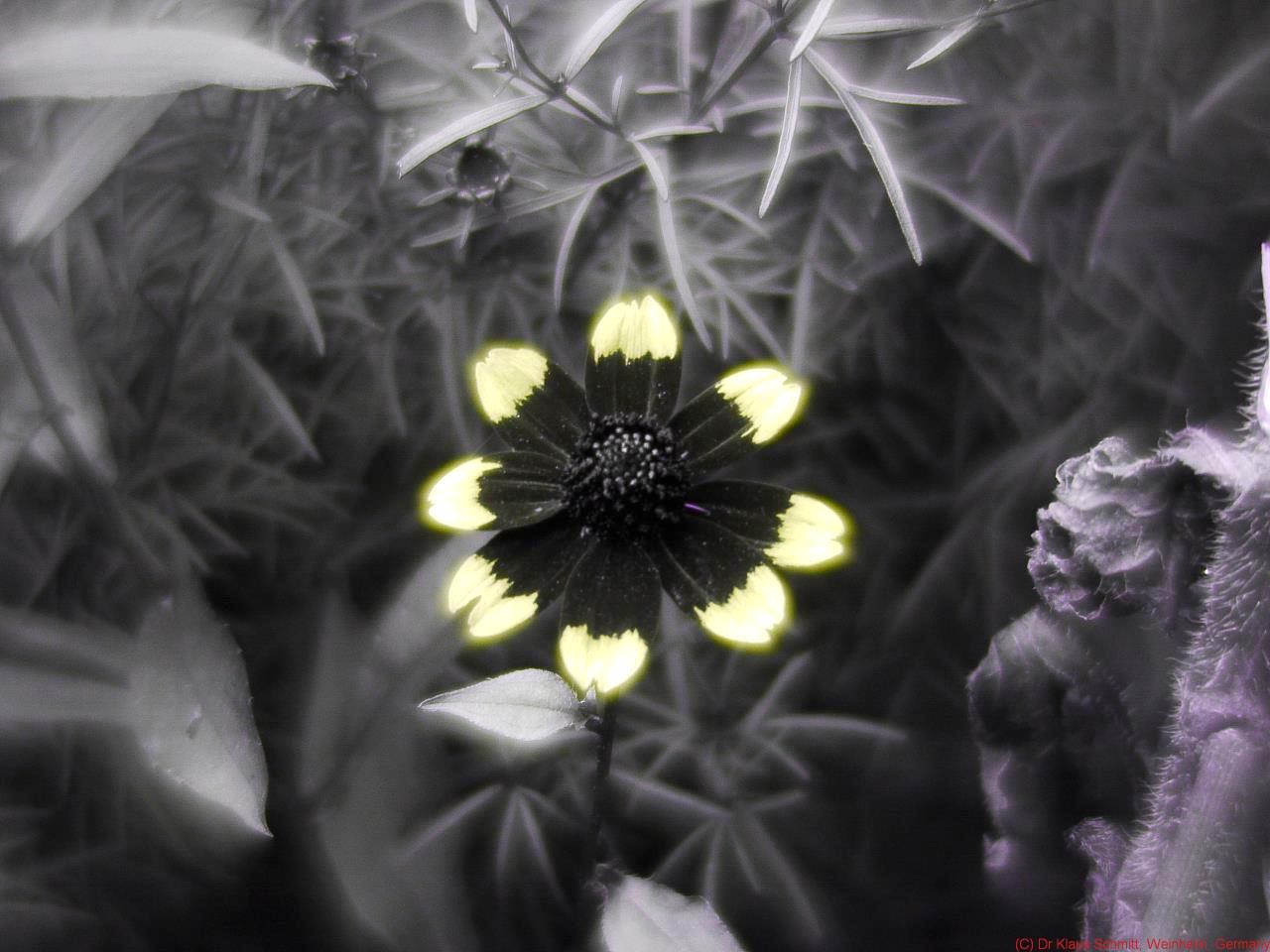
White Lilly - a surprising lens find for UV and VIS w/o focus shift II

Well, a while ago I was doing these "Psychedelic Lilly" test shots here . Prior to that I had taken UV transmission tests of that very interesting lens family, which turned out to be very promising, reaching down to about 320nm (-3EV). Here now more about that.

These macro shots were done at f8, ISO400, 1/160s using Xenon flash, exposure adjusted using flash power control and ND filters. UV shots were done using the Baader-U filter.

[click on image to see a larger one]

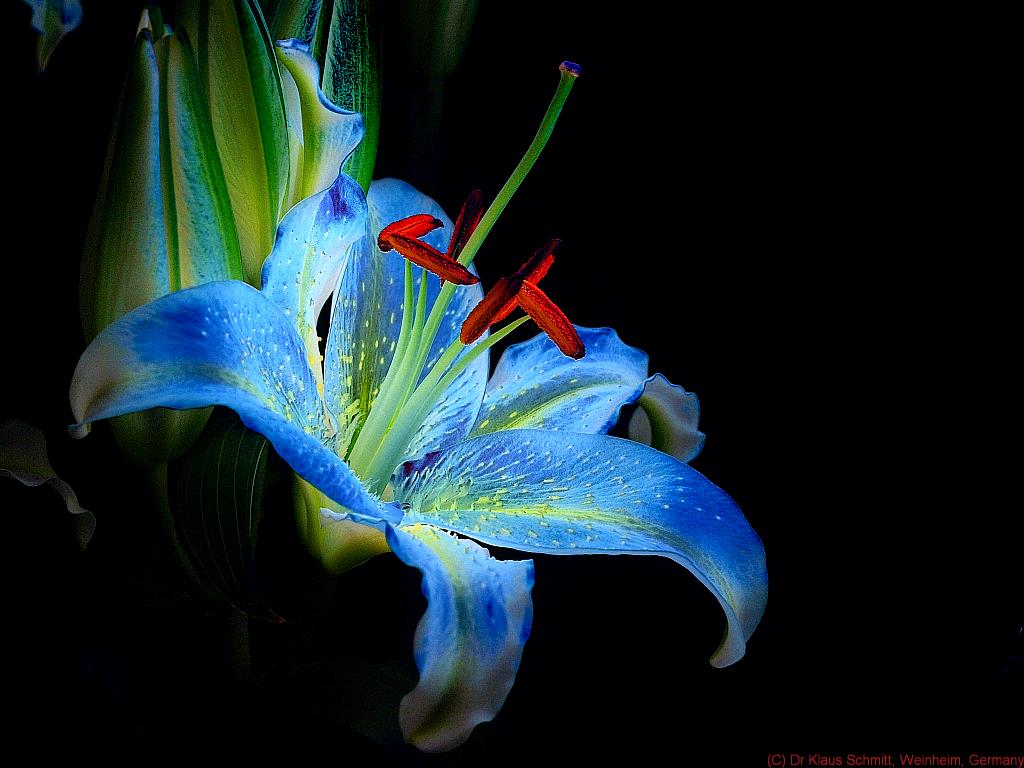
Here now a VIS-UV differential:


Quite a sharp lens with quite good UV transmission and hardly any focus shift, as the two overlaid images nearly perfectly match!

Here the VIS shot:


and the UV shot:


Finally now the VIS-IR differential:


Stay tuned, more will follow on that fascinating subject...

More info on this very interesting field may be found on my site http://www.pbase.com/kds315/uv_photos

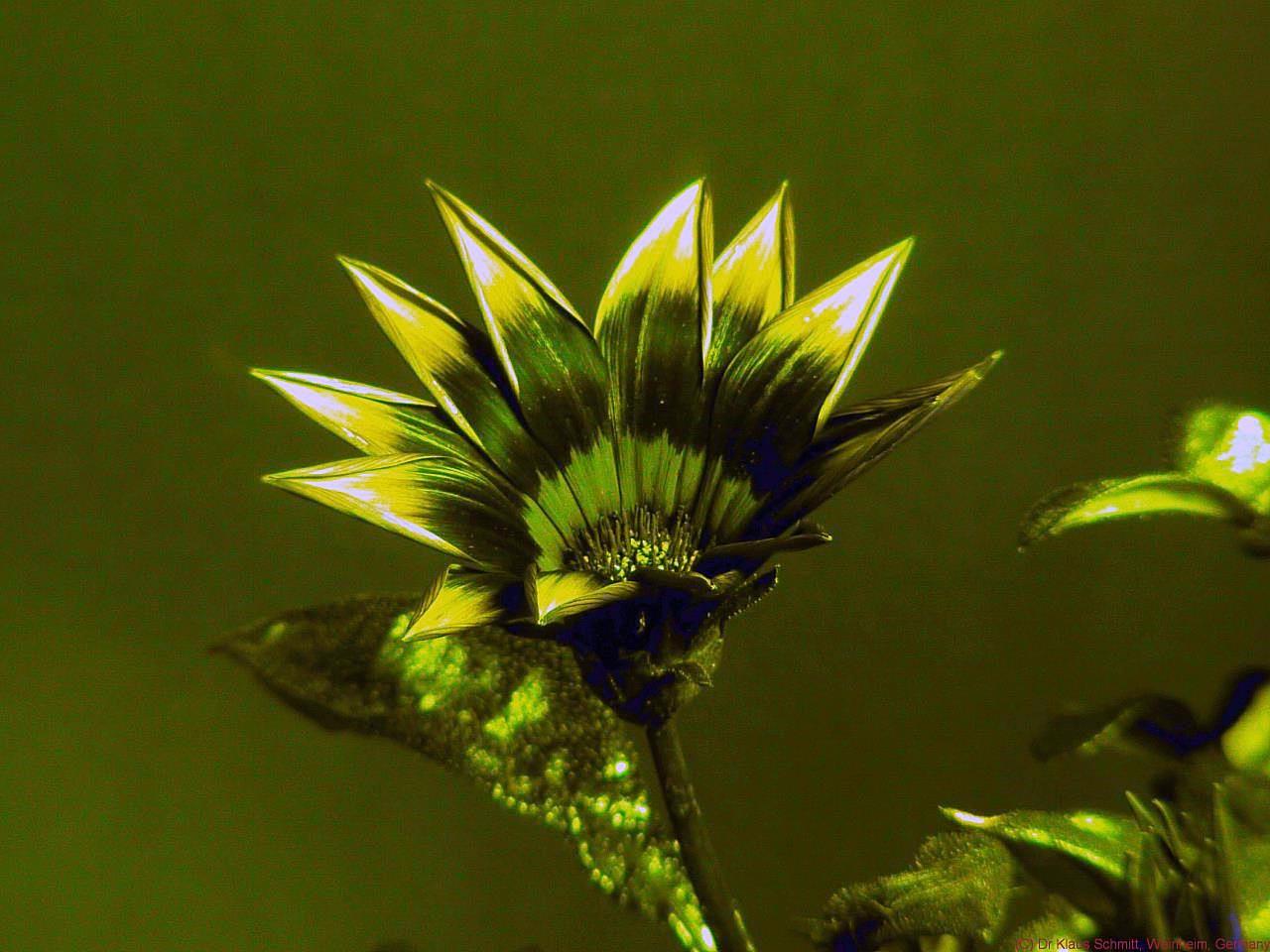
[UV] EL-Nikkor 80mm for UV - old vs. new type

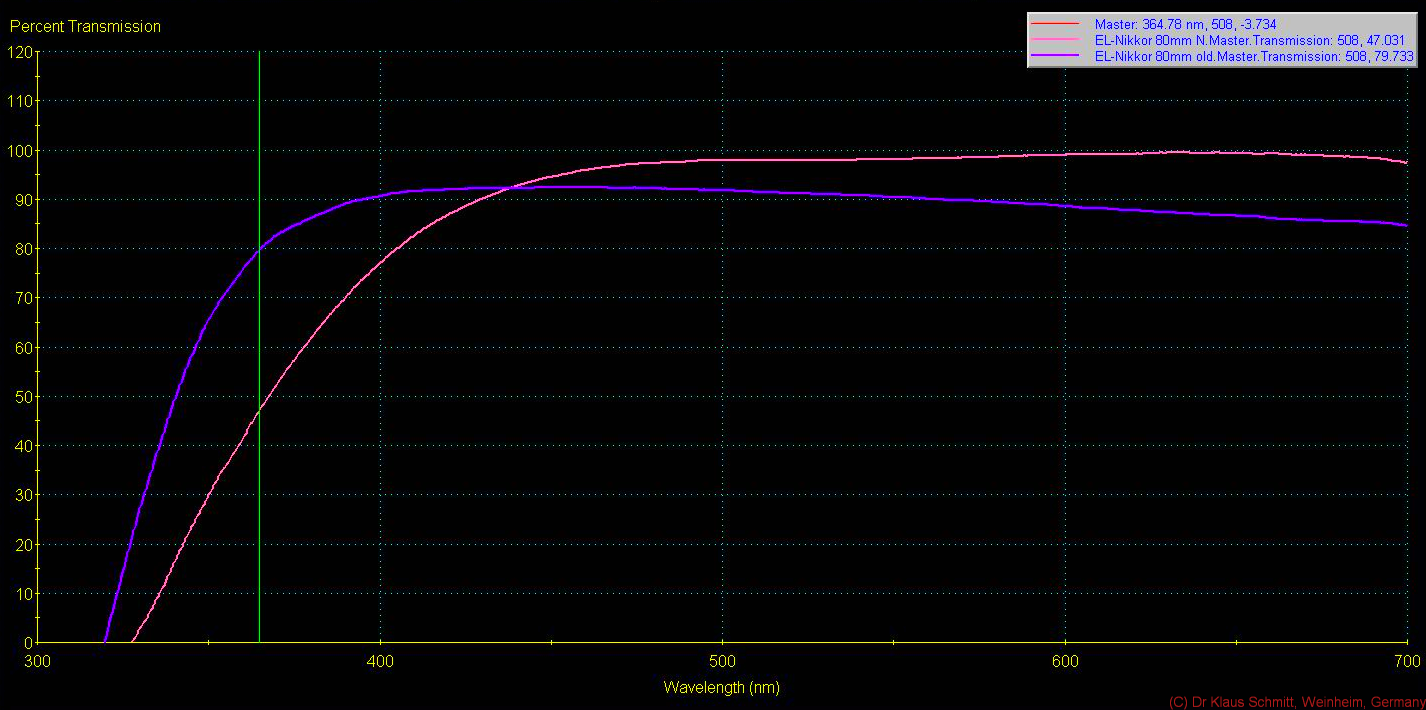
As I was testing (again) lenses for UV photography, I had done spectrometric tests on Nikon EL-Nikkor enlarger lenses. The question arose, if the newer 80mm EL-Nikkor has as good an UV transmission as the older, full metal type. So now since I found a new one, here the comparison transmission graph old metal one vs new plastic "tyre like" version. Both are f5.6/80mm.
[click on image to see a larger one]

UV transmission graph:


In terms of UV transmission, quite a substantial difference of about one stop in favor of the old type I would say. The newer one seems to have some fancy new multicoating, which brings the transmission losses in the visual range substantially down, but the UV transmission has been quite reduced by doing so.

P.S.: the 80mm EL-Nikkor (the older, chrome black full metal type) has an adapter ring on its base with outer M39x26tpi screw mount (Leica enlarger mount). Beneath it is a M25 thread for older #00 shutters. Company Schneider Optics offers adapter rings, if that one should be missing (oder code 92-013251).
P.P.S.: the filter thread of that older EL-Nikkor 80mm is 34.5mm, which is pretty uncommon, ask me if you need an adapter ring.

Stay tuned, more will follow on that fascinating subject...

More info on this very interesting field may be found on my site http://www.pbase.com/kds315/uv_photos