Showing posts with label Hypericum. Show all posts

Saturday, December 21, 2024

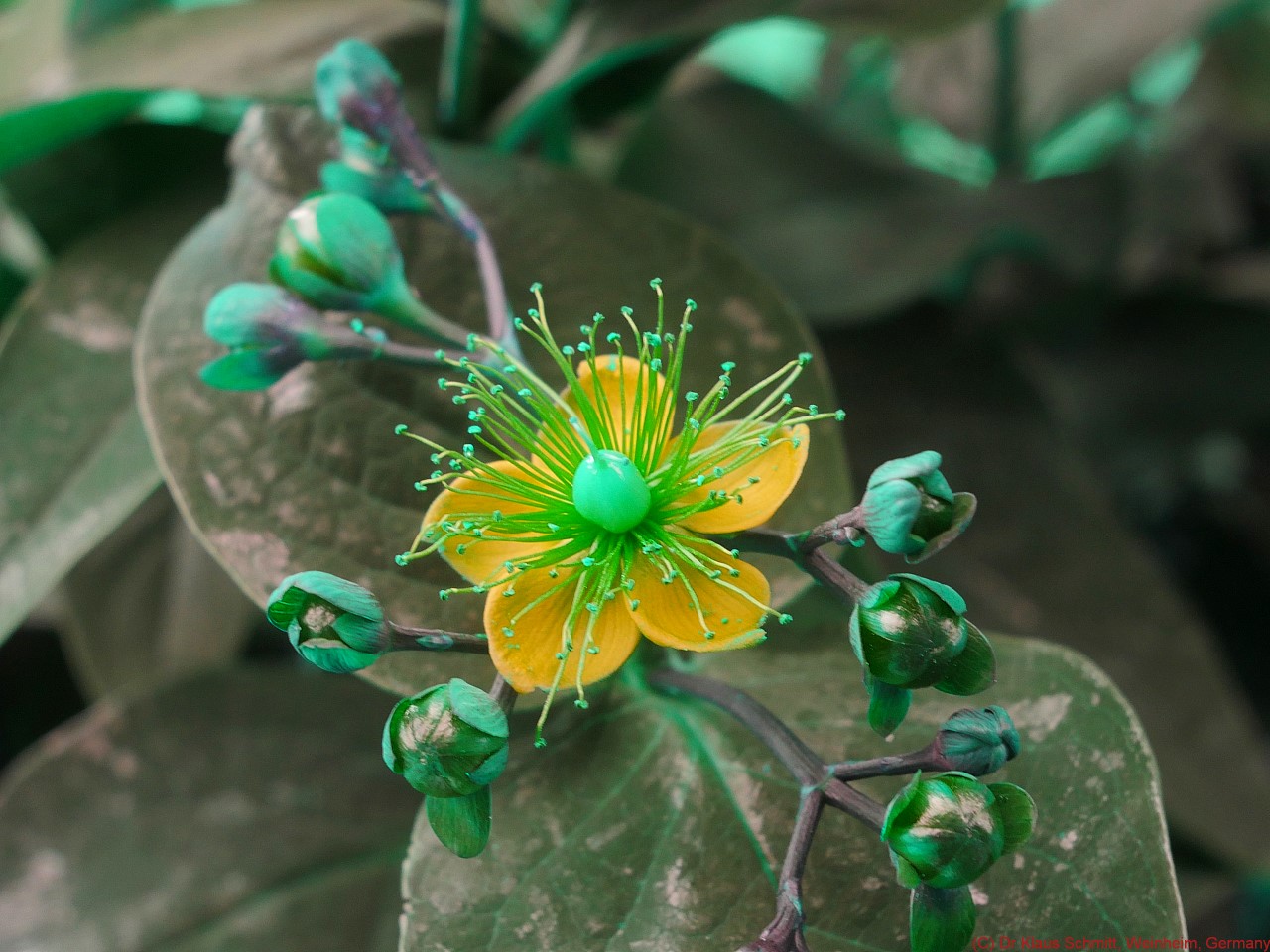
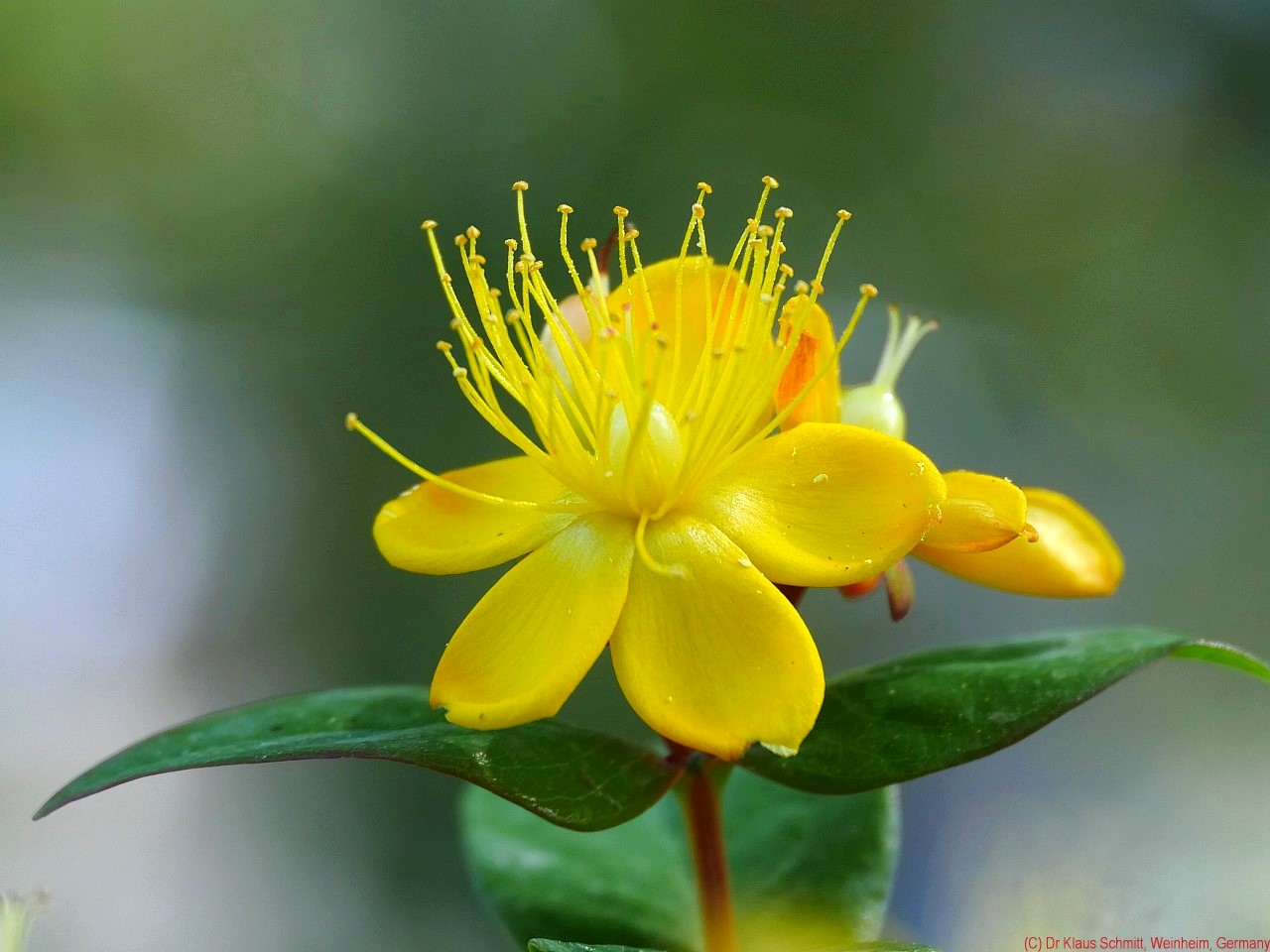
Kaunergrat Nature Park Tyrol Austria shows St. John's wort - Hypericum in reflected ultraviolet photography and simulated bee and butterfly vision

Today about my works being used with my permission by the Naturpark Kaunergrat (Pitztal – Fließ – Kaunertal) in Tyrol / Austria. Their idea was to show visitors how bees and butterflies see the world including their ability to see reflected ultraviolet (UV) light. 

They chose to use an attractive yellow flower, a St. John's wort - Hypericum sp. which were shot by me in reflected ultraviolet photography, simulated bee and butterfly vision. All shots were done at f8 in reflected ultraviolet photography using my "work horse" UV filter, the Baader-U filter, as well as my XBV filters for simulated bee and butterfly vision. Lens was a UV-Nikkor 105mm quartz fluorite lens. Light source was sunlight.

[click on image to see a larger one]

Human vision:
 

Reflected UV:
 

Simulated butterfly vision:
 

Simulated bee vision:
 

Quadriptych of human vision, UV, simulated butterfly and bee vision (left to right, top to bottom):
 

Hypericum's outer petals strongly reflect UV around 365nm, whereas its stamens are quite darker, reflecting around 385nm, hence forming UV nectar guides for UV seeing insects. This is all invisible to us humans, but clearly visible to bees and butterflies, and all this will be nicely visible to the visitors at Kaunergrat nature park Tyrol, Austria.

I have written more about this flower HERE.

Stay tuned, more will follow on that fascinating subject...

More info on this very interesting field may be found on my site http://www.pbase.com/kds315/uv_photos Those shown multispectral images of mine where shot in my studio with my "work horse" UV-Nikkor f4.5/105mm quartz fluorite lens using the Baader UV/IR Cut filter and my proprietary XBV filters for simulated bee + butterfly vision. Light source in studio used was a Xenon flash modified for high UV output outside.
Stay tuned, more will follow on that fascinating subject...

More info on this very interesting field may be found on my site http://www.pbase.com/kds315/uv_photos

Monday, June 8, 2020

Mirror lens for reflected UV photography pictorialism style II

Today more about using an older, rather overlooked 250mm mirror lens for reflected UV photography. The lens had been modified to accept a filter in its rear mount and also modified to M42 threads mount due to its orgiginal special mount for cine use. The lens focuses now from infinity to very close, a pleasure to use but due to is long focal length of 250mm still tricky to nail focus.

DOF at one (1) meter (3ft) is as thin as a razor blade when using this 250mm mirror lens and that doughnut shaped bokeh etc. makes it fun to use. Here now shots, quite reminds me of 19th century pictorialism.

Here I used Hypericum and Bidens as targets. Light was sunlight (shade after rain) plus some 365nm Nichia UV LED light .

[click on image to see a larger one]

Hypericum:


whitebalanced it looks like that:


Bidens:


whitebalanced it looks like that:


which shows its dreamlike/surreal/ethereal rendering of images and of course the famous doughnut bubbles mirror lenses produce...

More about using mirror lenses for UV photography HERE

Stay tuned, more will follow on that fascinating subject...

More info on this very interesting field may be found on my site http://www.pbase.com/kds315/uv_photos
Sunday, May 10, 2020

St. John's Wort - Hypericum in reflected ultraviolet photography and simulated bee and butterfly vision II

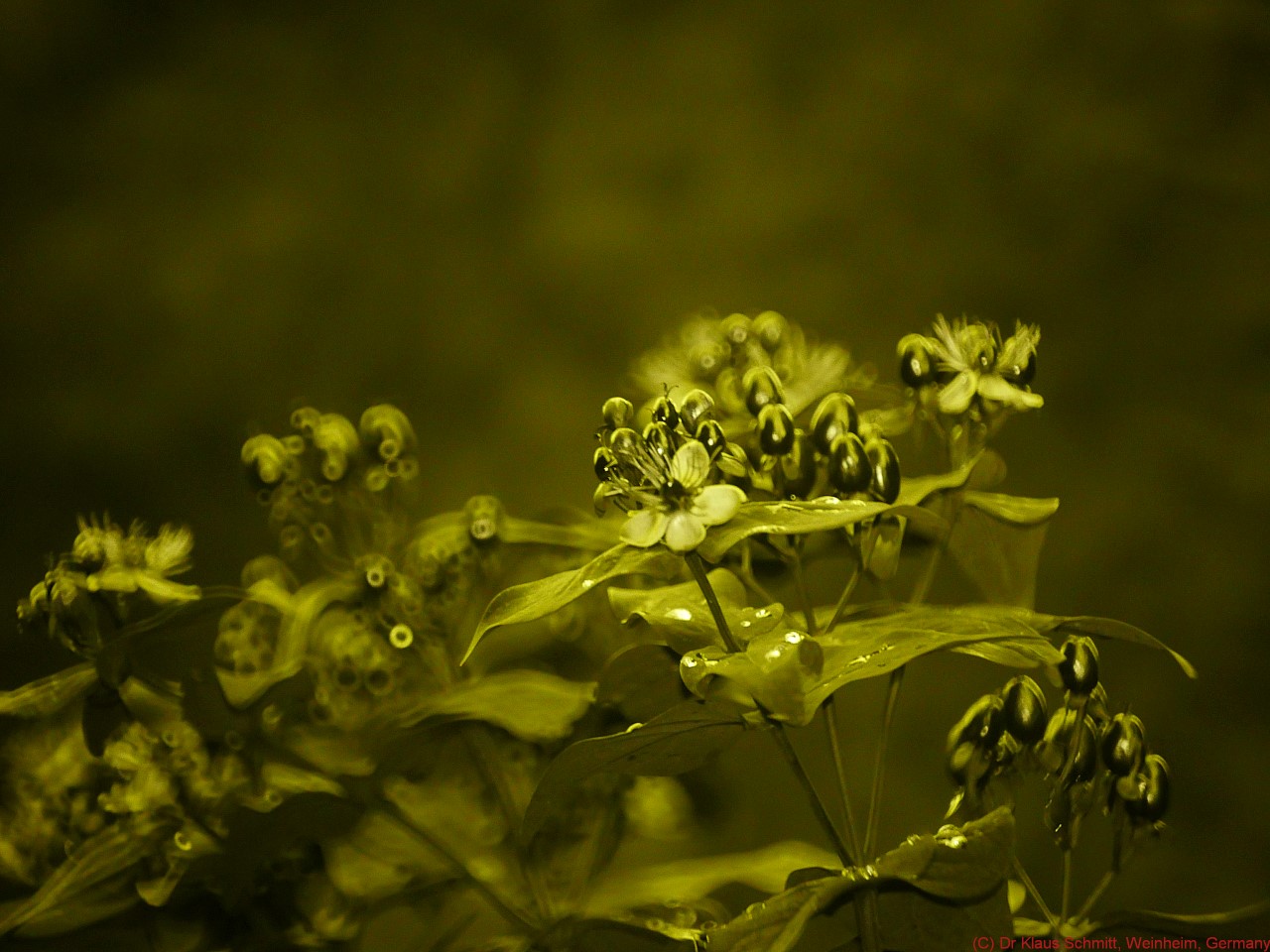
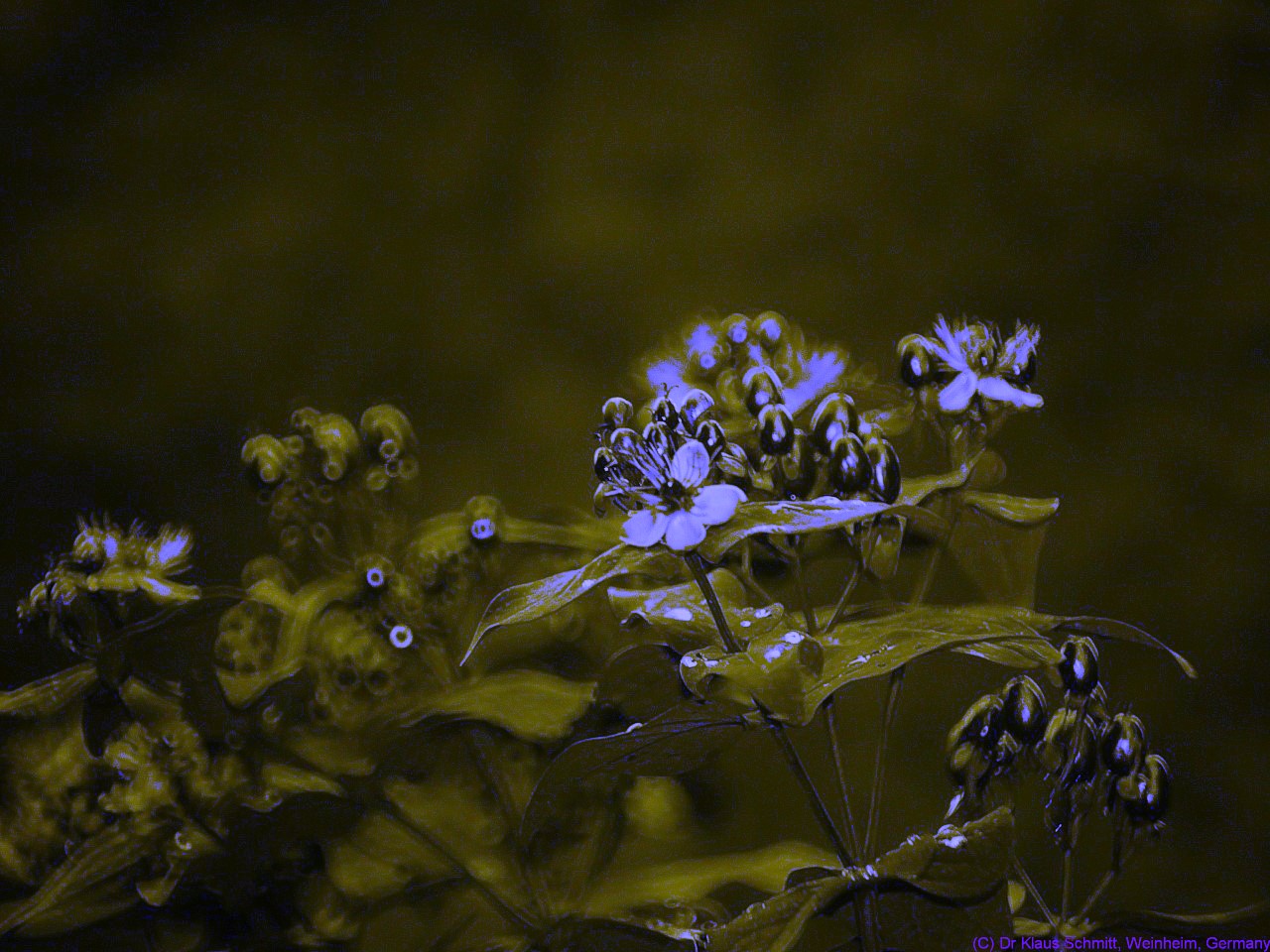
Today some outdoor shots of that attractive yellow flower, a St. John's Wort - Hypericum sp. shot in reflected ultraviolet photography, simulated bee and butterfly vision. All shots were done at f8 in reflected ultraviolet photography using my "work horse" UV filter, the Baader-U filter, as well as my XBV filters for simulated bee and butterfly vision. Lens used was an interesting STEINHEIL 50mm I recently found with rather high UV transmission. Light source was sunlight.

[click on image to see a larger one]

Human vision:
 

Reflected UV:
 

Simulated butterfly vision:
 

Simulated bee vision:
 

Quadriptych of human vision, UV, simulated butterfly and bee vision (left to right, top to bottom):
 

Hypericum's outer petals strongly reflect UV around 365nm, whereas its stamens and pistil are quite darker, reflecting around 385nm, hence forming UV nectar guides for UV seeing insects. This is all invisible to us humans, but clearly visible to bees and butterflies. And all this gets nicely visible here, also in simulated bee and butterfly vision, using this surprisingly well performing 50mm lens.

I have written more about this flower HERE 

I have written about that lens HERE.

Stay tuned, more will follow on that fascinating subject...

More info on this very interesting field may be found on my site http://www.pbase.com/kds315/uv_photos
Monday, August 19, 2019

St. John's wort - Hypericum in reflected ultraviolet photography and simulated bee and butterfly vision

Today some outdoor shots of that attractive yellow flower, a St. John's wort - Hypericum sp. shot in reflected ultraviolet photography, simulated bee and butterfly vision. All shots were done at f8 in reflected ultraviolet photography using my "work horse" UV filter, the Baader-U filter, as well as my XBV filters for simulated bee and butterfly vision. Lens was a UV-Nikkor 105mm quartz fluorite lens. Light source was sunlight.

[click on image to see a larger one]

Human vision:
 

Reflected UV:
 

Simulated butterfly vision:
 

Simulated bee vision:
 

Quadriptych of human vision, UV, simulated butterfly and bee vision (left to right, top to bottom):
 

Hypericum's outer petals strongly reflect UV around 365nm, whereas its stamens are quite darker, reflecting around 385nm, hence forming UV nectar guides for UV seeing insects. This is all invisible to us humans, but clearly visible to bees and butterflies, and all this gets nicely visible here, also in simulated bee and butterfly vision.

I have written more about this flower HERE.

Stay tuned, more will follow on that fascinating subject...

More info on this very interesting field may be found on my site http://www.pbase.com/kds315/uv_photos