Showing posts with label Mexican Zinnia. Show all posts

Wednesday, April 19, 2023

My work for France TV "C'est Toujours Pas Sorcier : Les superpouvoirs des abeilles"

France TV will be using my multispectral works in their programme  "C'est Toujours Pas Sorcier : Les superpouvoirs des abeilles".

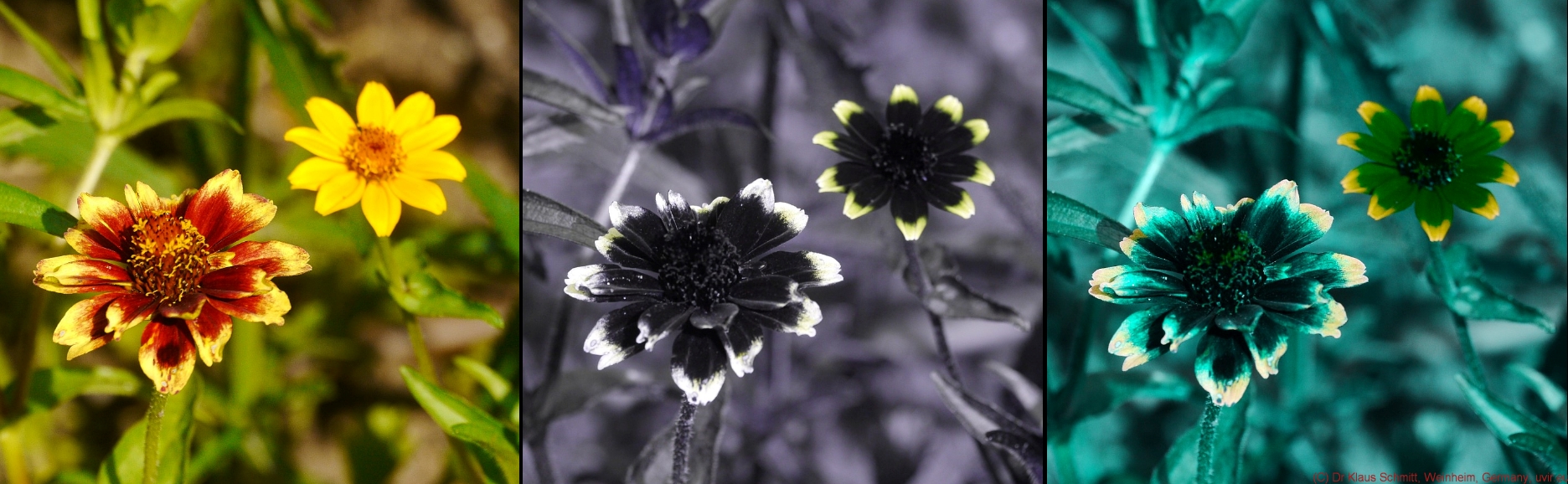
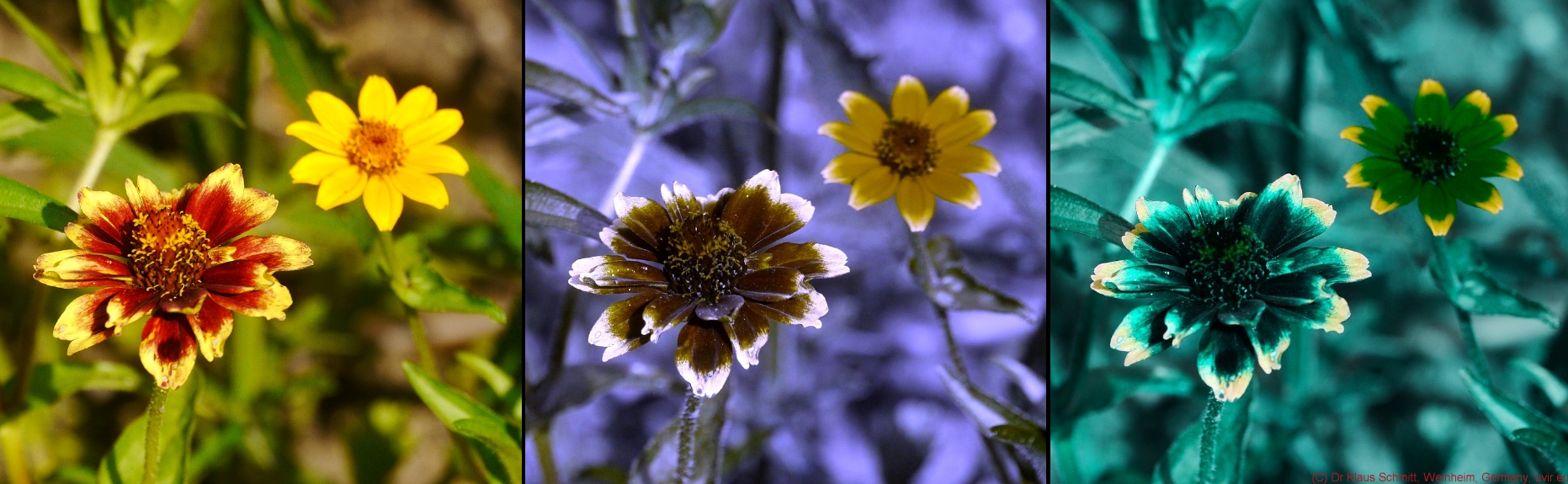
Those multispectral images of mine where shot in my studio and outside with my "work horse" UV-Nikkor f4.5/105mm quartz fluorite lens using the Baader UV/IR Cut filter and my proprietary XBV filters for simulated bee vision. Light source in studio used was a Xenon flash modified for high UV output and sunlight outside.

[click on image to see a larger one]

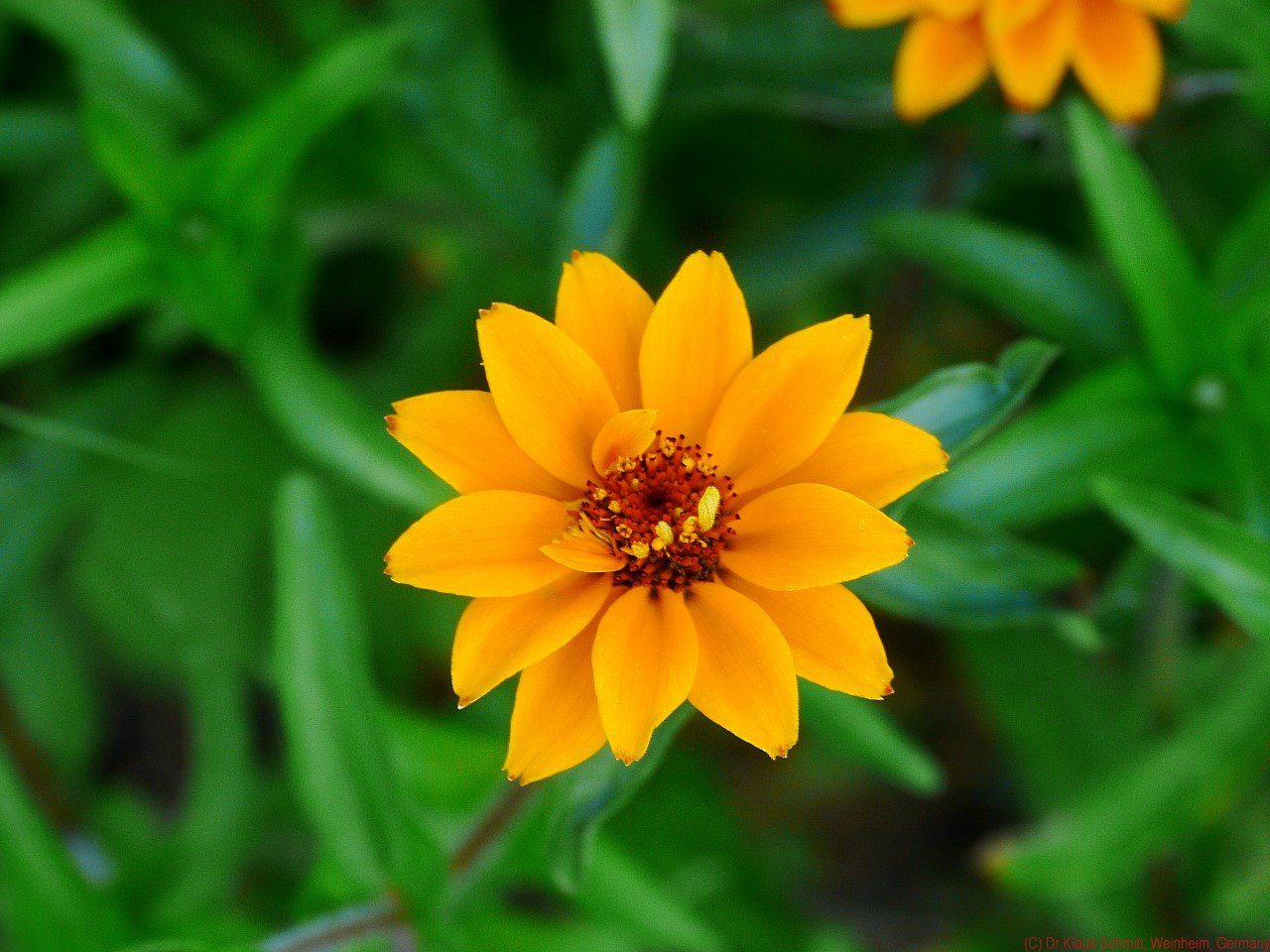
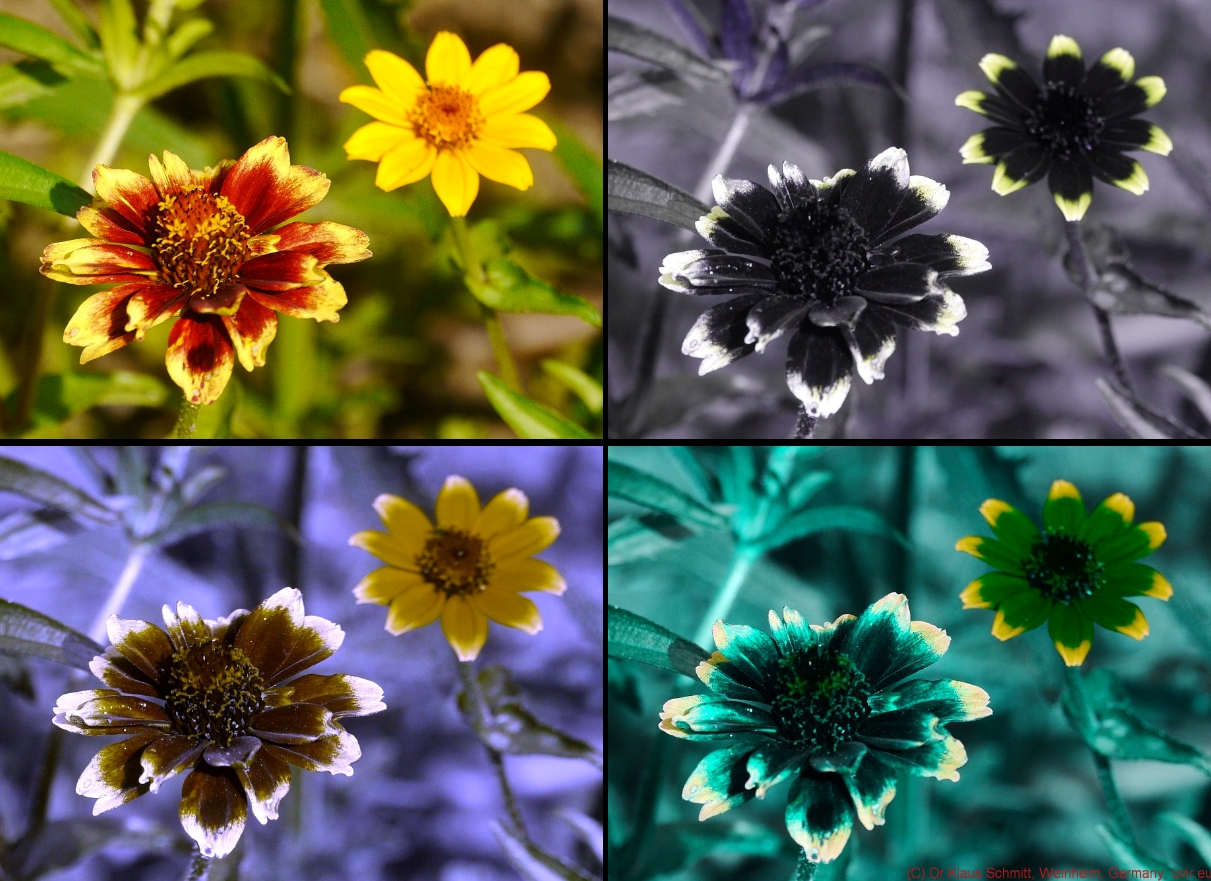
Mexican Zinnia Human Vision (VIS):
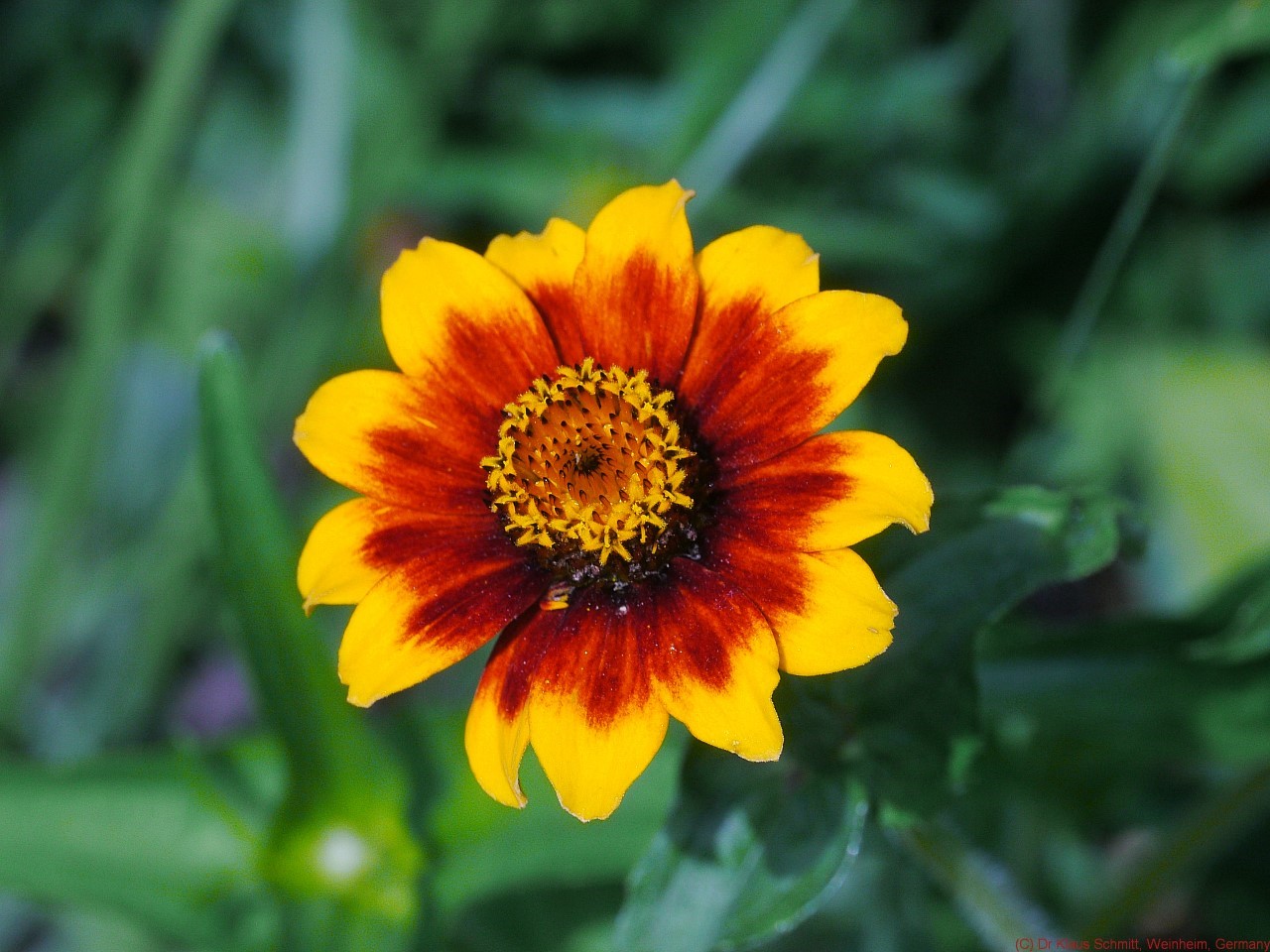
 

Mexican Zinnia simulated Bee Vision:
 

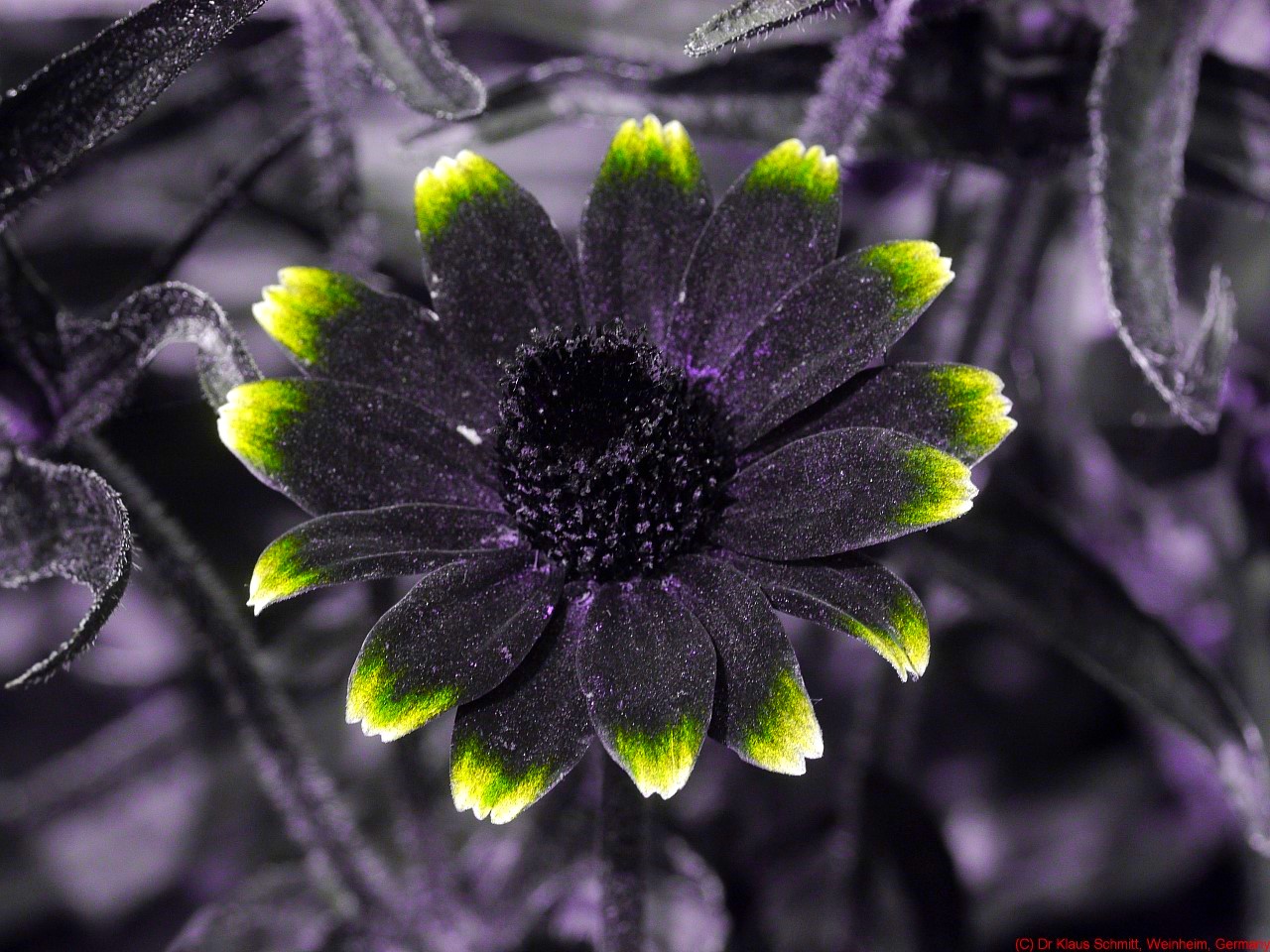
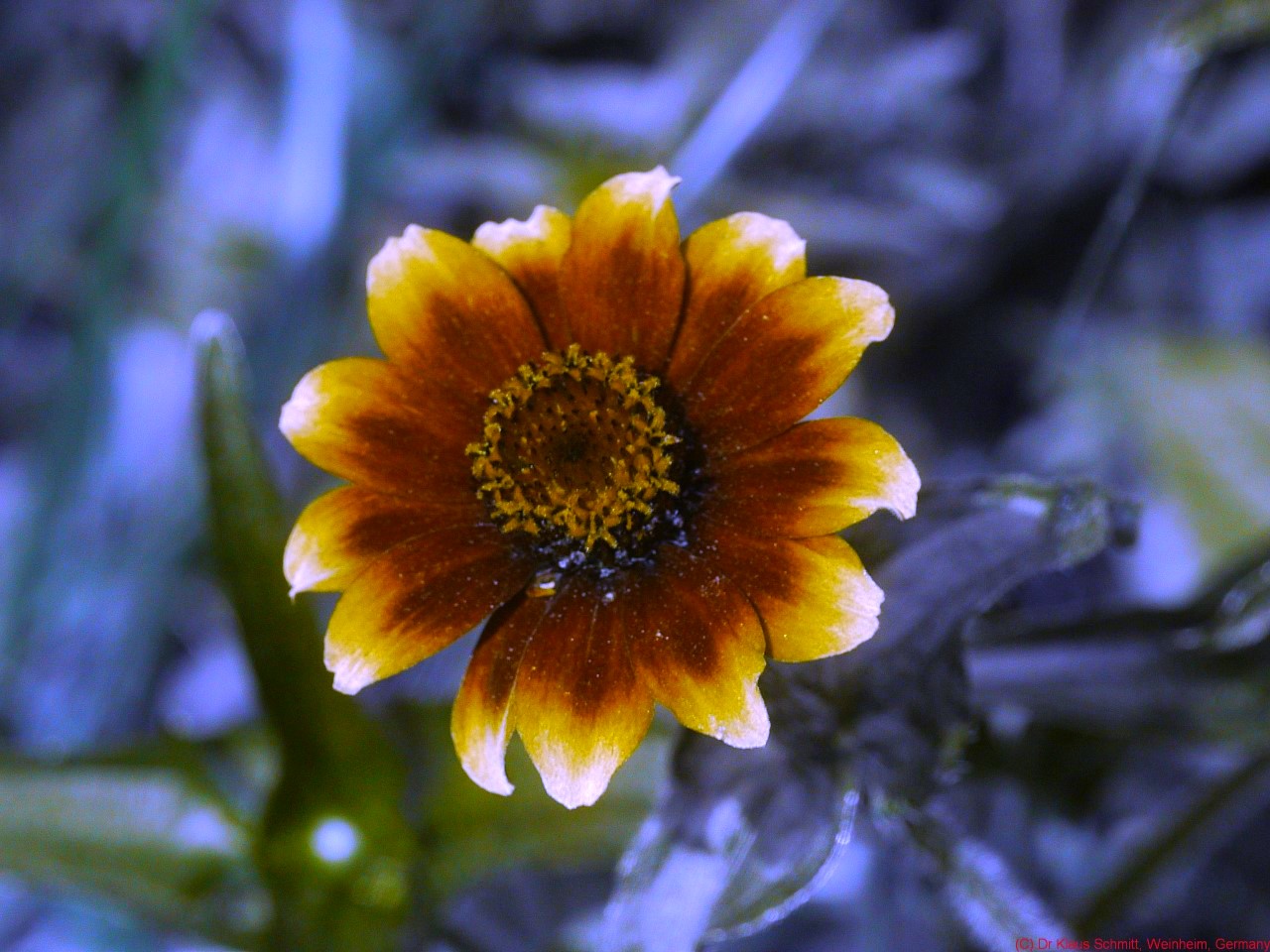
Gazania Human Vision (VIS):
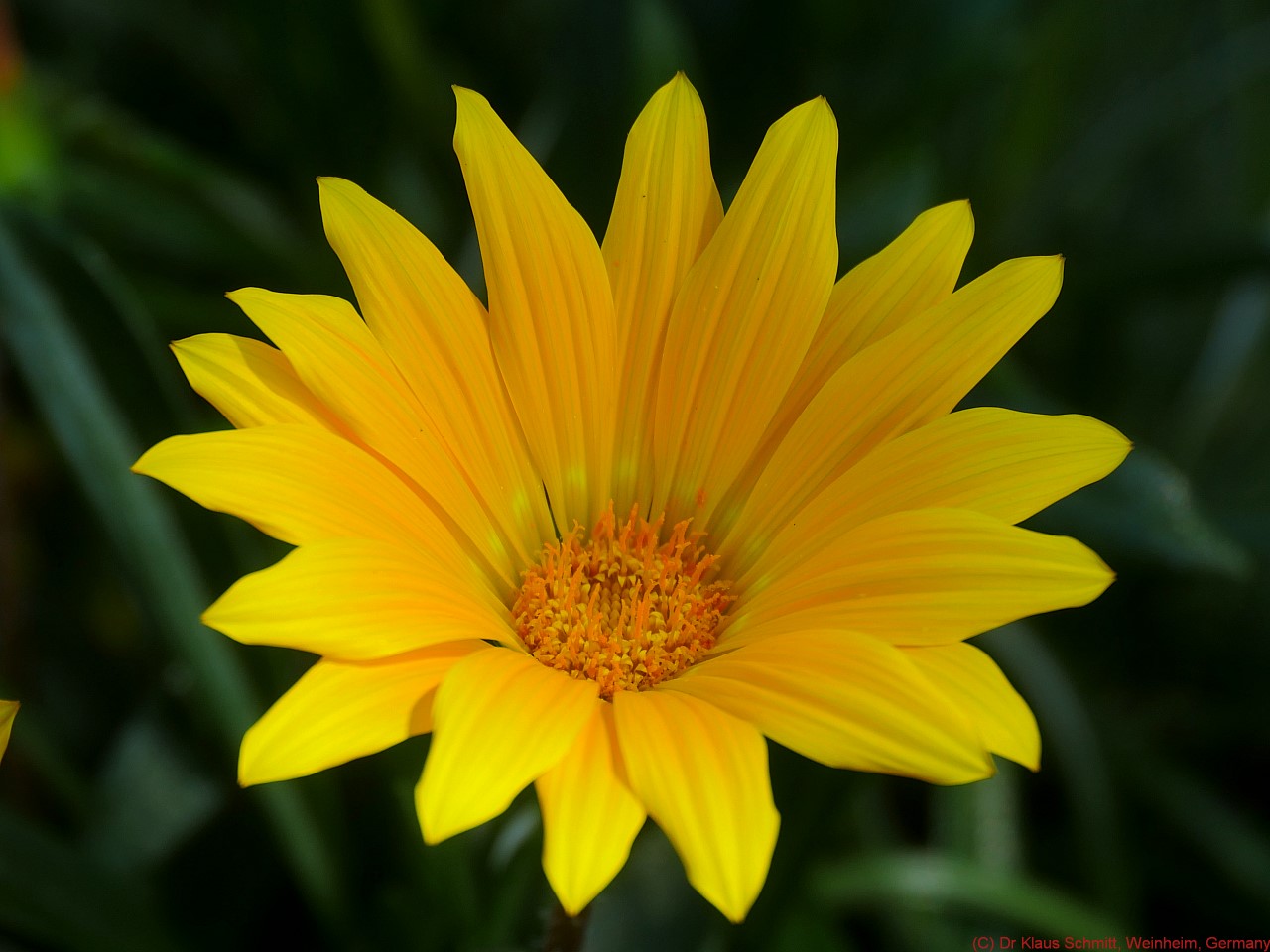
 

Gazania simulated Bee Vision:
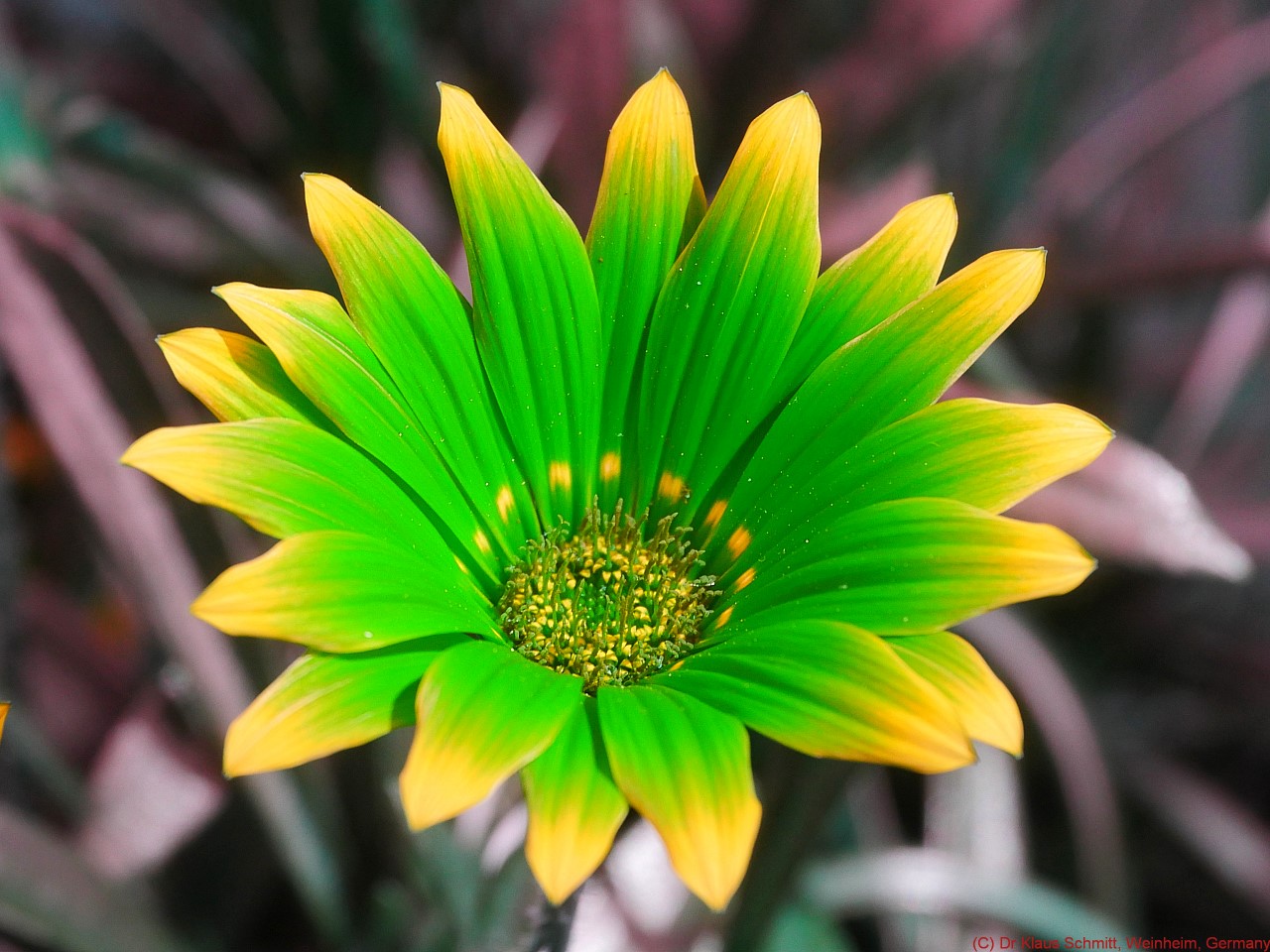
 

All these flowers have very specific UV patterns; the outer part of their petals are UV reflective around 360nm, but their inner parts show a UV-dark area which gets nicely visible.

Stay tuned, more will follow on that fascinating subject...

More info on this very interesting field may be found on my site http://www.pbase.com/kds315/uv_photos

Tuesday, January 17, 2017

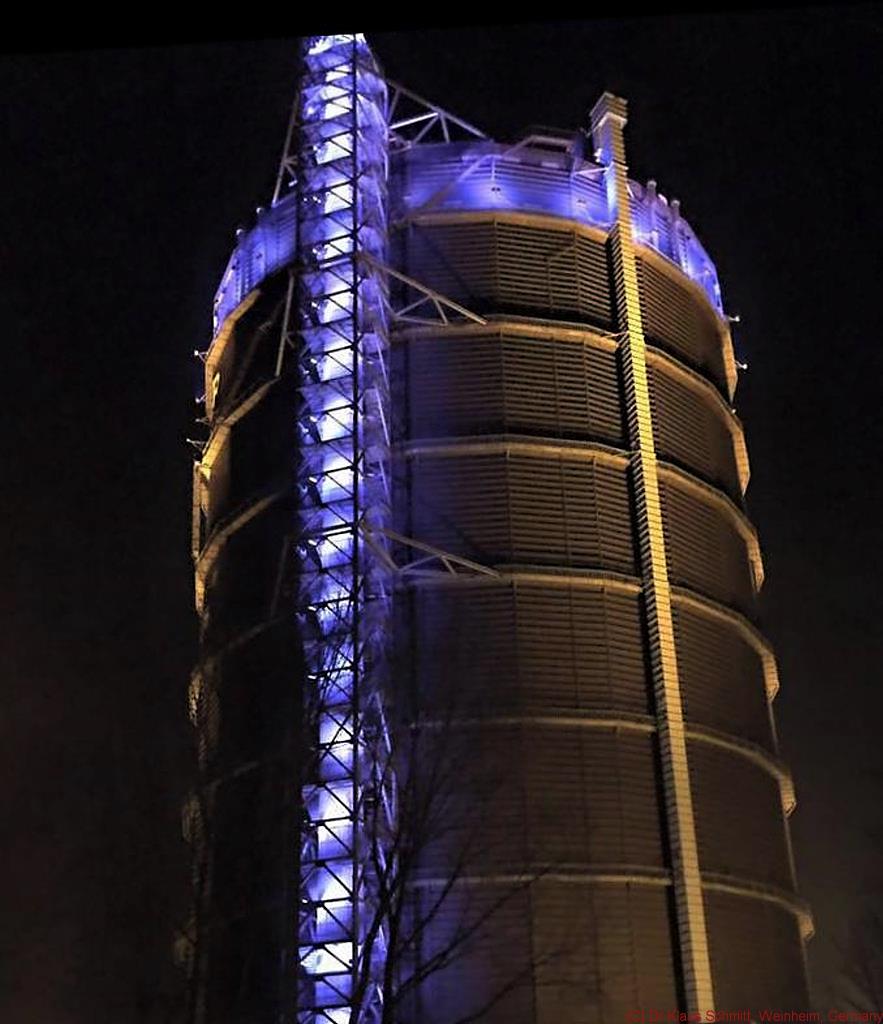
Gasometer Oberhausen Museum, Wonders of Nature Exhibit extended until end of 2017 IV

Gasometer Oberhausen Museum has reported a record breaking visitor count of 750.000 by end of 2016 for their "Wonders of Nature" exhibit  and has hence decided to extend until November 30, 2017. I have participated in that with some of my works in large prints and a video presentation. An impressive location it is, the highest Museum in Germany (116m high, 66m wide) showing some amazing exhibit areas inside:

(C) Gasometer Oberhausen

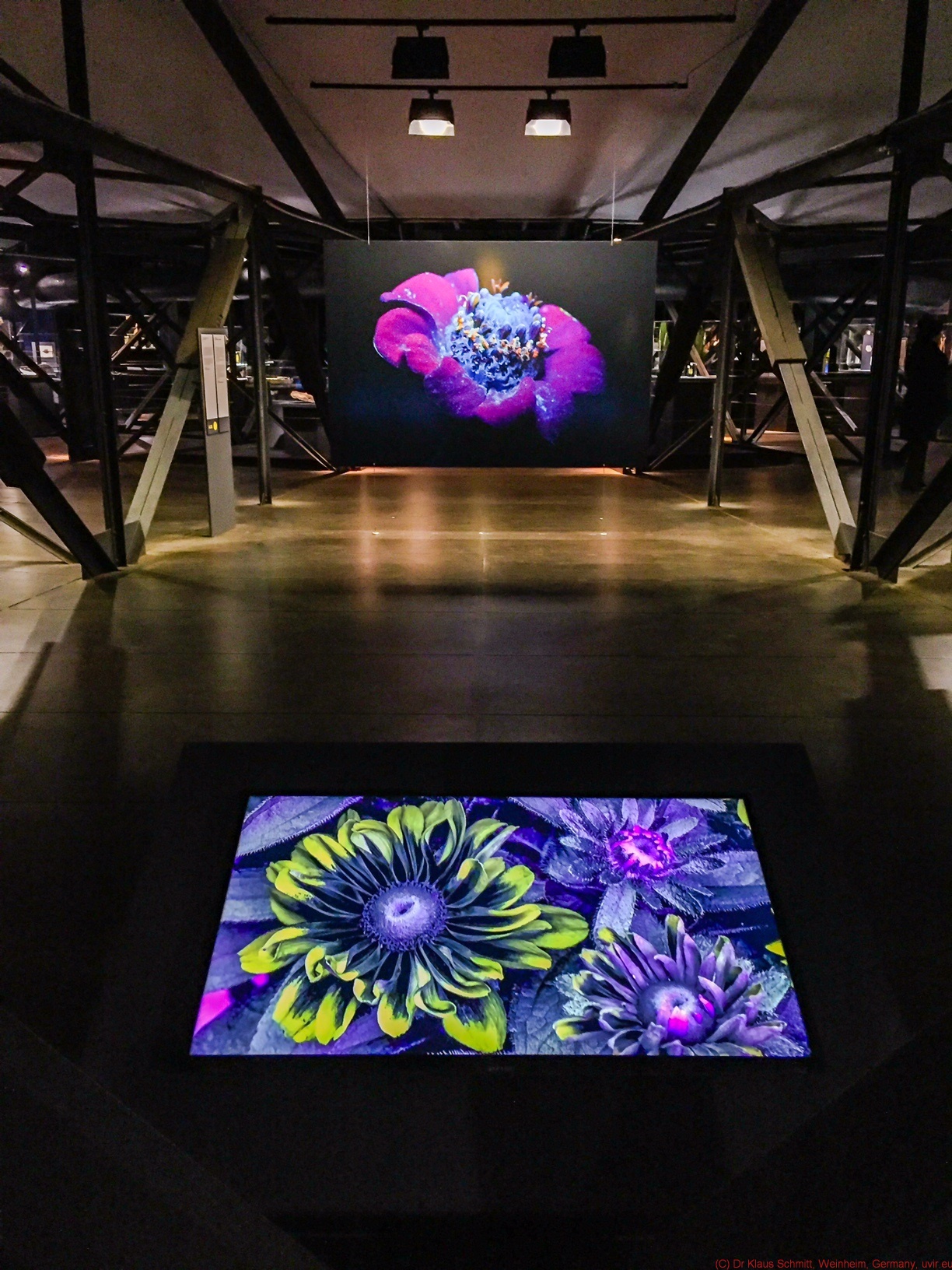
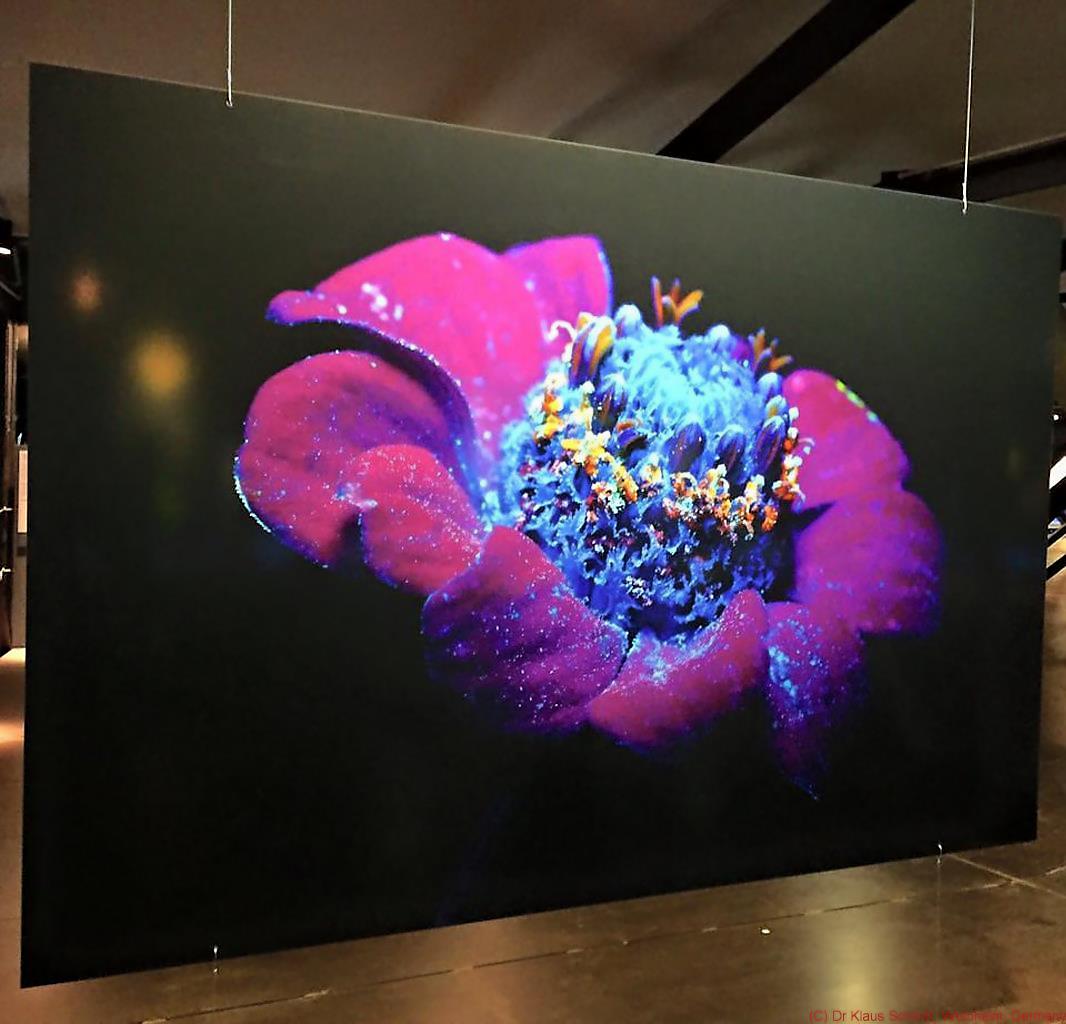
My contribution are some images of a Zinnia haageana flower in large prints, on display in their exhibition area below that 20 meter large earth globe, demonstrating the difference between our human vision, as well as a video presentation shown on LCD panel which originates from the BBC series "How to grow a planet - The hidden World of UV" which has several of my VIS and UV images of different flowers in it.

Printed Zinnia (in UV light) in background, video display in foreground:


approx 3m / 9ft wide Zinnia image in ultraviolet light:


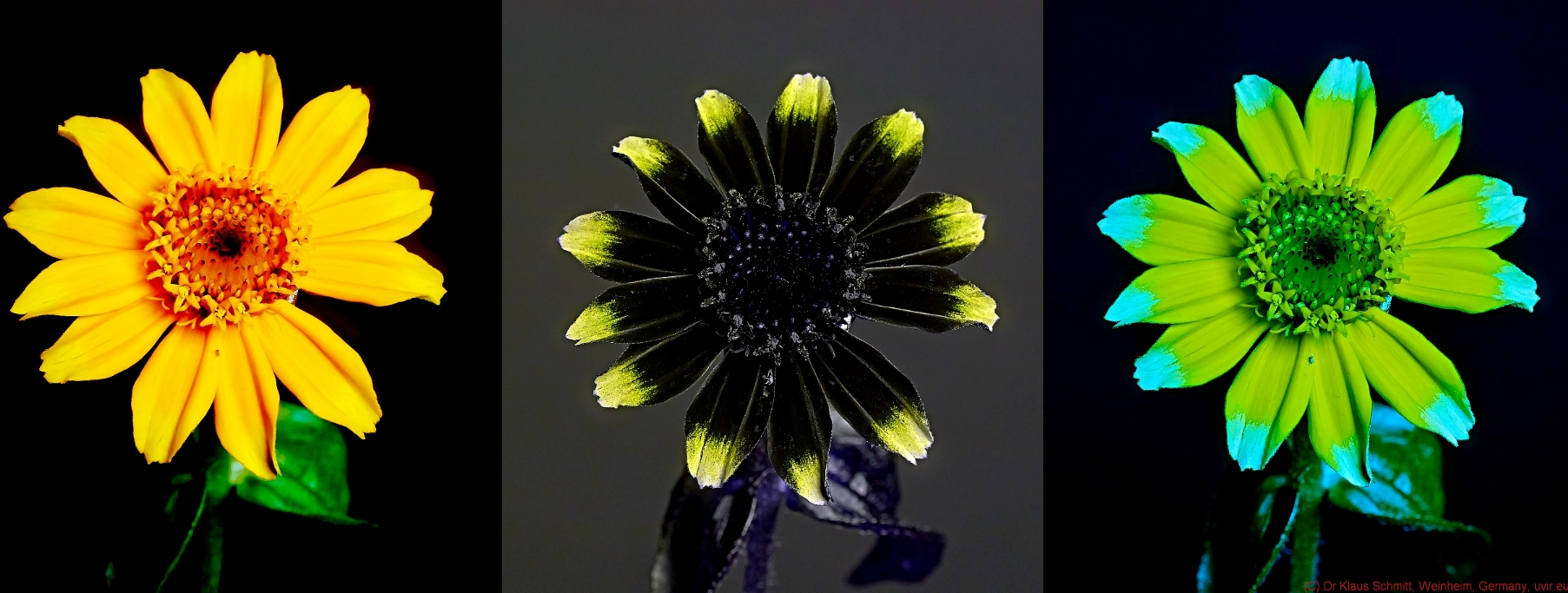
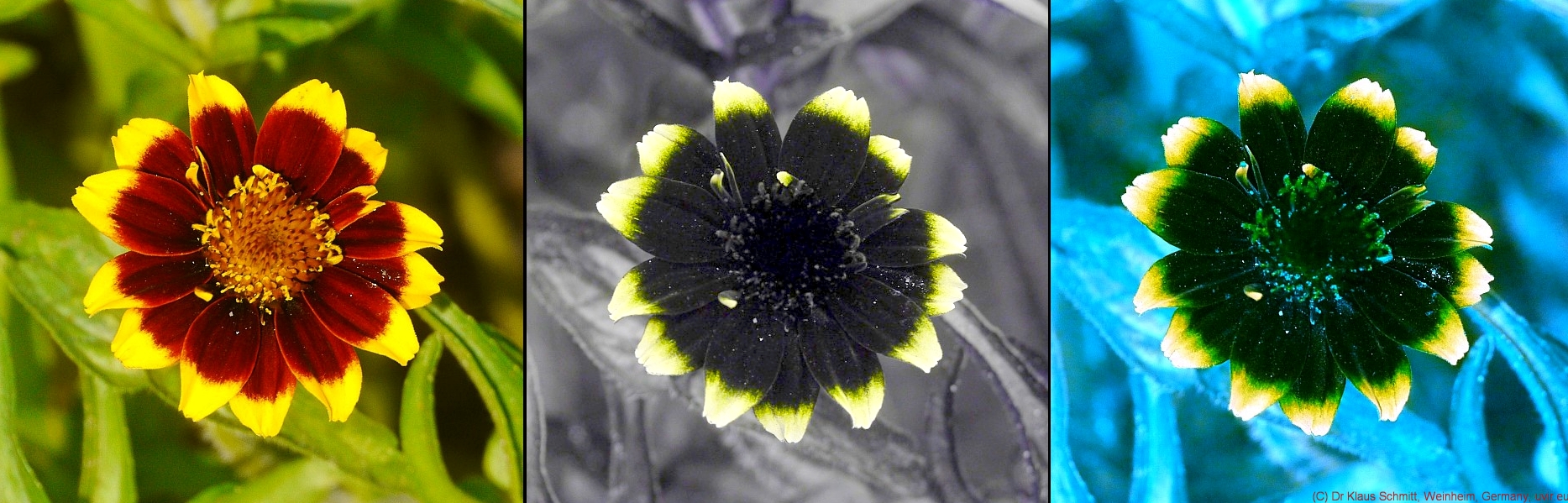
Zinnia haageana: Triptych of Human Vision, UV, Simulated Bee Vision (left to right):  

The exhibit shows in total some 150 large images and video presentations by the most famous nature photographers and is not only visually stunning, but also highly educative and suited for interested individuals as well as families and schools. Go have a look, it will be well worth it!

There is still a printed book available about it: Wunder der Natur, Die Intelligenz der Schöpfung ISBN/EAN: 9783837514629 (in German language)

I have written about that exhibit previously HERE

Stay tuned, more will follow on that fascinating subject...

Sunday, September 18, 2016

Gasometer Oberhausen Museum, Wonders of Nature Exhibit 2016 III

Gasometer Oberhausen exhibit "Wonders of Nature" has reached more that 500.000 visitors so far and has just announced to extend the exhibit until 30.12.2016!

My contribution are some images of a Zinnia haageana flower in large prints, on display in their exhibition area below that globe, demonstrating the difference between our human vision, as well as a video presentation shown on LCD panel which originates from the BBC series "How to grow a planet - The hidden World of UV" which has several VIS and UV images of different flowers in it.

Printed image in background, LCD video display in foreground:


approx 3m / 9ft wide image:


Zinnia haageana: Triptych Human Vision, UV, Simulated Bee Vision (left to right):  

The exhibit shows in total some 150 large images and video presentations by the most famous nature photographers and is not only visually stunning, but also highly educative and suited for interested individuals as well as families and schools. Go have a look, over 500.000 have already seen it, it will be well worth it!

There is also a book available about it: Wunder der Natur, Die Intelligenz der Schöpfung ISBN/EAN: 9783837514629 (in German language)

I have written about that exhibit previously HERE

Stay tuned, more will follow on that fascinating subject...

Friday, July 15, 2016

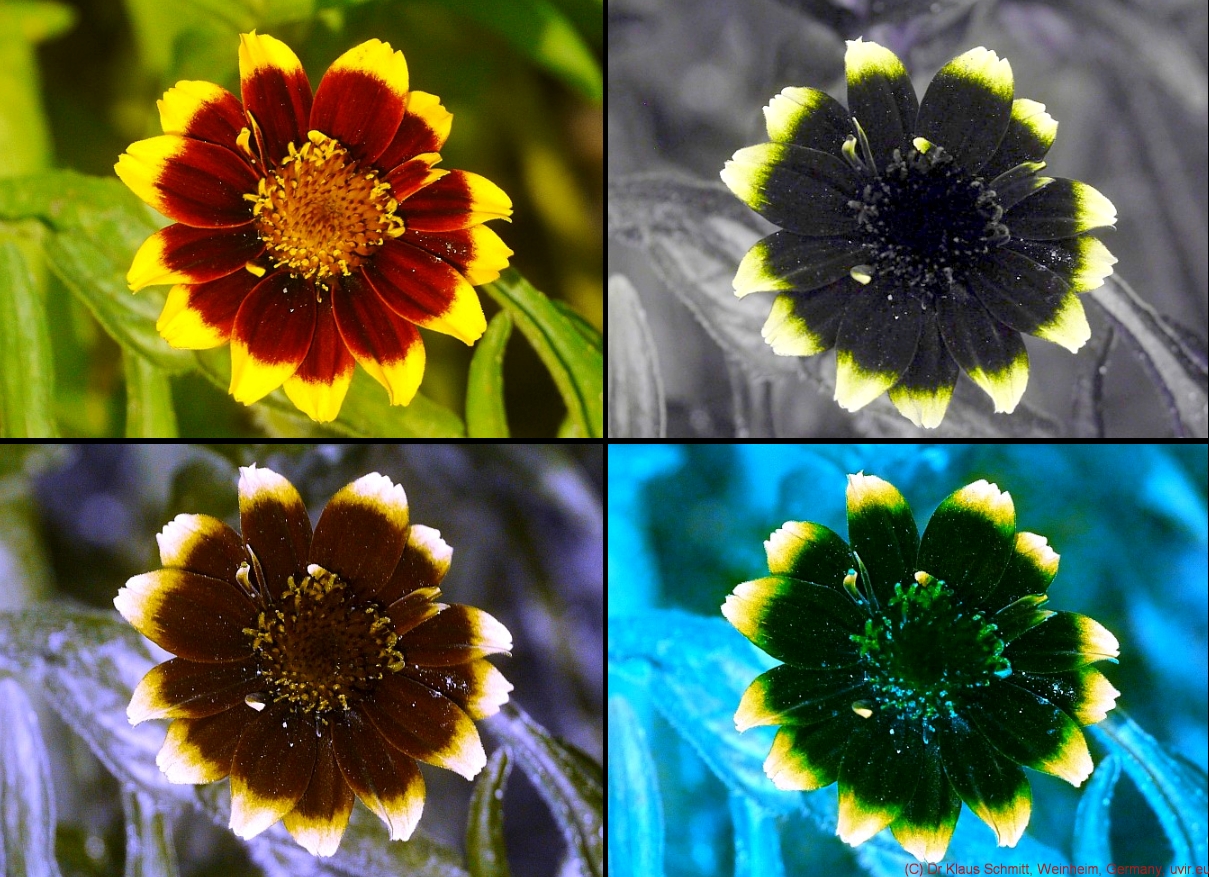
Mexican Zinnia - Zinnia haagenea in reflected ultraviolet photography and simulated butterfly and bee vision XXVI

Today first shots of a very decorative summer flower in 2016, Mexican Zinnia - Zinnia haagenea in reflected ultraviolet photography using my "work horse" UV filter, the Baader-U filter as well as in simulated butterfly and bee vision using my proprietary XBV filters. Lens was my UV-Nikkor 105mm quartz flourite lens. Light source was sunlight. All shots were done at f8.

[click on image to see a larger one]

Human vision:
 

Ultraviolet (UV):
 

Simulated butterfly vision:
 

Simulated bee vision:
 

Quadriptych (left to right, top to bottom): Human vision, UV, simulated butterfly vision, simulated bee vision:
 

Mexican Zinnia flowers have a very specific UV pattern. Their petals are very UV dark in the middle and bottom, their petal tips, however, are very UV bright (around 365nm outer tip), and all this gets nicely visible, also in simulated bee and butterfly vision.

I have previously written about those Zinnias HERE

Stay tuned, more will follow on that fascinating subject...

Saturday, March 12, 2016

Gasometer Oberhausen Museum, Wonders of Nature Exhibit 2016 II

Been at the vernissage and grand opening of the exhibit "Wonders of Nature" at Gasometer Oberhausen Museum where I participate with some of my works. It will be open to the public from March 11, 2016 until December 30, 2016. An impressive location it is, the highest Museum in Germany (116m high, 66m wide) showing some amazing exhibit areas inside:


My contribution are some images of a Zinnia haageana flower in large prints, on display in their exhibition area below that globe, demonstrating the difference between our human vision, as well as a video presentation shown on LCD panel which originates from the BBC series "How to grow a planet - The hidden World of UV" which has several VIS and UV images of different flowers in it.


Gasometer Oberhausen, video presentation of my works: visible and ultraviolet images of the same flowers, showing nectar guides, invisible to us humans, but visible to bees!
Posted by Klaus Schmitt on Friday, March 11, 2016

Printed image in background, LCD video display in foreground:


approx 3m / 9ft wide image:


Zinnia haageana: Triptych Human Vision, UV, Simulated Bee Vision (left to right):  

The exhibit shows in total some 150 large images and video presentations by the most famous nature photographers and is not only visually stunning, but also highly educative and suited for interested individuals as well as families and schools. Go have a look, it will be well worth it!

There is also a book available about it: Wunder der Natur, Die Intelligenz der Schöpfung ISBN/EAN: 9783837514629 (in German language)

I have written about that exhibit previously HERE

Stay tuned, more will follow on that fascinating subject...

Thursday, December 17, 2015

Gasometer Oberhausen Museum, Wonders of Nature Exhibit 2016

The project management of Gasometer Oberhausen Museum has asked me to participate with some of my works for their forthcoming 2016 exhibit "Wonders of Nature", which will open up its doors to the public March 11, 2016 and will last till December 30, 2016.

(quote) The forthcoming exhibition at Gasometer Oberhausen celebrates in visually stunning images the life of plants and animals – the highlight will be a 20 metre large terrestrial globe in the gigantic interior (unquote)

(c) Gasometer Oberhausen
My contribution will be some images of a Zinnia haageana flower in very large prints, on display in their exhibition area below that globe, demonstrating the difference between our human vision and a simulation of that of a honey bee.

Triptych Human Vision, UV, Simulated Bee Vision (left to right):  

I'm certain this exhibit will be visually stunning, as well as highly educative and suited for interested individuals as well as families and schools. Go have a look, it will be well worth it!

I have written about that flower HERE

Stay tuned, more will follow on that fascinating subject...

Wednesday, July 22, 2015

Mexican Zinnia - Zinnia haagenea in reflected ultraviolet photography XXIX

Today more shots of very decorative summer flowers, Mexican Zinnia - Zinnia haagenea in reflected ultraviolet photography using my "work horse" UV filter, the Baader-U filter. Lens was my ZEISS UV-Planar f2/62mm quartz flourite lens. Light source was sunlight. All shots were done at about f5.6.

[click on image to see a larger one]

Triptych (left to right): Human vision, reflected UV, simulated bee vision:
 

Mexican Zinnia flowers have very specific UV patterns. Their petals are very UV dark in the middle and bottom, their petal tips, however, are very UV bright (around 360nm outer tip, 350nm middle tip, 345nm border to dark), reaching deeper into UV as any other flower I know of, and all this gets nicely visible.

I have previously written about those Zinnias HERE

Stay tuned, more will follow on that fascinating subject...

Mexican Zinnia - Zinnia haagenea in reflected ultraviolet photography XXVIII

Today shots of very decorative summer flowers, Mexican Zinnia - Zinnia haageana in reflected ultraviolet photography using my "work horse" UV filter, the Baader-U filter. Lens was my ZEISS UV-Planar f2/62mm quartz flourite lens. Light source was sunlight. All shots were done at about f5.6.

[click on image to see a larger one]

Triptych (left to right): Human vision, reflected UV, simulated bee vision:
 

Mexican Zinnia flowers have very specific UV patterns. Their petals are very UV dark in the middle and bottom, their petal tips, however, are very UV bright (around 360nm outer tip, 350nm middle tip, 345nm border to dark), reaching deeper into UV as any other flower I know of, and all this gets nicely visible.

I have previously written about those Zinnias HERE

Stay tuned, more will follow on that fascinating subject...

Sunday, July 5, 2015

Mexican Zinnia - Zinnia haagenea in (deep) reflected ultraviolet photography XXVII

Today shots of very decorative summer flowers, Mexican Zinnia - Zinnia haagenea in reflected ultraviolet photography using my "work horse" UV filter, the Baader-U filter as well as a 340nm short pass filter for deep(er) UV photography. Lens was my CERCO 94mm quartz flourite lens. Light source was sunlight. All shots were done at about f5.6.

[click on image to see a larger one]

Triptych (left to right): Human vision, reflected UV (320-395nm), deep reflected UV (320-340nm):
 

Mexican Zinnia flowers have very specific UV patterns which reach quite deep into UV. Their petals are very UV dark in the middle and bottom, their petal tips, however, are very UV bright (here around 370nm outer tip, 365nm middle tip). Deeper UV photography reveals, that the outer tip part reaches even deeper into UV, deeper as any other flower I know of, and all this gets nicely visible.

I have previously written about those Zinnias HERE

Stay tuned, more will follow on that fascinating subject...

Saturday, July 4, 2015

Mexican Zinnia - Zinnia haagenea in reflected ultraviolet photography XXVI

Today shots of very decorative summer flowers, Mexican Zinnia - Zinnia haagenea in reflected ultraviolet photography using my "work horse" UV filter, the Baader-U filter. Lens was my CERCO 94mm quartz flourite lens. Light source was sunlight. All shots were done at about f5.6.

[click on image to see a larger one]

Quadriptych (left to right, top to bottom each): Human vision, reflected UV:


Mexican Zinnia flowers have very specific UV patterns and here, although their visible representations look very differently, their reflected UV pattern is nearly the same. Their petals are very UV dark in the middle and bottom, their petal tips, however, are very UV bright (around 370nm outer tip, 365nm middle tip, 350nm border to dark), reaching deeper into UV as any other flower I know of, and all this gets nicely visible.

I have previously written about those Zinnias HERE

Stay tuned, more will follow on that fascinating subject...

Friday, July 3, 2015

Mexican Zinnia - Zinnia haagenea in reflected ultraviolet photography and simulated butterfly and bee vision XXV

Today more shots of a very decorative summer flower, Mexican Zinnia - Zinnia haagenea in reflected ultraviolet photography using my "work horse" UV filter, the Baader-U filter as well as in simulated butterfly and bee vision using my proprietary XBV filters. Lens was my CERCO 94mm quartz flourite lens. Light source was sunlight. All shots were done at about f5.6.

[click on image to see a larger one]

Quadriptych (left to right, top to bottom): Human vision, UV, simulated butterfly vision, simulated bee vision:
 

Triptych (left to right): Human vision, UV, simulated bee vision:
 

Triptych (left to right): Human vision, simulated butterfly vision, simulated bee vision:
 

Mexican Zinnia flowers have a very specific UV pattern. Their petals are very UV dark in the middle and bottom, their petal tips, however, are very UV bright (around 370nm outer tip, 365nm middle tip, 350nm border to dark), reaching deeper into UV as any other flower I know of, and all this gets nicely visible.

I have previously written about those Zinnias HERE

Stay tuned, more will follow on that fascinating subject...

Mexican Zinnia - Zinnia haagenea in reflected ultraviolet photography and simulated butterfly and bee vision XXIV

Today some shots of a very decorative summer flower, Mexican Zinnia - Zinnia haagenea in reflected ultraviolet photography using my "work horse" UV filter, the Baader-U filter as well as in simulated butterfly and bee vision using my proprietary XBV filters. Lens was my CERCO 94mm quartz flourite lens. Light source was sunlight. All shots were done at about f5.6.

[click on image to see a larger one]

Quadriptych (left to right, top to bottom): Human vision, UV, simulated butterfly vision, simulated bee vision:
 

Triptych (left to right): Human vision, UV, simulated bee vision:
 

Triptych (left to right): Human vision, simulated butterfly vision, simulated bee vision:
 

Mexican Zinnia flowers have a very specific UV pattern. Their petals are very UV dark in the middle and bottom, their petal tips, however, are very UV bright (around 370nm outer tip, 365nm middle tip, 350nm border to dark), reaching deeper into UV as any other flower I know of, and all this gets nicely visible.

I have previously written about those Zinnias HERE

Stay tuned, more will follow on that fascinating subject...

Mexican Zinnia - Zinnia haagenea in reflected ultraviolet photography and simulated butterfly and bee vision XXIII

Today some shots of a very decorative summer flower, Mexican Zinnia - Zinnia haagenea in reflected ultraviolet photography using my "work horse" UV filter, the Baader-U filter as well as in simulated butterfly and bee vision using my proprietary XBV filters. Lens was my CERCO 94mm quartz flourite lens. Light source was sunlight. All shots were done at about f5.6.

[click on image to see a larger one]

Quadriptych (left to right, top to bottom): Human vision, UV, simulated butterfly vision, simulated bee vision:
 

Triptych (left to right): Human vision, UV, simulated bee vision:
 

Triptych (left to right): Human vision, simulated butterfly vision, simulated bee vision:
 

Mexican Zinnia flowers have a very specific UV pattern. Their petals are very UV dark in the middle and bottom, their petal tips, however, are very UV bright (around 370nm left, 365nm right), reaching deeper into UV as any other flower I know of, and all this gets nicely visible.

I have previously written about those Zinnias HERE

Stay tuned, more will follow on that fascinating subject...

Monday, June 29, 2015

Mexican Zinnia - Zinnia haagenea in reflected ultraviolet photography and simulated butterfly and bee vision XXII

Today some shots of a very decorative summer flower, Mexican Zinnia - Zinnia haagenea in reflected ultraviolet photography using my "work horse" UV filter, the Baader-U filter as well as in simulated butterfly and bee vision using my proprietary XBV filters. Lens was my CERCO 94mm quartz flourite lens. Light source was sunlight. All shots were done at about f5.6.

[click on image to see a larger one]

Quadriptych (left to right, top to bottom): Human vision, UV, simulated butterfly vision, simulated bee vision:
 

Triptych (left to right): Human vision, UV, simulated bee vision:
 

Triptych (left to right): Human vision, simulated butterfly vision, simulated bee vision:
 

Mexican Zinnia flowers have a very specific UV pattern. Their petals are very UV dark in the middle and bottom, their petal tips, however, are very UV bright (here around 365nm), reaching deeper into UV as any other flower I know of, and all this gets nicely visible.

I have previously written about those Zinnias HERE

Stay tuned, more will follow on that fascinating subject...

Thursday, June 26, 2014

Mexican Zinnia - Zinnia haagenea in reflected ultraviolet photography and simulated butterfly and bee vision XXI

Today now a summary of shots of some specimens of a very decorative summer flower, Mexican Zinnia - Zinnia haagenea in reflected ultraviolet photography using my "work horse" UV filter, the Baader-U filter as well as in simulated butterfly and bee vision using my proprietary XBV filters. Lens was my CERCO 94mm quartz flourite lens. Light source was sunlight. All shots were done at about f5.6.

[click on image to see a larger one]

Sequence of quadriptychs is (left to right, top to bottom): Human vision, UV, simulated butterfly vision, simulated bee vision:


Mexican Zinnia flowers have a very specific UV pattern. Their petals are very UV dark in the middle and bottom, but their petal tips are very UV bright, reaching much deeper into UV as any other flower I know (< 345nm), and all this gets nicely visible.


Stay tuned, more will follow on that fascinating subject...

Mexican Zinnia - Zinnia haagenea in reflected ultraviolet photography and simulated butterfly and bee vision XX

Today shots of another specimen of a very decorative summer flower, Mexican Zinnia - Zinnia haagenea in reflected ultraviolet photography using my "work horse" UV filter, the Baader-U filter as well as in simulated butterfly and bee vision using my proprietary XBV filters. Lens was my CERCO 94mm quartz flourite lens. Light source was sunlight. All shots were done at about f5.6.

[click on image to see a larger one]

Visible light image
 

UV image using Baader-U filter (approx. 320-395nm, effective peak approx. 375nm):  

Simulated butterfly vision image using XBV3 filter:  

Simulated bee vision image using XBV6 filter:  

Quadriptych of the above images:
 

Mexican Zinnia flowers have a very specific UV pattern. Their petals are very UV dark in the middle and bottom, but their petal tips are very UV bright, reaching much deeper into UV as any other flower I know (< 345nm), and all this gets nicely visible.


Stay tuned, more will follow on that fascinating subject...

Mexican Zinnia - Zinnia haagenea in reflected ultraviolet photography and simulated butterfly and bee vision XIX

Today shots of another specimen of a very decorative summer flower, Mexican Zinnia - Zinnia haagenea in reflected ultraviolet photography using my "work horse" UV filter, the Baader-U filter as well as in simulated butterfly and bee vision using my proprietary XBV filters. Lens was my CERCO 94mm quartz flourite lens. Light source was sunlight. All shots were done at about f5.6.

[click on image to see a larger one]

Visible light image
 

UV image using Baader-U filter (approx. 320-395nm, effective peak approx. 375nm):  

Simulated butterfly vision image using XBV3 filter:  

Simulated bee vision image using XBV6 filter:  

Quadriptych of the above images:
 

Mexican Zinnia flowers have a very specific UV pattern. Their petals are very UV dark in the middle and bottom, but their petal tips are very UV bright, reaching much deeper into UV as any other flower I know (< 345nm), and all this gets nicely visible.


Stay tuned, more will follow on that fascinating subject...