Showing posts with label Uranus-U. Show all posts

Tuesday, July 22, 2014

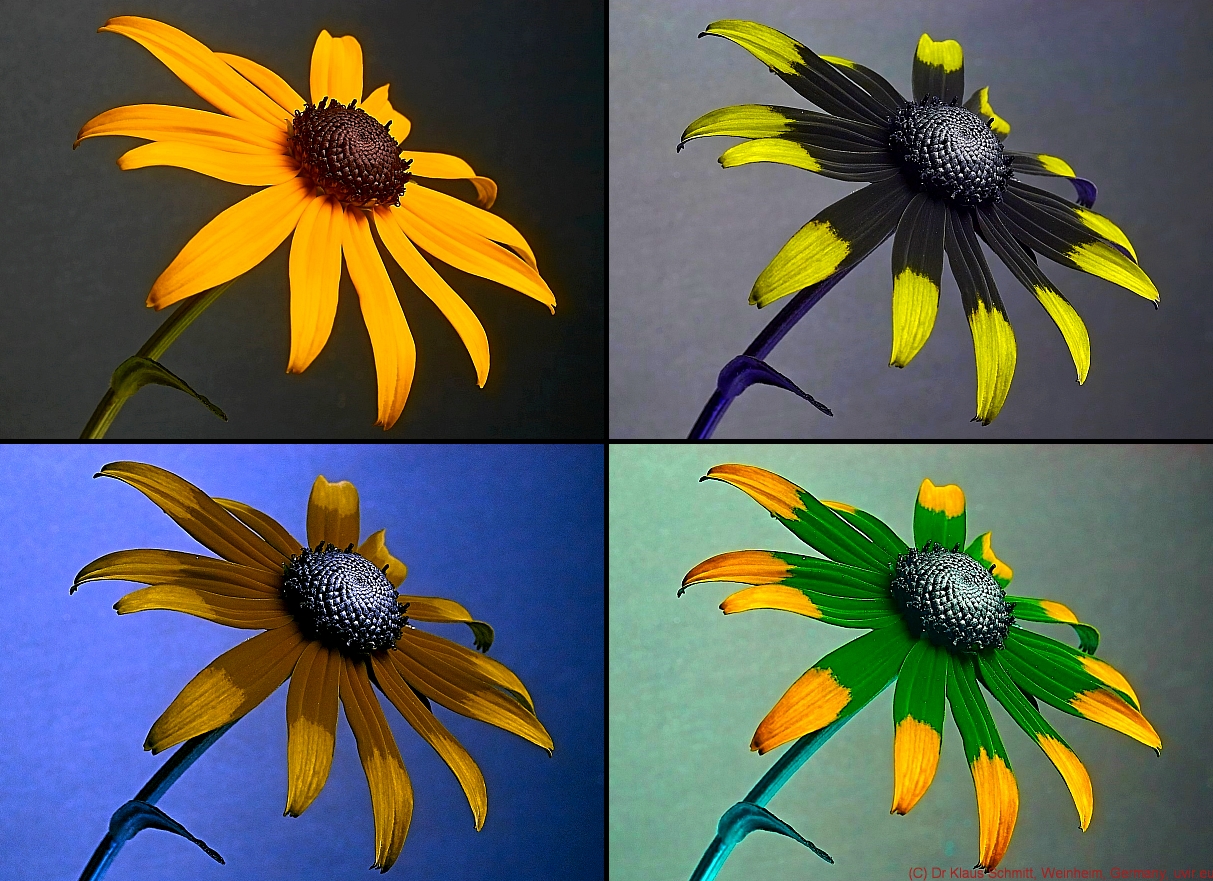
Orange coneflower - Rudbeckia fulgida in reflected deep ultraviolet photography and simulated butterfly and bee vision X

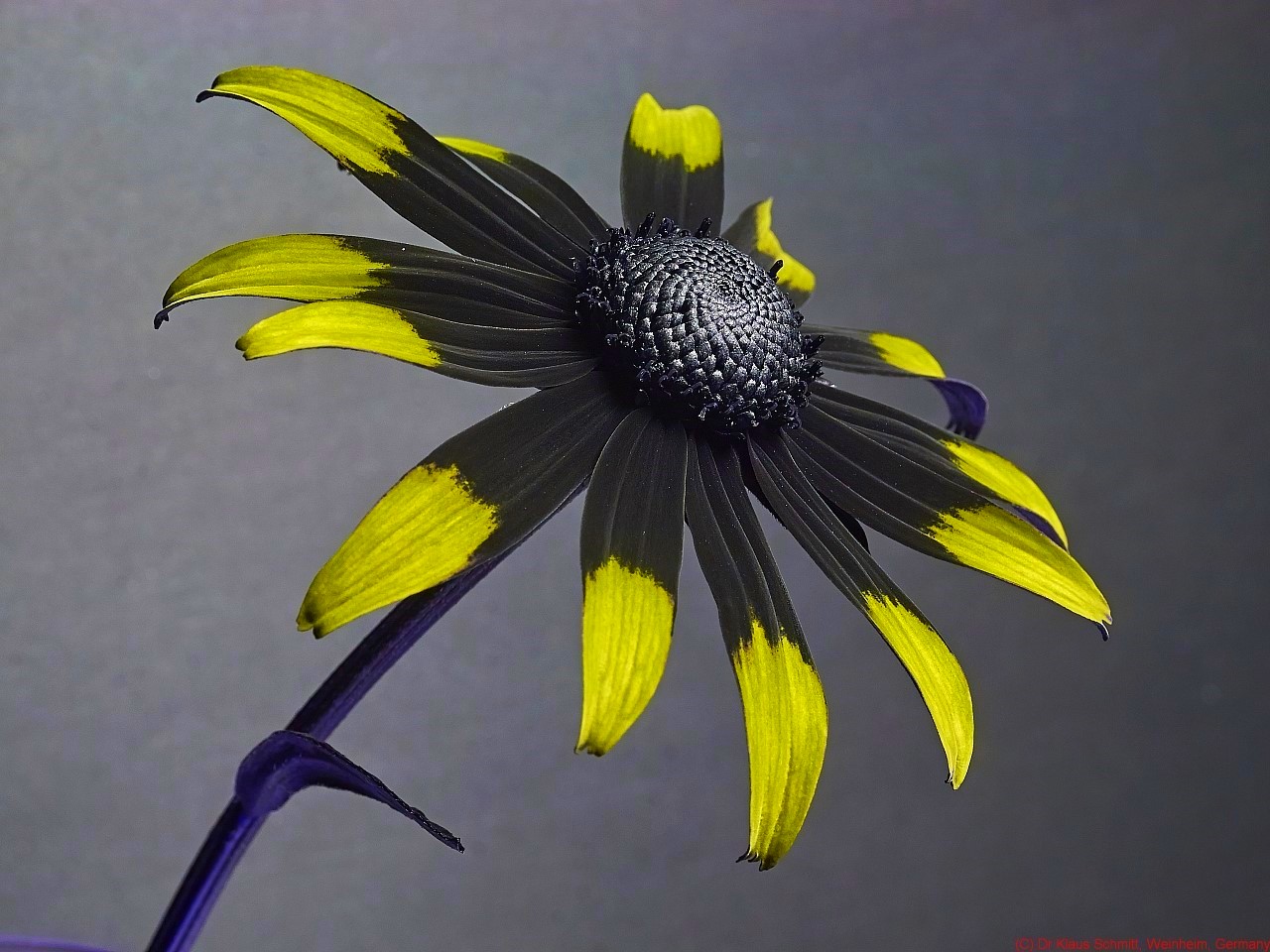
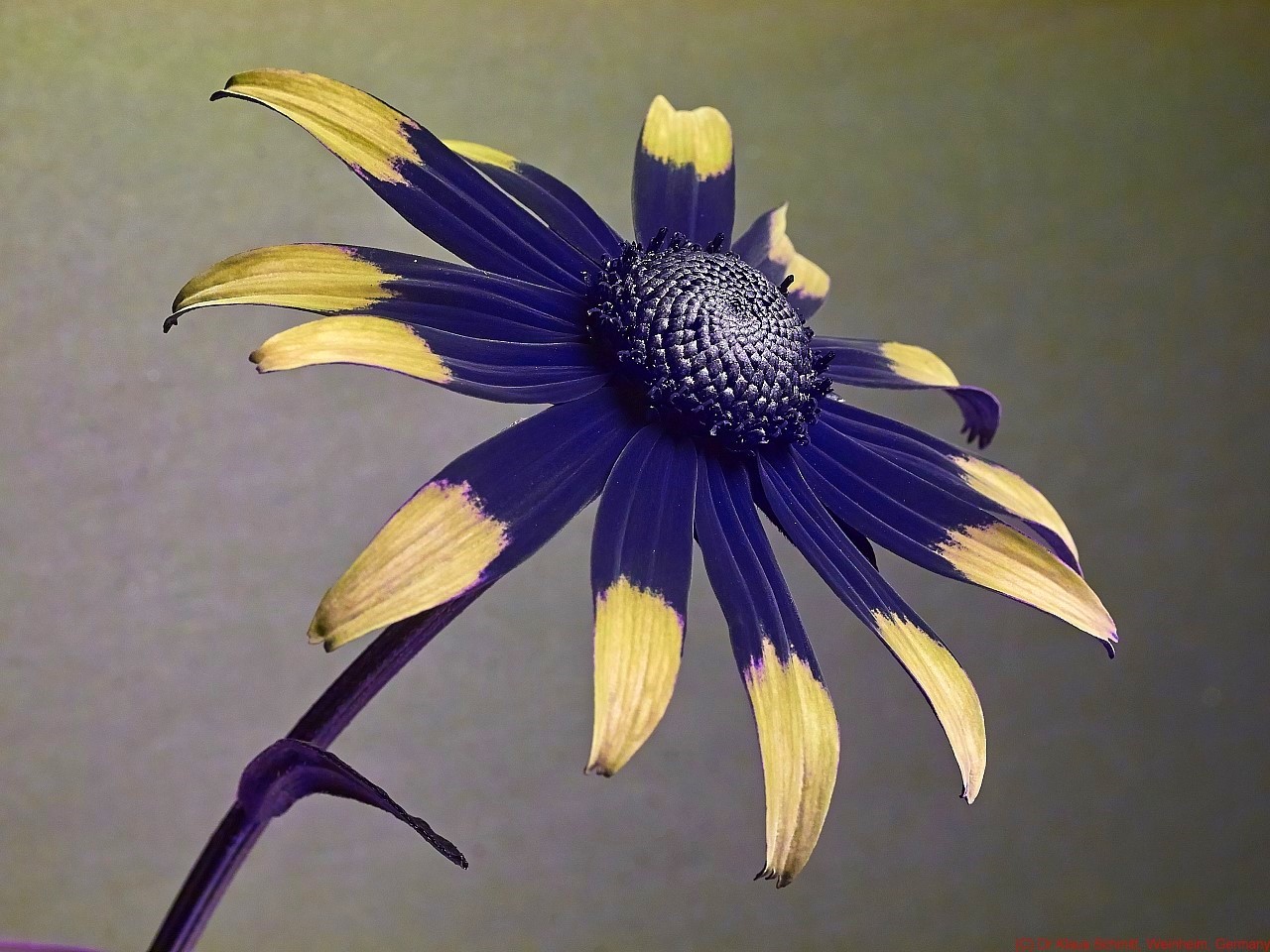
Today lab shots of a decorative summer flower which started to bloom on my balcony, Orange coneflower - Rudbeckia fulgida in reflected ultraviolet photography using my "work horse" UV filter, the Baader-U, Jupiter-U, Saturn-U and Uranus-U deep UV filter, as well as in simulated butterfly and bee vision using my proprietary XBV filters. Lens was my CERCO 94mm quartz flourite lens. Light source was a modified Xenon flash. All shots were done at about f8.

[click on image to see a larger one]

Visible light image
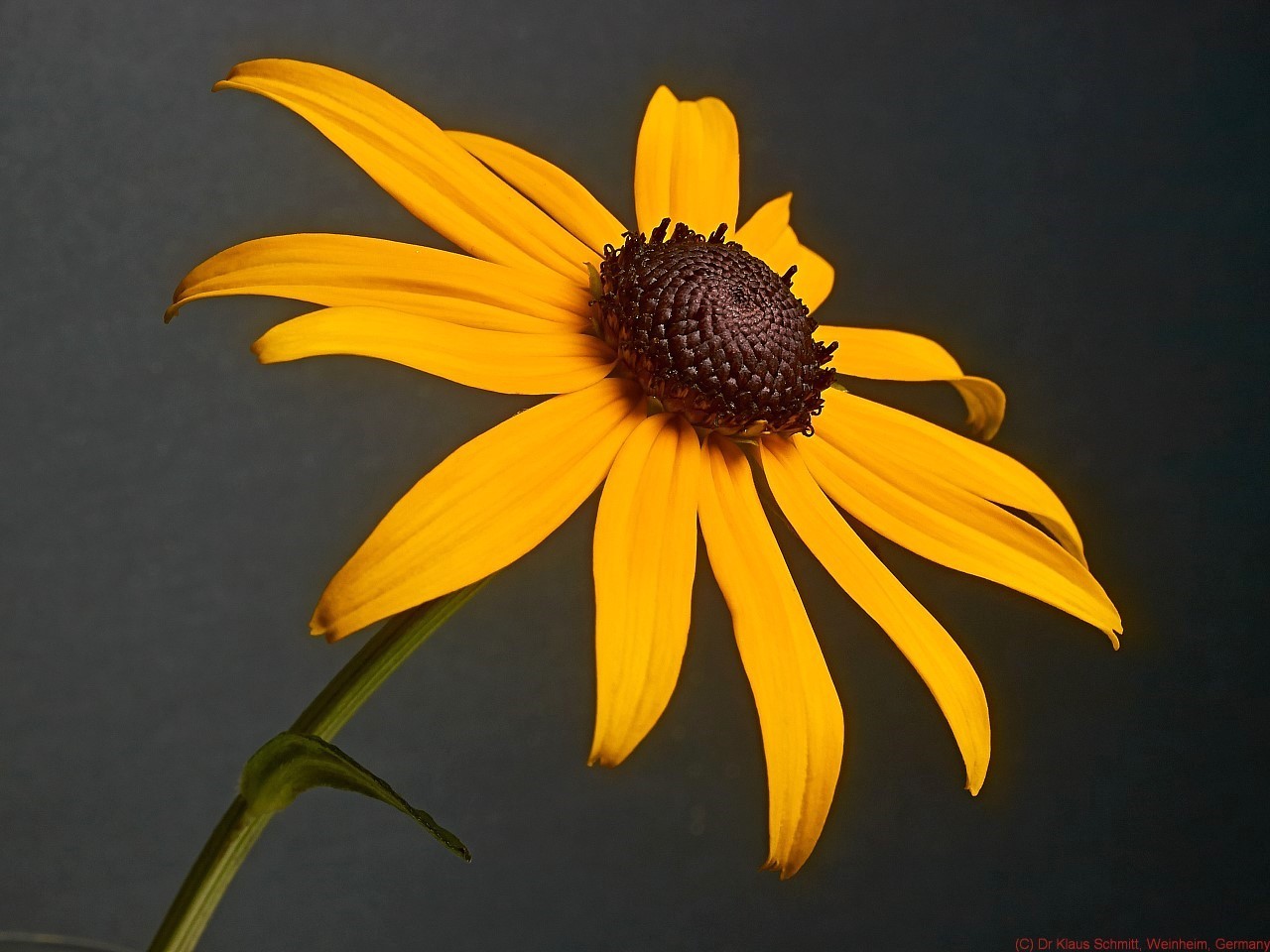
 

UV image using Baader-U filter (approx. 320-395nm, effective peak approx. 375nm):  
UV image using Jupiter-U filter (approx. 280-385nm, effective peak approx. 365nm):
 

UV image using Saturn-U filter (approx. 300-350nm, effective peak approx. 325nm):
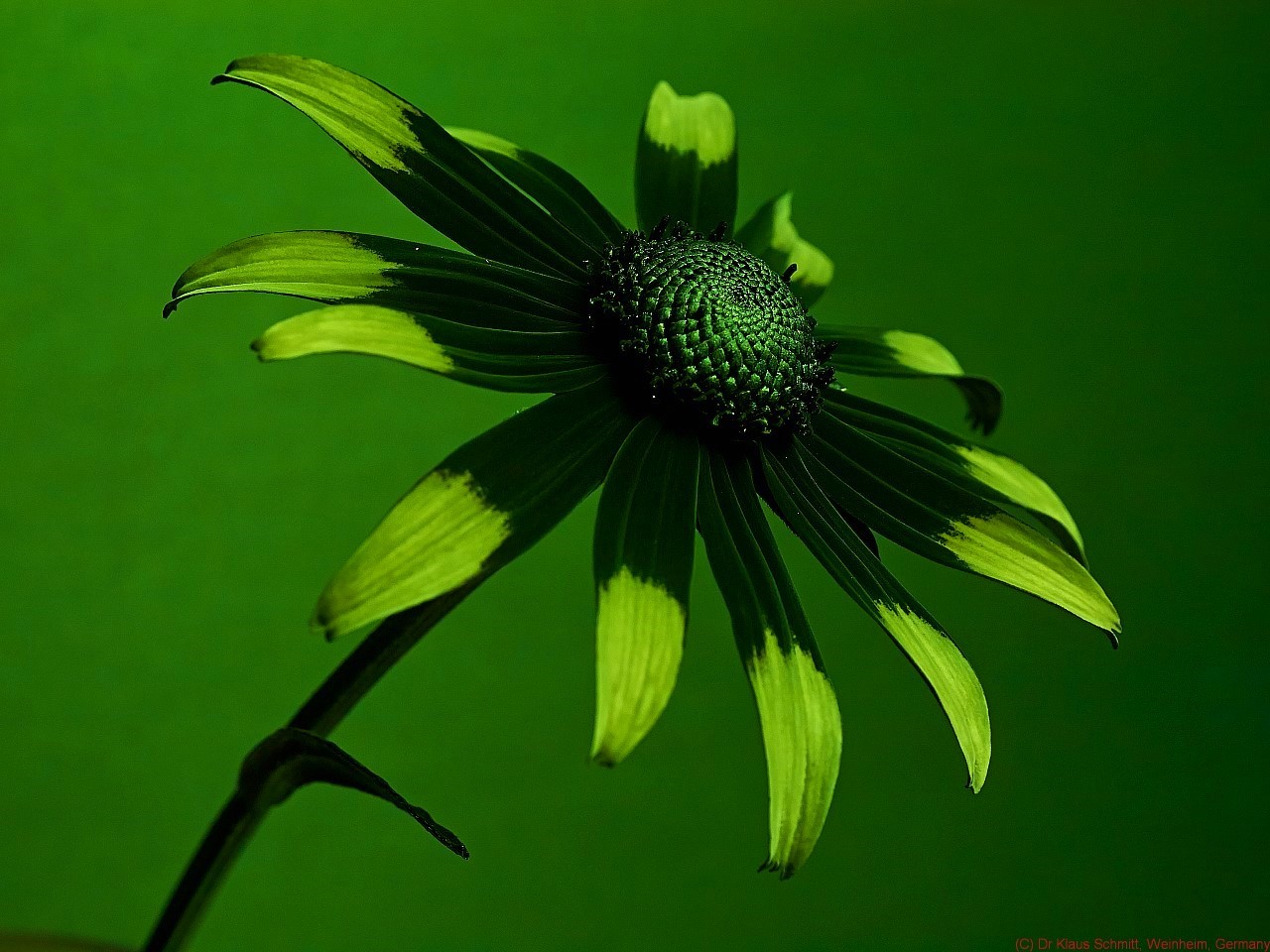
 

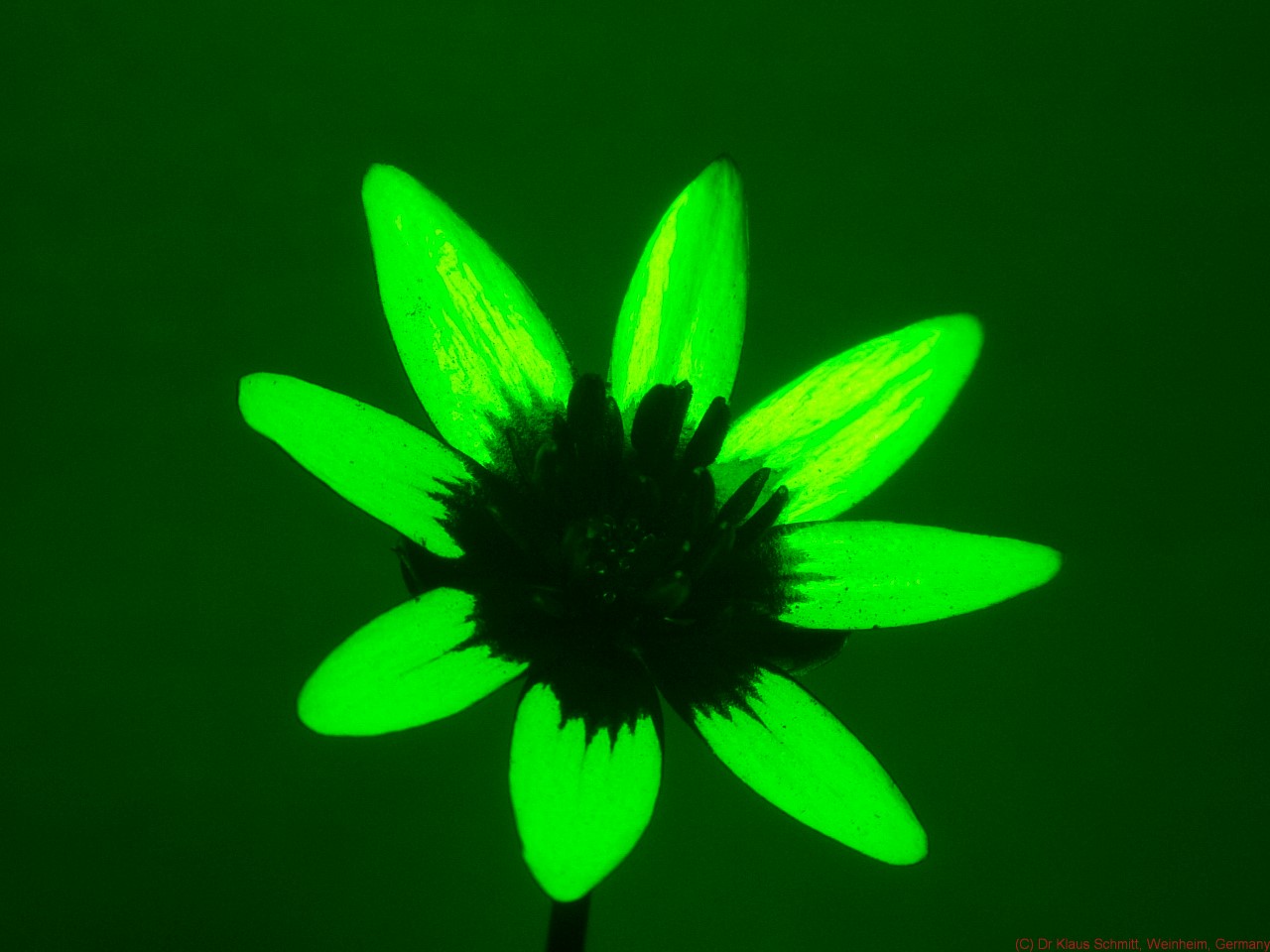
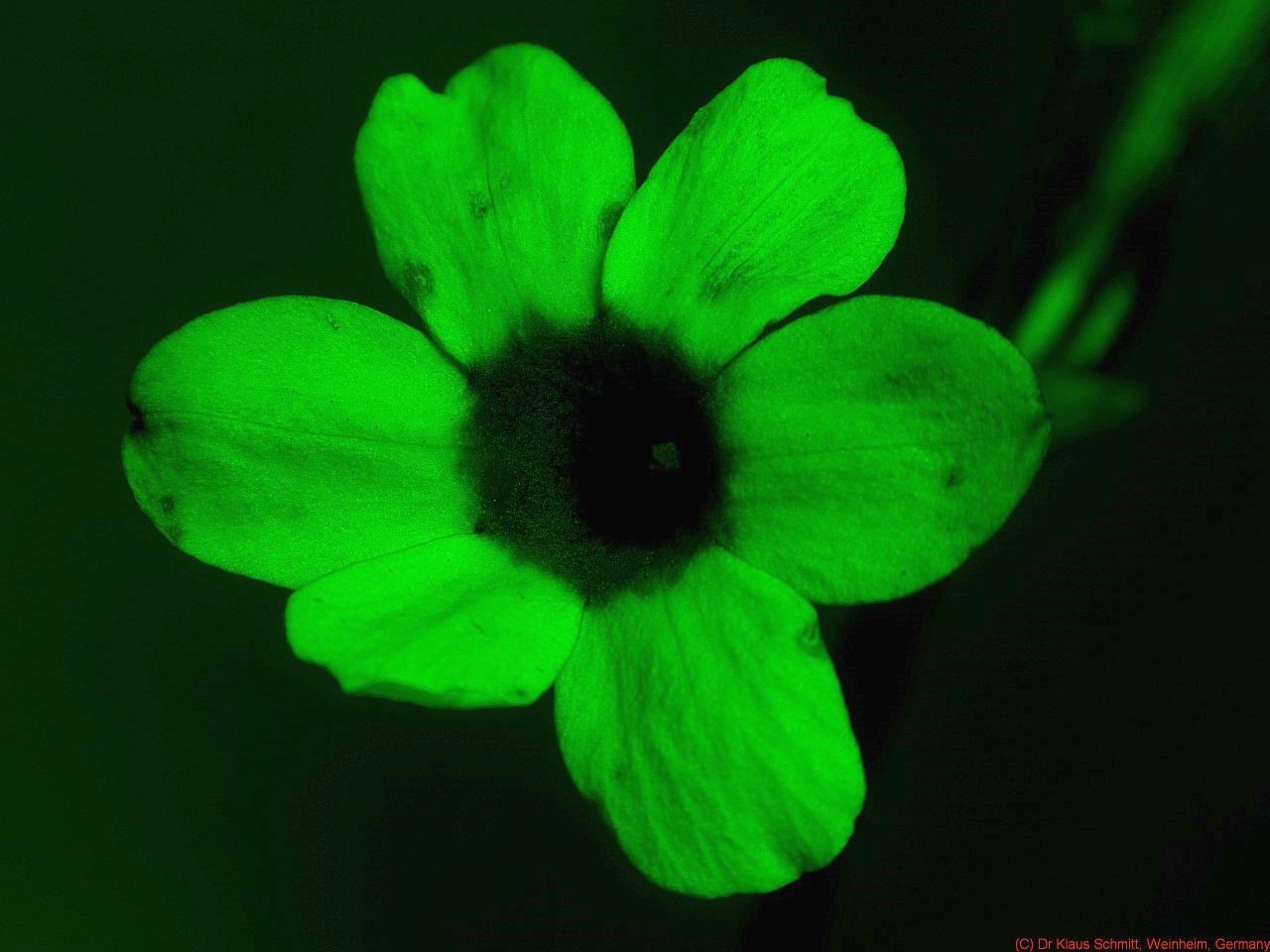
UV image using Uranus-U filter (approx. 270-320nm, effective peak approx. 315nm):
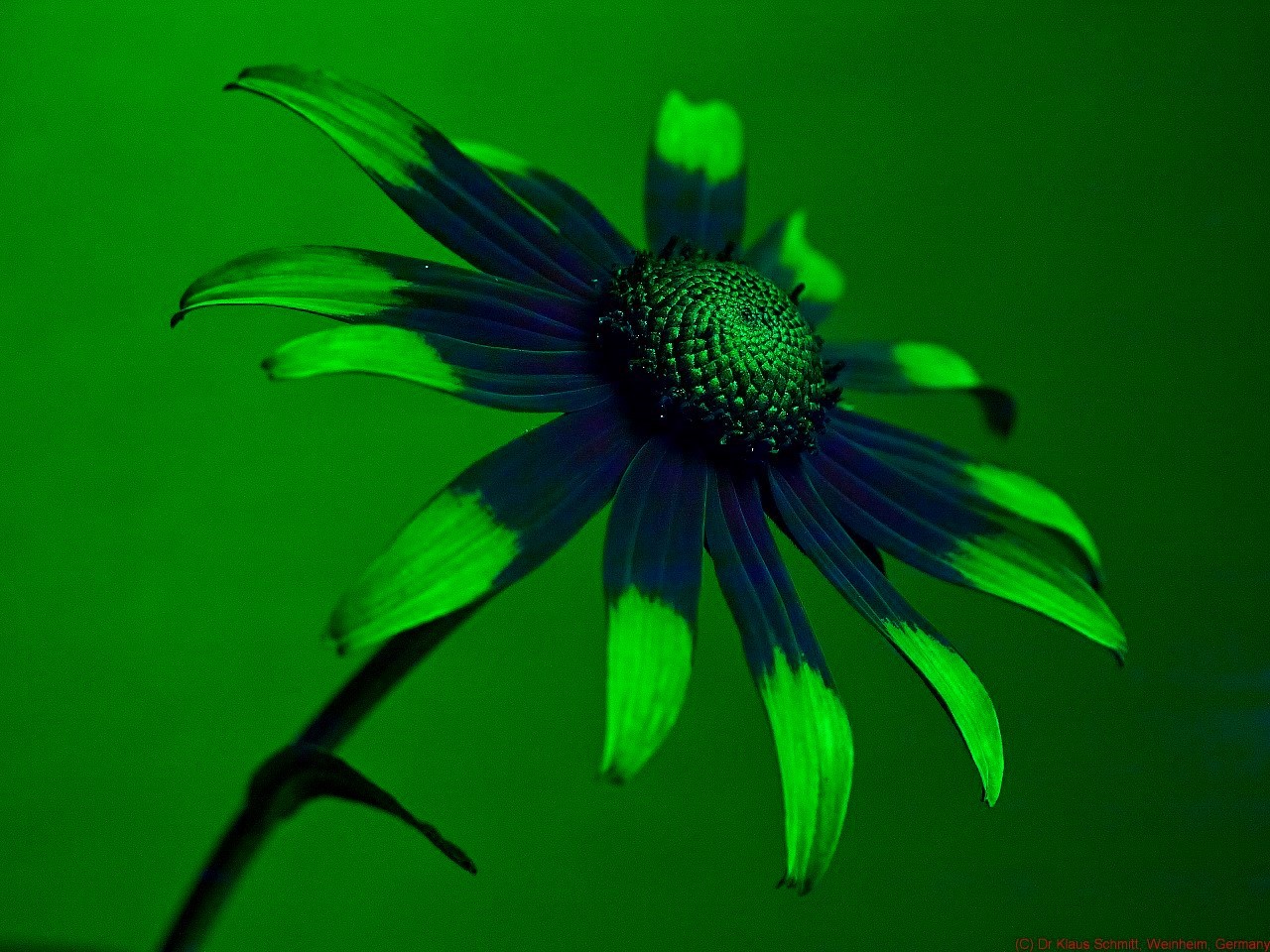
 

Simulated butterfly vision image using XBV3 filter:  
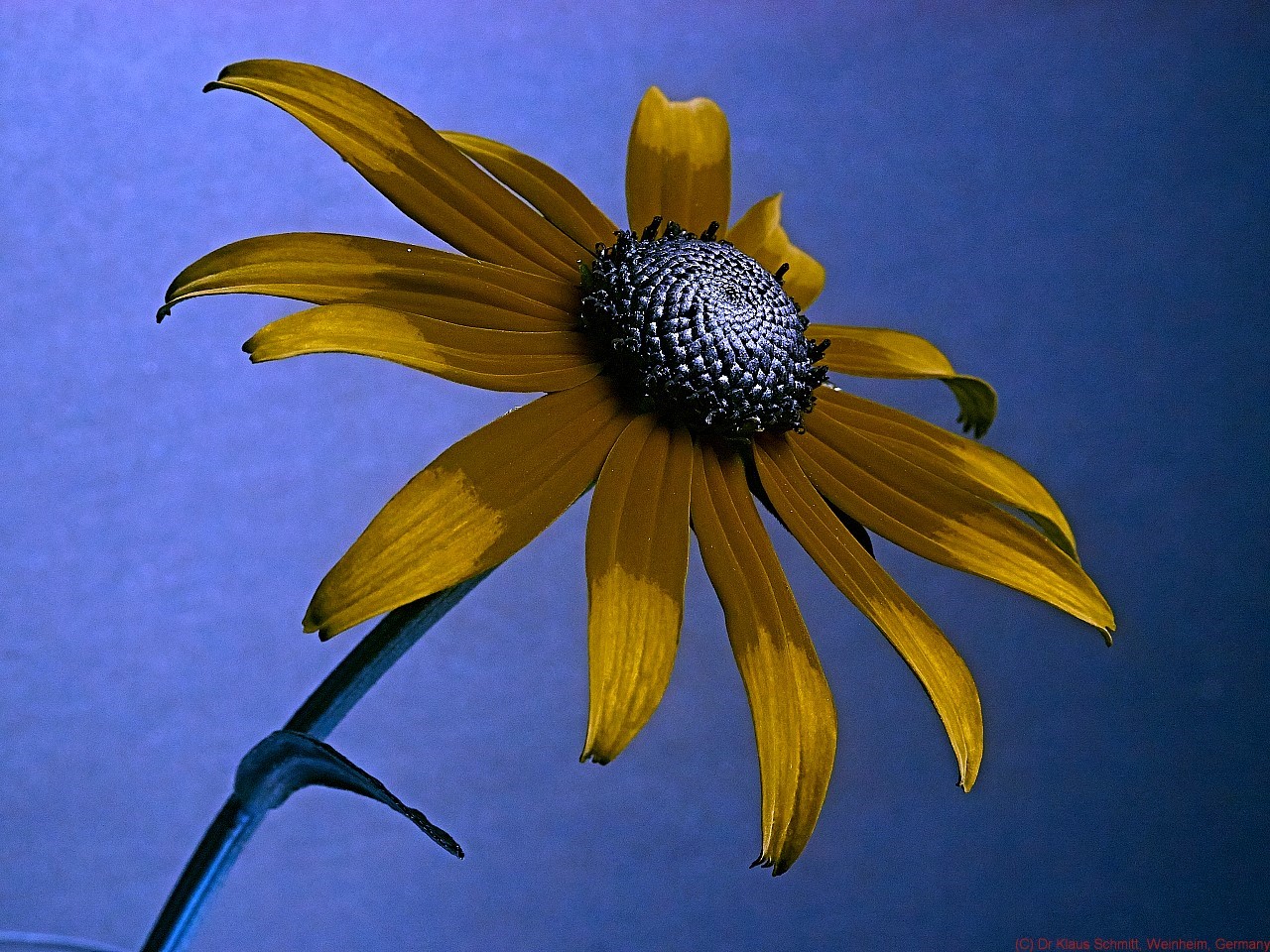
Simulated bee vision image using XBV6 filter:  
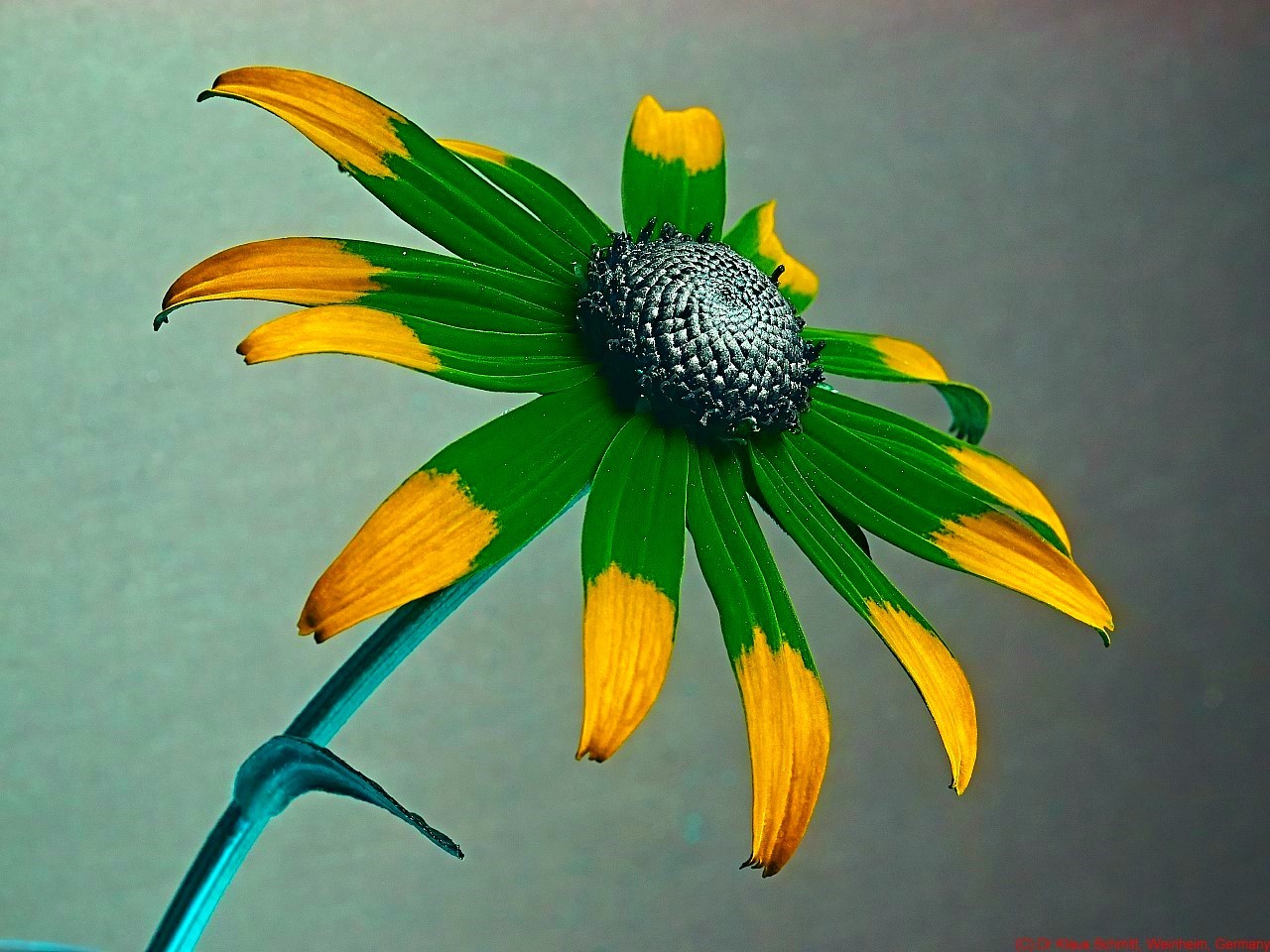
Quadriptych of the above (with bee/butterfly vision):
 

Quadriptych of the above (with deep UV):
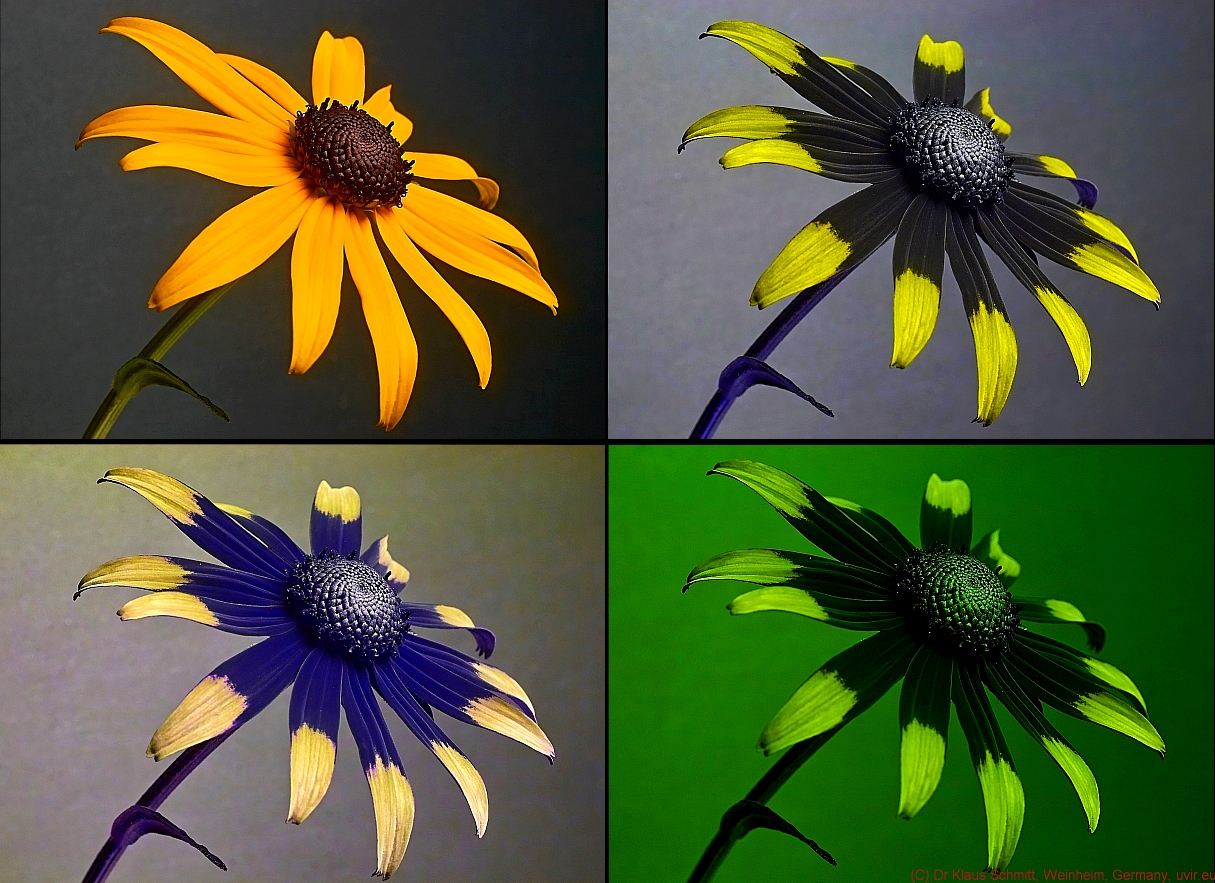
 

This attractive flower shows its very prominent UV bullseye pattern, its petals have an UV dark bottom and very UV bright tips (around 365nm), invisible to us humans, and all this gets nicely visible.


Stay tuned, more will follow on that fascinating subject...

Thursday, March 6, 2014

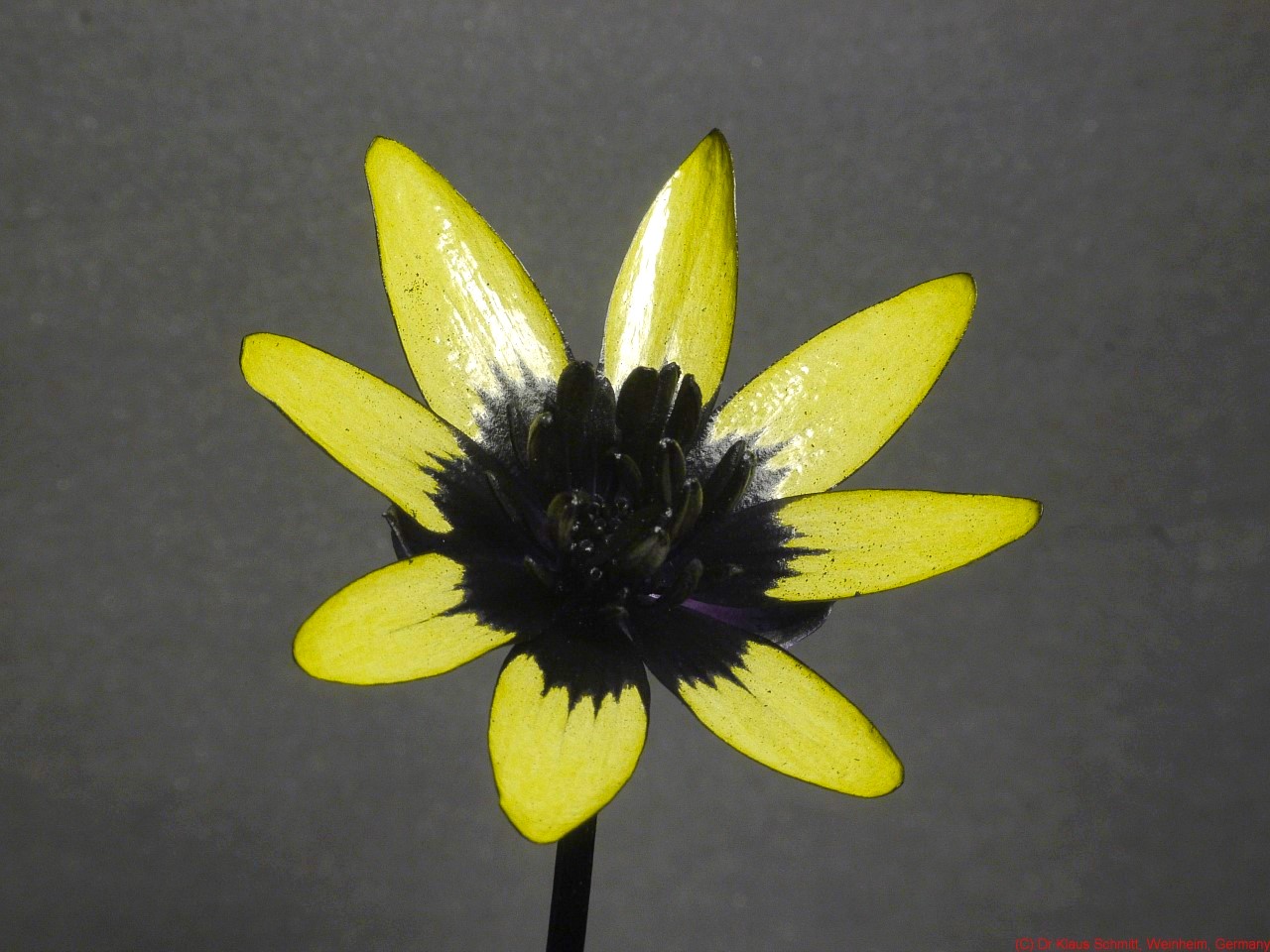
Spring Flowers 2014: Ranunculus ficaria - Lesser Celandine - 80mm Quartz Fluorite lens for deep reflected ultraviolet photography

Here today deep UV studio shots of the well known Ranunculus ficaria - Lesser Celandine early spring flower. Shots were done aside from visible photography in reflected ultraviolet using Baader-U filter as well as several UV only transmitting narrowband filters. Lens used my X80QF f3.2 / 80mm Quartz Fluorite lens. Light source was a modified Xenon flash. All shots were done at approx. f11.

[click on image to see a larger one]

Visible light image:  

UV image using Baader-U filter (approx. 320-395nm, effective peak approx. 375nm):  

UV image using Jupiter-U filter (approx. 280-385nm, effective peak approx. 365nm):  

UV image using Saturn-U filter (approx. 300-350nm, effective peak approx. 325nm):  

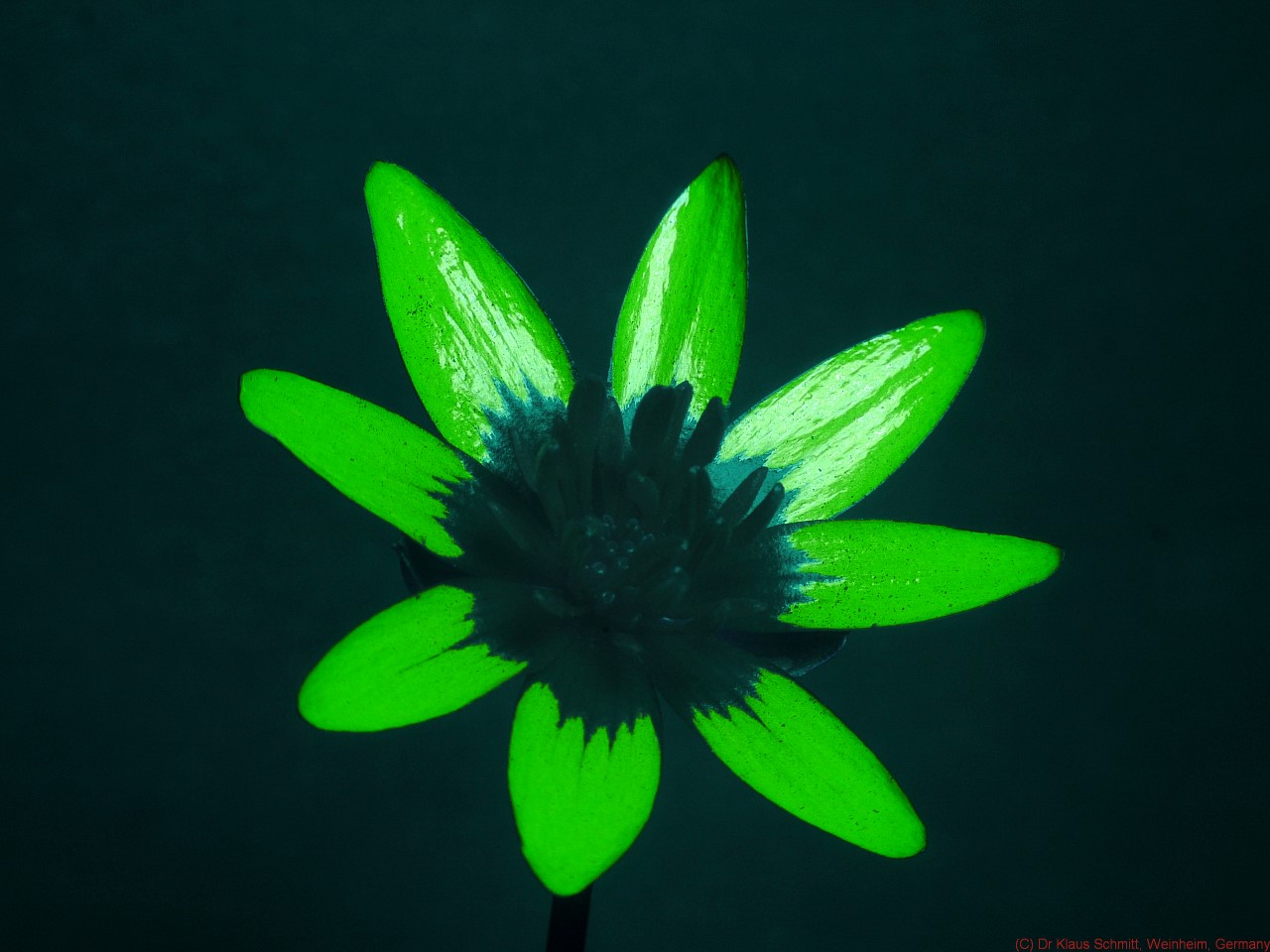
UV image using Uranus-U filter (approx. 300-325nm, effective peak approx. 313nm):  

UV image using Neptun-U filter (approx. 290-330nm, effective peak approx. 310nm):  

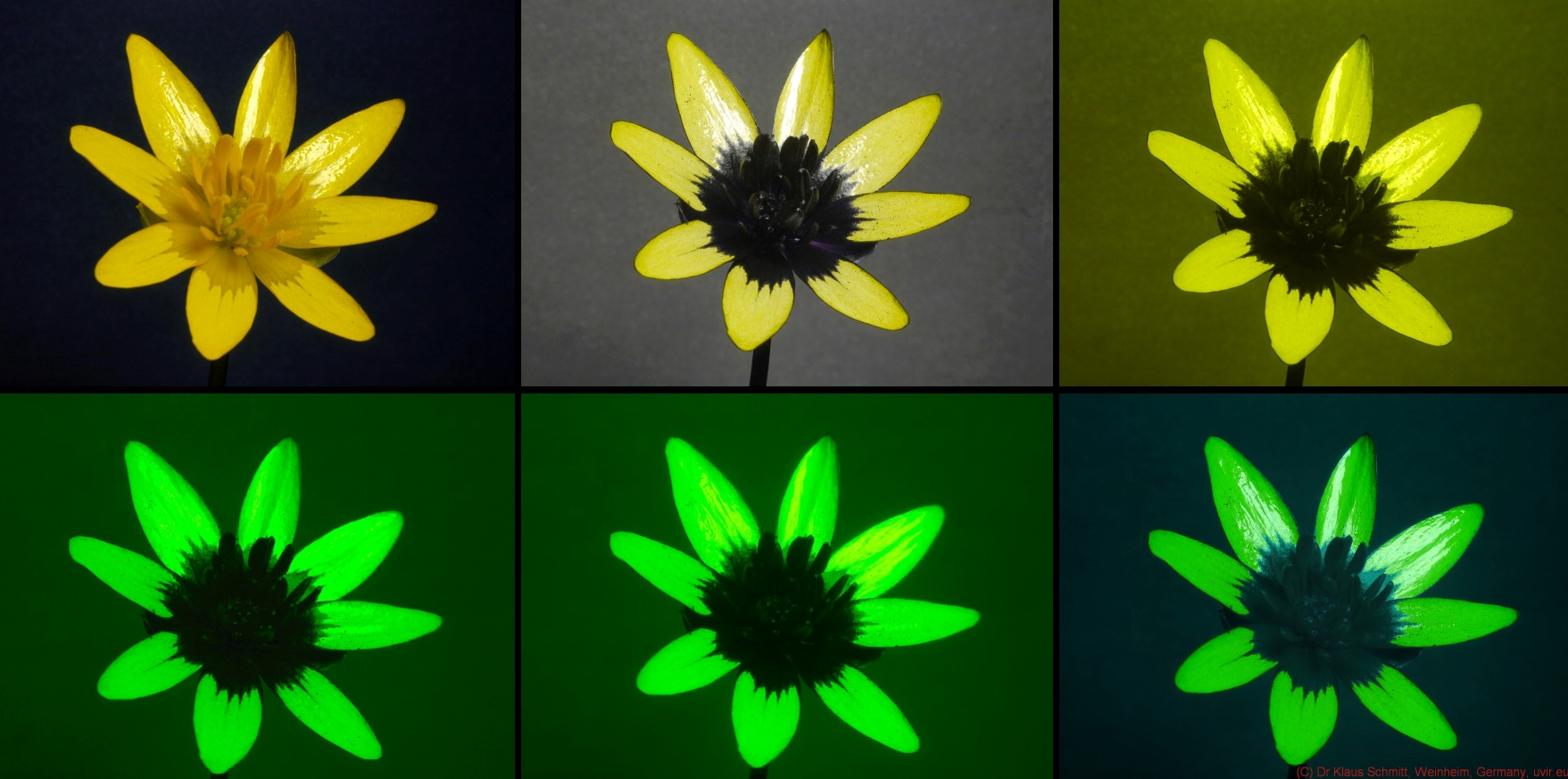
Hexaptych of the above images:  


This Lesser Celandine flower has a well known bulls-eye UV pattern, this time down to 300nm and beyond. Its center is UV dark, but its petals are strong UV reflective around 365nm, ie. UV bright, both invisible to us humans. The X80QF apo quartz fluorite lens makes all that nicely visible.


Stay tuned, more will follow on that fascinating subject...

Saturday, March 1, 2014

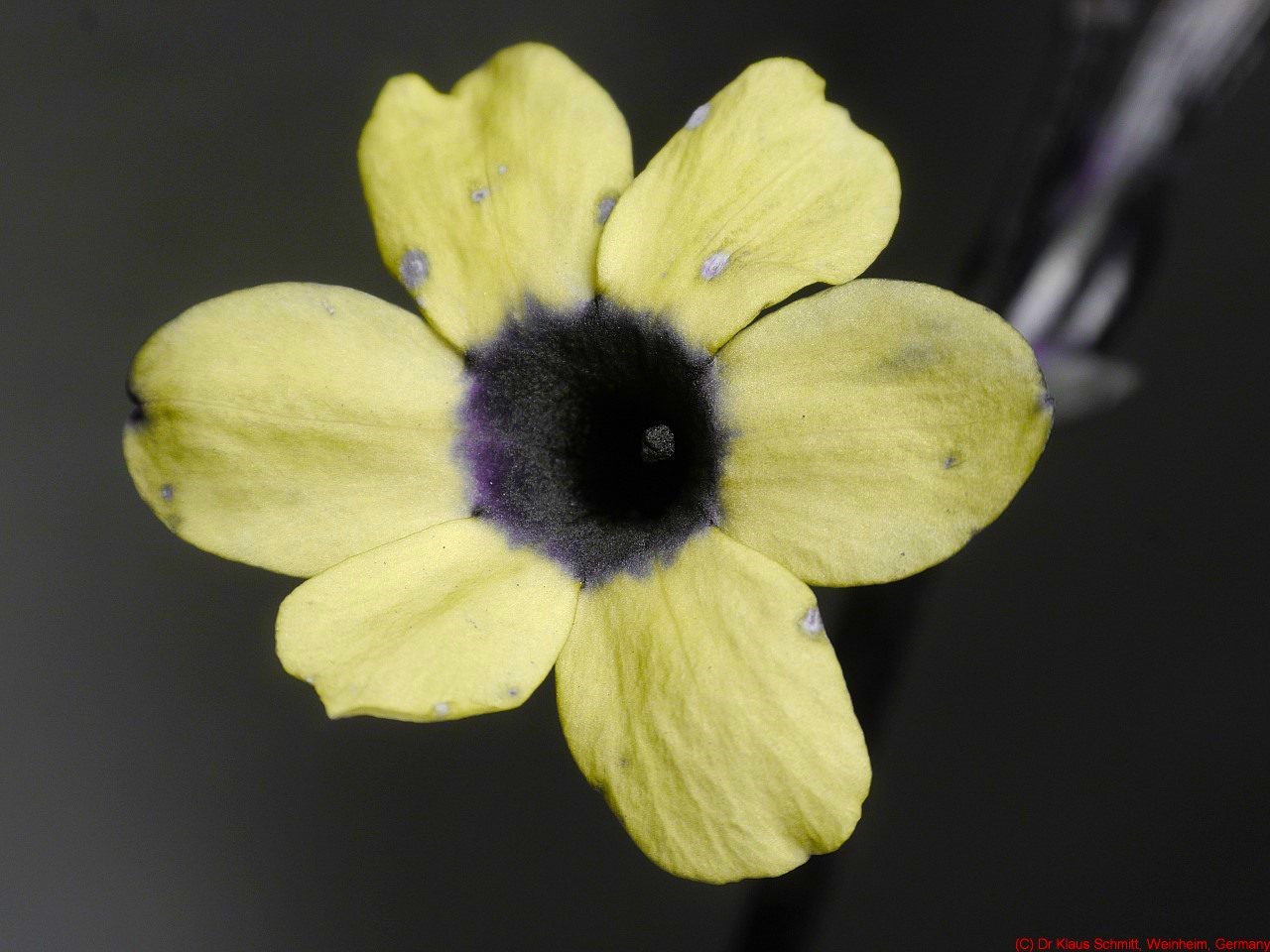
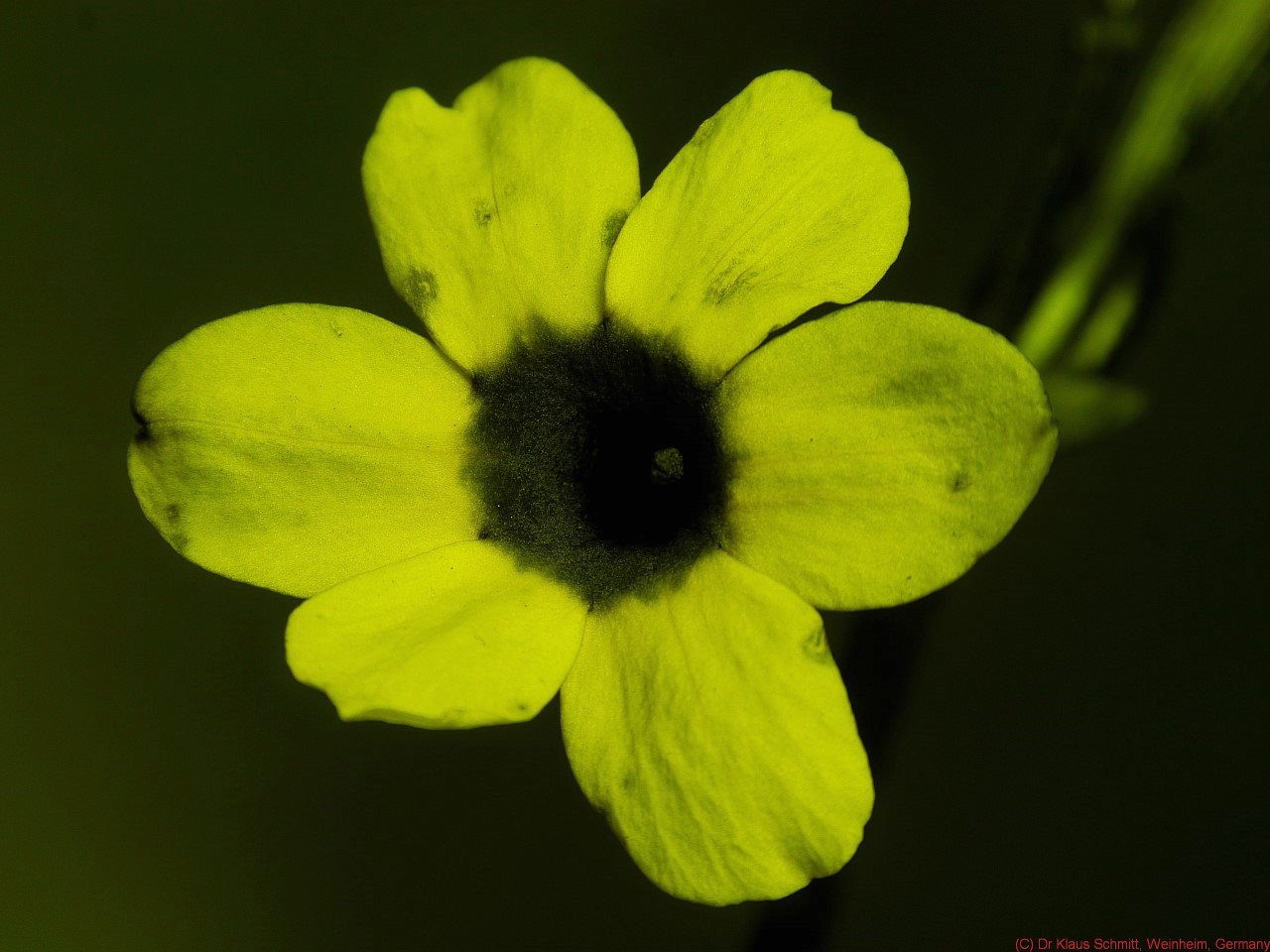
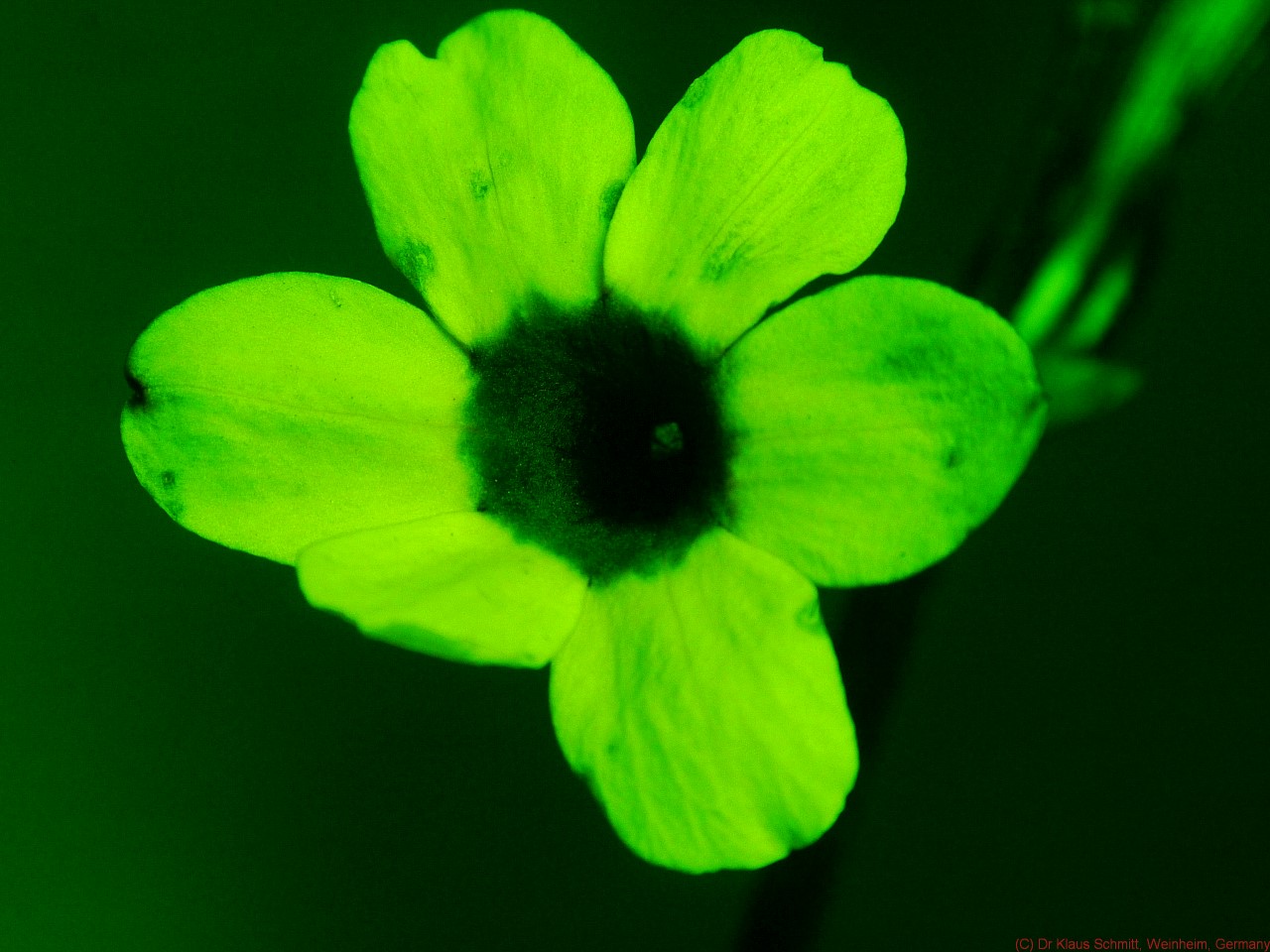
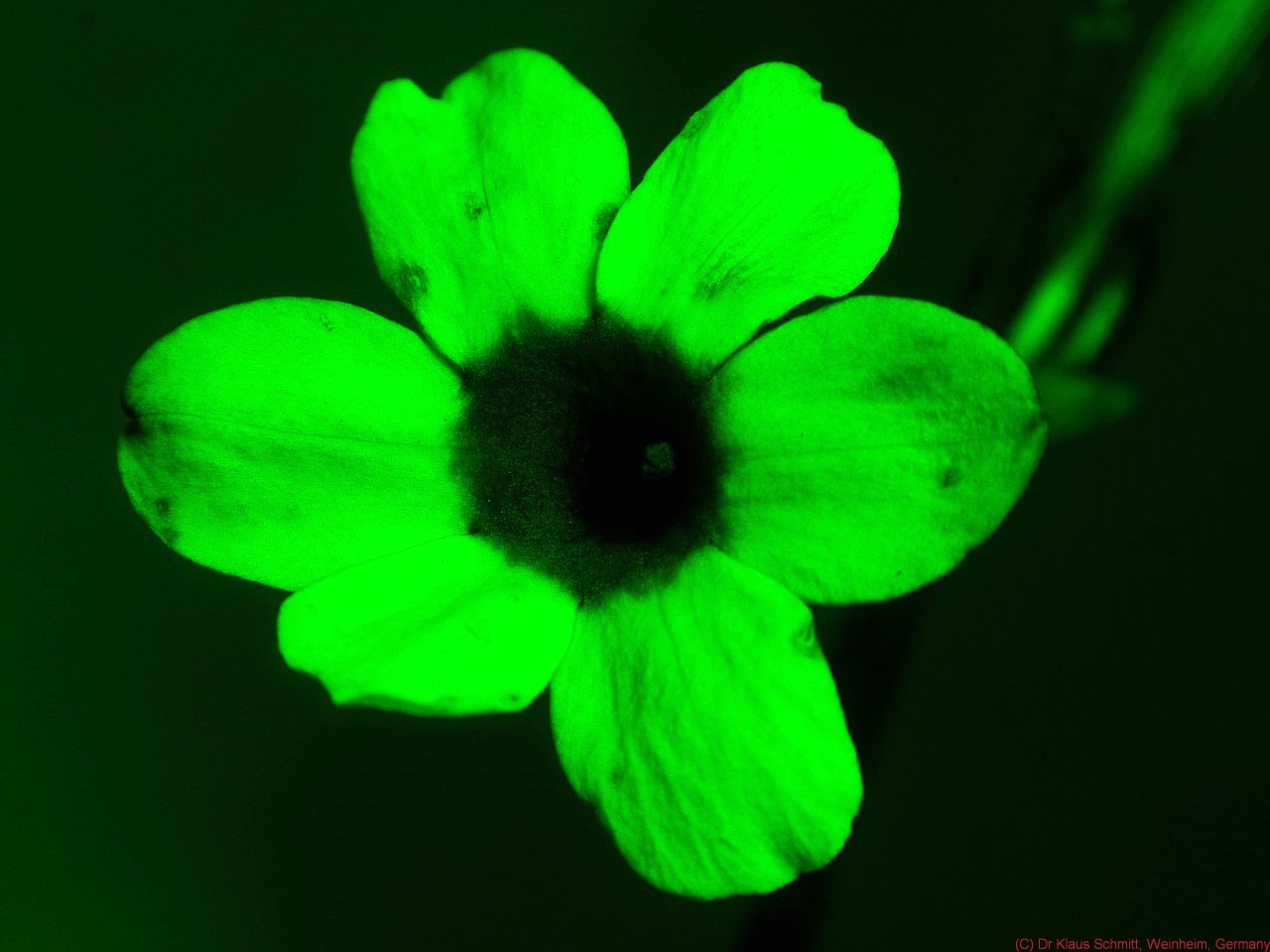
Winter Jasmine - Jasminum nudiflorum using X80QF for deep UV reflected ultraviolet photography

Today deep UV shots of that decorative winter flower Winter Jasmine - Jasminum nudiflorum in reflected ultraviolet using Baader-U filter as well as several UV only transmitting narrowband filters. Lens used was my X80QF f3.2 / 80mm quartz flourite lens. Light source was a modified Xenon flash. All shots were done at f11.

[click on image to see a larger one]

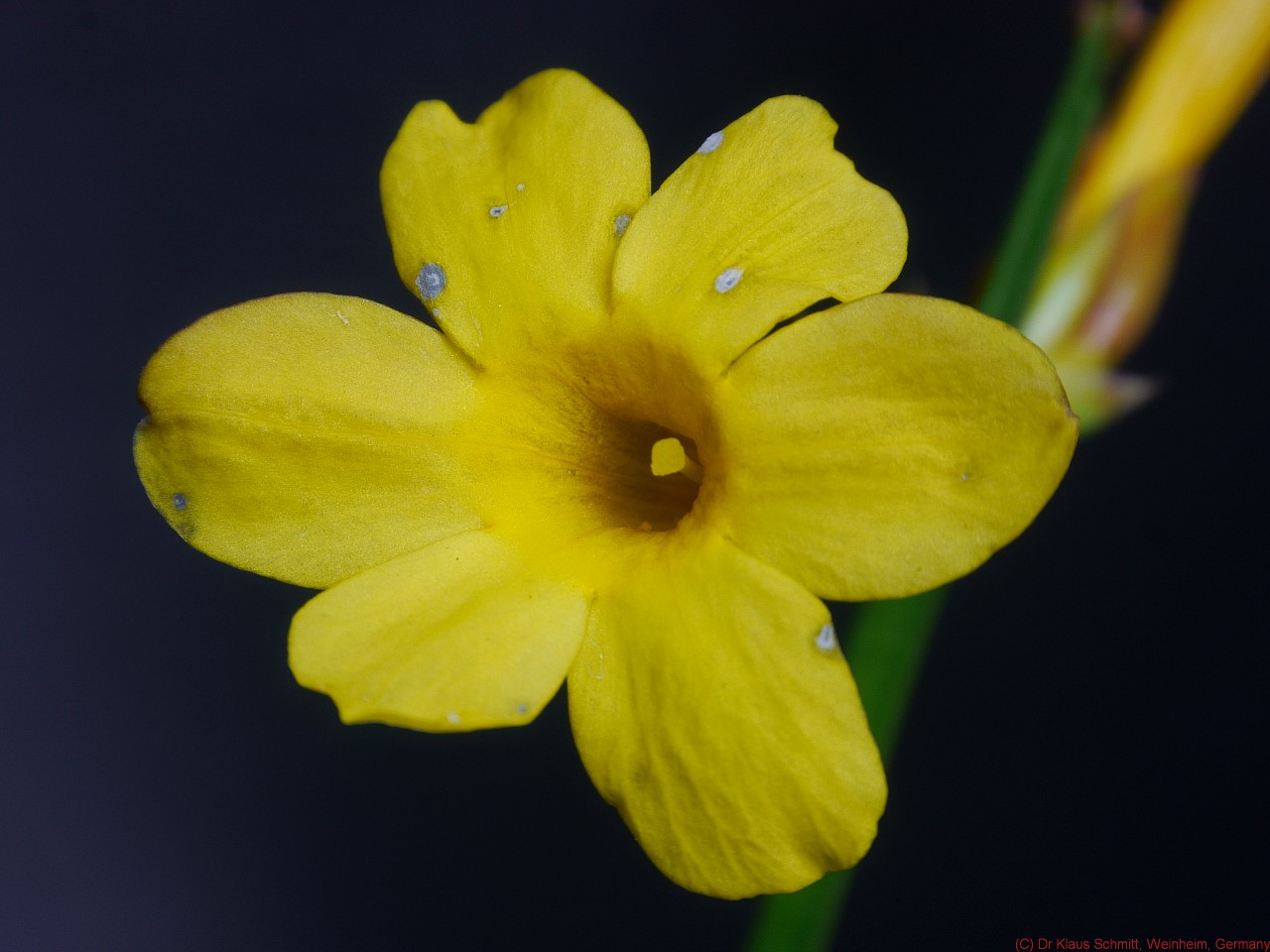
Visible light image:  

UV image using Baader-U filter (approx. 320-395nm, effective peak approx. 375nm):  

UV image using Jupiter-U filter (approx. 280-385nm, effective peak approx. 365nm):  

UV image using Saturn-U filter (approx. 300-350nm, effective peak approx. 325nm):  

UV image using Uranus-U filter (approx. 300-325nm, effective peak approx. 313nm):  

UV image using Neptun-U filter (approx. 290-330nm, effective peak approx. 310nm):  

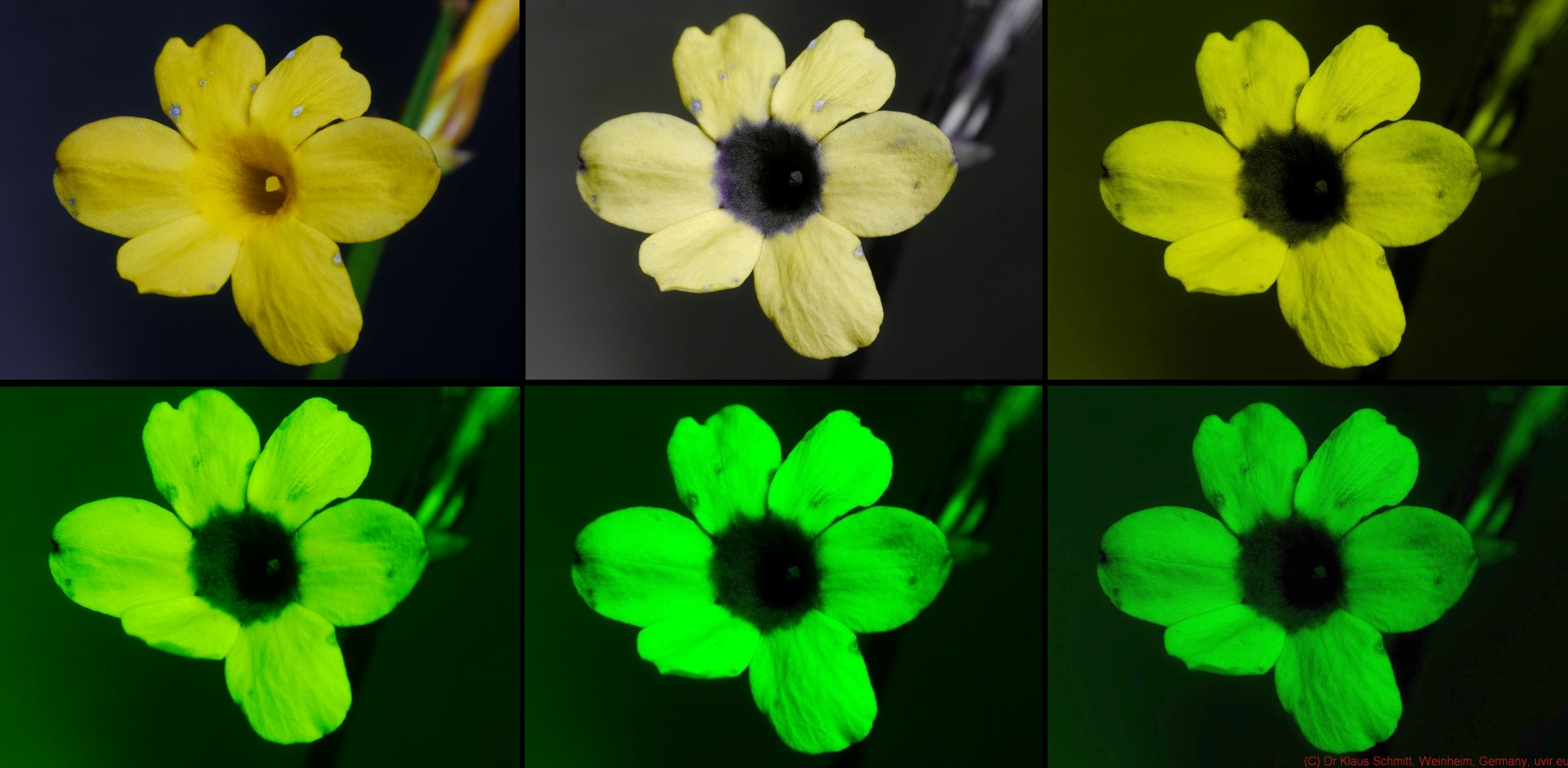
Hexaptych of the above images:  


This attractive winter flower shows its very specific UV pattern, this time down to 300nm and beyond. Its center is UV dark, but its petals are strong UV reflective around 365nm, ie. UV bright, both invisible to us humans. The X80QF apo quartz fluorite lens makes all that nicely visible.


Stay tuned, more will follow on that fascinating subject...

Monday, January 14, 2013

Deep UV reflected photography - Uranus-U filter

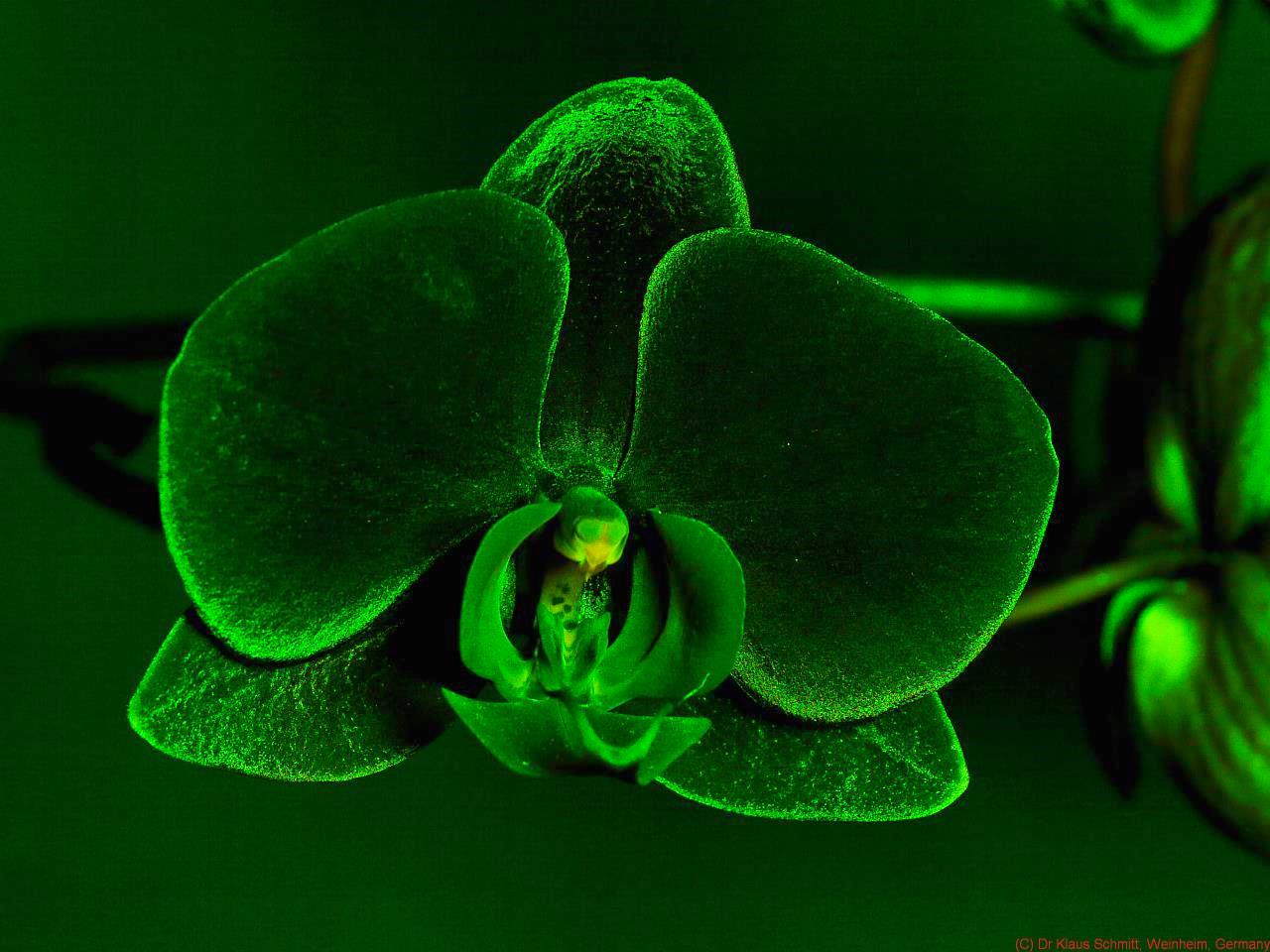
Today again about that Phalaenopsis orchid, but this time used as a target for deep UV reflected photography. Usually I use my "work horse" UV filter, the Baader-U filter, but this time also the Saturn-U (300-350nm, eff. 325nm) and Uranus-U (300-325nm, eff. 313nm) filter, the latter newly introduced here now. Lens used was the 94mm CERCO quartz fluorite lens. Light source was a modified for UV high power Xenon flash.

Here now some results: [click on image to see a larger one]

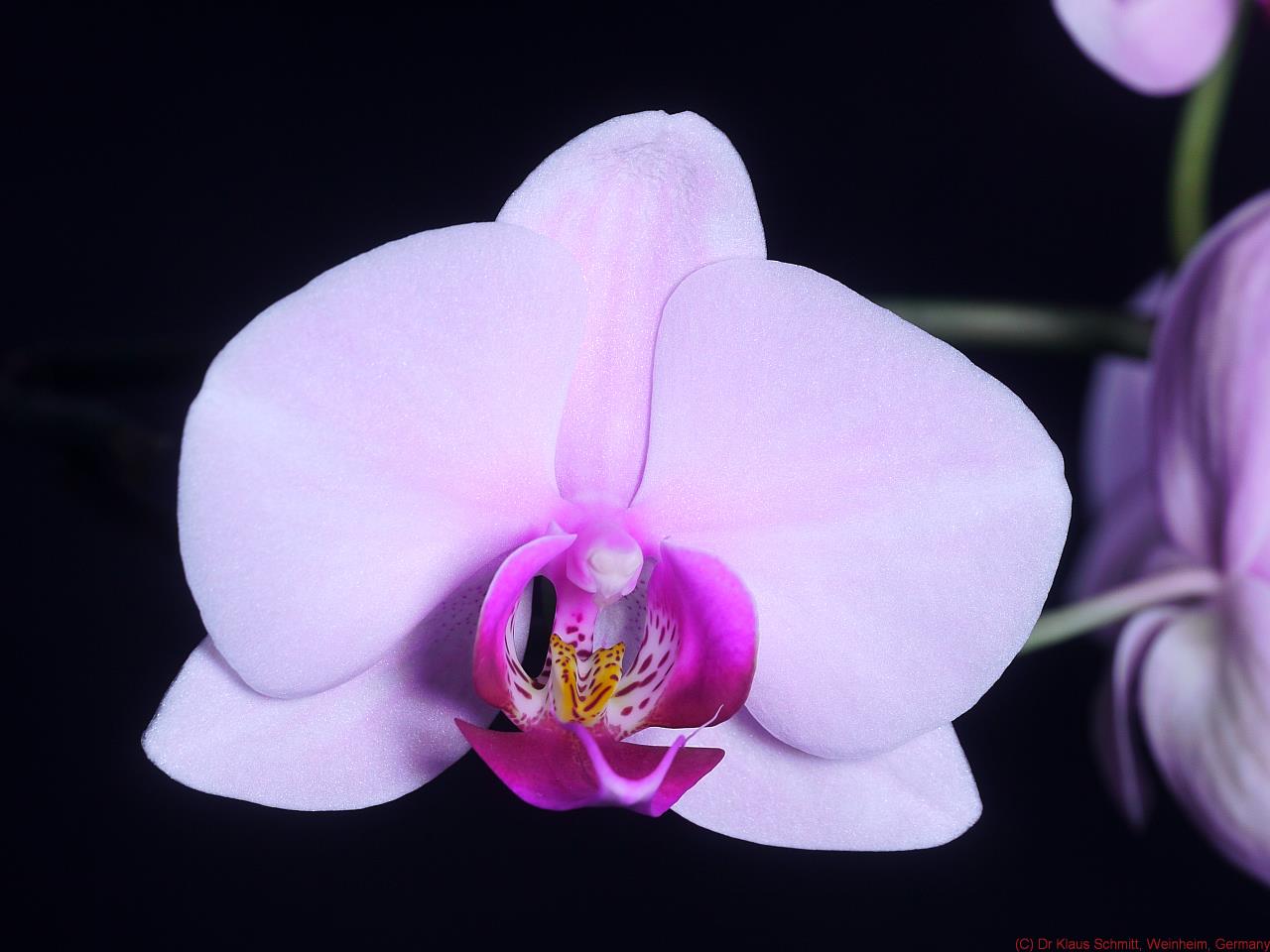
visible light image using UV/IR cut filter:
 

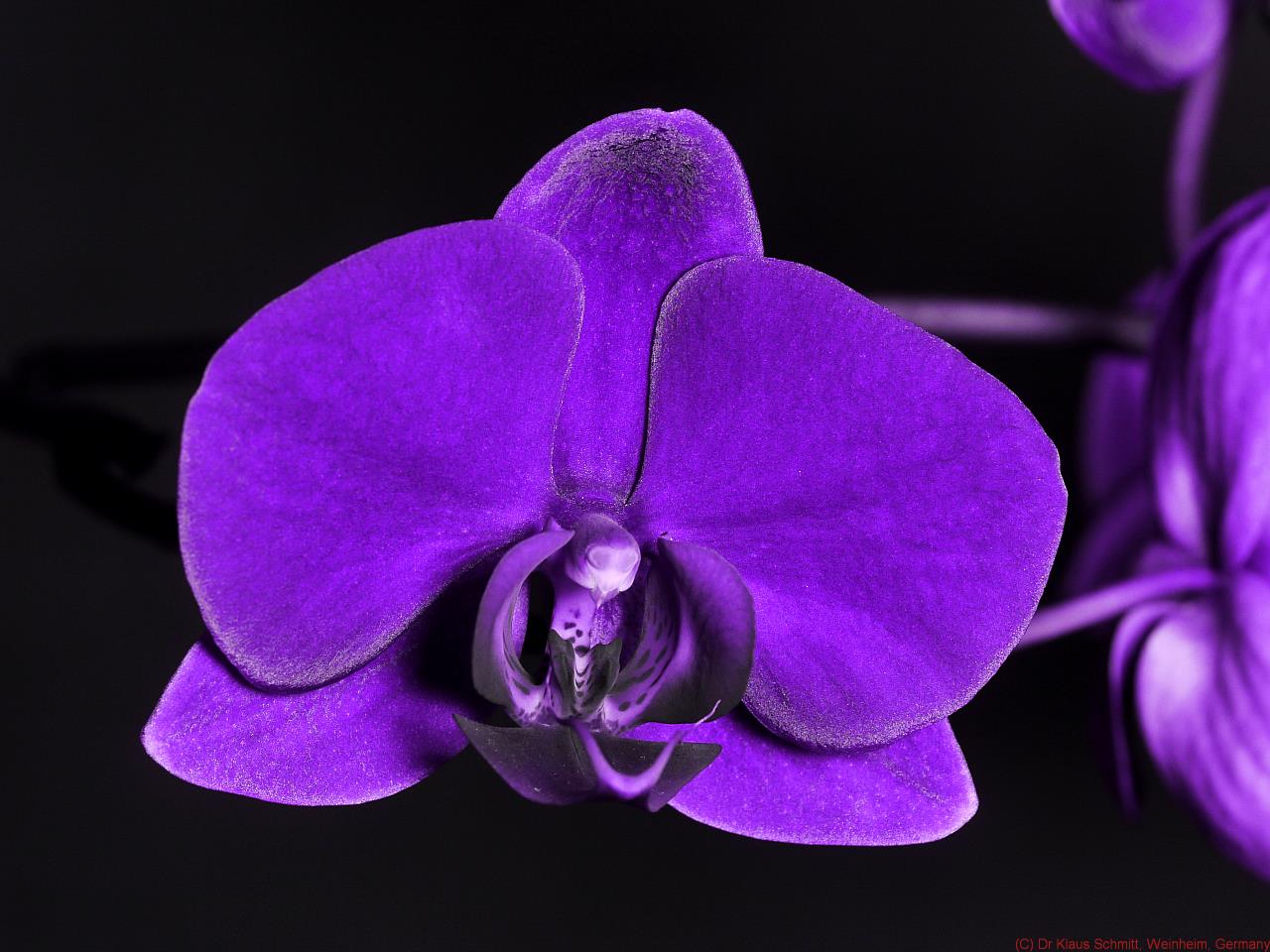
UV image using Baader-U filter (approx. 320-395nm, effective peak approx. 375nm):
 

UV image using Jupiter-U filter (approx. 280-385nm, effective peak approx. 365nm):
 

UV image using Saturn-U filter (approx. 300-350nm, effective peak approx. 325nm):
 

UV image using Uranus-U filter (approx. 300-325nm, effective peak approx. 313nm):


Interesting to notice, how the visible details change when the used wavelength gets shorter and the appearance of that turquoise color. I'm looking forward to testing this with flowers having more prominent UV patterns, once spring is here...

Stay tuned, more will follow on that fascinating subject...
More info on this very interesting field may be found on my site http://www.pbase.com/kds315/uv_photos