Showing posts with label Rudbeckia hirta. Show all posts

Monday, July 13, 2026

Black-eyed Susan - Rudbeckia hirta in reflected ultraviolet photography and simulated bee and butterfly vision XVIII

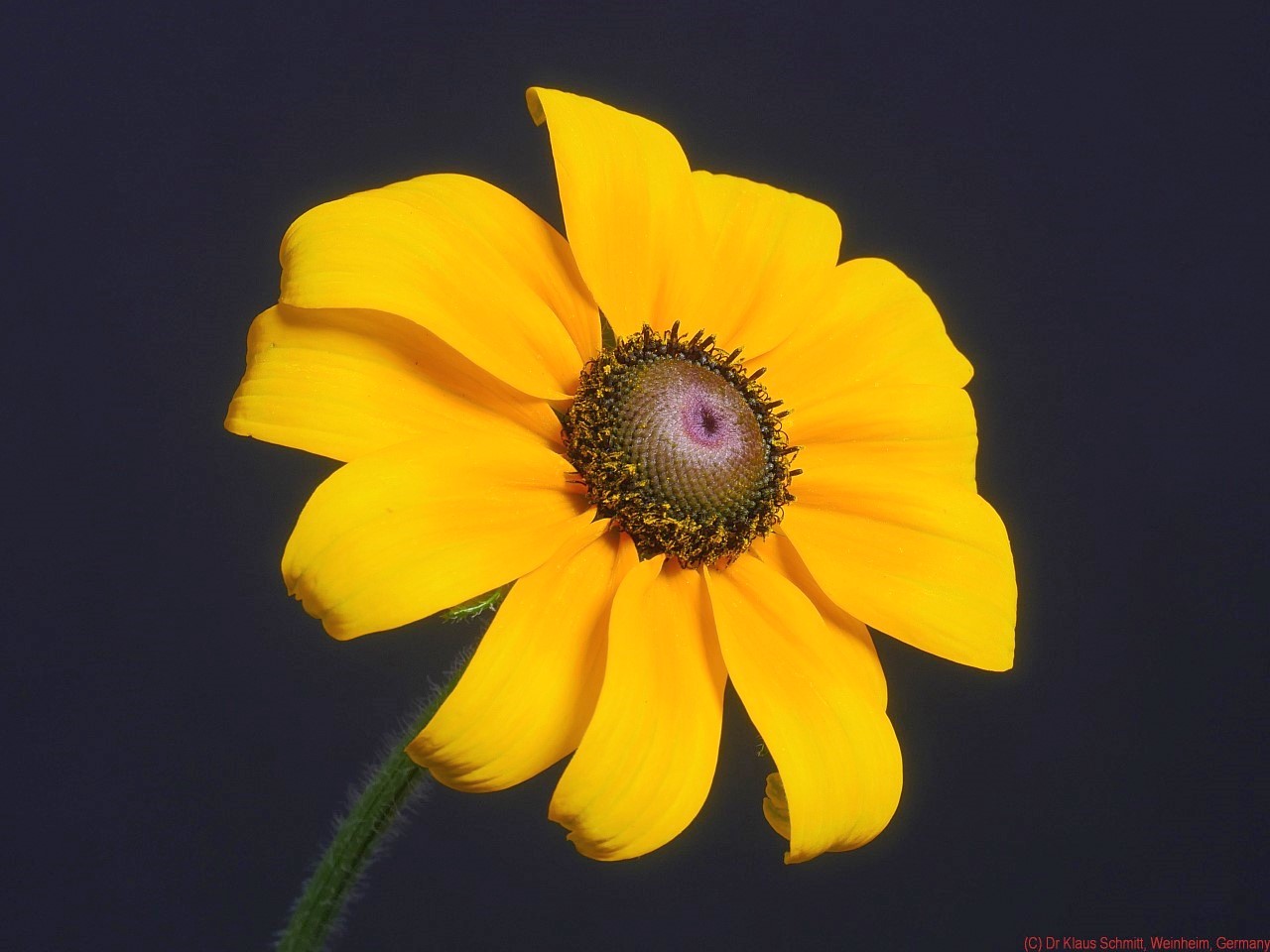
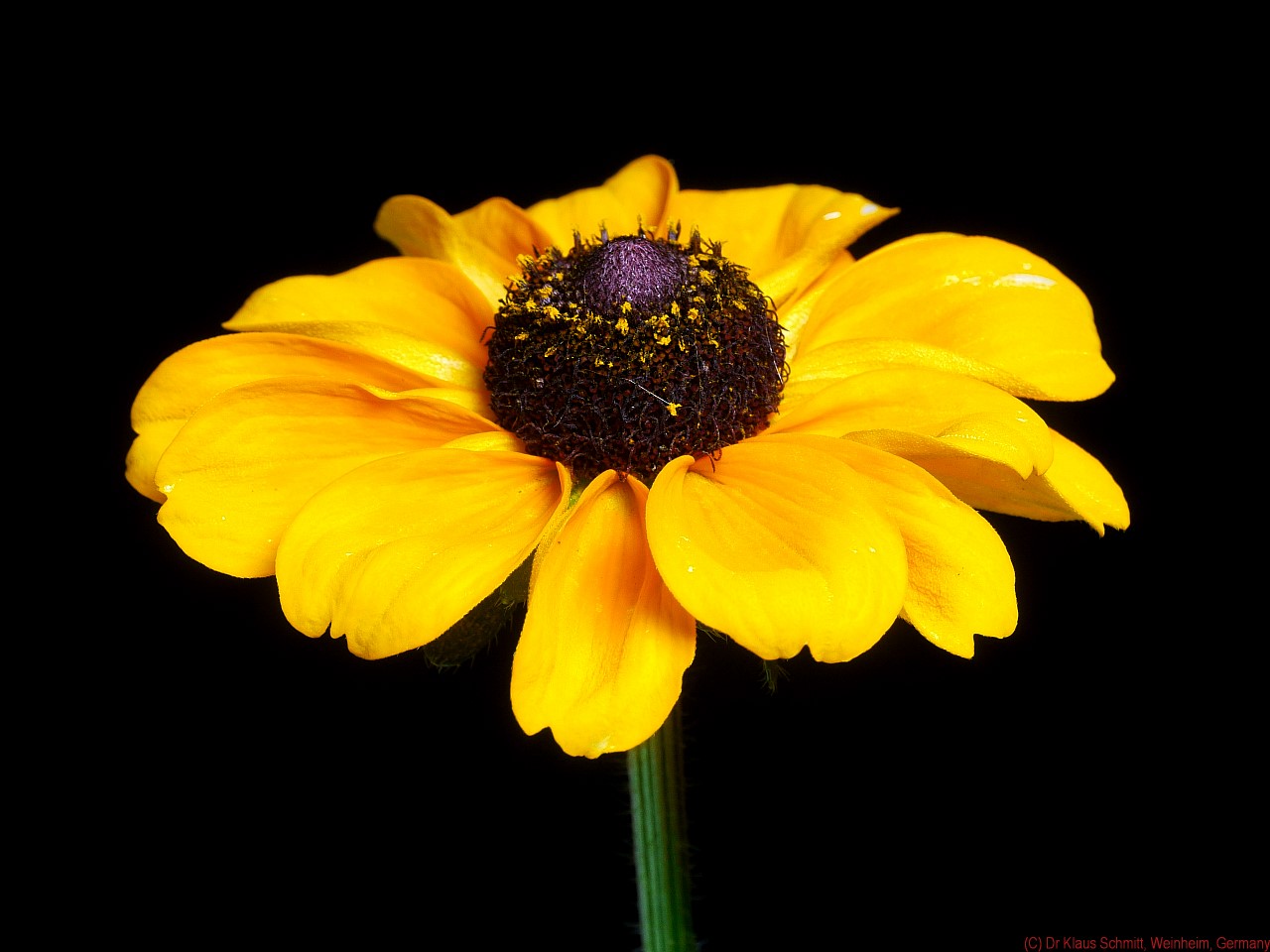
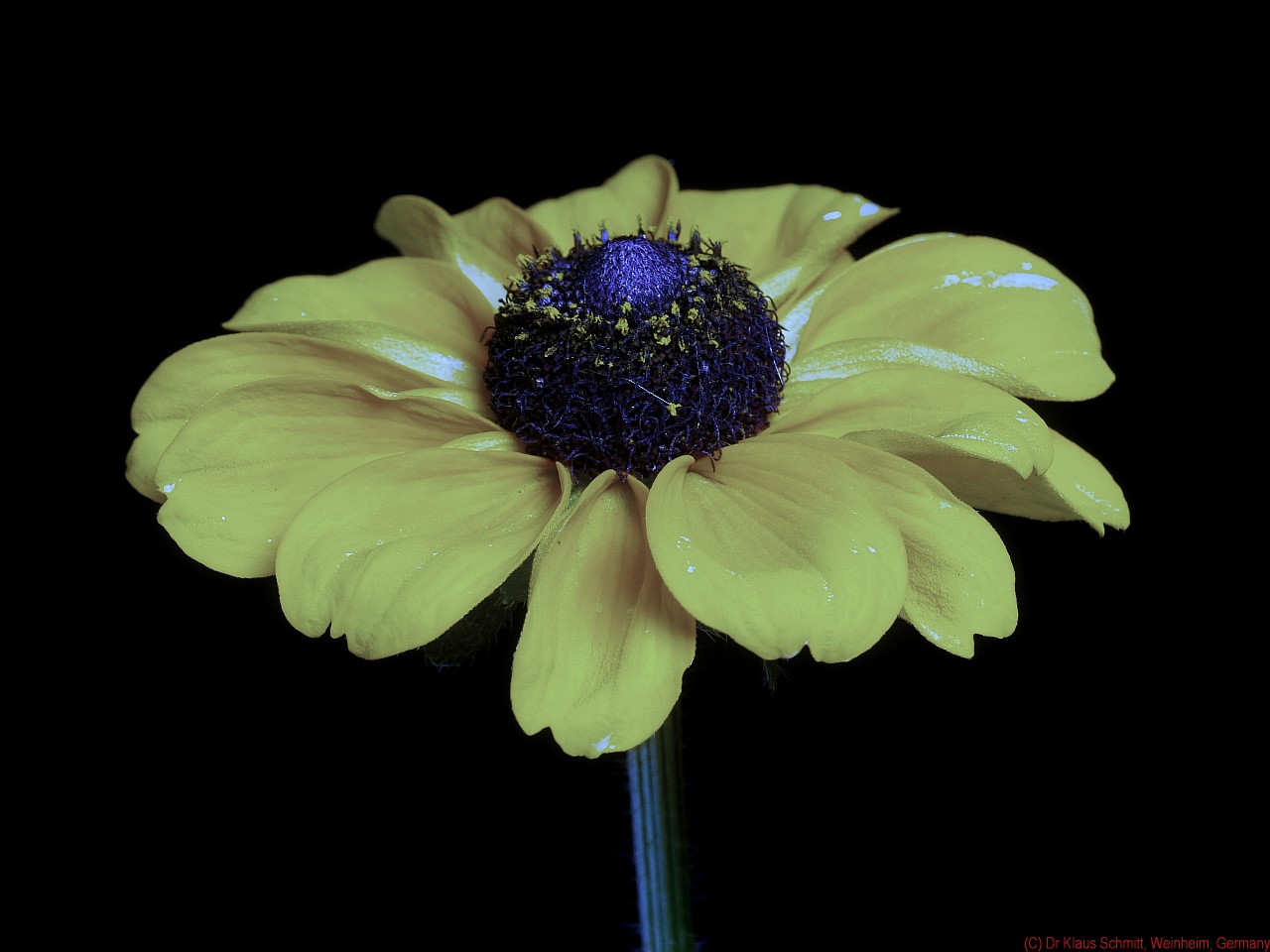
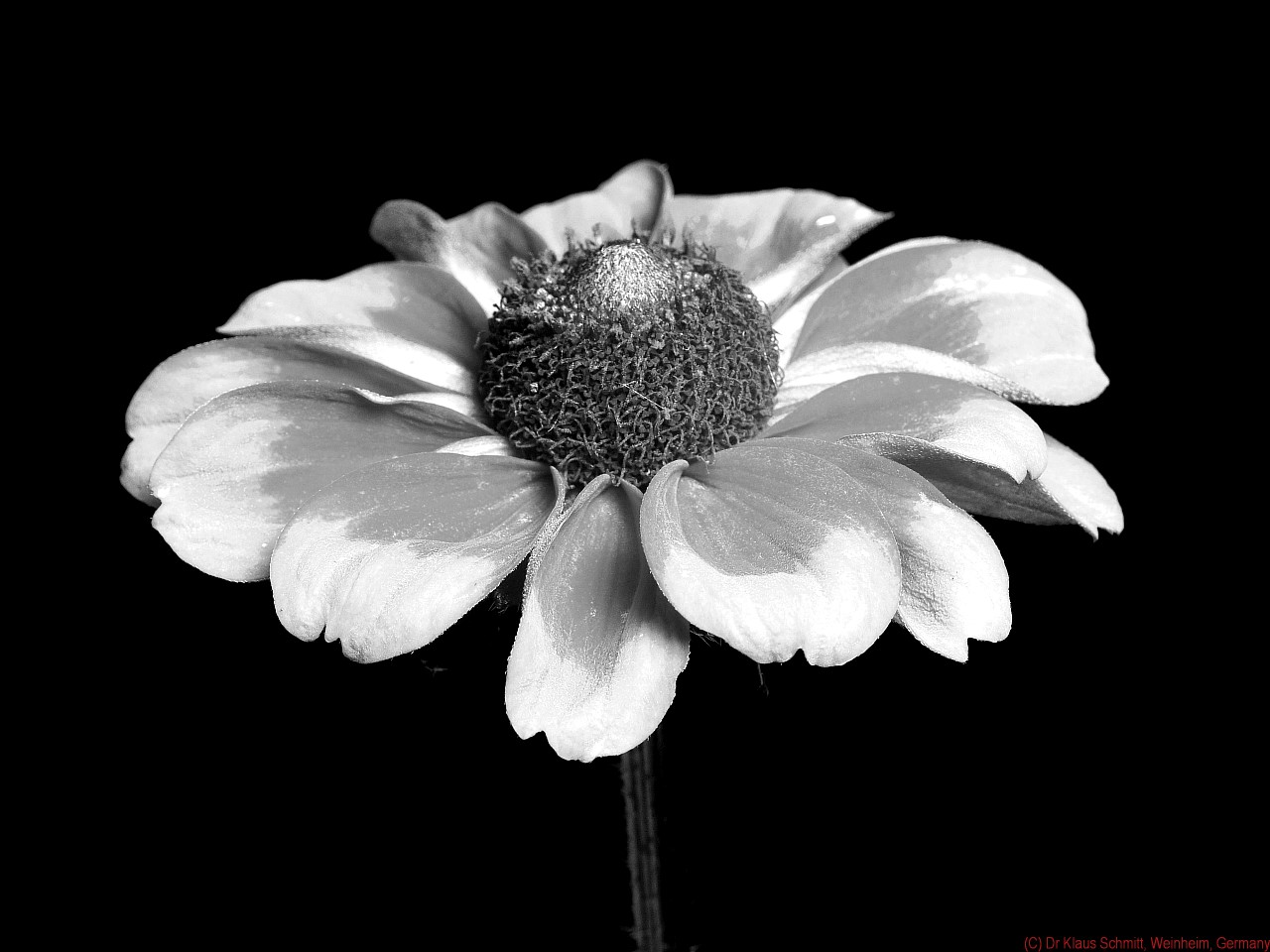
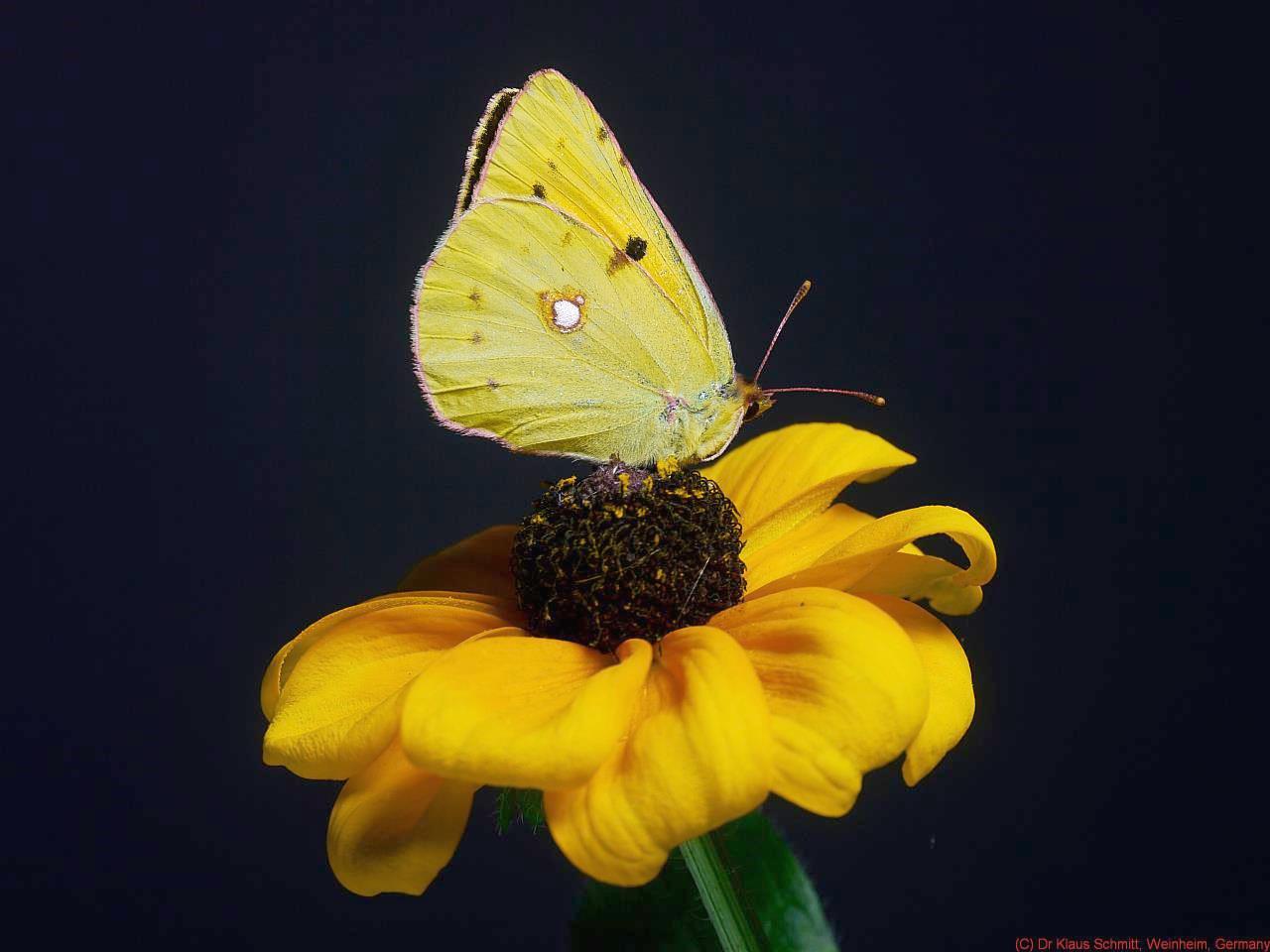
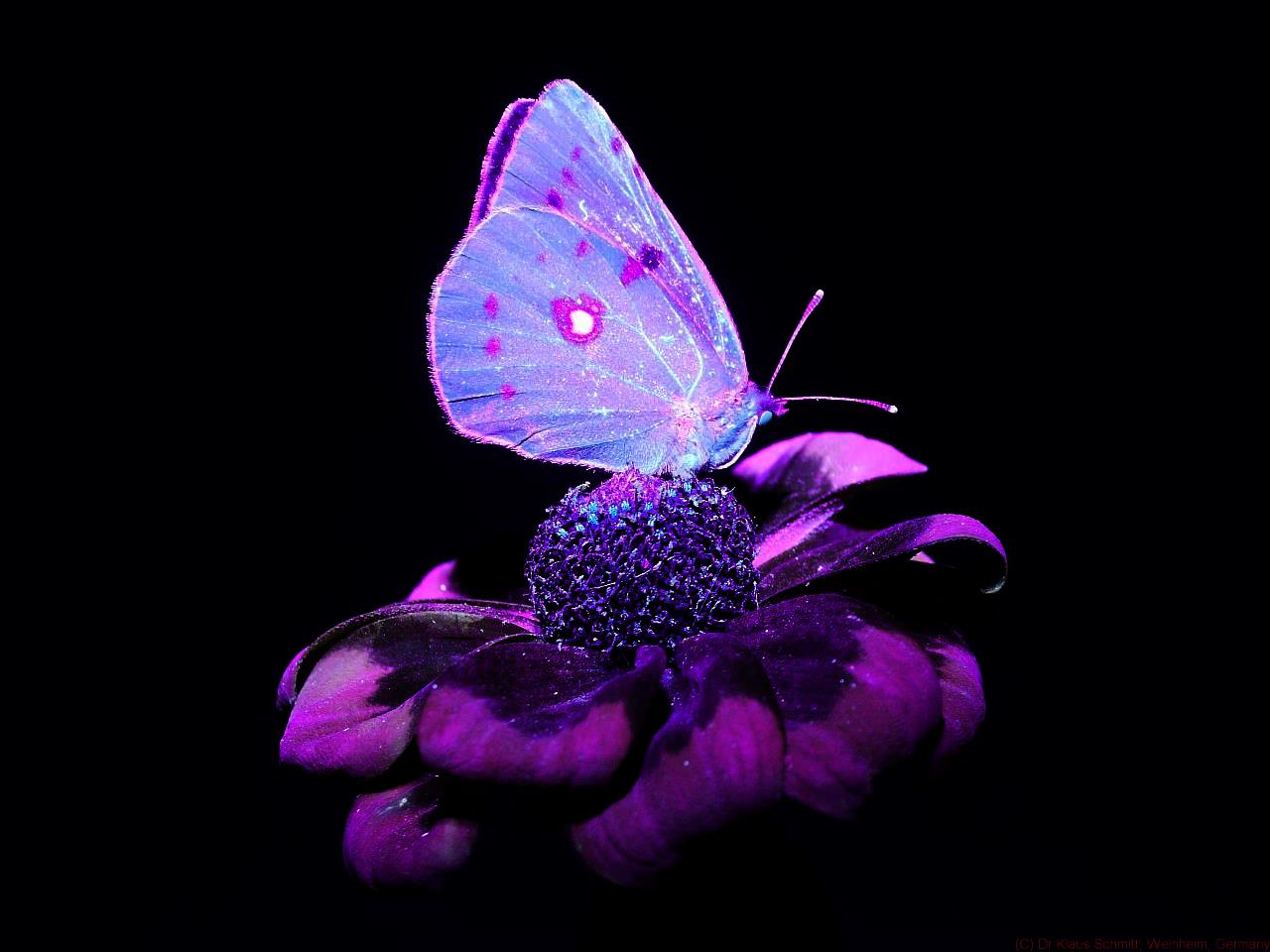
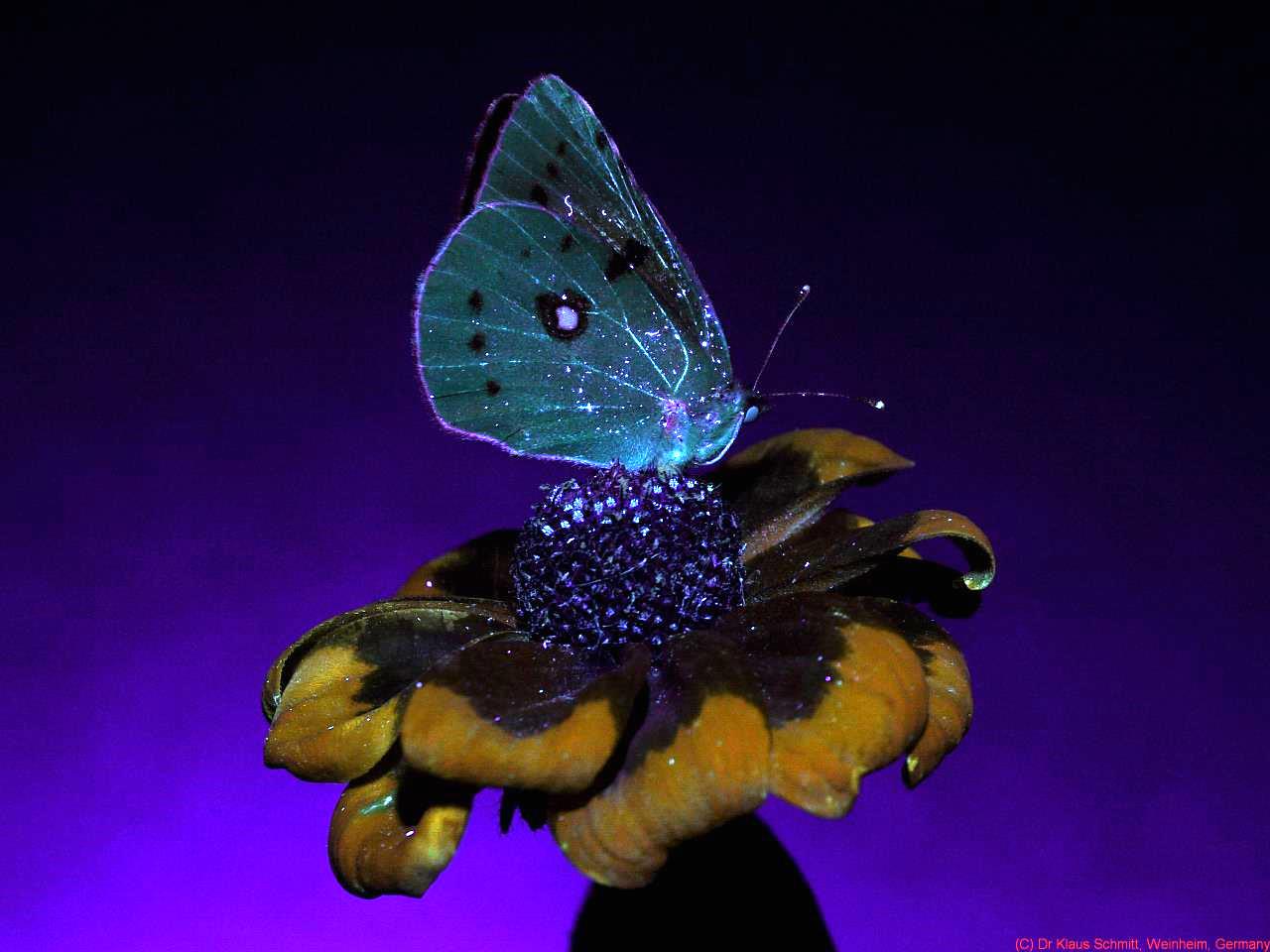
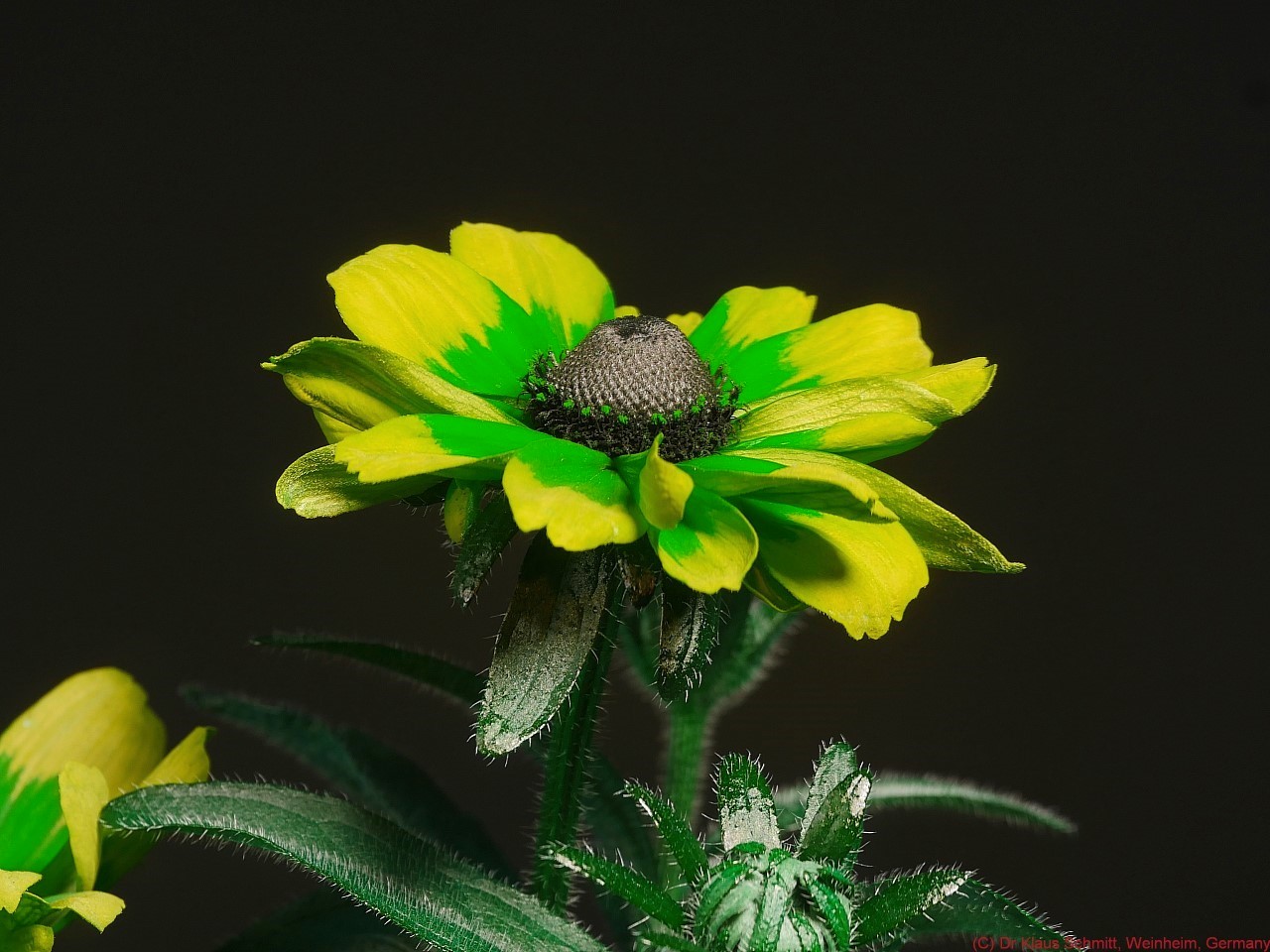
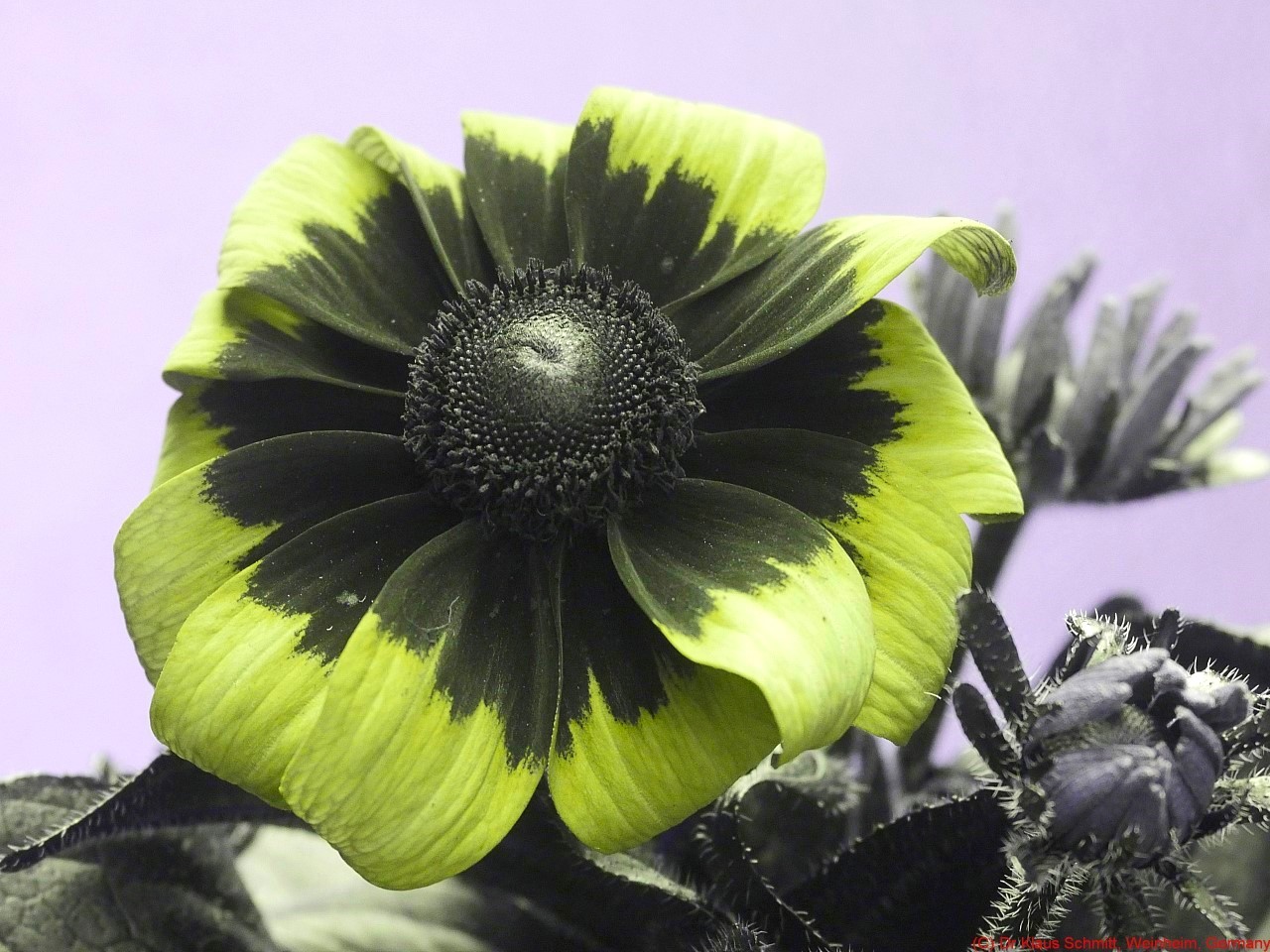
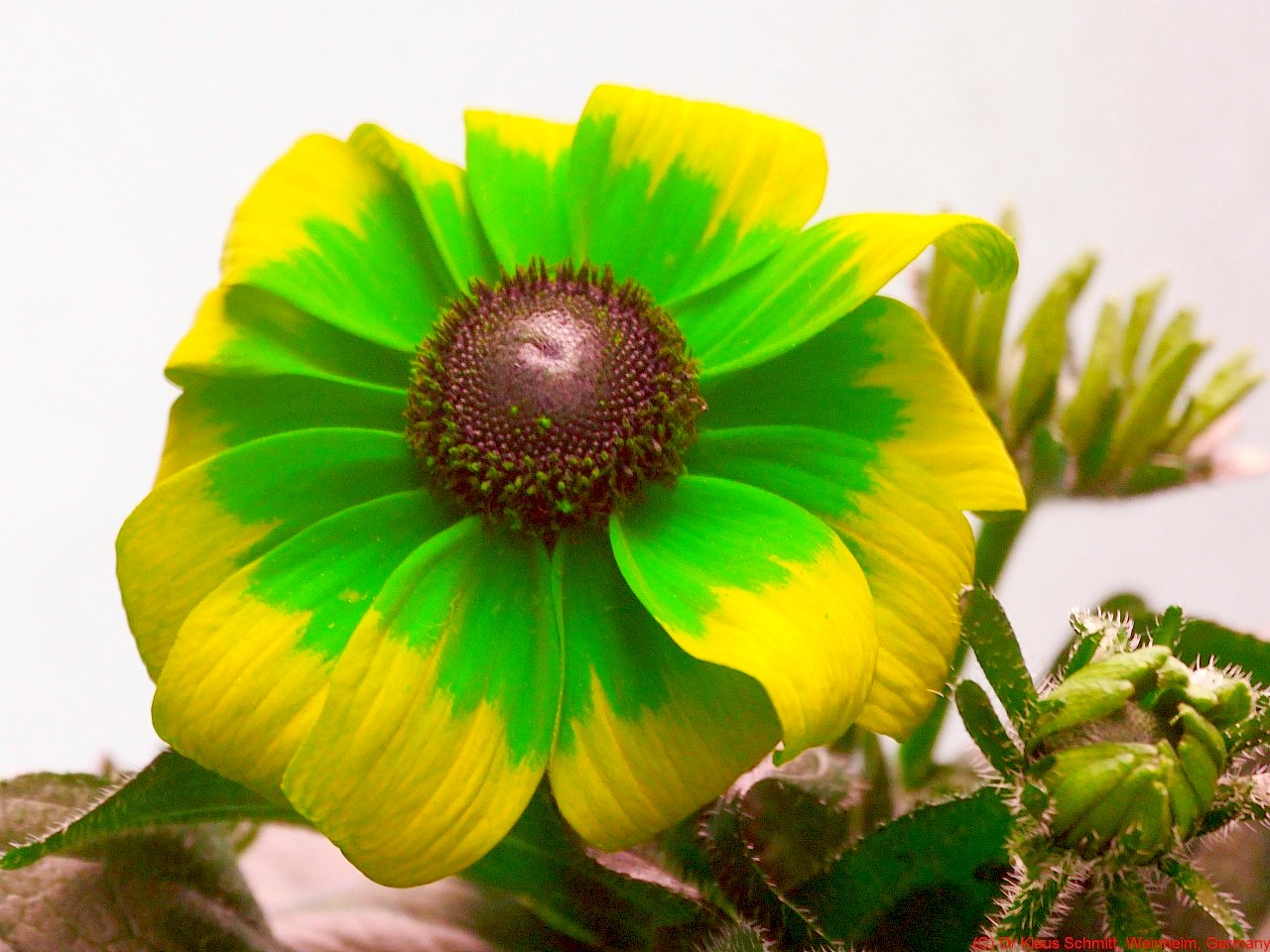
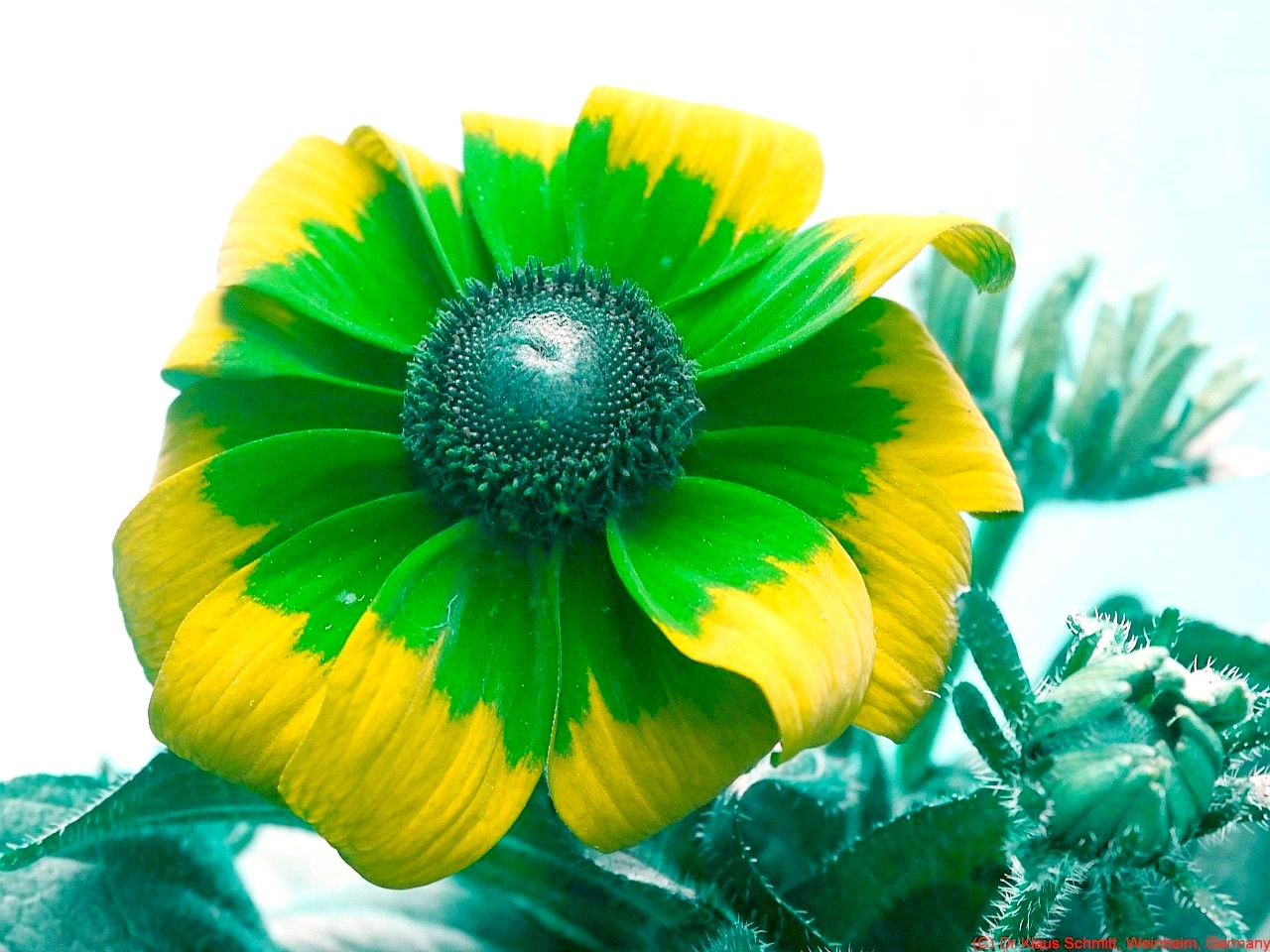
Today shots of a beautiful flower, originating from the USA Prairie, here today a commercially sold hybrid of a Black-eyed Susan - Rudbeckia hirta (possibly R. hirta x R. fulgida) in reflected ultraviolet photography using my "work horse" UV filter, the Baader-U filter, as well as in simulated bee and butterfly vision using my XBV filters. All shots were done at f8-f11 on my balcony in shade. Lens was a UV-Nikkor 105mm quartz fluorite lens. Light source was available light.

[click on image to see a larger one]

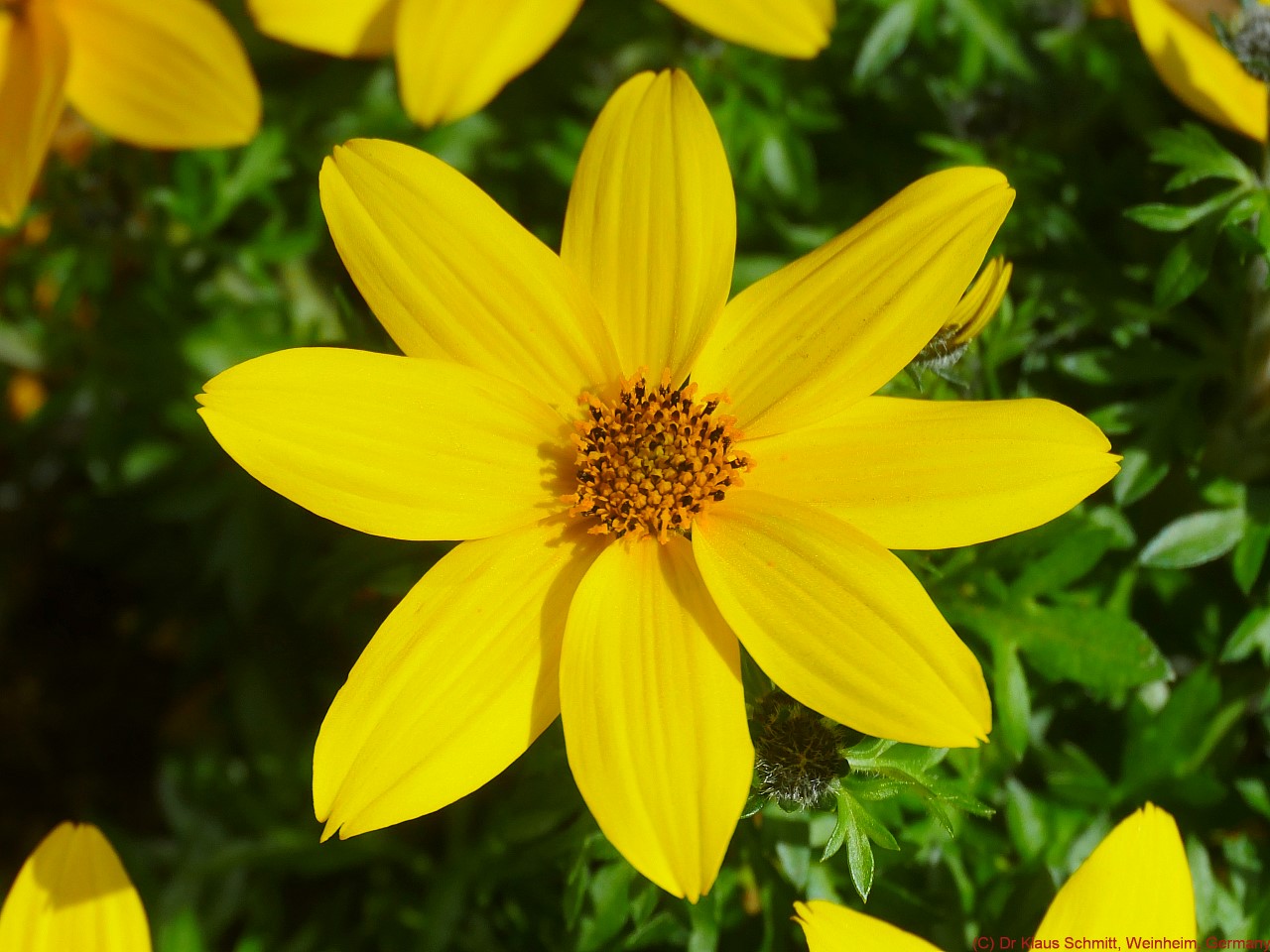
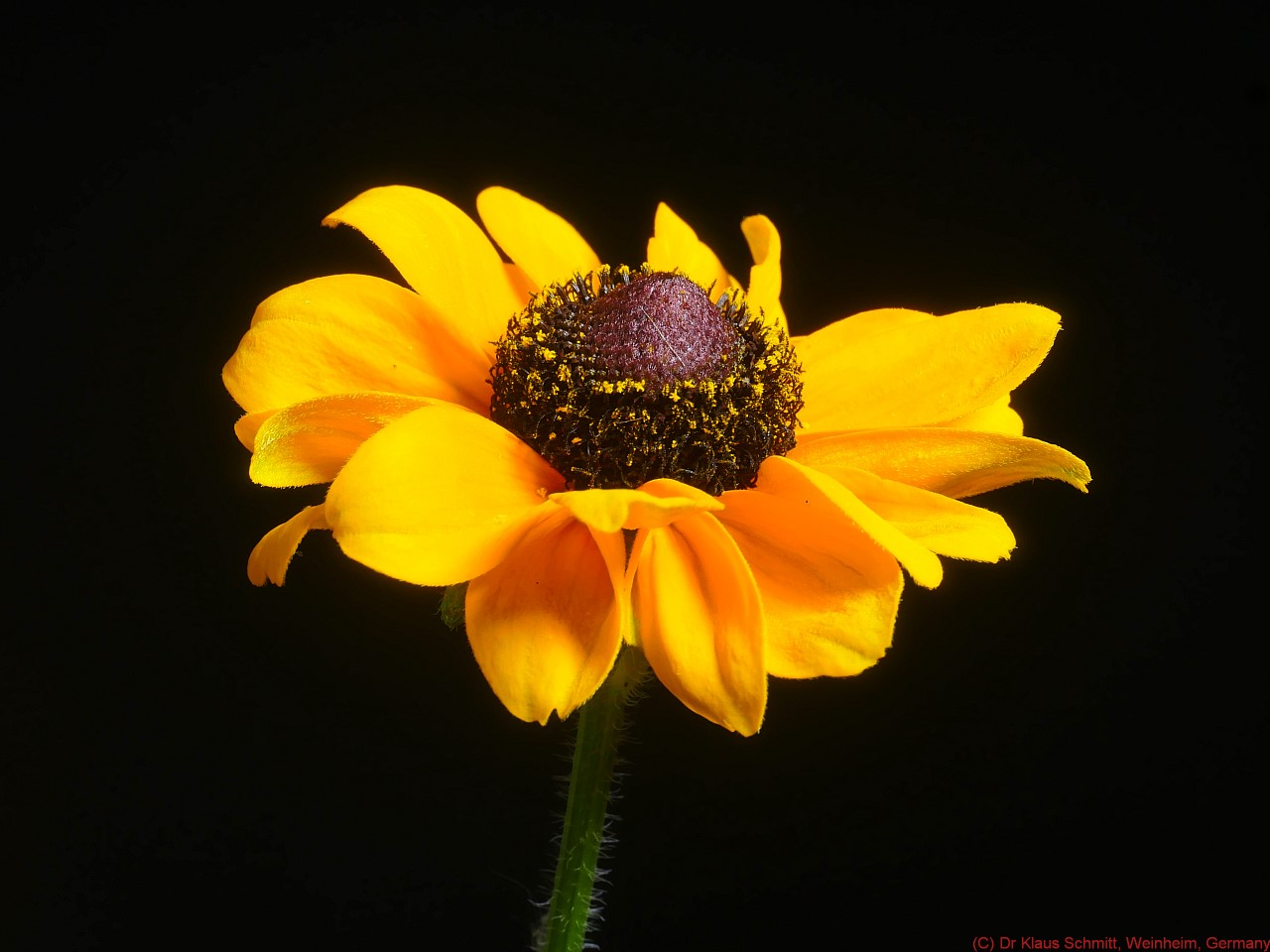
Human vision:
 

Reflected ultraviolet (UV):
 

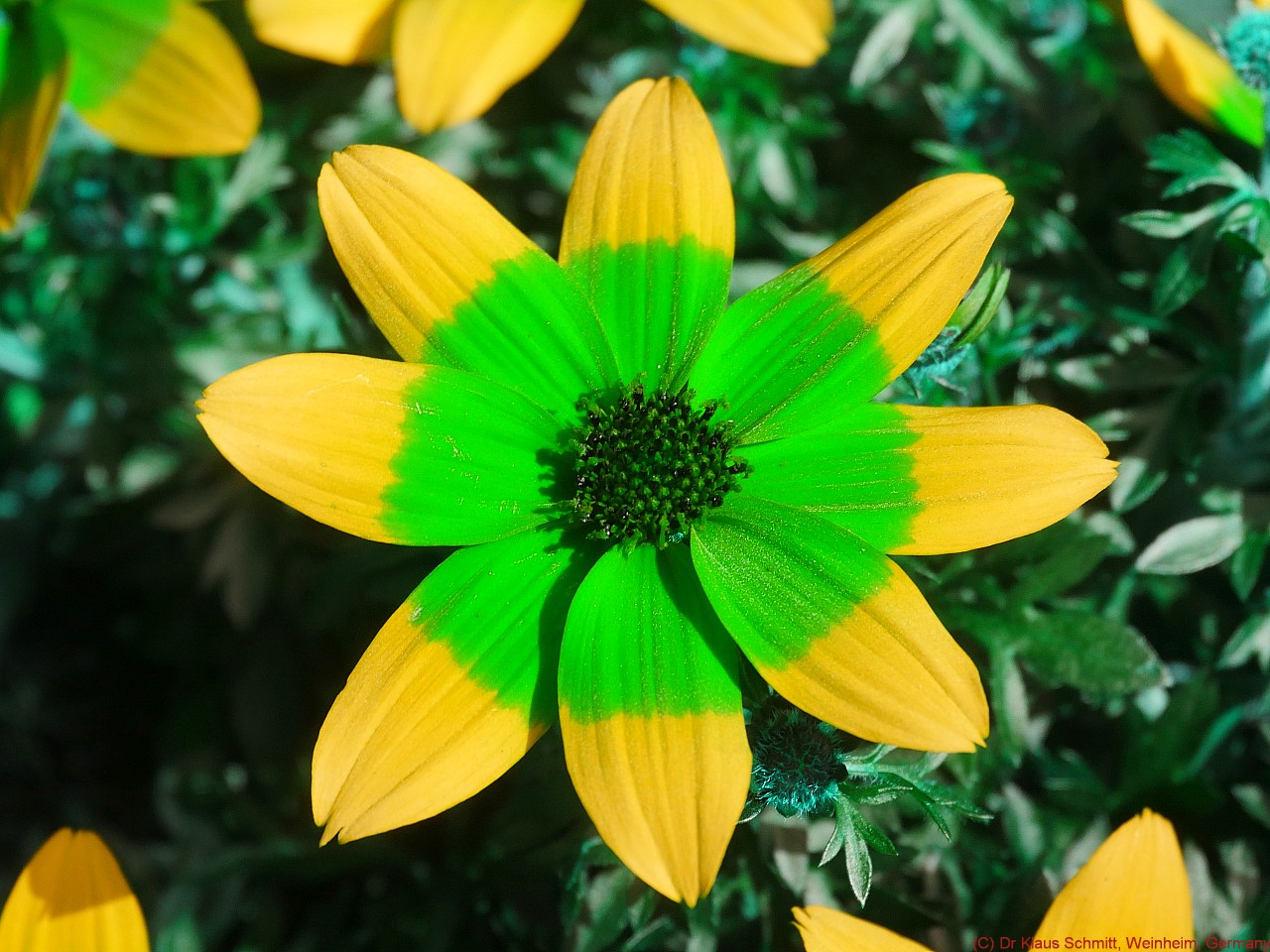
Simulated butterfly vision:
 

Simulated bee vision:
 

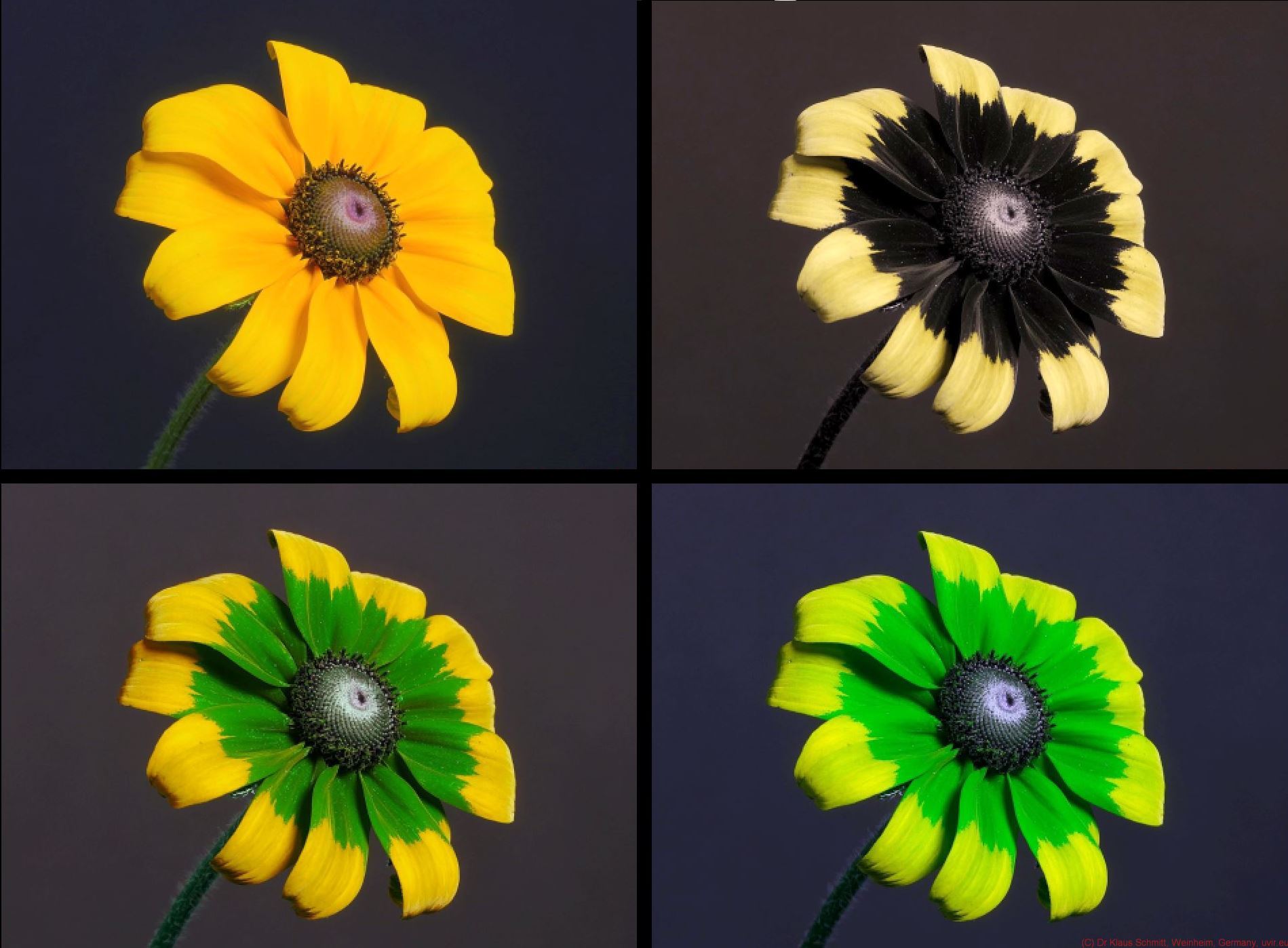
Quadriptych of human vision, ultraviolet, simulated butterfly and bee vision (left to right, top to bottom):
 

This flower shows a very prominent UV bullseye pattern, as its petal tips are very UV bright (around 365nm) and its center is very UV dark, and all this gets nicely visible, also in simulated bee and butterfly vision.

I have previously written about that flower HERE  
Stay tuned, more will follow on that fascinating subject...

More info on this very interesting field may be found on my site http://www.pbase.com/kds315/uv_photos

Wednesday, June 3, 2026

Slovakian Museum shows my works to show kids how bees and butterflies see flowers

Today about some of my works being used with my permission by the Zapadoslovenske Museum, Trnava, Slovakia  in an exhibition how bees and butterflies see flowers, March to October 2026.

They chose to use my multispectral photos of an attractive yellow flower, a Rudbeckia hirta, which were shot by me in reflected ultraviolet photography, simulated bee and butterfly vision. All shots were done at f8 in reflected ultraviolet photography using my "work horse" UV filter, the Baader-U filter, as well as my XBV filters for simulated bee and butterfly vision. Lens was a UV-Nikkor 105mm quartz fluorite lens. Light source was a modified Xenon studio flash, modified for high UV output.

[click on image to see a larger one]

Human vision:
 

Reflected UV:
 

Simulated butterfly vision:
 

Simulated bee vision:
 

Quadriptych of human vision, UV, simulated butterfly and bee vision (left to right, top to bottom):
 

Rudbeckia hirta's outer petals strongly reflect UV around 365nm, whereas its center parts are quite darker, reflecting around 365nm, hence forming invisible to us humans UV nectar guides for UV seeing insects. This is all invisible to us humans, but clearly visible to bees and butterflies, and all this will be nicely visible to the visitors.

I have written more about this flower HERE.

Stay tuned, more will follow on that fascinating subject...

More info on this very interesting field may be found on my site http://www.pbase.com/kds315/uv_photos 

Stay tuned, more will follow on that fascinating subject...

Wednesday, October 22, 2025

Nature in Brilliant Colors Exhibit at Canadian Museum of Nature (CMN) in Ottawa, Canada

Today about some of my works being used with my permission by the Canadian Museum of Nature (CMN) in Ottawa, Canada. Their idea was to have an digital interactive exhibition on floral seduction strategies, showing how flowers invisible to us interact with bees and butterflies using reflected ultraviolet (UV) light.

They chose to use an attractive yellow flower, a Rudbeckia hirta, which were shot by me in reflected ultraviolet photography, simulated bee and butterfly vision. All shots were done at f8 in reflected ultraviolet photography using my "work horse" UV filter, the Baader-U filter, as well as my XBV filters for simulated bee and butterfly vision. Lens was a UV-Nikkor 105mm quartz fluorite lens. Light source was a modified Xenon studio flash, modified for high UV output.

[click on image to see a larger one]

Human vision:
 

Reflected UV:
 

Simulated butterfly vision:
 

Simulated bee vision:
 

Quadriptych of human vision, UV, simulated bee and butterfly vision (left to right, top to bottom):
 

Rudbeckia hirta's outer petals strongly reflect UV around 365nm, whereas its center parts are quite darker, reflecting around 365nm, hence forming invisible to us humans UV nectar guides for UV seeing insects. This is all invisible to us humans, but clearly visible to bees and butterflies, and all this will be nicely visible to the visitors at the Canadian Museum of Nature (CMN) in Ottawa, Canada from May 15, 2026 to January 10, 2027

I have written more about this flower HERE.

Stay tuned, more will follow on that fascinating subject...

More info on this very interesting field may be found on my site http://www.pbase.com/kds315/uv_photos 

Stay tuned, more will follow on that fascinating subject...

Friday, October 11, 2024

Rudbeckia hirta - Human vs simulated animal vision II: butterfly, bee, dog, horse, bat

I was asked by a member working for their program Jeux Photoniques at the Université Laval in Québec, Canada for a series of images to simulate the vision of different animals. I used images of a Rudbeckia hirta flower Black Eyed Susan - Rudbeckia hirta which I had shot using visible and reflected ultraviolet photography. All shots were then done at f8 in reflected ultraviolet photography using my "work horse" UV filter, the Baader-U filter, as well as my XBV filters for simulated animal vision. Lens was a UV-Nikkor 105mm quartz fluorite lens. Light source was a modified Xenon flash.

[click on image to see a larger one]

Human vision:
 

Simulated butterfly vision:
 

Simulated bee vision:
 

Simulated dog vision:
 

Simulated horse vision:
 

Simulated bat vision:
 

Hexaptych of the above:
 

The idea behind these mappings is, to demonstrate the different forms of vision, including the ability to see UV and with this ability, to see patterns which only appear in ultraviolet light (UV) but invisible to us humans.

 I chose Rudbeckia hirts, as it has a strong UV pattern, its petal tips are UV bright around 365nm, but its center is quite UV dark, so this gets quite nicely visible, hence why I used this flower here to simuate the following visions:

  1. Humans have trichromatic vision, they see Blue, Green, Red
  2. Butterflies see UV, Blue, Green, Red, they are Tetrachromats
  3. Bees see UV, Blue, Green, they are Trichomats
  4. Dogs are Dichromats, see Blue and Yellow, but also some UV
  5. Horses are Dichromats, they see Blue and Yellow, but no UV
  6. Bats do not see color, but some are sensitive to UV also

 
Stay tuned, more will follow on that fascinating subject...

More info on this very interesting field may be found on my site http://www.pbase.com/kds315/uv_photos

Thursday, December 7, 2023

My multispectral works in High Energy Physics presentation

Well, I never would have expected to see my work in a scientists presentation about most modern high energy particle theories in physics: The German Physicist Dr Michael Weinert has recently been using (with my permission of course) some of my multispectral works in his presentation on high energy particle physics! Source:  "Weinert COMEX7 2023".

Those shown multispectral images of mine where shot in my studio with my "work horse" UV-Nikkor f4.5/105mm quartz fluorite lens using the Baader UV/IR Cut filter and my proprietary XBV filters for simulated bee + butterfly vision. Light source in studio used was a Xenon flash modified for high UV output outside.

[click on image to see a larger one]

Visual image:


UV induced visible fluorescence using unfiltered commercial 365nm UV torch, no UV blocking:


UV induced visible fluorescence commercial 365nm UV torch, UV blocking:


UV induced visible fluorescence using Nichia 365nm UV torch, UV blocking:


Stay tuned, more will follow on that fascinating subject...

More info on this very interesting field may be found on my site http://www.pbase.com/kds315/uv_photos

Tuesday, February 7, 2023

My Work for NOVA PBS: Your Brain - Perception Deception

NOVA PBS will use some of my multispectral images in a forthcoming TV show, airing on May 18, 2023 3am in the US: Working title "Your Brain: Perception Deception”!

The following multispectral images of mine they used where shot in my studio and outside with my "work horse" UV-Nikkor f4.5/105mm quartz fluorite lens using the Baader UV/IR Cut filter and my proprietary XBV filters for simulated bee vision. Light source used was a Xenon flash modified for high UV output and sunlight outside.

[click on image to see a larger one]

Bidens Human Vision (VIS):
 

Bidens simulated Bee Vision:
 

Gazania Human Vision (VIS):
 

Gazania simulated Bee Vision:
 

Rudbeckia Human Vision (VIS):
 

Rudbeckia simulated Bee Vision:
 

All these flowers have very specific UV patterns; the outer part of their petals are UV reflective around 360nm, but their inner parts show a UV-dark area which gets nicely visible.

Stay tuned, more will follow on that fascinating subject...

More info on this very interesting field may be found on my site http://www.pbase.com/kds315/uv_photos

Sunday, June 26, 2022

Black-eyed Susan - Rudbeckia hirta in reflected ultraviolet photography and simulated bee and butterfly vision XVII

Today in 2022 shots of a beautiful flower, originating from the USA Prairie, a Black-eyed Susan - Rudbeckia hirta in reflected ultraviolet photography using my "work horse" UV filter, the Baader-U filter, as well as in simulated bee and butterfly vision using my XBV filters. All shots were done at f11. Lens was a UV-Nikkor 105mm quartz fluorite lens. Light source was a modified Xenon flash.

[click on image to see a larger one]

Human vision:
 

Reflected ultraviolet (UV):
 

Simulated butterfly vision:
 

Simulated bee vision:
 

Quadriptych of human vision, ultraviolet, simulated butterfly and bee vision (left to right, top to bottom):
 

This flower shows a very prominent UV bullseye pattern, as its petal tips are very UV bright (around 365nm) and its center is very UV dark, and all this gets nicely visible, also in simulated bee and butterfly vision.

I have previously written about that flower HERE
 
Stay tuned, more will follow on that fascinating subject...

More info on this very interesting field may be found on my site http://www.pbase.com/kds315/uv_photos

Monday, June 13, 2022

"Wandelmut" Exhibit at Museum Sinclair House, Bad Homburg

There is currently an exhibit in Germany at the Museum Sinclair-House, Bad Homburg within the "Wandelmut" (willingness to change) series, which has some of my multispectral works on display. Visible here is a Rudbeckia hirta flower in human vision, simulated bee and butterfly vision, showing the "landing platform" only bees and butterflies can see, as they have the ability to see ultraviolet light (300-400nm), which we humans cannot see.


(Human vision vs. simulated Bee + Butterfly vision; left to right) 

I have written about that Rudbeckia hirta flower HERE before,

Stay tuned, more will follow on that fascinating subject...

More info on this very interesting field may be found on my site http://www.pbase.com/kds315/uv_photos


Sunday, July 25, 2021

Black-eyed Susan - Rudbeckia hirta in reflected ultraviolet photography and simulated bee and butterfly vision XVI

Today in 2021 shots of a human bread beautiful flower, originating from the USA Prairie, a Black-eyed Susan - Rudbeckia hirta in reflected ultraviolet photography using my "work horse" UV filter, the Baader-U filter, as well as in simulated bee and butterfly vision using my XBV filters. All shots were done at f8. Lens was a UV-Nikkor 105mm quartz fluorite lens. Light source was my UV enhanced studio flash.

[click on image to see a larger one]

Human vision:
 

Reflected ultraviolet (UV):
 

Simulated butterfly vision:
 

Simulated bee vision:
 

Quadriptych of human vision, ultraviolet, simulated bee and butterfly vision (left to right, top to bottom):
 

This flower shows a very prominent UV bullseye pattern, as its petal tips are very UV bright (around 365nm) and its center is very UV dark, and all this gets nicely visible, also in simulated bee and butterfly vision.

I have previously written about that flower HERE
 
Stay tuned, more will follow on that fascinating subject...

More info on this very interesting field may be found on my site http://www.pbase.com/kds315/uv_photos

Saturday, July 4, 2020

Black-eyed Susan - Rudbeckia hirta in reflected ultraviolet photography and simulated bee and butterfly vision XV

Today in 2020 shots of a beautiful flower, originating from the USA Prairie, a Black-eyed Susan - Rudbeckia hirta in reflected ultraviolet photography using my "work horse" UV filter, the Baader-U filter, as well as in simulated bee and butterfly vision using my XBV filters. All shots were done at f8. Lens was a UV-Nikkor 105mm quartz fluorite lens. Light source was sunlight (overcast).

[click on image to see a larger one]

Human vision:
 

Reflected ultraviolet (UV):
 

Simulated butterfly vision:
 

Simulated bee vision:
 

Quadriptych of human vision, ultraviolet, simulated bee and butterfly vision (left to right, top to bottom):
 

This flower shows a very prominent UV bullseye pattern, as its petal tips are very UV bright (around 365nm) and its center is very UV dark, and all this gets nicely visible, also in simulated bee and butterfly vision.

I have previously written about that flower HERE
 
Stay tuned, more will follow on that fascinating subject...

More info on this very interesting field may be found on my site http://www.pbase.com/kds315/uv_photos

Thursday, October 31, 2019

Exhibit Of Plants And Humans Deutsches Hygiene-Museum Dresden

Today about an exhibit at the Deutsches Hygiene Museum Dresden "Von Pflanzen und Menschen" ("of plants and humans") which runs until 19th April 2020.

It is about the long interaction between humans and plants in all its complexity and a very well made exhibit worth visiting.

[click on image gets you a larger image]

Some of my images have been used in this exhibit, especially these Rudbeckia hirta ones....

Human vision:
 

Simulated butterfly vision:
 

Simulated bee vision:
 

But not only visitors are able to see that exhibit, parts of it are available as a Virtual Reality (VR) exhibit, hosted at the online ZDF Kunsthalle platform HERE

And a few screenshots from that....


A wonderful exhibit worth visiting in person or online per VR!

Stay tuned, more will follow on that fascinating subject...

More info on this very interesting field may be found on my site http://www.pbase.com/kds315/uv_photos