Showing posts with label Dandelion. Show all posts

Tuesday, April 10, 2018

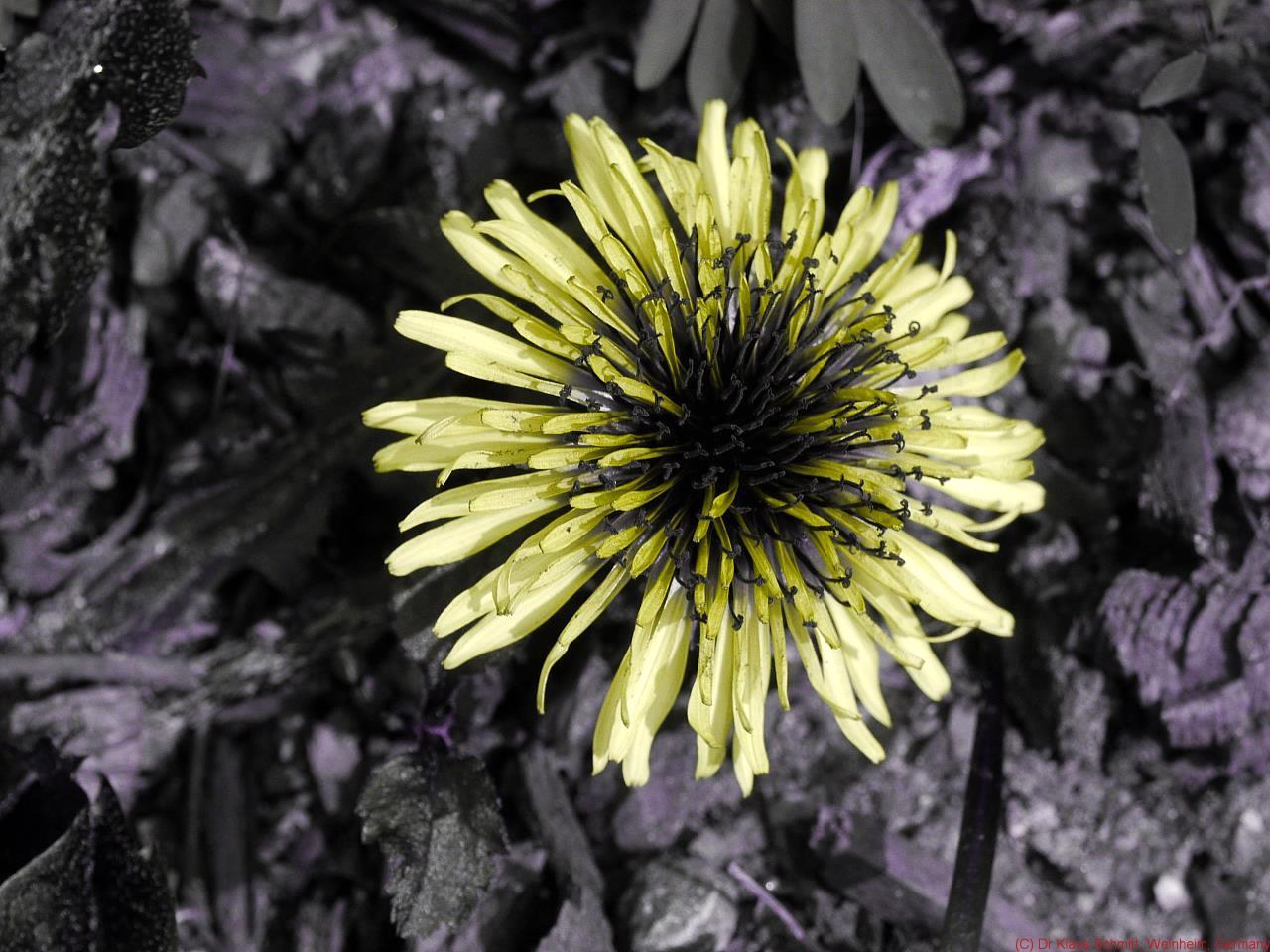
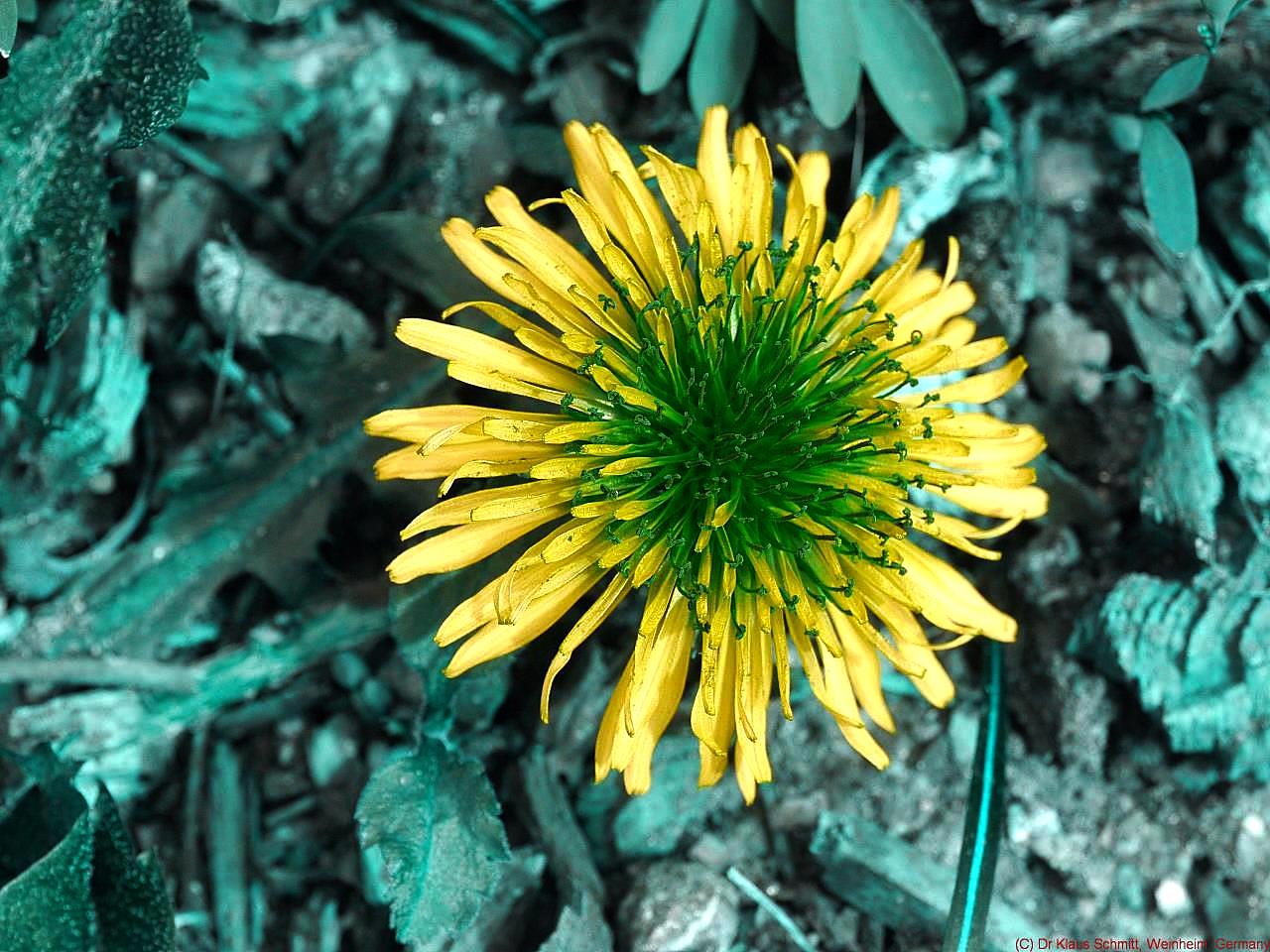
Dandelion - Taraxacum officinale flower in reflected ultraviolet photography and simulated bee and butterfly vision II

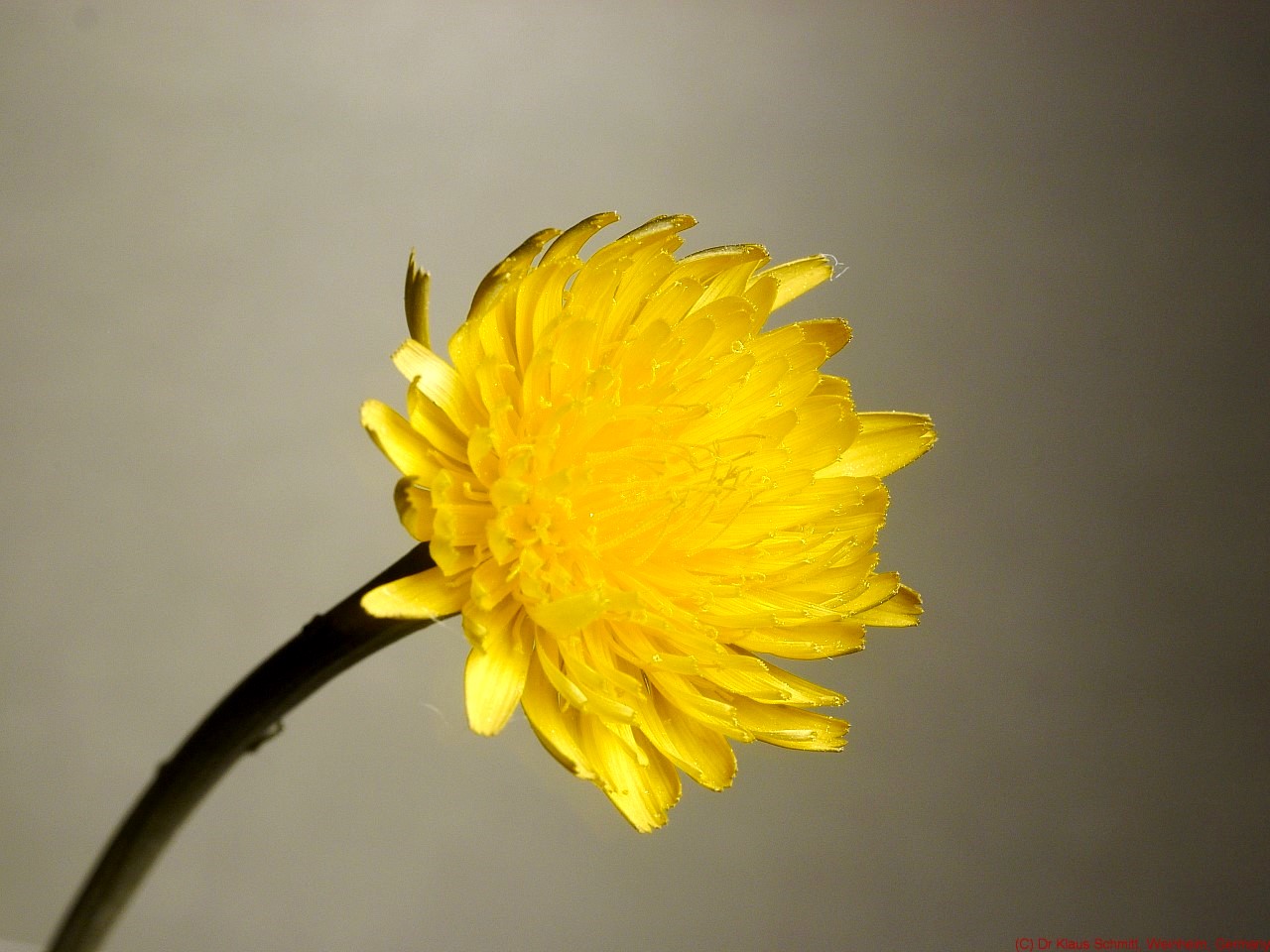
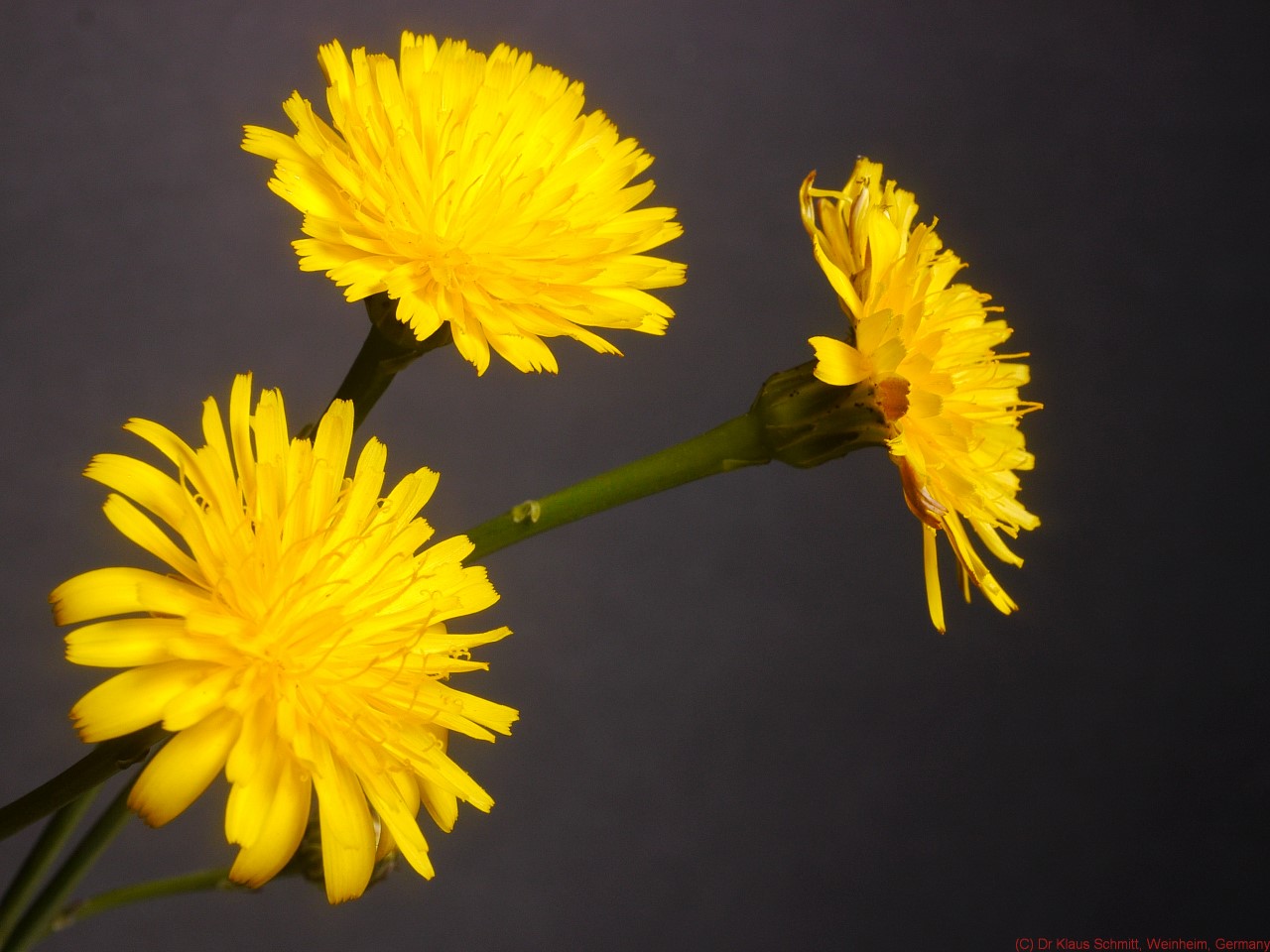
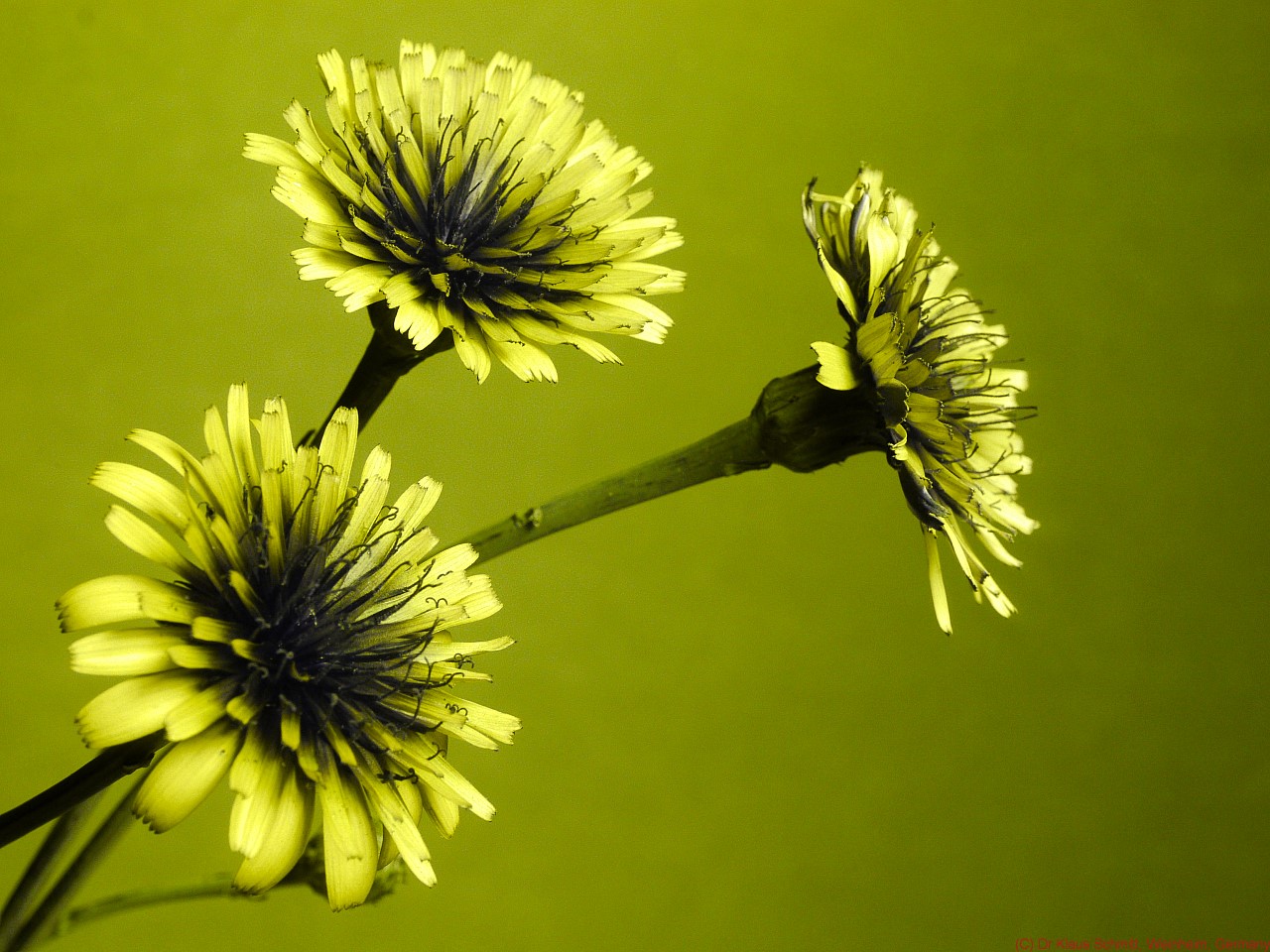
Today more about that common spring flower, Dandelion - Taraxacum officinale in reflected ultraviolet photography using my "work horse" UV filter, the Baader-U filter as well as my XBV filters for simulating butterfly and bee vision. Just another specimen. Lens was a UV Nikkor 105mm quartz fluorite lens. Light source was sunlight. All shots were done at f8.

[click on image to see a larger one]

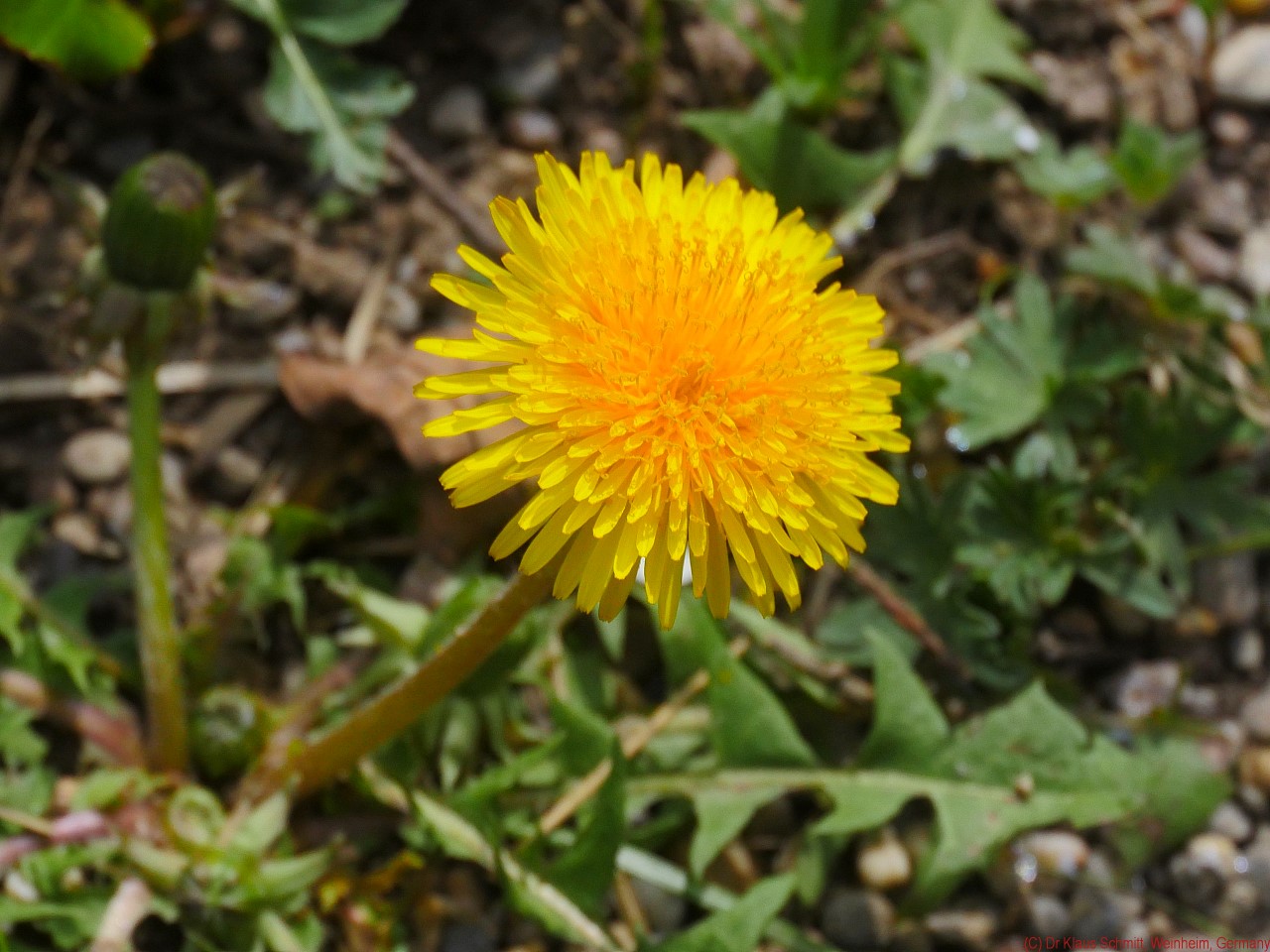
Visible light image:
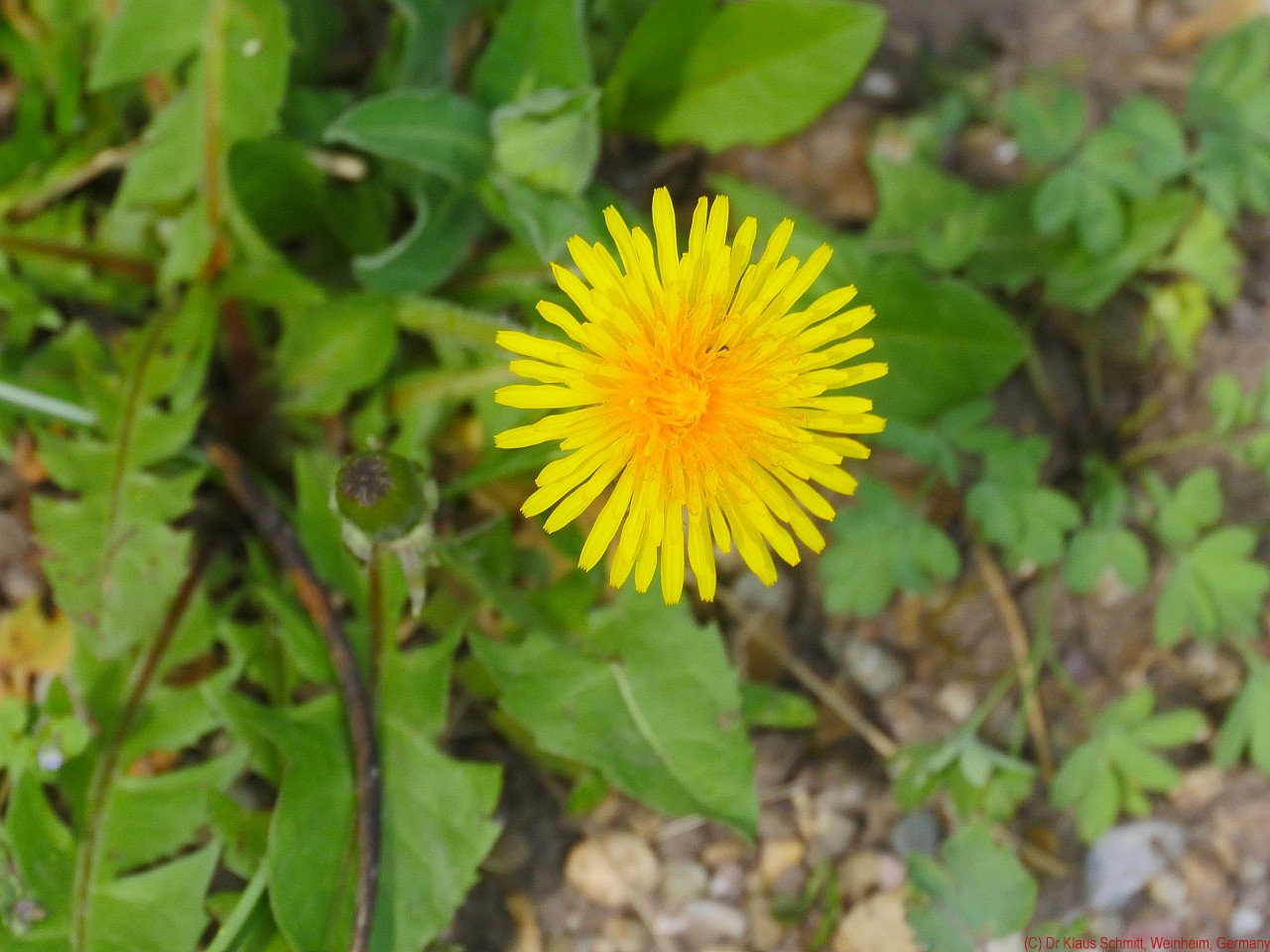
 

UV image:
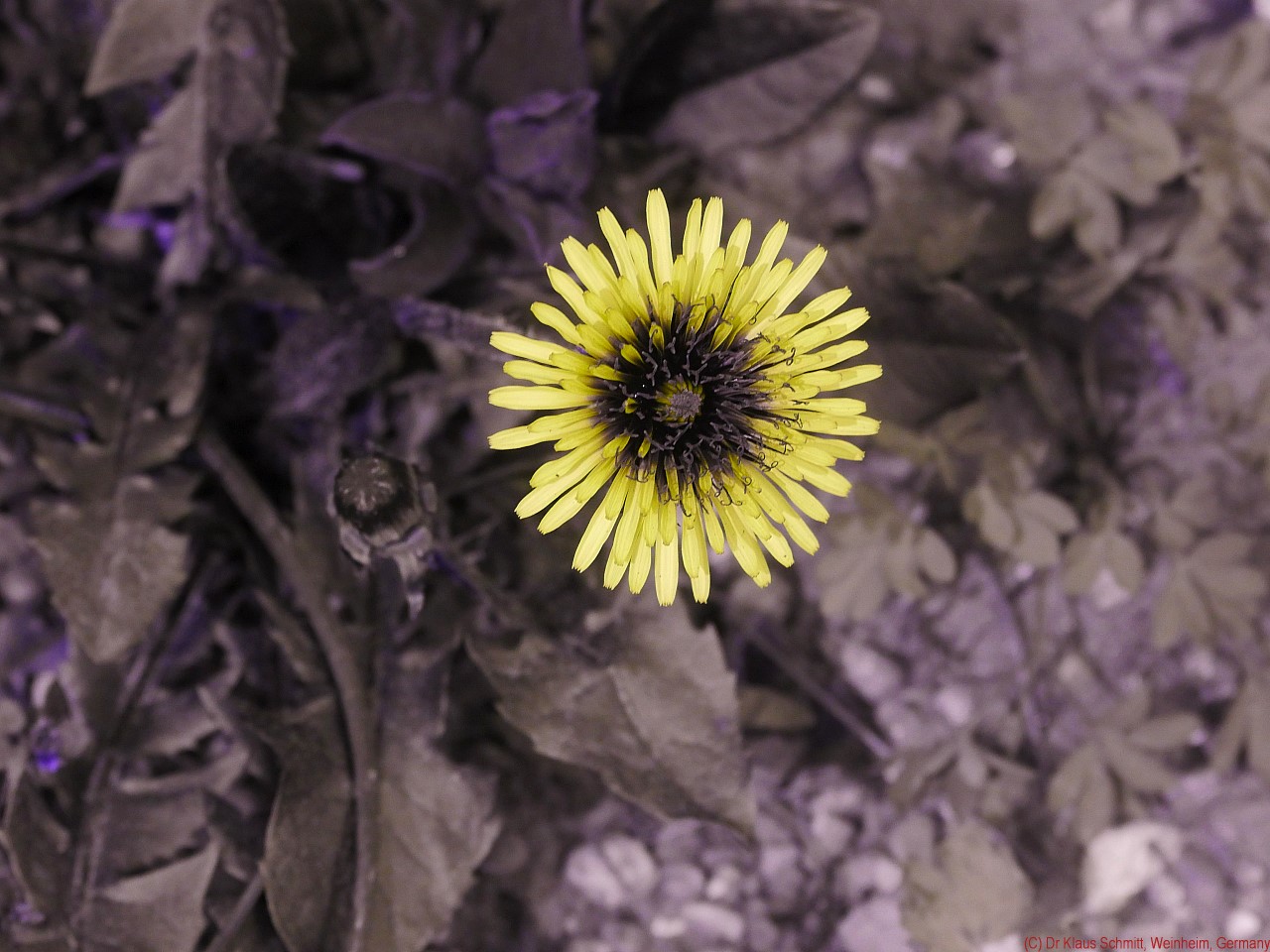
 

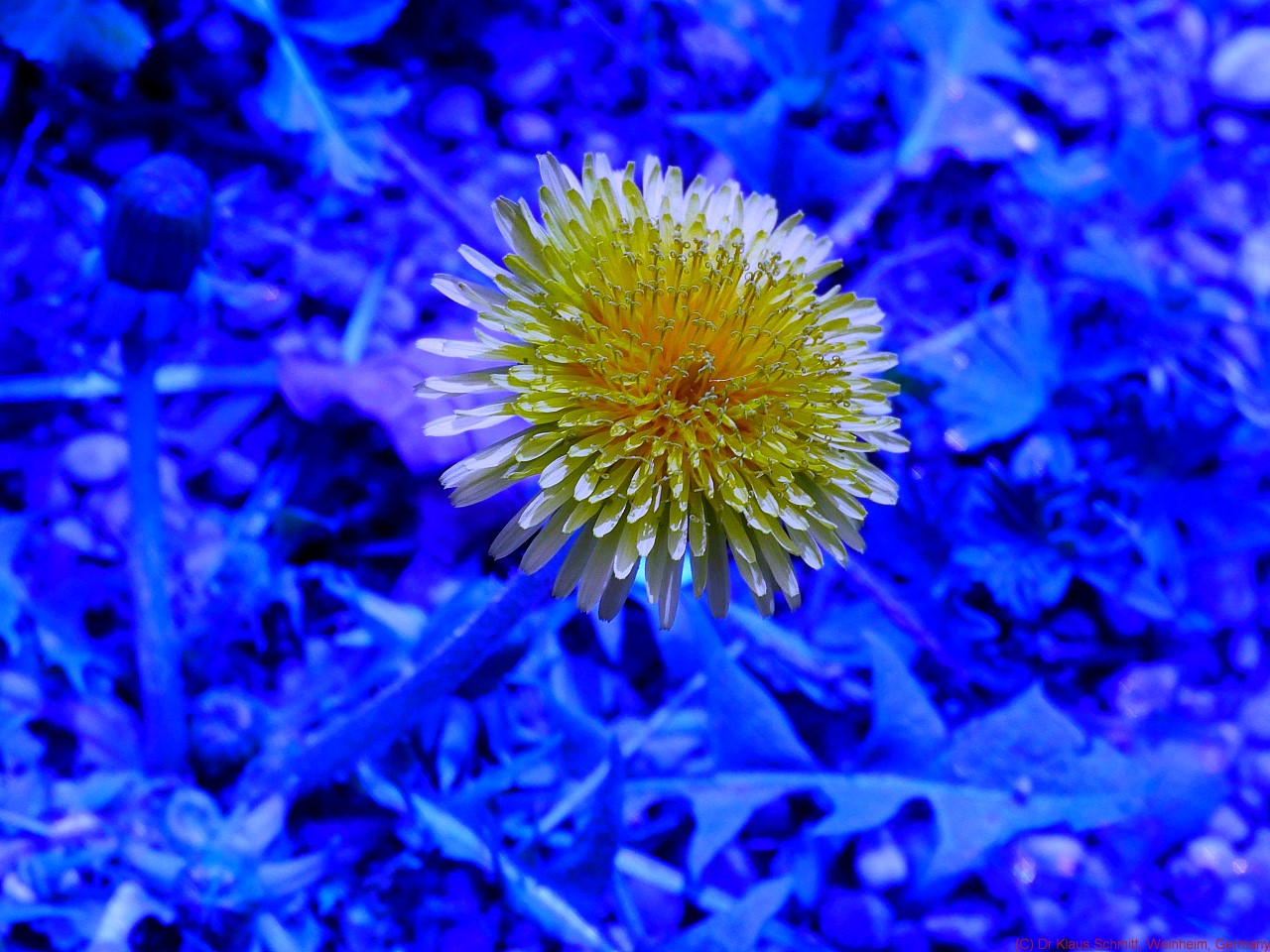
Simulated bee vision:
 

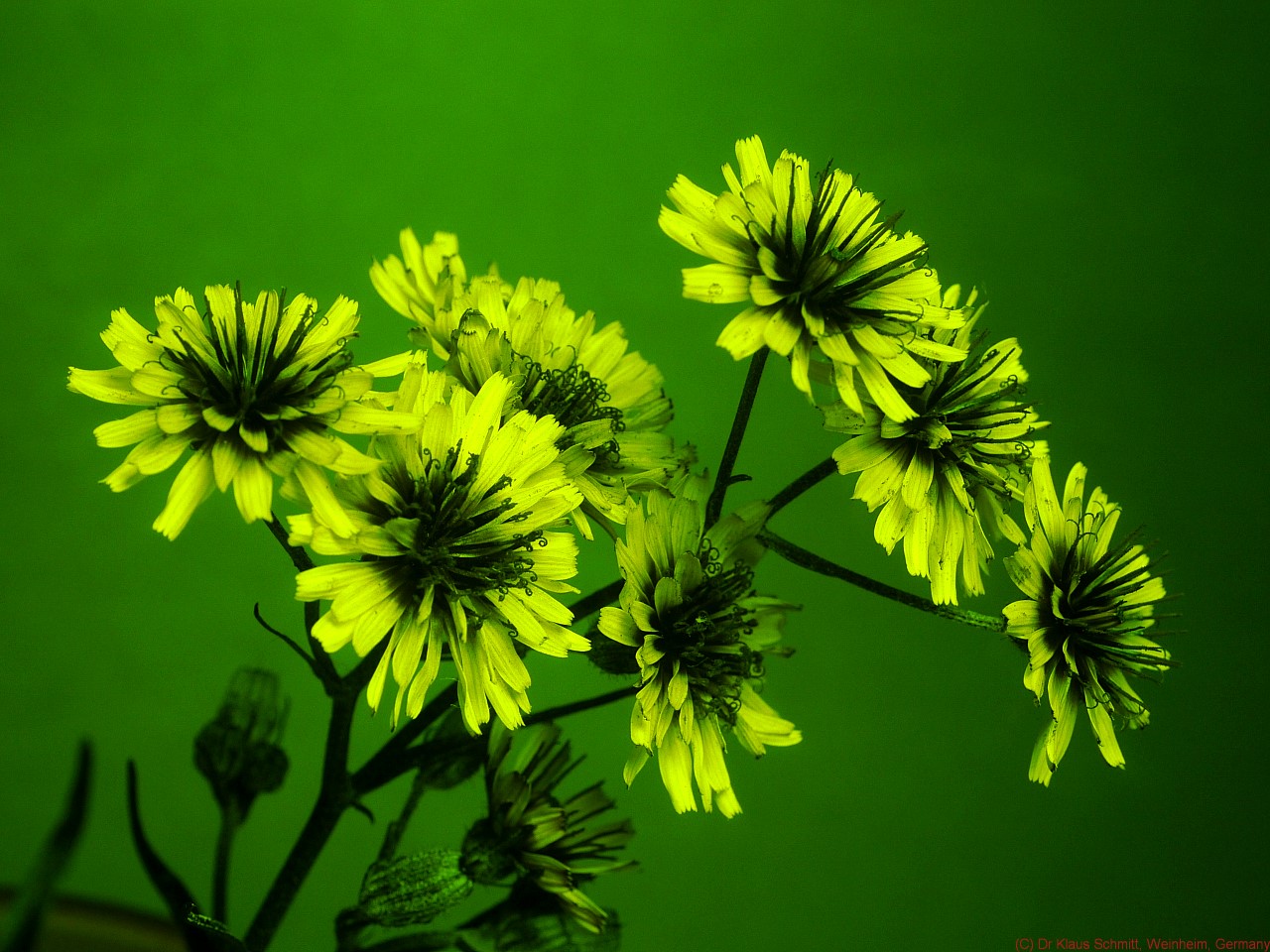
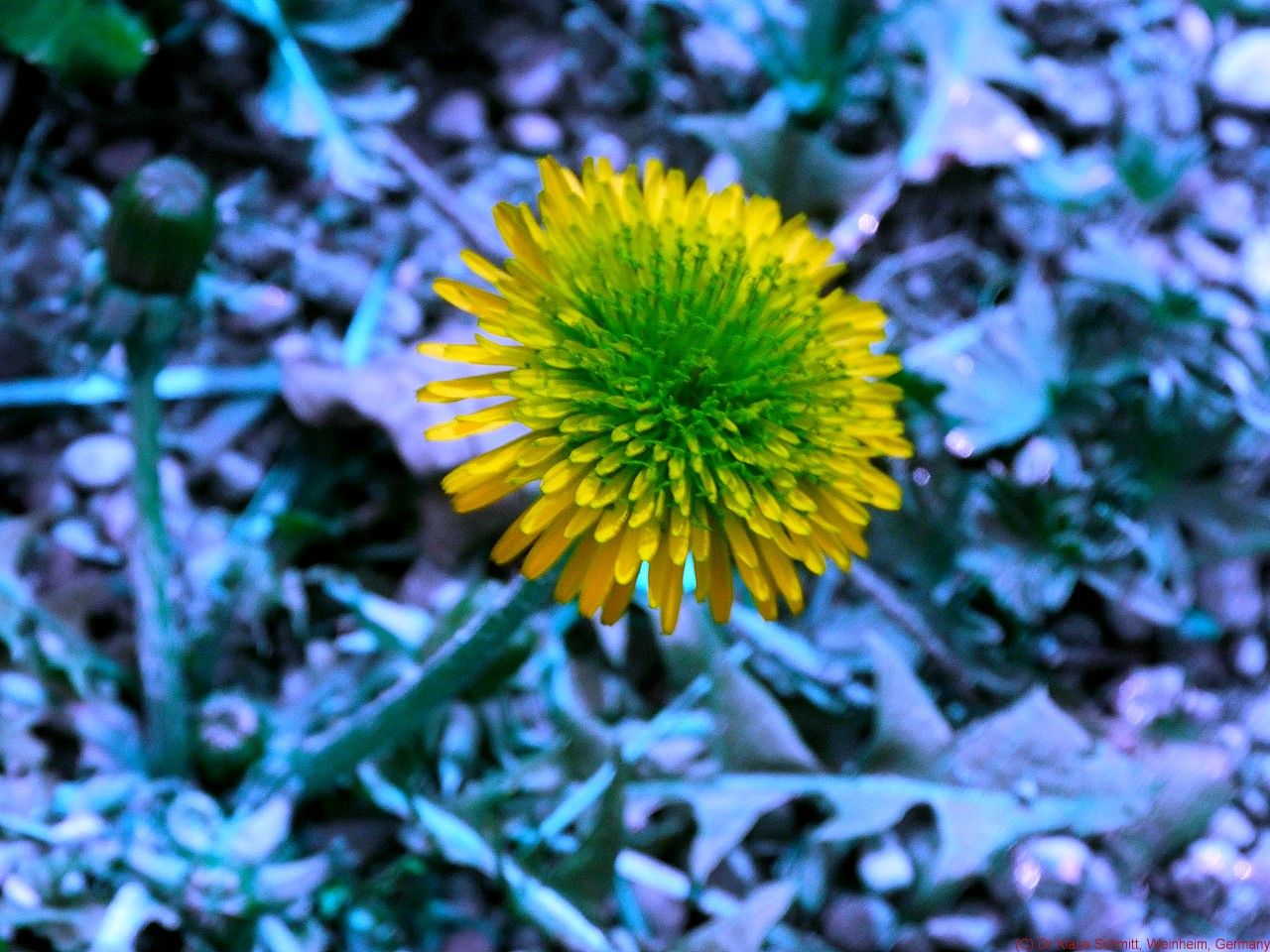
Simulated butterfly vision:
 

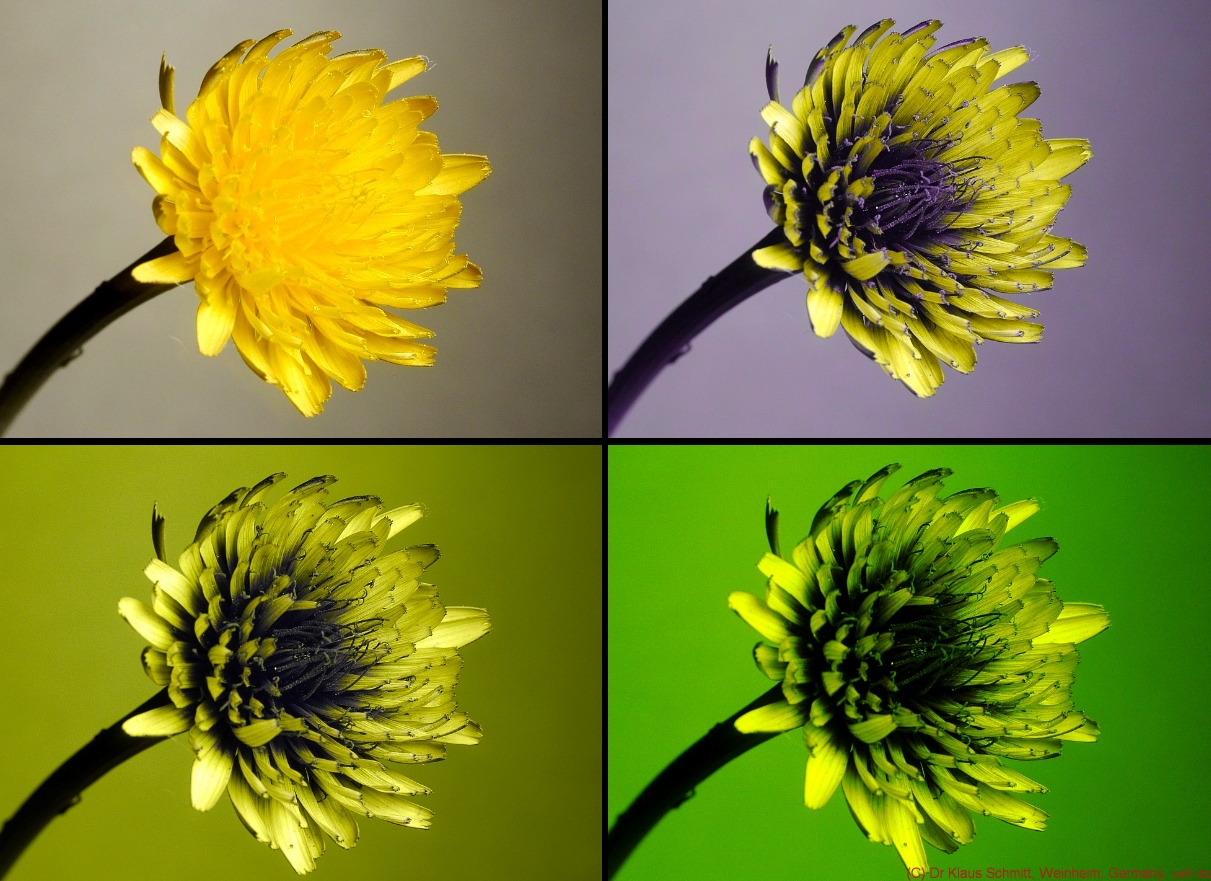
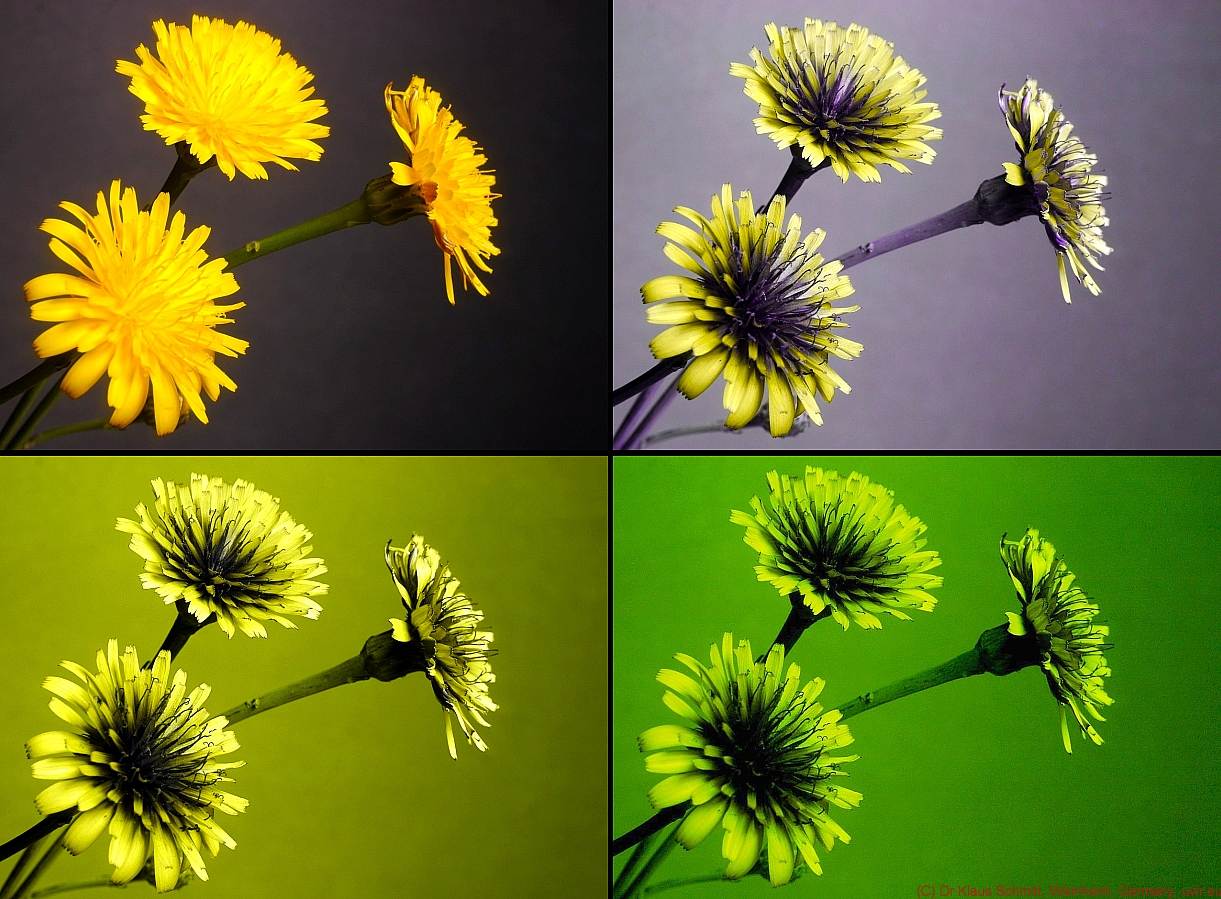
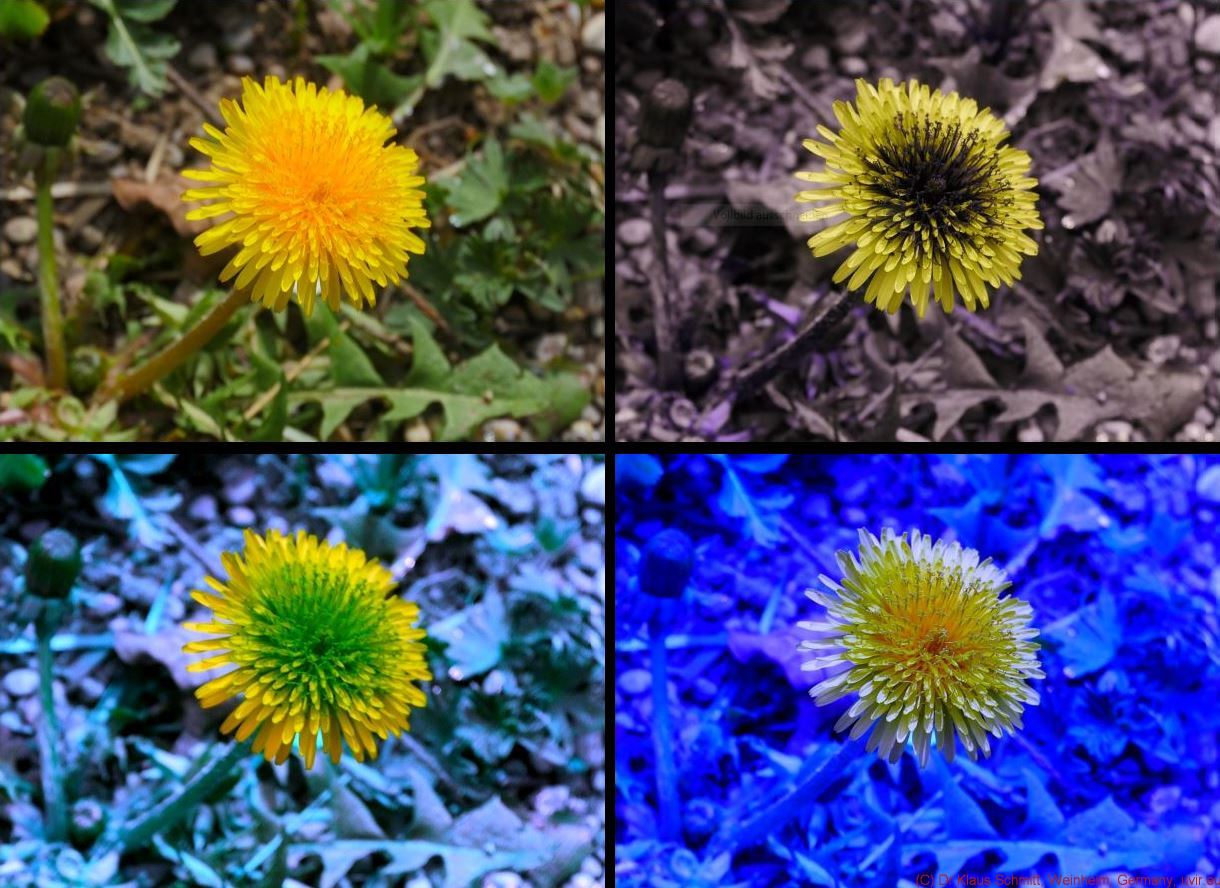
Quadriptych of human vision, UV, and simulated butterfly and bee vision (left to right, top to bottom:
 

Also this different specimen of Dandelion flower has quite a prominent UV pattern, its petals are UV bright around 365nm, its center is UV dark, especially the anthers, and this gets quite nicely visible also in simulated bee and butterfly vision.

I have written about this flower HERE
 
Stay tuned, more will follow on that fascinating subject...

More info on this very interesting field may be found on my site http://www.pbase.com/kds315/uv_photos

Dandelion - Taraxacum officinale flower in reflected ultraviolet photography and simulated bee and butterfly vision

Today about a common spring flower, Dandelion - Taraxacum officinale in reflected ultraviolet photography using my "work horse" UV filter, the Baader-U filter as well as my XBV filters for simulating butterfly and bee vision. Lens was a UV Nikkor 105mm quartz fluorite lens. Light source was sunlight. All shots were done at f8.

[click on image to see a larger one]

Visible light image:
 

UV image:
 

Simulated bee vision:
 

Simulated butterfly vision:
 

Quadriptych of human vision, UV, and simulated butterfly and bee vision (left to right, top to bottom:
 

This Dandelion flower has quite a prominent UV pattern, its petals are UV bright around 365nm, its center is UV dark, especially the anthers, and this gets quite nicely visible also in simulated bee and butterfly vision.

I have written about this flower HERE
 
Stay tuned, more will follow on that fascinating subject...

More info on this very interesting field may be found on my site http://www.pbase.com/kds315/uv_photos
Thursday, April 23, 2015

Dandelion and Daisy - Taraxacum officinale and Bellis perennis flower in reflected UV ultraviolet photography and simulated bee vision

Today shots of two early spring flowers, Bellis perennis - Common Daisy. and Dandelion - Taraxacum officinale in reflected ultraviolet photography. Lens was a CERCO 94mm quartz fluorite lens. Light source was sunlight. All shots were done at about f8 in reflected ultraviolet photography using my "work horse" UV filter, the Baader-U filter, as well as my XBV6 filter for simulated bee vision. Lens was a CERCO 94mm quartz fluorite lens. Light source was sunlight.

[click on image to see a larger one]

Triptych of human vision, UV and simulated bee vision (left to right):
 

This Dandelion flower has quite a prominent UV pattern, its petals are UV bright around 365nm, its center is UV dark, especially the anthers. Common Daisy, however has a bulls-eye UV pattern, its center is UV dark, and the petals are UV reflective around 380nm and both gets quite nicely visible side-a-side, also in simulated bee vision. Wouldn't it be interesting to find out, which flower is actually preferred by its pollinators, based on the very different reflection patterns in UV and BV?

I have written about the Dandelion flower previously HERE and about the Daisy flower HERE

Stay tuned, more will follow on that fascinating subject...

More info on this very interesting field may be found on my site http://www.pbase.com/kds315/uv_photos

Wednesday, April 22, 2015

Dandelion - Taraxacum officinale flower in reflected UV ultraviolet photography and simulated bee vision III

Today shots of an early spring flower, Dandelion - Taraxacum officinale in reflected ultraviolet photography. Lens was a CERCO 94mm quartz fluorite lens. Light source was sunlight. All shots were done in reflected ultraviolet photography using my "work horse" UV filter, the Baader-U filter, as well as my XBV6 filter for simulated bee vision. Lens was a CERCO 94mm quartz fluorite lens. Light source was sunlight. All shots were done at about f8.

[click on image to see a larger one]

Triptych of human vision, UV and simulated bee vision (left to right):
 

This Dandelion flower has quite a prominent UV pattern, its petals are UV bright around 365nm, its center is UV dark, especially the anthers, and this gets quite nicely visible, also in simulated bee vision.

I have written about this flower previously HERE

Stay tuned, more will follow on that fascinating subject...

More info on this very interesting field may be found on my site http://www.pbase.com/kds315/uv_photos
Saturday, June 21, 2014

Hawksbeard - Crepis in deep reflected ultraviolet photography, simulated butterfly and bee vision III

Today more shots of a different species of Hawksbeard - Crepis sp. in reflected ultraviolet photography using my "work horse" UV filter, the Baader-U filter, my Jupiter-U and Saturn-U deeper UV filters, as well as my XBV filters for simulating butterfly and bee vision. Lens was a CERCO 94mm quartz fluorite lens. Light source was a Xenon flash. All shots were done at about f8.

[click on image to see a larger one]

Visible light image:
 

UV image using Baader-U filter (approx. 320-395nm, effective peak approx. 375nm):
 

UV image using Jupiter-U filter (approx. 280-385nm, effective peak approx. 365nm):
 

UV image using Saturn-U filter (approx. 300-350nm, effective peak approx. 325nm):
 

Simulated butterfly vision (UV - VIS) using XBV3 filter:
 

Simulated bee vision (UV - VIS) using XBV6 filter:
 

Quadriptych of the above (with bee/butterfly vision):
 

Quadriptych of the above (with deep UV):


Hawksbeards outer petals reflect strongly UV around 365nm, there is a dark UV center and anthers, all invisible to us humans, and all that gets nicely visible.

Stay tuned, more will follow on that fascinating subject...

More info on this very interesting field may be found on my site http://www.pbase.com/kds315/uv_photos
Monday, June 16, 2014

Hawksbeard - Crepis in deep reflected ultraviolet photography, simulated butterfly and bee vision II

Today more shots of a different weed flower Hawksbeard - Crepis sp. in reflected ultraviolet photography using my "work horse" UV filter, the Baader-U filter, my Jupiter-U and Saturn-U deeper UV filters, as well as my XBV filters for simulating butterfly and bee vision. Lens was a CERCO 94mm quartz fluorite lens. Light source was a Xenon flash. All shots were done at about f8.

[click on image to see a larger one]

Visible light image:
 

UV image using Baader-U filter (approx. 320-395nm, effective peak approx. 375nm):
 

UV image using Jupiter-U filter (approx. 280-385nm, effective peak approx. 365nm):
 

UV image using Saturn-U filter (approx. 300-350nm, effective peak approx. 325nm):
 

Simulated butterfly vision (UV - VIS) using XBV3 filter:
 

Simulated butterfly vision (UV - VIS) using XBV2 filter:
 

Simulated bee vision (UV - VIS) using XBV6 filter:
 

Quadriptych of the above (with bee/butterfly vision):
 

Quadriptych of the above (with alt. bee/butterfly vision):
 

Quadriptych of the above (with deep UV):


Hawksbeards outer petals reflect strongly UV around 365nm, there is a dark UV center and anthers, all invisible to us humans, and all that gets nicely visible.

Stay tuned, more will follow on that fascinating subject...

More info on this very interesting field may be found on my site http://www.pbase.com/kds315/uv_photos
Hawksbeard - Crepis in deep reflected ultraviolet photography, simulated butterfly and bee vision

Today shots of a weed flower Hawksbeard - Crepis sp. in reflected ultraviolet photography using my "work horse" UV filter, the Baader-U filter, my Jupiter-U and Saturn-U deeper UV filters, as well as my XBV filters for simulating butterfly and bee vision. Lens was a CERCO 94mm quartz fluorite lens. Light source was a Xenon flash. All shots were done at about f8.

[click on image to see a larger one]

Visible light image:
 

UV image using Baader-U filter (approx. 320-395nm, effective peak approx. 375nm):
 

UV image using Jupiter-U filter (approx. 280-385nm, effective peak approx. 365nm):
 

UV image using Saturn-U filter (approx. 300-350nm, effective peak approx. 325nm):
 

Simulated butterfly vision (UV - VIS) using XBV3 filter:
 

Simulated bee vision (UV - VIS) using XBV6 filter:
 

Quadriptych of the above (with bee/butterfly vision):
 

Quadriptych of the above (with deep UV):


Hawksbeards outer petals reflect strongly UV around 365nm, there is a dark UV center and anthers, all invisible to us humans, and all that gets nicely visible.

Stay tuned, more will follow on that fascinating subject...

More info on this very interesting field may be found on my site http://www.pbase.com/kds315/uv_photos

Tuesday, May 27, 2014

Dandelion - Taraxacum officinale in deep reflected ultraviolet photography, simulated butterfly and bee vision

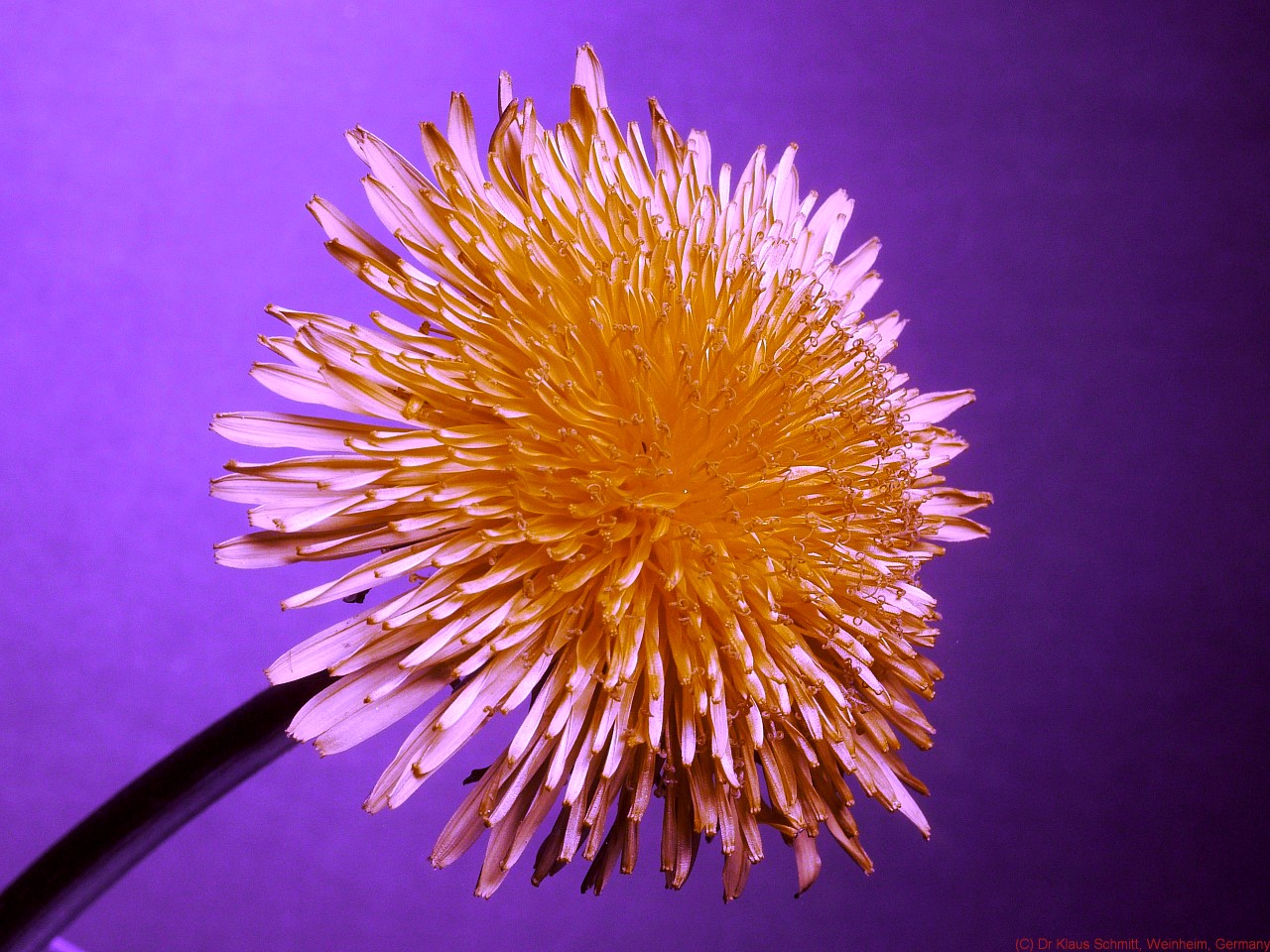
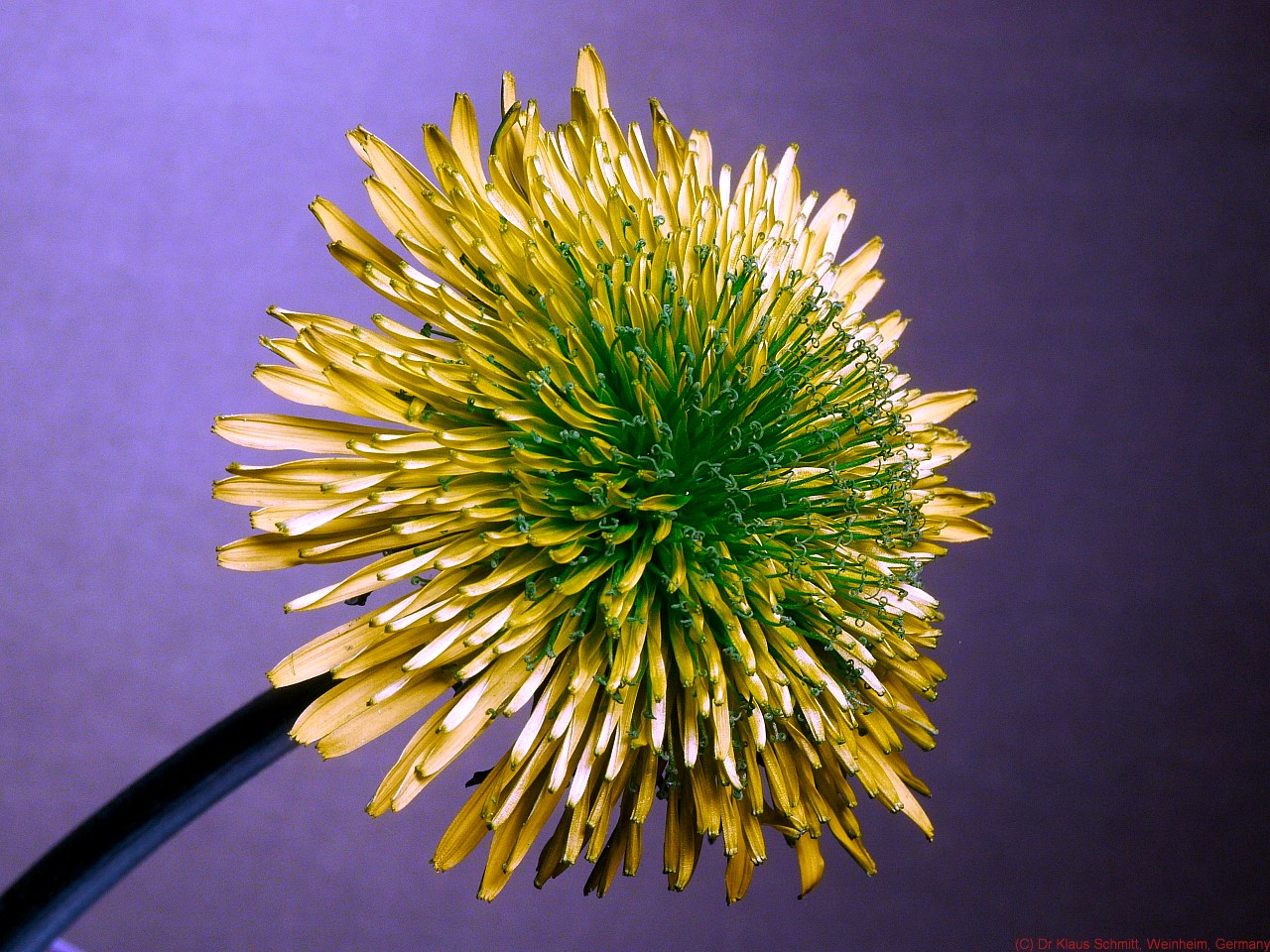
Today shots of a very well known flower I have written about before, Dandelion - Taraxacum officinale in reflected ultraviolet photography using my "work horse" UV filter, the Baader-U filter, my Jupiter-U and Saturn-U deeper UV filters, as well as my XBV filters for simulating butterfly and bee vision. Lens was a CERCO 94mm quartz fluorite lens. Light source was a Xenon flash. All shots were done at about f8.

[click on image to see a larger one]

Visible light image:
 

UV image using Baader-U filter (approx. 320-395nm, effective peak approx. 375nm):
 

UV image using Jupiter-U filter (approx. 280-385nm, effective peak approx. 365nm):
 

UV image using Saturn-U filter (approx. 300-350nm, effective peak approx. 325nm):
 

Simulated butterfly vision (UV - VIS) using XBV3 filter:
 

Simulated bee vision (UV - VIS) using XBV6 filter:
 

Quadriptych of the above (with bee/butterfly vision):
 

Quadriptych of the above (with deep UV):


A Dandelions outer petals reflect strongly UV around 365nm, there is a dark UV center and anthers, all invisible to us humans, and all that gets nicely visible.

Stay tuned, more will follow on that fascinating subject...

More info on this very interesting field may be found on my site http://www.pbase.com/kds315/uv_photos
Thursday, April 25, 2013

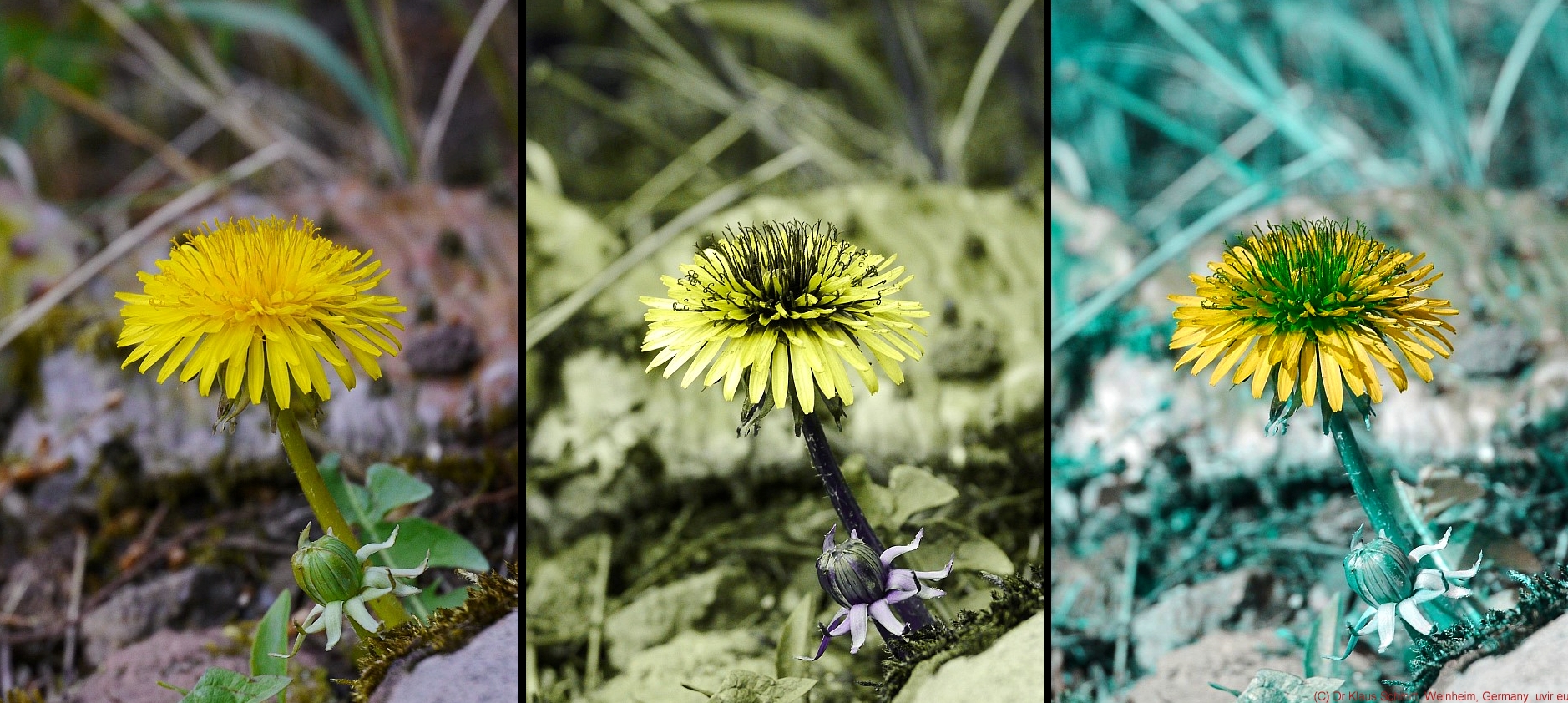
Dandelion - Taraxacum officinale flower in reflected UV ultraviolet photography and simulated bee vision

Today about another early spring flower, Dandelion - Taraxacum officinale in reflected ultraviolet photography using my "work horse" UV filter, the Baader-U filter as well as my XBV filters for simulating butterfly and bee vision. Lens was a CERCO 94mm quartz fluorite lens. Light source was sunlight. All shots were done at about f5.6.

[click on image to see a larger one]

Visible light image:
 

UV image using Baader-U filter (approx. 320-395nm, effective peak approx. 375nm):
 

Simulated bee vision (UV - VIS) using XBV6 filter:
 

Triptych of the above:


This Dandelion flower has quite a prominent UV pattern, its petals are UV bright around 365nm, its center is UV dark, especially the anthers, and this gets quite nicely visible.


Stay tuned, more will follow on that fascinating subject...

More info on this very interesting field may be found on my site http://www.pbase.com/kds315/uv_photos