Showing posts with label Cliff maids. Show all posts

Saturday, April 18, 2026

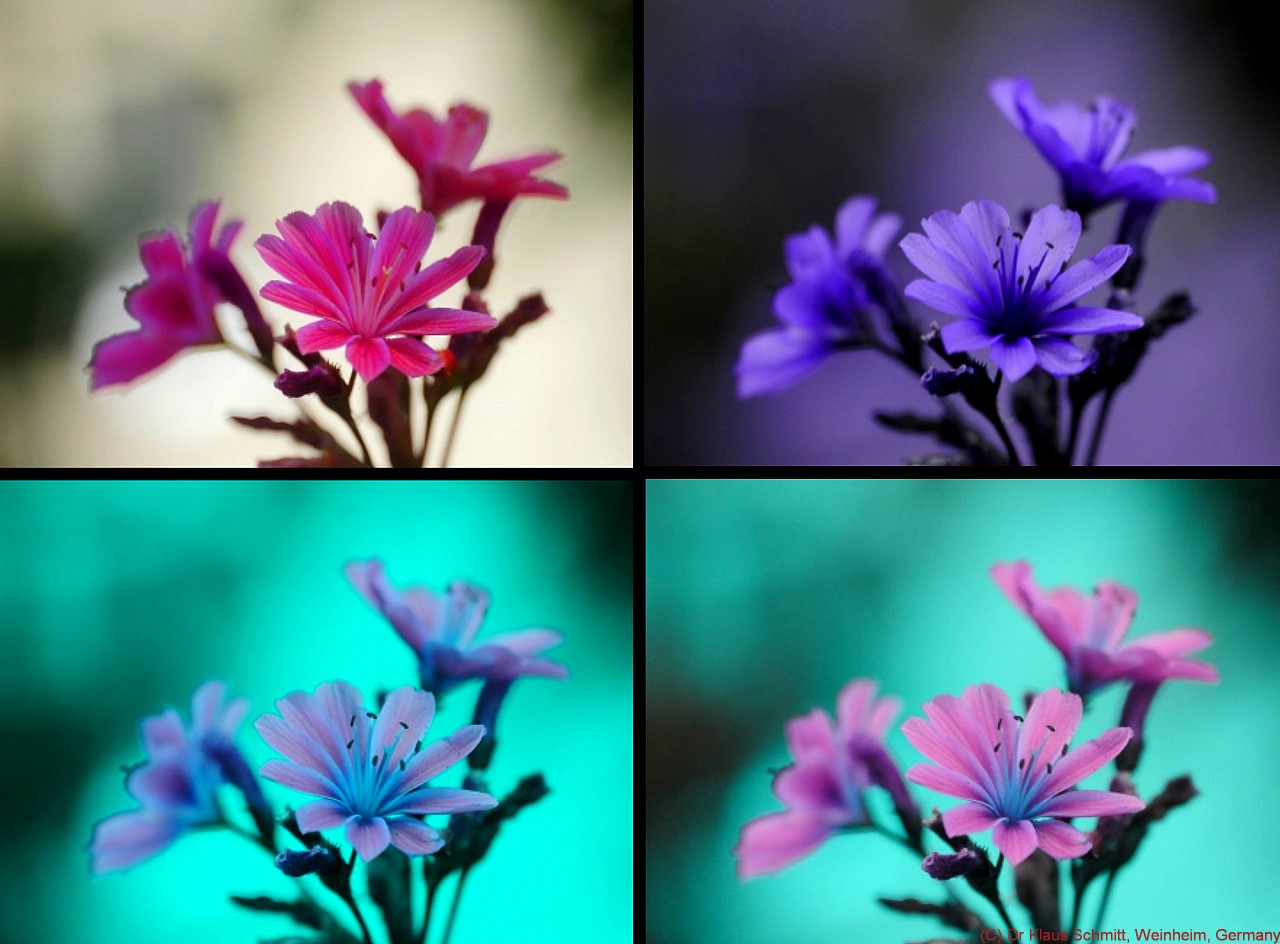
Cliff maids - Lewisia cotyledon in reflected ultraviolet photography, simulated bee and butterfly vision XI

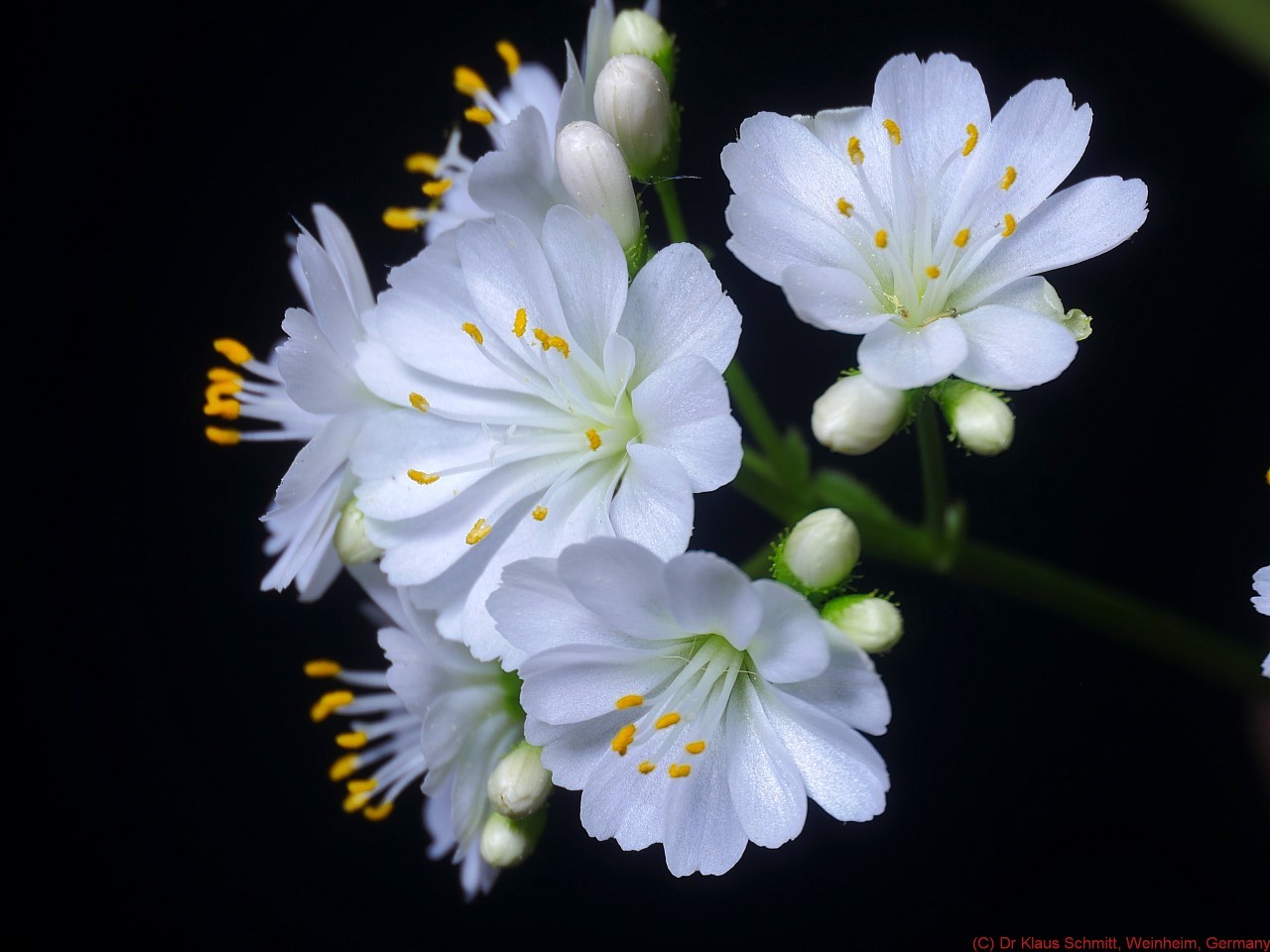
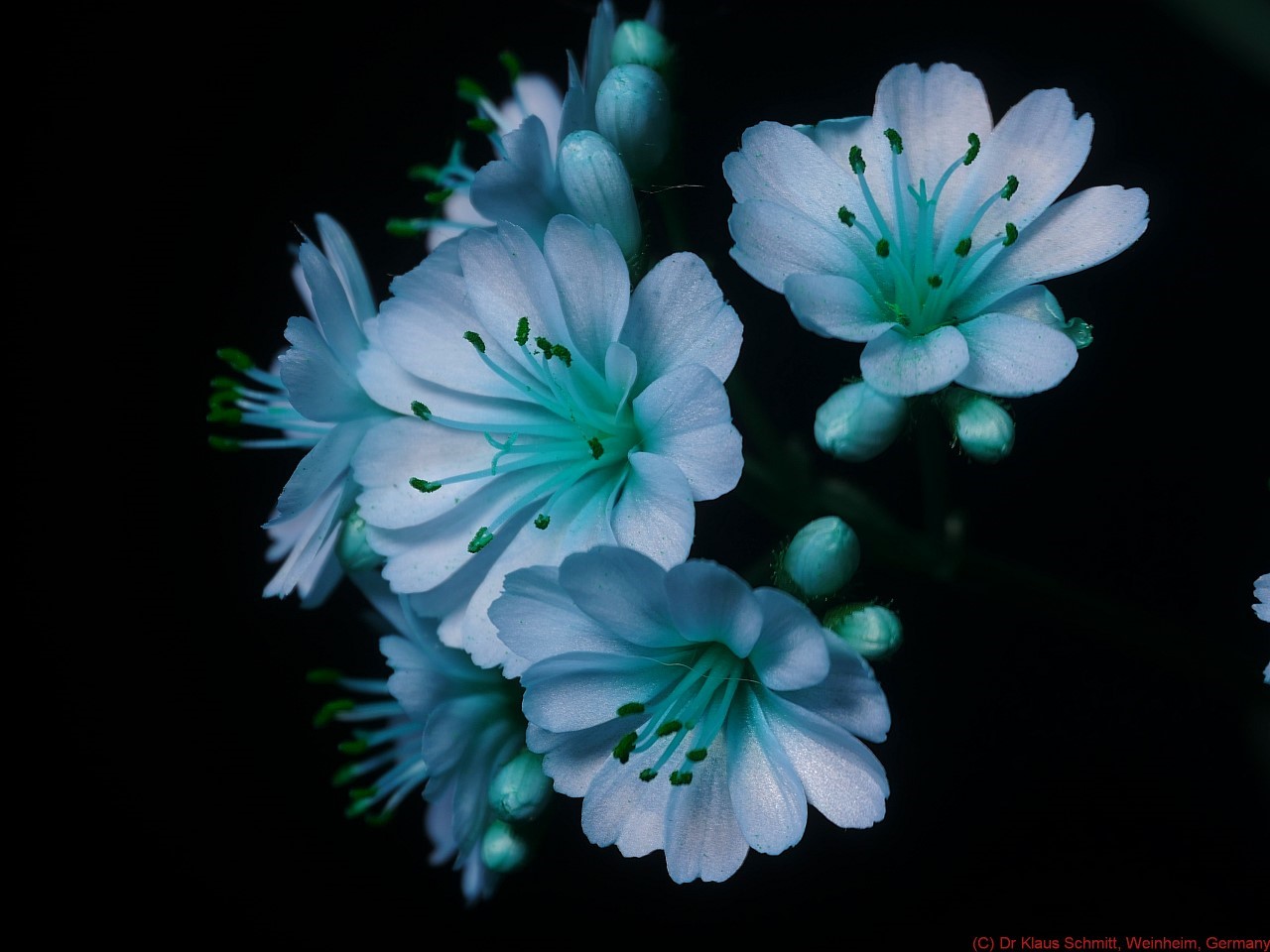
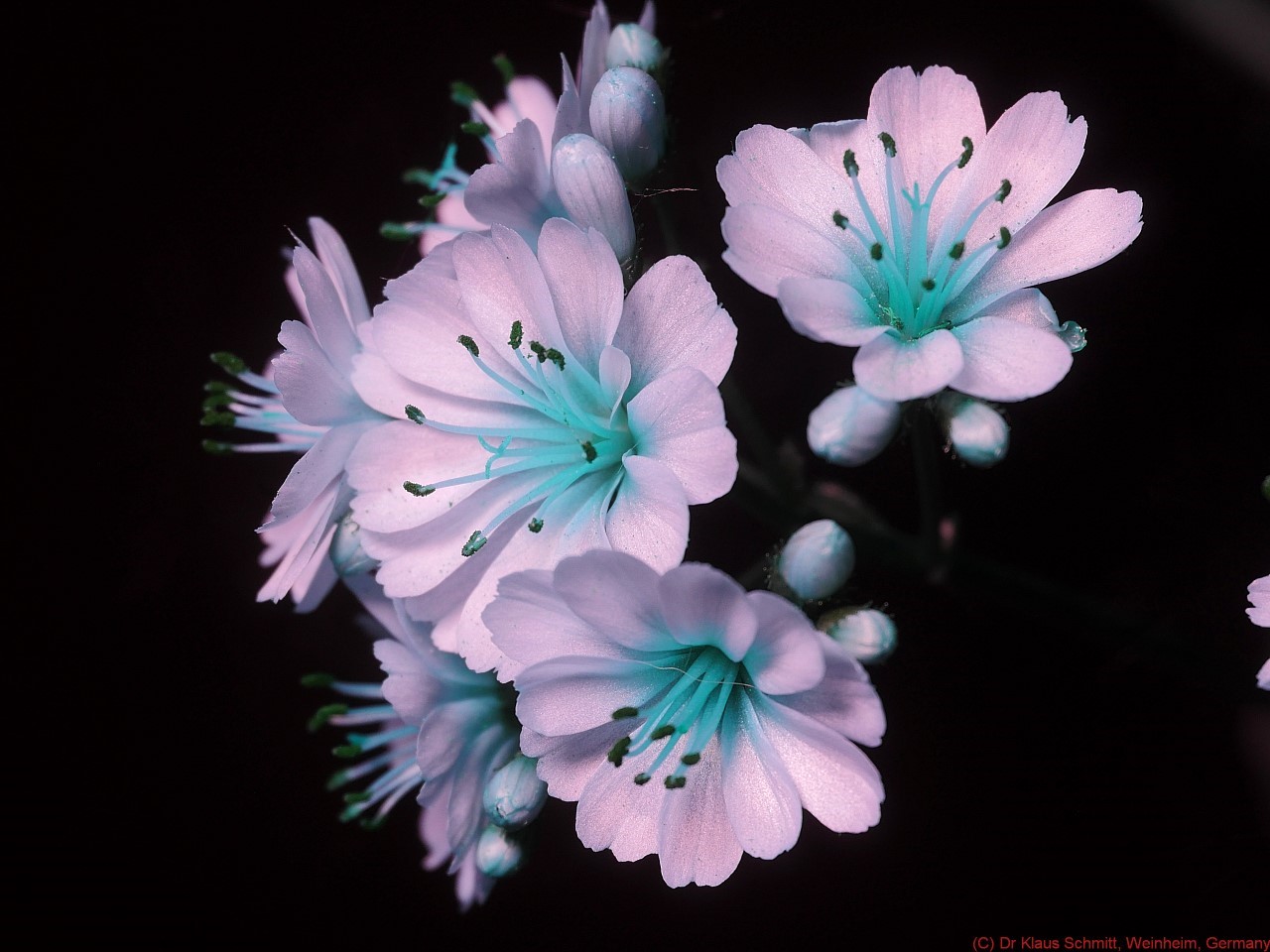
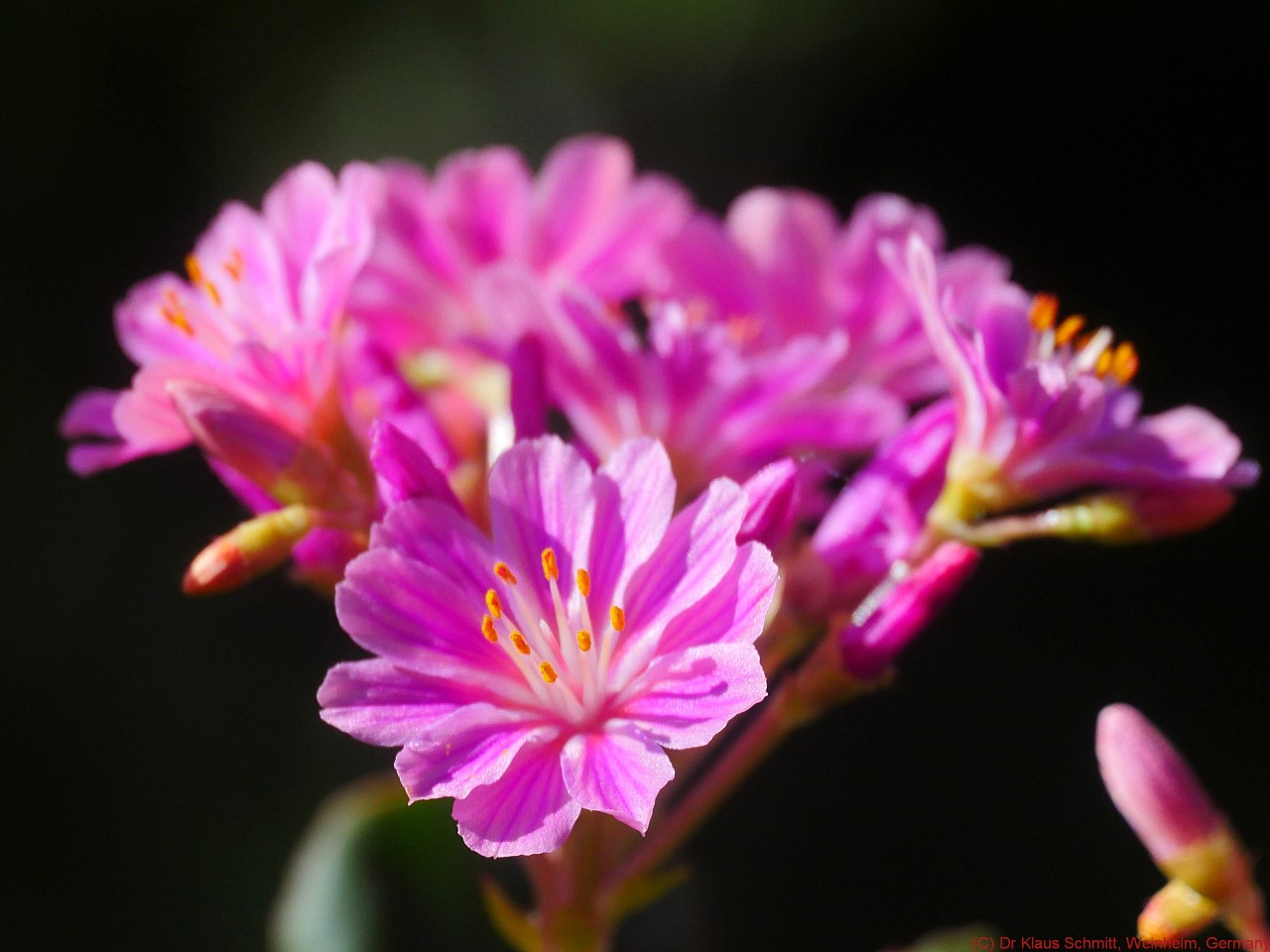
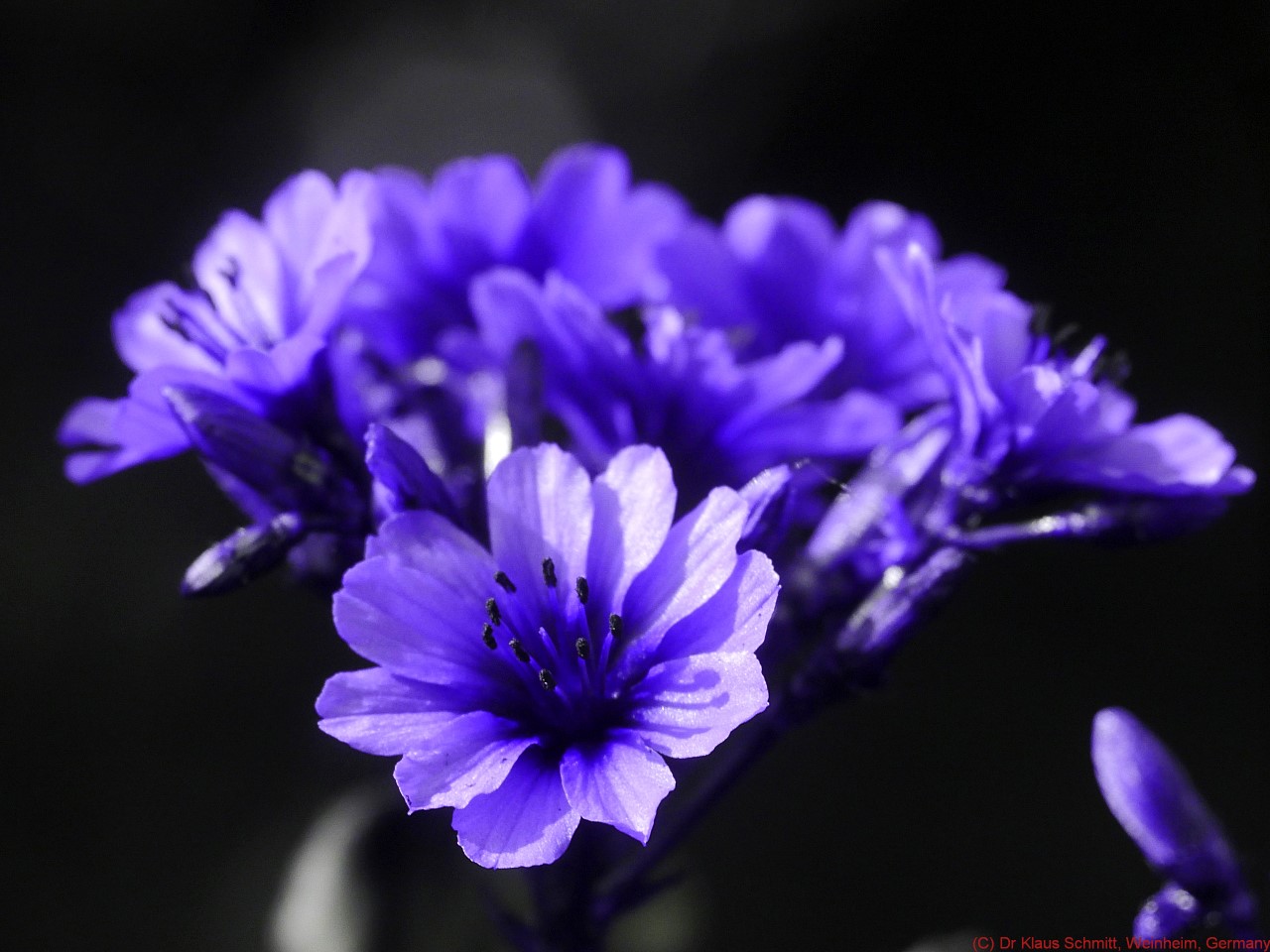
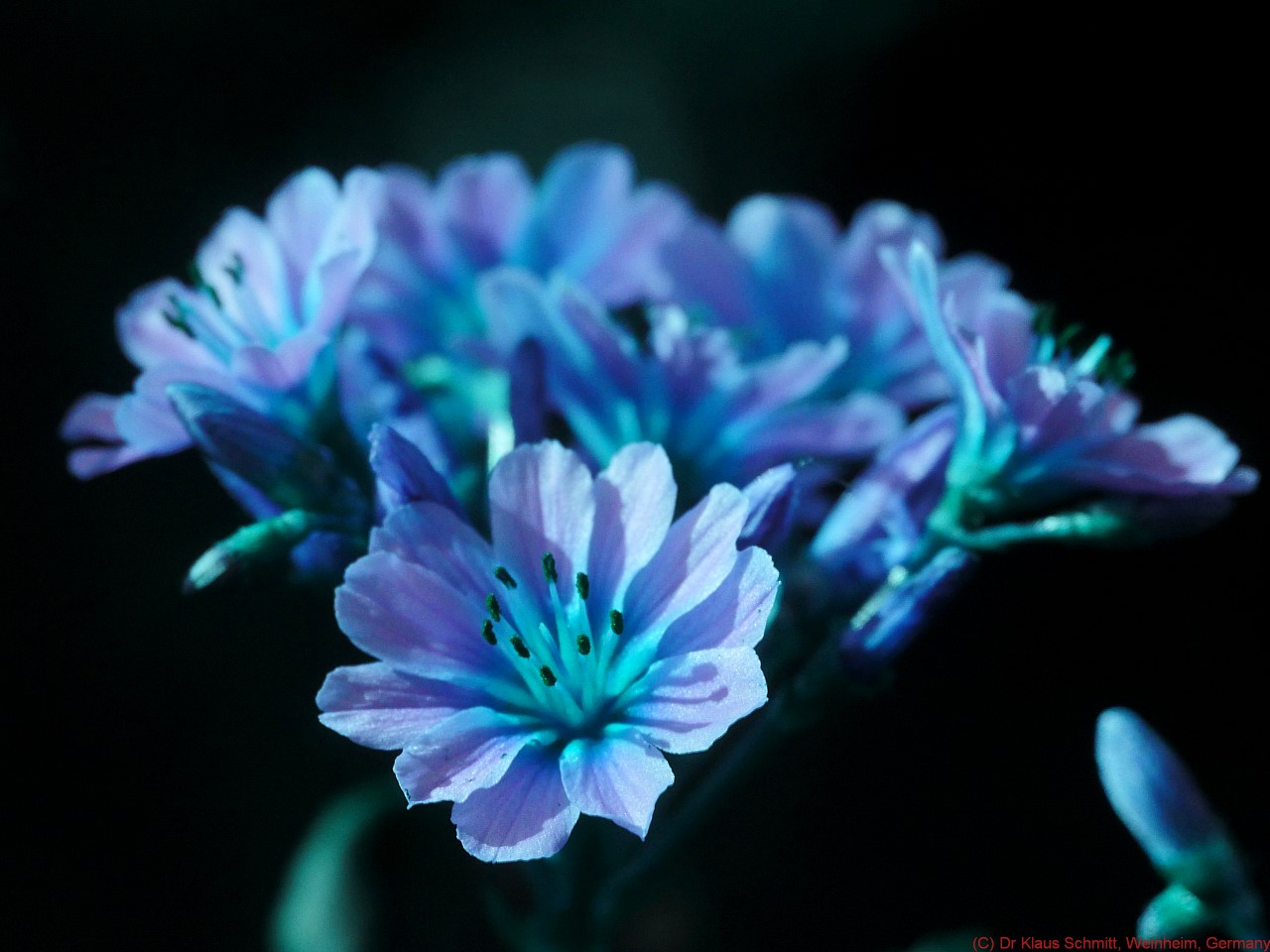
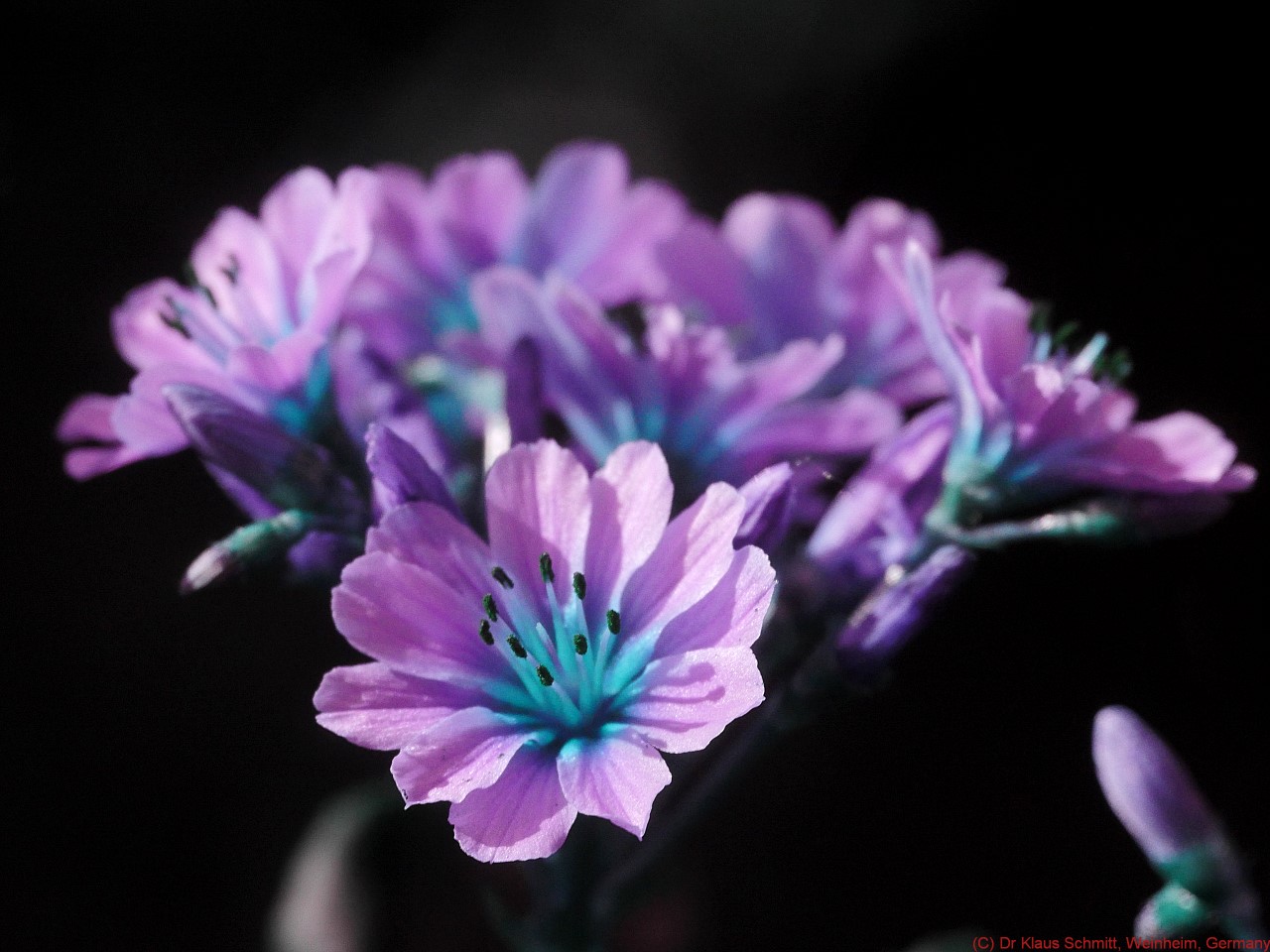
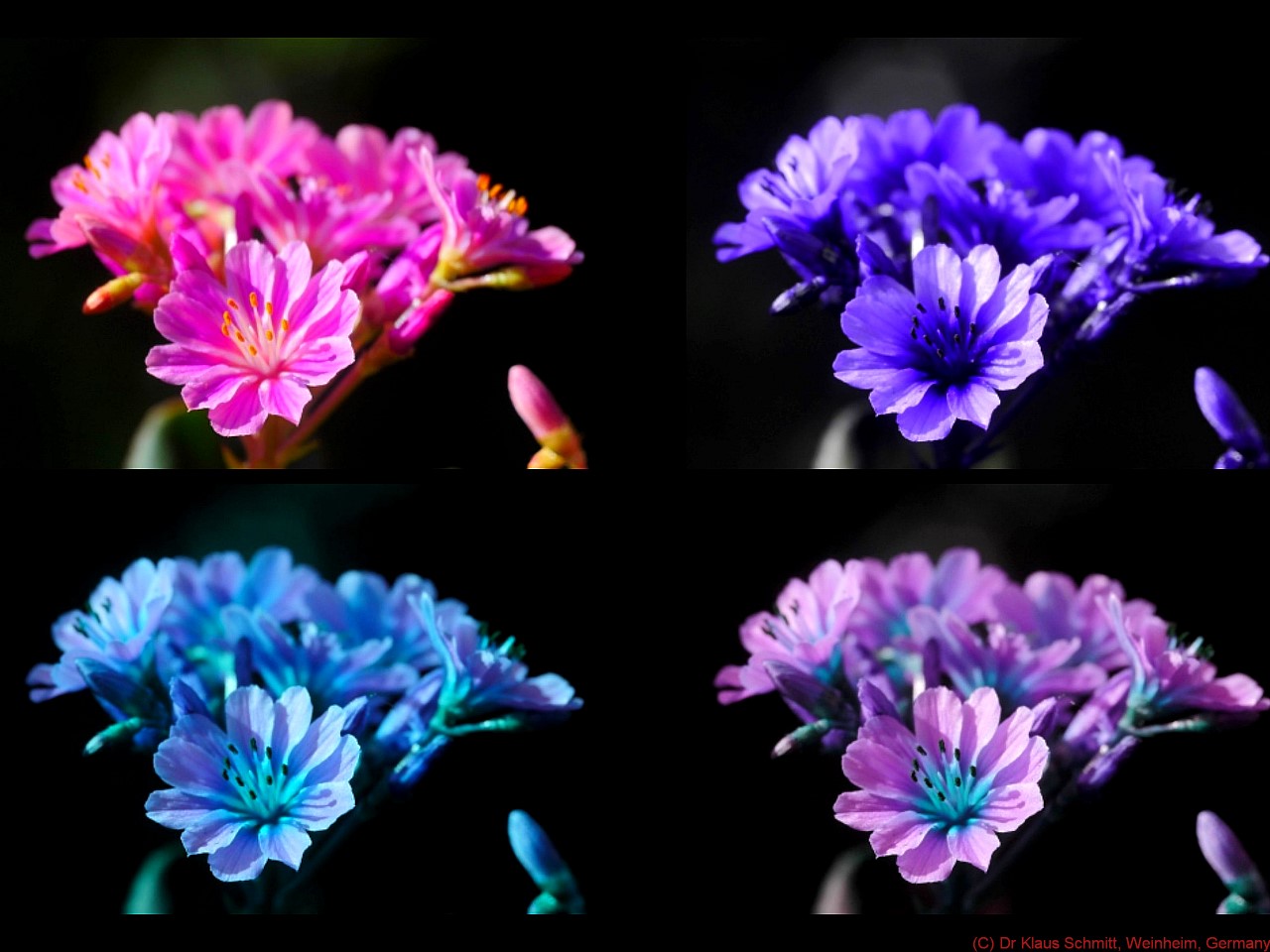
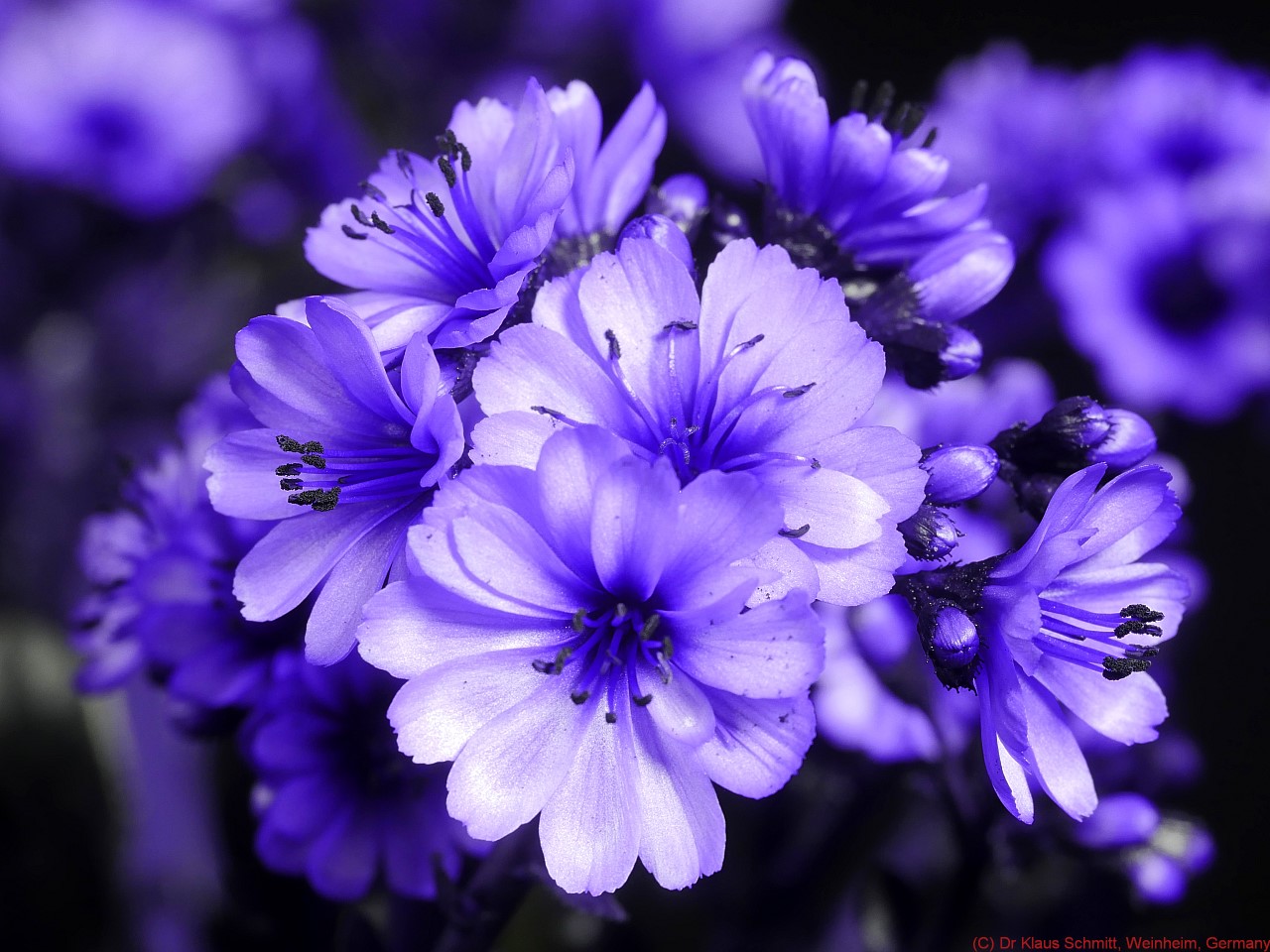
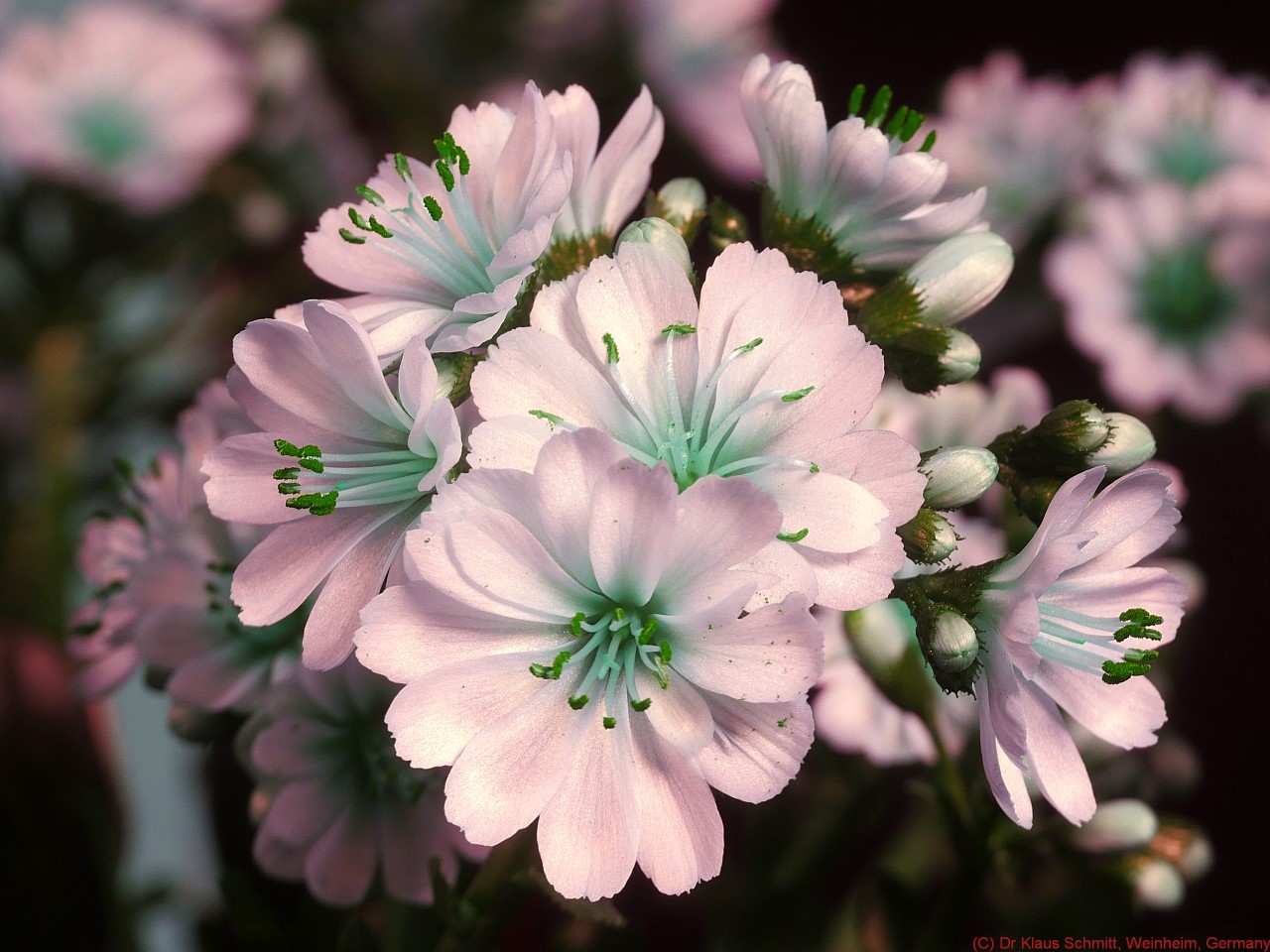
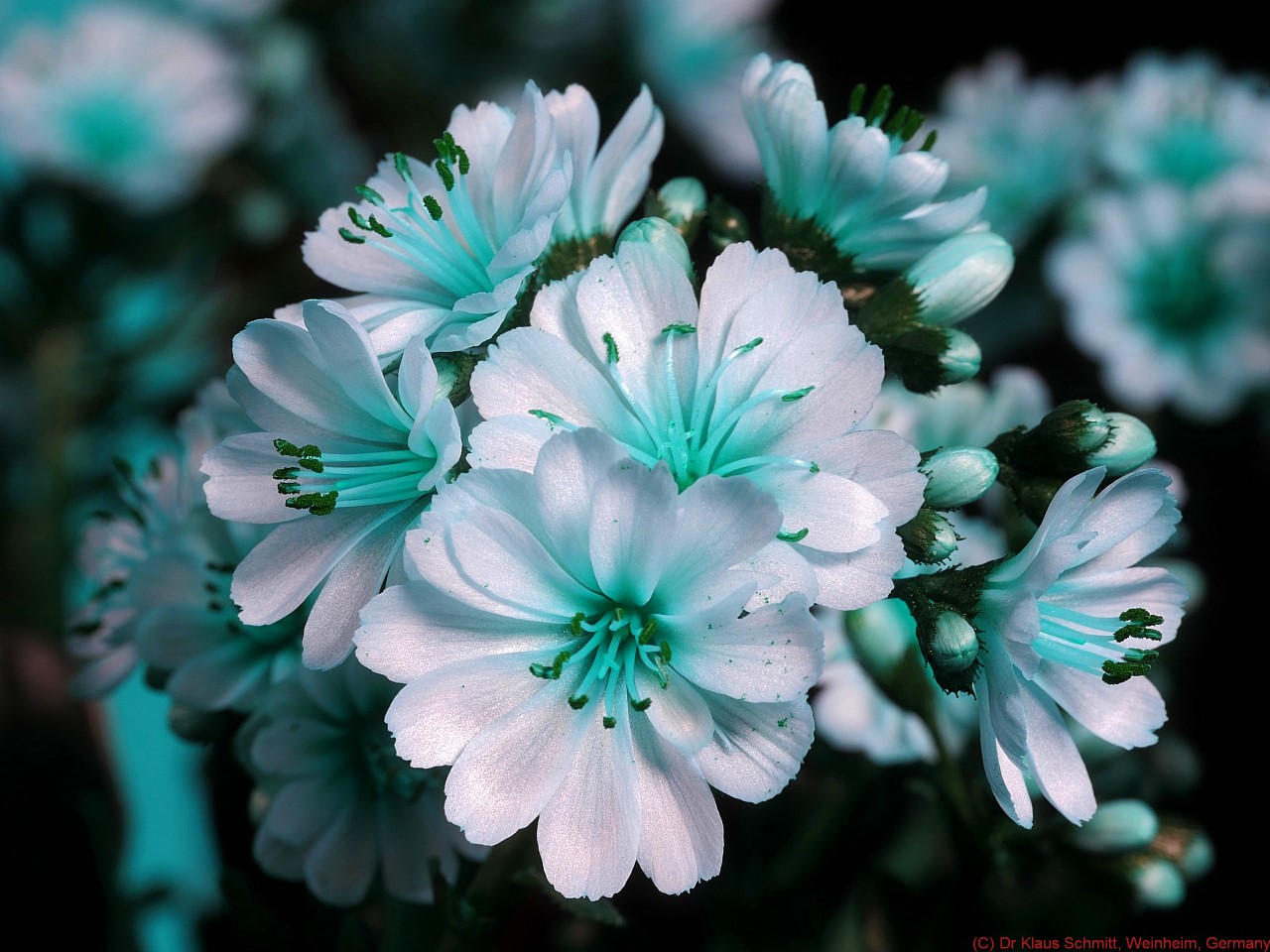
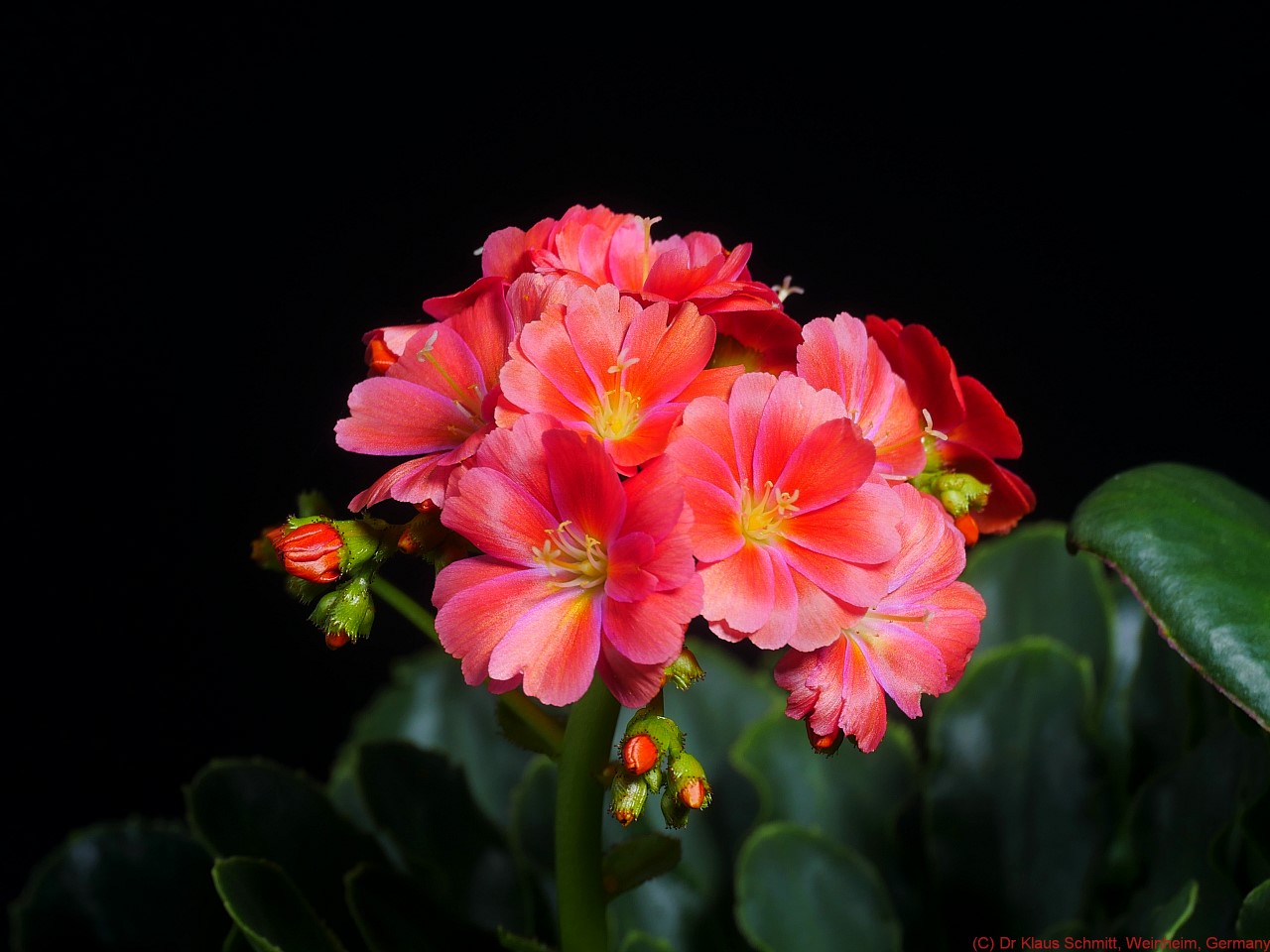
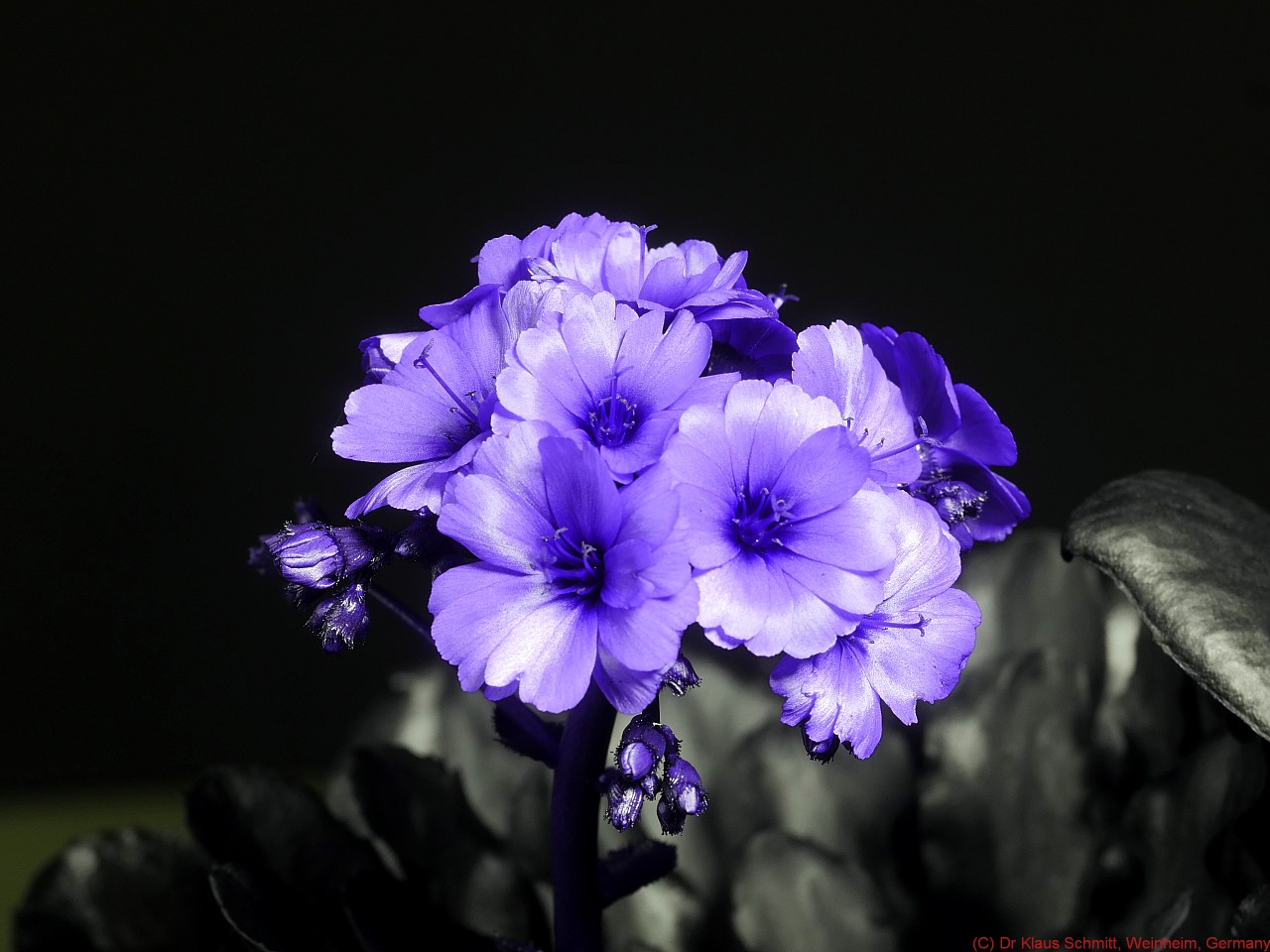
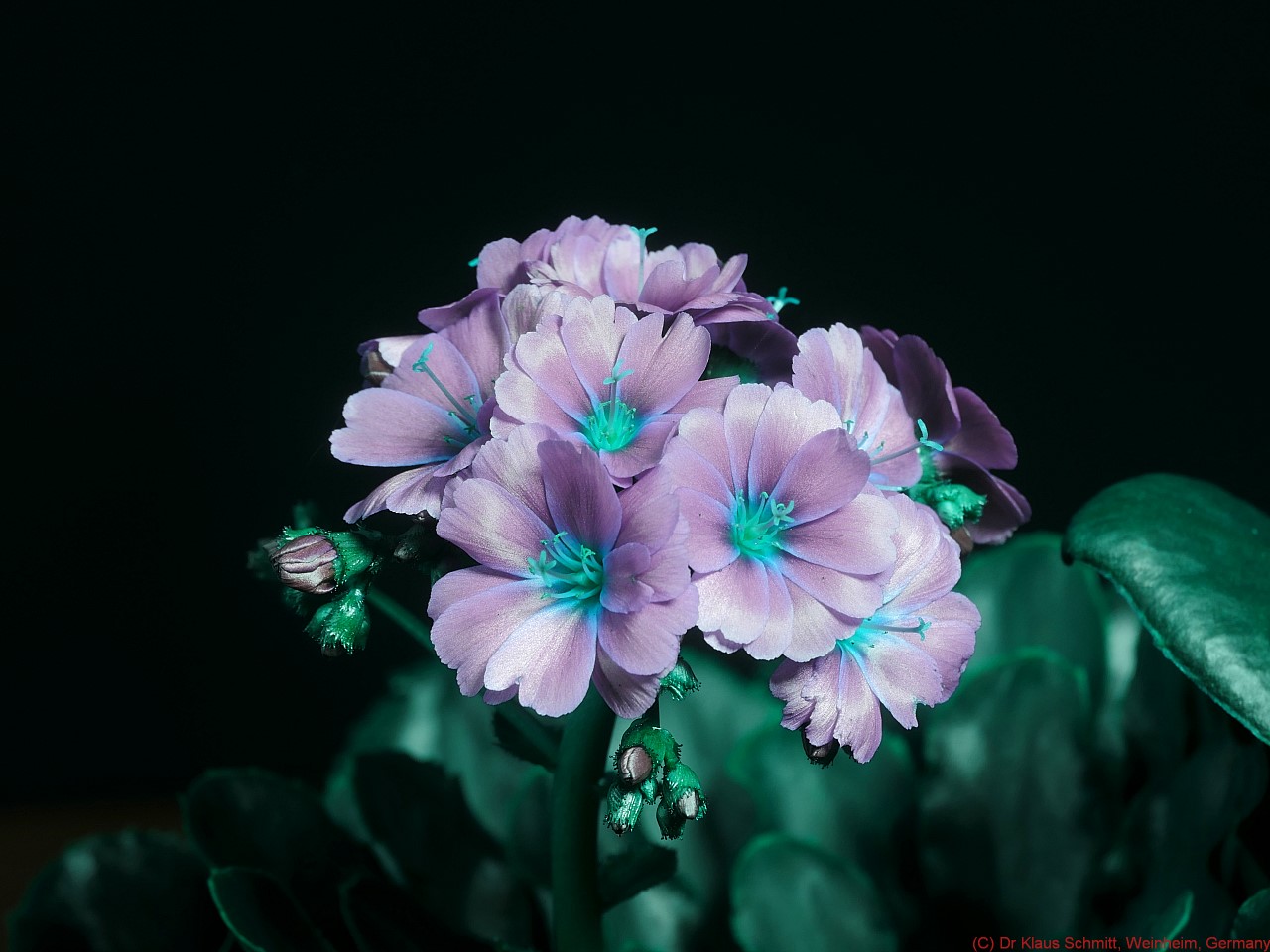
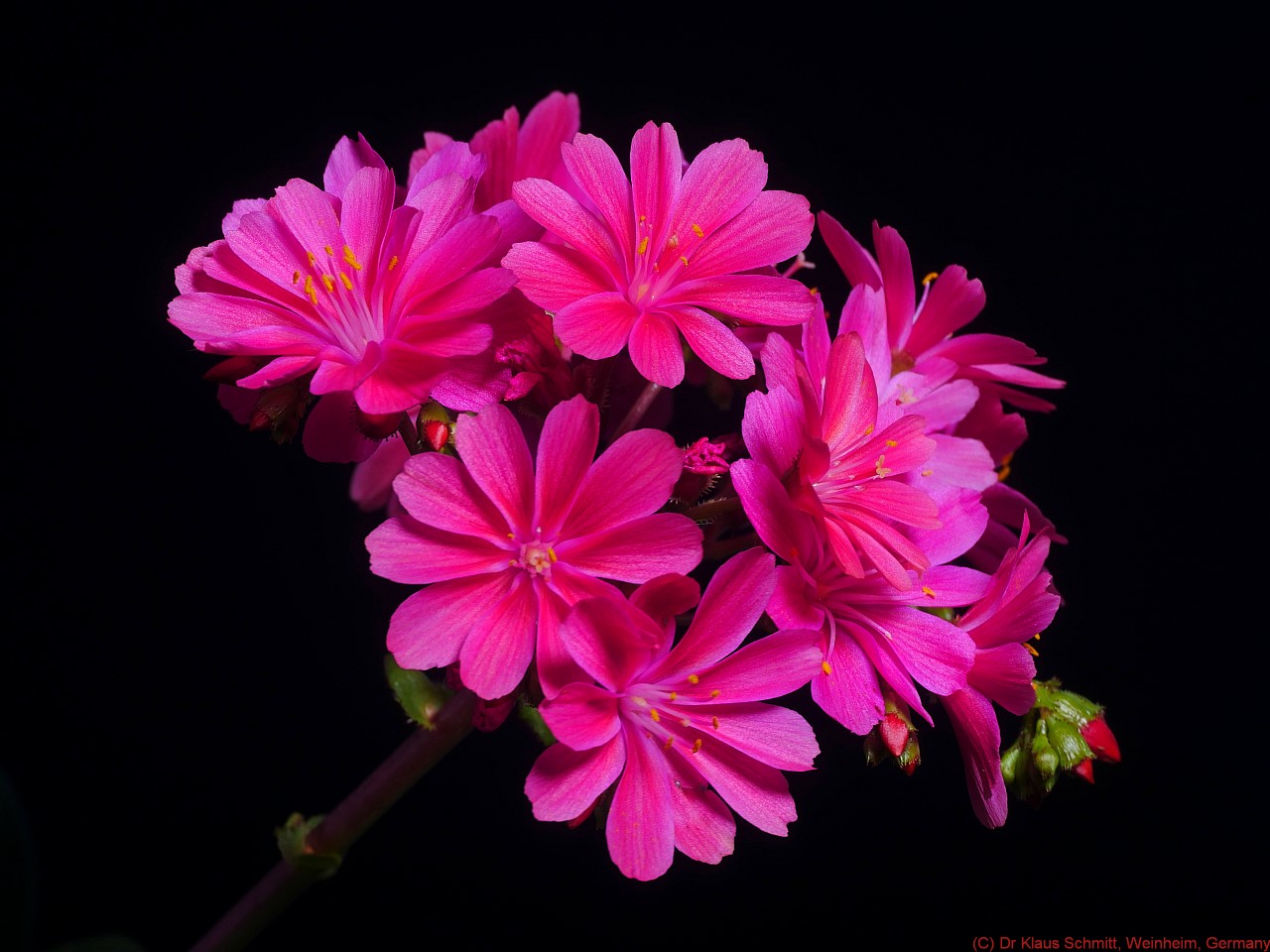
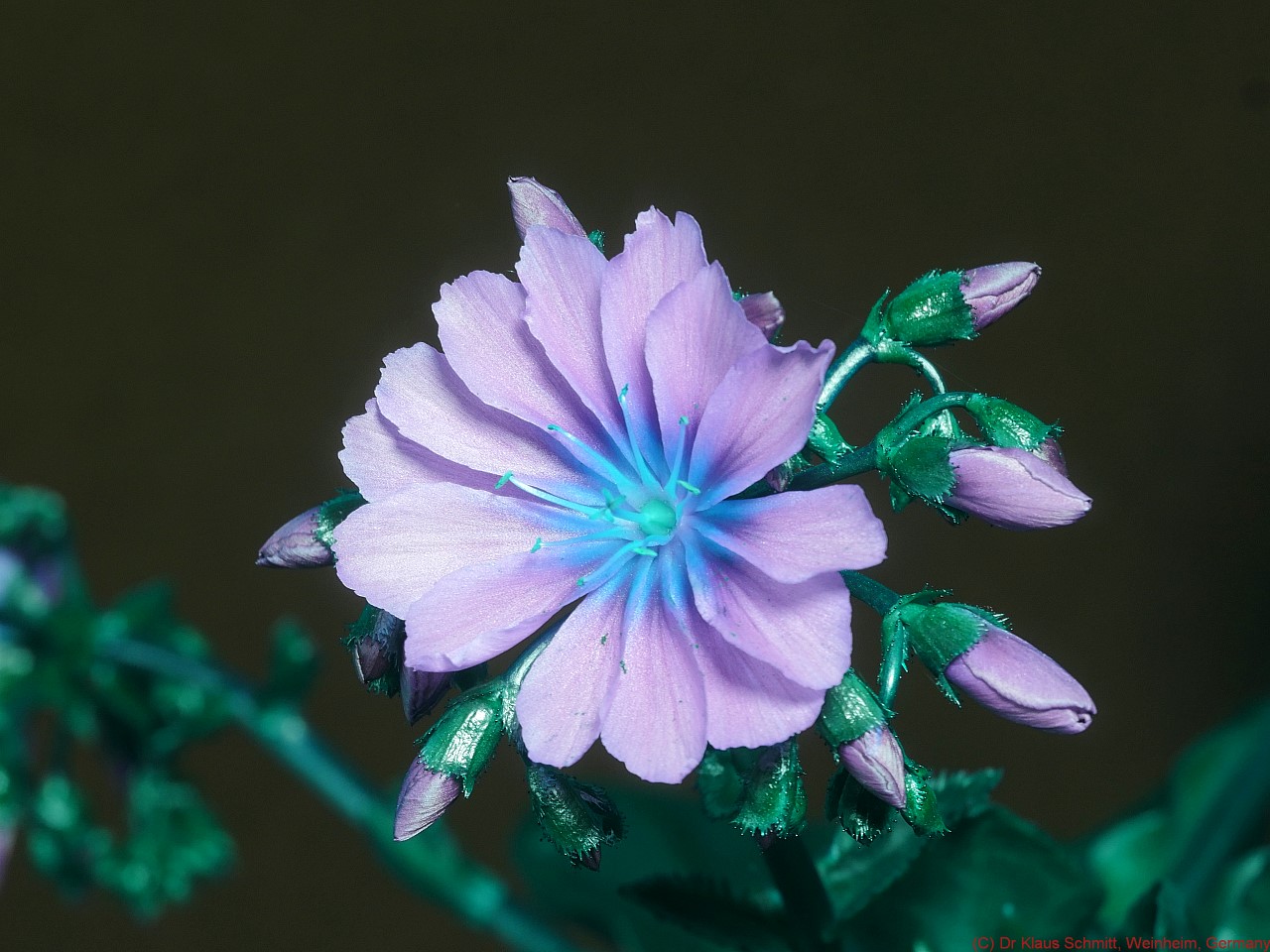
Today in Spring 2026 after some hiatus due to a move to the French border more shots of a white long blooming, perennial flower Cliff maids - Lewisia cotyledon in reflected ultraviolet photography and simulated bee and butterfly vision. All shots were done at f8 in reflected ultraviolet photography using my "work horse" UV filter, the Baader-U filter, as well as my XBV filters for simulated bee and butterfly vision. Lens was a UV-Nikkor 105mm quartz fluorite lens. Light source was sunlight and some UV LED help.

[click on image to see a larger one]

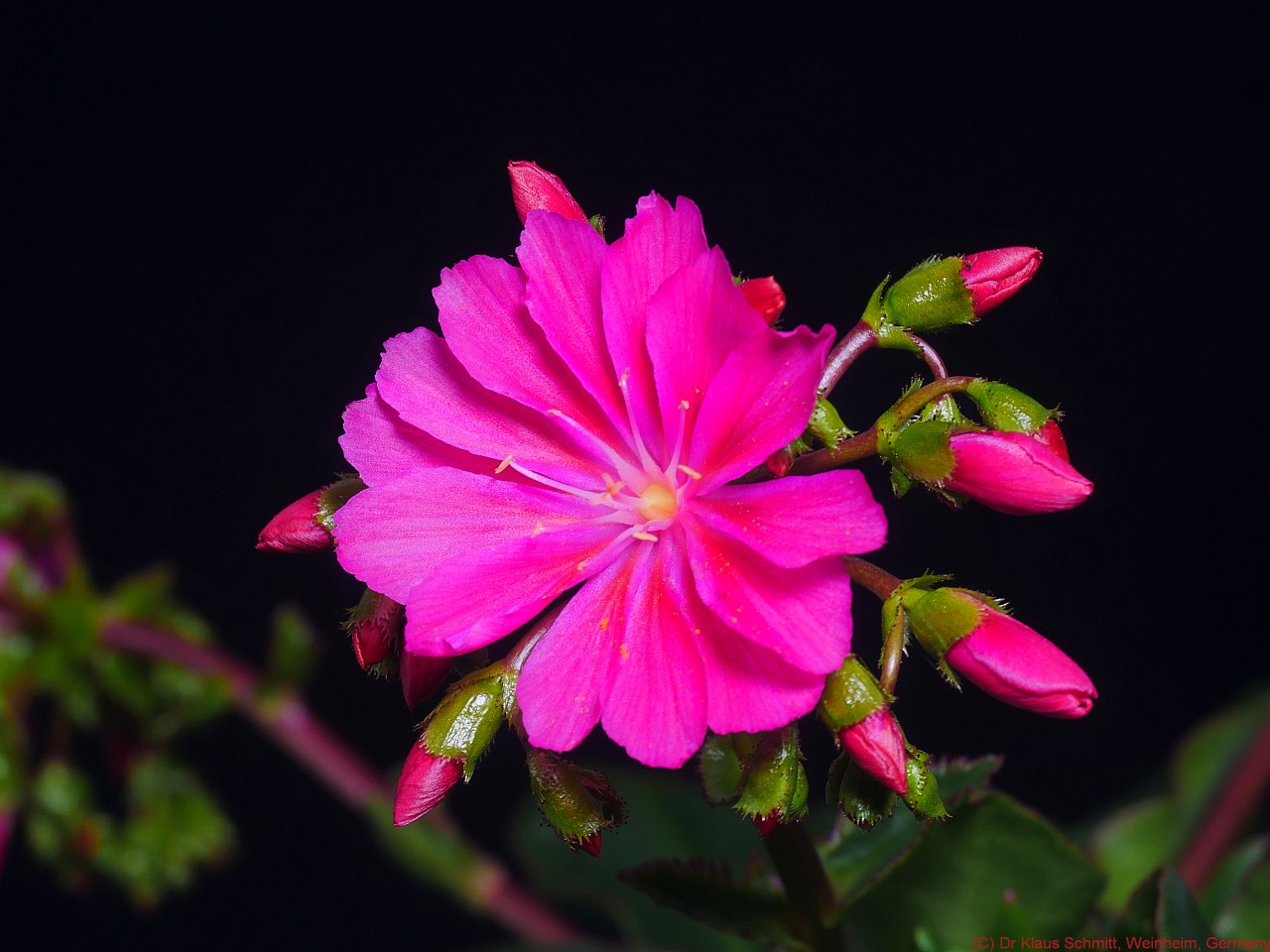
Human vision:
 

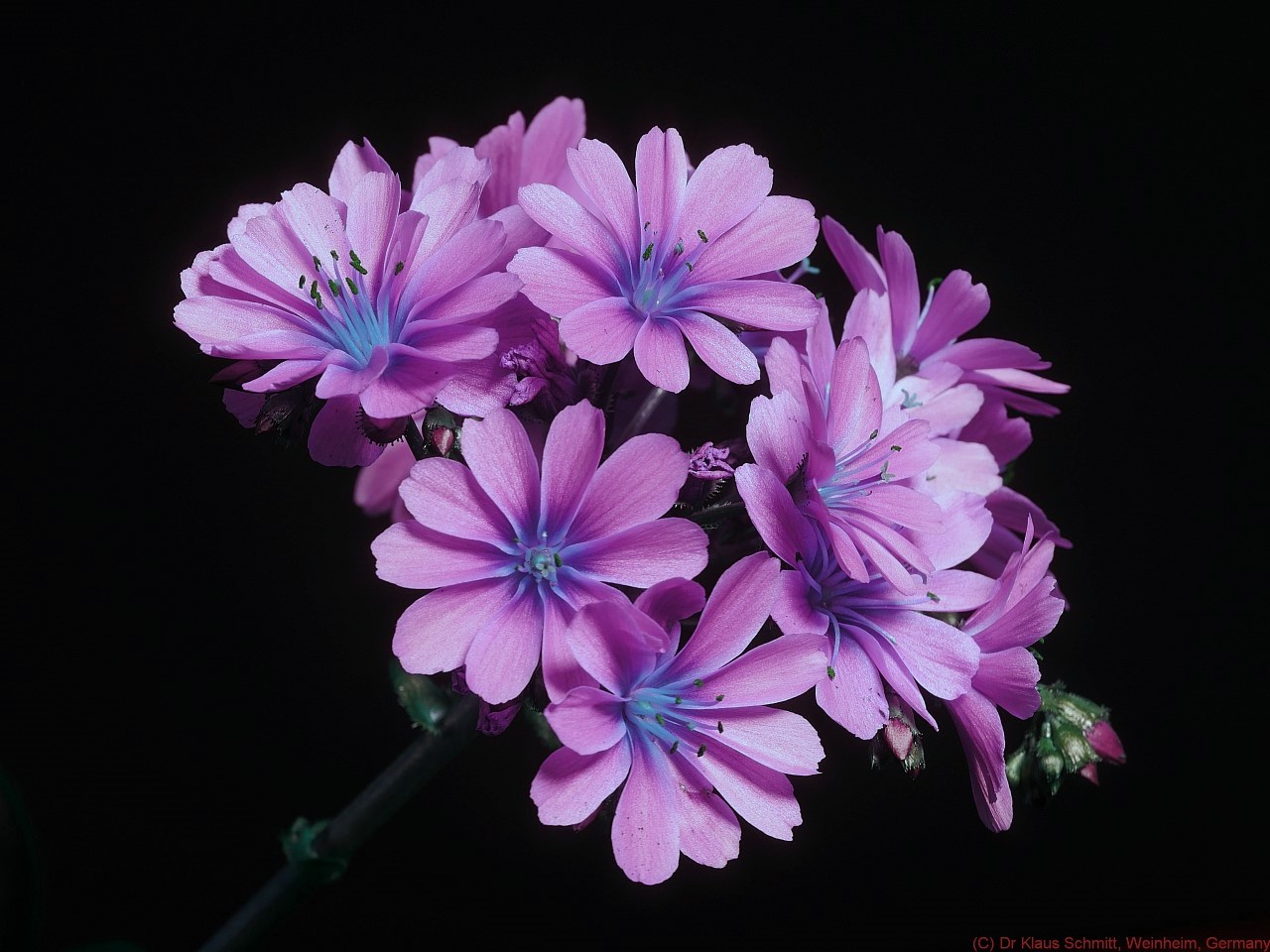
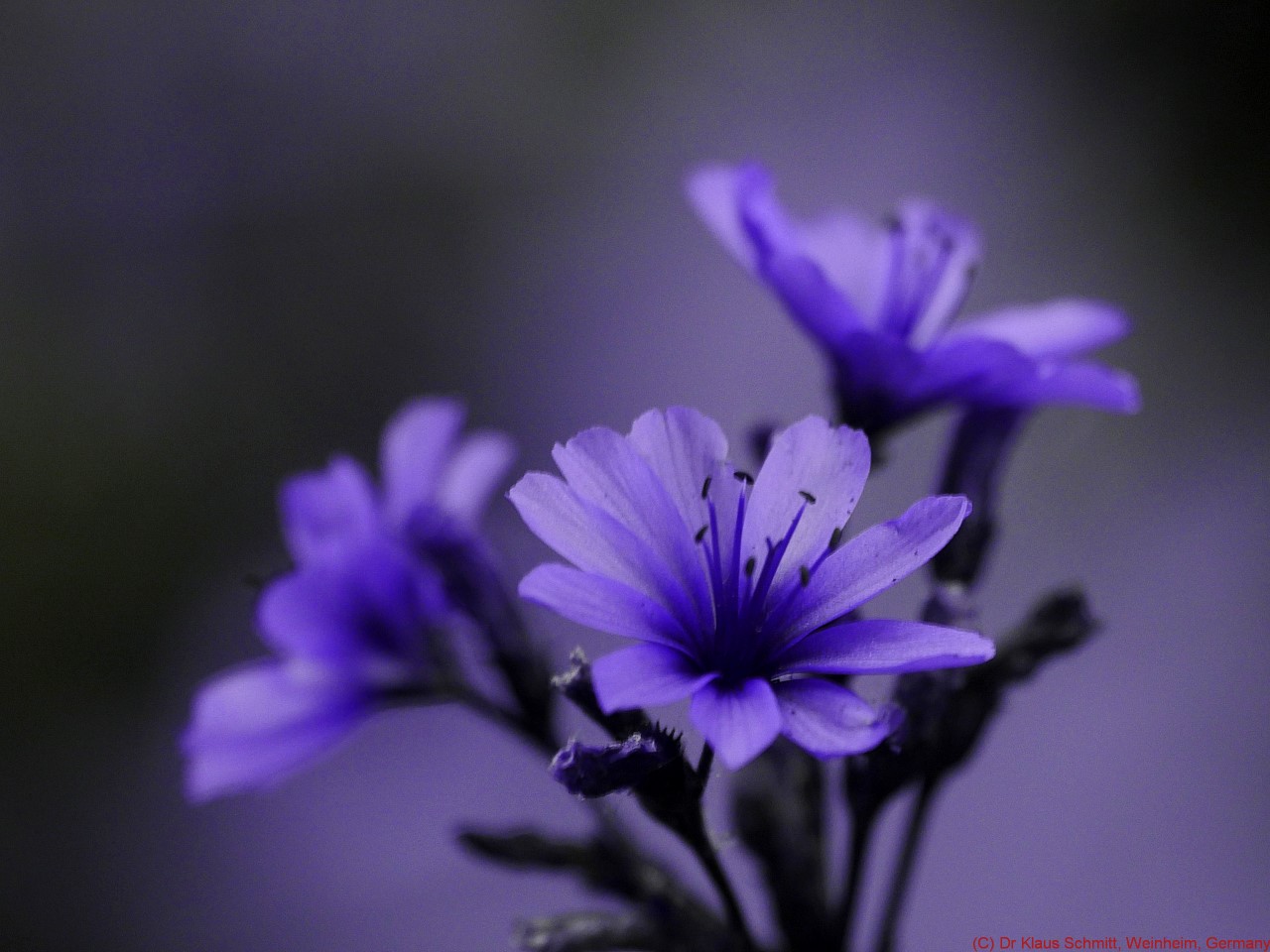
Reflected UV:
 

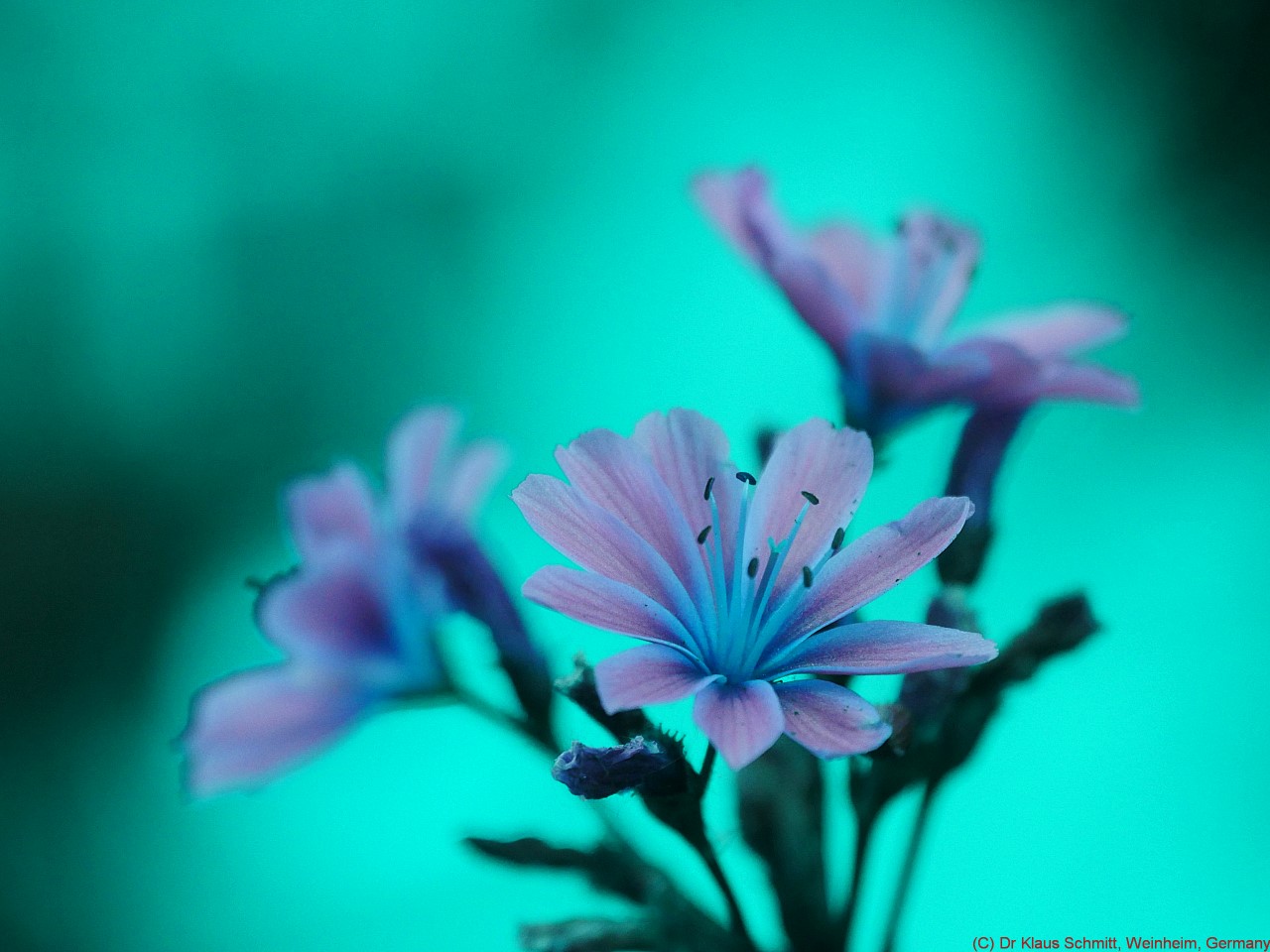
Simulated bee vision:
 

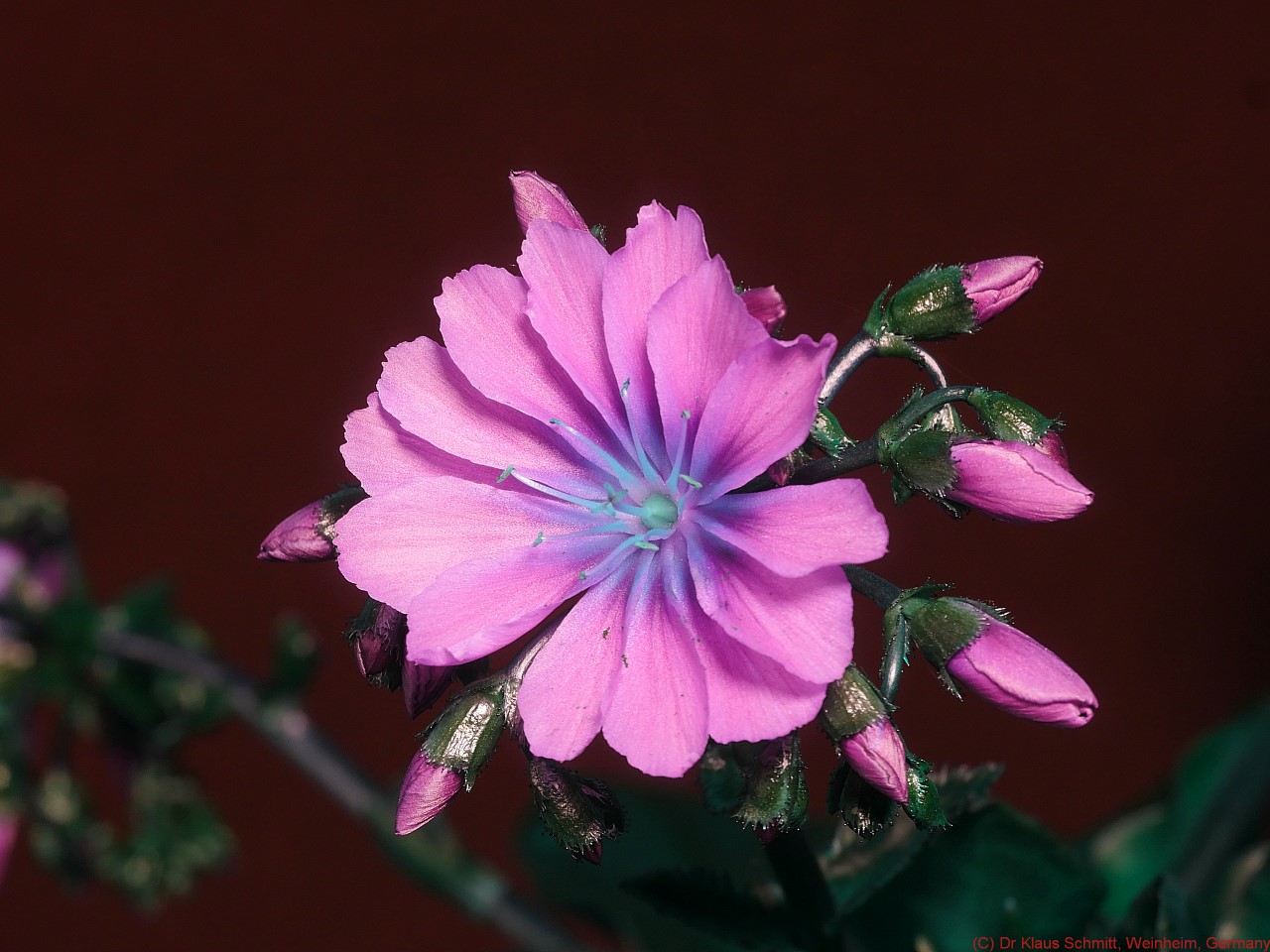
Simulated butterfly vision:
 

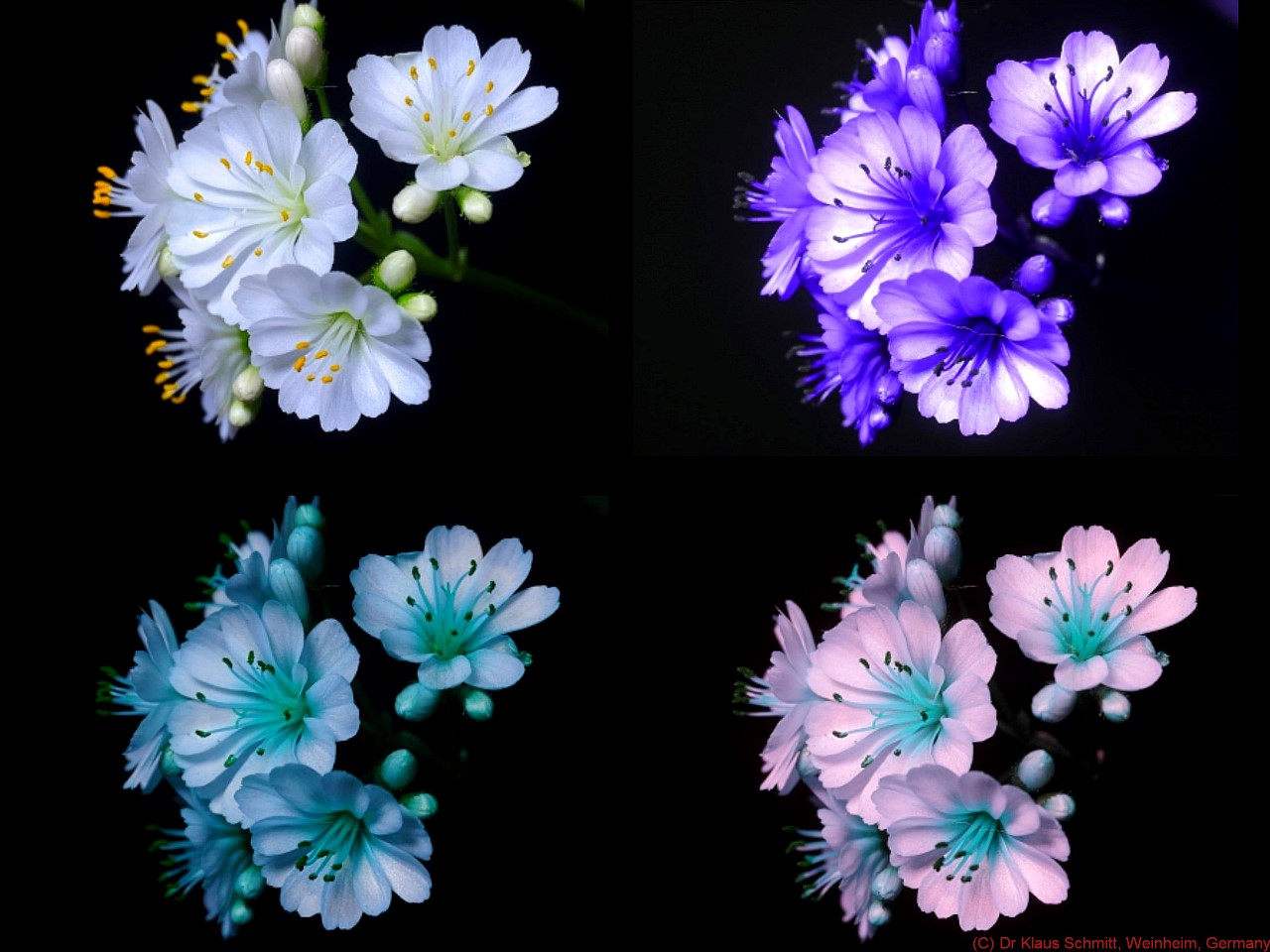
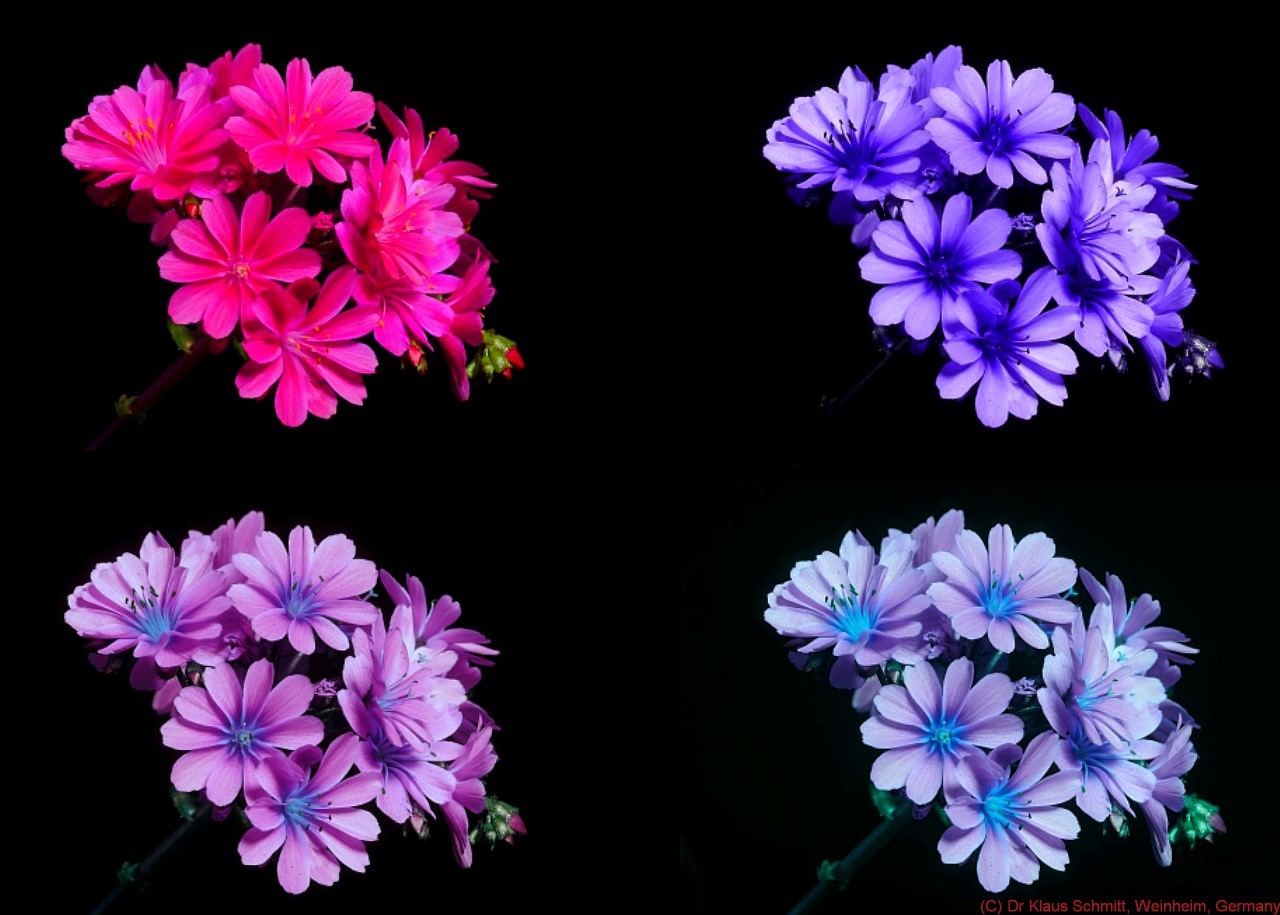
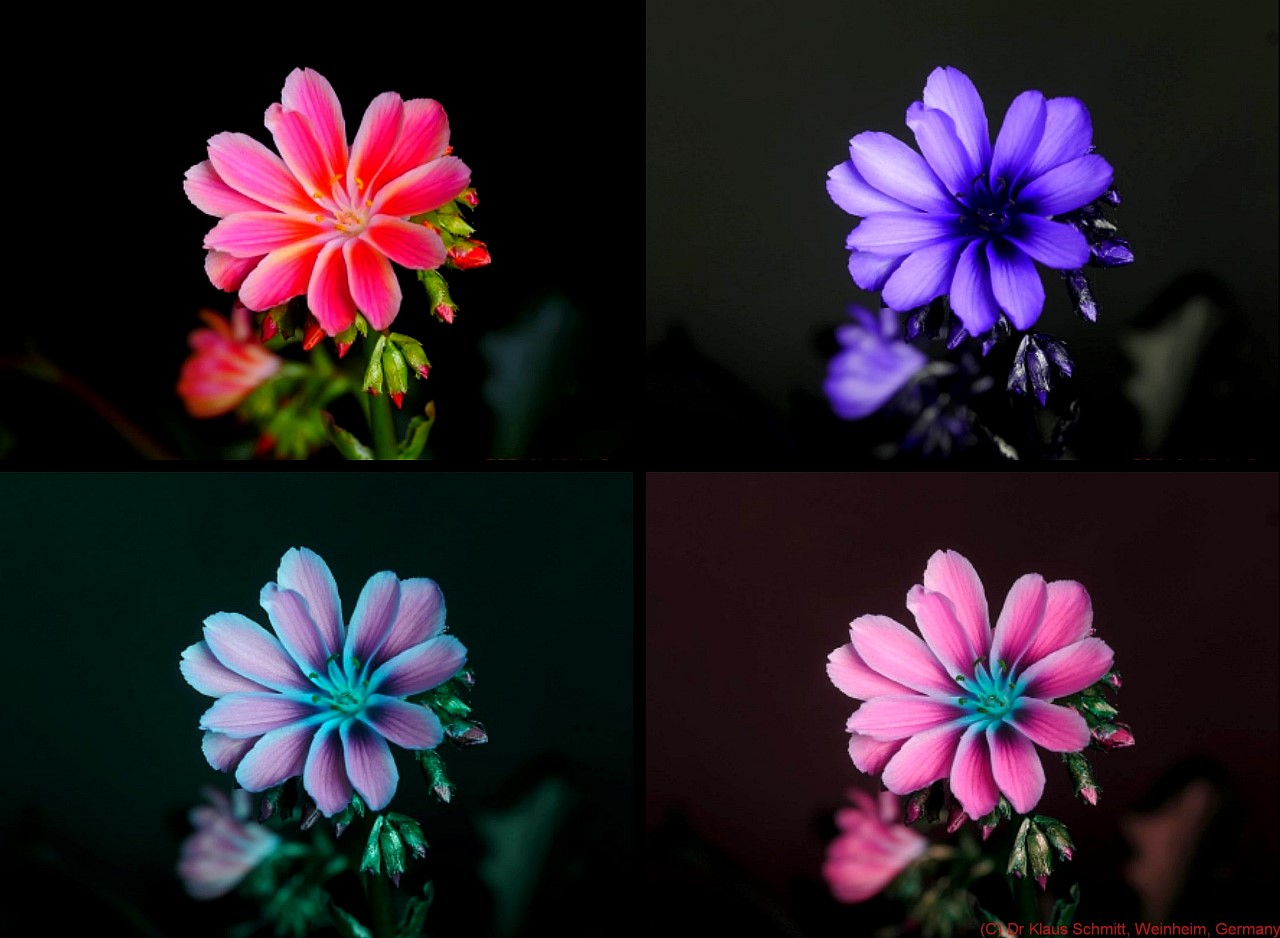
Quadriptych of human vision, UV, simulated bee and butterfly vision (left to right, top to bottom):
 

Lewisia has a visible UV pattern, its petal tips are UV bright around 385nm, its center is UV dark, so this gets quite nicely visible, also in simulated butterfly and bee vision. 

But there is also a highly UV reflective area visible, formed by those shiny petals which is especially quite visible in UV! 

 I have written more about that flower HERE
 
Stay tuned, more will follow on that fascinating subject...

More info on this very interesting field may be found on my site http://www.pbase.com/kds315/uv_photos

Monday, April 8, 2024

Cliff maids - Lewisia cotyledon in reflected ultraviolet photography, simulated bee and butterfly vision X

Today in Spring 2024 more shots of a white long blooming, perennial flower Cliff maids - Lewisia cotyledon in reflected ultraviolet photography and simulated bee and butterfly vision. All shots were done at f11 in reflected ultraviolet photography using my "work horse" UV filter, the Baader-U filter, as well as my XBV filters for simulated bee and butterfly vision. Lens was a UV-Nikkor 105mm quartz fluorite lens. Light source was a modified studio flash.

[click on image to see a larger one]

Human vision:
 

Reflected UV:
 

Simulated bee vision:
 

Simulated butterfly vision:
 

Quadriptych of human vision, UV, simulated bee and butterfly vision (left to right, top to bottom):
 

Lewisia has a visible UV pattern, its petal tips are UV bright around 385nm, its center is UV dark, so this gets quite nicely visible, also in simulated butterfly and bee vision. 

But there is also a highly UV reflective area visible, formed by those shiny petals which is especially quite visible in UV! This has recently been discovered by Prof. (em) Klaus Lunau of the University of Duesseldorf, Germany and he has published about that in NATURE 2020 here: Lunau, K., Ren, ZX., Fan, XQ. et al. Nectar mimicry: a new phenomenon. Sci Rep 10, 7039 (2020). https://www.nature.com/articles/s41598-020-63997-3

I have written more about that flower HERE
 
Stay tuned, more will follow on that fascinating subject...

More info on this very interesting field may be found on my site http://www.pbase.com/kds315/uv_photos

Tuesday, June 13, 2023

Cliff maids - Lewisia cotyledon in reflected ultraviolet photography, simulated bee and butterfly vision IX

Today in Spring 2023 more shots of an pink long blooming, perennial flower Cliff maids - Lewisia cotyledon in reflected ultraviolet photography and simulated bee and butterfly vision. All shots were done at f11 in reflected ultraviolet photography using my "work horse" UV filter, the Baader-U filter, as well as my XBV filters for simulated bee and butterfly vision. Lens was a UV-Nikkor 105mm quartz fluorite lens. Light source was sunlight.

[click on image to see a larger one]

Human vision:
 

Reflected UV:
 

Simulated butterfly vision:
 

Simulated bee vision:
 

Quadriptych of human vision, UV, simulated butterfly and bee vision (left to right, top to bottom):
 

Lewisia has a visible UV pattern, its petal tips are UV bright around 385nm, its center is UV dark, so this gets quite nicely visible, also in simulated butterfly and bee vision. 

But there is also a highly UV reflective area visible, formed by those shiny petals which is especially quite visible in UV! This has recently been discovered by Prof. (em) Klaus Lunau of the University of Duesseldorf, Germany and he has published about that in NATURE 2020 here: Lunau, K., Ren, ZX., Fan, XQ. et al. Nectar mimicry: a new phenomenon. Sci Rep 10, 7039 (2020). https://www.nature.com/articles/s41598-020-63997-3

I have written more about that flower HERE
 
Stay tuned, more will follow on that fascinating subject...

More info on this very interesting field may be found on my site http://www.pbase.com/kds315/uv_photos

Wednesday, April 13, 2022

Nectar Mimicry at Lewisia cotylodon made visible using multispectral photography II

Today more about Nectar Mimicry. This Spring 2022 I got a bright white, long blooming, perennial flower Cliff maids - Lewisia cotyledon and took photos in reflected ultraviolet photography and simulated bee and butterfly vision. And it was in 2021 when I had discovered a highly reflective ring in visible and especially reflected UV photographyI I then talked to Prof. Klaus Lunau, whom I know since years, and he revealed that he has just recently discovered and published about this Nectar Mimicry!

This clearly visible UV reflecting ring, formed by those shiny petals which is especially visible in reflected UV had been discovered by Prof. (em) Klaus Lunau of the University of Duesseldorf, Germany and he had published about that in NATURE 2020 here: Lunau, K., Ren, ZX., Fan, XQ. et al. Nectar mimicry: a new phenomenon. Sci Rep 10, 7039 (2020). https://www.nature.com/articles/s41598-020-63997-3

All these shots were done at f11 in reflected ultraviolet photography using my "work horse" UV filter, the Baader-U filter, as well as my XBV filters for simulated bee and butterfly vision. Lens was a UV-Nikkor 105mm quartz fluorite lens. Light source was Xenon light from my UV enhanced studio flash.

[click on image to see a larger one]

Human vision:
 

Reflected UV:
 

Simulated butterfly vision:
 

Simulated bee vision:
 

Quadriptych of human vision, UV, simulated butterfly and bee vision (left to right, top to bottom):
 

Lewisia has a visible UV pattern, its petal tips are UV bright around 385nm, its center is UV dark, so this and this highly reflecting ring structure gets quite nicely visible, also in simulated butterfly and bee vision.

I have written more about that flower HERE
 
Stay tuned, more will follow on that fascinating subject...

More info on this very interesting field may be found on my site http://www.pbase.com/kds315/uv_photos

Saturday, August 21, 2021

Nectar Mimicry at Lewisia cotylodon made visible using multispectral photography I

Today about something new: Nectar Mimicry! This Summer 2021 I took shots of an orange long blooming, perennial flower Cliff maids - Lewisia cotyledon in reflected ultraviolet photography and simulated bee and butterfly vision. And this was when I detected a highly refective ring in visible and especially reflected UV photography. Talking to Prof. Klaus Lunau, whom I know since years, revealed that he has just recently discovered and published about this!

This clearly visible reflecting ring, formed by those shiny petals which is also visible in UV has recently been discovered by Prof. (em) Klaus Lunau of the University of Duesseldorf, Germany and he has published about that in NATURE 2020 here: Lunau, K., Ren, ZX., Fan, XQ. et al. Nectar mimicry: a new phenomenon. Sci Rep 10, 7039 (2020). https://www.nature.com/articles/s41598-020-63997-3

All these shots were done at f11 in reflected ultraviolet photography using my "work horse" UV filter, the Baader-U filter, as well as my XBV filters for simulated bee and butterfly vision. Lens was a UV-Nikkor 105mm quartz fluorite lens. Light source was Xenon light from my UV enhanced studio flash.

[click on image to see a larger one]

Human vision:
 

Reflected UV:
 

Simulated butterfly vision:
 

Simulated bee vision:
 

Quadriptych of human vision, UV, simulated butterfly and bee vision (left to right, top to bottom):
 

Lewisia has a visible UV pattern, its petal tips are UV bright around 385nm, its center is UV dark, so this and this highl yreflecting ring structure gets quite nicely visible, also in simulated butterfly and bee vision.

I have written more about that flower HERE
 
Stay tuned, more will follow on that fascinating subject...

More info on this very interesting field may be found on my site http://www.pbase.com/kds315/uv_photos

Friday, August 20, 2021

Cliff maids - Lewisia cotyledon in reflected ultraviolet photography, simulated bee and butterfly vision VIII

Today in Summer of 2021 more shots of an orange long blooming (2nd bloom), perennial flower Cliff maids - Lewisia cotyledon in reflected ultraviolet photography and simulated bee and butterfly vision. All shots were done at f11 in reflected ultraviolet photography using my "work horse" UV filter, the Baader-U filter, as well as my XBV filters for simulated bee and butterfly vision. Lens was a UV-Nikkor 105mm quartz fluorite lens. Light source was Xenon light from my UV enhanced studio flash.

[click on image to see a larger one]

Human vision:
 

Reflected UV:
 

Simulated butterfly vision:
 

Simulated bee vision:
 

Quadriptych of human vision, UV, simulated butterfly and bee vision (left to right, top to bottom):
 

Lewisia has a visible UV pattern, its petal tips are UV bright around 385nm, its center is UV dark, so this gets quite nicely visible, also in simulated butterfly and bee vision. 

But there is also a reflecting ring visible, formed by those shiny petals which is especially visible in UV! This has recently been discovered by Prof. (em) Klaus Lunau of the University of Duesseldorf, Germany and he has published about that in NATURE 2020 here: Lunau, K., Ren, ZX., Fan, XQ. et al. Nectar mimicry: a new phenomenon. Sci Rep 10, 7039 (2020). https://www.nature.com/articles/s41598-020-63997-3

I have written more about that flower HERE
 
Stay tuned, more will follow on that fascinating subject...

More info on this very interesting field may be found on my site http://www.pbase.com/kds315/uv_photos

Friday, July 30, 2021

Cliff maids - Lewisia cotyledon in reflected ultraviolet photography, simulated bee and butterfly vision VII

Today in Summer of 2021 more shots of a  pink long blooming (2nd bloom), perennial flower Cliff maids - Lewisia cotyledon in reflected ultraviolet photography and simulated bee and butterfly vision. All shots were done at f11 in reflected ultraviolet photography using my "work horse" UV filter, the Baader-U filter, as well as my XBV filters for simulated bee and butterfly vision. Lens was a UV-Nikkor 105mm quartz fluorite lens. Light source was Xenon light from my UV enhanced studio flash.

[click on image to see a larger one]

Human vision:
 

Reflected UV:
 

Simulated butterfly vision:
 

Simulated bee vision:
 

Quadriptych of human vision, UV, simulated butterfly and bee vision (left to right, top to bottom):
 

Lewisia has a visible UV pattern, its petal tips are UV bright around 385nm, its center is UV dark, so this gets quite nicely visible, also in simulated butterfly and bee vision.

I have written more about that flower HERE
 
Stay tuned, more will follow on that fascinating subject...

More info on this very interesting field may be found on my site http://www.pbase.com/kds315/uv_photos

Friday, April 23, 2021

Cliff maids - Lewisia cotyledon in reflected ultraviolet photography, simulated bee and butterfly vision VI

Today in 2021 more closeup shots of a pink long blooming, perennial spring flower Cliff maids - Lewisia cotyledon in reflected ultraviolet photography and simulated bee and butterfly vision. All shots were done at f11 in reflected ultraviolet photography using my "work horse" UV filter, the Baader-U filter, as well as my XBV filters for simulated bee and butterfly vision. Lens was a UV-Nikkor 105mm quartz fluorite lens. Light source was Xenon light from my UV enhanced studio flash.

[click on image to see a larger one]

Human vision:
 

Reflected UV:
 

Simulated butterfly vision:
 

Simulated bee vision:
 

Quadriptych of human vision, UV, simulated bee and butterfly vision (left to right, top to bottom):
 

Lewisia has a visible UV pattern, its petal tips are UV bright around 385nm, its center is UV dark, so this gets quite nicely visible, also in simulated butterfly and bee vision.

I have written more about that flower HERE
 
Stay tuned, more will follow on that fascinating subject...

More info on this very interesting field may be found on my site http://www.pbase.com/kds315/uv_photos

Monday, April 5, 2021

Cliff maids - Lewisia cotyledon in reflected ultraviolet photography, simulated bee and butterfly vision V

Today in 2021 first closeup shots of a long blooming, perennial spring flower Cliff maids - Lewisia cotyledon in reflected ultraviolet photography and simulated bee and butterfly vision. All shots were done at f11 in reflected ultraviolet photography using my "work horse" UV filter, the Baader-U filter, as well as my XBV filters for simulated bee and butterfly vision. Lens was a UV-Nikkor 105mm quartz fluorite lens. Light source was Xenon light from my UV enhanced studio flash.

[click on image to see a larger one]

Human vision:
 

Reflected UV:
 

Simulated butterfly vision:
 

Simulated bee vision:
 

Quadriptych of human vision, UV, simulated bee and butterfly vision (left to right, top to bottom):
 

Lewisia has a visible UV pattern, its petal tips are UV bright around 385nm, its center is UV dark, so this gets quite nicely visible, also in simulated butterfly and bee vision.

I have written more about that flower HERE
 
Stay tuned, more will follow on that fascinating subject...

More info on this very interesting field may be found on my site http://www.pbase.com/kds315/uv_photos

Tuesday, June 2, 2020

Cliff maids - Lewisia cotyledon in reflected ultraviolet photography, simulated bee and butterfly vision IV

Today in 2020 more shots of a long blooming, perennial spring flower Cliff maids - Lewisia cotyledon in reflected ultraviolet photography and simulated bee and butterfly vision. All shots were done at f8 in reflected ultraviolet photography using my "work horse" UV filter, the Baader-U filter, as well as my XBV filters for simulated bee and butterfly vision. Lens was a UV-Nikkor 105mm quartz fluorite lens. Light source was sunlight (shade).

[click on image to see a larger one]

Human vision:
 

Reflected UV:
 

Simulated butterfly vision:
 

Simulated bee vision:
 

Quadriptych of human vision, UV, simulated bee and butterfly vision (left to right, top to bottom):
 

Lewisia has a visible UV pattern, its petal tips are UV bright around 385nm, its center is UV dark, so this gets quite nicely visible, also in simulated butterfly and bee vision.

I have written more about that flower HERE
 
Stay tuned, more will follow on that fascinating subject...

More info on this very interesting field may be found on my site http://www.pbase.com/kds315/uv_photos