Showing posts with label XNUV. Show all posts

Thursday, May 7, 2020

Flower Full Moon in reflected ultraviolet (UV) photography

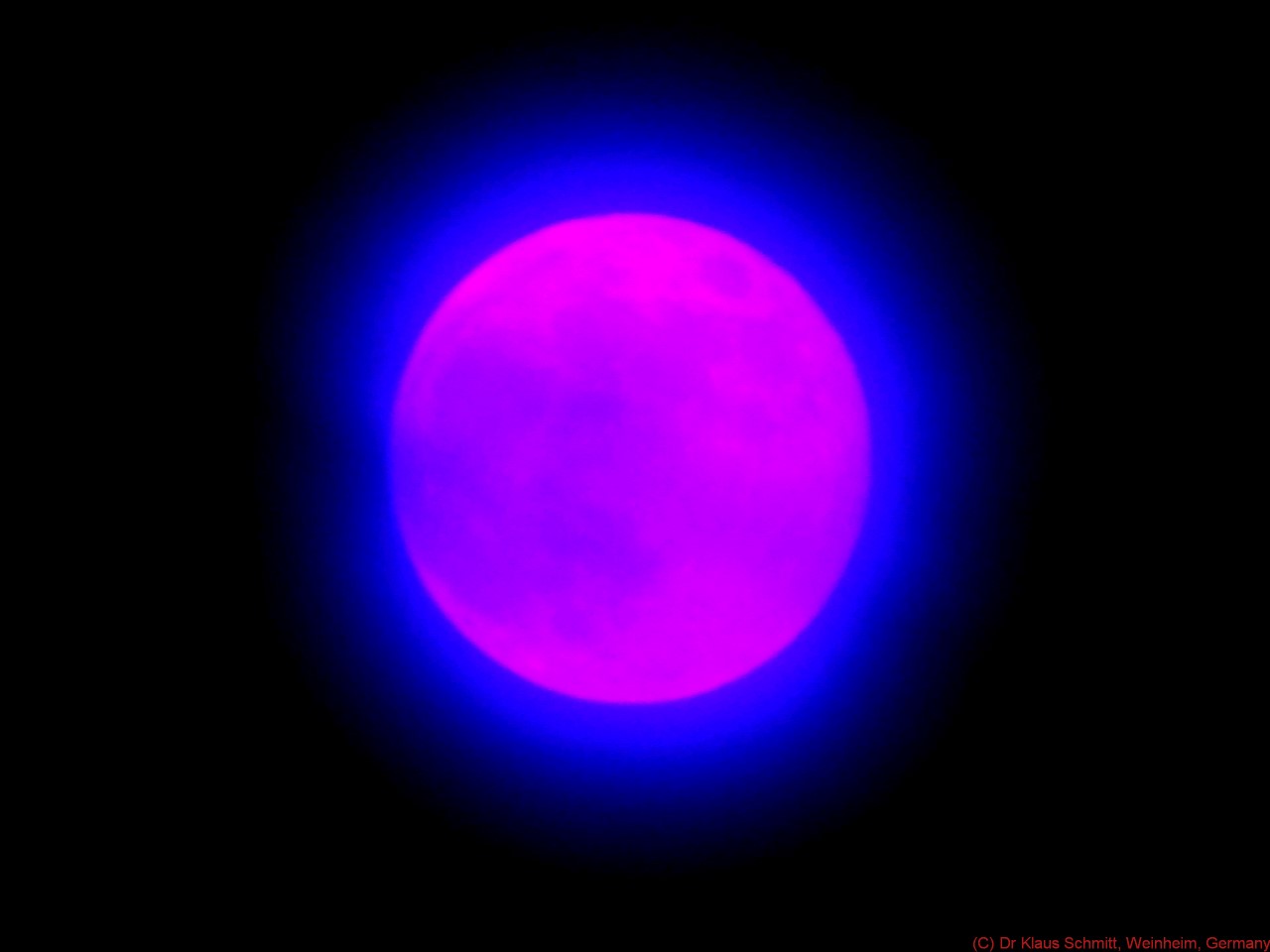
Today is the spring full Flower Moon, the last Supermoon in 2020, which I have shot today in some foggy conditions in reflected ultraviolet photography using a special XNUV and the Baader-U UV filter. Lens was my very special 800mm LDM-1 KATOPTARON mirror only lens on my multispectral camera.

[click on image to see a larger one]

XNUV Filter (fog was coming up...):


Baader-U Filter:


Baader-U filter (whitebalanced):


Indeed, the moon has UV reflectance and it can be recorded using proper equipment, which makes it nicely visible.

I have written about photographing the Moon previously HERE
 
Stay tuned, more will follow on that fascinating subject...

Monday, July 13, 2015

XNUV2 - a much faster filter for reflected ultraviolet (UV) photography

Today about another, faster filter for reflected UV photography, as there still seems to be some demand for handheld UV shooting or shooting at higher speeds for instance for video work. This here is the XNUV2, that I finally tested for the first time now using the Baader-U UV pass filter for comparison, a UV-Nikkor 105mm quartz flourite lens and my UV sensitive camera. Light was late evening light on a rather dull day.

[click on image to see a larger one]

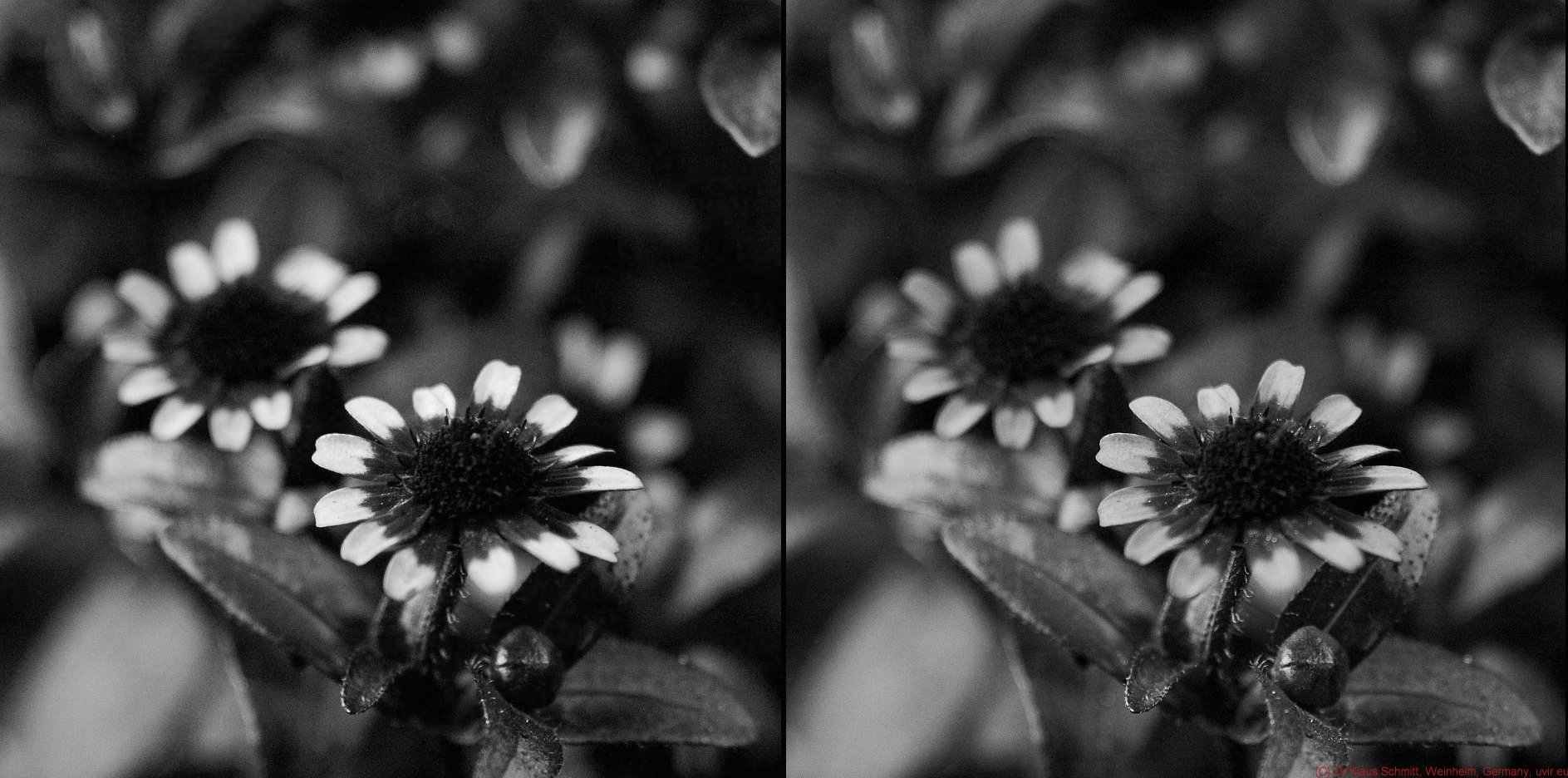
Ultraviolet (UV) image using Baader-U left) and XNUV2 filter (right) - flower :

bw image shows that the UV content is basically identical:


Ultraviolet (UV) image using Baader-U left) and XNUV filter (right) - architecture:


What is important to notice is, that also the XNUV2 is also able to precisely reproduce this distinct flower UV pattern, as well as it shows good sharpness, as compared to the Baader-U filter. And most importantly it is 2.3 stops faster than using the Baader-U filter, which is quite an impressive result as it will make it much easier for video work.

I will report more about that filter here later, as more testing needs to be done.

I have written before about a faster XNUV filter HERE

Stay tuned, more will follow on that fascinating subject...

More info on this very interesting field may be found on my site http://www.pbase.com/kds315/uv_photos

Saturday, June 29, 2013

Mexican Zinnia - Zinnia haageana in reflected ultraviolet photography at 337nm, simulated butterfly and bee vision VII

Today different shots of a decorative flower, a Zinnia haageana - Mexican Zinnia in reflected ultraviolet photography using my "work horse" UV filter, the Baader-U and Jupiter-U filter as well as my XBV filters for simulating bee and butterfly vision. Lens was a Hamamatsu 50mm lens. Light source was Xenon flash. All shots were done at about f8.

[click on image to see a larger one]

Visible light image:  

UV image using Baader-U filter (approx. 320-395nm, effective peak approx. 375nm):  

UV image using Jupiter-U filter (approx. 280-385nm, effective peak approx. 365nm):  

UV image using special 337nm filter (approx. 310 - 345nm, peak approx. 337nm):  

Simulated butterfly vision (UV - VIS) using XBV3 filter:  

Simulated bee vision (UV - VIS) using XBV6 filter:  

Simulated bee vision (UV - VIS) using XBV5 filter:  

Quadriptych of some of the above:


Mexican Zinnia flowers have a very specific UV pattern, its petals are very UV dark on the middle and bottom, but its petal tips are very UV bright, reaching much deeper into UV as any other flower I know (<345nm), and all this gets nicely visible.


I have written previously about these flowers HERE.

Stay tuned, more will follow on that fascinating subject...

More info on this very interesting field may be found on my site http://www.pbase.com/kds315/uv_photos
Mexican Zinnia - Zinnia haageana in reflected ultraviolet photography at 337nm, simulated butterfly and bee vision VI

Today different shots of a decorative flower, a Zinnia haageana - Mexican Zinnia in reflected ultraviolet photography using my "work horse" UV filter, the Baader-U and Jupiter-U filter as well as my XBV filters for simulating bee and butterfly vision. Lens was convential but UV transmitting 50mm lens. Light source was Xenon flash. All shots were done at about f8.

[click on image to see a larger one]

Visible light image:  

UV image using Baader-U filter (approx. 320-395nm, effective peak approx. 375nm):  

UV image using Jupiter-U filter (approx. 280-385nm, effective peak approx. 365nm):  

UV image using special 337nm filter (approx. 310 - 345nm, peak approx. 337nm):  

Simulated butterfly vision (UV - VIS) using XBV3 filter:  

Simulated bee vision (UV - VIS) using XBV6 filter:  

Simulated bee vision (UV - VIS) using XBV5 filter:  

Quadriptych of some of the above:


Mexican Zinnia flowers have a very specific UV pattern, its petals are very UV dark on the middle and bottom, but its petal tips are very UV bright, reaching much deeper into UV as any other flower I know (<345nm), and all this gets nicely visible.


I have written previously about these flowers HERE.

Stay tuned, more will follow on that fascinating subject...

More info on this very interesting field may be found on my site http://www.pbase.com/kds315/uv_photos

Monday, November 5, 2012

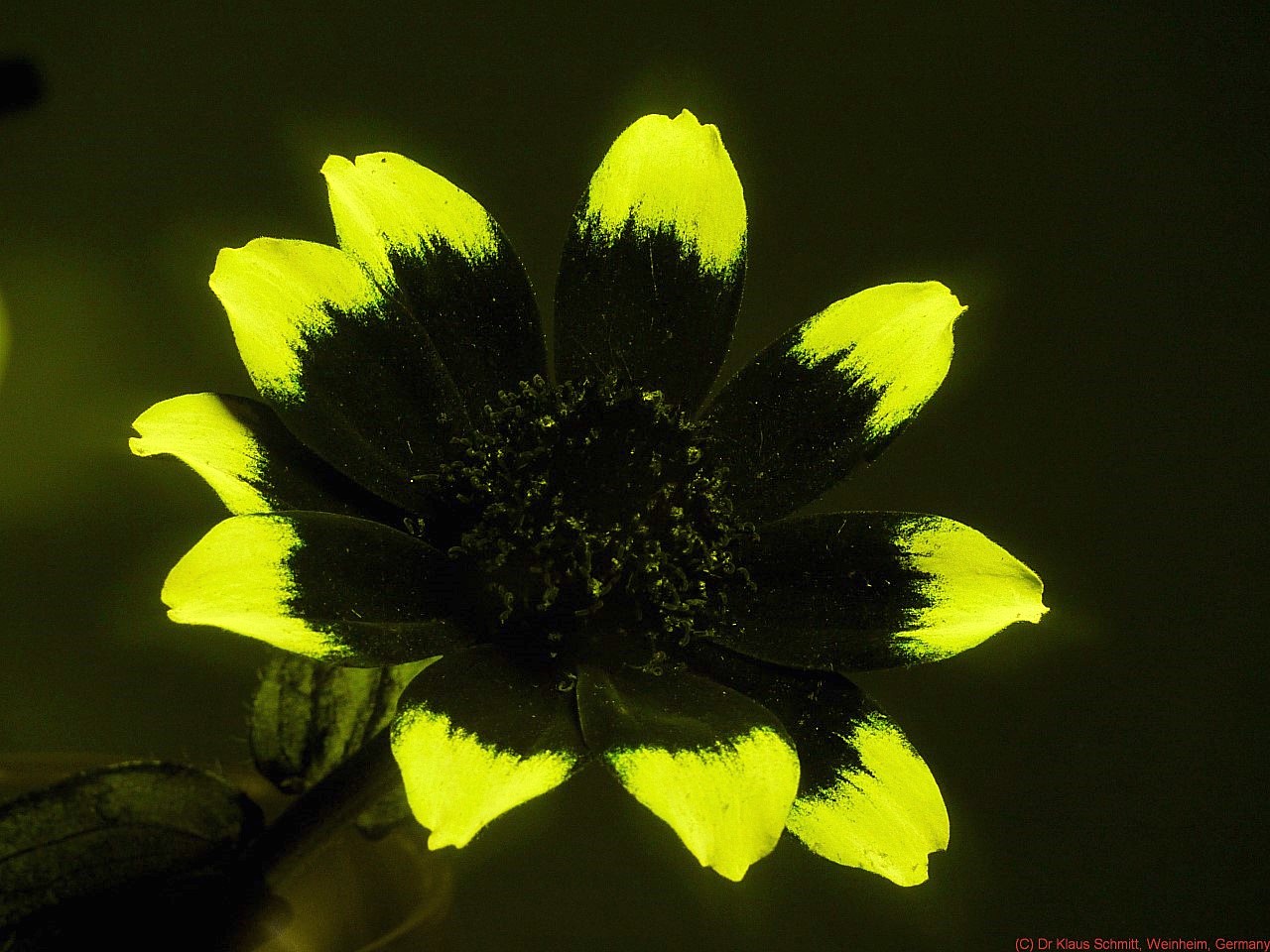
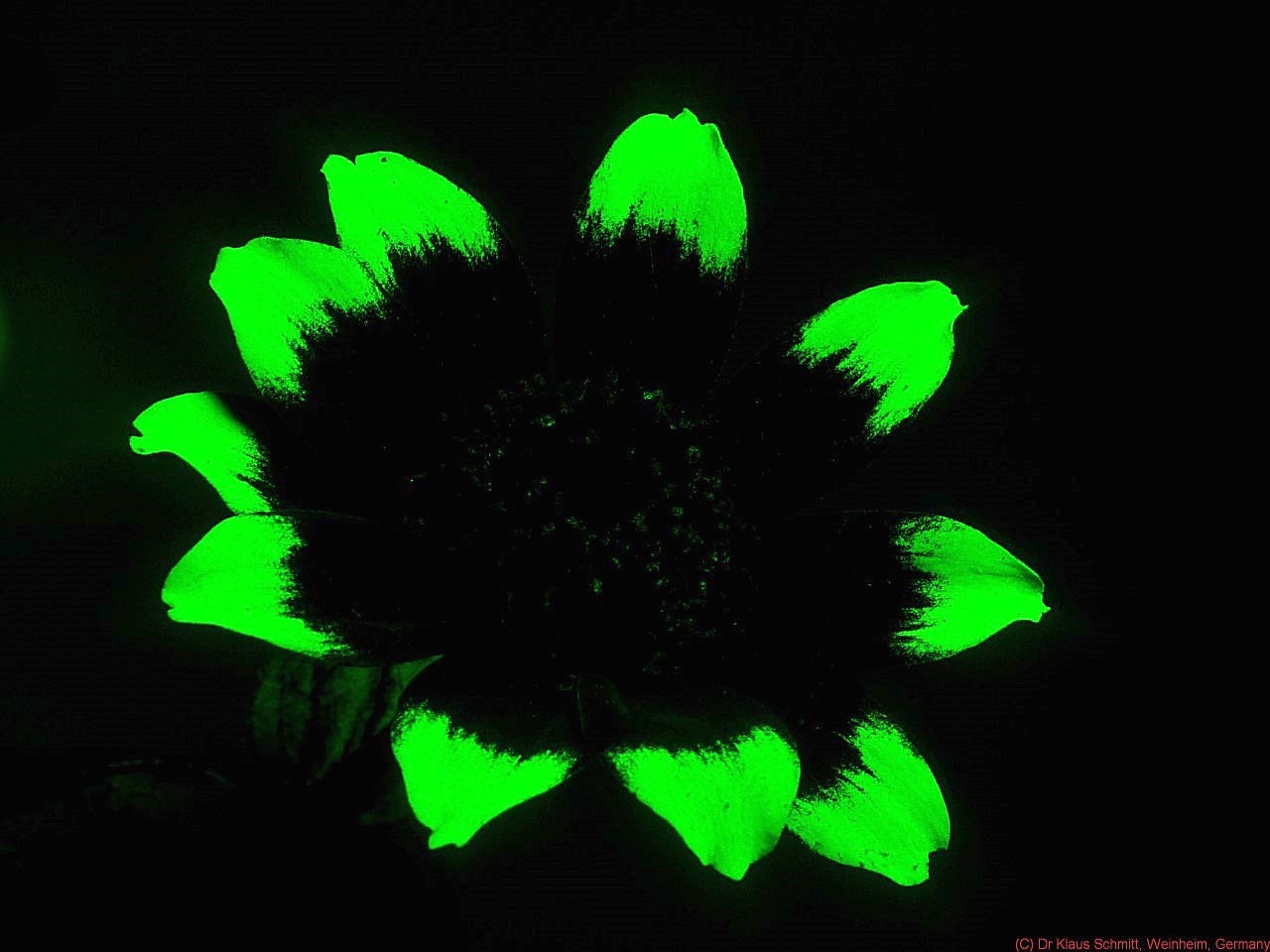
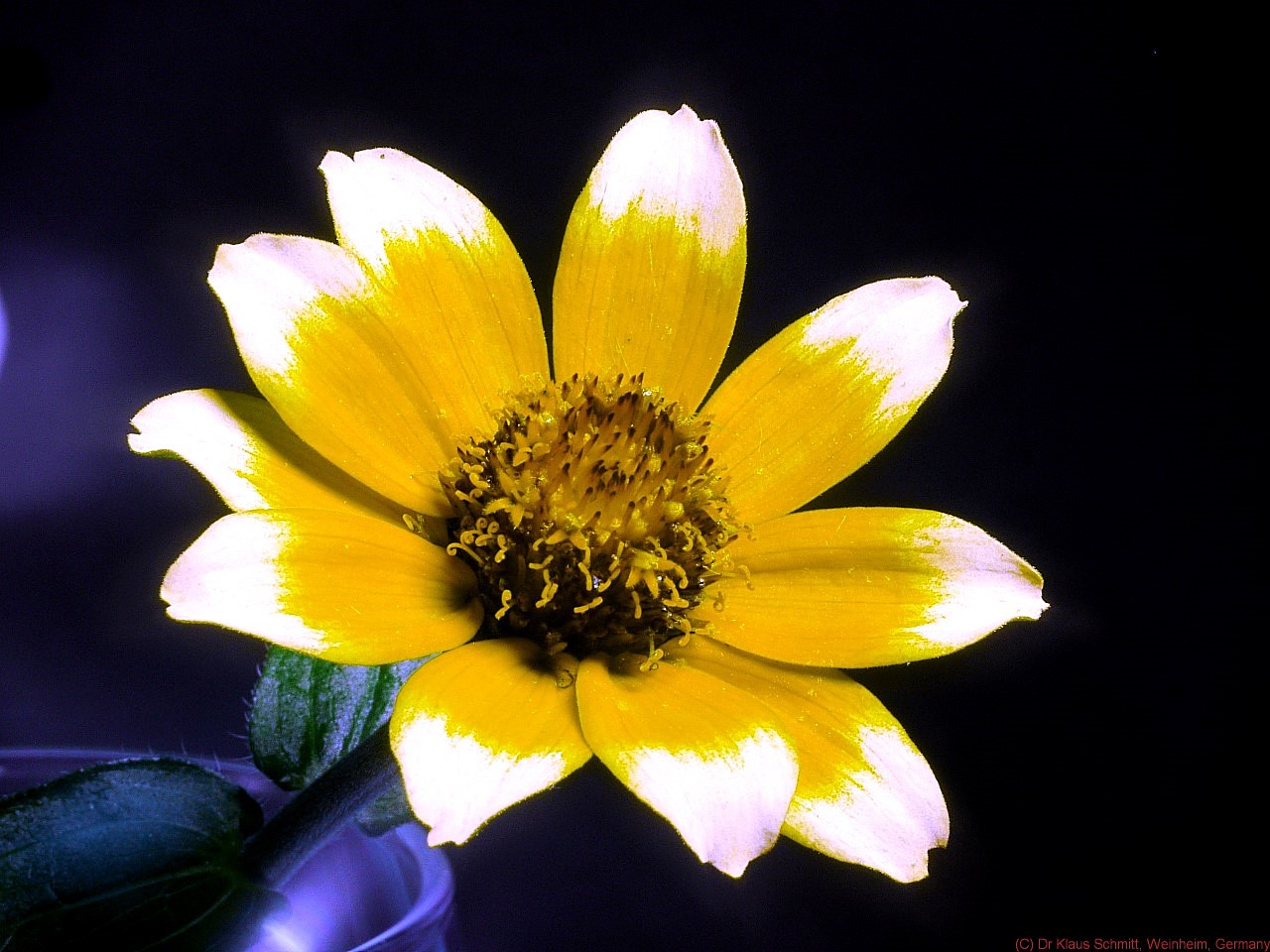
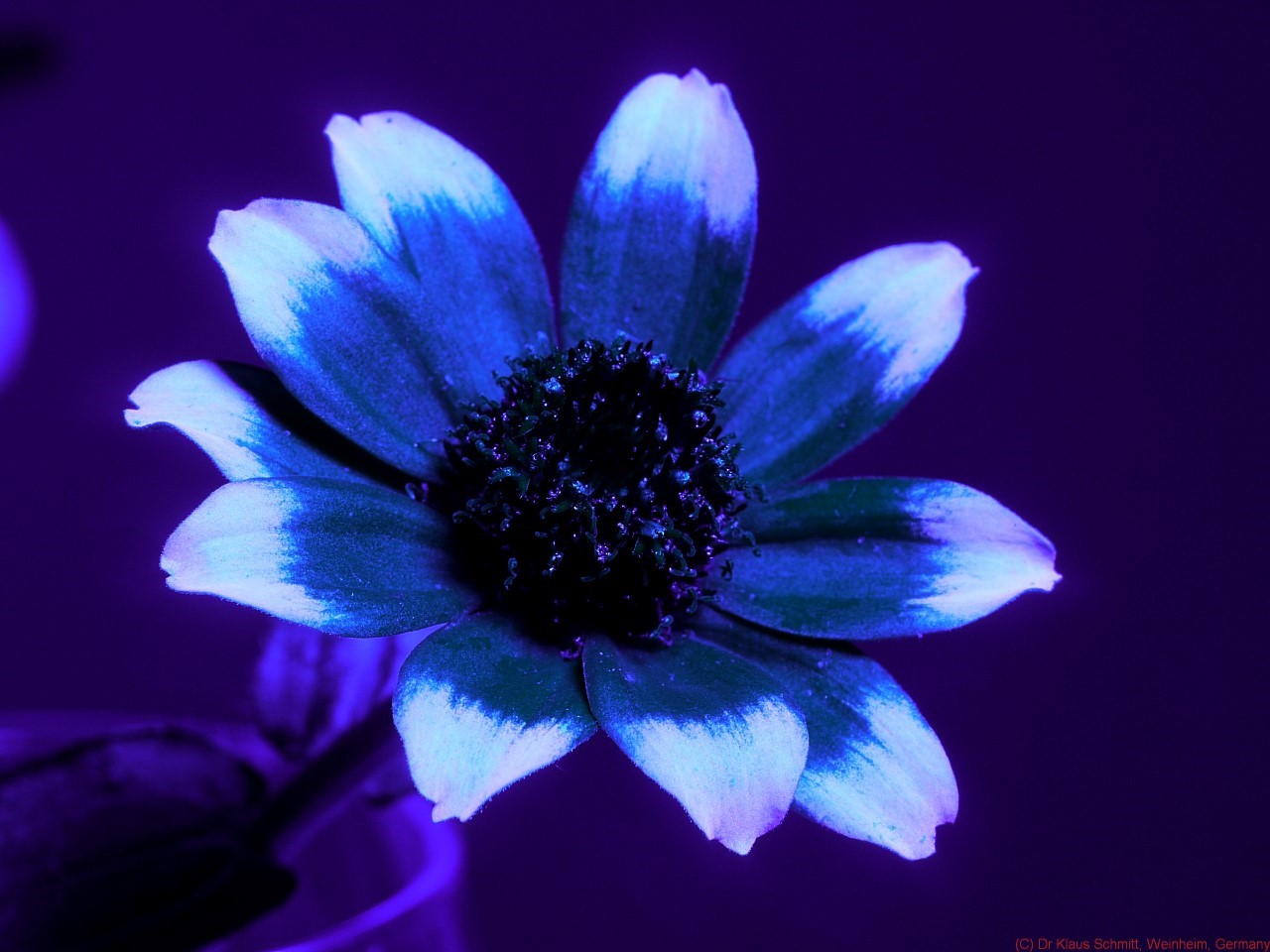
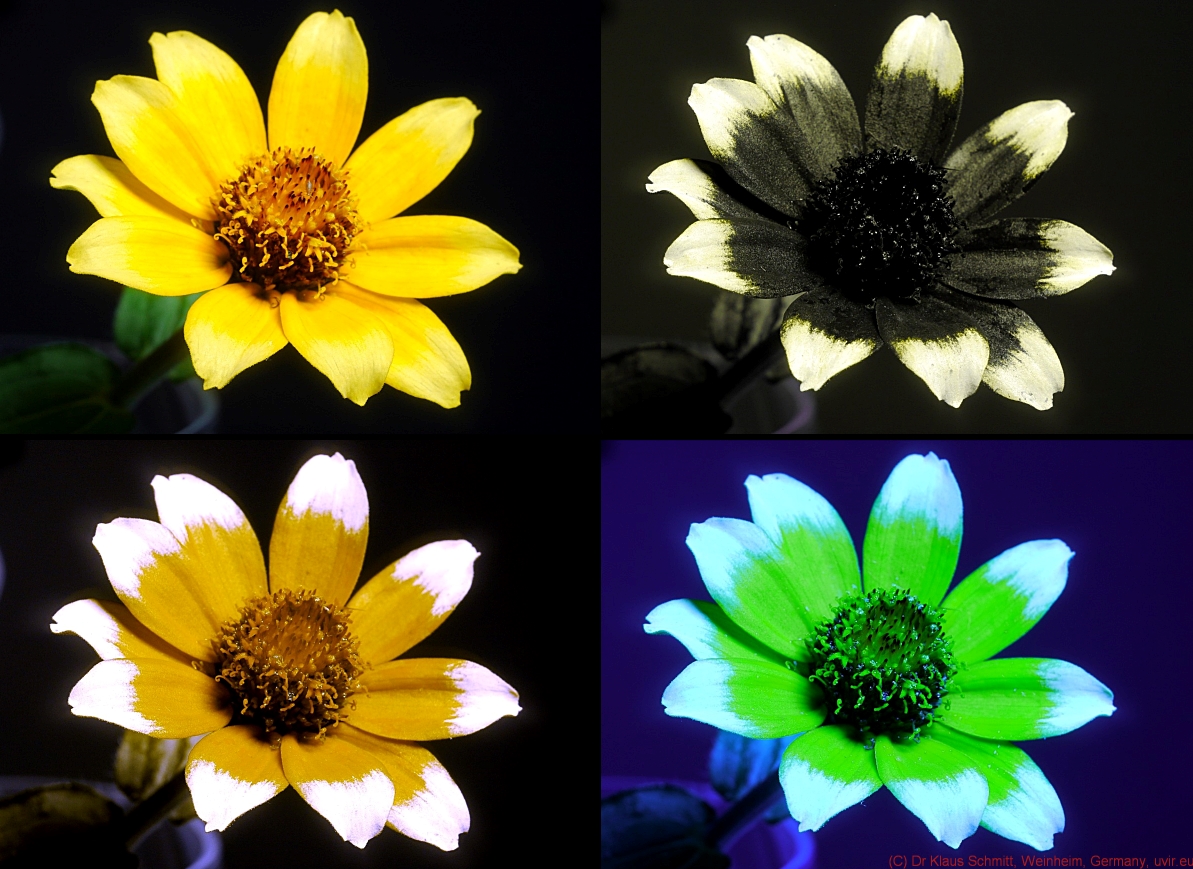
Bidens ferulifolia: Colorful reflected UV ultraviolet photography III

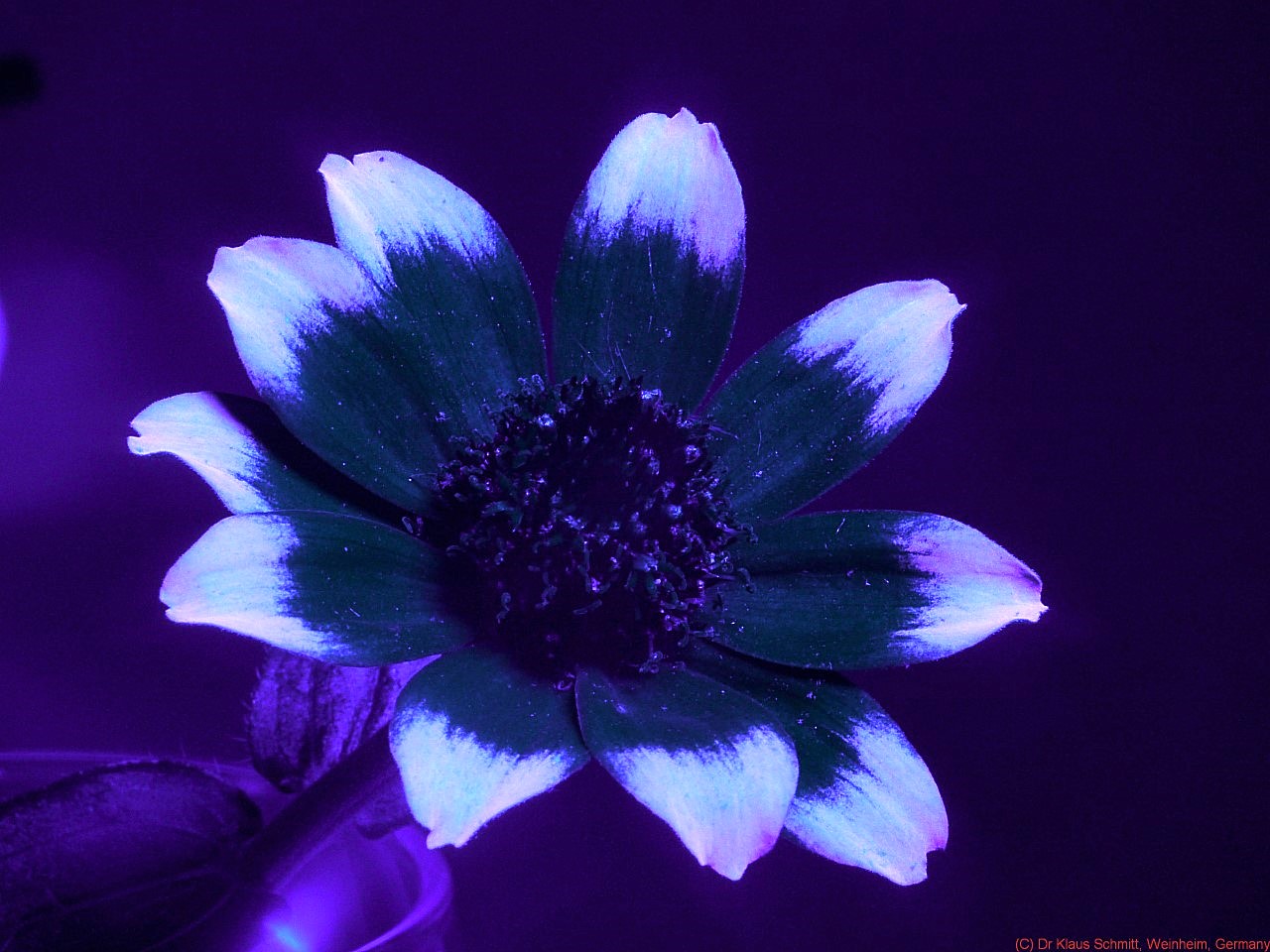
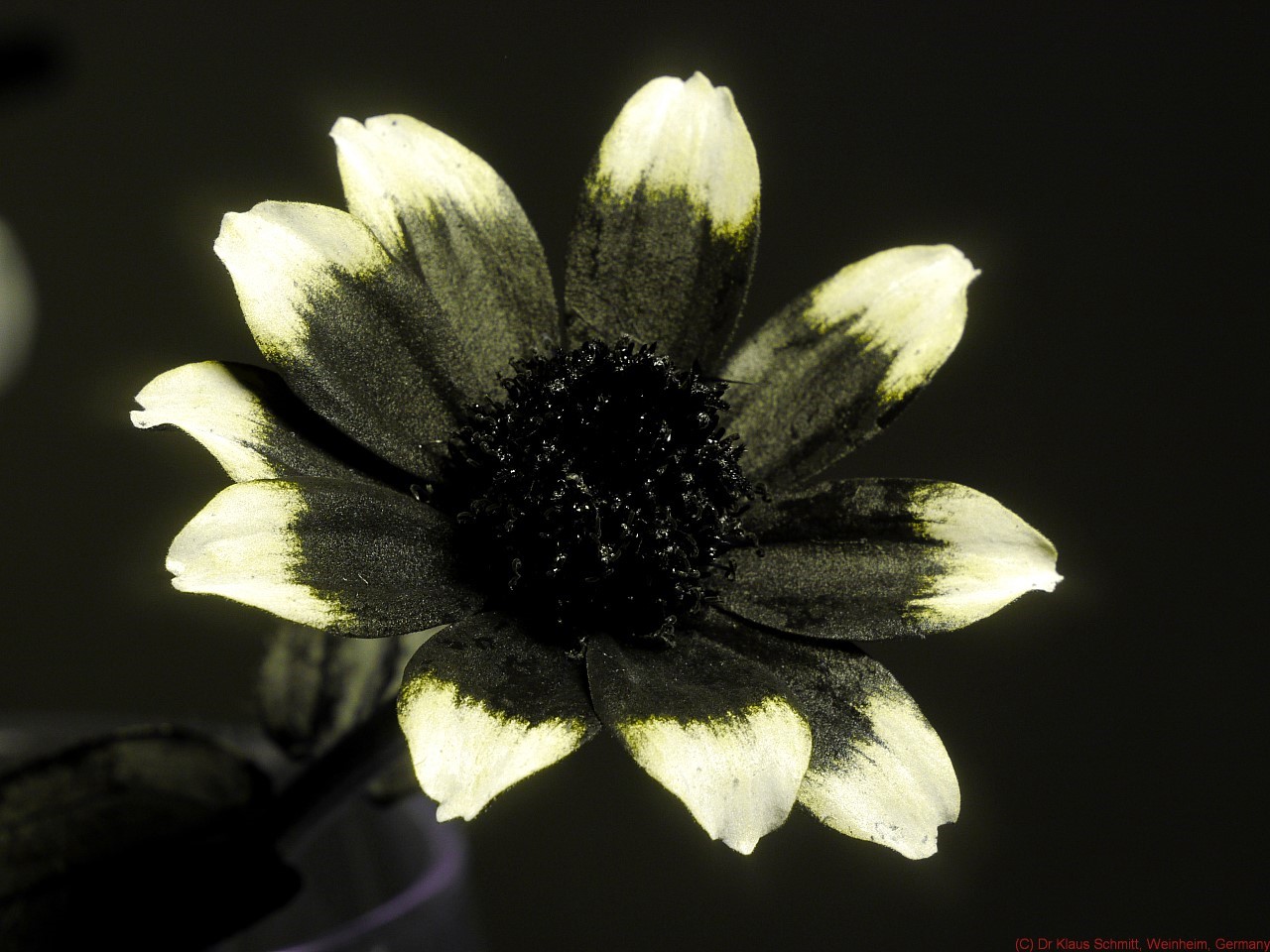
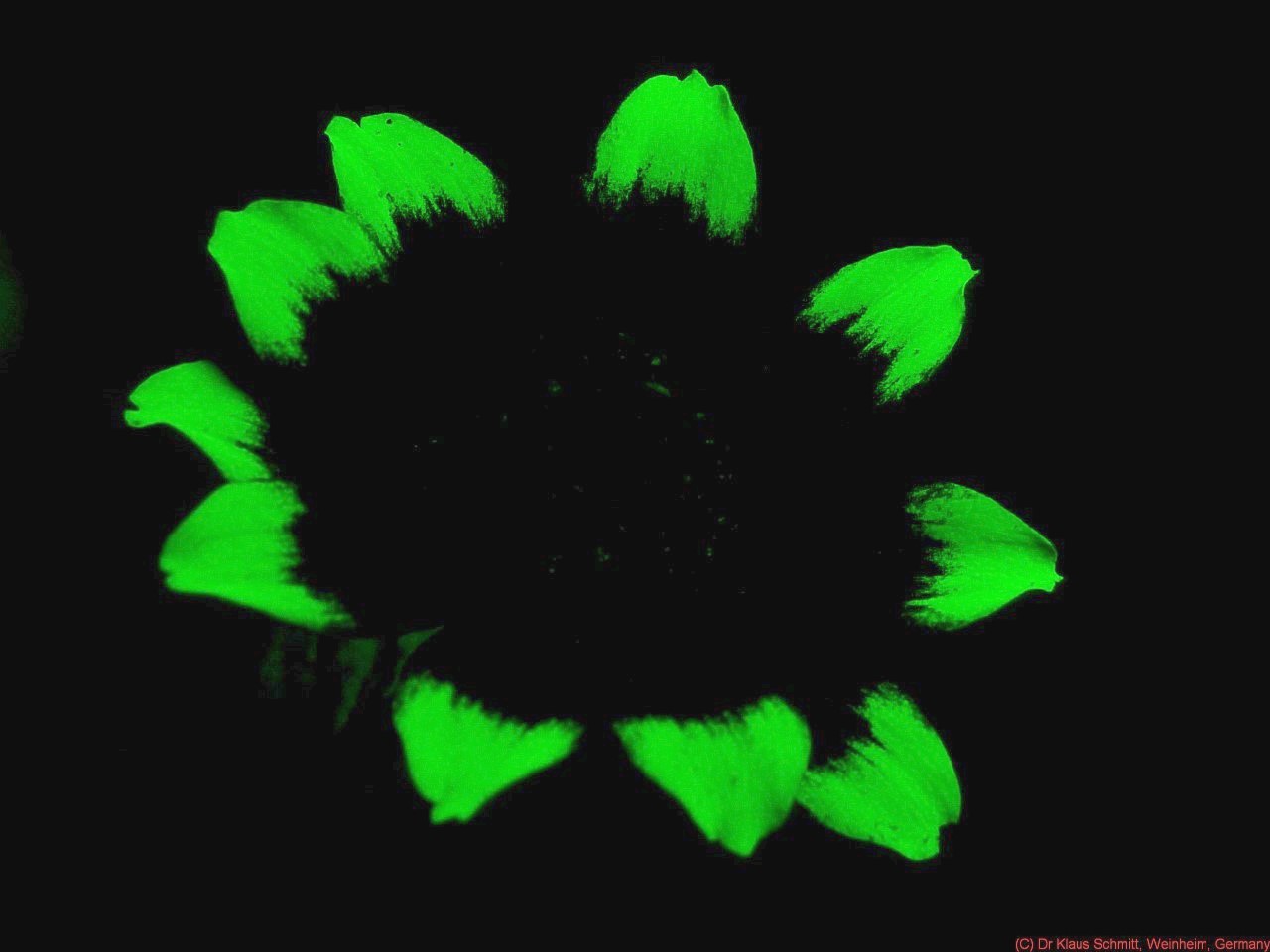
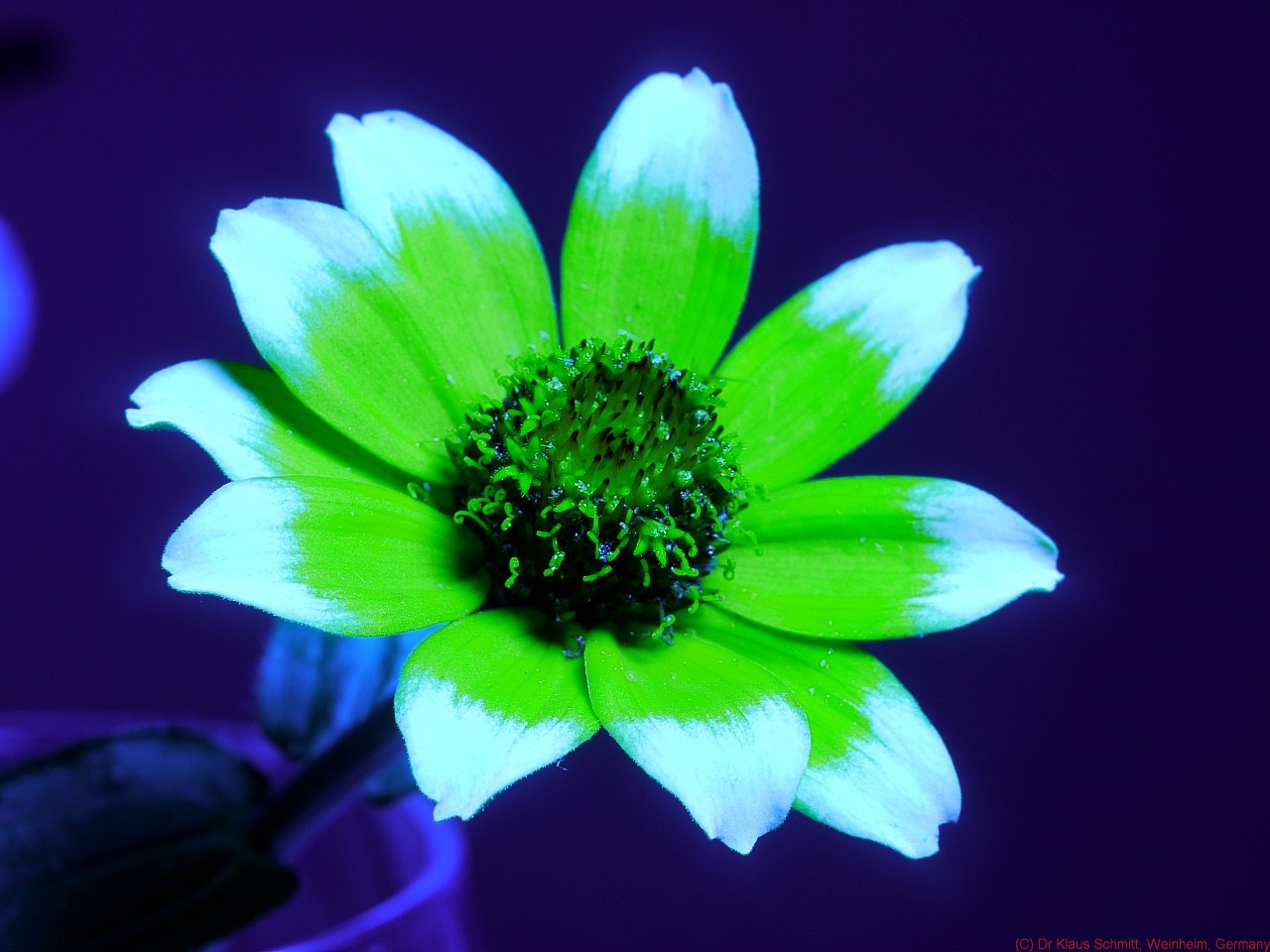
Today, as has been previously shown,  some more recent results with a bit more colorful images using various UV lights and filtering, when shooting in reflected UV light. I was using my "work horse" UV filter, the Baader-U filter and my CERCO quartz fluorite lens. Light source was an UV enhanced Xenon flash, except otherwise mentioned. Target was one of my last Bidens ferulifolia flowers, as the first snow has already been here...

[click on image to see a larger one]

visible light image:
 

"standard" UV image using Baader-U filter:
 

pure 365nm UV LED:
 

UG11 + IR blocking filter:
 

XBV2 filter:
 

XBV4 filter:
 

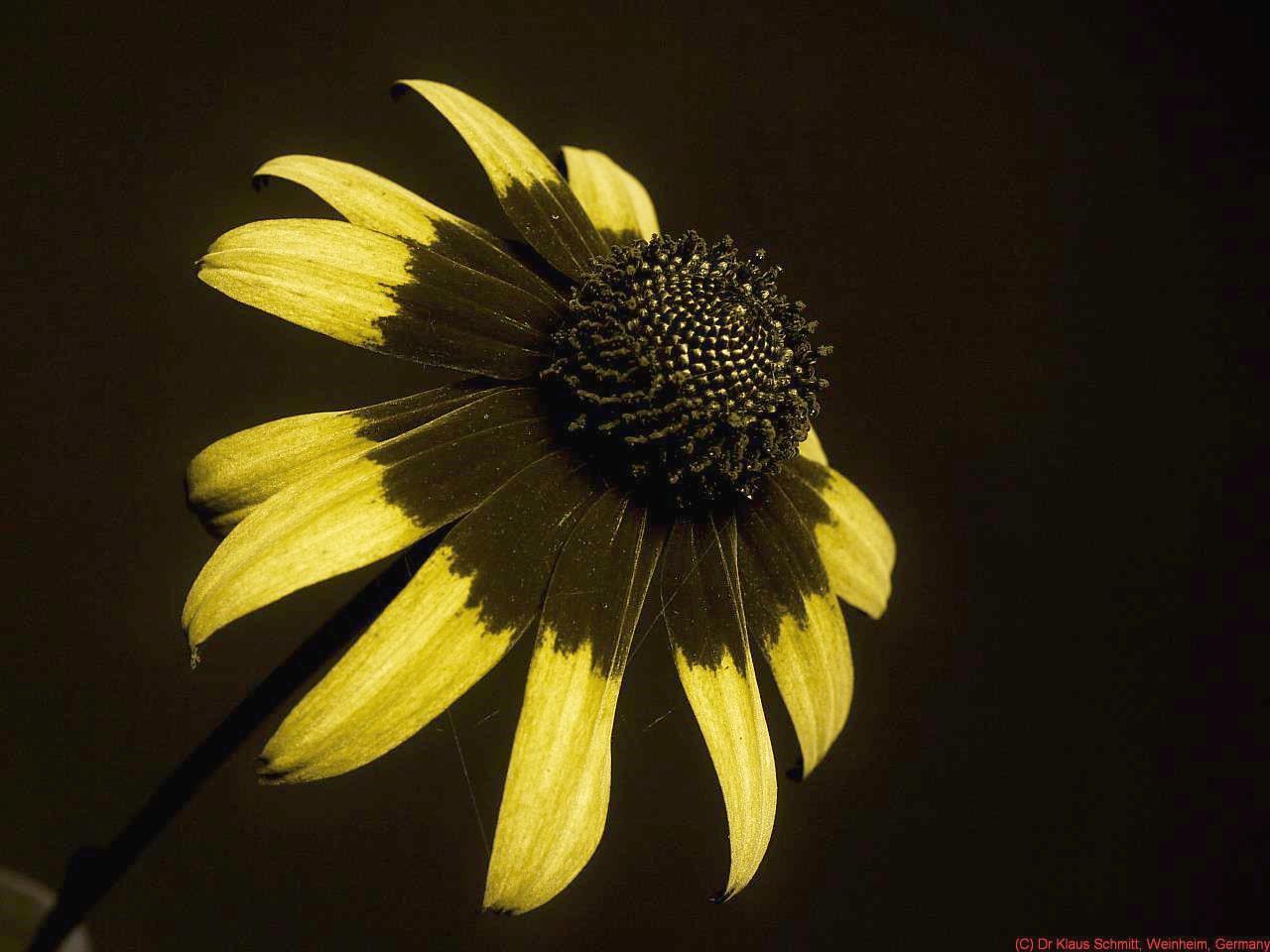
XNUV (highspeed UV) filter:
 

IR filter >750nm:
 

Now this is "artsy" playing with light, but it still documents very well the prominent UV pattern this flower has. HERE is the same flower in 3D Stereo representation.


Stay tuned, more will follow on that fascinating subject...

More info on this very interesting field may be found on my site http://www.pbase.com/kds315/uv_photos

Tuesday, October 2, 2012

Carl Zeiss Jena Lamegon 38mm: UV ultraviolet photography II

Well, I dug out this lens last weekend and took a few shots with it again, when I remembered that it can also be used for UV (and IR) despite its complex 8e/4g lens design incorporating lots of glass elements and a few cemented ones, based on the famous Biogon design of Dr Bertele. In my first Blog entry about this lens about a year ago I was referring to my friends site about such special and rare lenses HERE and there are also some UV and IR shots.

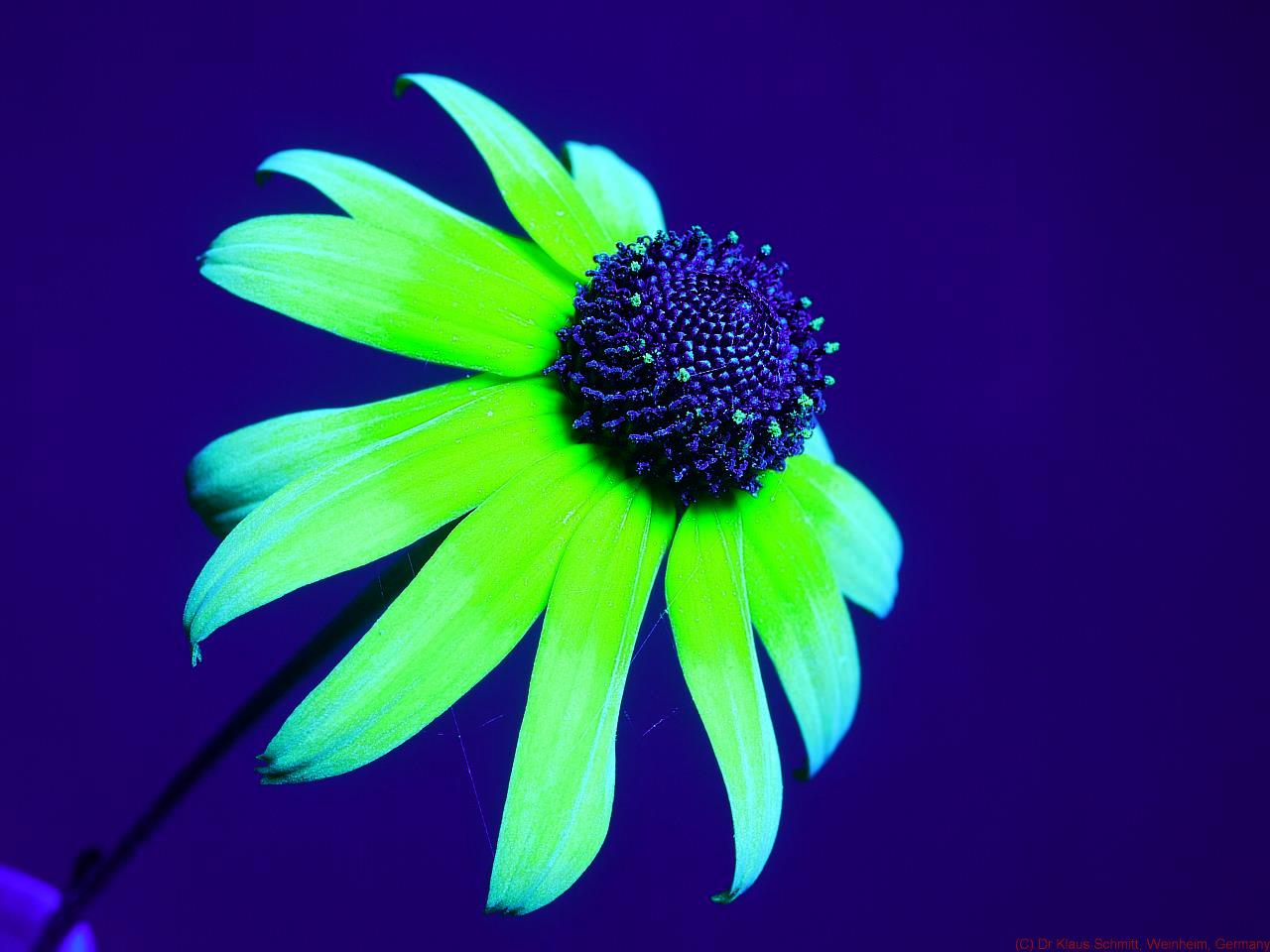
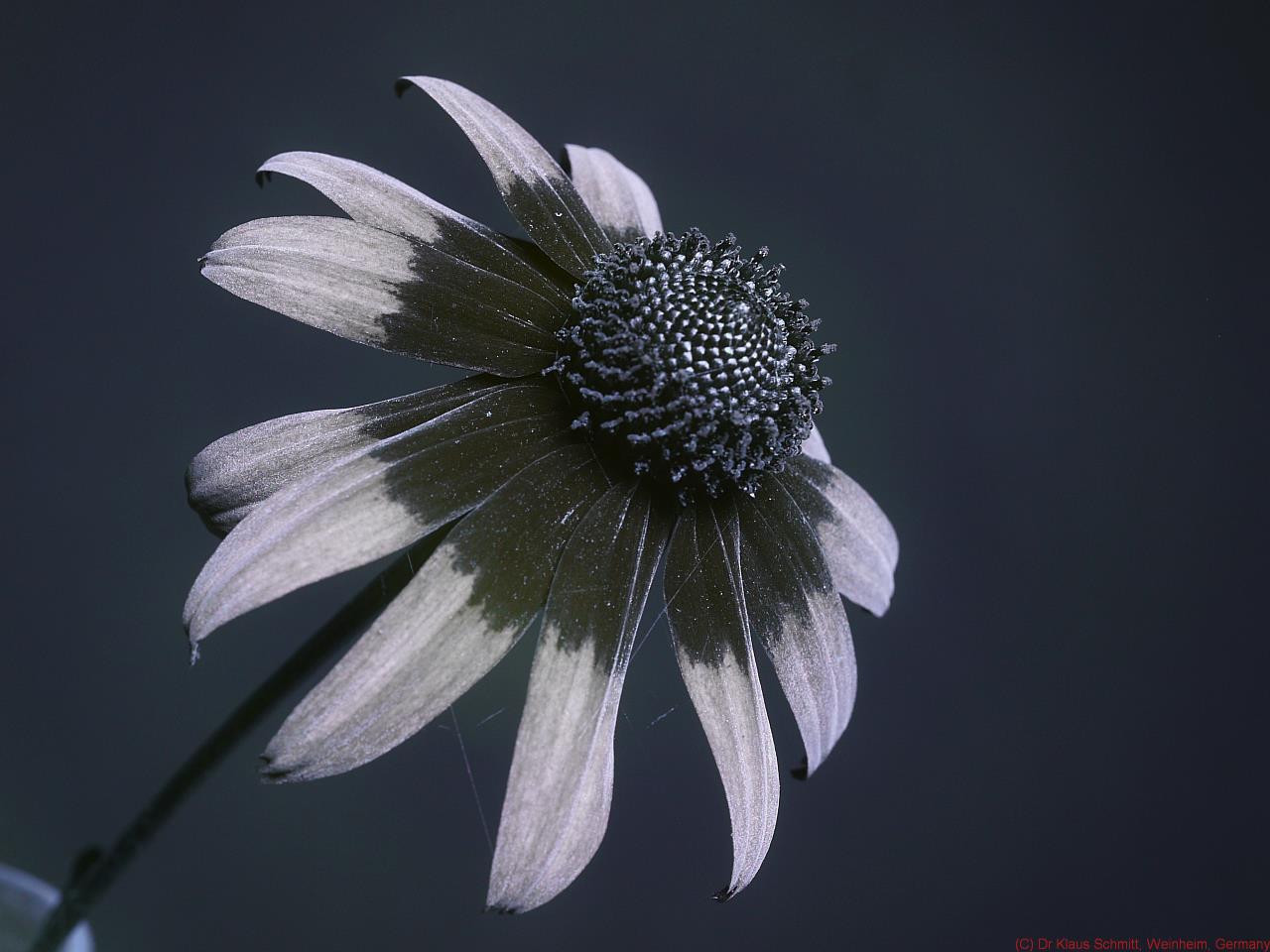
So today about UV photography using this lens, executed using one of my last Rudbeckia fulgida flowers. Shots were done using the UV Baader-U and XNUV filter as well as the bee vision simulating XB4 filter. My modified Xenon flash was used as a light source. Oh, and no focus correction was done!

[click on image to see a larger one]

Visual image using UV/IR Cut filter:


Simulated Bee vision using XBV4 filter:


UV image using XNUV filter:


UV image using Baader-U filter (with usual whitebalance):


UV image using Baader-U filter (with special whitebalance to resemble a quartz fluorite lens):

Well, the UV transmission is not that great, as may be seen from the colors of the second to last image, but still quite useful and especially sharp. So, maybe you you understand why I was so surprised again about the performance of that lens - no wonder its larger brothers (8/110mm and 5.6/55mm) were used in cold war as a aerial imaging lenses. And btw. if you like to see how amazingly this lens performs in the visual, have a look HERE from 2011 and HERE from this year.

Stay tuned, more will follow on that fascinating subject...

More info on this very interesting field may be found on my site http://www.pbase.com/kds315/uv_photos

Friday, September 28, 2012

Lichen: human vision vs simulated bee vison; reflected UV ultraviolet photography II

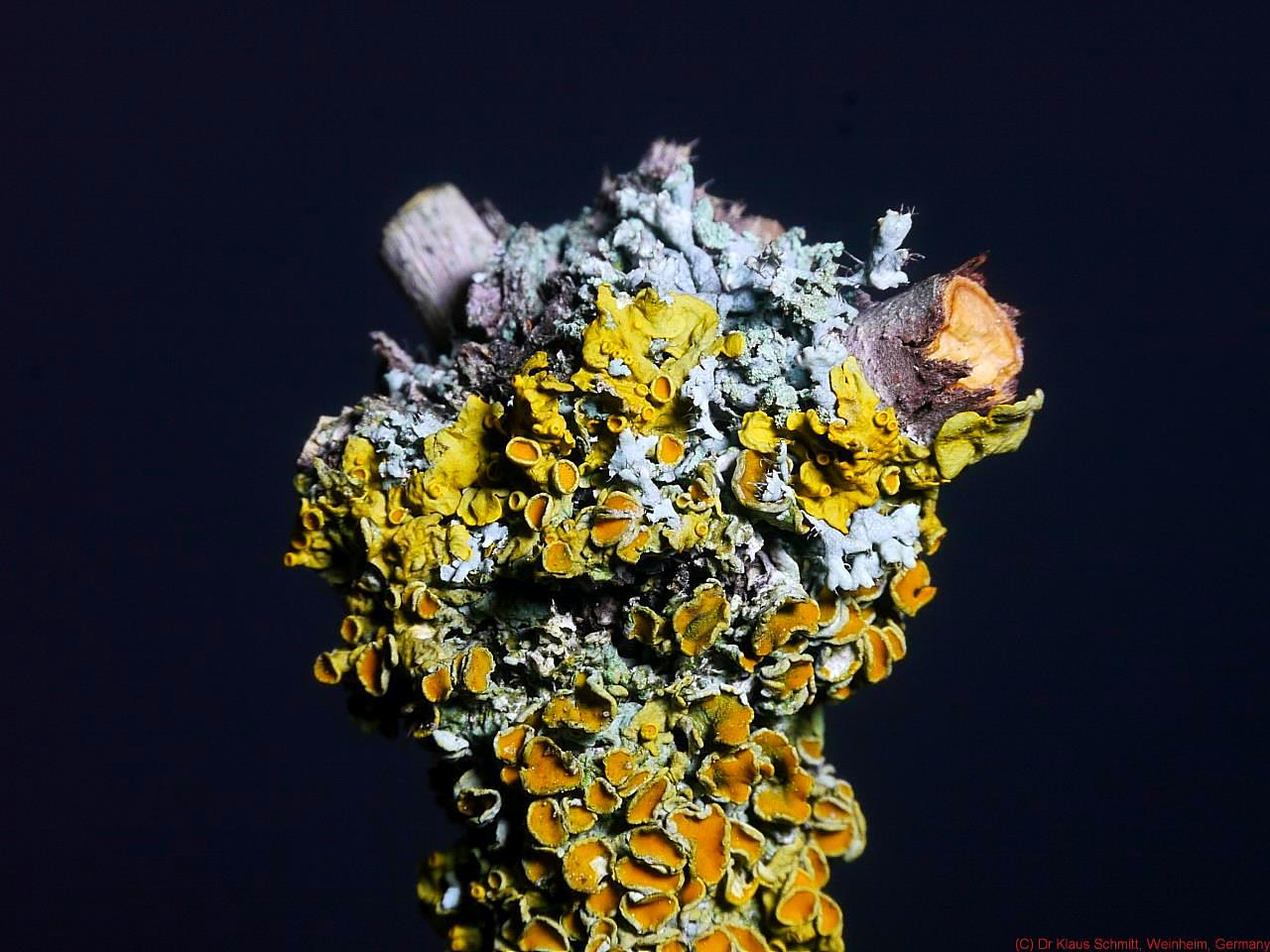
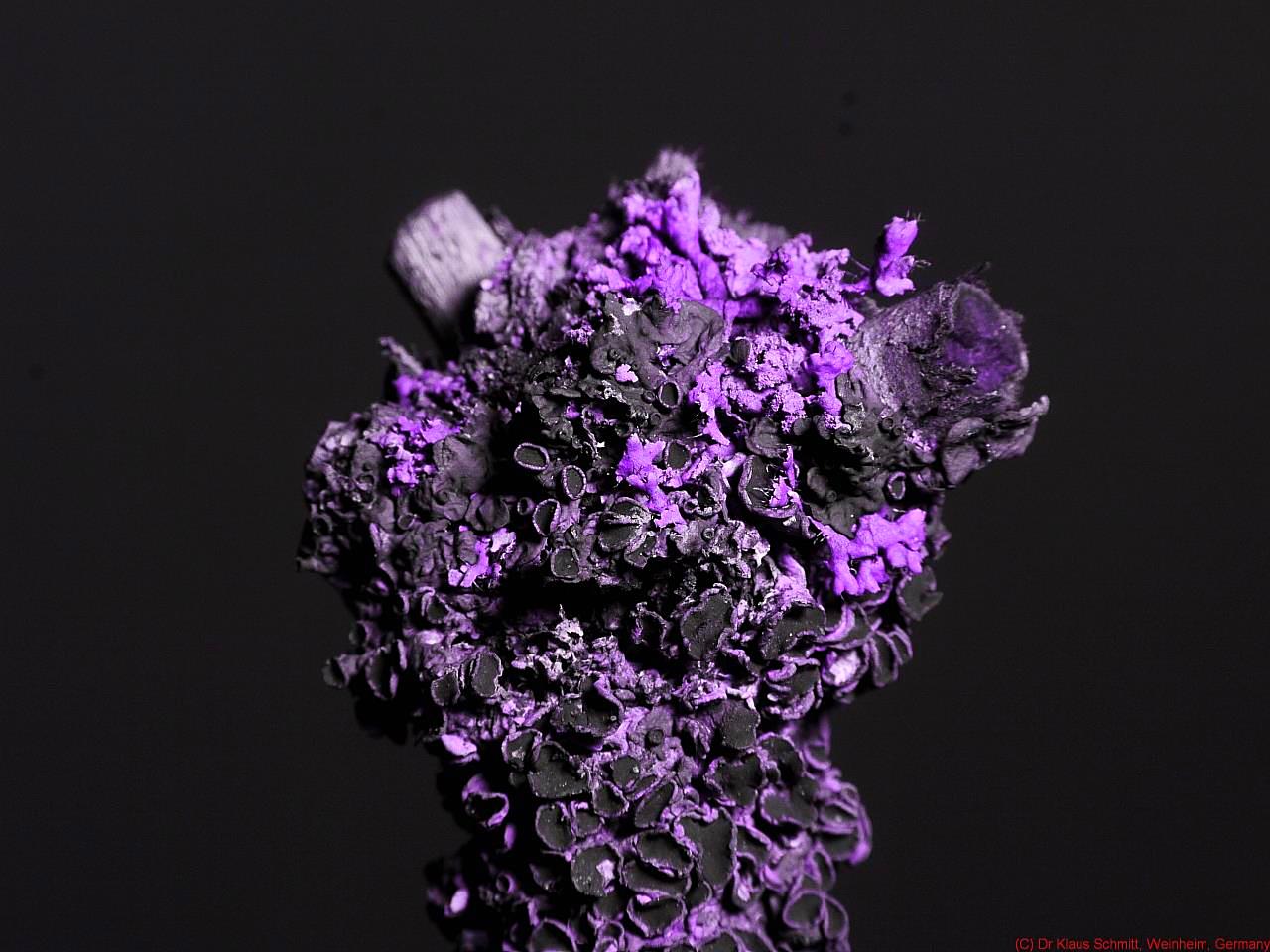
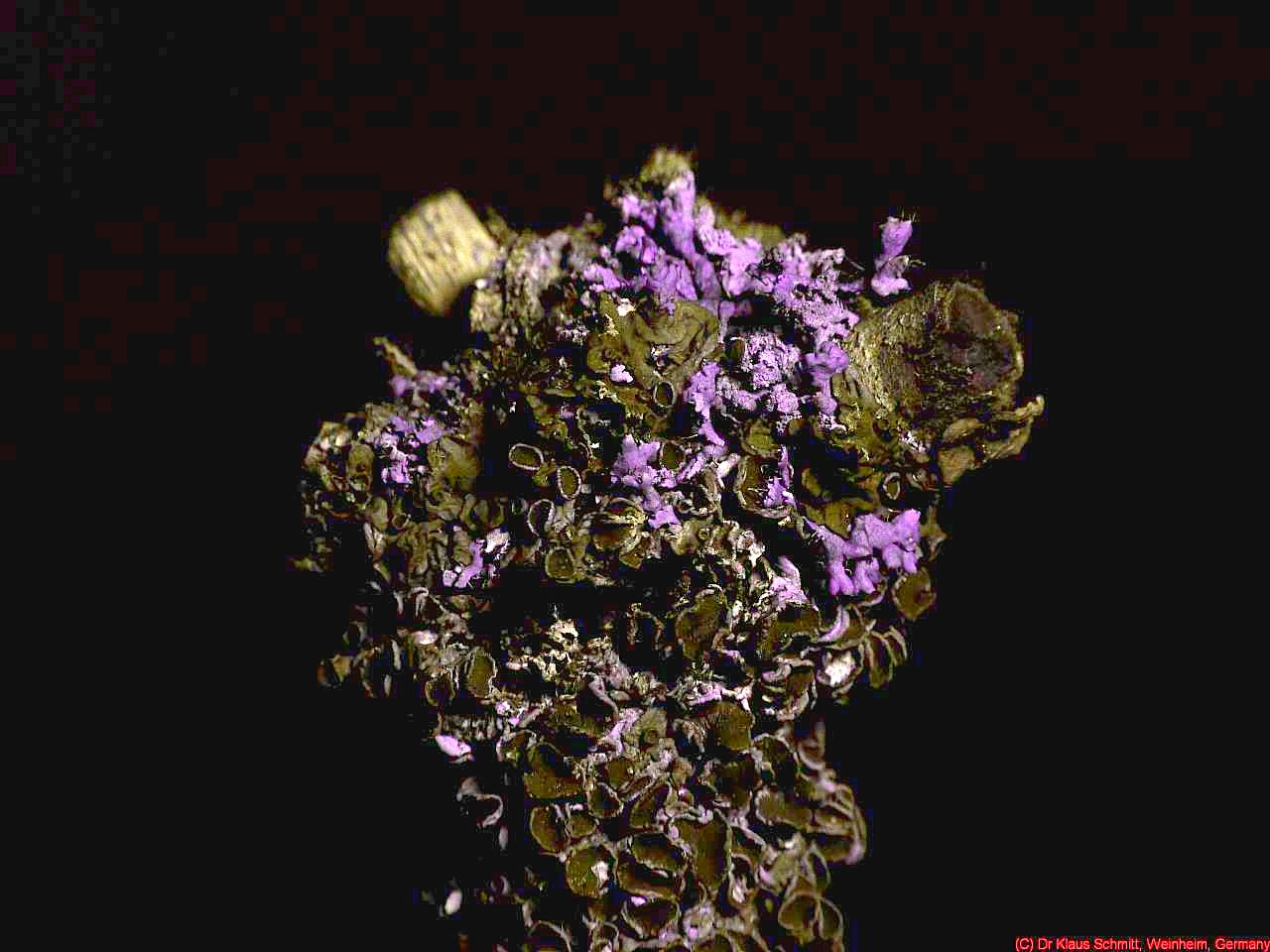
Today again about that same Lichen (most likely Xanthoria parietina and Physcia adscendens grown into each other), that I found growing on a broken branch. Shots in UV were done using an older approx 85mm quartz/fluorite lens, the UV Baader-U and XNUV filter, the bee vision simulating XB2 and XB4 filter as well as a UG11 + S8612 (cladded, 2mm) filter stack. My modified Xenon flash was used as a light source.

[click on image to see a larger one]

Human vision image using UV/IR Cut filter:


Bee vision image using XBV3 filter:


Bee vision image using XBV2 filter:


UV image using XNUV filter:


UV image using Baader-U filter:


 UV image using UG11 + S8612 (cladded, 2mm) filter stack:


Quite interesting to note that also this old quartz / fluorite lens nicely reproduces, how Lichen reflects UV light in these differently colored sub-UV bands I have written earlier about. Really nice to have that target for UV photography when flowers will be gone...

HERE it is shot using my CERCO 94mm quartz/fluorite lens and HERE in UV induced visible fluorescence..

Stay tuned, more will follow on that fascinating subject...

More info on this very interesting field may be found on my site http://www.pbase.com/kds315/uv_photos

Friday, September 14, 2012

Zinnias: human vision vs simulated bee vison; reflected UV ultraviolet photography

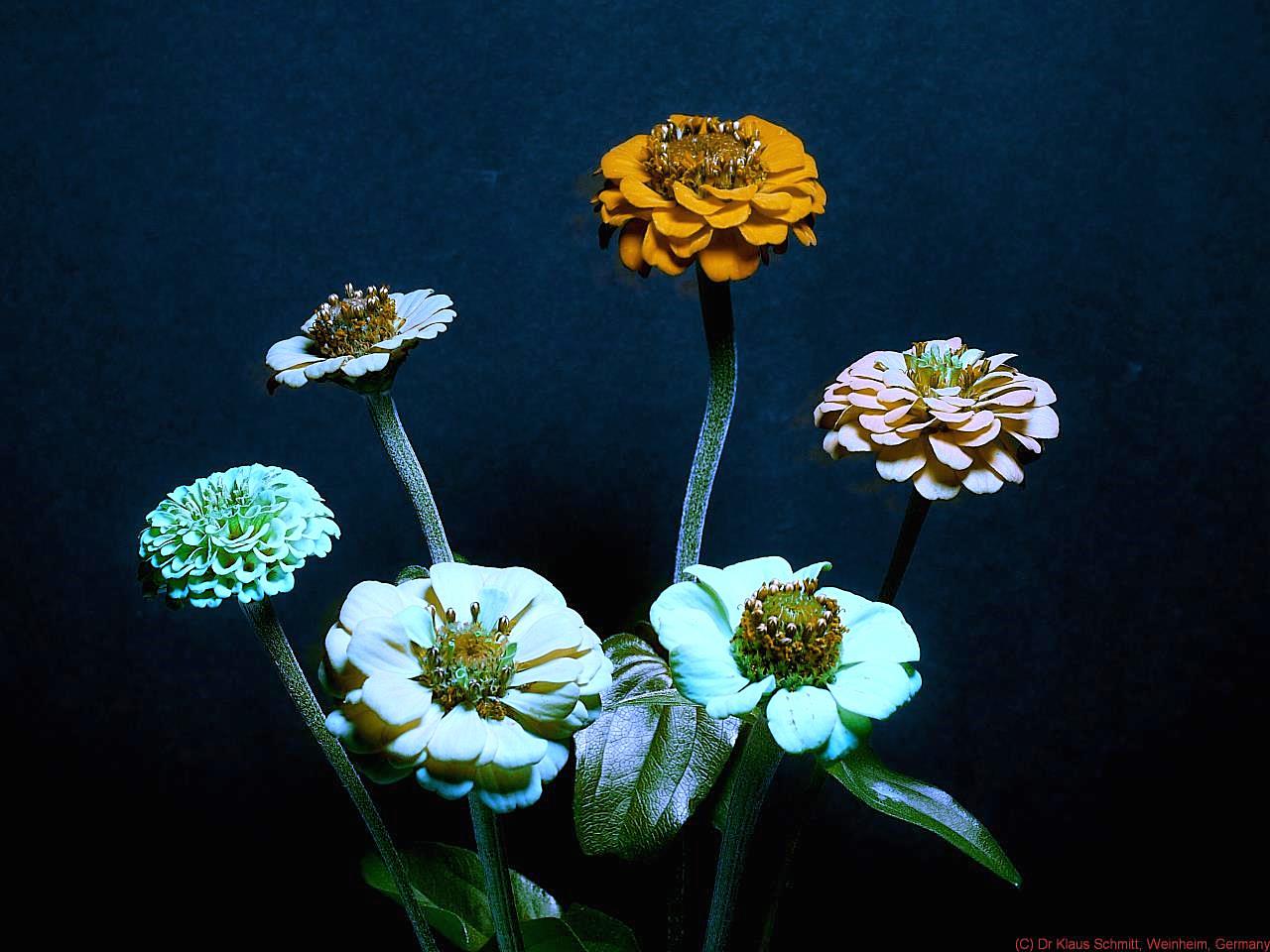
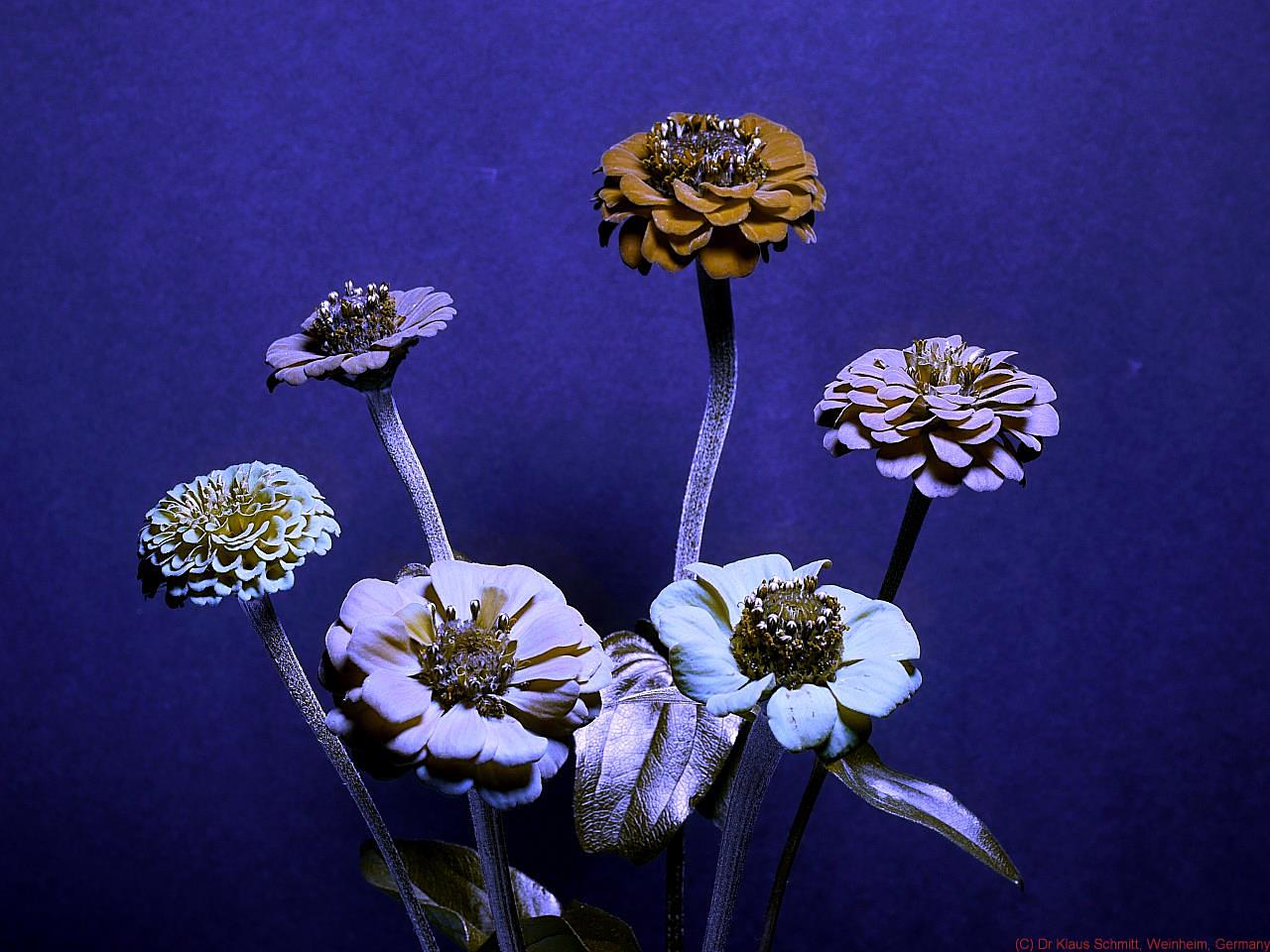
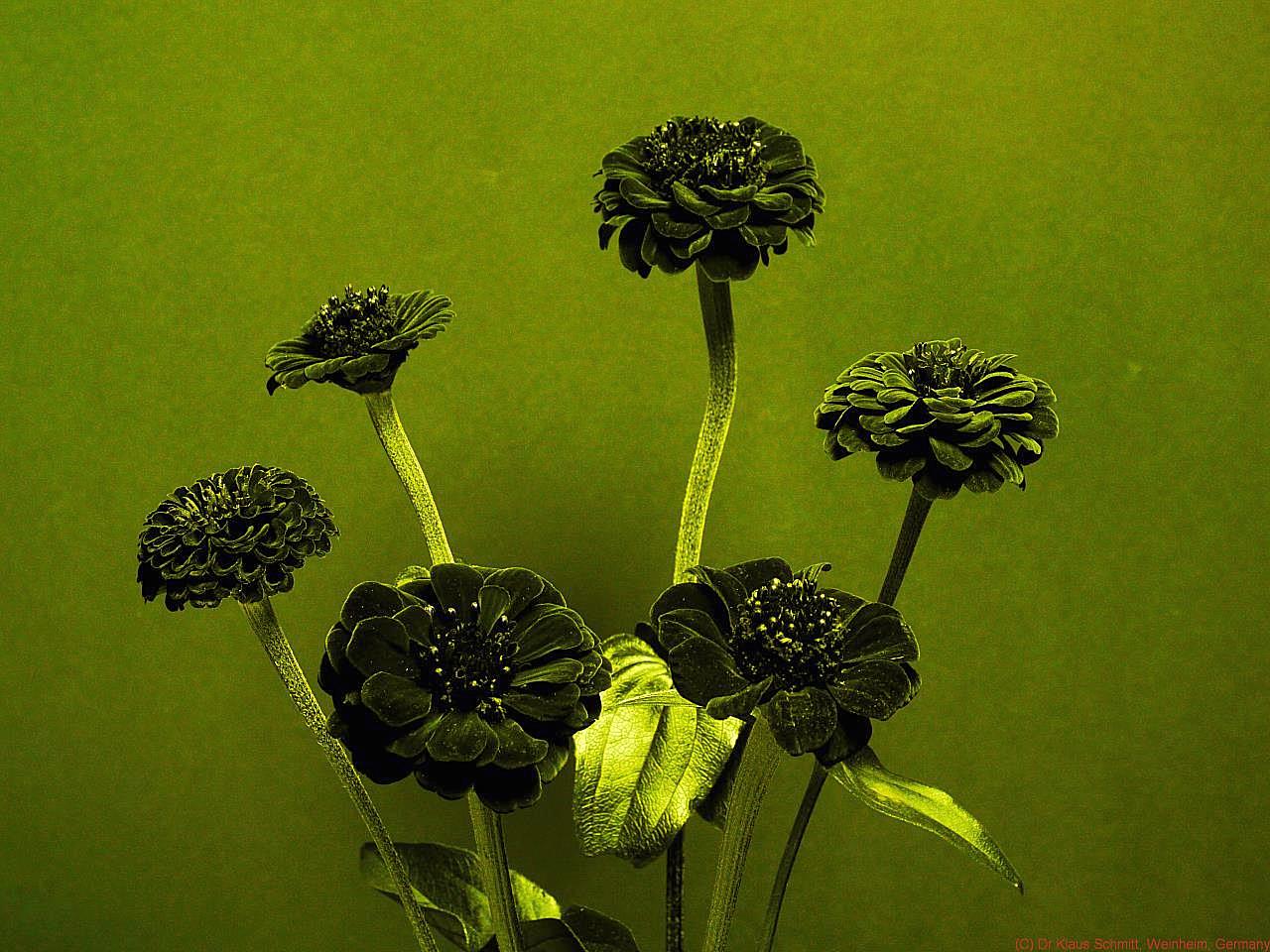
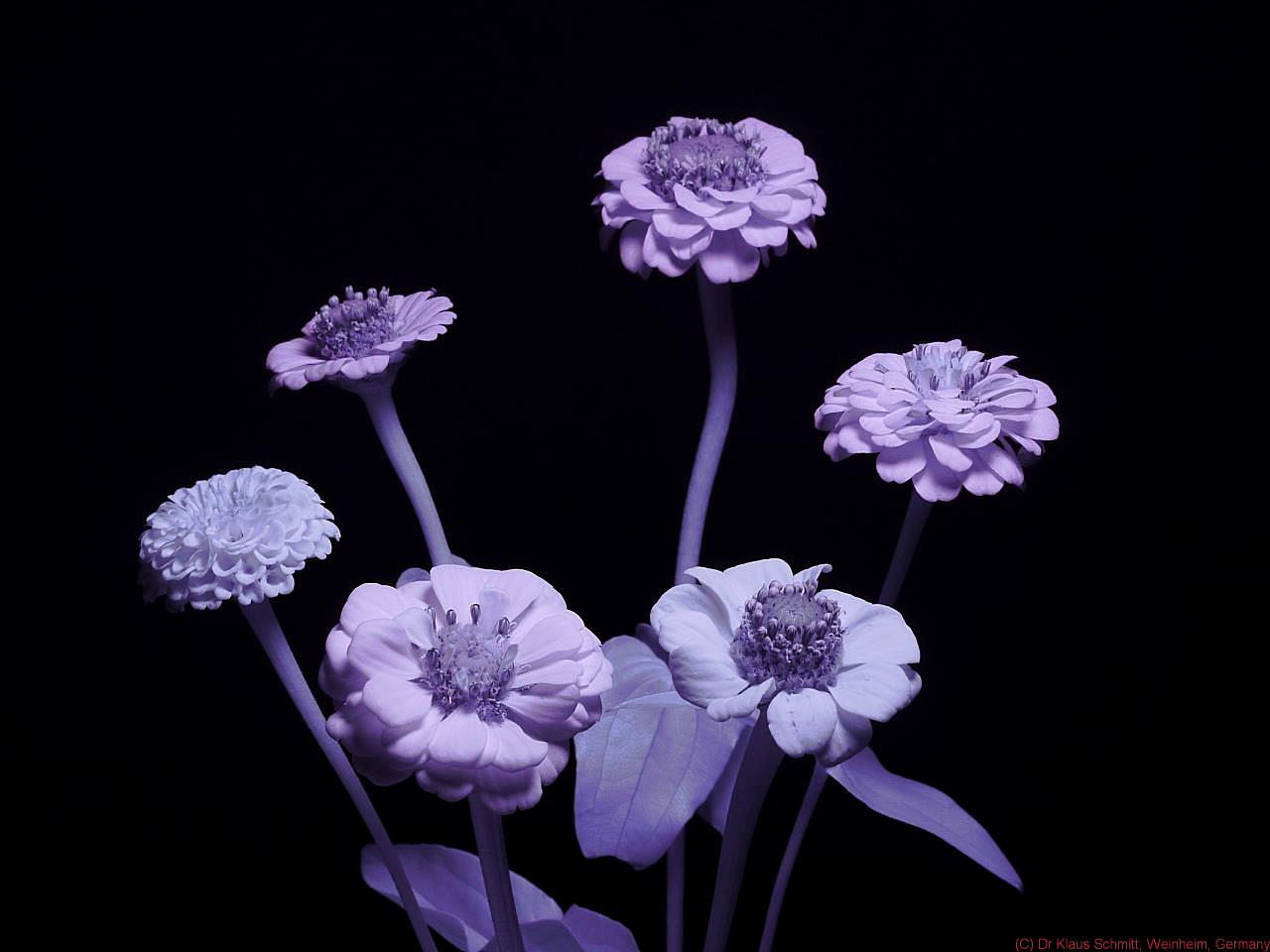
Bought a few Zinnias today from my friend Christian Mayer, a very creative florist here in Weinheim, Germany. I'll show this bouquet of various Zinnias in multispectral representation. These shots were taken using inside using my Xenon high power flower flash in normal human vision VIS, in UV using the Baader-U and Jupiter-U filter, as well as in simulated bee vision using my XBV2, XBV3, XBV4 and XBV6 filters respectively as well as the new XNUV filter.

[click on image to see a larger one]

Visual image using a BG40 filter:


Simulated bee vision using XBV3 filter:


Simulated bee vision using XBV2 filter


Simulated bee vision using XBV4 filter:


Simulated bee vision using XNUV filter :


 Simulated bee vision using XBV6 filter :


UV using Baader-U filter:


UV using Jupiter-U filter:


IR (basically) using a simple ND filter:


Unfortunately these bread Zinnias don't show that prominent deep UV patterns as the mexican Zinnia haagena do ... oh well, not all what artificial breedings does leads to pleasant results.


Stay tuned, more will follow on that fascinating subject...

More info on this very interesting field may be found on my site http://www.pbase.com/kds315/uv_photos