Showing posts with label Coastal Optical Systems Inc.. Show all posts

Saturday, March 1, 2014

X80QF - a made to order f3.2/80mm apo lens for reflected ultraviolet, visible, infrared and multispectral photography

Today I will officially introduce my X80QF f3.2 / 80mm apo lens. I have previously shown here and here results using a prototype lens. This is a lens made to order in very limited quantity, camera mounts available are basically all DSLR and mirrorless camera types up to APS-C sensor format (FF needs optical modification, on request).

Apochromatic Quartz Fluorite lens system specs:
Lens data: f3.2 / 80mm
Useful spectral range: 200 - 1200nm (and beyond)
Focusing helicoid: infinity - macro (range as per request)
Mount: M42, on request: Nikon, Canon, Pentax, m4/3, Sony E
Aperture: variable, declicked f3.2 - f64 (click in on request)
Aperture calibration: on request, F-stops or T-stops
Weight: 290 grams (0.29 kg) in M42 mount version
Filter thread mount: 52mm standard

[click on image to see a larger one]

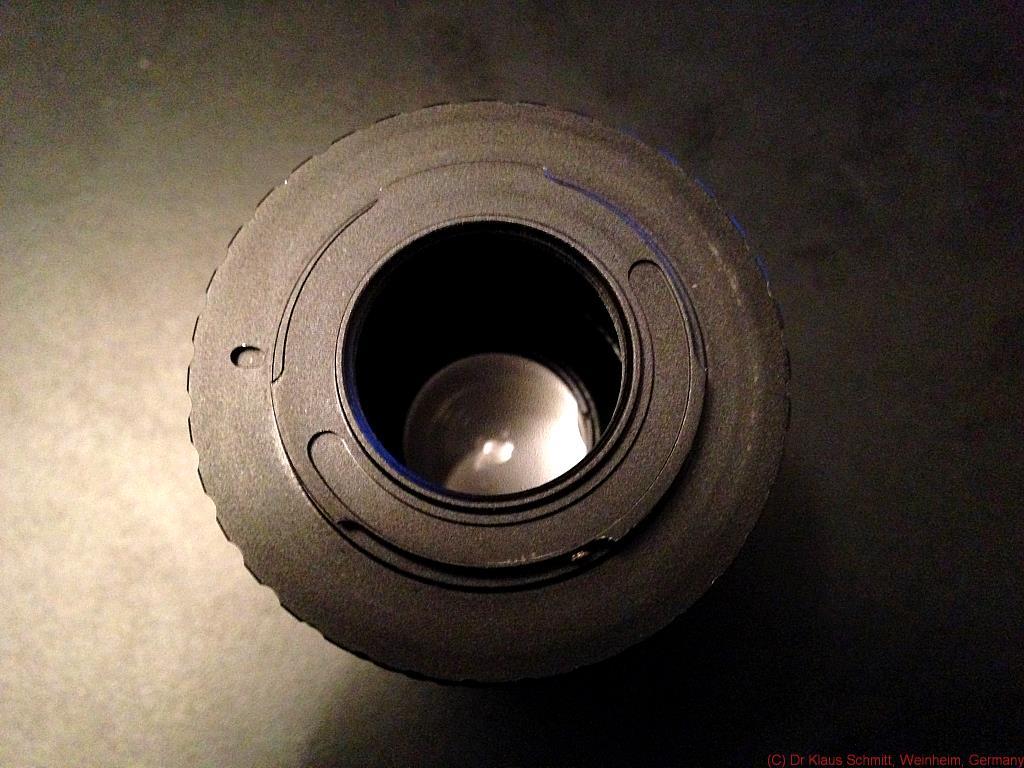
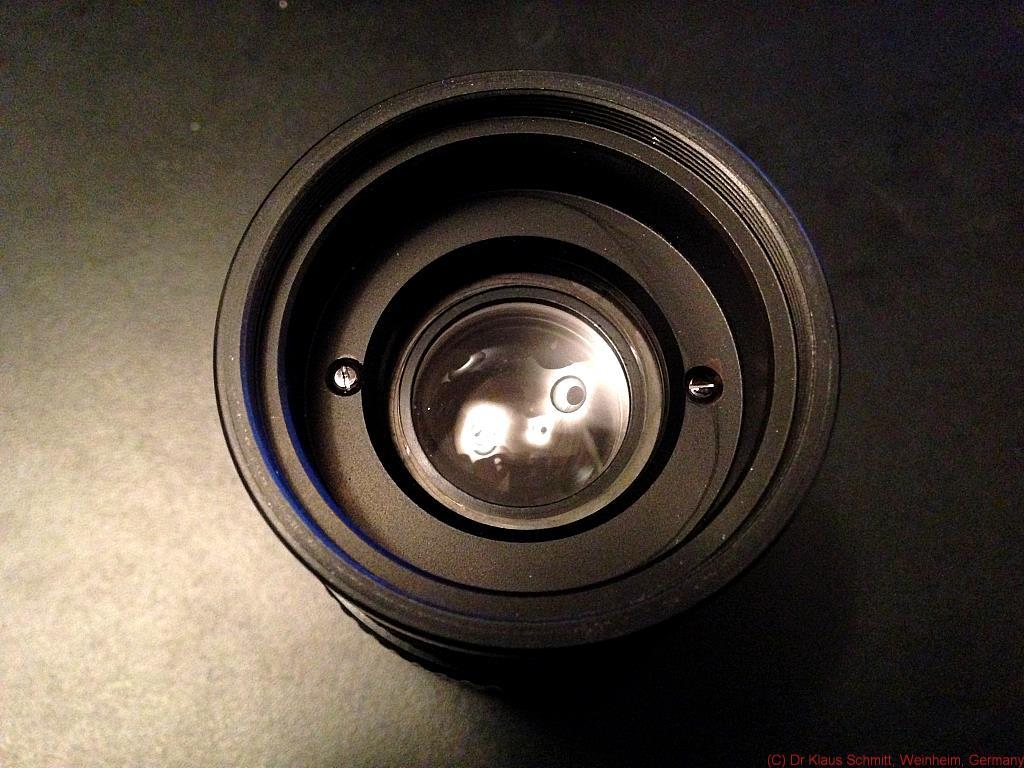
Lens front - open aperture, 52mm filter mount:

Lens rear - open aperture, micro 4/3 mount version:

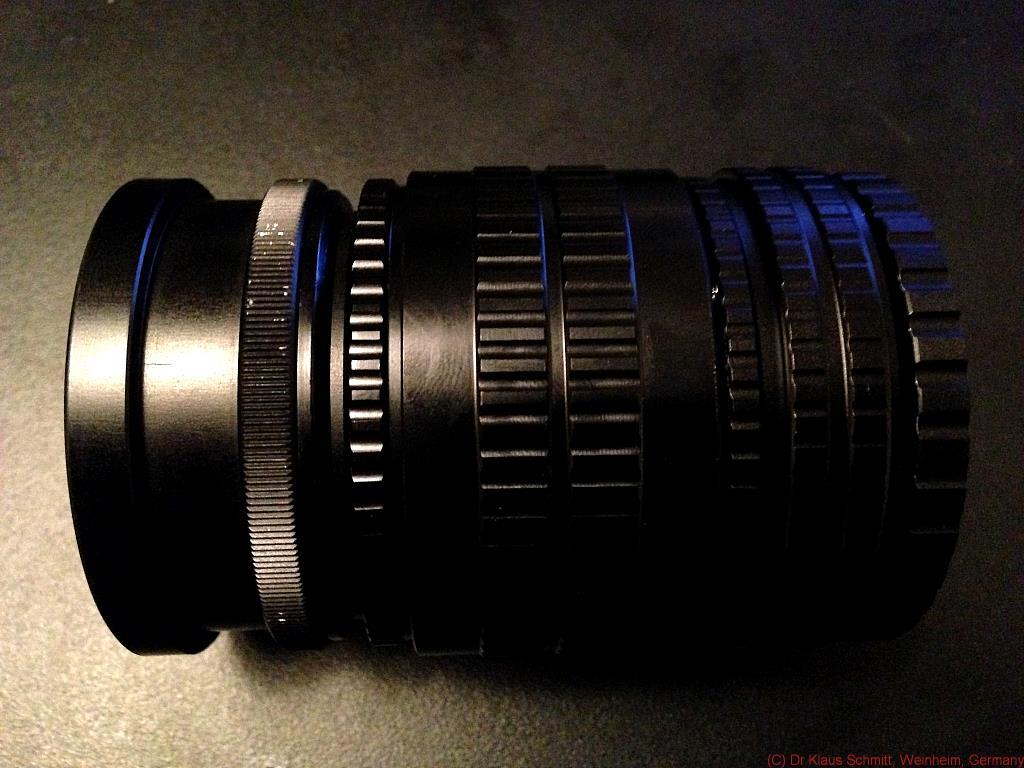
Lens focusing helicoid infinity position, retracted:

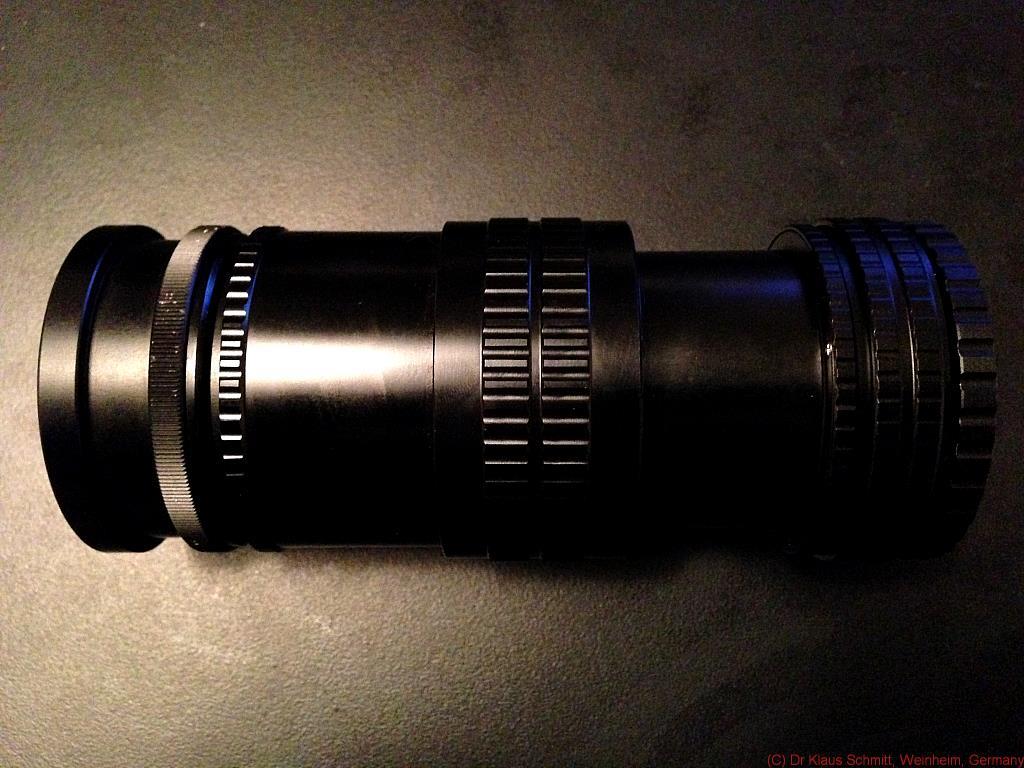
Lens focusing helicoid macro position, extended:
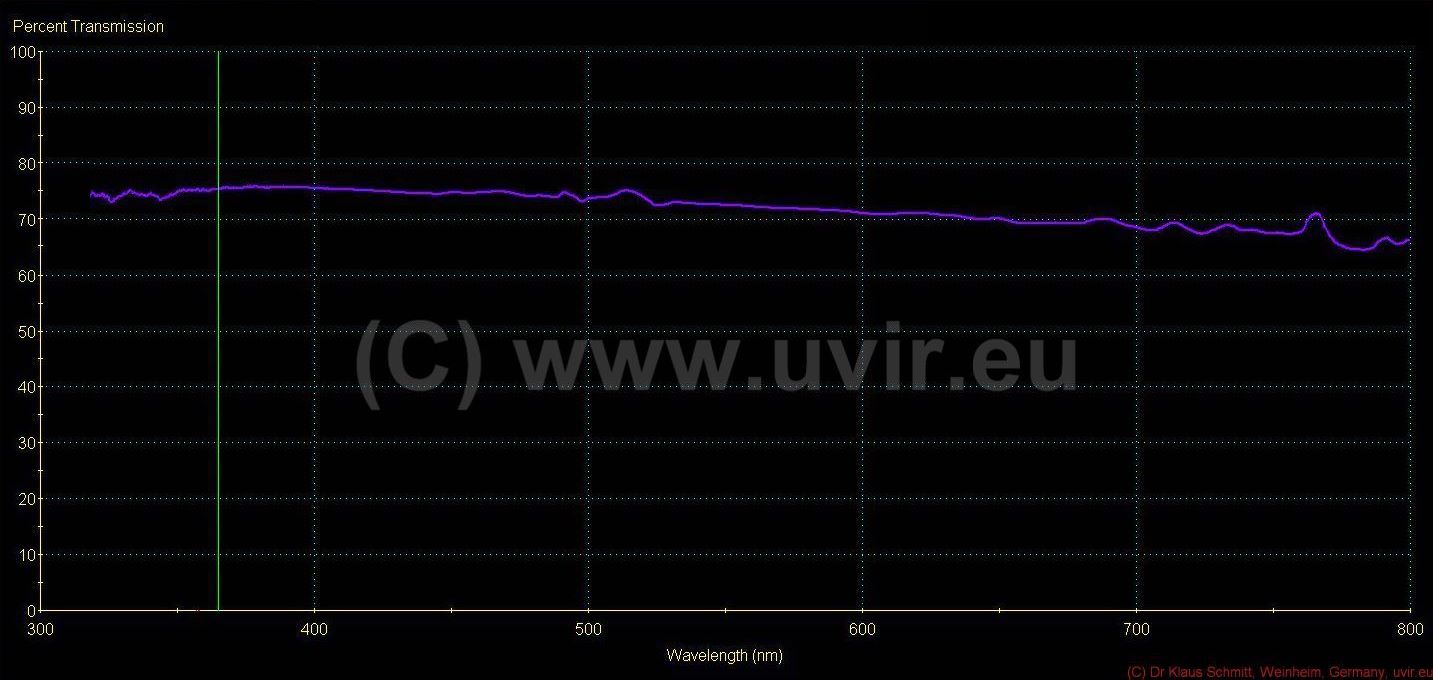
Spectral transmission (310-400nm: >75%, 400-800nm: >65%)

(Btw. there was a decline in transmission below some 310nm, caused by my current measurement setup, not the lens, which should transmit flat to 200nm, as it consists only of pure fused silica and calcium fluorite. I have therefore removed that part until I have more reliable data to show ...)
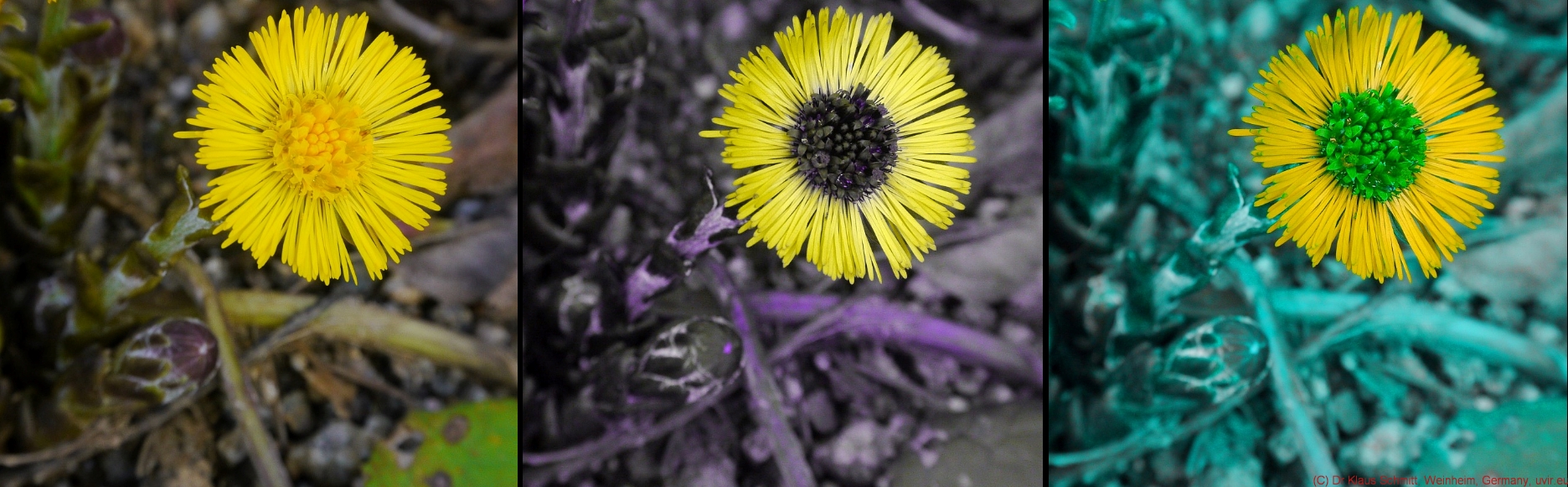
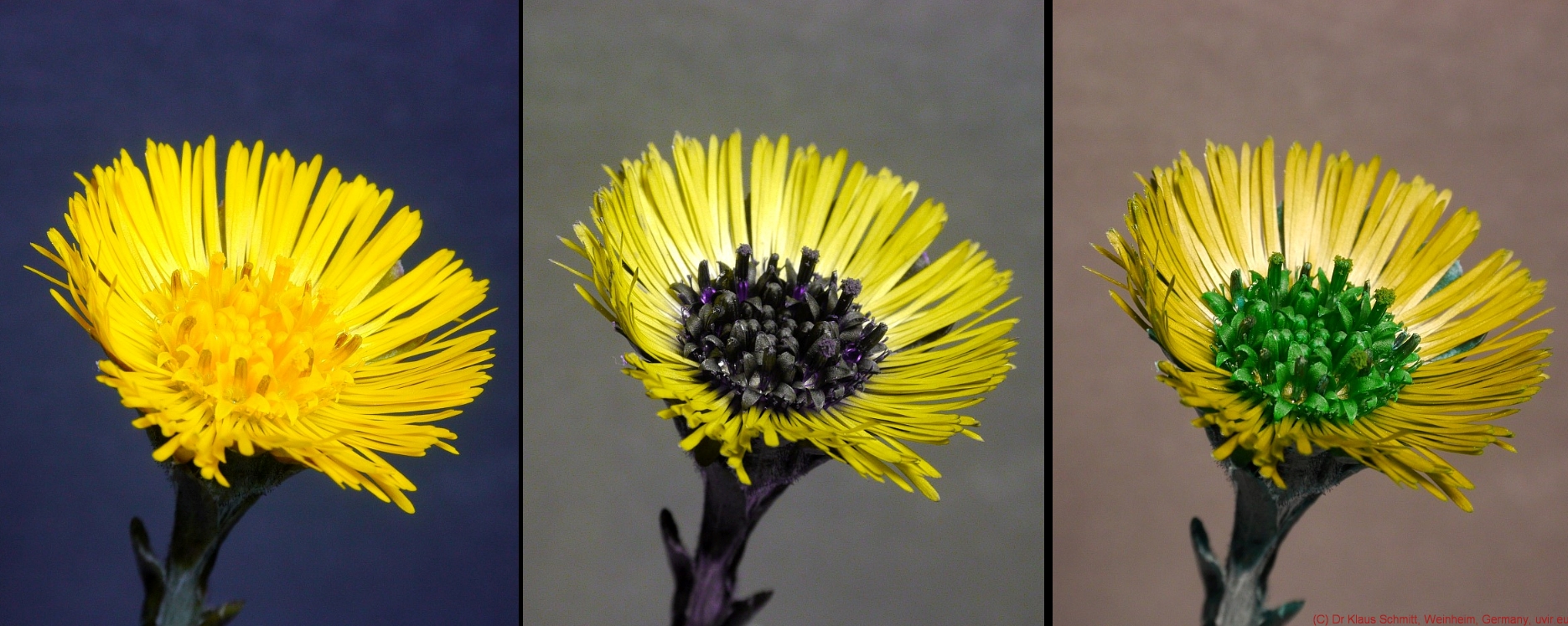
The following sample shots were done aside from visible photography in reflected ultraviolet using Baader-U filter and in sim. bee vision using my XBV6 filter. Light source was sun or a modified Xenon flash. All shots were done at f8 - f11.

Triptych of Tussilago (in situ, light source sun), visible, reflected UV using Baader-U filter, sim. bee vision using XBV filter (left to right):  

Triptych of Tussilago (lab, light source Xenon), visible, reflected UV using Baader-U filter, sim. bee vision using XBV filter (left to right):  


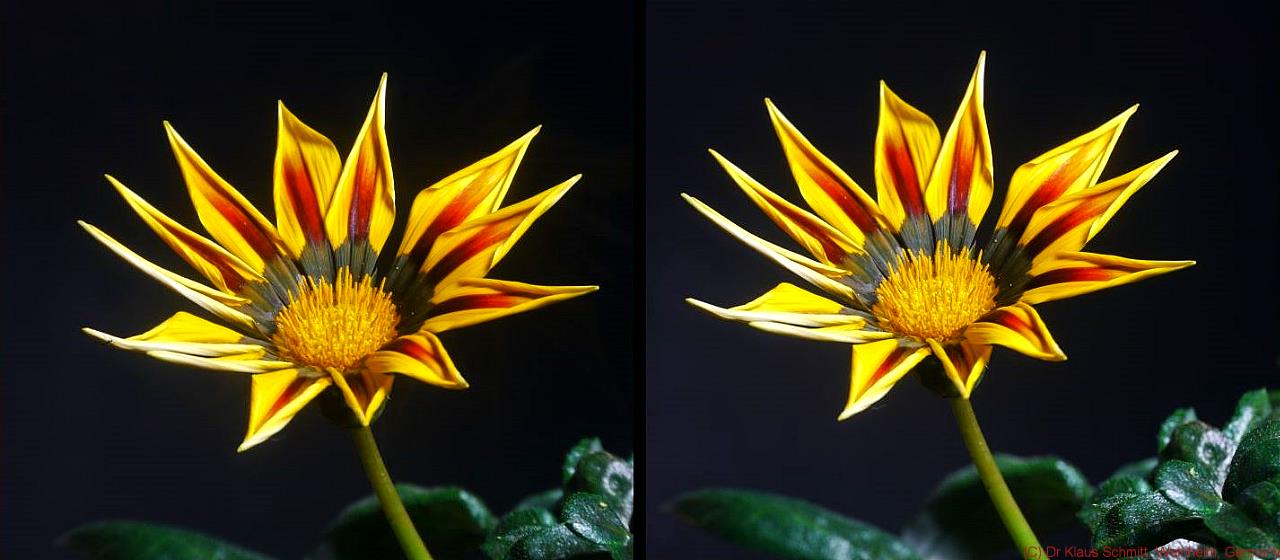
Diptych of Gazania (lab, light source Xenon) Visual image using UV/IR Cut filter - X80QF (left), Cerco 94mm (right):


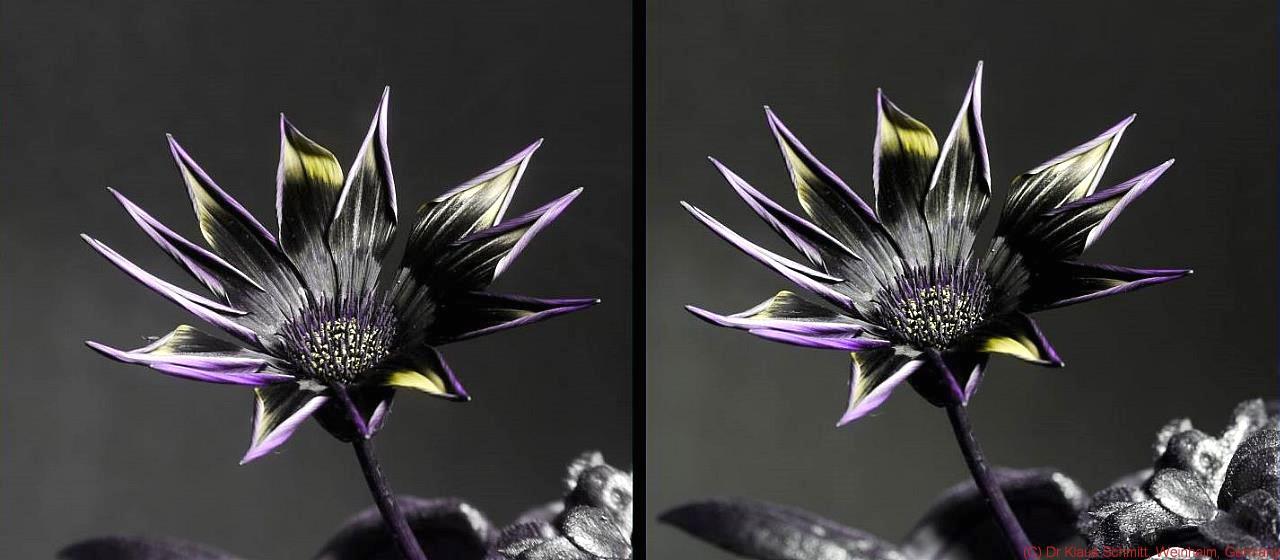
Diptych of Gazania (lab, light source Xenon) reflected UV image using Baader-U filter - X80QF (left), Cerco 94mm (right):


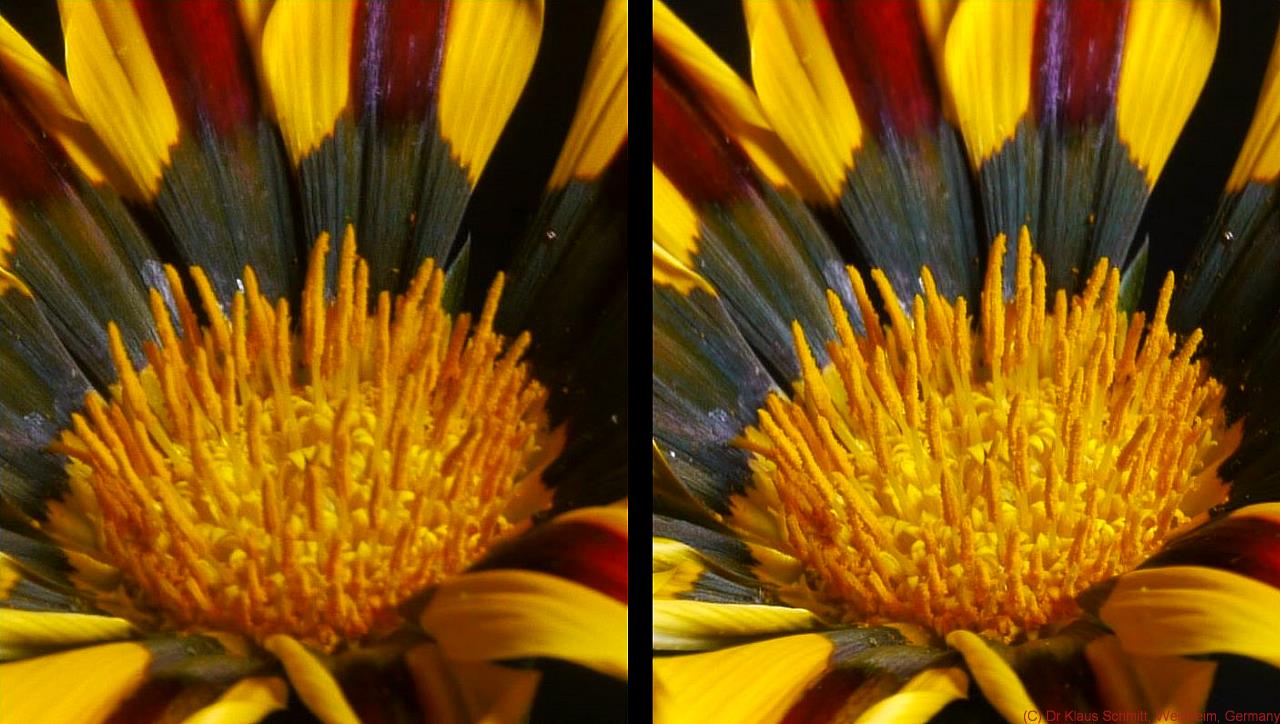
Diptych of Gazania Detail (lab, light source Xenon) Visual image using UV/IR Cut filter - X80QF (left), Cerco 94mm (right):


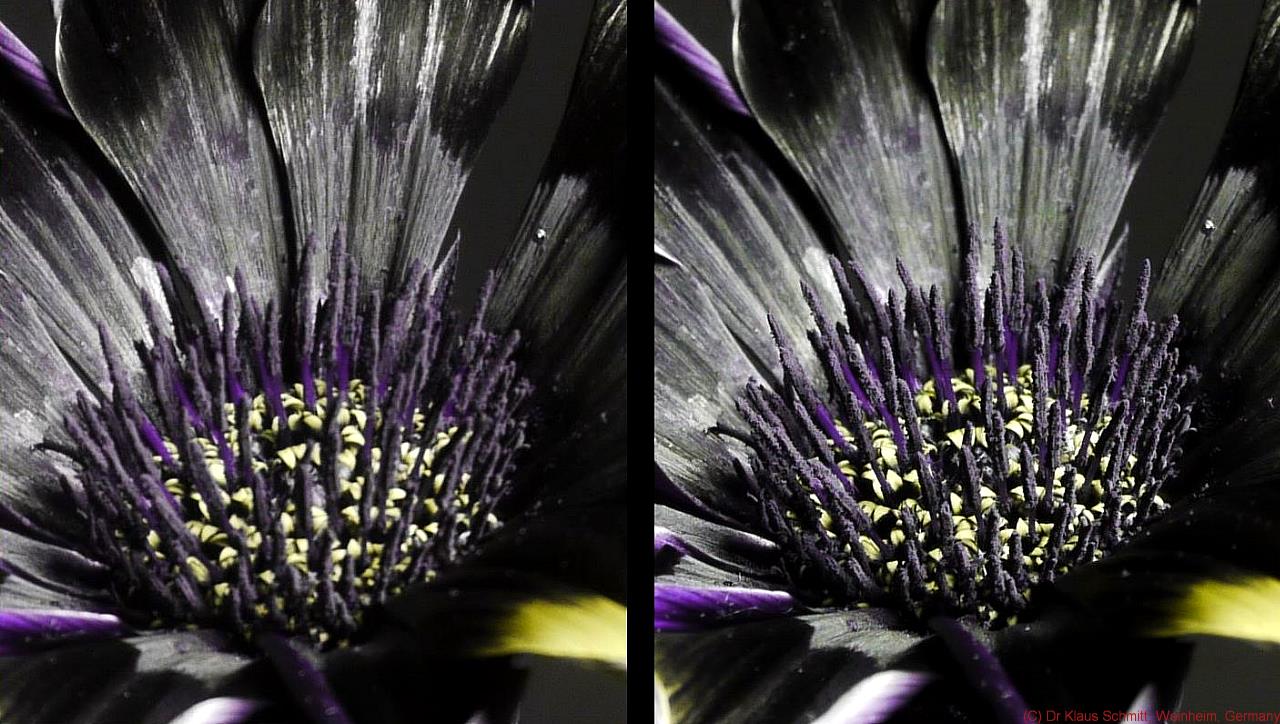
Diptych of Gazania detail (lab, light source Xenon) reflected UV image using Baader-U filter - X80QF (left), Cerco 94mm (right):


This X80QF lens is meant as a tool for the ambitioned amateur or researcher on a budget, who cannot allow to be restricted to the shortcomings of a lens based on optical glass, limited to around 350nm cut off (some very special ones reach a bit lower), but need a flat transmitting lens down to 300nm or even beyond that. It certainly should not be compared to such very pricey high performing quartz fluorite lenses such as the Coastal Optical Systems 60mm or 105mm Apo, the CERCO 94mm, the UV-Nikkor 105mm, the Pentax Ultra Achromatic 85mm or the Zeiss UV-Sonnar 105mm. It cannot reach those in terms of sharpness or contrast wide open, but stopped down to the usual working apertures f8 - f11, it delivers as shown acceptable sharp and useful VIS, UV, IR or multispectral images with acceptable contrast and very little focus shift for a reasonable price.
I will make only very of those, so should there be interest to purchase such a lens: Inquiries are welcome using my email on the top right corner of this site.

>>> THIS LENS IS NO LONGER AVAILABLE AS THE NEEDED LENS ELEMENTS ARE DEPLETED <<<


Stay tuned, more will follow on that fascinating subject...

Thursday, December 12, 2013

EADS SODERN CERCO f4.1 94mm vs Coastal Optical Systems Inc. 105mm f/4 UV-Micro-Apo lens for reflected ultraviolet photography

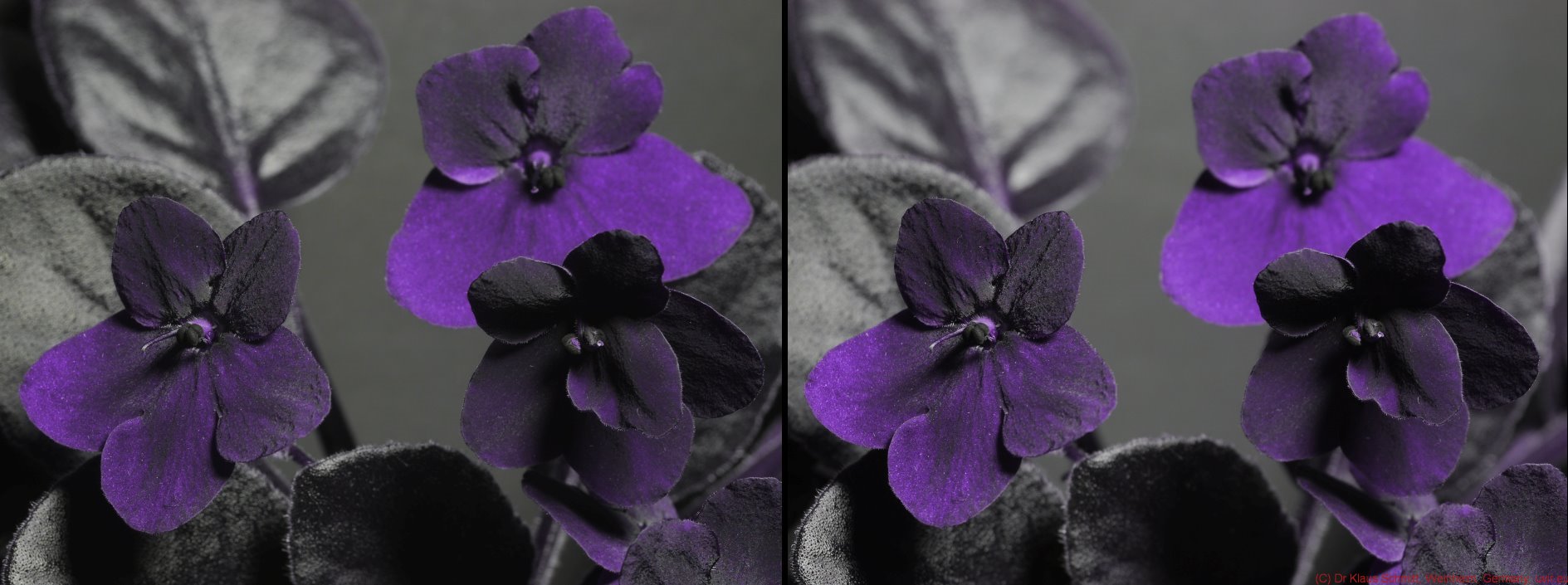
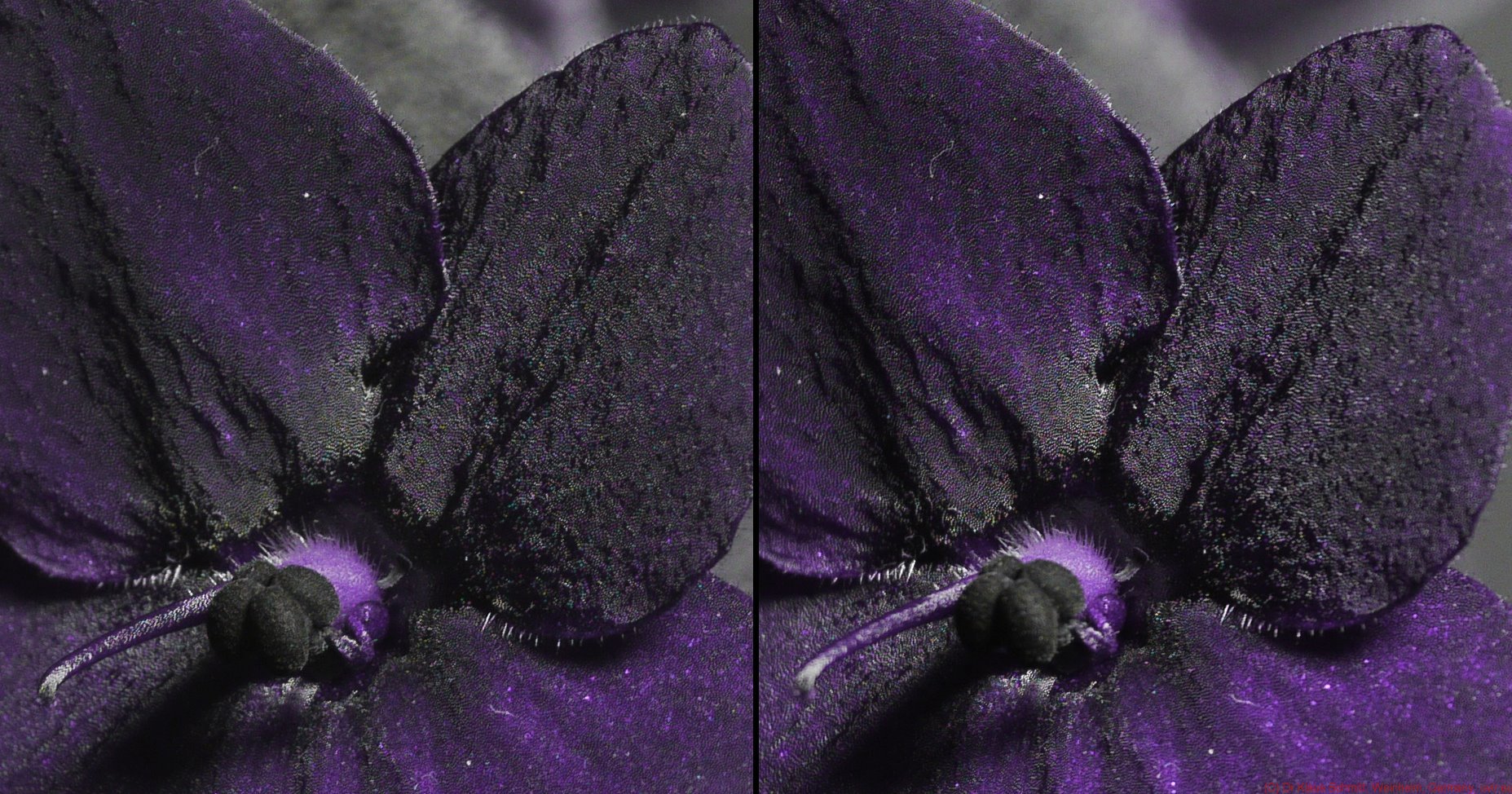
Today about two specialized UV lenses, the EADS SODERN CERCO type 2085 f4.1 94mm and the Coastal Optical Systems Inc. (COSI) 105mm f/4 UV-Micro-Apo apochromatic quartz fluorite lenses. In lack of a flower with UV pattern, I'm using a African violet hybride flower for that test as well as my "work horse" UV filter, the Baader-U filter. Light source was Xenon light. All shots were done at f5.6.

[click on image to see a larger one]

Diptych image CERCO 94mm (left) vs COSI 105mm lens (right), Visual light:
 

Diptych image CERCO 94mm (left) vs COSI 105mm lens (right), reflected UV using Baader-U filter (approx. 320-395nm, peak approx. 350nm):
 

Diptych detail image CERCO 94mm (left) vs COSI 105mm lens (right), reflected UV using Baader-U filter (approx. 320-395nm, peak approx. 350nm):
 

The comparison images clearly show that both lenses work exceptionally well for reflected UV as for visual photography and deliver sharp images rich in contrast and detail. I had to adjust the camera position to equalize the focal length differences, so this is not a scientific lens test, but the view of a user. Both come in Nikon-F mount, but the COSI lens covers full format sensors, the CERCO only about the smaller APS-C format (25mm image diameter).

P.S.: The images were not re-adjusted in focus between UV and VIS shots, to show that there is no focus shift between VIS and UV.

P.P.S.: those images accidentially work as 3D crosseye stereo images...

Stay tuned, more will follow on that fascinating subject...

More info on this very interesting field may be found on my site http://www.pbase.com/kds315/uv_photos

Wednesday, October 1, 2008

Lens Comparison: UV Nikkor 105mm, COSI 105mm, B&L 9"

Today I got an old lens, which was made many years ago by famous lens maker Bausch & Lomb, Rochester NY. It is a golden color single coated, heavy and well made f4.5 9" lens which attracted me, since it was made to record images emitted by a P-16 phosphor screen. Nothing special actually, but P-16 radiates at about max. 380nm, so now you know what attracted me most...

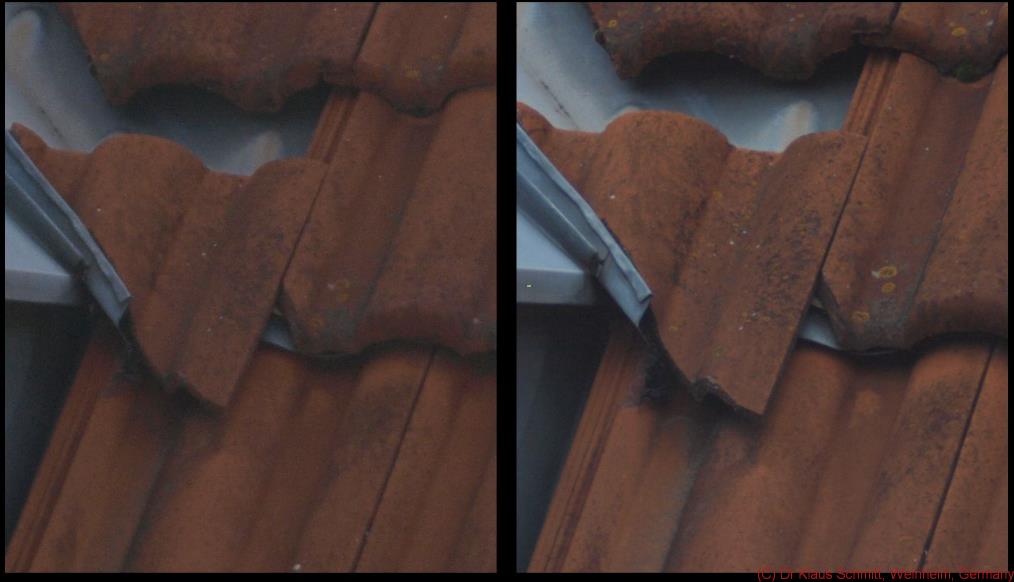
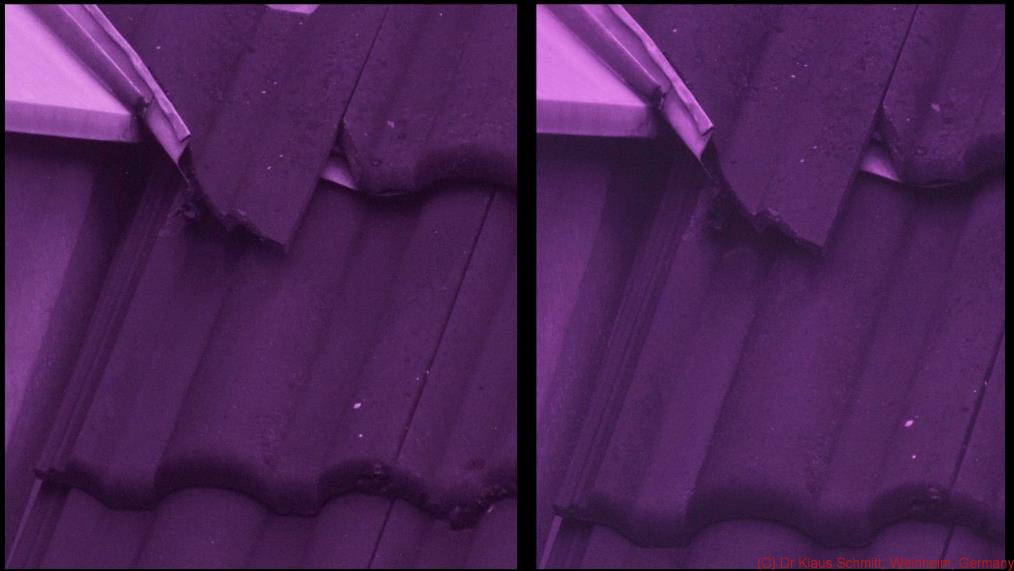
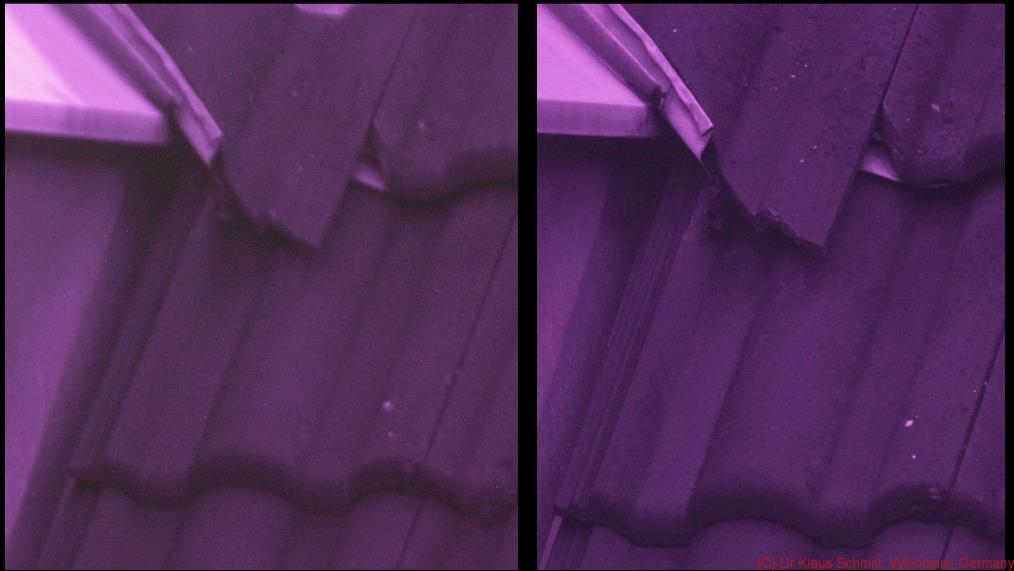
I ran a quick test using my "standard test subject", a roof of the neighbours house against the Coastal Optics Micro Apo 105mm and the Nikon UV Nikkor 105mm. The B&L lens results are shown on the right side of the comparison images. The B&L images have been scaled down to match the shorter focal length of the other two lenses. These are 100% center crops. The Baader U-filter (310 - 390nm) was used for the reflected UV shots. [click on image gets you a larger image]

Here the results in visible light for the UV Nikkor (left):


and for the Coastal Optics 105mm (left):


Here the results in reflected UV light using the Baader U-Filter (310 - 390nm) for the UV Nikkor (left):


and for the Coastal Optics 105mm (left):


So now it is up to you to understand my surprise, how amazingly sharp this B&L lens is....

Stay tuned, more will follow on that fascinating subject...

More info on this very interesting field may be found on my site http://www.pbase.com/kds315/uv_photos