Showing posts with label Ashy sunflower. Show all posts

Friday, September 6, 2013

Ashy Sunflower - Helianthus mollis in reflected ultraviolet photography and simulated bee vision V

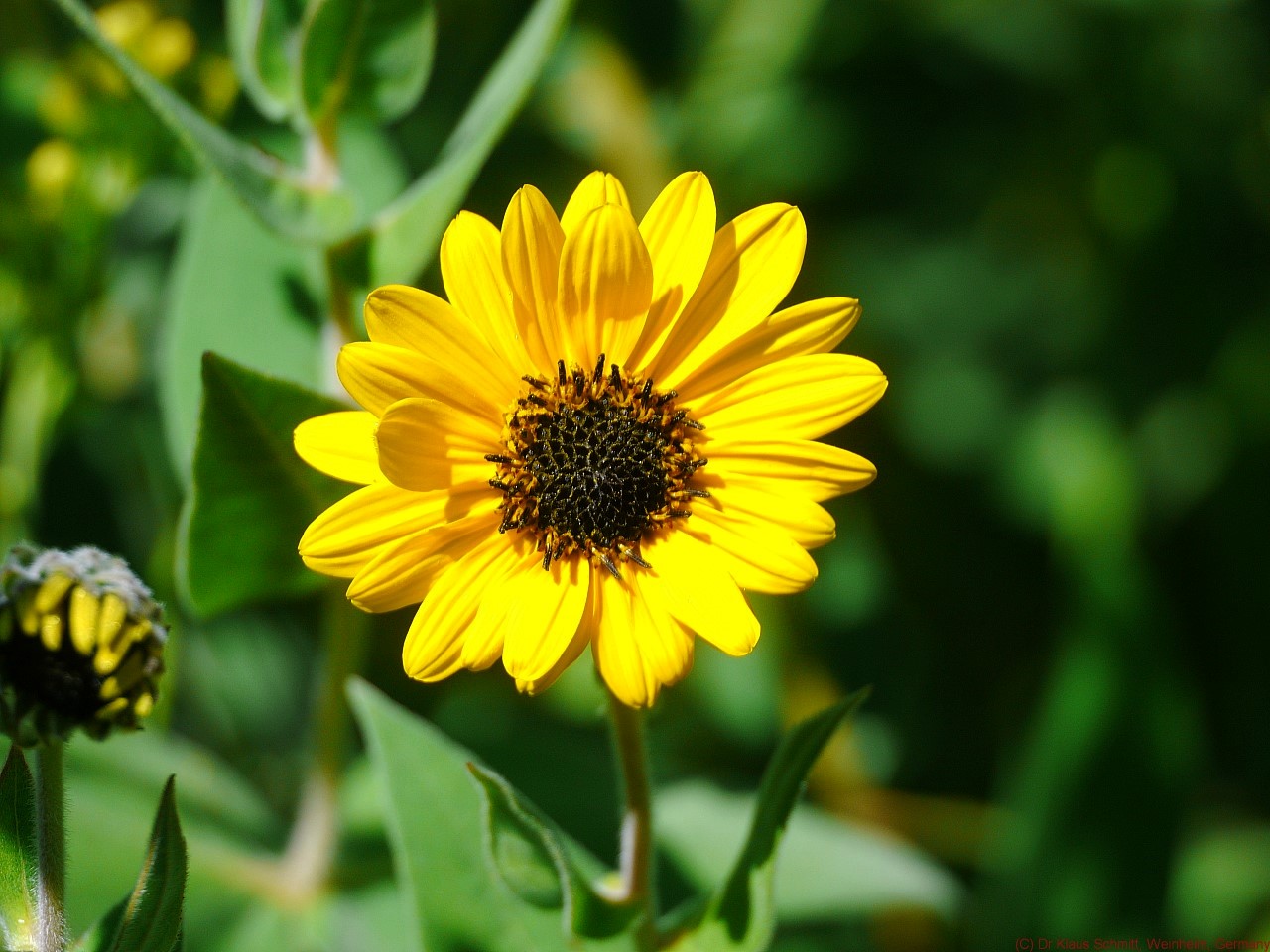
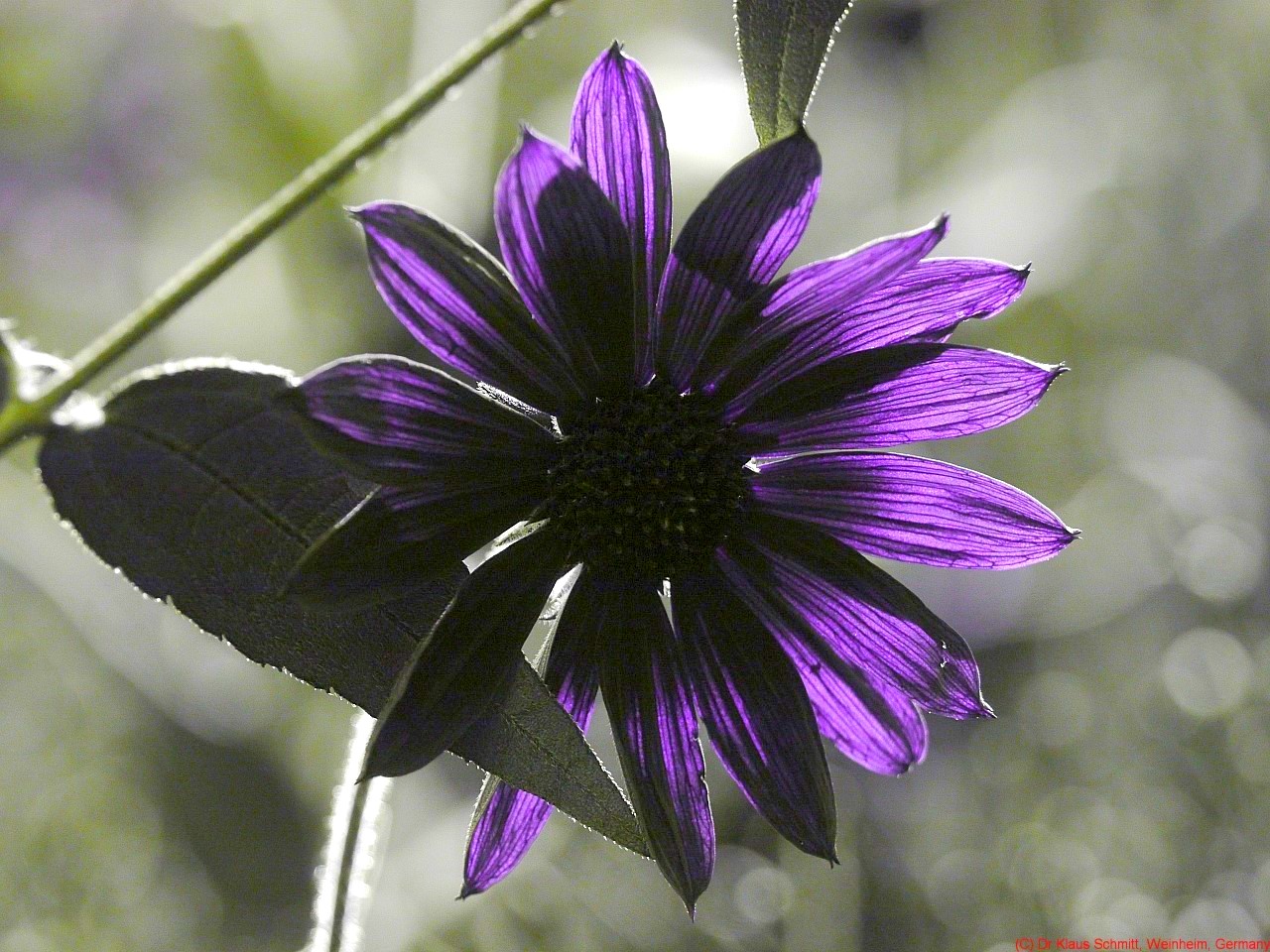
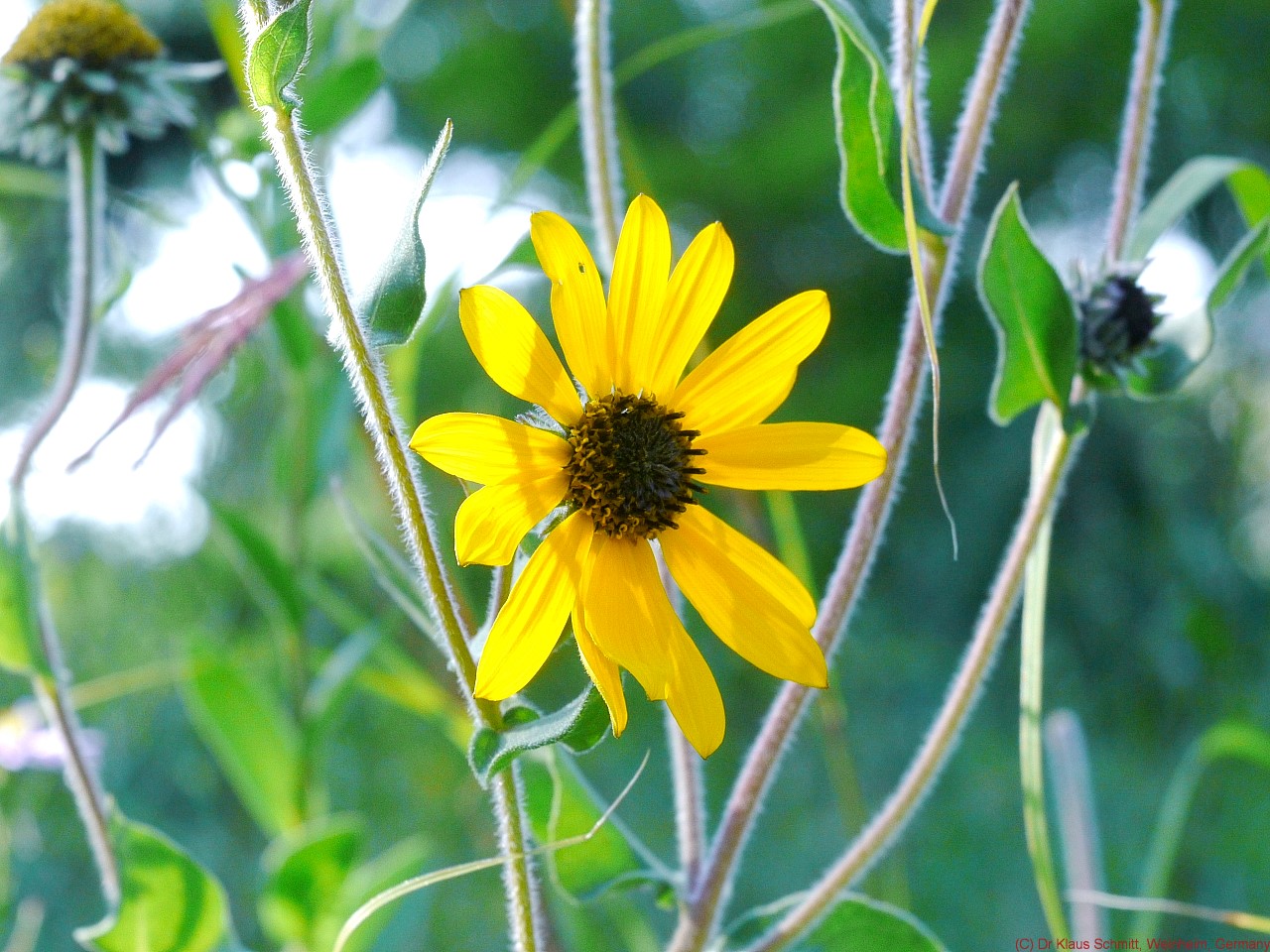
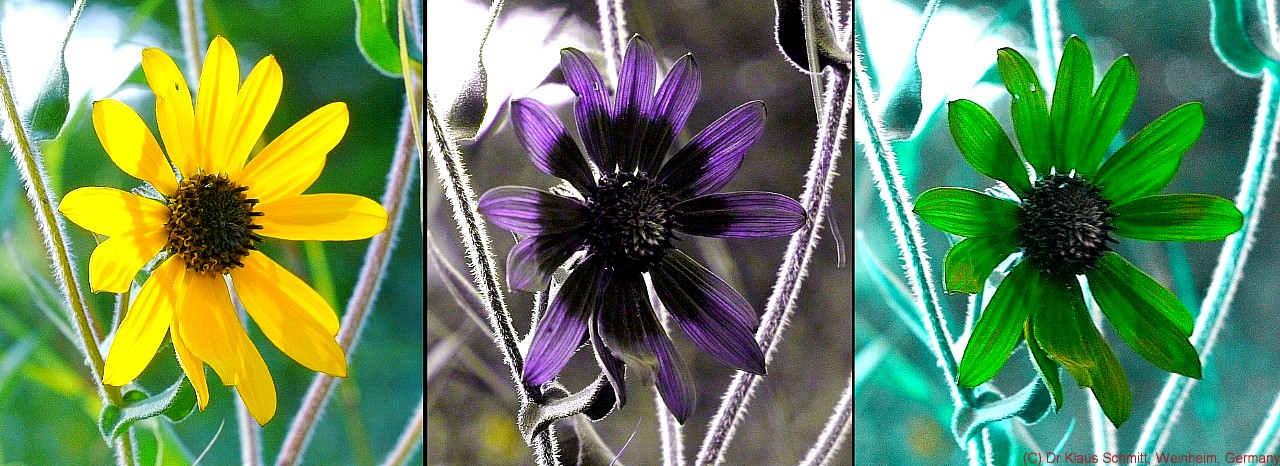
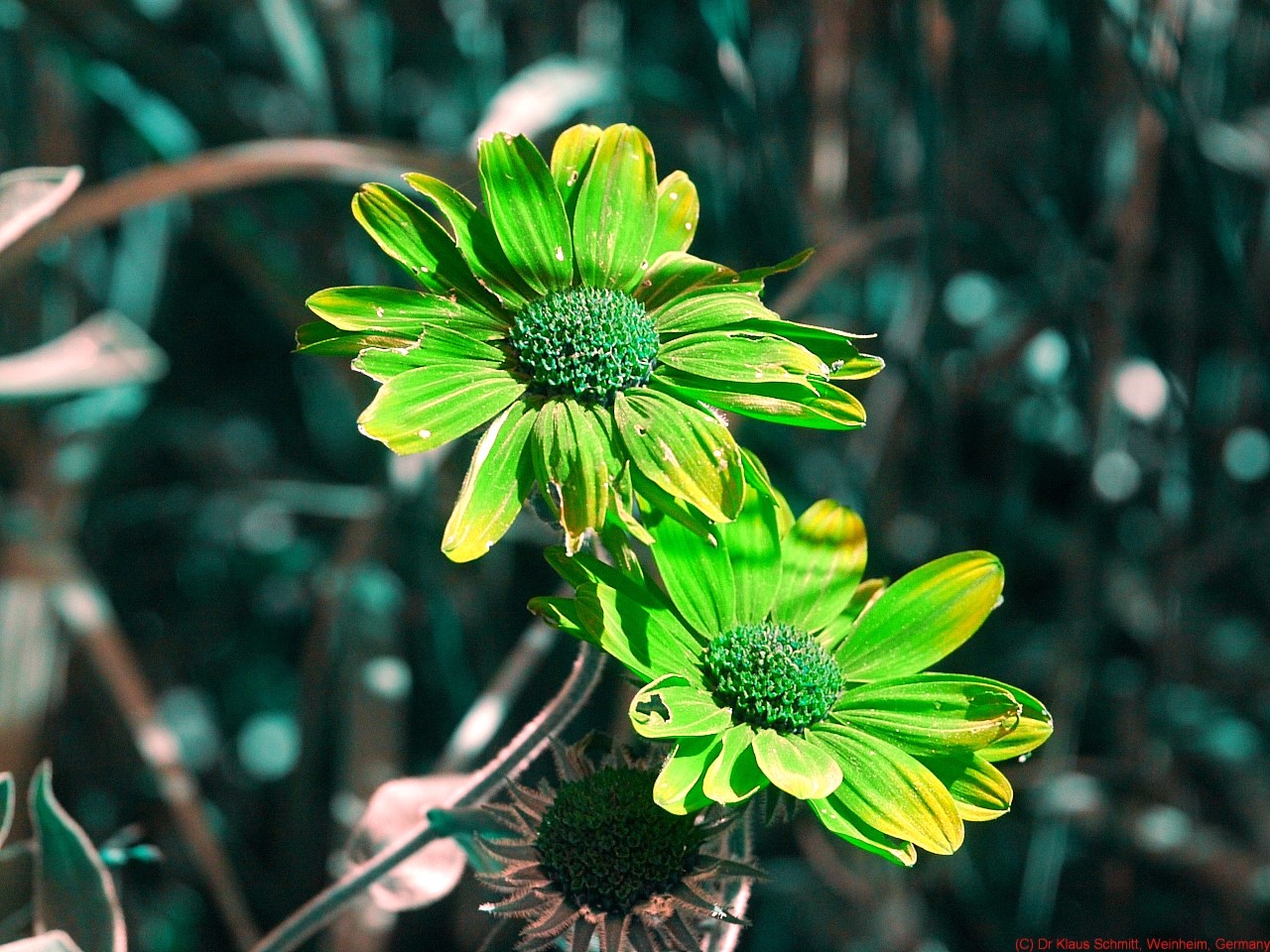
Here even more shots of that special Prairie flower, Ashy Sunflower - Helianthus mollis in reflected ultraviolet photography using my "work horse" UV filter, the Baader-U filter as well as in simulated bee vision using my XBV6 filter. Lens was my CERCO 94mm quartz flourite lens. Light source was sunlight. All shots were done at about f5.6.

[click on image to see a larger one]

Visible light image  

UV image using Baader-U filter (approx. 320-395nm, effective peak approx. 375nm):  

Simulated bee vision image using experimental XBV filter:  
Triptych of the above images:  
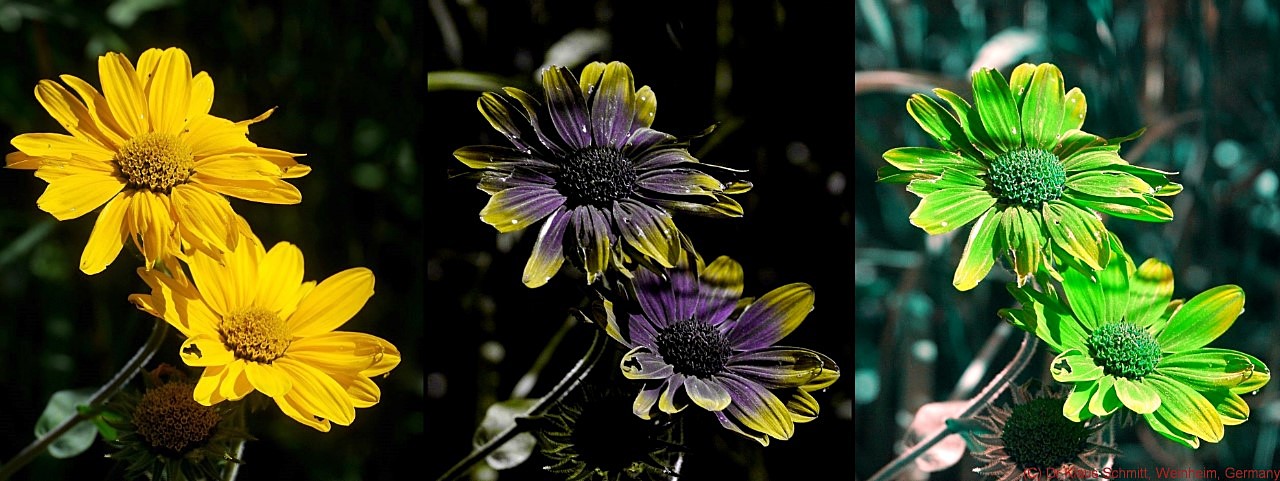

Also here this flower shows a very specific and unique UV pattern, its petals are UV reflective around 385nm up to the middle (which I haven't seen anywhere before) and additionally reflect at 365nm at its tips and the rest and its center is UV dark forming an UV bullseye pattern, and all this gets nicely visible. It turned out to be quite difficult to map this specific pattern into the bee vision image. I will do more research about this species...


Stay tuned, more will follow on that fascinating subject...

Ashy Sunflower - Helianthus mollis in reflected ultraviolet photography and simulated bee vision IV

Today even more shots of that special Prairie flower, Ashy Sunflower - Helianthus mollis in reflected ultraviolet photography using my "work horse" UV filter, the Baader-U filter as well as in simulated bee vision using my XBV6 filter. Lens was my CERCO 94mm quartz flourite lens. Light source was sunlight. All shots were done at about f5.6.

[click on image to see a larger one]

Visible light image  

UV image using Baader-U filter (approx. 320-395nm, effective peak approx. 375nm):  

Simulated bee vision image using experimental XBV filter:  

Triptych of the above images:  


Also here this flower shows a very specific and unique UV pattern, its petals are UV reflective around 385nm up to the middle (which I haven't seen anywhere before) and additionally reflect at 365nm at its tips and the rest and its center is UV dark forming an UV bullseye pattern, and all this gets nicely visible. It turned out to be quite difficult to map this specific pattern into the bee vision image. I will do more research about this species...

There is more about that flower HERE.

Stay tuned, more will follow on that fascinating subject...

Ashy Sunflower - Helianthus mollis in reflected ultraviolet photography and simulated bee vision III

Today more shots of that special Prairie flower, Ashy Sunflower - Helianthus mollis in reflected ultraviolet photography using my "work horse" UV filter, the Baader-U filter as well as in simulated bee vision using my XBV6 filter. Lens was my CERCO 94mm quartz flourite lens. Light source was sunlight. All shots were done at about f5.6.

[click on image to see a larger one]

Visible light image  

UV image using Baader-U filter (approx. 320-395nm, effective peak approx. 375nm):  

Simulated bee vision image using experimental XBV filter:  

Triptych of the above images:  


Also here this flower shows a specific and unique UV pattern, its petals are UV reflective around 385nm up to the middle (which I haven't seen anywhere before) and additionally reflect at 365nm at its tips and the rest and its center is UV dark forming a UV bullseye pattern, and all this gets nicely visible. It turned out to be quite difficult to map this specific pattern into the bee vision image. I will do more research about this species...

There is more about that special flower HERE.

Stay tuned, more will follow on that fascinating subject...

Ashy Sunflower - Helianthus mollis in reflected ultraviolet photography and simulated bee vision II

Today more shots of that special Prairie flower, Ashy Sunflower - Helianthus mollis in reflected ultraviolet photography using my "work horse" UV filter, the Baader-U filter as well as in simulated bee vision using my XBV6 filter. Lens was my CERCO 94mm quartz flourite lens. Light source was sunlight shining at but also through the flower as it appears translucent. All shots were done at about f5.6.

[click on image to see a larger one]

Visible light image  

UV image using Baader-U filter (approx. 320-395nm, effective peak approx. 375nm):  

Simulated bee vision image using experimental XBV filter:  

Triptych of the above images:  


Also here this flower shows a specific and unique UV pattern, its petals are UV reflective/translucent around 385nm up to the middle (which I haven't seen anywhere before) and the rest and its center is UV dark forming an UV bullseye pattern, and all this gets nicely visible. It turned out to be quite difficult to map this specific pattern into the bee vision image. I will do more research about this species...

There is more about that flower HERE.

Stay tuned, more will follow on that fascinating subject...
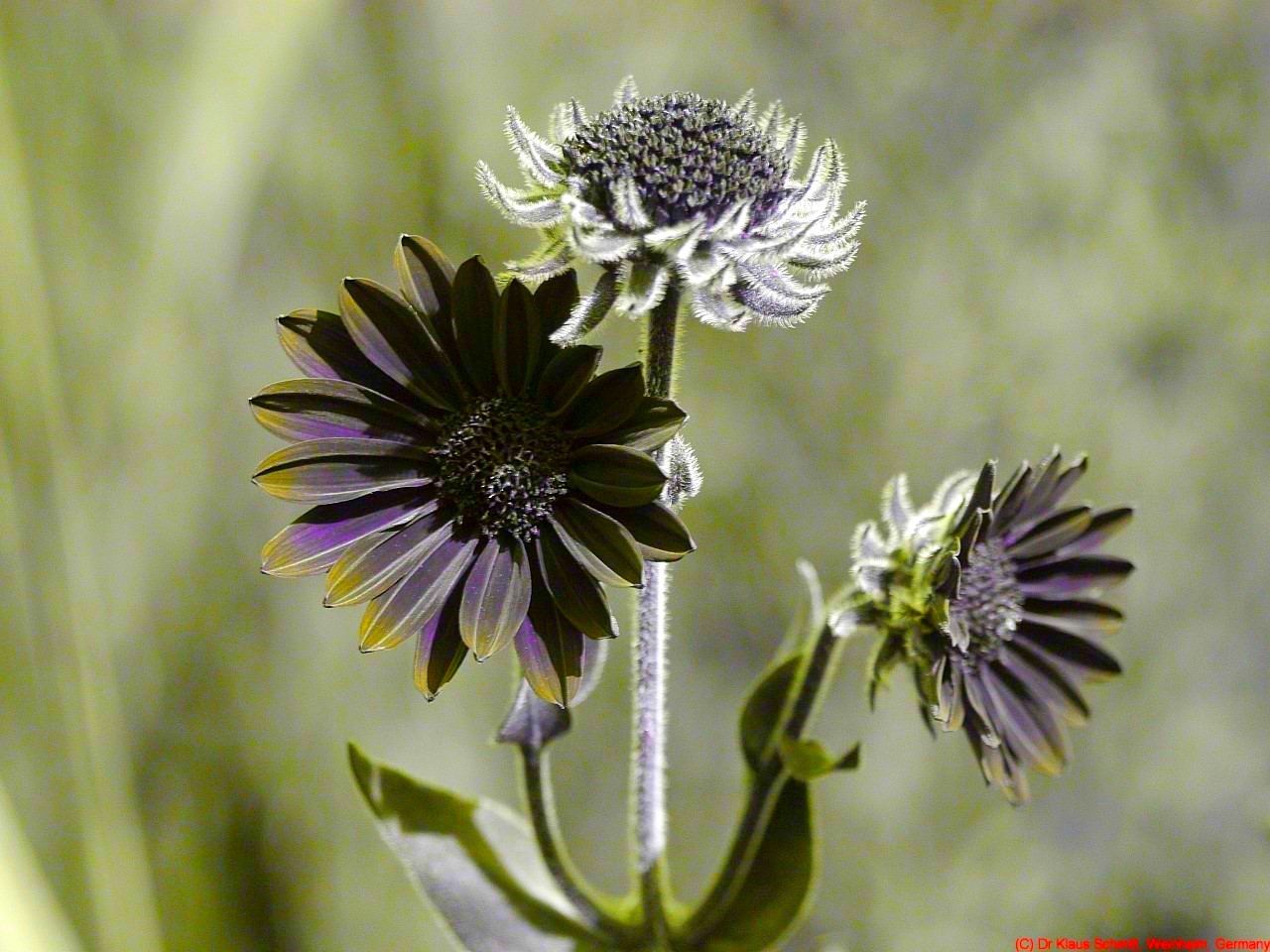
Ashy Sunflower - Helianthus mollis in reflected ultraviolet photography and simulated bee vision

Today shots of a Prairie flower, Ashy Sunflower - Helianthus mollis in reflected ultraviolet photography using my "work horse" UV filter, the Baader-U filter as well as in simulated bee vision using my XBV6 filter. Lens was my CERCO 94mm quartz flourite lens. Light source was sunlight shining at but mostly through the flower as it appears translucent. All shots were done at about f5.6.

[click on image to see a larger one]

Visible light image  

UV image using Baader-U filter (approx. 320-395nm, effective peak approx. 375nm):  

Simulated bee vision image using experimental XBV filter:  

Triptych of the above images:  


This flower has a specific and unique UV pattern, its petals are UV reflective/translucent around 385nm up to the middle (which I haven't seen anywhere before) and the rest and its center is UV dark forming an UV bullseye pattern, and all this gets nicely visible. It turned out to be quite difficult to map this specific pattern into the bee vision image. I will do more research about this species...

There is more about that flower HERE.

Stay tuned, more will follow on that fascinating subject...