Showing posts with label QF. Show all posts

Wednesday, March 26, 2014

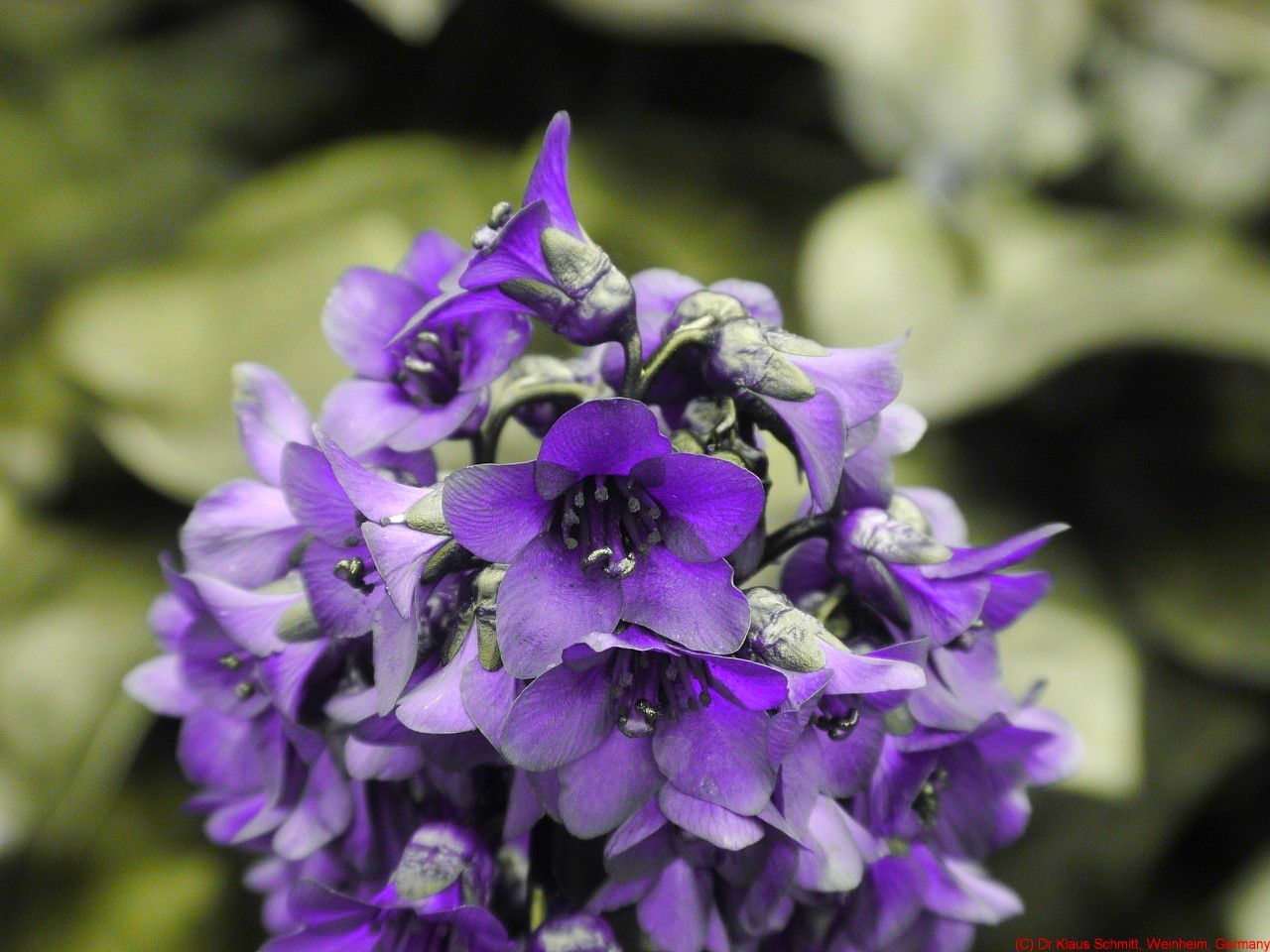
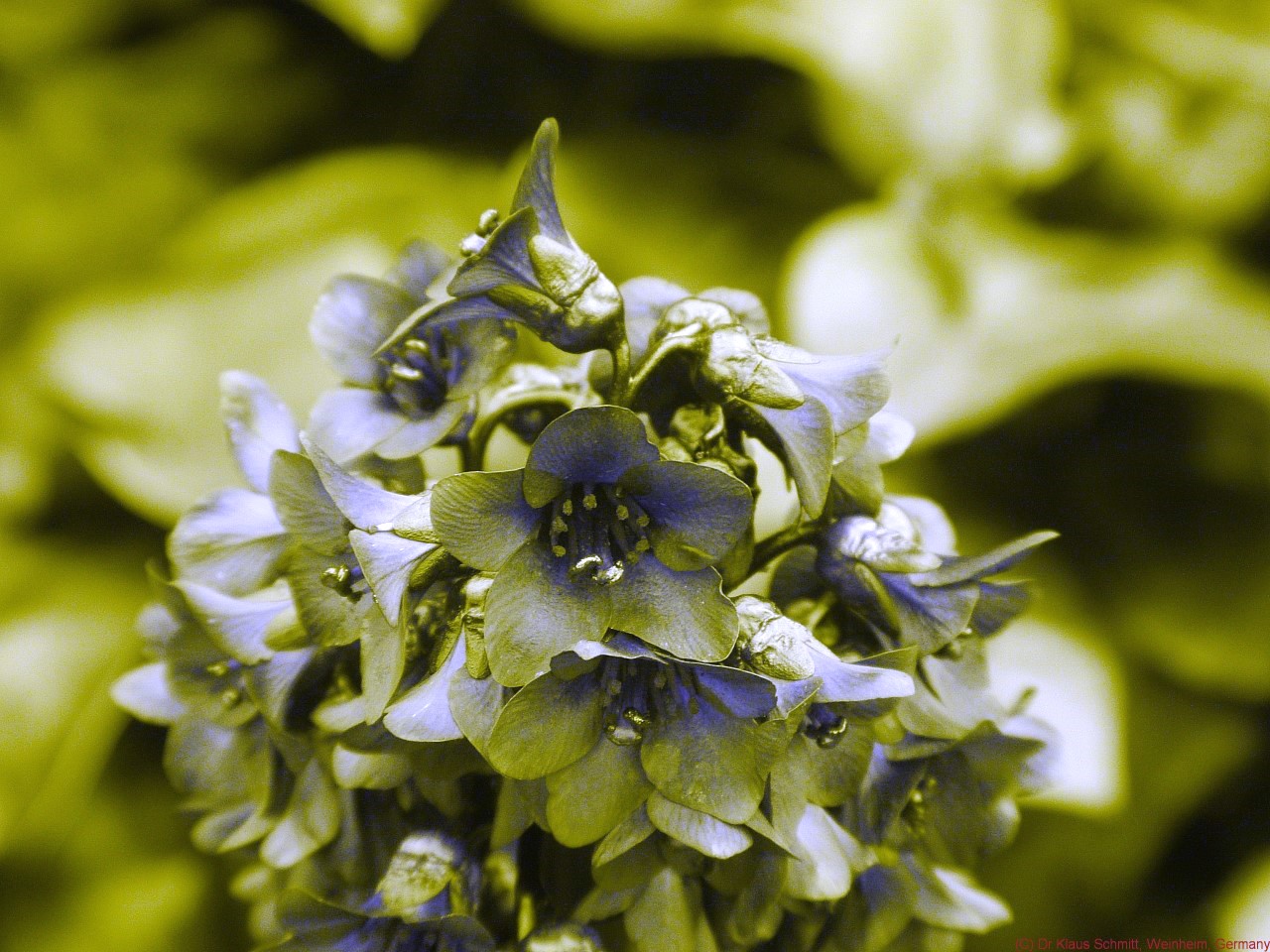
Spring Flowers 2014: Elephant's ears - Bergenia cordifolia - 80mm Quartz Fluorite lens for reflected ultraviolet photography

Here today shots of the pretty Elephant's ears - Bergenia cordifolia early spring flower. Shots were done aside from visible photography in reflected ultraviolet using Baader-U and the deeper reaching Jupiter-U filter, as well as in simulated bee vision using my XBV6 filter. Lens used was my X80QF f3.2 / 80mm Quartz Fluorite lens. Light source was sun. All shots were done at approx. f8.

[click on image to see a larger one]

Visible light image:  

UV image using Baader-U filter (approx. 320-395nm, effective peak approx. 375nm):  

UV image using Jupiter-U filter (approx. 280-385nm, effective peak approx. 365nm):  

Simulated bee vision image using experimental XBV filter:  

Quadriptych of the above images:  


This Bergenia flower has no prominent UV pattern, but highly UV reflective petals around 385nm. The X80QF quartz fluorite lens is reproducing this quite well and all that gets nicely visible.


Stay tuned, more will follow on that fascinating subject...

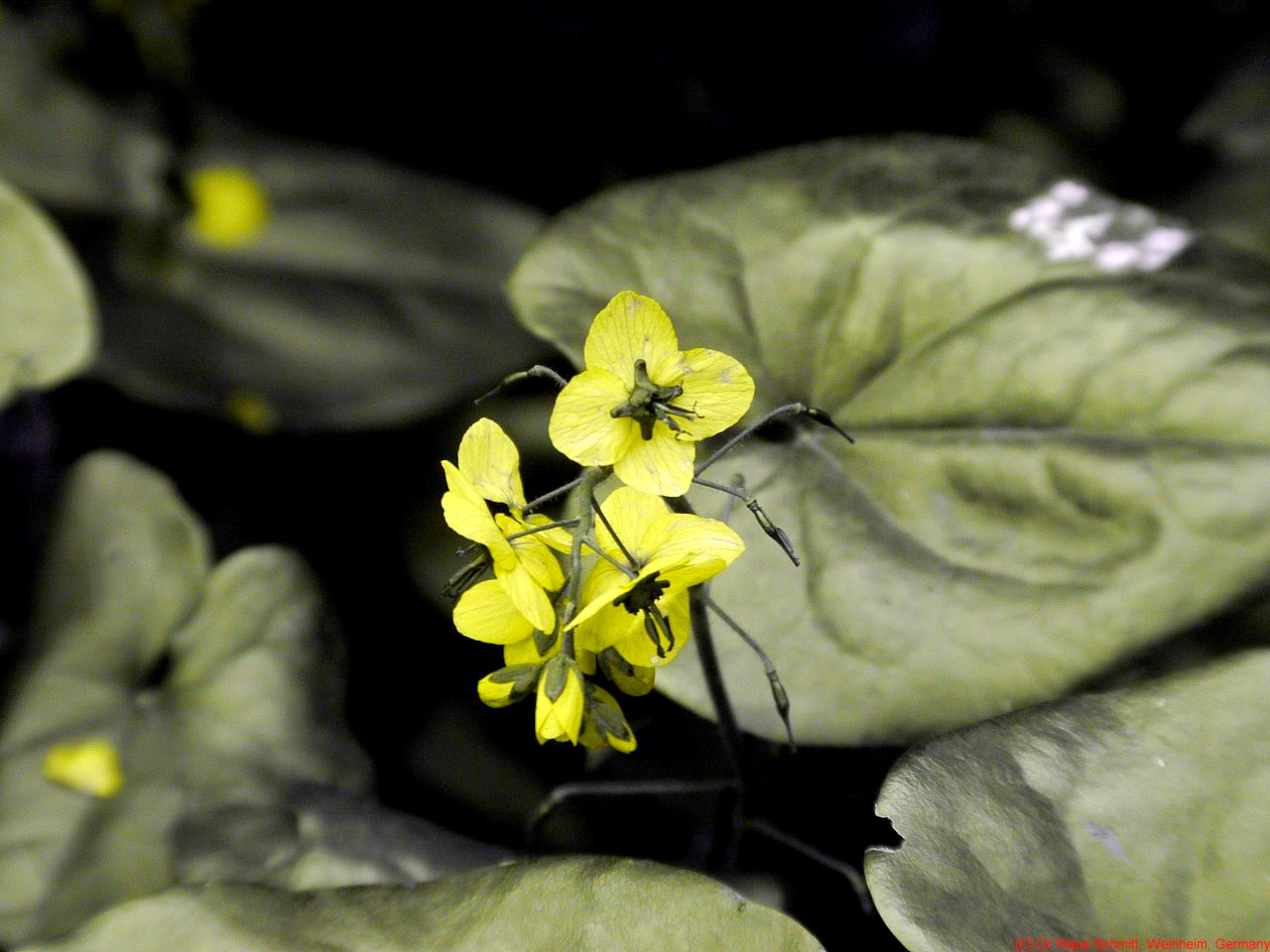
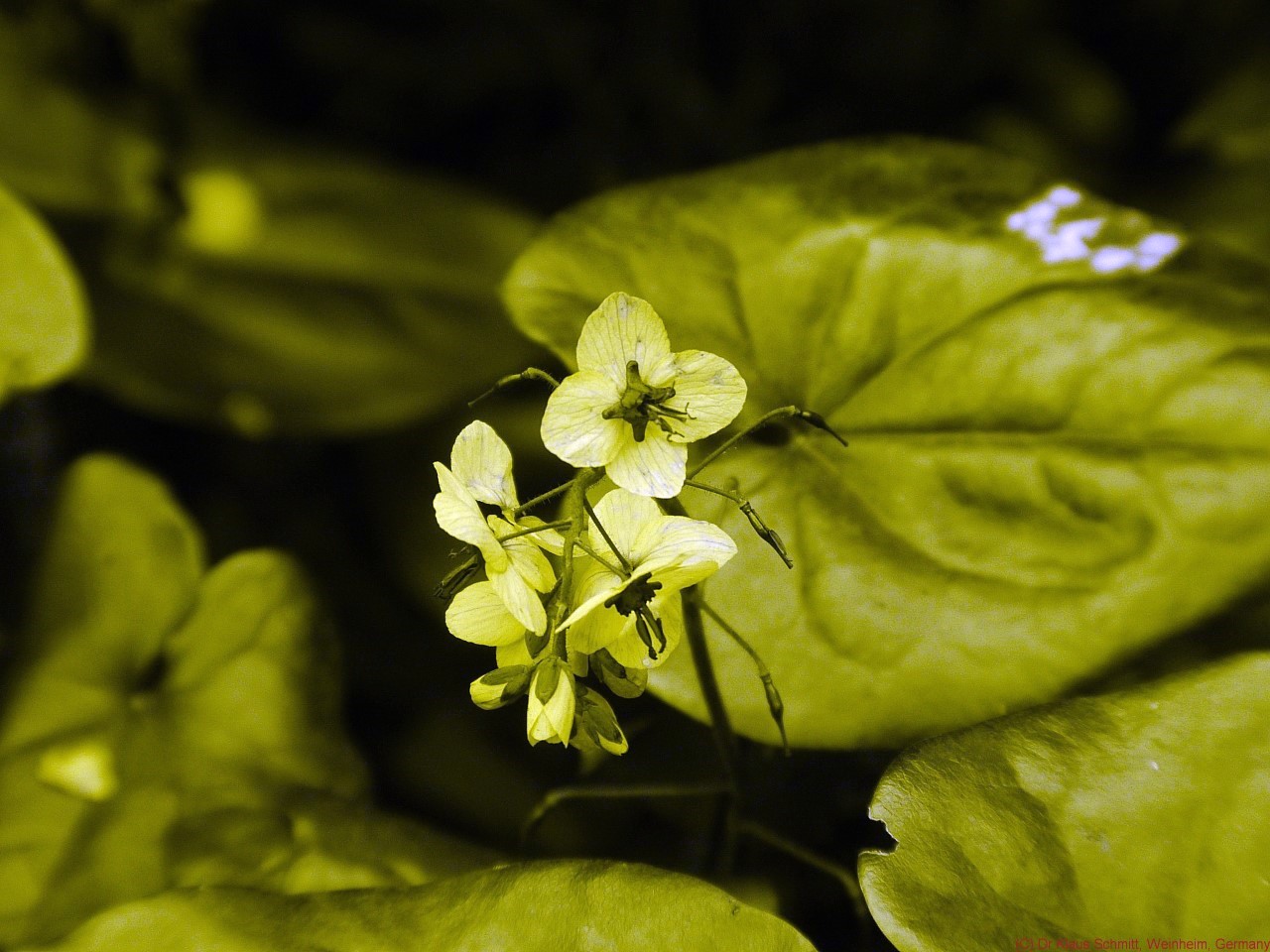
Spring Flowers 2014: Horny goat weed - Epimedium sulphureum - 80mm Quartz Fluorite lens for reflected ultraviolet photography

Here today shots of the interesting and quite pretty Horny goat weed - Epimedium sulphureum early spring flower. Shots were done aside from visible photography in reflected ultraviolet using Baader-U and the deeper reaching Jupiter-U filter, as well as in simulated bee vision using my XBV6 filter. Lens used was my X80QF f3.2 / 80mm Quartz Fluorite lens. Light source was sun. All shots were done at approx. f8.

[click on image to see a larger one]

Visible light image:  

UV image using Baader-U filter (approx. 320-395nm, effective peak approx. 375nm):  

UV image using Jupiter-U filter (approx. 280-385nm, effective peak approx. 365nm):  

Simulated bee vision image using experimental XBV filter:  

Quadriptych of the above images:  


This Epimedium flower has a prominent UV pattern, UV dark center and anthers, and highly reflective petals around 365nm forming some UV bullseye pattern. The X80QF quartz fluorite lens is reproducing this quite well and all that gets nicely visible.


Stay tuned, more will follow on that fascinating subject...

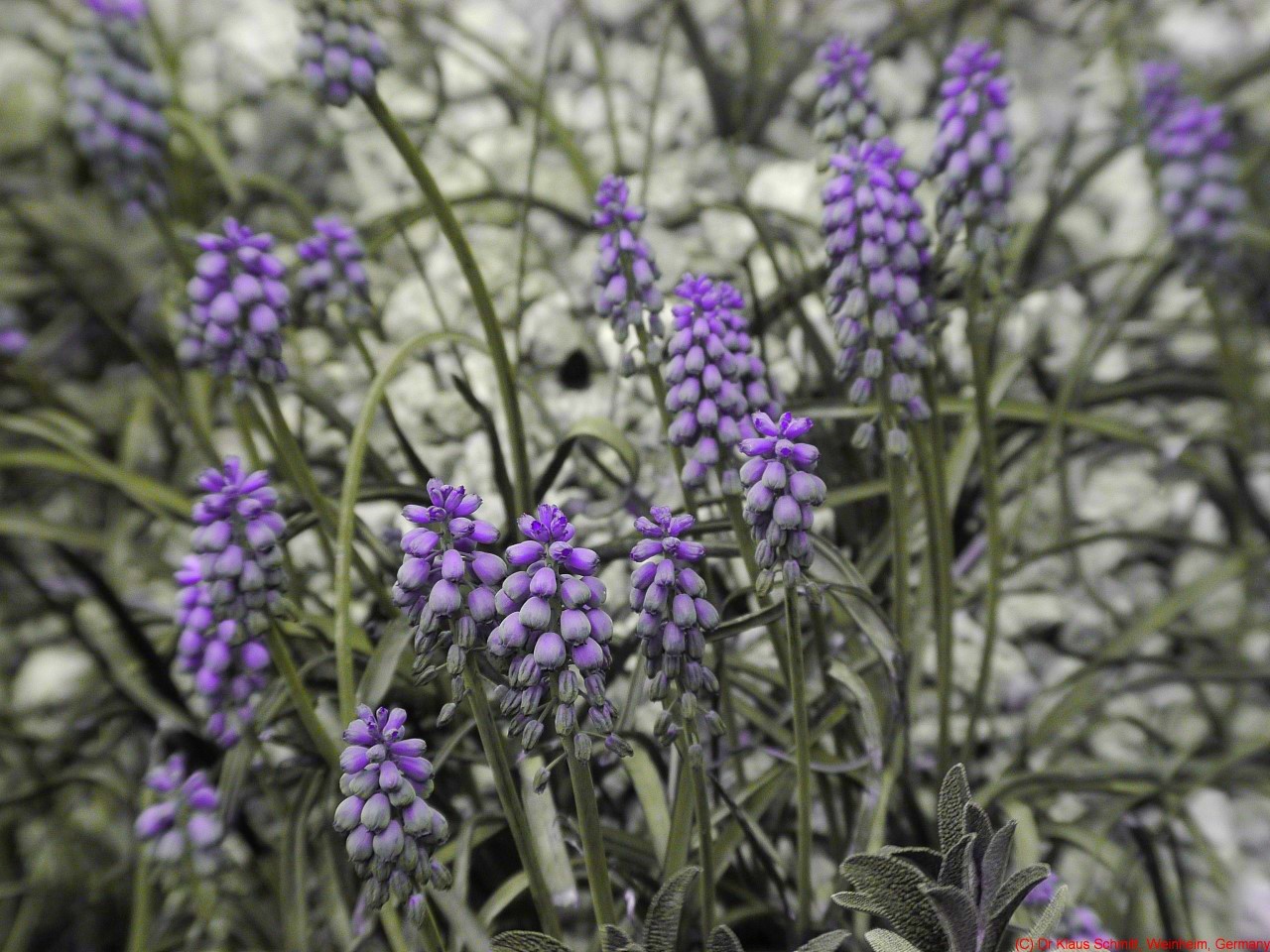
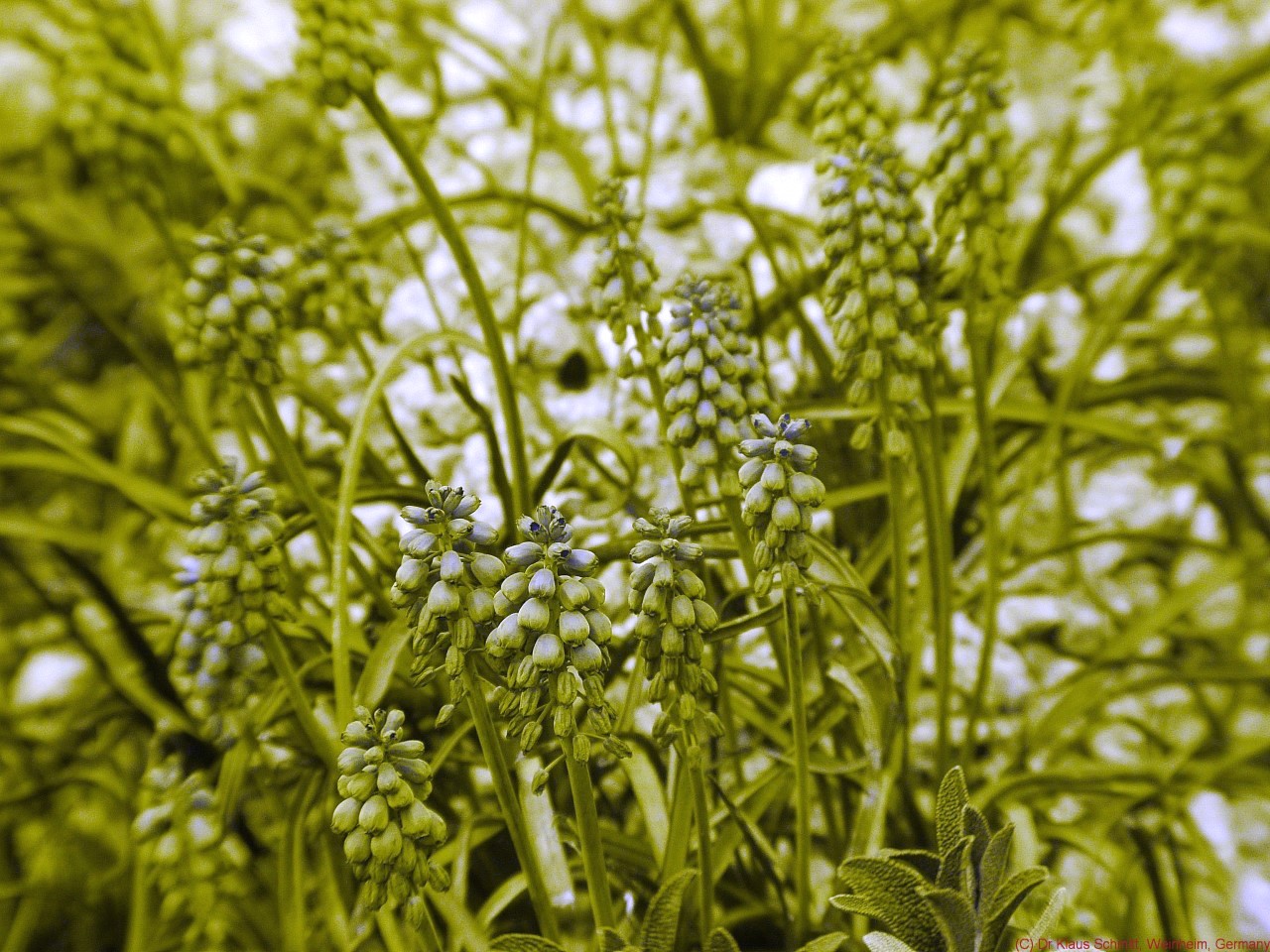
Spring Flowers 2014: Grape hyacinth - Muscari neglectum - 80mm Quartz Fluorite lens for reflected ultraviolet photography

Here today shots of the well known Grape hyacinth - Muscari neglectum early spring flower. Shots were done aside from visible photography in reflected ultraviolet using Baader-U and the deeper reaching Jupiter-U filter, as well as in simulated bee vision using my XBV6 filter. Lens used was my X80QF f3.2 / 80mm Quartz Fluorite lens. Light source was sun. All shots were done at approx. f8.

[click on image to see a larger one]

Visible light image:  

UV image using Baader-U filter (approx. 320-395nm, effective peak approx. 375nm):  

UV image using Jupiter-U filter (approx. 280-385nm, effective peak approx. 365nm):  

Simulated bee vision image using experimental XBV filter:  

Quadriptych of the above images:  


This Muscari flower has no very prominent UV pattern, but shows some reflection around 385nm. The X80QF quartz fluorite lens is reproducing this quite well and all that gets nicely visible.


Stay tuned, more will follow on that fascinating subject...

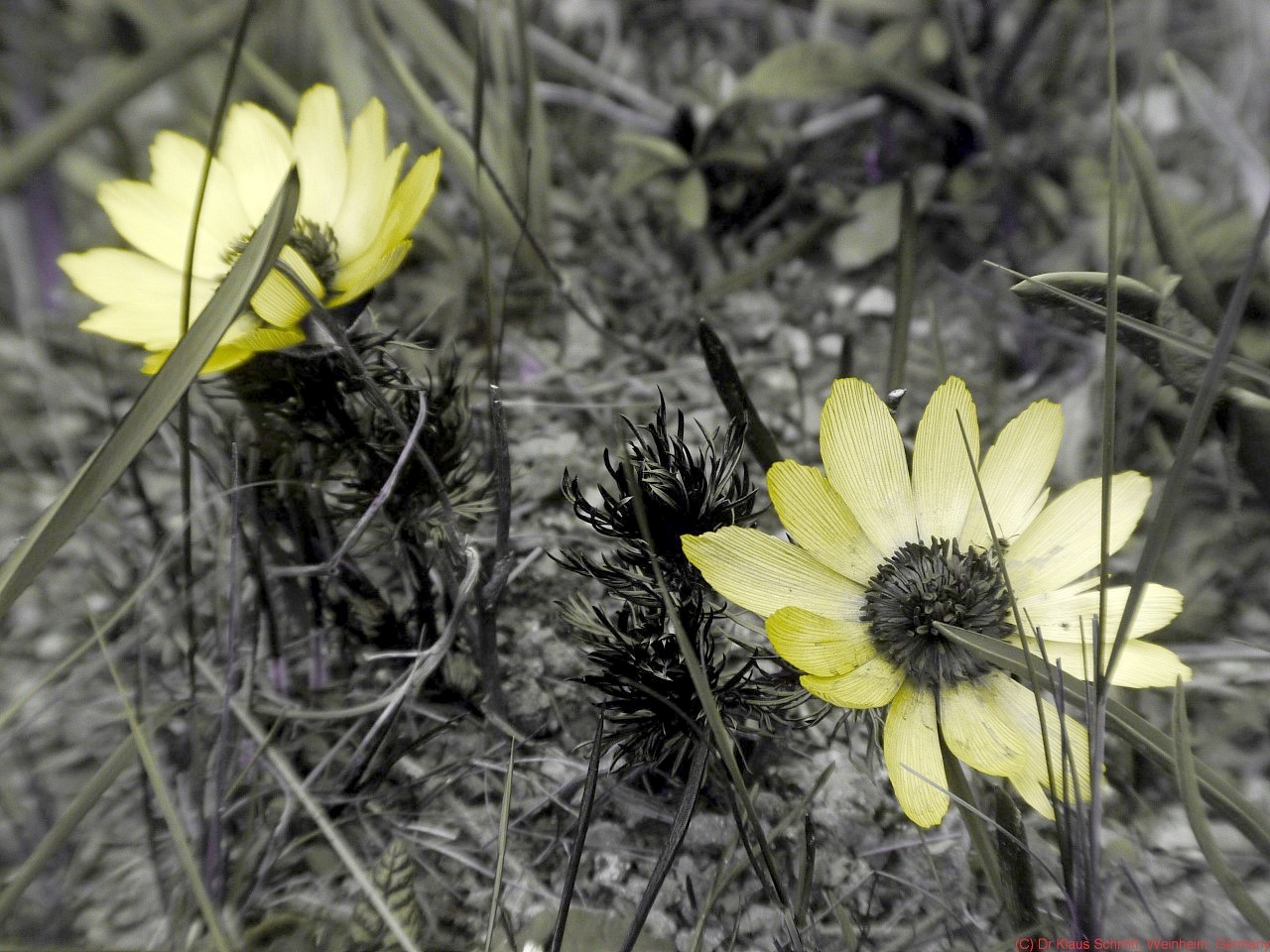
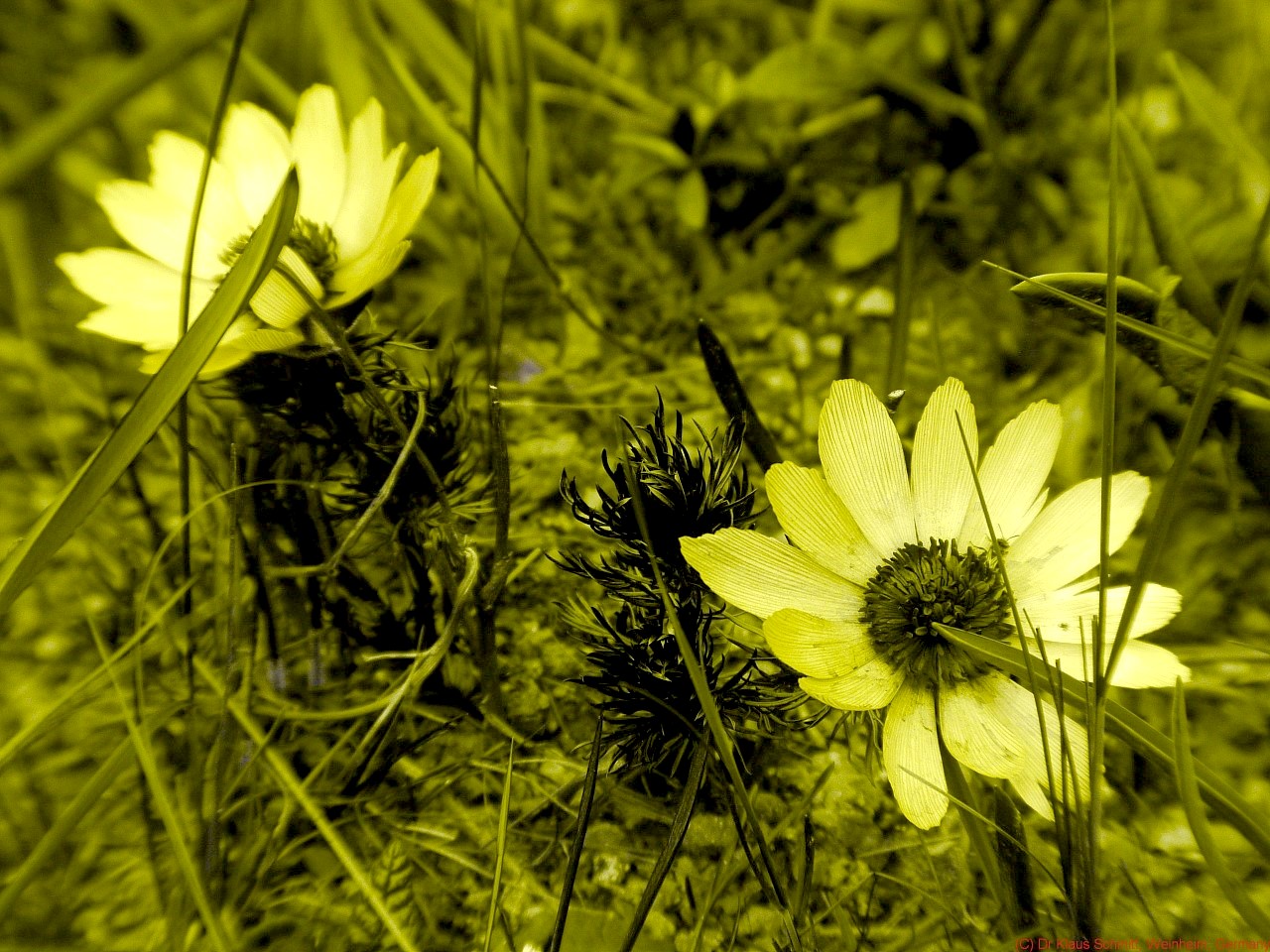
Spring Flowers 2014: Pheasant's Eye - Adonis vernalis - 80mm Quartz Fluorite lens for reflected ultraviolet photography

Here today shots of the pretty Pheasant's Eye - Adonis vernalis early spring flower. Shots were done aside from visible photography in reflected ultraviolet using Baader-U and the deeper reaching Jupiter-U filter, as well as in simulated bee vision using my XBV6 filter. Lens used was my X80QF f3.2 / 80mm Quartz Fluorite lens. Light source was sun. All shots were done at approx. f8.

[click on image to see a larger one]

Visible light image:  

UV image using Baader-U filter (approx. 320-395nm, effective peak approx. 375nm):  

UV image using Jupiter-U filter (approx. 280-385nm, effective peak approx. 365nm):  

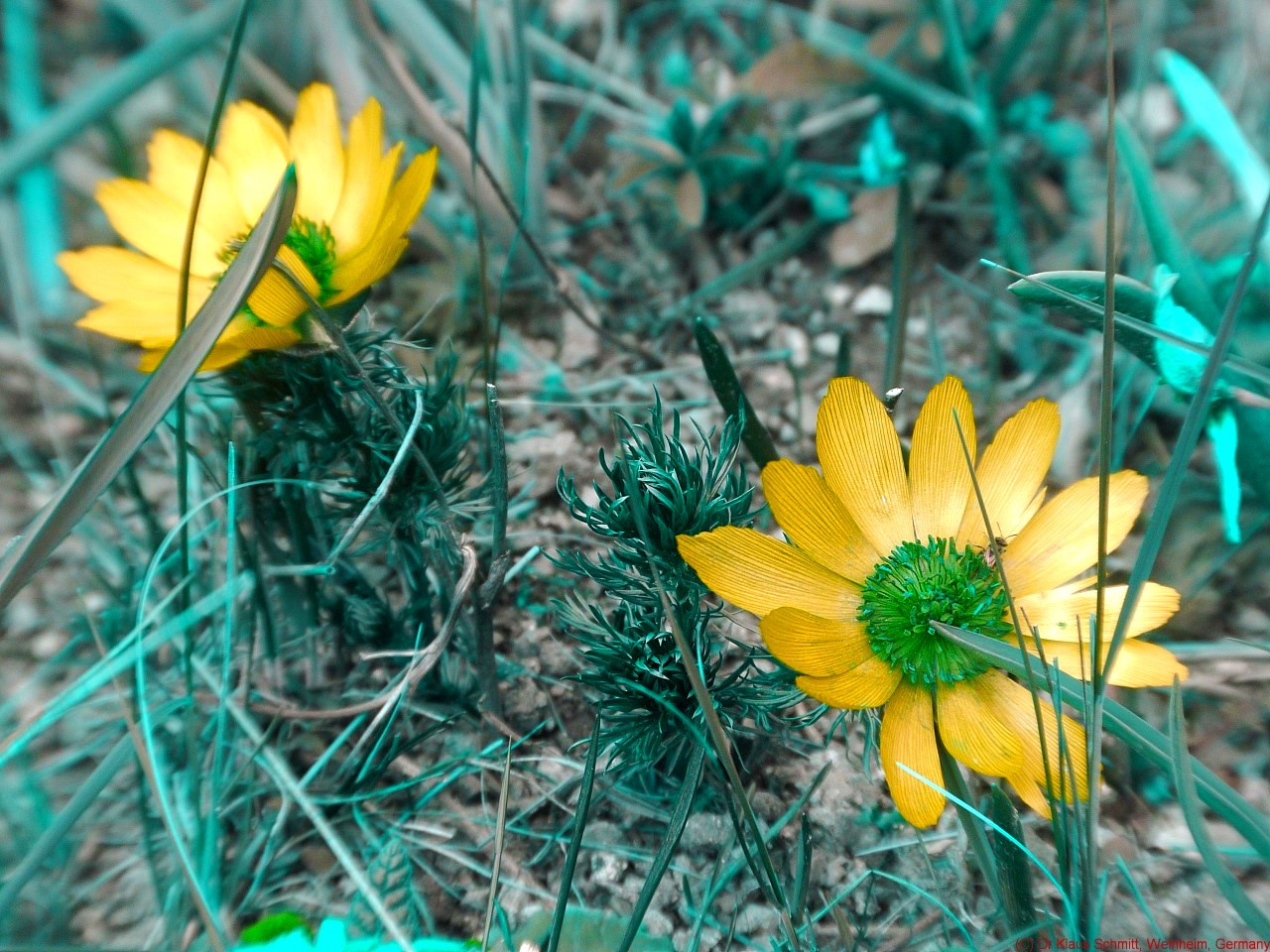
Simulated bee vision image using experimental XBV filter:  

Quadriptych of the above images:  


This Adonis flower has a well known bulls-eye UV pattern, its center is UV dark, whereas its petals strongly reflect around 365nm. The X80QF quartz fluorite lens is reproducing this quite well and all that gets nicely visible.


Stay tuned, more will follow on that fascinating subject...

Spring Flowers 2014: Checkerboard flower - Fritillaria tubiformis - 80mm Quartz Fluorite lens for reflected ultraviolet photography

Here today shots of the well known Checkerboard flower - Fritillaria tubiformis early spring flower. Shots were done aside from visible photography in reflected ultraviolet using Baader-U and the deeper reaching Jupiter-U filter, as well as in simulated bee vision using my XBV6 filter. Lens used was my X80QF f3.2 / 80mm Quartz Fluorite lens. Light source was sun. All shots were done at approx. f8.

[click on image to see a larger one]

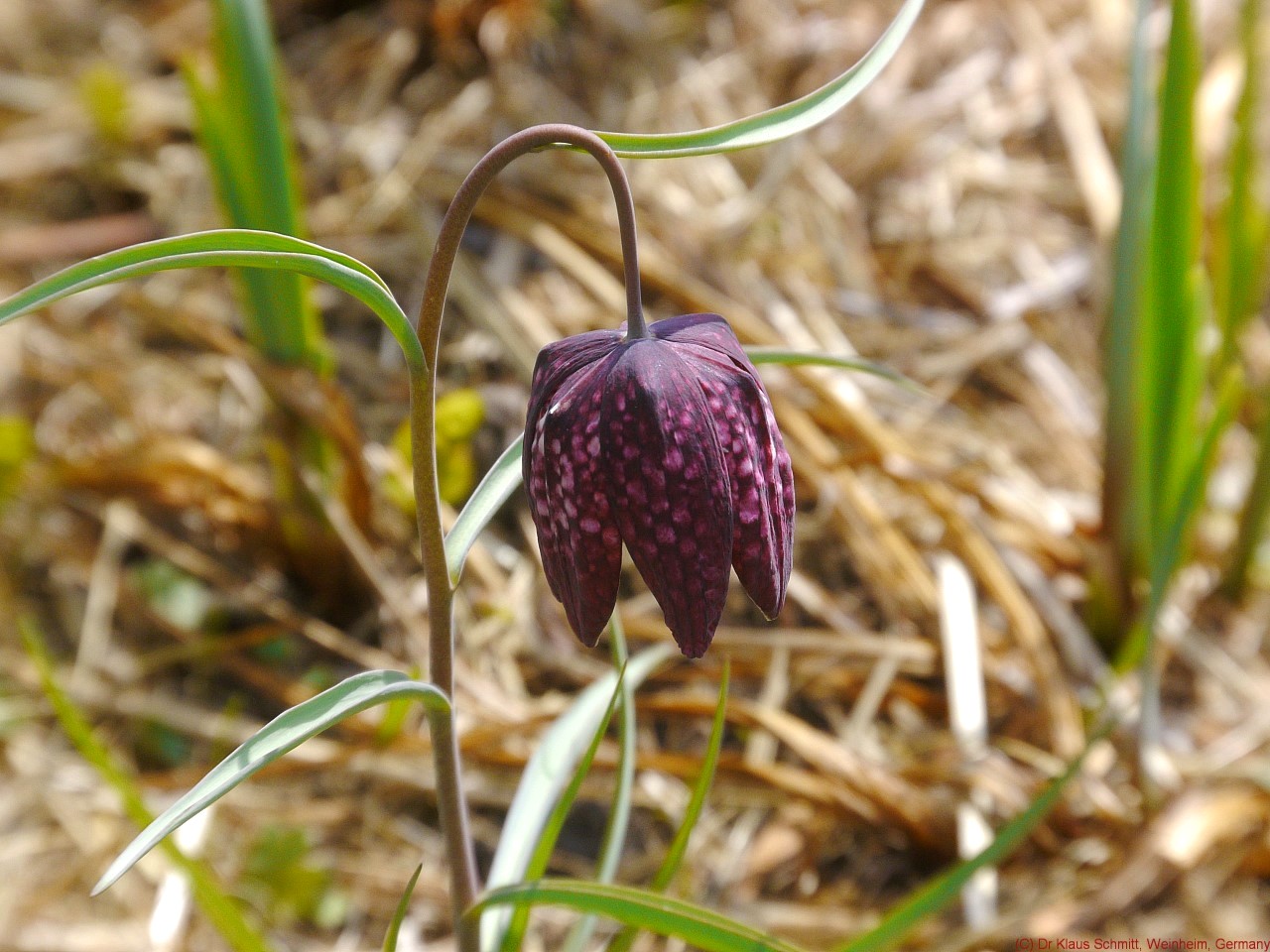
Visible light image:  

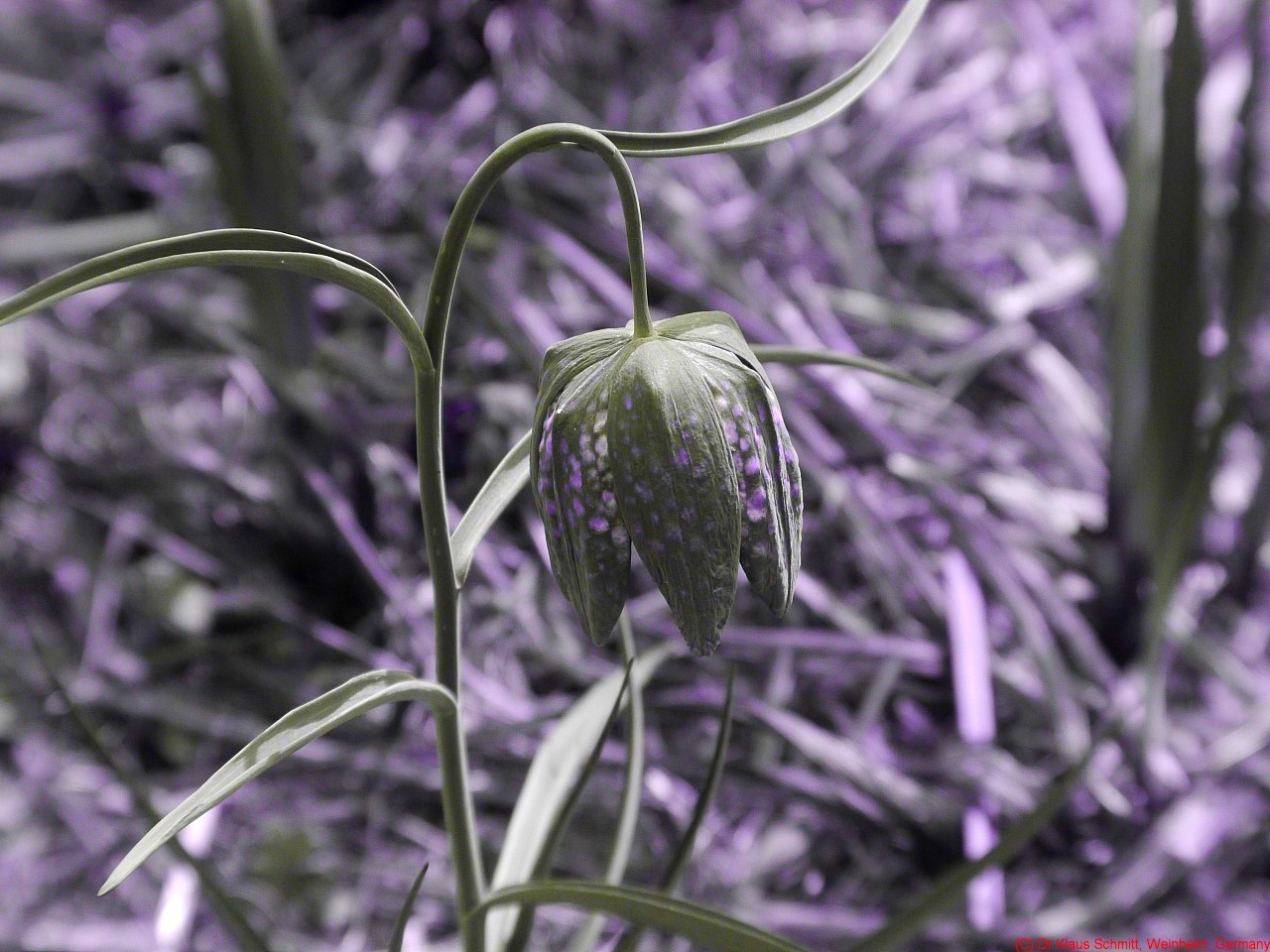
UV image using Baader-U filter (approx. 320-395nm, effective peak approx. 375nm):  

UV image using Jupiter-U filter (approx. 280-385nm, effective peak approx. 365nm):  

Simulated bee vision image using experimental XBV filter:  

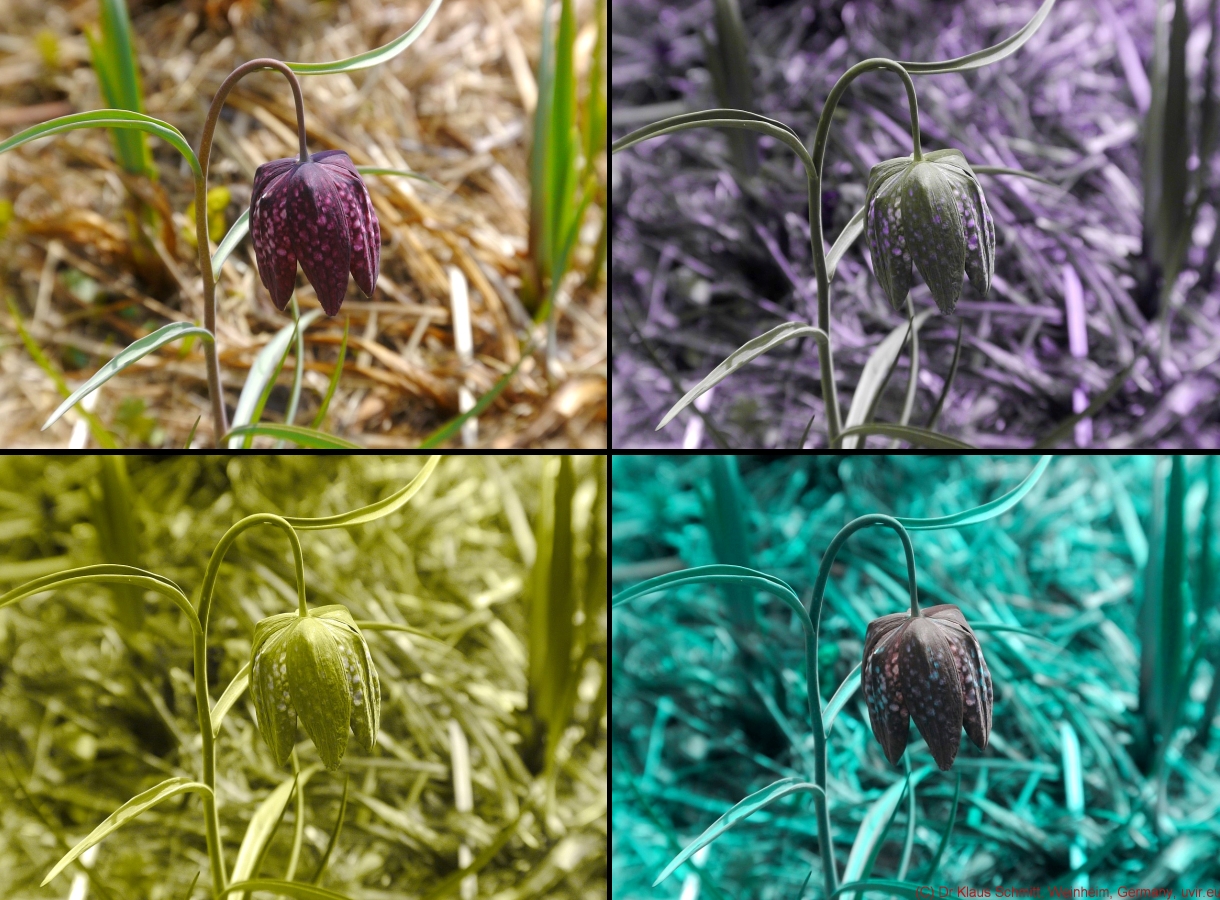
Quadriptych of the above images:  


This Fritillaria flower has an interesting checkerboard UV pattern. The X80QF quartz fluorite lens is reproducing this quite well and all that gets nicely visible.


Stay tuned, more will follow on that fascinating subject...

Spring Flowers 2014: Creeping Cinquefoil - Potentilla reptans - 80mm Quartz Fluorite lens for reflected ultraviolet photography II

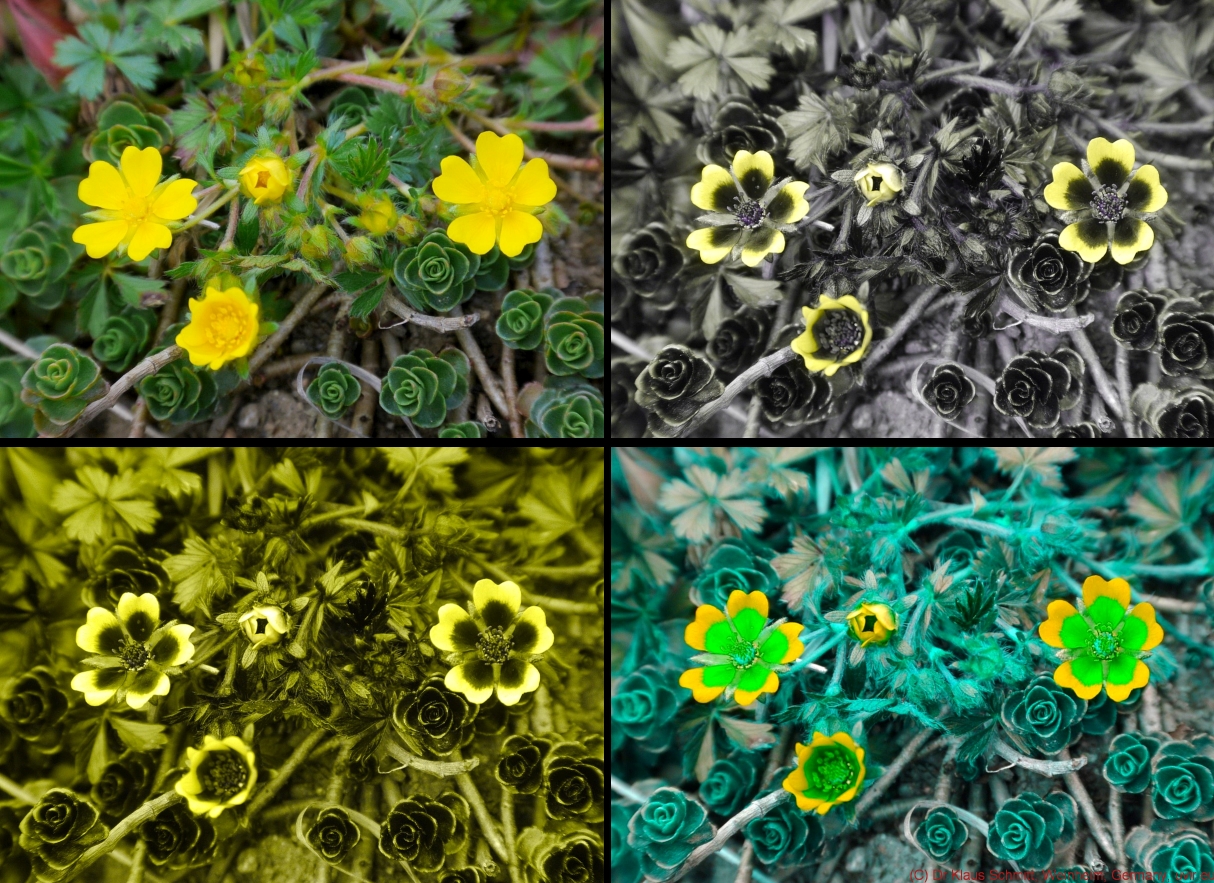
Here today again shots of the well known Creeping Cinquefoil - Potentilla reptans early spring flower. Shots were done aside from visible photography in reflected ultraviolet using Baader-U and the deeper reaching Jupiter-U filter, as well as in simulated bee vision using my XBV6 filter. Lens used was my X80QF f3.2 / 80mm Quartz Fluorite lens. Light source was sun. All shots were done at approx. f8.

[click on image to see a larger one]

Visible light image:  

UV image using Baader-U filter (approx. 320-395nm, effective peak approx. 375nm):  

UV image using Jupiter-U filter (approx. 280-385nm, effective peak approx. 365nm):  

Simulated bee vision image using experimental XBV filter:  

Quadriptych of the above images:  


This Potentilla flower has a well known bulls-eye UV pattern, its center is UV dark, whereas its petals strongly reflect around 365nm. The X80QF quartz fluorite lens is reproducing this quite well and all that gets nicely visible.


Stay tuned, more will follow on that fascinating subject...

Tuesday, March 11, 2014

Spring Flowers 2014: Crocus flower dead vs alive - 80mm Quartz Fluorite lens for reflected ultraviolet photography

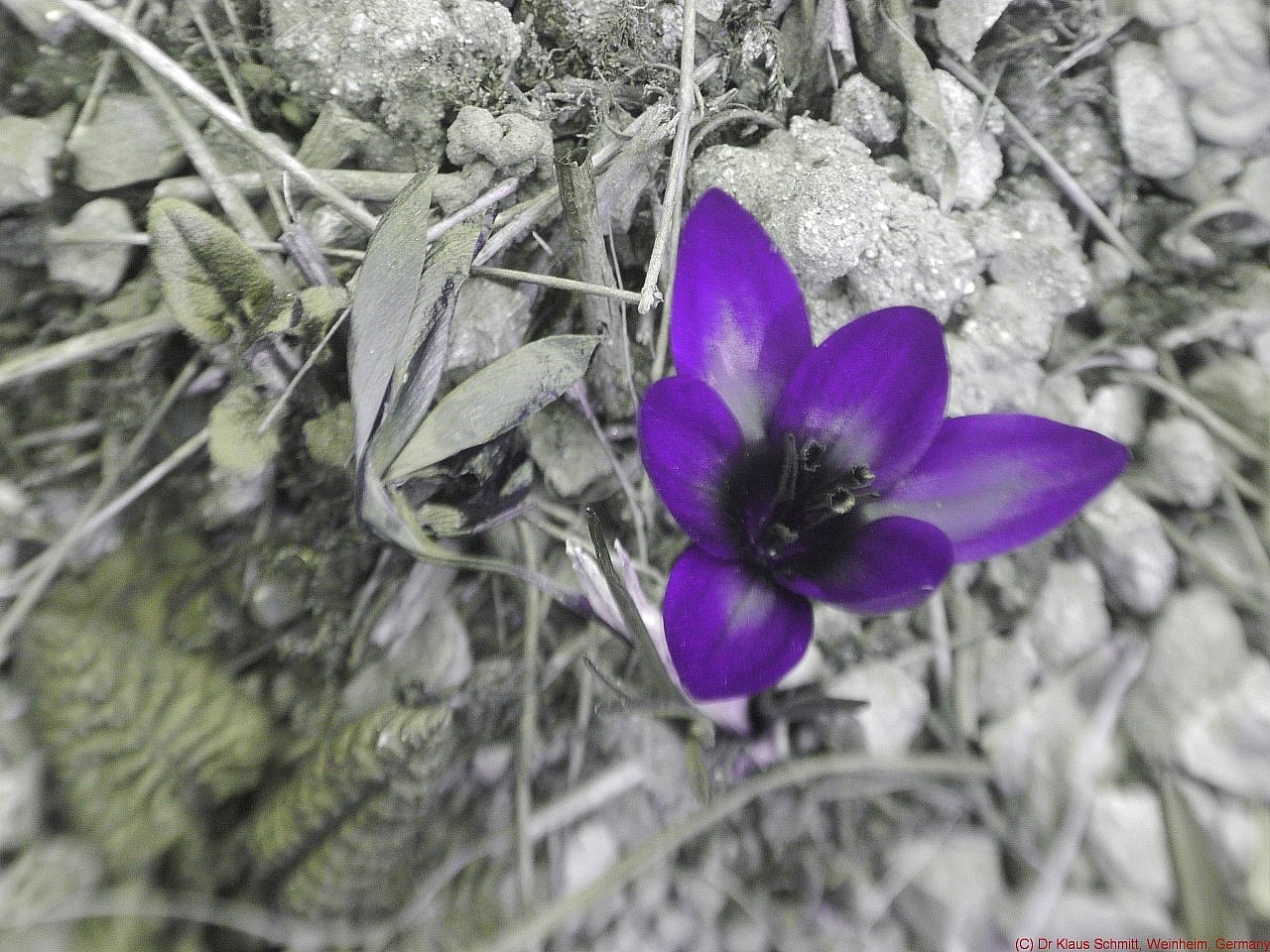
Today about something that caught my attention when I was out in the park shooting in reflected ultraviolet (UV) light, here a Crocus. It is the fact that a dead crocus flower dos not show the same colors in UV as one alive, which usually reflects around 385nm. This is not visible in normal light. Shots were done aside from visible photography in reflected ultraviolet light using my standard Baader-U filter. Lens used was my X80QF f3.2 / 80mm Quartz Fluorite lens. Light source was sun. All shots were done at approx. f8.

[click on image to see a larger one]

Visible light image:  

UV image using Baader-U filter (approx. 320-395nm, effective peak approx. 375nm):  

Diptych of the above:  


This early spring flower shows its very specific UV pattern. Crocus usually is reflecting only in long wave UV around 385nm, visible as a bluish violet and its center (anthers, stamen) is UV dark. Its petals inside the flower are UV reflective, maybe caused by the shiny petal surface. But the dead one appears just grey as the stones around, wheras in visible light it looks like the one alive. Pure coincidence? I don't think so. Why should nature wate energy and attract a bee when there is nothing to gain for both sides? This older quartz fluorite lens is reproducing this quite well and all that gets nicely visible.

P.S.: a very alive spring Crocus (C. longiflorus) may be seen HERE

Stay tuned, more will follow on that fascinating subject...

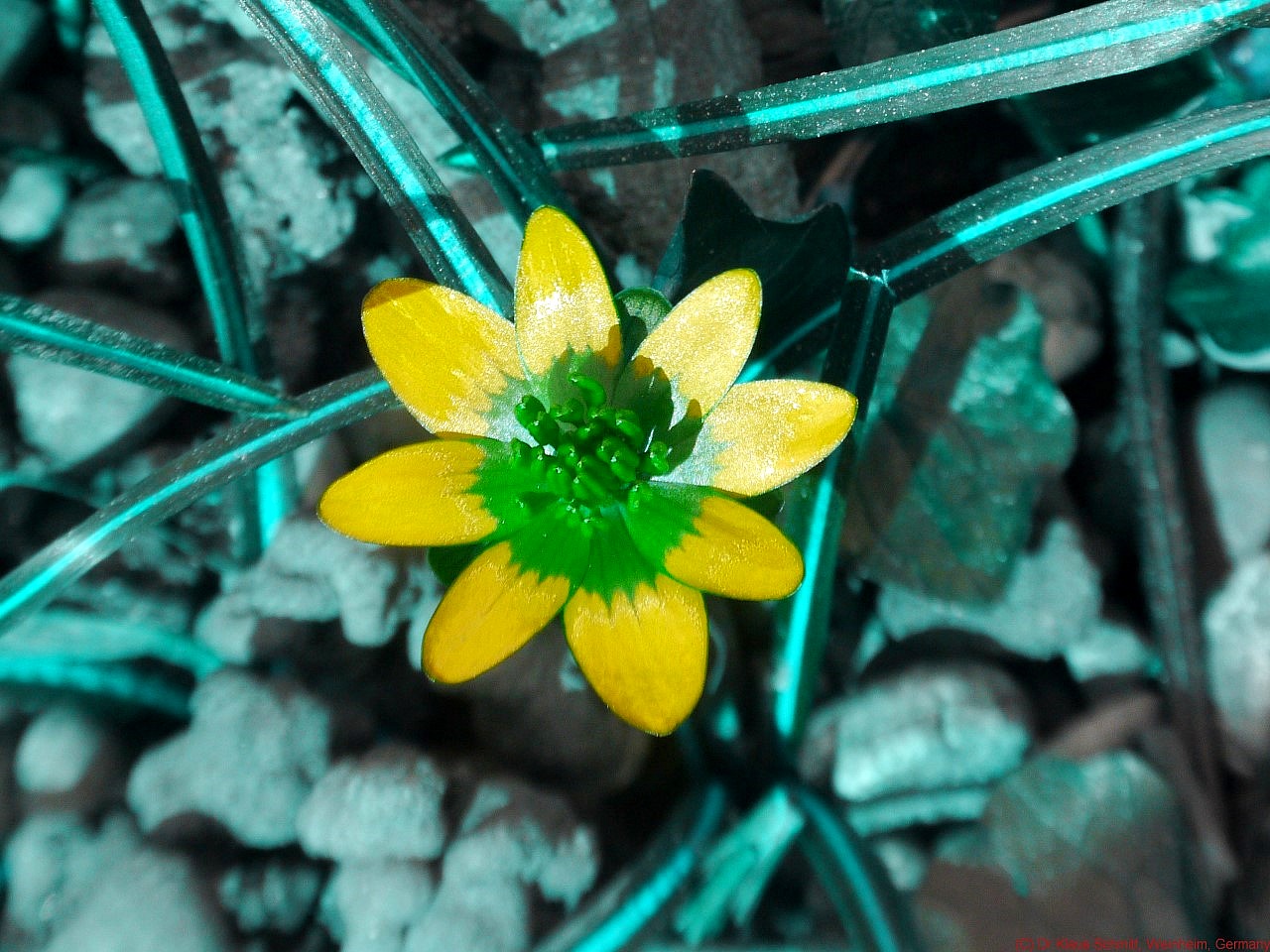
Spring Flowers 2014: Lesser Celandine - Ranunculus ficaria - 80mm Quartz Fluorite lens for reflected ultraviolet photography II

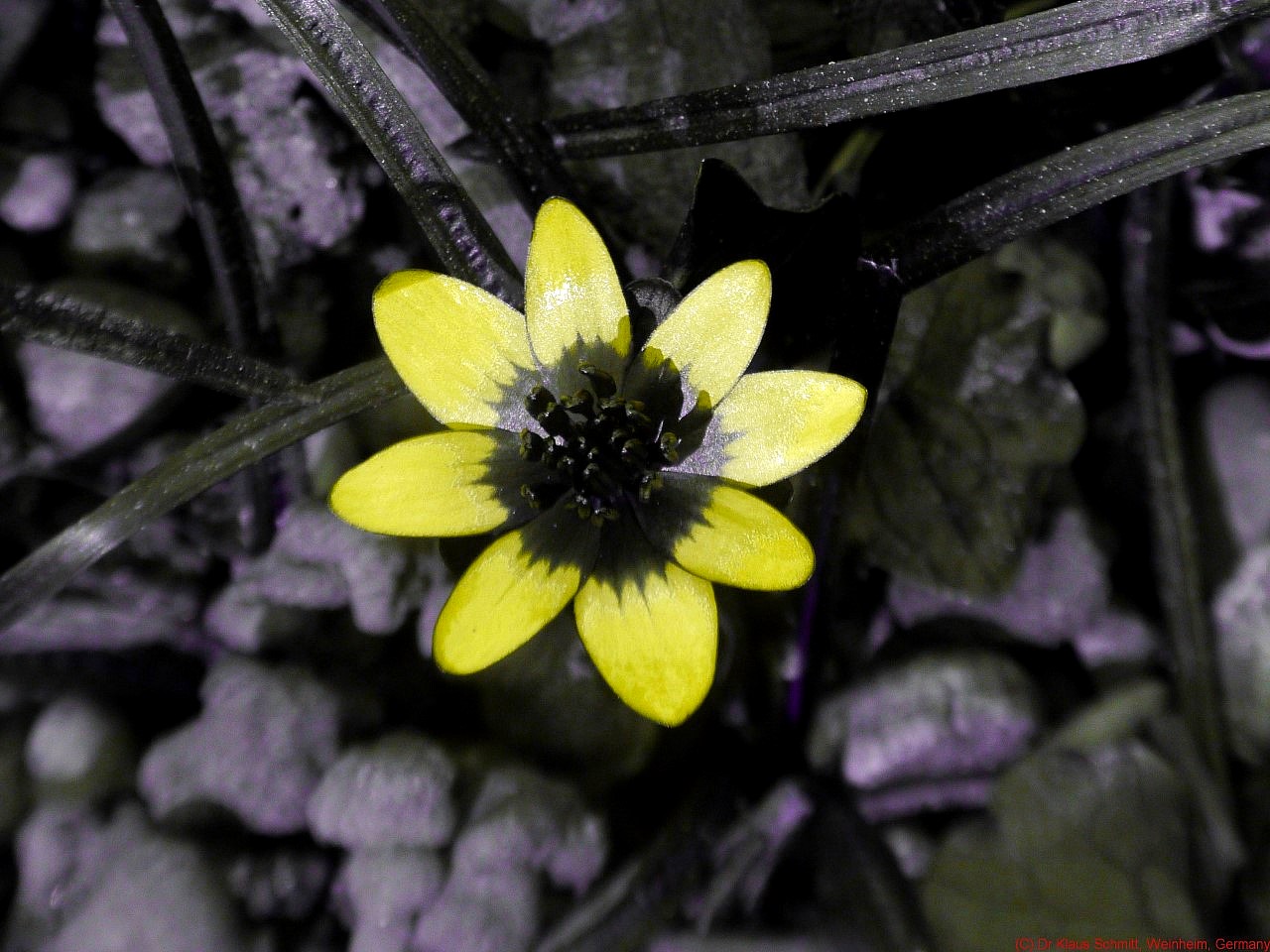
Here today in situ shots of the well known Lesser Celandine - Ranunculus ficaria early spring flower. Shots were done aside from visible photography in reflected ultraviolet using Baader-U filter and in simulated bee vision using my XBV6 filter. Lens used my X80QF f3.2 / 80mm Quartz Fluorite lens. Light source was sun. All shots were done at approx. f8.

[click on image to see a larger one]

Visible light image:  

UV image using Baader-U filter (approx. 320-395nm, effective peak approx. 375nm):  

Simulated bee vision image using experimental XBV filter:  

Triptych of the above images:  


This Lesser Celandine flower has a well known bulls-eye UV pattern, its center is UV dark, whereas its petals strongly reflect around 365nm. The X80QF quartz fluorite lens is reproducing this quite well and all that gets nicely visible.

I have written about this flower already HERE (studio shots).

Stay tuned, more will follow on that fascinating subject...

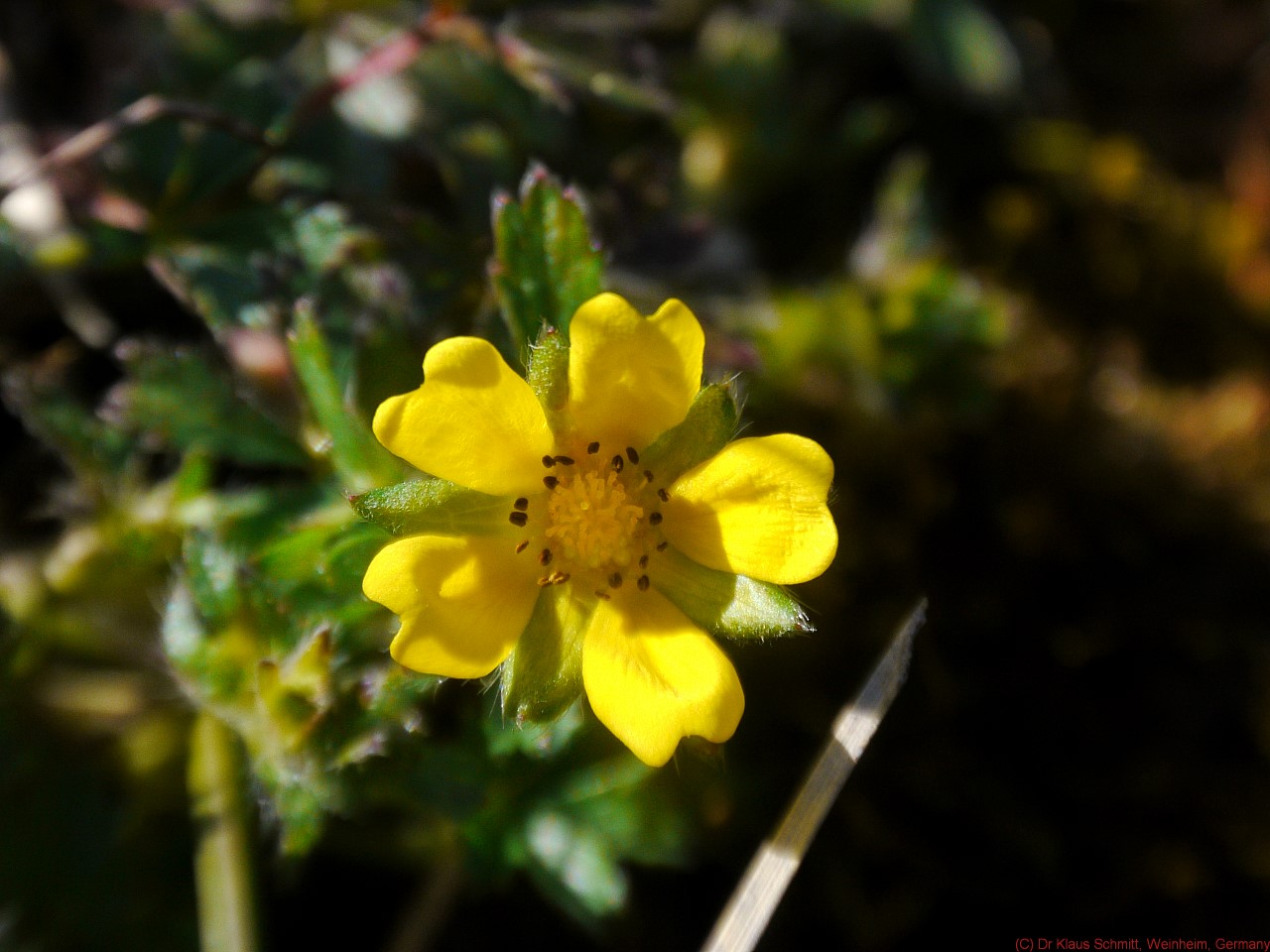
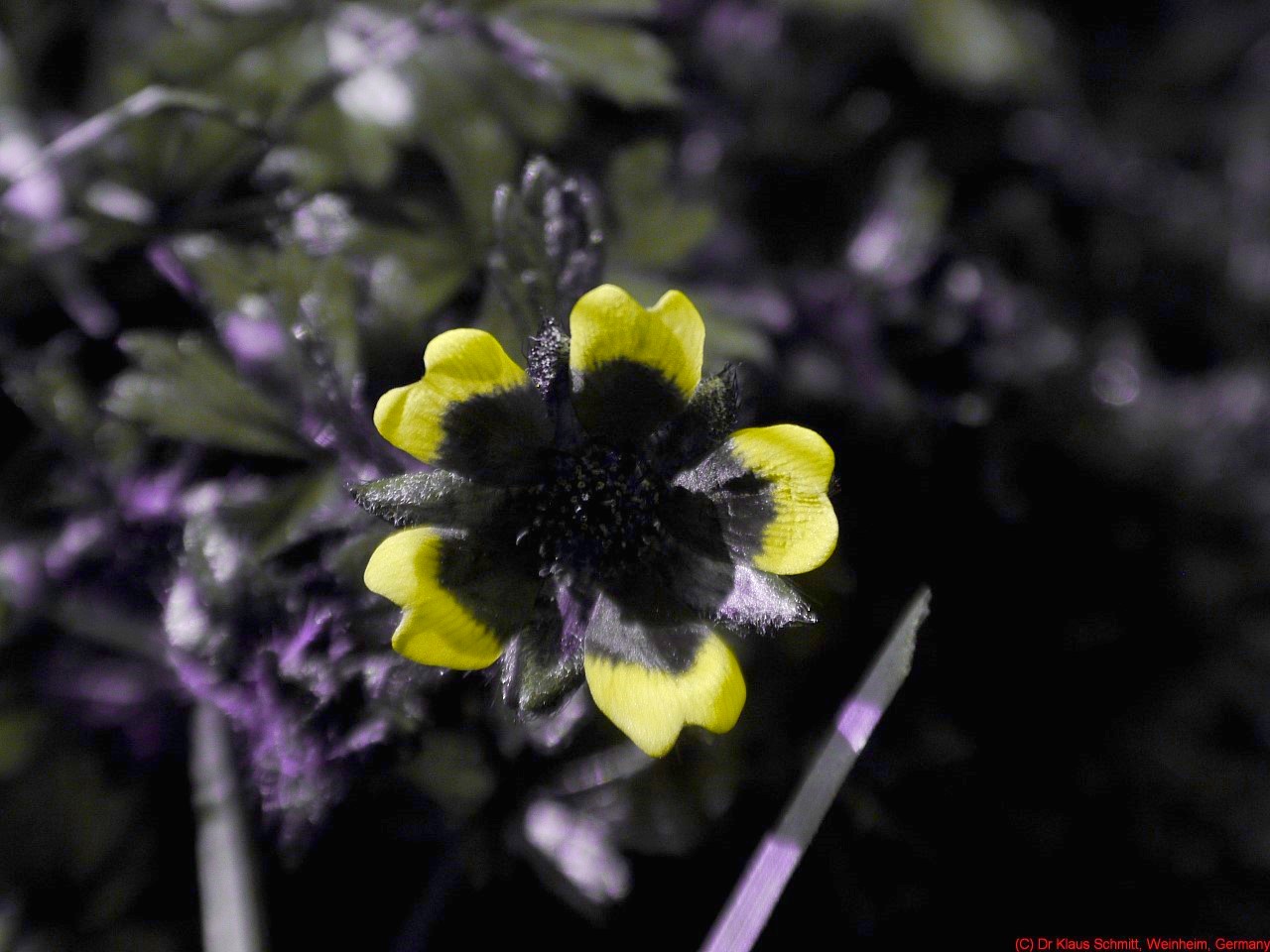
Spring Flowers 2014: Creeping Cinquefoil - Potentilla reptans - 80mm Quartz Fluorite lens for reflected ultraviolet photography

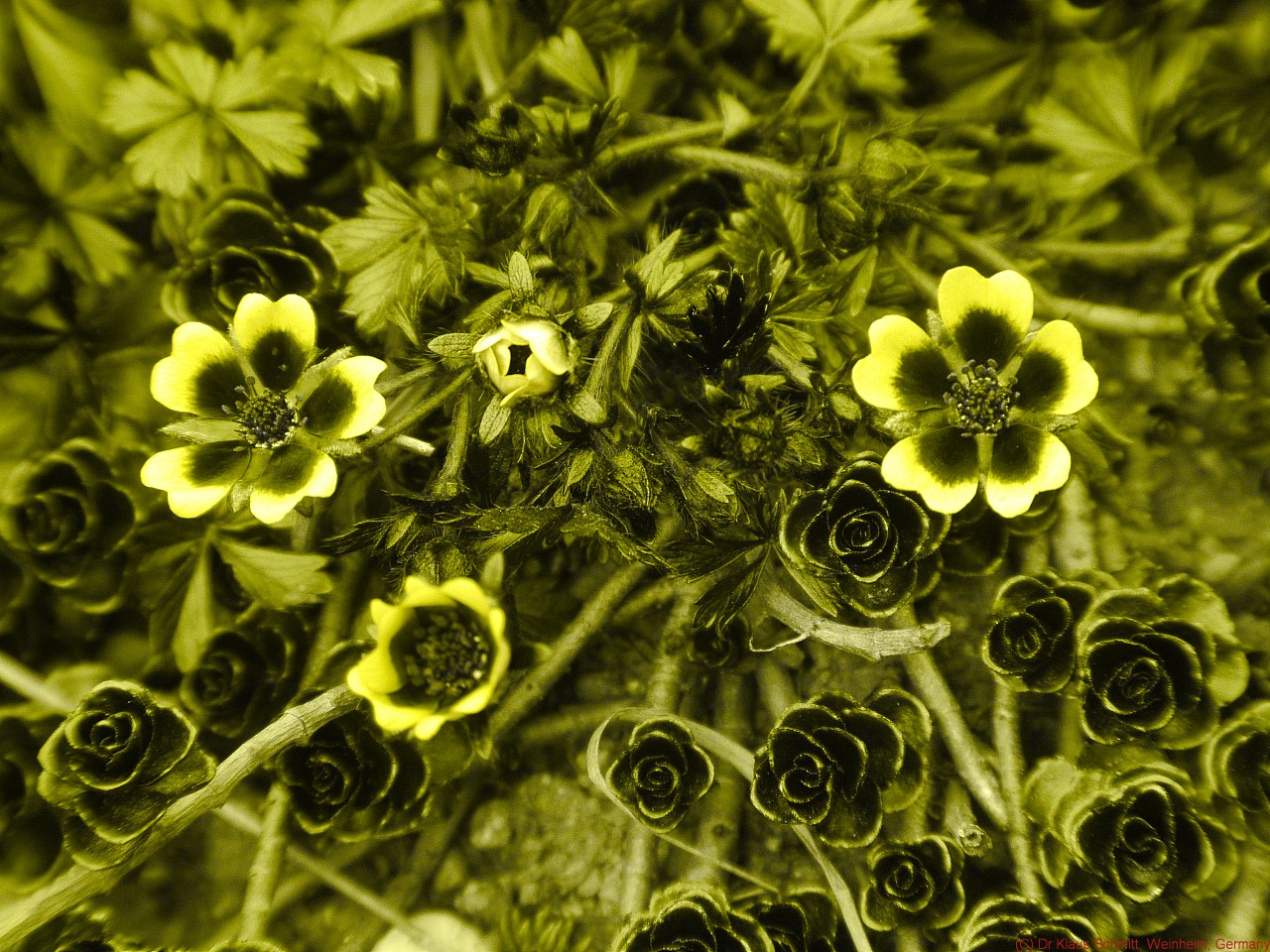
Here today shots of the well known Creeping Cinquefoil - Potentilla reptans early spring flower. Shots were done aside from visible photography in reflected ultraviolet using Baader-U filter and in simulated bee vision using my XBV6 filter. Lens used my X80QF f3.2 / 80mm Quartz Fluorite lens. Light source was sun. All shots were done at approx. f8.

[click on image to see a larger one]

Visible light image:  

UV image using Baader-U filter (approx. 320-395nm, effective peak approx. 375nm):  

Simulated bee vision image using experimental XBV filter:  

Triptych of the above images:  


This Potentilla flower has a well known bulls-eye UV pattern, its center is UV dark, whereas its petals strongly reflect around 365nm. The X80QF quartz fluorite lens is reproducing this quite well and all that gets nicely visible.


Stay tuned, more will follow on that fascinating subject...

Thursday, March 6, 2014

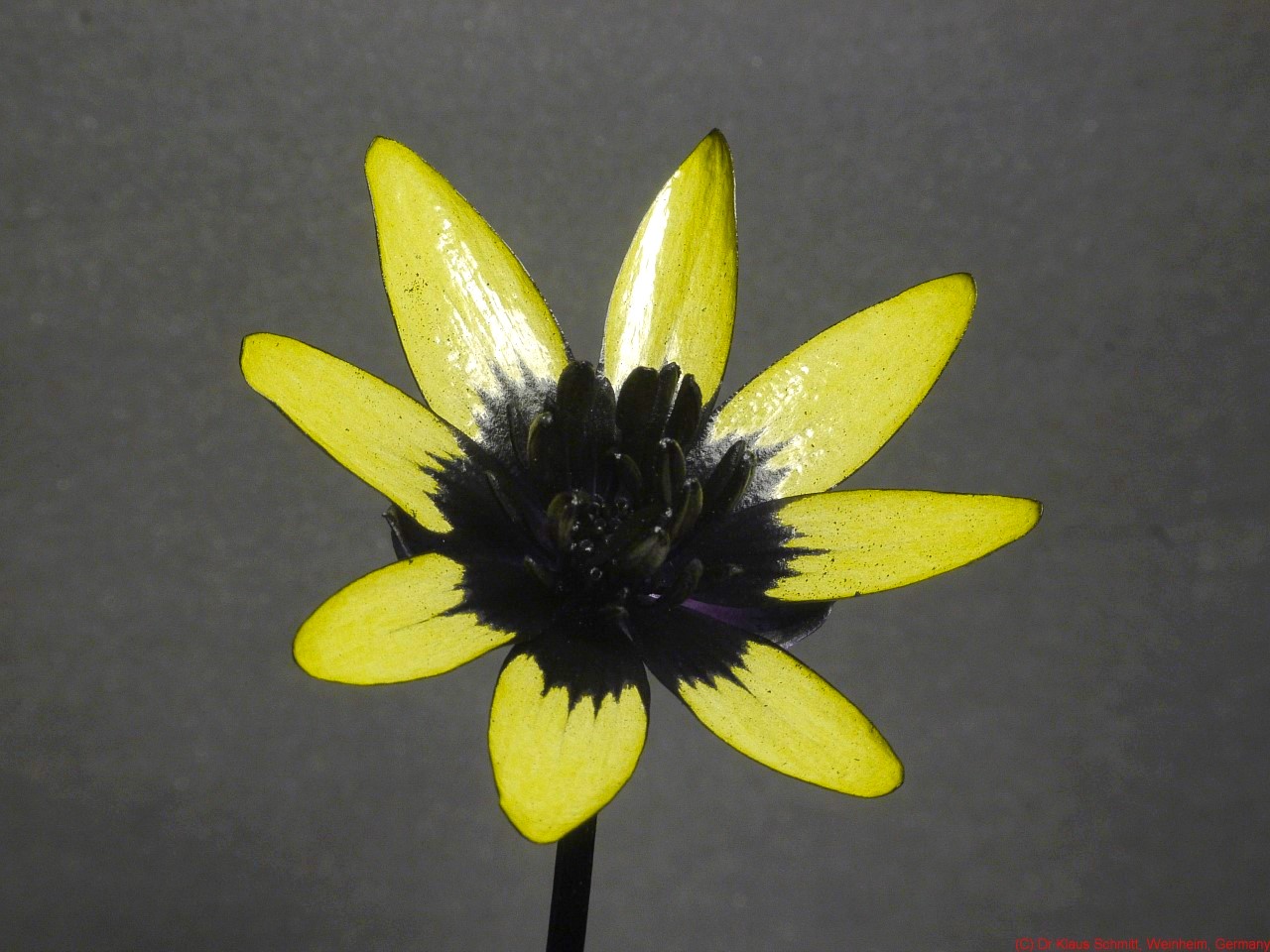
Spring Flowers 2014: Ranunculus ficaria - Lesser Celandine - 80mm Quartz Fluorite lens for reflected ultraviolet photography

Here today studio shots of the well known Ranunculus ficaria - Lesser Celandine early spring flower. Shots were done aside from visible photography in reflected ultraviolet using Baader-U filter and in simulated bee vision using my XBV6 filter. Lens used my X80QF f3.2 / 80mm Quartz Fluorite lens. Light source was a modified Xenon flash. All shots were done at approx. f11.

[click on image to see a larger one]

Visible light image:  

UV image using Baader-U filter (approx. 320-395nm, effective peak approx. 375nm):  

Simulated bee vision image using experimental XBV filter:  

Triptych of the above images:  


This Lesser Celandine flower has a well known bulls-eye UV pattern, its center is UV dark, whereas its petals strongly reflect around 365nm. The X80QF quartz fluorite lens is reproducing this quite well and all that gets nicely visible.

In situ shots of this flower are HERE.

Stay tuned, more will follow on that fascinating subject...

Saturday, March 1, 2014

X80QF - a made to order f3.2/80mm apo lens for reflected ultraviolet, visible, infrared and multispectral photography

Today I will officially introduce my X80QF f3.2 / 80mm apo lens. I have previously shown here and here results using a prototype lens. This is a lens made to order in very limited quantity, camera mounts available are basically all DSLR and mirrorless camera types up to APS-C sensor format (FF needs optical modification, on request).

Apochromatic Quartz Fluorite lens system specs:
Lens data: f3.2 / 80mm
Useful spectral range: 200 - 1200nm (and beyond)
Focusing helicoid: infinity - macro (range as per request)
Mount: M42, on request: Nikon, Canon, Pentax, m4/3, Sony E
Aperture: variable, declicked f3.2 - f64 (click in on request)
Aperture calibration: on request, F-stops or T-stops
Weight: 290 grams (0.29 kg) in M42 mount version
Filter thread mount: 52mm standard

[click on image to see a larger one]

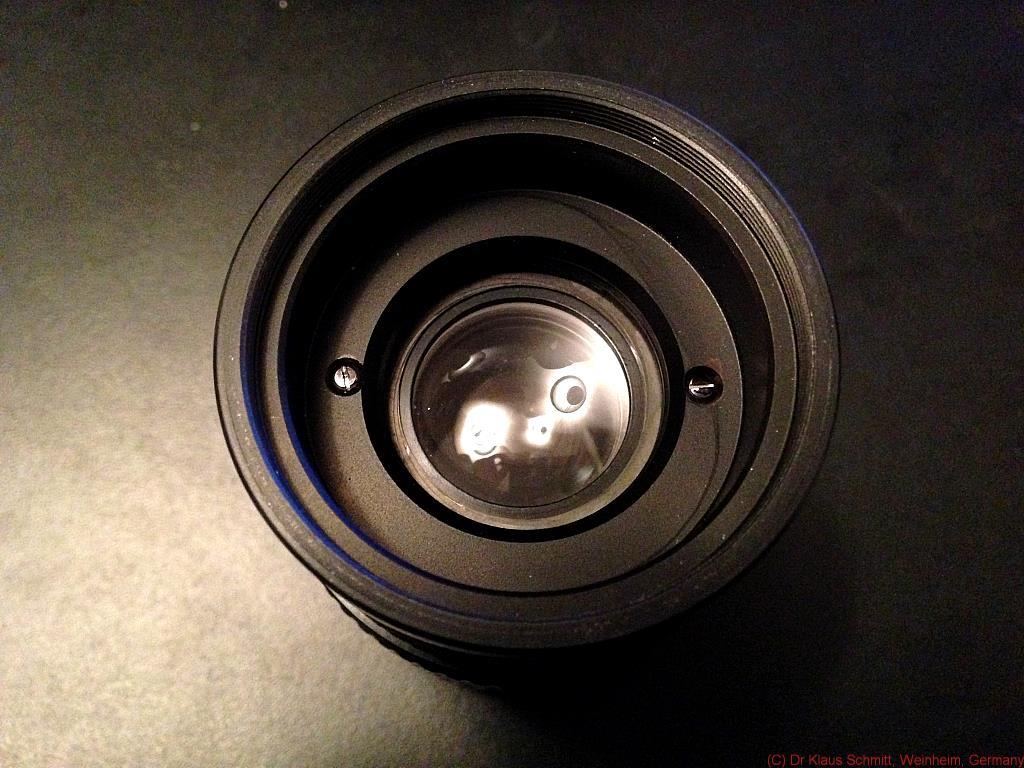
Lens front - open aperture, 52mm filter mount:

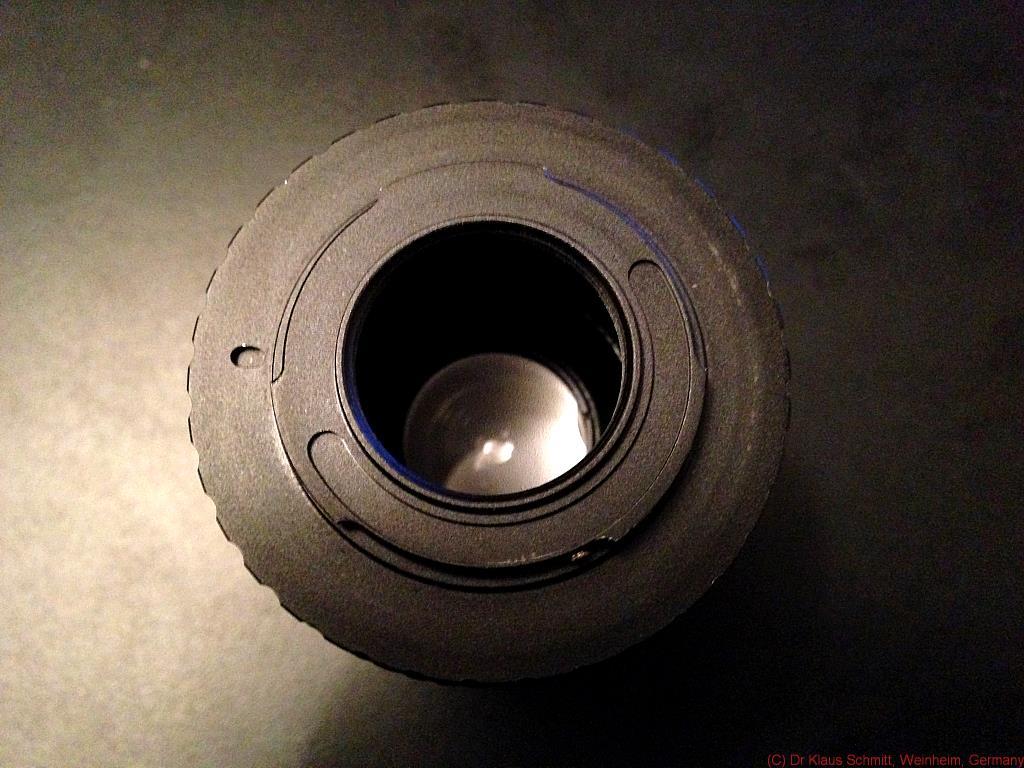
Lens rear - open aperture, micro 4/3 mount version:

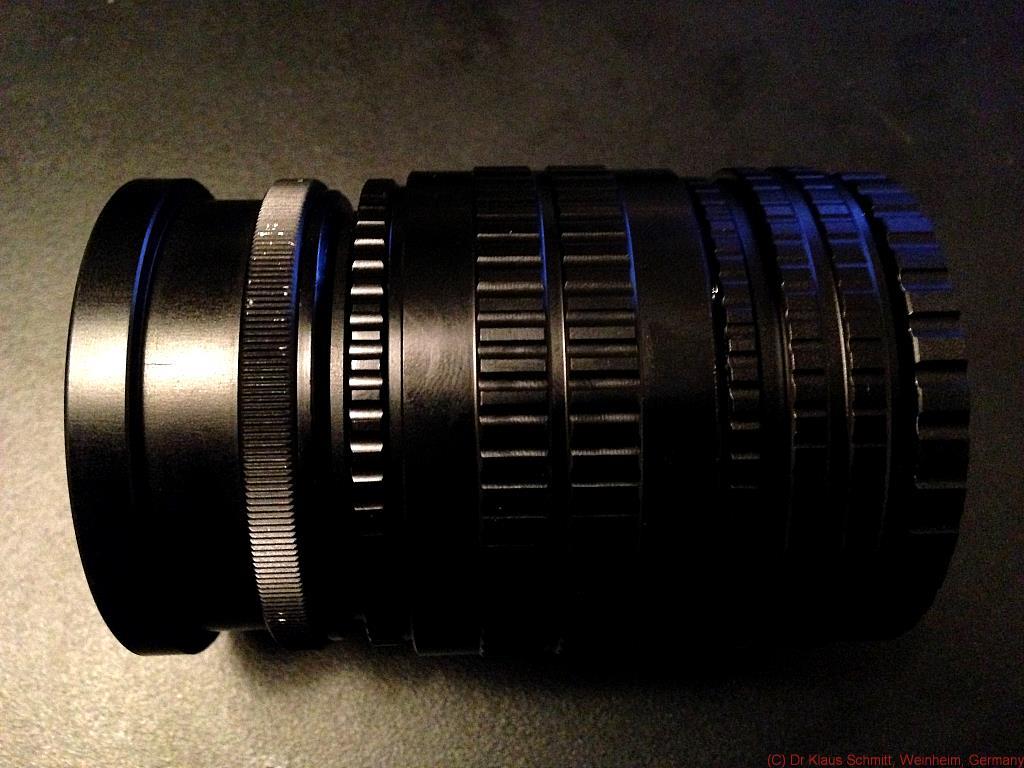
Lens focusing helicoid infinity position, retracted:

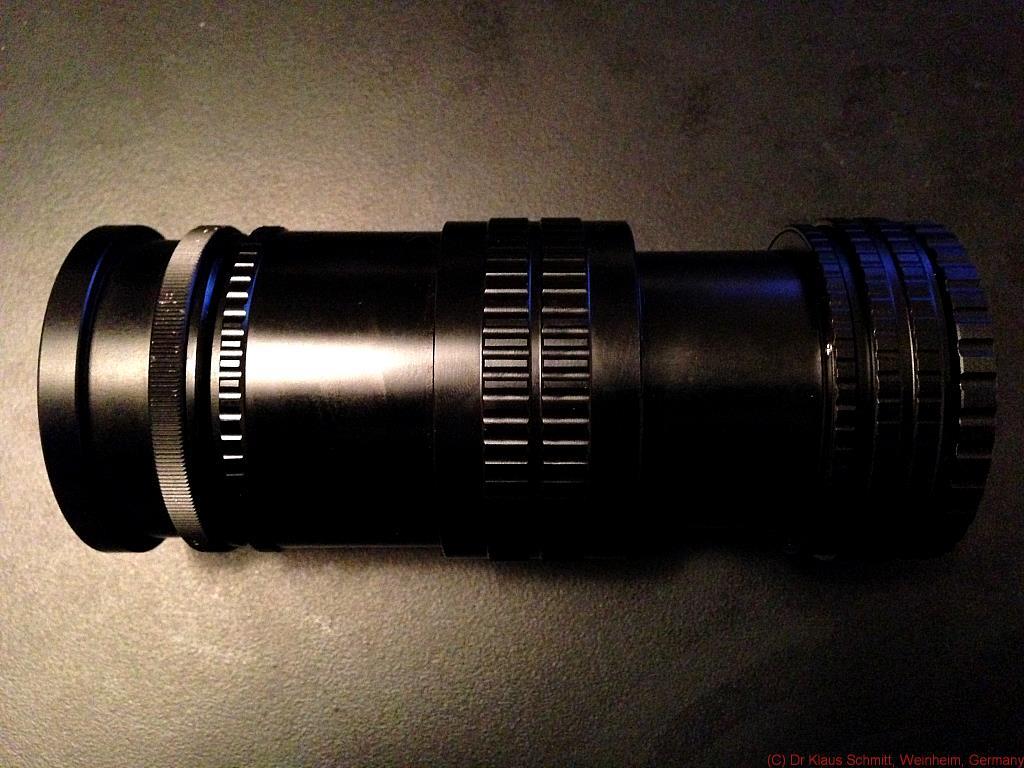
Lens focusing helicoid macro position, extended:

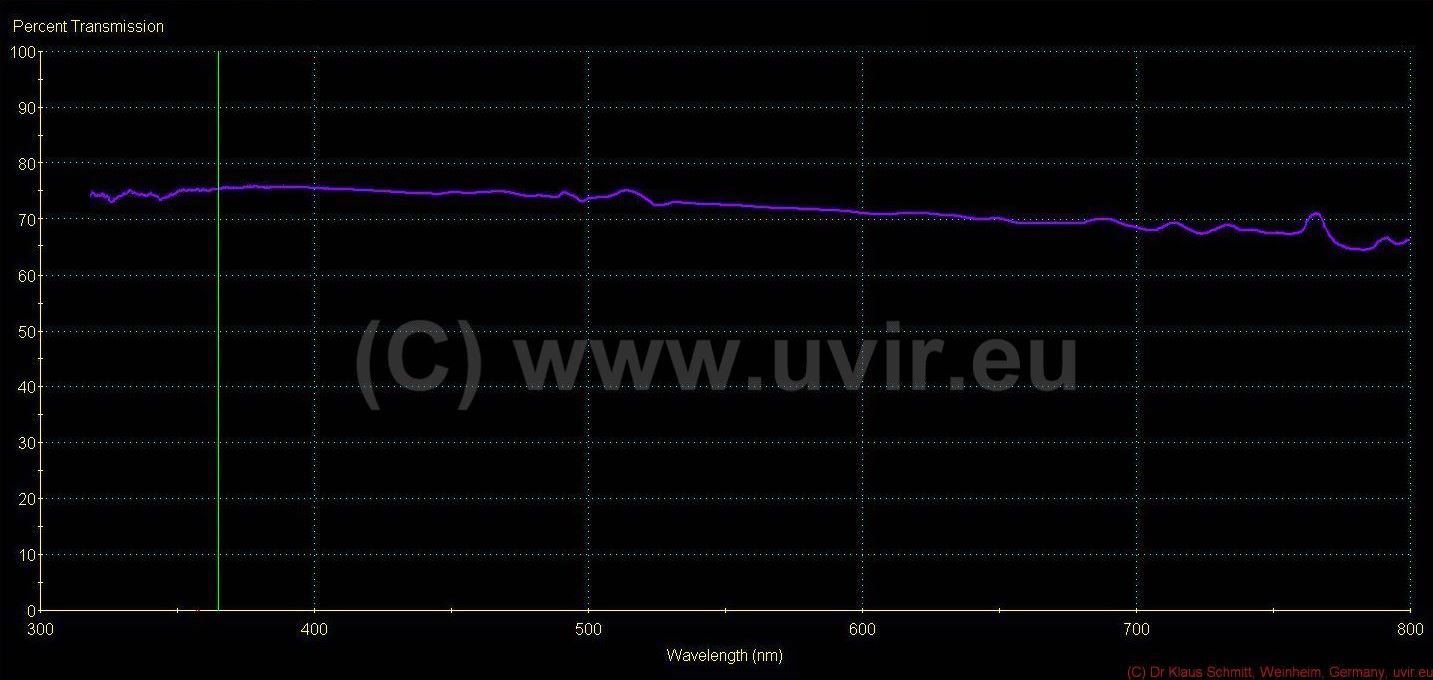
Spectral transmission (310-400nm: >75%, 400-800nm: >65%)

(Btw. there was a decline in transmission below some 310nm, caused by my current measurement setup, not the lens, which should transmit flat to 200nm, as it consists only of pure fused silica and calcium fluorite. I have therefore removed that part until I have more reliable data to show ...)

The following sample shots were done aside from visible photography in reflected ultraviolet using Baader-U filter and in sim. bee vision using my XBV6 filter. Light source was sun or a modified Xenon flash. All shots were done at f8 - f11.

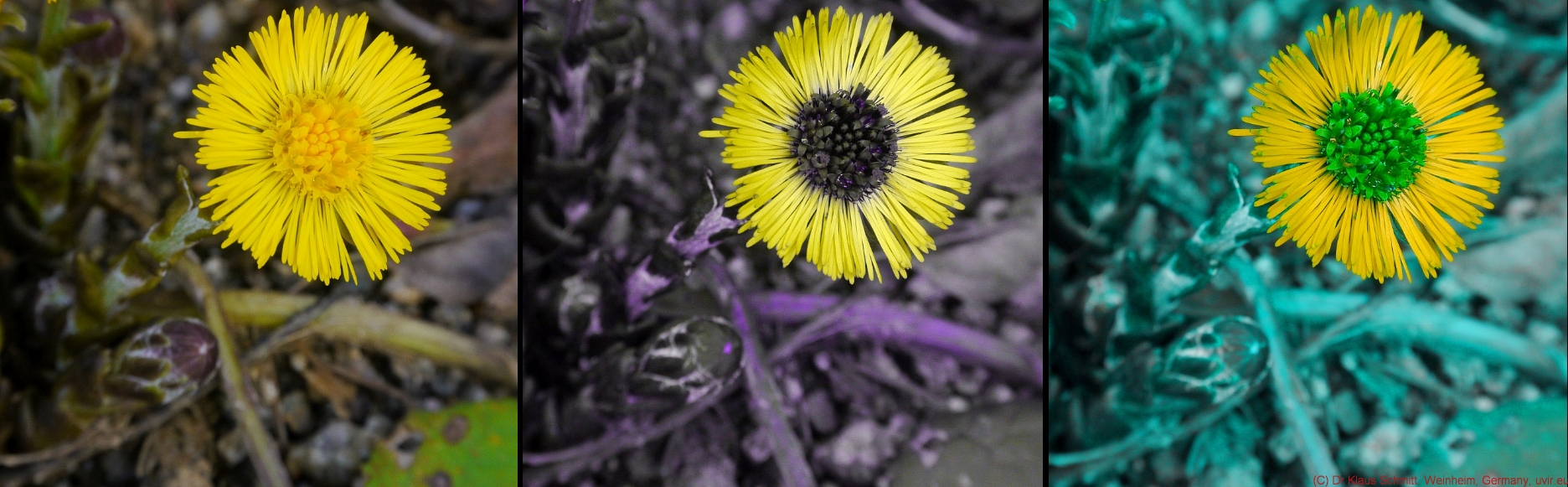
Triptych of Tussilago (in situ, light source sun), visible, reflected UV using Baader-U filter, sim. bee vision using XBV filter (left to right):  

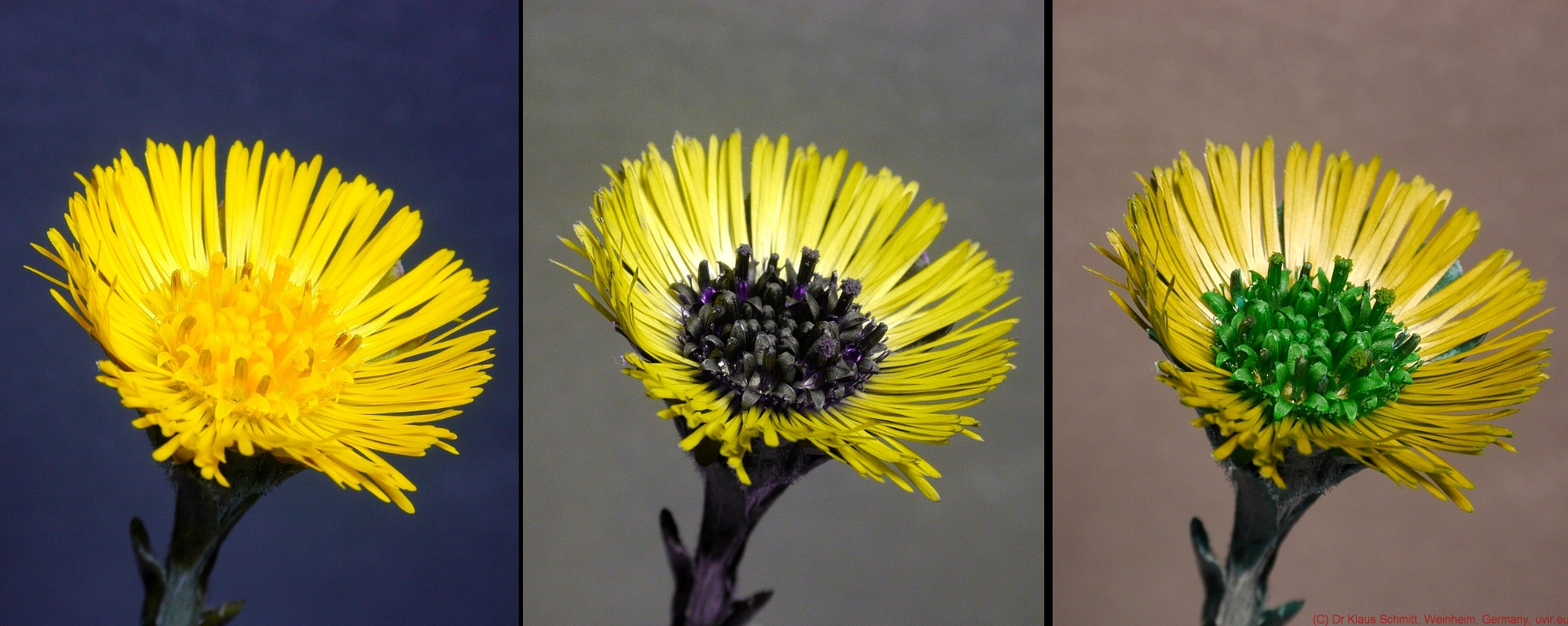
Triptych of Tussilago (lab, light source Xenon), visible, reflected UV using Baader-U filter, sim. bee vision using XBV filter (left to right):  


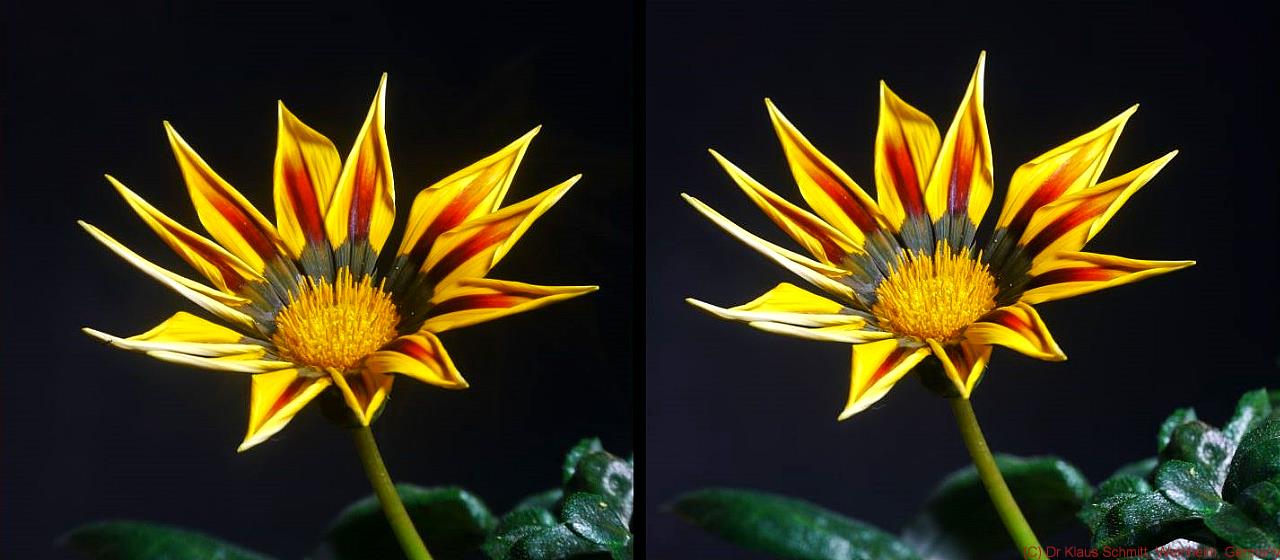
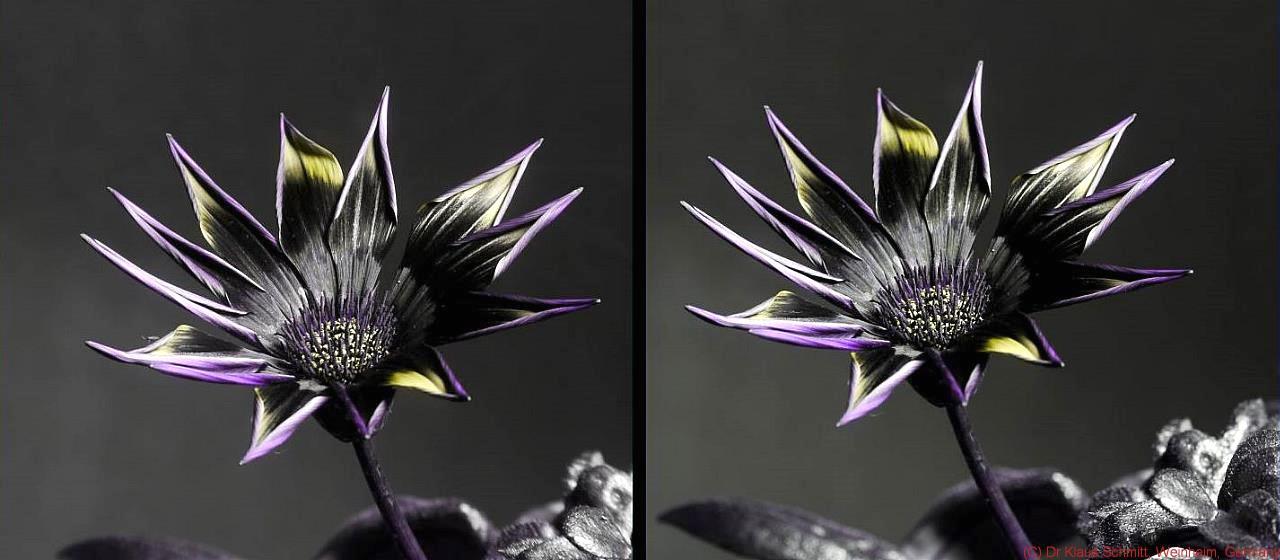
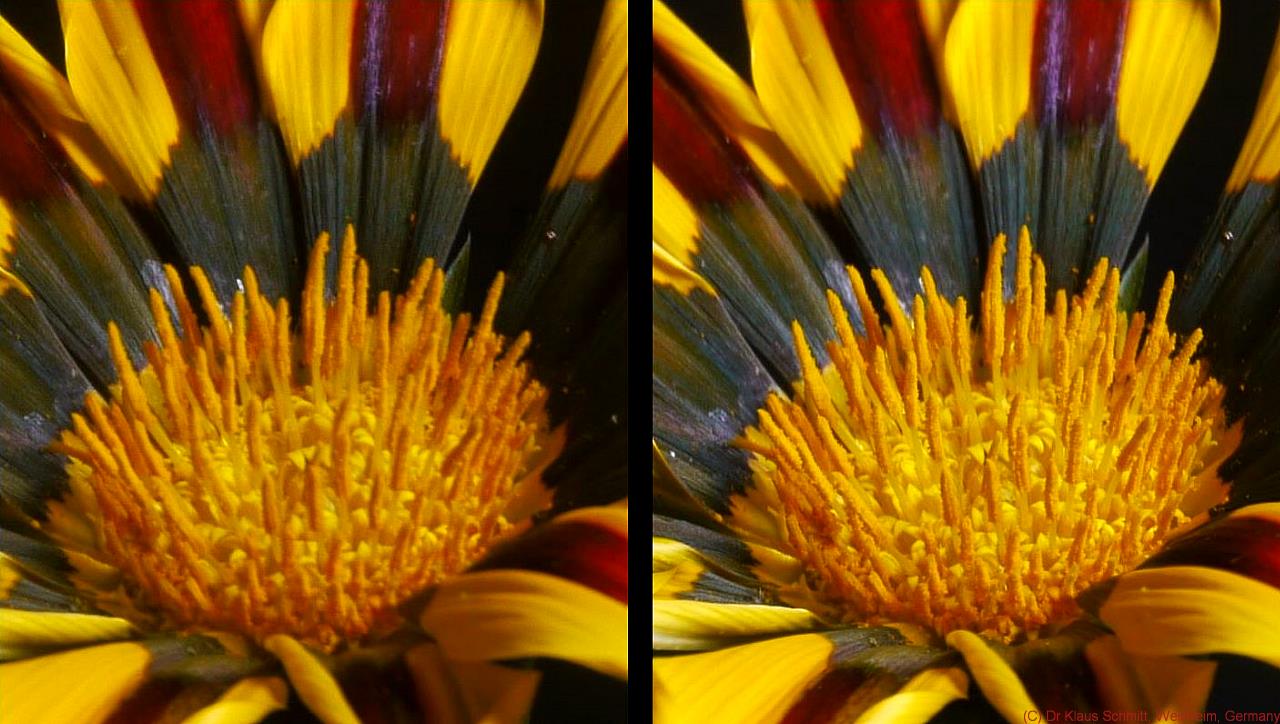
Diptych of Gazania (lab, light source Xenon) Visual image using UV/IR Cut filter - X80QF (left), Cerco 94mm (right):


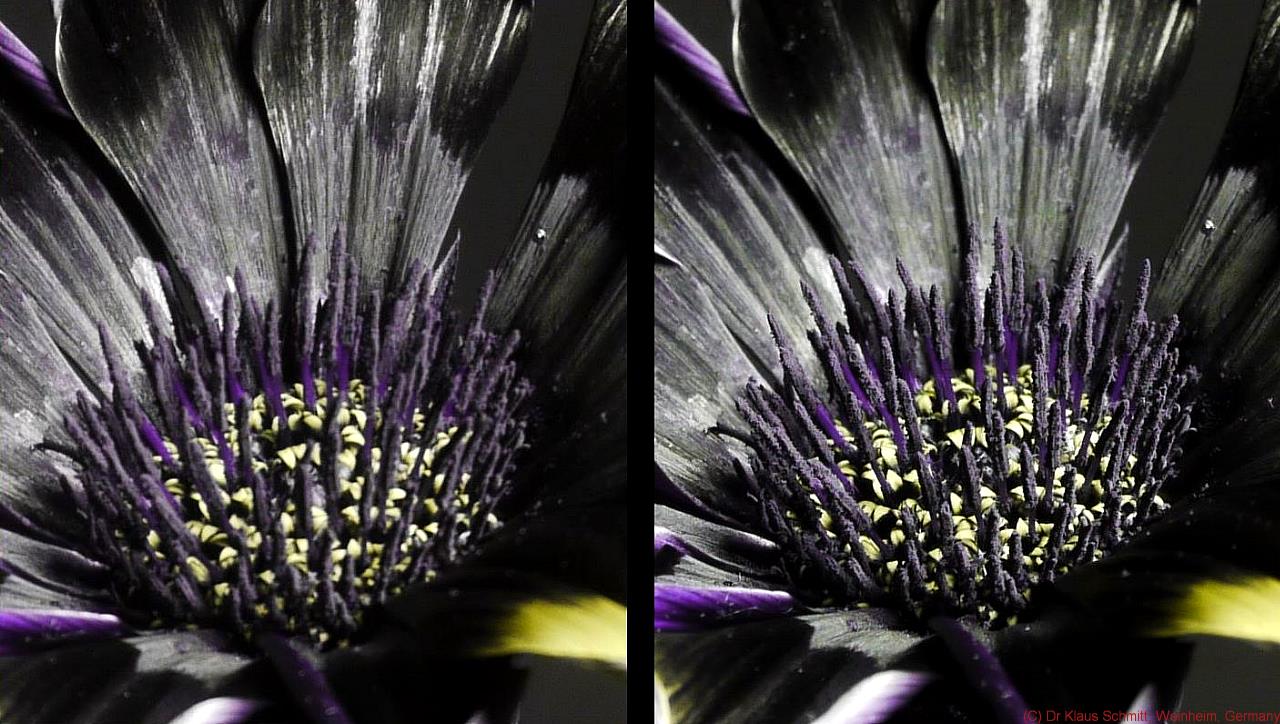
Diptych of Gazania (lab, light source Xenon) reflected UV image using Baader-U filter - X80QF (left), Cerco 94mm (right):


Diptych of Gazania Detail (lab, light source Xenon) Visual image using UV/IR Cut filter - X80QF (left), Cerco 94mm (right):


Diptych of Gazania detail (lab, light source Xenon) reflected UV image using Baader-U filter - X80QF (left), Cerco 94mm (right):


This X80QF lens is meant as a tool for the ambitioned amateur or researcher on a budget, who cannot allow to be restricted to the shortcomings of a lens based on optical glass, limited to around 350nm cut off (some very special ones reach a bit lower), but need a flat transmitting lens down to 300nm or even beyond that. It certainly should not be compared to such very pricey high performing quartz fluorite lenses such as the Coastal Optical Systems 60mm or 105mm Apo, the CERCO 94mm, the UV-Nikkor 105mm, the Pentax Ultra Achromatic 85mm or the Zeiss UV-Sonnar 105mm. It cannot reach those in terms of sharpness or contrast wide open, but stopped down to the usual working apertures f8 - f11, it delivers as shown acceptable sharp and useful VIS, UV, IR or multispectral images with acceptable contrast and very little focus shift for a reasonable price.

I will make only very of those, so should there be interest to purchase such a lens: Inquiries are welcome using my email on the top right corner of this site.

>>> THIS LENS IS NO LONGER AVAILABLE AS THE NEEDED LENS ELEMENTS ARE DEPLETED <<<


Stay tuned, more will follow on that fascinating subject...