Showing posts with label Phalaenopsis. Show all posts

Saturday, February 3, 2024

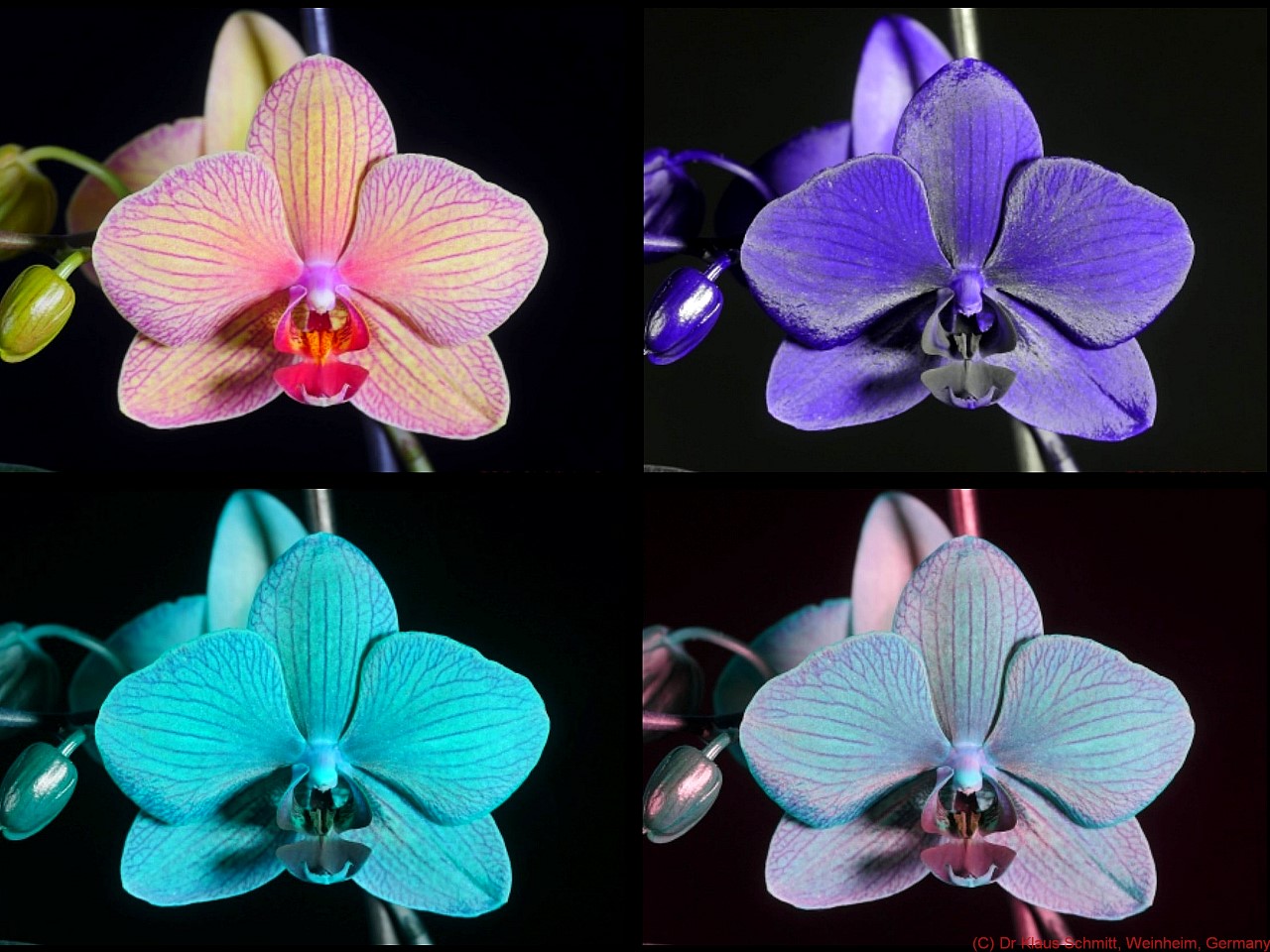
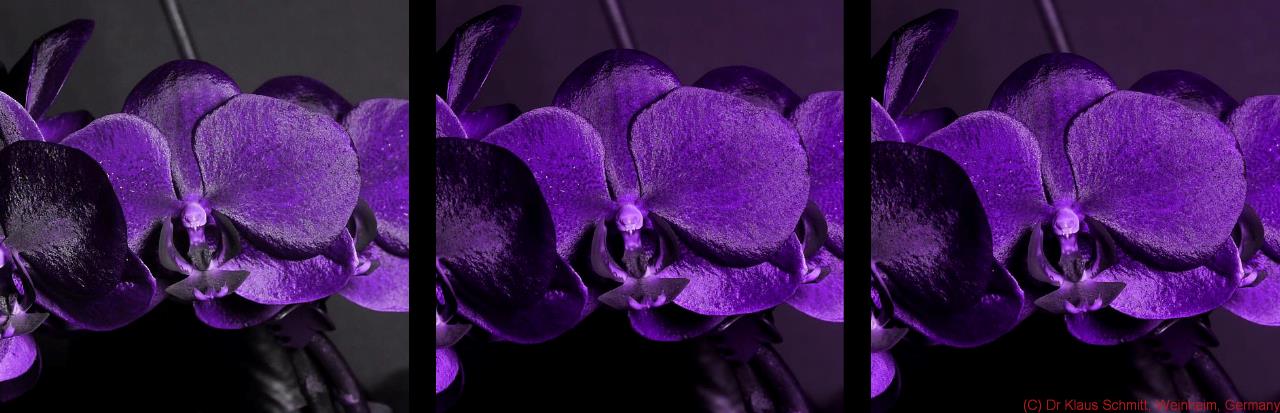
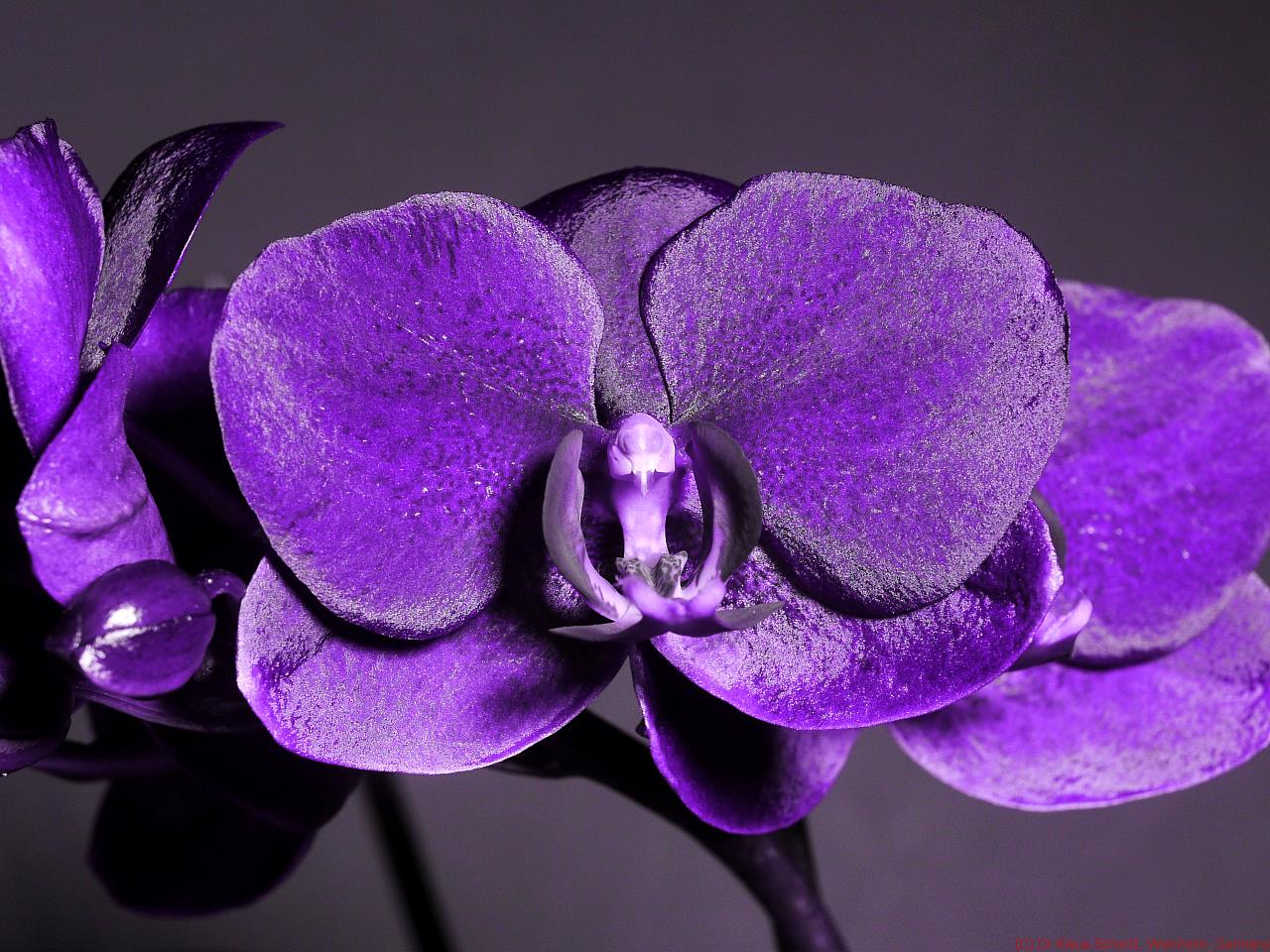
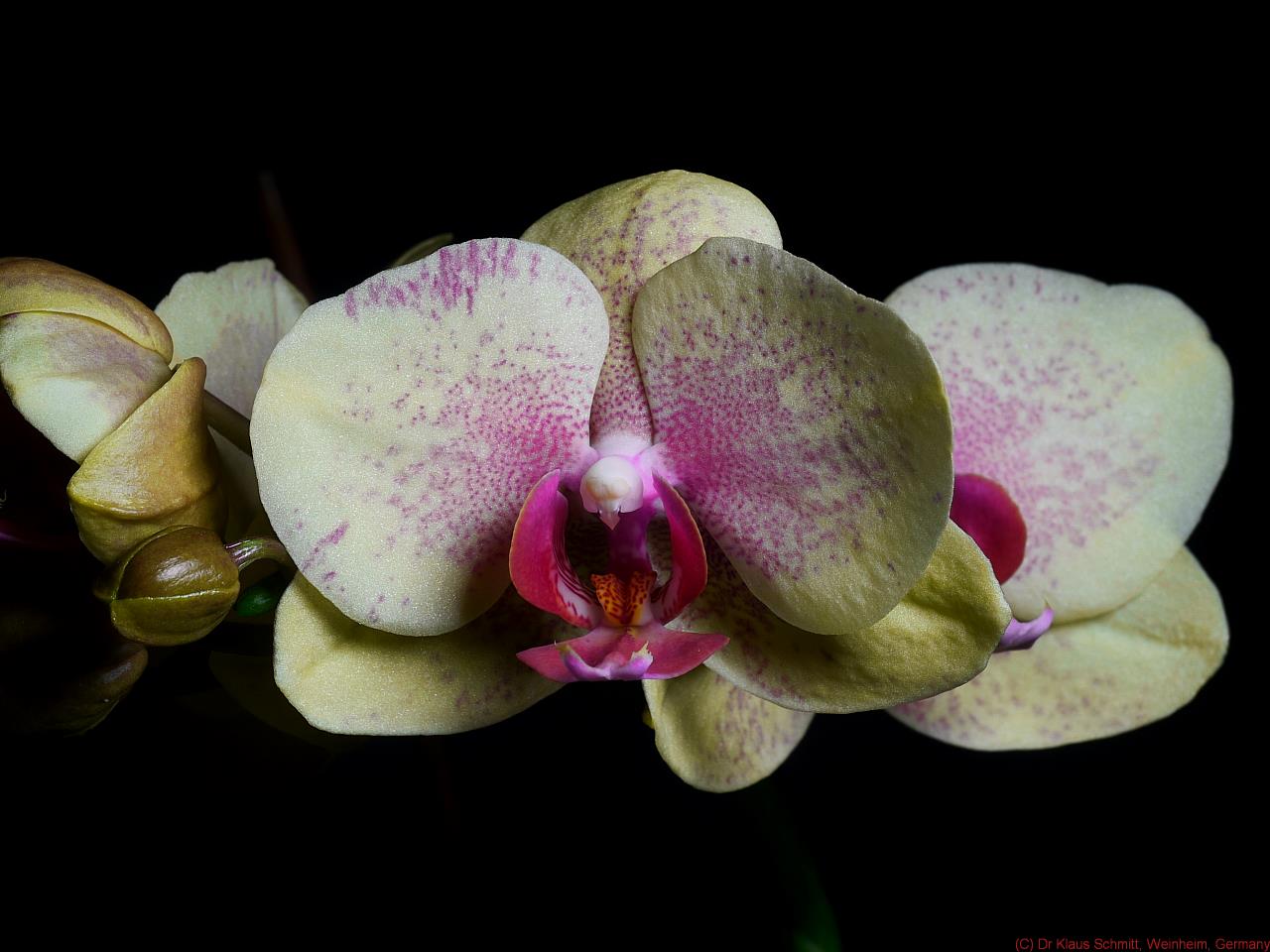
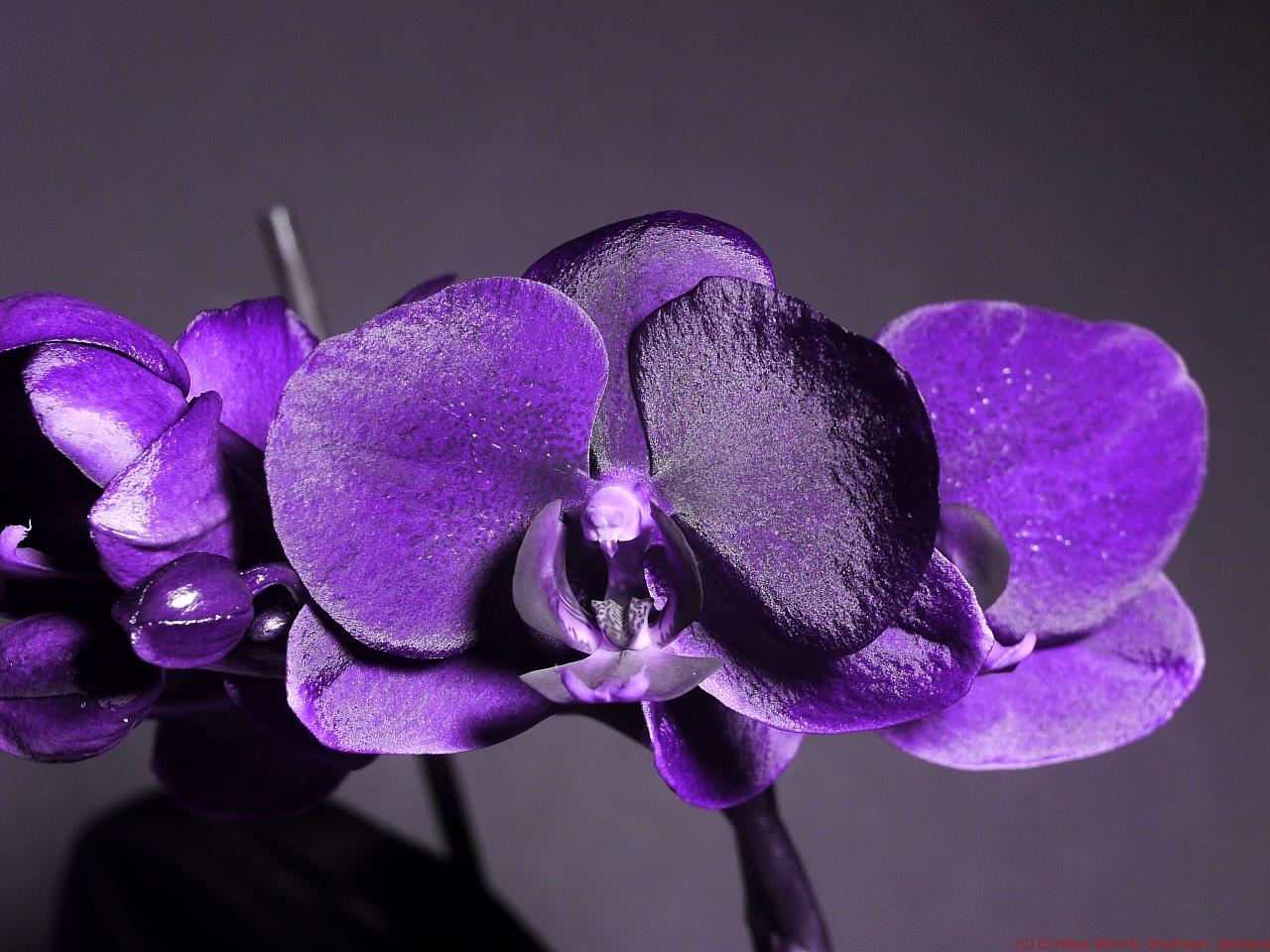
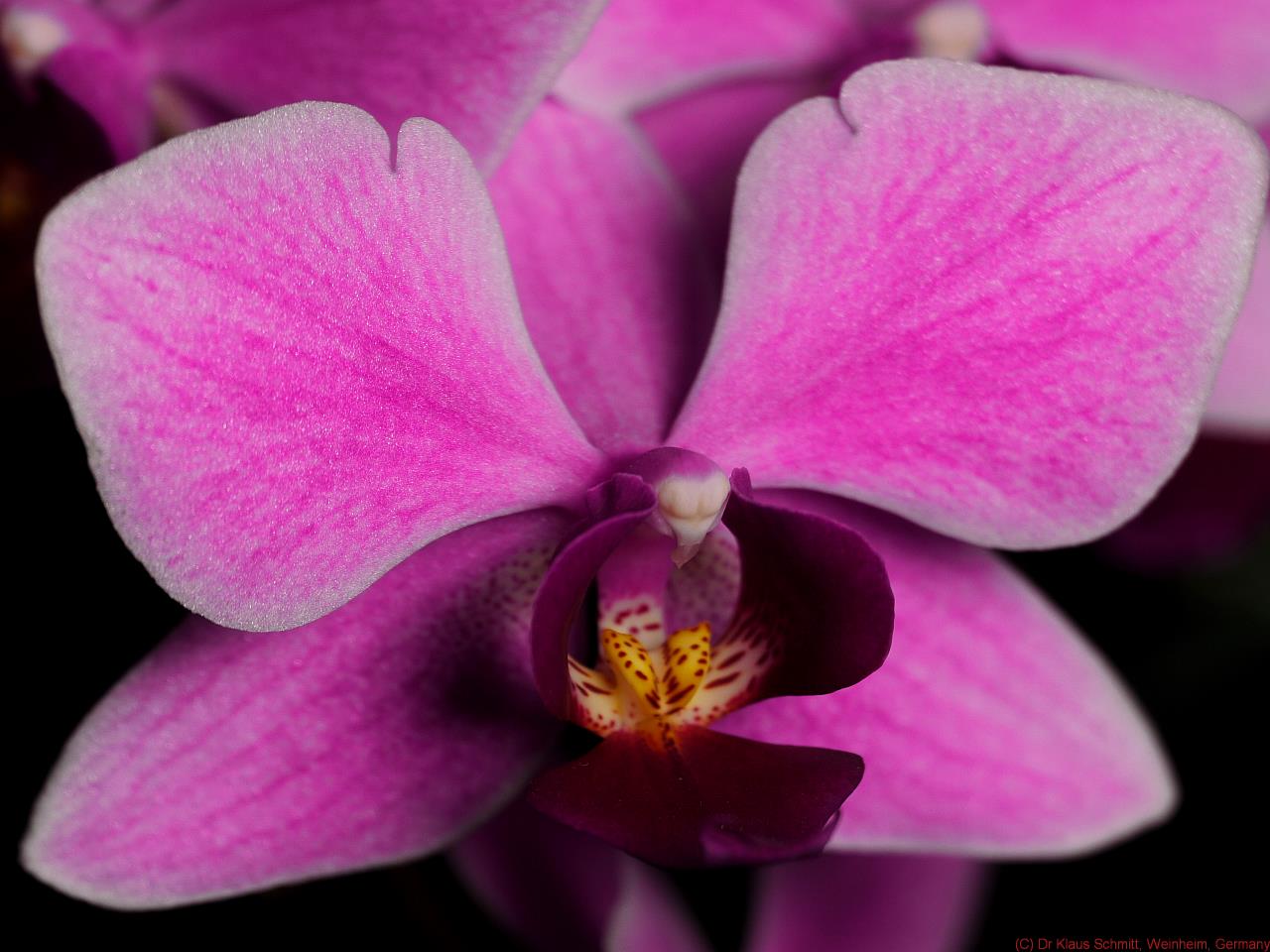
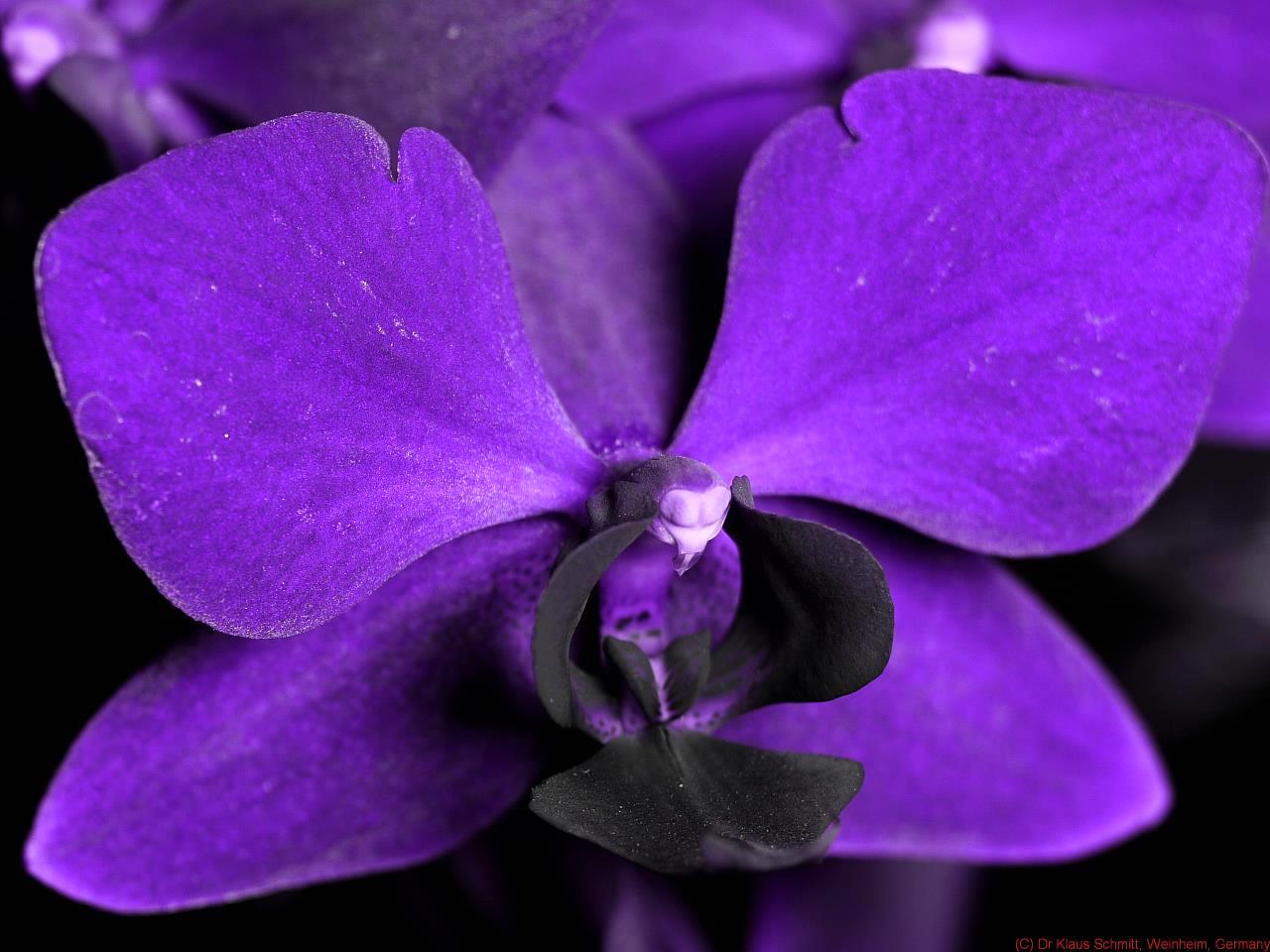
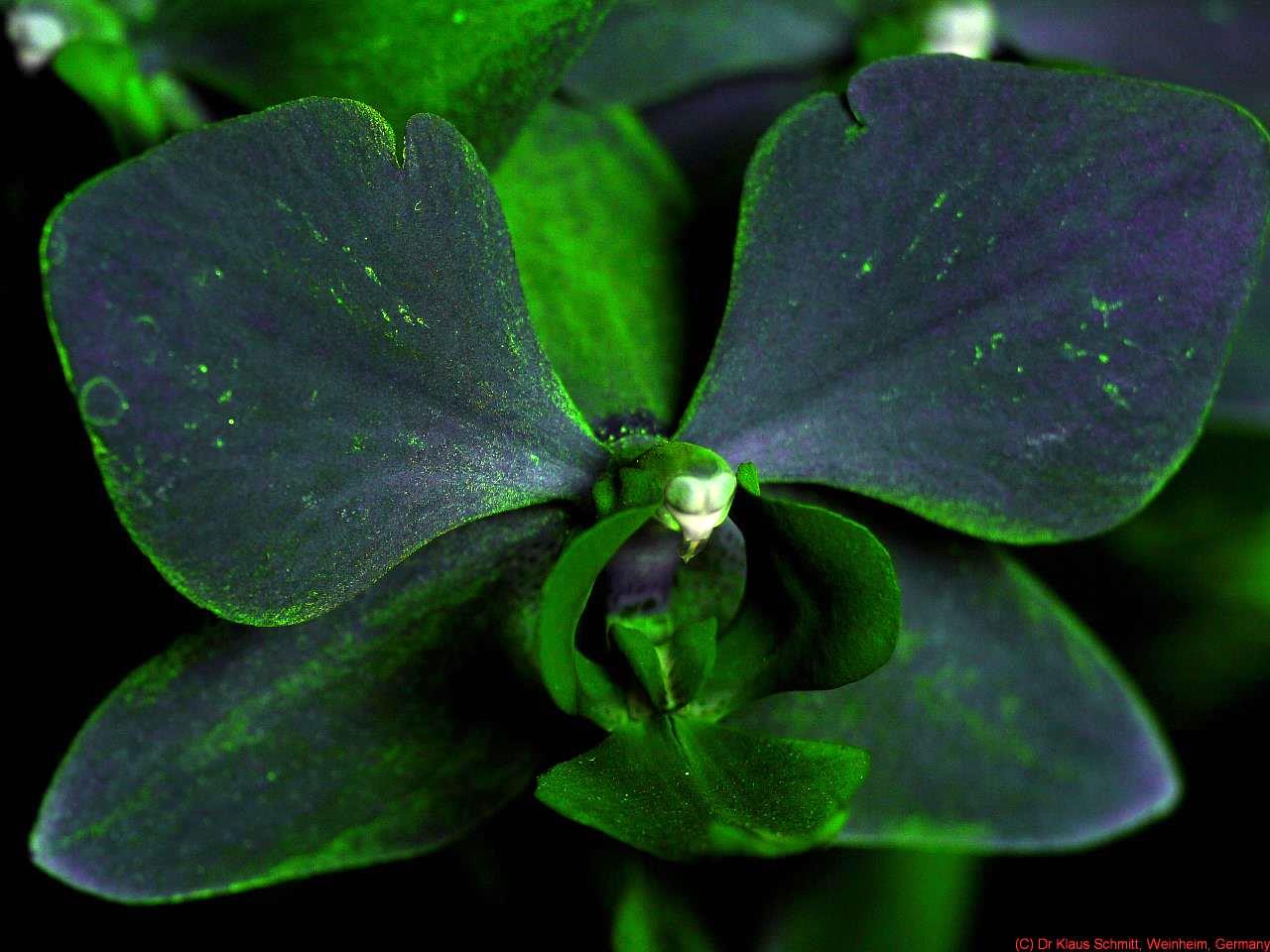
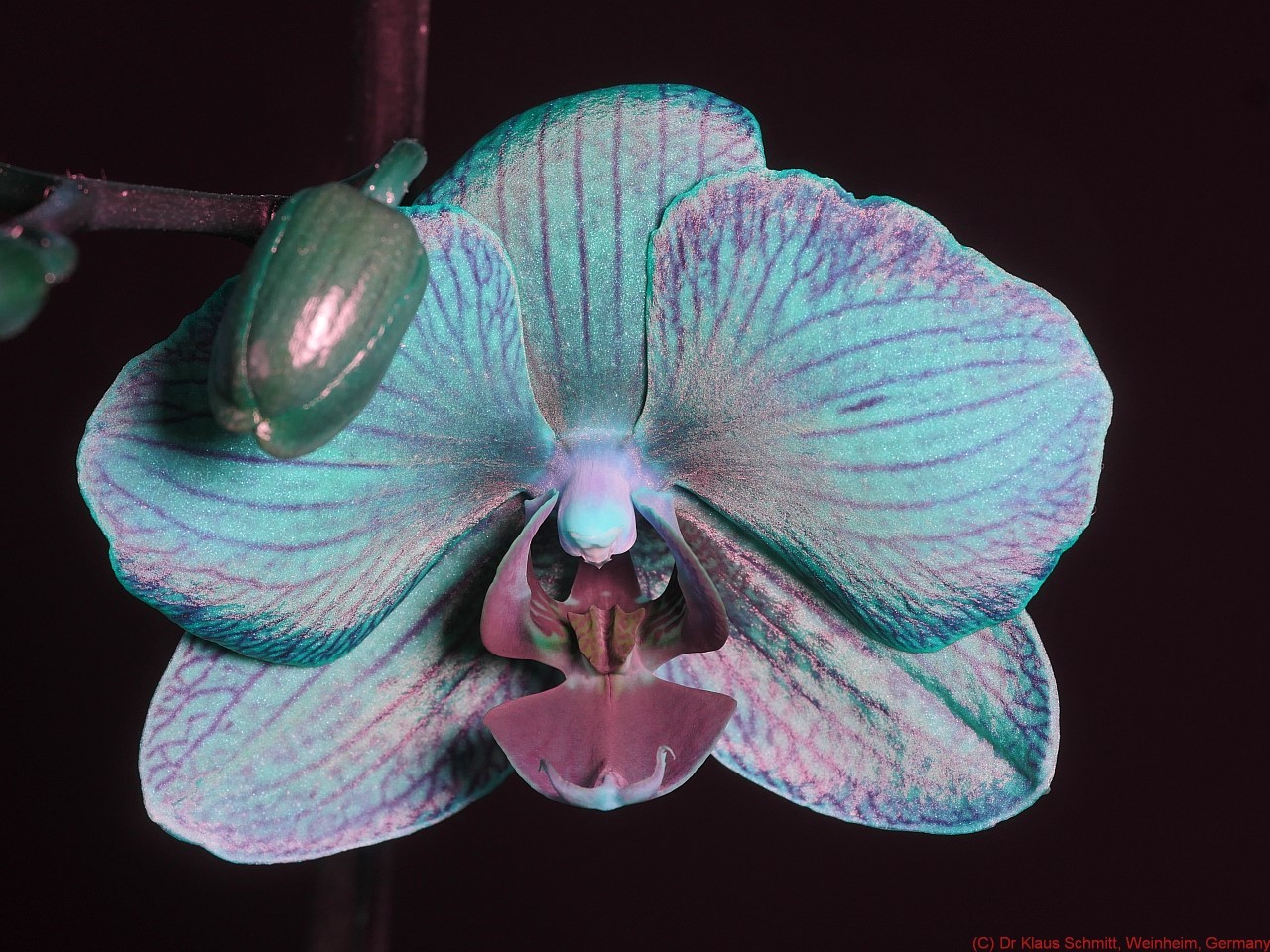
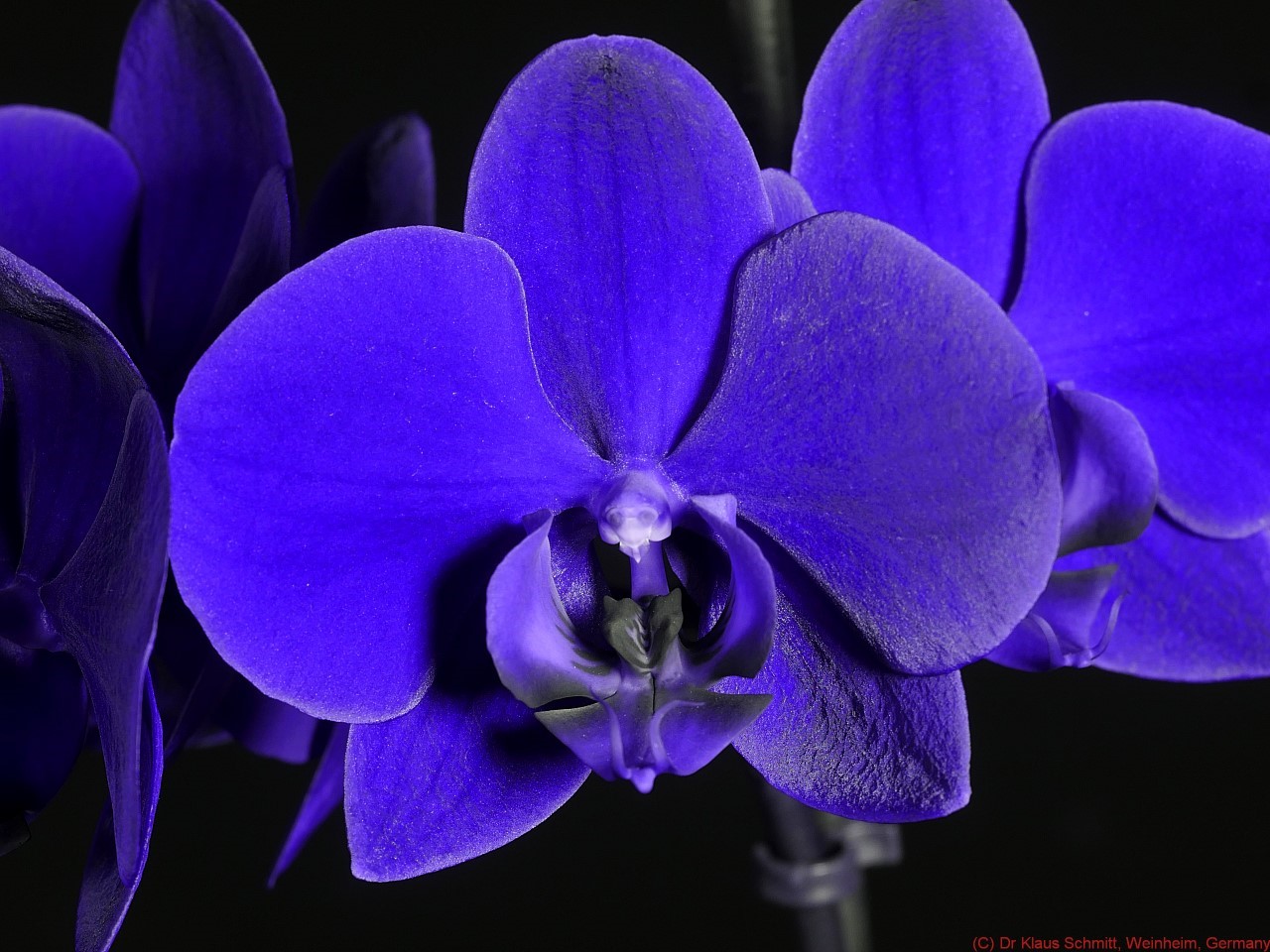
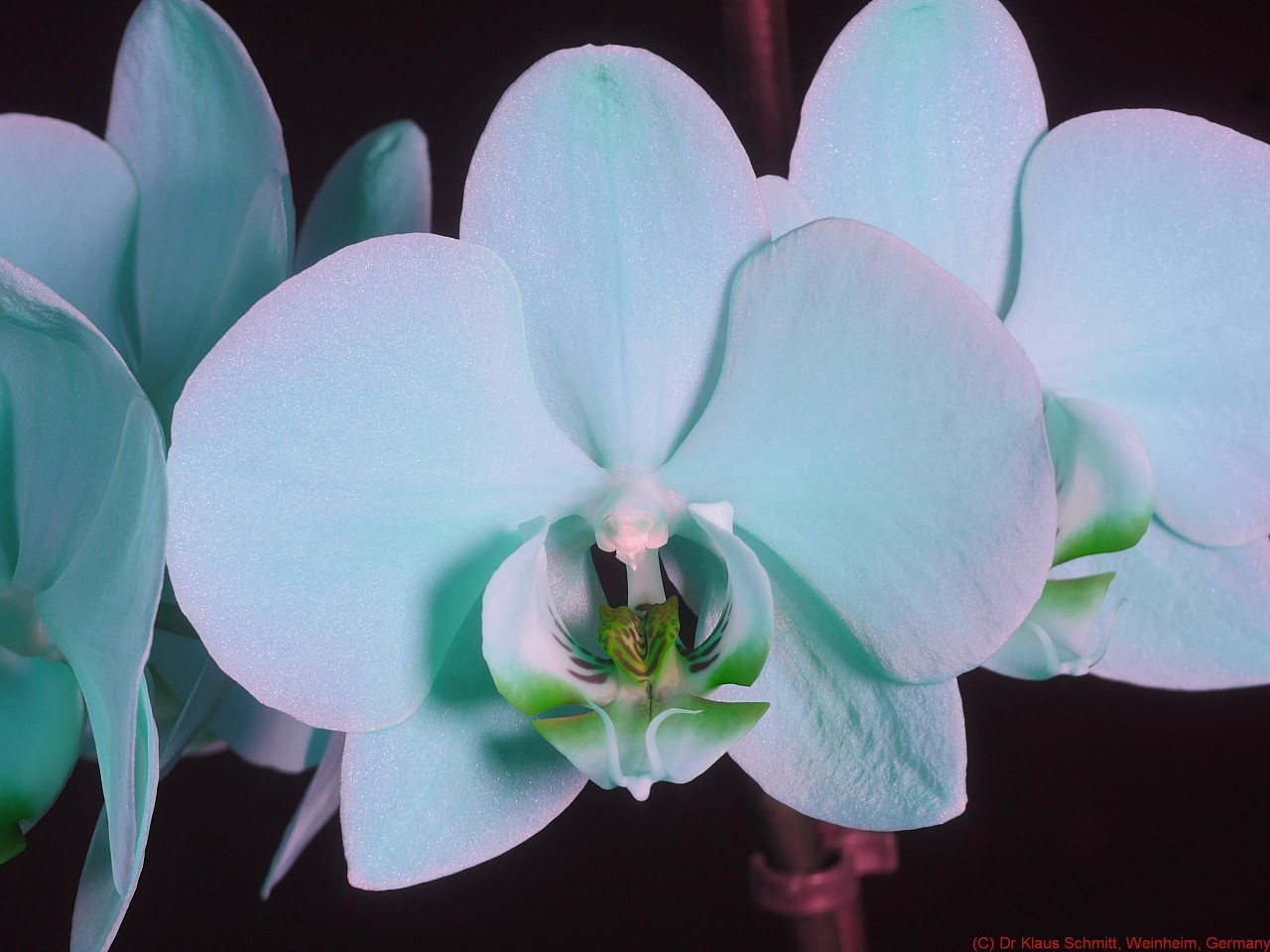
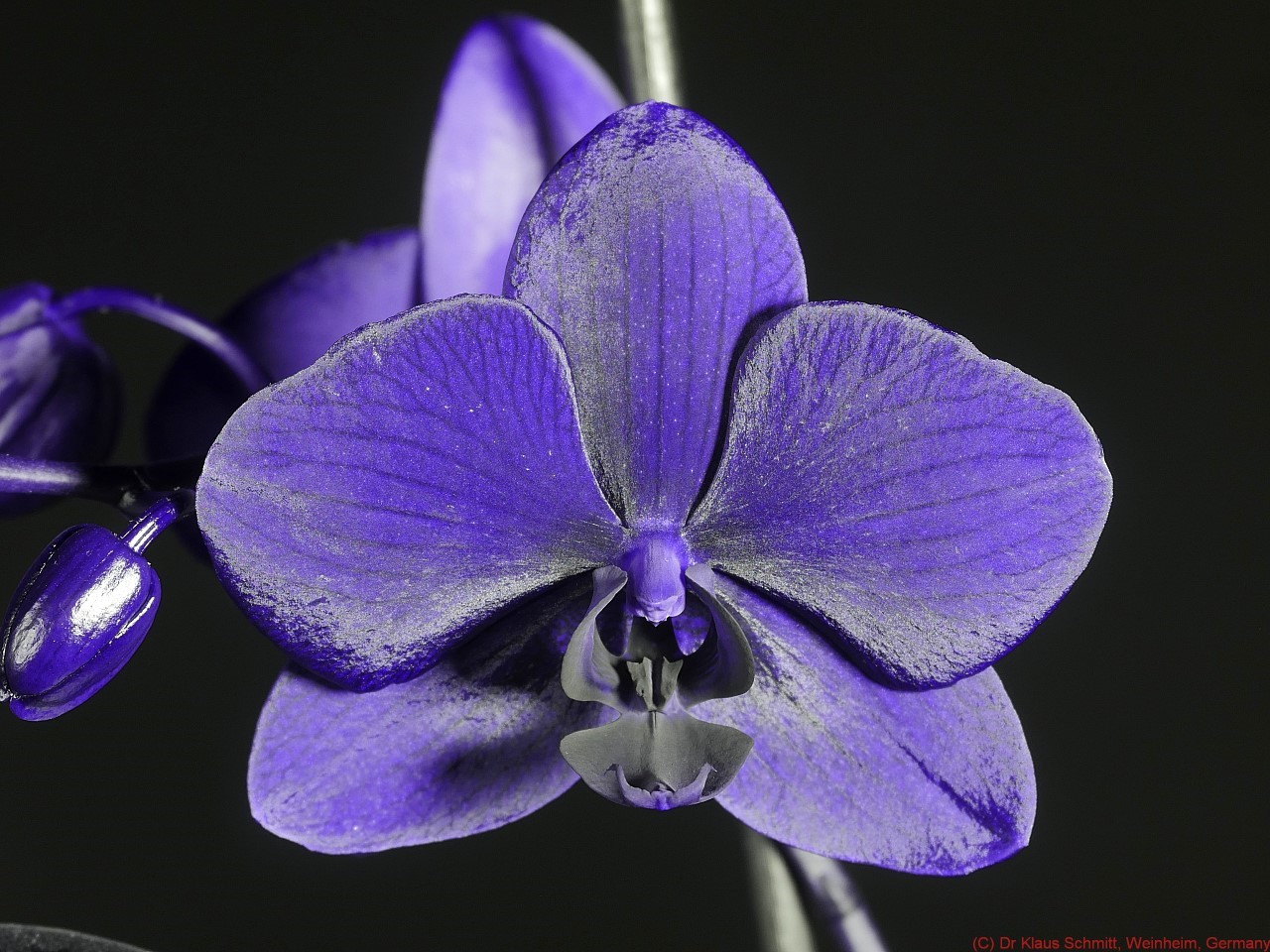
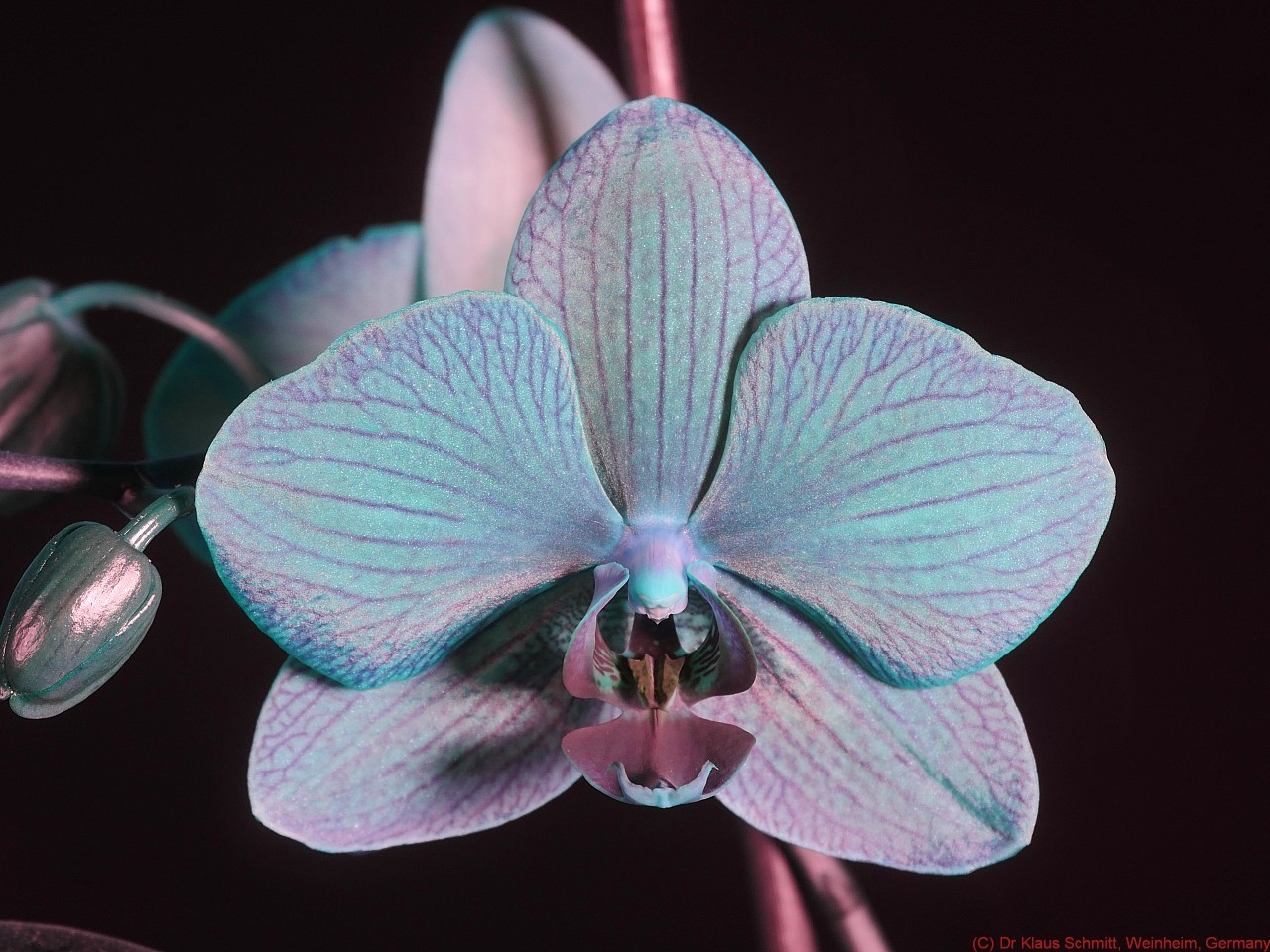
Moth orchid - Phalaenopsis in reflected ultraviolet photography and simulated butterfly and bee vision using a UV-Nikkor 105mm lens V

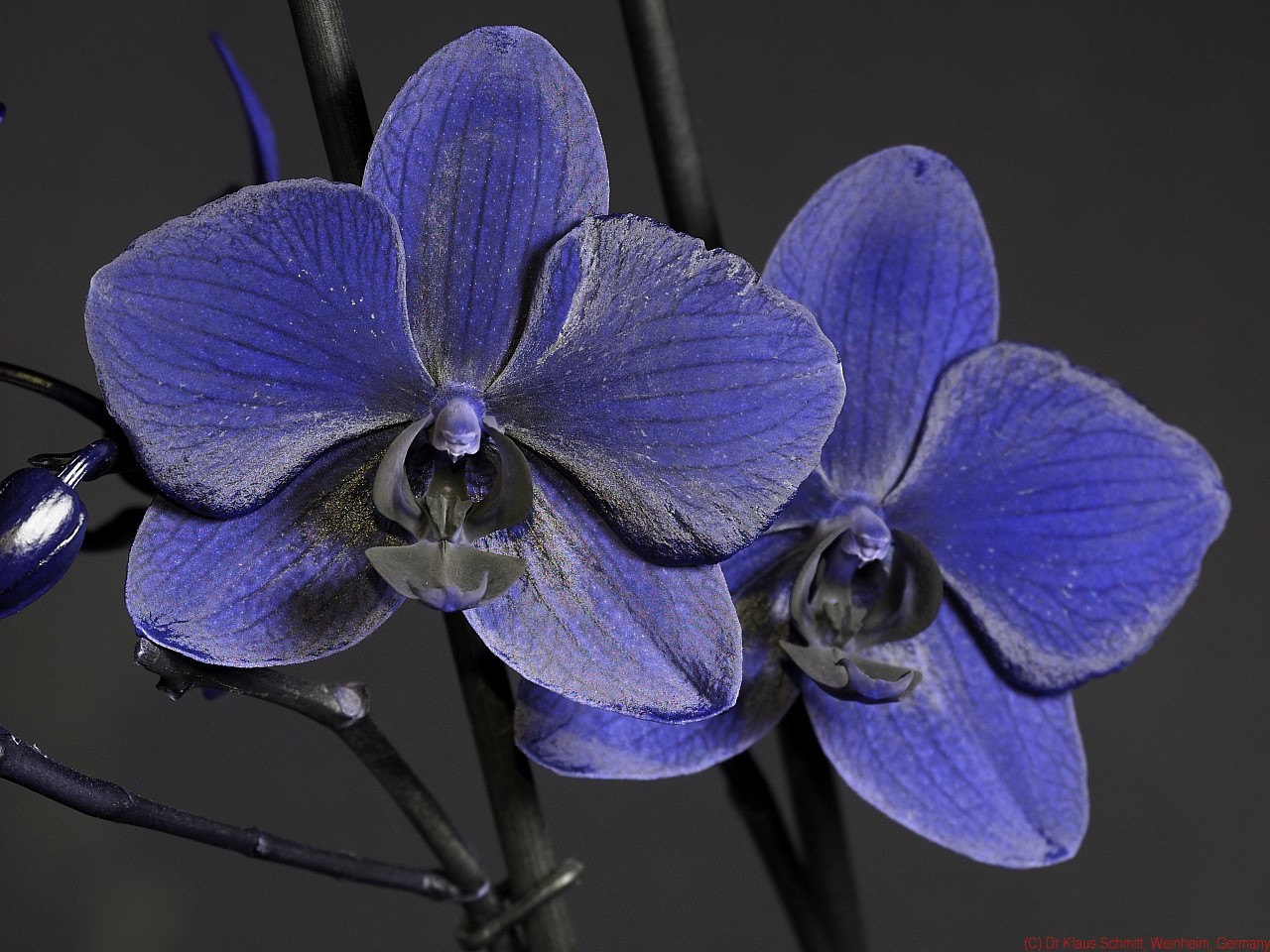
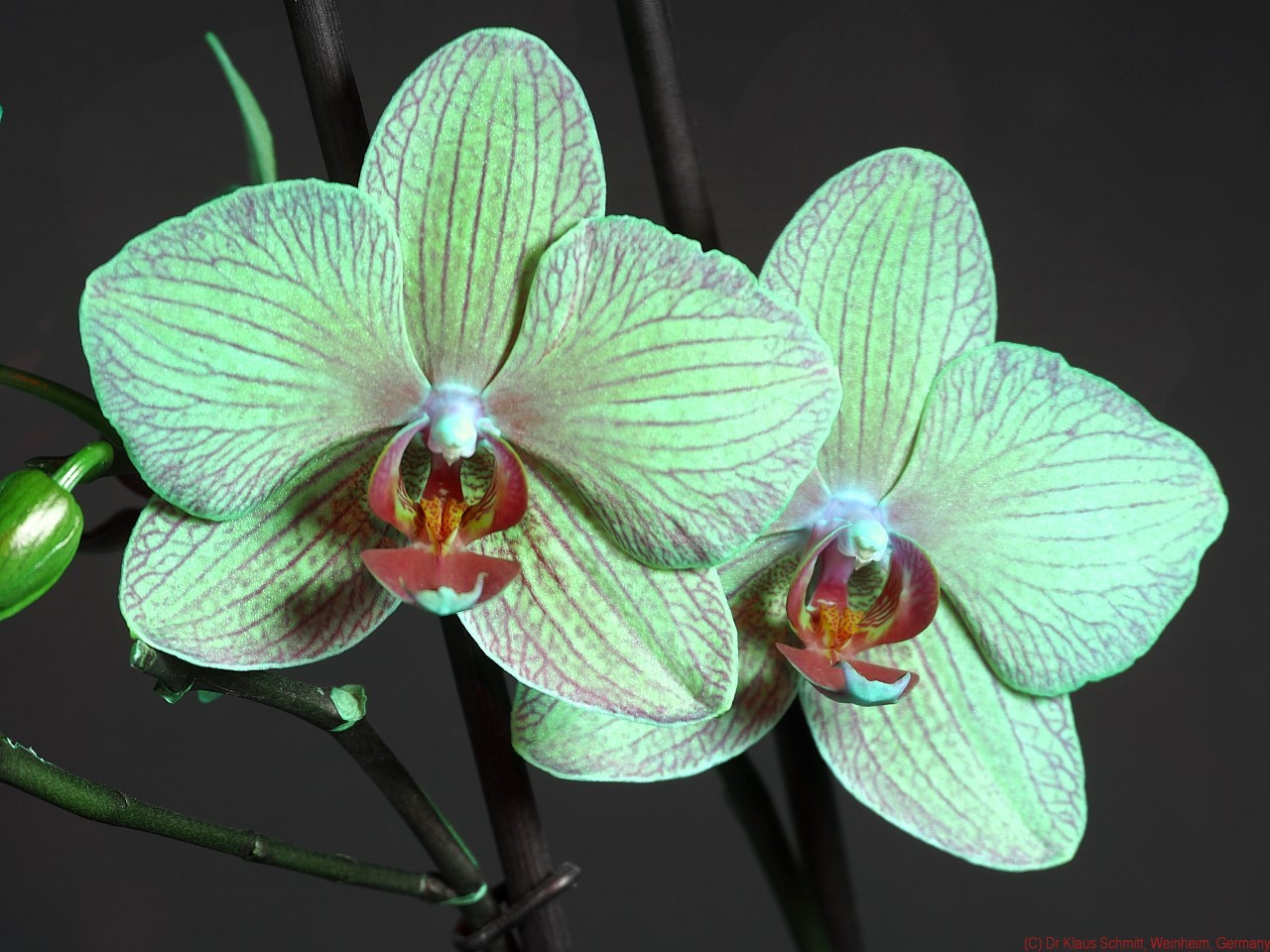
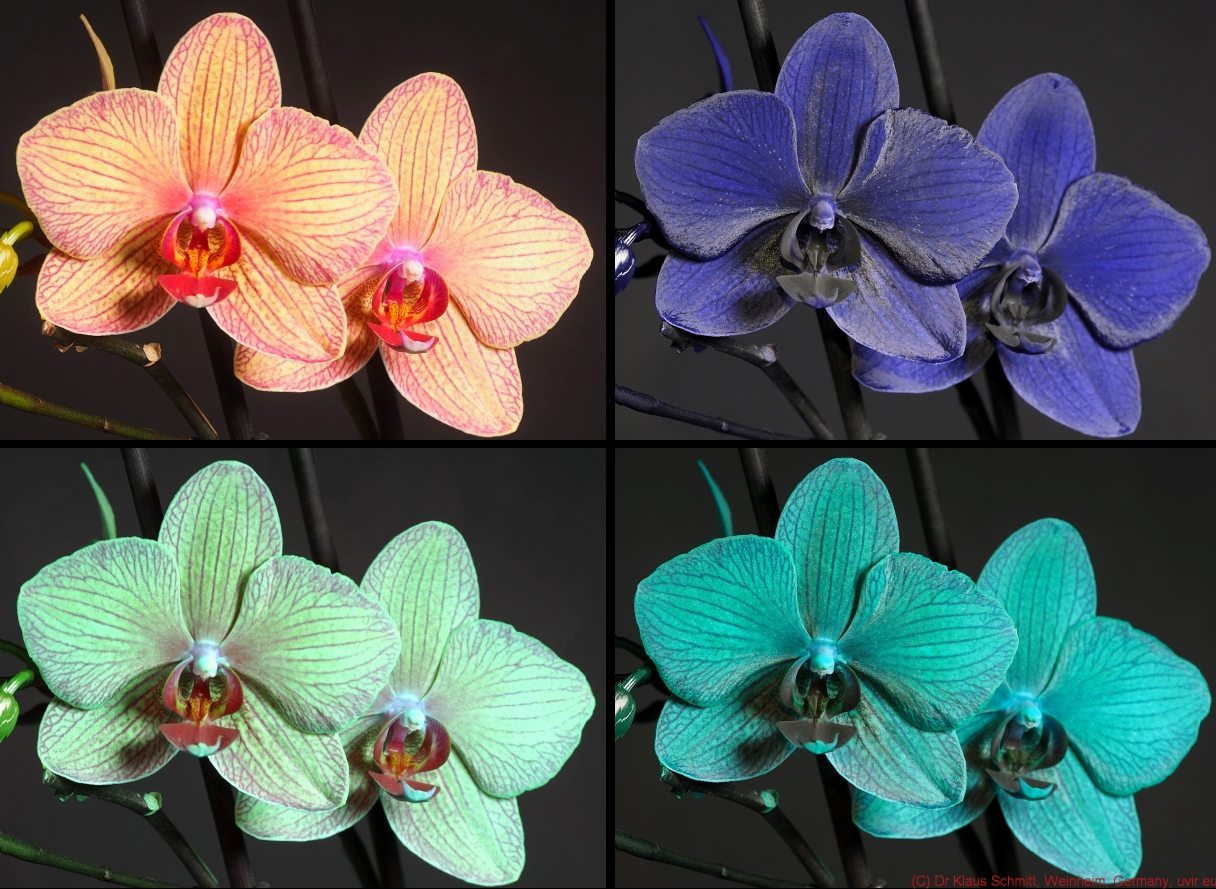
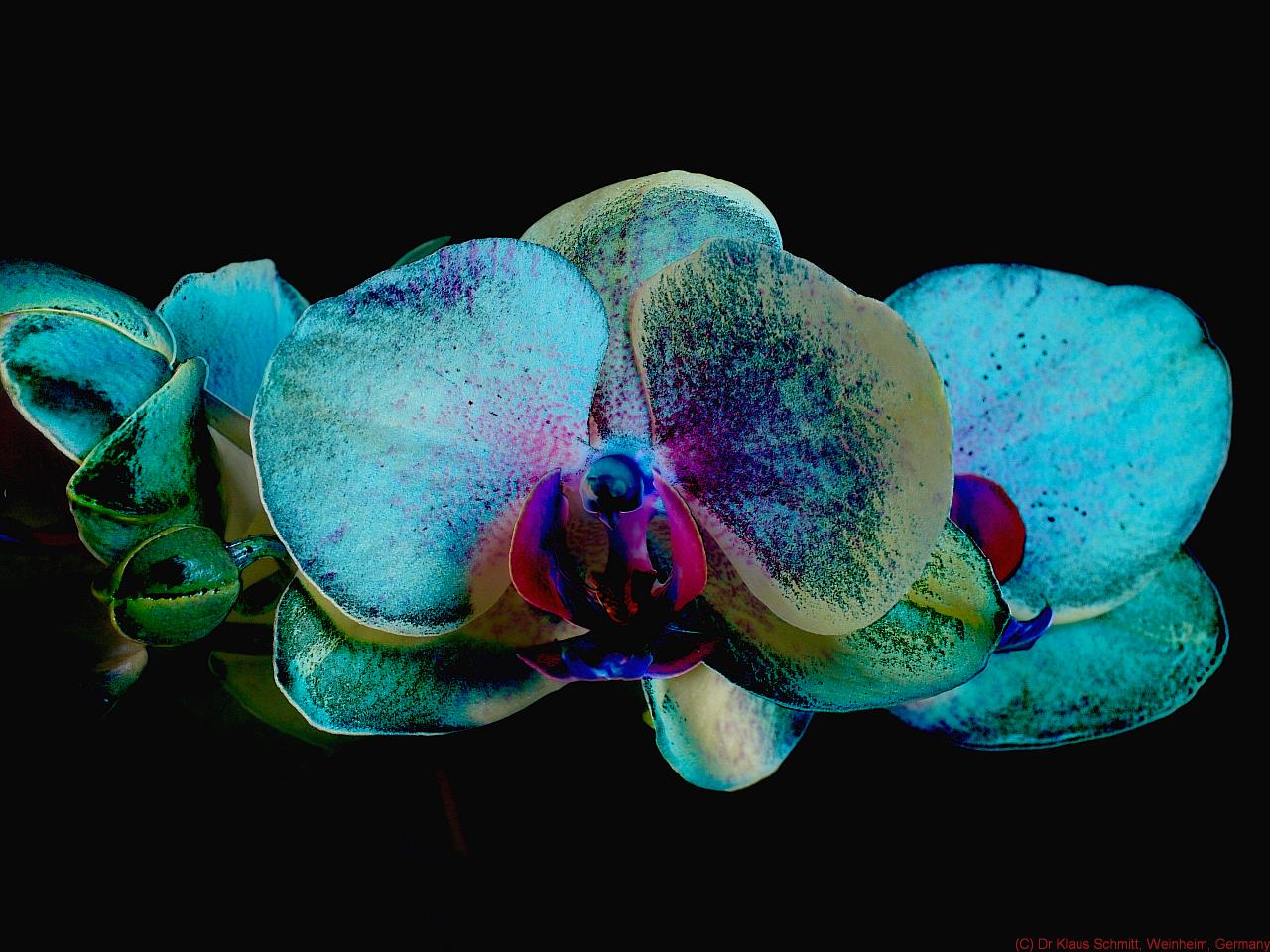
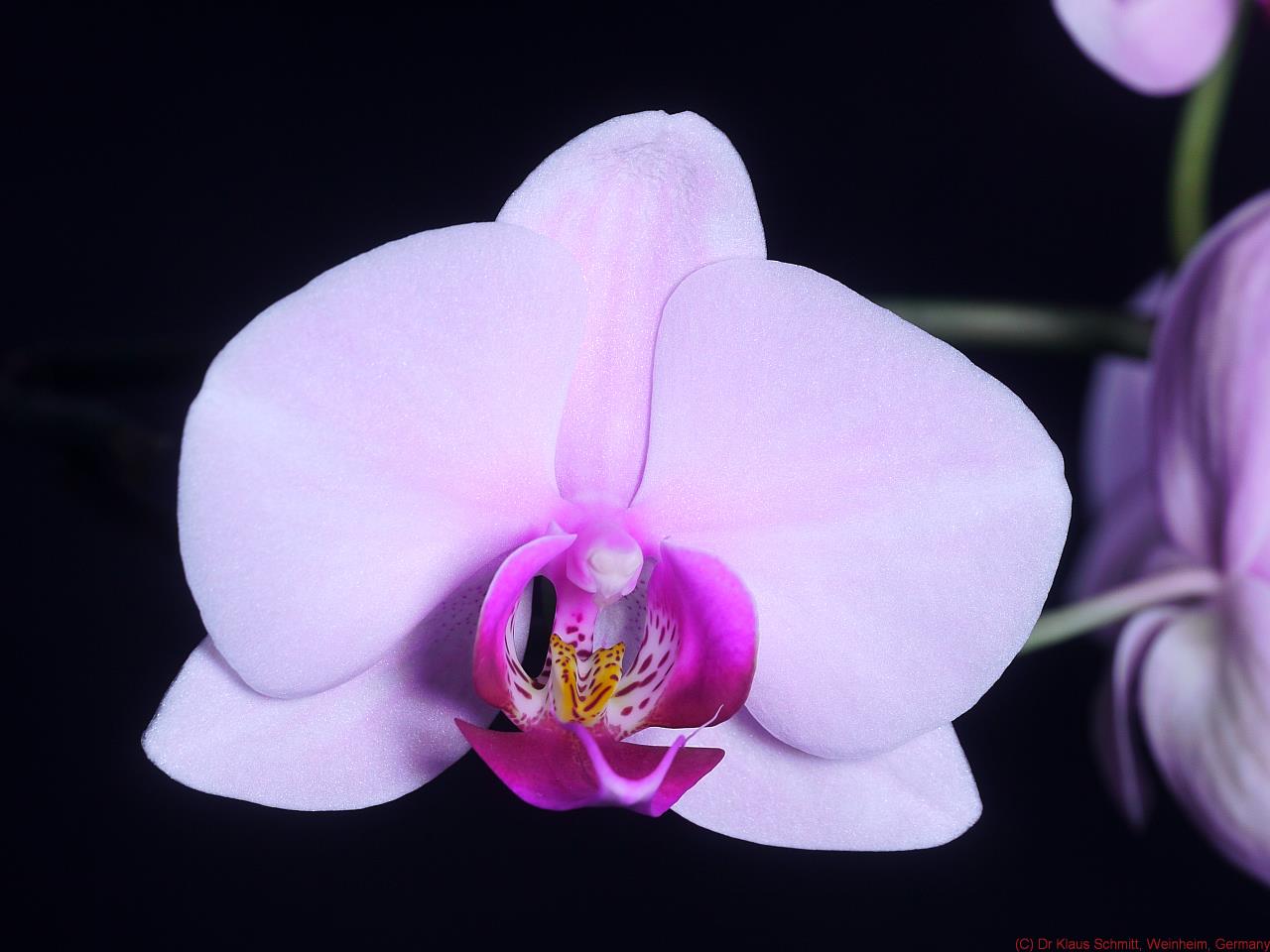
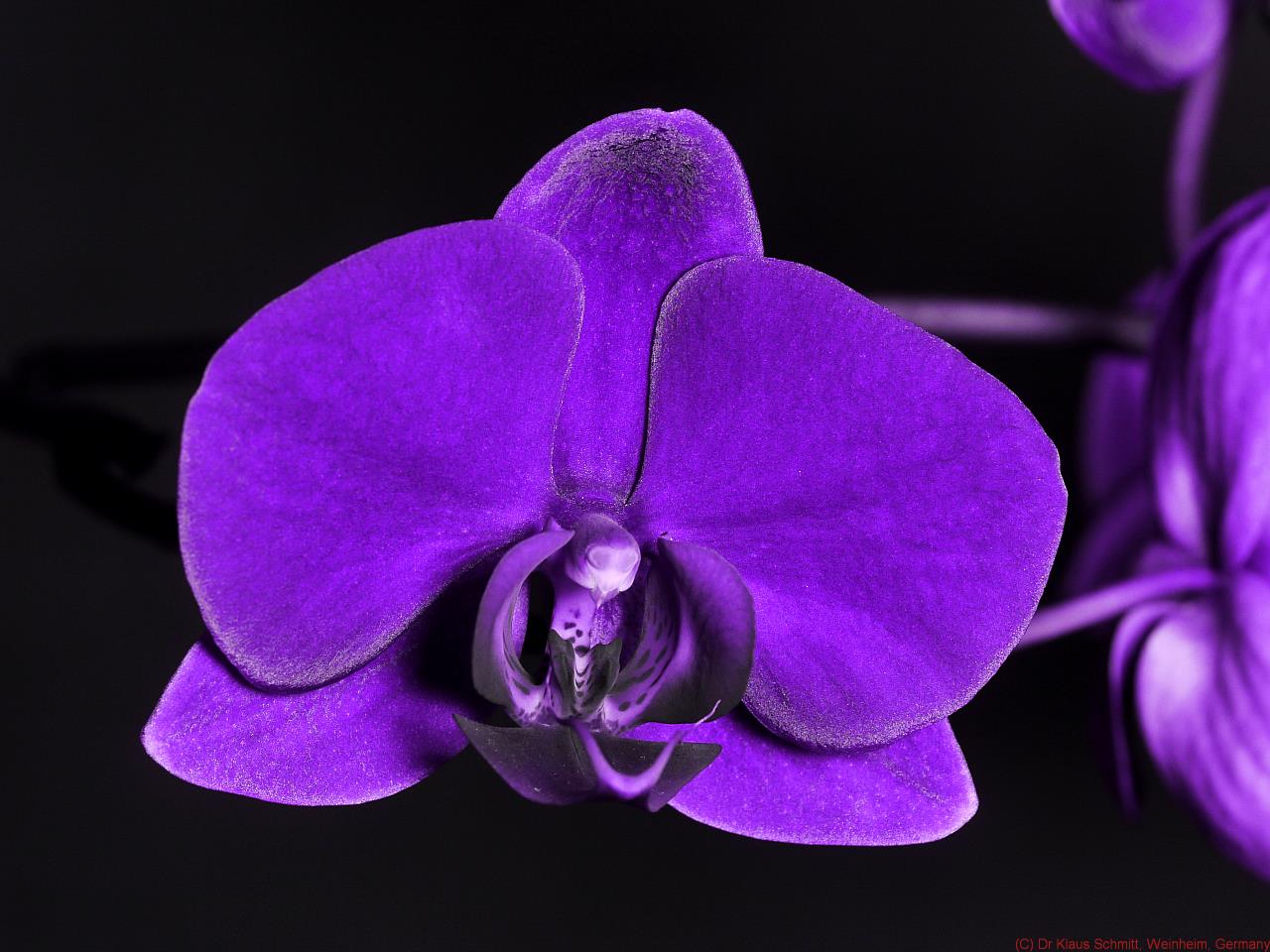
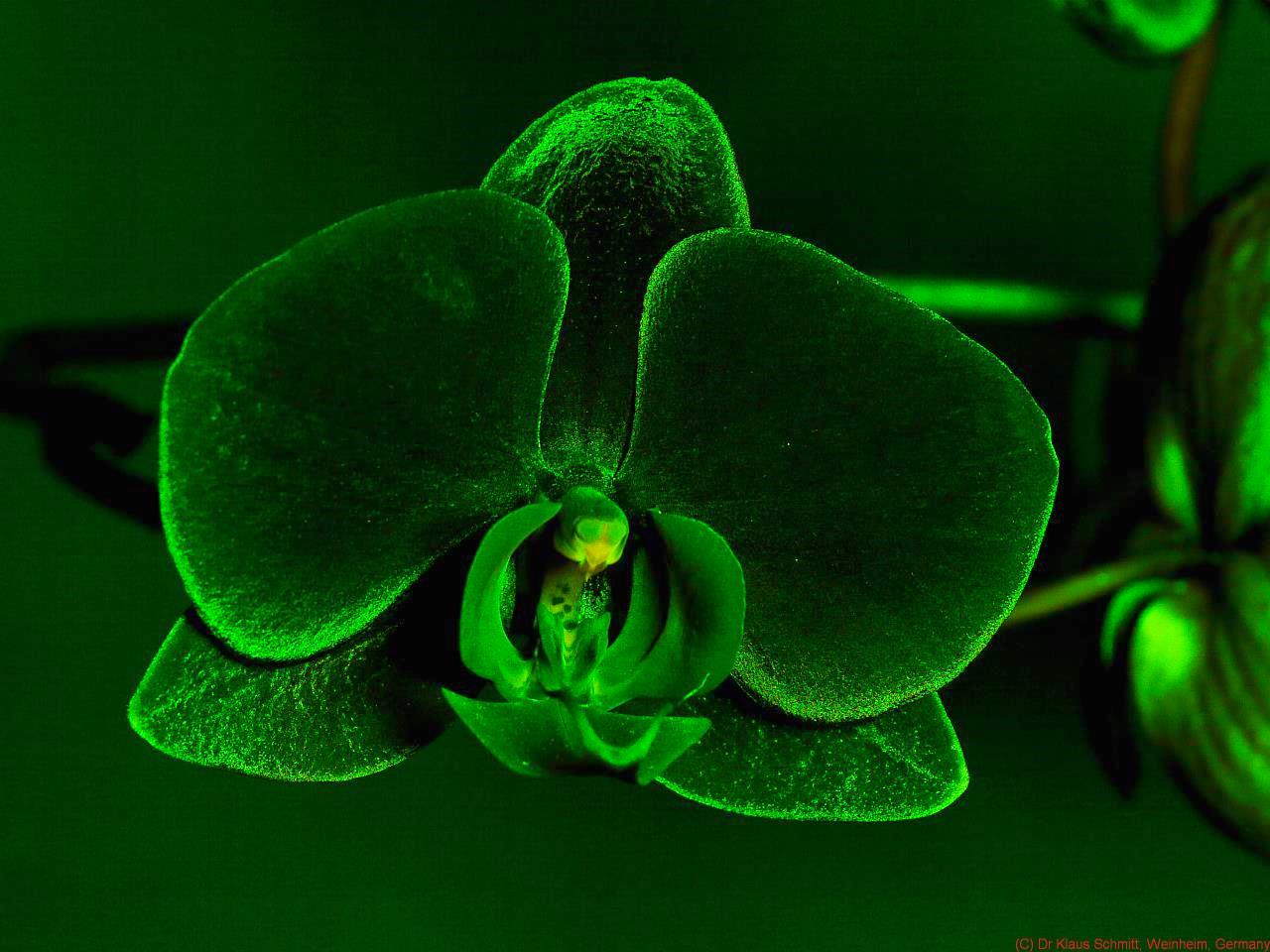
Today in February 2024 some studio shots of a well known decorative flower, a white Moth orchid - Phalaenopsis in reflected ultraviolet photography using my "work horse" UV filter as well as simulated bee and butterfly vision  shot with my "work horse" UV-Nikkor f4.5/105mm quartz fluorite lens. UV filter used was the Baader-U filter, my "work horse" filter for reflected UV as well as my proprietary XBV filters for simulated bee and butterfly vision. All shots were done at f11. Light source used was a Xenon flash modified for high UV output. 

[click on image to see a larger one]

Human Vision (VIS):
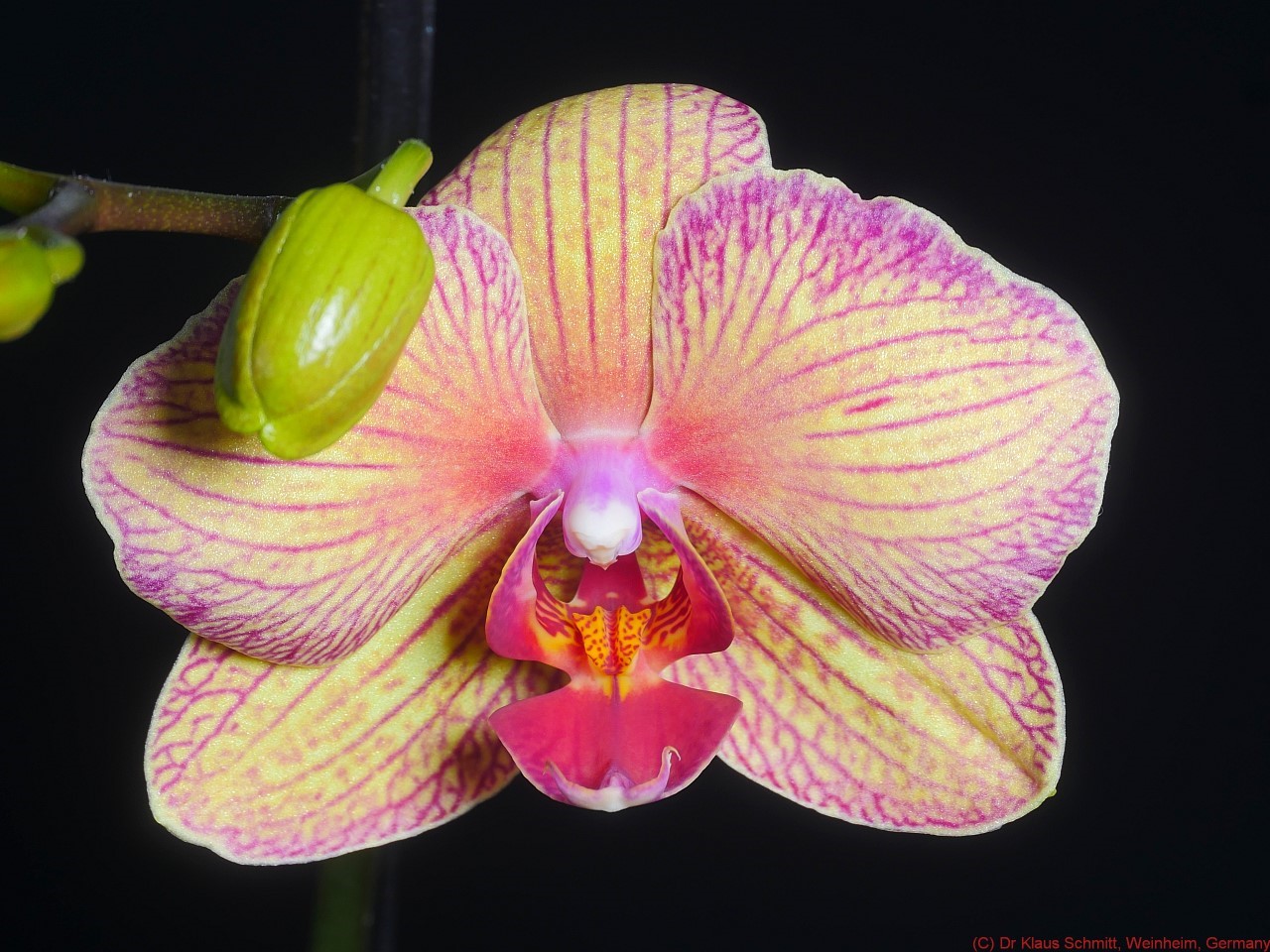
 

Reflected UV (Baader-U):
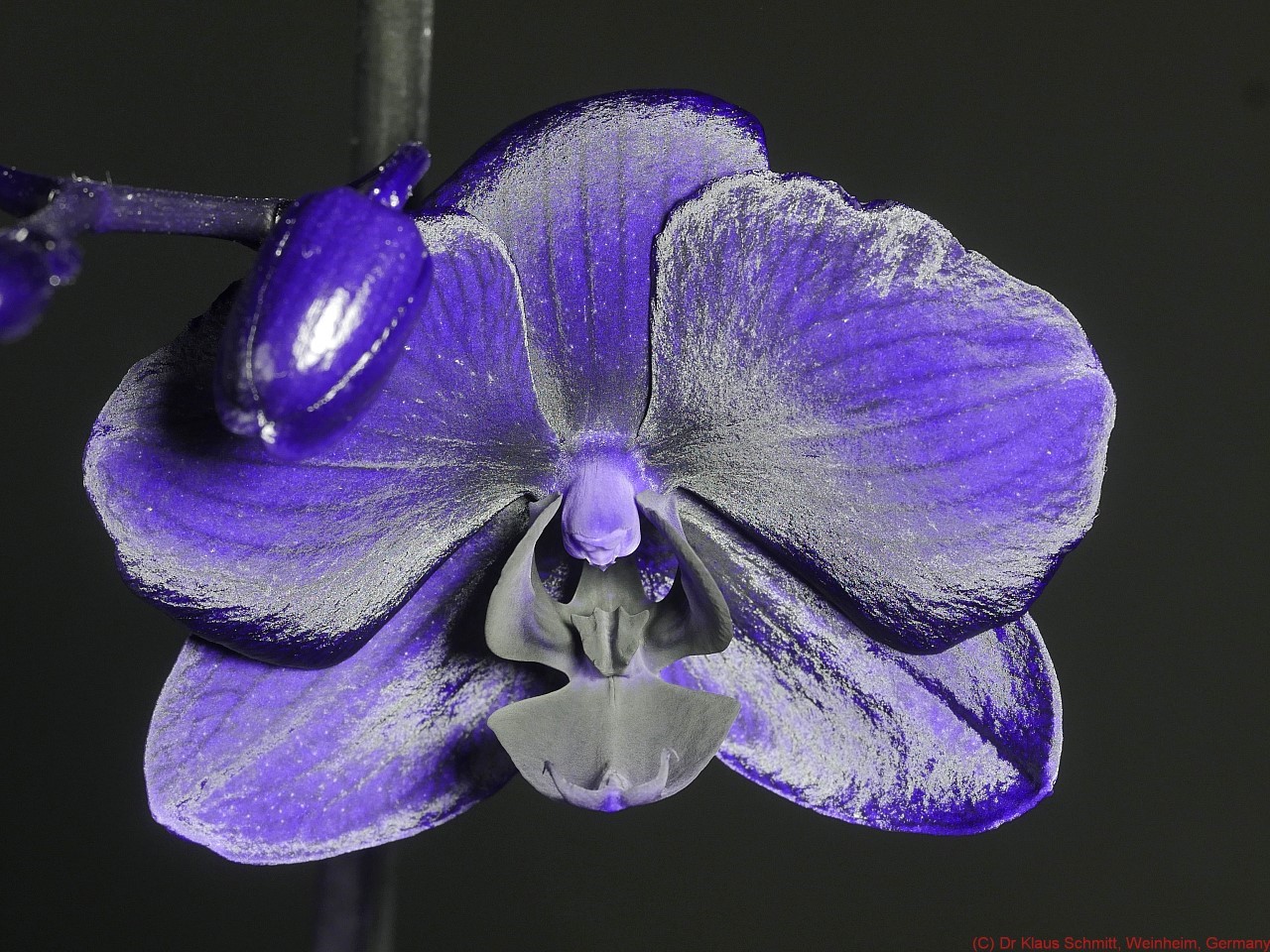
 

Simulated Bee Vision:
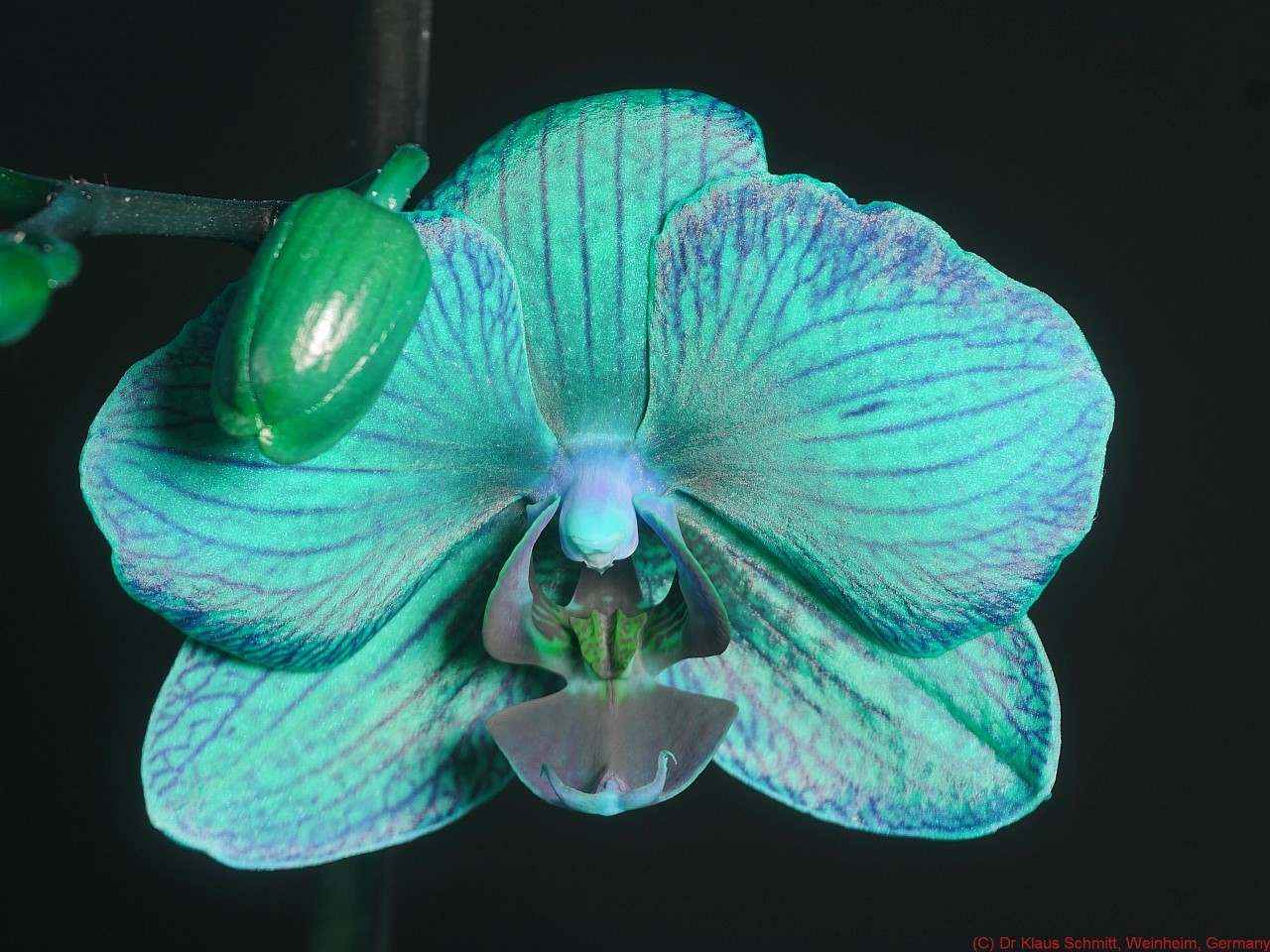
 

Simulated Butterfly Vision:
 

Quadriptych of human vision, UV, simulated bee and butterfly vision (left to right, top to bottom):
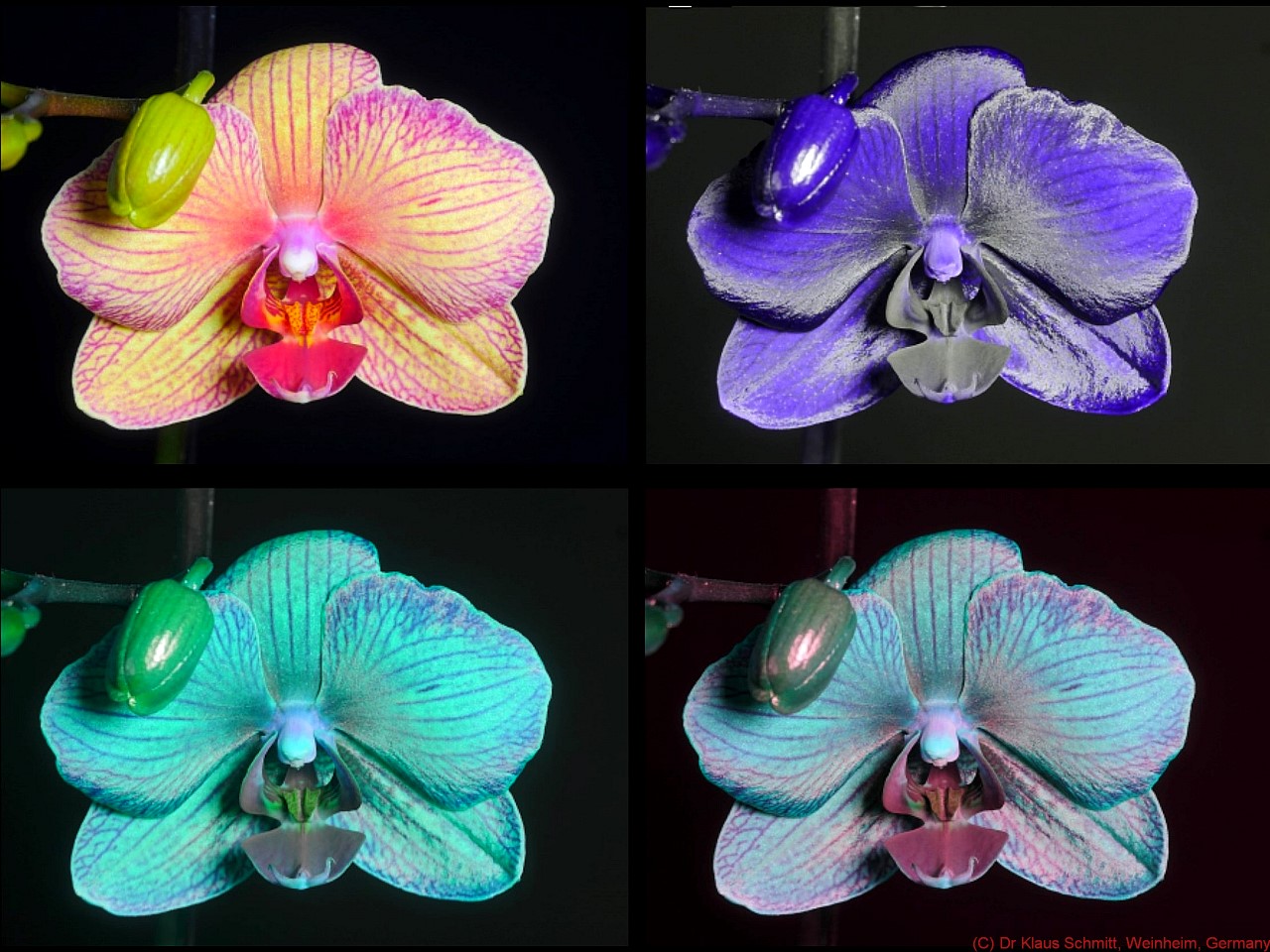
 

This orchid has not a very specific UV pattern, its petals are UV reflective around 380nm, but its middle tip (column and gymnostemium) have a rather UV bright spot reflecting around 370nm surrounded by an UV-dark area which gets nicely visible.

The UV-Nikkor 105mm lens is known to be a very well working one for multispectral imaging w/o focus shift, with a nice 1:2 close up focusing capability from infinity up to 48cm (0.48 meter). Sharpness is very good and so is its contrast, even from f4.5 onwards. With a Nikon PN-11 extension tube of 52.5mm length it reaches 1:1 (1x) magnification. It has the standard Nikon-F mount, and it covers full format sensors (41mm image diameter). It is defined to reach down to 190nm and up to 1300nm in near infrared; my measured transmission spectra of it may be seen here.

I have written more about this orchid HERE

Stay tuned, more will follow on that fascinating subject...

More info on this very interesting field may be found on my site http://www.pbase.com/kds315/uv_photos

Sunday, January 15, 2023

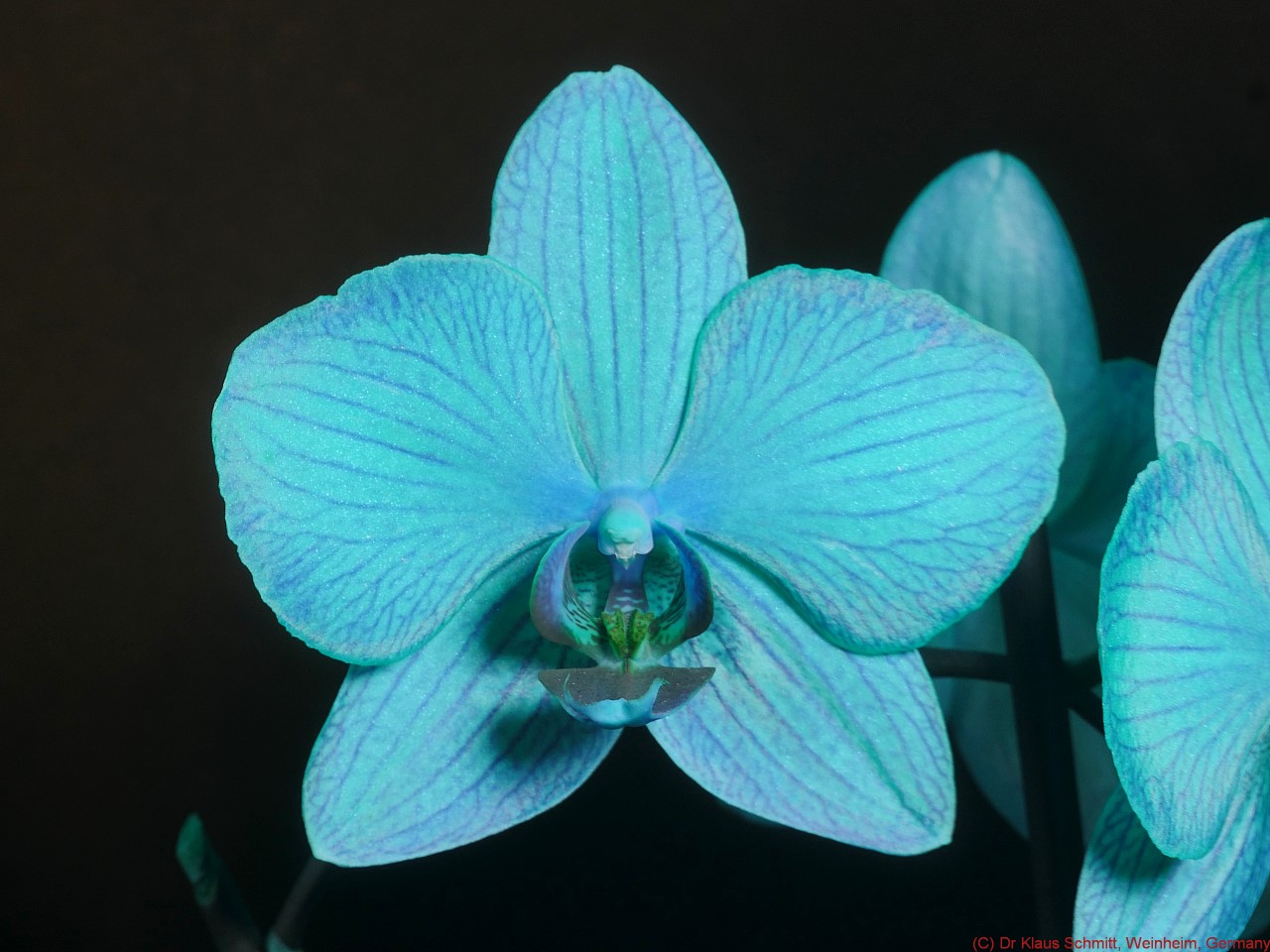
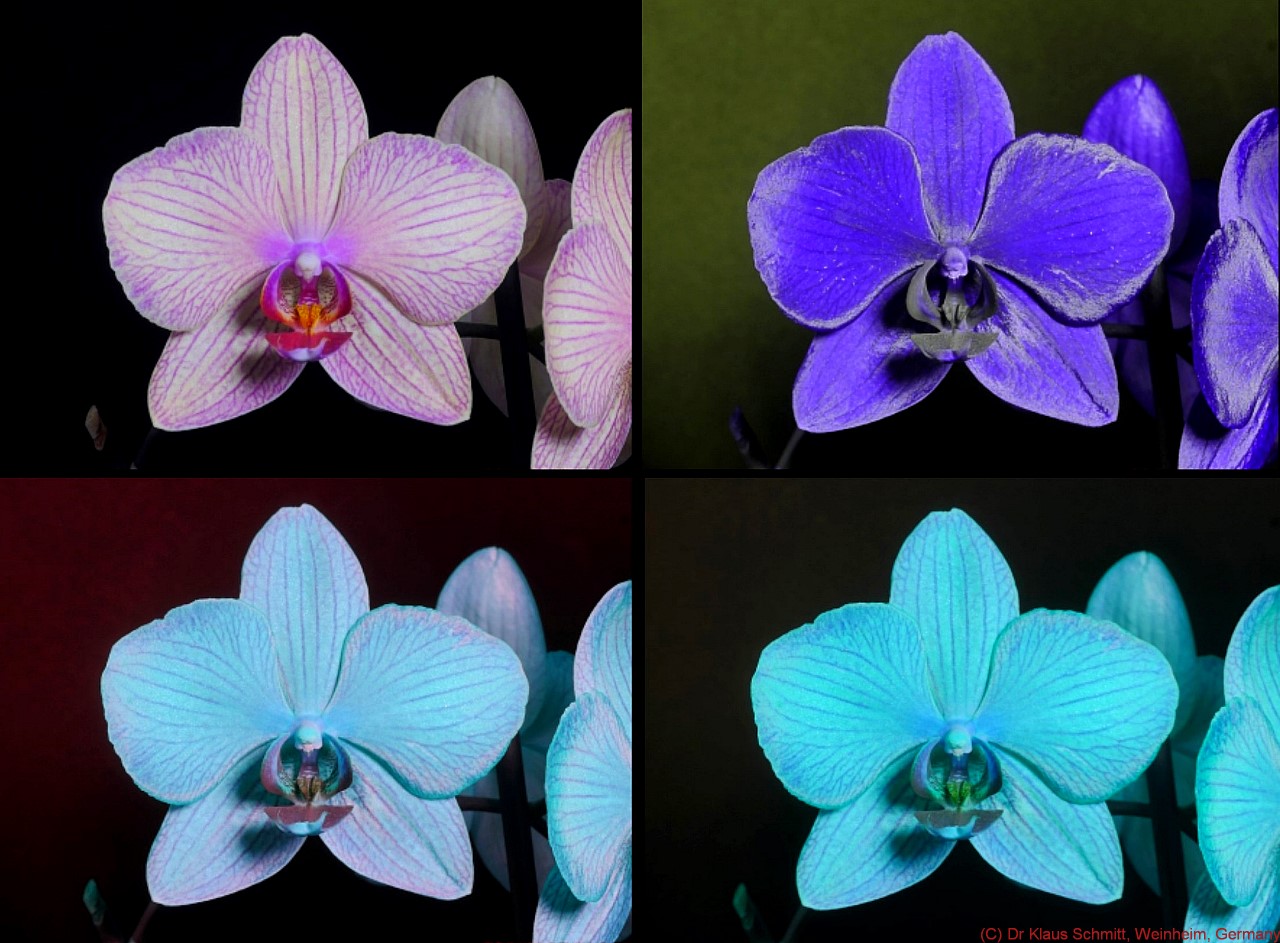
Moth orchid - Phalaenopsis in reflected ultraviolet photography and simulated butterfly and bee vision using a UV-Nikkor 105mm lens IV

Today in January 2023 some studio shots of a well known decorative flower, a white Moth orchid - Phalaenopsis in reflected ultraviolet photography using my "work horse" UV filter as well as simulated bee and butterfly vision  shot with my "work horse" UV-Nikkor f4.5/105mm quartz fluorite lens. UV filter used was the Baader-U filter, my "work horse" filter for reflected UV as well as my proprietary XBV filters for simulated bee and butterfly vision. All shots were done at f11. Light source used was a Xenon flash modified for high UV output. 

[click on image to see a larger one]

Human Vision (VIS):
 

Reflected UV (Baader-U):
 

Simulated Butterfly Vision:
 

Simulated Bee Vision:
 

Quadriptych of human vision, UV, simulated bee and butterfly vision (left to right, top to bottom):
 

This orchid has not a very specific UV pattern, its petals are UV reflective around 380nm, but its middle tip (column and gymnostemium) have a rather UV bright spot reflecting around 370nm surrounded by an UV-dark area which gets nicely visible.

The UV-Nikkor 105mm lens is known to be a very well working one for multispectral imaging w/o focus shift, with a nice 1:2 close up focusing capability from infinity up to 48cm (0.48 meter). Sharpness is very good and so is its contrast, even from f4.5 onwards. With a Nikon PN-11 extension tube of 52.5mm length it reaches 1:1 (1x) magnification. It has the standard Nikon-F mount, and it covers full format sensors (41mm image diameter). It is defined to reach down to 190nm and up to 1300nm in near infrared; my measured transmission spectra of it may be seen here.

I have written more about this orchid HERE

Stay tuned, more will follow on that fascinating subject...

More info on this very interesting field may be found on my site http://www.pbase.com/kds315/uv_photos

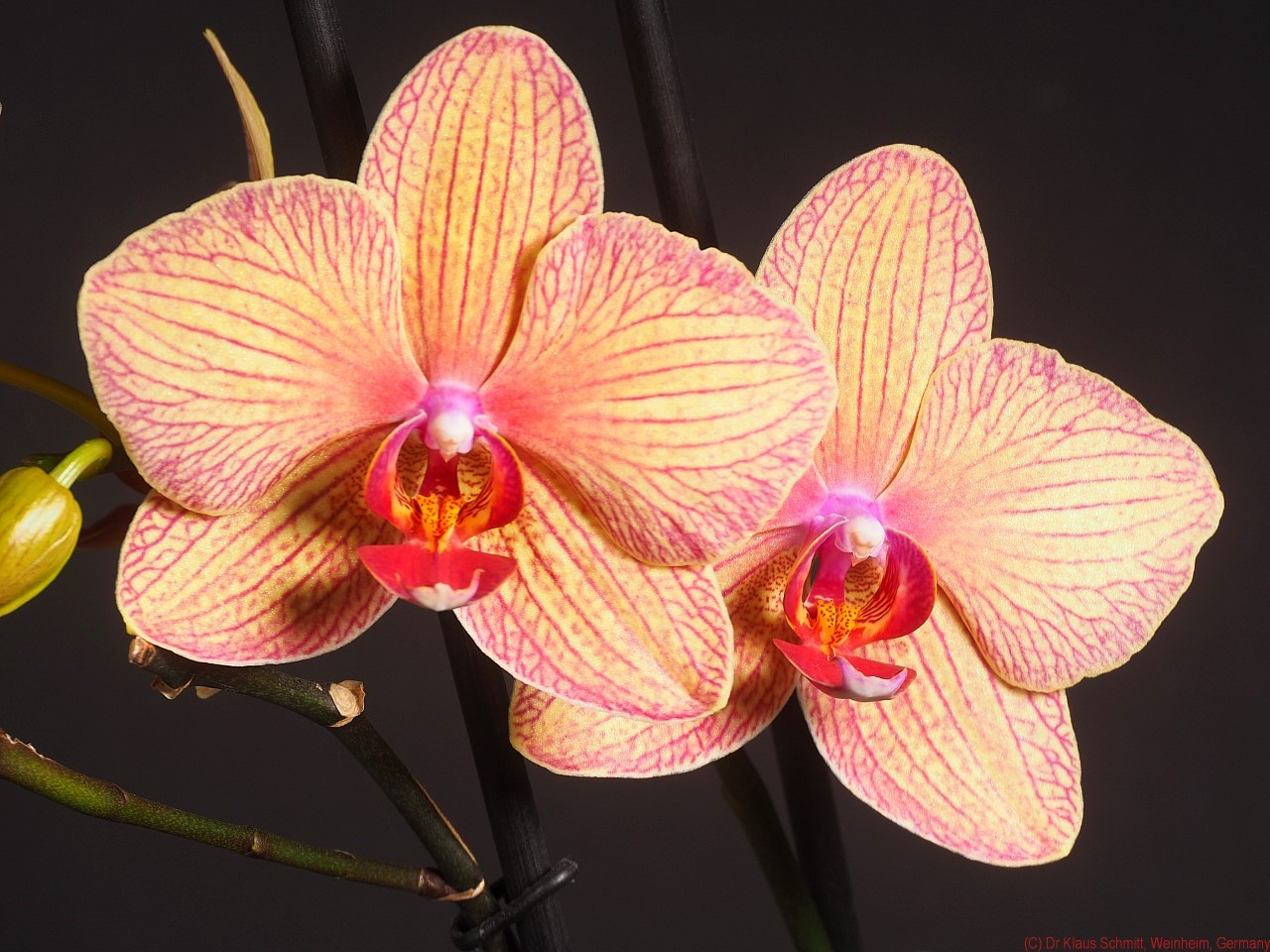
Moth orchid - Phalaenopsis in reflected ultraviolet photography and simulated butterfly and bee vision using a UV-Nikkor 105mm lens III

Today in January 2023 some studio shots of a well known decorative flower, a yellow-orange Moth orchid - Phalaenopsis in reflected ultraviolet photography using my "work horse" UV filter as well as simulated bee and butterfly vision  shot with my "work horse" UV-Nikkor f4.5/105mm quartz fluorite lens. UV filter used was the Baader-U filter, my "work horse" filter for reflected UV as well as my proprietary XBV filters for simulated bee and butterfly vision. All shots were done at f11. Light source used was a Xenon flash modified for high UV output. 

[click on image to see a larger one]

Human Vision (VIS):
 

Reflected UV (Baader-U):
 

Simulated Butterfly Vision:
 

Simulated Bee Vision:
 

Quadriptych of human vision, UV, simulated bee and butterfly vision (left to right, top to bottom):
 

This orchid has not a very specific UV pattern, its petals are UV reflective around 380nm, but its middle tip (column and gymnostemium) have a rather UV bright spot reflecting around 370nm surrounded by an UV-dark area which gets nicely visible.

The UV-Nikkor 105mm lens is known to be a very well working one for multispectral imaging w/o focus shift, with a nice 1:2 close up focusing capability from infinity up to 48cm (0.48 meter). Sharpness is very good and so is its contrast, even from f4.5 onwards. With a Nikon PN-11 extension tube of 52.5mm length it reaches 1:1 (1x) magnification. It has the standard Nikon-F mount, and it covers full format sensors (41mm image diameter). It is defined to reach down to 190nm and up to 1300nm in near infrared; my measured transmission spectra of it may be seen here.

I have written more about this orchid HERE

Stay tuned, more will follow on that fascinating subject...

More info on this very interesting field may be found on my site http://www.pbase.com/kds315/uv_photos
Sunday, March 21, 2021

Moth orchid - Phalaenopsis in reflected ultraviolet photography and simulated butterfly and bee vision using a UV-Nikkor 105mm lens II

Today in March 2021 studio shots of a decorative flower, Moth orchid - Phalaenopsis in reflected ultraviolet photography using my "work horse" UV filter as well as simulated bee and butterfly vision  shot with my "work horse" UV-Nikkor f4.5/105mm quartz fluorite lens. UV filter used was the Baader-U filter, my "work horse" filter for reflected UV as well as my proprietary XBV filters for simulated bee and butterfly vision. All shots were done at f11. Light source used was a modified for high UV output Xenon flash. I have additionally used a 365nm UV LED for better focusing.

[click on image to see a larger one]

Human Vision (VIS):
 

Reflected UV (Baader-U):
 

Simulated Butterfly Vision:
 

Simulated Bee Vision:
 

Quadriptych of human vision, UV, simulated butterfly and bee vision (left to right, top to bottom):
 

This orchid has not a very specific UV pattern, its petals are UV reflective around 380nm, but its middle tip (column and gymnostemium) have a rather UV bright spot reflecting around 370nm which gets nicely visible.

The UV-Nikkor 105mm lens is known to be a very well working one, with a nice close up 1:2 focus capability from infinity up to 48cm (0.48 meter). Sharpness is very good and so is contrast, even from f4.5 onwards. With a Nikon PN-11 extension tube of 52.5mm length it reaches 1:1 (1x) magnification. It has the standard Nikon-F mount, and it covers full format sensors (41mm image diameter). It is defined to reach down to 190nm and up to 1300nm in near infrared; my measured transmission spectra of it may be seen here.

I have written more about this orchid HERE

Stay tuned, more will follow on that fascinating subject...

More info on this very interesting field may be found on my site http://www.pbase.com/kds315/uv_photos
Monday, January 9, 2017

Moth orchid - Phalaenopsis in reflected ultraviolet photography and simulated butterfly and bee vision

Today studio shots of a decorative flower, Moth orchid - Phalaenopsis in reflected ultraviolet photography using my "work horse" UV filter, the Baader-U filter, as well as in simulated butterfly and bee vision using my proprietary XBV filters. Lens was my UV-Nikkor 105mm quartz flourite lens. All shots were done at about f8. Light source was a modified Xenon flash, background was dark gray. [These shots were done with a new camera system and are available on request in very high resolution (40 and 60 Mp)]

[click on image to see a larger one]

Visible light image
 

UV image using Baader-U filter:
  

Simulated butterfly vision image:
  

Simulated bee vision image:
  

Quadriptych of human vision, UV, and simulated butterfly and bee vision (left to right, top to bottom):
 

This attractive flower shows a not so prominent UV pattern around its labellum , and all this gets nicely visible also in simulated butterfly and bee vision.

Stay tuned, more will follow on that fascinating subject...

Tuesday, March 12, 2013

35mm BESLAR enlarger lens for reflected UV photography

Today again about a simple, but as it turned out, quite UV capable BESLAR f3.5/35mm enlarger lens. I have done a similar enlarger lens comparison for a 100mm lens here and here and a comparison for 50mm lenses previously here. I'm using a yellow/red Phalaenopsis flower for that and my "work horse" UV filter, the Baader-U filter plus the deeper reaching Jupiter-U filter. Light source was an UV enhanced Xenon flash. All shots were done at f8 and are presented in a side-a-side format for easier comparison.

[click on image to see a larger one]

Images showing on the left a visible light image and on the right using the Baader-U filter (approx. 320-395nm, effective peak approx. 375nm):
 

UV images using shown on the left the Baader-U filter (approx. 320-395nm, effective peak approx. 375nm) and on the right my Jupiter-U filter (approx. 280-385nm, effective peak approx. 365nm):
 

UV detail images using shown on the left the Baader-U filter (approx. 320-395nm, effective peak approx. 375nm) and on the right my Jupiter-U filter (approx. 280-385nm, effective peak approx. 365nm):
 

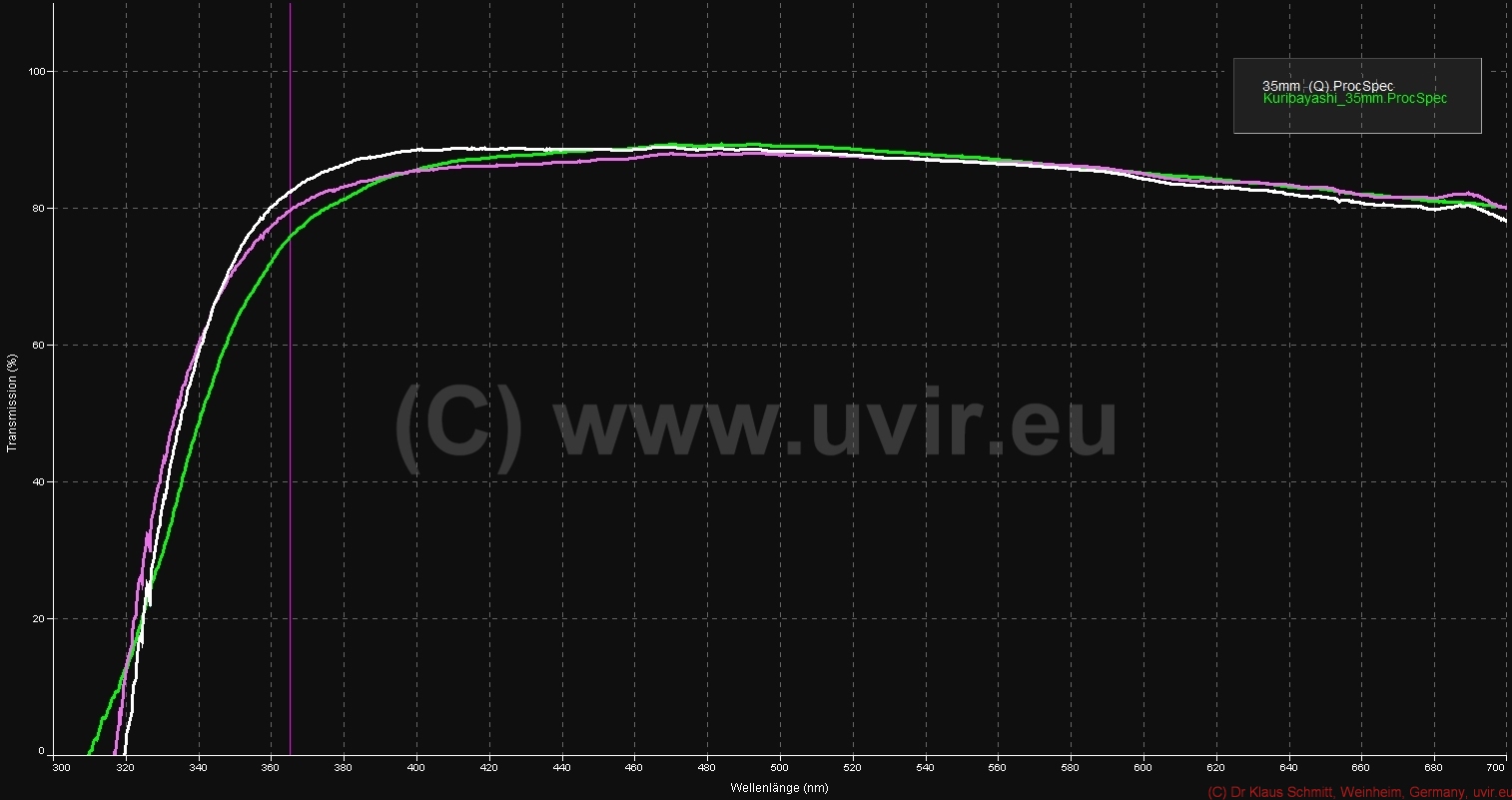
Transmission graph:
 

Well, this little enlarger lens performs acceptably well, seemingly has quite a high UV transmission of about 80% and quite a deep reach into the UV region to about 320nm (white line), compared to my new standard 35mm lens (green line), the Kuribayashi 35mm. I also tested a rebadged version under a different moniker (pink line) which seems to perform about identical.


Stay tuned, more will follow on that fascinating subject...

More info on this very interesting field may be found on my site http://www.pbase.com/kds315/uv_photos

Saturday, February 23, 2013

Quartz fluorite lens vs 100mm Focotar enlarger lenses for reflected UV photography III

Today again about comparing a quartz fluorite lens with two conventional, but UV capable enlarger lenses. I have done a similar comparison for a 100mm lens here and here and a comparison for 50mm lenses previously here. I'm using a yellow/red Phalaenopsis flower for that and my "work horse" UV filter, the Baader-U filter plus the deeper reaching Jupiter-U filter. Lenses used are a CERCO 94mm quartz fluorite lens as well as two different 100mm Focotar enlarger lenses. Light source was an UV enhanced Xenon flash. All shots were done at f8 and are presented in a side-a-side format for easier comparison. CERCO lens is leftmost.

[click on image to see a larger one]

Visible light images:
 

UV images using Baader-U filter (approx. 320-395nm, effective peak approx. 375nm):
 

UV images using Jupiter-U filter (approx. 280-385nm, effective peak approx. 365nm):
 

It gets pretty obvious that both enlarger lenses reach quite close to the quartz fluorite lens, but neither can't quite beat it in terms of sharpness + contrast. Admittedly both are quite close. Both enlarger lenses have a very small and nearly neglectable focus shift, 0.45% (middle lens) and 0.46% (right lens). I rate them very useful lenses and the best I have found so far!


Stay tuned, more will follow on that fascinating subject...

More info on this very interesting field may be found on my site http://www.pbase.com/kds315/uv_photos

Wednesday, February 6, 2013

Zeiss UV-Planar 60mm lens vs 60mm enlarger lens for reflected UV photography

Today about comparing a special UV lens with a conventional, but UV capable enlarger lens. I have done a similar comparison previously here and here. I'm using a beautiful yellow/red Phalaenopsis flower, for that as well as my "work horse" UV filter, the Baader-U filter. Lenses used are a Zeiss UV-Planar 4/60mm as well as a capable for UV 4.5/60mm enlarger lens that will be revealed here later. Light source was an UV enhanced Xenon flash. All shots done at f8.

[click on image to see a larger one]

Visible light image for comparison:
 

1) UV Planar f4/60mm: "standard" UV image using Baader-U filter:
 

2) Enlarger lens: "standard" UV image using Baader-U filter:
 

It gets pretty obvious that this enlarger lens reaches close to the UV-Planar lens, yet it is quite a bit away in terms of sharpness + contrast. But it is a capable lens it seems. Quite a useful lens!


Stay tuned, more will follow on that fascinating subject...

More info on this very interesting field may be found on my site http://www.pbase.com/kds315/uv_photos

Monday, February 4, 2013

50mm Hamamatsu Quartz fluorite lens vs D.O. Industries enlarger lens for reflected UV photography II

Today again about comparing a quartz fluorite lens with a conventional, but UV capable D.O. Industries enlarger lens. I have done a similar comparison previously here. I'm using a beautiful yellow/red Phalaenopsis flower, for that as well as my "work horse" UV filter, the Baader-U filter. Lenses used are a Hamamatsu f3.5/50mm quartz fluorite lens as well as a 4.5/50mm D.O. Industries enlarger lens. Light source was an UV enhanced Xenon flash. All shots done at f8.

[click on image to see a larger one]

Visible light image for comparison:
 

1) Quartz Fluorite lens: "standard" UV image using Baader-U filter:
 

2) Enlarger lens: "standard" UV image using Baader-U filter:
 

UV - VIS differential:
 

It gets pretty obvious that this very affordable D.O. Industries enlarger lens reaches quite close to the quartz fluorite lens, yet can't quite beat it in terms of sharpness + contrast. But it is astonishingly close. Also its focus shift is relatively small, as the differential image clearly shows. Quite a nice lens!

I have written about that enlarger lens before HERE


Stay tuned, more will follow on that fascinating subject...

More info on this very interesting field may be found on my site http://www.pbase.com/kds315/uv_photos
Monday, January 14, 2013

Deep UV reflected photography - Uranus-U filter

Today again about that Phalaenopsis orchid, but this time used as a target for deep UV reflected photography. Usually I use my "work horse" UV filter, the Baader-U filter, but this time also the Saturn-U (300-350nm, eff. 325nm) and Uranus-U (300-325nm, eff. 313nm) filter, the latter newly introduced here now. Lens used was the 94mm CERCO quartz fluorite lens. Light source was a modified for UV high power Xenon flash.

Here now some results: [click on image to see a larger one]

visible light image using UV/IR cut filter:
 

UV image using Baader-U filter (approx. 320-395nm, effective peak approx. 375nm):
 

UV image using Jupiter-U filter (approx. 280-385nm, effective peak approx. 365nm):
 

UV image using Saturn-U filter (approx. 300-350nm, effective peak approx. 325nm):
 

UV image using Uranus-U filter (approx. 300-325nm, effective peak approx. 313nm):


Interesting to notice, how the visible details change when the used wavelength gets shorter and the appearance of that turquoise color. I'm looking forward to testing this with flowers having more prominent UV patterns, once spring is here...

Stay tuned, more will follow on that fascinating subject...

More info on this very interesting field may be found on my site http://www.pbase.com/kds315/uv_photos
Saturday, April 7, 2012

[UV] Phalaenopsis flower at 300-350nm reflected UV ultraviolet photography

I have previously shown here, how the world looks like at 300-350nm. Now more how a flower (Phalaenopsis in that case) looks like at 300-350nm in reflected UV photography in comparison to using a Baader U filter (320-390nm) and in normal visible light.

[click on image to see a larger one]

Visible light:


UV: Baader U filter:


UV: 330-370nm:


UV: 300-350nm:


In the last 300-350nm shot, the colors denote: yellowish green is 330-345nm, blue is <325nm.

These triptychs will show the differences side-a-side:


The shorter the waveband used gets, the more details the flowers reveals.


Stay tuned, more will follow on that fascinating subject...

More info on this very interesting field may be found on my site http://www.pbase.com/kds315/uv_photos