Showing posts with label 325nm. Show all posts

Tuesday, November 12, 2013

Treasury flower - Gazania rigens in deep reflected ultraviolet photography, simulated butterfly and bee vision IV

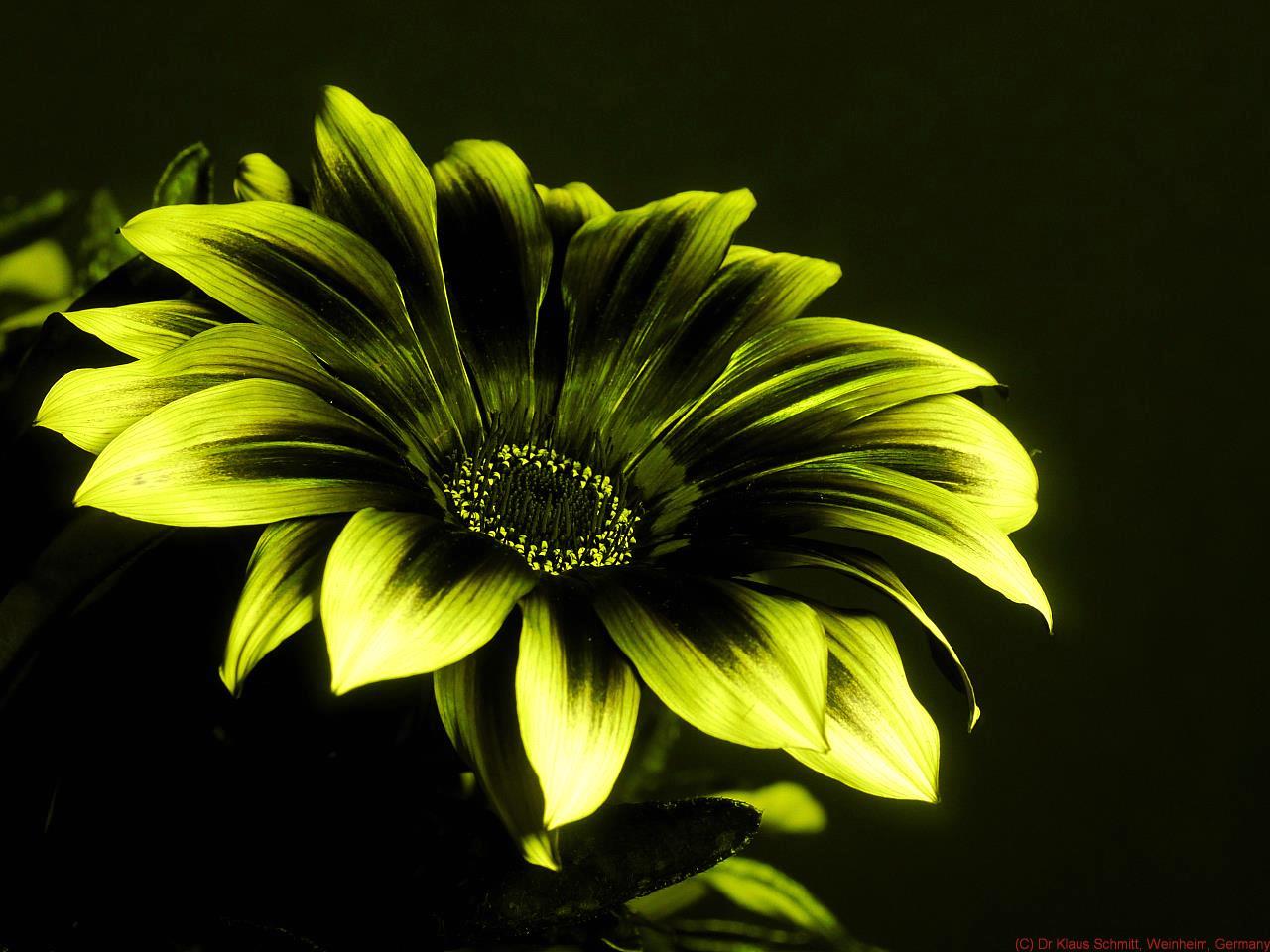
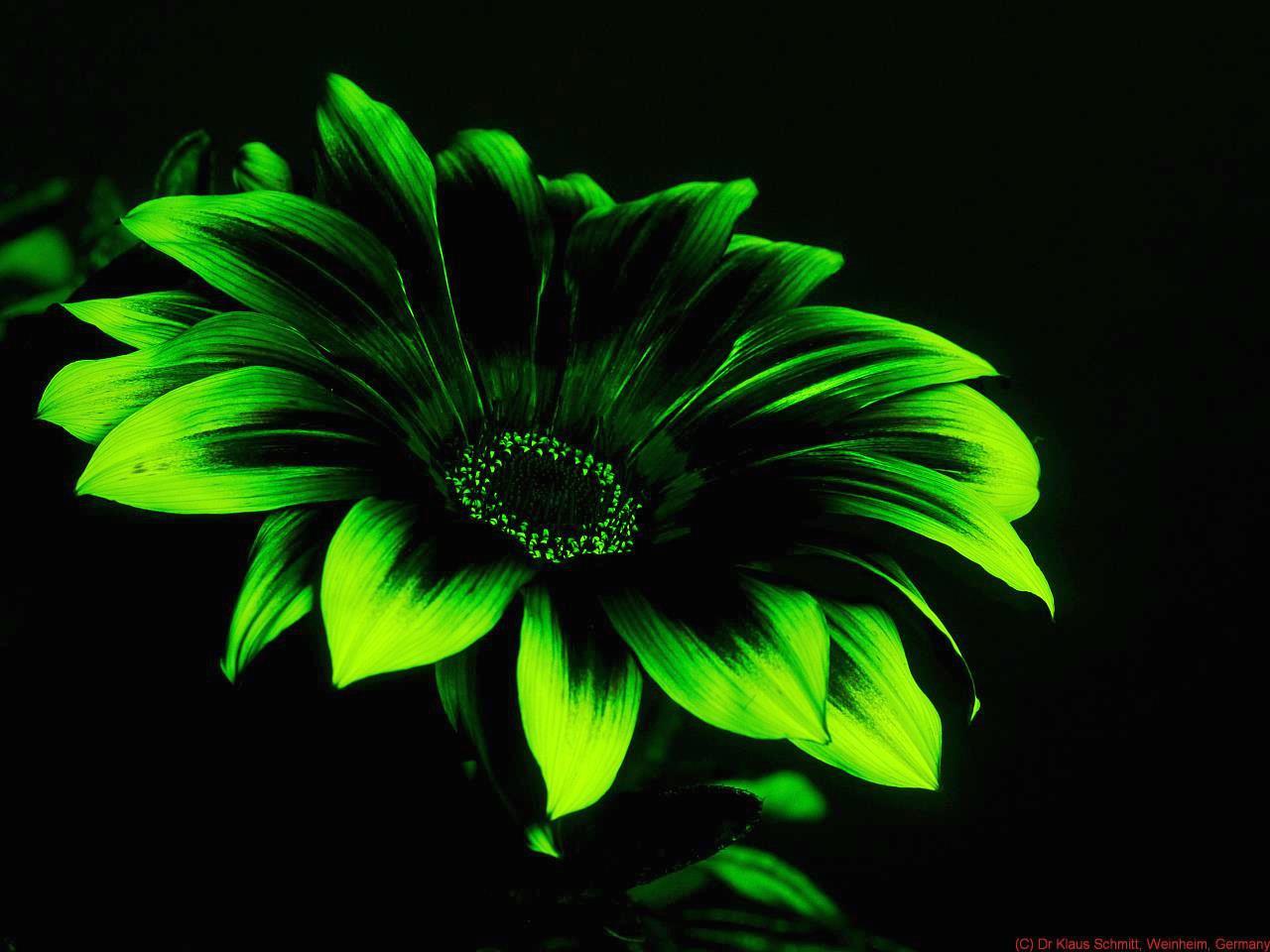
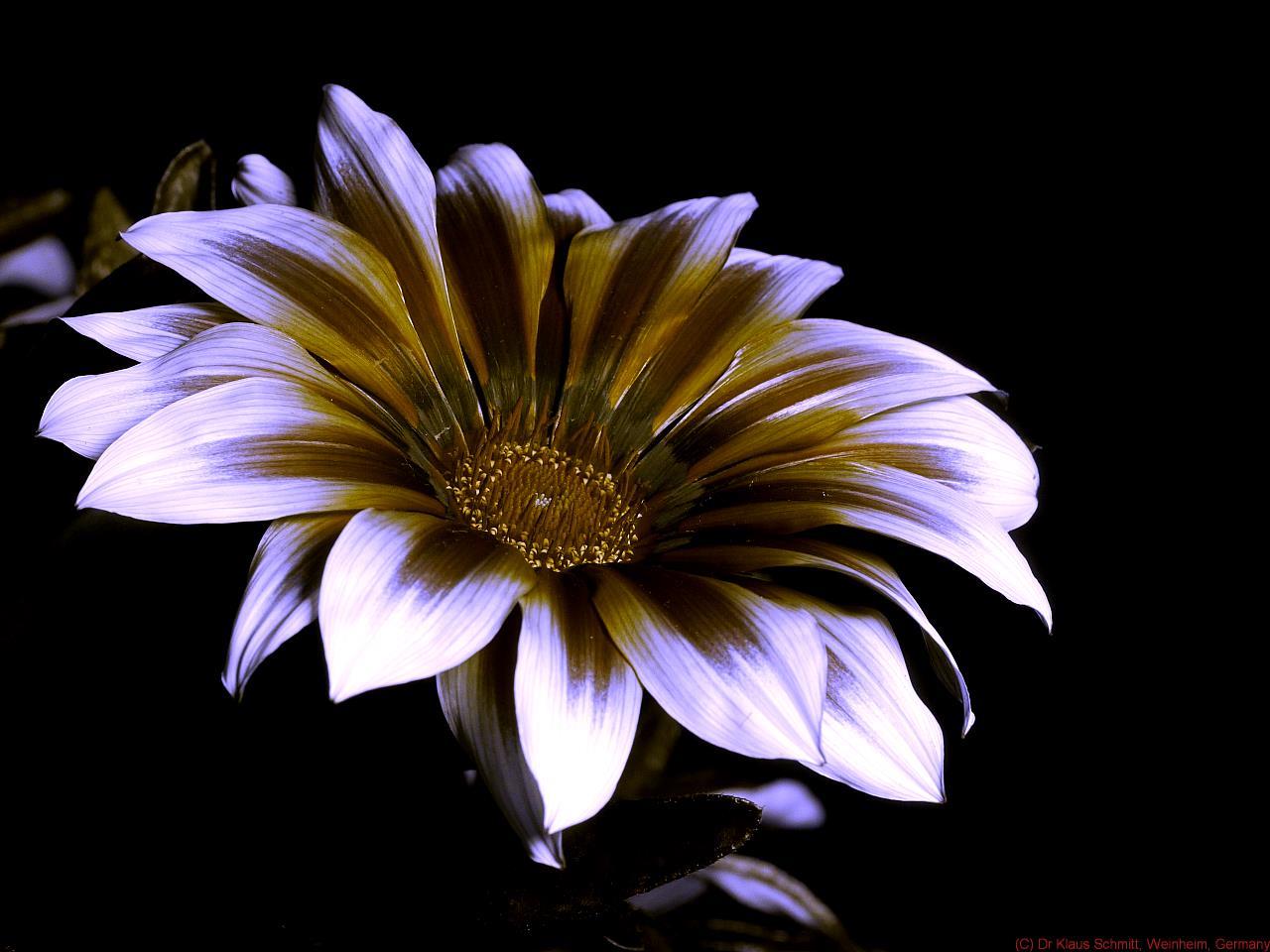
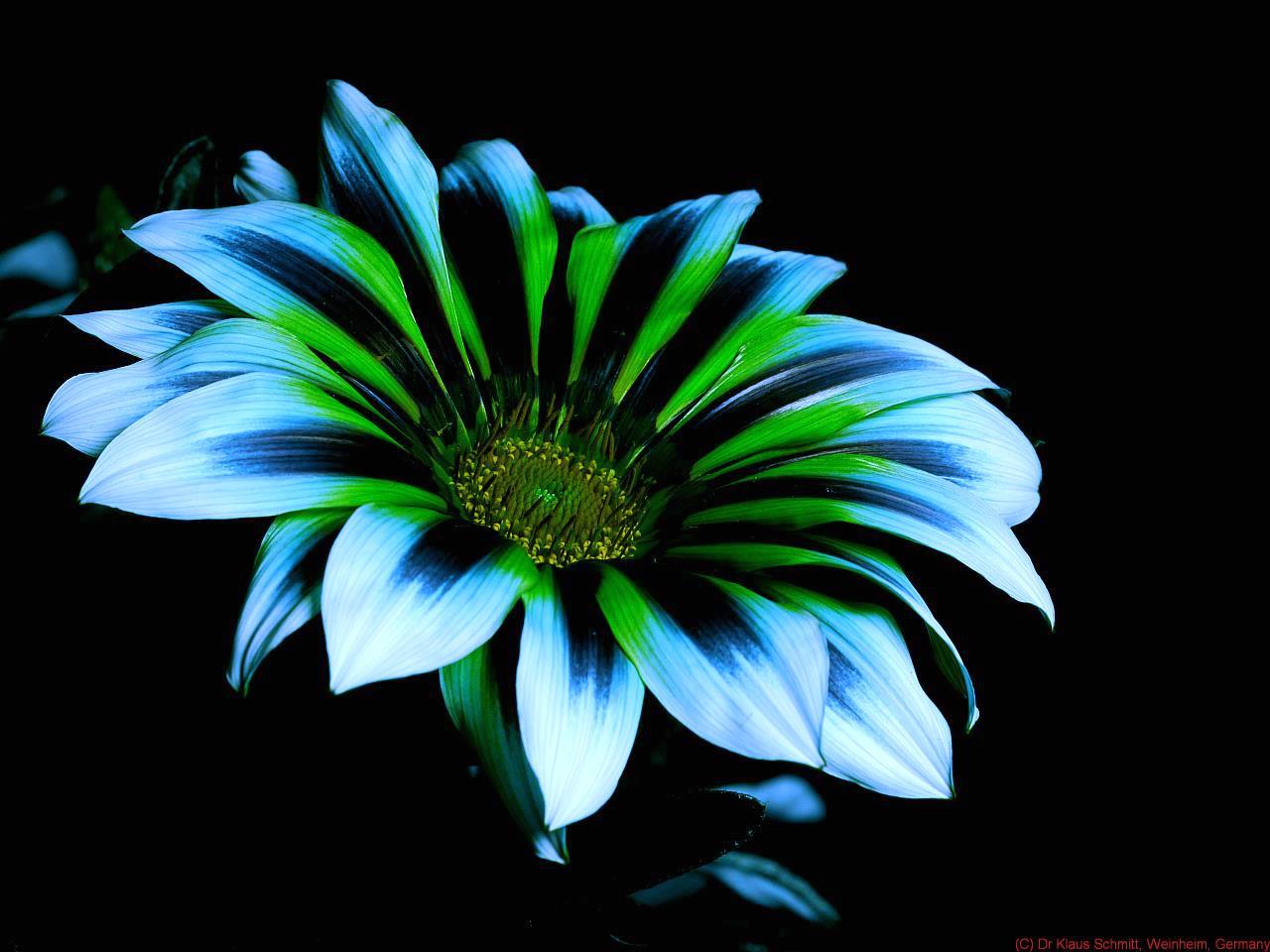
Today about my last surviving Gazania flower Treasury flower - Gazania rigens in reflected ultraviolet photography using my "work horse" UV filter, the Baader-U filter as well as my XBV filters for simulating bee and butterfly vision, but this time additionally also the Jupiter-U (280-385nm, eff. 365nm) and Saturn-U (300-350nm, eff. 325nm) filters. Lens used was the 94mm CERCO quartz fluorite lens. Light source was a modified for UV high power Xenon flash.

[click on image to see a larger one]

Visible light image using UV/IR cut filter:
 

UV image using Baader-U filter (approx. 320-395nm, effective peak approx. 375nm):
 

UV image using Jupiter-U filter (approx. 280-385nm, effective peak approx. 365nm):
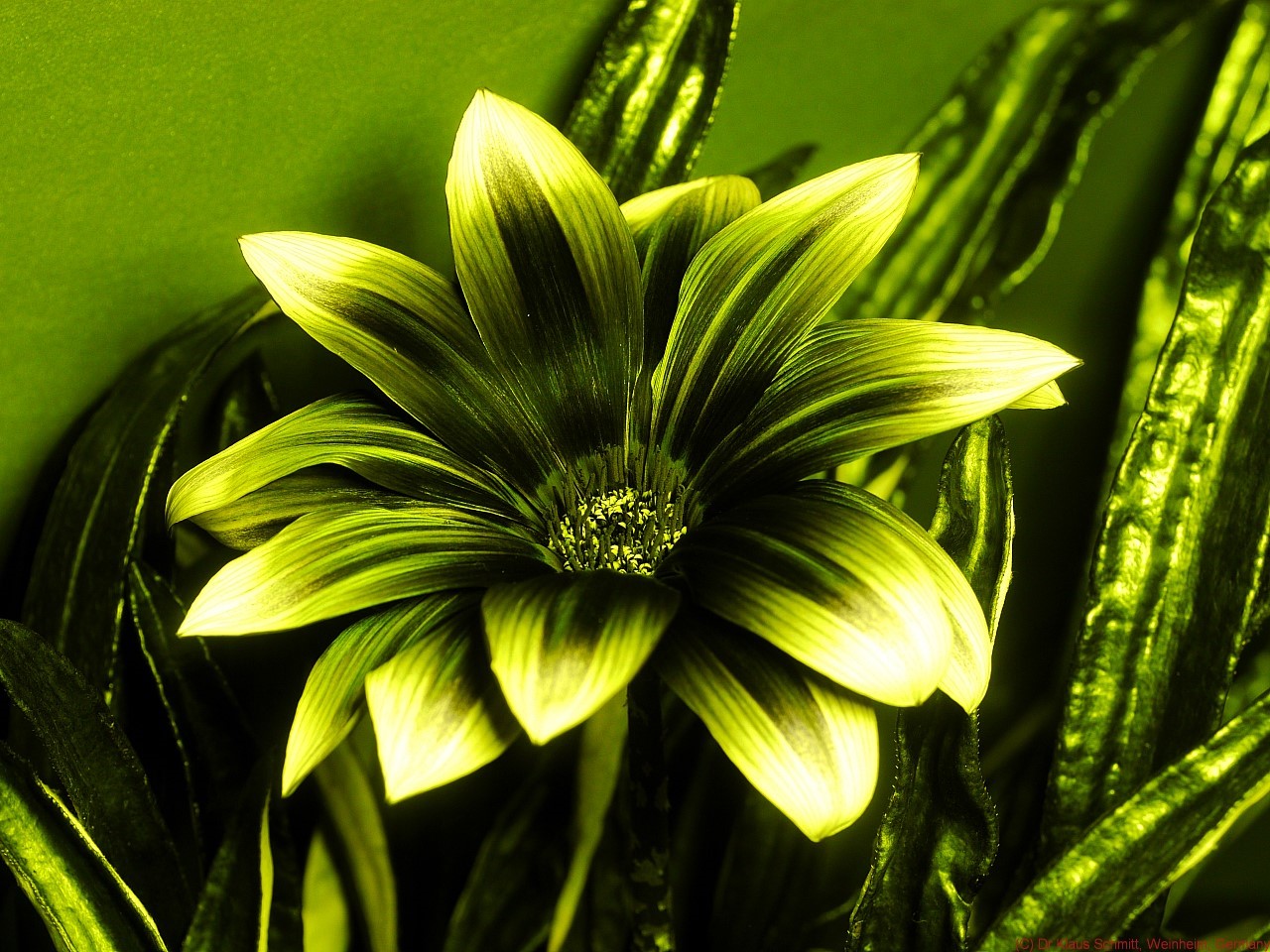
 

UV image using Saturn-U filter (approx. 300-350nm, effective peak approx. 325nm):
 

UV image using Deep UV filter (approx.300 - 315nm, effective peak approx. 308nm):
 

Simulated butterfly vision (UV - VIS) using XBV3 filter:
 

Polyptych of the above:


Interesting to notice, how the visible details change when the used wavelength gets shorter and the then appearance of unique colors. The outer petals reflect strongly UV around 370nm, there are also highly reflecting marks inside around a dark UV center and all that gets nicely visible, which I have also previously shown.

There is a Part III about this same flower using filter stacks HERE.

Stay tuned, more will follow on that fascinating subject...

More info on this very interesting field may be found on my site http://www.pbase.com/kds315/uv_photos

Saturday, June 15, 2013

Treasury flower - Gazania rigens in deep reflected ultraviolet photography, simulated butterfly and bee vision

Today about a Gazania flower Treasury flower - Gazania rigens in reflected ultraviolet photography using my "work horse" UV filter, the Baader-U filter as well as my XBV filters for simulating bee and butterfly vision, but this time additionally also the Jupiter-U (280-385nm, eff. 365nm) and Saturn-U (300-350nm, eff. 325nm) filters. Lens used was the 94mm CERCO quartz fluorite lens. Light source was a modified for UV high power Xenon flash.

[click on image to see a larger one]

Visible light image using UV/IR cut filter:
 

UV image using Baader-U filter (approx. 320-395nm, effective peak approx. 375nm):
 

UV image using Jupiter-U filter (approx. 280-385nm, effective peak approx. 365nm):
 

UV image using Saturn-U filter (approx. 300-350nm, effective peak approx. 325nm):
 

Simulated butterfly vision (UV - VIS) using XBV3 filter:
 

Simulated bee vision (UV - VIS) using XBV5 filter:
 

Simulated bee vision (UV - VIS) using XBV6 filter:
 

Infrared light image using IR filter:
 

Polyptych of the above:


Interesting to notice, how the visible details change when the used wavelength gets shorter and the then appearance of unique colors. The outer petals reflect strongly UV around 370nm, there are also highly reflecting marks inside around a dark UV center and that all gets nicely visible.

There is a Part II about this same flower using filter stacks HERE.

Stay tuned, more will follow on that fascinating subject...

More info on this very interesting field may be found on my site http://www.pbase.com/kds315/uv_photos
Monday, January 14, 2013

Deep UV reflected photography - Uranus-U filter

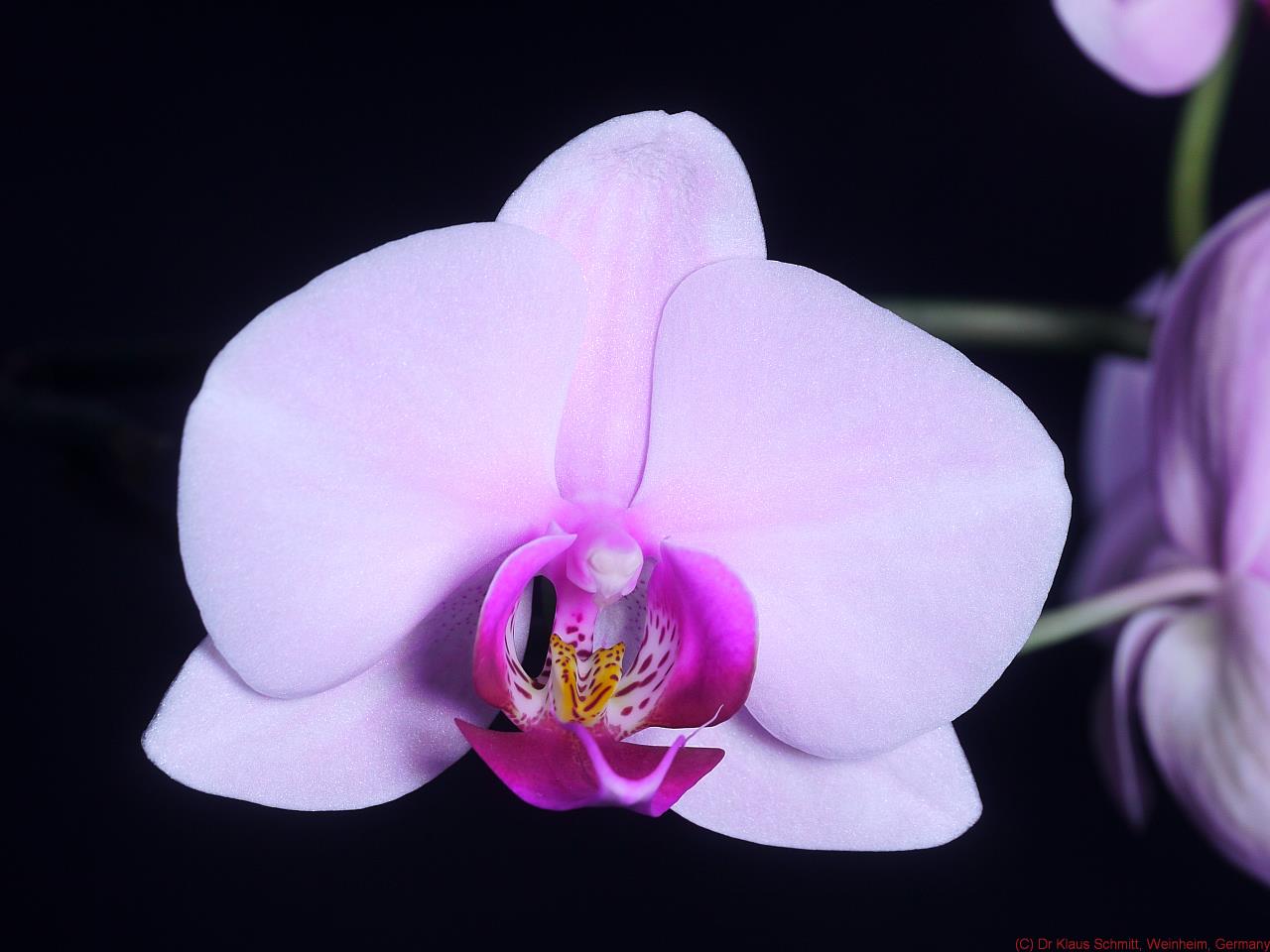
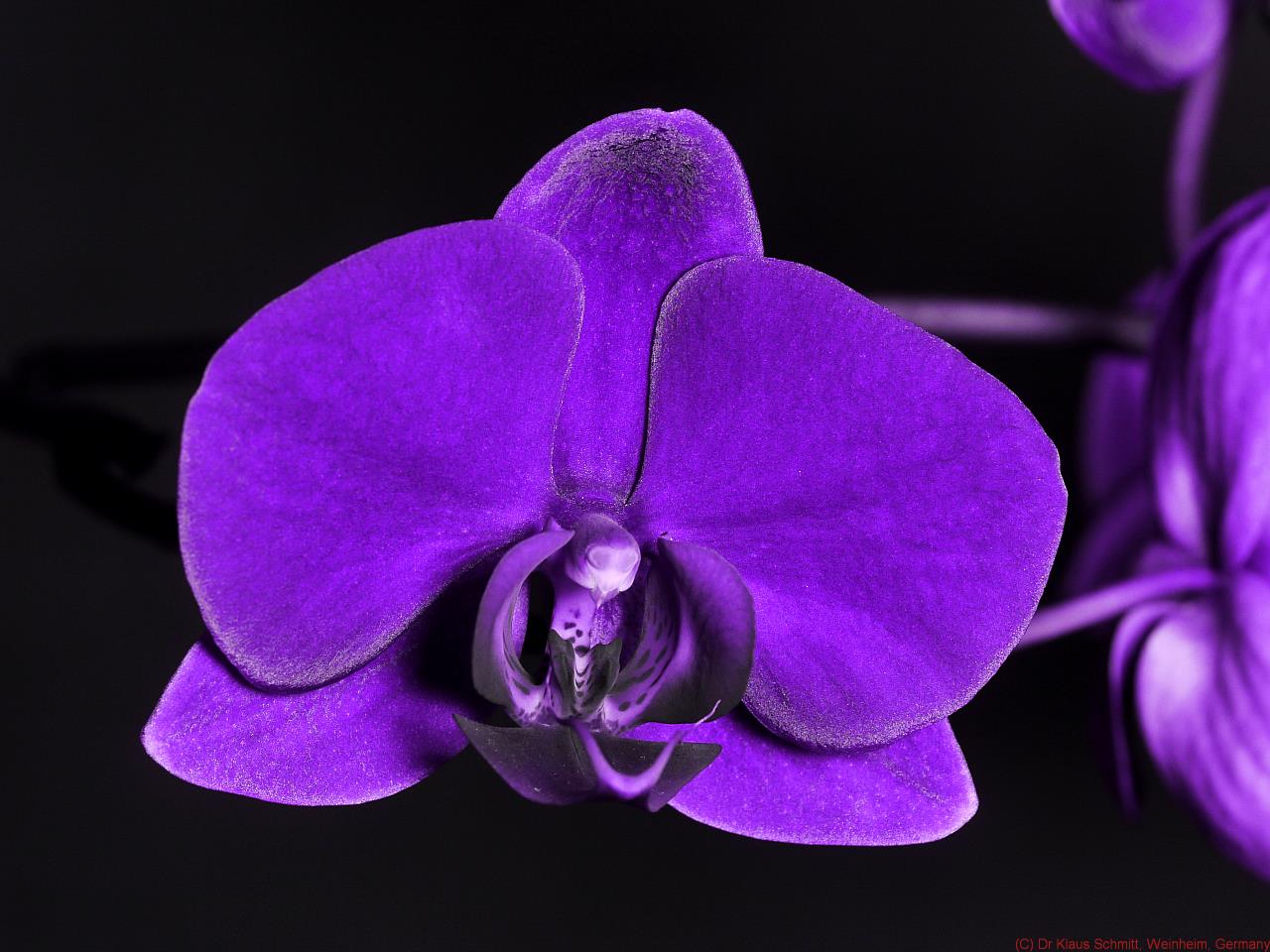
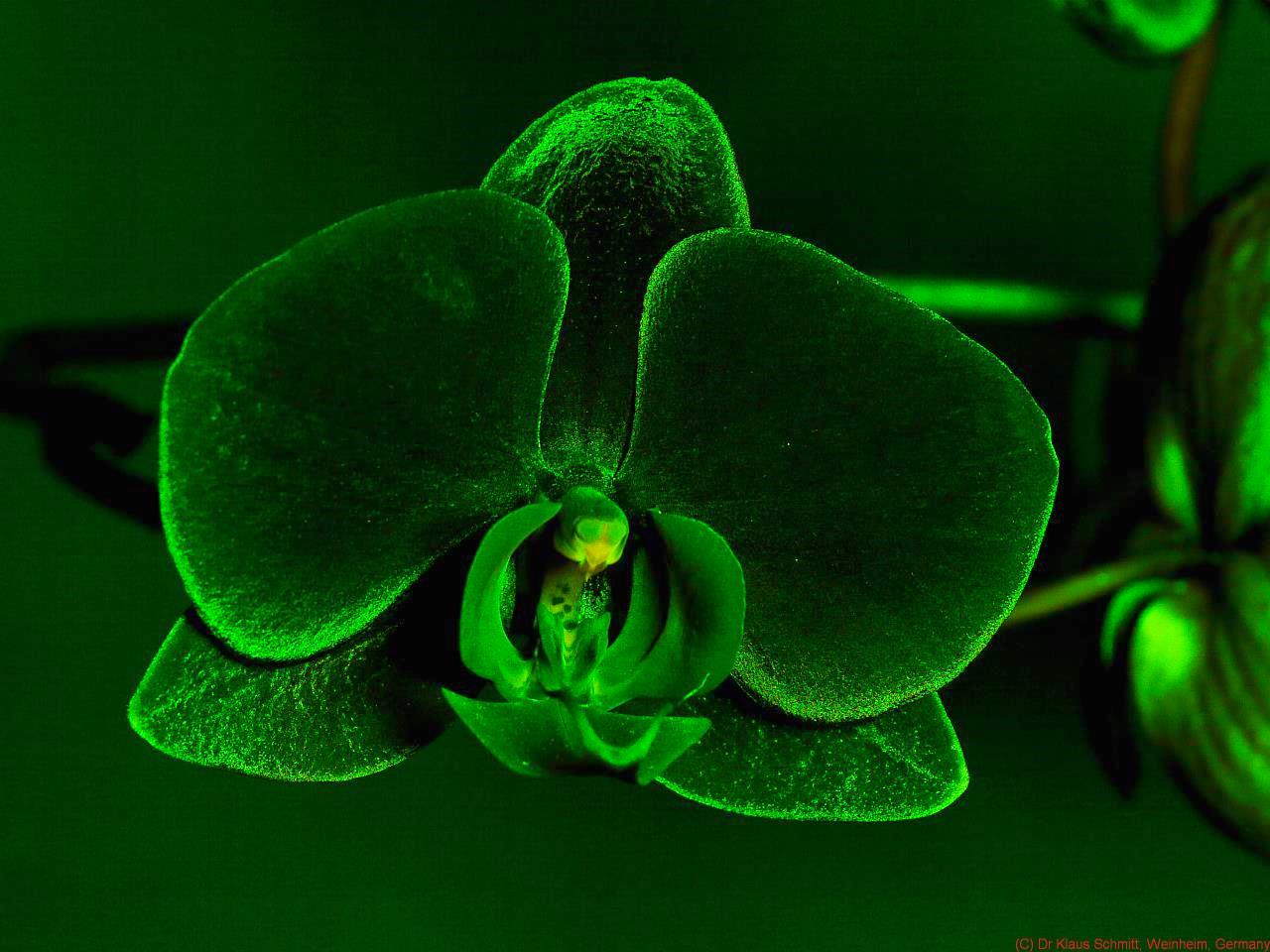
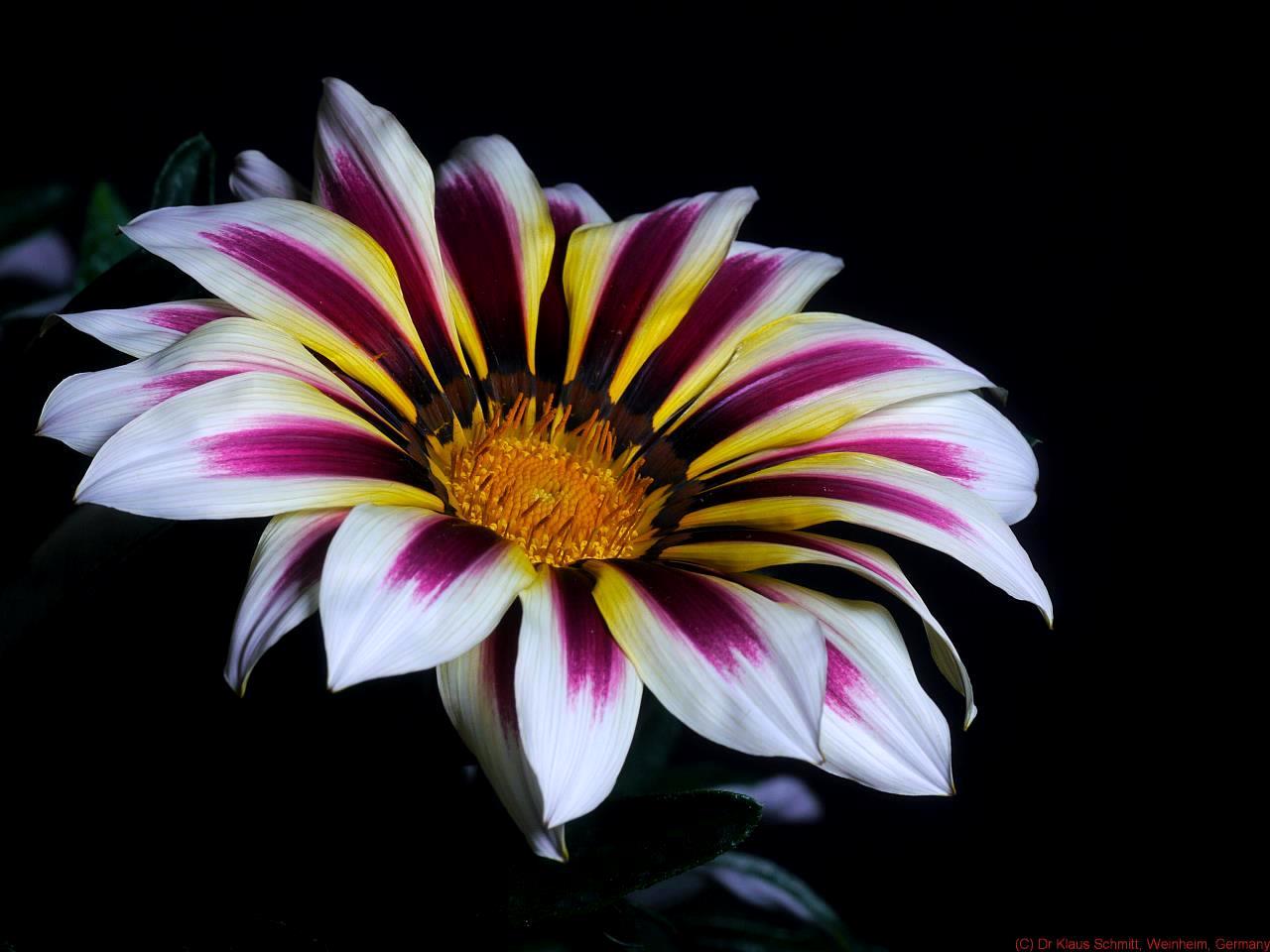
Today again about that Phalaenopsis orchid, but this time used as a target for deep UV reflected photography. Usually I use my "work horse" UV filter, the Baader-U filter, but this time also the Saturn-U (300-350nm, eff. 325nm) and Uranus-U (300-325nm, eff. 313nm) filter, the latter newly introduced here now. Lens used was the 94mm CERCO quartz fluorite lens. Light source was a modified for UV high power Xenon flash.

Here now some results: [click on image to see a larger one]

visible light image using UV/IR cut filter:
 

UV image using Baader-U filter (approx. 320-395nm, effective peak approx. 375nm):
 

UV image using Jupiter-U filter (approx. 280-385nm, effective peak approx. 365nm):
 

UV image using Saturn-U filter (approx. 300-350nm, effective peak approx. 325nm):
 

UV image using Uranus-U filter (approx. 300-325nm, effective peak approx. 313nm):


Interesting to notice, how the visible details change when the used wavelength gets shorter and the appearance of that turquoise color. I'm looking forward to testing this with flowers having more prominent UV patterns, once spring is here...

Stay tuned, more will follow on that fascinating subject...

More info on this very interesting field may be found on my site http://www.pbase.com/kds315/uv_photos

Sunday, May 6, 2012

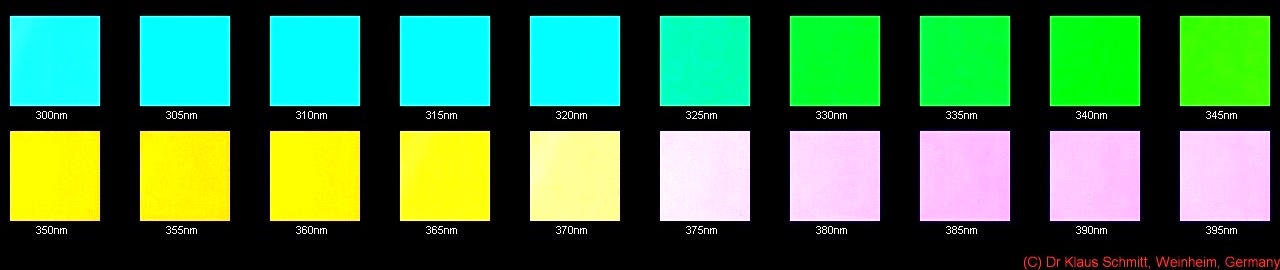
[UV] filters for recording deep(er) reflected UV for peak 375nm, 365nm, 350nm, 325nm

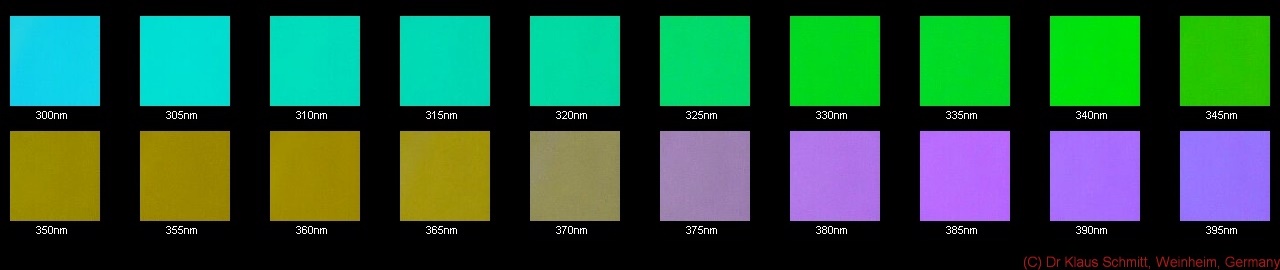
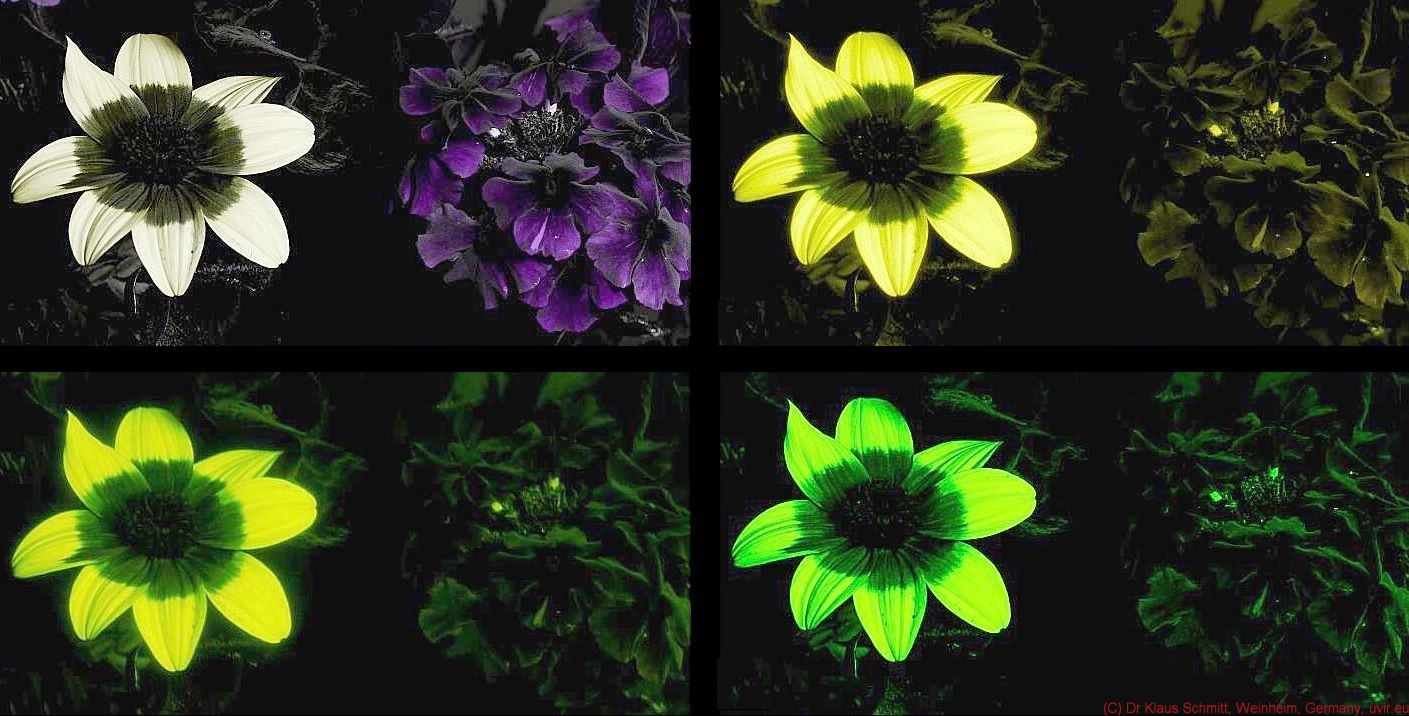
Here a comparison of the false UV colors to expect using the Baader-U white balance setting when using specific short wave filters for deeper reflected UV recording with the effective [*] peaks: 375nm, 365nm, 350nm, 325nm. It includes that new Jupiter-U filter of mine.

[click on image to see a larger one]

The UV images here also uses my standardized false UV color normal + high intensity palette:


top left: Baader-U (effective peak approx. 375nm), top right: Jupiter-U (effective peak approx. 365nm)
bottom left: filter stack I (effective peak approx 350nm), bottom right: filter stack II (effective peak approx. 325nm)
[ignore quality issues please, these latter three are experimental versions]

Interesting to note, that the red channel looses on intensity when the wavelength gets shorter, the green channel stays about constant, the blue channel declines first, then later on (325nm) recovers slightly.

Note that the exposure of these 4 images are not the same; I tried to get about equal exposed results.

[*]In that context "effective" means what the combination of filter, lens, sensor results in (for a given light source: sun / Xenon in that case) as a peak wavelength for that combination (lens is a flat transmitting quartz fluorite lens, Cerco 94mm in that case) as per my simulation system.

So, now the question arises of course, if such deep UV explorations is only for the the priviledged owners of a quartz fluorite lens. Well, have a look at that following test result using a common 35mm lens and the same filter sequence as above.


Of course there are differences, especially in exposure, but in principle, it seems doable. Don't get too excited, please, the exposure difference is a massive one.

I will reveal more about these experimental filters of mine here later, once they have proven their usefulness and when acceptable photographic quality has been achieved.

Stay tuned, more will follow on that fascinating subject...

More info on this very interesting field may be found on my site http://www.pbase.com/kds315/uv_photos