Showing posts with label Nichia UV LED. Show all posts

Tuesday, April 28, 2020

Enhancing the visibility of fossil tissue structures using UV reflected and UV stimulated visible flourescence photography II

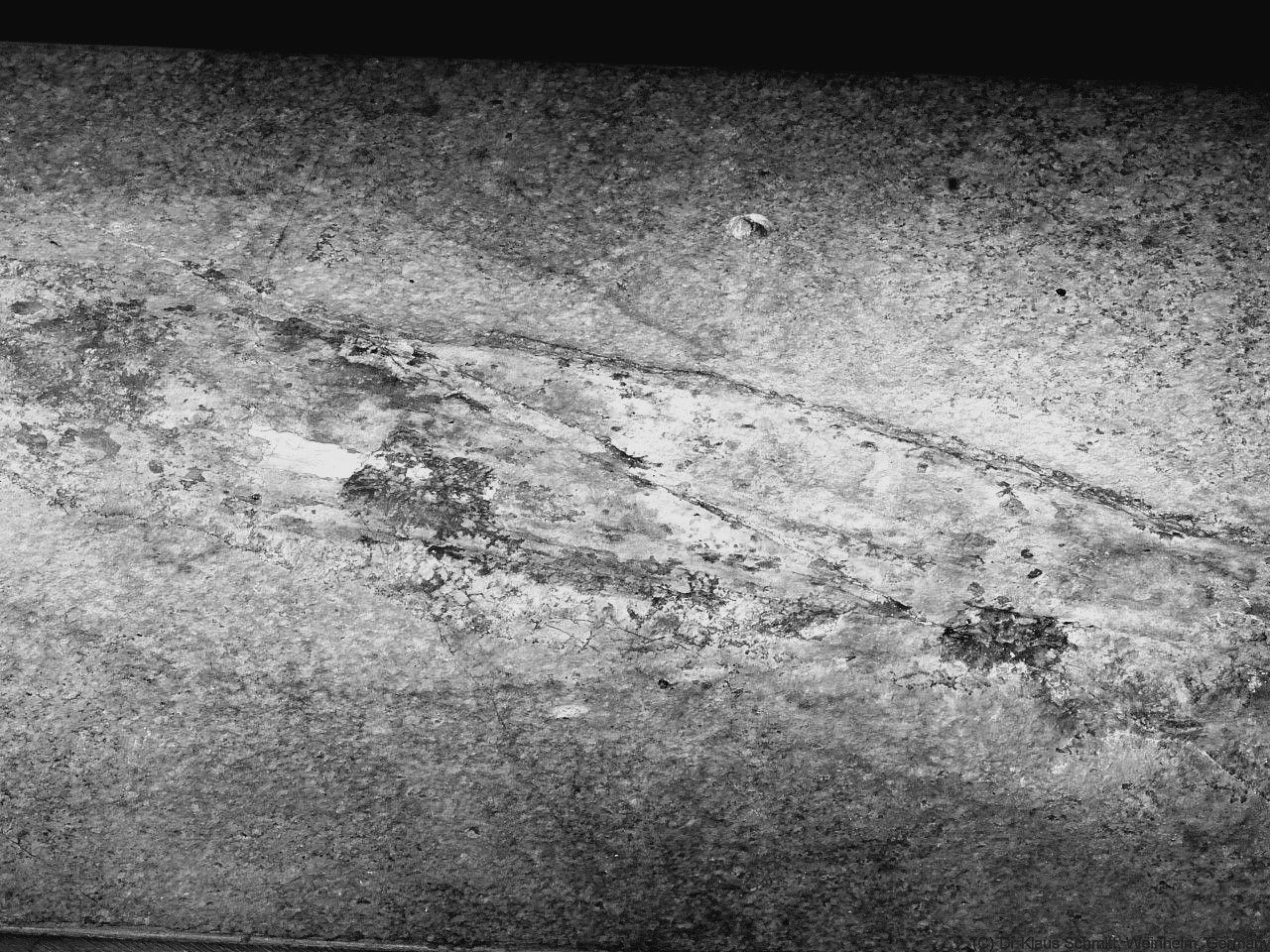
A while ago I had the honor to work with Neal Larson on a paper on fossilized cephalopods found in Hajoula, Lebanon. Today it is again about enhancing the visibility of fossil bone and tissue structures using reflected UV and UV stimulated visible fluorescence photography, but as it is some years later, using more modern equipment now. Lens used was my UV-Nikkor 105mm quartz fluorite lens, light sources were a modified high power Xenon flash, as well as a NICHIA 365nm LED. Filters used were the Baader-U filter as well as a 420nm Long Pass filter. Target was a fossilized squid from the Upper Cretaceous period, approx. 90 million years old.

[click on image to see a larger one]

Visible light image using UV/IR Cut filter:


Reflected UV image using Baader-U filter (310-390nm) with 365nm UV LED: 


Reflected UV image using Baader-U filter (310-390nm) with 365nm UV LED (in bw):


UV stimulated visible Fluorescence image with 420nm Longpass filter: 


UV stimulated visible Fluorescence image, 2nd version, with UV-IR Cut filter:


It gets nicely visible that using UV light photography brings out much more details than normal visible light photography and by doing so, enhances the visibility quite a bit.

I have written more about fossils HERE

Stay tuned, more will follow on that fascinating subject...

More info on this very interesting field may be found on my site http://www.pbase.com/kds315/uv_photos

Monday, July 22, 2019

Treasury flower - Gazania rigens in reflected ultraviolet photography and simulated bee and butterfly vision XXVIII

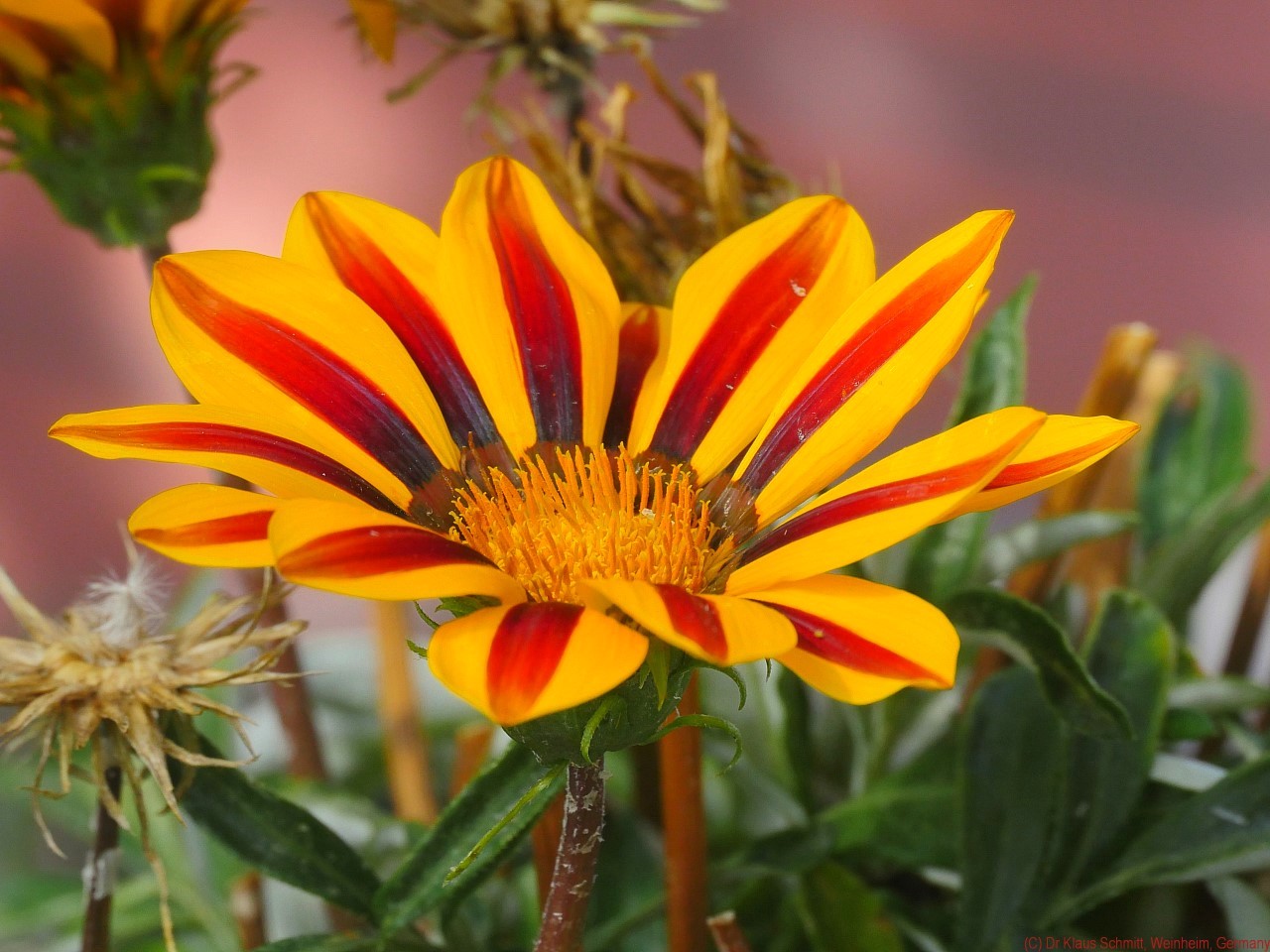
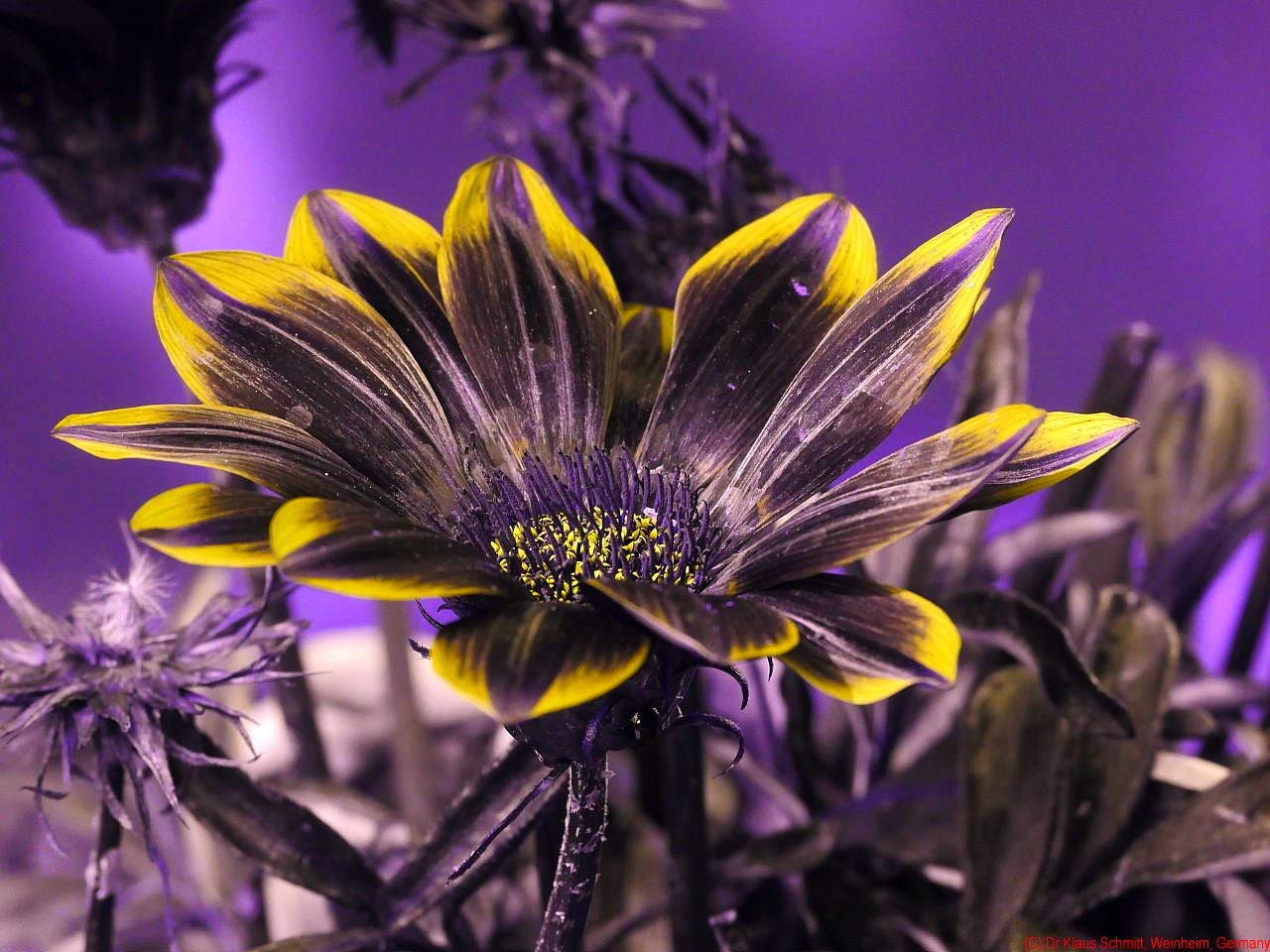
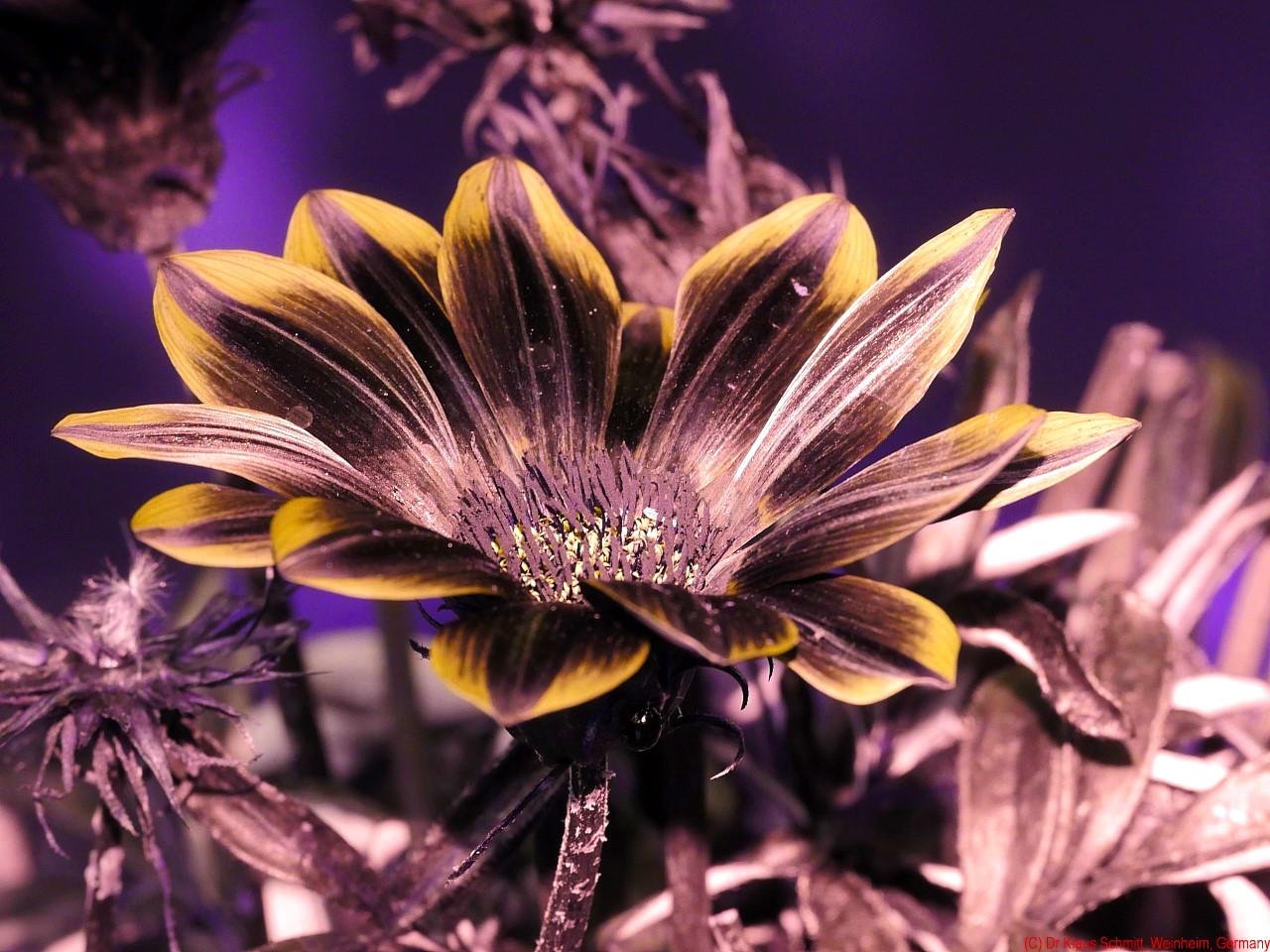
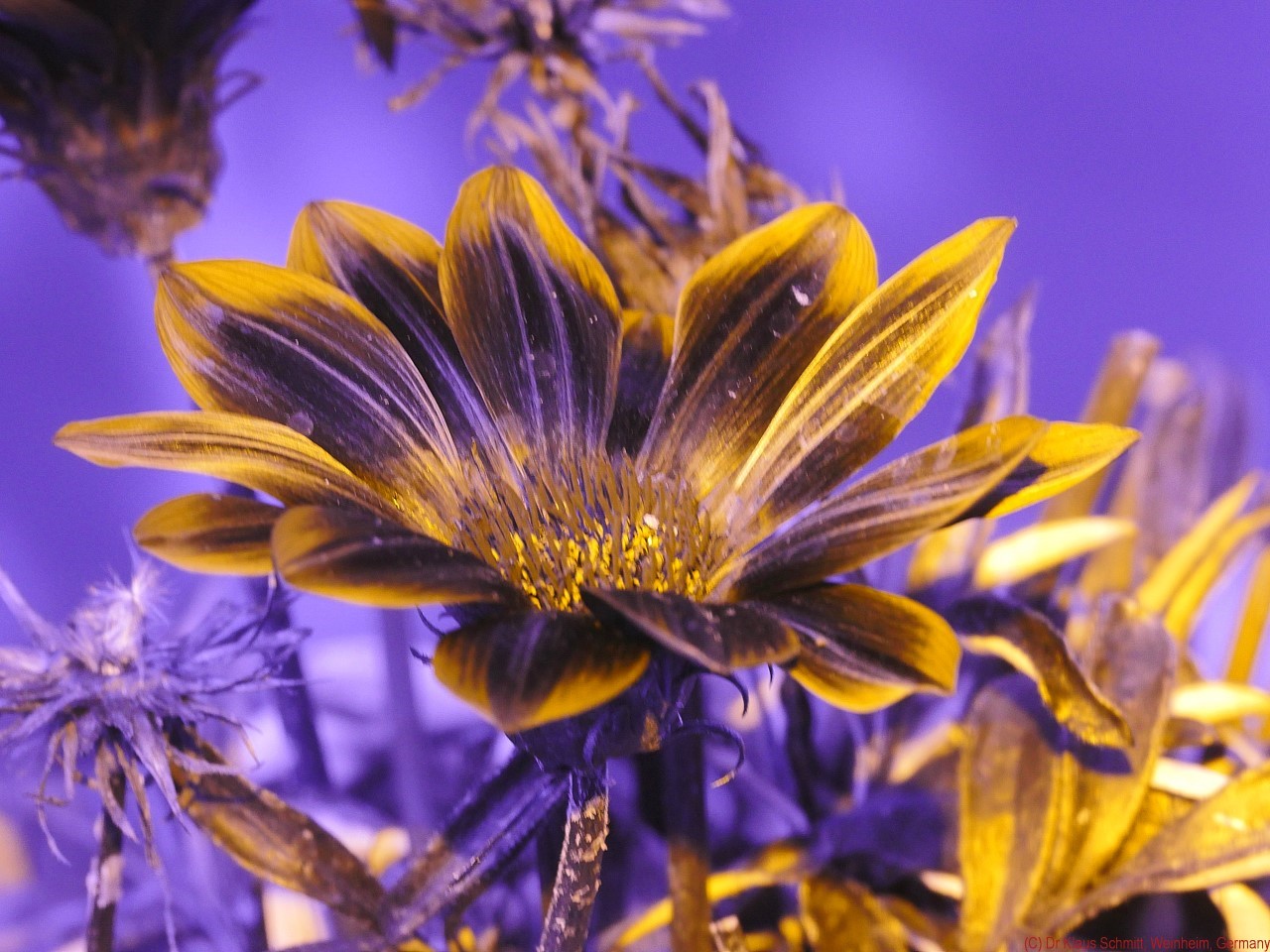
Today more outdoor shots of that long blooming flower, a orange-red Gazania flower, the Treasury flower - Gazania rigens shot in reflected ultraviolet photography, simulated bee and butterfly vision. All shots were done at f8 in reflected ultraviolet photography using my "work horse" UV filter, the Baader-U filter, as well as my XBV filters for simulated bee and butterfly vision. Lens was a UV-Nikkor 105mm quartz fluorite lens. Light source was sunlight and some Nichia 365nm UV LED help.

[click on image to see a larger one]

Human vision:
 

Reflected UV:
 

Reflected UV with 365nm UV LED light:
 

Reflected UV with alternative UV filter:
 

Reflected UV with alternative UV filter and 365nm UV LED light:
 

Quadriptych of human vision, UV, alternative filtered UV (with and without UV LED light):
 

This Gazania's outer petals strongly reflect UV around 365nm, whereas the inner petal parts are quite darker, hence forming UV nectar guides for UV seeing insects. There are also some highly UV reflecting marks inside around a dark UV center, all invisible to us humans, but clearly visible to bees and butterflies, and all this gets nicely visible here.

I have written about this Gazania previously HERE
 
Stay tuned, more will follow on that fascinating subject...

More info on this very interesting field may be found on my site http://www.pbase.com/kds315/uv_photos

Monday, April 8, 2019

Apache beggarticks - Bidens ferulifolia in reflected ultraviolet photography using an UV-LED IX

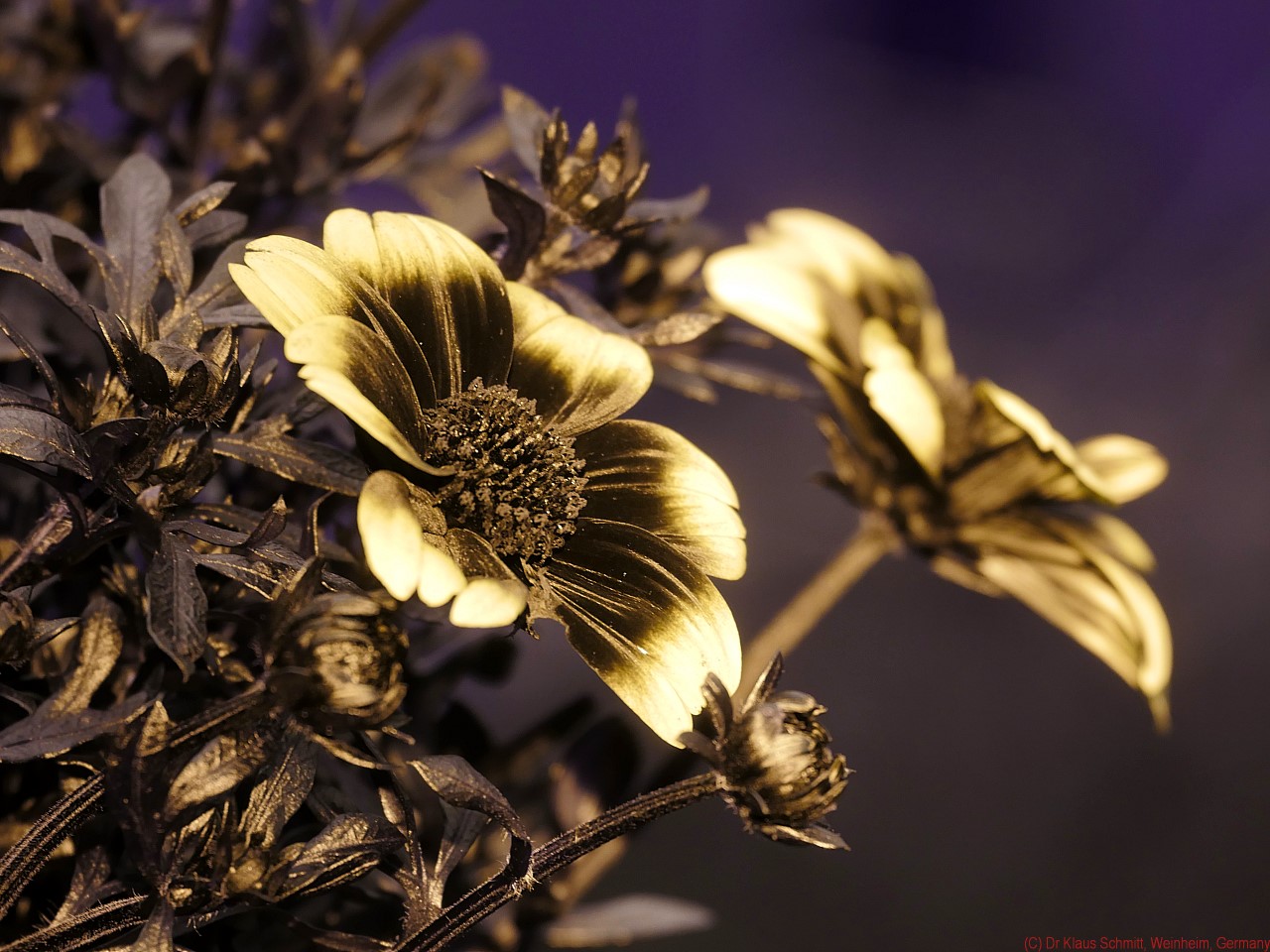
Today more shots of that long blooming spring flower "Rockstar" hybride Apache beggarticks - Bidens ferulifolia in reflected ultraviolet photography. All shots were done at f8 in reflected ultraviolet photography using my "work horse" UV filter, the Baader-U filter. Lens was a UV-Nikkor 105mm quartz fluorite lens. Light source was sunlight as well as a Convoy S2 UV LED with Nichia UV chip inside.

This is to show how useful such an UV-LED can be, in case not enough sunlight is available. This UV torch has been equipped with a front UV transmission filter to cut away all visible blue light.

[click on image to see a larger one]

Human vision:
 

Reflected UV with sunlight:
 

Reflected UV with filtered Convoy S2 UV LED :
 

Bidens has a strong visible UV pattern, its petal tips are UV bright around 365nm, its center is quite UV dark, so this is an ideal test object to test out this small Convoy S2 UV-LED torch, which strongly enhances the visibility of this UV pattern.

Personally I prefer sunlight, but if this is lacking, or a very sharp image is needed, the nearly monochromatic UV-Light is an ideal and easy to get UV light source.


I have written about Bidens previously HERE
 
Stay tuned, more will follow on that fascinating subject...

More info on this very interesting field may be found on my site http://www.pbase.com/kds315/uv_photos

Sunday, November 16, 2014

Enhancing the visibility of fossil tissue structures using UV reflected and UV stimulated visible flourescence photography

A while ago I had the honor to work with Neal Larson on a paper on fossilized cephalopods found in Hajoula, Lebanon. Today it is again about enhancing the visibility of fossil bone and tissue structures using UV reflected and UV stimulated visible fluorescence photography, but as it is some years later, using more modern equipment now. I will also use my remapping technology consisting of a visible image, a reflected UV image and an UV stimulated visible fluorescence image and combine them into multispectral images.

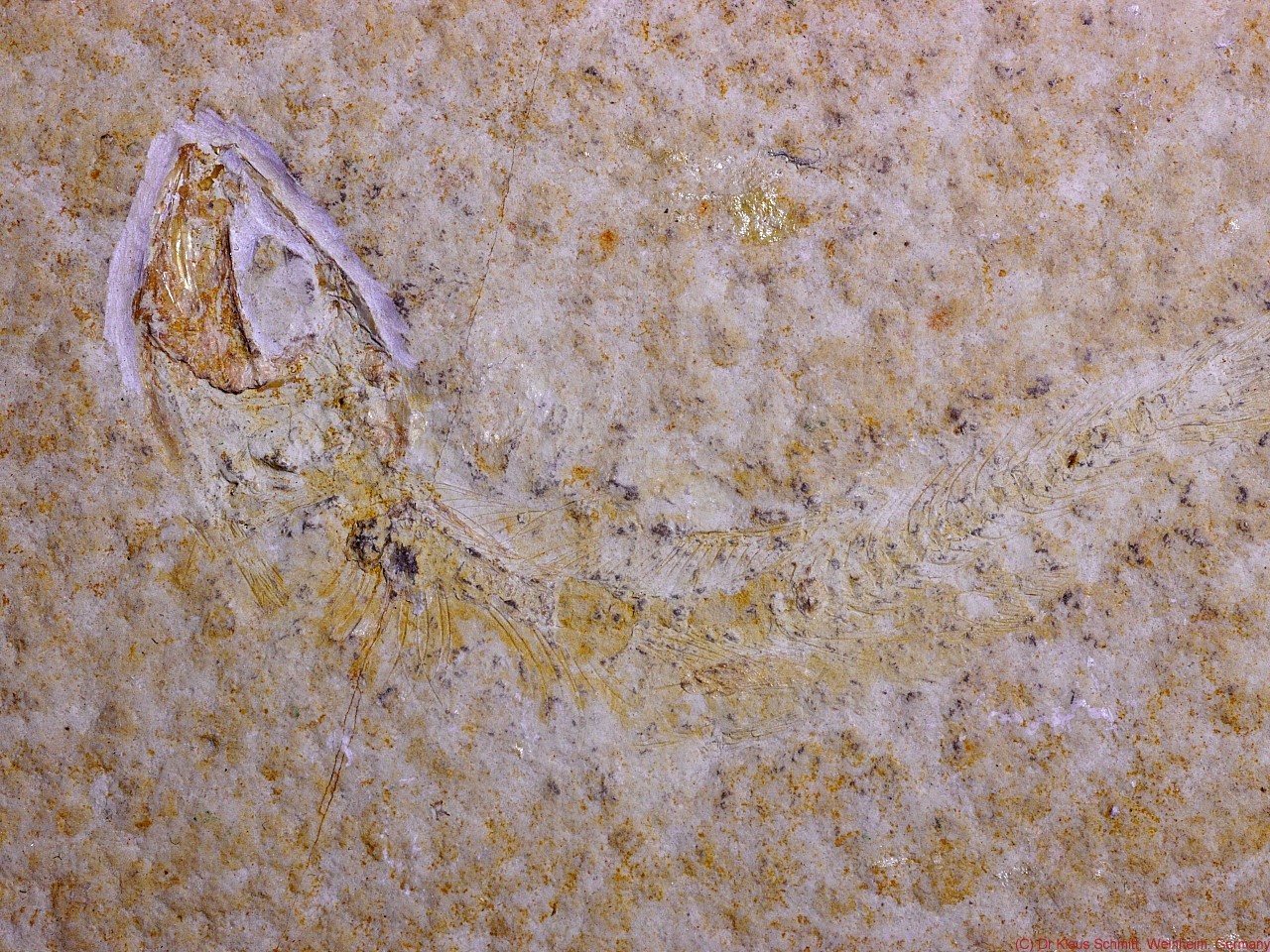
Lens used was my CERCO f4.1 / 94mm quartz fluorite lens, light sources were a modified high power Xenon flash, as well as a NICHIA 365nm Power LED. Target was a fossilized fish from Solnhofen, Germany, approx. 100 Mio years old.

[click on image to see a larger one]

Visible light image using UV/IR Cut filter:


Reflected UV image using Baader-U filter (310-390nm): 


UV stimulated visible fluorescence (FL) using Nichia 365nm UV LED:


Combined VIS - FL multispectral image: 


Combined VIS - UV multispectral image::


Combined FL - UV multispectral image::


It gets nicely visible that using UV light photography brings out much more details than normal visible light photography and by doing so, enhances the visibility of preserved bone and tissue structures quite a bit. Combining those different images into falso color multispectral images  enhances the structures even more.

Stay tuned, more will follow on that fascinating subject...

More info on this very interesting field may be found on my site http://www.pbase.com/kds315/uv_photos

Friday, January 11, 2013

Quartz lens for reflected UV photography?

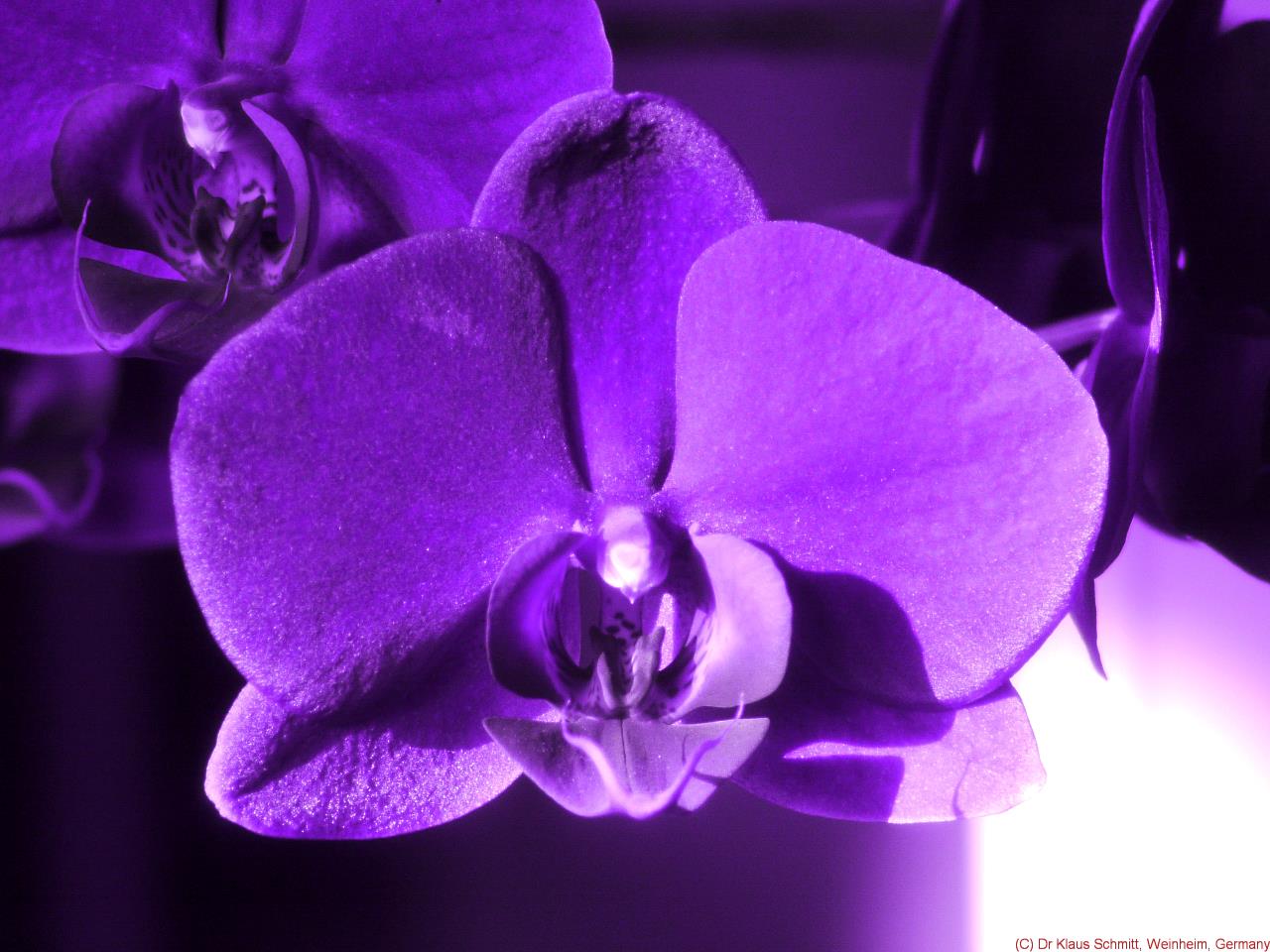
Today about using a quartz lens for reflected UV photography. I'm using quite rare Quartz Takumar f3.5 85mm for this and one of the few flowers available, a Phalaenopsis orchid, as well as my "work horse" UV filter, the Baader-U filter. Light source was sunlight and a Nichia UV LED (365nm). The questions was, how the image quality would turn out, knowing that such lenses should only be used for a quite narrow wavelength band (literature states between 10nm and 20nm depending on source), as these lenses are not chromatically corrected. All shots were done stopped down to f8, which is a usual working aperture to get enough DOF and sharpness.

[click on image to see a larger one]
Here some results:
visible light image using UV/IR cut filter:
 

multispectral image (i.e. unfiltered) and sunlight:
 

UV image using Baader-U filter and sunlight:
 

UV image using Baader-U filter and sunlight + 365nm UV LED:
 

Findings:
1) There is a substantial focusing difference, here 5mm between the UV (95mm) and the VIS image (100mm between front and camera mount), resulting in a 5% different image size when focused both (UV image is smaller). Distance orchid - camera was 700mm.
2) When white light is being used for visible photography, the 400-750nm band is quite broad, i.e. 350nm, which leads to quite visible CA (around edges), soft image and loss of contrast.
3) When white light is being used for multispectral (i.e. unfiltered ca 300-1100nm) photography, that band is even broader, leading to even softer images and loss of contrast.
4) Also the UV image taken in sunlight using a Baader-U filter (320-395nm i.e. 75nm bandwith) leads to rather soft images, but a bit better as the band is narrower, only 75nm wide.
5) The UV image taken in UV LED light at 365nm (ca 20nm bandwith) using a Baader-U filter leads to the best image, as here only the narrow 20nm bandwith of the UV LED around 365nm plays a role. The image is crisp, sharp (see structures on petals) and has a rather high contrast.

Conclusion is, that only if quasi monochromatic photography is being done (either using narrowband UV filters or narrowband UV light), acceptable results can be expected. For broadband UV photography, chromatically corrected UV lenses are required, such as quartz fluorite lenses.

Stay tuned, more will follow on that fascinating subject...

More info on this very interesting field may be found on my site http://www.pbase.com/kds315/uv_photos