Showing posts with label Nichia. Show all posts

Monday, December 3, 2012

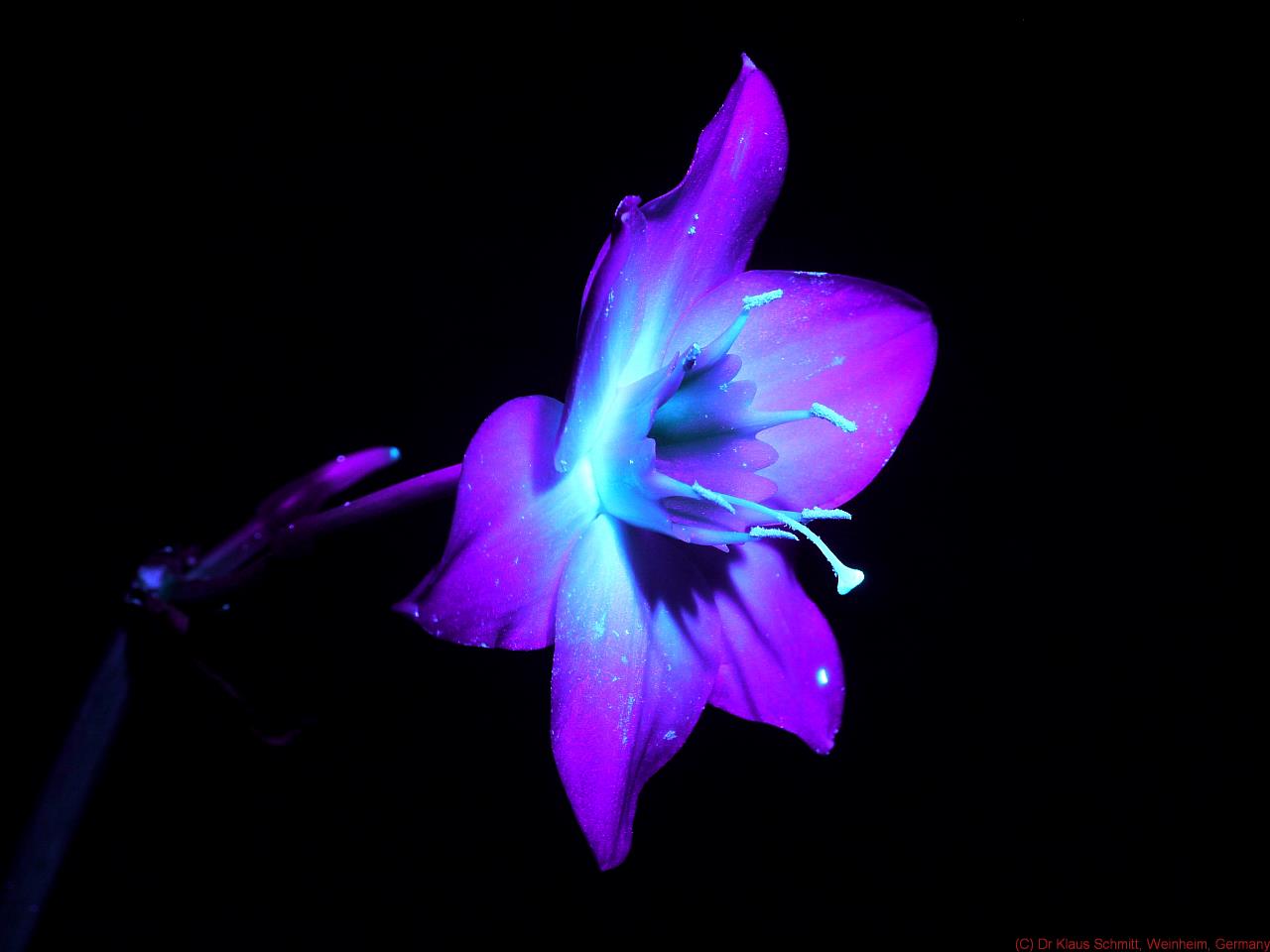
Eucharis grandiflora: UV induced fluorescence and reflected colorful UV photography II

This is again about: Eucharis × grandiflora, also called Amazon Lily this time using my "work horse" UV filter, the Baader-U filter and a Hamamatsu f3.5/50mm quartz fluorite lens. Light source was an UV enhanced Xenon flash and a Nichia UV torch for the UV induced stimulated visible fluorescence (UVIVF) shot.

[click on image to see a larger one]

visible light image:
 

"standard" UV image using Baader-U filter:
 

UV stimulated visible fluorescence using UV/IR blocking filter:
 

UV stimulated visible fluorescence using different UV/IR blocking filter:
 

Also here not much prominently visible UV pattern, except that the base of the flower, where usually nectar can be found, lights up, as well as its pollen does.

Stay tuned, more will follow on that fascinating subject...

More info on this very interesting field may be found on my site http://www.pbase.com/kds315/uv_photos

Eucharis grandiflora: UV induced fluorescence and reflected colorful UV photography

Today about a flower I haven't posted about: Eucharis × grandiflora, also called Amazon Lily. I was using my "work horse" UV filter, the Baader-U filter and my CERCO quartz fluorite lens. Light source was an UV enhanced Xenon flash and a Nichia UV torch for the UV induced stimulated visible fluorescence (UVIVF) shot.

[click on image to see a larger one]

visible light image:
 

"standard" UV image using Baader-U filter:
 

shortwave UV image using Jupiter-U filter:
 

UV stimulated visible fluorescence using UV/IR blocking filter:
 

Not much prominent UV pattern, except that the base of the flower, where usually nectar can be found, lights up, as well as its pollen does.

Stay tuned, more will follow on that fascinating subject...

More info on this very interesting field may be found on my site http://www.pbase.com/kds315/uv_photos

Sunday, September 16, 2012

Zinnia: UV Induced Visible Fluorescence - ultraviolet photography III

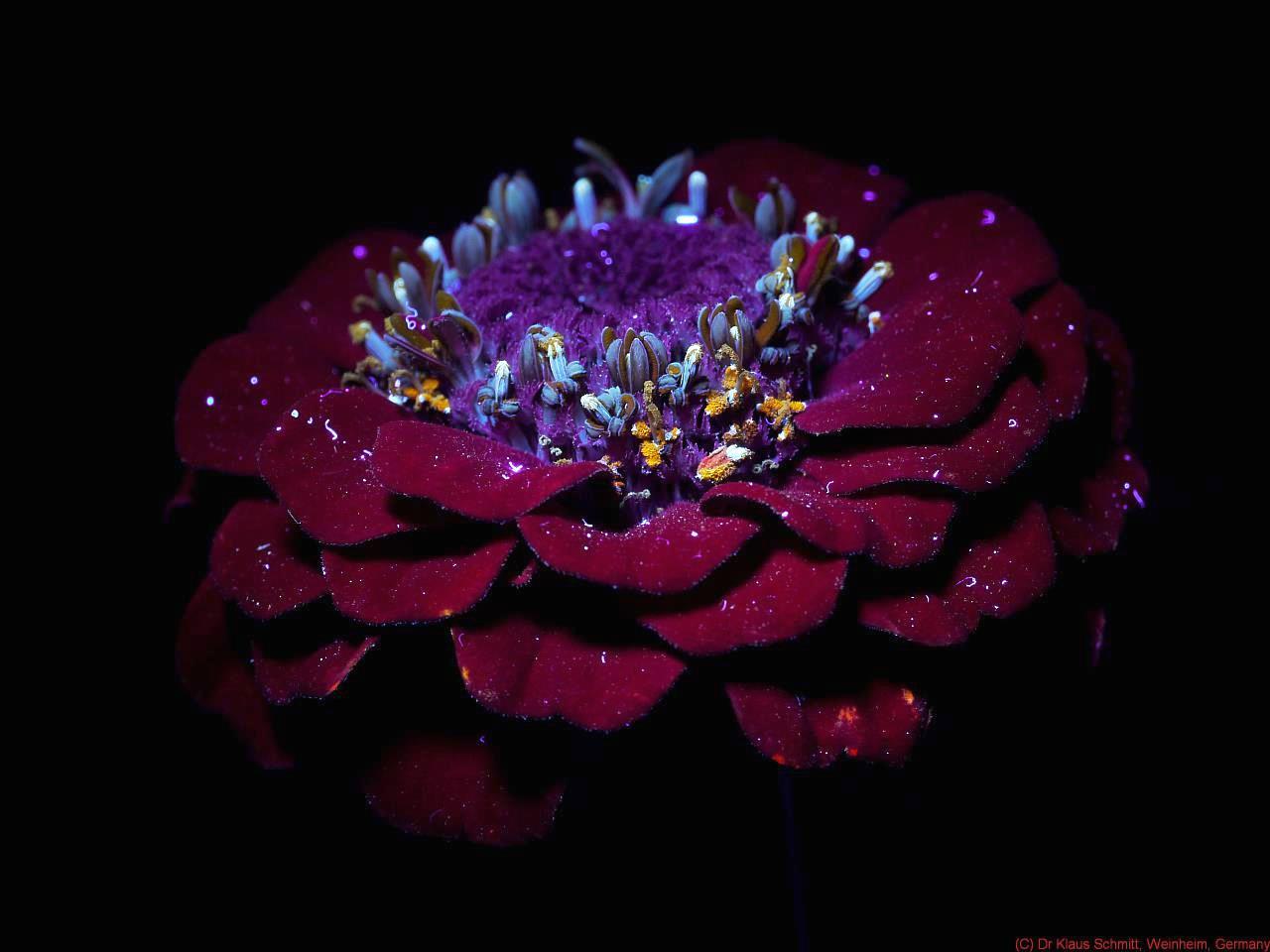
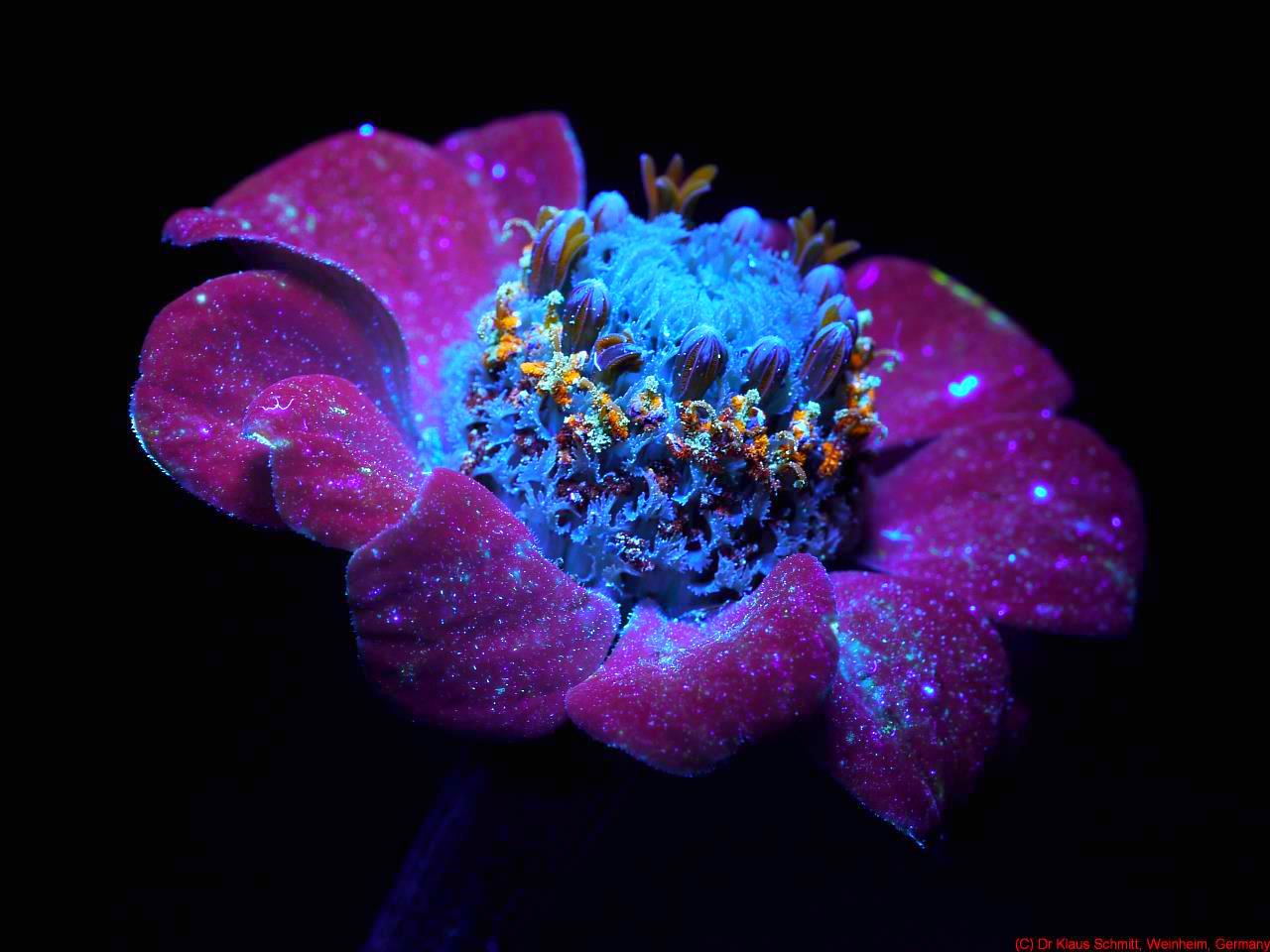
So, last few of those Zinnia examples that I have shown before indicating what could be done with Nichia based NC4U133 (365nm) / NC4U134 (385nm) systems and my High Power UV LED Radiation System with easily exchangeable radiation heads for nominal wavelength of 365nm, 385nm, 395nm, 400nm and 405nm using the most modern 40W UV LEDs or the simple and now quite common 365nm Nichia flashlights which use the single dice NCSU033A and NCSU033B chips.

[click on image to see a larger one]

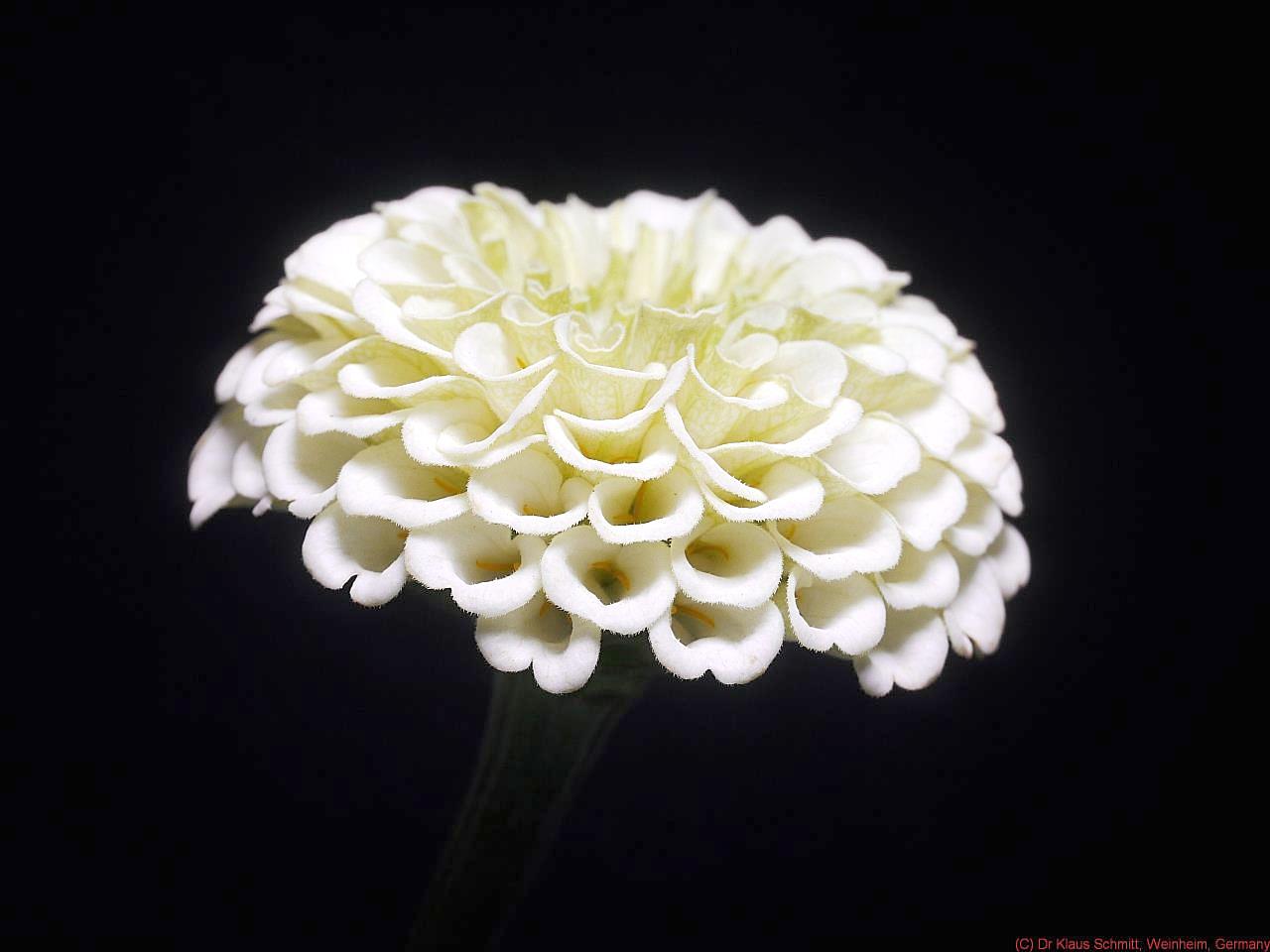
Creamy white Zinnia in visible light:  


 Creamy white Zinnia in UV induced visible fluorescence, variant 1:


 Creamy white Zinnia in UV induced visible fluorescence, variant 2:


Pinkish Zinnia in visible light:


Pinkish Zinnia in UV induced visible fluorescence, variant 1:  


Pinkish Zinnia in UV induced visible fluorescence, variant 2:  


I hope these shots also serve as example what could be done with those UV flashlights, but of course those are useful for many different applications such as stimulating visible fluorescence, reflected UV photography, forensic, dermatological and dental examinations and photographic recording, curing of UV glue / bonding, as well as leakage detection etc.

Stay tuned, more will follow on that fascinating subject...

More info on this very interesting field may be found on my site http://www.pbase.com/kds315/uv_photos

Saturday, September 15, 2012

Zinnia: UV Induced Visible Fluorescence - ultraviolet photography II

So, here more of those Zinnia examples that I have shown before indicating what could be done with Nichia based NC4U133 (365nm) / NC4U134 (385nm) systems and my High Power UV LED Radiation System with easily exchangeable radiation heads for nominal wavelength of 365nm, 385nm, 395nm, 400nm and 405nm using the most modern 40W UV LEDs or the simple and now quite common 365nm Nichia flashlights which use the single dice NCSU033A and NCSU033B chips.

[click on image to see a larger one]

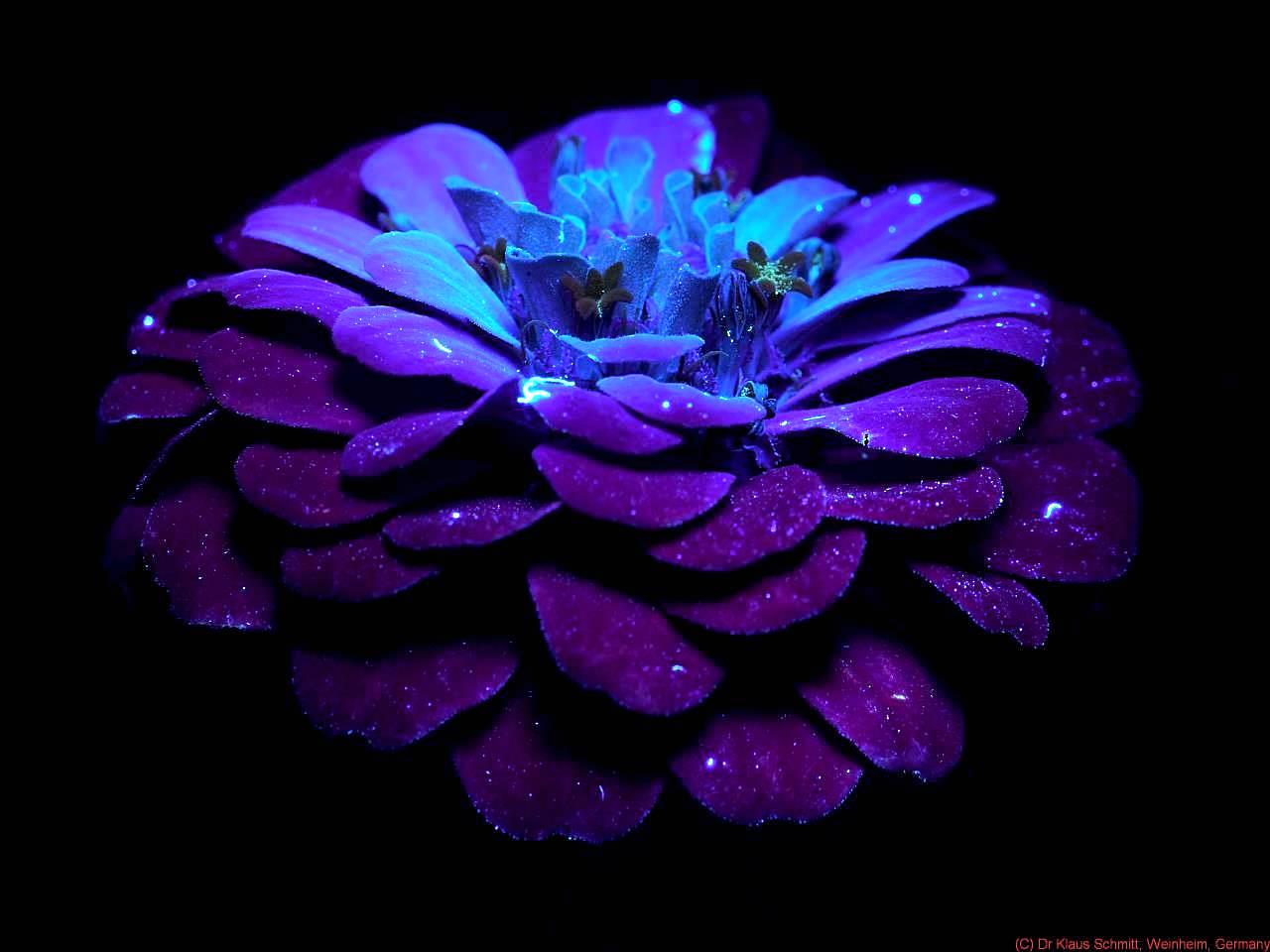
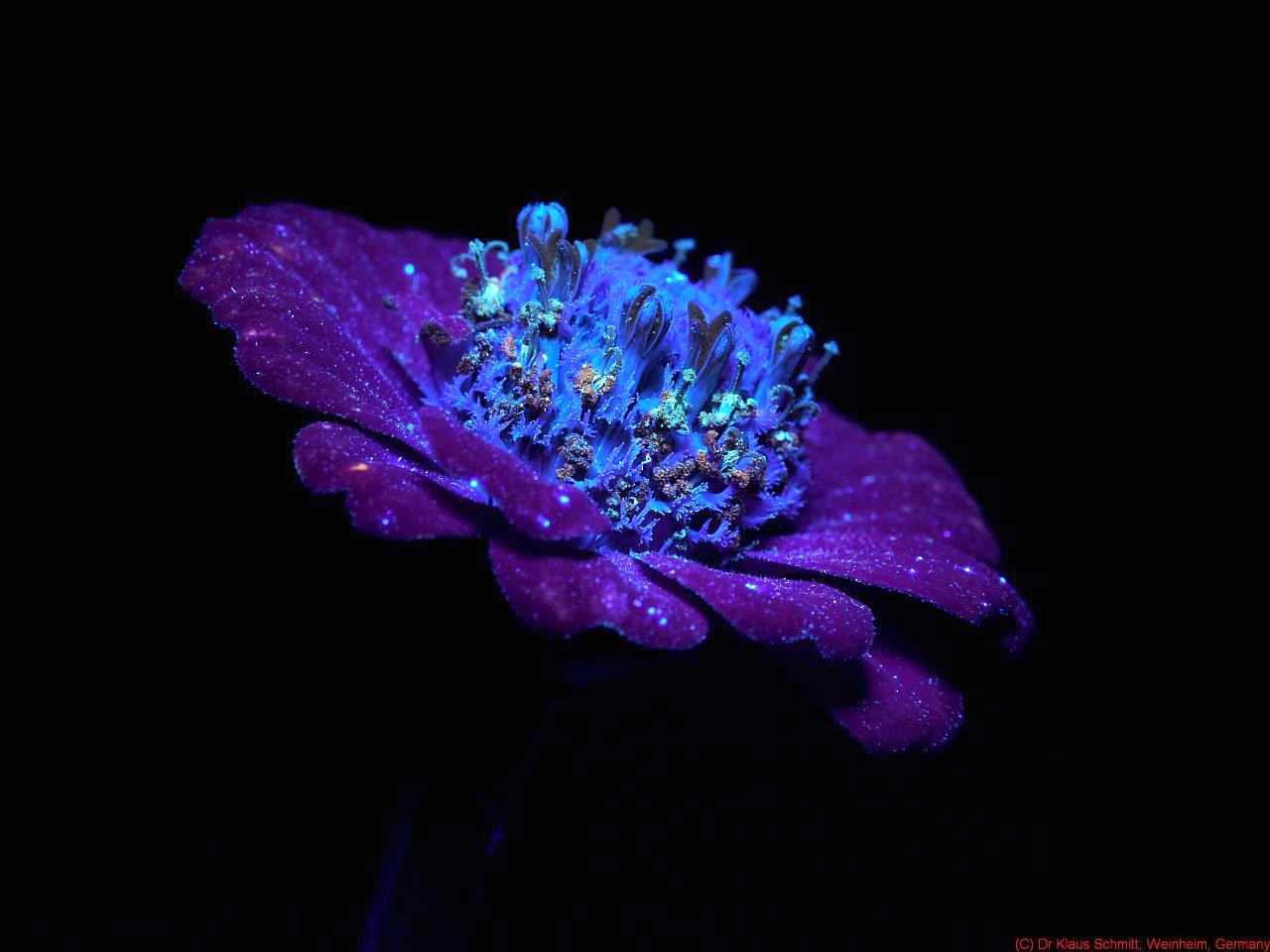
Pink Zinnia in visible light: 


Pink Zinnia in UV induced visible fluorescence, variant 1:  


Pink Zinnia in UV induced visible fluorescence, variant 2: 


Red Zinnia in visible light: 


Red Zinnia in UV induced visible fluorescence, variant 1:  


Red Zinnia in UV induced visible fluorescence, variant 2: 


I hope these shots also serve as example what could be done with those UV flashlights, but of course those are useful for many different applications such as stimulating visible fluorescence, reflected UV photography, forensic, dermatological and dental examinations and photographic recording, curing of UV glue / bonding, as well as leakage detection etc.

Stay tuned, more will follow on that fascinating subject as part III...

More info on this very interesting field may be found on my site http://www.pbase.com/kds315/uv_photos

Zinnia: UV Induced Visible Fluorescence - ultraviolet photography

Well, some people wonder what could be done with Nichia based NC4U133 (365nm) / NC4U134 (385nm) systems and my High Power UV LED Radiation System with easily exchangeable radiation heads for nominal wavelength of 365nm, 385nm, 395nm, 400nm and 405nm using the most modern 40W UV LEDs or the simple and now quite common 365nm Nichia flashlights which use the single dice NCSU033A and NCSU033B chips. Well, here it is without much ado...

[click on image to see a larger one]

White Zinnia in visible light: 


White Zinnia in UV induced visible fluorescence, variant 1:  


White Zinnia in UV induced visible fluorescence, variant 2: 


I hope that serves as an example what could be done with those UV flashlights, but of course those are useful for many different applications such as stimulating visible fluorescence, reflected UV photography, forensic, dermatological and dental examinations and photographic recording, curing of UV glue / bonding, as well as leakage detection etc.

Stay tuned, more will follow on that fascinating subject as part II...

More info on this very interesting field may be found on my site http://www.pbase.com/kds315/uv_photos

Friday, September 14, 2012

Nichia 365nm flashlight: Beam Homogenizer for reflected UV photography and UV induced visible fluorescence

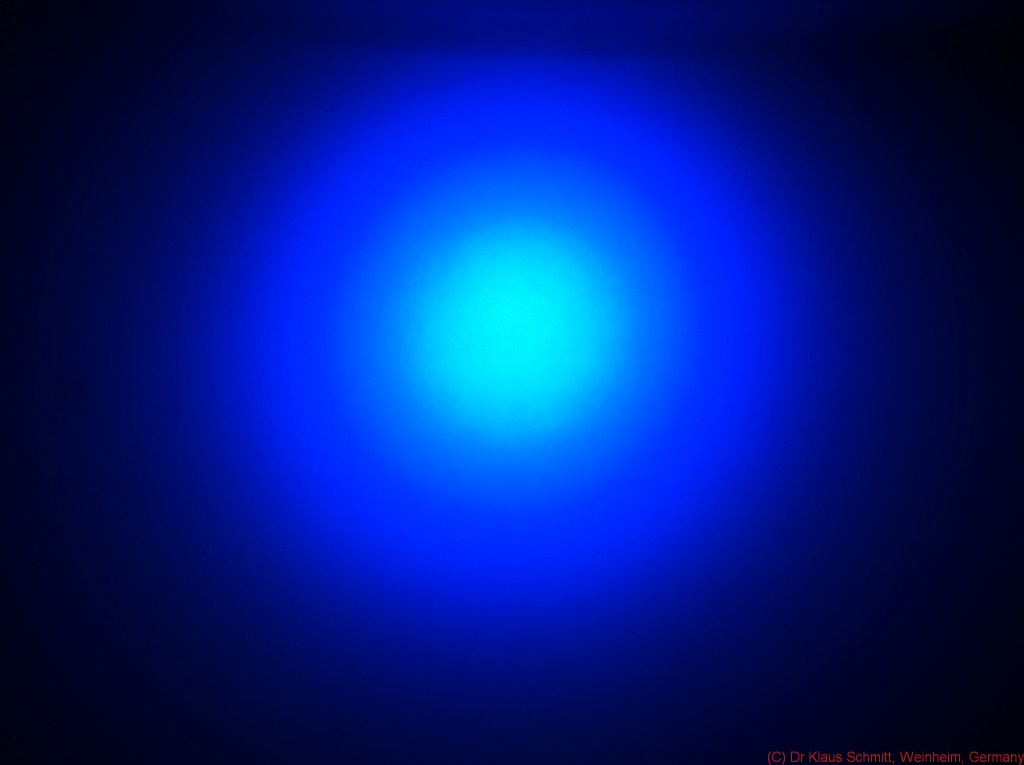
Today, after having previously shown the Nichia based NC4U133 (365nm) / NC4U134 (385nm) systems and my newest High Power UV LED Radiation System with easily exchangeable radiation heads for nominal wavelength of 365nm, 385nm, 395nm, 400nm and 405nm using the most modern 40W UV LEDs, I present something much easier: a simple beam homogenizing solution for the meanwhile quite commom 365nm Nichia flashlights which use the single dice NCSU033A and NCSU033B chips.

After a long search I finally located a specifically designed beam homogenizing solution that sufficiently transmits UV and allows to generate a quite even radiation field, which is beneficial to have, especially for photography which usually requires even illumination of the target.

I have also tested it working with the newer 4 dice Nichia NC4U133 (365nm) and NC4U134 (385nm) chips, but those are not used for portable flashlights yet as far as I know.

[click on image to see a larger one]

Radiation field without homogenizing solution: 


Radiation field with homogenizing solution: 


Transmission of the homogenizing solution in use:


Theses simple flashlights are useful for different applications, such as stimulating visible fluorescence, reflected UV photography, forensic, dermatological and detal examinations and photographic recording, curing of UV glue / bonding, as well as leakage detection etc.

Stay tuned, more will follow on that fascinating subject...

More info on this very interesting field may be found on my site http://www.pbase.com/kds315/uv_photos

Wednesday, June 1, 2011

[UV] Sunlight vs Nichia 365nm UV LED - colors

A quick experiment using the same preset WhiteBalance using my ReflectionDisc.

UV sensitive camera, Baader-U filter, ReflectionDisc for in-camera WB

[click on image to see a larger one]

Left: Nichia 365nm UV LED; Right: Sunlight:


Interesting to note, that the WB still holds and the proof for the wavelength "used" is in the middle (frosted glass on my balcony) - just compare the colors with the "UV color palette" I have pasted on top.


Stay tuned, more will follow on that fascinating subject...

More info on this very interesting field may be found on my site http://www.pbase.com/kds315/uv_photos

Tuesday, December 7, 2010

[UV, FL] Roman Artifacts paint / glaze visibility

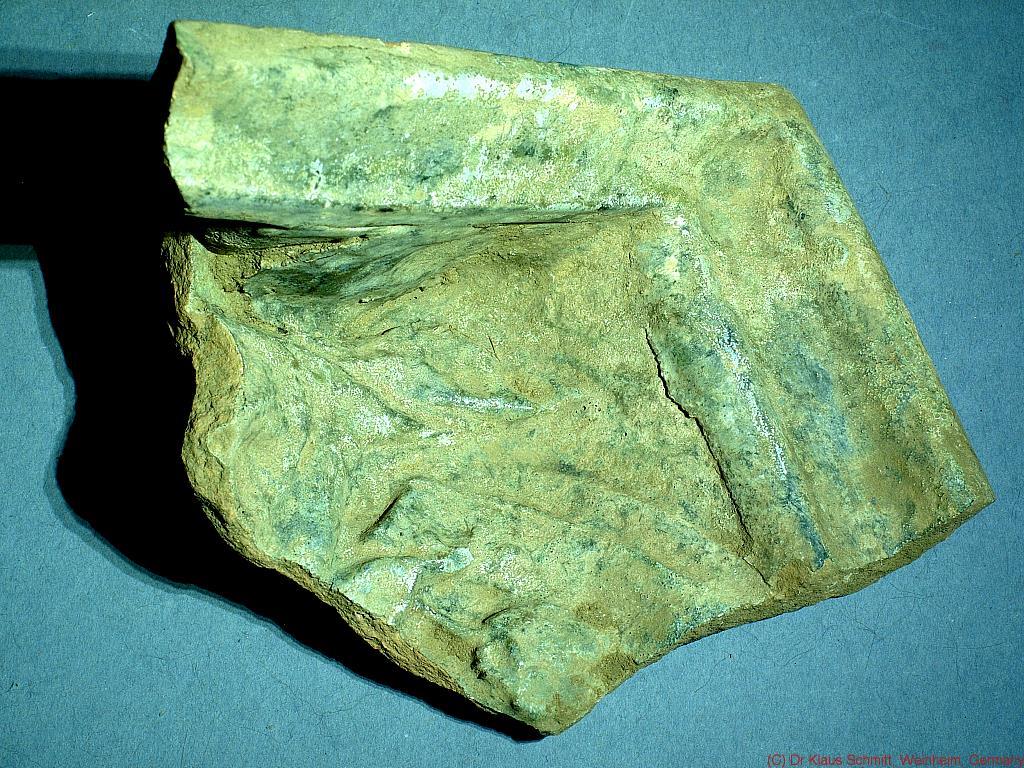
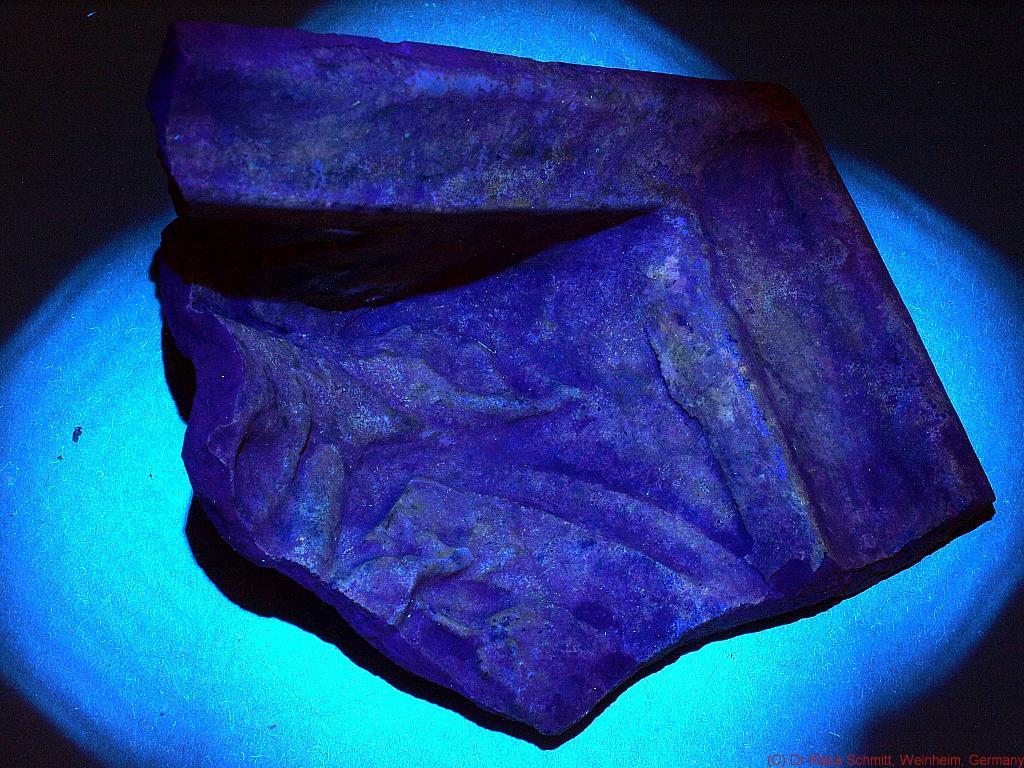
A study conducted for a friend using some excavated roman artifacts. The idea was to see, if deteriorated paint/lead glacing could be made visible after thousands of years, using these new high powered Nichia 4 dice UV LEDs (365nm + 385nm).

[click on image to see a larger one]

1) Visible light shot: 


2) FL (385nm Nichia UV LED induced visible fluorescence): 


3) FL (365nm Nichia UV LED induced visible fluorescence): 


4) differential 1 - 2 


5) differential 1 - 3 


Interestingly enough, the induced fluorescence was quite different, although the LED emissions are just 20nm apart. A comparison was done to see, if a nearly monochromatic excitation using UV LEDs would provide a different result than a wide band filtered Xenon lamp (300-400nm) excitation, which was not the case (not shown here). 

Stay tuned, more will follow on that fascinating subject...

More info on this very interesting field may be found on my site http://www.pbase.com/kds315/uv_photos

Wednesday, November 17, 2010

Aster hybride meets Noflexar 35mm lens

Today few shots of an Aster hybride using the Noflexar 3.5/35mm lens and various filters.
No noticeable patterns, as expected though.

[click on image to see a larger one]

visible light shot: 


UV shot (using Baader U-filter and Xenon flash): 


Butterfly vision shot (using my XBV2 filter): 


UV induced visible flourescence shot (using Baader UV/IR Cut filter and Nichia 365nm UV light): 


As boring as it might look like, this now is quite interesting (to me) as it shows UV induced IR fluorescence. Lights were all Nichia UV LED sources I could get hold of (to make sure not a bit of IR would be present), a B+W 092 cut filter (>65nm) in front of the lens and 30sec exposure in total darkness:


With the naked (but UV protected!!) eye quite a bit deep red fluorescence gets visible, but hard to ban that on a photo....

Same experiment but using a dark orange filter and same UV lighting setup in darkness (Nichia 4x 365nm LED using a front attached Baader U-filter to block any visible light!):


I have now found a reliable method to professionally infinity convert Noflexar 35mm lenses to Nikon mount - ask me if you need one!

Stay tuned, more will follow on that fascinating subject...

More info on this very interesting field may be found on my site http://www.pbase.com/kds315/uv_photos

Friday, September 17, 2010

Nichia UV LED torches for fluorescence photography

Well, since we're at it, let's have a look at UV induced visible fluorescence and how these UV LED torches perform there as compared to a Xenon flash.

Test done under identical conditions, ISO400, f5.6, 41mm quartz fluorite lens, except a Baader UV/IR blocking filter in front of the lens, ISO400, 15sec exposure.

[click on image to see a larger one]

1) UV Led 390nm, Baader U-filtered ´


2) UV Led Nichia 365nm P6, no cut filter in front of taking lens 


3) UV Led Nichia 365nm P6, baader U-filtered, no cut filter in front of taking lens 


4) UV Led Nichia 365nm P6, Baader U-filtered, Baader cut filter in front of taking lens 


5) Xenon UV enhanced studio flash@400Ws filtered through Schott UG1, 3 shots, Baader cut filter in front of taking lens 


Here the Nichia really excells, since both the 390nm and 405 turned out to be of no use, since there is way too much visible light content (>400nm) in the output to be useful for stimulating visible fluorescence (the visible light content of the UV LED actually overlays the fluorescence, thus spoils the result). If the 390nm UV LED is filtered through a Baader U-filter, there is not enough UV left to stimulate fluorescence (#1)

#2 shows the result of using the Nichia LED w/o cut filter in front of the taking lens nor was the beam filtered. The little but noticeable visible light content of the LED beam plus the reflected UV both spoil the result.

#3 is an interesting result as the Nichia beam was Baader-U filtered and it even shows red and NIR stimulated chlorophyllum fluorescence (>650nm) as well as visible fluorescence. There might also be a reflected UV content, but that cannot be determined.

#4 shows the result of Nichia UV stimulated pure visible fluorescence (400-650nm), this is the result desired.

#5 shows the comparison shot if a Xenon flash is used to stimulated visible fluorescence. Since quite some UV is needed for that, three flashes had to be fired within 15sec open shutter. There is IR leakage from the Xenon flash, so this shows the advantage of the Nichia UV LED for stimulating visible fluorescence.


Stay tuned, more will follow on that fascinating subject...

More info on this very interesting field may be found on my site http://www.pbase.com/kds315/uv_photos

Thursday, July 15, 2010

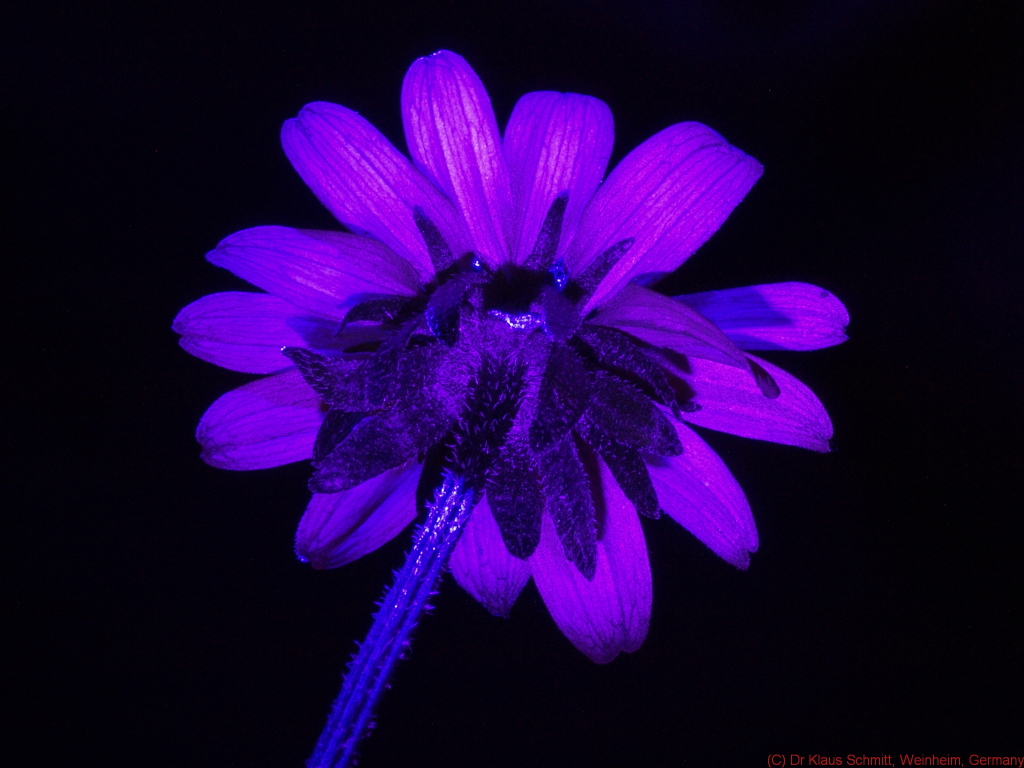
Rudbeckia hirta flower bottom up

This is again about a Rudbeckia hirta a flower but this time shot bottum up.

[click on image to see a large image]

UV LED lit showing visible NIR fluorescence 


butterfly vision image shot using Xenon light:


Visible image shot using Xenon light 


Visible stereo image (for crosseyed viewing)


Stay tuned, more will follow on that fascinating subject...

More info on this very interesting field may be found on my site http://www.pbase.com/kds315/uv_photos
Sunday, April 11, 2010

[FL] Another Bouquet: Gerber Daisy, Hyacinth, Roses,...

Here a UV induced visible fluorescence shot of another flower bouquet using Nichia 365nm UV LED and a 400-700nm UV/IR Cut filter.

[click on image to see a larger one]


and here for comparison the white light (5600K LED) shot


closer to see more details...


Well and here as another comparison, what happens when a Xenon flash with UV filter is used to stimulate fluorescence.

UV Xenon flash, but that leads to IR + red contamination as may be seen here:


and here now using a BG filter to compensate for that


but in overall comparison, the Nichia UV LED wins hands down IMHO!


Stay tuned, more will follow on that fascinating subject...

More info on this very interesting field may be found on my site http://www.pbase.com/kds315/uv_photos