Showing posts with label 60mm. Show all posts

Friday, September 2, 2011

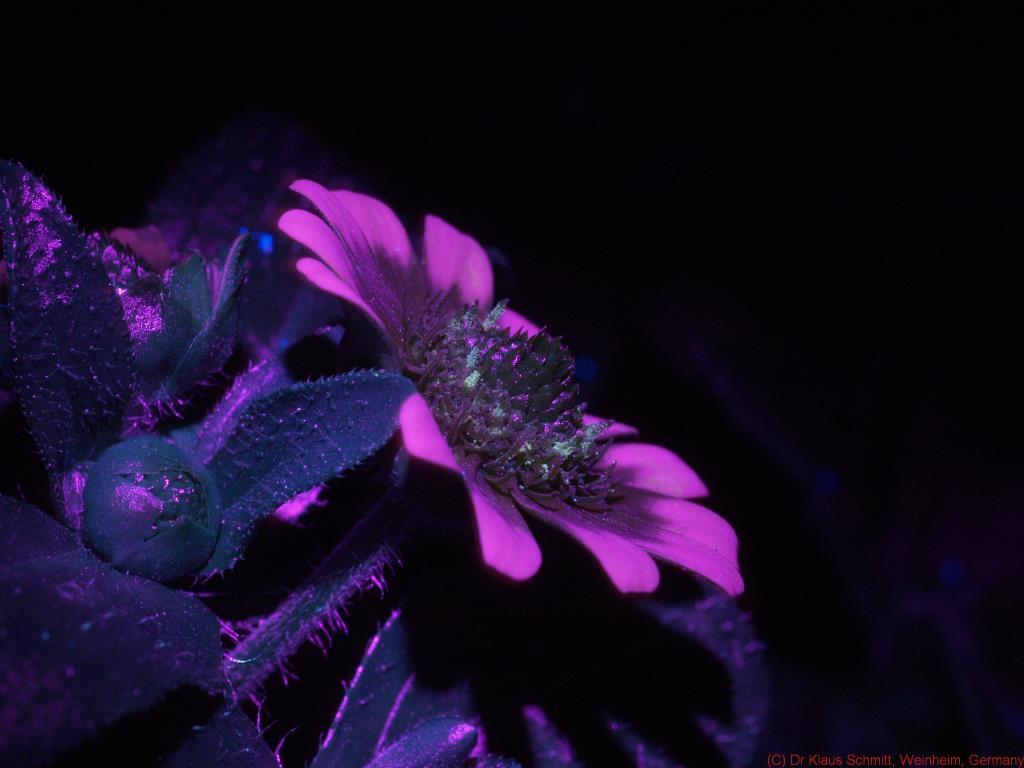
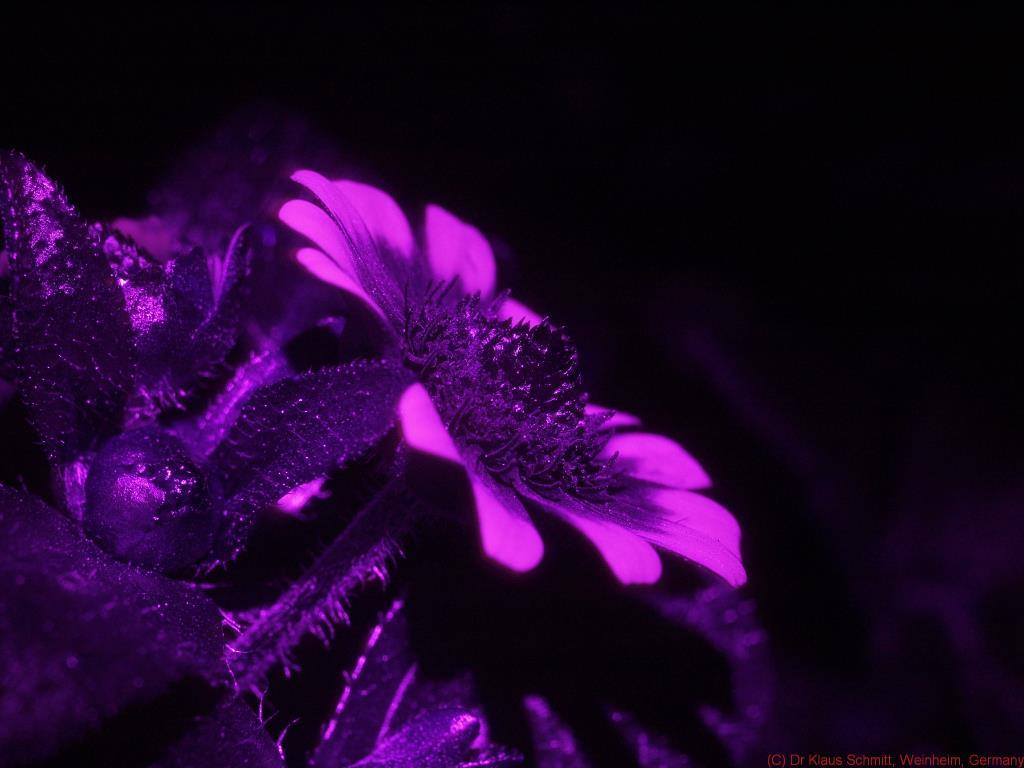
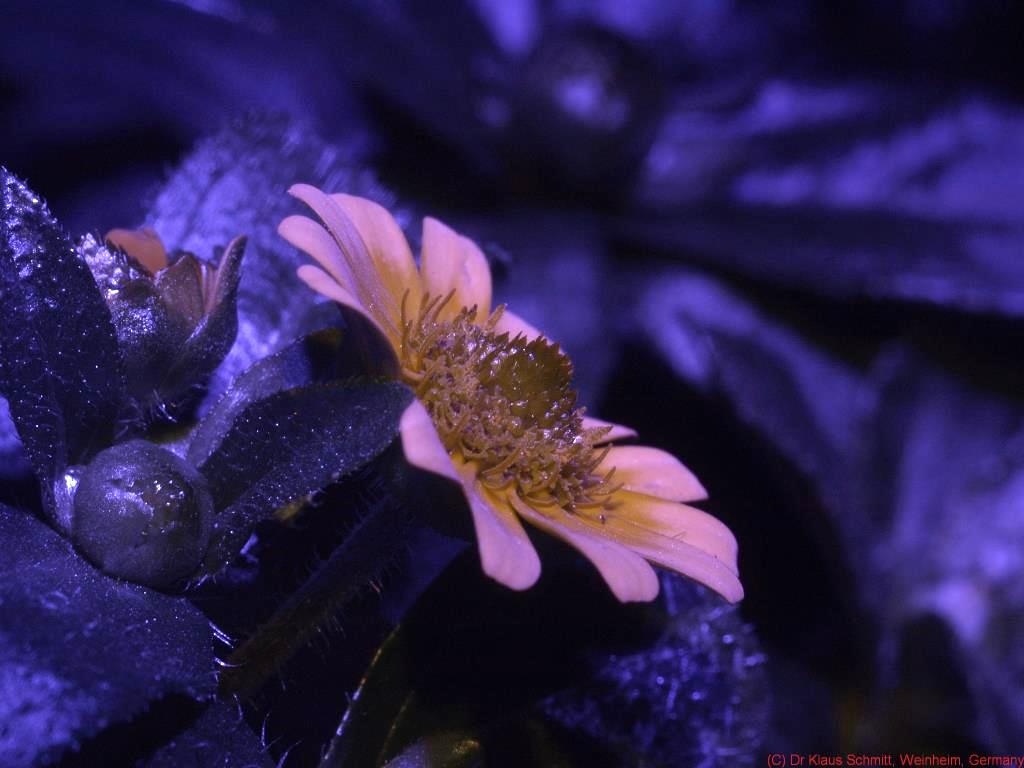
[UV, VIS] Rudbeckia fulgida meets Zeiss UV-Planar 60mm

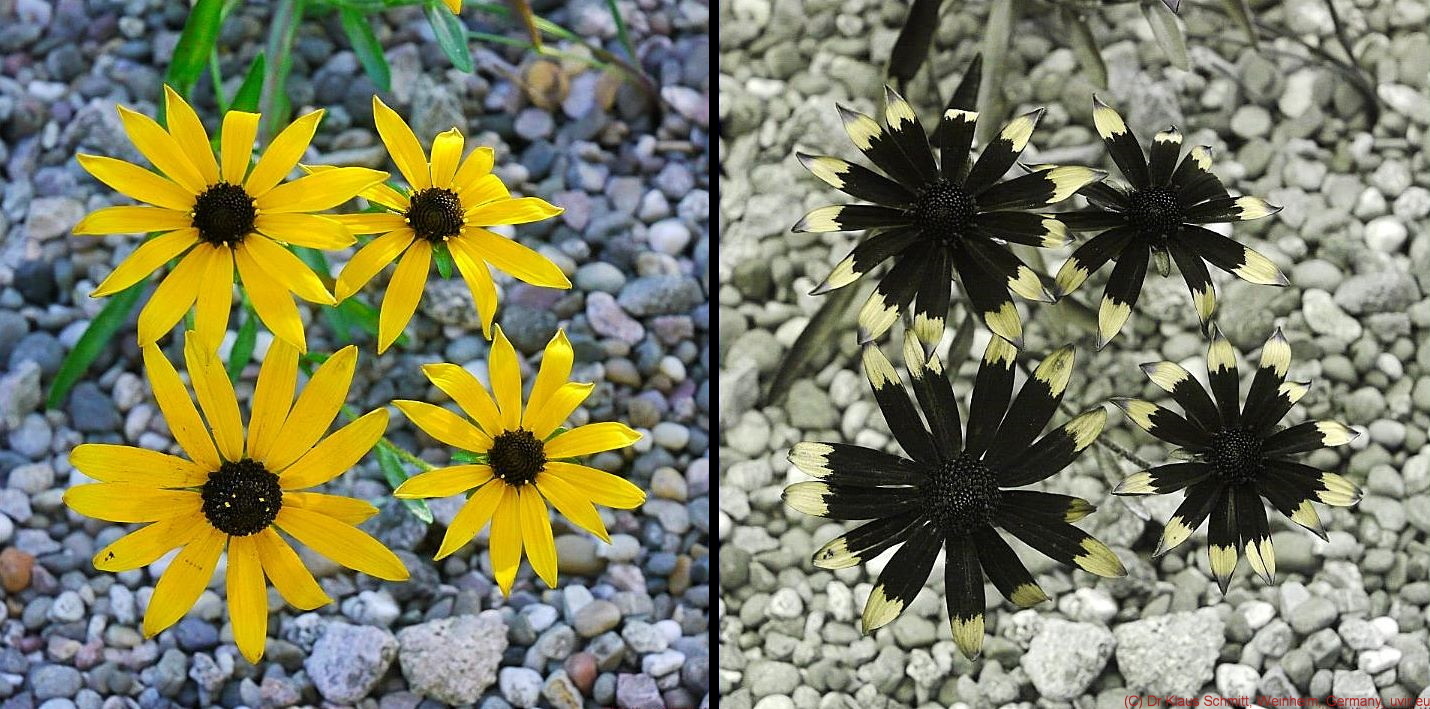
Shots from our wonderful Hermanshof Park here in Weinheim, of a Rudbeckia fulgida variant shot, using a Zeiss UV-Planar 4/60mm lens and Baader-U filter for the UV shot.

[click on image to see a larger one]

fully open at f4:


stopped down to f5.6:


Here now UV-VIS differentials on the right side.

fully open at f4:


stopped down to f5.6:


This lens is so sharp, already fully open, so stopping down is only needed to control the DOF (depth of field).


Stay tuned, more will follow on that fascinating subject...

More info on this very interesting field may be found on my site http://www.pbase.com/kds315/uv_photos

[VIS, UV] Late Summer's "Grand Finale" - Zeiss UV-Planar 60mm

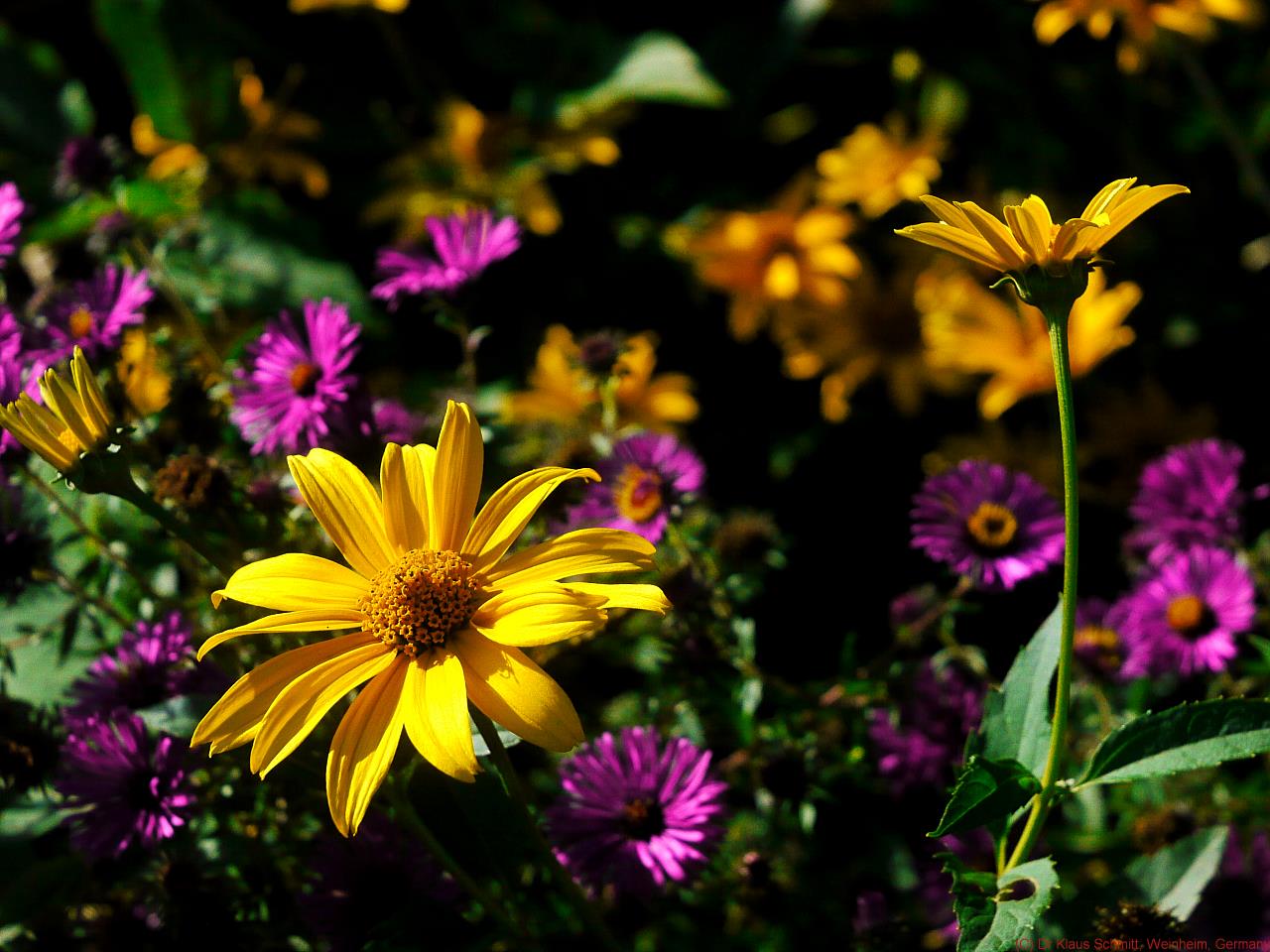
Today summer came back and flashed his intensive golden rays over our wonderful Hermanshof Park here in Weinheim, so I grabbed my system and took a few shots. Without more ado, have a look in VIS and UV...

[click on image to see a larger one]


[the yellow flower is Helianthus tuberosus and the violet flower is an Aster type]


Stay tuned, more will follow on that fascinating subject...

More info on this very interesting field may be found on my site http://www.pbase.com/kds315/uv_photos

Sunday, June 6, 2010

Sanvitalia (Creeping Zinnia) 3D Stereoscopic Butterfly Vision

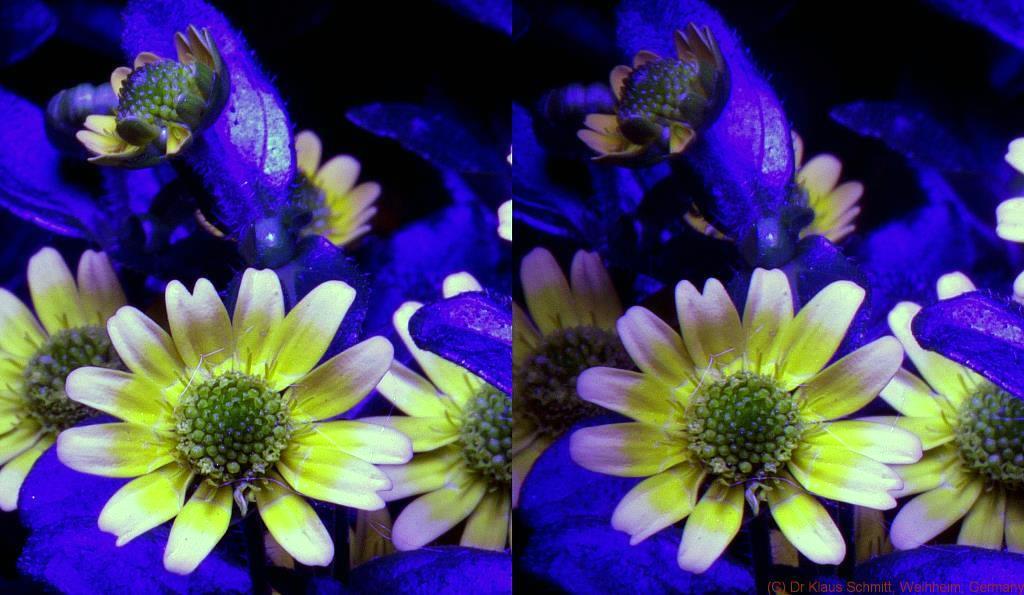
Here a test shot of a Creeping Zinnia "Sanvitalia procumbens" flower, using a 2 shot stereo method with my UV-Rodagon 5.6/105mm lens. This is for cross eye viewing.

[click on image to see a larger one]

First some visible light shot (actually that was filtered out using the Baader UV/IR Cut filter and the rest setup was the same, to make sure I'm not seeing UV induced visible fluorescence):


Simulated Butterfly Vision (UV=blue) using my XBV2 filter: 


and another one: 


Sanvitalia is difficult to bring out the UV pattern, as that one happens much deeper in the UV region as with other flowers having that.


Stay tuned, more will follow on that fascinating subject...

More info on this very interesting field may be found on my site http://www.pbase.com/kds315/uv_photos

Sunday, April 18, 2010

Potentilla multispectral

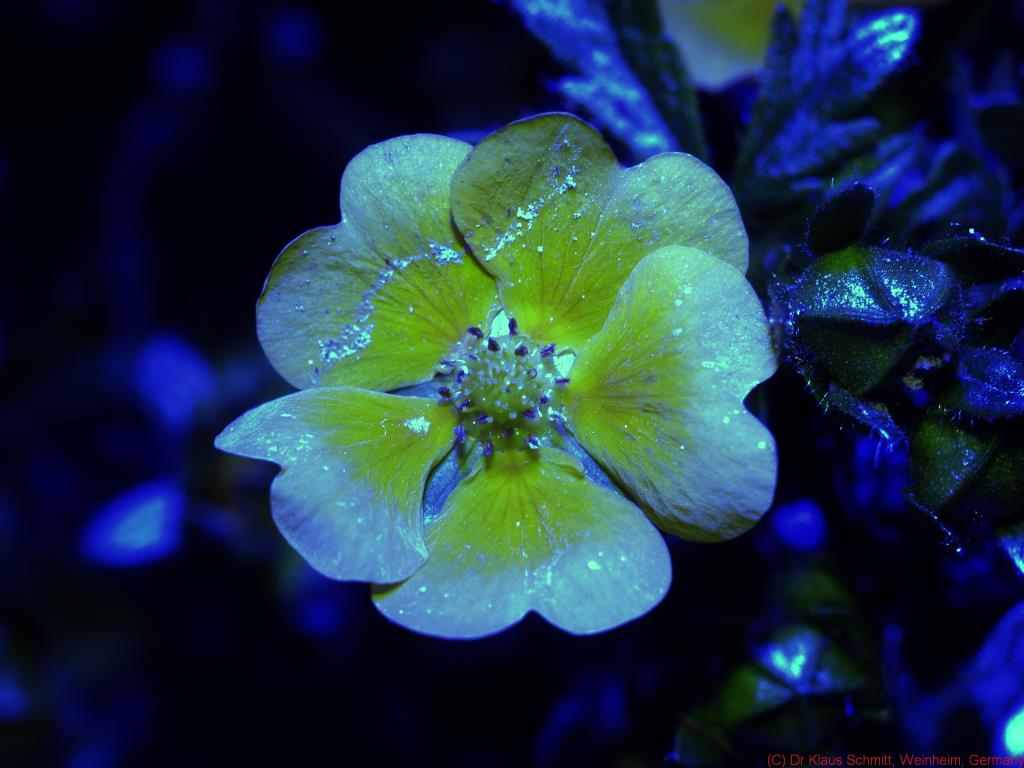
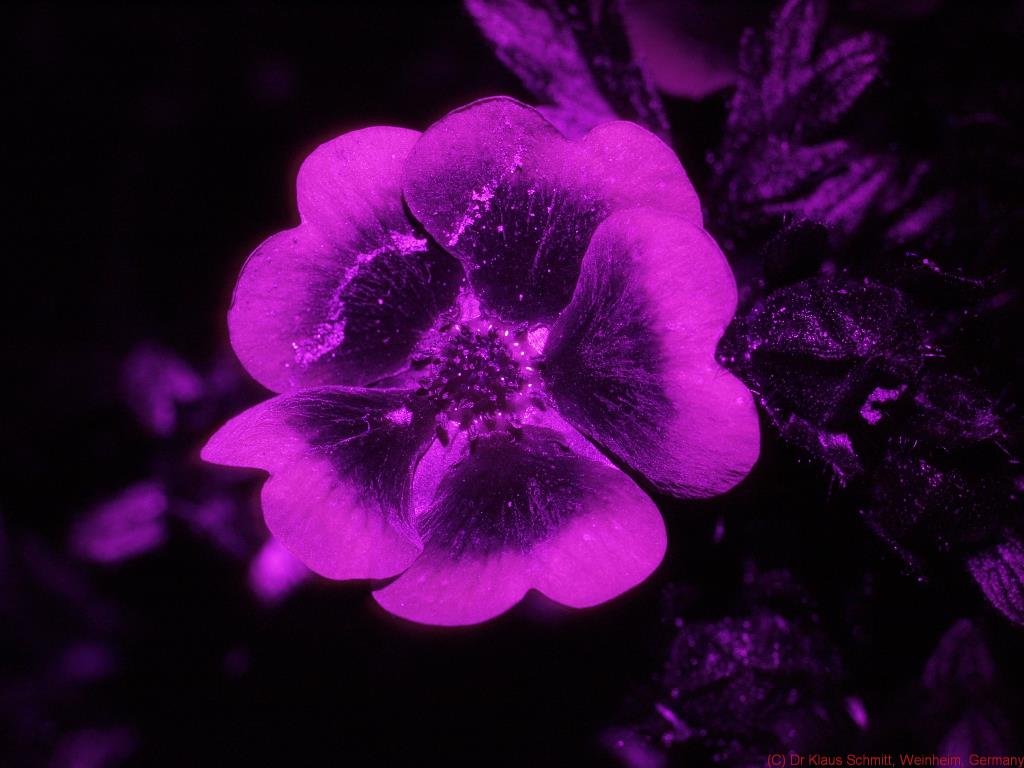
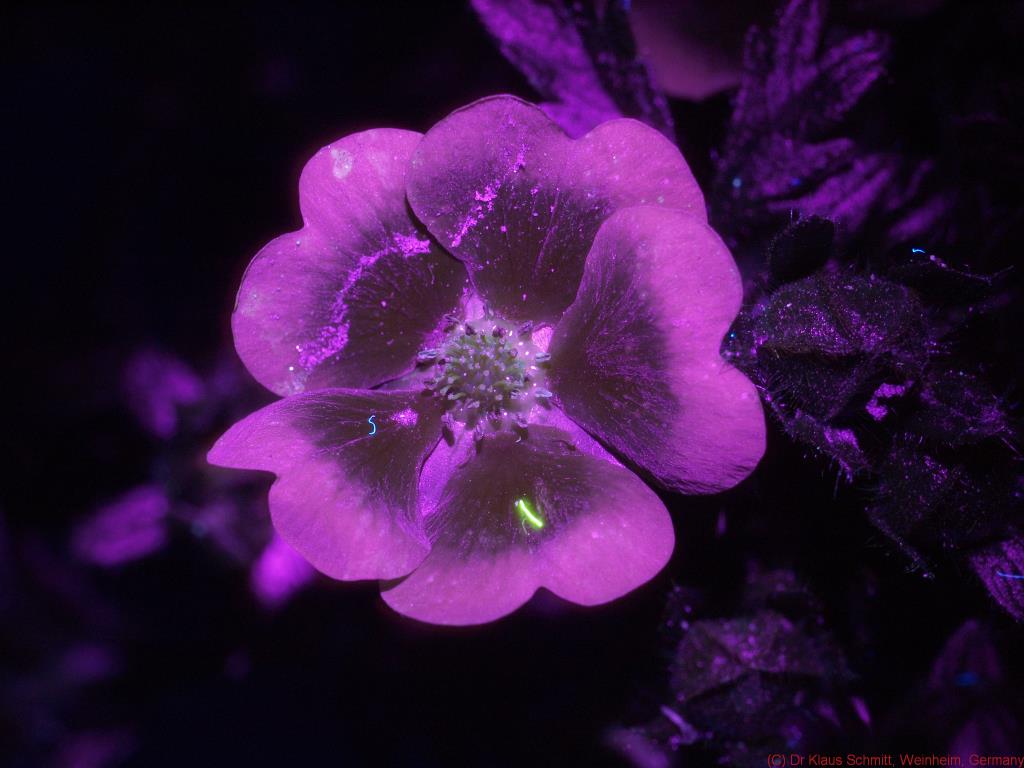
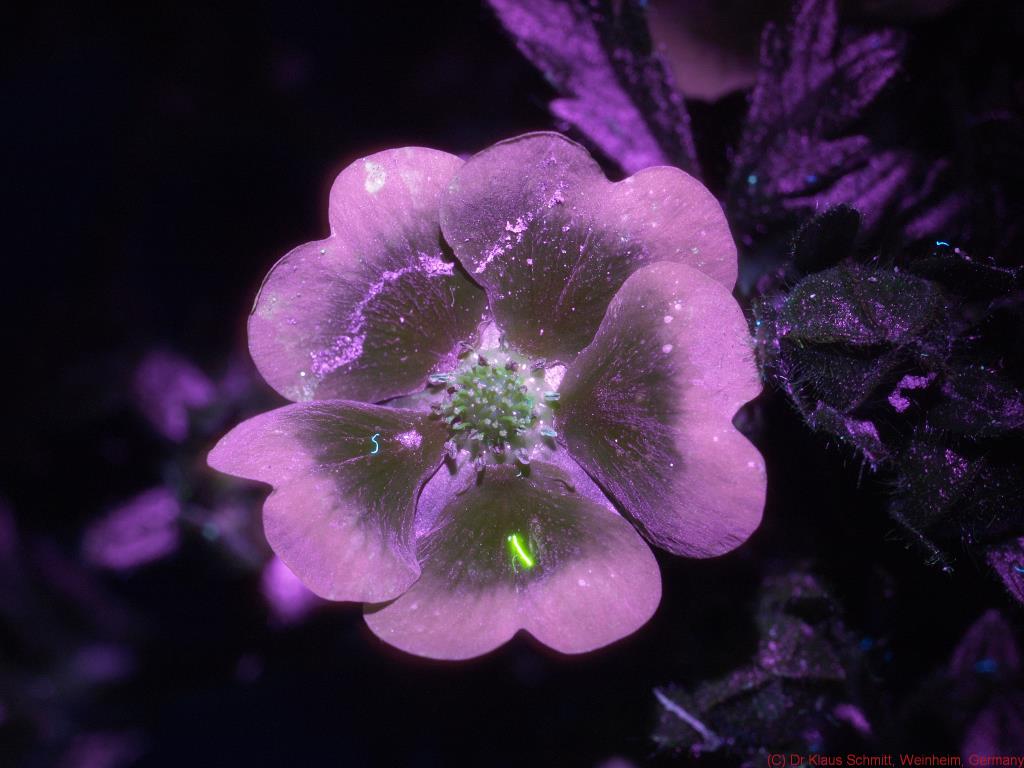
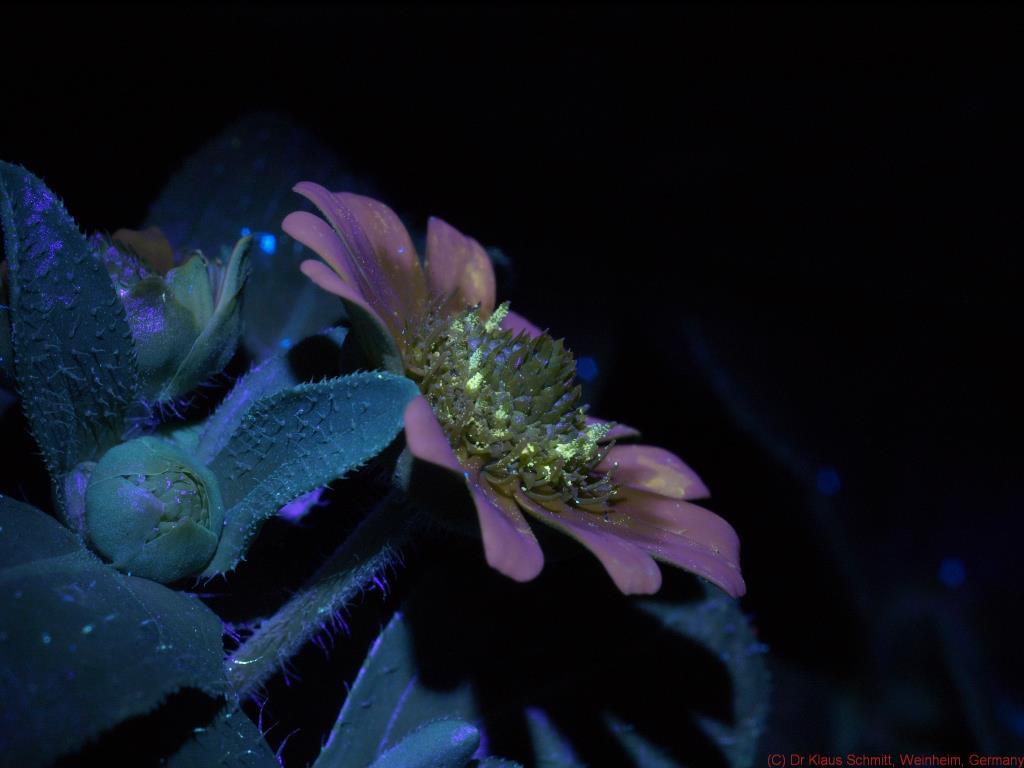
Well, also some flowers of the genus Potentilla (Sulfur Cinquefoil) has a very interesting pattern which only shows in ultraviolet, so I took a chance to shoot that interesting little flower using a UV-Planar 4/60mm lens and various filters /  lightsources.

[click on image to see a larger one]

Visual shot 


BV (simulated bee vision) shot 


UV (300-400nm) shot 


UV+FL shot 


FL (UV induced visilble fluorescence) shot 


Stay tuned, more will follow on that fascinating subject...

More info on this very interesting field may be found on my site http://www.pbase.com/kds315/uv_photos

Saturday, April 17, 2010

Creeping Zinnia multispectral

The first Creeping Zinnias appeared in 2010, so I took a chance to shoot that interesting little flower using a UV-Planar4/60mm lens and various filters and lightsources.

[click on image to see a larger one]

Visual shot 


FL (UV induced visilble fluorescence) shot 


UV+FL shot 


UV (300-400nm) shot 


BV (simulated bee vision) shot 


Stay tuned, more will follow on that fascinating subject...

More info on this very interesting field may be found on my site http://www.pbase.com/kds315/uv_photos

Saturday, September 15, 2007

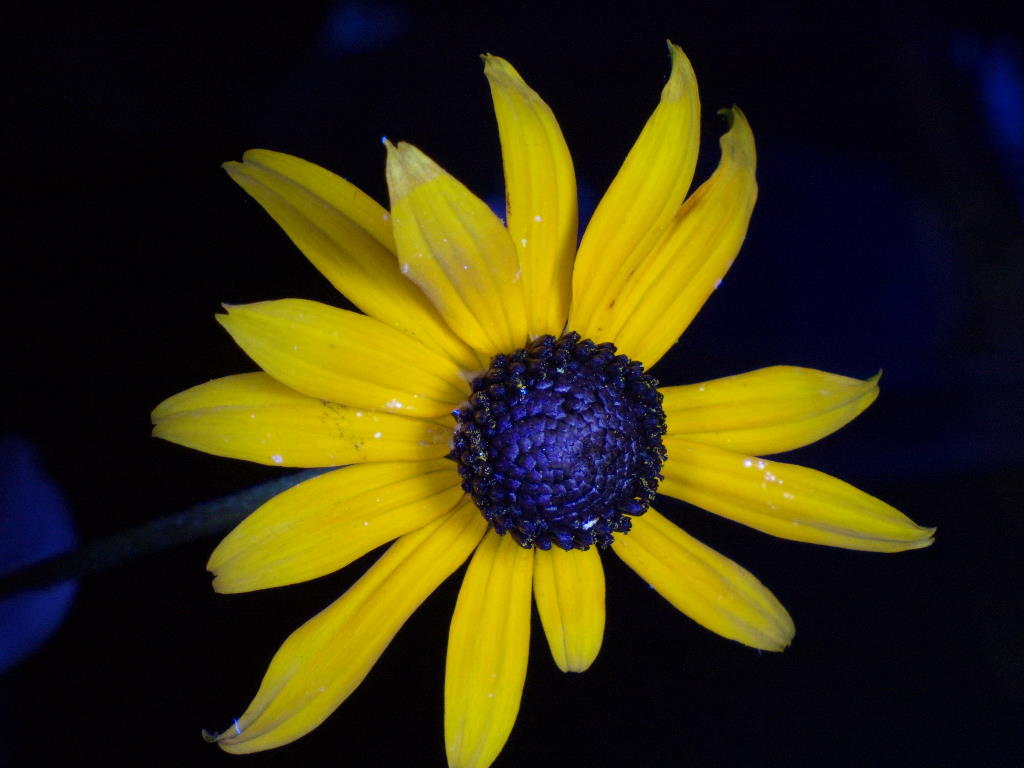
Carl Zeiss Jena 60mm UV-Objektiv and Rudbeckia

So today I dug out my old Carl Zeiss Jena f4 60mm UV-Objektiv (a simple triplet actually, made of UV transmitting glass) mounted it with a suitable helicoid to an Olympus E-510 DSLR, and repeated the reflected UV and fluorescence shots as yesterday.

As light source a 365nm UV LED was used here and no other modifications were done. Here the UV shot using the Baader 2" U-filter (320-390nm), just color balanced to taste, no other modifications done. Interesting to note that since this lens is a simple, yet sharp triplet design, quite some massive focus difference between visible focus and UV shows, nearly 50mm in this case (closer for UV). [actually also the reason why the UV image is somewhat larger]


The second shot I used the same UV LED, but the filter used was the Baader UV/IR Cut filter, to suppress UV and to allow for fluorescence.


Oh, and if someone wondered how that flower looks like in normal white light, there you go...


Did you notice these aphids wondering around...? It seems to grin right into the lens on that last shot!

Stay tuned, more will follow on that fascinating subject...

More info on this very interesting field may be found on my site http://www.pbase.com/kds315/uv_photos