Showing posts with label differential. Show all posts

Thursday, May 14, 2020

Surprising STEINHEIL f2.8/50mm lens for reflected UV photography VII - Focus Shift

This again is about this older 50mm lens, which was made decades ago by famous lens maker STEINHEIL which attracted me, since it showed some seemingly good UV transmission, which have already shown here. I have already shown that it performs quite well using the Baader-U filter, and using some even deeper reaching UV filters, using a 340nm shortpass and the IDAS 330nm filter (I have the 2" version, no longer made).

Now I wanted to show today how the focus shift of this, or any other lens can be easily made visible. All images shot at f8, using a modified Xenon flash.

[click on image gets you a larger image]

VIS image using UV/IR Cut filter:
 

UV image using Bader-U filter (approx. 320-390nm, peak 360nm):
 

UV image using IDAS UV filter (approx. 300-380nm, peak 330nm):
 

UV image using 340nm UV filter (approx. 320-340nm):
 

Now it is about to show how those images differ in size, using a method I call "differential", i.e. a subtraction of two images, one visible and one UV, where any focus shift will show as overlapping on the borders of the object. If you looks close you will see this around the object.

VIS-UV (Baader-U filter) differential image:
 

VIS-UV (IDAS UV filter) differential image:
 

VIS-UV (340nm UV filter) differential image:
 

It got quite obvious before, that this lens is also performing very well at even shorter wavelengths, making it a very useful lens for reflected UV down to 330-340nm at an optimal f8/f11 setting, especially since the image size deviation between visible and UV image is also only 1.3% , which can be easily seen (and measured) from those differential images.

I have written about that lens more HERE.

Stay tuned, more will follow on that fascinating subject...

More info on this very interesting field may be found on my site http://www.pbase.com/kds315/uv_photos

Tuesday, May 5, 2020

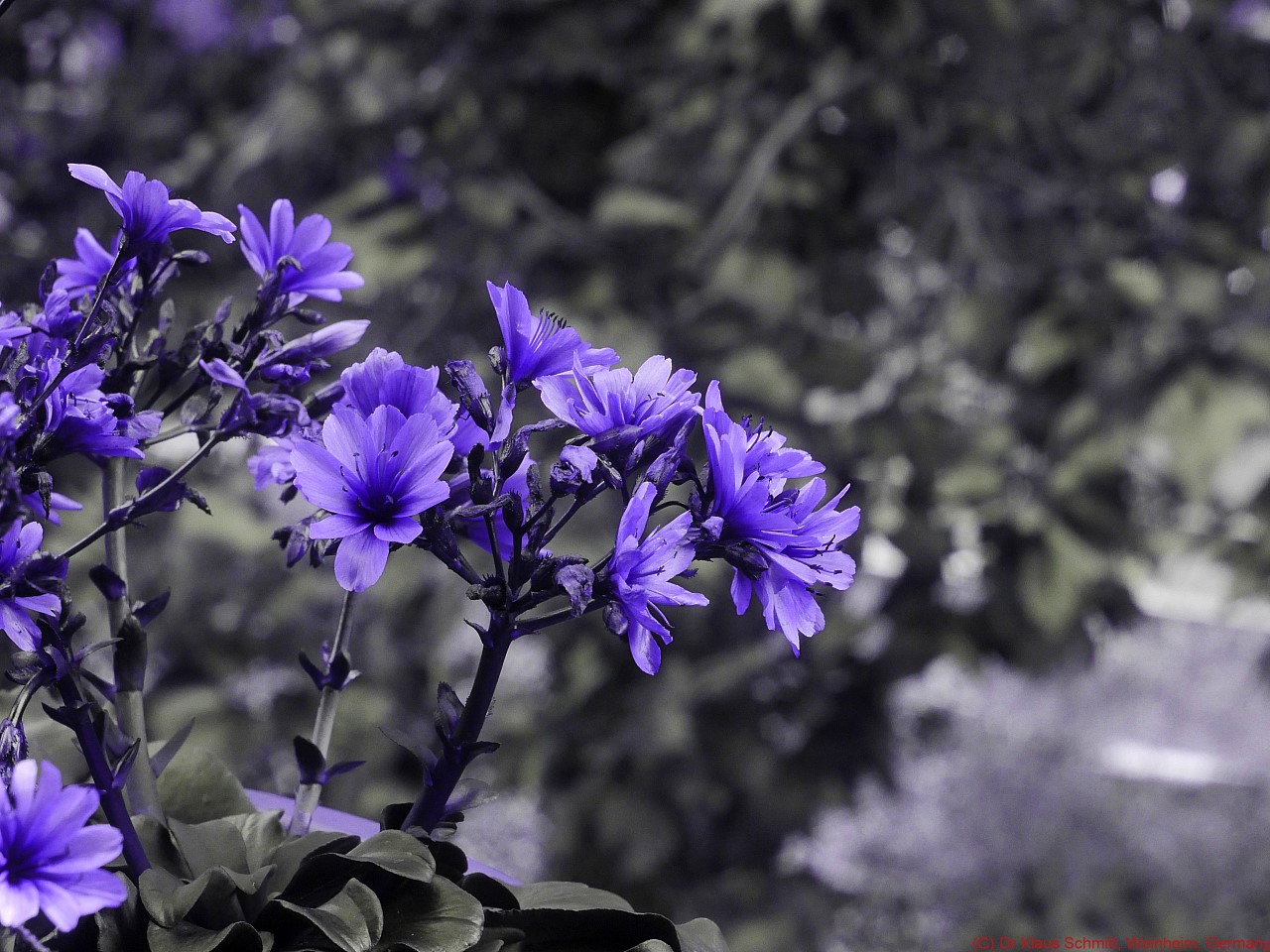
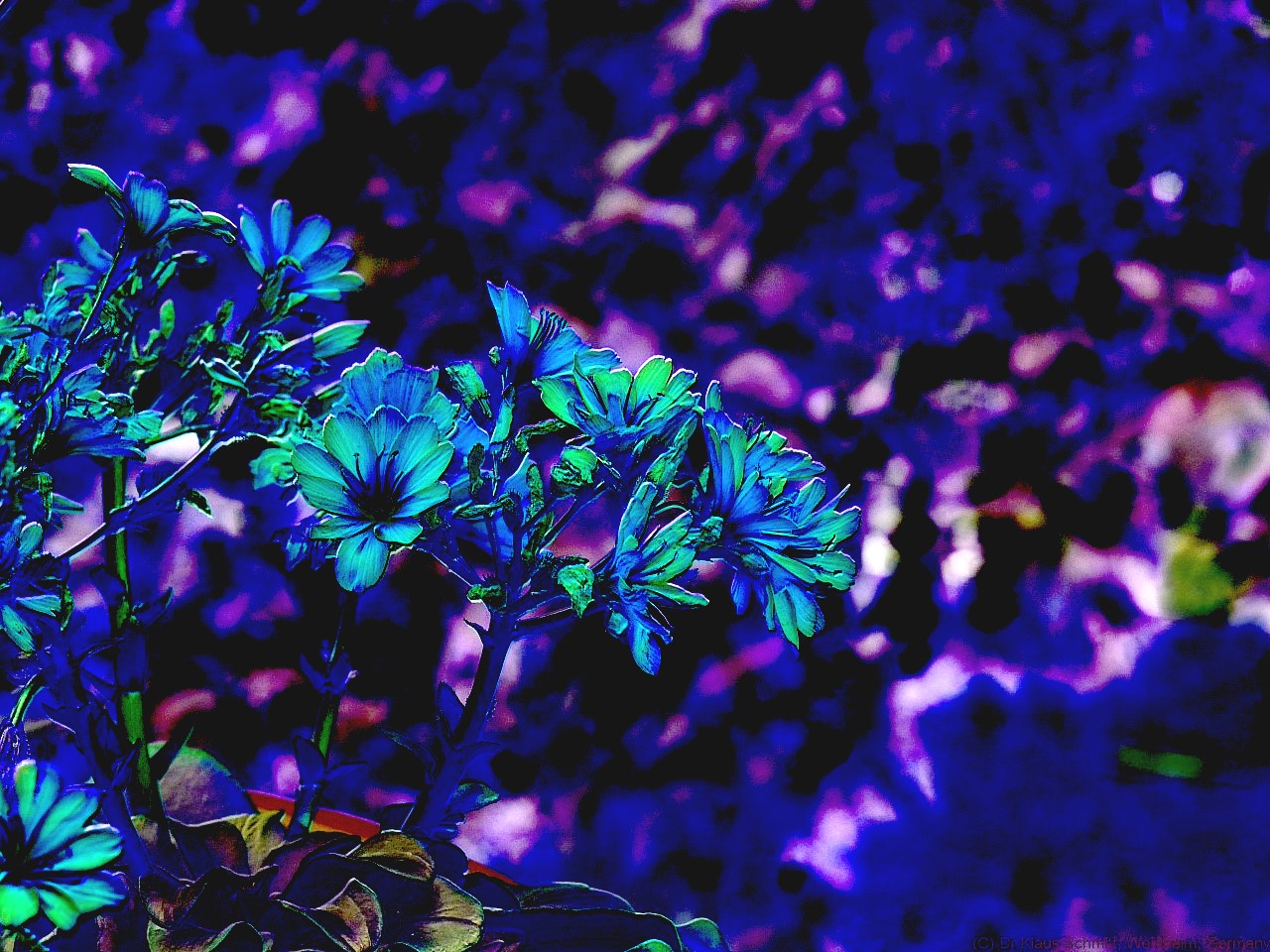
Surprising STEINHEIL f2.8/50mm lens for reflected UV photography VI - Lewisia differentials

I got this mentioned older lens, which was made decades ago by famous lens maker STEINHEIL . It is a possibly single coated, well made 2.8/50mm lens which attracted me, since it showed some good UV transmission which I have previously shown here. Now today some outdoor shots at f11, light source was overcast sky. Target was a Lewisia cotylodon flower. But this time a bit different images - Differentials, which shows the difference of two images.

[click on image gets you a larger image]

VIS image using UV/IR Cut filter:
 

UV image using Baader-U filter:
 

Simulated butterfly vision:
 

Simulated bee vision:
 

VIS - UV differential image:
 

VIS - UV differential image, color swap:
 

VIS - Simulated butterfly vision differential:
 

VIS - Simulated bee vision differential:


Lewisia has a visible UV pattern, its petal tips are UV bright around 385nm, its center is UV dark, so this gets quite nicely visible as differentials, also in simulated butterfly and bee vision using this astonishing lens.

I have written more about that flower HERE 

I have written about that used lens HERE.

Stay tuned, more will follow on that fascinating subject...

More info on this very interesting field may be found on my site http://www.pbase.com/kds315/uv_photos

Friday, September 6, 2019

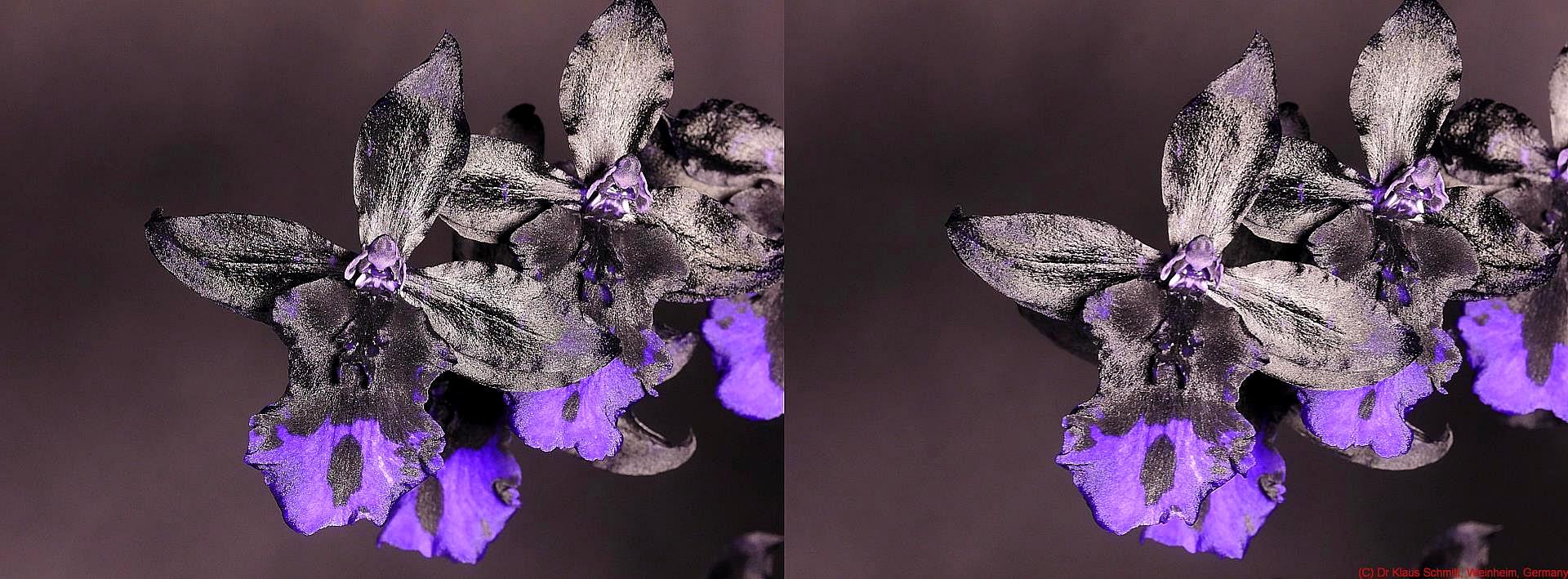
Oncostele Wildcat 'Golden Red Star' in visible, reflected UV, simulated bee and butterfly vision - 3D Stereo

Today shots of an Orchid hybride, Oncostele Wildcat 'Golden Red Star' in reflected ultraviolet photography as well as simulated bee and butterfly vision  - but also in 3D stereo crosseye presentation. UV filter used was the Baader-U filter, my "work horse" filter for reflected UV as well as my proprietary XBV filters. All shots were done at f8 using an UV-Nikkor f4.5/105mm lens. Light source used was a modified for high UV output Xenon flash.

[click on image to see a larger one]

Human Vision (VIS):
 

Reflected UV (Baader-U):
 

Simulated Butterfly Vision:
 

Simulated Bee Vision:
 

Quadriptych of the above (non-stereo):
 

This orchid has a very specific UV pattern, its petals are very UV dark, but the lower petal lip has on its lower center a very UV bright spot, as well as on its center "nose" formation an UV reflecting spot and all this gets nicely visible, also in 3D stereo (UV reflection shows as light blue)

I have written more about this orchid HERE and about Differentials HERE

Stay tuned, more will follow on that fascinating subject...

More info on this very interesting field may be found on my site http://www.pbase.com/kds315/uv_photos
Monday, December 31, 2018

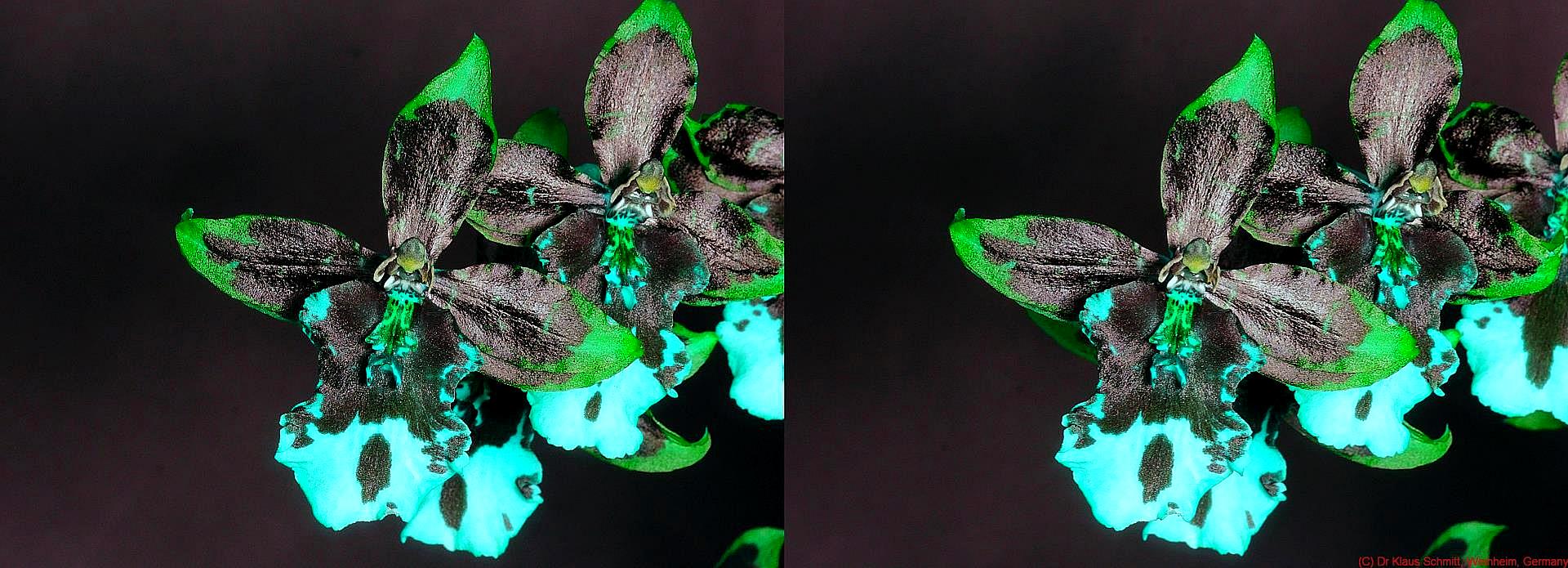
Oncostele Wildcat 'Golden Red Star' in visible, reflected UV, simulated bee and butterfly vision - differentials

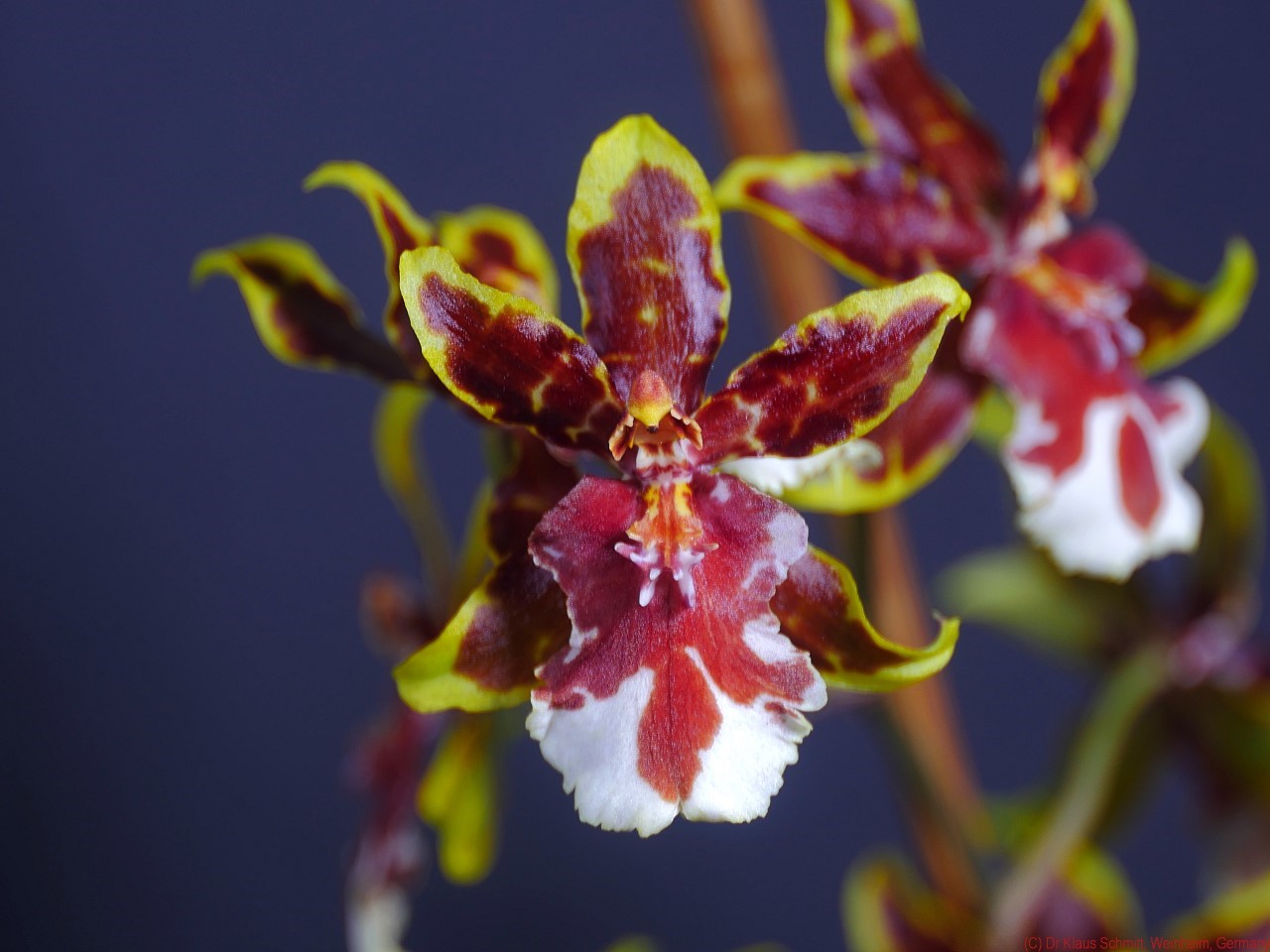
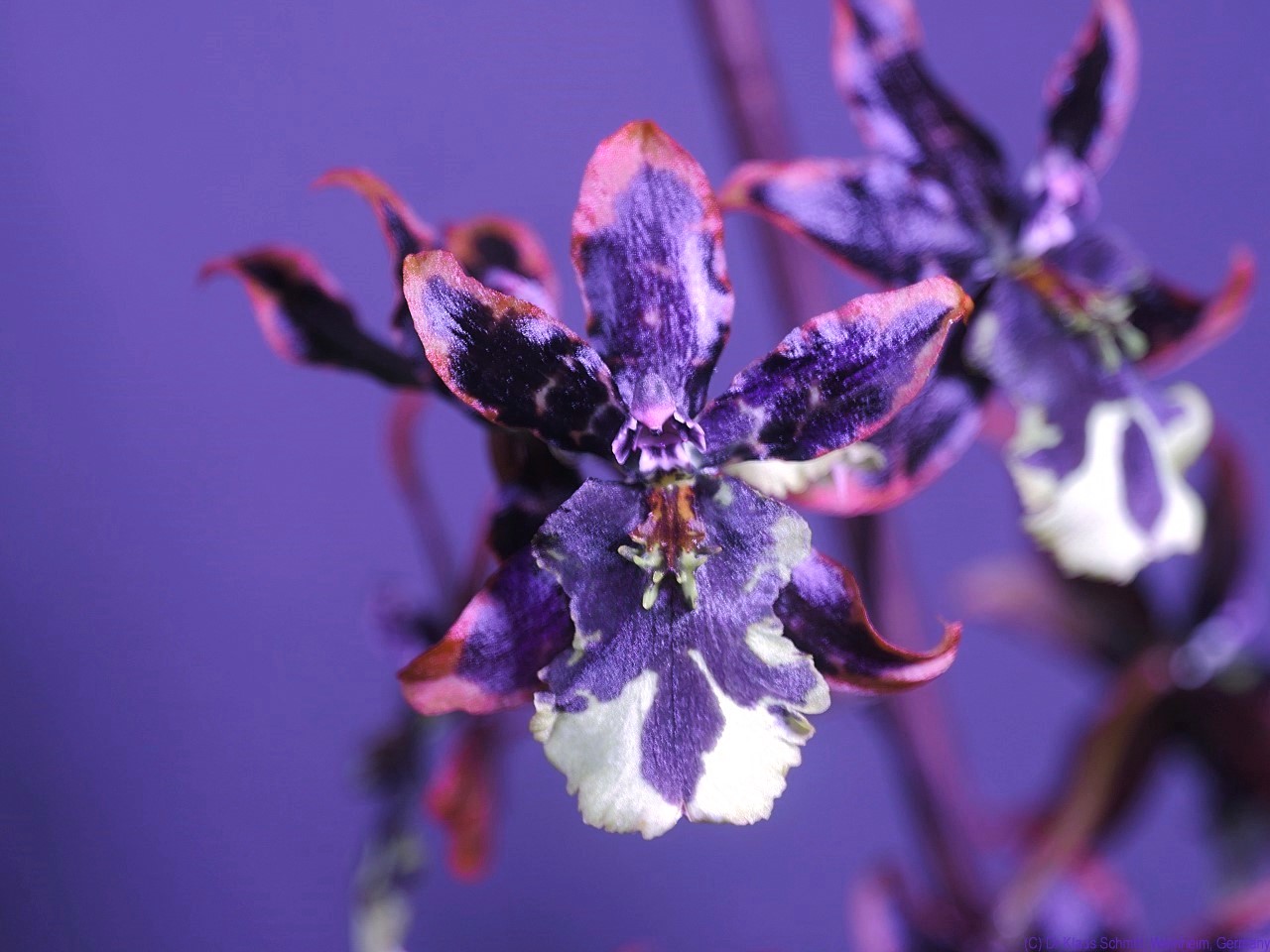
Today shots of an Orchid hybride, Oncostele Wildcat 'Golden Red Star' in reflected ultraviolet photography as well as simulated bee and butterfly vision  - but also in differential ("psychedelic") presentation. UV filter used was the Baader-U filter, my "work horse" filter for reflected UV as well as my proprietary XBV filters. All shots were done at f8 using an UV-Nikkor f4.5/105mm lens. Light source used was a modified for high UV output Xenon flash.

[click on image to see a larger one]

Human Vision (VIS):
 

Reflected UV (Baader-U):
 

Simulated Butterfly Vision:
 

Simulated Bee Vision:
 

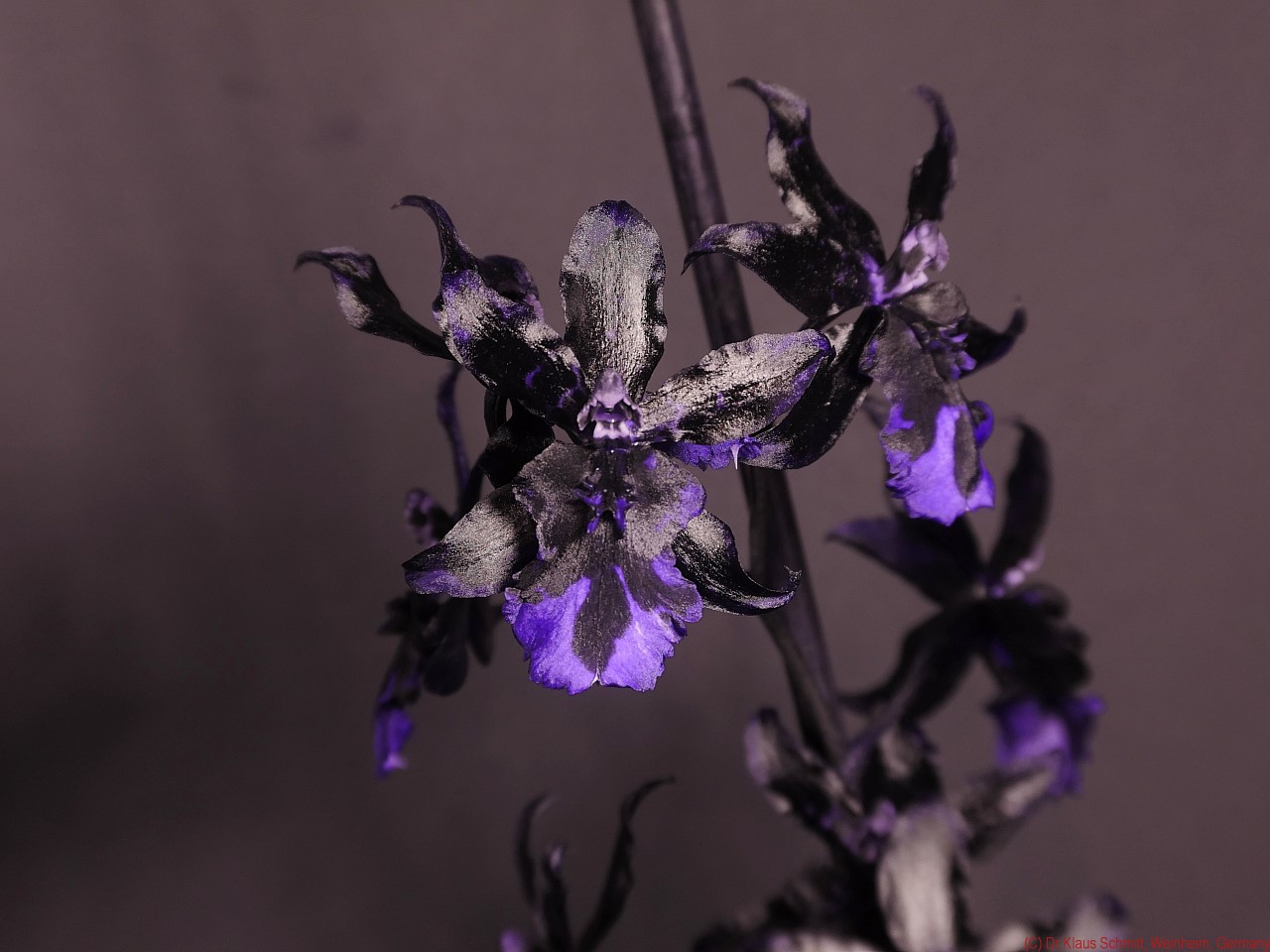
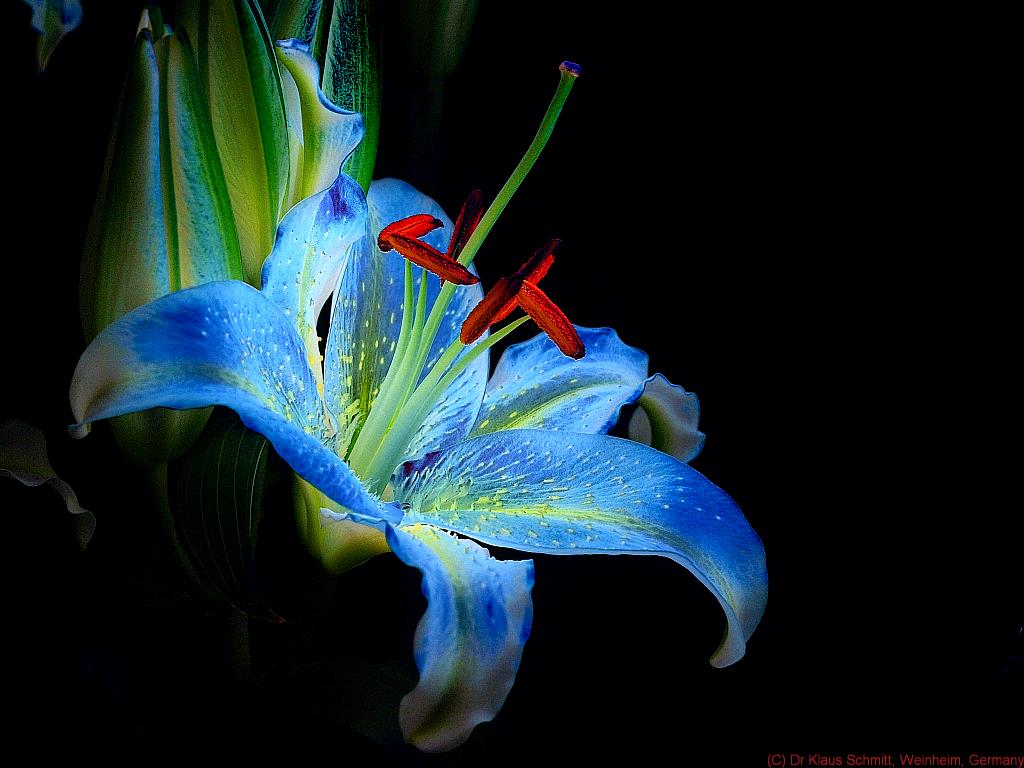
Human Vision (VIS) - Ultraviolet (UV) Differential:
 

Simulated Butterfly Vision (BU) - Ultraviolet (UV) Differential:
 

Simulated Bee Vision (Bee) - Ultraviolet (UV) Differential:
 

This orchid has a very specific UV pattern, its petals are very UV dark, but its lower petal lip has on the lower center a very UV bright spot as well as on its center "nose" formation an UV reflecting spot and all this gets nicely visible, also in Differential form (UV reflection shows as light blue)

I have written more about this orchid HERE and about Differentials HERE

Stay tuned, more will follow on that fascinating subject...

More info on this very interesting field may be found on my site http://www.pbase.com/kds315/uv_photos

Saturday, December 29, 2018

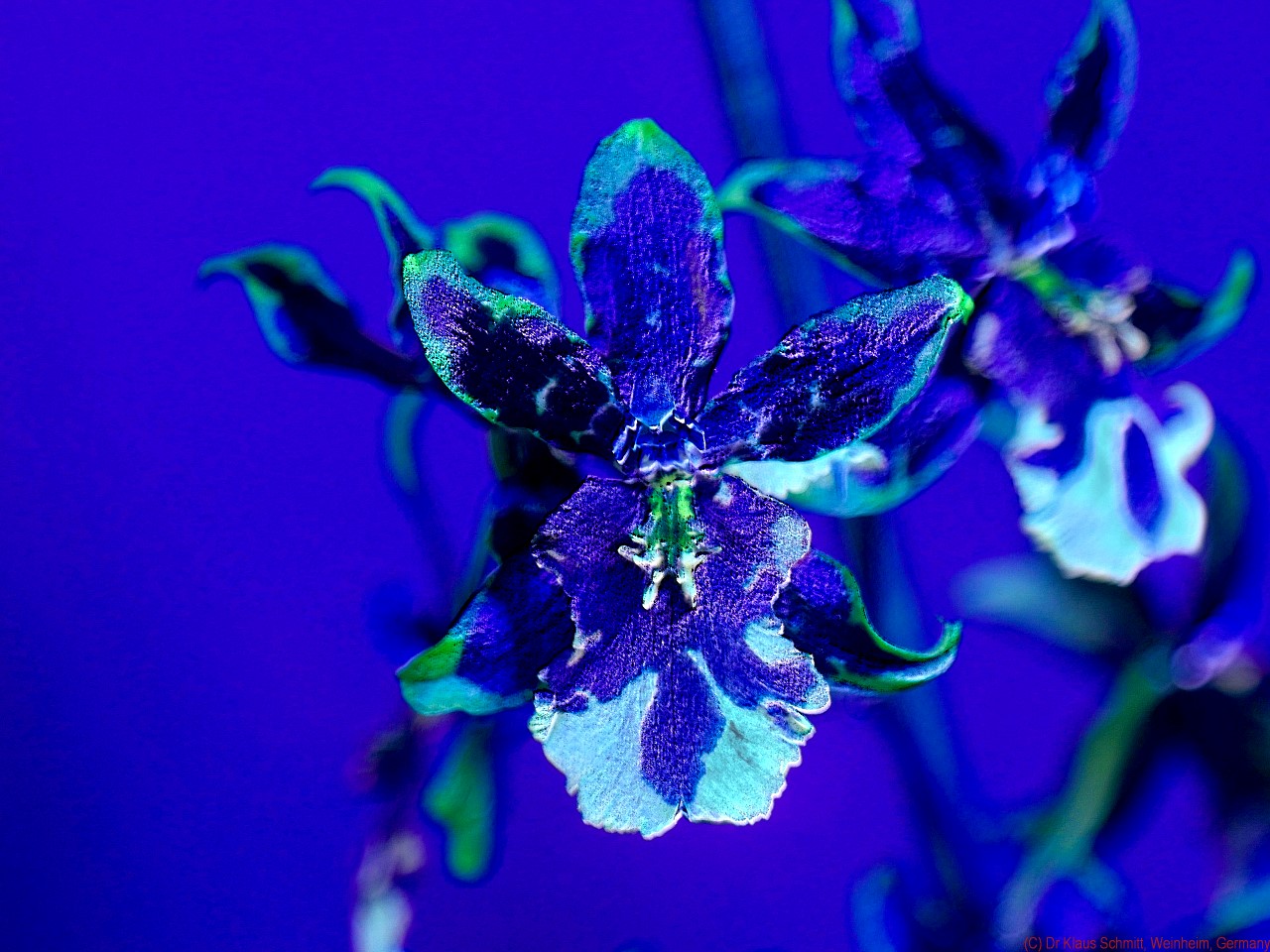
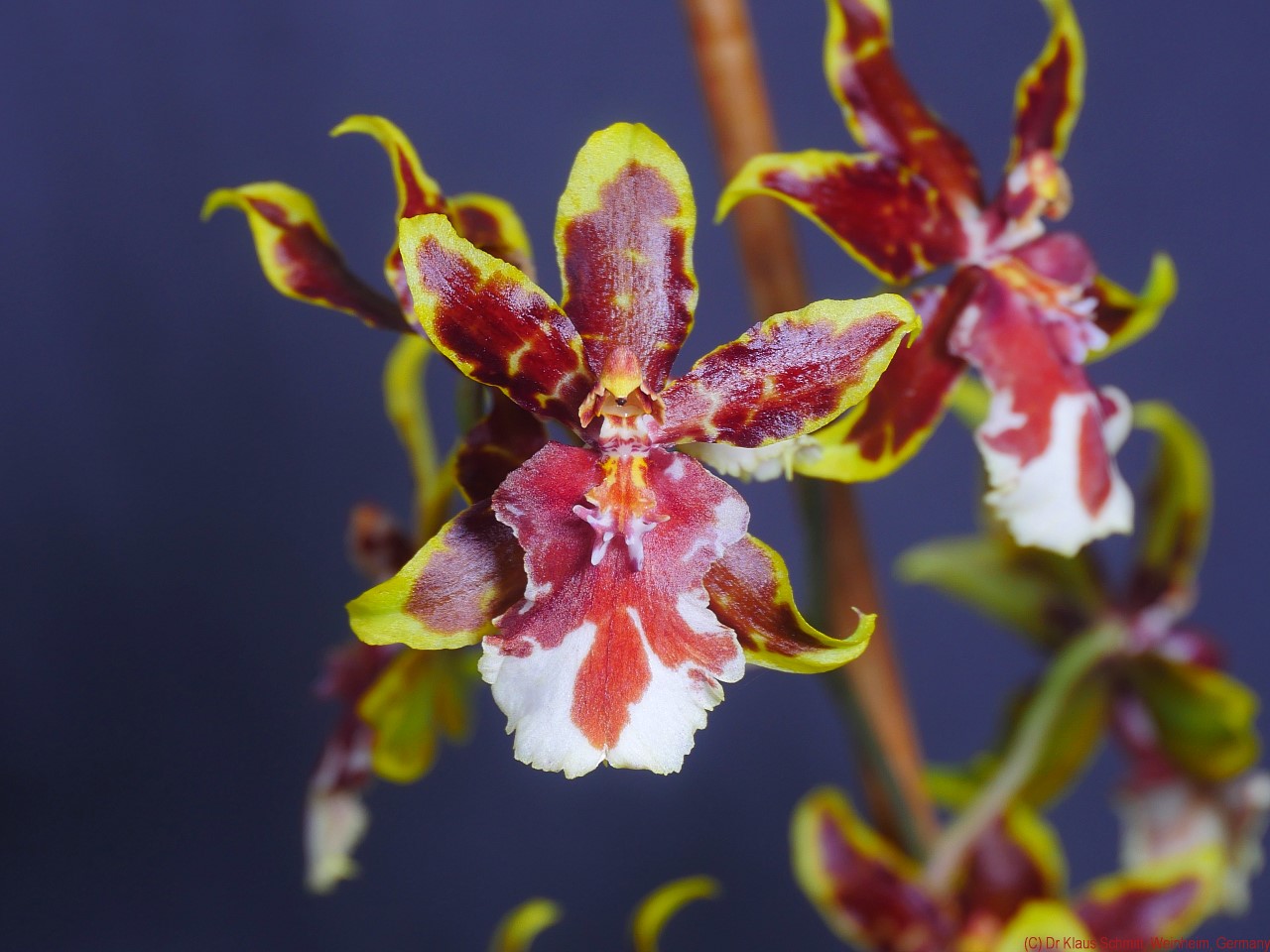
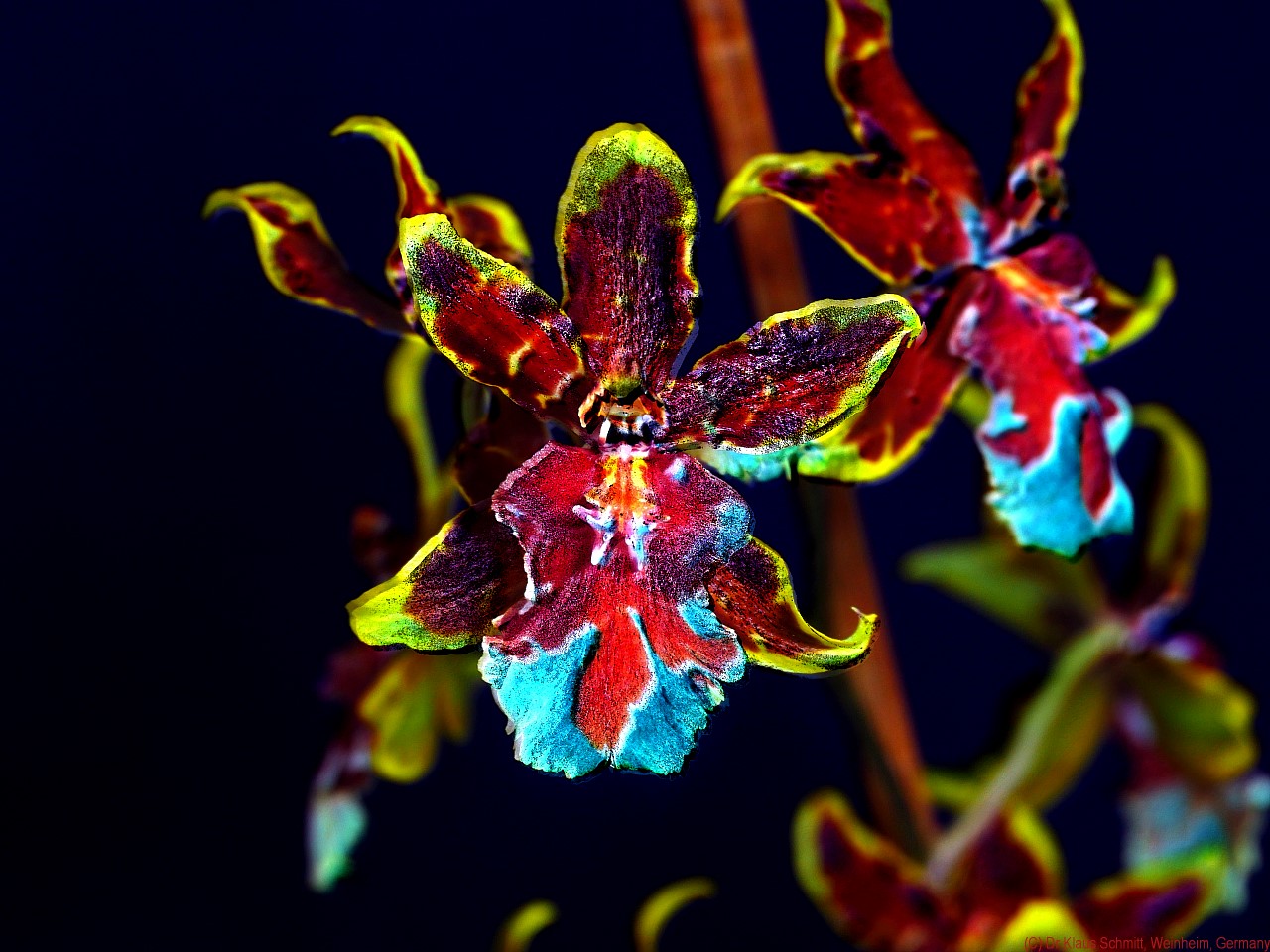
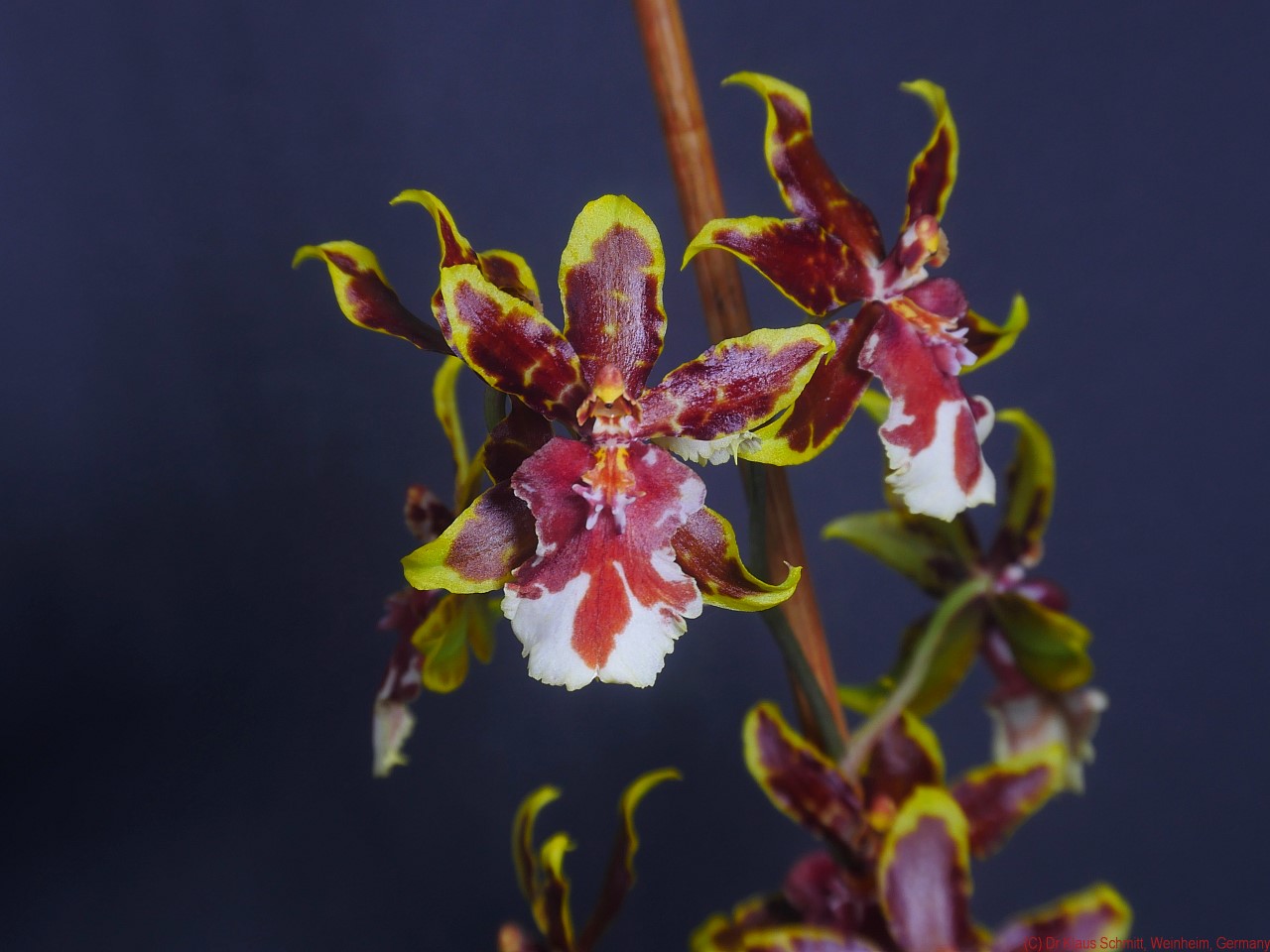
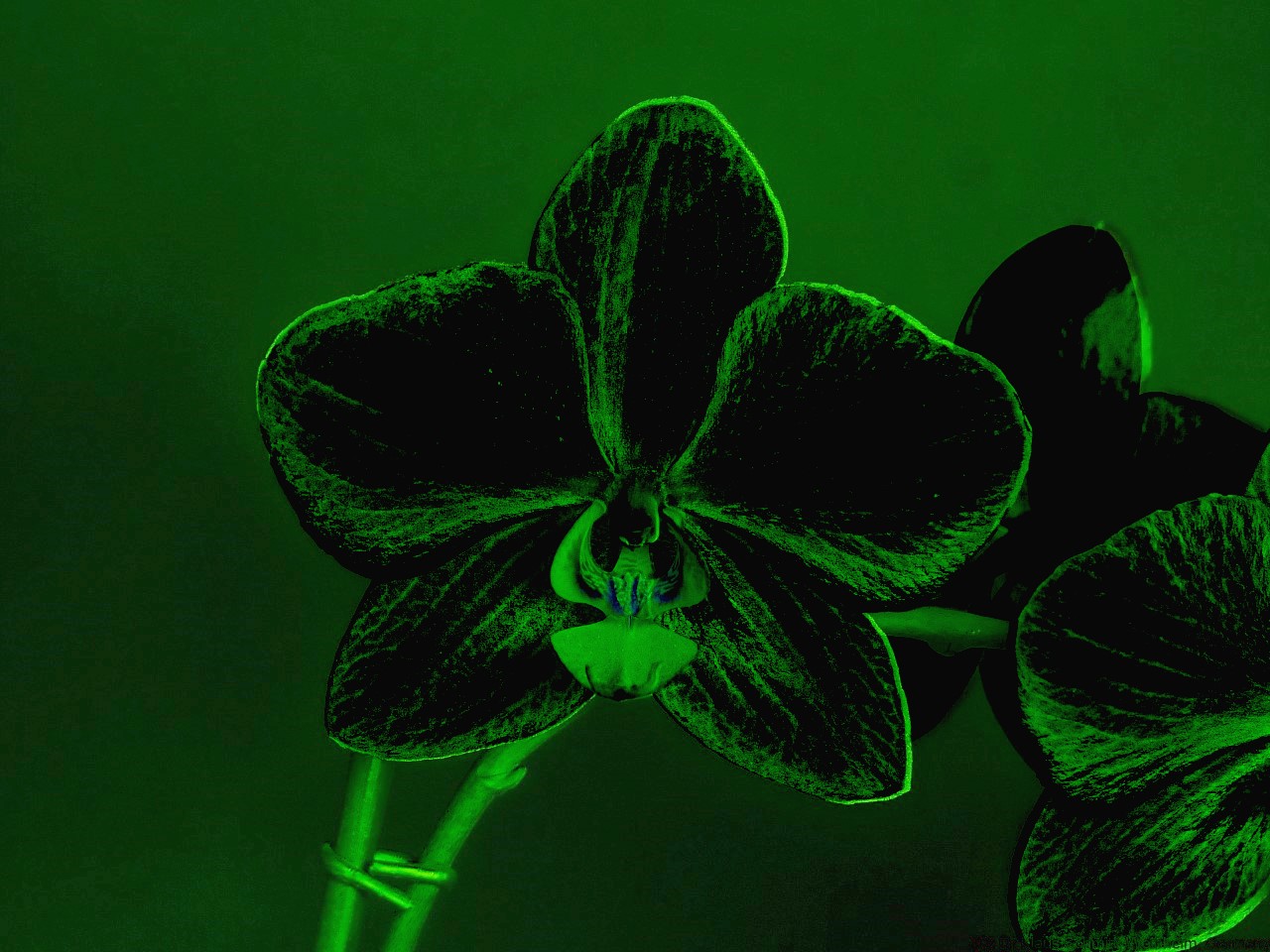
Oncostele orchid in visible, reflected UV, UV-Nikkor vs Quartz Fluoride lens - psychedelic

I have done shots of an Orchid hybride, Oncostele Wildcat 'Golden Red Star' in reflected ultraviolet photography using an UV-Nikkor f4.5 / 105mm lens in comparison to an older f3.2 / 81mm Quartz Fluoride Condensor lens from an older UV-VIS spectrometer system before here. UV filter used was the Baader-U filter, my "work horse" filter for reflected UV. All shots were done at approx. f8. Light source used was a modified for high UV output Xenon flash.

Now today I'd like to show differential of those VIS and UV images, making strinkingly visible the difference, hence why I call those images "psychedelic"....

[click on image to see a larger one]

UV-Nikkor 105mm Lens: 

Human Vision (VIS):
 

Reflected UV (Baader-U):
 

Psychedelic (Differential VIS-UV):


Quartz Fluoride Condensor Lens 81mm: 

Human Vision (VIS):
 

Reflected UV (Baader-U):


Psychedelic (Differential VIS-UV):
 

This orchid has a very specific UV pattern, its petals are very UV dark, but its lower petal lip has on the lower center a very UV bright spot as well as on its center "nose" formation an UV reflecting spot and all this gets nicely visible, also in this psychedelic differential presentation, on both used lenses.

I have written more about this orchid HERE  and more about that old quartz fluoride condensor lens HERE.

More such psychedelic differential images may be see HERE.

Stay tuned, more will follow on that fascinating subject...

More info on this very interesting field may be found on my site http://www.pbase.com/kds315/uv_photos

Monday, February 21, 2011

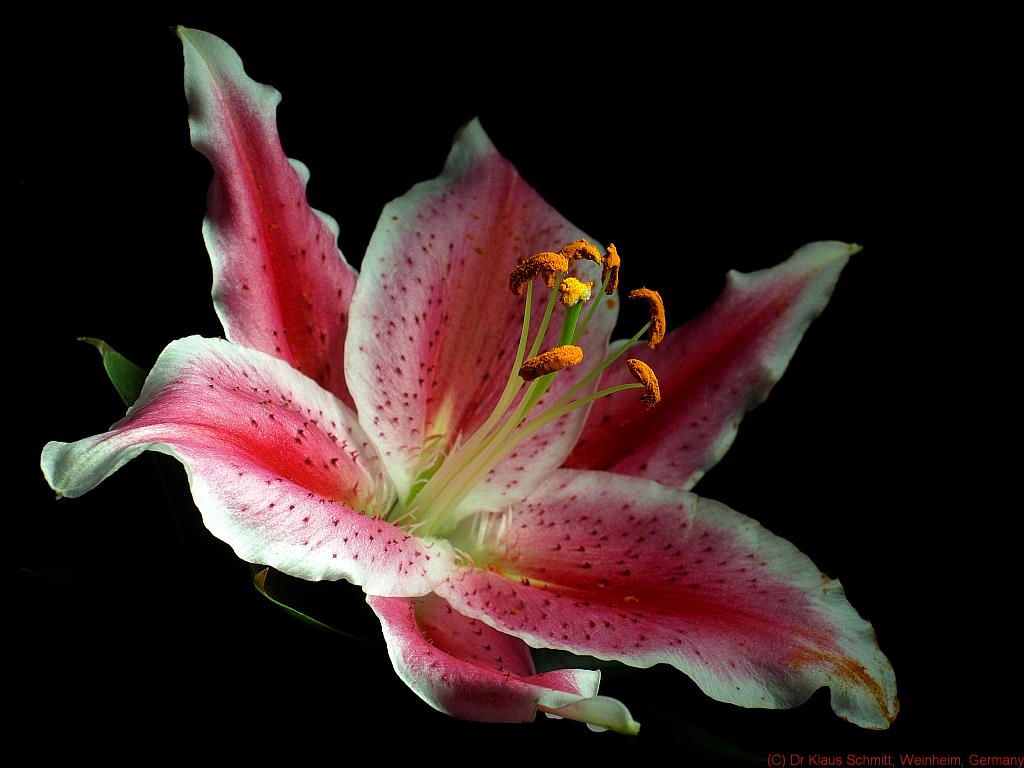
White Lilly - a surprising lens find for UV and VIS w/o focus shift II

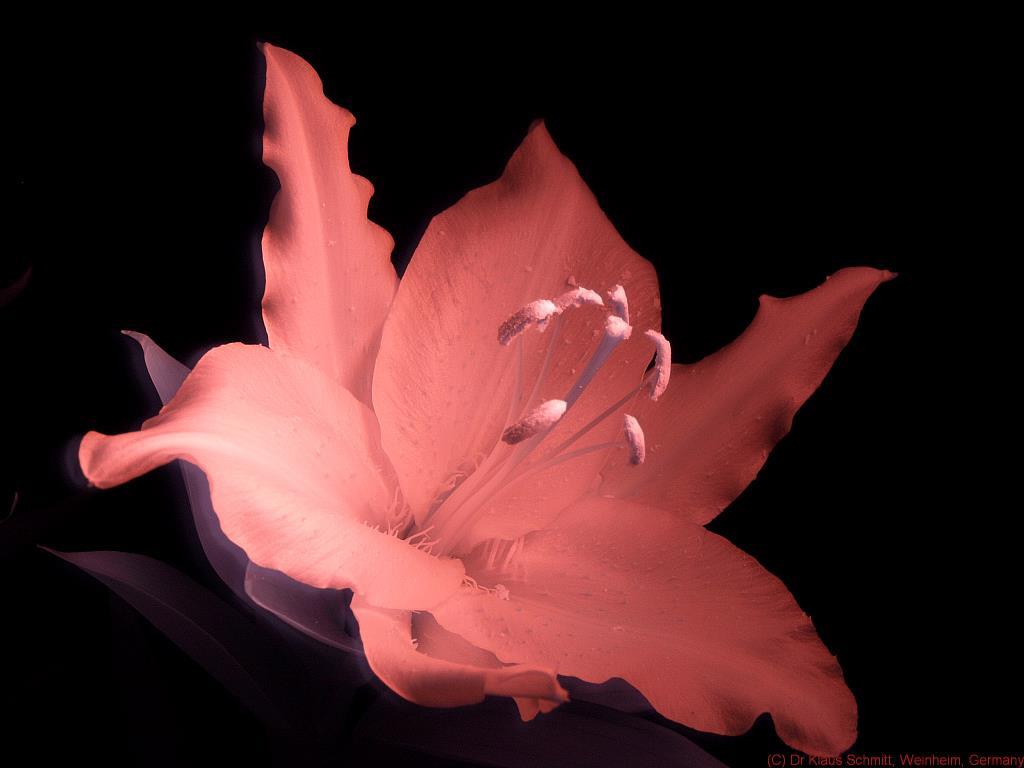
Well, a while ago I was doing these "Psychedelic Lilly" test shots here . Prior to that I had taken UV transmission tests of that very interesting lens family, which turned out to be very promising, reaching down to about 320nm (-3EV). Here now more about that.

These macro shots were done at f8, ISO400, 1/160s using Xenon flash, exposure adjusted using flash power control and ND filters. UV shots were done using the Baader-U filter.

[click on image to see a larger one]

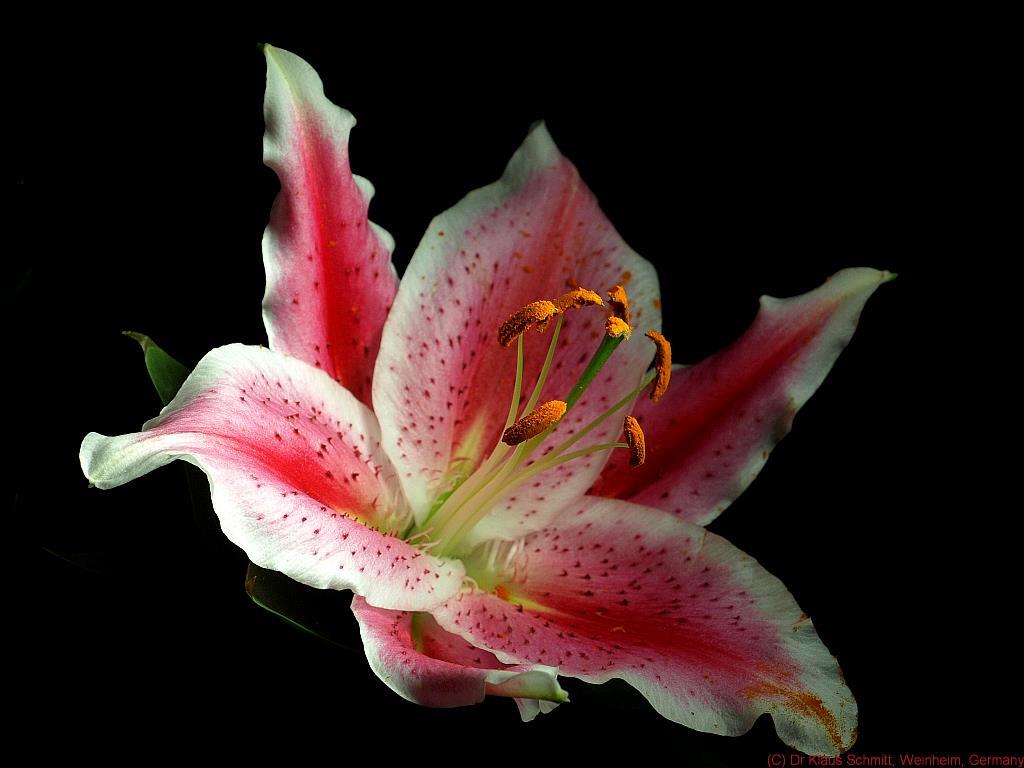
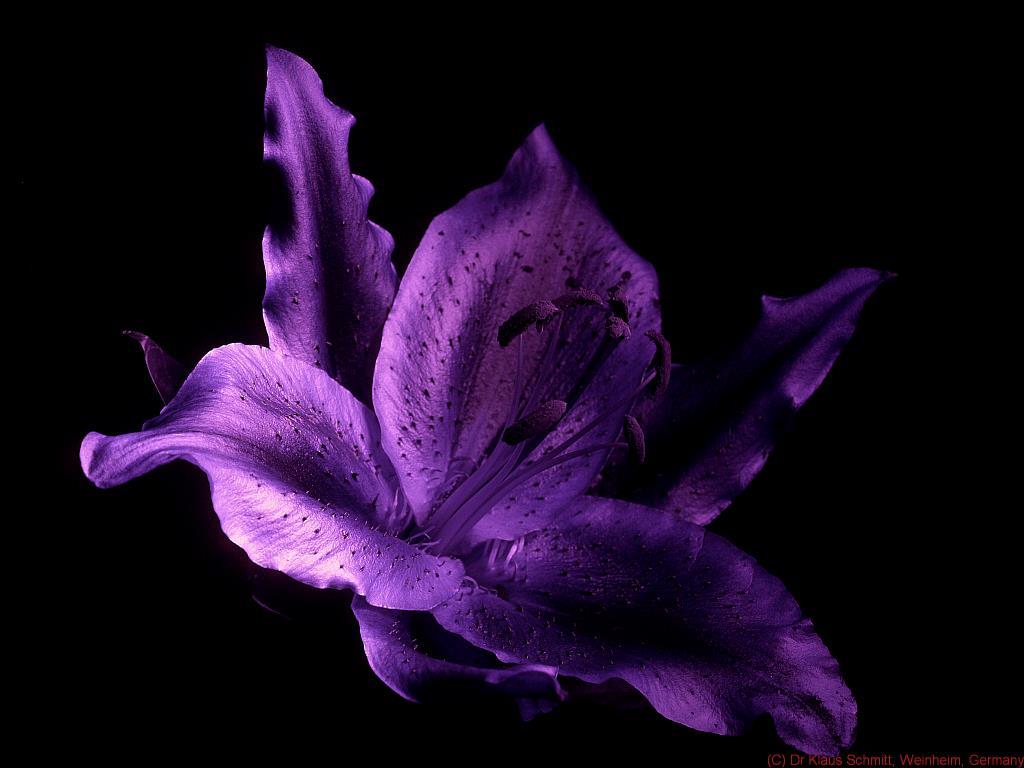
Here now a VIS-UV differential:


Quite a sharp lens with quite good UV transmission and hardly any focus shift, as the two overlaid images nearly perfectly match!

Here the VIS shot:


and the UV shot:


Finally now the VIS-IR differential:


Stay tuned, more will follow on that fascinating subject...

More info on this very interesting field may be found on my site http://www.pbase.com/kds315/uv_photos
Tuesday, February 1, 2011

Psychedelic Lilly - a surprising lens find for UV and VIS w/o focus shift

Well, while I was doing these "Psychedelic Lilly" test shots here and here with quite a few lenses (the winners being the Noflexar 3.5/35mm and the EL-Nikkor 5.6/80mm), I remembered having sitting around a box with some lenses made by a famous, but overlooked lens maker, I got a few years ago from a friend whom I used to do lens testing with. So I took the same setup I had in place with that nice "Stargazer Lilly" and also tested these lenses in visible light, but also in invisible UV. Prior to that I has already taken UV transmission tests, which turned out to be very promising, reaching down to about 320nm (-3EV) - see the following results.

[click on image to see a larger one]

These macro shots were done at f8, ISO400, 1/160s using Xenon flash, exposure adjusted using flash power control and ND filters. UV shots were done using the Baader-U filter. The shots further away were done at sunny winter daylight.
Here now a VIS-UV differential using the best of these lenses:


and yes, quite a nice sharp lens with quite good UV transmission and hardly any focus shift as the two overlaid images nearly perfectly match!

Additionally here the VIS shot:


Now the UV shot:


And finally the IR shot:


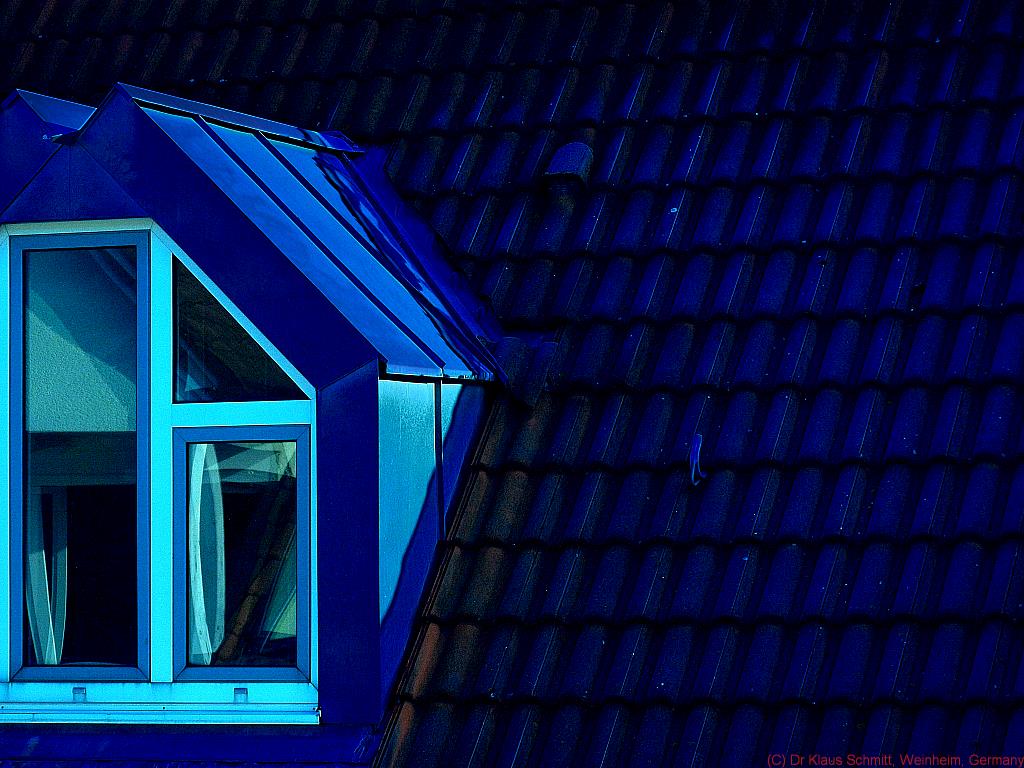
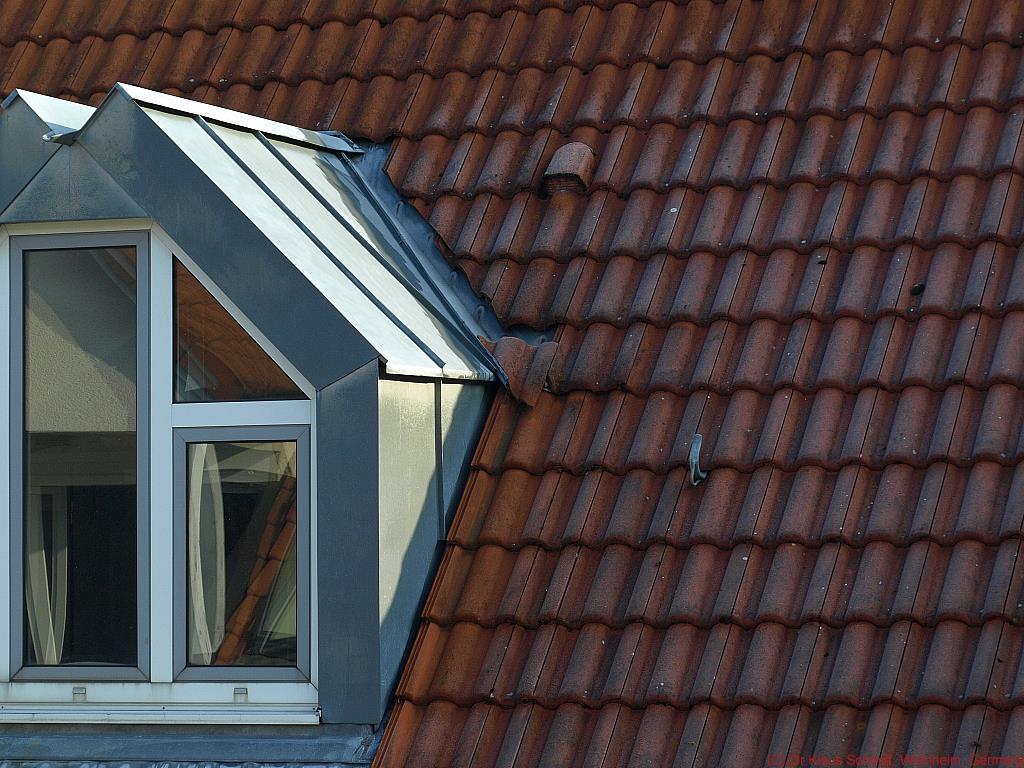
Now let's see how that very same lens performs for targets further away. Shots of the roof about 15 meters away on a sunny but cold winter day (ice reflects UV very well).

VIS-UV differential (UV is blue):


Which clearly shows, that also at that distance this lens has hardly any focus shift!
VIS shot:


UV shot:


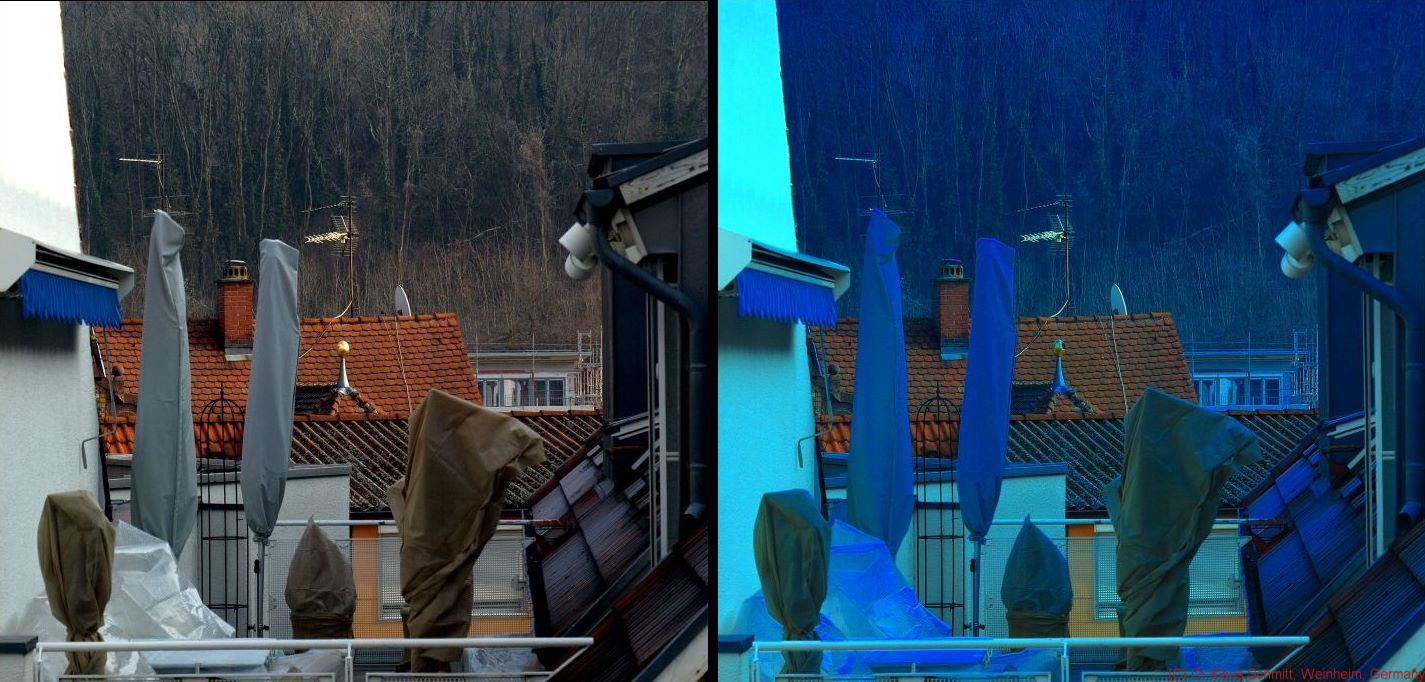
And here now some quasi infinity shots. Target was that golden globe in the center of the image.

VIS left, right VIS-UV differential (UV is blue):


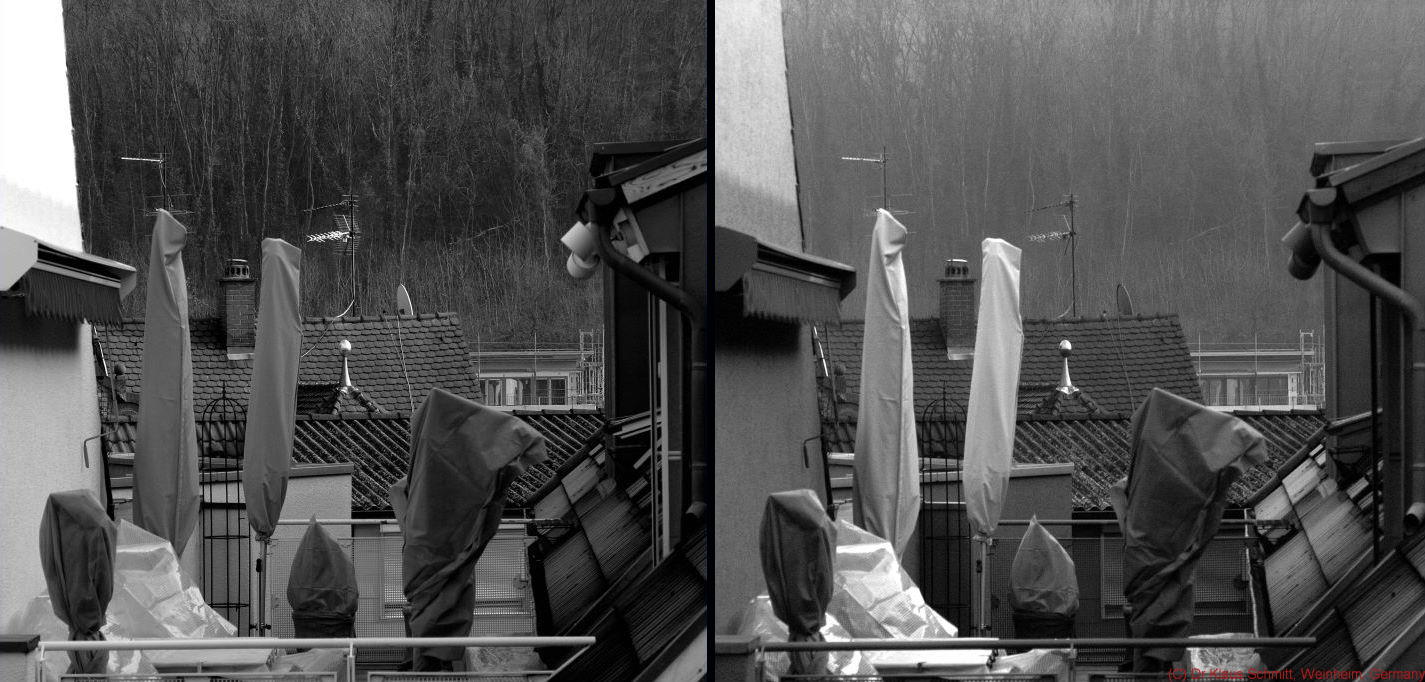
Here a comparison of VIS (left) and UV (right) in black/white:


Hardly any noticeable focus shift also at that distance! I had feared about a hotspot, but none was visible in my tests so far.
CONCLUSION:
• hardly any UV - VIS focus shift in close up (macro), mid and far distance
• very sharp and contrasty in all tested ranges in UV and VIS
• no hotspot in any ranges in UV and VIS
• [also tested good for IR in close up (macro), but that was no prime interest]
Well, the surprise was a big one, as I also shot comparison shots using my UV-Nikkor and the difference was of course there, but that sharpness, contrast and nearly total lack of focus shift still amazes me, as this lens under test did beat both the Noflexar 3.5/35mm and the 5.6/80mm EL-Nikkor!
I have to research more on that lens, so more will follow on that one here...

Stay tuned, more will follow on that fascinating subject...

More info on this very interesting field may be found on my site http://www.pbase.com/kds315/uv_photos
Sunday, January 30, 2011

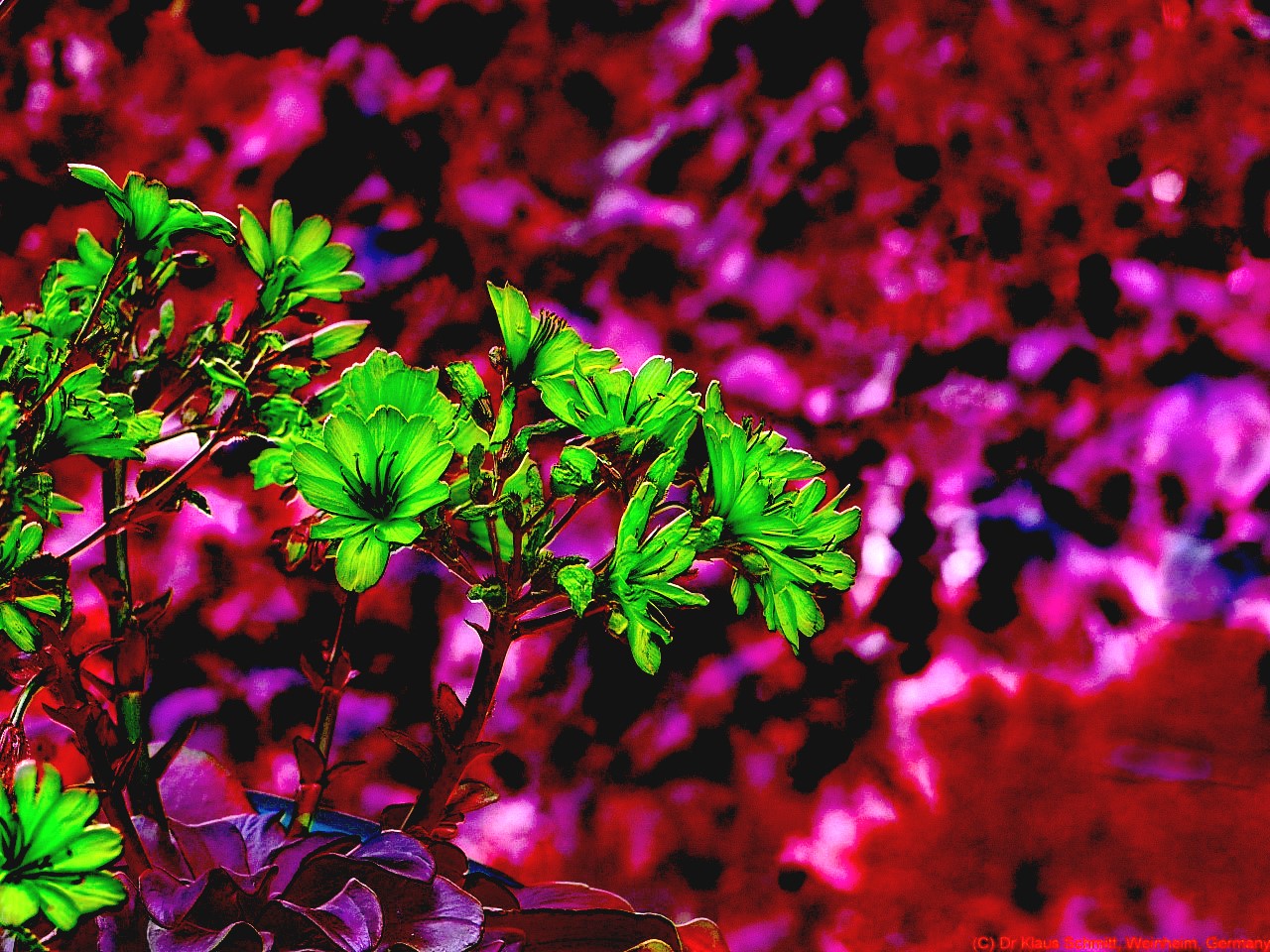
Psychedelic Lilly - a UV and VIS comparison Noflexar 35mm vs EL-Nikkor 80mm
A really nice flower, a "Stargazer Lilly", so let's see how the beauty of that flower will look like through the well known Novoflex Noflexar 3.5/35mm versus the newly rediscovered older (chrome/black) 5.6/80mm EL-Nikkor enlarger lens in visible light, but also in invisible UV.

All shots were done at f8, ISO400, 1/160s using Xenon flash, exposure adjusted using flash power control and ND filters. UV shots were done using the Baader-U filter.

[click on image to see a larger one]

Here now a VIS-UV differential using the Noflexar 3.5/35mm:


and yes, quite a nice sharp lens with quite good UV transmission and some little focus shift.

and here using the 5.6/80mm EL-Nikkor:


Quite a sharp lens, even less focus shift and also quite good UV transmission.

For comparison here the VIS shot using the Noflexar 3.5/35mm:


and using the 5.6/80mm EL-Nikkor:


Finally now the UV shot using the Noflexar 3.5/35mm:


and using the 5.6/80mm EL-Nikkor:


Well, I am surprised to see, that the Noflexar gets slightly outperformed by the EL-Nikkor 80mm!
BUT: I tried the 5.6/80mm EL-Nikkor outside for infinity tests and unfortunately it seems to have a very prominent large UV hotspot which renders it unuseable for that...

P.S.: the 80mm EL-Nikkor (the older, chrome black full metal type) has an adapter ring on its base with outer M39x26tpi screw mount (Leica enlarger mount). Beneath it is a M25 thread for older #00 shutters. Company Schneider Optics offers adapter rings, if that one should be missing (oder code 92-013251).

P.P.S.: the filter thread of that older EL-Nikkor 80mm is 34.5mm, which is pretty uncommon, as me if you need an adapter ring.

Stay tuned, more will follow on that fascinating subject...

More info on this very interesting field may be found on my site http://www.pbase.com/kds315/uv_photos