Showing posts with label bee vision. Show all posts

Thursday, July 23, 2026

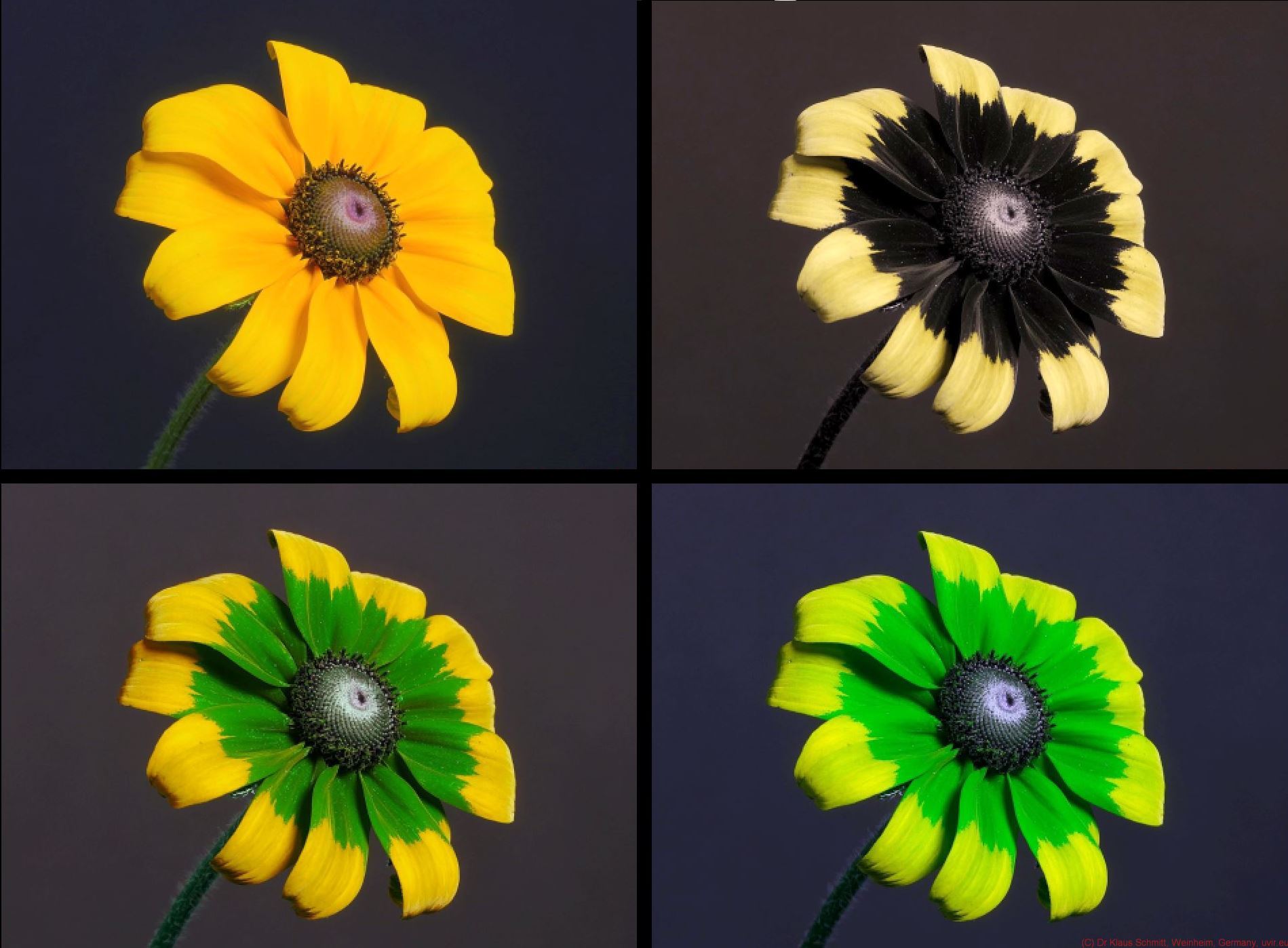
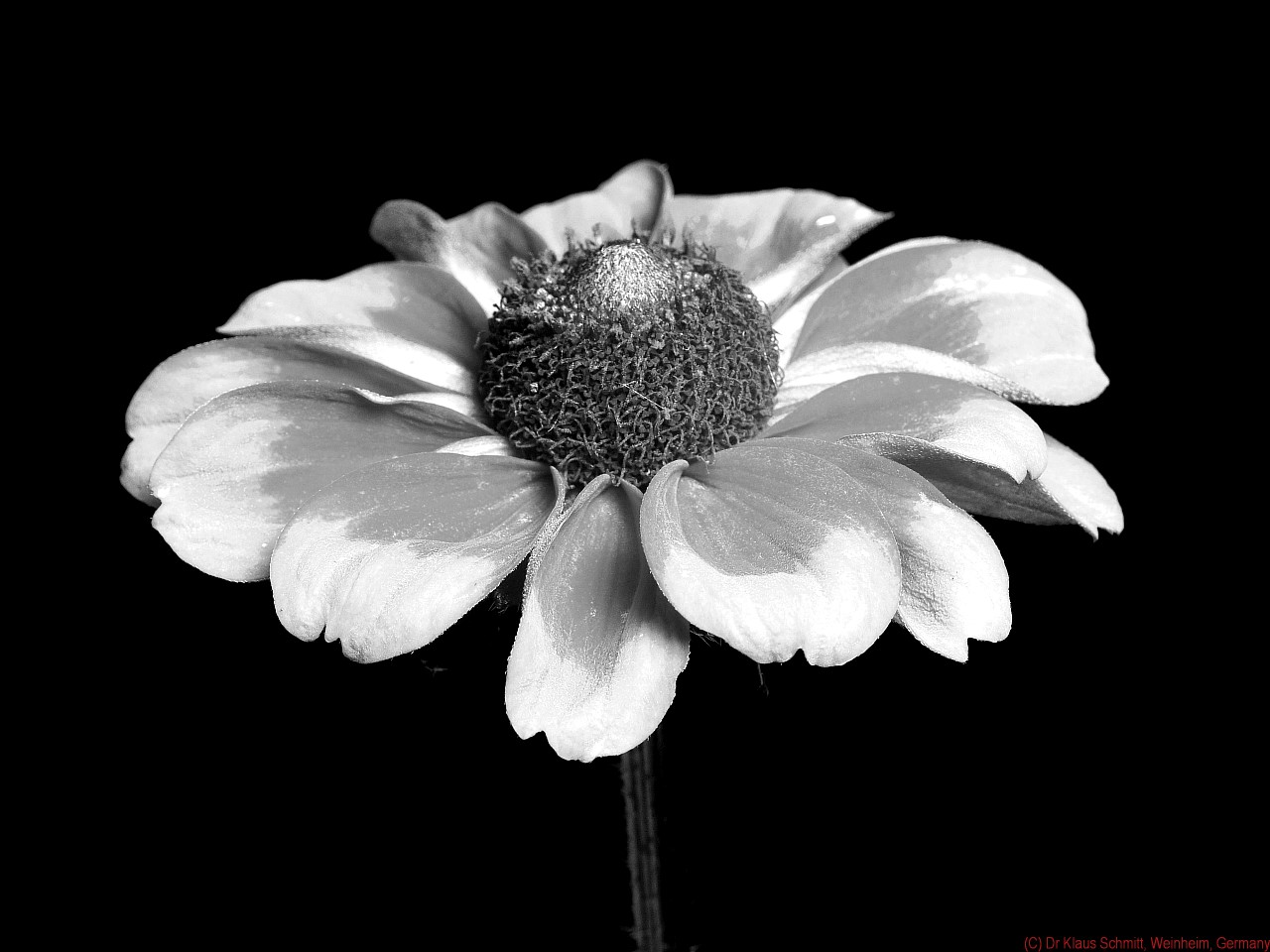
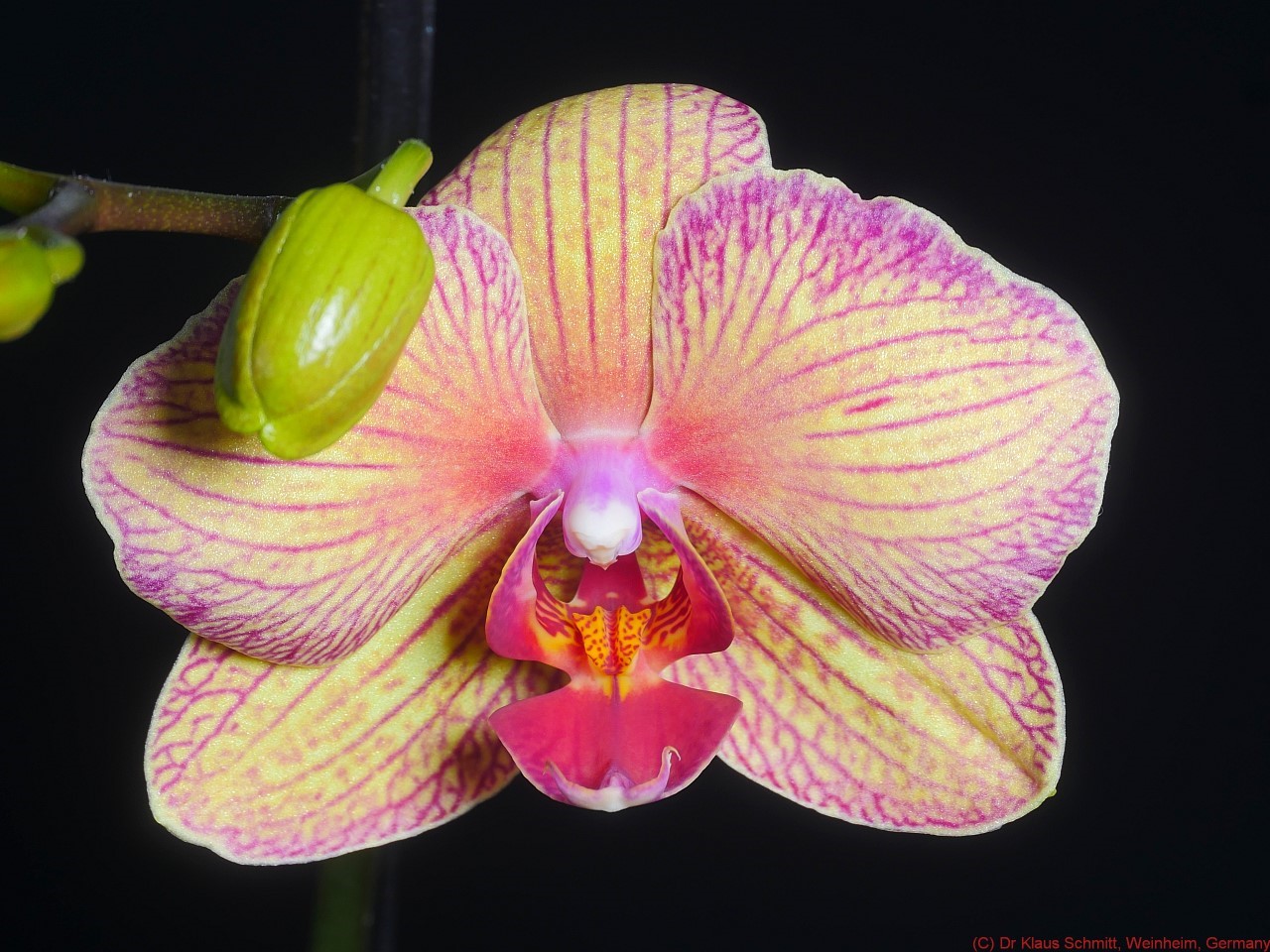
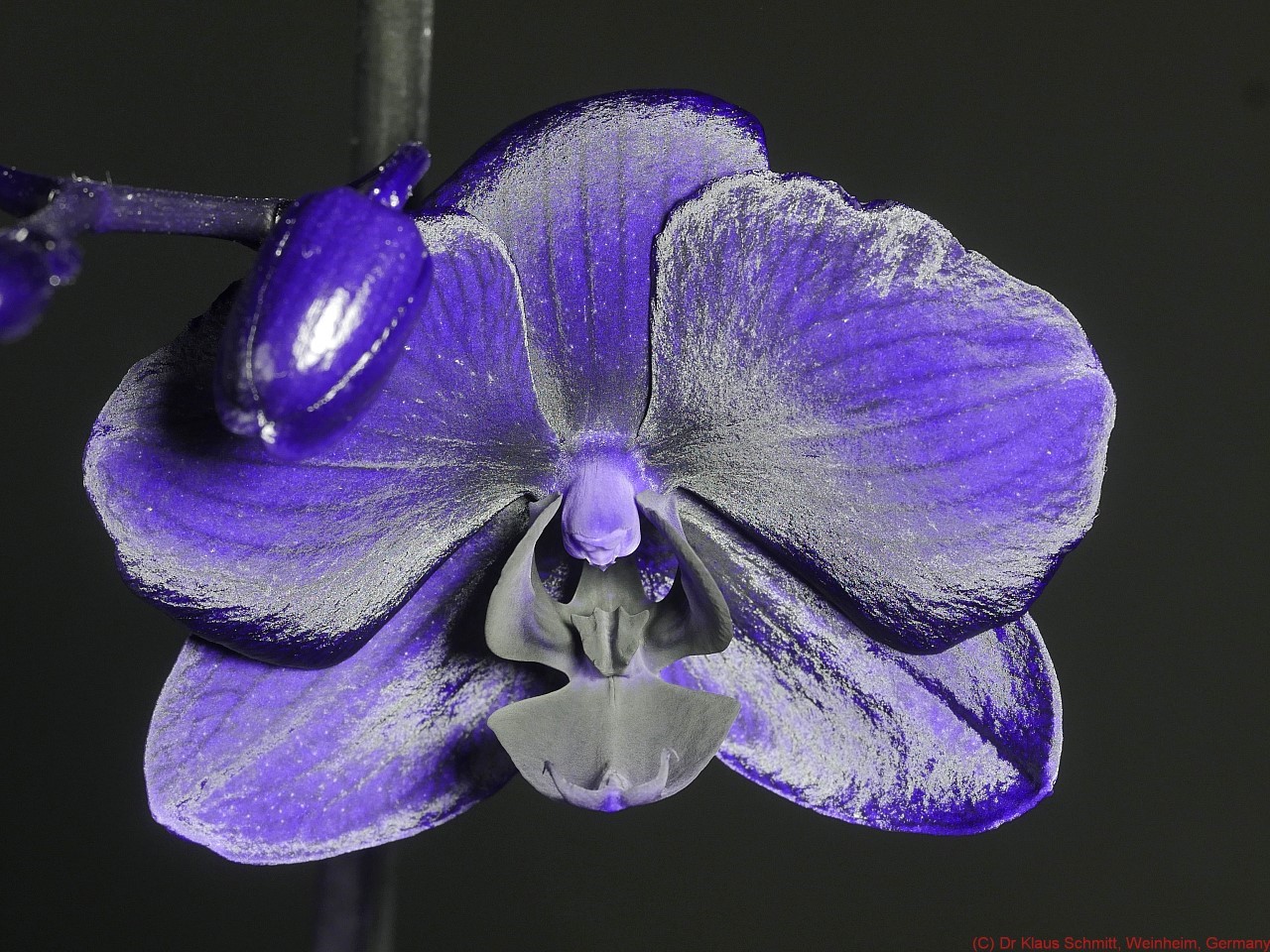
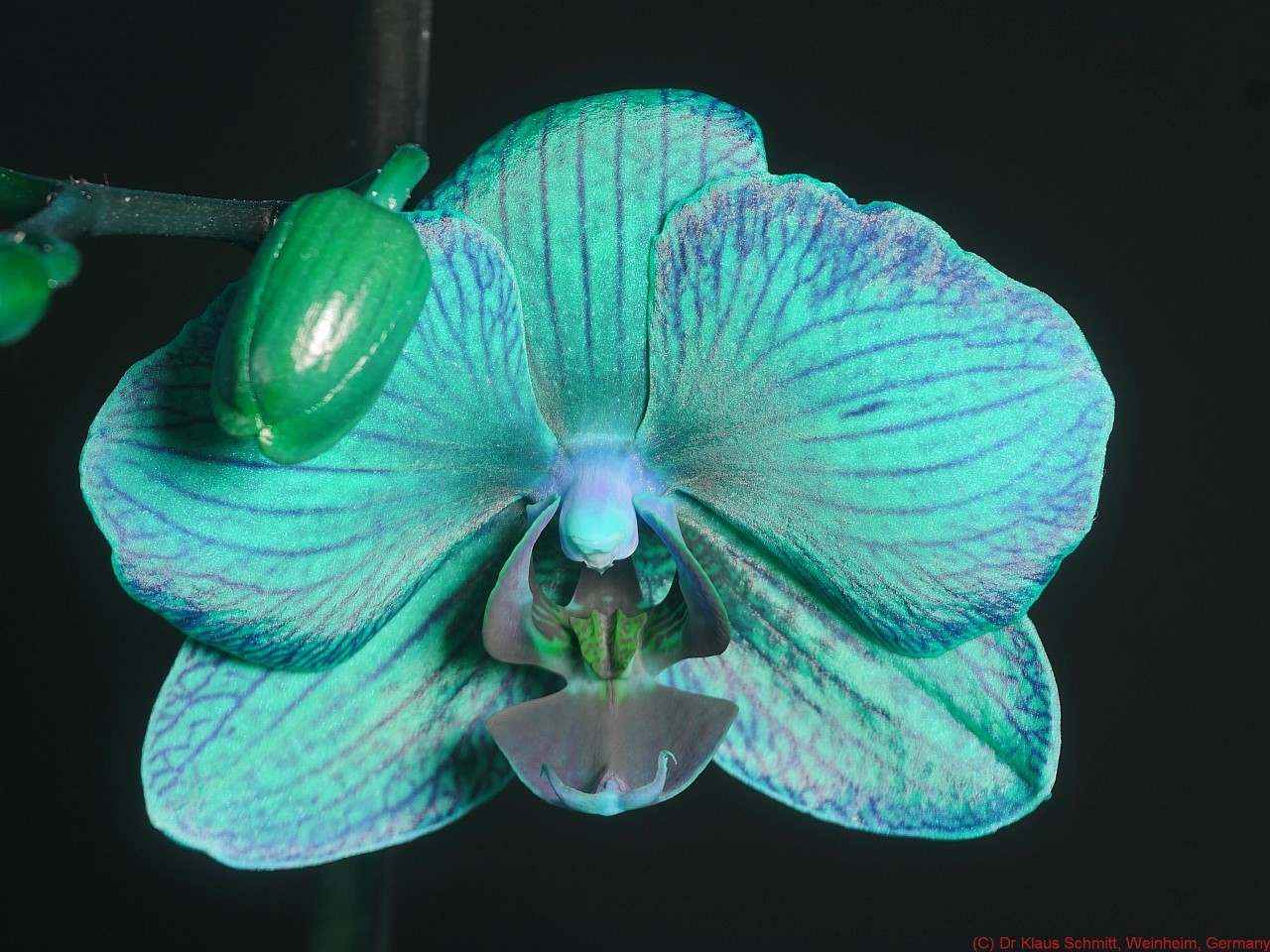
Black-eyed Susan - Rudbeckia hirta in reflected ultraviolet photography and simulated bee and butterfly vision XIX

Today more shots of that beautiful flower, originating from the USA Prairie, here today again that commercially sold hybrid of a Black-eyed Susan - Rudbeckia hirta (possibly R. hirta x R. fulgida) in reflected ultraviolet photography using different filters aside from the Baader-U filter, but different ones today for simulated bee and butterfly vision but also part of my XBV filter set. All shots were done at f8-f11 on my balcony. Lens was a UV-Nikkor 105mm quartz fluorite lens. Light source was direct sunlight. 

PS: These other filters (filter stacks actually) I used have partially corroded over time, so I had to polish them using finest Cerium-Oxide powder. I made some slurry with that using filtered water, then polished the filter glasses with that using a very soft cloth and small circular movements, then rinsed them clean and dried them. So these images hopefully prove that this was successfully done....I think so.

[click on image to see a larger one]

Human vision:
 

Reflected ultraviolet (UV - false color):
 

Simulated butterfly vision:
 

Simulated bee vision:
 

Quadriptych of human vision, ultraviolet, simulated bee and butterfly vision (left to right, top to bottom):
 

This flower shows a very prominent UV bullseye pattern, as its petal tips are very UV bright (around 365nm) and its center is very UV dark, and all this gets nicely visible, also in simulated bee and butterfly vision.

I have previously written about that flower HERE  


Stay tuned, more will follow on that fascinating subject...

More info on this very interesting field may be found on my site http://www.pbase.com/kds315/uv_photos

Monday, July 13, 2026

Black-eyed Susan - Rudbeckia hirta in reflected ultraviolet photography and simulated bee and butterfly vision XVIII

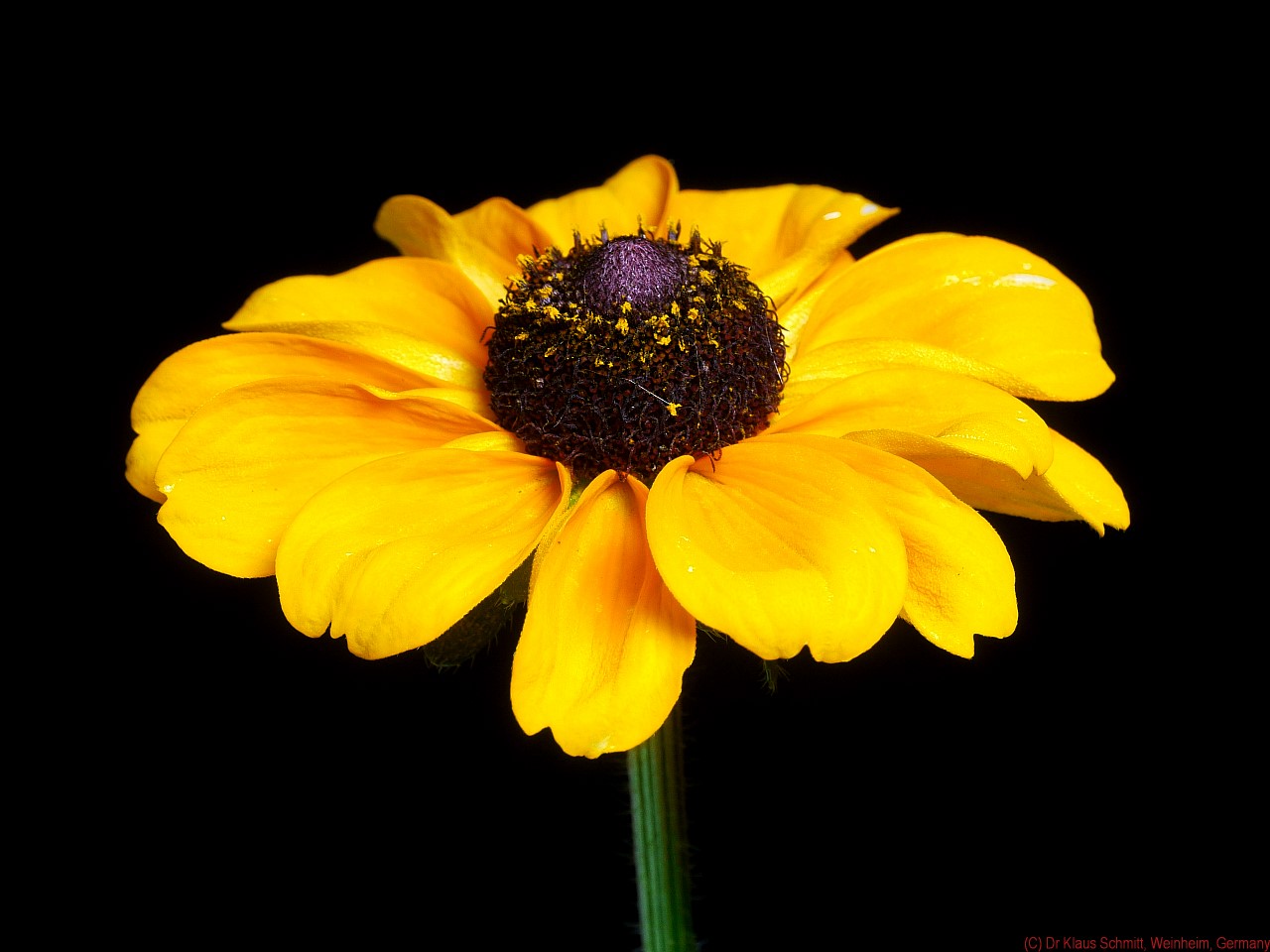
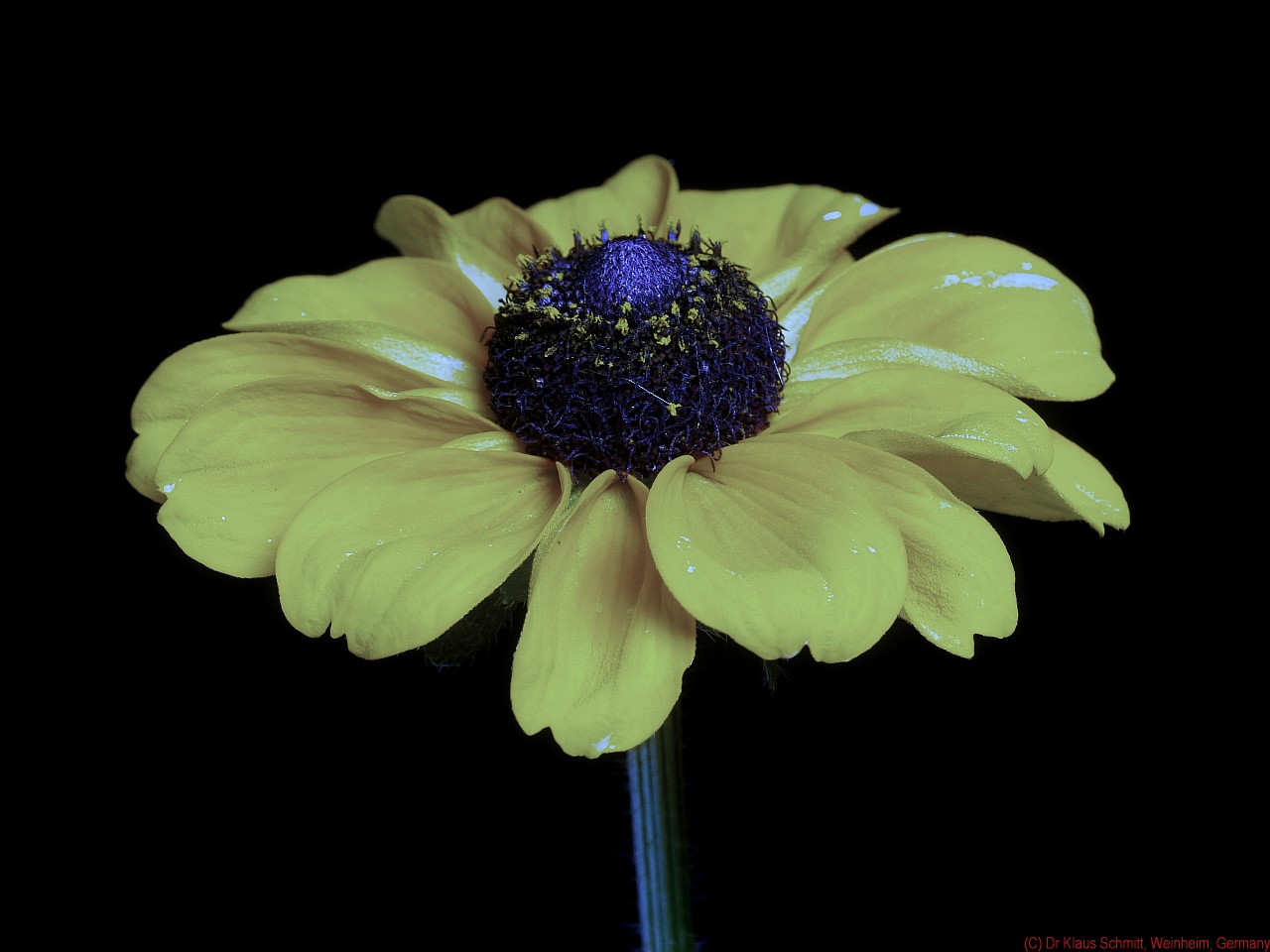
Today shots of a beautiful flower, originating from the USA Prairie, here today a commercially sold hybrid of a Black-eyed Susan - Rudbeckia hirta (possibly R. hirta x R. fulgida) in reflected ultraviolet photography using my "work horse" UV filter, the Baader-U filter, as well as in simulated bee and butterfly vision using my XBV filters. All shots were done at f8-f11 on my balcony in shade. Lens was a UV-Nikkor 105mm quartz fluorite lens. Light source was available light.

[click on image to see a larger one]

Human vision:
 

Reflected ultraviolet (UV):
 

Simulated butterfly vision:
 

Simulated bee vision:
 

Quadriptych of human vision, ultraviolet, simulated butterfly and bee vision (left to right, top to bottom):
 

This flower shows a very prominent UV bullseye pattern, as its petal tips are very UV bright (around 365nm) and its center is very UV dark, and all this gets nicely visible, also in simulated bee and butterfly vision.

I have previously written about that flower HERE  
Stay tuned, more will follow on that fascinating subject...

More info on this very interesting field may be found on my site http://www.pbase.com/kds315/uv_photos

Wednesday, June 3, 2026

Slovakian Museum shows my works to show kids how bees and butterflies see flowers

Today about some of my works being used with my permission by the Zapadoslovenske Museum, Trnava, Slovakia  in an exhibition how bees and butterflies see flowers, March to October 2026.

They chose to use my multispectral photos of an attractive yellow flower, a Rudbeckia hirta, which were shot by me in reflected ultraviolet photography, simulated bee and butterfly vision. All shots were done at f8 in reflected ultraviolet photography using my "work horse" UV filter, the Baader-U filter, as well as my XBV filters for simulated bee and butterfly vision. Lens was a UV-Nikkor 105mm quartz fluorite lens. Light source was a modified Xenon studio flash, modified for high UV output.

[click on image to see a larger one]

Human vision:
 

Reflected UV:
 

Simulated butterfly vision:
 

Simulated bee vision:
 

Quadriptych of human vision, UV, simulated butterfly and bee vision (left to right, top to bottom):
 

Rudbeckia hirta's outer petals strongly reflect UV around 365nm, whereas its center parts are quite darker, reflecting around 365nm, hence forming invisible to us humans UV nectar guides for UV seeing insects. This is all invisible to us humans, but clearly visible to bees and butterflies, and all this will be nicely visible to the visitors.

I have written more about this flower HERE.

Stay tuned, more will follow on that fascinating subject...

More info on this very interesting field may be found on my site http://www.pbase.com/kds315/uv_photos 

Stay tuned, more will follow on that fascinating subject...

Wednesday, October 22, 2025

Nature in Brilliant Colors Exhibit at Canadian Museum of Nature (CMN) in Ottawa, Canada

Today about some of my works being used with my permission by the Canadian Museum of Nature (CMN) in Ottawa, Canada. Their idea was to have an digital interactive exhibition on floral seduction strategies, showing how flowers invisible to us interact with bees and butterflies using reflected ultraviolet (UV) light.

They chose to use an attractive yellow flower, a Rudbeckia hirta, which were shot by me in reflected ultraviolet photography, simulated bee and butterfly vision. All shots were done at f8 in reflected ultraviolet photography using my "work horse" UV filter, the Baader-U filter, as well as my XBV filters for simulated bee and butterfly vision. Lens was a UV-Nikkor 105mm quartz fluorite lens. Light source was a modified Xenon studio flash, modified for high UV output.

[click on image to see a larger one]

Human vision:
 

Reflected UV:
 

Simulated butterfly vision:
 

Simulated bee vision:
 

Quadriptych of human vision, UV, simulated bee and butterfly vision (left to right, top to bottom):
 

Rudbeckia hirta's outer petals strongly reflect UV around 365nm, whereas its center parts are quite darker, reflecting around 365nm, hence forming invisible to us humans UV nectar guides for UV seeing insects. This is all invisible to us humans, but clearly visible to bees and butterflies, and all this will be nicely visible to the visitors at the Canadian Museum of Nature (CMN) in Ottawa, Canada from May 15, 2026 to January 10, 2027

I have written more about this flower HERE.

Stay tuned, more will follow on that fascinating subject...

More info on this very interesting field may be found on my site http://www.pbase.com/kds315/uv_photos 

Stay tuned, more will follow on that fascinating subject...

Tuesday, May 27, 2025

Exhibition on Floral Seduction Strategies at Montreal Botanical Garden

Today about some of my works being used with my permission by the Montreal Botanical Garden. Their idea was to have an exhibition on floral seduction strategies, showing how flowers invisible to us interact with bees and butterflies using reflected ultraviolet (UV) light at the Montreal Botanical Garden, Canada.

They chose to use an attractive yellow flower, a Rudbeckia hirta, which were shot by me in reflected ultraviolet photography, simulated bee and butterfly vision. All shots were done at f8 in reflected ultraviolet photography using my "work horse" UV filter, the Baader-U filter, as well as my XBV filters for simulated bee and butterfly vision. Lens was a UV-Nikkor 105mm quartz fluorite lens. Light source was a modified Xenon studio flash, modified for high UV output.

[click on image to see a larger one]

Human vision:
 

Reflected UV:
 

Simulated butterfly vision:
 

Simulated bee vision:
 

Quadriptych of human vision, UV, simulated bee and butterfly vision (left to right, top to bottom):
 

Rudbeckia hirta's outer petals strongly reflect UV around 365nm, whereas its center parts are quite darker, reflecting around 365nm, hence forming invisible to us humans UV nectar guides for UV seeing insects. This is all invisible to us humans, but clearly visible to bees and butterflies, and all this will be nicely visible to the visitors at the Montreal Botanical Garden from June 27 to August 17, 2025.

I have written more about this flower HERE.

Stay tuned, more will follow on that fascinating subject...

More info on this very interesting field may be found on my site http://www.pbase.com/kds315/uv_photos 

Stay tuned, more will follow on that fascinating subject...

Saturday, December 21, 2024

Kaunergrat Nature Park Tyrol Austria shows St. John's wort - Hypericum in reflected ultraviolet photography and simulated bee and butterfly vision

Today about my works being used with my permission by the Naturpark Kaunergrat (Pitztal – Fließ – Kaunertal) in Tyrol / Austria. Their idea was to show visitors how bees and butterflies see the world including their ability to see reflected ultraviolet (UV) light. 

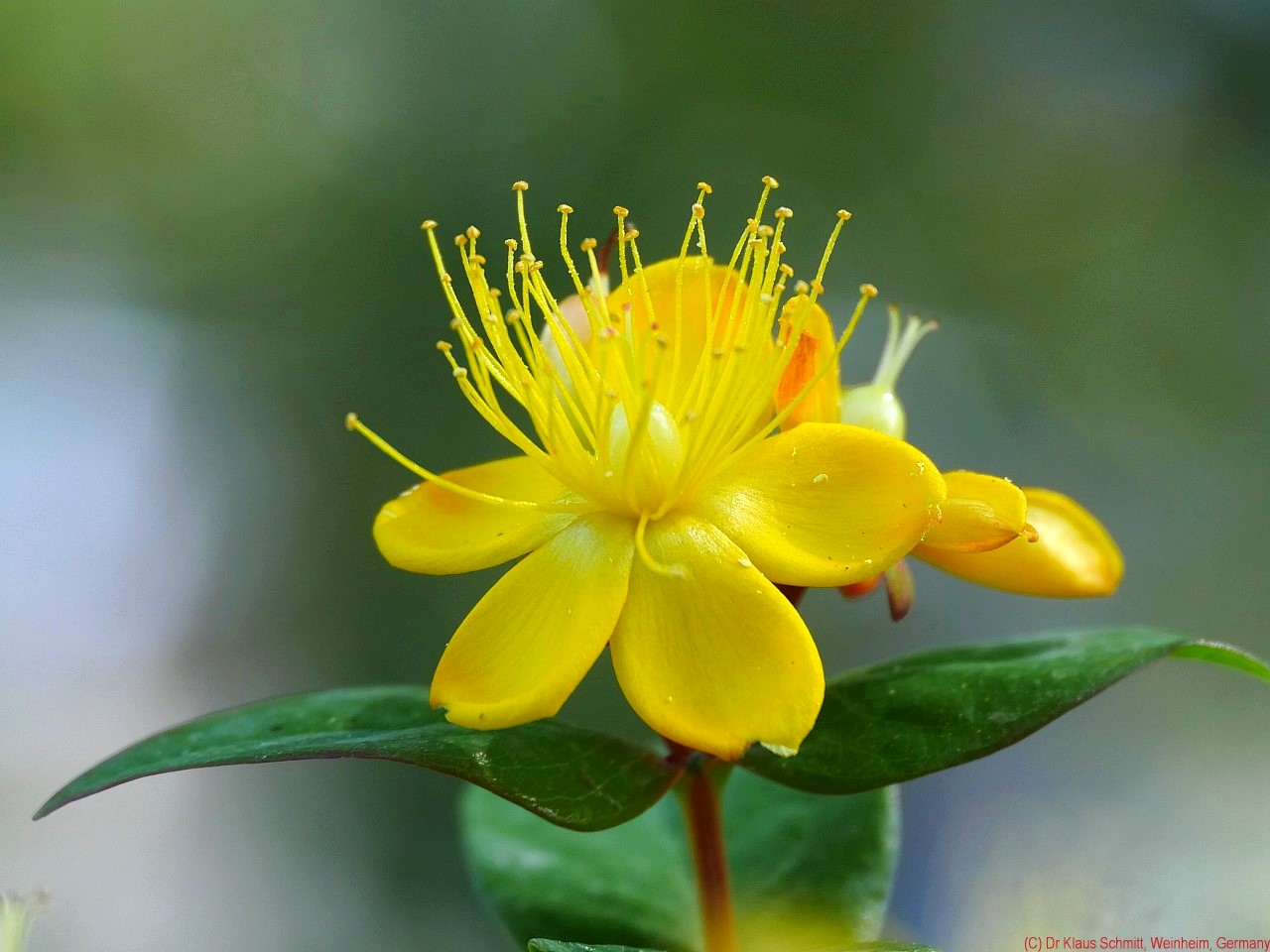
They chose to use an attractive yellow flower, a St. John's wort - Hypericum sp. which were shot by me in reflected ultraviolet photography, simulated bee and butterfly vision. All shots were done at f8 in reflected ultraviolet photography using my "work horse" UV filter, the Baader-U filter, as well as my XBV filters for simulated bee and butterfly vision. Lens was a UV-Nikkor 105mm quartz fluorite lens. Light source was sunlight.

[click on image to see a larger one]

Human vision:
 

Reflected UV:
 

Simulated butterfly vision:
 

Simulated bee vision:
 

Quadriptych of human vision, UV, simulated butterfly and bee vision (left to right, top to bottom):
 

Hypericum's outer petals strongly reflect UV around 365nm, whereas its stamens are quite darker, reflecting around 385nm, hence forming UV nectar guides for UV seeing insects. This is all invisible to us humans, but clearly visible to bees and butterflies, and all this will be nicely visible to the visitors at Kaunergrat nature park Tyrol, Austria.

I have written more about this flower HERE.

Stay tuned, more will follow on that fascinating subject...

More info on this very interesting field may be found on my site http://www.pbase.com/kds315/uv_photos Those shown multispectral images of mine where shot in my studio with my "work horse" UV-Nikkor f4.5/105mm quartz fluorite lens using the Baader UV/IR Cut filter and my proprietary XBV filters for simulated bee + butterfly vision. Light source in studio used was a Xenon flash modified for high UV output outside.

Stay tuned, more will follow on that fascinating subject...

More info on this very interesting field may be found on my site http://www.pbase.com/kds315/uv_photos

Thursday, December 12, 2024

Winter Jasmine - Jasminum Nudiflorum in reflected ultraviolet photography and simulated bee and butterfly vision VII

Today in Decmber 2024 shots of a beautiful winter flower, a Winter Jasmine - Jasminum nudiflorum in reflected ultraviolet photography using my "work horse" UV filter, the Baader-U filter, as well as in simulated bee and butterfly vision using my propriatary XBV filters. All shots were done at f11. Lens was a UV-Nikkor 105mm quartz fluorite lens. Light source was a modified Xenon flash.

[click on image to see a larger one]

Human vision:
 

Reflected ultraviolet (UV):
 

Simulated bee vision:
 

Simulated butterfly vision:
 

Quadriptych of human vision, ultraviolet, simulated butterfly and bee vision (left to right, top to bottom):
 

This flower shows a very prominent and strong UV reflection around 365nm on its petals, but its center is UV-dark, and all this gets nicely visible, also in simulated bee and butterfly vision.
 
Stay tuned, more will follow on that fascinating subject...


I have previously written about this flower HERE

More info on this very interesting field may be found on my site http://www.pbase.com/kds315/uv_photos
Friday, October 11, 2024

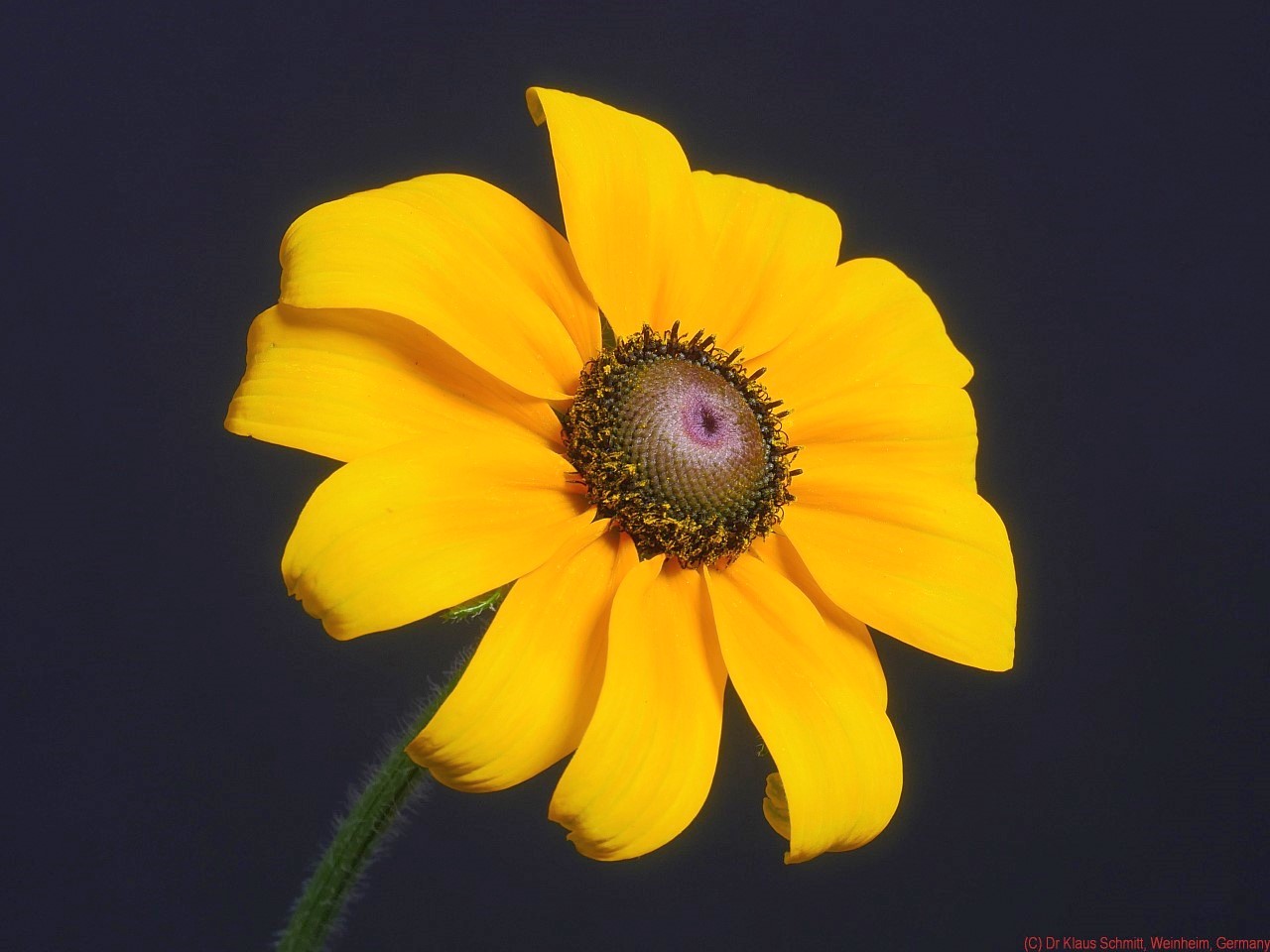
Rudbeckia hirta - Human vs simulated animal vision II: butterfly, bee, dog, horse, bat

I was asked by a member working for their program Jeux Photoniques at the Université Laval in Québec, Canada for a series of images to simulate the vision of different animals. I used images of a Rudbeckia hirta flower Black Eyed Susan - Rudbeckia hirta which I had shot using visible and reflected ultraviolet photography. All shots were then done at f8 in reflected ultraviolet photography using my "work horse" UV filter, the Baader-U filter, as well as my XBV filters for simulated animal vision. Lens was a UV-Nikkor 105mm quartz fluorite lens. Light source was a modified Xenon flash.

[click on image to see a larger one]

Human vision:
 

Simulated butterfly vision:
 

Simulated bee vision:
 

Simulated dog vision:
 

Simulated horse vision:
 

Simulated bat vision:
 

Hexaptych of the above:
 

The idea behind these mappings is, to demonstrate the different forms of vision, including the ability to see UV and with this ability, to see patterns which only appear in ultraviolet light (UV) but invisible to us humans.

 I chose Rudbeckia hirts, as it has a strong UV pattern, its petal tips are UV bright around 365nm, but its center is quite UV dark, so this gets quite nicely visible, hence why I used this flower here to simuate the following visions:

  1. Humans have trichromatic vision, they see Blue, Green, Red
  2. Butterflies see UV, Blue, Green, Red, they are Tetrachromats
  3. Bees see UV, Blue, Green, they are Trichomats
  4. Dogs are Dichromats, see Blue and Yellow, but also some UV
  5. Horses are Dichromats, they see Blue and Yellow, but no UV
  6. Bats do not see color, but some are sensitive to UV also

 
Stay tuned, more will follow on that fascinating subject...

More info on this very interesting field may be found on my site http://www.pbase.com/kds315/uv_photos

Saturday, February 3, 2024

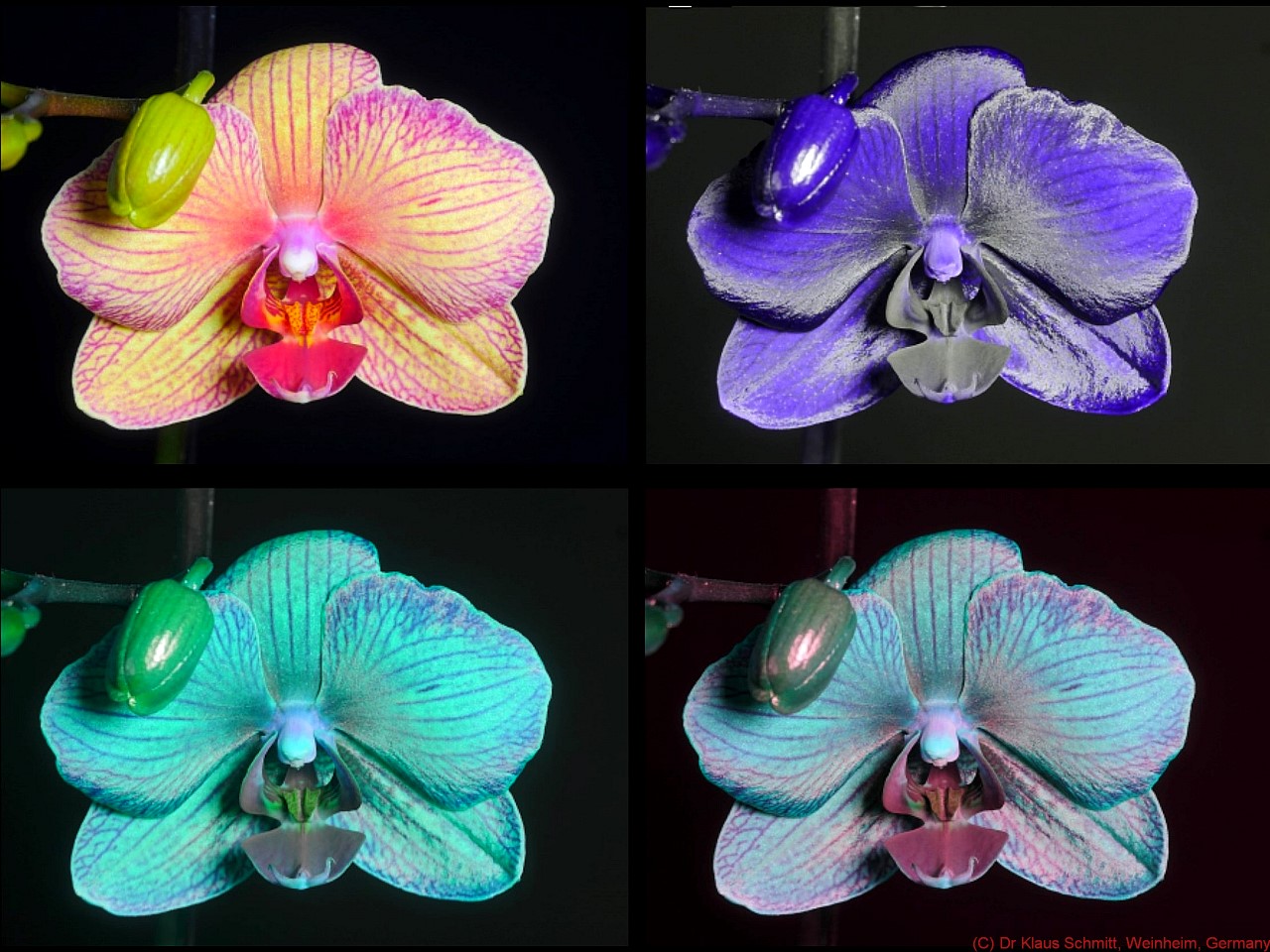
Moth orchid - Phalaenopsis in reflected ultraviolet photography and simulated butterfly and bee vision using a UV-Nikkor 105mm lens V

Today in February 2024 some studio shots of a well known decorative flower, a white Moth orchid - Phalaenopsis in reflected ultraviolet photography using my "work horse" UV filter as well as simulated bee and butterfly vision  shot with my "work horse" UV-Nikkor f4.5/105mm quartz fluorite lens. UV filter used was the Baader-U filter, my "work horse" filter for reflected UV as well as my proprietary XBV filters for simulated bee and butterfly vision. All shots were done at f11. Light source used was a Xenon flash modified for high UV output. 

[click on image to see a larger one]

Human Vision (VIS):
 

Reflected UV (Baader-U):
 

Simulated Bee Vision:
 

Simulated Butterfly Vision:
 

Quadriptych of human vision, UV, simulated bee and butterfly vision (left to right, top to bottom):
 

This orchid has not a very specific UV pattern, its petals are UV reflective around 380nm, but its middle tip (column and gymnostemium) have a rather UV bright spot reflecting around 370nm surrounded by an UV-dark area which gets nicely visible.

The UV-Nikkor 105mm lens is known to be a very well working one for multispectral imaging w/o focus shift, with a nice 1:2 close up focusing capability from infinity up to 48cm (0.48 meter). Sharpness is very good and so is its contrast, even from f4.5 onwards. With a Nikon PN-11 extension tube of 52.5mm length it reaches 1:1 (1x) magnification. It has the standard Nikon-F mount, and it covers full format sensors (41mm image diameter). It is defined to reach down to 190nm and up to 1300nm in near infrared; my measured transmission spectra of it may be seen here.

I have written more about this orchid HERE

Stay tuned, more will follow on that fascinating subject...

More info on this very interesting field may be found on my site http://www.pbase.com/kds315/uv_photos

Friday, June 23, 2023

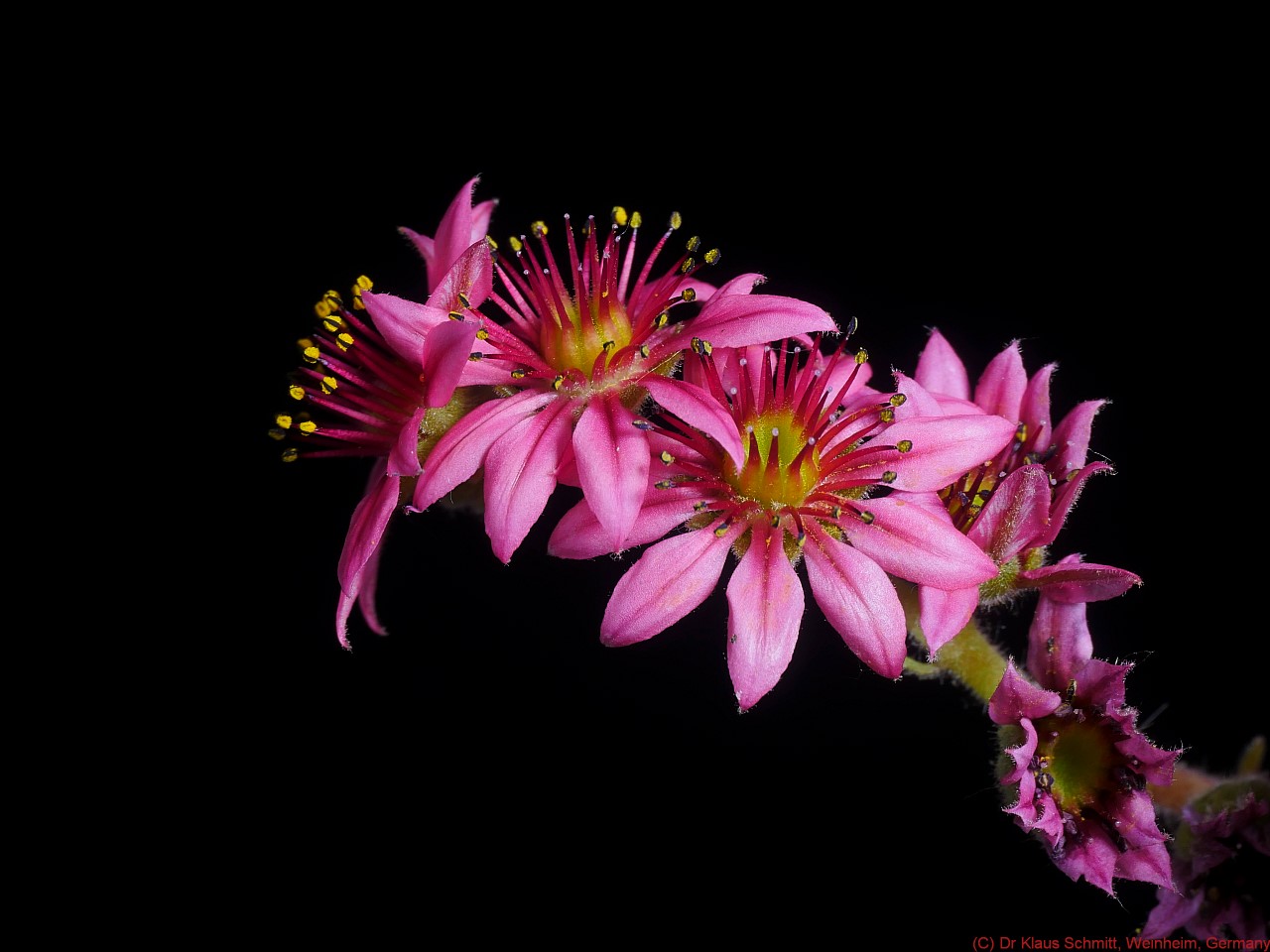
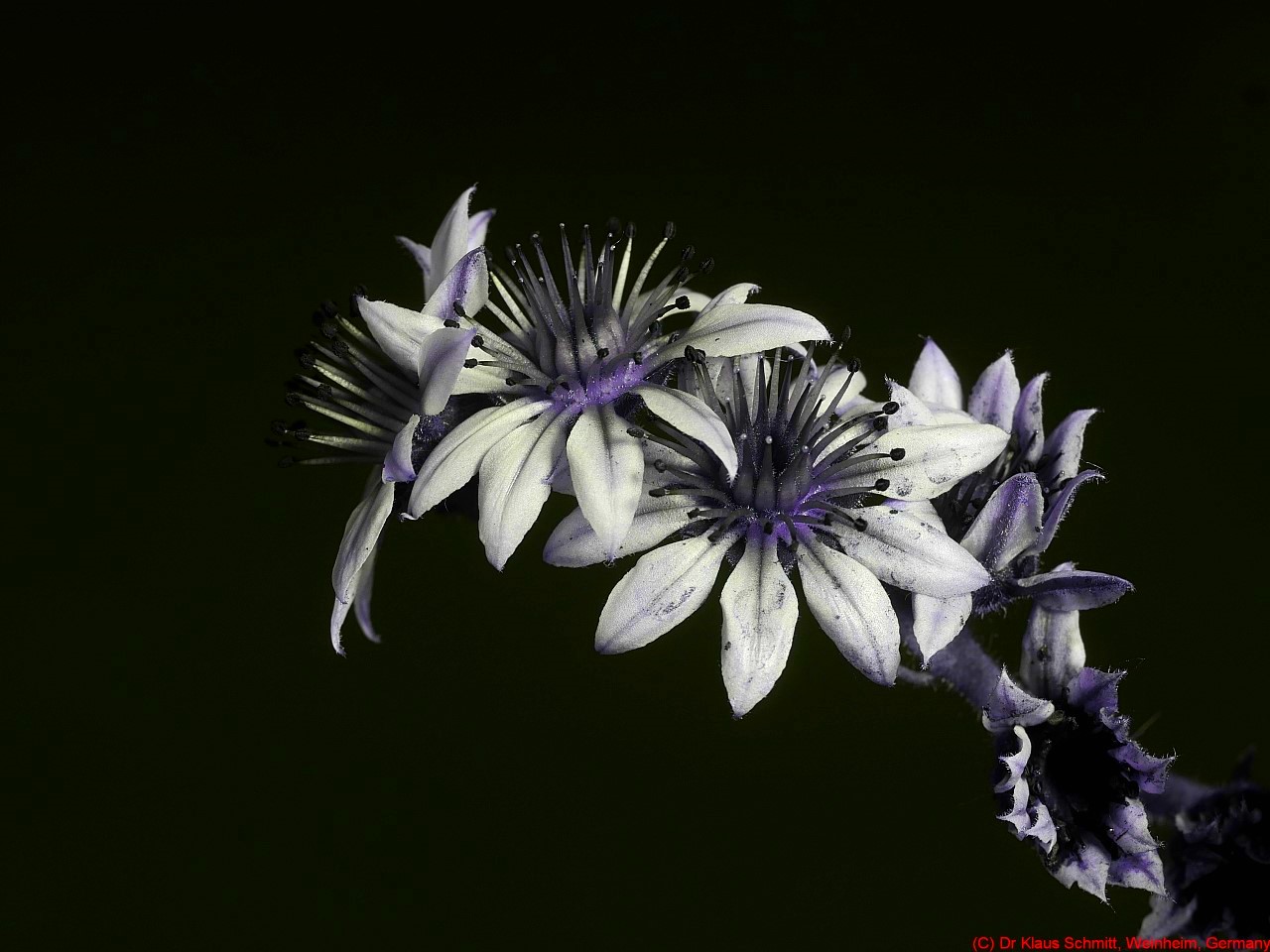
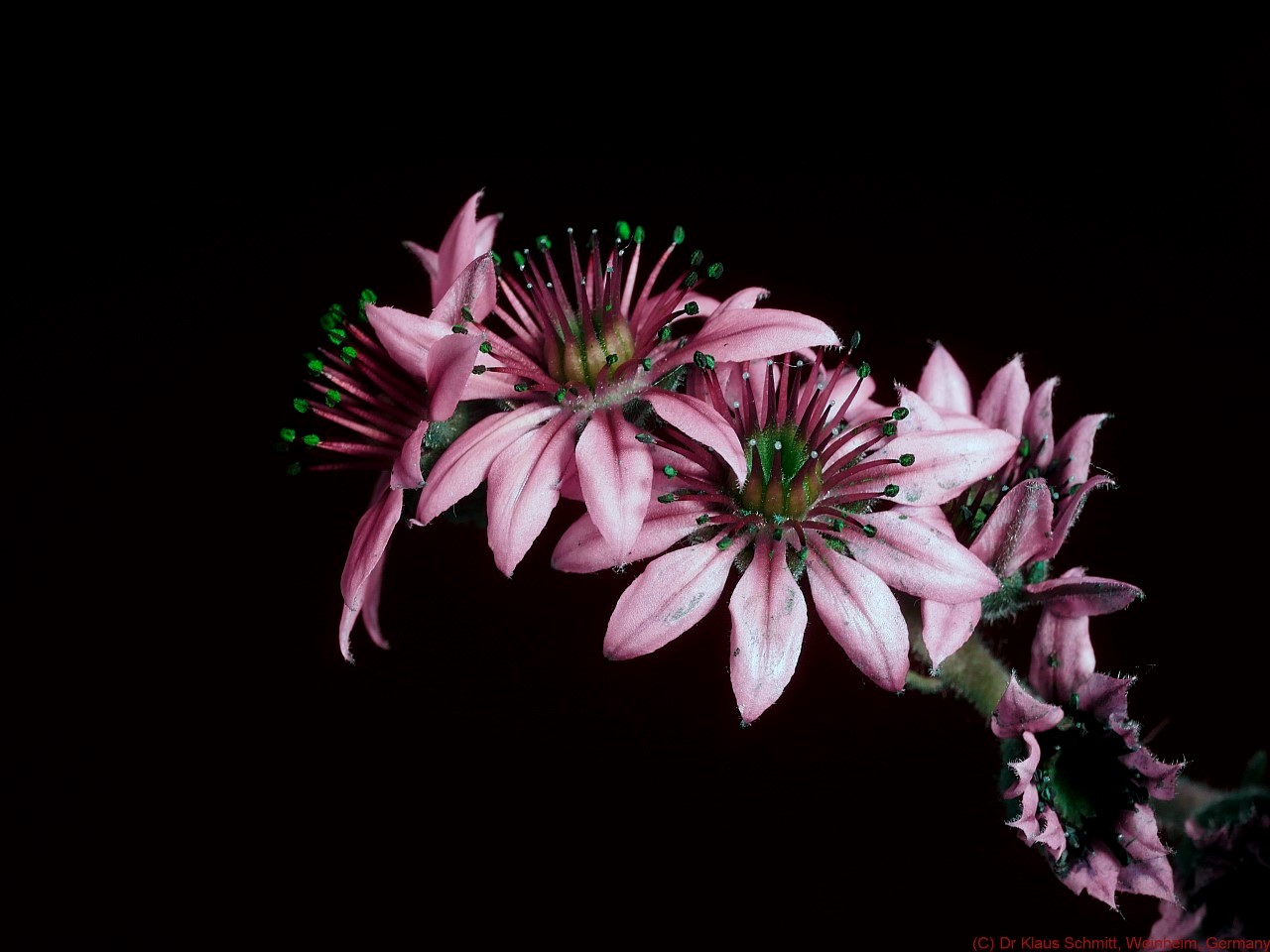
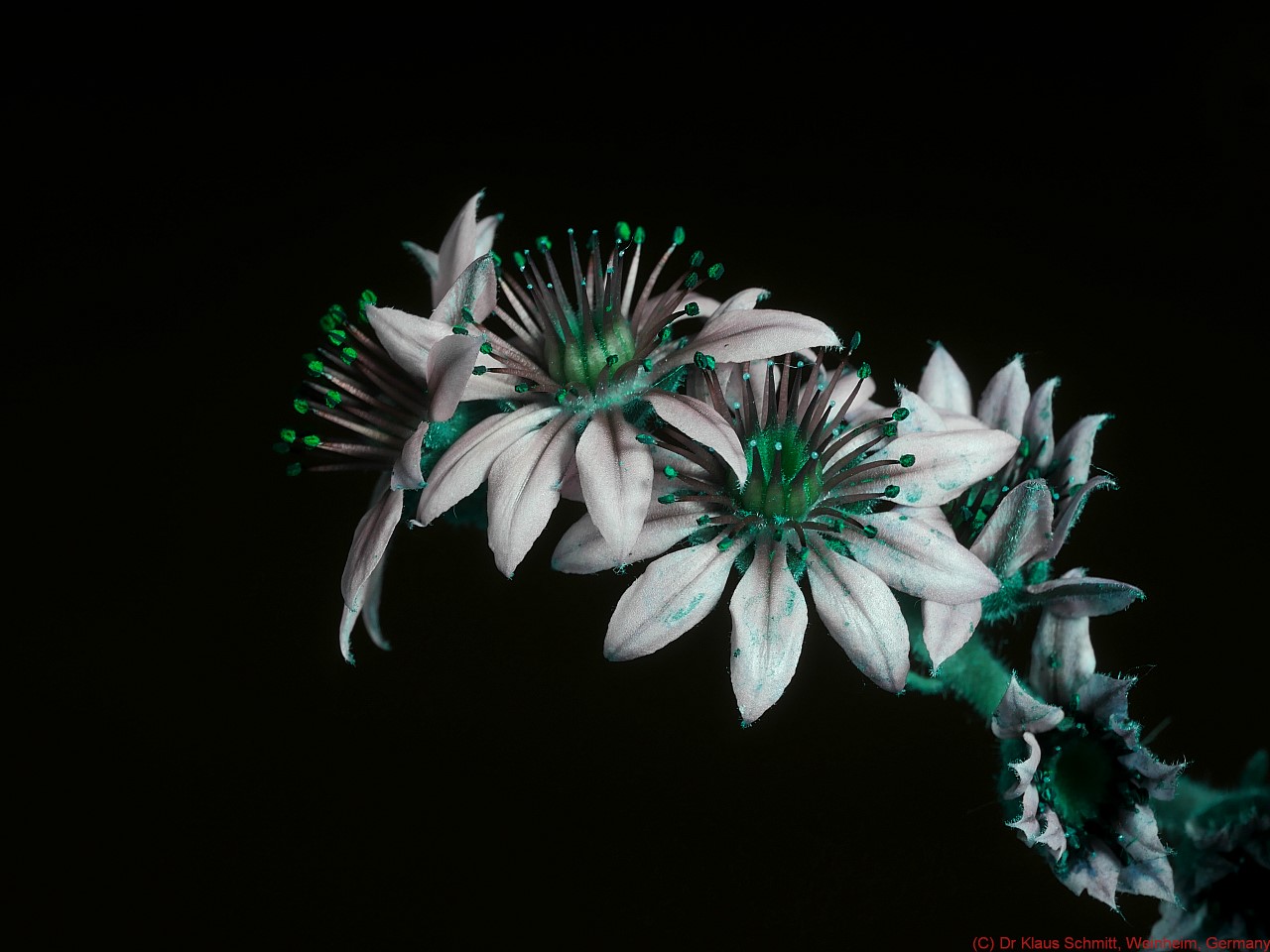
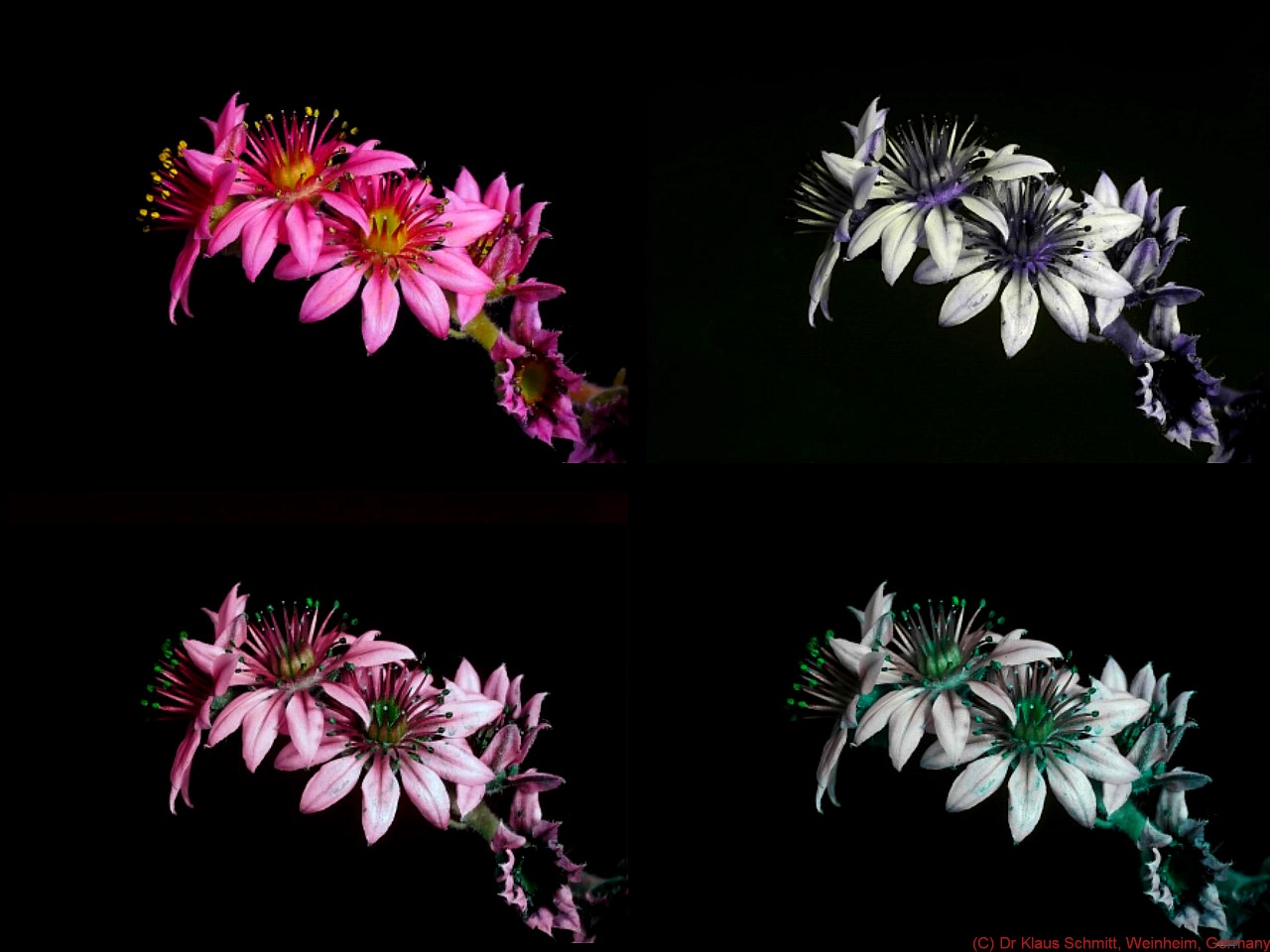
Cobweb house-leek flower - Sempervivum arachnoideum in reflected ultraviolet photography and simulated bee and butterfly vision III

Today in 2023 more shots of a Cobweb house-leek flower - Sempervivum arachnoideum in reflected ultraviolet photography and simulated bee and butterfly vision. All shots were done at f11 in reflected ultraviolet photography using my "work horse" UV filter, the Baader-U filter, as well as my XBV filters for simulated bee and butterfly vision. Lens was a UV-Nikkor 105mm quartz fluorite lens. Light source was a modified Xenon flash.
[click on image to see a larger one]

Human vision:
 

Reflected UV:
 

Simulated butterfly vision:
 

Simulated bee vision:
 

Quadriptych of human vision, UV, simulated butterfly and bee vision (left to right, top to bottom):
 

Sempervivum flowers have a distinct UV reflection, their petals have a dark center center line, the outside part is UV darker and all this gets nicely visible here, also in simulated bee and butterfly vision.

I have posted about this flower before HERE

More info on this very interesting field may be found on my site http://www.pbase.com/kds315/uv_photos