Showing posts with label UV induced visible fluorescence. Show all posts

Saturday, November 22, 2025

A forthcoming publication about synthetic Lichens

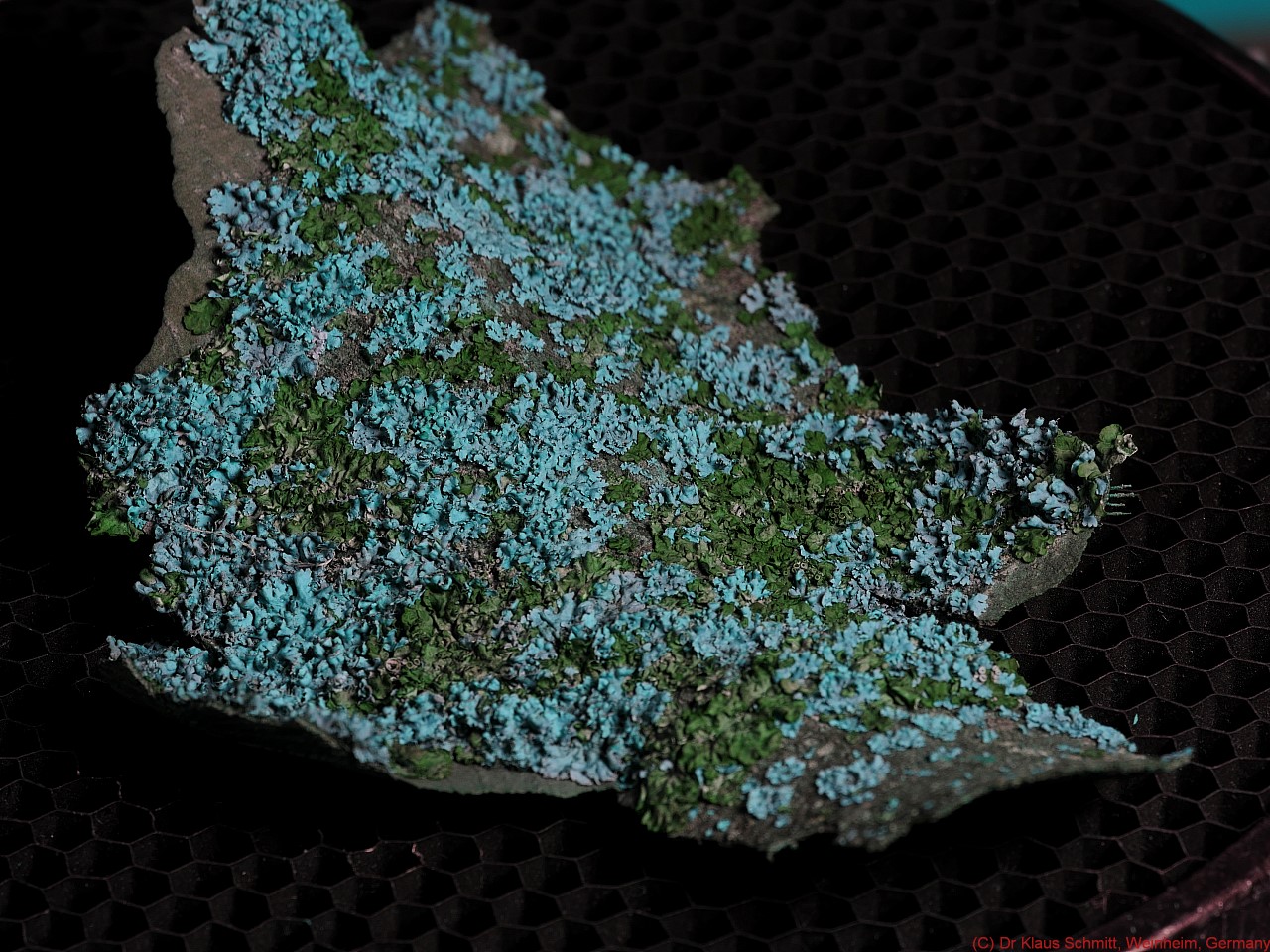
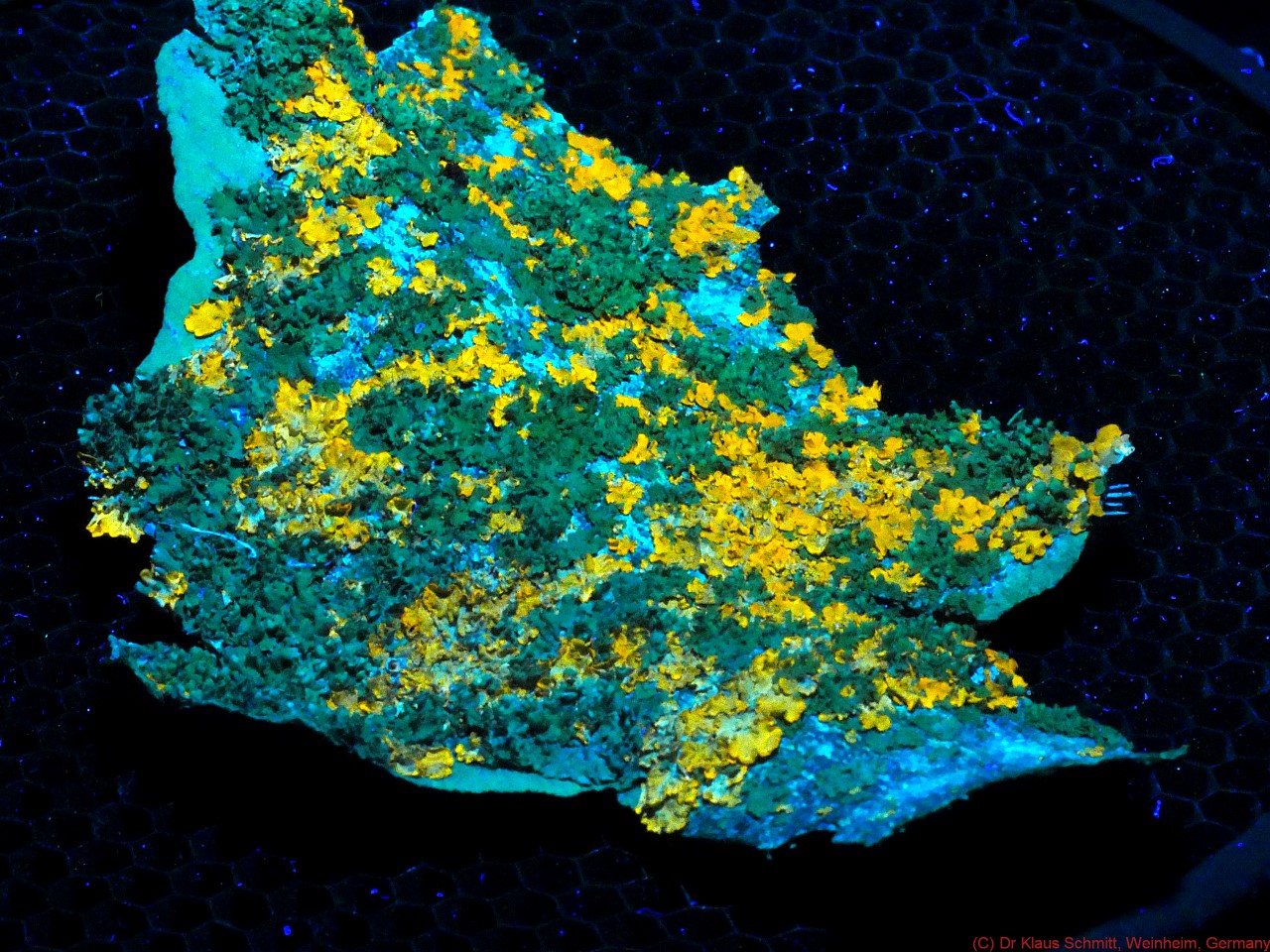
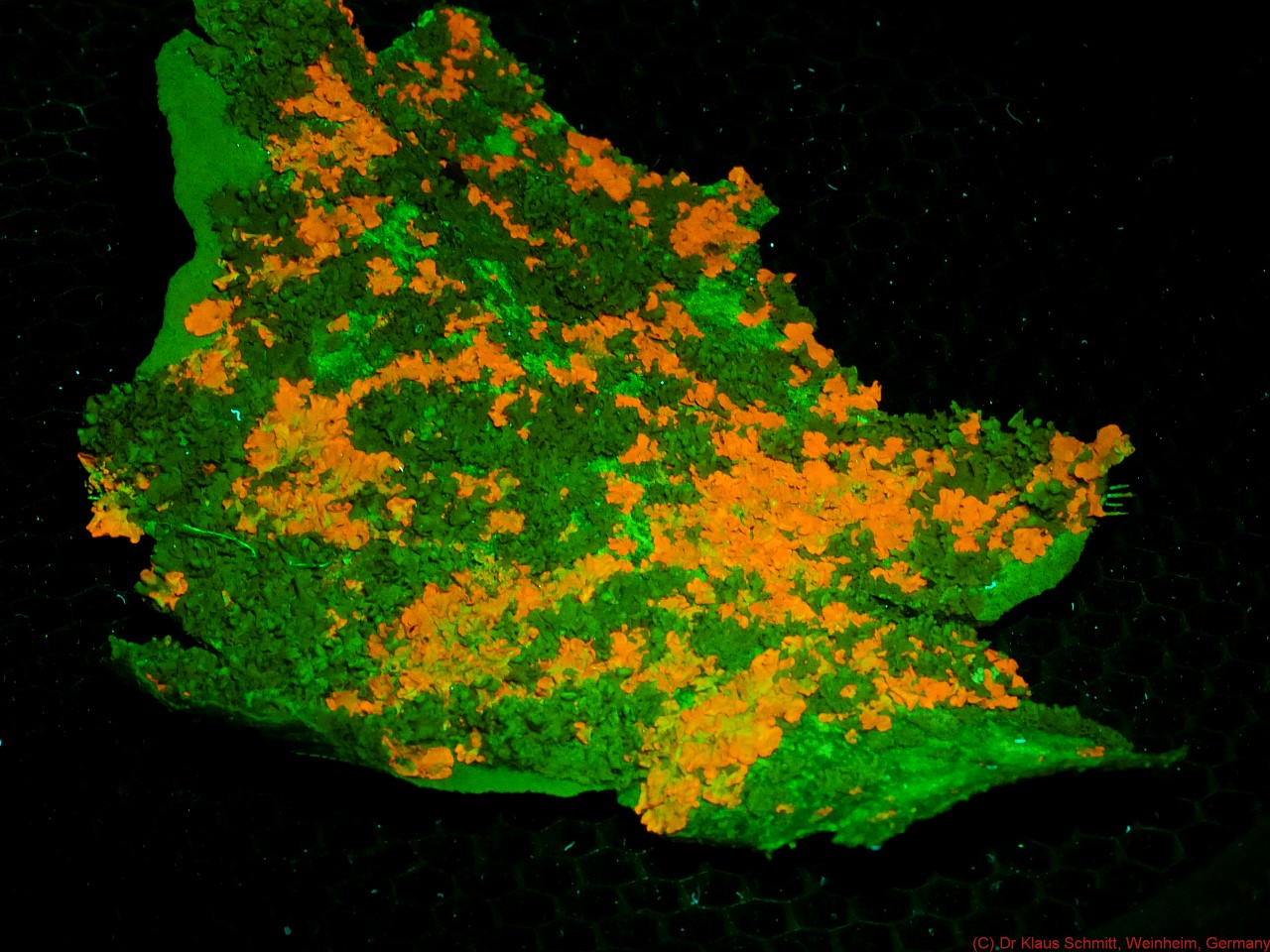
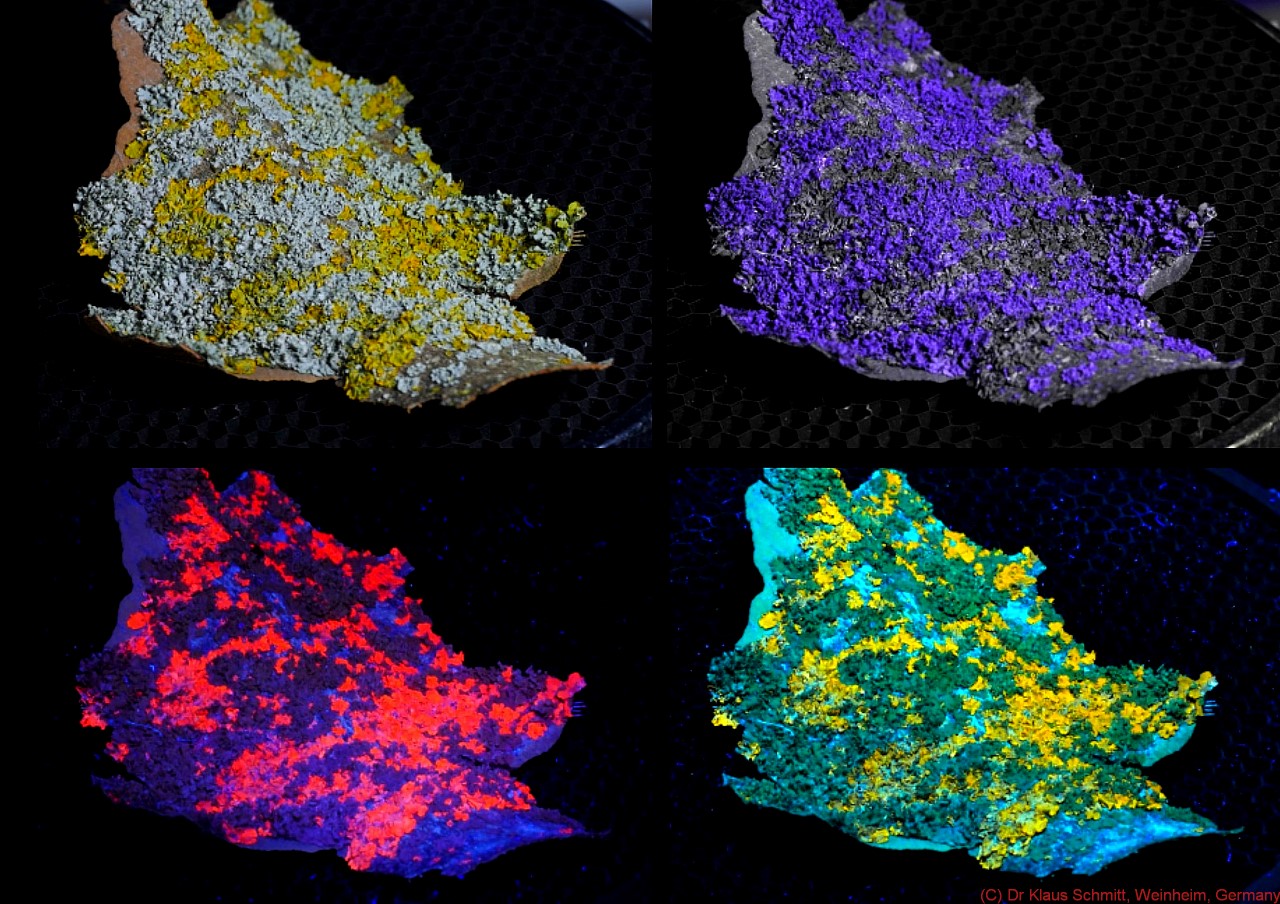
Today about a forthcoming publication using the following pictures of that same Lichen I have reported about (most likely Xanthoria parietina and Physcia adscendens grown into each other), that I found growing on a broken branch. Shots were done in UV induced visible fluorescence (UVIVF) using my CERCO 94mm quartz/fluorite lens, the Baader UV/IR Cut filter and another special longer wave cut filter as well as my Nichia high power UV LED system that was used as a light source.

[click on image to see a larger one]

Human vision image using UV/IR Cut filter:

UVIVF image using a special UV Cut filter:

UVIVF image using Baader UV/IR Cut filter:

Quite interesting colors get visible, hence why my images will be used in a publication about "synthetic lichens".


Stay tuned, more will follow on that fascinating subject...

More info on this very interesting field may be found on my site http://www.pbase.com/kds315/uv_photos

Thursday, December 7, 2023

My multispectral works in High Energy Physics presentation

Well, I never would have expected to see my work in a scientists presentation about most modern high energy particle theories in physics: The German Physicist Dr Michael Weinert has recently been using (with my permission of course) some of my multispectral works in his presentation on high energy particle physics! Source:  "Weinert COMEX7 2023".

Those shown multispectral images of mine where shot in my studio with my "work horse" UV-Nikkor f4.5/105mm quartz fluorite lens using the Baader UV/IR Cut filter and my proprietary XBV filters for simulated bee + butterfly vision. Light source in studio used was a Xenon flash modified for high UV output outside.

[click on image to see a larger one]

Visual image:


UV induced visible fluorescence using unfiltered commercial 365nm UV torch, no UV blocking:


UV induced visible fluorescence commercial 365nm UV torch, UV blocking:


UV induced visible fluorescence using Nichia 365nm UV torch, UV blocking:


Stay tuned, more will follow on that fascinating subject...

More info on this very interesting field may be found on my site http://www.pbase.com/kds315/uv_photos

Sunday, September 13, 2020

Lichen: human vision vs UV induced visible fluorescence vison and reflected UV ultraviolet photography

Today about a piece of bark with Lichen growing on it (most likely Xanthoria parietina and Physcia adscendens grown into each other), that I found blown over onto my balcony. Shots in reflected UV and UV stimulated visible fluorescence (UVIVF) were done using my UV-Nikkor 105mm quartz/fluorite lens. Filters used were the UV Baader-U filter and a 420nm sharp cut Longpass filter. A high power filtered Nichia 365nm UV LED was used as a light source. Different colors of the UVIVF images by using different white balance settings.

[click on image to see a larger one]

Human vision image using UV/IR Cut filter:


UV image using Baader-U filter:


Bee vision image using XBV filter:


UVIVF image:


UVIVF image:


UVIVF image:


UVIVF image:


UVIVF image:


Quadriptych: VIS, UV, UVIVF*2 (different whitebalance) image:


UVIVF is commonly what people imagine when they read or hear about "UV photography" - here you see the difference to reflected UV photography. UVIVF has gotten very common, as it is so much easier to do and no special lens is needed, as just visible light is recorded. 

I have written more about that HERE.


Stay tuned, more will follow on that fascinating subject...

More info on this very interesting field may be found on my site http://www.pbase.com/kds315/uv_photos

Thursday, September 27, 2012

Lichen: UV induced visible fluorescence and reflected UV; ultraviolet photography

Today again about that same Lichen (most likely Xanthoria parietina and Physcia adscendens grown into each other) that I found growing on a broken branch that I have shown in reflected UV and UV induced visible fluorescence. So here a quadriptych of VIS-FL-UV images, just for viewing pleasure and of course also for comparison.

[click on image to see a larger one]

Quadriptych VIS-FL-UV:

Well, it seems that a little broken branch laying in the mud, can have quite some hidden and invisible beauty, that was just waiting to be revealed...

Stay tuned, more will follow on that fascinating subject...

More info on this very interesting field may be found on my site http://www.pbase.com/kds315/uv_photos

Wednesday, September 26, 2012

Lichen: UV induced visible fluorescence; UV ultraviolet photography

Today again about that same Lichen I have reported about (most likely Xanthoria parietina and Physcia adscendens grown into each other), that I found growing on a broken branch. Shots now were done in UV induced visible fluorescence (UVIVF) using my CERCO 94mm quartz/fluorite lens, the Baader UV/IR Cut filter as well as my Nichia high power UV LED system that was used as a light source.

[click on image to see a larger one]

Human vision image using UV/IR Cut filter:

UVIVF image using a special UV Cut filter:

UVIVF image using Baader UV/IR Cut filter:

Quite interesting colors get visible. So also that is nice to know as a target for UV photography when all flowers will be gone soon...


Stay tuned, more will follow on that fascinating subject...

More info on this very interesting field may be found on my site http://www.pbase.com/kds315/uv_photos

Sunday, September 16, 2012

Zinnia: UV Induced Visible Fluorescence - ultraviolet photography III

So, last few of those Zinnia examples that I have shown before indicating what could be done with Nichia based NC4U133 (365nm) / NC4U134 (385nm) systems and my High Power UV LED Radiation System with easily exchangeable radiation heads for nominal wavelength of 365nm, 385nm, 395nm, 400nm and 405nm using the most modern 40W UV LEDs or the simple and now quite common 365nm Nichia flashlights which use the single dice NCSU033A and NCSU033B chips.

[click on image to see a larger one]

Creamy white Zinnia in visible light:  


 Creamy white Zinnia in UV induced visible fluorescence, variant 1:


 Creamy white Zinnia in UV induced visible fluorescence, variant 2:


Pinkish Zinnia in visible light:


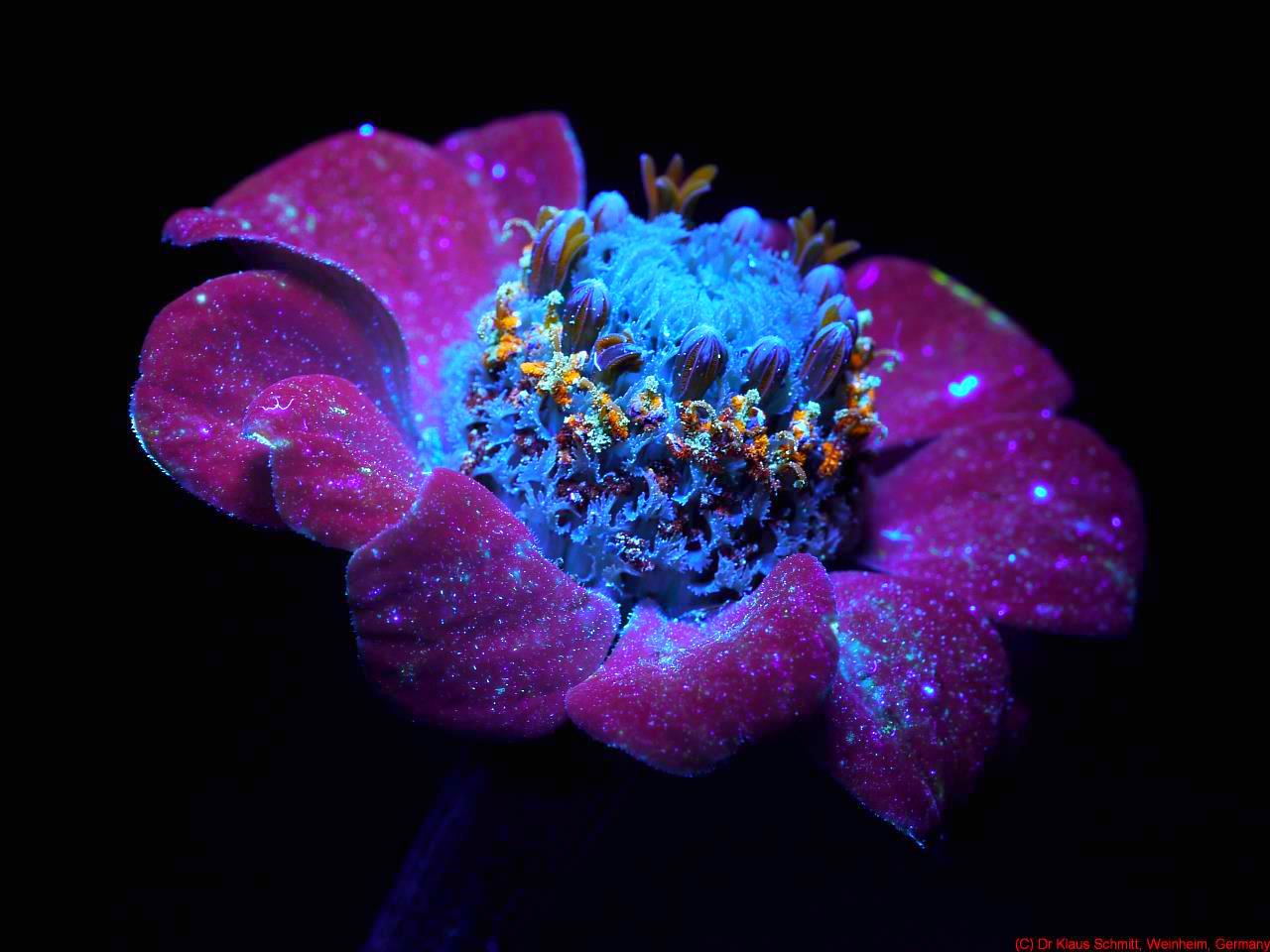
Pinkish Zinnia in UV induced visible fluorescence, variant 1:  


Pinkish Zinnia in UV induced visible fluorescence, variant 2:  


I hope these shots also serve as example what could be done with those UV flashlights, but of course those are useful for many different applications such as stimulating visible fluorescence, reflected UV photography, forensic, dermatological and dental examinations and photographic recording, curing of UV glue / bonding, as well as leakage detection etc.

Stay tuned, more will follow on that fascinating subject...

More info on this very interesting field may be found on my site http://www.pbase.com/kds315/uv_photos

Saturday, September 15, 2012

Zinnia: UV Induced Visible Fluorescence - ultraviolet photography II

So, here more of those Zinnia examples that I have shown before indicating what could be done with Nichia based NC4U133 (365nm) / NC4U134 (385nm) systems and my High Power UV LED Radiation System with easily exchangeable radiation heads for nominal wavelength of 365nm, 385nm, 395nm, 400nm and 405nm using the most modern 40W UV LEDs or the simple and now quite common 365nm Nichia flashlights which use the single dice NCSU033A and NCSU033B chips.

[click on image to see a larger one]

Pink Zinnia in visible light: 


Pink Zinnia in UV induced visible fluorescence, variant 1:  


Pink Zinnia in UV induced visible fluorescence, variant 2: 


Red Zinnia in visible light: 


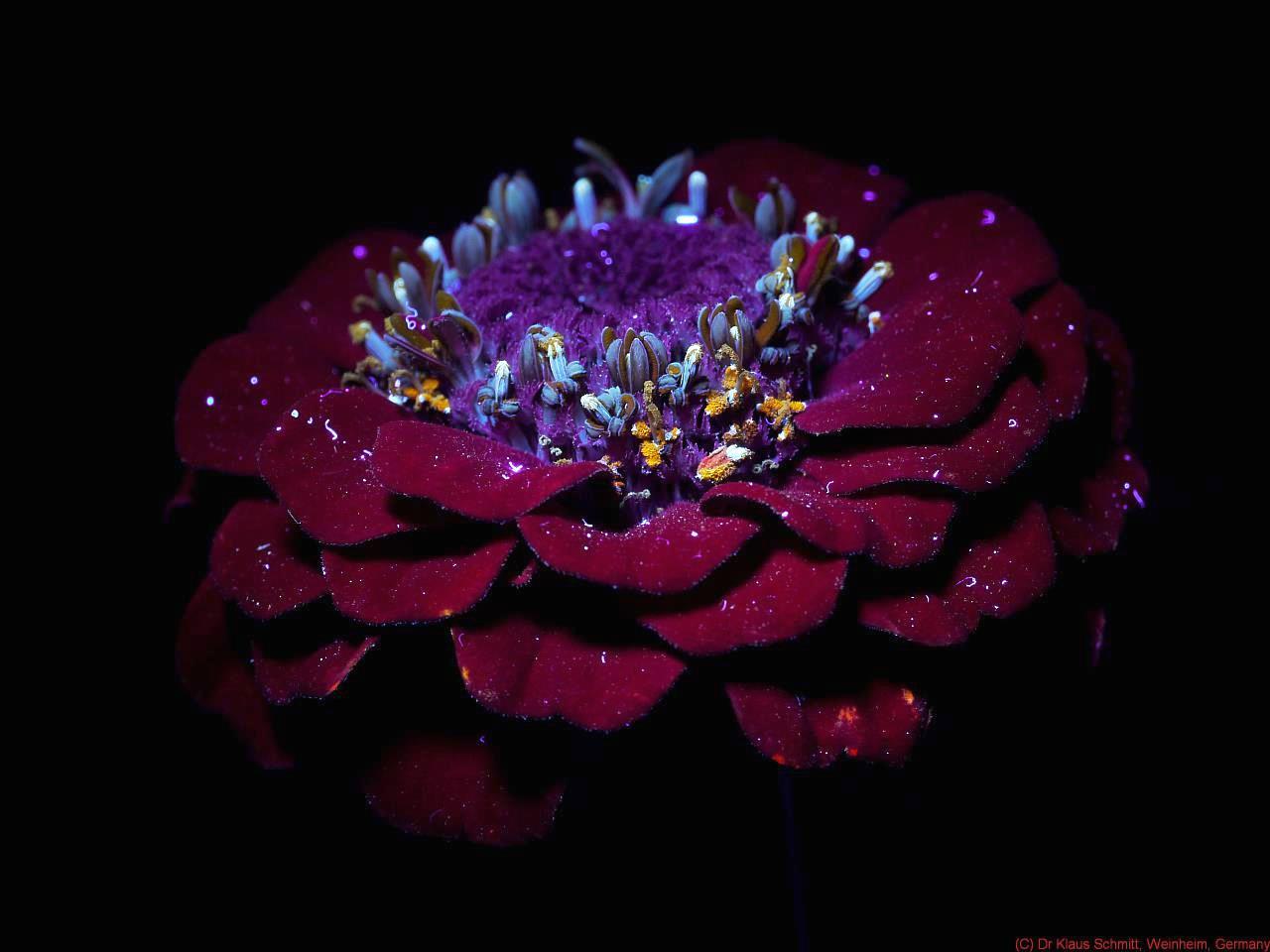
Red Zinnia in UV induced visible fluorescence, variant 1:  


Red Zinnia in UV induced visible fluorescence, variant 2: 


I hope these shots also serve as example what could be done with those UV flashlights, but of course those are useful for many different applications such as stimulating visible fluorescence, reflected UV photography, forensic, dermatological and dental examinations and photographic recording, curing of UV glue / bonding, as well as leakage detection etc.

Stay tuned, more will follow on that fascinating subject as part III...

More info on this very interesting field may be found on my site http://www.pbase.com/kds315/uv_photos

Zinnia: UV Induced Visible Fluorescence - ultraviolet photography

Well, some people wonder what could be done with Nichia based NC4U133 (365nm) / NC4U134 (385nm) systems and my High Power UV LED Radiation System with easily exchangeable radiation heads for nominal wavelength of 365nm, 385nm, 395nm, 400nm and 405nm using the most modern 40W UV LEDs or the simple and now quite common 365nm Nichia flashlights which use the single dice NCSU033A and NCSU033B chips. Well, here it is without much ado...

[click on image to see a larger one]

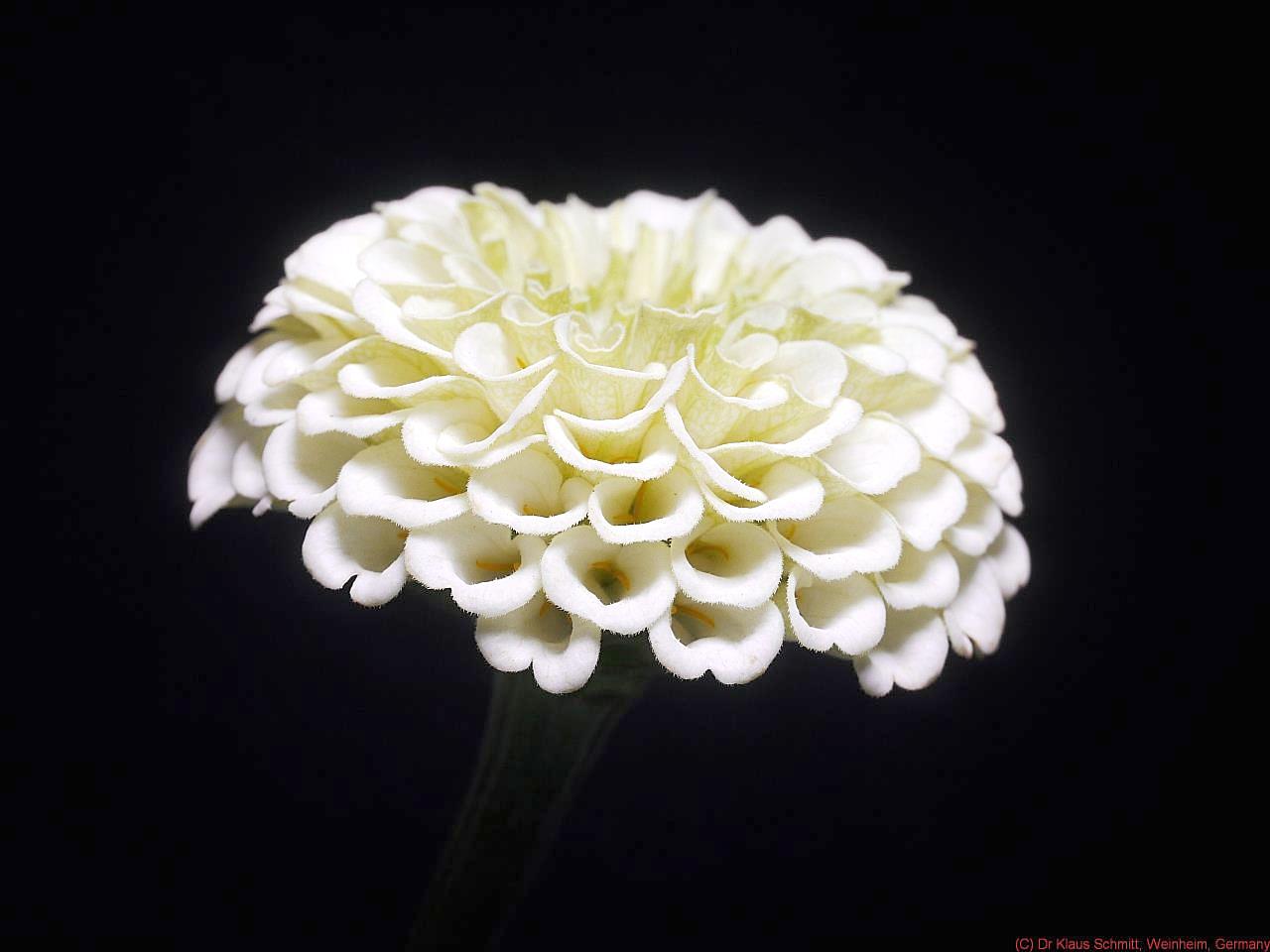
White Zinnia in visible light: 


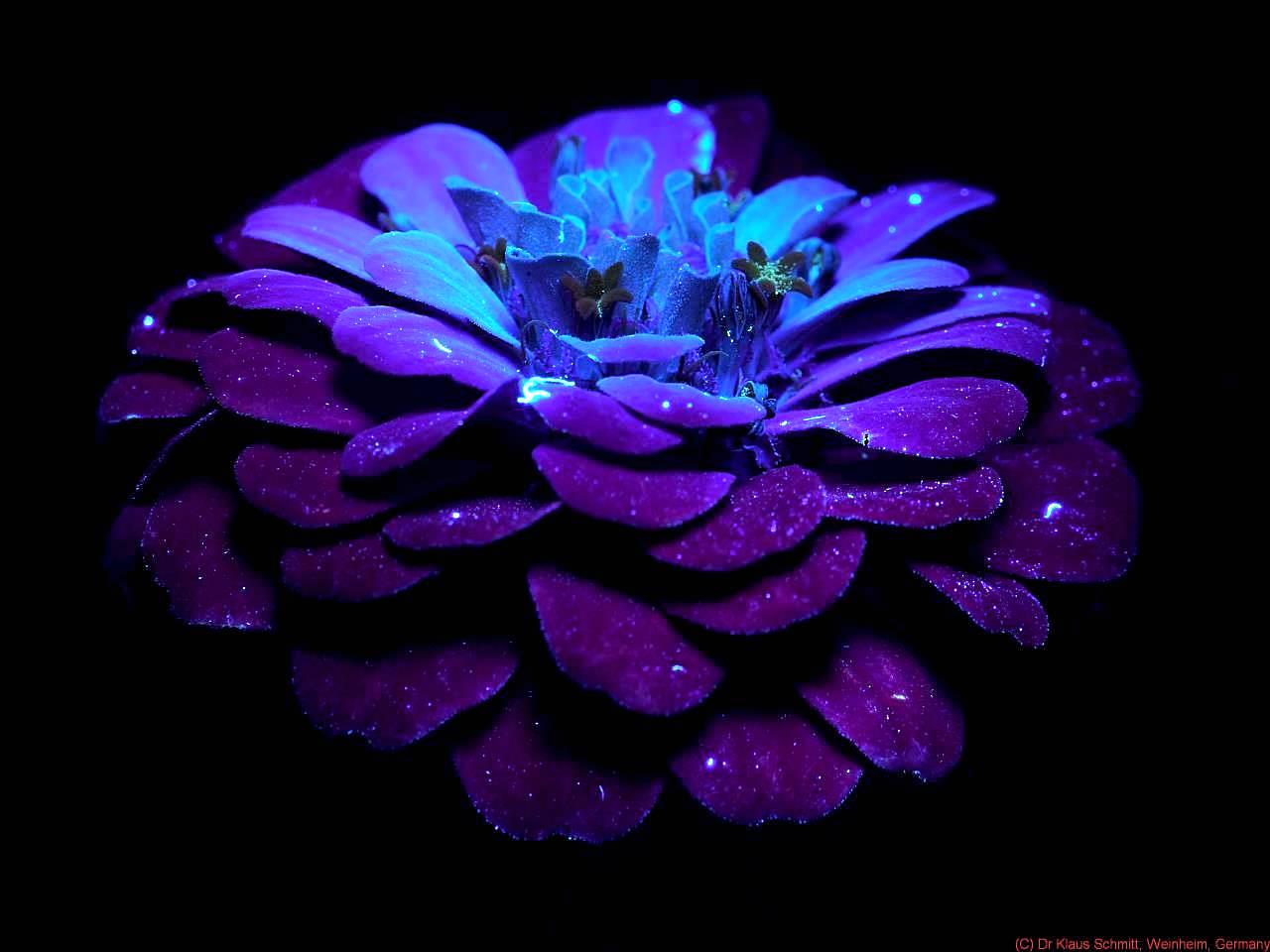
White Zinnia in UV induced visible fluorescence, variant 1:  


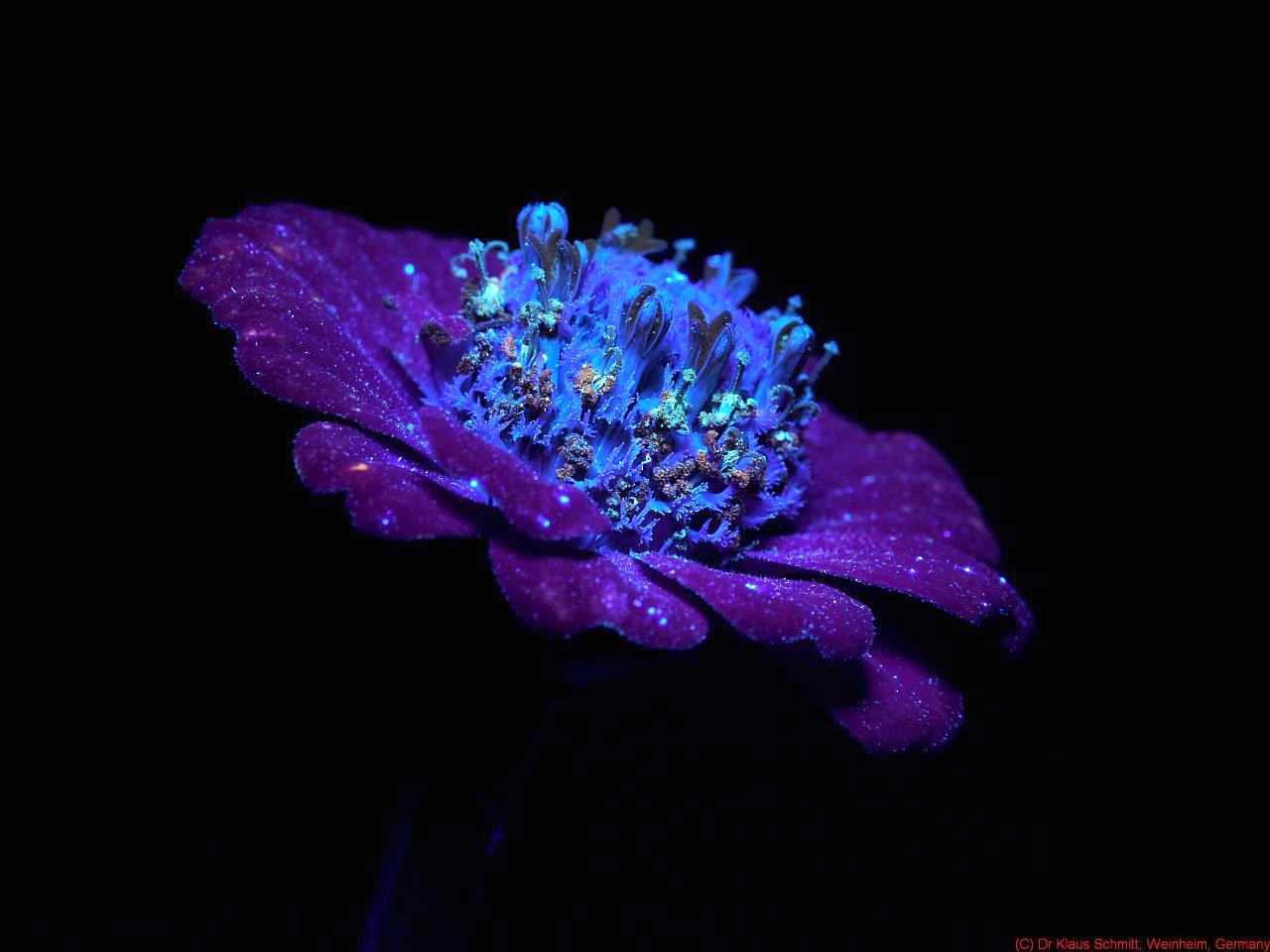
White Zinnia in UV induced visible fluorescence, variant 2: 


I hope that serves as an example what could be done with those UV flashlights, but of course those are useful for many different applications such as stimulating visible fluorescence, reflected UV photography, forensic, dermatological and dental examinations and photographic recording, curing of UV glue / bonding, as well as leakage detection etc.

Stay tuned, more will follow on that fascinating subject as part II...

More info on this very interesting field may be found on my site http://www.pbase.com/kds315/uv_photos

Friday, September 14, 2012

Nichia 365nm flashlight: Beam Homogenizer for reflected UV photography and UV induced visible fluorescence

Today, after having previously shown the Nichia based NC4U133 (365nm) / NC4U134 (385nm) systems and my newest High Power UV LED Radiation System with easily exchangeable radiation heads for nominal wavelength of 365nm, 385nm, 395nm, 400nm and 405nm using the most modern 40W UV LEDs, I present something much easier: a simple beam homogenizing solution for the meanwhile quite commom 365nm Nichia flashlights which use the single dice NCSU033A and NCSU033B chips.

After a long search I finally located a specifically designed beam homogenizing solution that sufficiently transmits UV and allows to generate a quite even radiation field, which is beneficial to have, especially for photography which usually requires even illumination of the target.

I have also tested it working with the newer 4 dice Nichia NC4U133 (365nm) and NC4U134 (385nm) chips, but those are not used for portable flashlights yet as far as I know.

[click on image to see a larger one]

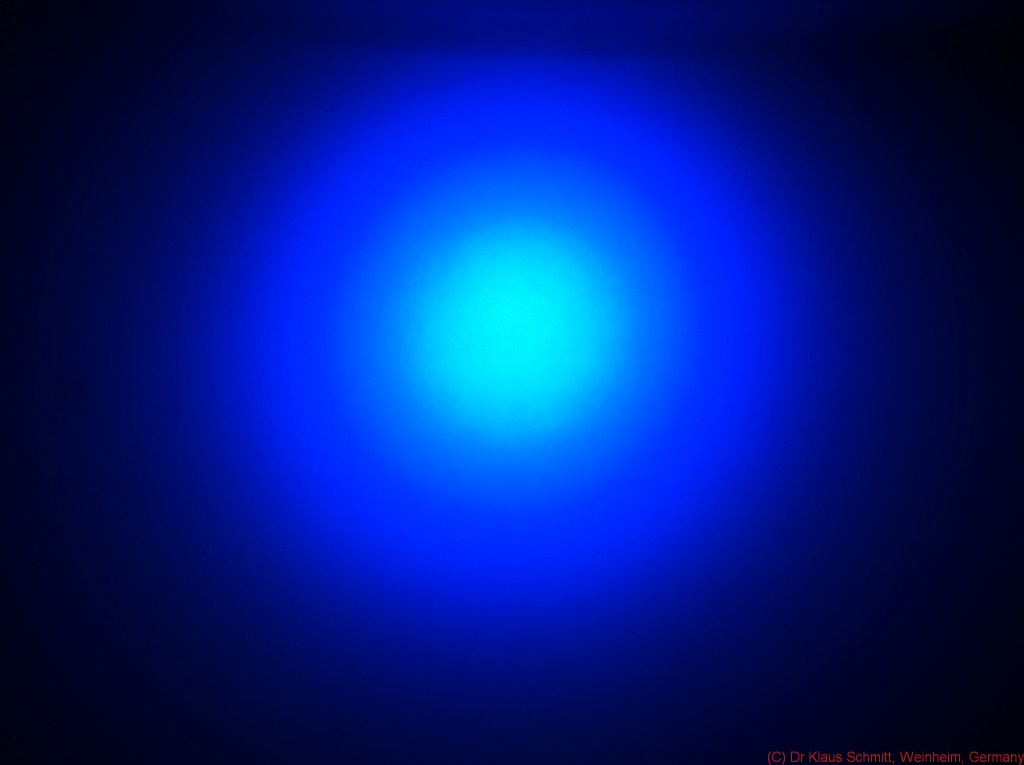
Radiation field without homogenizing solution: 


Radiation field with homogenizing solution: 


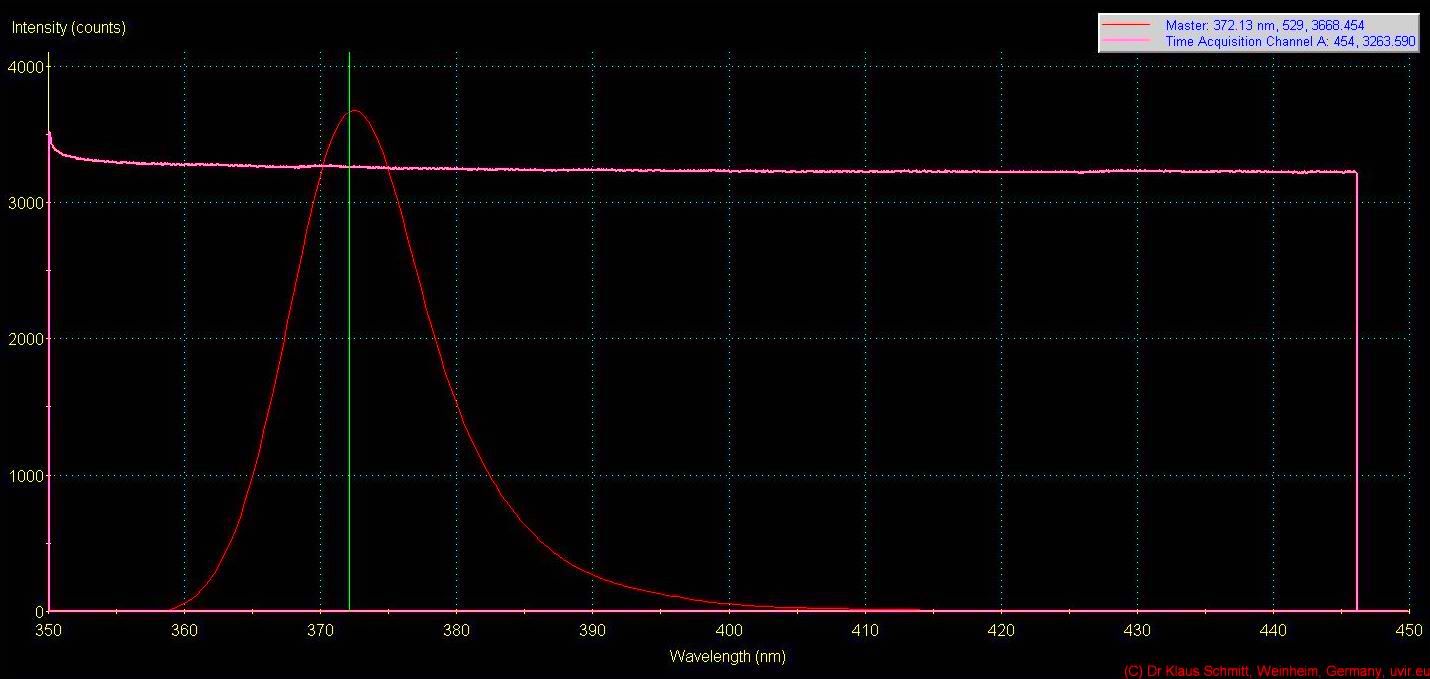
Transmission of the homogenizing solution in use:


Theses simple flashlights are useful for different applications, such as stimulating visible fluorescence, reflected UV photography, forensic, dermatological and detal examinations and photographic recording, curing of UV glue / bonding, as well as leakage detection etc.

Stay tuned, more will follow on that fascinating subject...

More info on this very interesting field may be found on my site http://www.pbase.com/kds315/uv_photos

Wednesday, September 12, 2012

High Power UV LED Radiation System: 365nm 385nm 395nm 400nm 405nm

Today, after having previously shown the Nichia based NC4U133 (365nm) / NC4U134 (385nm) systems, I present here my newest High Power UV LED Radiation System with easily exchangeable radiation heads for nominal wavelength of 365nm, 385nm, 395nm, 400nm and 405nm using the most modern 40W UV LEDs. [Other visible or IR wavelngth also possible as well as high power white light for comparison studies. Optional: infrared or wire remote system control]

A specifically designed beam homogenizing system allows a very even radiation field that can be factory adjusted to a desired size. One example being a 365nm (nominal) head with a 55mm radiation field, evenness of radiation <20%, precisely adjustable radiation strength 2 ... 30mW/cm². The AC operated system is cooled and has been designed for long term radiation sessions up to several hours.

[click on image to see a larger one]

Radiation Head with mounted homogenizing optics:


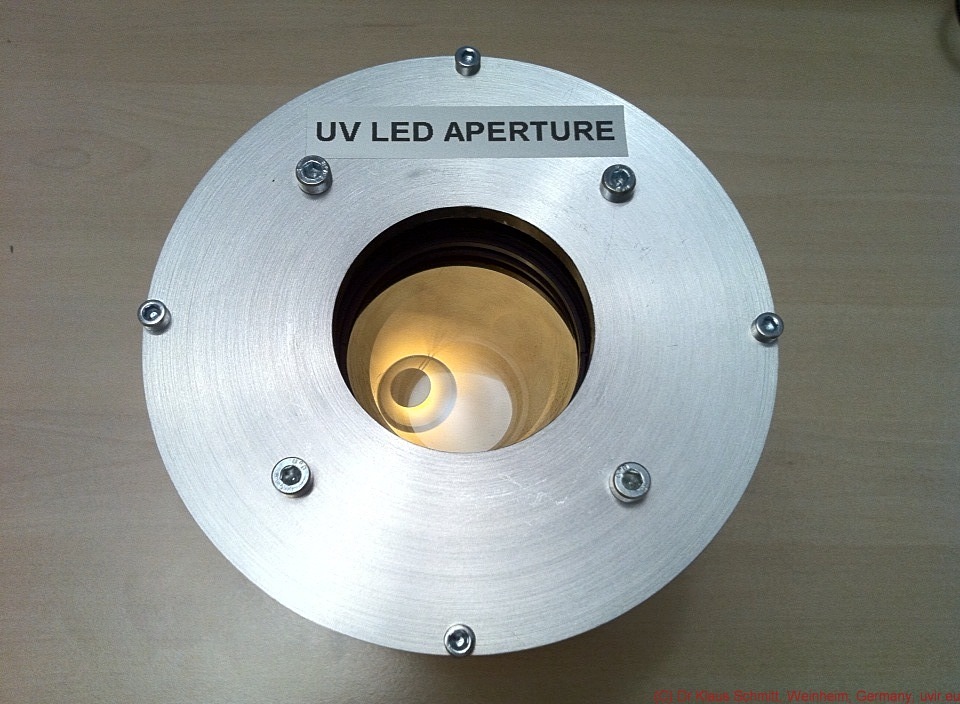
Homogenizing optics, beam exit aperture showing UV coated fused silica optics:


System in stable operation for some 10.000sec (3h) at full power:


The system is useful for different applications, such as very even UV radiation for photocatalytic processes, to stimulate visible fluorescence, for reflected UV photography, forensic, dermatological and detal examinations and photographic recording, curing of UV glue / bonding, as well as leakage detection etc.

Stay tuned, more will follow on that fascinating subject...

More info on this very interesting field may be found on my site http://www.pbase.com/kds315/uv_photos

Friday, July 20, 2012

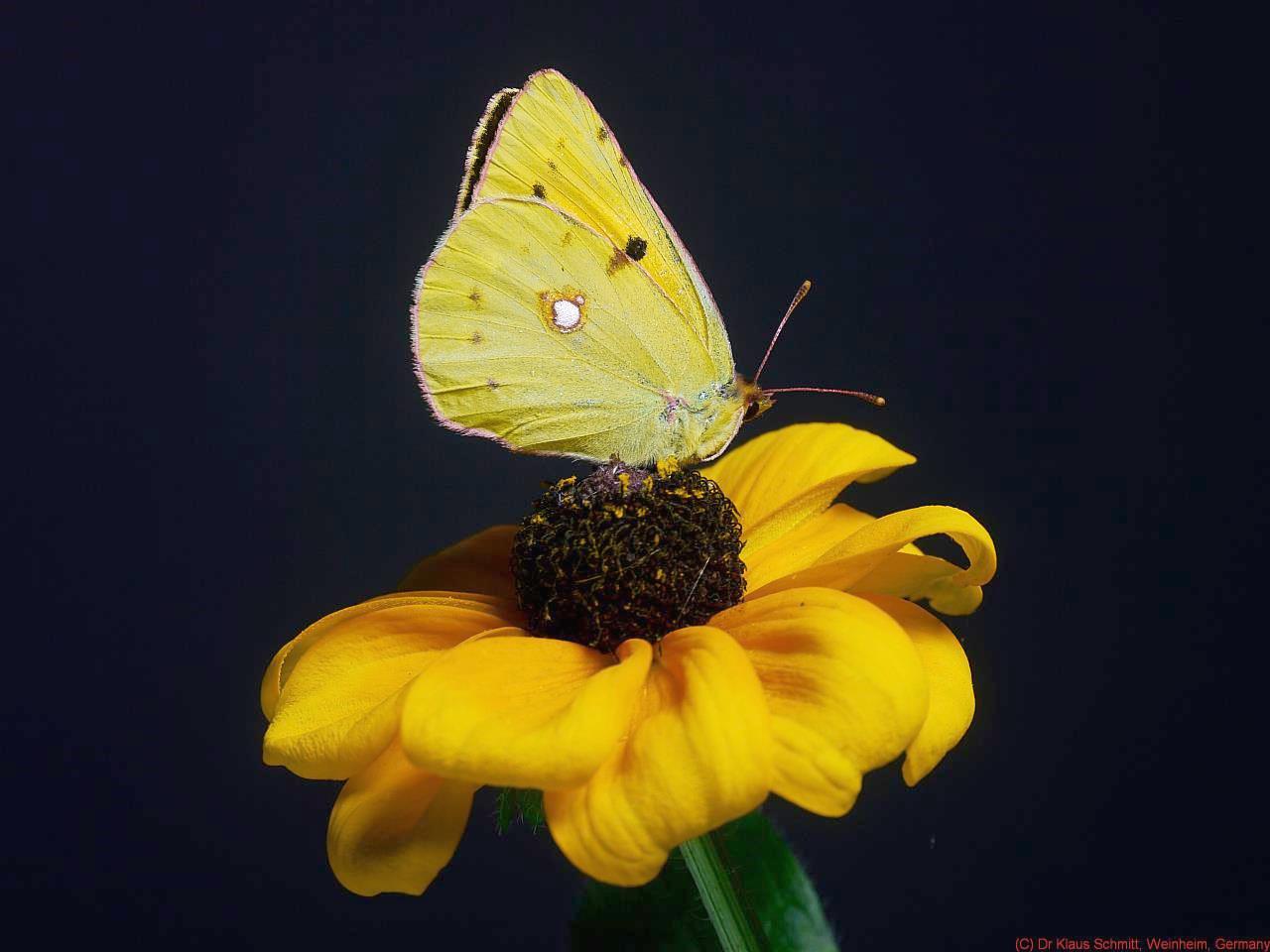
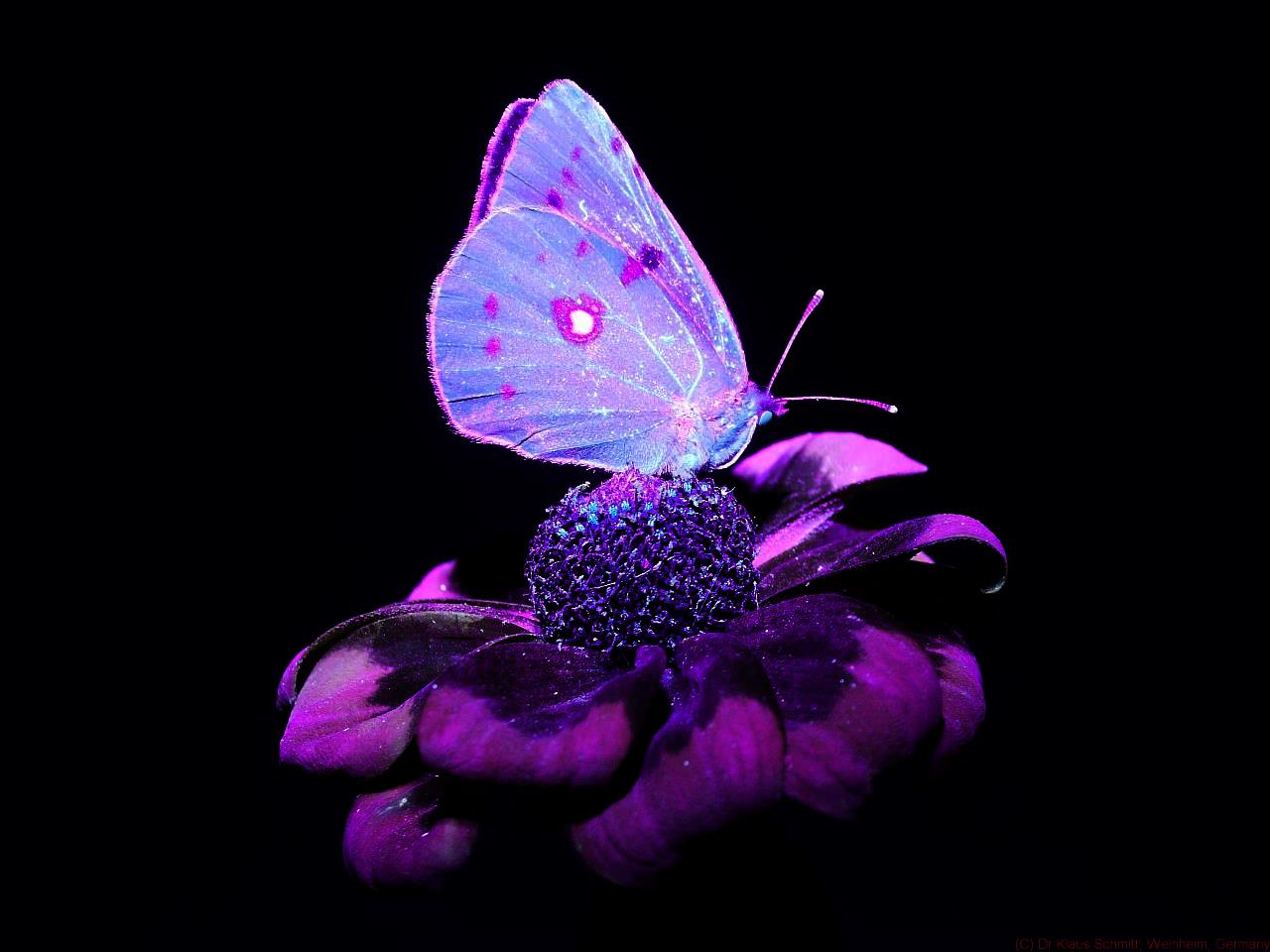
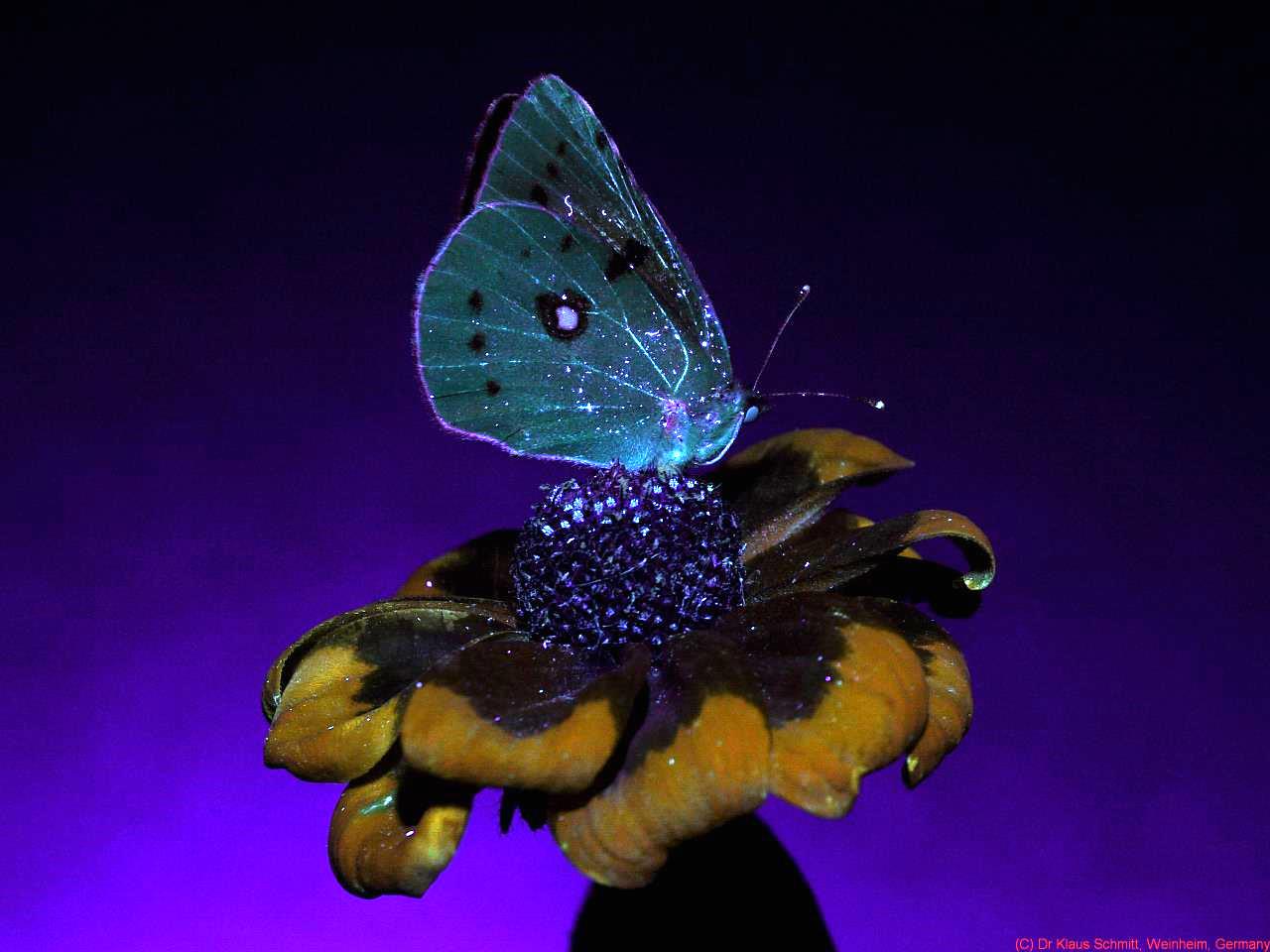
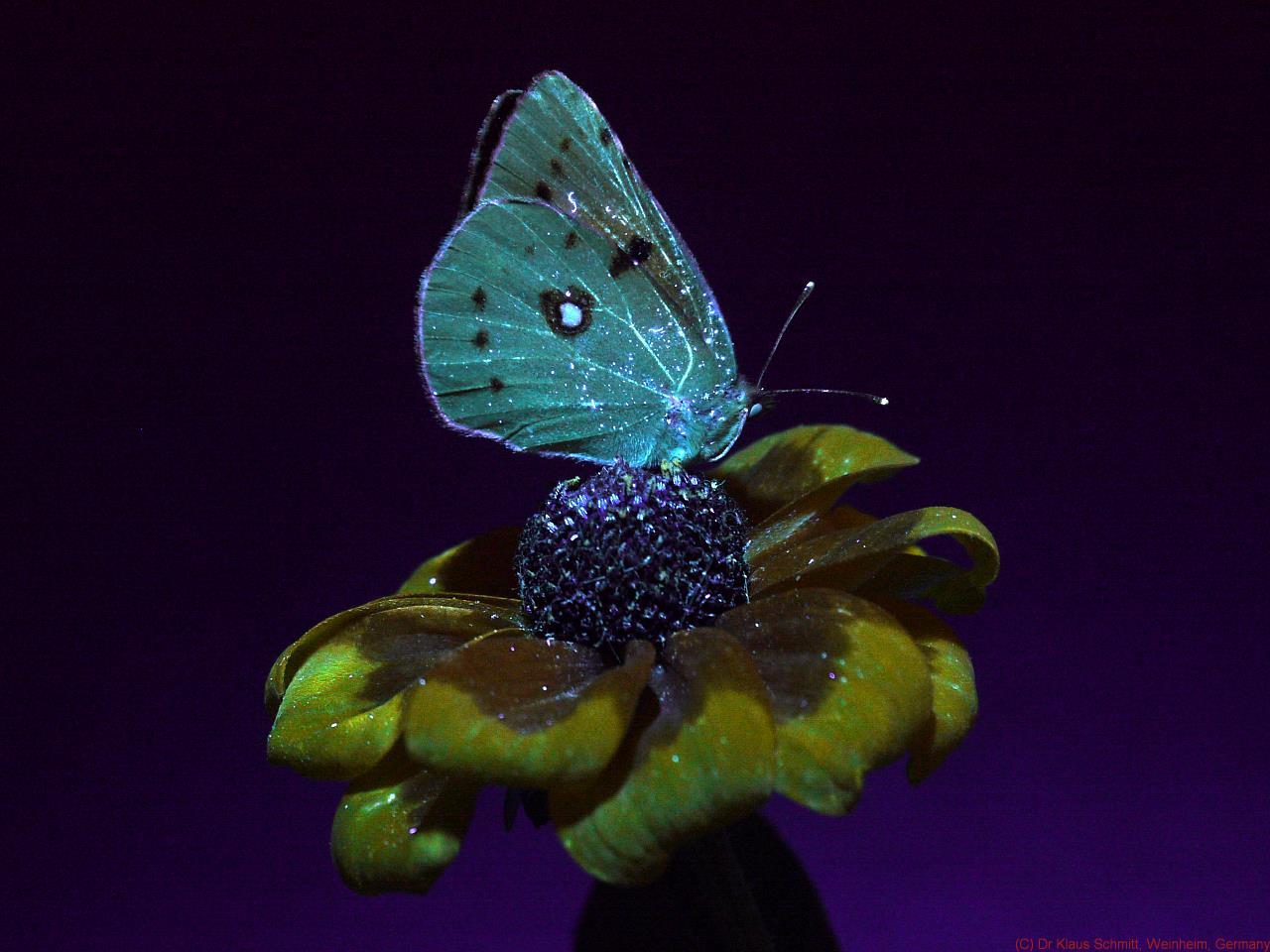
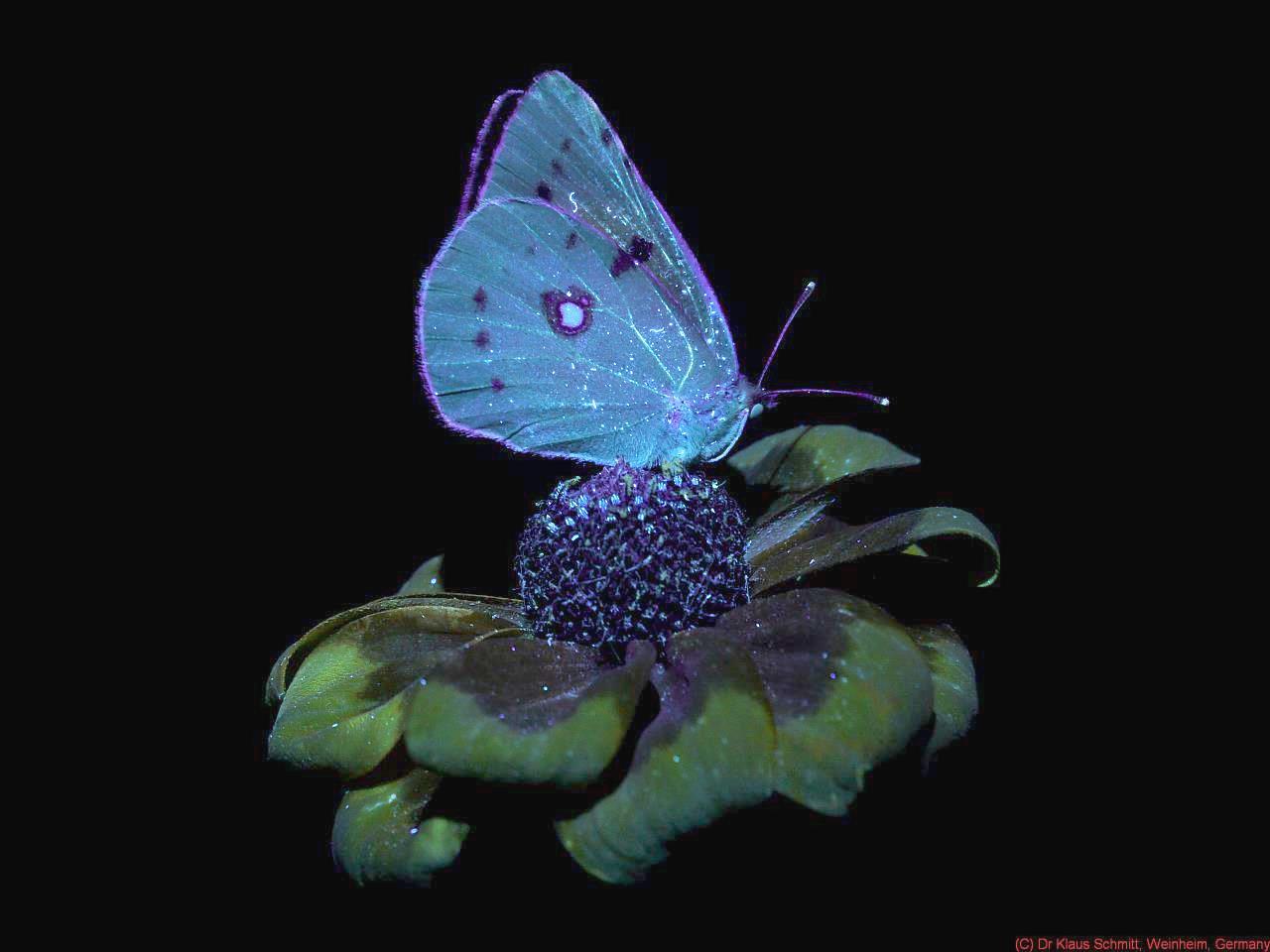
Gonepteryx cleopatra "Cleo" butterfly on Rudbeckia hirta: human vision; UV ultraviolet stimulated visible fluorescence photography

Here now after having shown it in bee vision and reflected ultraviolet photography that Cleo butterfly Gonepteryx cleopatra or Cleopatra, resting on a Rudbeckia hirta flower. Now here shown in normal visible as well as UV induced stimulated visible fluorescence, using various UV sources as well as blocking filters (BG38, Baader UV/IR CUT filter).

[click on image to see a larger one]

Visual image:


UV induced visible fluorescence using unfiltered commercial 365nm UV torch, no UV blocking:


UV induced visible fluorescence commercial 365nm UV torch, UV blocking:


UV induced visible fluorescence using Nichia 365nm UV torch, UV blocking:


UV induced visible fluorescence using UV filtered Nichia 365nm UV torch, UV blocking:


Nice results and a a lot of details on the wings gets visible using fluorescence method, yet personally I prefer reflected UV photography.


Stay tuned, more will follow on that fascinating subject...

More info on this very interesting field may be found on my site http://www.pbase.com/kds315/uv_photos