Showing posts with label human vision. Show all posts

Monday, March 11, 2019

American Museum of Natural History Exhibit T.Rex with simulated Tetrachromatic Vision

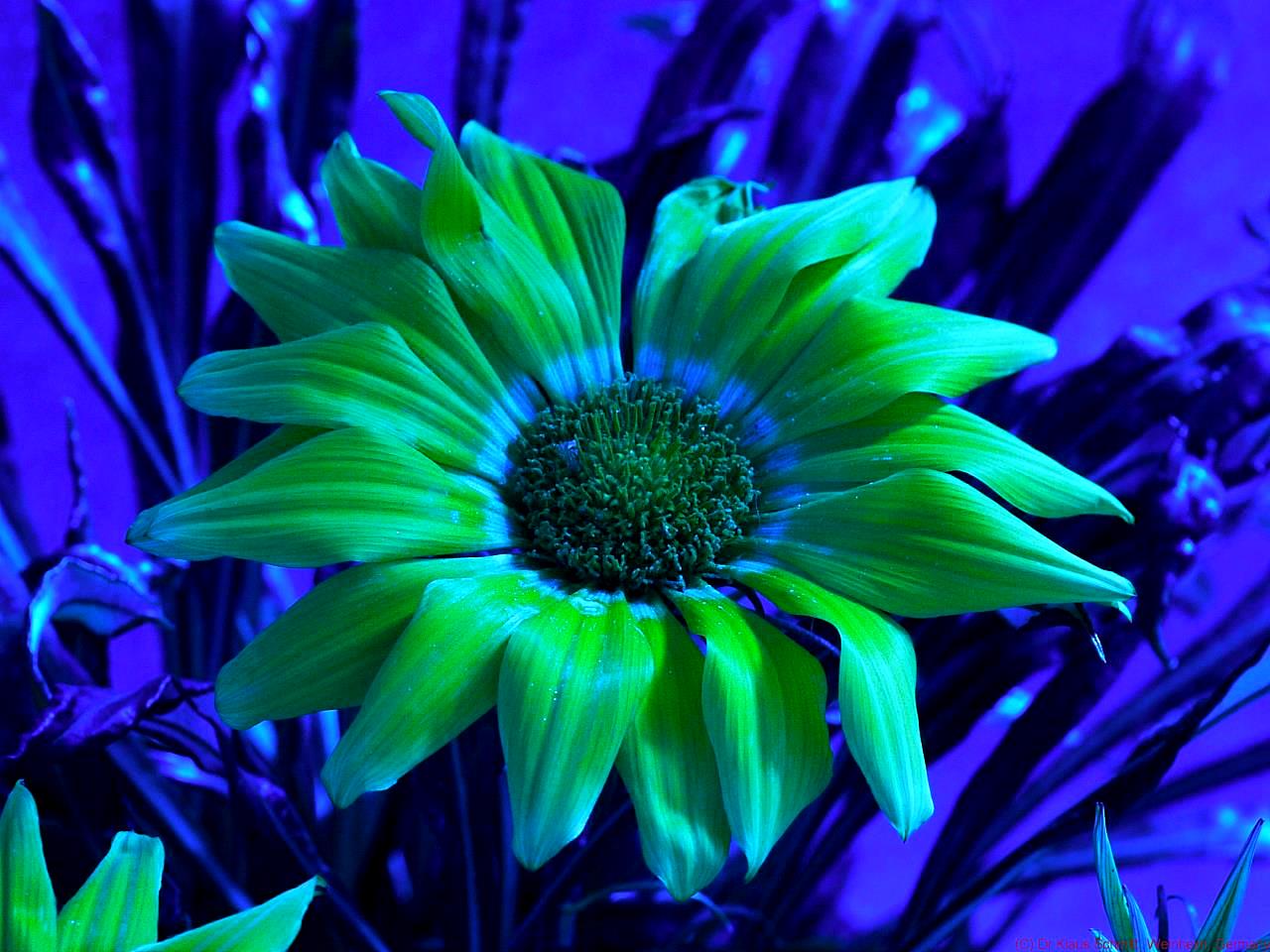
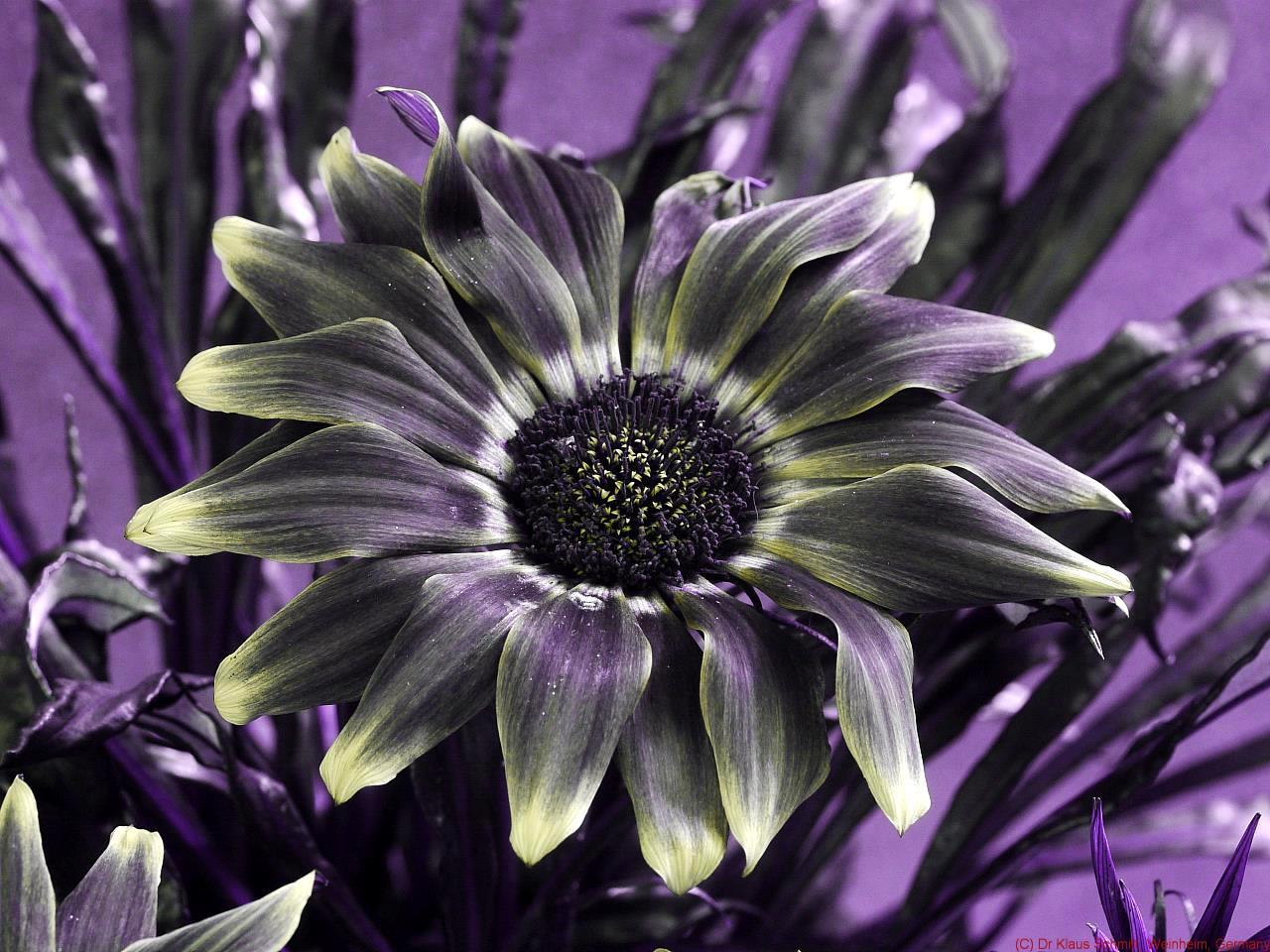
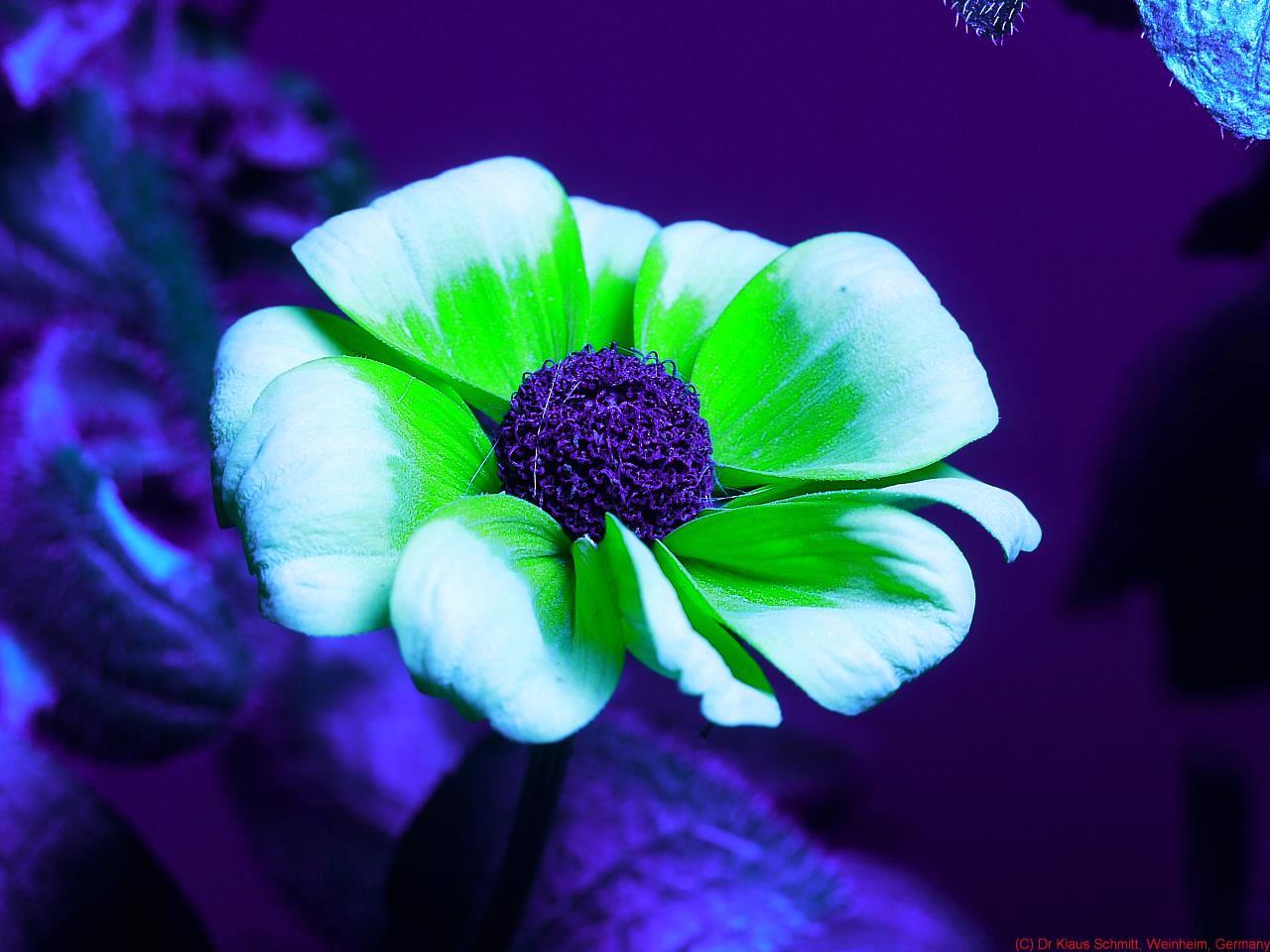
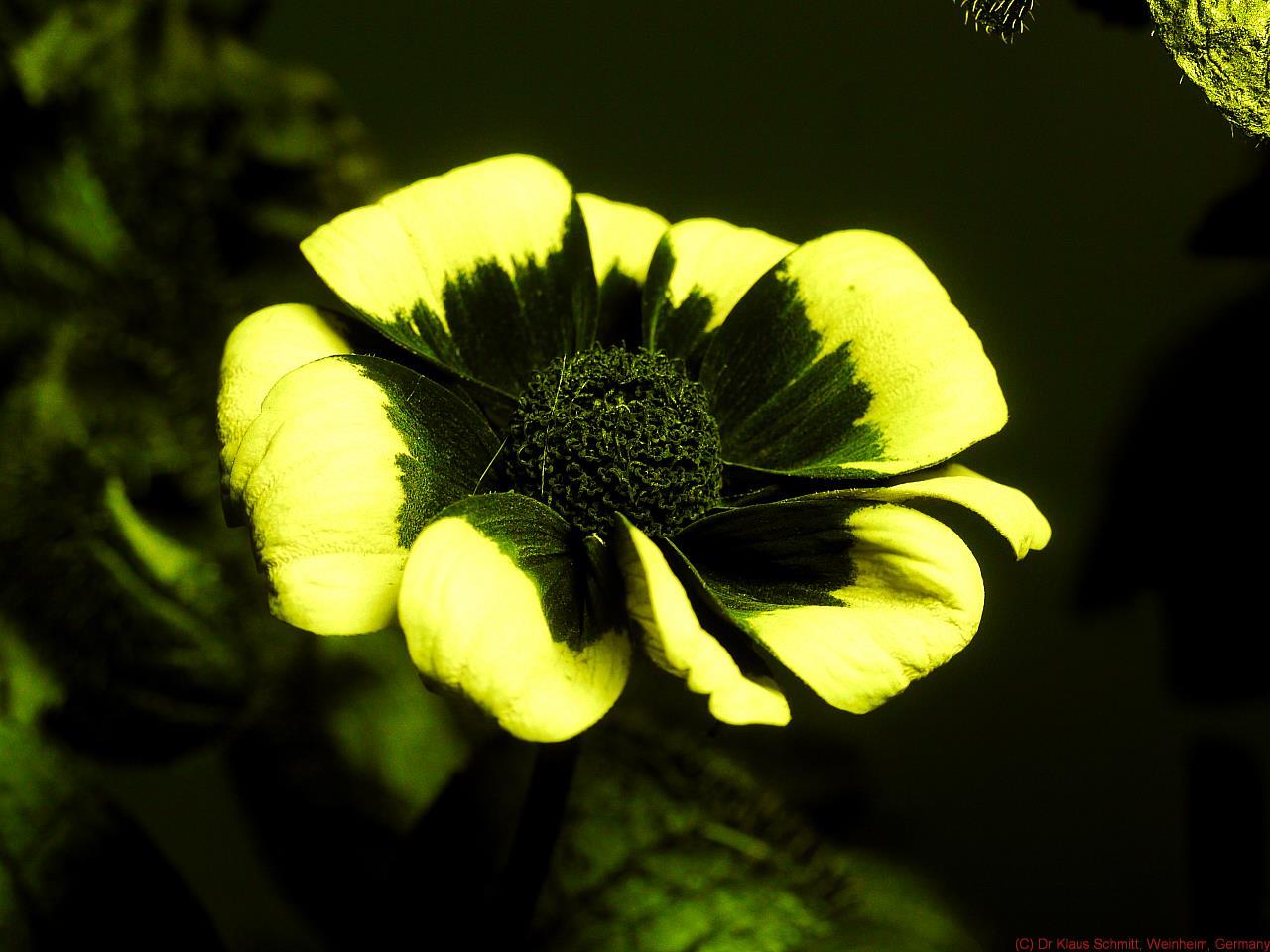
Today at March 11, 2019 the American Museum of Natural History in New York at Central Park officially opens up their new exhibit T.Rex: The Ultimate Predator through August 9, 2020 and it contains some of my work, as T-Rex was supposed to have tetrachromatic vision, as those were the ancestors or our today's birds, which have tetrachromatic vision.

For demonstrating this to its visitors, my Rudbeckia hirta flower shots in 3D stereo human vision as well as in simulated tetrachromatic vision were used.

I'm always amazed about the differences in our human trichromatic color perception and how that very same flower would look like, if seen through tetrachromatic eyes, being able to also see ultraviolet (UV) light, invisible to us humans!

Hence why I developed a method to simulate that, by mapping a 4-dimensional tetrachromatic color space into our trichromatic 3-dimensional one.

[click on image to see a STEREO image in large]

Human Trichromatic Vision: 


Tetrachromatic Vision (simulated, UV mapped as blue) 


I have written more about this flower HERE and about tetrachromatic vision HERE

Stay tuned, more will follow on that fascinating subject...

More info on this very interesting field may be found on my site http://www.pbase.com/kds315/uv_photos

Friday, September 11, 2015

Carl Bosch Museum Heidelberg Special Exhibit Fascination Color with simulated bee and butterfly vision images II

Today about the opening event of the "Fascination Color" exhibit at the Carl Bosch Museum, Heidelberg Germany which will be open from 12. September 2015 - 3. April 2016. Some of my best works will be shown in human vision, in simulated bee and butterfly vision.

Here the introductory text: "How do colors come into existence? What are colors used for? What really is color? These and many other questions are answered by the exhibition and illustrates how broad ranged the subject of colors actually is. With many exciting exhibits, visitors learn that we see colors not only with our eyes and experience how other people and animals see the colorful world. The symbolic and social meanings of colors are explained, as is the extraction and use of historic natural colors, up to modern industrial dyes." [translation by me]


The scientific background of colors are demonstrated with live experiments, how it was found out, color models from history up to now explained, color temperature and the effect of different light sources, as well as natural pigments and dyes from ancient times to todays are being shown.

The last two pictures shows the animated video with my works showing the difference between human, butterfly and bee vision with various flowers with a very prominent UV pattern. Beneath there is an explanation how evolution has started with tetrachromatic vision and how that has developed over millions of years into the various types of vision today.

If you find time to, pay it a visit, it will certainly be worth going with your whole family!
 
The Carl Bosch Museum Heidelberg has been founded and is being actively supported by Gerda Tschira, wife of recently deceased SAP founding member Klaus Tschira . The non-profit Klaus Tschira Foundation promotes the advancement of natural sciences, mathematics, and computer science and strives to raise appreciation for these fields.
 

Stay tuned, more will follow on that fascinating subject...

Saturday, August 29, 2015

Non-Melanoma Skin Cancer protection - Galderma Actinica

Galderma Germany had contracted me and my UV cameras for a Blogger Event in Berlin to show the effect of dangerous UV radiation on human skin and the effect of using their medical sun protection product.

Company info:
Actinica® Lotion is a highly effective medical device with broad spectrum UV protection. It has been developed especially for people who are at a higher risk than others to develop skin cancer due to UV exposure. It is the first and only medical device with demonstrated effectiveness in the prevention of various forms of NMSC (Non-Melanoma Skin Cancer) in a clinical study and showed a 53% reduction of actinic keratosis lesions within two years of regular administration of Actinica® Lotion and no new invasive squamous cell carcinoma within two years following regular administration of Actinica® Lotion. Actinica® Lotion contains a combination of modern photostable UV filters, which cover a broad spectrum to absorb, reflect and scatter UV radiation. It is highly effective in protecting skin from ultraviolet B (UVB) as well as from ultraviolet A (UVA) radiation. Regulations for Actinica® Lotion are different to those that apply to cosmetic products. The UV protection level of Actinica® Lotion has been tested according to the European cosmetic requirements for sunscreens: its UVB and UVA protection level meets the highest category, “very high UV protection”.

So here a few shots from that Blogger event in Berlin with my UV camera in action, showing participants how to correctly apply sunscreen and the effect of proper protection.


Fotos (c) Ryan Hursh for sisterMAG    Eventlocation: GebrüderFritz, Berlin

I have previously written about that HERE

Stay tuned, more will follow on that fascinating subject...

Thursday, August 13, 2015

UV video about Non-Melanoma Skin Cancer protection - Galderma Actinica

Galderma Germany had contracted me and my UV cameras to show the effect of dangerous UV radiation on human skin and the effect of using their medical sun protection product.

Company info:
Actinica® Lotion is a highly effective medical device with broad spectrum UV protection. It has been developed especially for people who are at a higher risk than others to develop skin cancer due to UV exposure. It is the first and only medical device with demonstrated effectiveness in the prevention of various forms of NMSC (Non-Melanoma Skin Cancer) in a clinical study and showed a 53% reduction of actinic keratosis lesions within two years of regular administration of Actinica® Lotion and no new invasive squamous cell carcinoma within two years following regular administration of Actinica® Lotion.
Actinica® Lotion contains a combination of modern photostable UV filters, which cover a broad spectrum to absorb, reflect and scatter UV radiation. It is highly effective in protecting skin from ultraviolet B (UVB) as well as from ultraviolet A (UVA) radiation. Regulations for Actinica® Lotion are different to those that apply to cosmetic products. The UV protection level of Actinica® Lotion has been tested according to the European cosmetic requirements for sunscreens: its UVB and UVA protection level meets the highest category, “very high UV protection”.


I have previously written about UV videos and sun protection HERE

Stay tuned, more will follow on that fascinating subject...

Monday, August 3, 2015

Carl Bosch Museum Heidelberg Special Exhibit Fascination Color with simulated bee and butterfly vision images

Today about a forthcoming special exhibit "fascination Color" at the Carl Bosch Museum, Heidelberg Germany which will be open from 12. September 2015 - 3. April 2016. Some of my best works will be shown in our human vision, and in simulated bee and butterfly vision.

Here the introductory text: "How do colors come into existence? What are colors used for? What really is color? These and many other questions are answered by the exhibition and illustrates how broad ranged the subject of colors actually is. With many exciting exhibits, visitors learn that we see colors not only with our eyes and experience how other people and animals see the colorful world. The symbolic and social meanings of colors are explained, as is the extraction and use of historic natural colors, up to modern industrial dyes." [translation by me]

(C) Carl Bosch Museum, Heidelberg
The Carl Bosch Museum has chosen some of my best works, as they show quite surprisingly how different bees and butterflies see the world, as compared to how we humans see it!

If you find time to, pay it a visit, it will certainly be worth going with your whole family!

The Carl Bosch Museum Heidelberg has been founded and is being actively supported by Gerda Tschira, wife of recently deceased SAP founding member Klaus Tschira . The non-profit Klaus Tschira Foundation promotes the advancement of natural sciences, mathematics, and computer science and strives to raise appreciation for these fields. 

Stay tuned, more will follow on that fascinating subject...

Wednesday, July 22, 2015

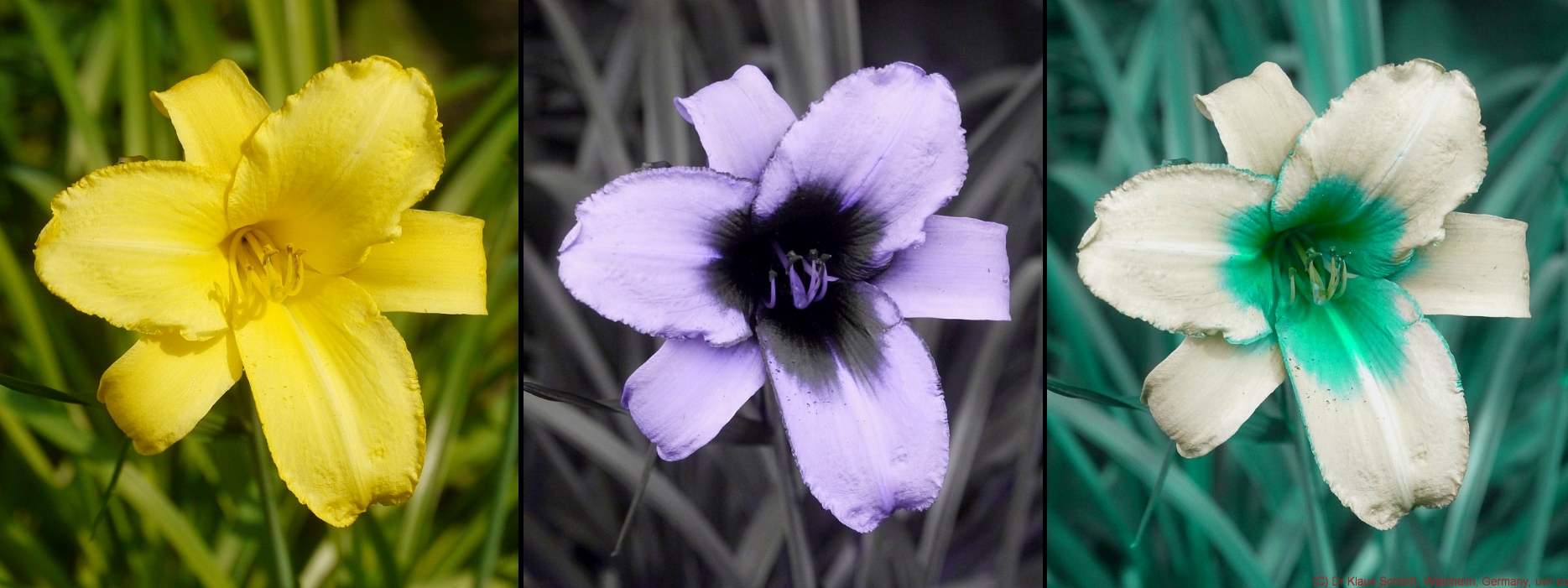
Day Lilly - Hemerocallis lilioasphodelus in reflected ultraviolet photography and simulated bee vision III

Today shots of an attractive summer flower, a creamy yellow Day Lilly - Hemerocallis lilioasphodelus in reflected ultraviolet photography using my "work horse" UV filter, the Baader-U filter as well as in simulated bee vision using my proprietary XBV filter. Lens was my ZEISS UV-Planr f2/62mm quartz flourite lens. Light source was sunlight. All shots were done at about f5.6.

[click on image to see a larger one]

Triptych (left to right): Human vison, reflected UV, simulated bee vision:


Most Hemerocallis have a very prominent "dark throat" UV pattern, and that gets nicely visible here, also in simulated bee vision.

I have previously written about that flower HERE
 
Stay tuned, more will follow on that fascinating subject...

More info on this very interesting field may be found on my site http://www.pbase.com/kds315/uv_photos

Tuesday, June 30, 2015

Day Lilly - Hemerocallis lilioasphodelus in reflected ultraviolet photography and simulated bee vision II

Today shots of an attractive summer flower, a creamy yellow Day Lilly - Hemerocallis lilioasphodelus in reflected ultraviolet photography using my "work horse" UV filter, the Baader-U filter as well as in simulated bee vision using my proprietary XBV filter. Lens was my CERCO 94mm quartz flourite lens. Light source was sunlight. All shots were done at about f5.6.

[click on image to see a larger one]

Triptych (left to right): Human vison, reflected UV, simulated bee vision:


Most Hemerocallis have a very prominent "dark throat" UV pattern, and also that gets nicely visible, also in simulated bee vision.

I have previously written about that flower HERE
 
Stay tuned, more will follow on that fascinating subject...

More info on this very interesting field may be found on my site http://www.pbase.com/kds315/uv_photos

Wednesday, April 8, 2015

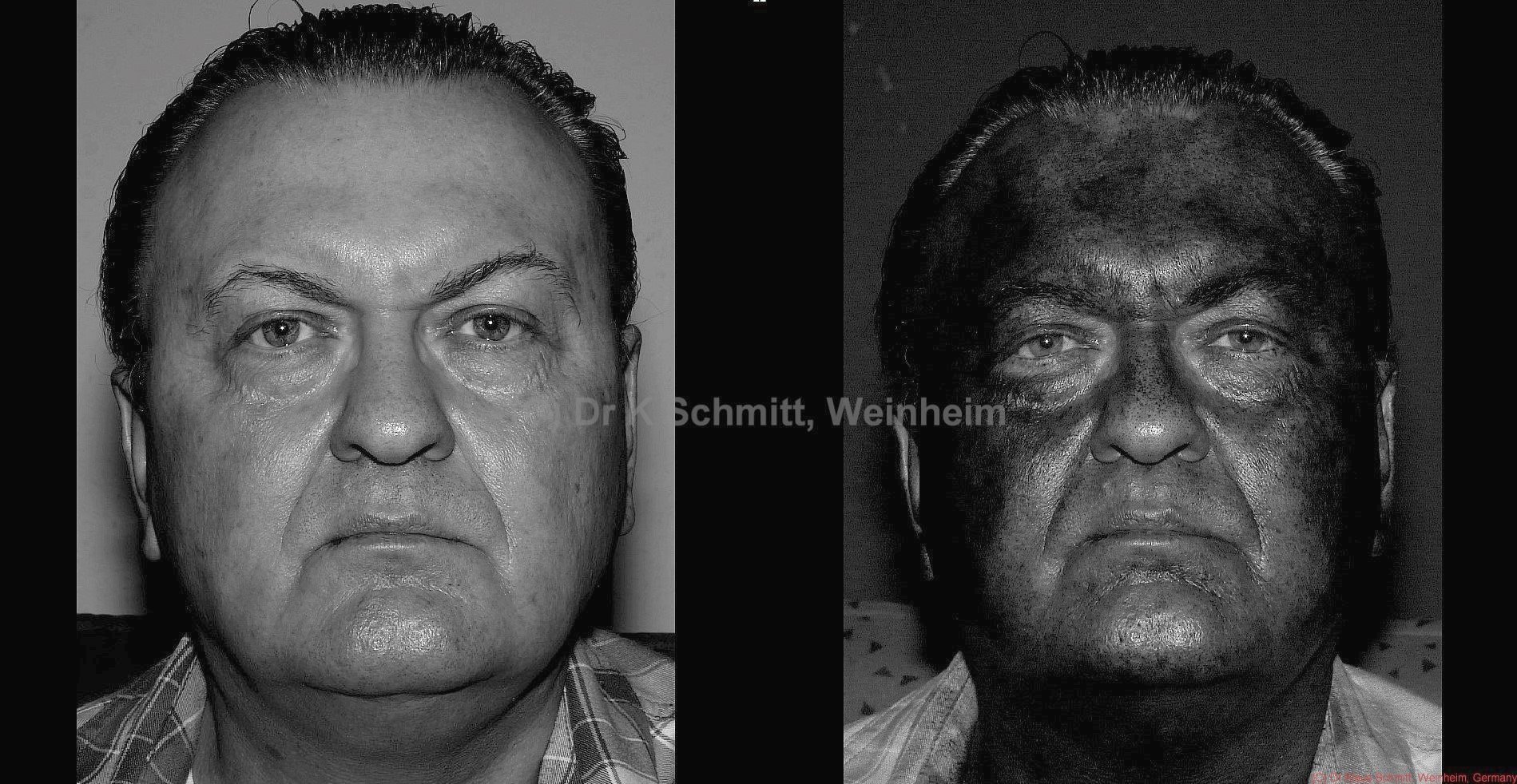
How the sun sees you - human skin and sun blocker effect as seen through reflected UV photography II

Today more about how the sun sees us and how bees might see us in UV. Well, in other words: how does human skin look like in reflected ultraviolet (UV) light compared to normal human vision. After shaving every morning, I usually apply some day cream to protect my skin. Shots were done inside using a modified for UV Xenon flash. A UV capable lens was used for this. All shots were done at about f5.6.

[click on image to see a larger one]

BW human vision VIS image (left), bw UV image (right)

So, the sunblocker in my daycream obviously has protective effects, clearly visible by the darkened skin. This shows that the used cream absorbs dangerous UV-B and also UV-A radiation (the latter being important to protect against the so called "white" skin cancer). Further its gets visible, that the reflected UV image clearly shows otherwise invisible freckles, about which some dermatologists say that it is skin damage getting visible, caused by the accumulated UV radiation exposure over the years. So whenever you're out in the sun, protect your skin!

To summarize, I would say that reflected UV photography is a very suitable tool to make all that so nicely visible!

I have written about that HERE before.

There is also a corresponding video about that topic HERE

Stay tuned, more will follow on that fascinating subject...

More info on this very interesting field may be found on my site http://www.pbase.com/kds315/uv_photos

Wednesday, September 17, 2014

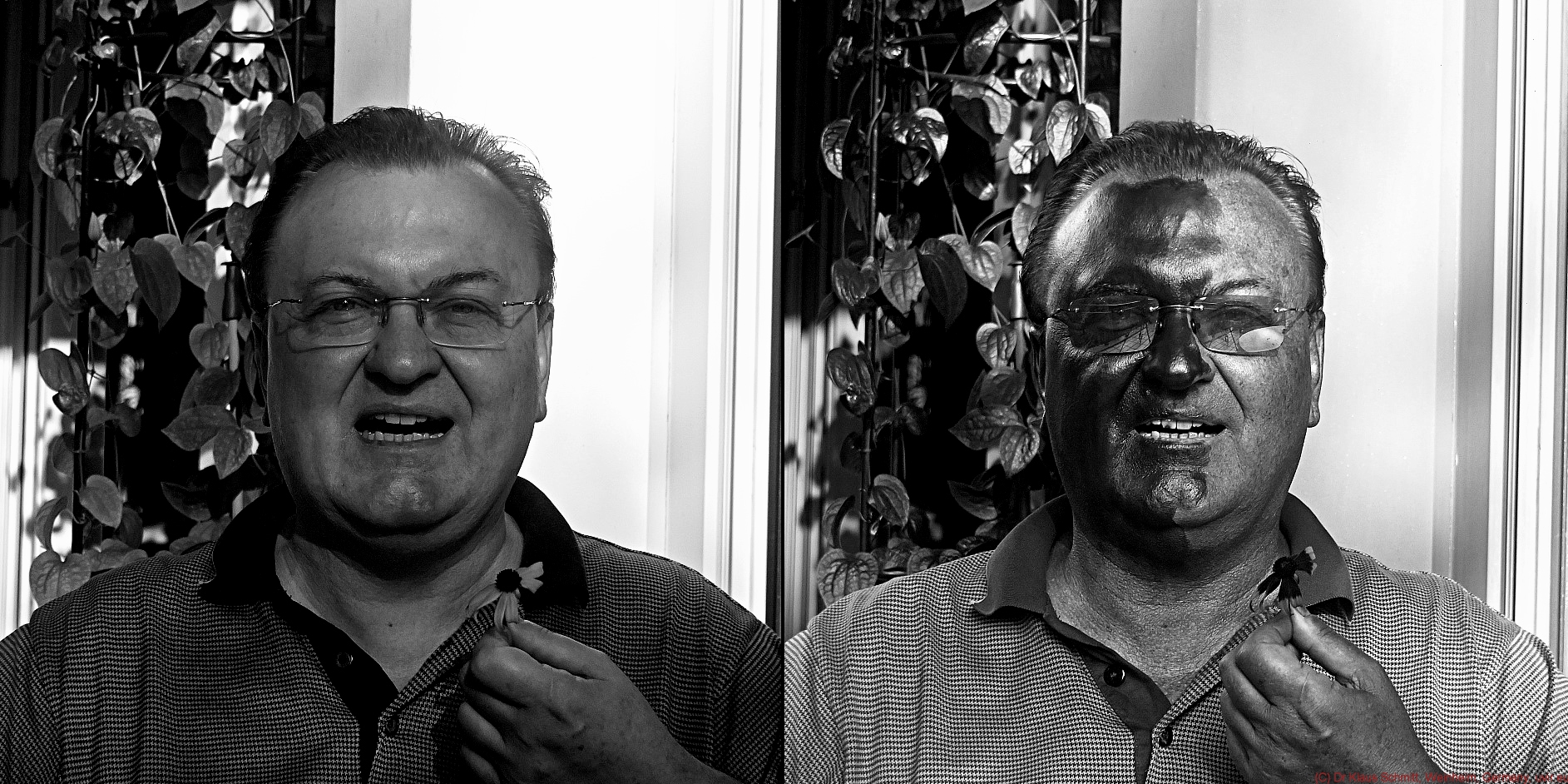
How the sun sees you and how the bee sees you - human skin and sun blocker effect as seen through reflected UV photography

Today about how the sun sees us and how bees might see us. Well, in other words: how does human skin look like in reflected ultraviolet (UV) light and in simulated bee vision (BV) all compared to normal human vision. Sun blocking cream has been applied to the right side of the face to show which impact that has. All shots were done outside using sunlight. A UV capable 35mm lens was used for this. All shots were done at about f5.6.

[click on image to see a larger one]

Color human vision VIS image (left), false color UV image (right)


BW human vision VIS image (left), bw UV image (right)

Aside from the striking impact that SPF50 sunblocker has, it gets quite obvious, that the reflected UV image clearly also shows the UV pattern a Rudbeckia fulgida flower has. Human skin in UV shows otherwise invisible freckles, about which some dermatologists say that is skin damage getting visible, caused by UV radiation. Further to that, the otherwise invisible front tooth repair also gets nicely visible.

P.S.: my polo shirt massively reflects UV around 365nm - that is for the UV nerds only :LOL:

So what would a bee see of that I got asked. Well, let's see...

Color human vision VIS image (left), false color UV image (middle), simulated bee vision BV (right)

So the bee vision (BV) image also shows the effect of the applied sun blocking cream, as well as the flower UV patterns. It is not as striking as the bw image, but what do we know, how a bee really sees us...

So to summarize, I would say that reflected UV photography is a very suitable tool to make all that so nicely visible!

There is a corresponding video about that topic HERE


Stay tuned, more will follow on that fascinating subject...

More info on this very interesting field may be found on my site http://www.pbase.com/kds315/uv_photos

Wednesday, March 26, 2014

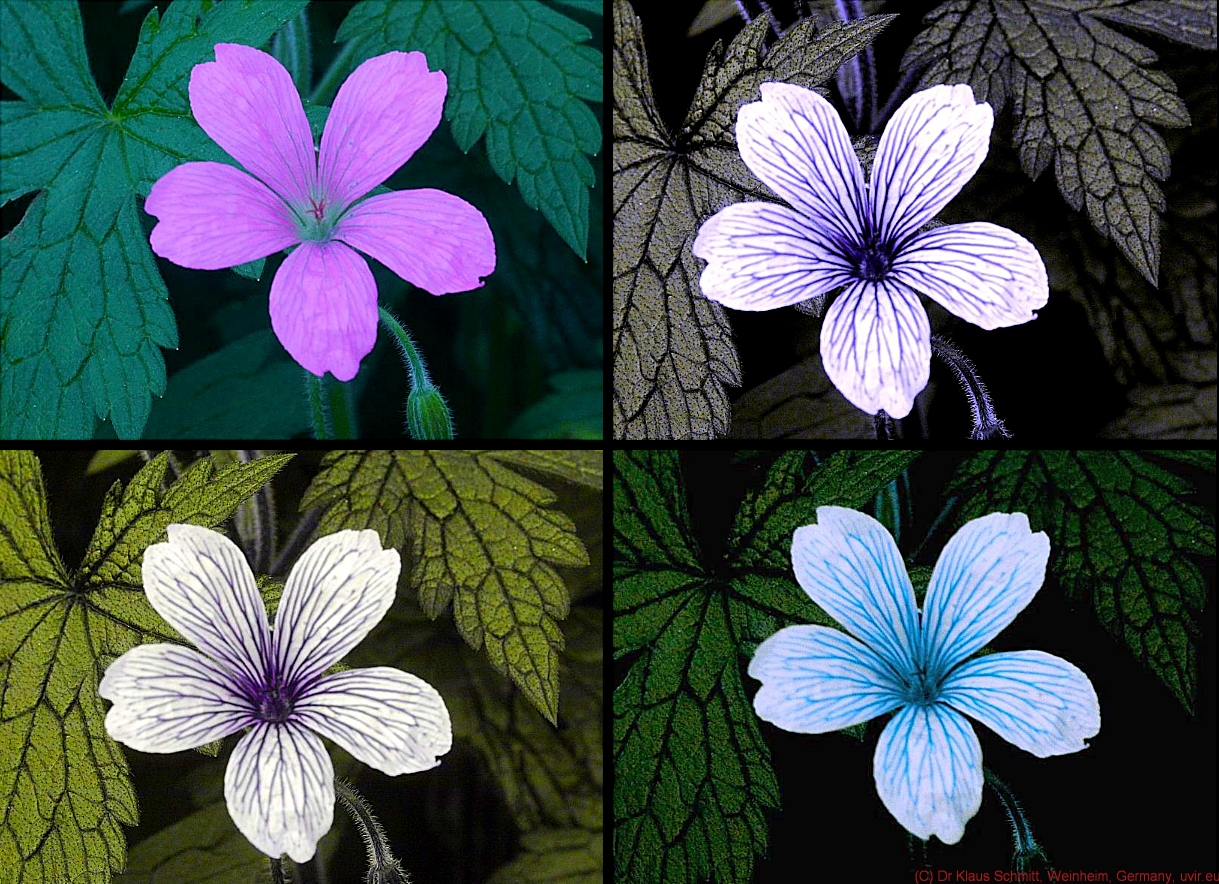
Article in NAUTILUS Magazine "How Animals see the World" human vs animal vision

Today just an announcement about a very interesting article in NAUTILUS Magazine.  It is by Elizabeth Preston and carries the title: "How Animals See the World - See through the eyes of cats, birds, fish, and snakes".

It is about the different types of vision, our human tetrachromatic one compared to some other animals, made nicely visible using interactive image sliders.

It has my pictures in it of the following flowers:
- Rudbeckia fulgida
 

- Geranium oxonianum
 

The link to the Nautilus article is HERE

*** I dedicate this to my mom, Helga Schmitt, who just today celebrates her 80th birthday. Without her love and support all this would not be here ***

Stay tuned, more will follow on that fascinating subject...

Tuesday, September 25, 2012

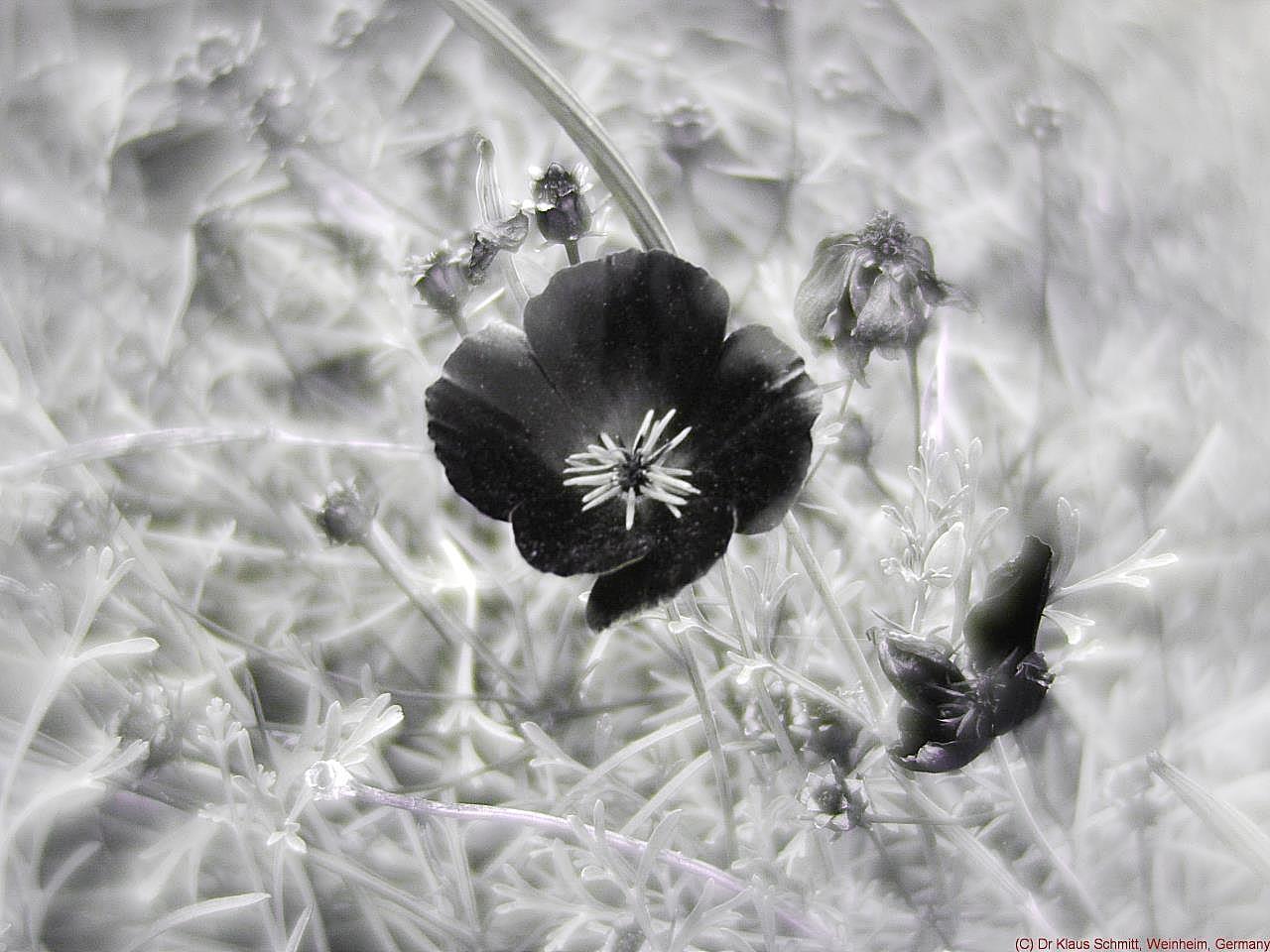
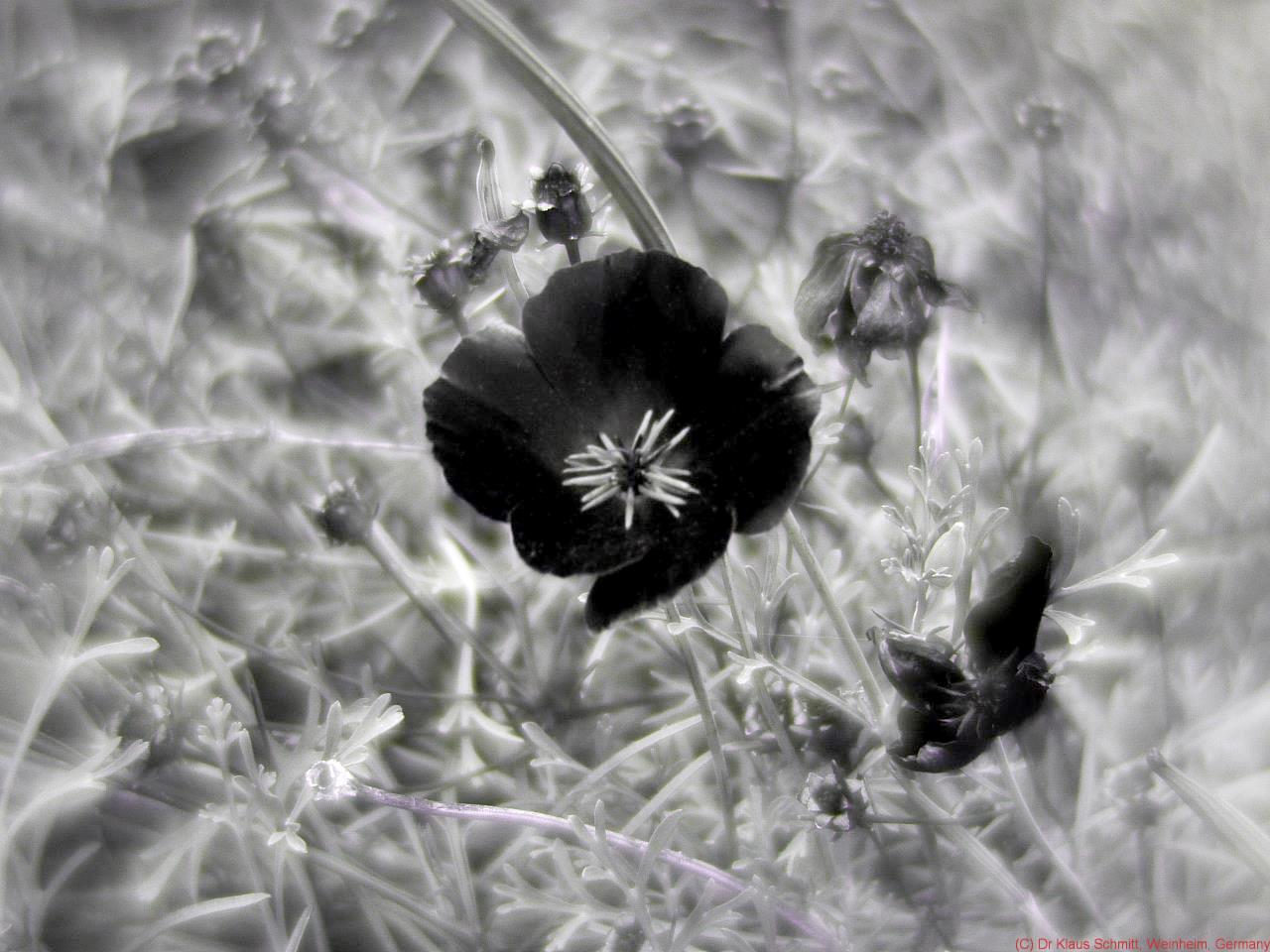
Negative Space used by Eschscholzia californica (California Poppy): UV ultraviolet photography

Today about Eschscholzia californica (California Poppy), which makes use of a very interesting concept: Negative Space. I made those shots at Herrmashof Park, Weinheim, Germany using a custom made up UV lens from a simple quartz singlet that I used before, stopped down mildly to various degrees to control a wanted soft focus effect. Shots in UV were done using the Baader-U filter and sunlight was used as light source.

[click on image to see a larger one]


The most interesting part, aside that soft focus effect was for me, how this California Poppy uses its pitch black petals (in UV) to make its anthers stand out brightly against that dark background by massively increasing contrast. To help attract pollinators? I would guess so...


Stay tuned, more will follow on that fascinating subject...

More info on this very interesting field may be found on my site http://www.pbase.com/kds315/uv_photos

Wednesday, September 19, 2012

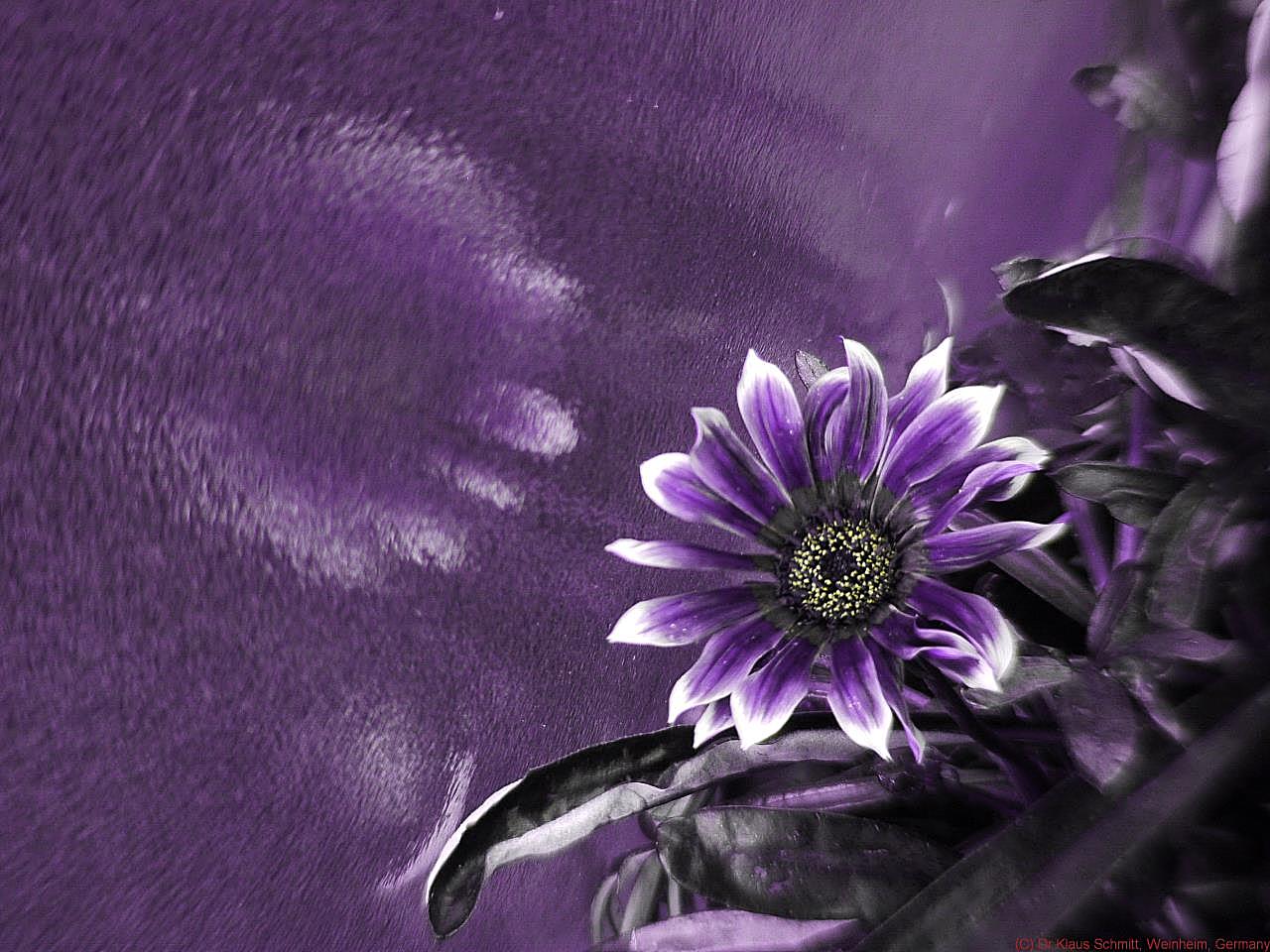
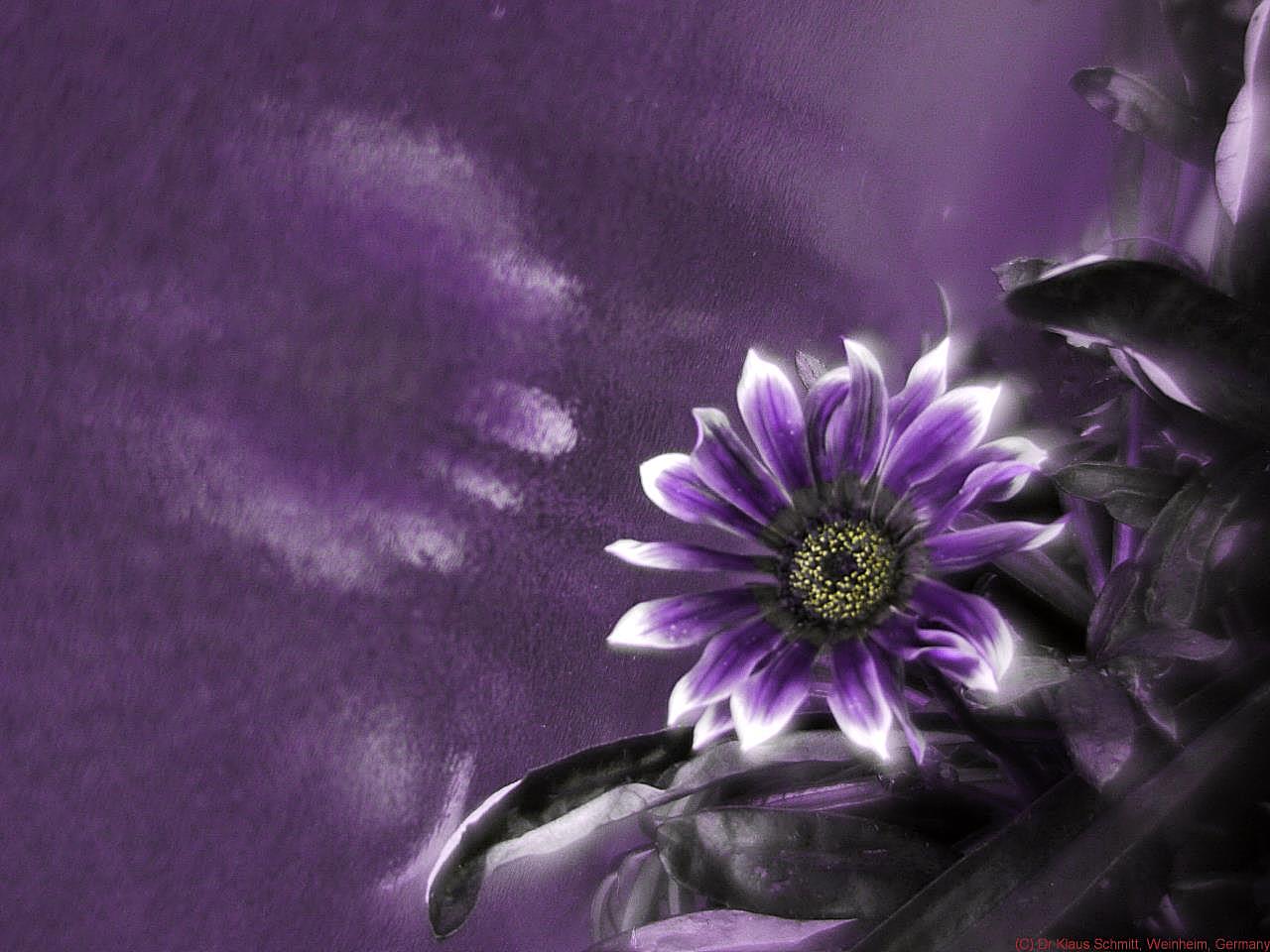
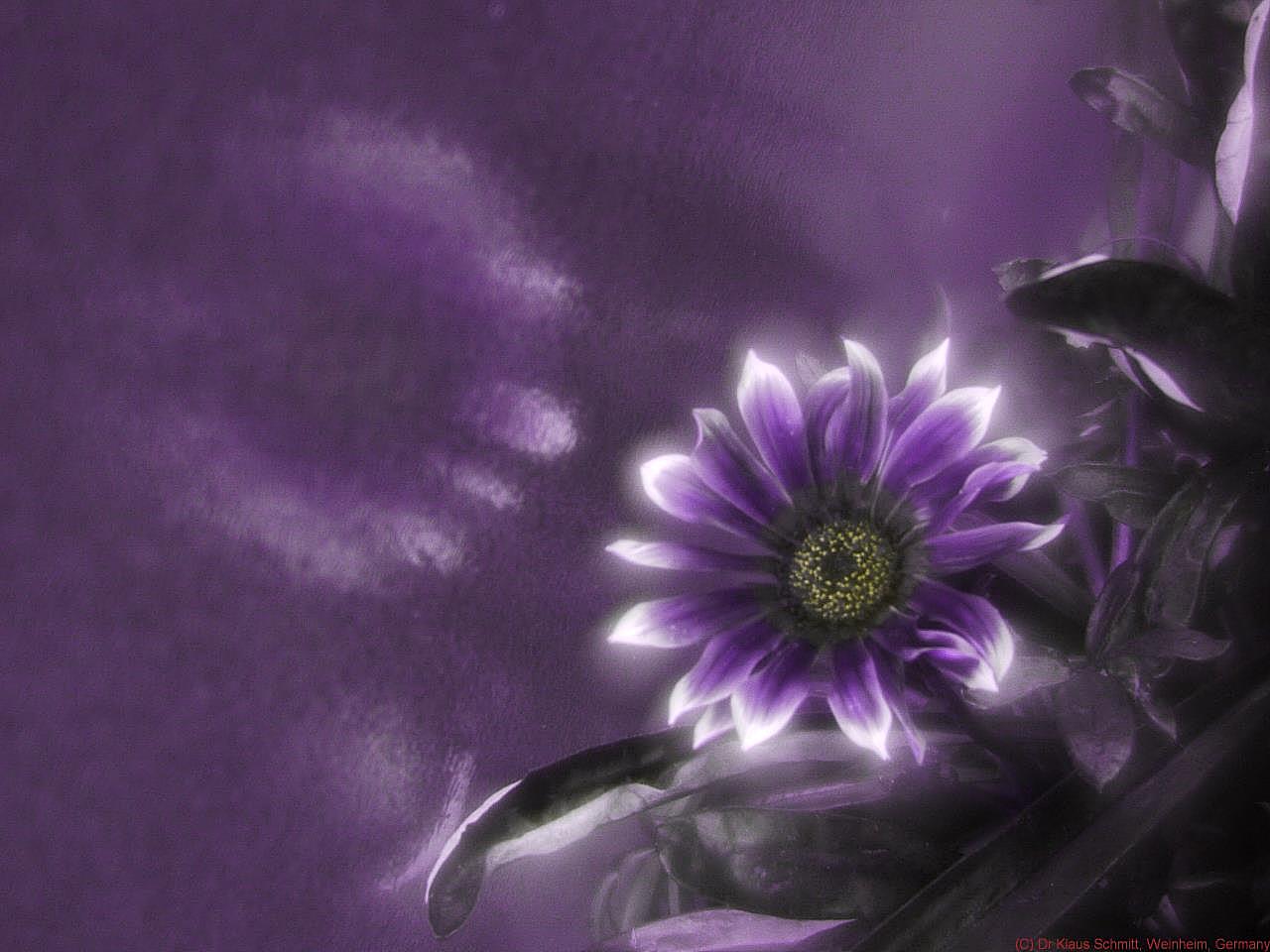
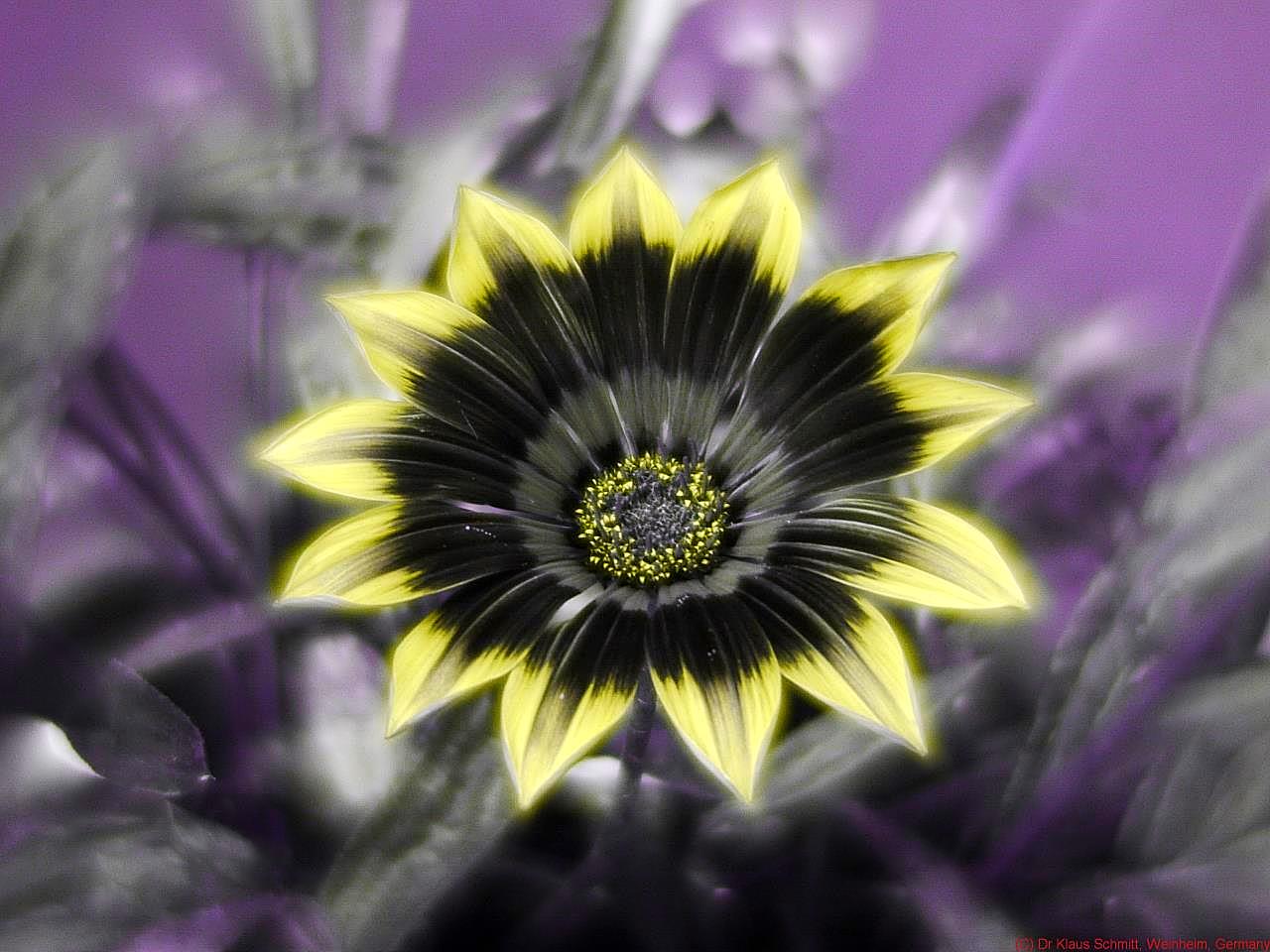
Gazania rigens: Quartz Singlet Lens for Soft Focus Reflected UV Ultraviolet Photography III

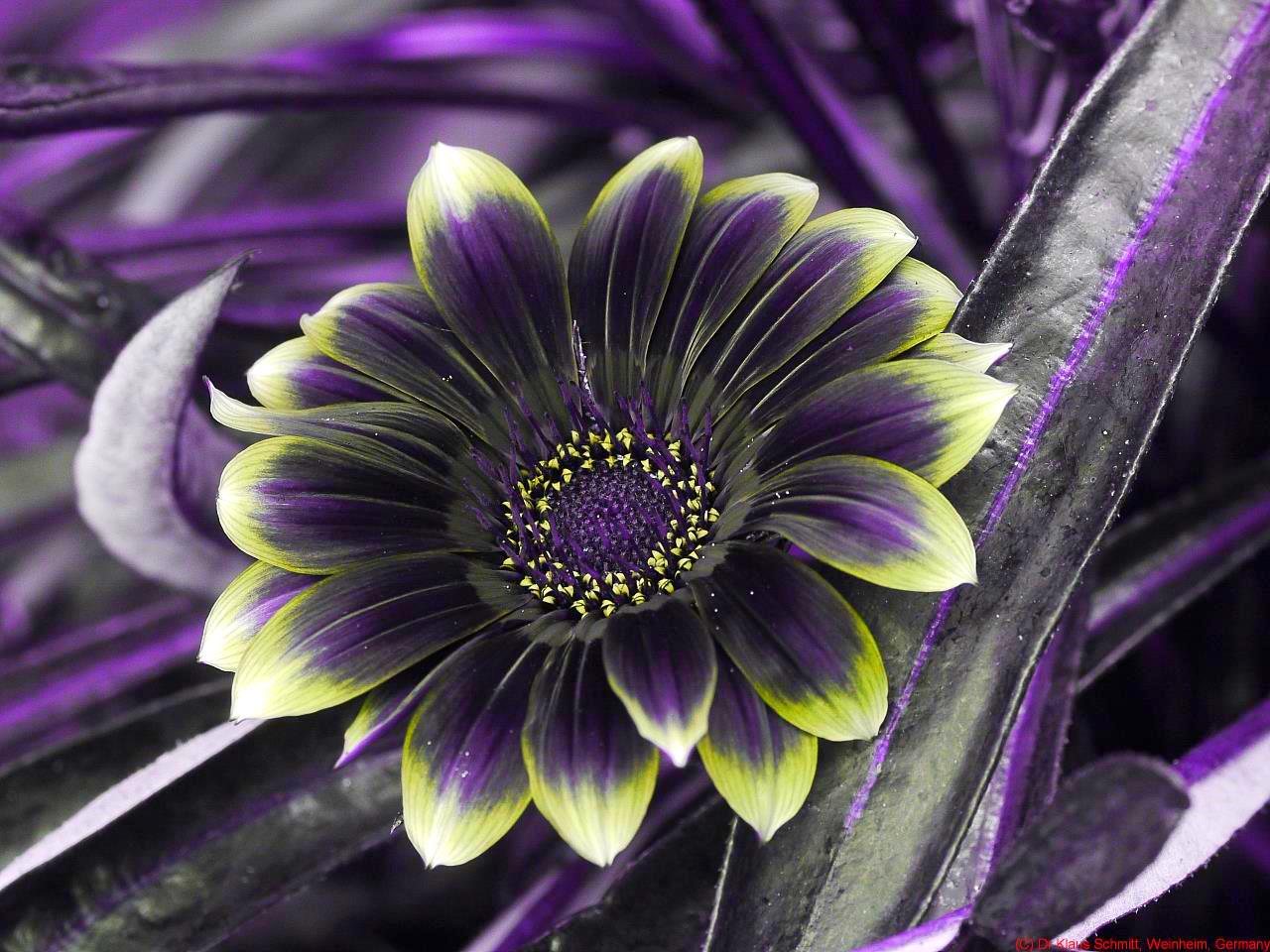
Today a set of shots with a Gazania rigens flower that I have shot previously with a quartz-fluorite lens now using a custom made up UV lens from a simple quartz singlet that I used before, stopped down mildly to various degrees, so as to control a wanted soft focus effect. Shots were done using the Baader-U filter and sunlight as light source and "contra lucem".

[click on image to see a larger one]


So, I'm sure this is not to everyones taste, but on my way to explore other possibilities then just "scientific" shots, it is a welcome new style.

Part II is HERE

Stay tuned, more will follow on that fascinating subject...

More info on this very interesting field may be found on my site http://www.pbase.com/kds315/uv_photos

Gazania: Quartz Singlet Lens for Soft Focus Reflected UV Ultraviolet Photography II

Today a set of shots with a different Gazania rigens flower that I have shot previously with a quartz-fluorite lens now using a custom made up UV lens from a simple quartz singlet that I used before, stopped down mildly to various degrees, so as to control a wanted soft focus effect. Shots were done using the Baader-U filter and sunlight as light source on my balcony with some glass mirror effect.

[click on image to see a larger one]


So, I'm sure this is not to everyones taste, but on my way to explore other possibilities then just "scientific" shots, it is a welcome new style.

Part I is HERE and part III is HERE

Stay tuned, more will follow on that fascinating subject...


More info on this very interesting field may be found on my site http://www.pbase.com/kds315/uv_photos

Tuesday, September 18, 2012

Gazania rigens: Quartz Singlet Lens for Soft Focus Reflected UV Ultraviolet Photography

Today a set of shots with a Gazania rigens flower that I have shot previously with a quartz-fluorite lens now using a custom made up UV lens from a simple quartz singlet that I used before, stopped down mildly to various degrees, so as to control a wanted soft focus effect. Shots were done using the Baader-U filter and sunlight as light source.

[click on image to see a larger one]


So, I'm sure this is not to everyones taste, but on my way to explore other possibilities then just "scientific" shots, it is a welcome new style.

Part II is HERE and part III is HERE

Stay tuned, more will follow on that fascinating subject...

More info on this very interesting field may be found on my site http://www.pbase.com/kds315/uv_photos

Monday, September 10, 2012

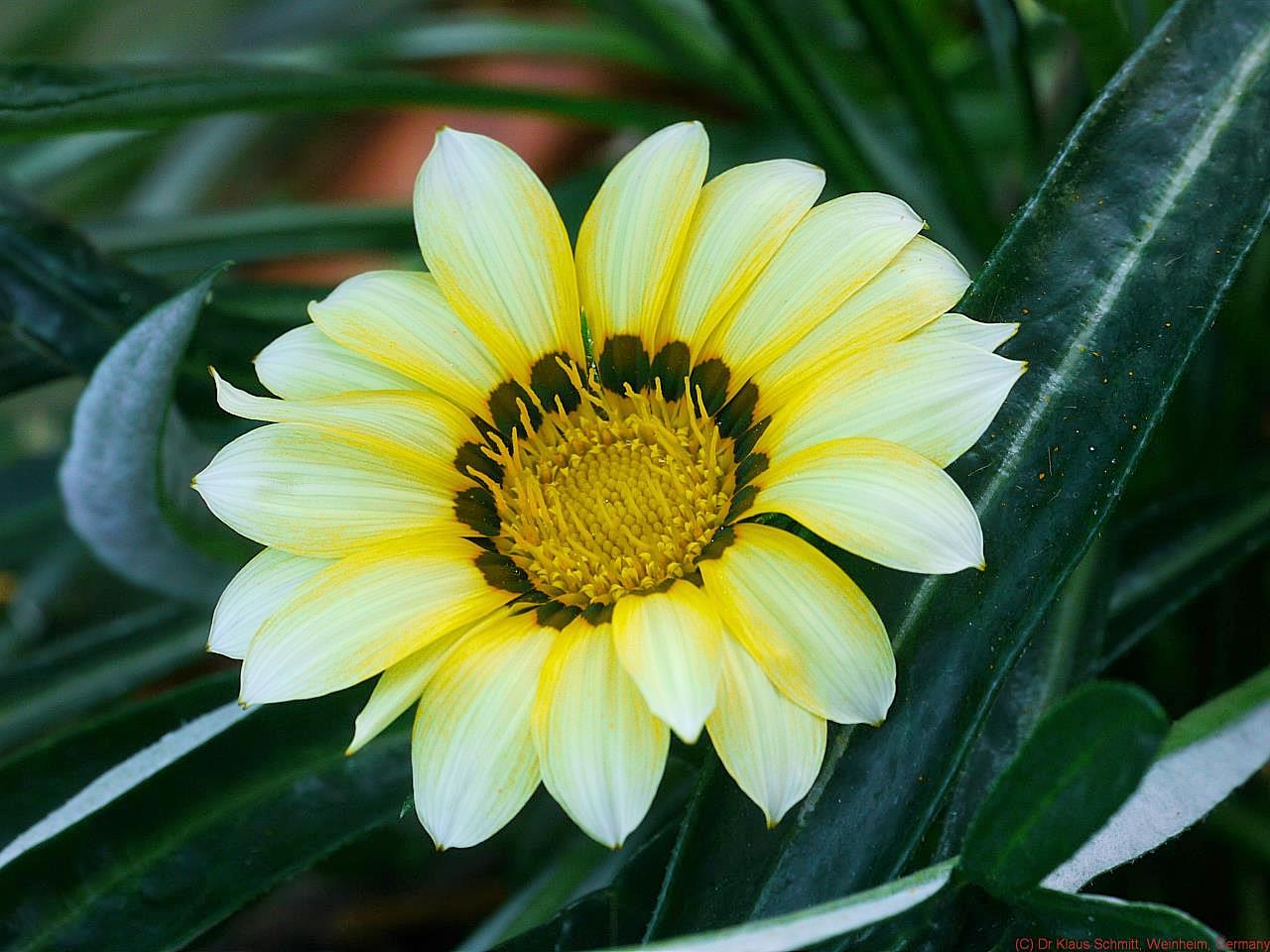
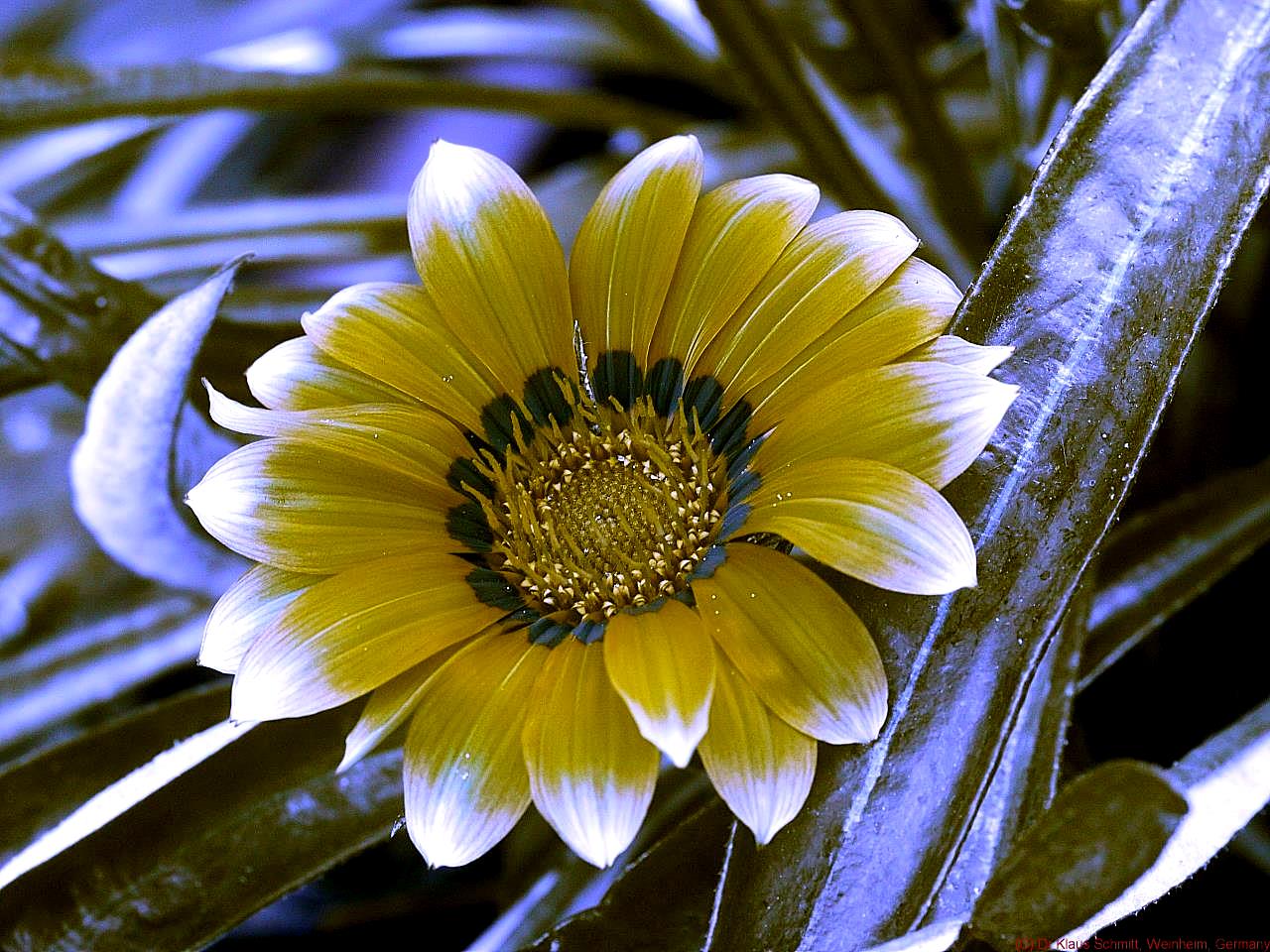
Gazania hybride: human vision vs simulated bee vison; reflected UV ultraviolet photography III

Today about a creamy white Gazania, that when it just opens up, has some yellowish petal color that gets lost after a day. Here shown in its multispectral representation. I took some outside shots using sunlight in normal human vision VIS, in UV using the Baader-U and Jupiter-U filter, as well as in simulated bee vision using my XBV2, XBV3 and XBV6 filters respectively.

[click on image to see a larger one]

Visual shot:


Simulated bee vision using XBV3 filter:


Simulated bee vision using XBV2 filter:


Simulated bee vision using XBV6 filter:


UV using Baader-U filter:


UV using Jupiter-U filter:


And here a polyptych of them all:


Quite interesting how this new filtering technique makes the very different UV reflectance of the petals visible.


Stay tuned, more will follow on that fascinating subject...

More info on this very interesting field may be found on my site http://www.pbase.com/kds315/uv_photos

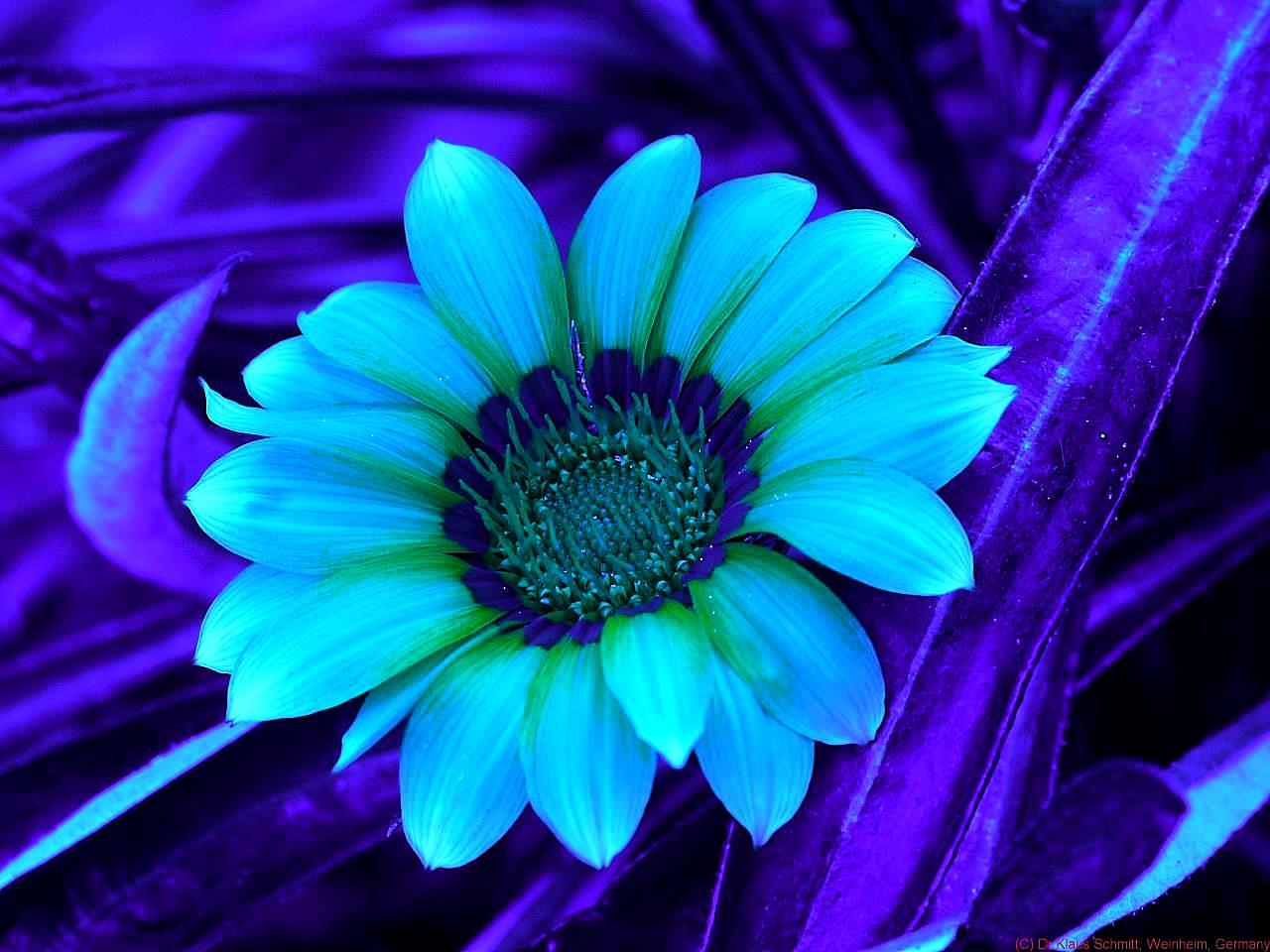
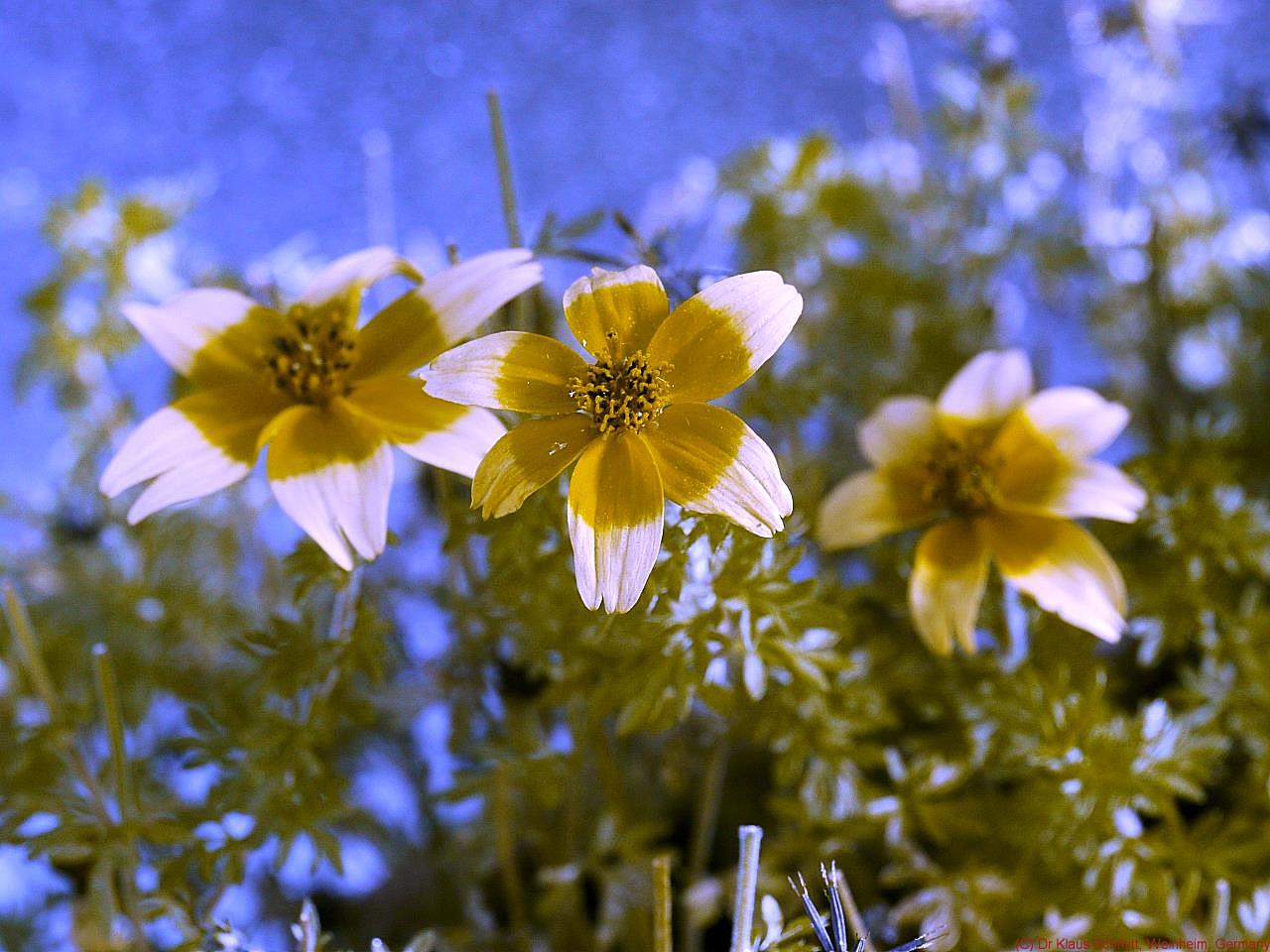
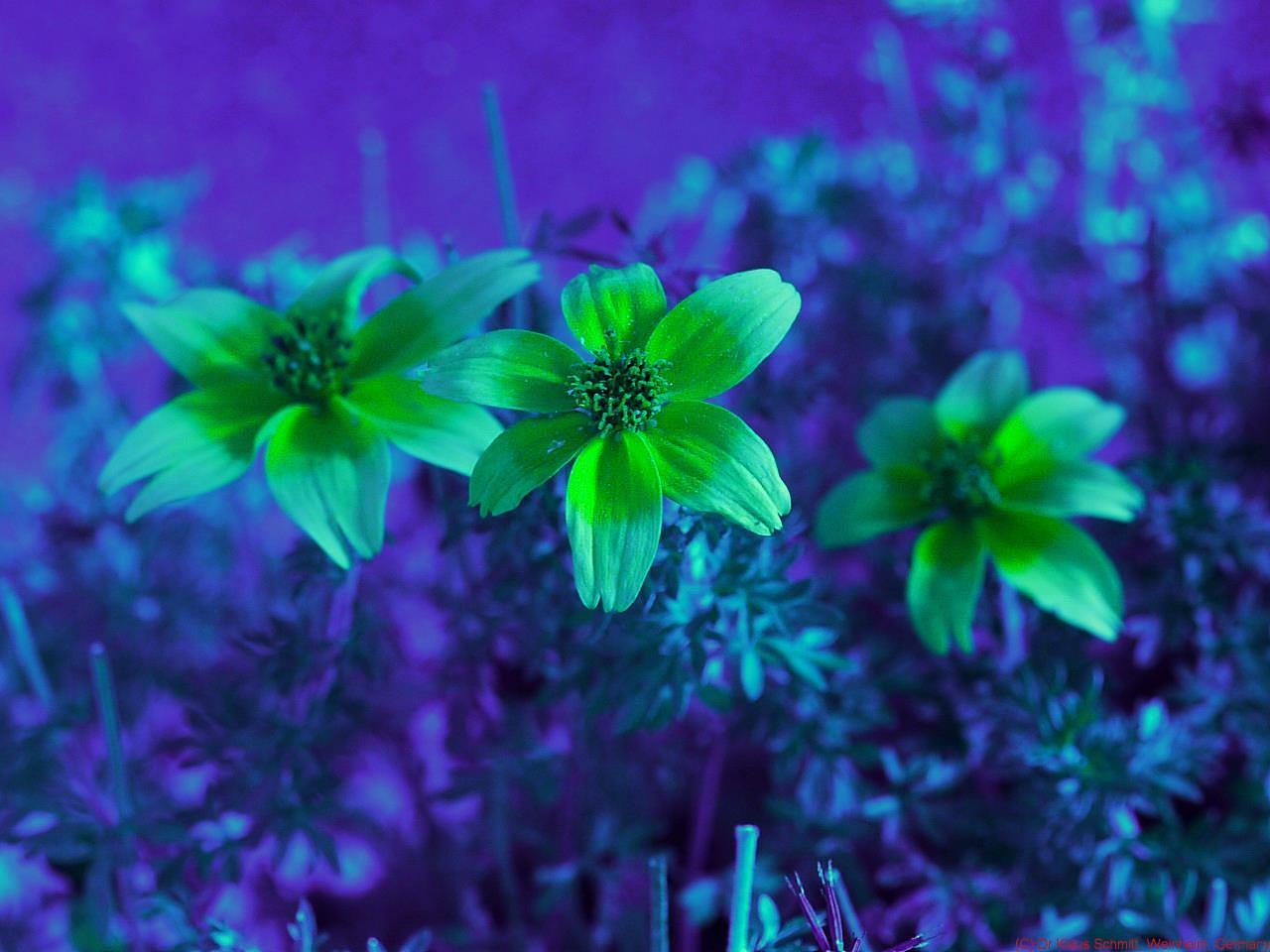
Bidens: human vision vs simulated bee vison II

Today about a Bidens ferulifolia flower, one of my fav UV "models" shot outside using sunlight. Shots were done in normal human vision, in UV using the Baader-U filter as well as in simulated bee vision using my various XBV filters respectively, that simulate insect / bee vision in just one shot.

[click on image to see a larger one]

Visual shot:


Simulated bee vison using XBV3 filter:


Simulated bee vison using XBV2 filter:


Simulated bee vison using XBV6 filter:


UV using Baader-U filter:


This flower has a very prominent UV pattern (365nm peak) on its UV-bright petal tips, that's why I like it as a standard test target a lot.


Stay tuned, more will follow on that fascinating subject...

More info on this very interesting field may be found on my site http://www.pbase.com/kds315/uv_photos

Saturday, September 8, 2012

Gazania yellow hybride: human vision vs simulated bee vison; reflected UV ultraviolet photography

Today about a yellow Gazania flower I had posted about it studio shots before, so here again it is in multispectral representation. I took some shots outside in normal human vision VIS, in UV using the Baader-U, as well as in simulated bee vision using my XBV2, XBV3 and the XBV6 filters respectively using sunlight.

[click on image to see a larger one]

Visual shot:


Simulated bee vision using XBV3 filter:


Simulated bee vision using XBV2 filter:


Simulated bee vision using XBV6 filter:


UV using Baader-U filter:


Quite interesting how this new filtering technique makes the very different reflectance of the petal visible. A bit different than the Xenon flash shots as it was evening sunlight though.


Stay tuned, more will follow on that fascinating subject...

More info on this very interesting field may be found on my site http://www.pbase.com/kds315/uv_photos

Saturday, September 1, 2012

Rudbeckia hirta: human vision vs simulated bee vison; reflected UV ultraviolet photography V
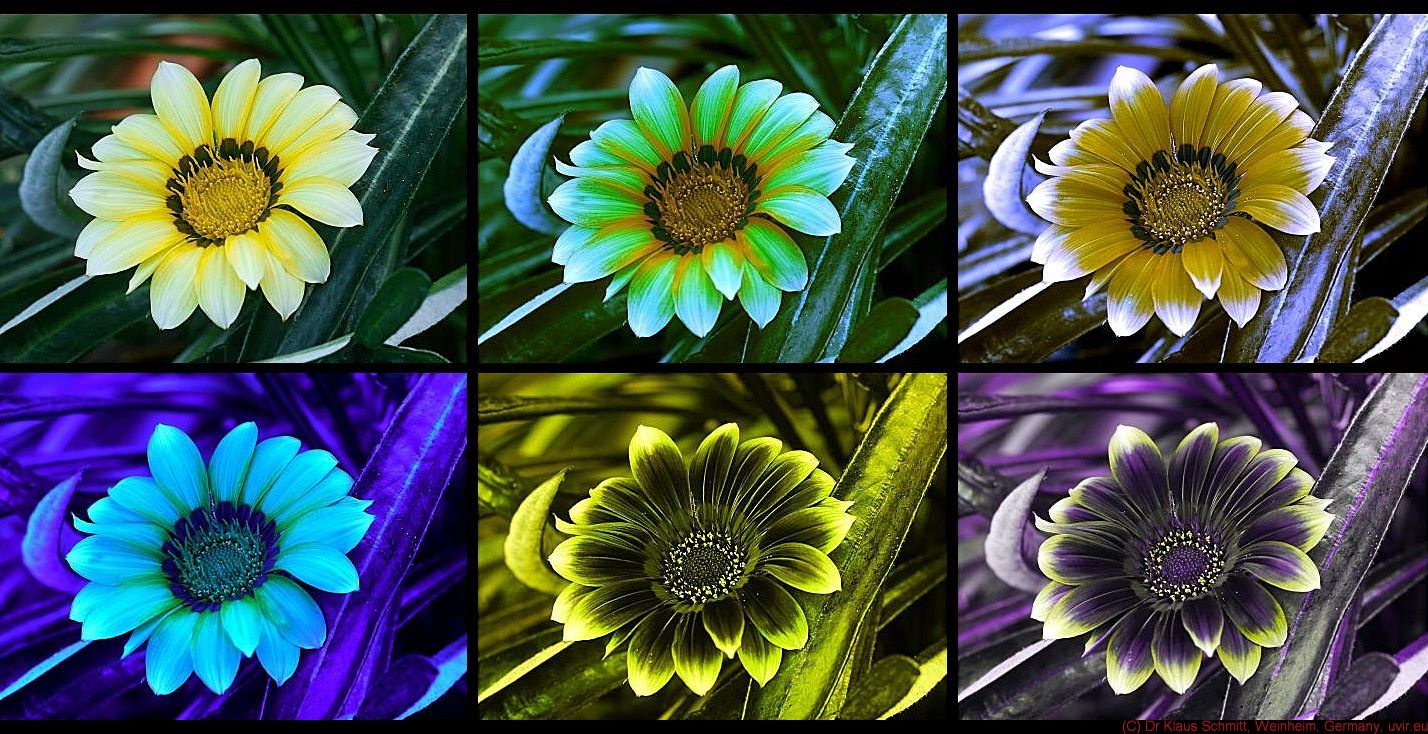
Well today I modified my high power flash for even more UV output. So a few test shots using as target a R. hirta as I have shown before in its multispectral representation. I took some shots in normal human vision VIS, in UV using the Baader-U, my all proprietary filters Jupiter-U and Saturn-U (300-350nm) filter, as well as in simulated bee and butterfly vision using my XBV2, XBV3 and XBV6 filter respectively.

[click on image to see a larger one]

Visual shot - human vision: Simulated butterfly vision using XBV3 filter: Simulated butterfly vision using XBV2 filter: Simulated bee vision using XBV6 filter: UV using Baader-U filter: UV using Jupiter-U filter: UV using Saturn-U (300-350nm) filter: IR (basically) as it was shot using only a ND filter: About all Rudbeckias and also this R. hirta have a very prominent, otherwise invisible "bullseye pattern" which gets nicely visible in UV (around 360nm) and bee vision (BV). Since leafs (petals were leafs one) reflect from 700-750nm onwards, that pattern is also invisible in IR.

Stay tuned, more will follow on that fascinating subject...

More info on this very interesting field may be found on my site http://www.pbase.com/kds315/uv_photos