Showing posts with label Moth orchid. Show all posts

Saturday, February 3, 2024

Moth orchid - Phalaenopsis in reflected ultraviolet photography and simulated butterfly and bee vision using a UV-Nikkor 105mm lens V

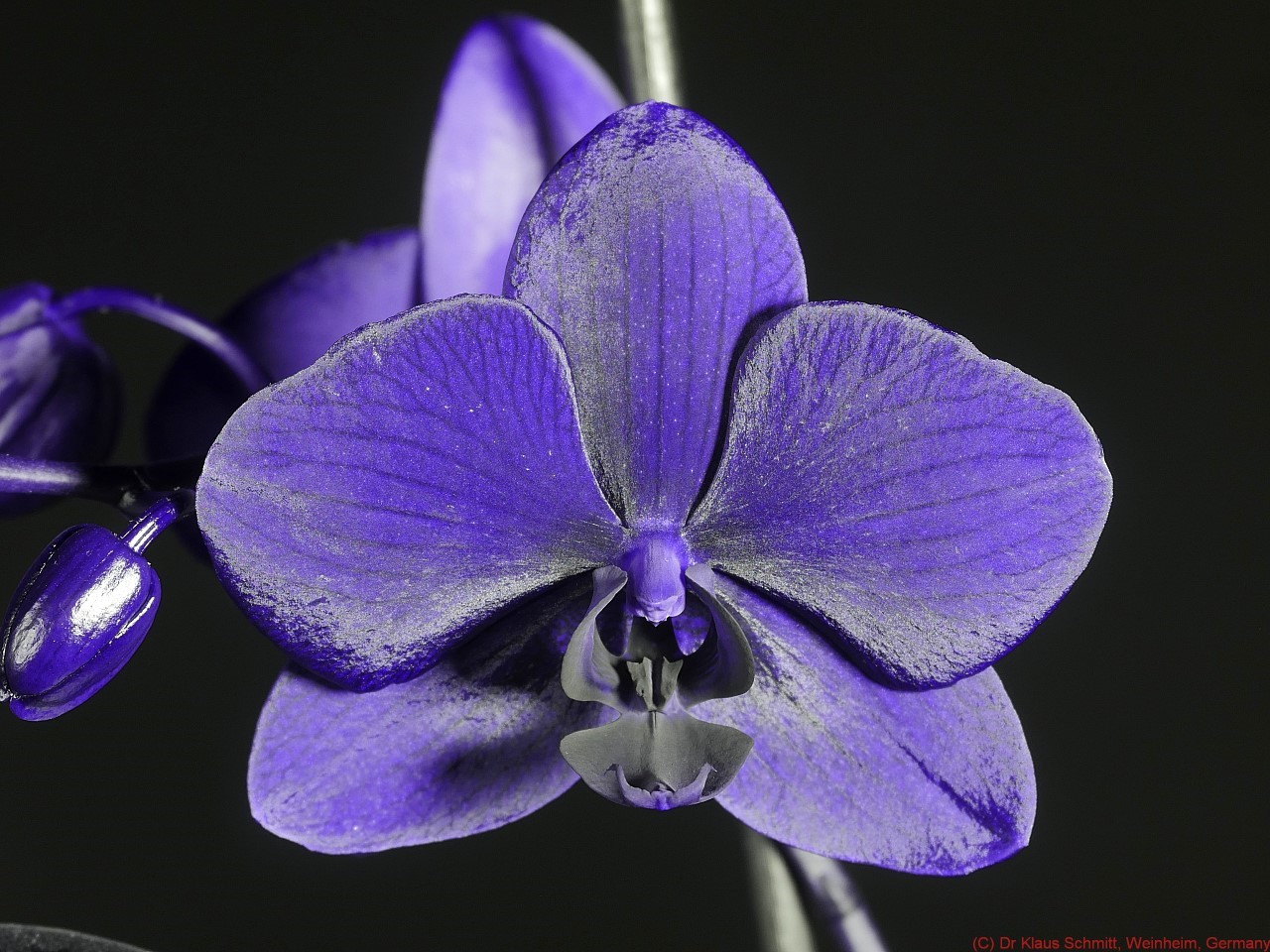
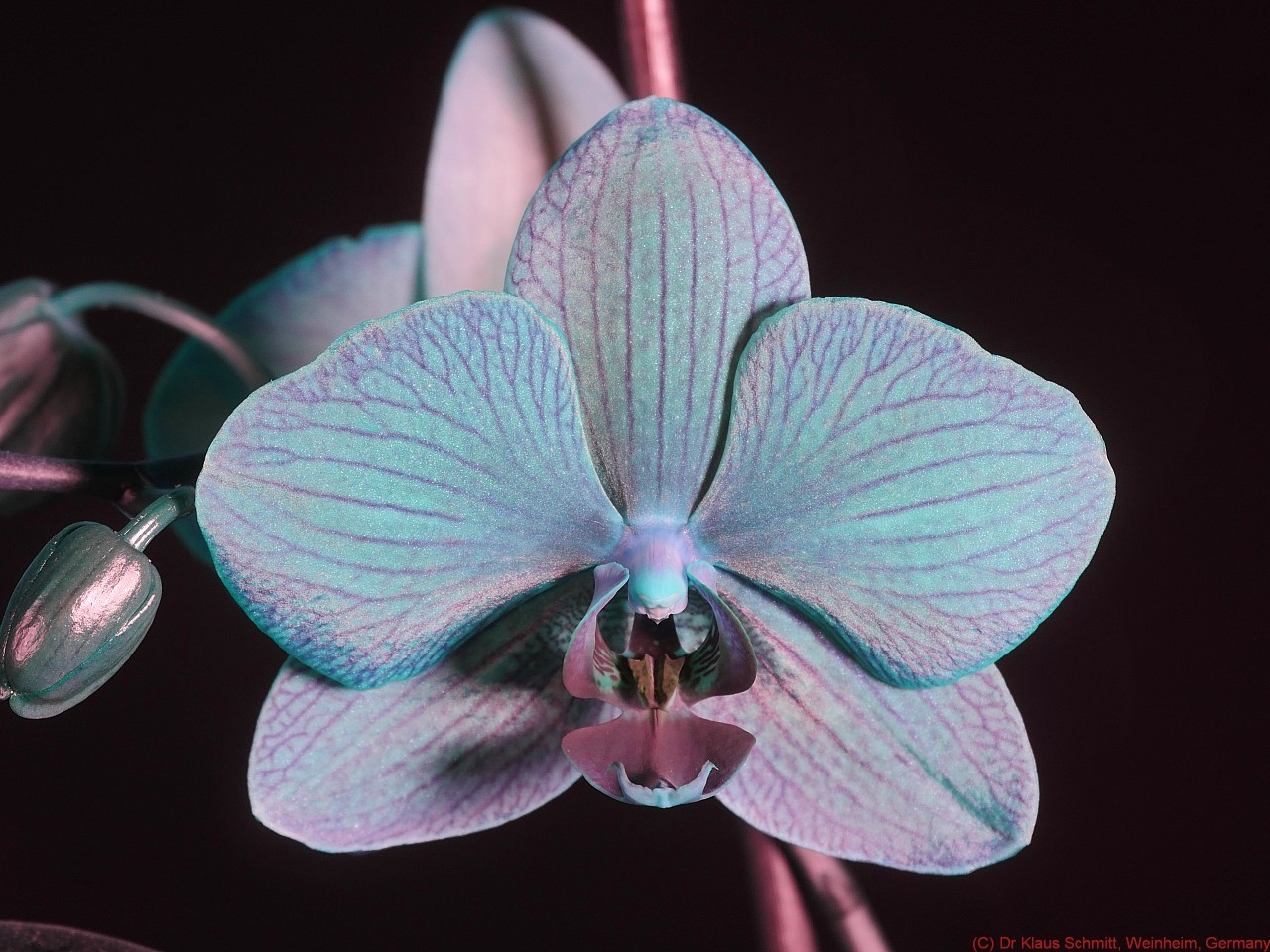
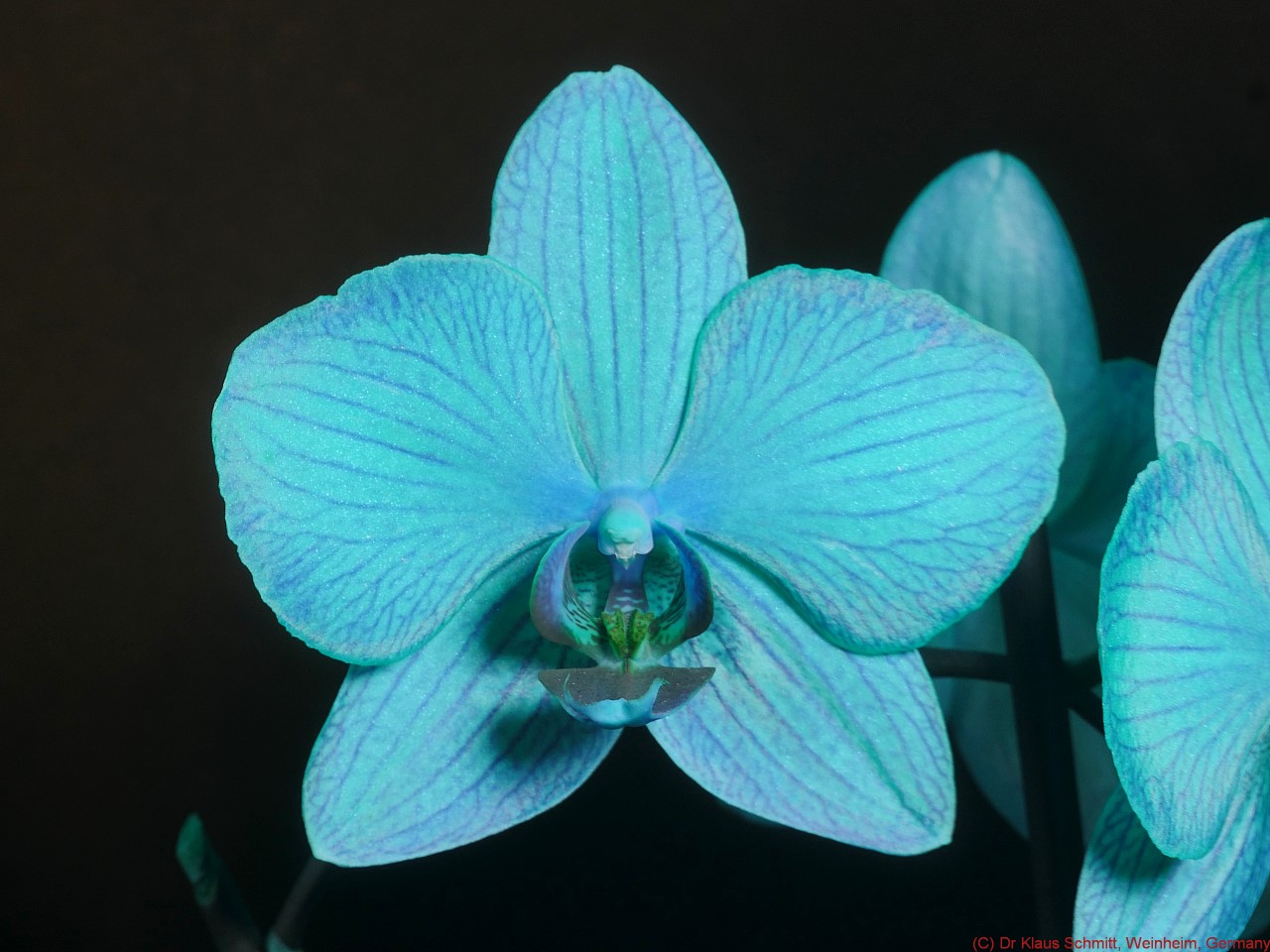
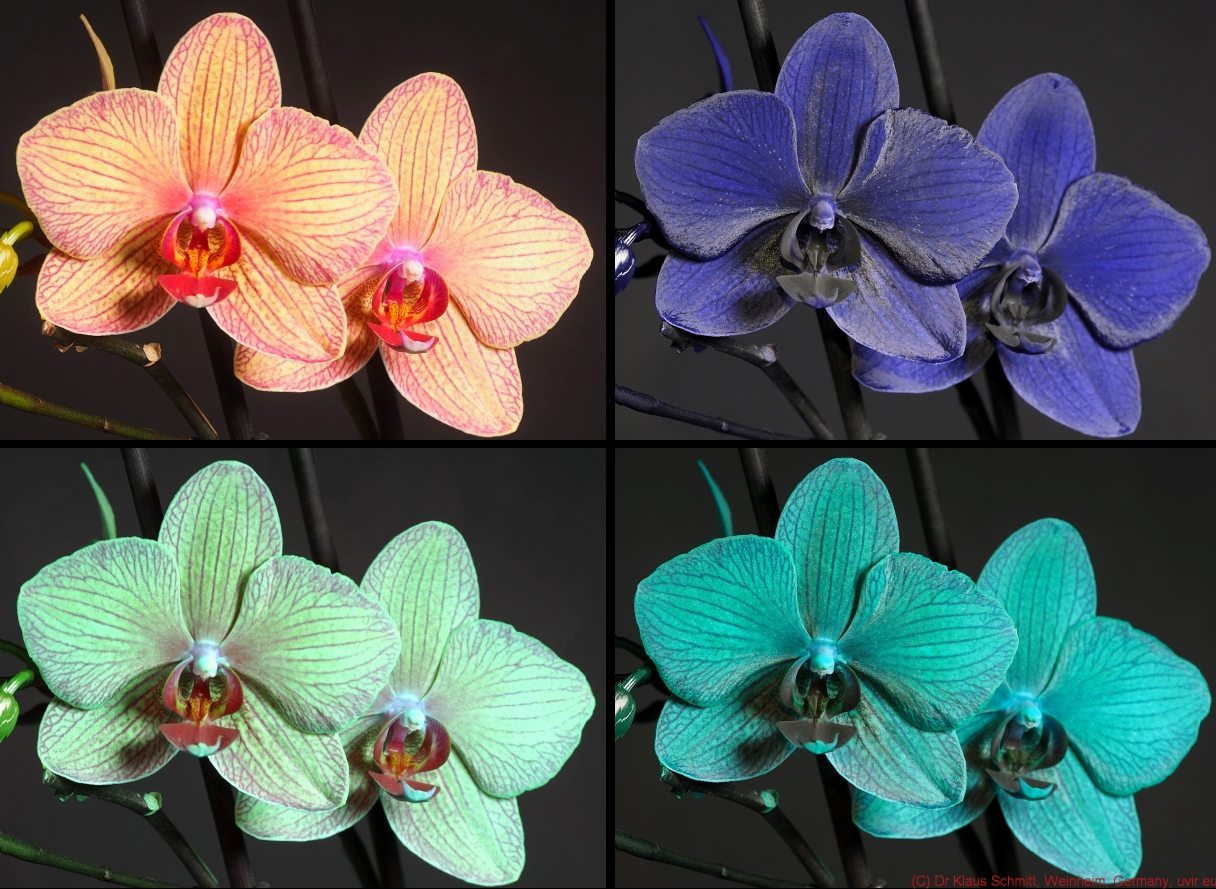
Today in February 2024 some studio shots of a well known decorative flower, a white Moth orchid - Phalaenopsis in reflected ultraviolet photography using my "work horse" UV filter as well as simulated bee and butterfly vision  shot with my "work horse" UV-Nikkor f4.5/105mm quartz fluorite lens. UV filter used was the Baader-U filter, my "work horse" filter for reflected UV as well as my proprietary XBV filters for simulated bee and butterfly vision. All shots were done at f11. Light source used was a Xenon flash modified for high UV output. 

[click on image to see a larger one]

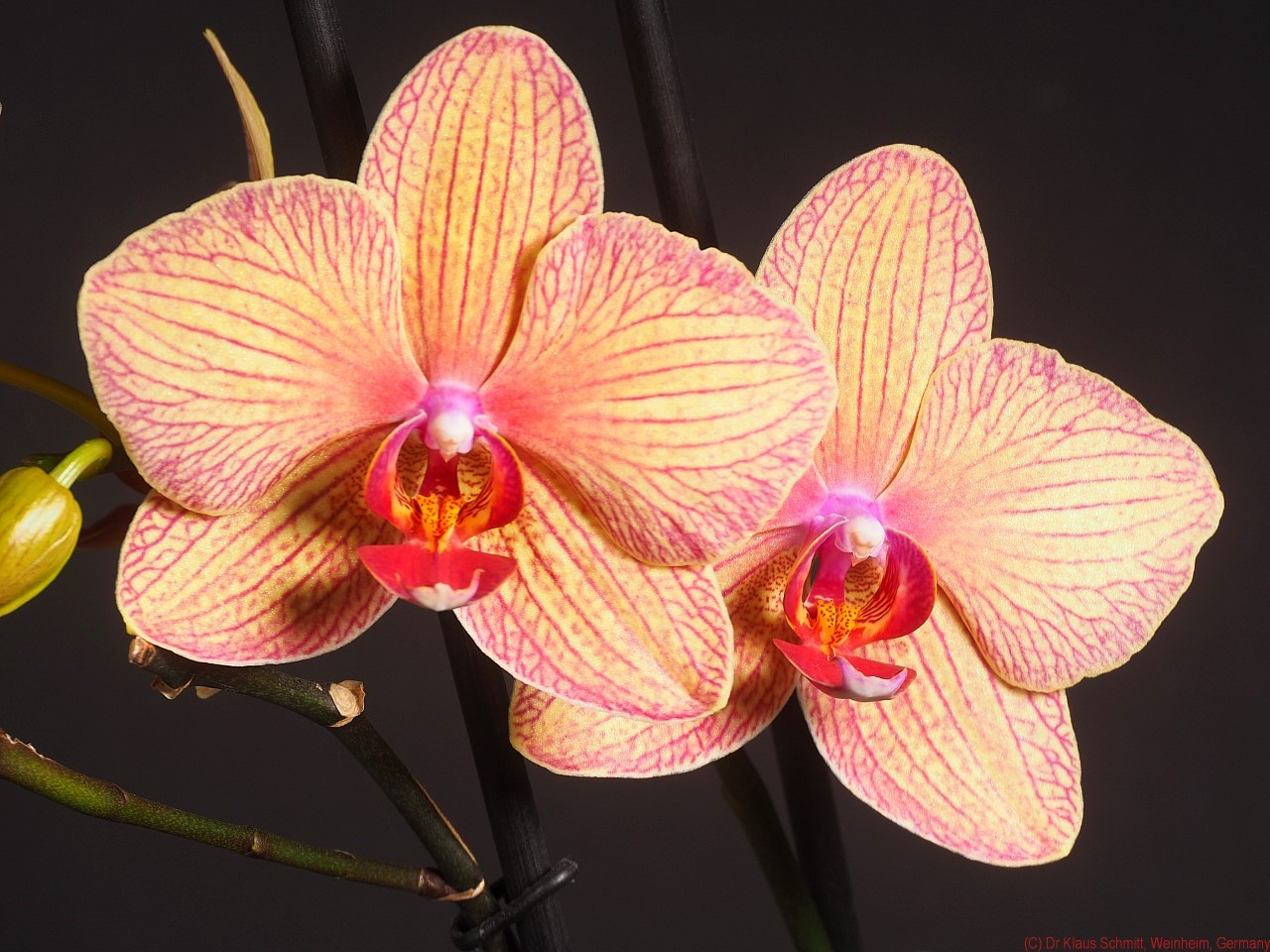
Human Vision (VIS):
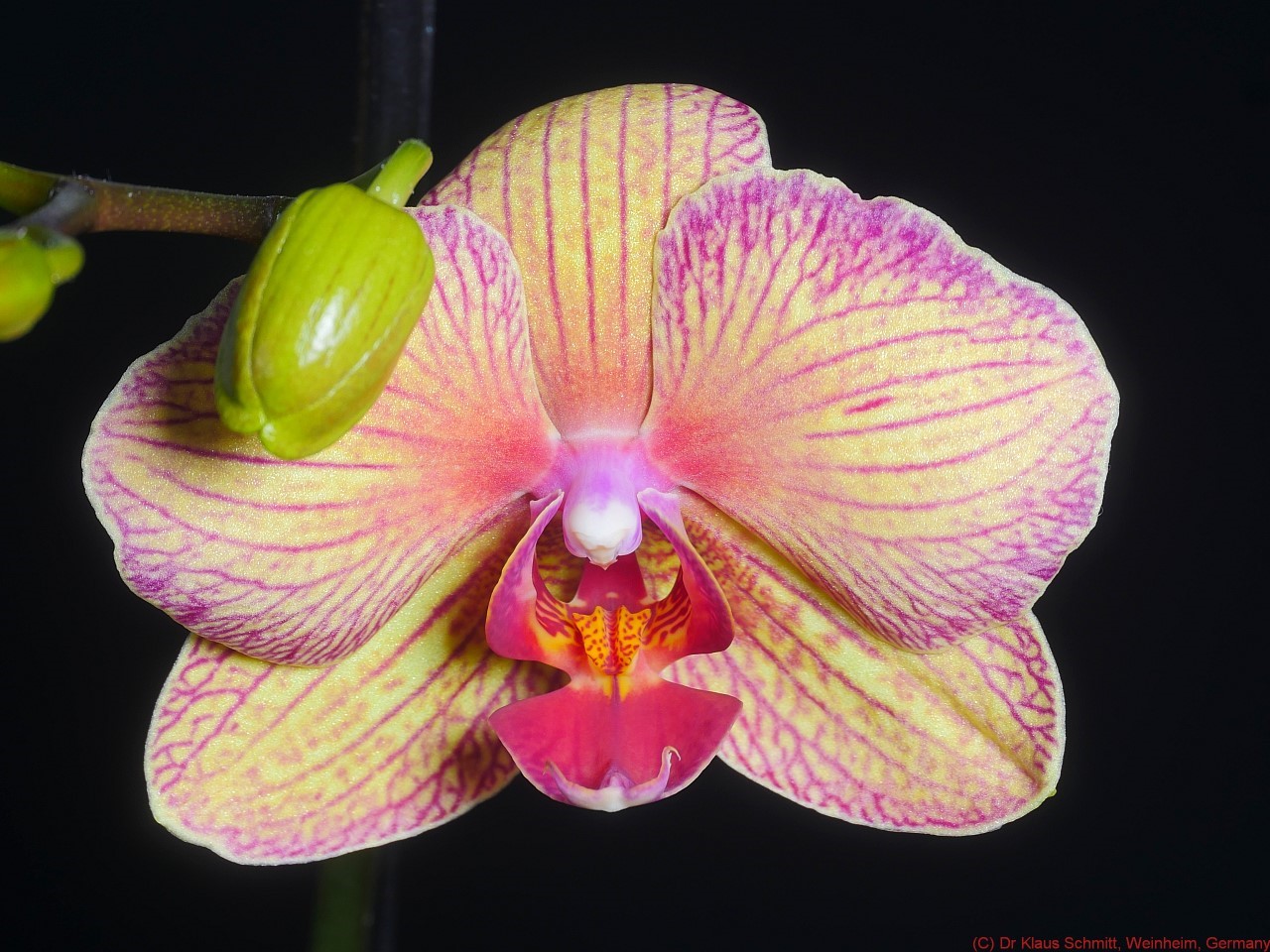
 

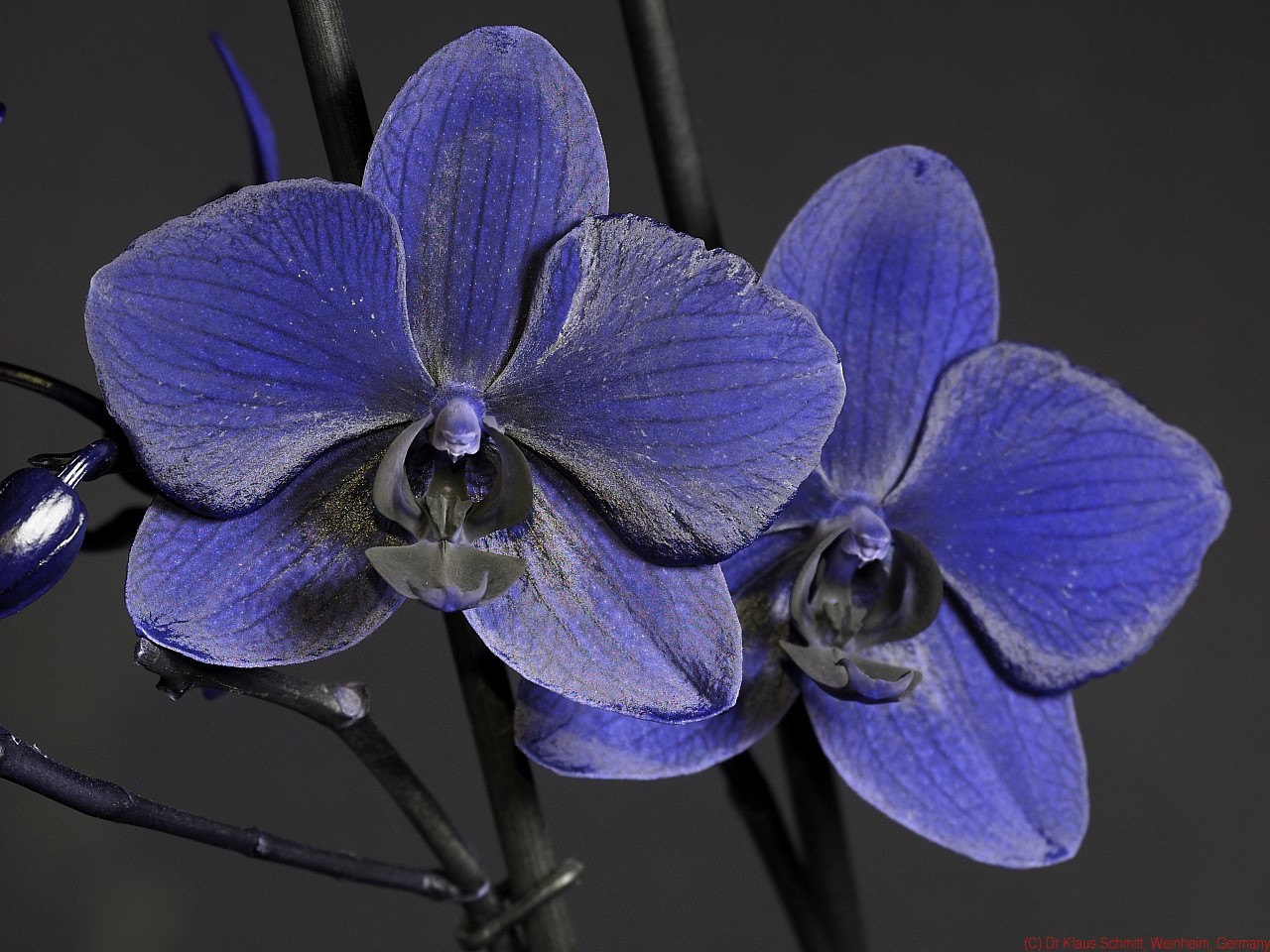
Reflected UV (Baader-U):
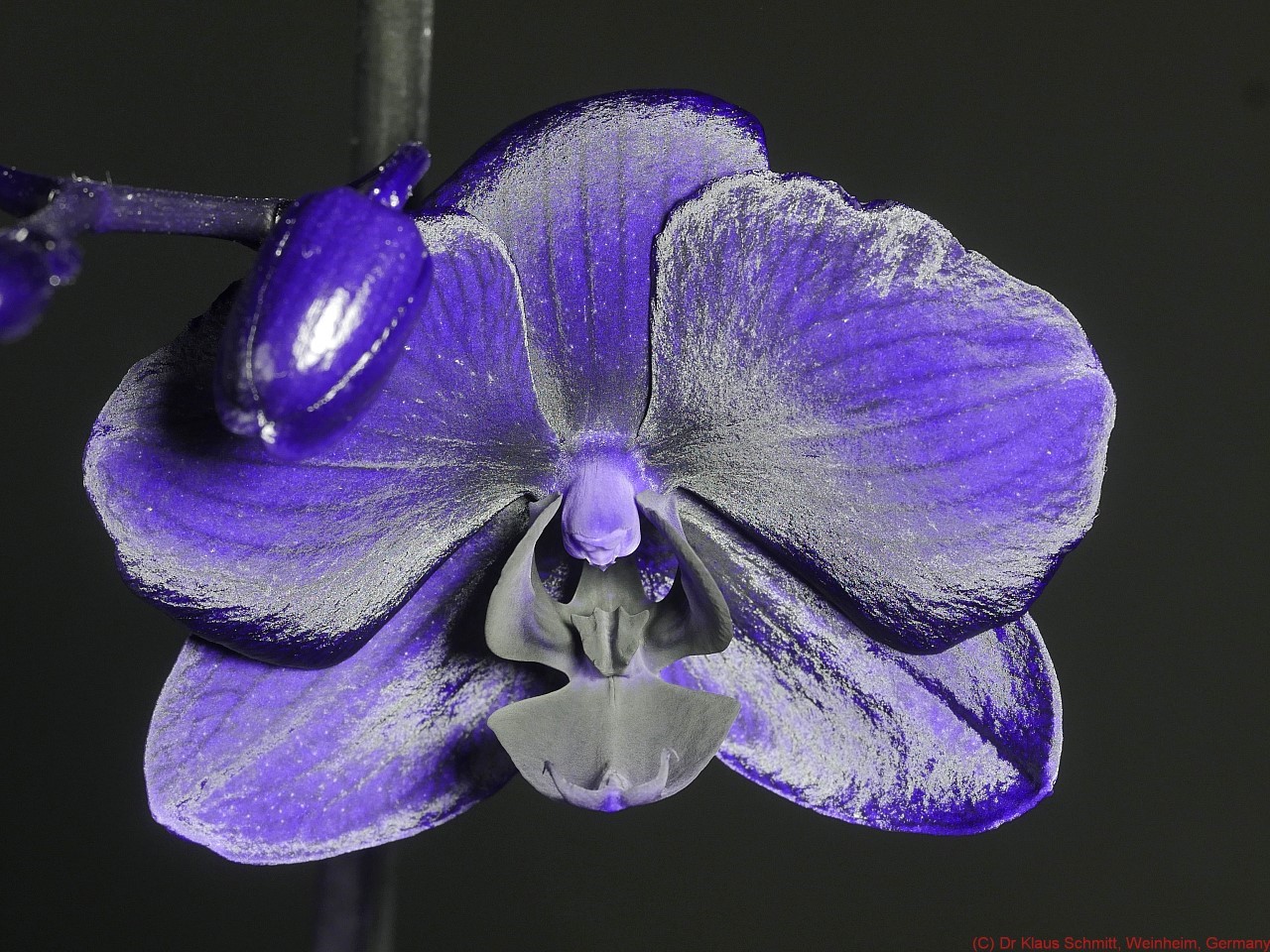
 

Simulated Bee Vision:
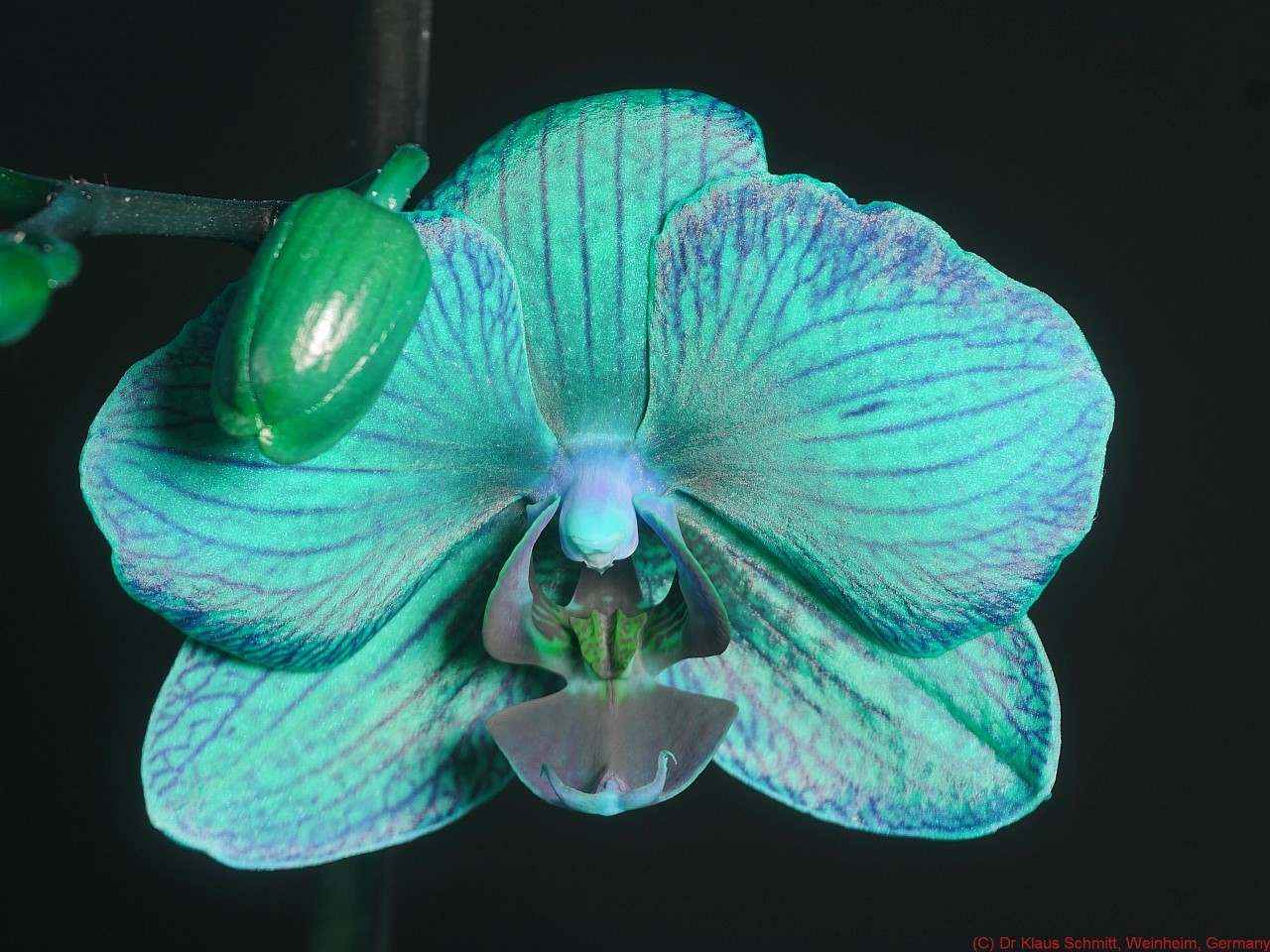
 

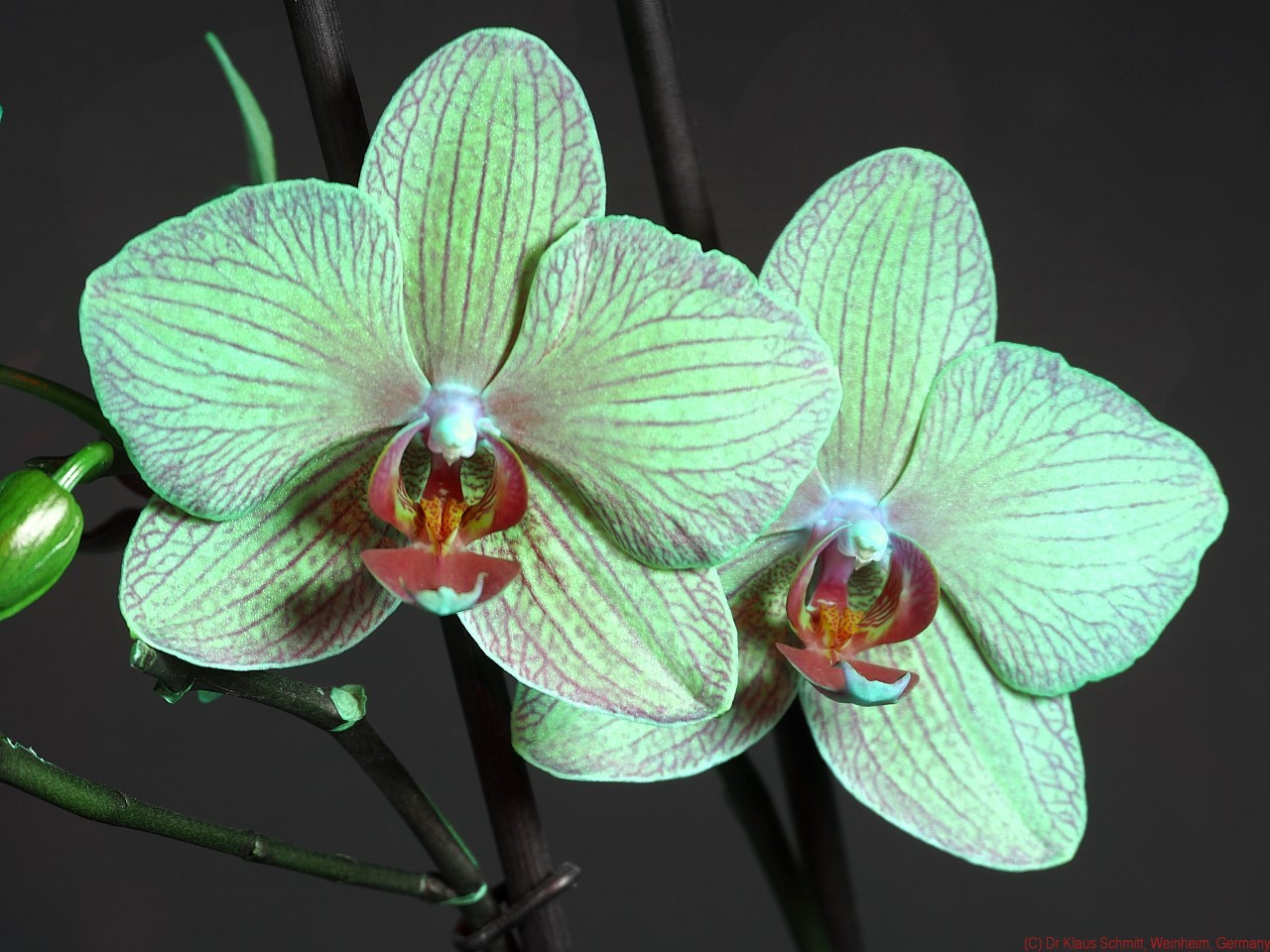
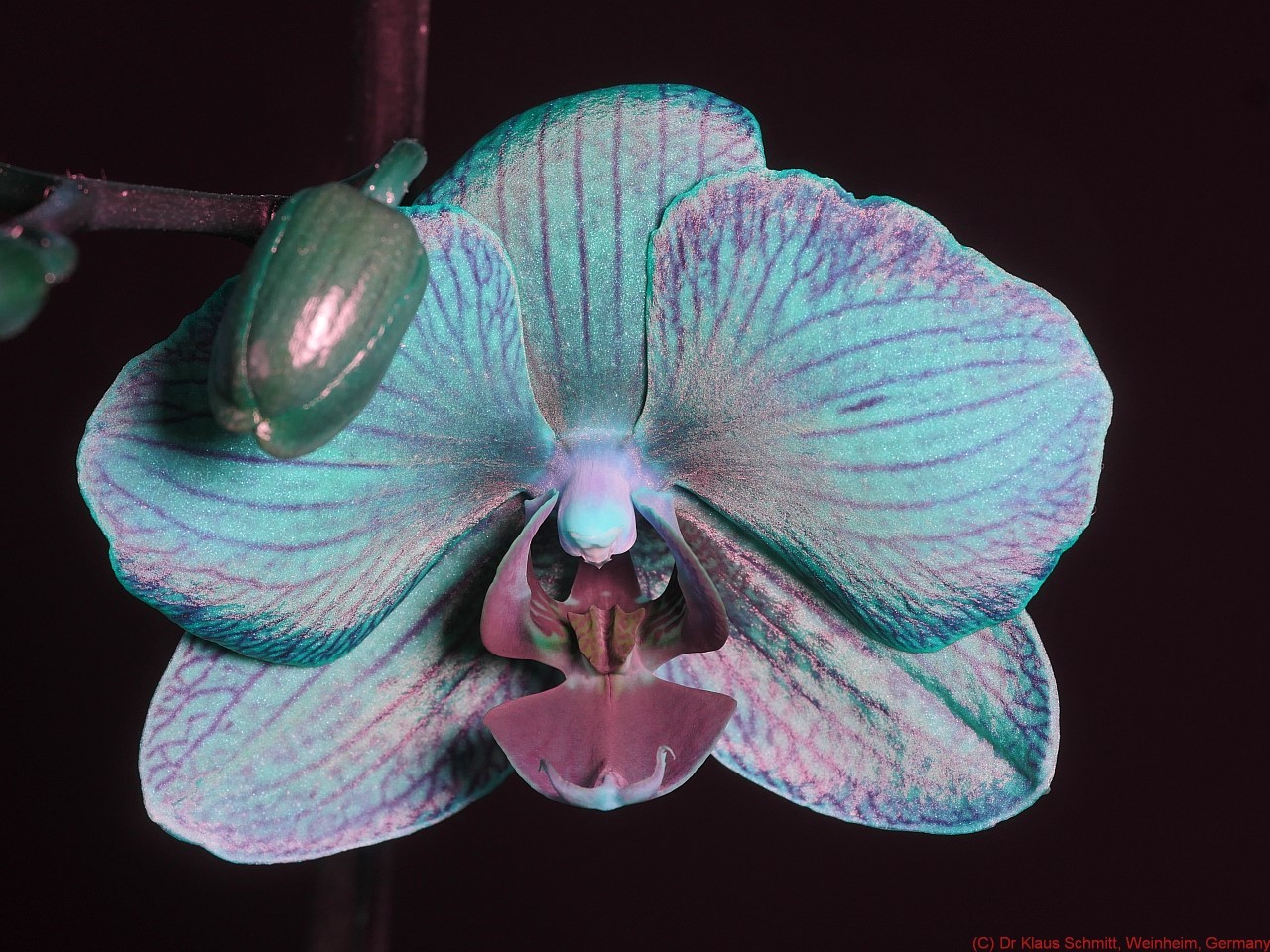
Simulated Butterfly Vision:
 

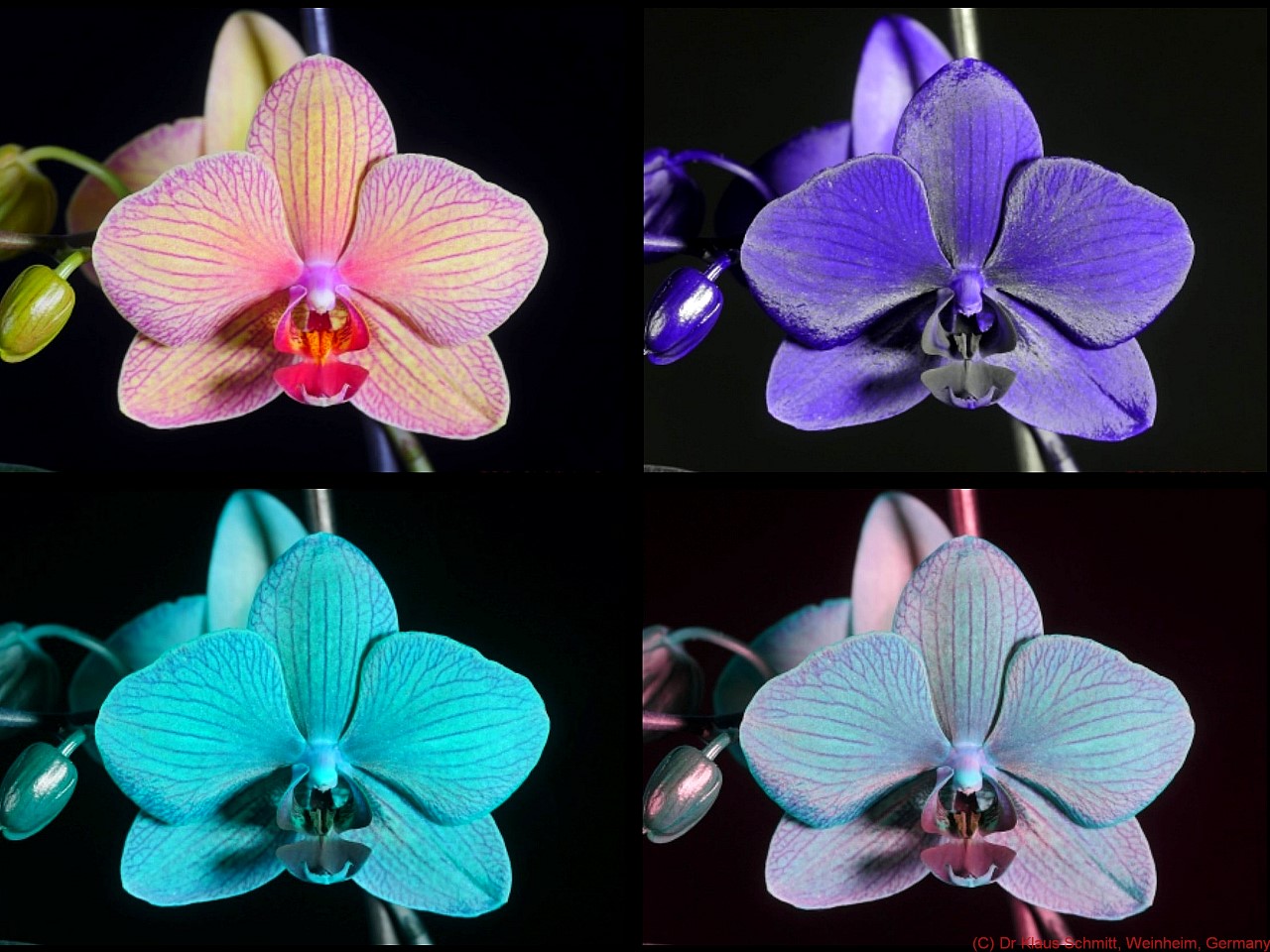
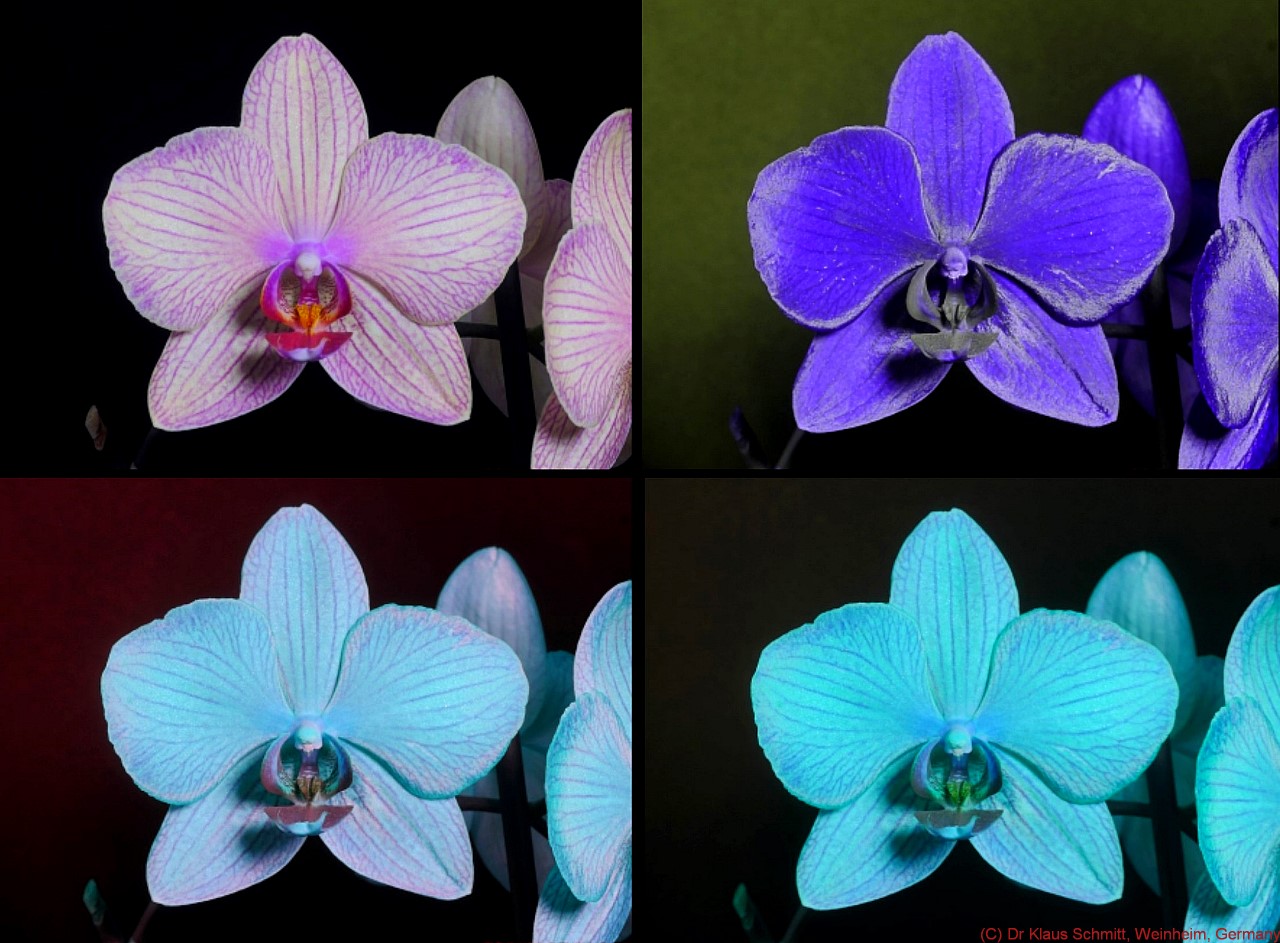
Quadriptych of human vision, UV, simulated bee and butterfly vision (left to right, top to bottom):
 

This orchid has not a very specific UV pattern, its petals are UV reflective around 380nm, but its middle tip (column and gymnostemium) have a rather UV bright spot reflecting around 370nm surrounded by an UV-dark area which gets nicely visible.

The UV-Nikkor 105mm lens is known to be a very well working one for multispectral imaging w/o focus shift, with a nice 1:2 close up focusing capability from infinity up to 48cm (0.48 meter). Sharpness is very good and so is its contrast, even from f4.5 onwards. With a Nikon PN-11 extension tube of 52.5mm length it reaches 1:1 (1x) magnification. It has the standard Nikon-F mount, and it covers full format sensors (41mm image diameter). It is defined to reach down to 190nm and up to 1300nm in near infrared; my measured transmission spectra of it may be seen here.

I have written more about this orchid HERE

Stay tuned, more will follow on that fascinating subject...

More info on this very interesting field may be found on my site http://www.pbase.com/kds315/uv_photos

Sunday, January 15, 2023

Moth orchid - Phalaenopsis in reflected ultraviolet photography and simulated butterfly and bee vision using a UV-Nikkor 105mm lens IV

Today in January 2023 some studio shots of a well known decorative flower, a white Moth orchid - Phalaenopsis in reflected ultraviolet photography using my "work horse" UV filter as well as simulated bee and butterfly vision  shot with my "work horse" UV-Nikkor f4.5/105mm quartz fluorite lens. UV filter used was the Baader-U filter, my "work horse" filter for reflected UV as well as my proprietary XBV filters for simulated bee and butterfly vision. All shots were done at f11. Light source used was a Xenon flash modified for high UV output. 

[click on image to see a larger one]

Human Vision (VIS):
 

Reflected UV (Baader-U):
 

Simulated Butterfly Vision:
 

Simulated Bee Vision:
 

Quadriptych of human vision, UV, simulated bee and butterfly vision (left to right, top to bottom):
 

This orchid has not a very specific UV pattern, its petals are UV reflective around 380nm, but its middle tip (column and gymnostemium) have a rather UV bright spot reflecting around 370nm surrounded by an UV-dark area which gets nicely visible.

The UV-Nikkor 105mm lens is known to be a very well working one for multispectral imaging w/o focus shift, with a nice 1:2 close up focusing capability from infinity up to 48cm (0.48 meter). Sharpness is very good and so is its contrast, even from f4.5 onwards. With a Nikon PN-11 extension tube of 52.5mm length it reaches 1:1 (1x) magnification. It has the standard Nikon-F mount, and it covers full format sensors (41mm image diameter). It is defined to reach down to 190nm and up to 1300nm in near infrared; my measured transmission spectra of it may be seen here.

I have written more about this orchid HERE

Stay tuned, more will follow on that fascinating subject...

More info on this very interesting field may be found on my site http://www.pbase.com/kds315/uv_photos

Moth orchid - Phalaenopsis in reflected ultraviolet photography and simulated butterfly and bee vision using a UV-Nikkor 105mm lens III

Today in January 2023 some studio shots of a well known decorative flower, a yellow-orange Moth orchid - Phalaenopsis in reflected ultraviolet photography using my "work horse" UV filter as well as simulated bee and butterfly vision  shot with my "work horse" UV-Nikkor f4.5/105mm quartz fluorite lens. UV filter used was the Baader-U filter, my "work horse" filter for reflected UV as well as my proprietary XBV filters for simulated bee and butterfly vision. All shots were done at f11. Light source used was a Xenon flash modified for high UV output. 

[click on image to see a larger one]

Human Vision (VIS):
 

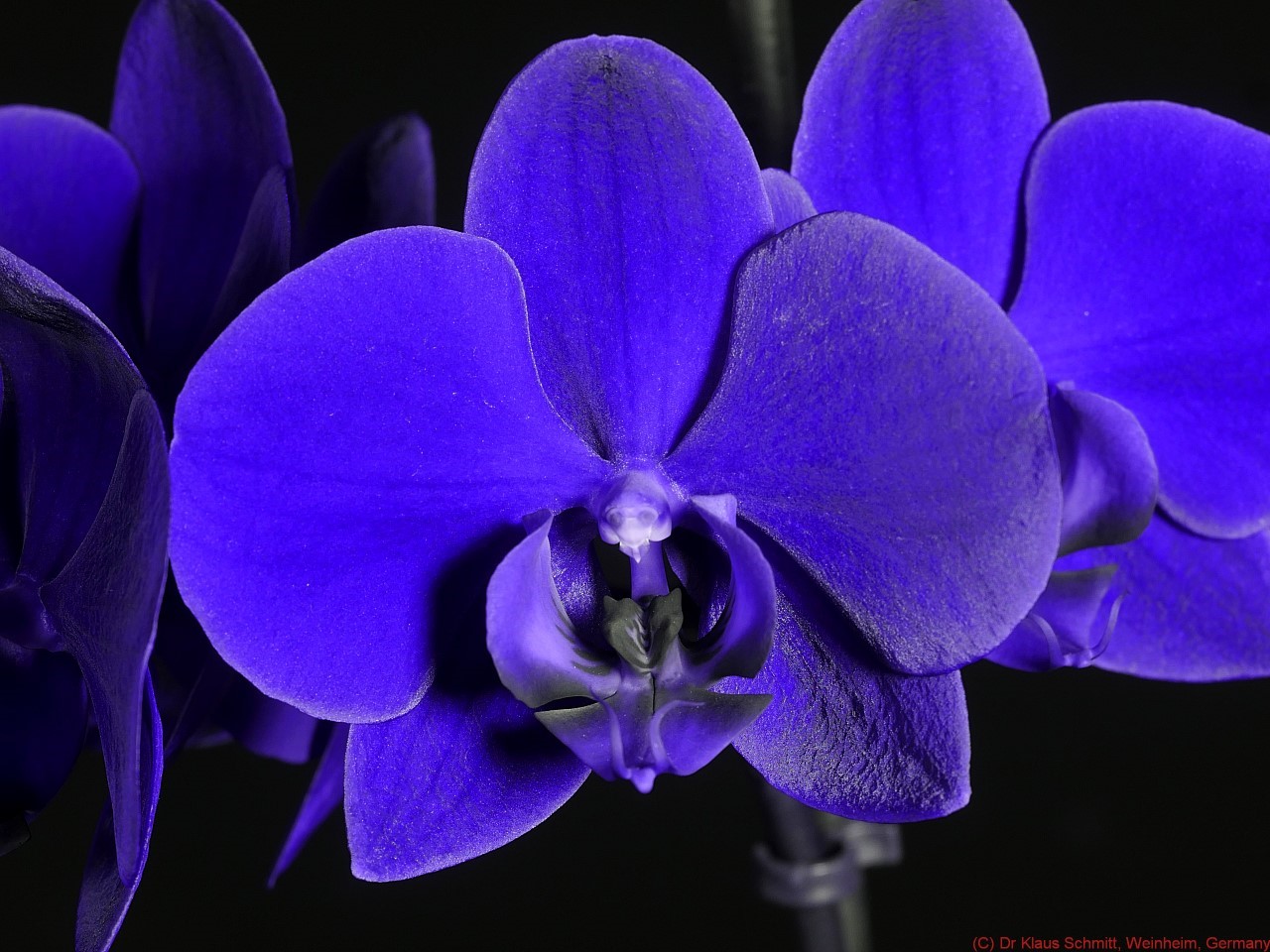
Reflected UV (Baader-U):
 

Simulated Butterfly Vision:
 

Simulated Bee Vision:
 

Quadriptych of human vision, UV, simulated bee and butterfly vision (left to right, top to bottom):
 

This orchid has not a very specific UV pattern, its petals are UV reflective around 380nm, but its middle tip (column and gymnostemium) have a rather UV bright spot reflecting around 370nm surrounded by an UV-dark area which gets nicely visible.

The UV-Nikkor 105mm lens is known to be a very well working one for multispectral imaging w/o focus shift, with a nice 1:2 close up focusing capability from infinity up to 48cm (0.48 meter). Sharpness is very good and so is its contrast, even from f4.5 onwards. With a Nikon PN-11 extension tube of 52.5mm length it reaches 1:1 (1x) magnification. It has the standard Nikon-F mount, and it covers full format sensors (41mm image diameter). It is defined to reach down to 190nm and up to 1300nm in near infrared; my measured transmission spectra of it may be seen here.

I have written more about this orchid HERE

Stay tuned, more will follow on that fascinating subject...

More info on this very interesting field may be found on my site http://www.pbase.com/kds315/uv_photos
Sunday, March 21, 2021

Moth orchid - Phalaenopsis in reflected ultraviolet photography and simulated butterfly and bee vision using a UV-Nikkor 105mm lens II

Today in March 2021 studio shots of a decorative flower, Moth orchid - Phalaenopsis in reflected ultraviolet photography using my "work horse" UV filter as well as simulated bee and butterfly vision  shot with my "work horse" UV-Nikkor f4.5/105mm quartz fluorite lens. UV filter used was the Baader-U filter, my "work horse" filter for reflected UV as well as my proprietary XBV filters for simulated bee and butterfly vision. All shots were done at f11. Light source used was a modified for high UV output Xenon flash. I have additionally used a 365nm UV LED for better focusing.

[click on image to see a larger one]

Human Vision (VIS):
 

Reflected UV (Baader-U):
 

Simulated Butterfly Vision:
 

Simulated Bee Vision:
 

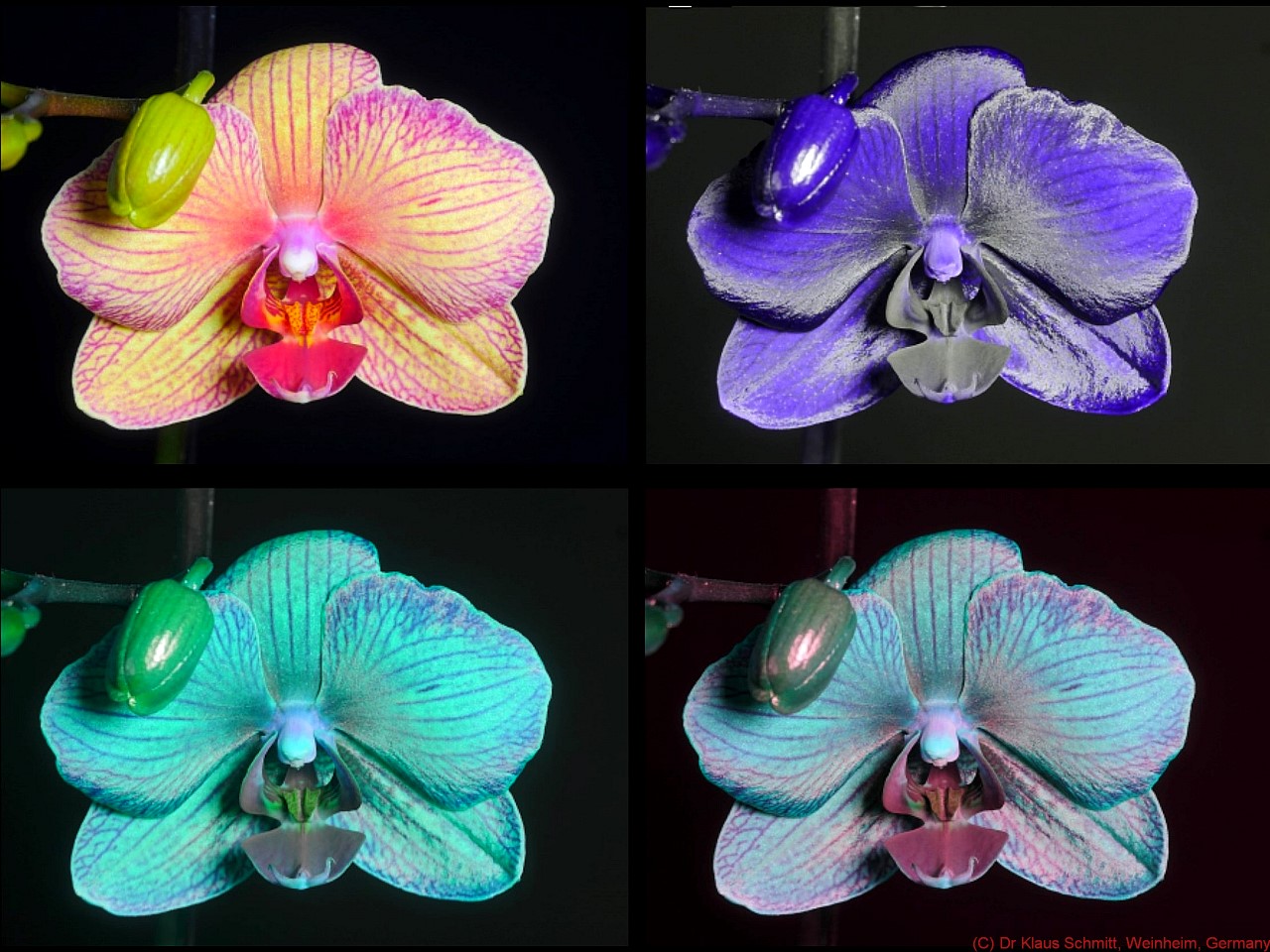
Quadriptych of human vision, UV, simulated butterfly and bee vision (left to right, top to bottom):
 

This orchid has not a very specific UV pattern, its petals are UV reflective around 380nm, but its middle tip (column and gymnostemium) have a rather UV bright spot reflecting around 370nm which gets nicely visible.

The UV-Nikkor 105mm lens is known to be a very well working one, with a nice close up 1:2 focus capability from infinity up to 48cm (0.48 meter). Sharpness is very good and so is contrast, even from f4.5 onwards. With a Nikon PN-11 extension tube of 52.5mm length it reaches 1:1 (1x) magnification. It has the standard Nikon-F mount, and it covers full format sensors (41mm image diameter). It is defined to reach down to 190nm and up to 1300nm in near infrared; my measured transmission spectra of it may be seen here.

I have written more about this orchid HERE

Stay tuned, more will follow on that fascinating subject...

More info on this very interesting field may be found on my site http://www.pbase.com/kds315/uv_photos
Monday, January 9, 2017

Moth orchid - Phalaenopsis in reflected ultraviolet photography and simulated butterfly and bee vision

Today studio shots of a decorative flower, Moth orchid - Phalaenopsis in reflected ultraviolet photography using my "work horse" UV filter, the Baader-U filter, as well as in simulated butterfly and bee vision using my proprietary XBV filters. Lens was my UV-Nikkor 105mm quartz flourite lens. All shots were done at about f8. Light source was a modified Xenon flash, background was dark gray. [These shots were done with a new camera system and are available on request in very high resolution (40 and 60 Mp)]

[click on image to see a larger one]

Visible light image
 

UV image using Baader-U filter:
  

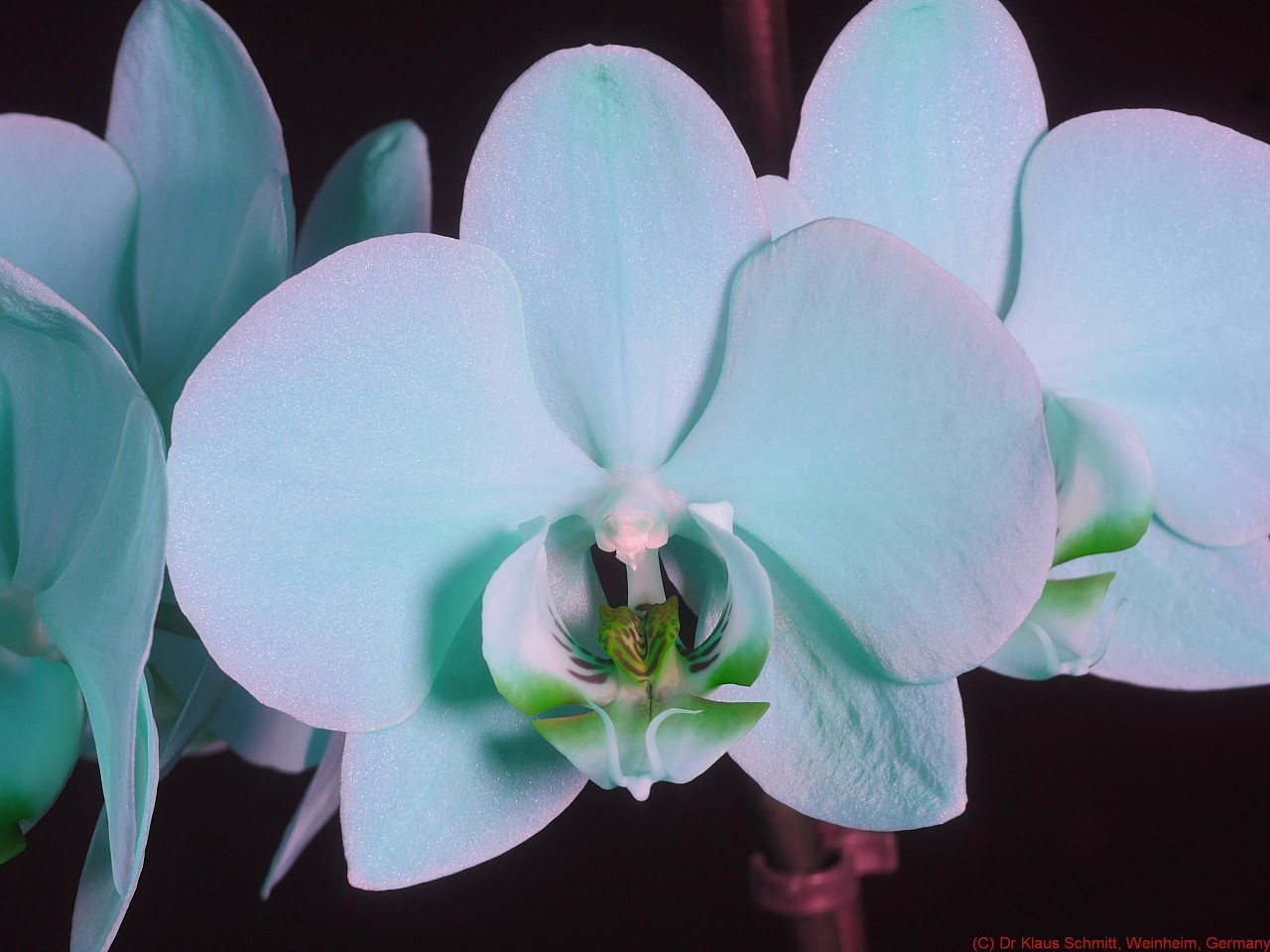
Simulated butterfly vision image:
  

Simulated bee vision image:
  

Quadriptych of human vision, UV, and simulated butterfly and bee vision (left to right, top to bottom):
 

This attractive flower shows a not so prominent UV pattern around its labellum , and all this gets nicely visible also in simulated butterfly and bee vision.

Stay tuned, more will follow on that fascinating subject...