Showing posts with label UV photography. Show all posts

Monday, June 12, 2017

White balancing options: SPECTRALON (R) versus sintered PTFE versus virgin white PTFE / Teflon (R)

Today a spectrometric test of materials used for white balancing of reflected UV photography: SPECTRALON (R) calibrated reflection standard made and sold by company LABSPHERE, sintered porous PTFE (porous filter discs, as used in filters for chemical processes and medicine) and virgin white PTFE (white extruded industrial material for various purposes sold as plates, cut discs etc.) to see which of these materials would be suitable for the UV-VIS range of 300 - 700nm. Many years ago I had proposed to use virgin white Teflon (R) / PTFE as a cheap and easy to get material.

[click on image to see a larger one]


The 100% (green, hard to see) line is the reflection of the SPECTRALON (R) reflection standart as sold by LABSPHERE and is used as a refence. The yellow line indicates the reflection of some seemingly sintered PTFE, now sold as white balance filter mounted into filters rings (52mm in this case), originally made and sold as 50mm porous filter material for chemical and medical purposes. This latter material reflects rather evenly between 80-83%. The virgin PTFE in comparision has a more uneven reflection of 72-75% (>320nm), down to 68% below 320nm. For amateur photographic purposes the two cheaper materials provide sufficient evenness, with an edge in favour of the sintered PTFE. For professional applications, both are however no alternative to the industry standard SPECTRALON (R) which shows outstanding evenness.

Remark: all such materials are extremely sensitive to dirt, fingerprints etc. which reduces the UV reflection massively, so have to be kept clean at all times and need to be cleaned asap if so contaminated. Best to clean is to brush with purified water, a detergent and ethanol, then rinse with purified water, then let dry in a dust and lint free environment or dry with pressured clean air.

Stay tuned, more will follow on that fascinating subject...

More info on this very interesting field may be found on my site http://www.pbase.com/kds315/uv_photos

Tuesday, June 21, 2016

North Carolina Botanical Gardens Bee Exhibit with reflected ultraviolet (UV) photography II

The North Carolina Botanical Gardens (University of North Carolina at Chapel Hill) had a four months long exhibit about the importance of Bees in 2015 with some of my works included.

(c) NC Botanical Gardens + Dr Schmitt, Weinheim Germany uvir.eu

Since it was such a great success and well received by its visitors, it will now be shown at other botanical gardens in the US. Be on the lookout for it, certainly worth visiting!

Stay tuned, more will follow on that fascinating subject...

Sunday, October 18, 2015

North Carolina Botanical Gardens Bee Exhibit with reflected ultraviolet (UV) photography

The North Carolina Botanical Gardens (University of North Carolina at Chapel Hill) just concluded a four months exhibit about the importance of Bees with some of my works included.


I got informed by the organizing commitee, that it was a great success and well received by its visitors.

Stay tuned, more will follow on that fascinating subject...

Thursday, August 27, 2015

ZDFzeit August 25 20:15h CET - UV videography to show the effect of sun protection II

The ZDF had contracted me and my UV cameras to contribute to their series ZDFzeit. This episode has been aired on August 25, 2015 at primetime 20:15 hours CET and has shown the effect of dangerous UV radiation on human skin and the importance of using proper suncreme to protect against that.


Here now is the video, Suncreme + UV starts at 7:30m [click]:

Quite impressive results have been obtained, aside from it having been a great experience to work with such a great team of the ZDF. It is well worth watching to see what a human sees and how that same scene looks like in ultraviolet (UV) light!

I have written about that before HERE

Stay tuned, more will follow on that fascinating subject...

Thursday, July 30, 2015

ZDFzeit August 25 20:15h CET - UV videography to show the effect of sun protection

The ZDF has contracted me and my UV cameras to contribute to their series ZDFzeit which will now be aired on August 25, 2015 at primetime 20:15 hours CET showing the effect of dangerous UV radiation on human skin and the effect of using proper suncreme to protect against that (in German language, with subtitles).

[click on image to see a larger one]
(C) ZDF, used with permission
Here is a LINK to the official announcement.


Quite impressive and graphic results have been obtained, worth watching to see what a human sees and how that same scene looks like in ultraviolet (UV) light!


There is a part II about it showing the video HERE

Stay tuned, more will follow on that fascinating subject...

Sunday, August 3, 2014

BBC Hive Alive - series about the life of honey bees including UV photography

BBC2 has receently produced a new two episode series "Hive Alive". This two-part documentary in is presented by Chris Packham and Martha Kearney, assisted by Prof. Adam Hart reveals the mysteries of the honeybee.

As it has already been aired in the UK only, here the link to it on youtube, which starts with the most interesting part here, as it is about the bees ability to see in ultraviolet (UV) light and the UV nectar guides some flowers have developed during evolution.

I have contributed some of my work to that, still photography in VIS and UV, my loyal readers will notice them, as I have shown them before HERE. Prof. Lars Chittka, whom I work with, presents his scientific findings and my works are seen there combined with his and his videos form 28'10" onwards. Here is the link in case the embedded video does not work. Ideally watch it directly there fullscreen, as it is HDTV.


There is a 2nd episode, but it hsn't been uploaded yet.

Stay tuned, more will follow on that fascinating subject...

More info on this very interesting field may be found on my site http://www.pbase.com/kds315/uv_photos

Wednesday, May 5, 2010

Richard Hammond's Invisible Worlds out now as DVD and Blue-Ray


The DVD and also Blue-Ray is out now and available from stock at amazon.co.uk here:

Blue Ray at amazon.co.uk 

DVD at amazon.co.uk


(C) BBC + amazon.co.uk

Stay tuned, more will follow on that fascinating subject...


More info on this very interesting field may be found on my site http://www.pbase.com/kds315/uv_photos

Tuesday, March 30, 2010

Richard Hammond's Invisible Worlds Episode 3 March 30, 9pm GMT on BBC One

BBC London has published more on the forthcoming series "Invisible Worlds".

Episode 3 , the last one, will be "Off the Scale" about things way to huge or way to little for us to see with the unaided eye.

Stay tuned, more will follow on that fascinating subject...

More info on this very interesting field may be found on my site http://www.pbase.com/kds315/uv_photos

Friday, March 26, 2010

My UV shots on BBC's "Richard Hammond's Invisible Worlds" Episode 2

These are my still images BBC had chosen for their production of episode 2 of "Richard Hammond's Invisible Worlds". These are some of my earliest works which must have impressed them the most. Here again for your viewing pleasure ....

[click on image to see a larger one]

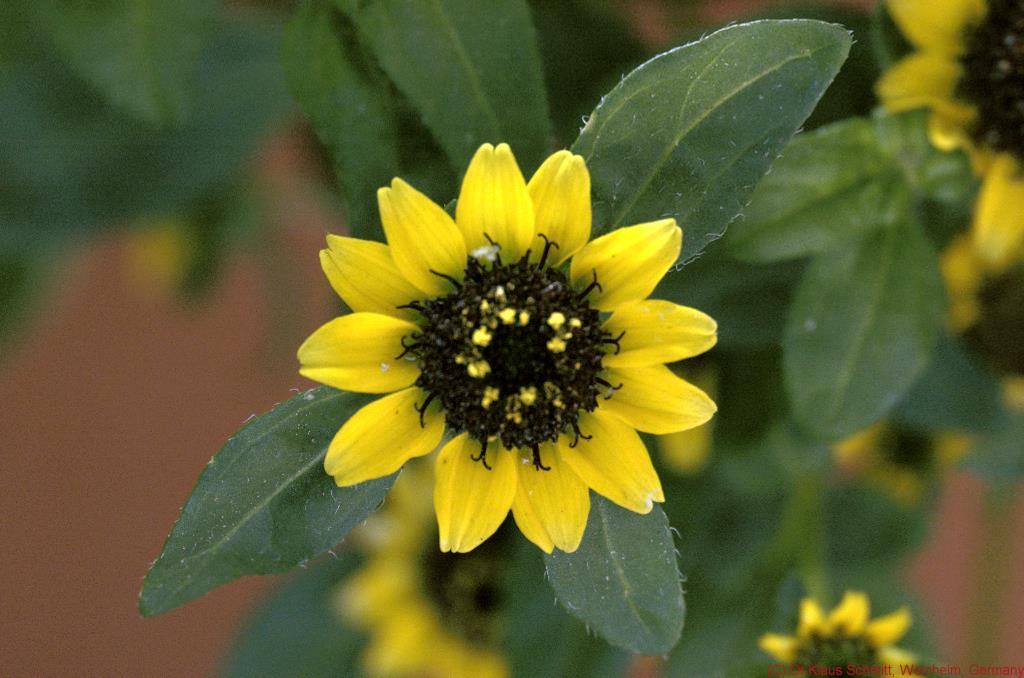
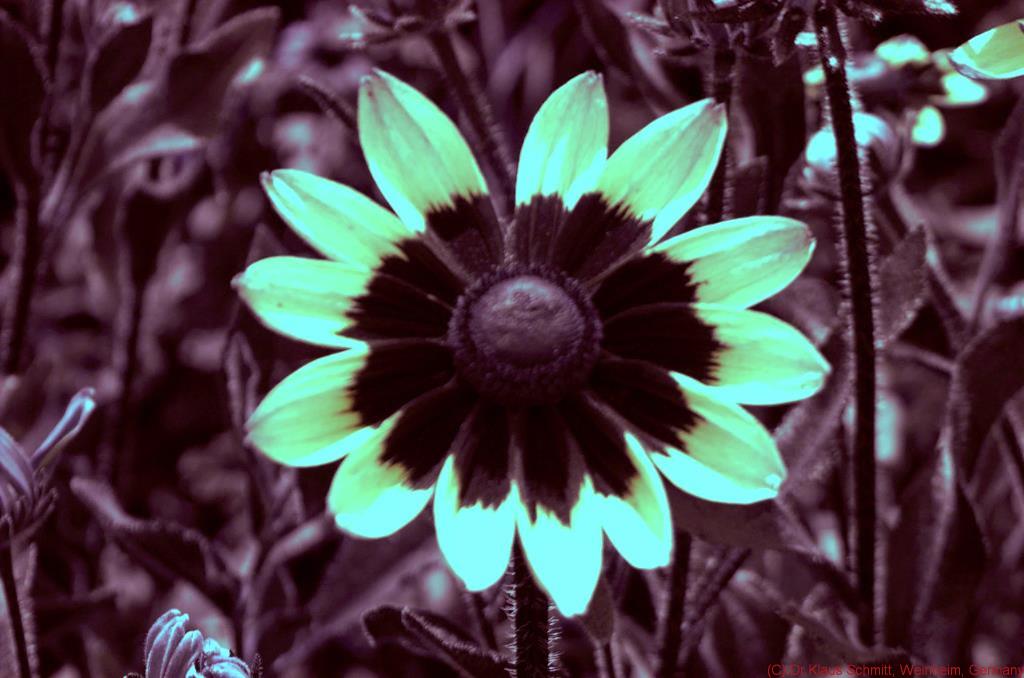
Sanvitalia ("Creeping Zinnia") in VIS + UV:


Rudbeckia ("Black eyed Susan") in VIS + UV:


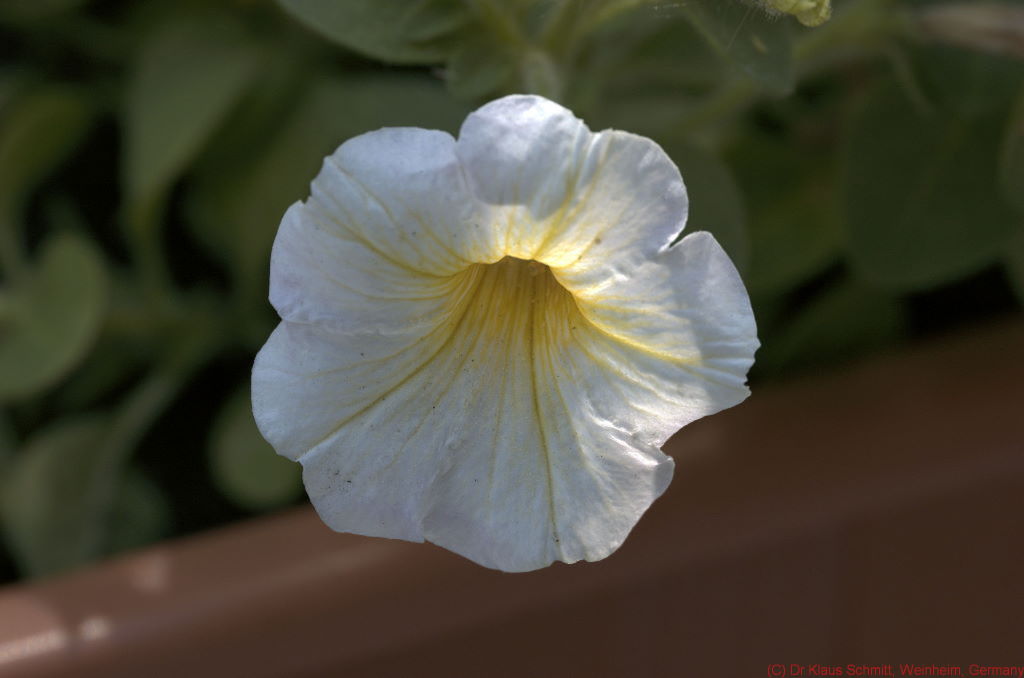
Petunia in VIS + UV:


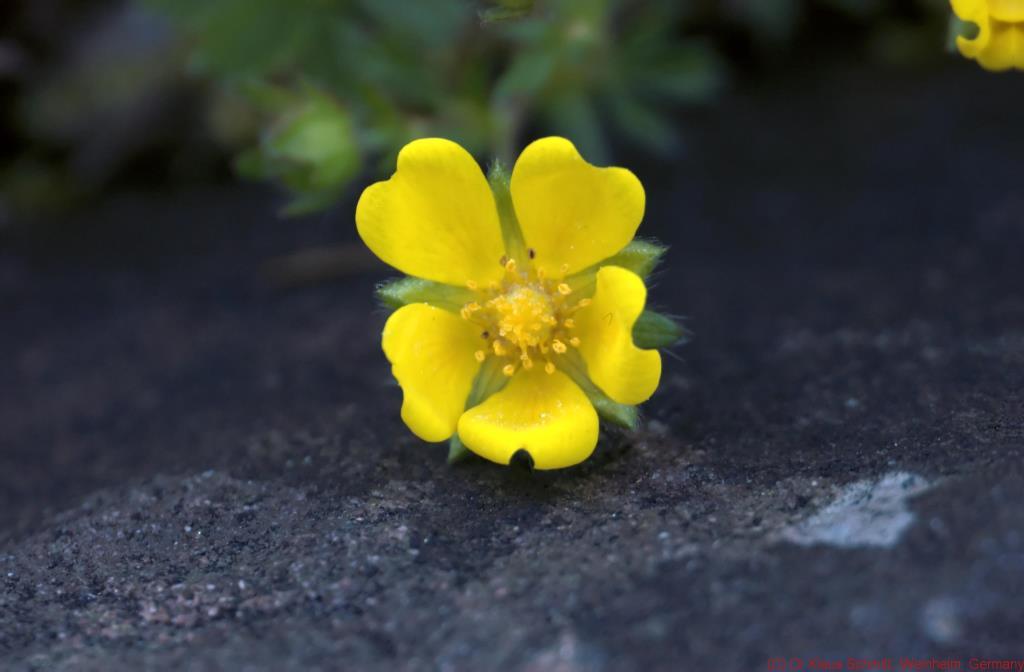
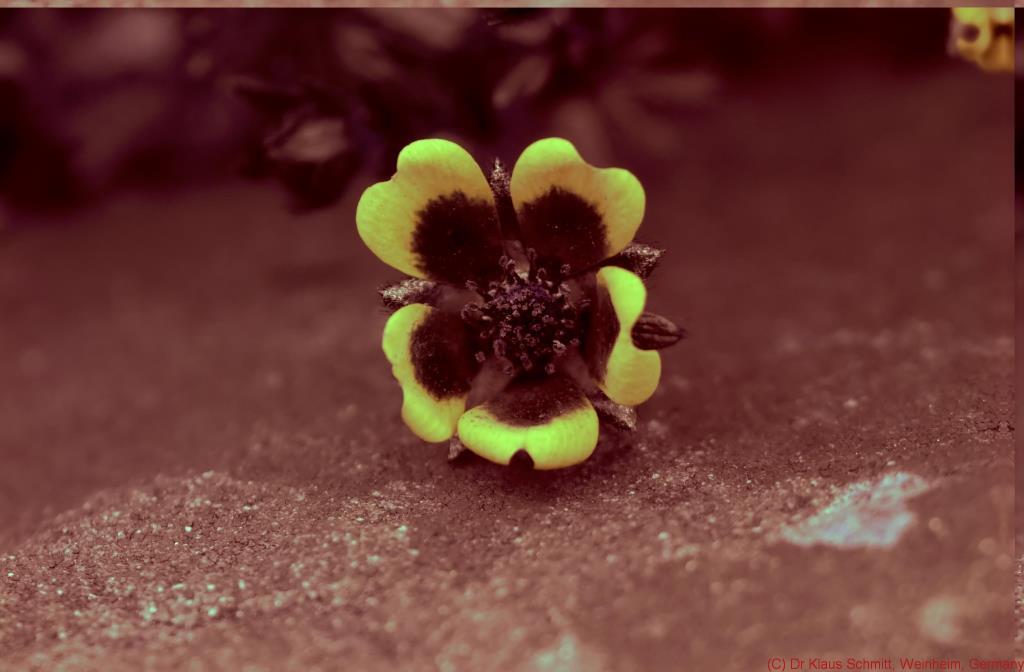
Potentilla recta ("Sulfur ´Cinquefoil") in VIS + UV:


Well, of course I feel honored that they gave me a chance to show my work, thus allowing the viewers of that series to understand, that there is so much more (beauty) beyond our very limited visual range!

Further on the technical side to contribute to the HDTV filming by finding suitable UV sensitive HDTV-cameras and suitable light sources, plus later then using my special lenses + filters for the actual filming of the scenes. That was all a great challenge but big fun working with such a professional team!


Stay tuned, more will follow on that fascinating subject...

More info on this very interesting field may be found on my site http://www.pbase.com/kds315/uv_photos

Wednesday, March 24, 2010

Richard Hammond's Invisible Worlds, Episode 2 on BBC iPlayer

BBC London has published now the second episode of "Richard Hammond's Invisible Worlds" on iPlayer and also on BBC HD for viewing.

Here the link to the video only viewable in the UK unfortunately. If you are on a server in the UK and you're away from home, you could of course use your Virtual Private Network (VPN) to watch, so you won't miss it...

This is the link to the HDTV version of it.

That second episode leads us to the world of ultraviolet light (where I have contributed), infrared and to the stars.

Stay tuned, more will follow on that fascinating subject...

More info on this very interesting field may be found on my site http://www.pbase.com/kds315/uv_photos
Wednesday, March 17, 2010

Richard Hammond's "Invisible Worlds" Episode 1 on BBC iPlayer

BBC London has published now the first episode of "Richard Hammond's Invisible Worlds" on iPlayer and also on BBC HD for best HDTV viewing.

Here the link to the video only viewable in the UK unfortunately. If you are on a server in the UK and you're away from home, you could of course use your Virtual Private Network (VPN) to watch, so you won't miss it...

I was amazed how well the production was made and the topics which have been carefully selected.

Stay tuned, more will follow on that fascinating subject...

More info on this very interesting field may be found on my site http://www.pbase.com/kds315/uv_photos

Tuesday, March 16, 2010

More News on "Richard Hammond's Invisible Worlds"

BBC London has published more on the forthcoming series "Invisible Wolds". It will be even shown in full HD resolution on BBC HD.

Here is a preview video of the 1st series only viewable in the UK unfortunately.

Stay tuned, more will follow on that fascinating subject...

More info on this very interesting field may be found on my site http://www.pbase.com/kds315/uv_photos

Thursday, March 4, 2010

Richard Hammond's Invisible Worlds begins 16th March on BBC1

BBC Press Office announced March 3rd that (quote) Richard Hammond's Invisible Worlds begins 16th March, 3 episodes @ 9pm on BBC1 (unquote).

Just got the confirmation that episode 2 + 3 will be aired the following weeks later at the same time (March 23 + 30). My contribution will be seen in episode 2 on March 23, "Out of Sight". ((quote from BBC)) In Out Of Sight, Richard explores the extraordinary wonders of the world beyond the visible spectrum.

The human eye is a remarkable piece of precision engineering. But beyond the narrow range of light that makes up the familiar colours of the rainbow is a vast spectrum of light that is entirely unseen. In fact, the visible world is just the tiniest sliver of a far greater reality.

Now, through the use of ground-breaking new imaging technologies and state-of-the-art cameras, Richard Hammond takes a journey beyond the visible spectrum, seeing the world, quite literally, in a whole new light. 
...  
Closer to the ground, ultraviolet cameras transform the view of an ordinary flower garden, capturing a dizzy array of hidden patterns and colours – an insect's eye view.
((unquote))


Stay tuned, more will follow on that fascinating subject...

More info on this very interesting field may be found on my site http://www.pbase.com/kds315/uv_photos
Saturday, February 27, 2010

Richard Hammond's Invisible Worlds BBC DVD on pre-order

Amazon UK has the BBC DVD  already on pre-order, release date has been shifted to May 3rd, 2010.

This the PAL version, most likely only viewable in Europe.

Link to amazon.co.uk is here

I would assume there will be a Blue-Ray Disc also, since it has been produced in full HDTV, but I have no further info on that.


Stay tuned, more will follow on that fascinating subject...

More info on this very interesting field may be found on my site http://www.pbase.com/kds315/uv_photos
Monday, February 1, 2010

BBC1 announced Richard Hammond's Invisible Worlds - HDTV UV video

BBC London has finally announced its new trilogy "Invisible Worlds", now called "Richard Hammond's Invisible Worlds" since it will be presented by famous "Top Gear" presenter Richard Hammond on BBC1 "World of Wonder" in the UK and Discovery Channel in the USA.

The series is directed by Dan Clifton.

The DVD is already on pre-order at amazon UK here (PAL version).

Quite a while ago BBC asked me to contribute my knowhow and some of my work of the invisible to their new three part science series "Invisible Worlds". The first part of the series will be about the natural world and things we humans cannot see, but other species can, like bees, birds, butterflies, spiders, mice etc. because it may be in a spectral area not accessible to our human eyes, but to them.

The challenge was, to transfer my special still life photographic technique of the ultraviolet into the world of HDTV film, but after some weeks of intensive work, especially on lenses, filtering and lighting, I found working solutions for all that.

Using special lenses + filters I have developed, it is now also possible to show (simulated) how bees, butterflies, birds etc. may see the world in comparison to how we do see it - and all in HDTV format.

The following image is a test image, not related to or used from the BBC series but one of my test stills from that time I worked on that... (yellow flower = as we humans see it; right blueish part of the flower and butterfly = simulated tetrachromatic butterfly vision; UV = blue)

[click on image to see it larger]


If you like to see a glimpse of my work, have a look at this test HDTV video snippet on youtube directly ...or click on the following small embedded version. Notice how the butterfly patterns change and the all yellow flower petals in the visual show the typical white tipped UV pattern, invisible to us humans, but made visible as a simulation of tetrachromatic butterfly vision, where UV is shown as blue.


[this is a test shot from my own lab while preparing, not from the final series and unrelated to BBC, just to be clear...]

I would like thank Dan and his great team of "Invisible Worlds" for the opportunity to contribute to that series. It was my great pleasure to work side-a-side with such a professional and committed team!

Stay tuned, more will follow on that fascinating subject...

More info on this very interesting field may be found on my site http://www.pbase.com/kds315/uv_photos

Friday, August 14, 2009

BBC new series "Invible Worlds" incl. Bee, Bird, Butterfly etc. vision

Well, I have been granted permission to mention it: BBC London has asked me to contribute my work of the invisible to their new three part science series "Invisible Worlds" which will be on air in spring 2010. The first part of the series will be about the natural world and things we humans cannot see, but other species can, like bees, birds, butterflies, spiders etc. because it may be in a spectral area not accessible to our eyes or other senses, but to them.

That was quite a challenge, to transfer my special still life photographic technique into the world of HDTV film, but after some weeks of intensive work especially on filtering and lighting, I found working solutions to that.

We filmed it in HDTV end of July in the UK in their studio and an outside location, using my special lenses + filters I have developed, to show (simulated) how bees, butterflies, birds etc. may see the world in comparision to how we do see it.

Results of that work I cannot show yet, but if you have a look at my recent works presented in my UV BLOG here, you may get a glimpse what it will be about...

Once the digital edit and cut has been done and the air date will be available, I will notice it here for those who have access to their BBC1 Science programme!

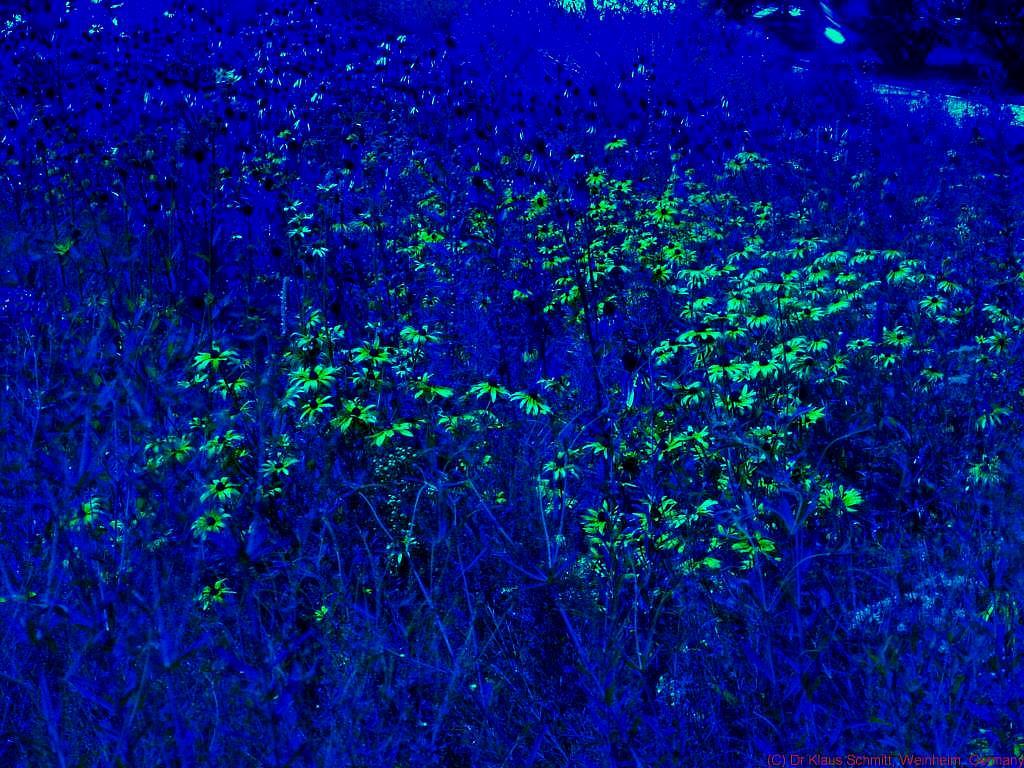
This is from some prep work I have done before, wide angle shot of Rudbeckia fulgida between red Echinaceas and prairie grass [click on image to see a larger one]:


Here more current info on Richard Hammond's Invisible Worlds at BBC1!

Stay tuned, more will follow on that fascinating subject...

More info on this very interesting field may be found on my site http://www.pbase.com/kds315/uv_photos