Showing posts with label Hydrangea. Show all posts

Friday, June 8, 2018

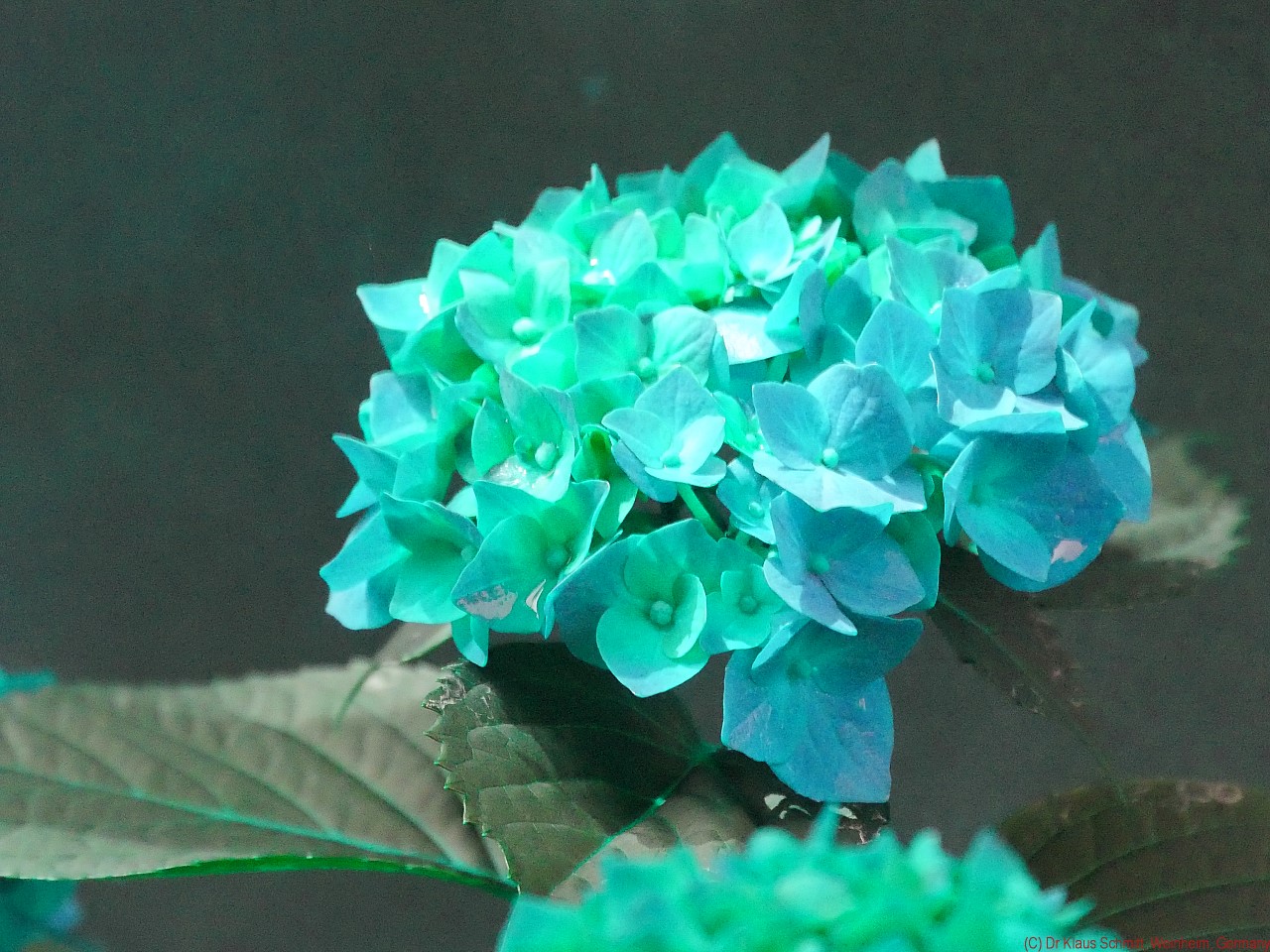
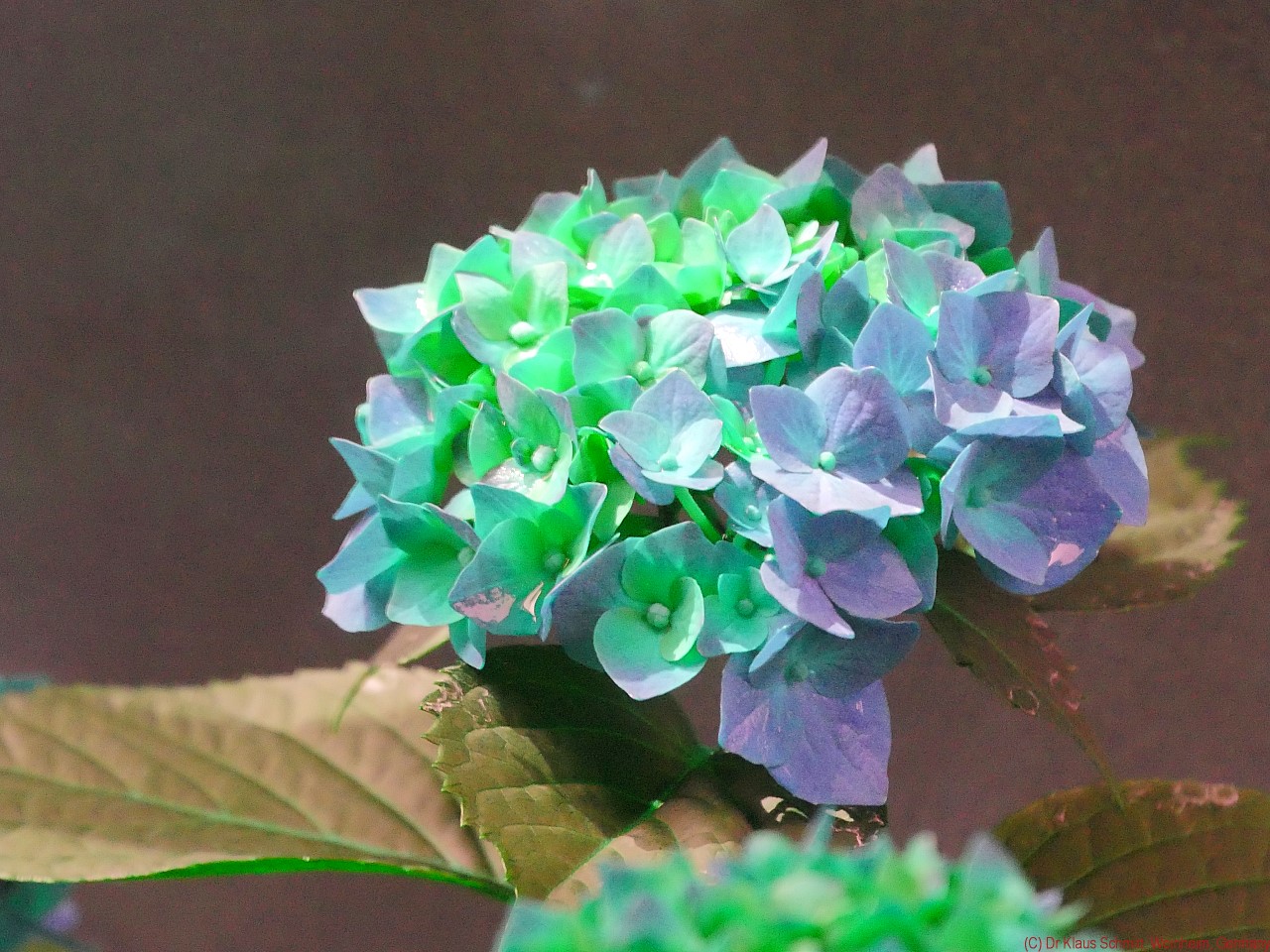
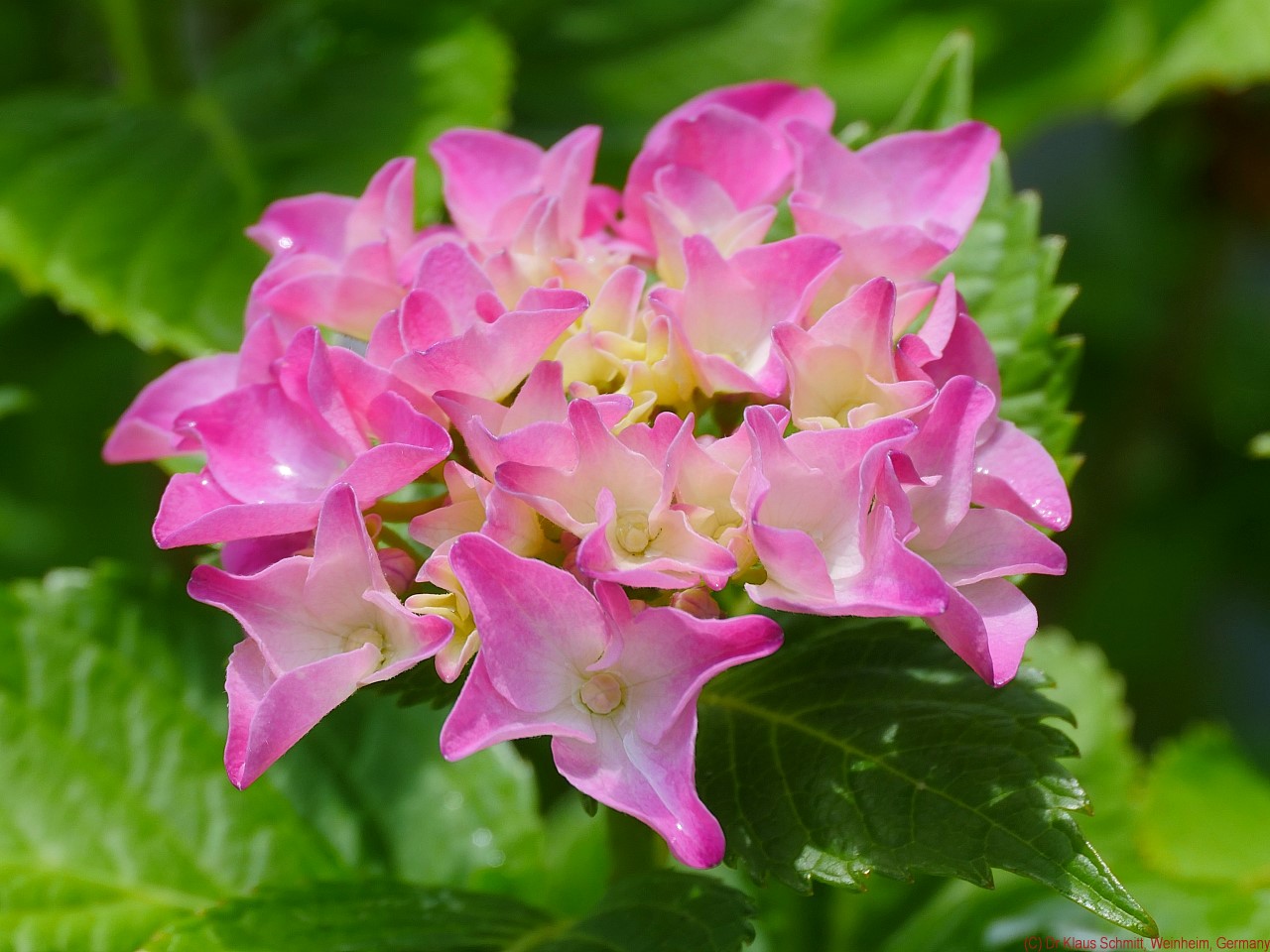
Hortensia flower - Hydrangea macrophylla in reflected ultraviolet photography and simulated bee and butterfly vision II

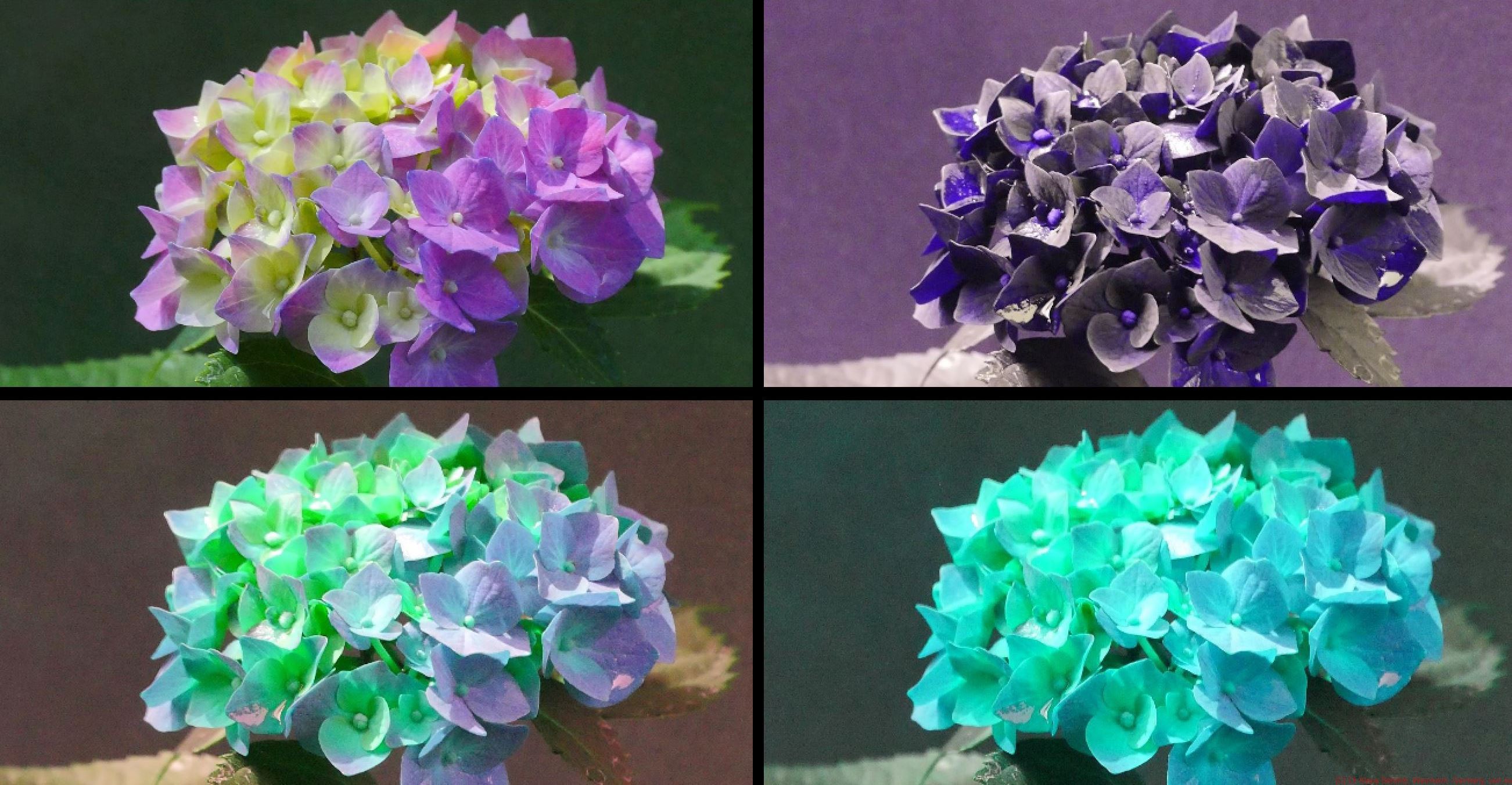
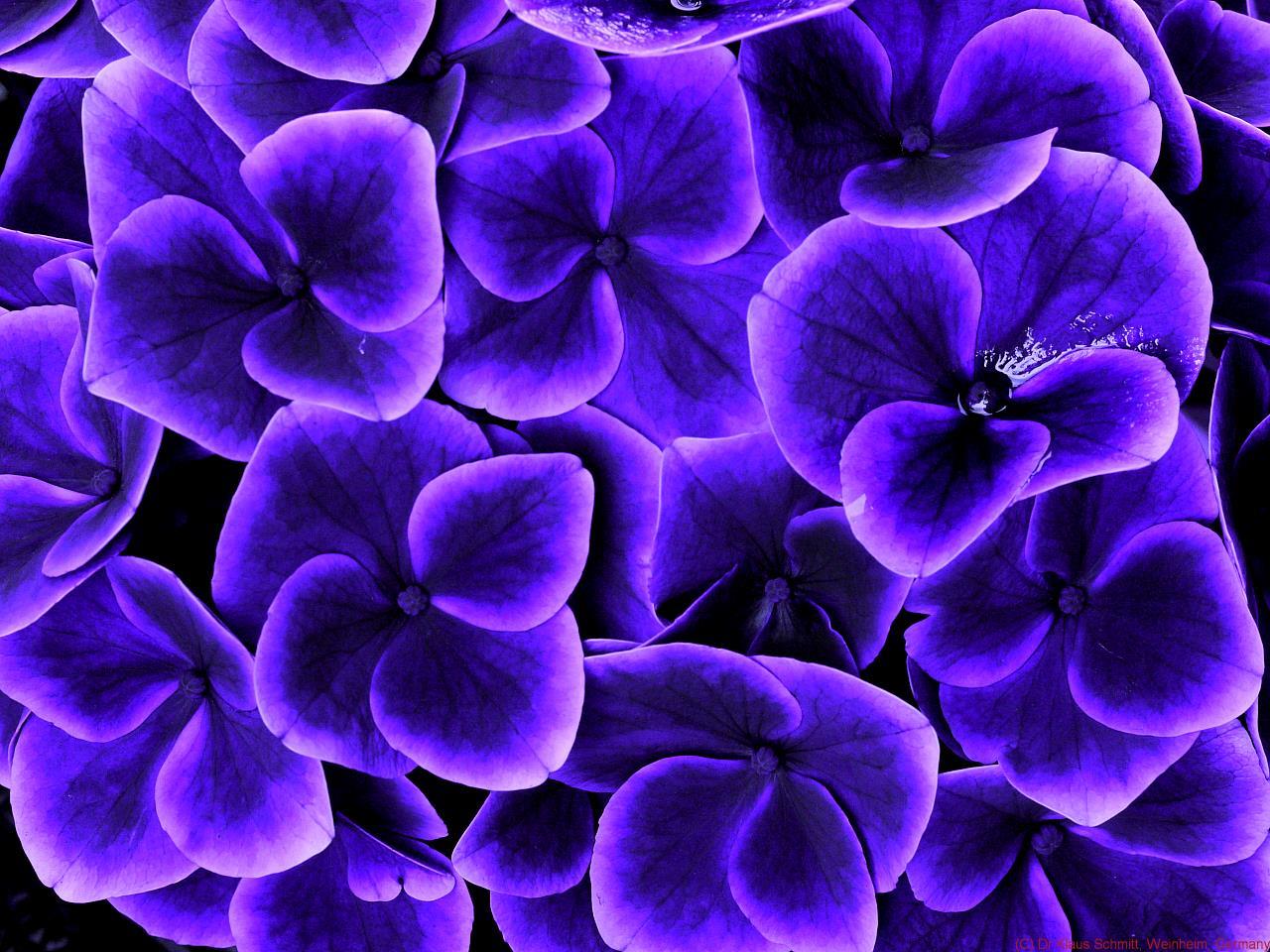
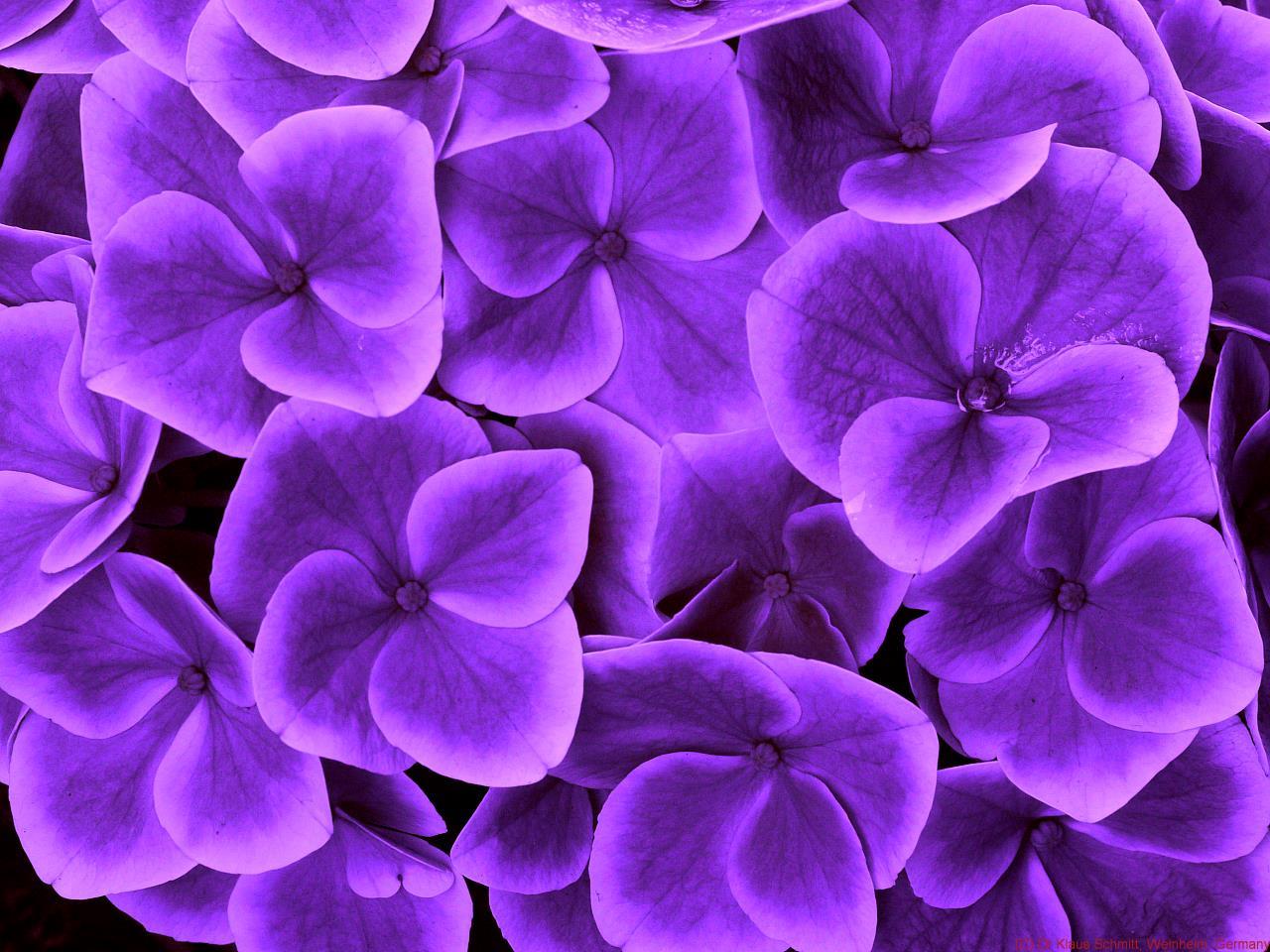
Today more shots of a Hortensia flower - Hydrangea macrophylla in reflected ultraviolet photography and simulated bee and butterfly vision. All shots were done at f8 in reflected ultraviolet photography using my "work horse" UV filter, the Baader-U filter, as well as my XBV filters for simulated bee and butterfly vision. Lens was a UV-Nikkor 105mm quartz fluorite lens. Light source was sunlight.

[click on image to see a larger one]

Human vision:
 

Reflected UV:
 

Simulated bee vision:
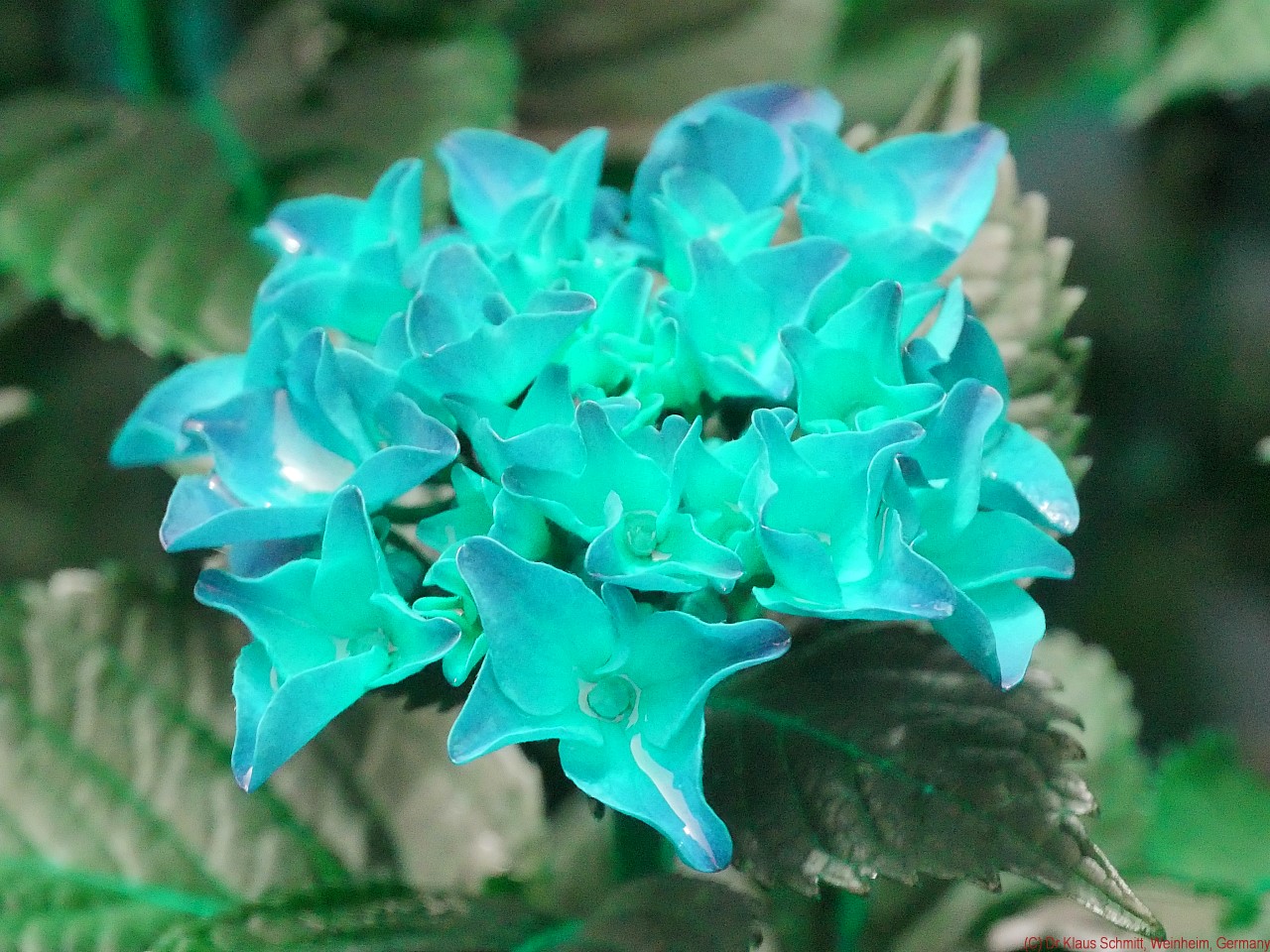
 

Simulated butterfly vision:
 

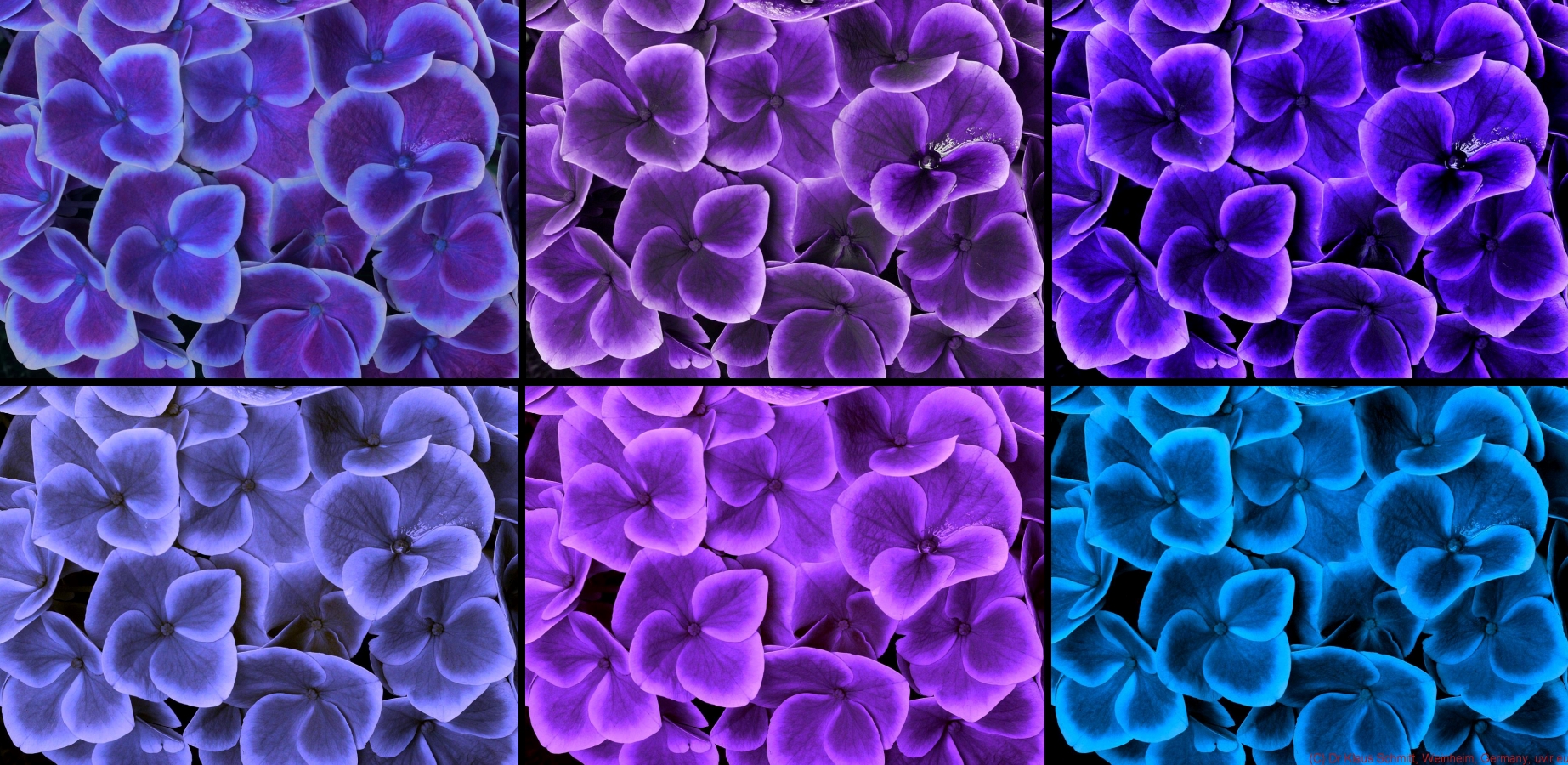
Quadriptych of human vision, UV, simulated butterfly and bee vision (left to right, top to bottom):
 

Hyrangea flowers has little UV reflection, just long wave around 380nm and all this gets nicely visible here, also in simulated bee and butterfly vision.

I have written about that flower before HERE
 
Stay tuned, more will follow on that fascinating subject...

More info on this very interesting field may be found on my site http://www.pbase.com/kds315/uv_photos

Hortensia flower - Hydrangea macrophylla in reflected ultraviolet photography and simulated bee and butterfly vision

Today shots of a Hortensia flower - Hydrangea macrophylla in reflected ultraviolet photography and simulated bee and butterfly vision. All shots were done at f8 in reflected ultraviolet photography using my "work horse" UV filter, the Baader-U filter, as well as my XBV filters for simulated bee and butterfly vision. Lens was a UV-Nikkor 105mm quartz fluorite lens. Light source was sunlight.

[click on image to see a larger one]

Human vision:
 

Reflected UV:
 

Simulated bee vision:
 

Simulated butterfly vision:
 

Quadriptych of human vision, UV, simulated butterfly and bee vision (left to right, top to bottom):
 

Hyrangea flowers has little UV reflection, just long wave around 380nm and all this gets nicely visible here, also in simulated bee and butterfly vision.
 
Stay tuned, more will follow on that fascinating subject...

More info on this very interesting field may be found on my site http://www.pbase.com/kds315/uv_photos

Sunday, May 19, 2013

Hortensia - Hydrangea in reflected ultraviolet photography, simulated bee vision

Today shots of an well known flower, a Hortensia - Hydrangea in reflected ultraviolet photography using my "work horse" UV filter, the Baader-U filter as well as my XBV filters for simulating bee vision. Lens was a CERCO 94mm quartz fluorite lens. Light source was sunlight. All shots were done at about f5.6.

[click on image to see a larger one]

Visible light image:
 

UV image using Baader-U filter (approx. 320-395nm, effective peak approx. 375nm):
 

UV image using Baader-U filter (approx. 320-395nm, effective peak approx. 375nm), processed differently:
 

Simulated bee vision (UV - VIS) using XBV3 filter:
 

Simulated bee vision (UV - VIS) using XBV3 filter, differently processed:
 

Simulated bee vision (UV - VIS) using XBV6 filter:
 

Simulated bee vision (UV - VIS) using XBV5 filter:
 

Hexaptych of some of the above:


This Hortensia flower has a not a very specific UV pattern, its petal rims are lit up in UV, its center is a bit darker and this gets nicely visible.


Stay tuned, more will follow on that fascinating subject...

More info on this very interesting field may be found on my site http://www.pbase.com/kds315/uv_photos

Tuesday, October 16, 2012

Hydrangea: Golden reflected UV ultraviolet photography IV

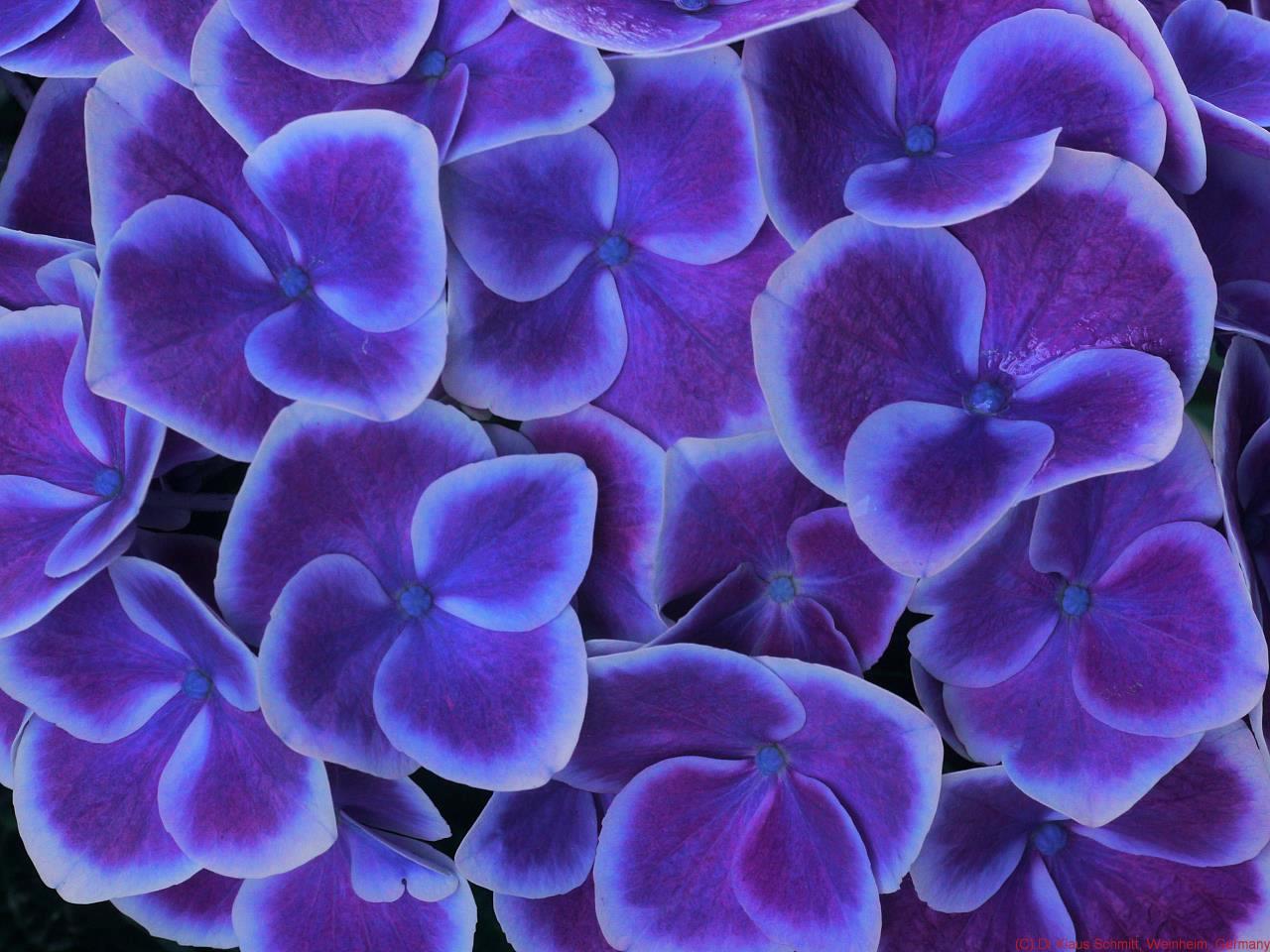
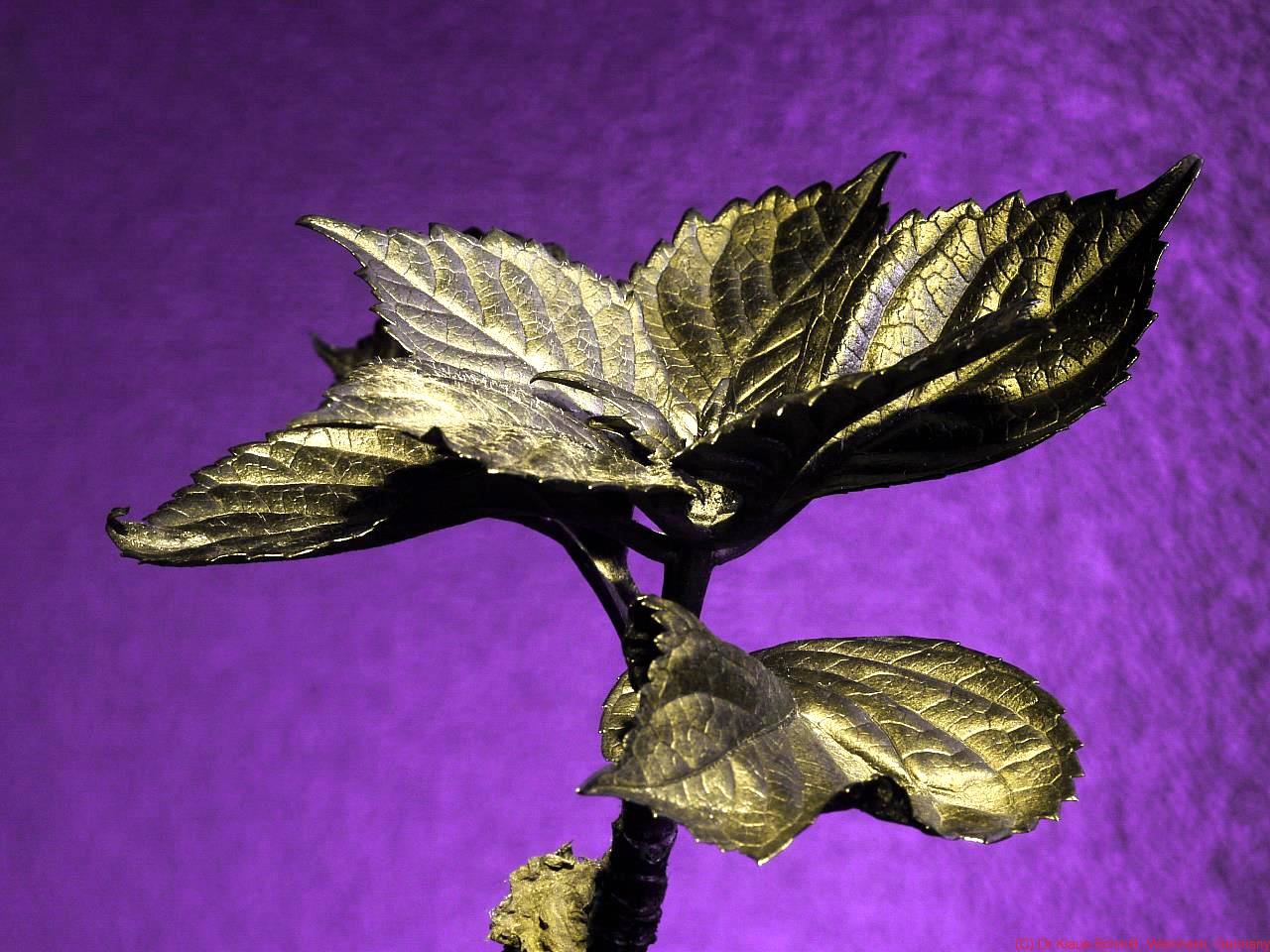
Today more about those "golden shots" of an autumnal Hydrangea I was presenting the other day. I was using this time my CERCO 94mm quartz fluorite lens and was playing around with some lighting situations.

I used my special "golden" processing for these autumnal Hydrangea shots that I have also used a few days ago.

[click on image to see a larger one]


Also this was some "artsy" playing with light then my usual documentary work and I quite like the results.

Stay tuned, more will follow on that fascinating subject...

More info on this very interesting field may be found on my site http://www.pbase.com/kds315/uv_photos