So if you would like to see some of my work (updated June 2024)
... and you live in North America, then you have a chance to see some here:
The
Nightsky Festival in Shenandoah National Park (in Virginia, USA) organized by the Rangers of the National Park Services, will use some of
my works to show how differently animals and insects see the world in
comparision to us humans on August 19-21, 2022.
The University of Nebraska State Museum will be using our video "Insecta Spectra" Robin Noorda and I have made, using many of my multispectral, insect vision simulating images in their forthcoming exhibit about pollinators from August 27, 2022 to the end of May 2023.
The University of North Dakota for their "Aerospace Community Day" will be using some of my 3D multispectral stereo images to allow kids and their parents to "see like a bee or butterfly" in April 2022
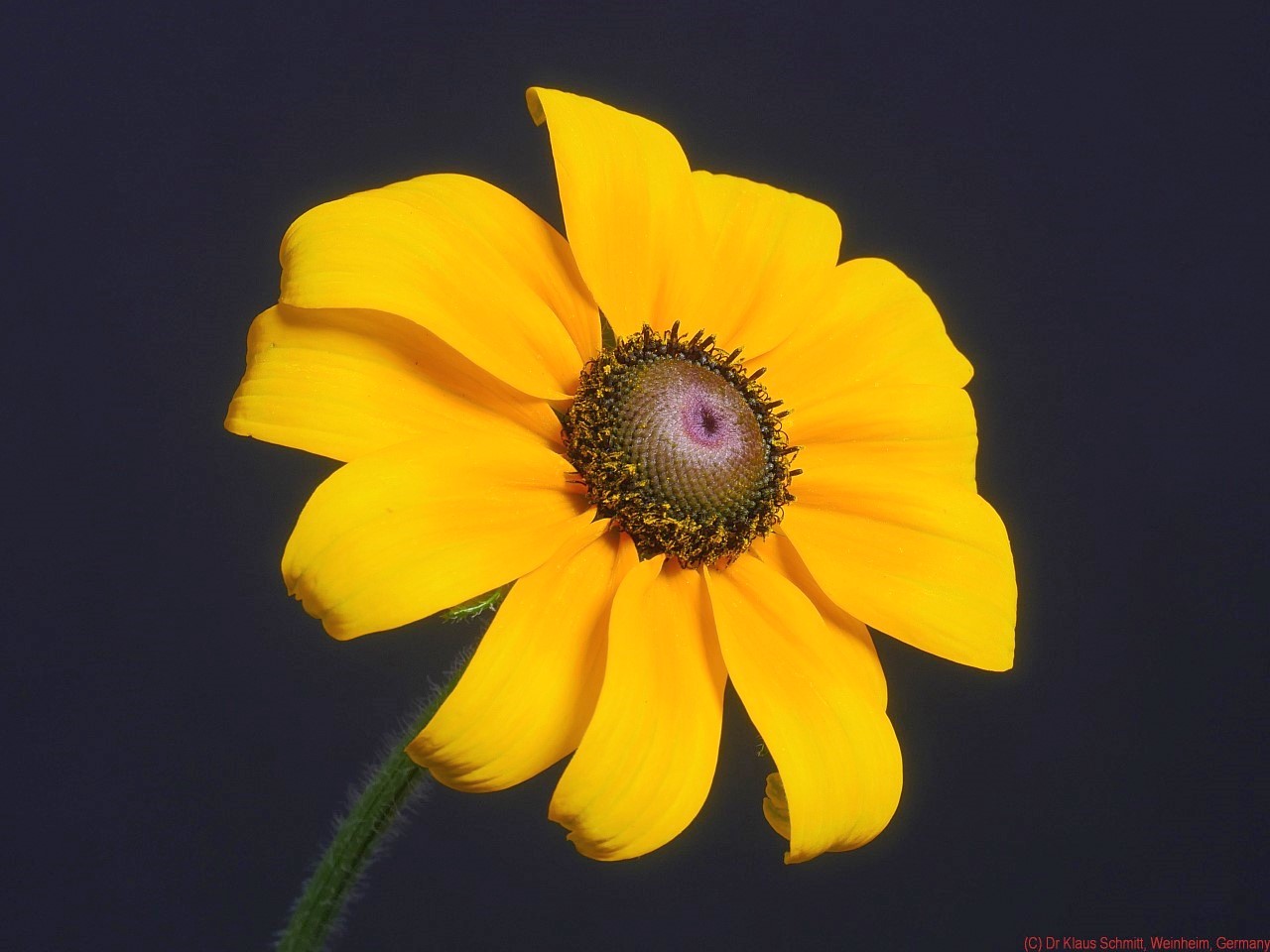
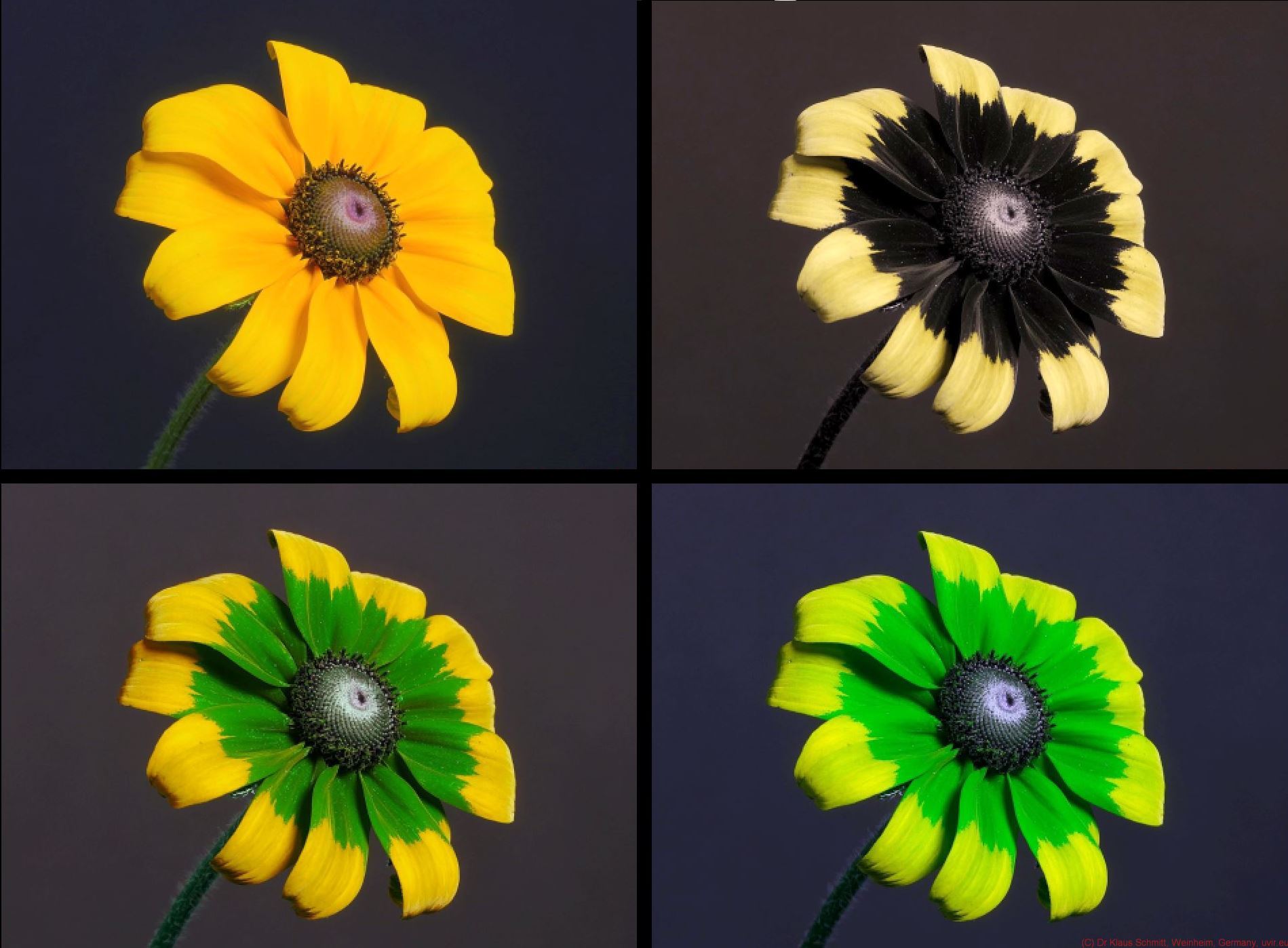
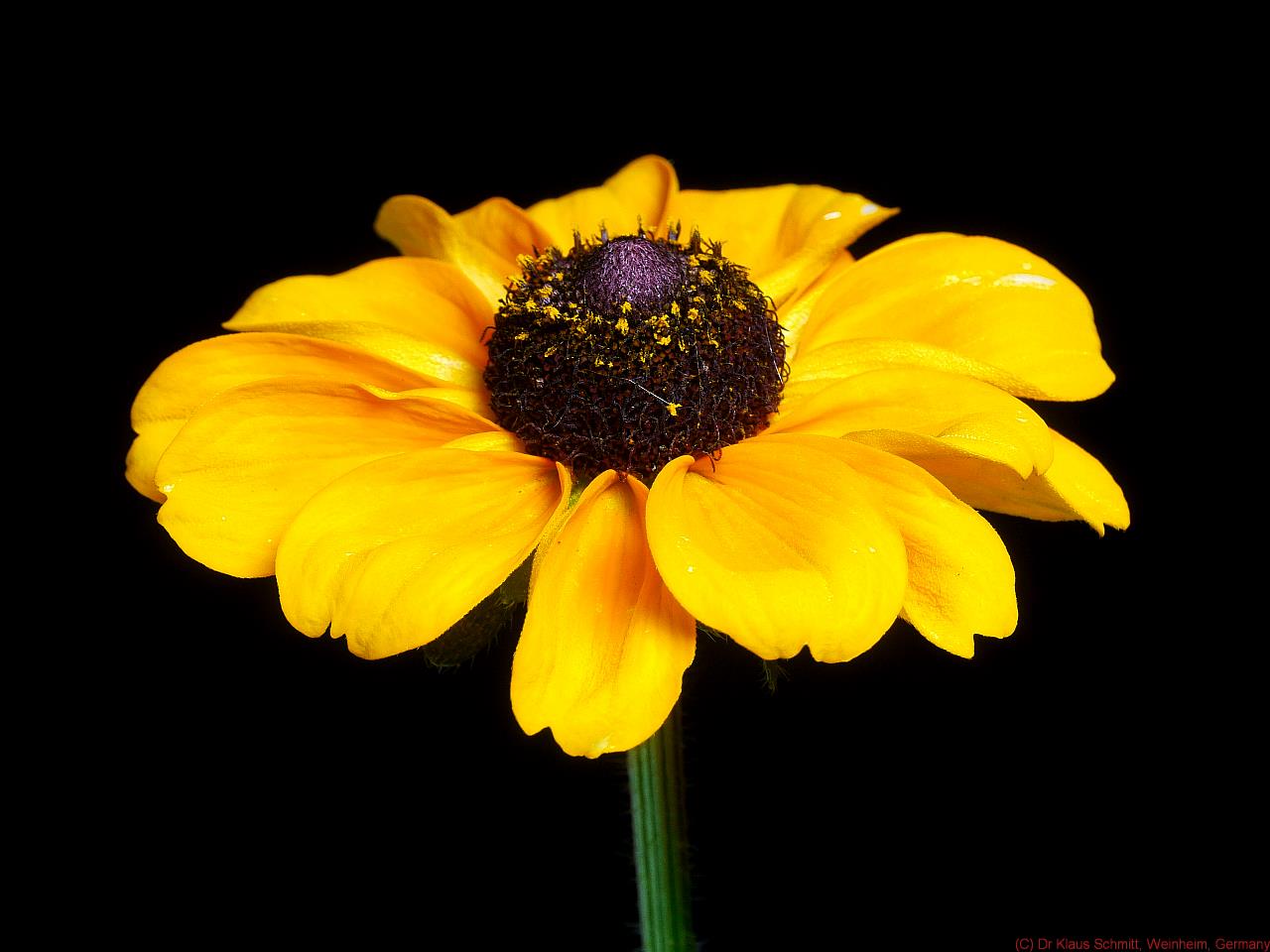
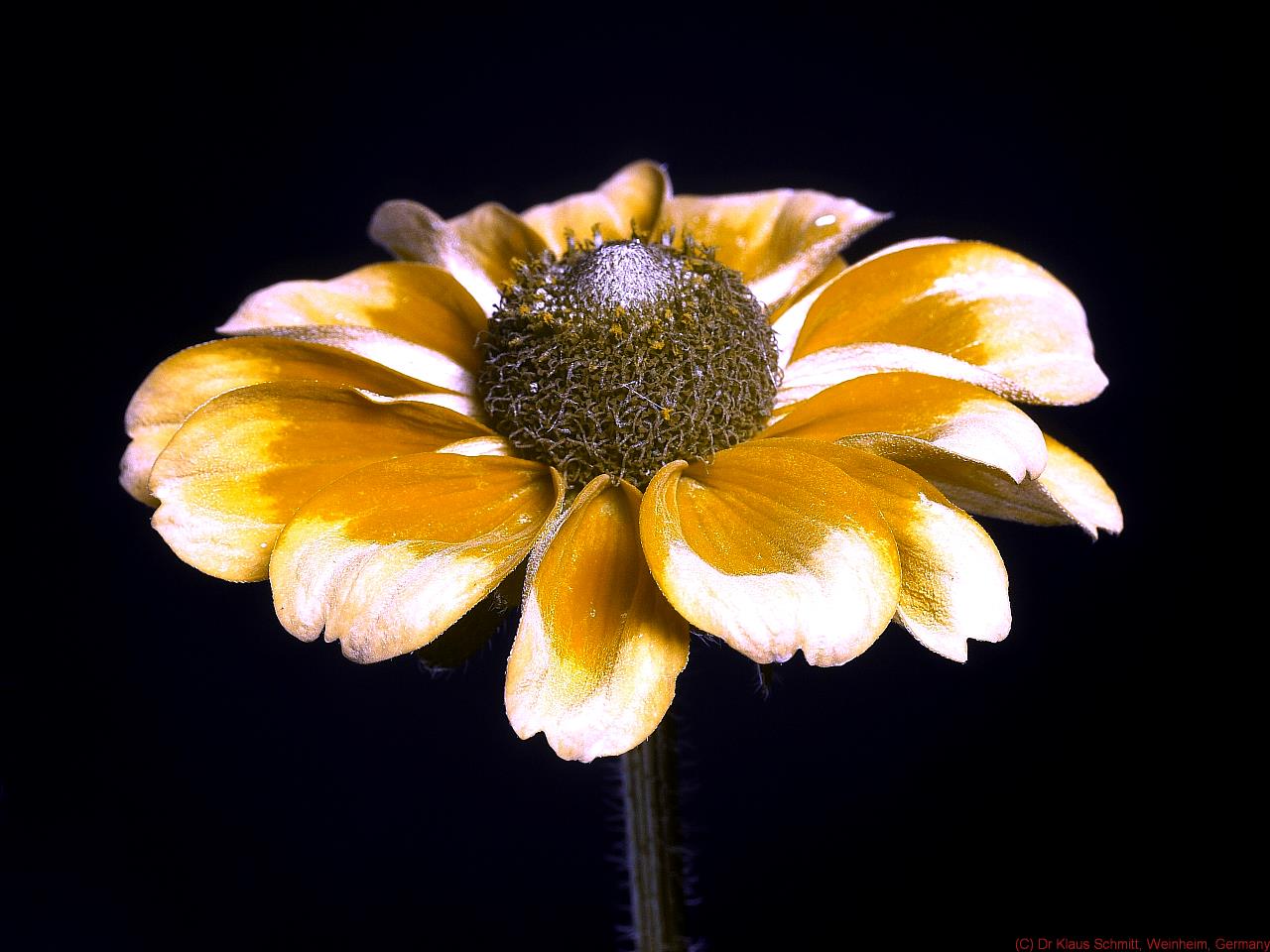
The 2nd edition of the book "Interactive Psychology" published by WW Norton will again include some multispectral images of mine of a Rudbeckia fulgida flower and it will be published in October 2022.
The Field Museum in Chicago will use some of my multispectral photografic work in a forthcoming 2021 exhibit "Wild Color" which will highlight the science behind nature's colors. It opens October 22, 2021.
The Canadian, Manitoba based, company "
Agriculture in the Classroom" will use some of my works in “simulated bee vision” in their 2021 programmes about pollination for teachers who teach children Grades 2-6 (ages 7-12) . Their programmes in 2020 reached about 33.000 students in 2020
The Science Center of Iowa will show some of my multispectral work of Rudbeckia flowers in their "What On Earth?" Exhibit to show how differently Humans, Bees and Butterflies see the world in autumn 2021.
The San Diego Botanic Garden will in their "World of Orchids" show in April 2021 display some of my Oncostele "Wildcat" multispectral images to explain how orchids and pollinators interact.
The Butterfly Conservation Club of the Southeast Michigan Butterfly Association will in February 2021 have a presenation about butterfly and plant interactions using some of my simulated butterfly and human vision images.
Minneapolis Park and Recreation Board will show 2020 at the Kroening Interpretive Center in North Mississippi Regional Park some of my Rudbeckia multispectral works, to explain to visitors how different bee vision is to our human one.
North Carolina Botanical Gardens at Chapel Hill 2019 and 2020 exhibit about the relationship of native plants to birds, pollinators, especially for wildflowers and their interaction demonstrated on some of my multispectral images.
Michigan State University, Dept. Plant Biology will show some of my works on simulated bee vision for their Graduate Program.
Chicago Botanic Garden will be showing some of my Rudbeckia images in simulated butterfly vision at their butterfly house
The Museum of the Eye San Francisco, CA will be showing 2019 my work of a bumblebee on a Sanvitalia flower in human and simulated bee vision in their permanent exhibition
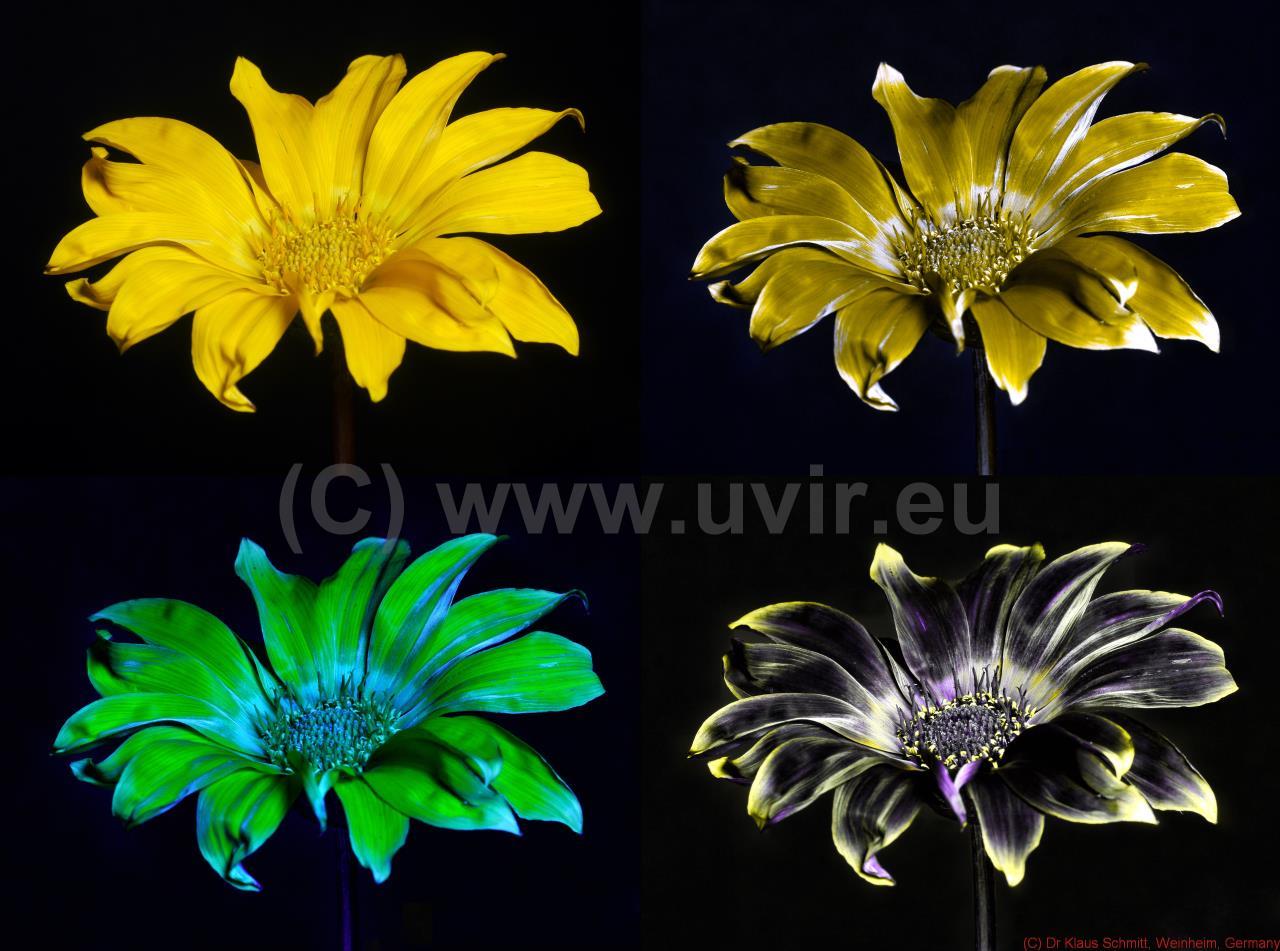
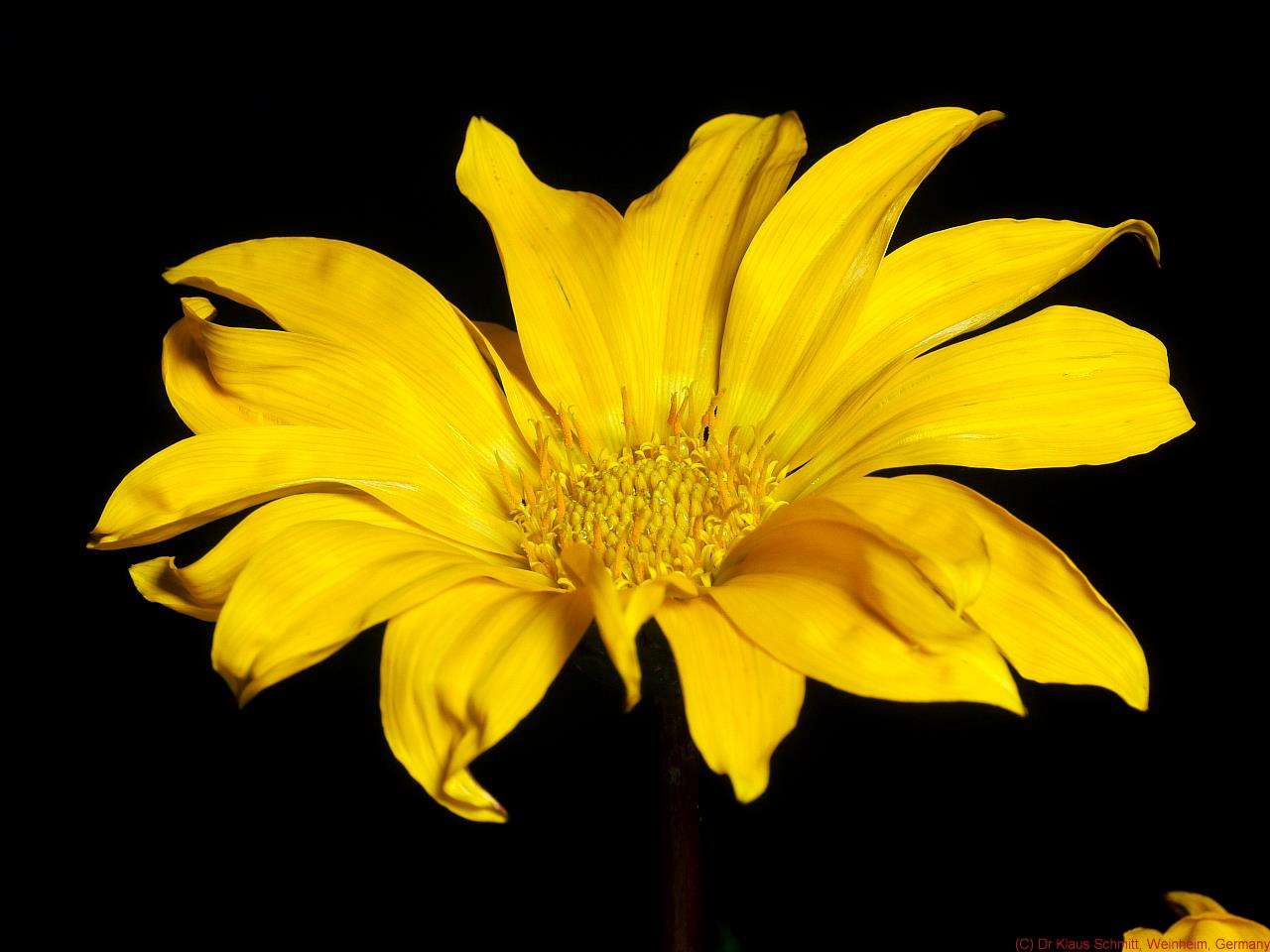
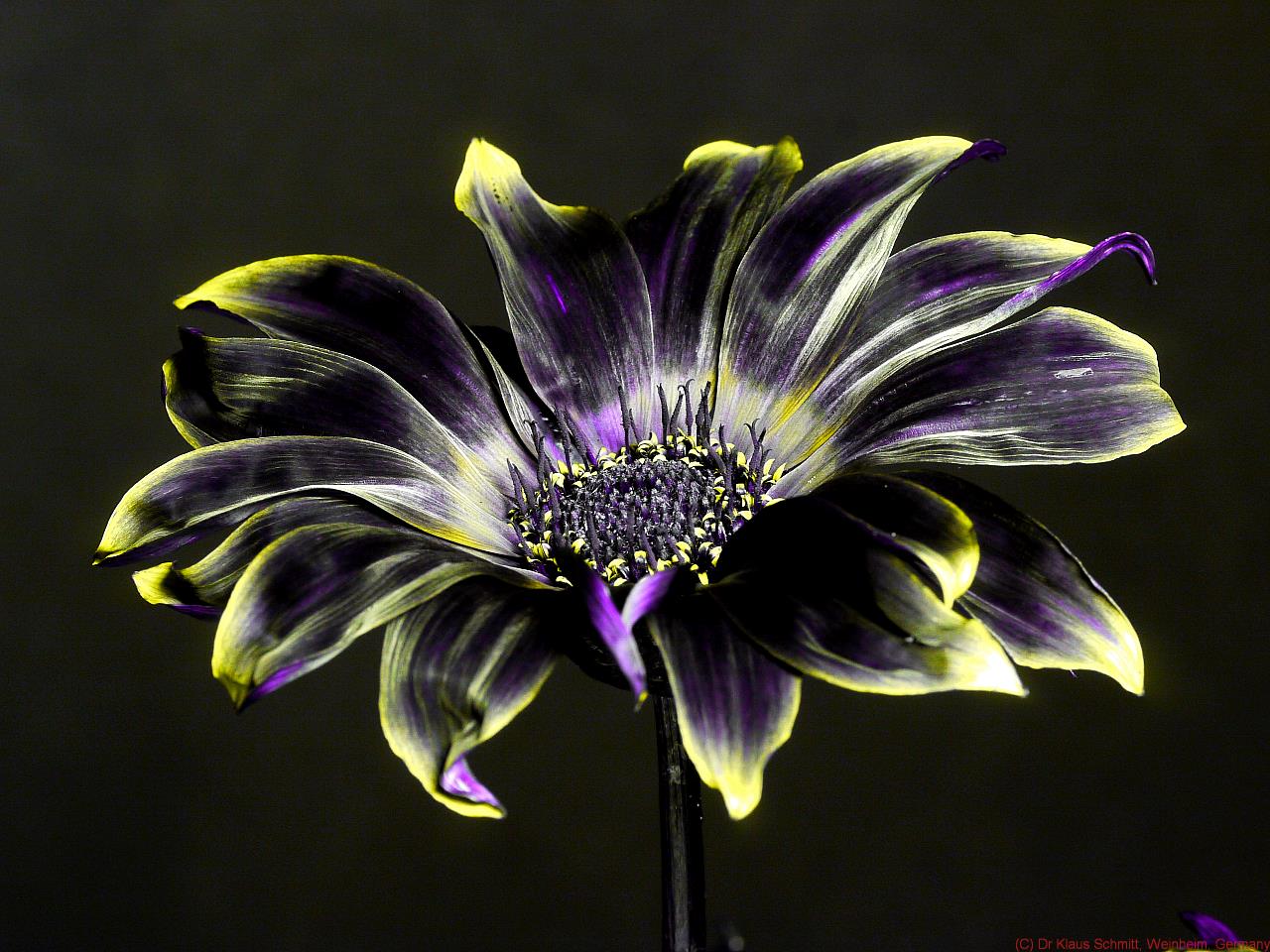
Peel Art Gallery, Museum and Archives (PAMA), Brampton Ontario, Canada) will show some of my Gazania images in human, simulated bee and butterfly vision in their forthcoming 2019 exhibit Colours!
American Museum of Natural History, NY at Central Park current 03 2019 - 08 2020 exhibit "T.Rex: The Ultimate Predator" which includes simulated tetrachromatic and trichromatic images using my Rudbeckia hirta images.
University of Alberta, CA, Faculty of Science will offer in 2019 an open online course named BUGS 101 - Insect-Human Interactions, with some of my multispectral work included to help understand how differently insects see the world than we humans.
Science Museum of Virginia, Richmond VA will show 2018 some of my simulated bird vision images in their "Fantastic Fauna" exhibit.
British Columbia Parks, South Fraser Area, Canada will show in 2018 multispectral images of mine to help explain to park visitors how bees and other insects see differently than humans.
Royal Botanic Gardens, Burlington, Ontario, Canada will show in 2018 Gazania images of mine in human and simulated bee and butterfly vision.
Clark Park Nature Center, Fayetteville NC, 2018 exhibit with my bee on flower images in human and simulated bee vision
Denver Botanic Gardens 2018 exhibit opening in April 2018 about pollinators and butterfly vision which includes my VIS-BV images of Rudbeckia, Gaillardia, Linus and Crepis.
American Museum of Natural History, NY at Central Park current 2017-2019 exhibit "Our Senses" which includes the vision of bees and butterflies using my Rudbeckia VIS-UV-BV images.
Honeybee research lab
at Beaverlodge Farm, Agriculture and Agri-food Alberta, Canada 2017
Honeybee display presentation using Rudbeckia and Zinnia VIS-BV images.
Zion National Park, 2017 visitor program on program on pollinators and their special adaptations demonstrated on Rudbeckia VIS-UV-BV flower images.
Highlands Center for Natural History in Prescott, AZ 2017 exhibit on guided naturalists walks demonstrated on various VIS-UV flower images.
University of Pennsylvania, Center for Pollinator Research 2017 exhibit about pollination demonstrated on various VIS-UV flower images.
Paplote Museo del Niño, México City 2016 exhibit about bees and pollination demonstrated on Bidens, Gazania and Sanvitalia flowers.
Oak Hammock Marsh Interpretive Centre, Stonewall, Canada 2016 exhibit about animal senses demonstrated on Rudckia fulgida images.
North Carolina Botanical Gardens at Chapel Hill 2015 and 2016 traveling exhibit on bees, pollination, UV nectar guides, demonstrated on Rudbeckia fulgida images.
Hershey Gardens' new Milton and Catherine Conservatory, Hershey PA, 2016 exhibit about butterfly vision.
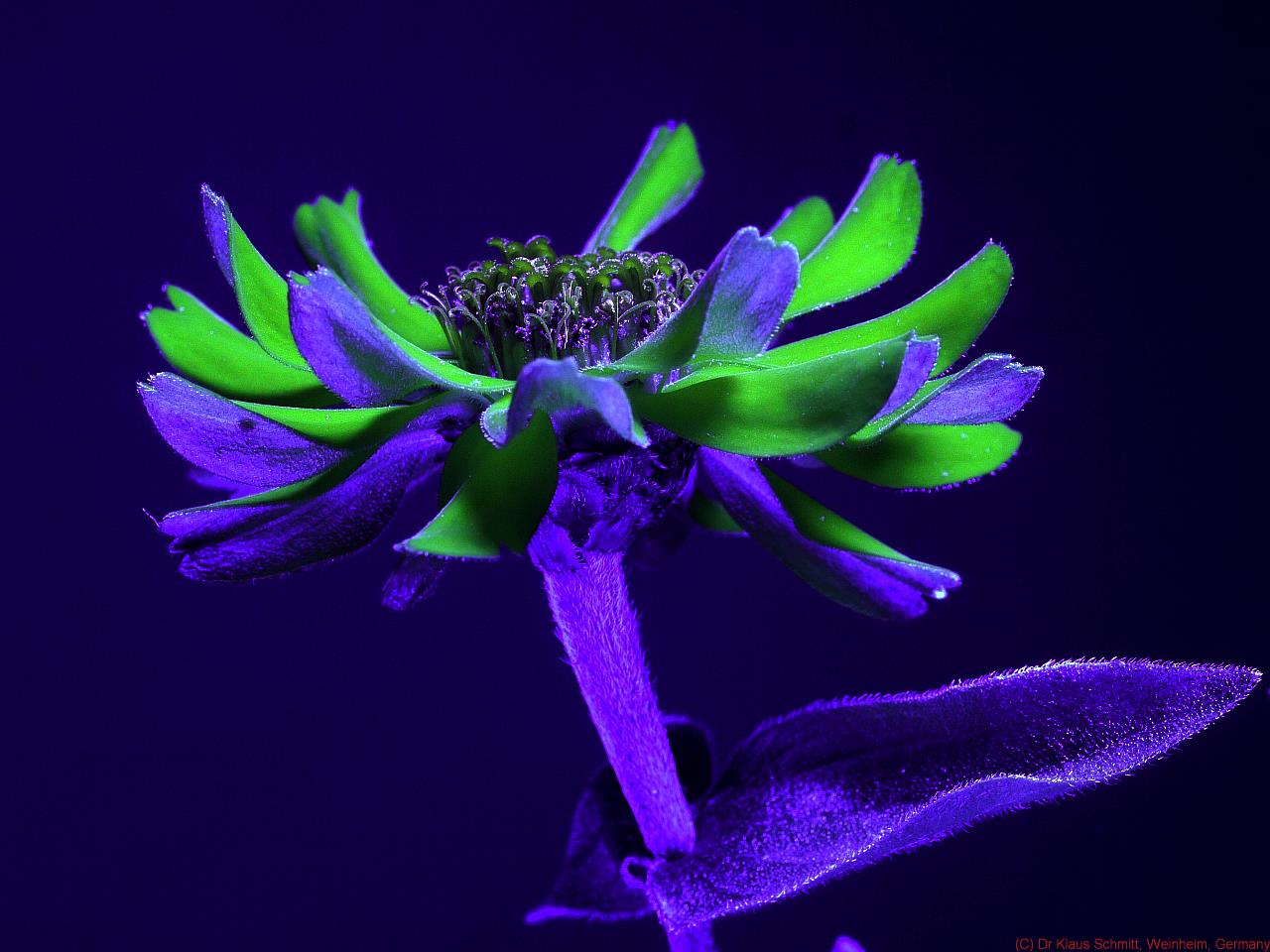
Anoka County Parks Minnesota, 2016 exhibit about butterfly vision demonstrated on Zinnia and Gazania flowers.
Marine Discovery Center Florida 2016 Course about wildlife, regional ecology, and conservation.
Roaring Brook Nature Center Connecticut 2016 exhibit about bee vision demonstrated on Marsh marigold - Caltha palustris.
Minnesota Landscape Arboretum 2016 exhibit about bee vision demonstrated on Marsh marigold - Caltha palustris.
San Francisco Science Museum, Golden Gate Park 2015 exhibit about Color incl. bee UV vision and pollination, opened June 12, 2015.
New York Botanical Gardens, NY exhibit about bee vision.
Longwood Gardens, Kennett Square PA exhibit about bee vision.
Natural History Museum, Bolder CO exhibit about bee vision.
Humboldt Coastal Nature Center, Arcata CA exhibit about bee vision and pollination.
... and you live in Asia, then you have a chance to see some here :
Tokyo Polytechnic University in Japan at their new Color Science and Art Center will use some of my images to show visitors the diferent vision of bees and butterflies in 2024.
The Auckland Museum in New Zealand will use some of my images to teach children how differently butterflies see the world compared to use humans in Autumn 2021
TANQ Gakusha, Tokyo, Japan will use some of my images in an online class for children to teach them the diferent vision of bees and butterflies.
Jurong Lake Gardens' Therapeutic Garden - Butterfly Maze in Singapore's Jurong Lake Garden will show in 2021 some of my simulated butterfly vision images, to demonstrate the difference betwen what we see and what butterflies see.
Greenpower butterfly exhibit 2018 at Kowloon Park Hong Kong will demonstrate the butterflies different vision using my multispectral Rudbeckia hirta images.
Science Center Singapore 2016 exhibit about butterfly vision demonstrated on Gazania rigens in visible, UV and simulated butterfly vision.
...and you live in the EU, then you have a chance to see it here:
The Natural History Museum Karlsruhe, Germany will show several sets of my multispectral flower works (human and simulated bee vision) in their forthcoming special exhibit "Von Sinnen" ("about senses") Dec 1, 2022 until Sep 9, 2023
The Museum Sinclair-Haus in Bad Homburg v.d.H. in Germany will show some of my multispectral Works in 2022 in their "Wandelmut" exhibit "the garden", May 10 - June 19 2022
The Zeiss Deutsche Optische Museum in Jena, Germany will show some multispectral images of mine in a forthcoming exhibit in 2022.
The German children series "Biene Maja" will include some of my multispectral images to explain pollination bees do; it will be published in 2022
The artist Dr Andrea Daisy Ginsberg will give a talk about the Eden Project, Cornwall, UK in Rappertwil, Switzerland in March 2021 using some of my multispectral flower images to illustrate the difference in perception of colour by different pollinator species.
The Gallery Oldham in Oldham, UK (greater
Manchester area) will in 2021 include some of my Caltha palustris
(Marsh marigold) simulated bee vision images in a presenation about
pollinators.
BUND will show some of my multispectral Rudbeckia work in a travelling exhibit in 2020 to raise awareness for the loss of habitat and the disappearing insects.
Museum Koenig, Bonn Germany will show some of my multispectral work in their coming 2019 Dinosaur exhibit in collaboration with the University of Bonn, Department of Paleontology
The German ZDF Mediathek will host in their new Digitalen Kunsthalle ("Digital Art Hall") from August 2019 onwards some of my multispectral works as part of the exhibit "Von Pflanzen und Menschen" (Of Plants and Humans)
Ein Museum der Farben ("Museum of Colors") Berlin, Germany will be showing some of my Rudbeckia multispectral images from August 2019 onwards
WDR 2 Bienen live ("bees live")
2019 live streaming the life cycle of three bee hives with some of my VIS-BV images and videos to demonstrate what bees see.
The Zoological Museum of the University Zurich, Switzerland
will open up an exhibit on Dec 10, 2018 on Insects («Insekten – lebenswichtig!») with some of my best works included presented as an animated video.
The Deutsche Hygiene Museum Dresden, Germany will show 2019-2010 an exhibit about Plants and their interaction with humans, using some of my multispectral works.
Marwell Wildlife in 2018 will have a childrens club exhibit and presentation where they will will be shown how different butterflies and bees see the world co,pared to us humans using some of my works.
Nymphenburg Museum, Munich Germany witll have an 2018 exhibit showing what bees and butterflies see in contrast to us humans, using some of my multispectral images.
Gardens of the Natural History Museum of Toulouse, France will have an event in May 2018 organized by ludisciences.fr to show what butterflies and bees see in contrast to us humans using my multispectral images.
National Media Museum, Bradford, UK 2017 exhibit about bee vision demonstrated on Gazania rigens in visible and UV.
Botanical Garden Erlangen, Germany 2016 exhibit using Bidens and Chelidonium to demonstrate UV nectar guides.
Biosphere Kristianstad Water, Sweden exhibit 2016 with images of Lesser Celandine flower in human vision, UV and simulated bee vision.
Gasometer Oberhausen, Germany 11. March 2016 - 30 December 2017 "Wonders of Nature" exhibit with large size prints of Zinnia flowers in human vision, UV and simulated bee vision, as well as a video presentation of various flowers in VIS + UV showing hidden nectar guides. 1.5 million visitors have seen this exhibit.
Carl Bosch Museum, Heidelberg Germany 12. September 2015 - 3. April 2016 exhibit about colors and dyes with a video animation with some of my best works in human vision, simulated bee and butterfly vision.
Royal Botanic Garden Edinburgh - Tropism Exhibit video animation with some of my best works in human vision, simulated bee and butterfly vision.
Natural History Museum, London exhibit about butterfly vision as part of the "sensational butterflies" exhibit, with Rudbeckia and butterfly images in VIS, BV and UV; still on display in 2017.
Hortus Botanicus Amsterdam video animation with some of my best works in human vision, simulated bee and butterfly vision.
All exhibits are different and were designed by the local authorities, whereas I provided assistance and advice as well as my photos.
I'm always happy to help raise the awareness about how beautiful yet fragile our nature is, so I guess that contributes a bit, especially as it also teaches the next generations to come.
Some impressions from the installation at The New York Botanical Gardens


Images (c) The New York Botanical Gardens
Stay tuned, more will follow on that fascinating subject...
More info on this very interesting field may be found on my site http://www.pbase.com/kds315/uv_photos