Showing posts with label Rudbeckia. Show all posts

Thursday, July 23, 2026

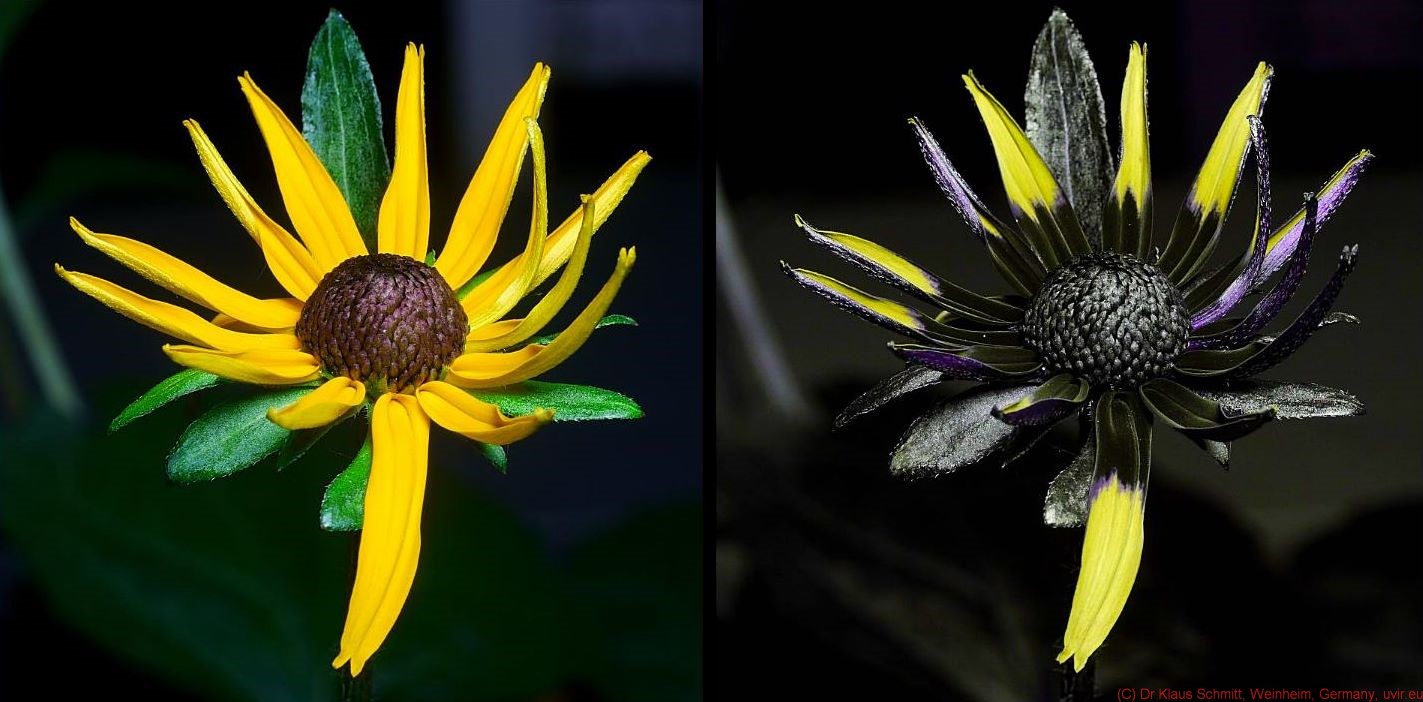
Black-eyed Susan - Rudbeckia hirta in reflected ultraviolet photography and simulated bee and butterfly vision XIX

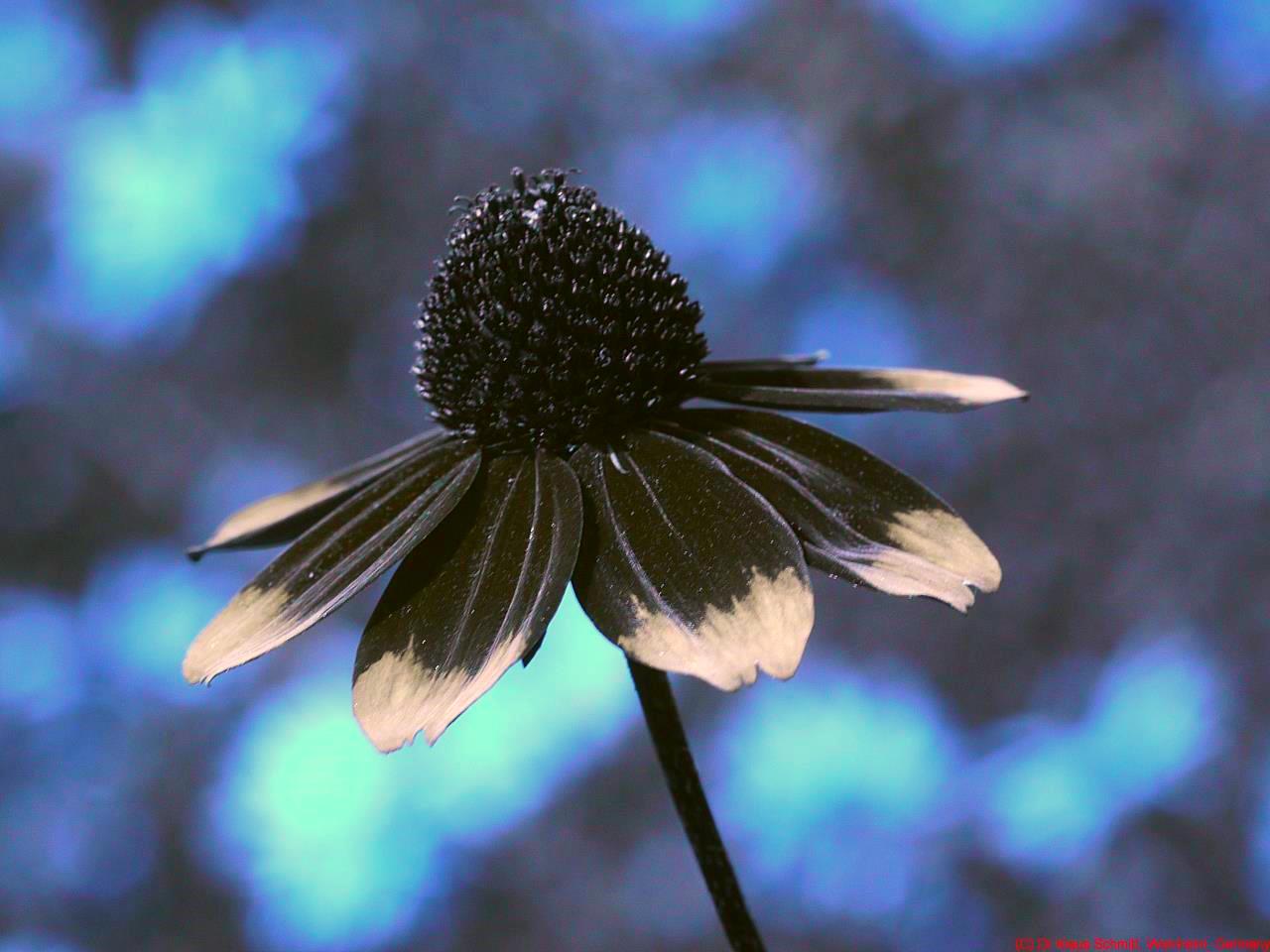
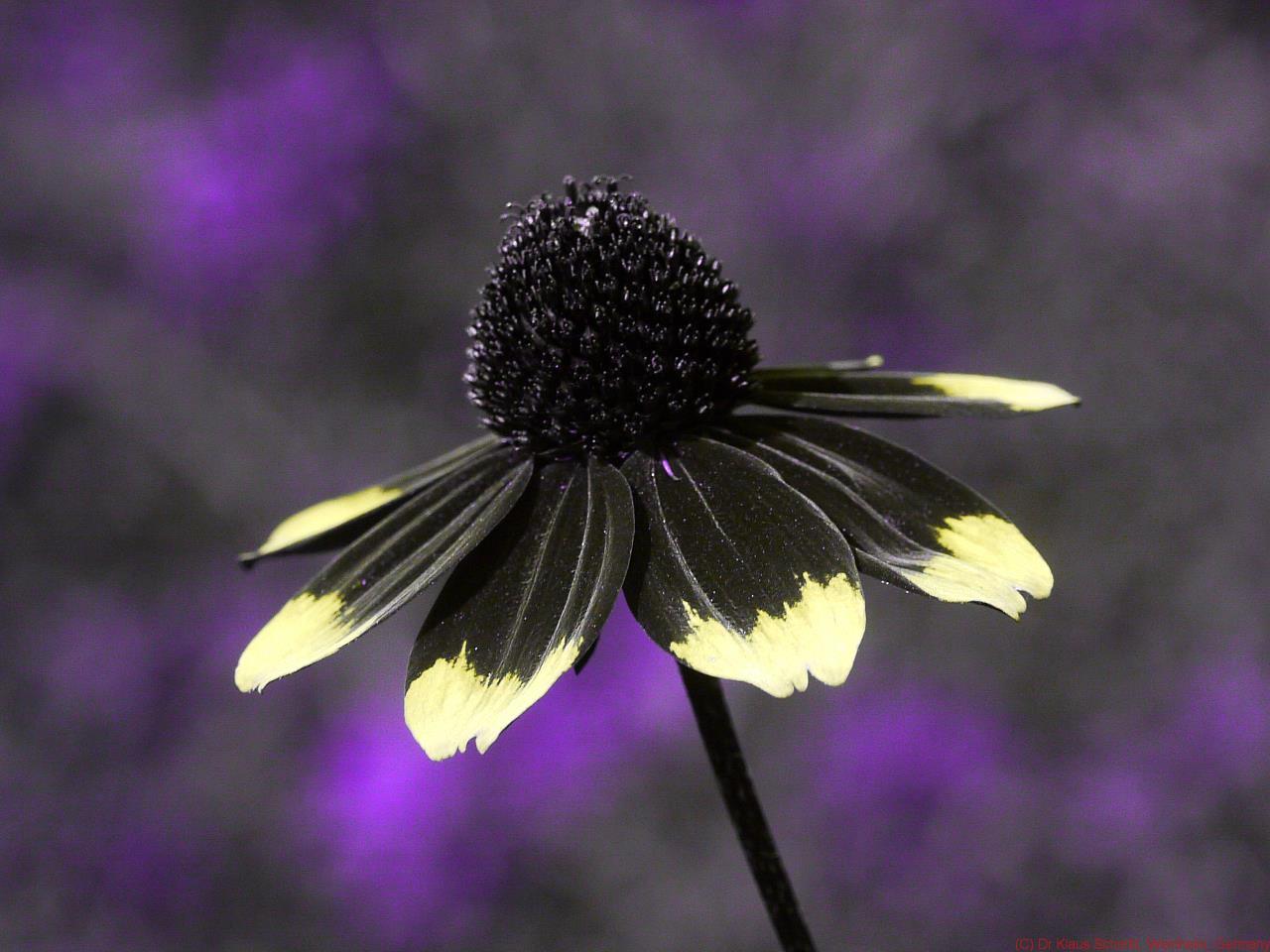
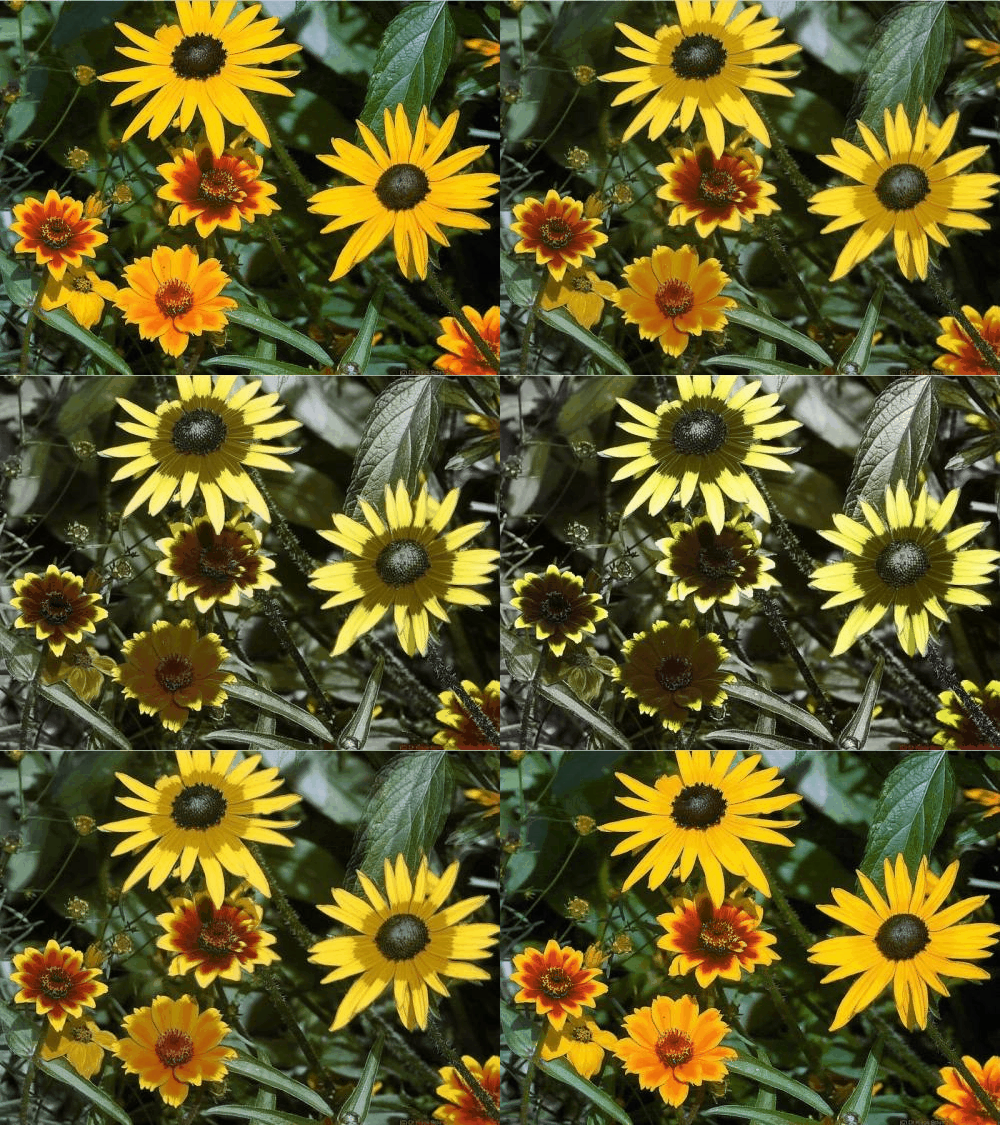
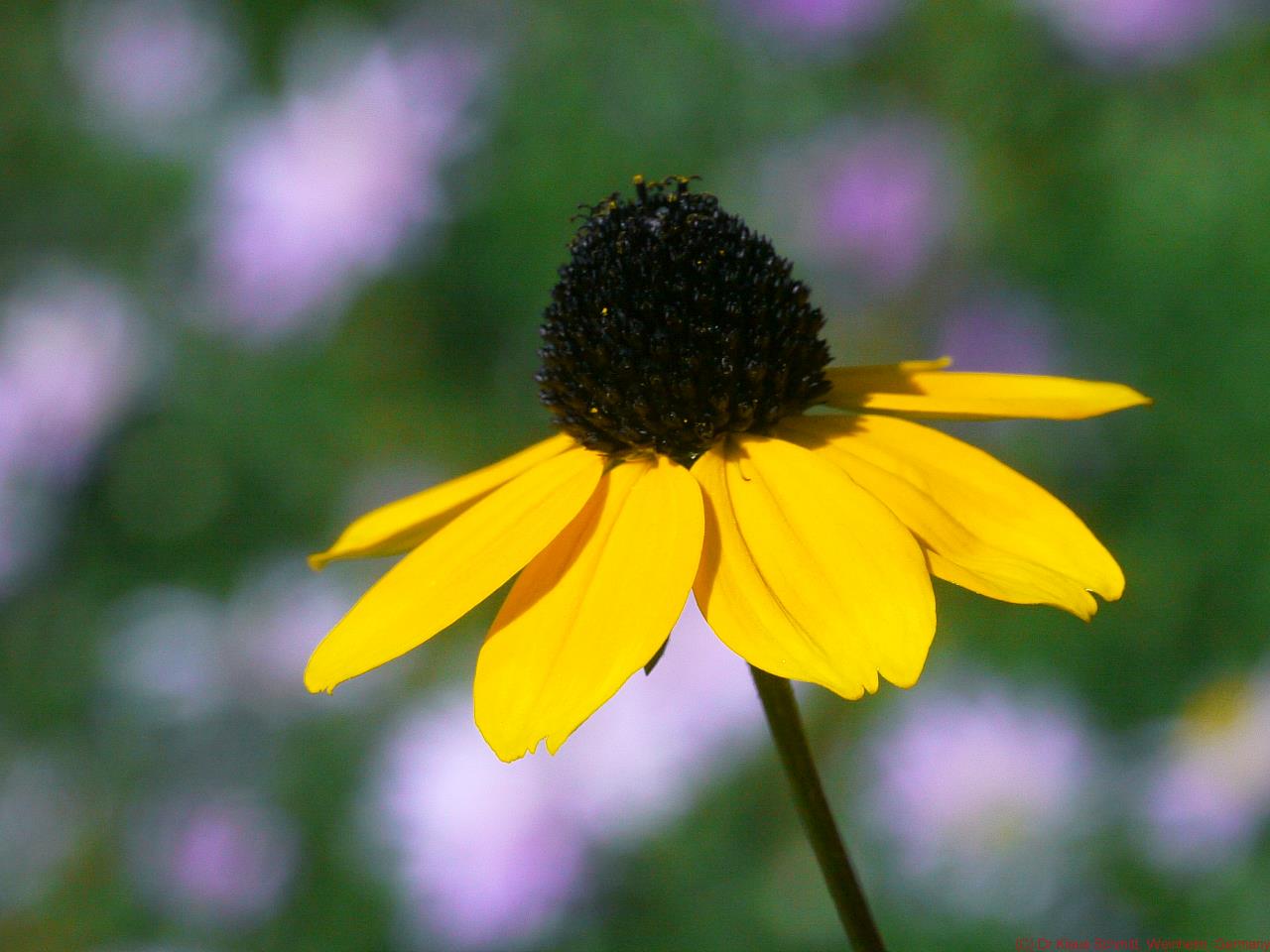
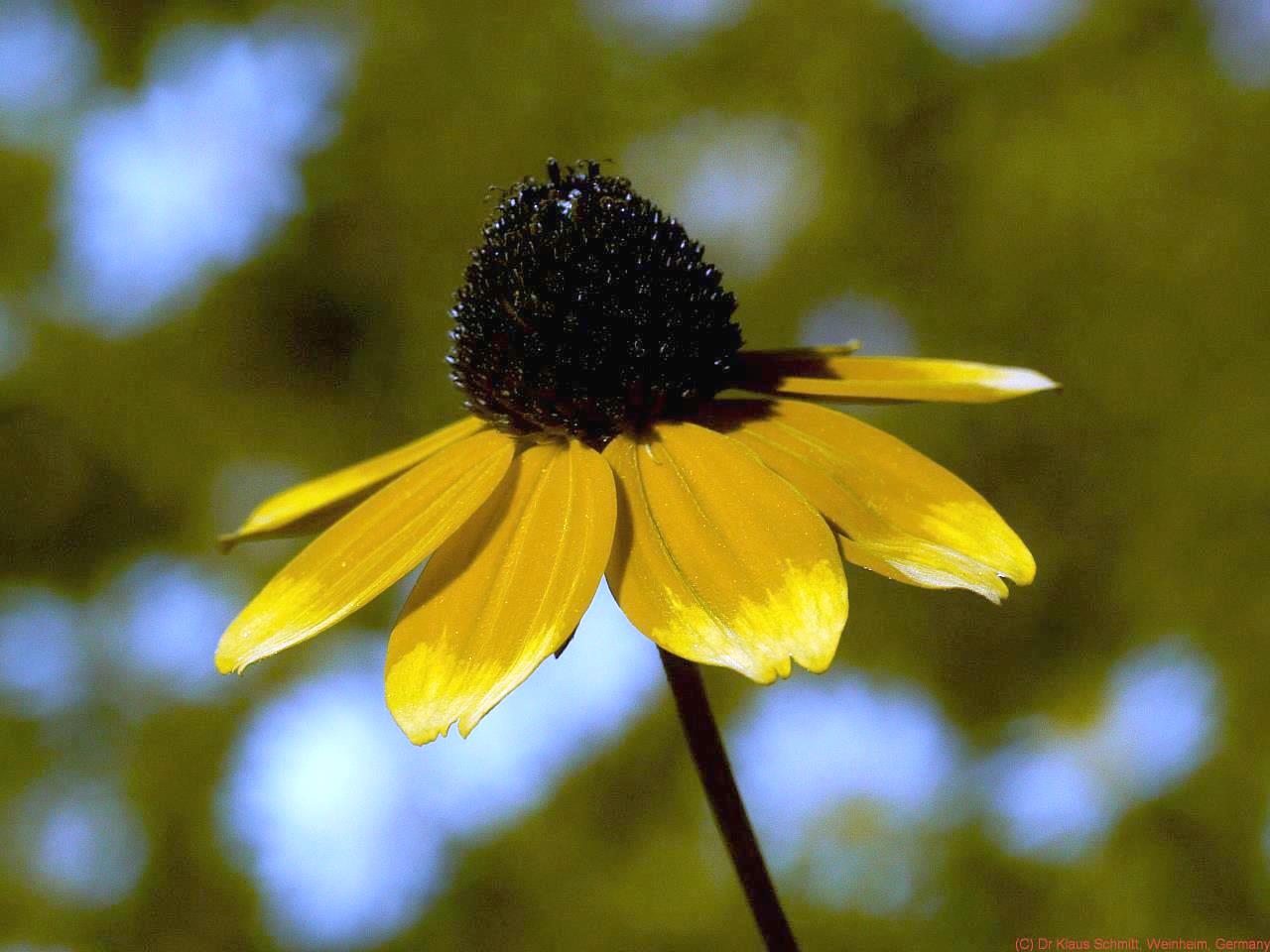
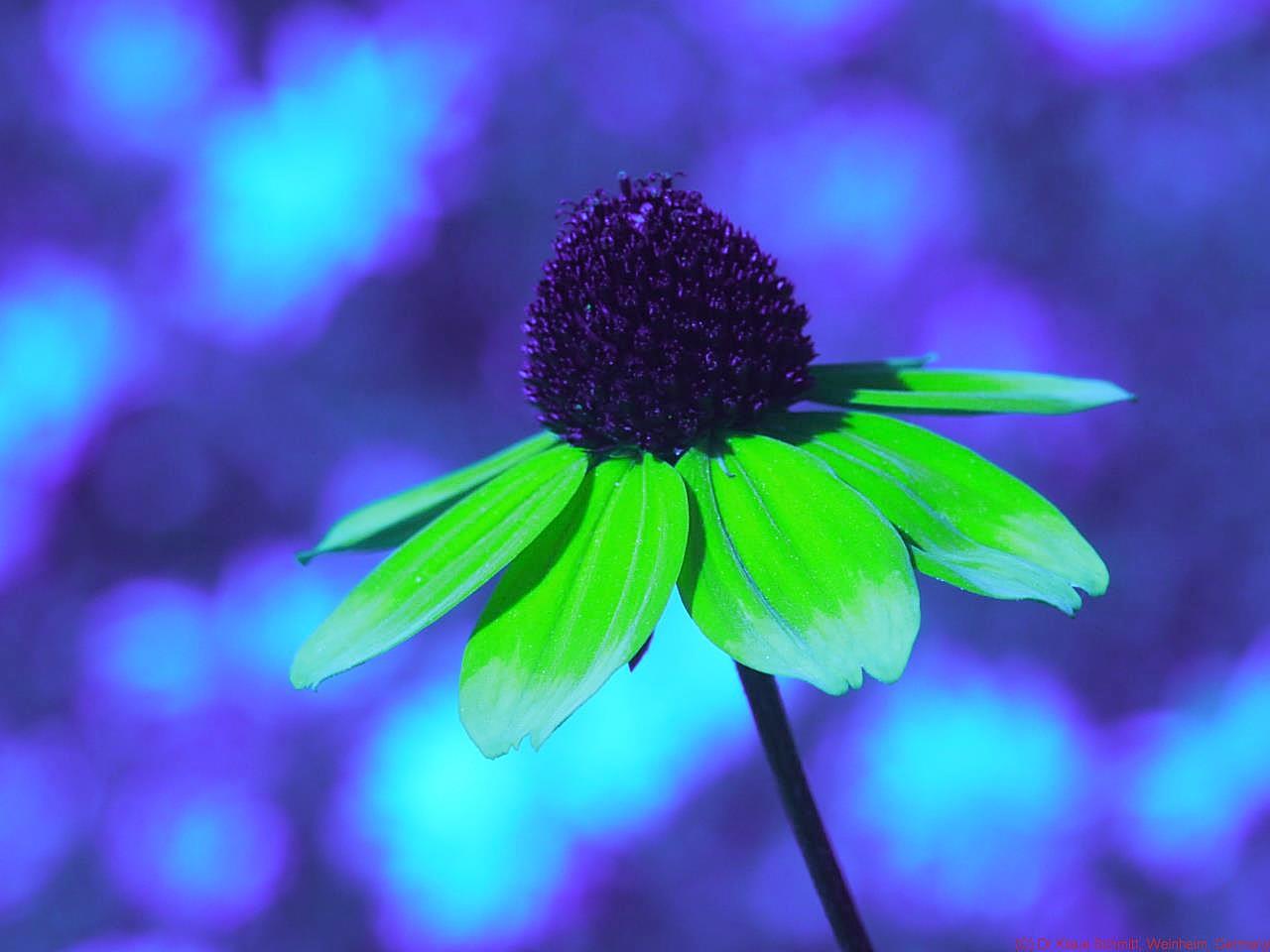
Today more shots of that beautiful flower, originating from the USA Prairie, here today again that commercially sold hybrid of a Black-eyed Susan - Rudbeckia hirta (possibly R. hirta x R. fulgida) in reflected ultraviolet photography using different filters aside from the Baader-U filter, but different ones today for simulated bee and butterfly vision but also part of my XBV filter set. All shots were done at f8-f11 on my balcony. Lens was a UV-Nikkor 105mm quartz fluorite lens. Light source was direct sunlight. 

PS: These other filters (filter stacks actually) I used have partially corroded over time, so I had to polish them using finest Cerium-Oxide powder. I made some slurry with that using filtered water, then polished the filter glasses with that using a very soft cloth and small circular movements, then rinsed them clean and dried them. So these images hopefully prove that this was successfully done....I think so.

[click on image to see a larger one]

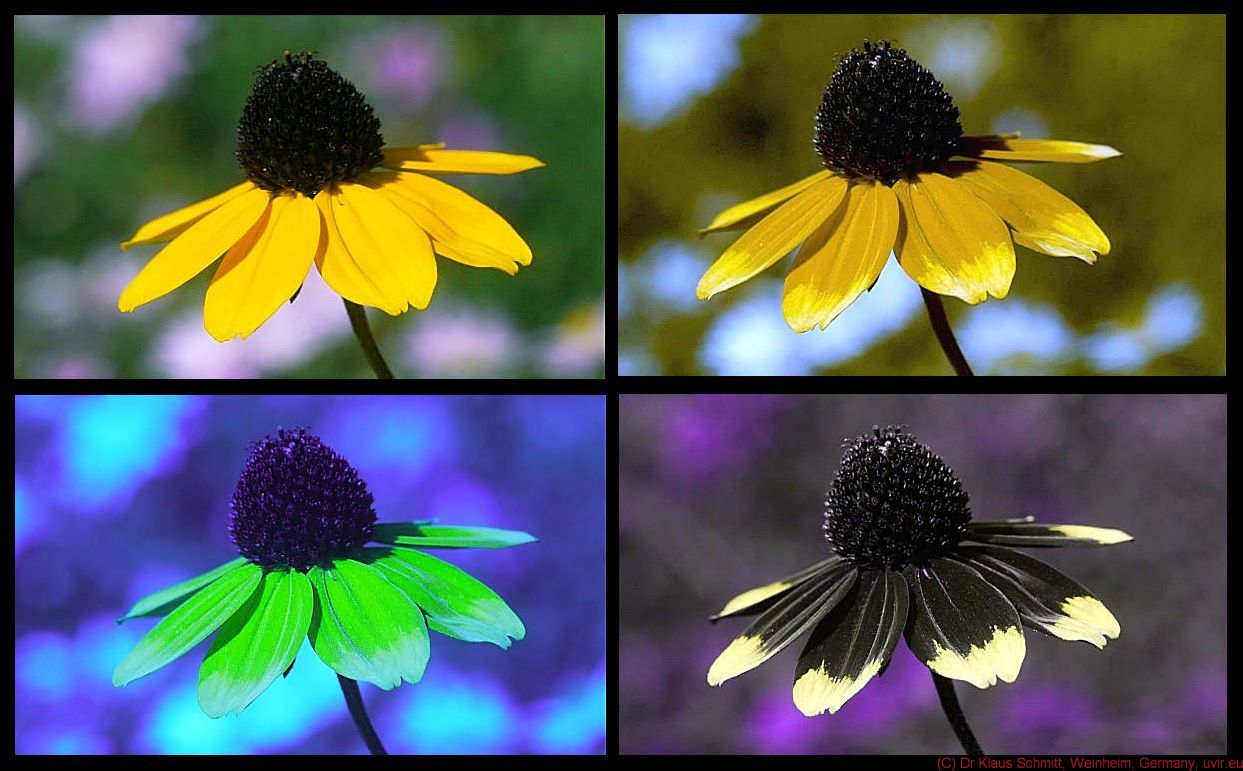
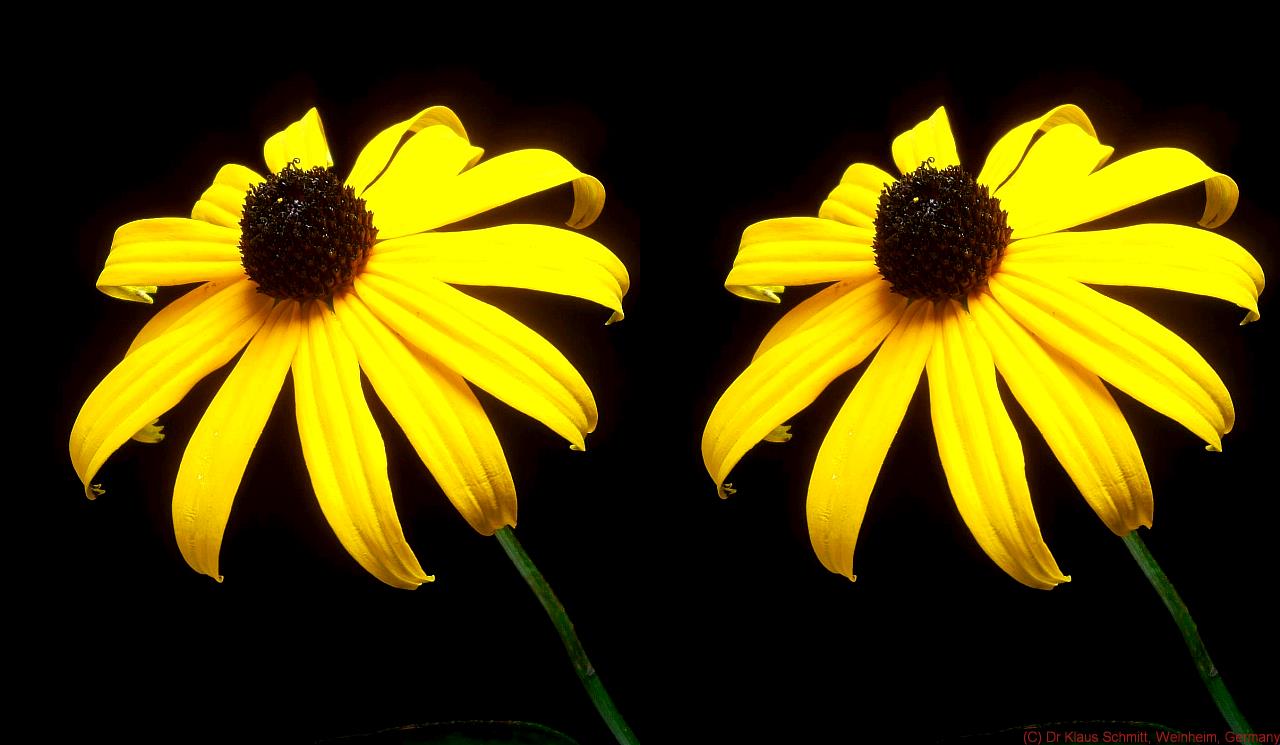
Human vision:
 

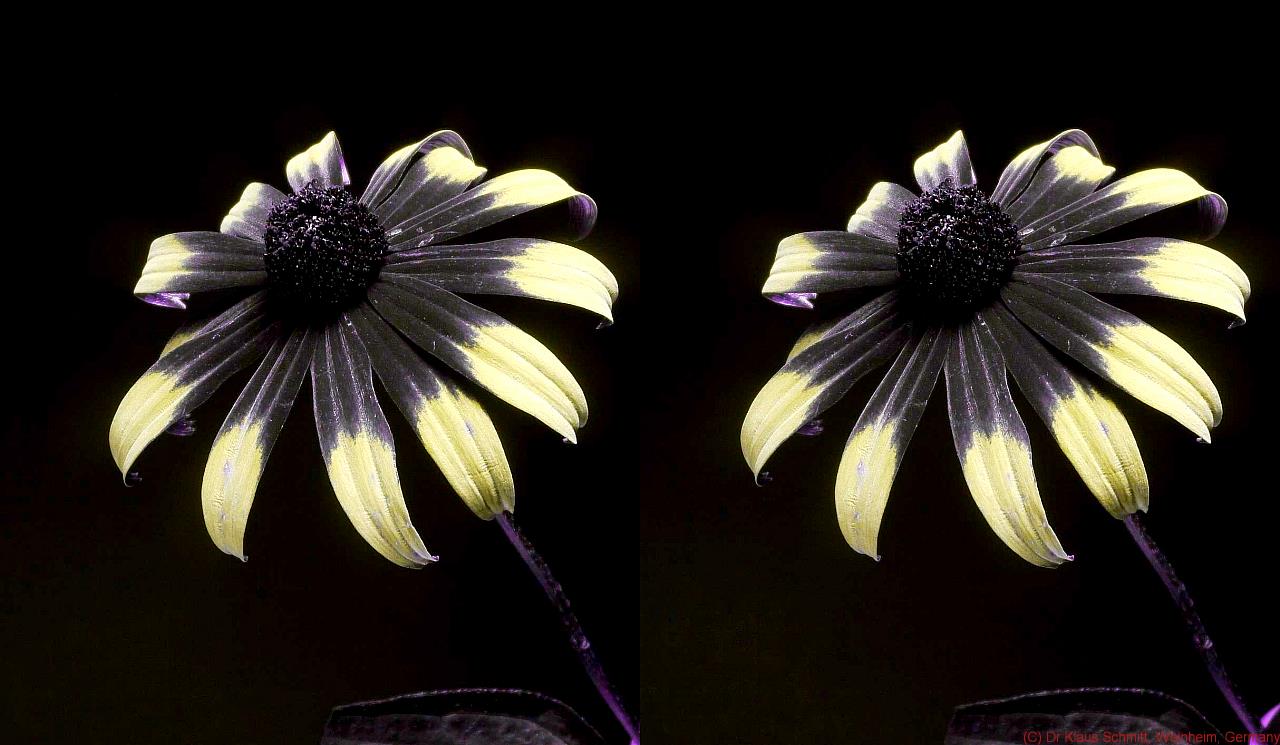
Reflected ultraviolet (UV - false color):
 

Simulated butterfly vision:
 

Simulated bee vision:
 

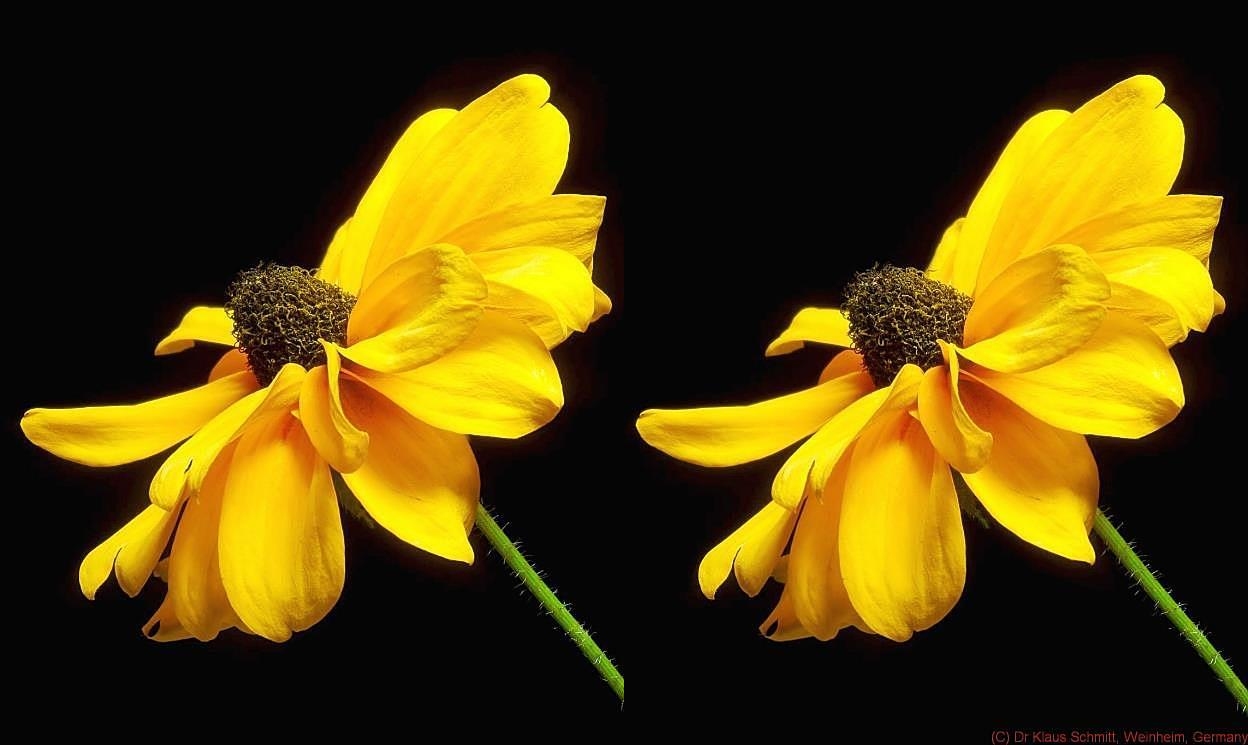
Quadriptych of human vision, ultraviolet, simulated bee and butterfly vision (left to right, top to bottom):
 

This flower shows a very prominent UV bullseye pattern, as its petal tips are very UV bright (around 365nm) and its center is very UV dark, and all this gets nicely visible, also in simulated bee and butterfly vision.

I have previously written about that flower HERE  


Stay tuned, more will follow on that fascinating subject...

More info on this very interesting field may be found on my site http://www.pbase.com/kds315/uv_photos

Friday, March 23, 2018

Denver Botanic Gardens 2018 pollination exhibit

The exhibition management of the Denver Botanic Gardens has contacted me about a forthcoming 2018 exhibut about pollinators. We have agreed that they will use some of my works to demonstrate how differently butterflies see the world compared to how we humans do.

These flowers will be on exhibit: Gaillardia, Linus, Rudbeckia, Crepis which are common in the Colorado wildlife area.

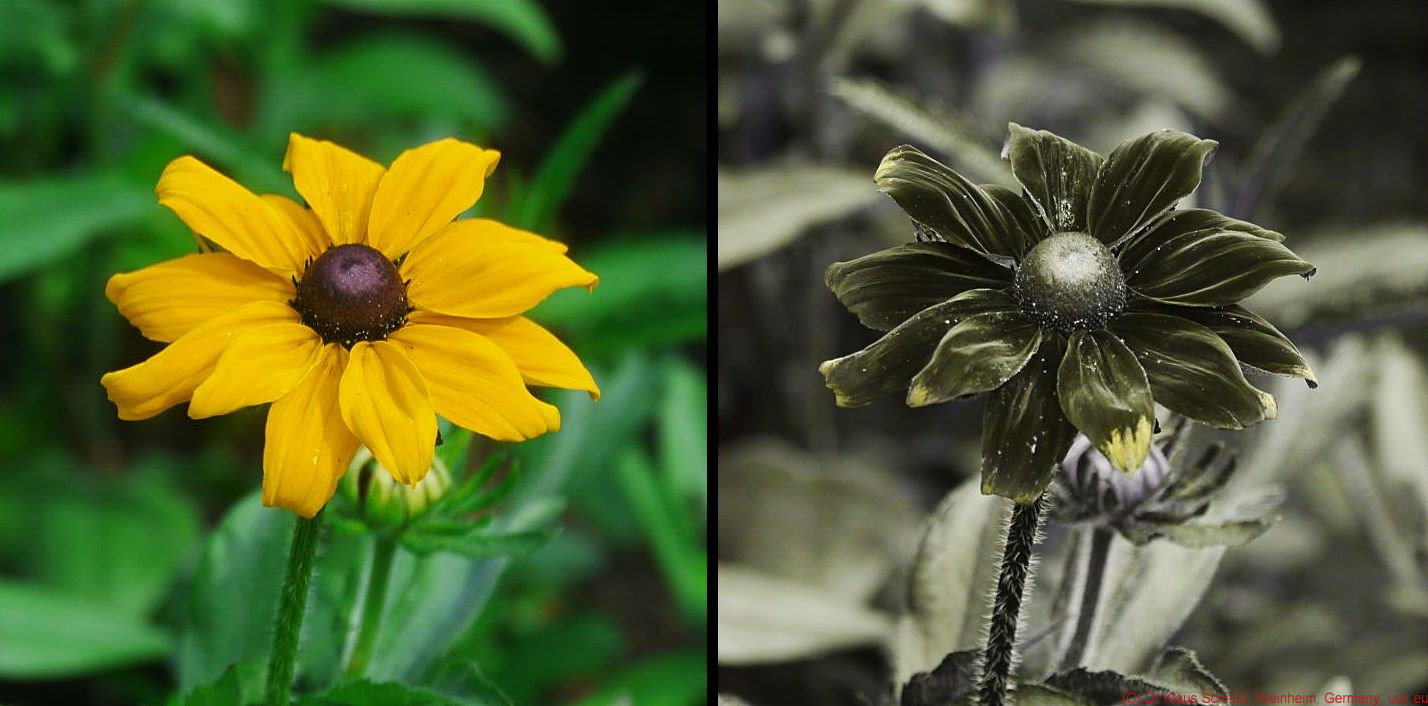
Gaillardia (top) and Rudbeckia (bottom) in human and simulated butterfly vision

Linus (top) and Crepis (bottom) in human and simulated butterfly vision


The exhibit will open in April 2018, so be sure to pay it and the Gardens a visit, certainly worth it!

Stay tuned, more will follow on that fascinating subject...

More info on this very interesting field may be found on my site http://www.pbase.com/kds315/uv_photos

Friday, September 14, 2012

Rudbeckia triloba: human vision vs simulated bee vison; reflected UV ultraviolet photography

Today about a Rudbeckia triloba in its multispectral representation, shot in Herrmanshof Park, Weinheim, Germany. I took the shots on a very windy and cloudy day using sunlight in normal human vision VIS, in UV using the Baader-U filter, as well as in simulated bee vision using my XBV2, XBV6 and XNUV filters respectively.

[click on image to see a larger one]

Visual shot:


Simulated bee vision using XBV2 filter:


Simulated bee vision using XBV6 filter:


Simulated bee vision using XNUV filter:


UV using Baader-U filter:


And here a polyptych of them all:


The new filtering technique makes the very prominent UV reflectance of the petals clearly visible.

Stay tuned, more will follow on that fascinating subject...

More info on this very interesting field may be found on my site http://www.pbase.com/kds315/uv_photos

Thursday, August 2, 2012

Filter leakage in reflected UV ultraviolet photography - DIY filter vs Baader-U

Today about leakage in reflected UV photography and how to detect it. When I started many years ago, non-UV leakage effects in supposedly purely reflected UV photography was a big issue before the now "standard" UV transmission filter, the Baader-U filter was brought to the market by the company Baader-Planaterium, Germany based on intensive research of astronomer Mr Thomas Baader, who combined Schott filter glass with a multilayered, dichroic overcoating to suppress IR leakage. The method before was using for instance filter stacks consisting of a IR leaking UV filter, SCHOTT UG1 or UG11, plus IR suppressing SCHOTT S8612, BG38 or BG40 filter glass. The downside was, that the suppression was far from being optimal and under certain shooting conditions one could get massive IR leakage. It takes a bit of experience to see that though and even today one can see a lot of such supposedly "UV images", but basically it is a mix of UV and near IR (NIR), if not often nearly purely NIR.

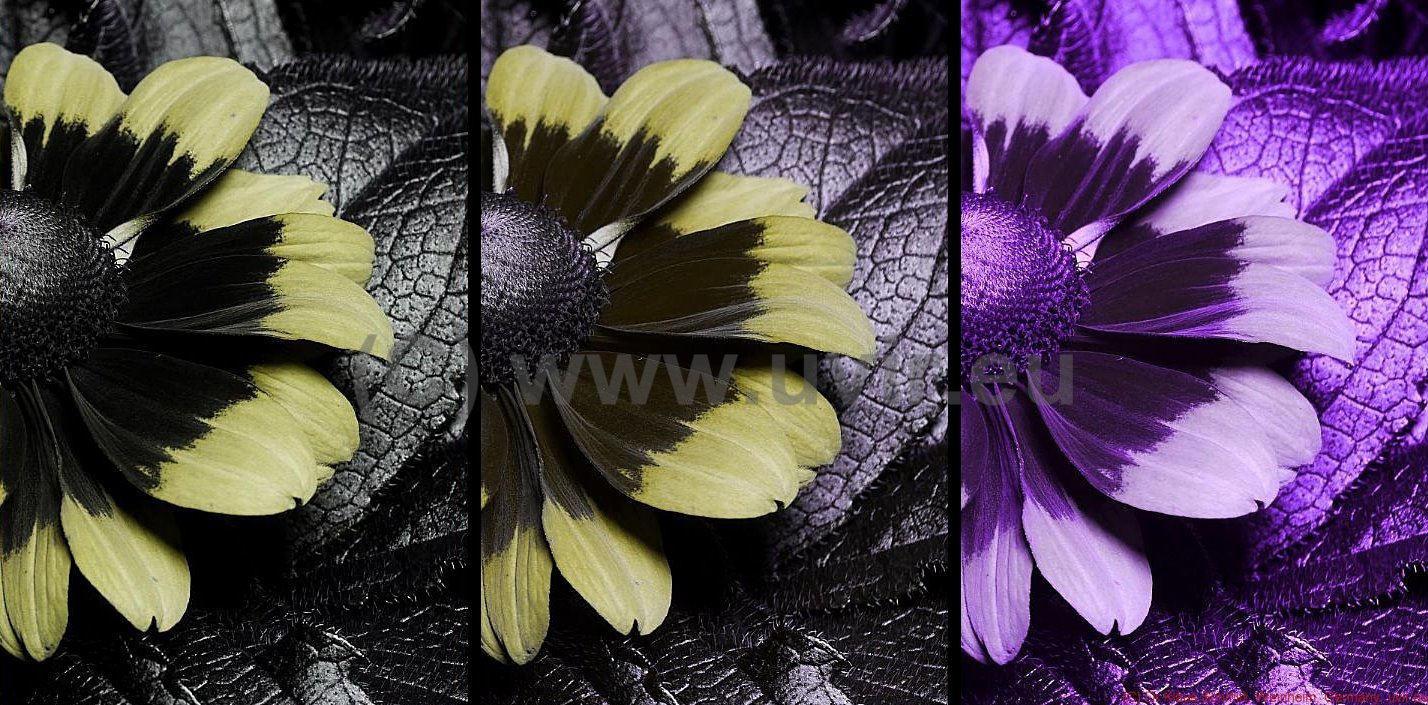
So how does a contaminated UV image look like? A first indication is that non UV reflecting parts (of a flower), that should look very dark, appeared lightened up. A good example to test is Rudbeckia (R. hirta was used here), as it has nearly completely UV absorbing petals in its lower petal parts towards the center, wheras the petal tips are very UV bright. My spectrometric research has confirmed that many times for different Rudbeckia species. Here an example for that:
[click on image to see a larger one]


Its gets pretty obvious, that the petal mid and base have very low reflection (pink line), wheras the petal tip (lilac line) has quite a UV reflection peak around 365nm. Now have a look at the right side of the graph, the visible (VIS) and near infrared (NIR) part of that spectra, from approx. 520nm onwards the reflection rapidly gets quite high, approaching some 50-60%). So any filter, that does not perfectly block these non-UV parts will show leakage i.e. flower parts that should be (very) dark will appear lightened up. Here an example for that:


Left shows the Baader-U filter used, middle and right show the results of using more (right) or less (middle) leaking UV filter stacks, here based on SCHOTT UG11 filter glass and a S8612 blocking filter glass (two different thicknesses were used, 2mm for the middle and 1mm for the right image). The flower petal parts that should be very dark, appear in a brownish red. [btw. stacking the two 1mm + 2mm S8612 filters onto the UG11 filter solves the problem, another proof for the leakage]

Remark: the actual color is irrelevant, as based on the whitebalance used, it could be basically any color. Important only is the intensity of these petal parts, which should be quite low, but isn't. Here another example for that, again Baader-U was used on the left image, middle and right are filter stacks (it is the same image, just differently white balanced).


Here another example, this time a Hemerocallis (Day Lily), left Baader-U, right a leaking filter stack was used:


All these images were shot using my UV camera and a flat, beyond 300nm transmitting CERCO f4.1/94mm quartz fluorite lens.

These filter stacks work basically the following way, explained using SCHOTT's filter calculation program for a similar filter stack. The obvious weakness for that case is around 700nm:

[courtesy and (c) SCHOTT]

So, be aware of these effects when assembling your own filter, or buying commercially available filters, as you may end up with useless "UV images", but they may look interesting nevertheless ;)

A hint and a simple explanation: a classic transmission chart of a filter in 0-100% linear scale does not show possible leakage issues. The exposure difference between UV photography and VIS/NIR photography is in the range of 8-12 exposure stops more for UV, so if a filter transmits in the VIS or NIR region more than OD3 (1E-03 or 0.001) it will most likely leak, since 10 stops equal a factor of 1024 i.e. 2exp(10), so 1/1024 = 0.001 that means a normal exposed UV image at -10EV and one through a filter that transmits 0.001 will be about equally exposed. But 0.1% in a linear 0-100% chart is pretty impossible to see, or can you see it here?

[courtesy and (c) SCHOTT]

It is the same example as shown above, just in the usually presented linear graph, so be aware.

There is a continuation of this article HERE.

Stay tuned, more will follow on that fascinating subject...

More info on this very interesting field may be found on my site http://www.pbase.com/kds315/uv_photos

Saturday, June 30, 2012

Rudbeckia missouriensis: human vision vs simulated bee vison; reflected UV ultraviolet photography

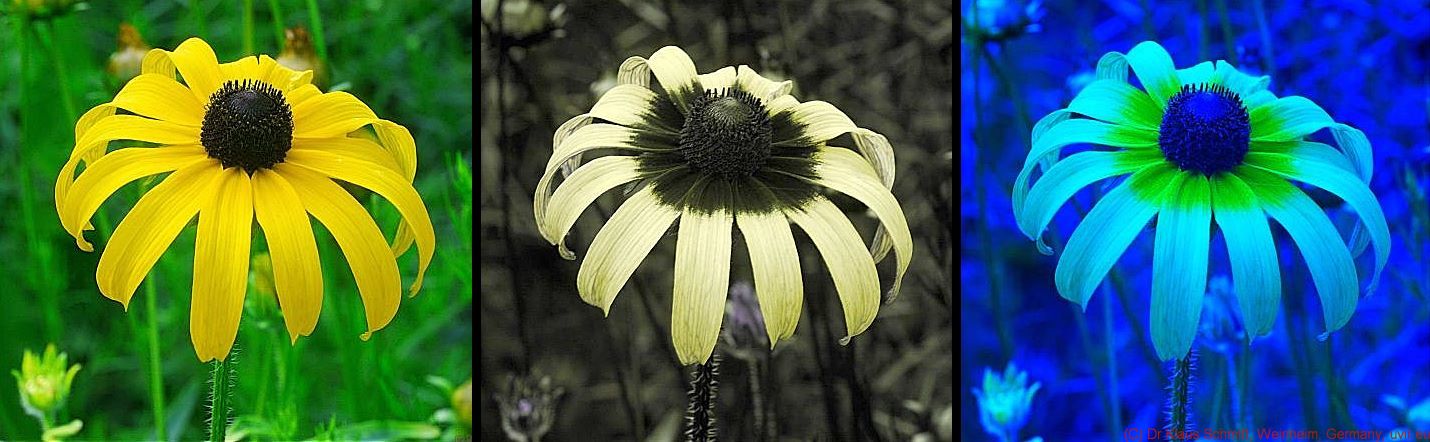
A walk today in the beautiful Hermanshof Park, Weinheim let me discover some flowering Rudbeckias. So here comes R. missouriensis in its multispectral representation. I took some shots in normal human vision VIS, in UV using the Baader-U filter, as well as in simulated bee vision using my new XBV6 filter respectively.

[click on image to see a larger one]

Visual shot:


UV using Baader-U filter:


Simulated bee vison using XBV6 filter:


VIS-UV-BV triptych:


This Rudbeckia shows its well known "UV bullseye pattern" very nicely.

As you may have noticed, I'm still working on my bee vision (BV) filters; BV6 is one with very intensive colors and much shorter exposure time, due to new filter glass combinations.

Studio shots of R. missouriensis and trichromatic vs tetrachromatic vision is HERE
 
Stay tuned, more will follow on that fascinating subject...

More info on this very interesting field may be found on my site http://www.pbase.com/kds315/uv_photos

Sunday, March 11, 2012

[VIS-UV] Zinna UV - VIS Bee - Human Vision ultraviolet transition

This here shows a transition between human Vison (VIS) and ultraviolet Bee vision (UV) as an illustration, how different both are.


Flowers shown are Rudbeckia fulgida (top right) various Mexican Zinnia flowers (bottom left).


Stay tuned, more will follow on that fascinating subject...

More info on this very interesting field may be found on my site http://www.pbase.com/kds315/uv_photos

Sunday, September 25, 2011

[UV, VIS] Rudbeckia fulgida opening up III

More about the development of that Rudbeckia fulgida flower which is in the process of opening, so enjoy more shots in visible and ultraviolet light.

[click on image to see a larger one]

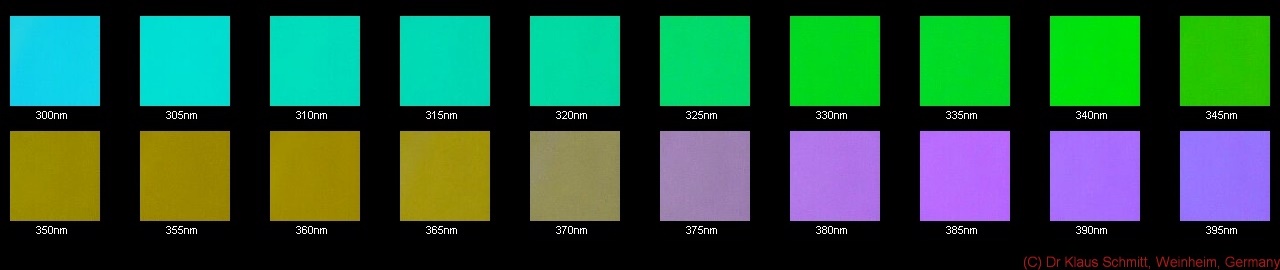
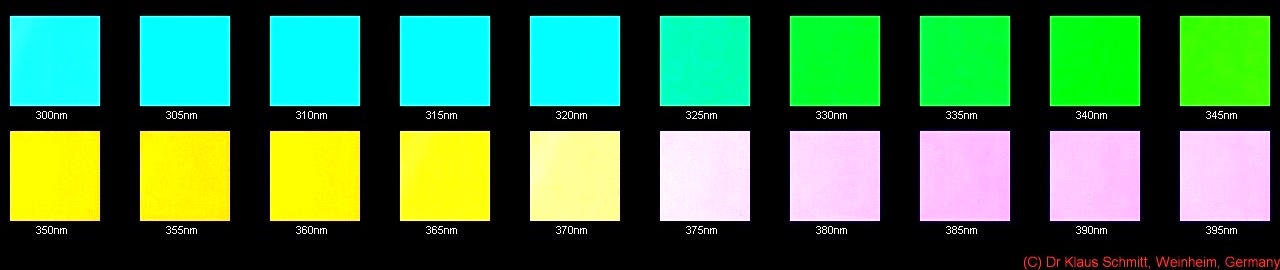
These UV images here also uses my standardized false UV color normal + high intensity palette:


and a few hours later:


Interesting to note, how these different UV reflection patterns further develop in the process of that flower maturing - that was one of the ideas behind performing that study.

Stay tuned, more will follow on that fascinating subject...

More info on this very interesting field may be found on my site http://www.pbase.com/kds315/uv_photos

Friday, September 23, 2011

[UV, VIS] Rudbeckia fulgida opening up II

More about the development of that Rudbeckia fulgida flower which is in the process of opening, so enjoy more shots in visible and ultraviolet light.

[click on image to see a larger one]

These UV images here also uses my standardized false UV color normal + high intensity palette:


and some hours later:


Interesting to note, how these different UV reflection pattern develop in the process of that flower maturing - that was one of the ideas behind performing that study.

Stay tuned, more will follow on that fascinating subject...

More info on this very interesting field may be found on my site http://www.pbase.com/kds315/uv_photos

Monday, September 19, 2011

[UV, VIS] Rudbeckia fulgida opening up

Another Rudbeckia fulgida flower is in the process of opening, so enjoy shots in visible and ultraviolet light.

[click on image to see a larger one]


Stay tuned, more will follow on that fascinating subject...

More info on this very interesting field may be found on my site http://www.pbase.com/kds315/uv_photos

Sunday, September 18, 2011

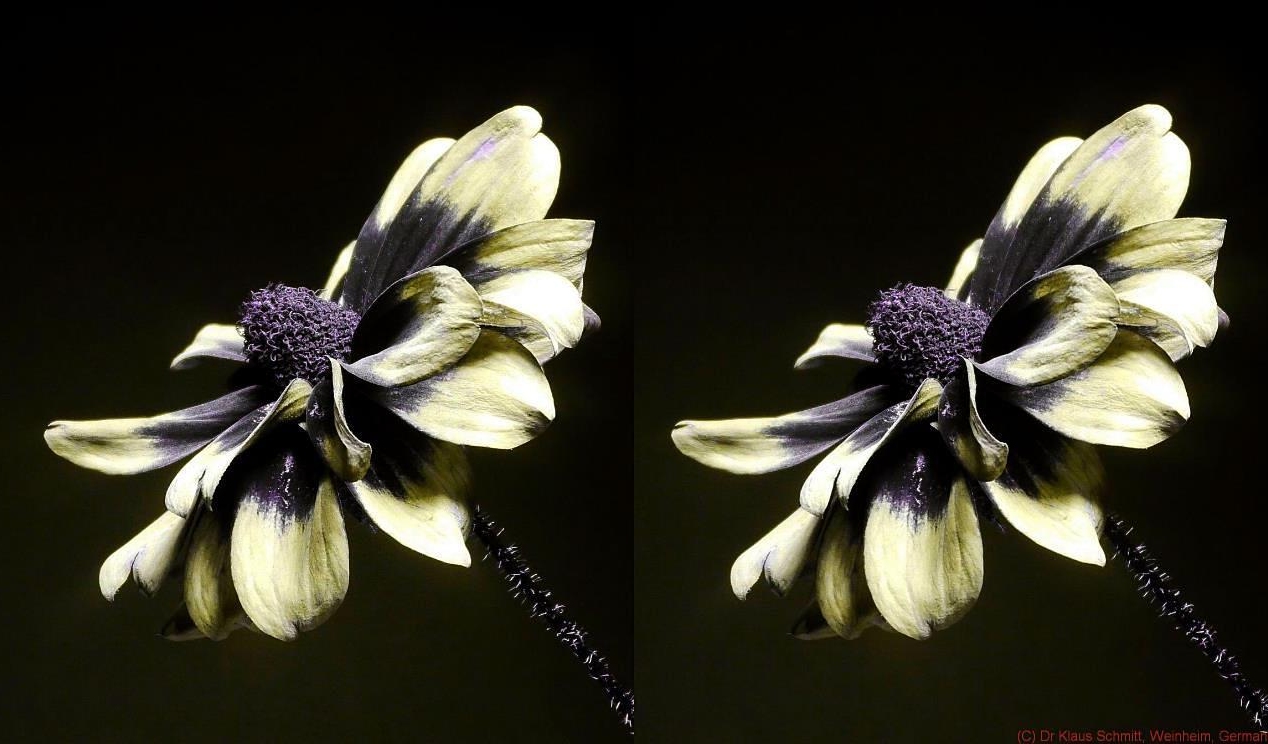
[VIS, UV] Rudbeckia fulgida in crosseyed stereo

More from Indian Summer that has started here. A few days ago a beautiful Rudbeckia fulgida flower that had opened up, so enjoy a couple of crosseyed stereo shots in visible and ultraviolet light.

[click on image to see a larger one]


Lens used for that shot was also that old industrial lens, I am currently testing. Quite some focus shift it has, but quite useful it is nevertheless.


Stay tuned, more will follow on that fascinating subject...

More info on this very interesting field may be found on my site http://www.pbase.com/kds315/uv_photos

Monday, September 12, 2011

[VIS, UV] Rudbeckia hirta in crosseyed stereo

Indian summer has started and some flower expose the late bloom to the sun. This Rudbeckia hirta did so too, so enjoy a couple of crosseyed stereo shots in visible and ultraviolet light.

[click on image to see a larger one]


Lens used for that shot was an old industrial lens, I am currently testing. Quite some focus shift it has, but quite useful nevertheless.


Stay tuned, more will follow on that fascinating subject...

More info on this very interesting field may be found on my site http://www.pbase.com/kds315/uv_photos

Tuesday, July 26, 2011

[UV] Fly and Bumble Bee on Rudbeckia flower - ultraviolet HDTV video

Today more about UV videos, again using a Rudbeckia fulgida flower, but this time with two guests, an inspecting fly and a foraging Bumble Bee. This flower exhibit a very prominent UV bullseye pattern, which gets nicely visible in this HDTV video; before I had shown UV video snippets in May 2009 as a preparation for the filming of BBC's "Richard Hammonds Invisible Worlds".
These videos here also use my Standardized false UV color normal + high intensity palette:


UV video with Fly on Rudbeckia:
UV video with Bumble Bee on Rudbeckia:


Stay tuned, more will follow on that fascinating subject...

More info on this very interesting field may be found on my site http://www.pbase.com/kds315/uv_photos

Monday, July 25, 2011

[UV] Rudbeckia flower - reflected UV ultraviolet HDTV video

Today about UV videos, here using a Rudbeckia fulgida and R. hirta as examples. These flowers exhibit a very prominent UV bullseye pattern, which I would like to present here as a HDTV video; before I had shown UV video snippets in May 2009 as a preparation for the filming of BBC's "Richard Hammonds Invisible Worlds".

These videos here also use my Standardized false UV color normal + high intensity palette:


UV videos:


Stay tuned, more will follow on that fascinating subject...

More info on this very interesting field may be found on my site http://www.pbase.com/kds315/uv_photos
Wednesday, June 22, 2011

[VIS, UV] Rudbeckia variants with nice UV patterns

Today while I was shooting flowers at Herrmanshof, Weinheim park, I found some nice Rudbeckia spec) which I haven't seen before, sporting some interesting UV patterns.

UV sensitive camera, Cerco 94mm lens, Baader-U resp. UV/IR Cut filter; standardized UV palette using my ReflectionDisc

[click on images to see larger ones]

Standardized reflected false UV "colors" according to the previously described "UV color palette" related to wavelength:


and here one with hardly has any pattern:


I have much to show from that session later...


Stay tuned, more will follow on that fascinating subject...

More info on this very interesting field may be found on my site http://www.pbase.com/kds315/uv_photos
Thursday, June 16, 2011

[UV, VIS, BV] first Rudbeckia flower unfolding

Today shots of my first Rudbeckia flower this year, using UV sensitive camera, Cerco 94mm lens, Baader-U resp. UV/IR Cut filter

[click on images to see larger ones]

UV shot:


Bee Vision (simulated using filter):


VIS comparison shot:


The idea is to see, how the UV pattern emerges within the next days when the flower totally enfolds ...


Stay tuned, more will follow on that fascinating subject...

More info on this very interesting field may be found on my site http://www.pbase.com/kds315/uv_photos
Thursday, July 15, 2010

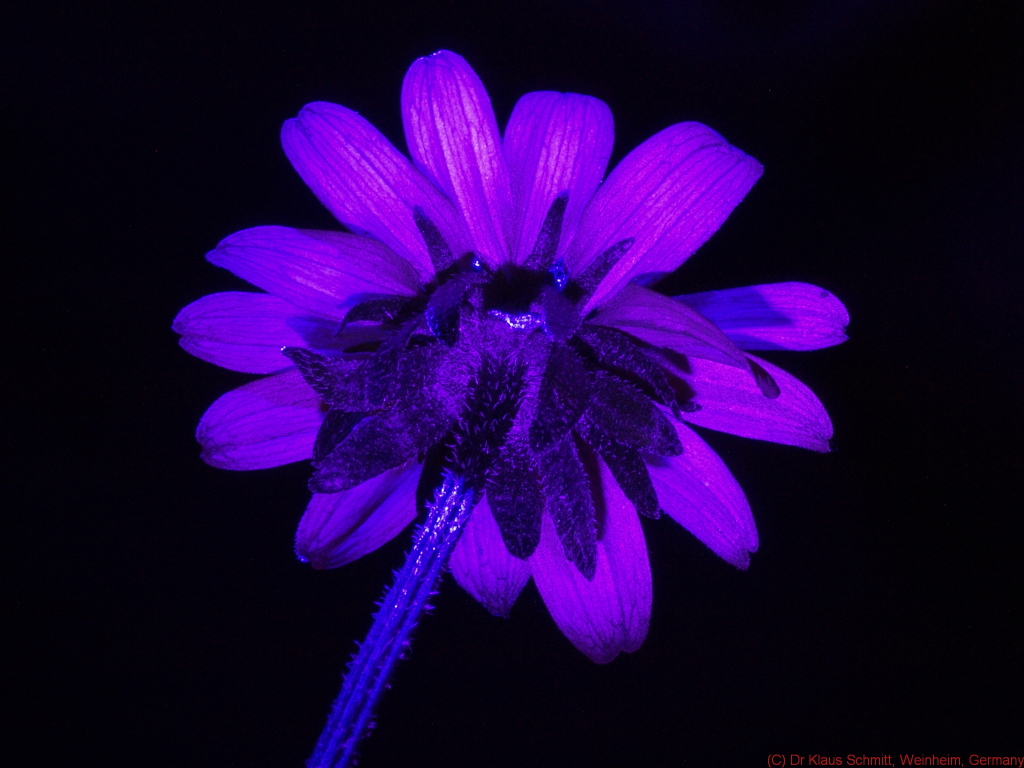
Rudbeckia hirta flower bottom up

This is again about a Rudbeckia hirta a flower but this time shot bottum up.

[click on image to see a large image]

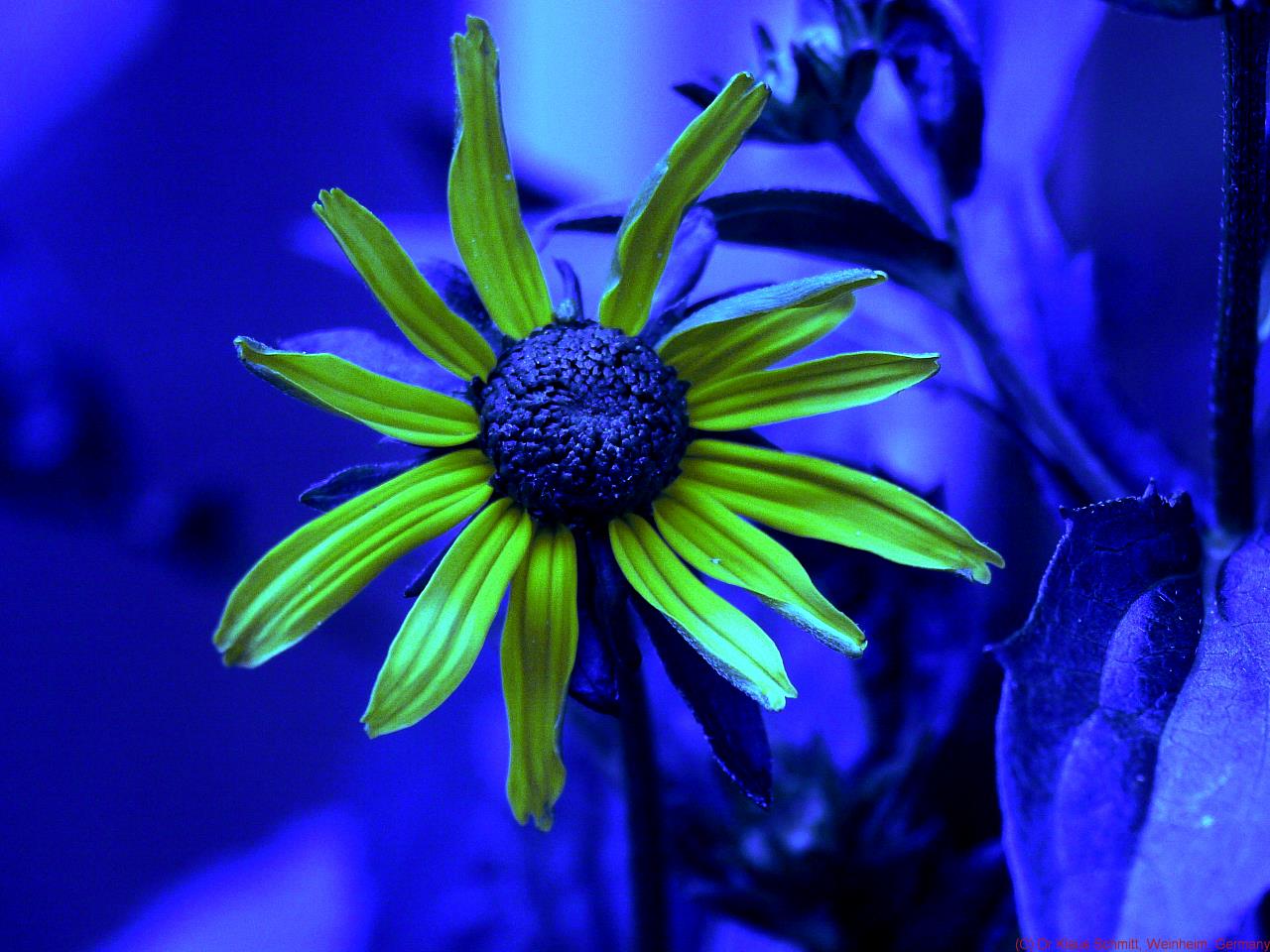
UV LED lit showing visible NIR fluorescence 


butterfly vision image shot using Xenon light:


Visible image shot using Xenon light 


Visible stereo image (for crosseyed viewing)


Stay tuned, more will follow on that fascinating subject...

More info on this very interesting field may be found on my site http://www.pbase.com/kds315/uv_photos