Showing posts with label exhibit. Show all posts

Monday, June 13, 2022

"Wandelmut" Exhibit at Museum Sinclair House, Bad Homburg

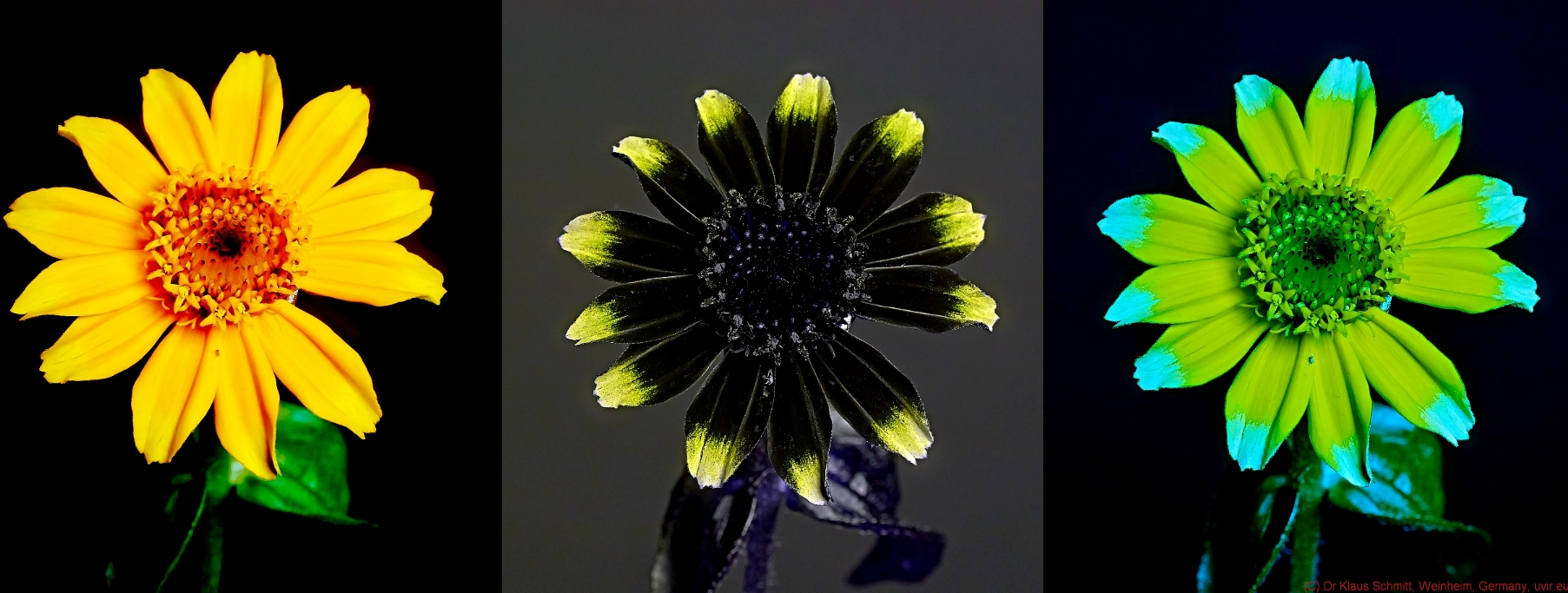
There is currently an exhibit in Germany at the Museum Sinclair-House, Bad Homburg within the "Wandelmut" (willingness to change) series, which has some of my multispectral works on display. Visible here is a Rudbeckia hirta flower in human vision, simulated bee and butterfly vision, showing the "landing platform" only bees and butterflies can see, as they have the ability to see ultraviolet light (300-400nm), which we humans cannot see.


(Human vision vs. simulated Bee + Butterfly vision; left to right) 

I have written about that Rudbeckia hirta flower HERE before,

Stay tuned, more will follow on that fascinating subject...

More info on this very interesting field may be found on my site http://www.pbase.com/kds315/uv_photos


 

Thursday, October 31, 2019

Exhibit Of Plants And Humans Deutsches Hygiene-Museum Dresden

Today about an exhibit at the Deutsches Hygiene Museum Dresden "Von Pflanzen und Menschen" ("of plants and humans") which runs until 19th April 2020.

It is about the long interaction between humans and plants in all its complexity and a very well made exhibit worth visiting.

[click on image gets you a larger image]

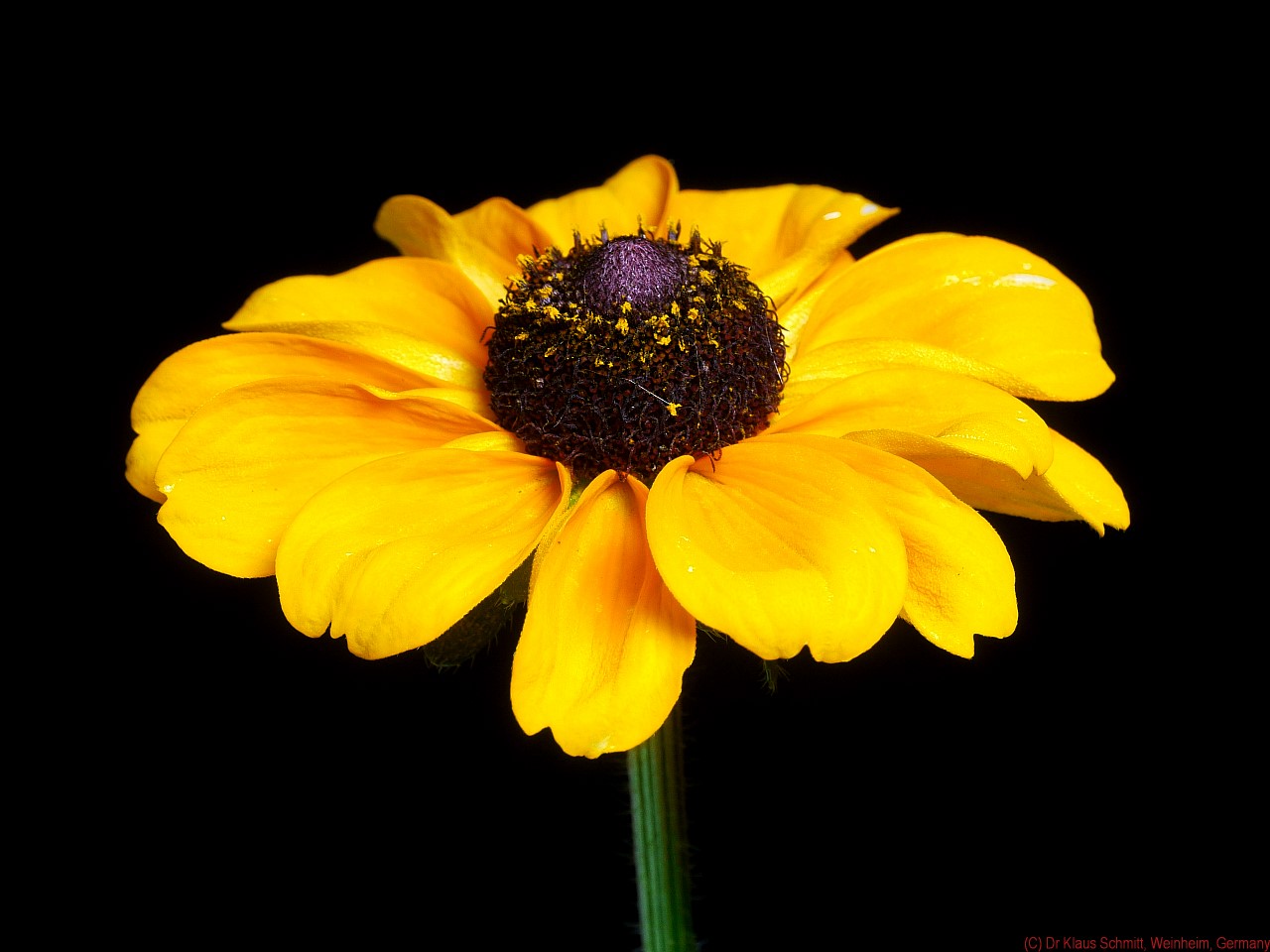
Some of my images have been used in this exhibit, especially these Rudbeckia hirta ones....

Human vision:
 

Simulated butterfly vision:
 

Simulated bee vision:
 

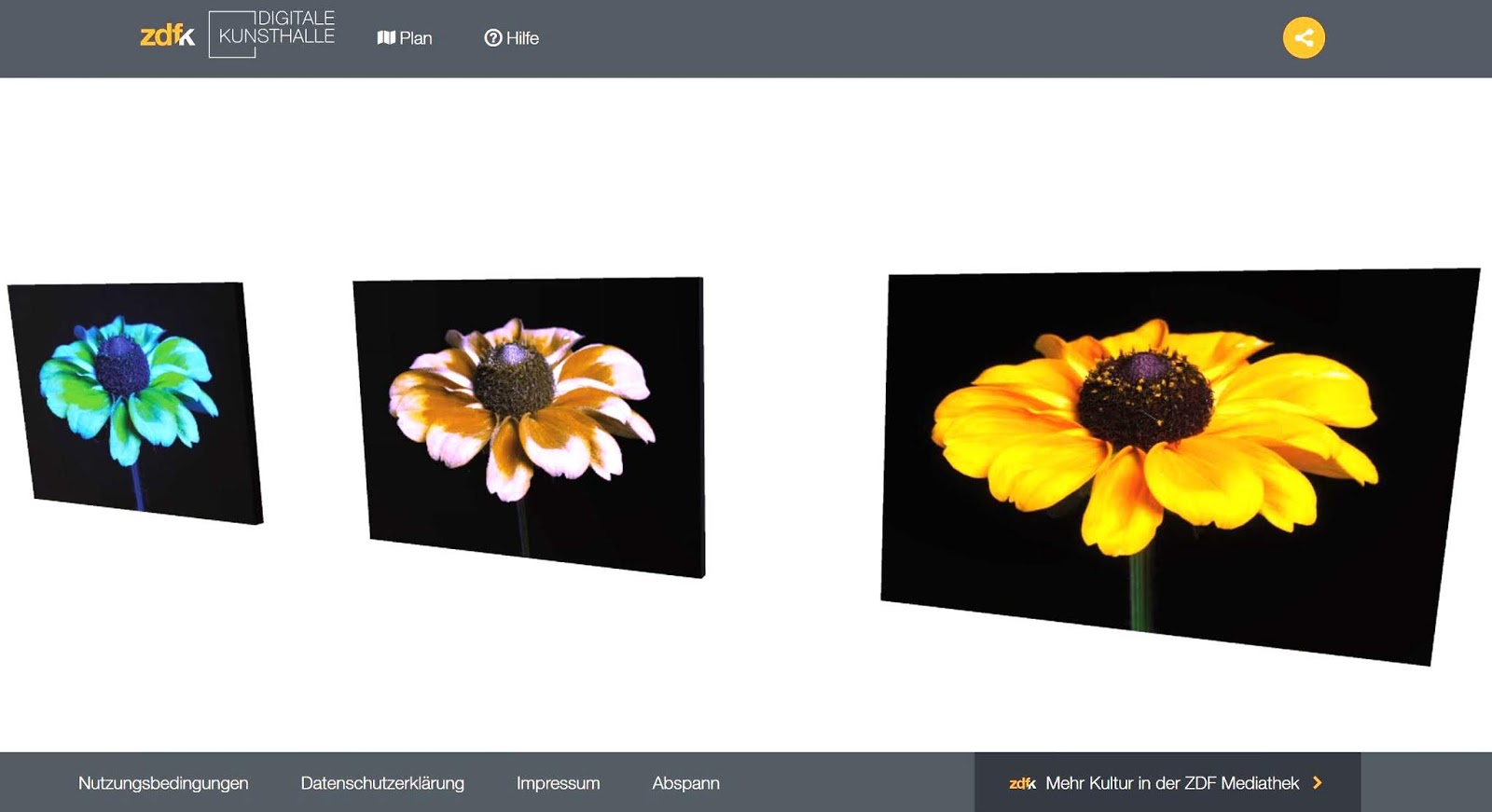
But not only visitors are able to see that exhibit, parts of it are available as a Virtual Reality (VR) exhibit, hosted at the online ZDF Kunsthalle platform HERE

And a few screenshots from that....


A wonderful exhibit worth visiting in person or online per VR!

Stay tuned, more will follow on that fascinating subject...

More info on this very interesting field may be found on my site http://www.pbase.com/kds315/uv_photos

Thursday, July 19, 2018

Greenpower butterfly exhibit, Kowloon Park, Hong Kong II

Today more about an organization in Hong Kong, GREENPOWER a charitable institution, which I have supported with my images for an exhibit at Kowloon Park about butterflies. Aside from other environmental issues, they are concerned about Butterflies and would showed children their beauty and importance, but also that they have abilities, we humans don't have, like being able to see ultraviolet light.

[click on image to see a larger one]

Here showing the original images which have been used, a Rudbeckia hirta flower, in a Quadriptych of human vision, UV, and simulated butterfly and bee vision (left to right, top to bottom):
 

This flower shows a very prominent UV bullseye pattern, as its petal tips are very UV bright (around 365nm) to about the middle and its center is very UV dark, and all this gets nicely visible also in simulated bee and butterfly vision.

And here now a few images of that exhibit which I have gotten from the organizers.


I have previously written about butterfly vision HERE

I'm very happy to hear that the exhibit was successful and my kids had learned a bit more about butterflies and their unique abilities!

Stay tuned, more will follow on that fascinating subject...

More info on this very interesting field may be found on my site http://www.pbase.com/kds315/uv_photos

Friday, July 6, 2018

Greenpower butterfly exhibit, Kowloon Park, Hong Kong

Today about an organization in Hong Kong, GREENPOWER a charitable institution, which I support with my images for a forthcoming exhibit at Kowloon Park about butterflies. Aside from other environmental issues, they are concerned about Butterflies and would like to show children their beauty and importance, but also that they have abilities, we humans don't have, like being able to see ultraviolet light.

[click on image to see a larger one]

Here showing the images which will be used, a Rudbeckia hirta flower, in a Quadriptych of human vision, UV, and simulated butterfly and bee vision (left to right, top to bottom):
 

This flower shows a very prominent UV bullseye pattern, as its petal tips are very UV bright (around 365nm) to about the middle and its center is very UV dark, and all this gets nicely visible also in simulated bee and butterfly vision.

I have previously written about butterfly vision HERE

I'm wishing Greenpower and its visitors a successful exhibit, certainly worth going to with family and friends!

Stay tuned, more will follow on that fascinating subject...

More info on this very interesting field may be found on my site http://www.pbase.com/kds315/uv_photos
Monday, January 15, 2018

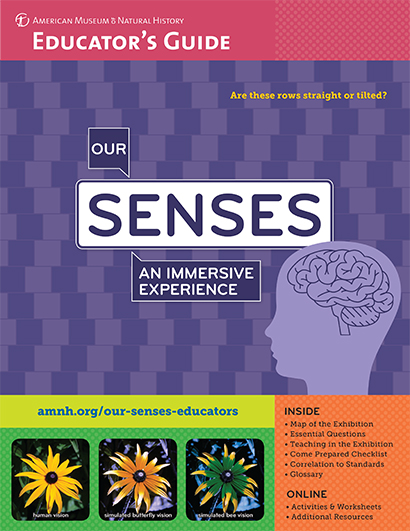
American Natural History Museum exhibit "Our Senses"

The exhibition project management of the American Natural History Museum had asked me to participate with some of my works for their forthcoming 2017-2019 exhibit "Our Senses", which has already opened its doors to the public November 20, 2017 and it will last until Sunday, January 6, 2019

(quote AMNH) Every day, we perceive the world around us through our senses - including sight, smell, hearing, touch, balance, and taste. But as it turns out, for humans “reality” isn’t ever exactly what it seems. In this highly experiential exhibition, explore 11 funhouse-like spaces that dare you to trust your senses - then show you how what we perceive is not simply a window into the world around us but a product ofour brains. Plus, discover why we have senses and what’s unique about human perception during an interactive session hosted by a live presenter. (unquote)


 (c) AMNH

My contribution will be some of my multispectral Rudbeckia fulgida flower images, demonstrating the difference between our human vision and the vision of a butterfly and a honey bee (simulated).

(c) AMNH, Dr Klaus Schmitt


It also includes some images which help to understand what monach butterflies may see, as it allows visitors by using a push button to switch from their human vision into butterfly vision on 3D modeled flowers.
(c) AMNH

I'm certain this exhibit is visually stunning, as well as highly educative since it is interactive and suited for interested individuals as well as families, their kids and school classes.

(C) AMNH

Go have a look, it will be well worth it!

If you like to have a look into the Educator's Guide, HERE is the link to it!

For further reading here is an interesting, quite more detailed article about this exhibit and here Scientific American has written about it.


Stay tuned, more will follow on that fascinating subject...

Tuesday, January 17, 2017

Gasometer Oberhausen Museum, Wonders of Nature Exhibit extended until end of 2017 IV

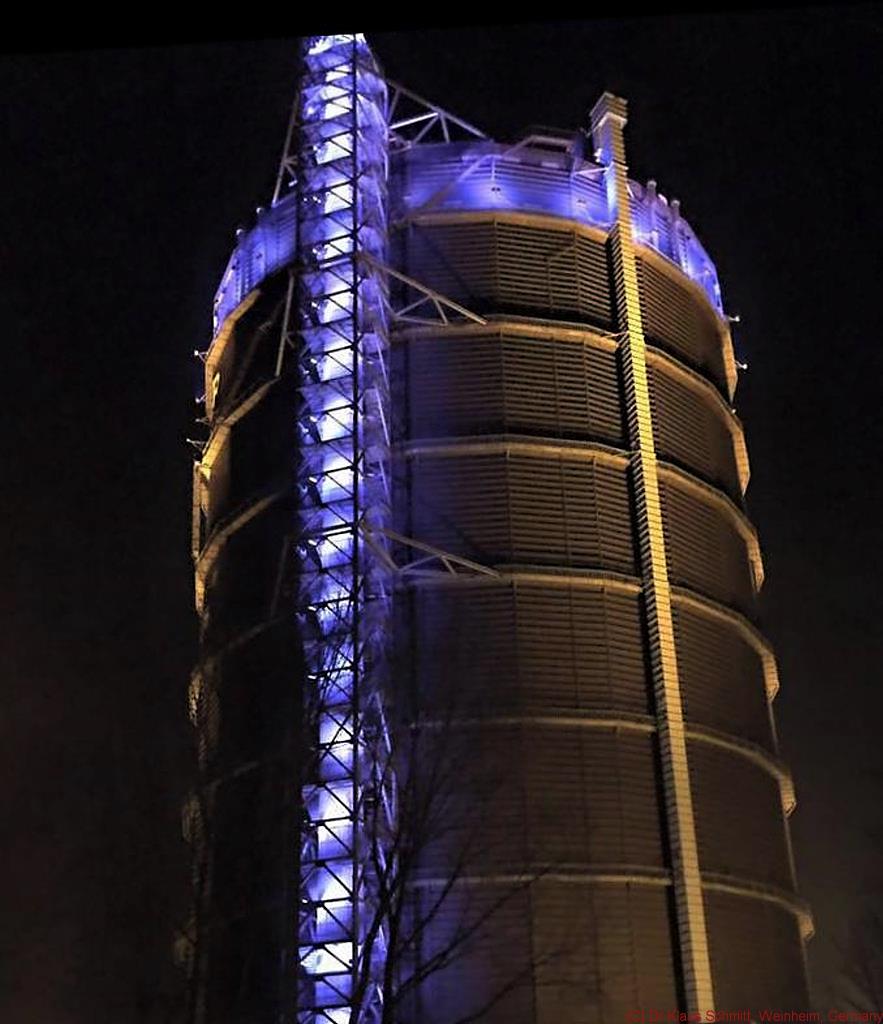
Gasometer Oberhausen Museum has reported a record breaking visitor count of 750.000 by end of 2016 for their "Wonders of Nature" exhibit  and has hence decided to extend until November 30, 2017. I have participated in that with some of my works in large prints and a video presentation. An impressive location it is, the highest Museum in Germany (116m high, 66m wide) showing some amazing exhibit areas inside:

(C) Gasometer Oberhausen

My contribution are some images of a Zinnia haageana flower in large prints, on display in their exhibition area below that 20 meter large earth globe, demonstrating the difference between our human vision, as well as a video presentation shown on LCD panel which originates from the BBC series "How to grow a planet - The hidden World of UV" which has several of my VIS and UV images of different flowers in it.

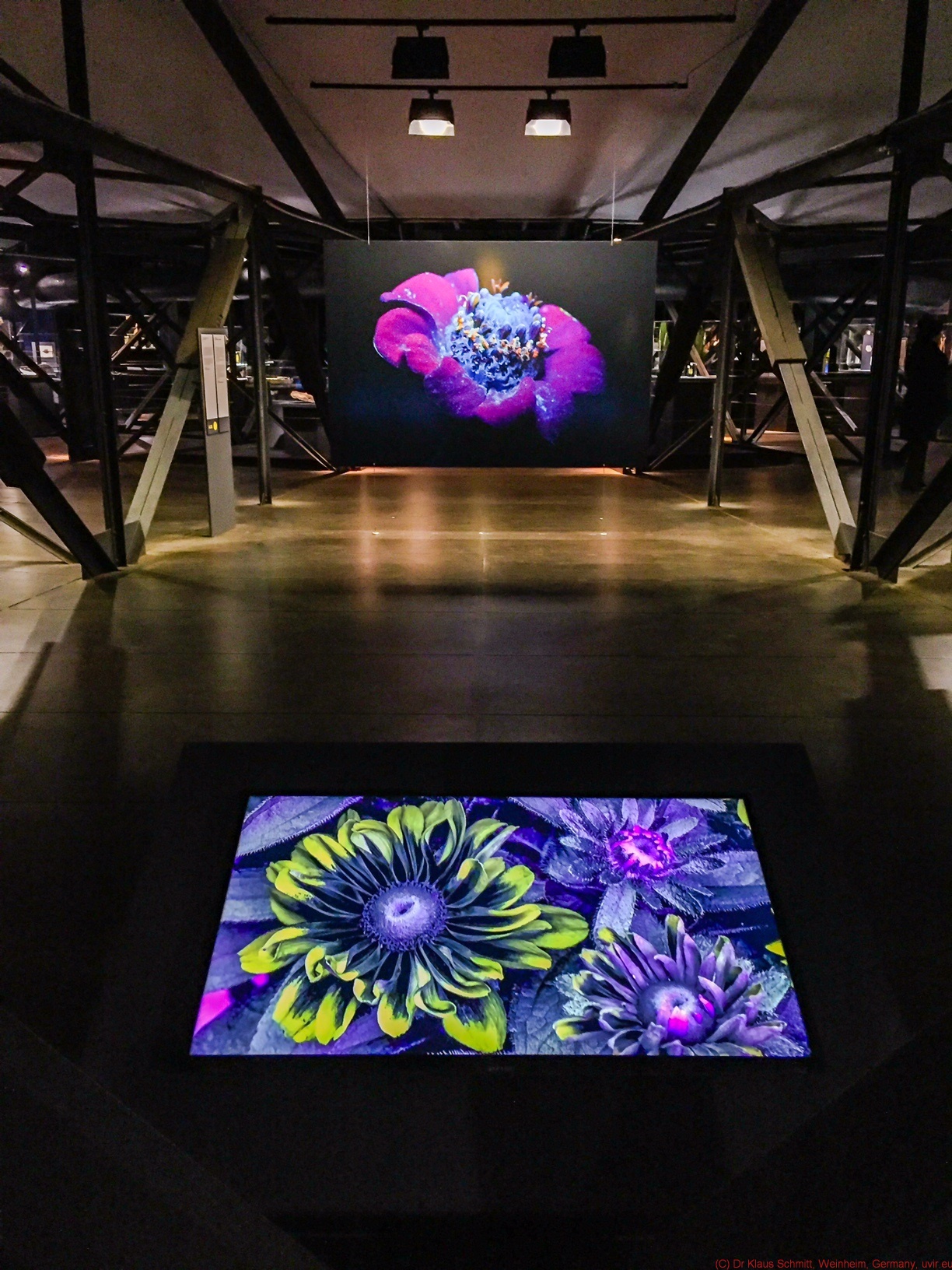
Printed Zinnia (in UV light) in background, video display in foreground:


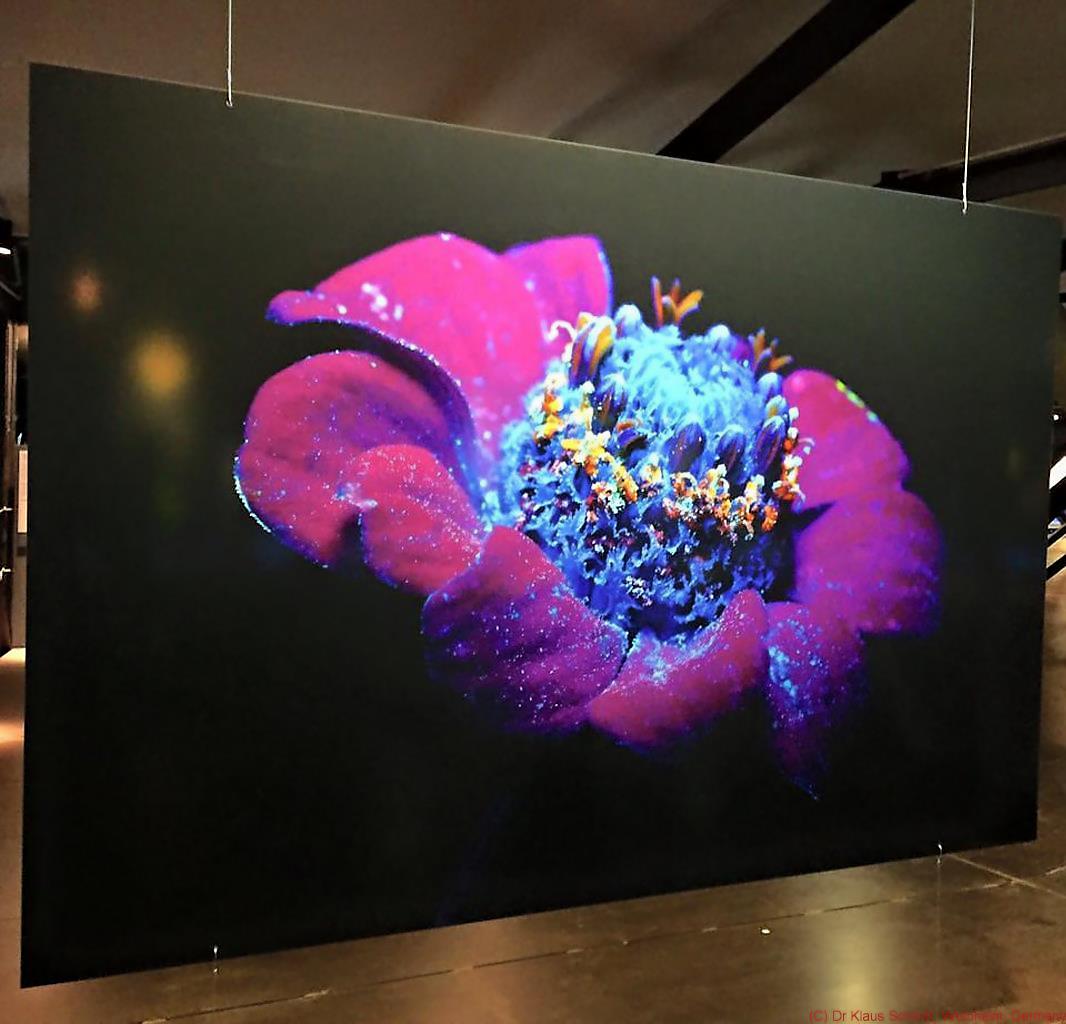
approx 3m / 9ft wide Zinnia image in ultraviolet light:


Zinnia haageana: Triptych of Human Vision, UV, Simulated Bee Vision (left to right):  

The exhibit shows in total some 150 large images and video presentations by the most famous nature photographers and is not only visually stunning, but also highly educative and suited for interested individuals as well as families and schools. Go have a look, it will be well worth it!

There is still a printed book available about it: Wunder der Natur, Die Intelligenz der Schöpfung ISBN/EAN: 9783837514629 (in German language)

I have written about that exhibit previously HERE

Stay tuned, more will follow on that fascinating subject...

Sunday, September 18, 2016

Gasometer Oberhausen Museum, Wonders of Nature Exhibit 2016 III

Gasometer Oberhausen exhibit "Wonders of Nature" has reached more that 500.000 visitors so far and has just announced to extend the exhibit until 30.12.2016!

My contribution are some images of a Zinnia haageana flower in large prints, on display in their exhibition area below that globe, demonstrating the difference between our human vision, as well as a video presentation shown on LCD panel which originates from the BBC series "How to grow a planet - The hidden World of UV" which has several VIS and UV images of different flowers in it.

Printed image in background, LCD video display in foreground:


approx 3m / 9ft wide image:


Zinnia haageana: Triptych Human Vision, UV, Simulated Bee Vision (left to right):  

The exhibit shows in total some 150 large images and video presentations by the most famous nature photographers and is not only visually stunning, but also highly educative and suited for interested individuals as well as families and schools. Go have a look, over 500.000 have already seen it, it will be well worth it!

There is also a book available about it: Wunder der Natur, Die Intelligenz der Schöpfung ISBN/EAN: 9783837514629 (in German language)

I have written about that exhibit previously HERE

Stay tuned, more will follow on that fascinating subject...

Tuesday, June 21, 2016

North Carolina Botanical Gardens Bee Exhibit with reflected ultraviolet (UV) photography II

The North Carolina Botanical Gardens (University of North Carolina at Chapel Hill) had a four months long exhibit about the importance of Bees in 2015 with some of my works included.

(c) NC Botanical Gardens + Dr Schmitt, Weinheim Germany uvir.eu

Since it was such a great success and well received by its visitors, it will now be shown at other botanical gardens in the US. Be on the lookout for it, certainly worth visiting!

Stay tuned, more will follow on that fascinating subject...

Saturday, March 12, 2016

Gasometer Oberhausen Museum, Wonders of Nature Exhibit 2016 II

Been at the vernissage and grand opening of the exhibit "Wonders of Nature" at Gasometer Oberhausen Museum where I participate with some of my works. It will be open to the public from March 11, 2016 until December 30, 2016. An impressive location it is, the highest Museum in Germany (116m high, 66m wide) showing some amazing exhibit areas inside:


My contribution are some images of a Zinnia haageana flower in large prints, on display in their exhibition area below that globe, demonstrating the difference between our human vision, as well as a video presentation shown on LCD panel which originates from the BBC series "How to grow a planet - The hidden World of UV" which has several VIS and UV images of different flowers in it.


Gasometer Oberhausen, video presentation of my works: visible and ultraviolet images of the same flowers, showing nectar guides, invisible to us humans, but visible to bees!
Posted by Klaus Schmitt on Friday, March 11, 2016

Printed image in background, LCD video display in foreground:


approx 3m / 9ft wide image:


Zinnia haageana: Triptych Human Vision, UV, Simulated Bee Vision (left to right):  

The exhibit shows in total some 150 large images and video presentations by the most famous nature photographers and is not only visually stunning, but also highly educative and suited for interested individuals as well as families and schools. Go have a look, it will be well worth it!

There is also a book available about it: Wunder der Natur, Die Intelligenz der Schöpfung ISBN/EAN: 9783837514629 (in German language)

I have written about that exhibit previously HERE

Stay tuned, more will follow on that fascinating subject...

Thursday, December 17, 2015

Gasometer Oberhausen Museum, Wonders of Nature Exhibit 2016

The project management of Gasometer Oberhausen Museum has asked me to participate with some of my works for their forthcoming 2016 exhibit "Wonders of Nature", which will open up its doors to the public March 11, 2016 and will last till December 30, 2016.

(quote) The forthcoming exhibition at Gasometer Oberhausen celebrates in visually stunning images the life of plants and animals – the highlight will be a 20 metre large terrestrial globe in the gigantic interior (unquote)

(c) Gasometer Oberhausen
My contribution will be some images of a Zinnia haageana flower in very large prints, on display in their exhibition area below that globe, demonstrating the difference between our human vision and a simulation of that of a honey bee.

Triptych Human Vision, UV, Simulated Bee Vision (left to right):  

I'm certain this exhibit will be visually stunning, as well as highly educative and suited for interested individuals as well as families and schools. Go have a look, it will be well worth it!

I have written about that flower HERE

Stay tuned, more will follow on that fascinating subject...

Sunday, October 18, 2015

North Carolina Botanical Gardens Bee Exhibit with reflected ultraviolet (UV) photography

The North Carolina Botanical Gardens (University of North Carolina at Chapel Hill) just concluded a four months exhibit about the importance of Bees with some of my works included.


I got informed by the organizing commitee, that it was a great success and well received by its visitors.

Stay tuned, more will follow on that fascinating subject...