Showing posts with label XBV3. Show all posts

Friday, July 15, 2016

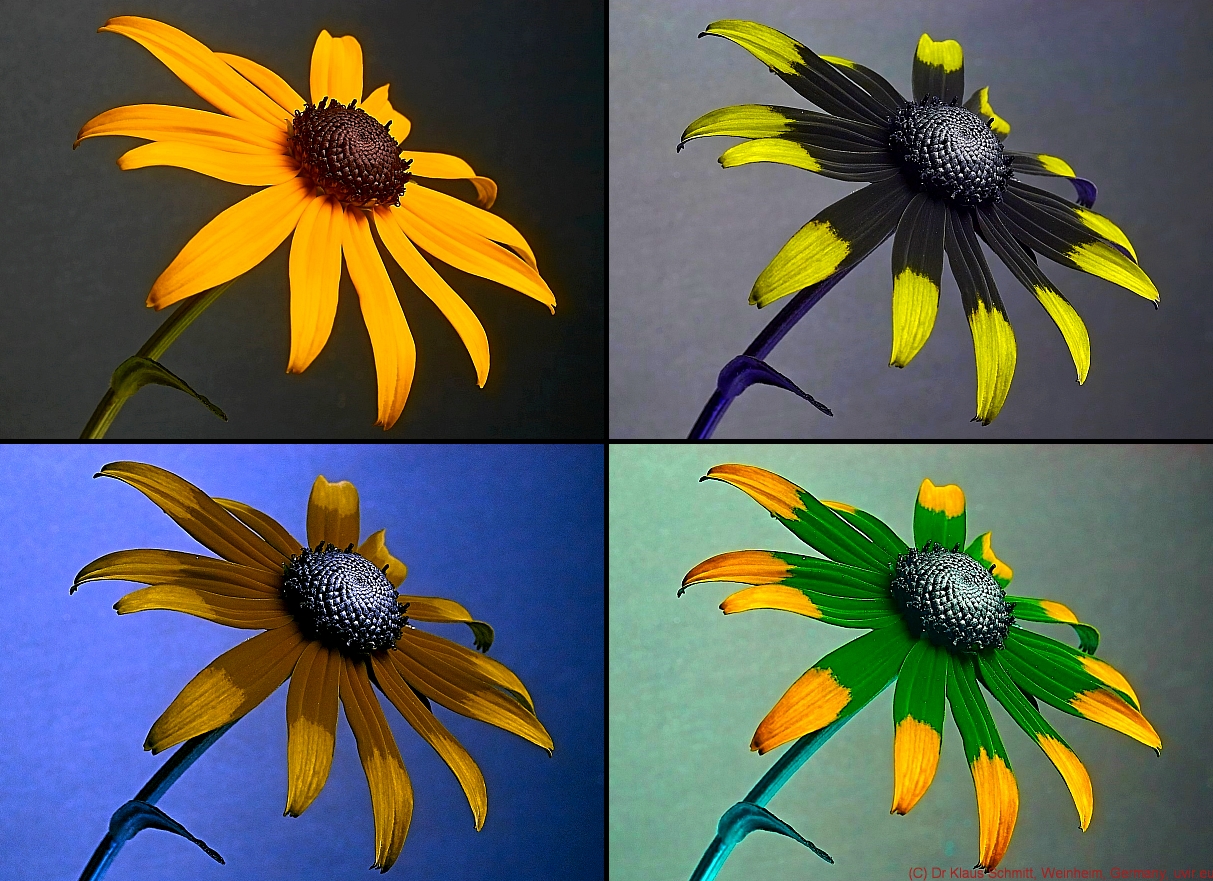
Mexican Zinnia - Zinnia haagenea in reflected ultraviolet photography and simulated butterfly and bee vision XXVI

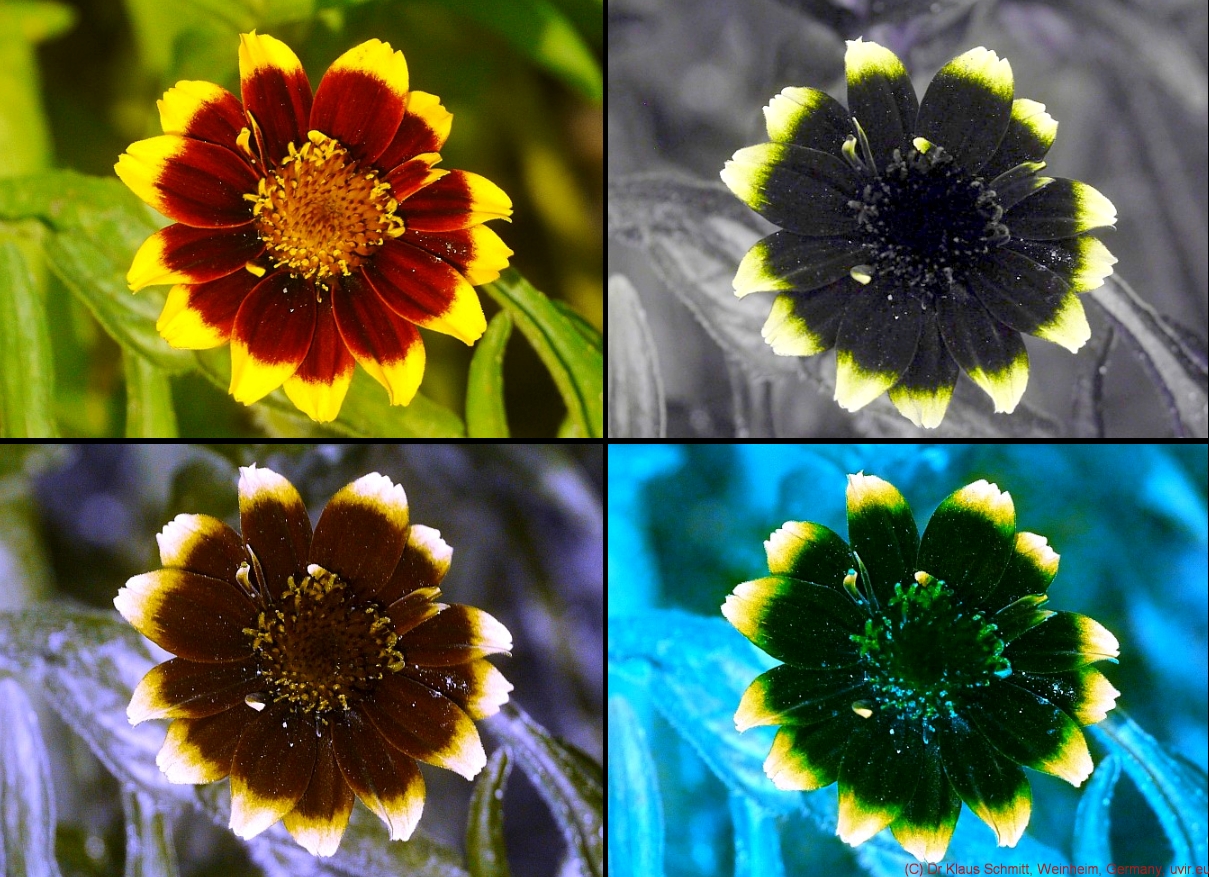
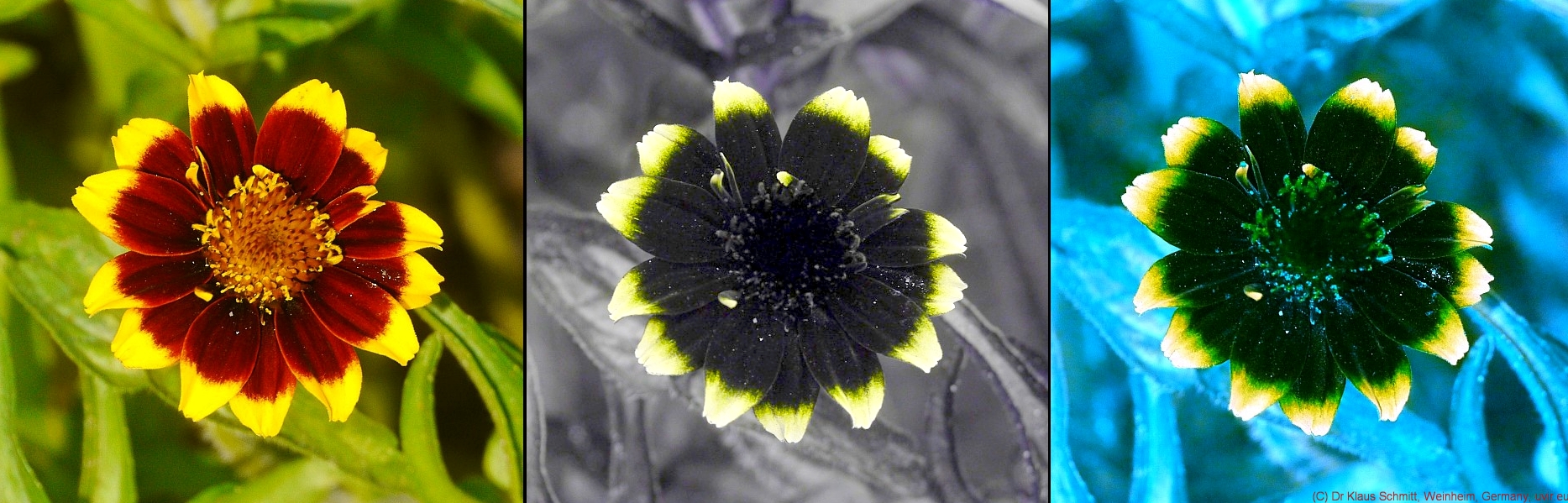
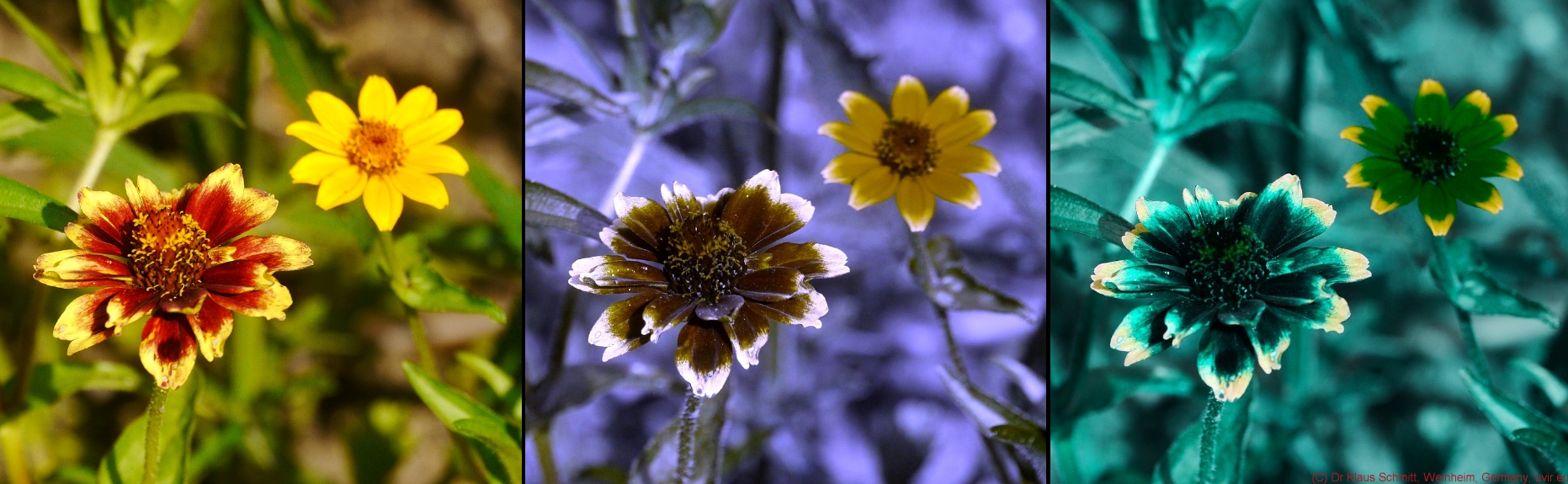
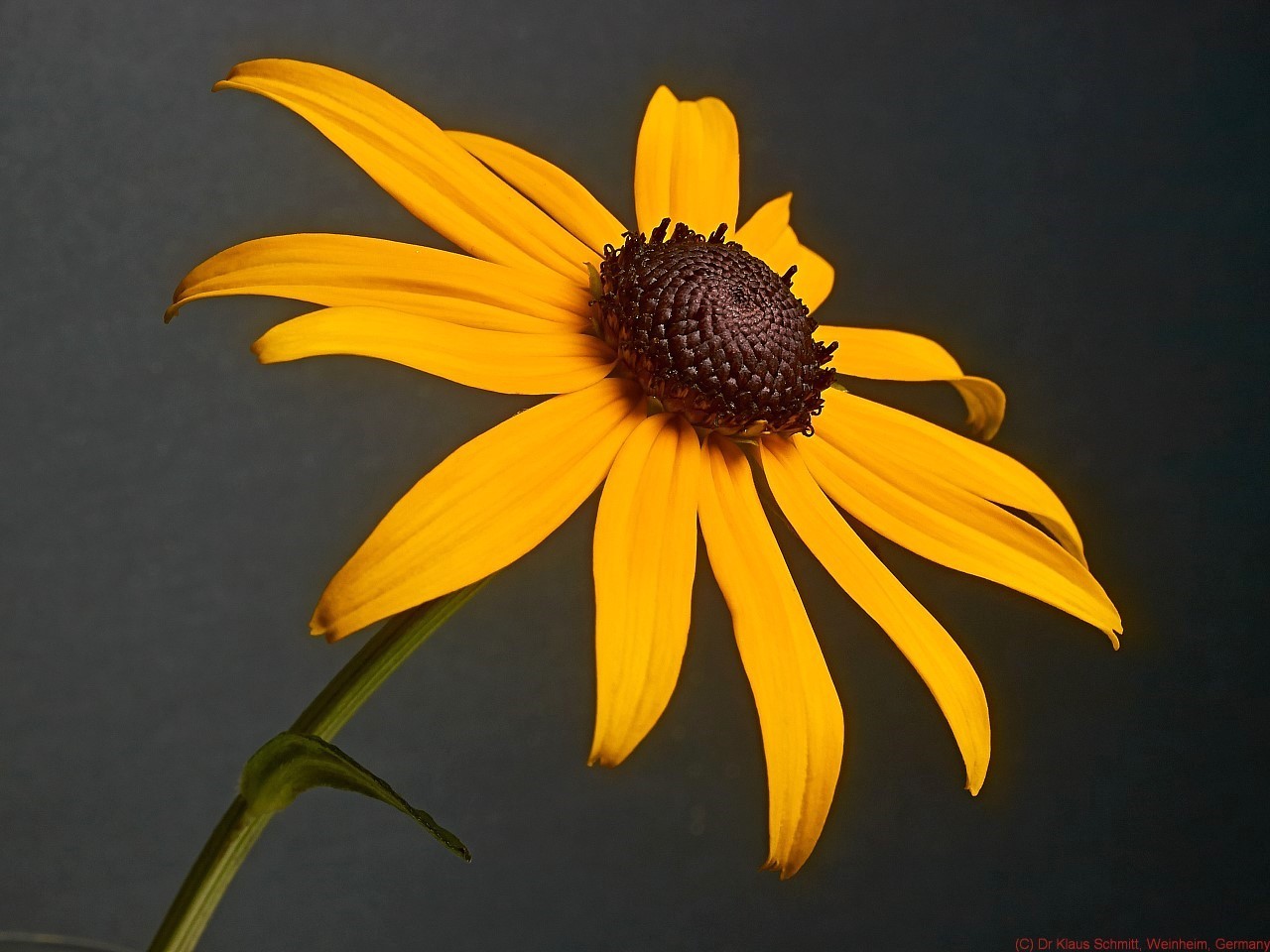
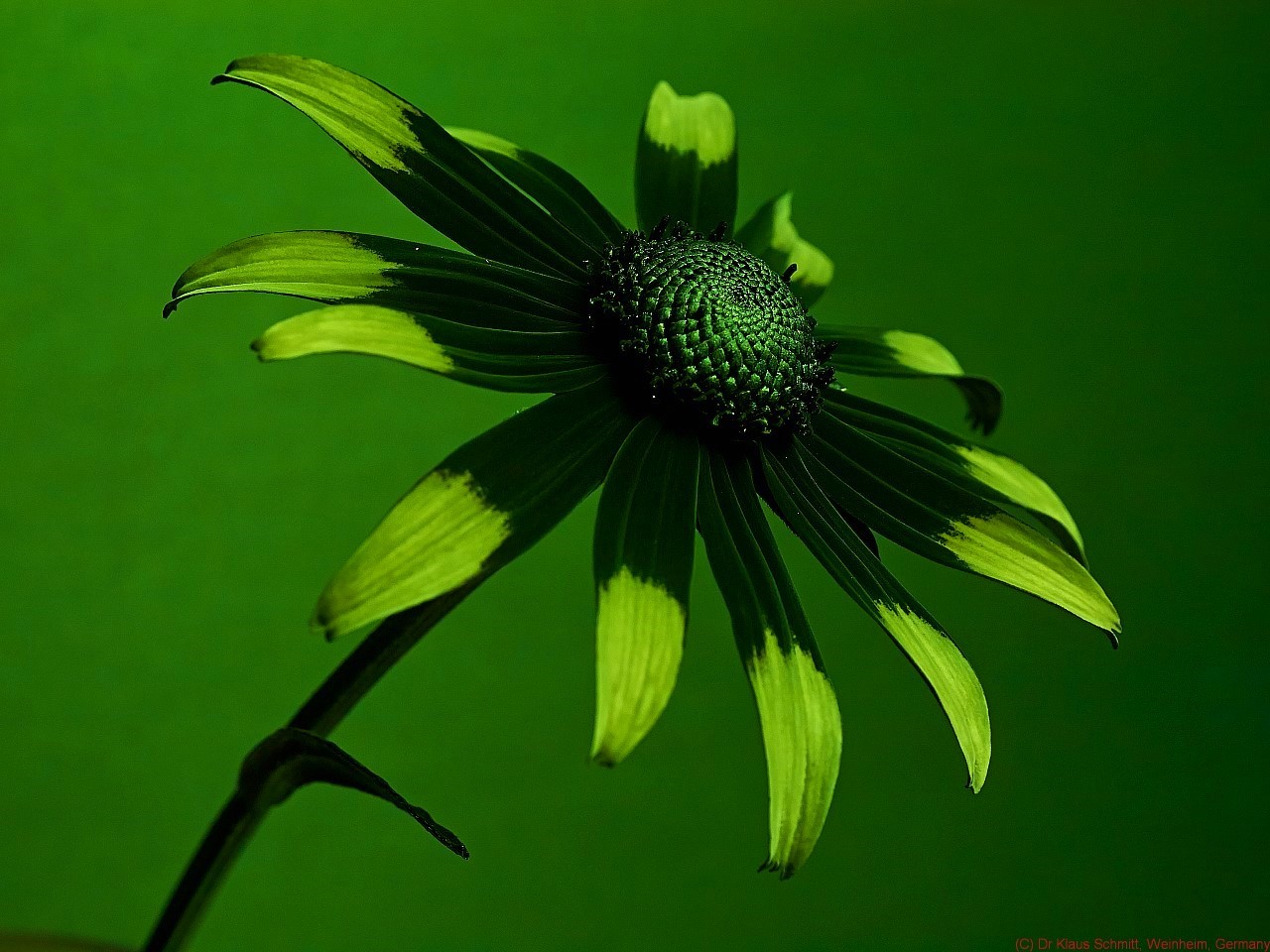
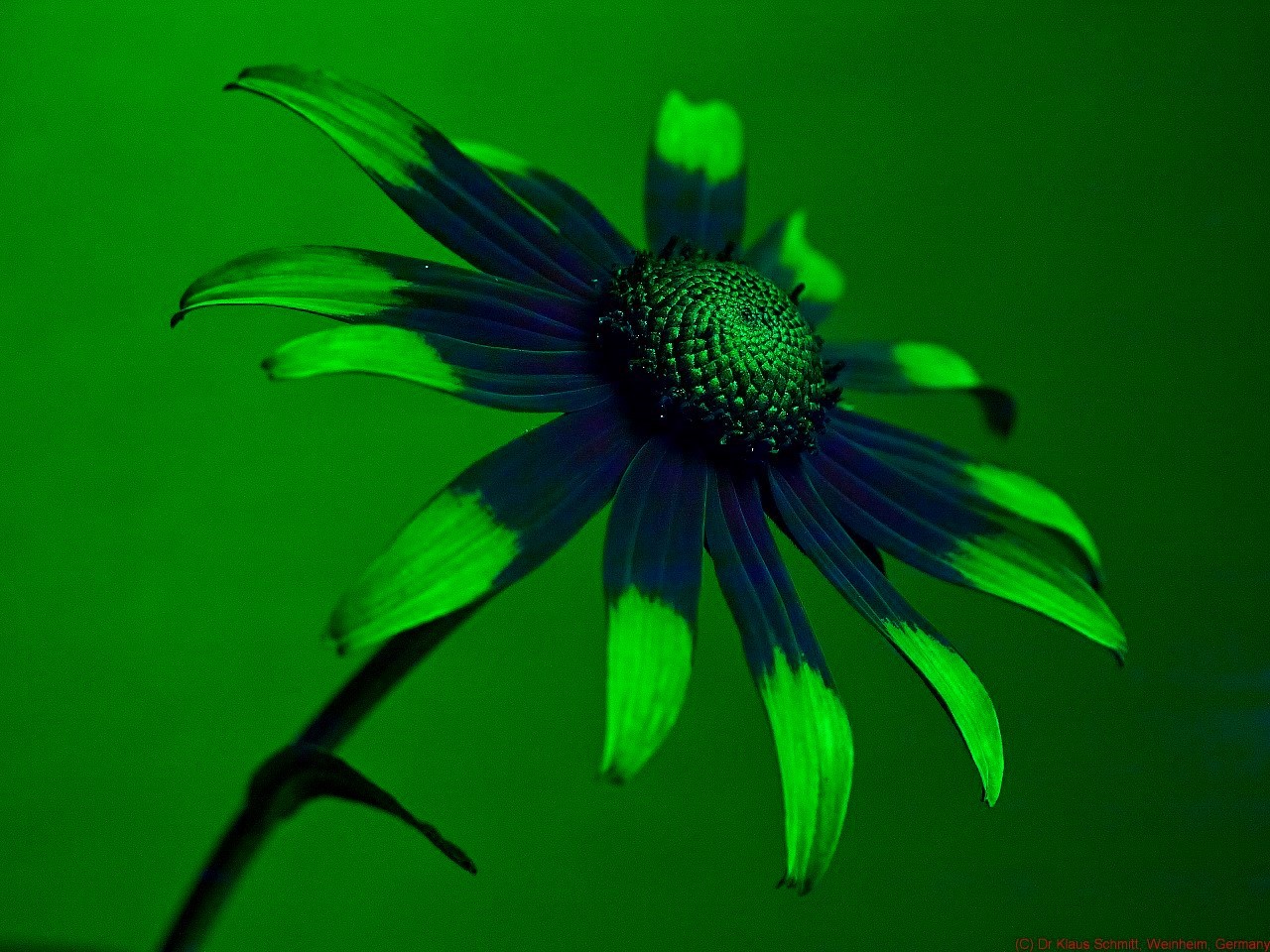
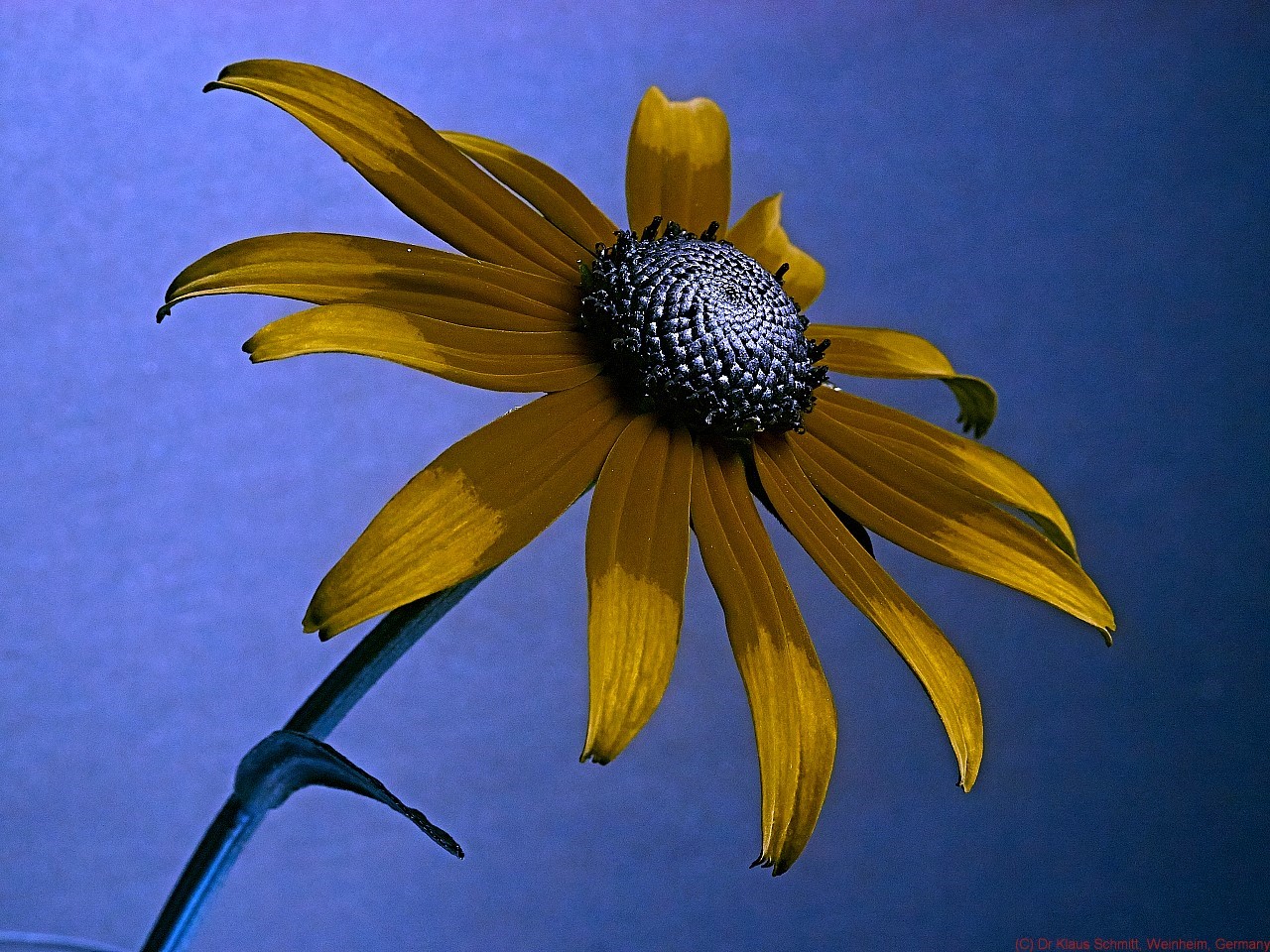
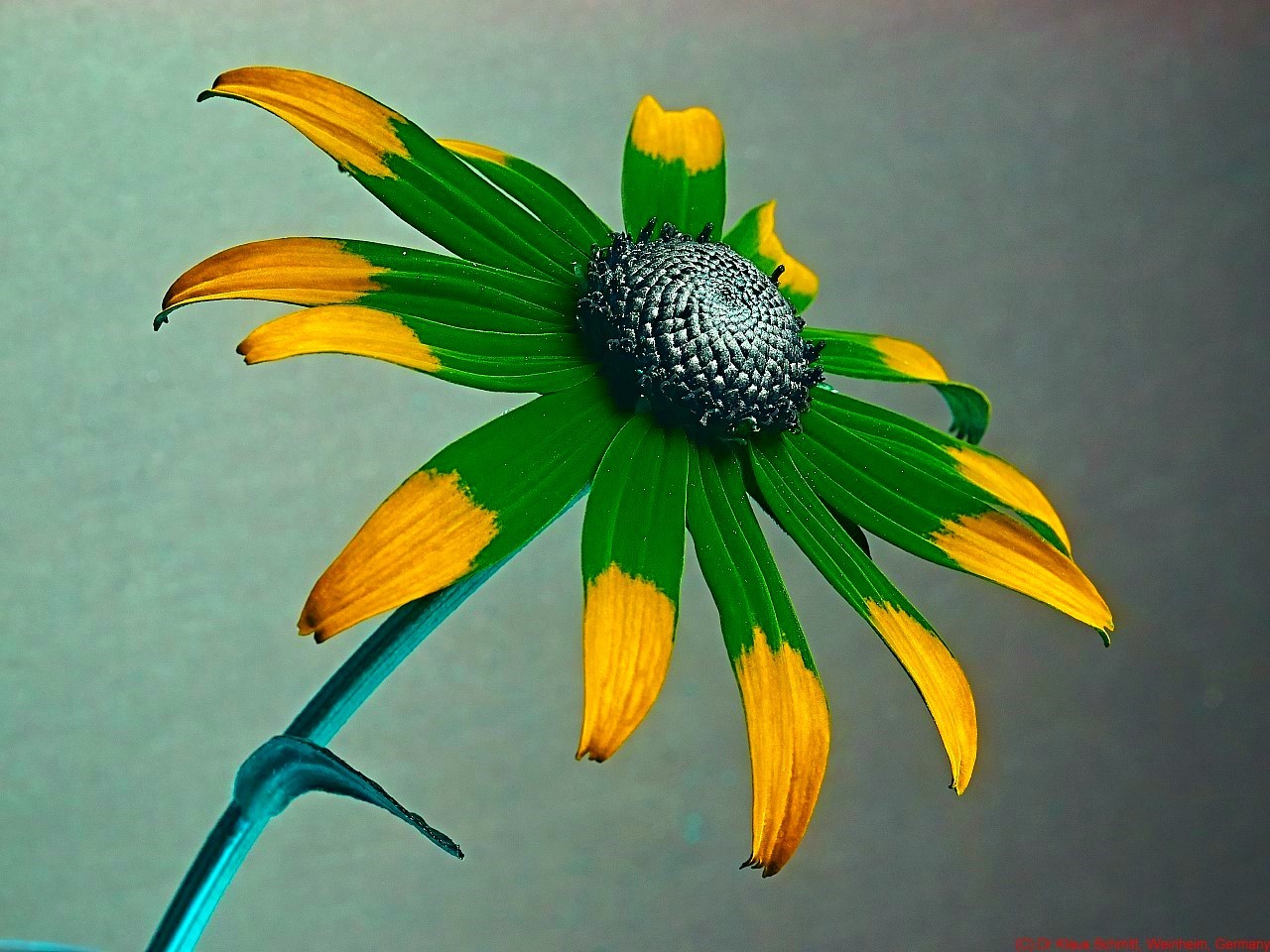
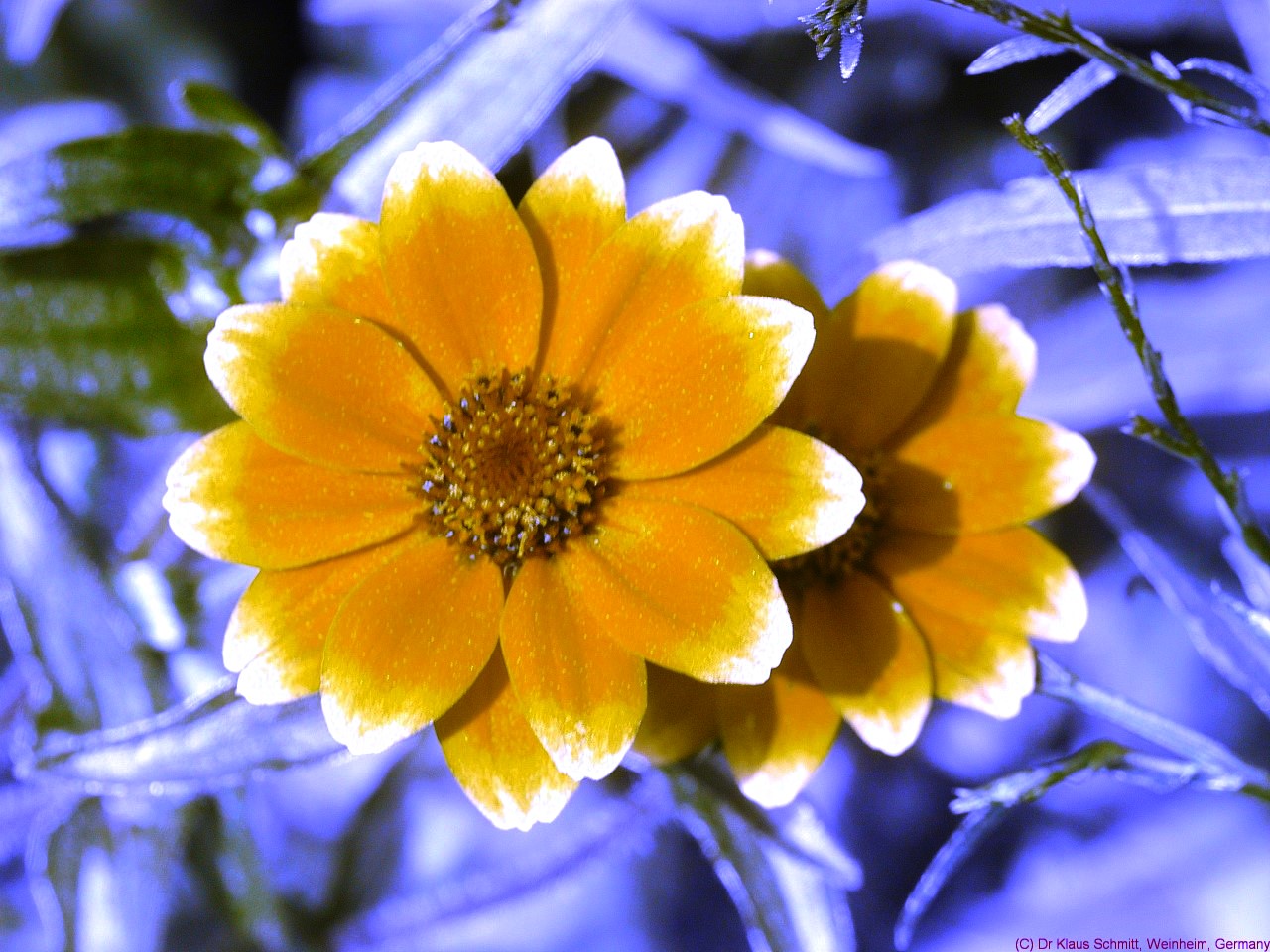
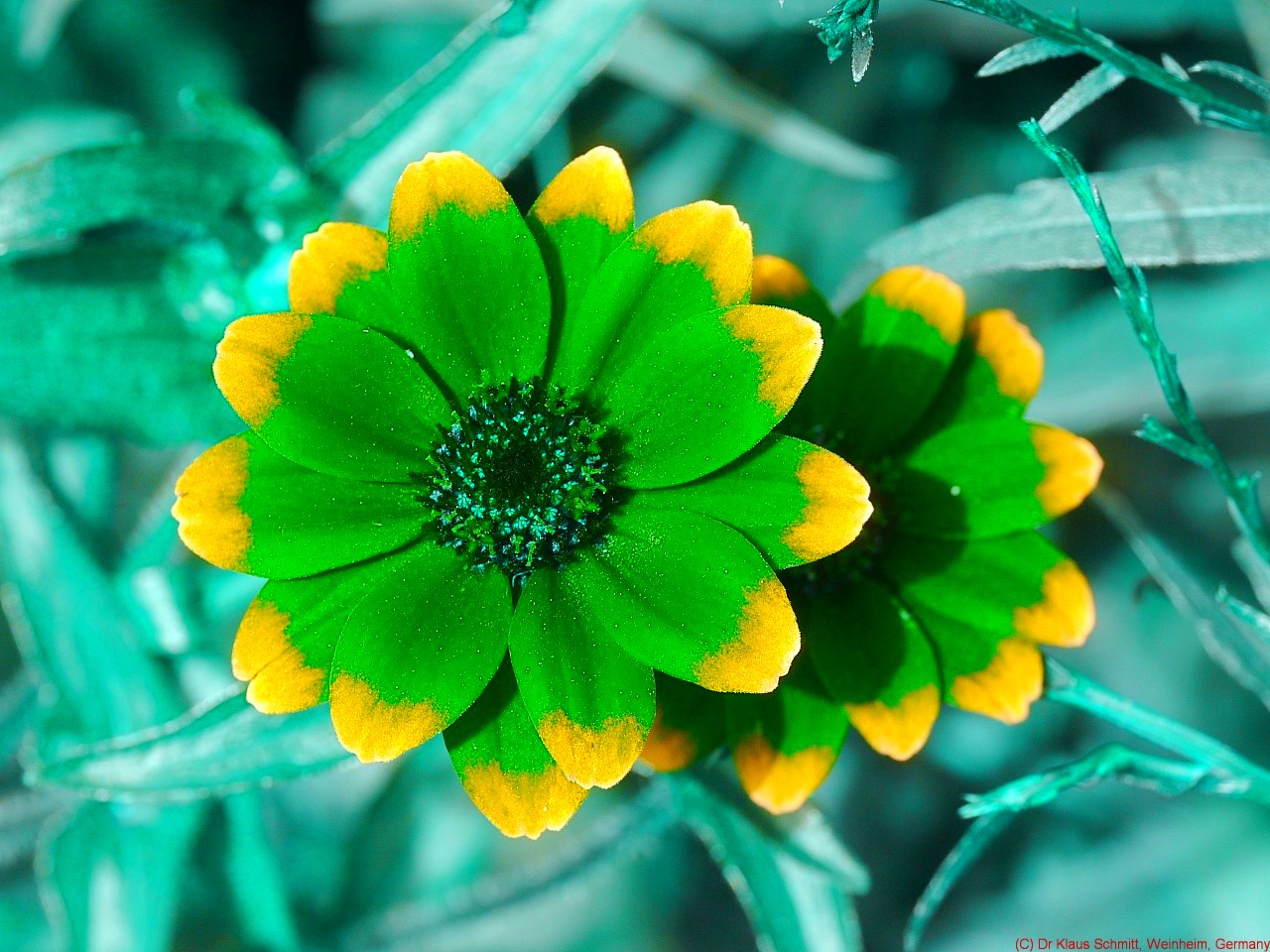
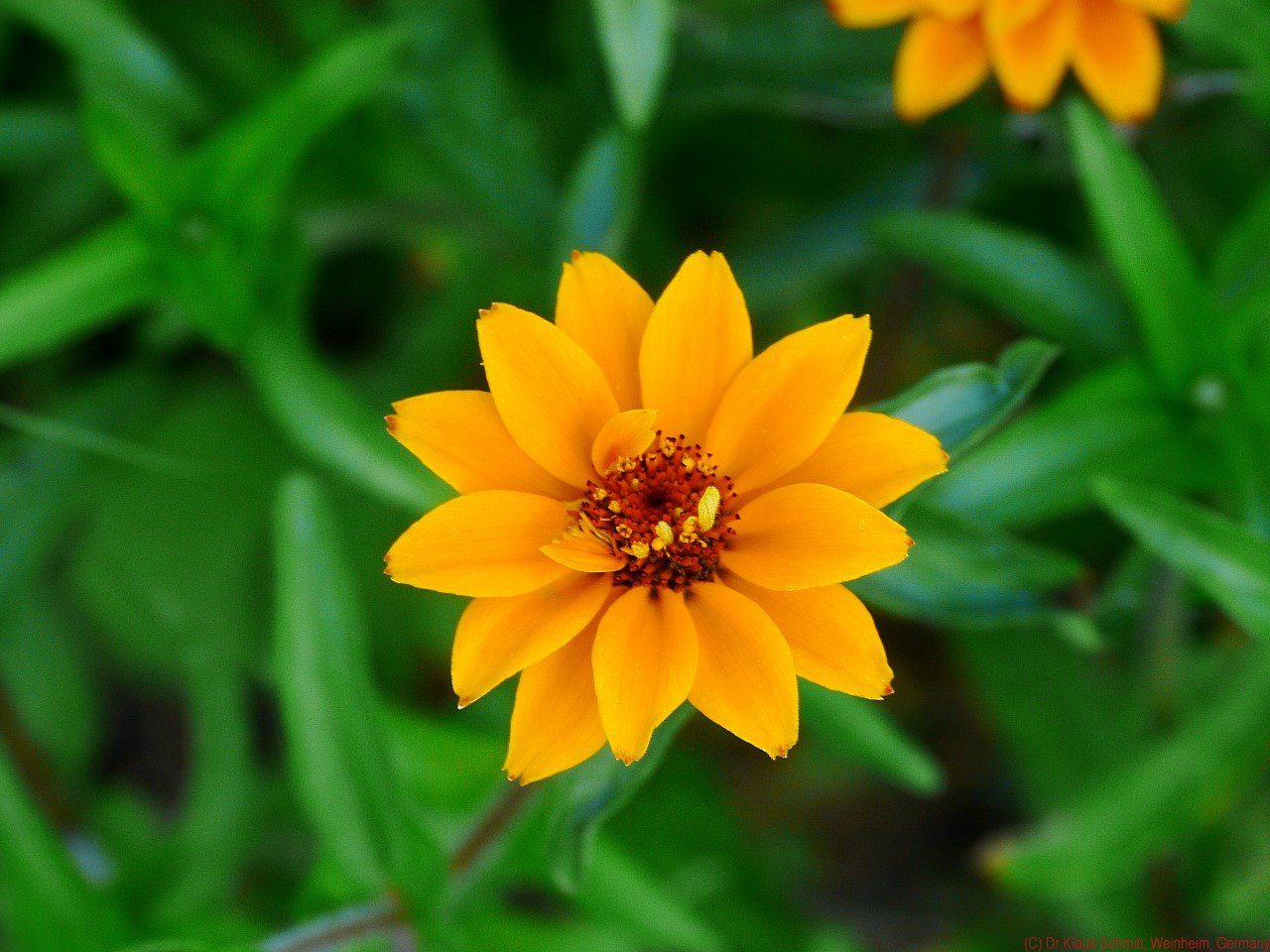
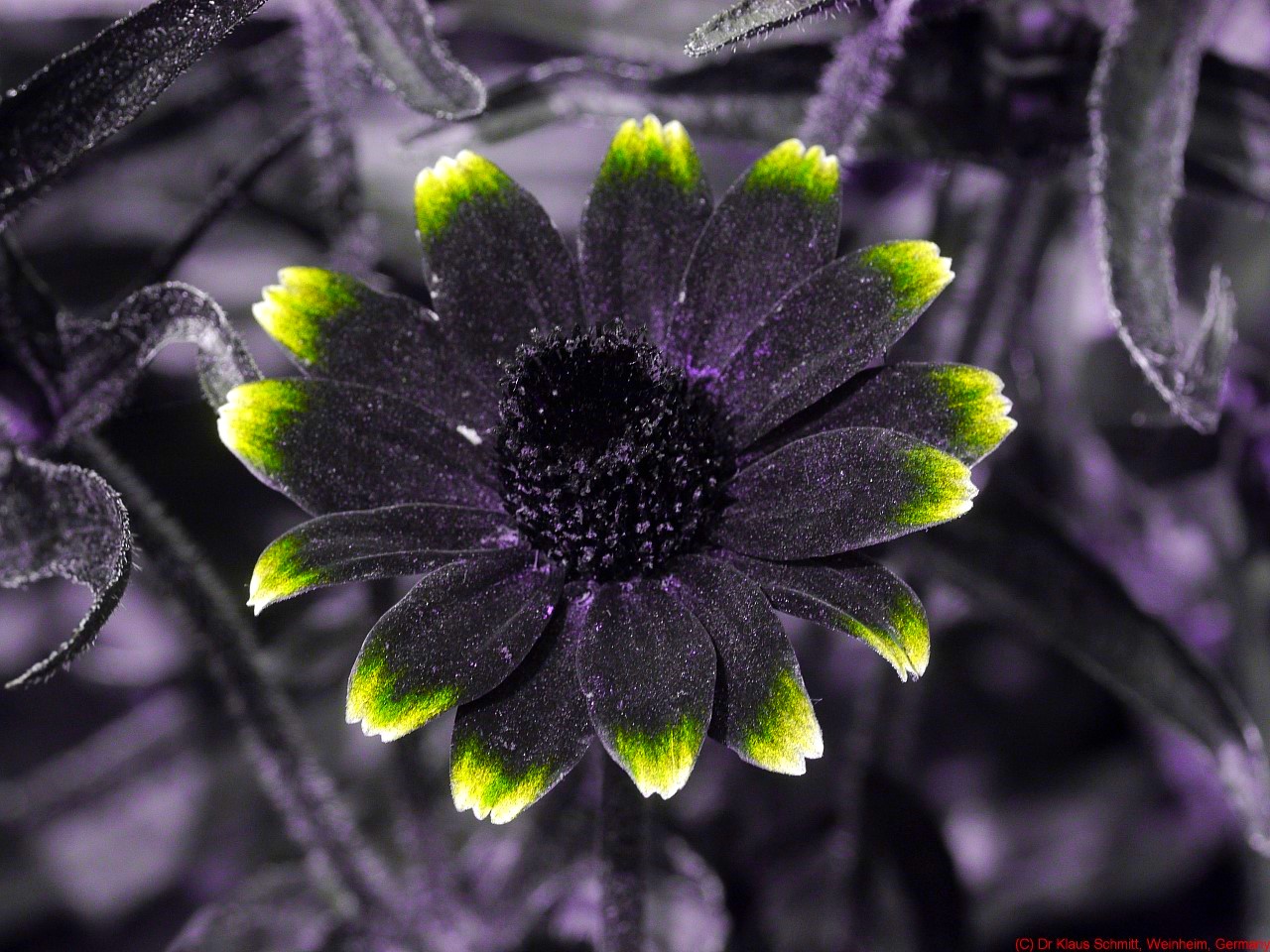
Today first shots of a very decorative summer flower in 2016, Mexican Zinnia - Zinnia haagenea in reflected ultraviolet photography using my "work horse" UV filter, the Baader-U filter as well as in simulated butterfly and bee vision using my proprietary XBV filters. Lens was my UV-Nikkor 105mm quartz flourite lens. Light source was sunlight. All shots were done at f8.

[click on image to see a larger one]

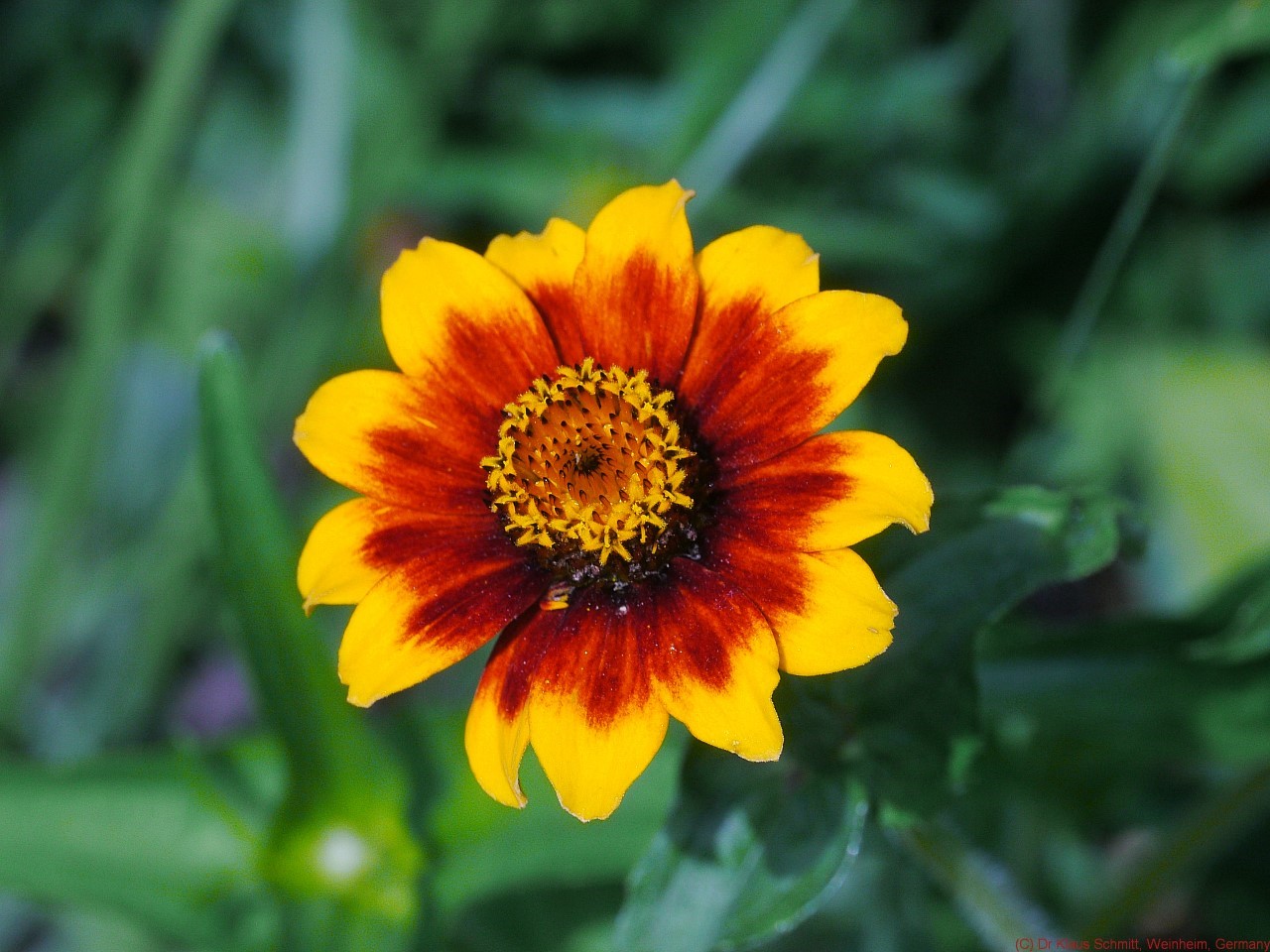
Human vision:
 

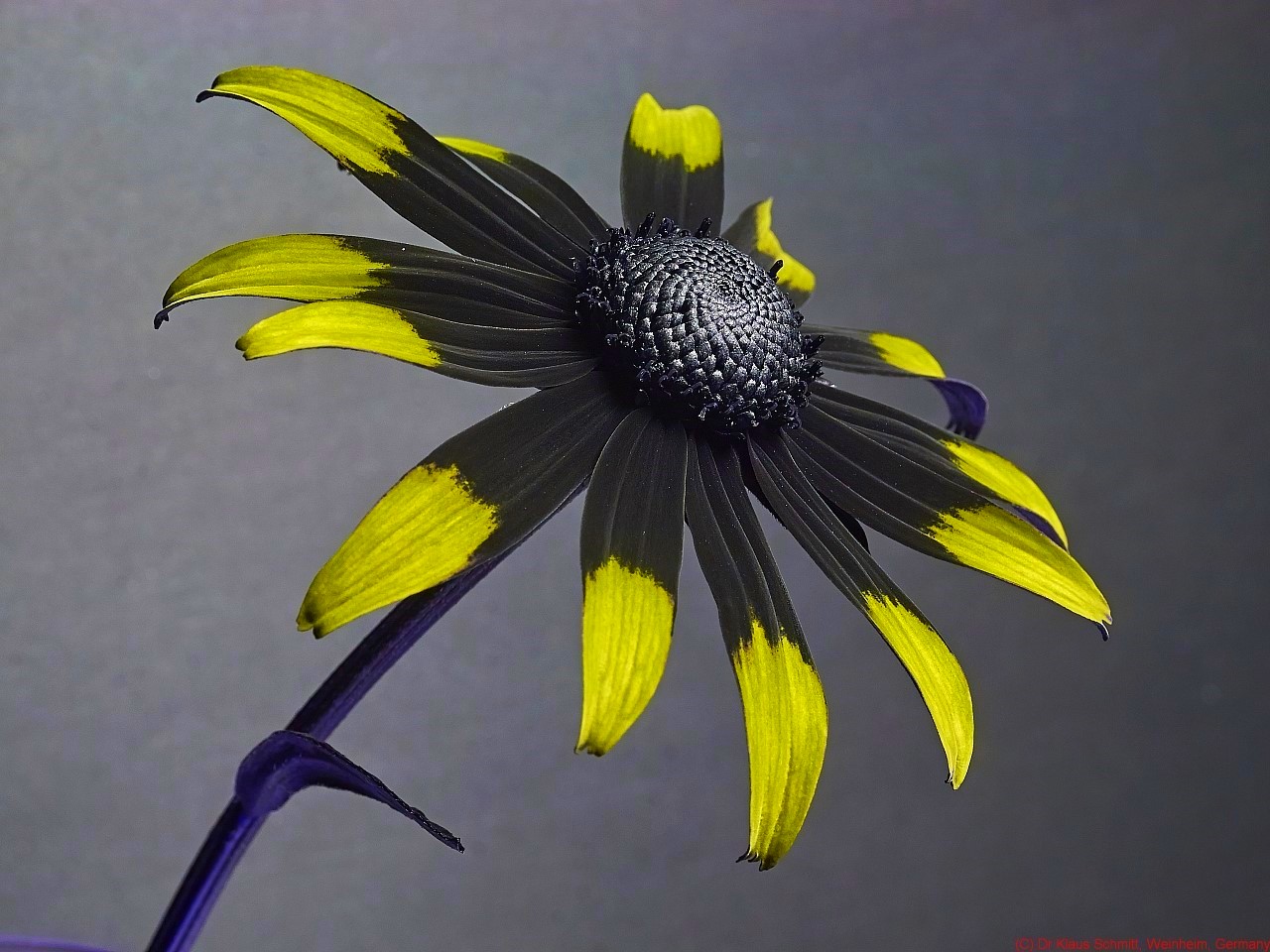
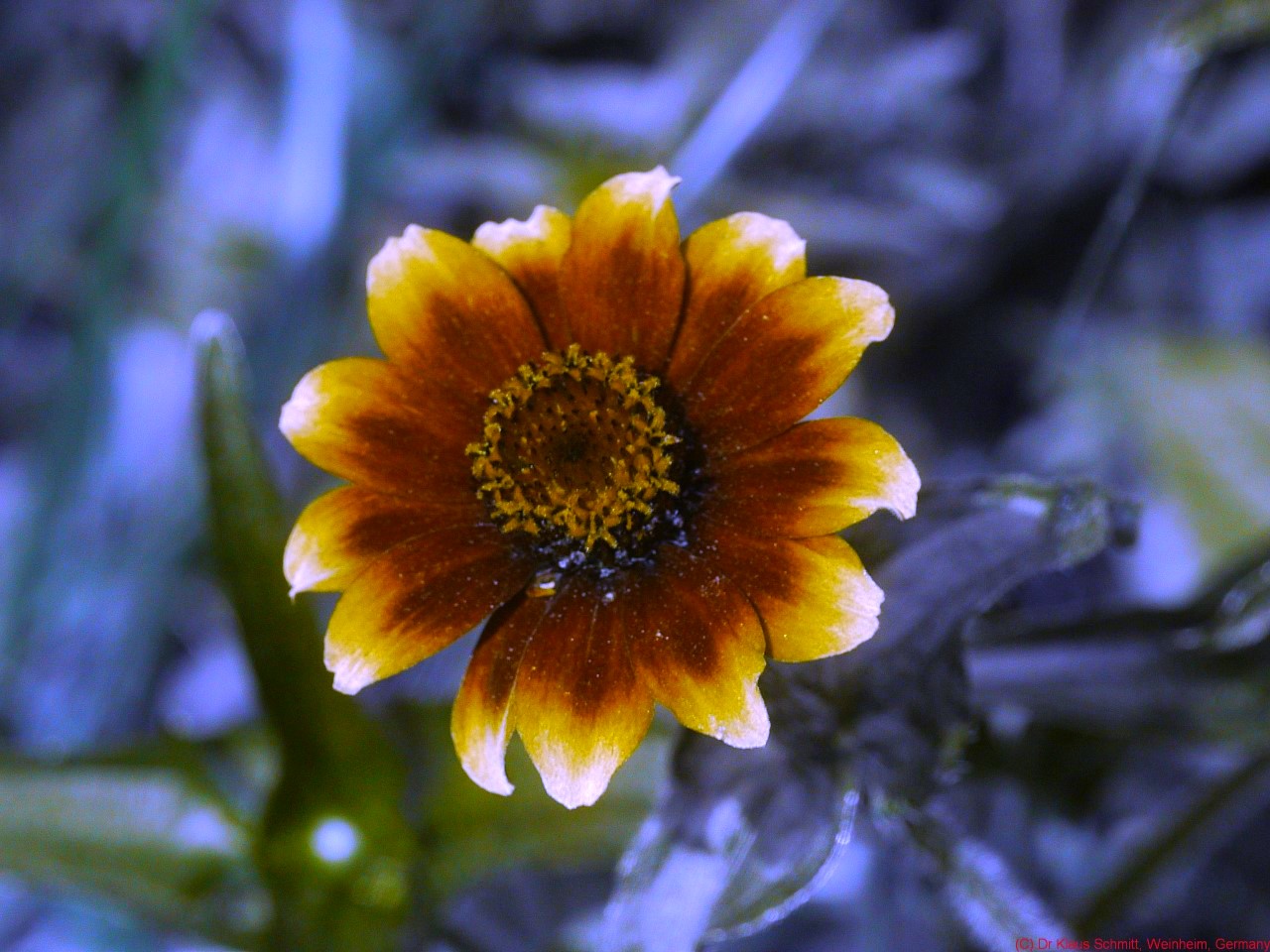
Ultraviolet (UV):
 

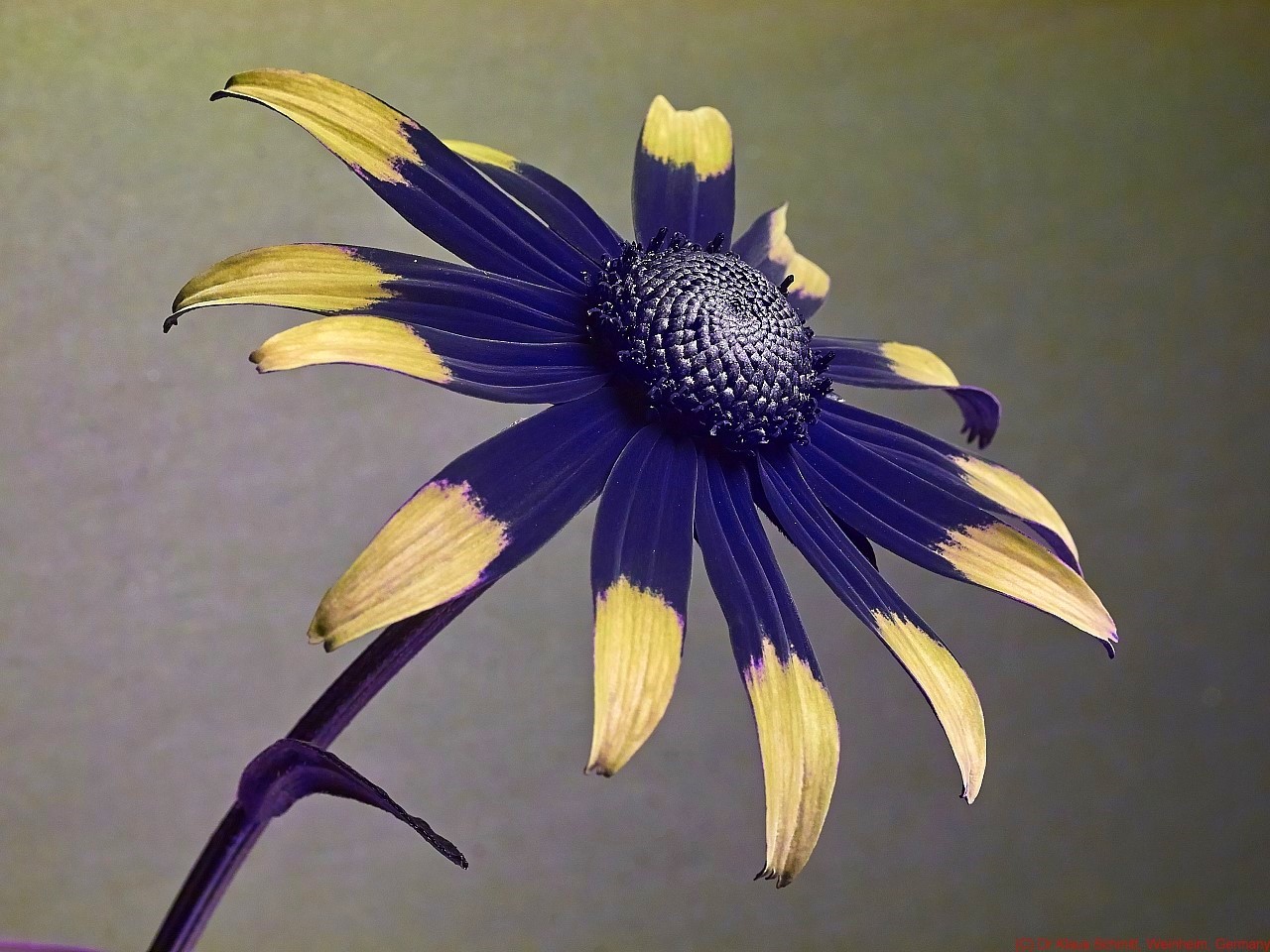
Simulated butterfly vision:
 

Simulated bee vision:
 

Quadriptych (left to right, top to bottom): Human vision, UV, simulated butterfly vision, simulated bee vision:
 

Mexican Zinnia flowers have a very specific UV pattern. Their petals are very UV dark in the middle and bottom, their petal tips, however, are very UV bright (around 365nm outer tip), and all this gets nicely visible, also in simulated bee and butterfly vision.

I have previously written about those Zinnias HERE

Stay tuned, more will follow on that fascinating subject...

Friday, July 3, 2015

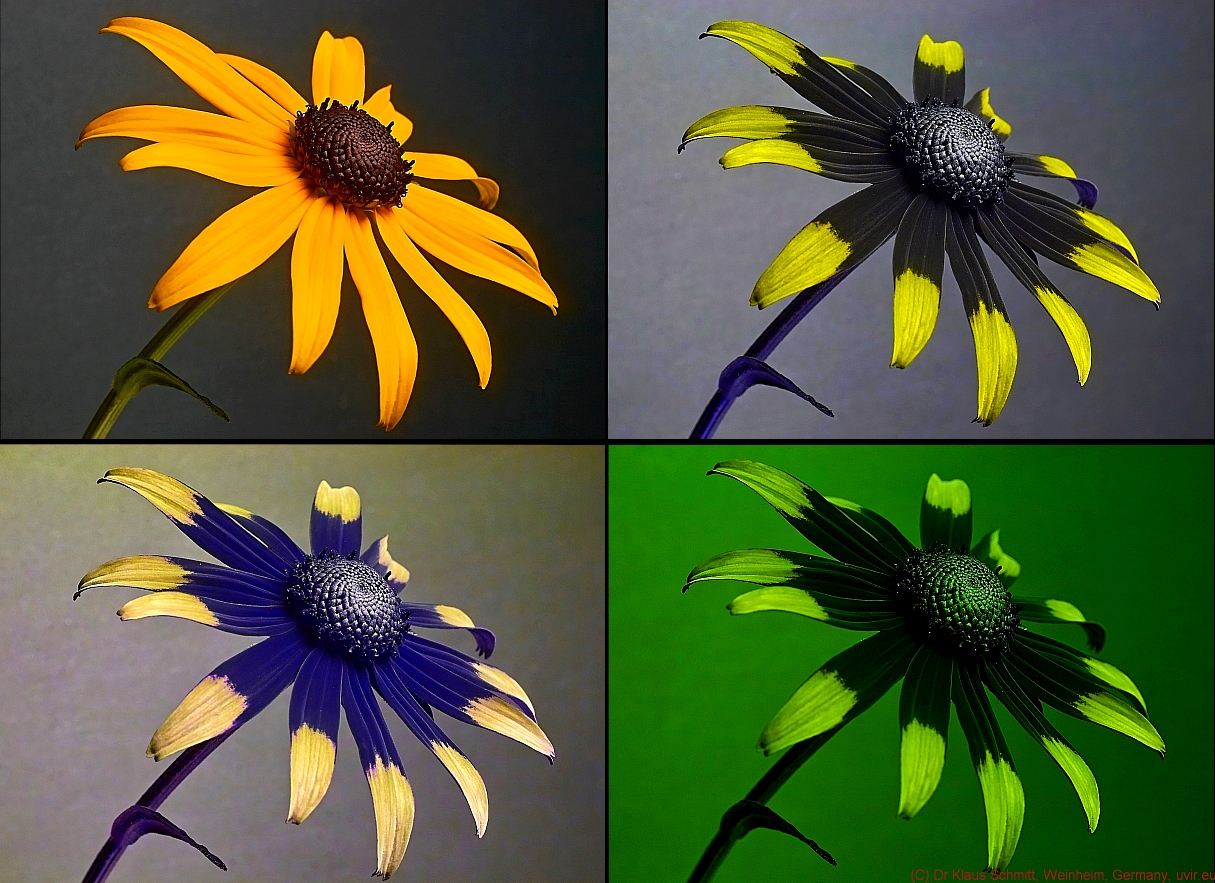
Mexican Zinnia - Zinnia haagenea in reflected ultraviolet photography and simulated butterfly and bee vision XXV

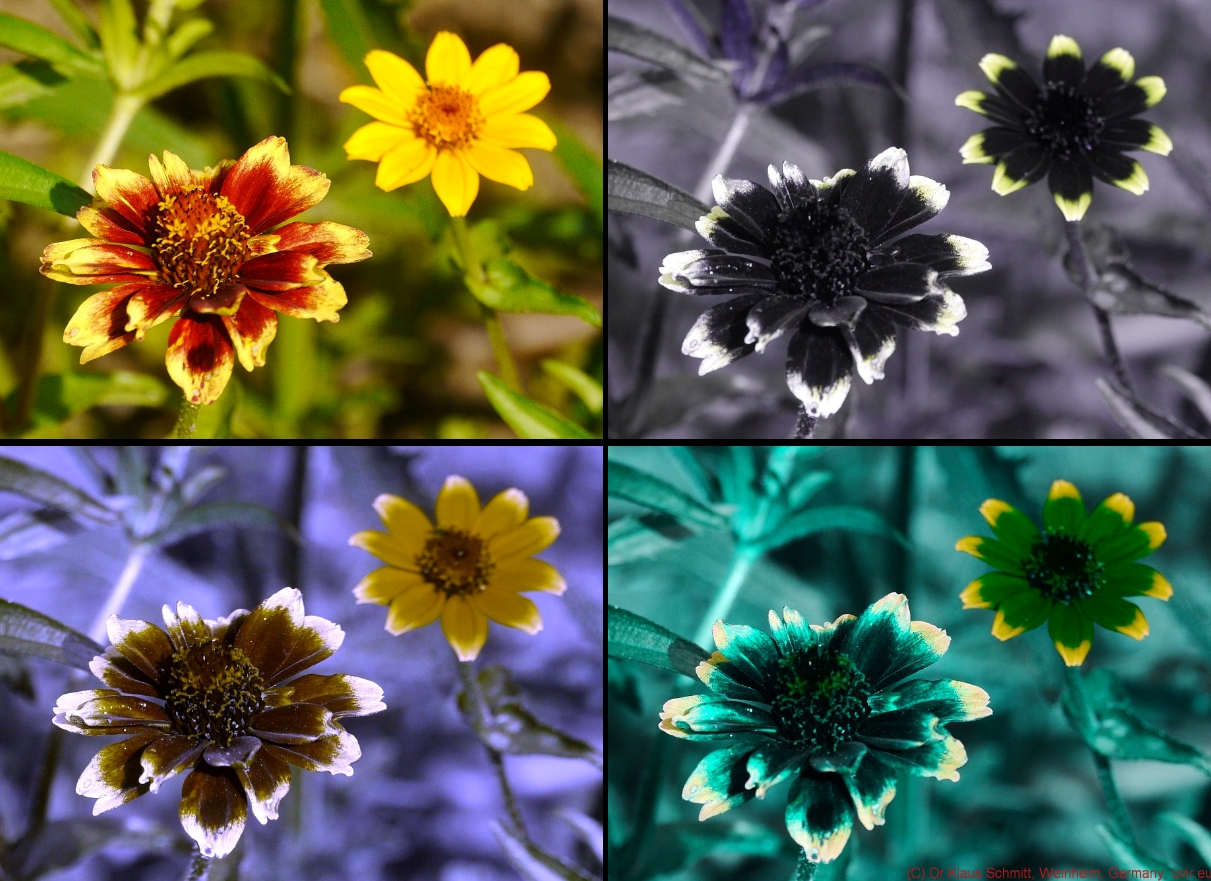
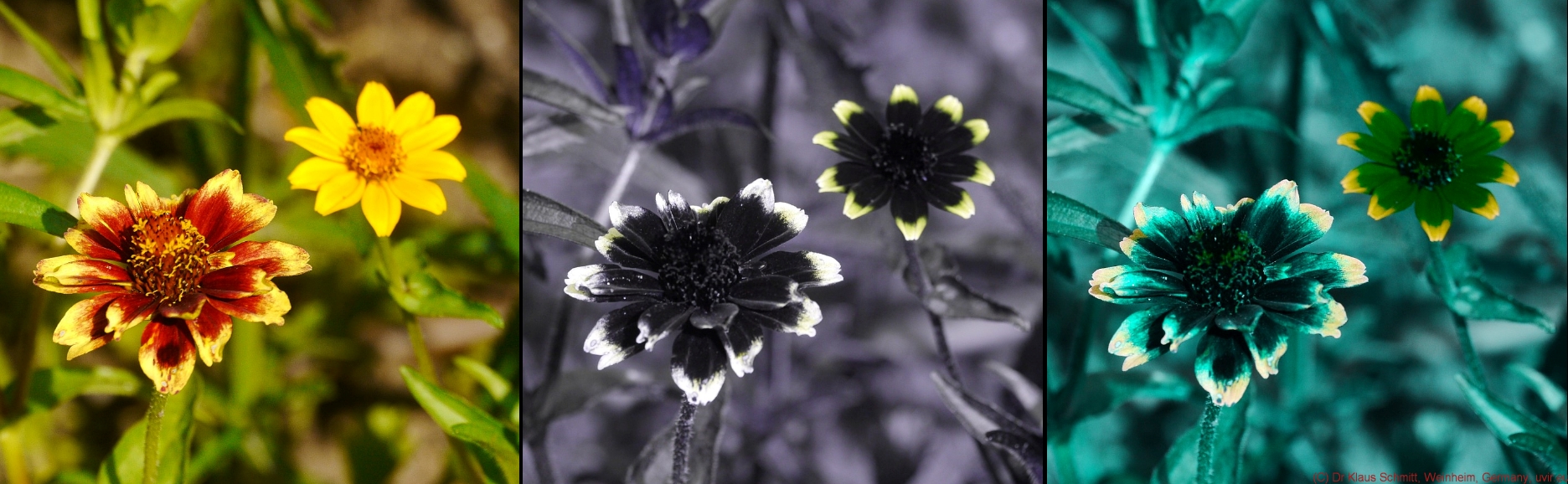
Today more shots of a very decorative summer flower, Mexican Zinnia - Zinnia haagenea in reflected ultraviolet photography using my "work horse" UV filter, the Baader-U filter as well as in simulated butterfly and bee vision using my proprietary XBV filters. Lens was my CERCO 94mm quartz flourite lens. Light source was sunlight. All shots were done at about f5.6.

[click on image to see a larger one]

Quadriptych (left to right, top to bottom): Human vision, UV, simulated butterfly vision, simulated bee vision:
 

Triptych (left to right): Human vision, UV, simulated bee vision:
 

Triptych (left to right): Human vision, simulated butterfly vision, simulated bee vision:
 

Mexican Zinnia flowers have a very specific UV pattern. Their petals are very UV dark in the middle and bottom, their petal tips, however, are very UV bright (around 370nm outer tip, 365nm middle tip, 350nm border to dark), reaching deeper into UV as any other flower I know of, and all this gets nicely visible.

I have previously written about those Zinnias HERE

Stay tuned, more will follow on that fascinating subject...

Mexican Zinnia - Zinnia haagenea in reflected ultraviolet photography and simulated butterfly and bee vision XXIV

Today some shots of a very decorative summer flower, Mexican Zinnia - Zinnia haagenea in reflected ultraviolet photography using my "work horse" UV filter, the Baader-U filter as well as in simulated butterfly and bee vision using my proprietary XBV filters. Lens was my CERCO 94mm quartz flourite lens. Light source was sunlight. All shots were done at about f5.6.

[click on image to see a larger one]

Quadriptych (left to right, top to bottom): Human vision, UV, simulated butterfly vision, simulated bee vision:
 

Triptych (left to right): Human vision, UV, simulated bee vision:
 

Triptych (left to right): Human vision, simulated butterfly vision, simulated bee vision:
 

Mexican Zinnia flowers have a very specific UV pattern. Their petals are very UV dark in the middle and bottom, their petal tips, however, are very UV bright (around 370nm outer tip, 365nm middle tip, 350nm border to dark), reaching deeper into UV as any other flower I know of, and all this gets nicely visible.

I have previously written about those Zinnias HERE

Stay tuned, more will follow on that fascinating subject...

Mexican Zinnia - Zinnia haagenea in reflected ultraviolet photography and simulated butterfly and bee vision XXIII

Today some shots of a very decorative summer flower, Mexican Zinnia - Zinnia haagenea in reflected ultraviolet photography using my "work horse" UV filter, the Baader-U filter as well as in simulated butterfly and bee vision using my proprietary XBV filters. Lens was my CERCO 94mm quartz flourite lens. Light source was sunlight. All shots were done at about f5.6.

[click on image to see a larger one]

Quadriptych (left to right, top to bottom): Human vision, UV, simulated butterfly vision, simulated bee vision:
 

Triptych (left to right): Human vision, UV, simulated bee vision:
 

Triptych (left to right): Human vision, simulated butterfly vision, simulated bee vision:
 

Mexican Zinnia flowers have a very specific UV pattern. Their petals are very UV dark in the middle and bottom, their petal tips, however, are very UV bright (around 370nm left, 365nm right), reaching deeper into UV as any other flower I know of, and all this gets nicely visible.

I have previously written about those Zinnias HERE

Stay tuned, more will follow on that fascinating subject...

Monday, June 29, 2015

Mexican Zinnia - Zinnia haagenea in reflected ultraviolet photography and simulated butterfly and bee vision XXII

Today some shots of a very decorative summer flower, Mexican Zinnia - Zinnia haagenea in reflected ultraviolet photography using my "work horse" UV filter, the Baader-U filter as well as in simulated butterfly and bee vision using my proprietary XBV filters. Lens was my CERCO 94mm quartz flourite lens. Light source was sunlight. All shots were done at about f5.6.

[click on image to see a larger one]

Quadriptych (left to right, top to bottom): Human vision, UV, simulated butterfly vision, simulated bee vision:
 

Triptych (left to right): Human vision, UV, simulated bee vision:
 

Triptych (left to right): Human vision, simulated butterfly vision, simulated bee vision:
 

Mexican Zinnia flowers have a very specific UV pattern. Their petals are very UV dark in the middle and bottom, their petal tips, however, are very UV bright (here around 365nm), reaching deeper into UV as any other flower I know of, and all this gets nicely visible.

I have previously written about those Zinnias HERE

Stay tuned, more will follow on that fascinating subject...

Tuesday, July 22, 2014

Orange coneflower - Rudbeckia fulgida in reflected deep ultraviolet photography and simulated butterfly and bee vision X

Today lab shots of a decorative summer flower which started to bloom on my balcony, Orange coneflower - Rudbeckia fulgida in reflected ultraviolet photography using my "work horse" UV filter, the Baader-U, Jupiter-U, Saturn-U and Uranus-U deep UV filter, as well as in simulated butterfly and bee vision using my proprietary XBV filters. Lens was my CERCO 94mm quartz flourite lens. Light source was a modified Xenon flash. All shots were done at about f8.

[click on image to see a larger one]

Visible light image
 

UV image using Baader-U filter (approx. 320-395nm, effective peak approx. 375nm):  

UV image using Jupiter-U filter (approx. 280-385nm, effective peak approx. 365nm):
 

UV image using Saturn-U filter (approx. 300-350nm, effective peak approx. 325nm):
 

UV image using Uranus-U filter (approx. 270-320nm, effective peak approx. 315nm):
 

Simulated butterfly vision image using XBV3 filter:  

Simulated bee vision image using XBV6 filter:  

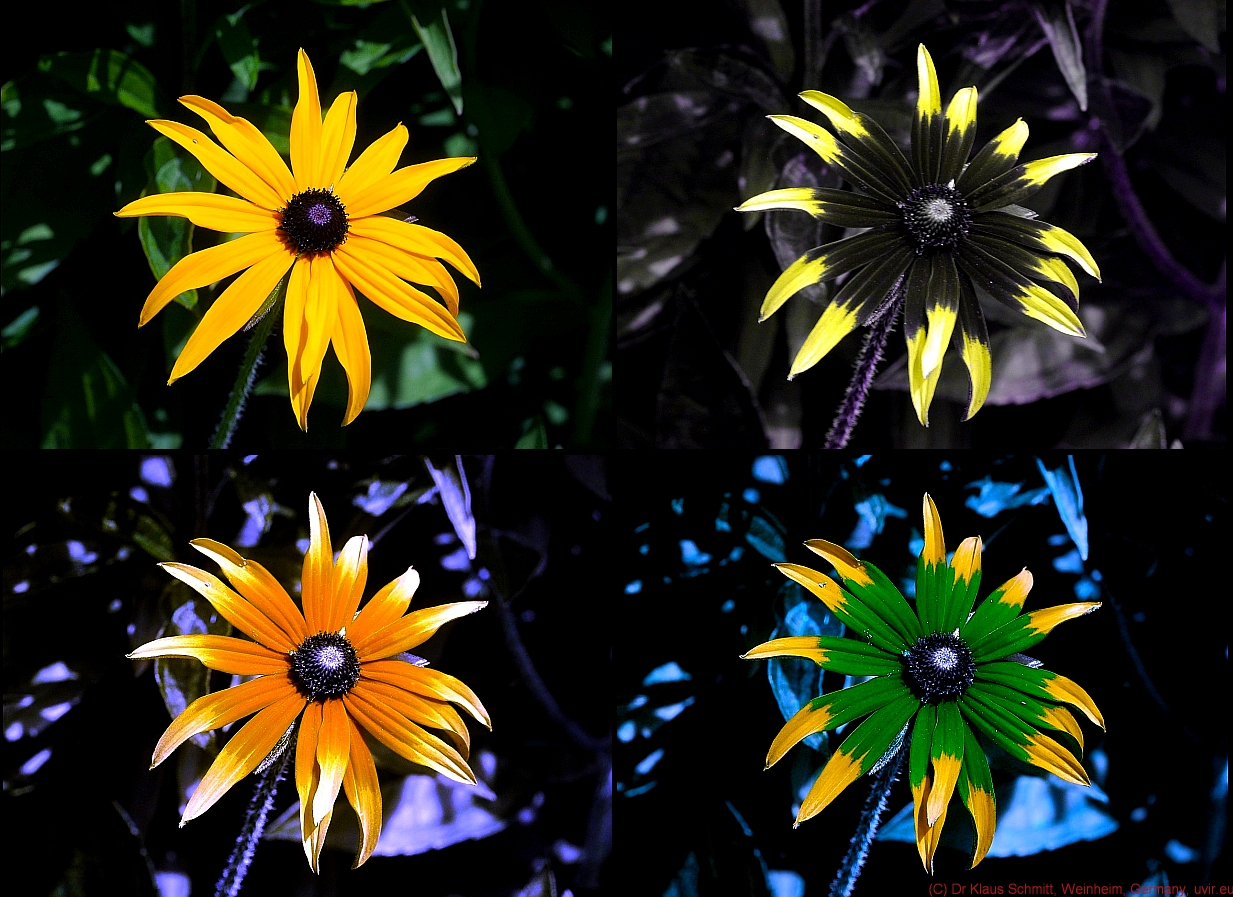
Quadriptych of the above (with bee/butterfly vision):
 

Quadriptych of the above (with deep UV):
 

This attractive flower shows its very prominent UV bullseye pattern, its petals have an UV dark bottom and very UV bright tips (around 365nm), invisible to us humans, and all this gets nicely visible.


Stay tuned, more will follow on that fascinating subject...
Friday, June 27, 2014

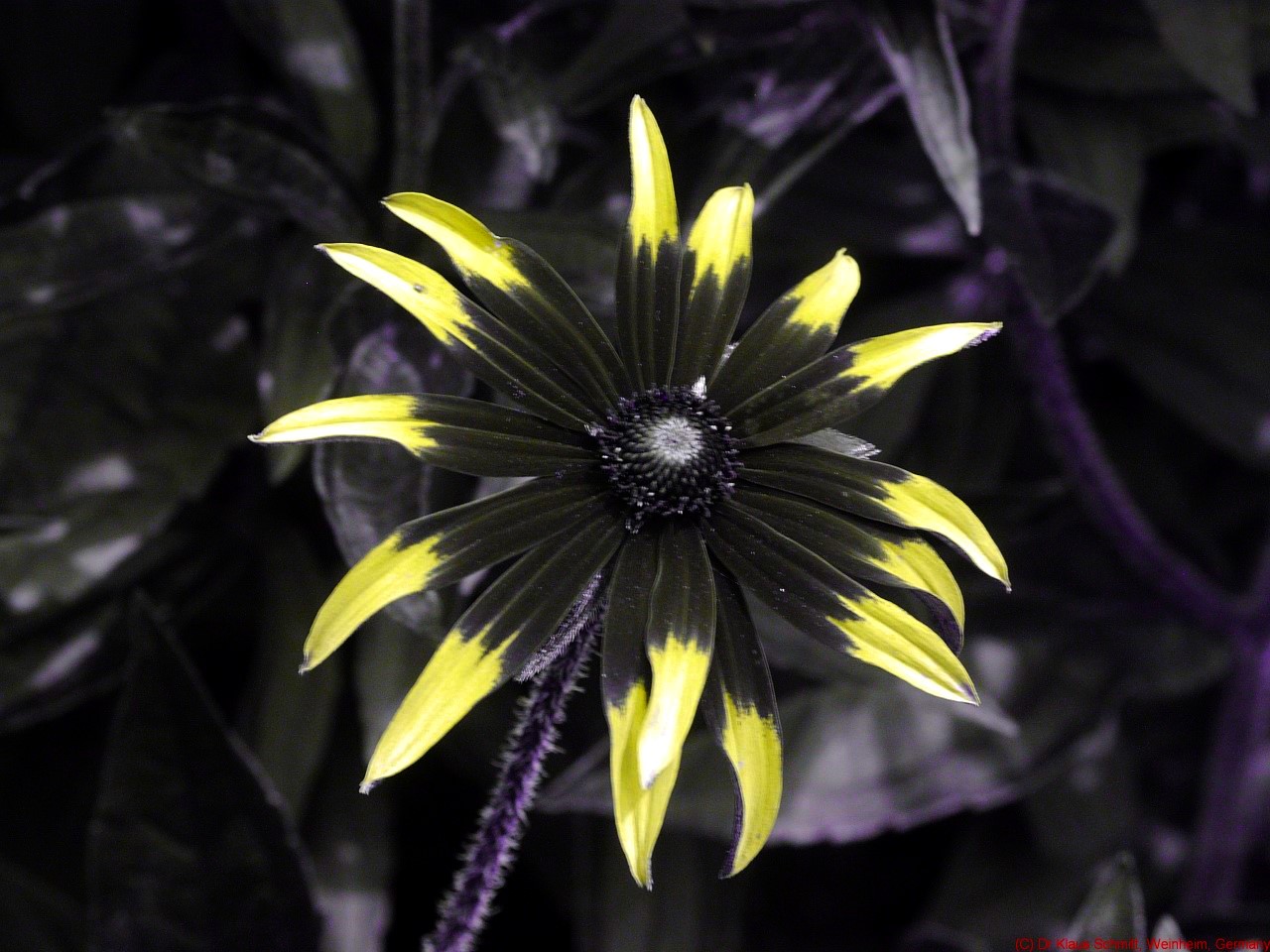
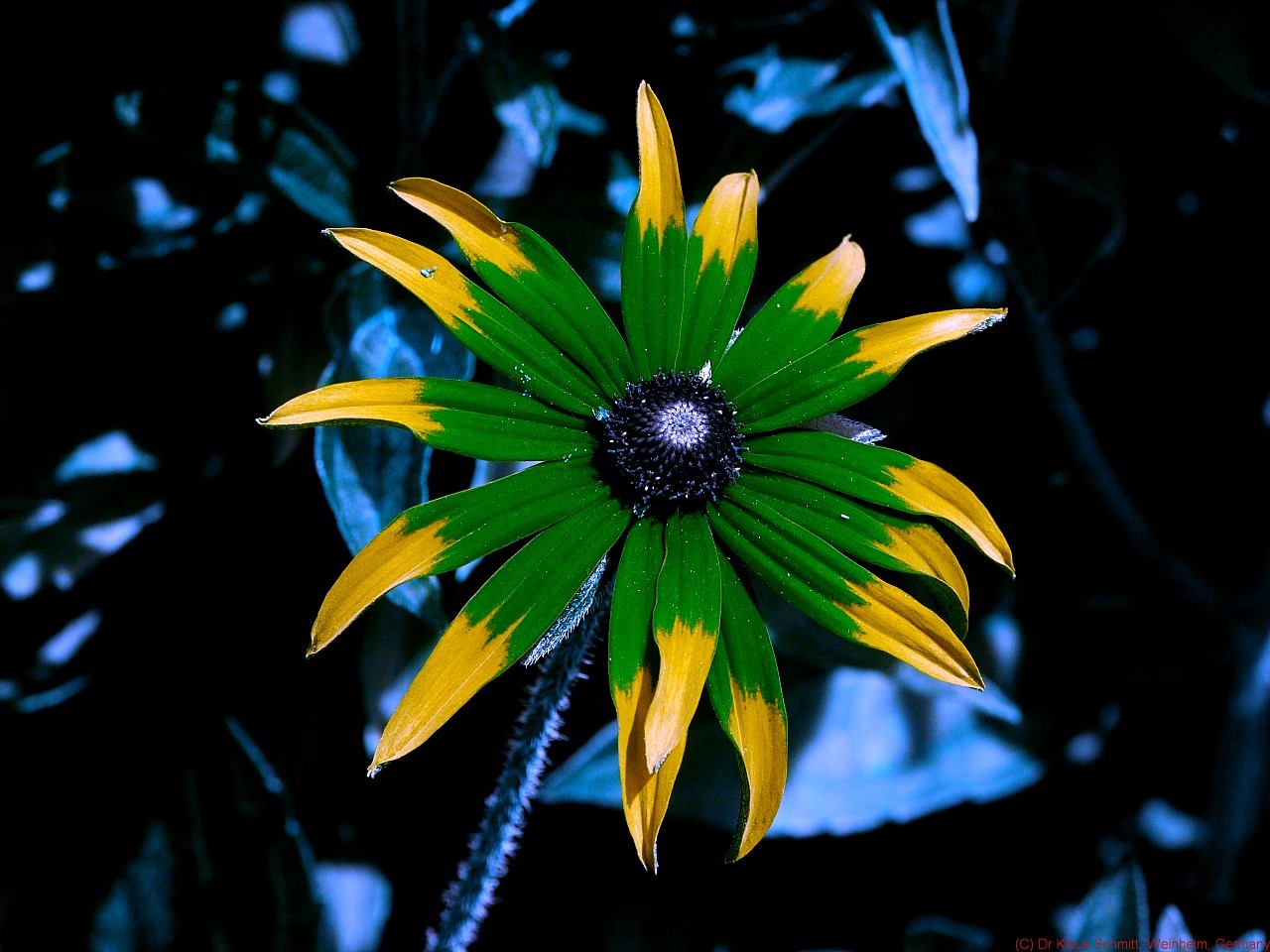
Orange coneflower - Rudbeckia fulgida in reflected ultraviolet photography and simulated butterfly and bee vision IX

Today shots of a decorative summer flower which just started to bloom in my fav pak, Orange coneflower - Rudbeckia fulgida in reflected ultraviolet photography using my "work horse" UV filter, the Baader-U filter as well as in simulated butterfly and bee vision using my proprietary XBV filters. Lens was my CERCO 94mm quartz flourite lens. Light source was sunlight. All shots were done at about f5.6.

[click on image to see a larger one]

Visible light image
 

UV image using Baader-U filter (approx. 320-395nm, effective peak approx. 375nm):  

Simulated butterfly vision image using XBV3 filter:  

Simulated bee vision image using XBV6 filter:  

Quadriptych of the above images:
 

This attractive flower shows its very prominent UV bullseye pattern, its petals have an UV dark bottom and very UV bright tips (around 365nm), invisible to us humans, and all this gets nicely visible.


Stay tuned, more will follow on that fascinating subject...

Thursday, June 26, 2014

Mexican Zinnia - Zinnia haagenea in reflected ultraviolet photography and simulated butterfly and bee vision XXI

Today now a summary of shots of some specimens of a very decorative summer flower, Mexican Zinnia - Zinnia haagenea in reflected ultraviolet photography using my "work horse" UV filter, the Baader-U filter as well as in simulated butterfly and bee vision using my proprietary XBV filters. Lens was my CERCO 94mm quartz flourite lens. Light source was sunlight. All shots were done at about f5.6.

[click on image to see a larger one]

Sequence of quadriptychs is (left to right, top to bottom): Human vision, UV, simulated butterfly vision, simulated bee vision:


Mexican Zinnia flowers have a very specific UV pattern. Their petals are very UV dark in the middle and bottom, but their petal tips are very UV bright, reaching much deeper into UV as any other flower I know (< 345nm), and all this gets nicely visible.


Stay tuned, more will follow on that fascinating subject...

Mexican Zinnia - Zinnia haagenea in reflected ultraviolet photography and simulated butterfly and bee vision XX

Today shots of another specimen of a very decorative summer flower, Mexican Zinnia - Zinnia haagenea in reflected ultraviolet photography using my "work horse" UV filter, the Baader-U filter as well as in simulated butterfly and bee vision using my proprietary XBV filters. Lens was my CERCO 94mm quartz flourite lens. Light source was sunlight. All shots were done at about f5.6.

[click on image to see a larger one]

Visible light image
 

UV image using Baader-U filter (approx. 320-395nm, effective peak approx. 375nm):  

Simulated butterfly vision image using XBV3 filter:  

Simulated bee vision image using XBV6 filter:  

Quadriptych of the above images:
 

Mexican Zinnia flowers have a very specific UV pattern. Their petals are very UV dark in the middle and bottom, but their petal tips are very UV bright, reaching much deeper into UV as any other flower I know (< 345nm), and all this gets nicely visible.


Stay tuned, more will follow on that fascinating subject...

Mexican Zinnia - Zinnia haagenea in reflected ultraviolet photography and simulated butterfly and bee vision XIX

Today shots of another specimen of a very decorative summer flower, Mexican Zinnia - Zinnia haagenea in reflected ultraviolet photography using my "work horse" UV filter, the Baader-U filter as well as in simulated butterfly and bee vision using my proprietary XBV filters. Lens was my CERCO 94mm quartz flourite lens. Light source was sunlight. All shots were done at about f5.6.

[click on image to see a larger one]

Visible light image
 

UV image using Baader-U filter (approx. 320-395nm, effective peak approx. 375nm):  

Simulated butterfly vision image using XBV3 filter:  

Simulated bee vision image using XBV6 filter:  

Quadriptych of the above images:
 

Mexican Zinnia flowers have a very specific UV pattern. Their petals are very UV dark in the middle and bottom, but their petal tips are very UV bright, reaching much deeper into UV as any other flower I know (< 345nm), and all this gets nicely visible.


Stay tuned, more will follow on that fascinating subject...

Mexican Zinnia - Zinnia haagenea in reflected ultraviolet photography and simulated butterfly and bee vision XVIII

Today shots of another specimen of a very decorative summer flower, Mexican Zinnia - Zinnia haagenea in reflected ultraviolet photography using my "work horse" UV filter, the Baader-U filter as well as in simulated butterfly and bee vision using my proprietary XBV filters. Lens was my CERCO 94mm quartz flourite lens. Light source was sunlight. All shots were done at about f5.6.
[click on image to see a larger one]

Visible light image
 

UV image using Baader-U filter (approx. 320-395nm, effective peak approx. 375nm):  

Simulated butterfly vision image using XBV3 filter:  

Simulated bee vision image using XBV6 filter:  

Quadriptych of the above images:
 

Mexican Zinnia flowers have a very specific UV pattern. Their petals are very UV dark in the middle and bottom, but their petal tips are very UV bright, reaching much deeper into UV as any other flower I know (< 345nm), and all this gets nicely visible.


Stay tuned, more will follow on that fascinating subject...