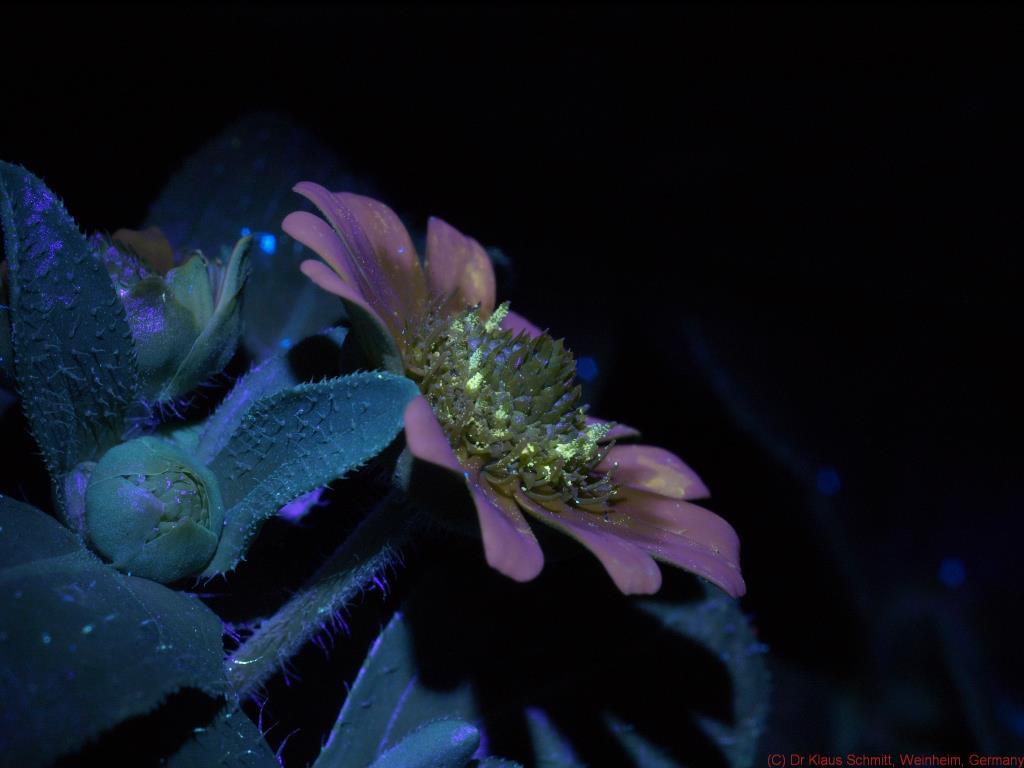
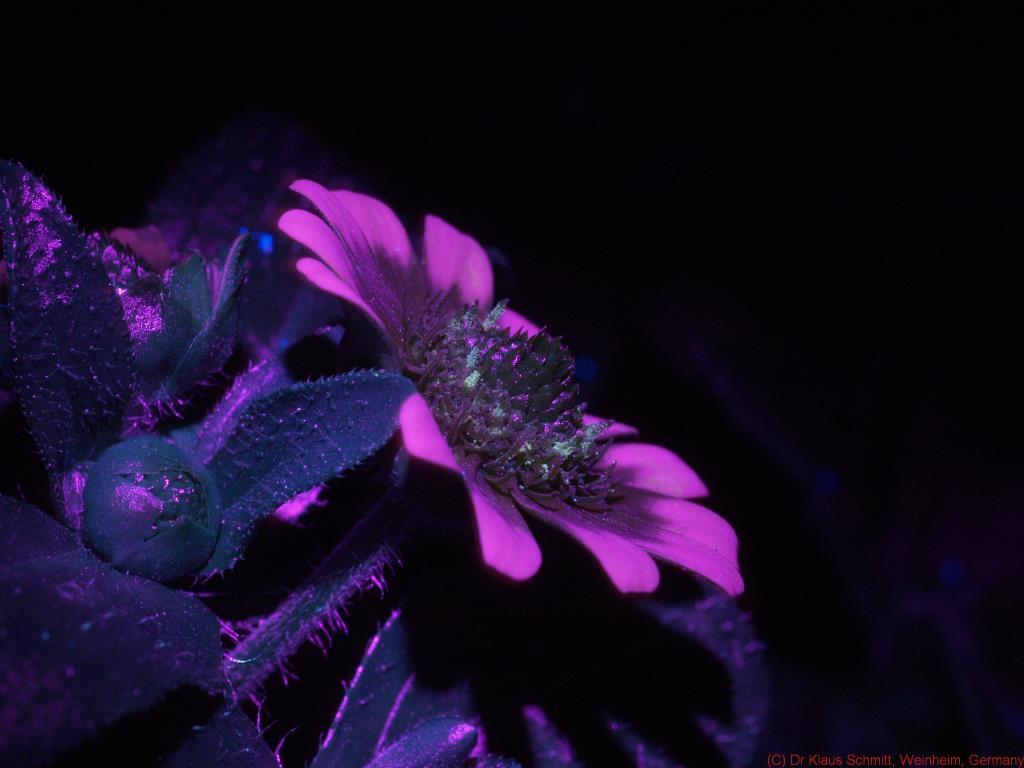
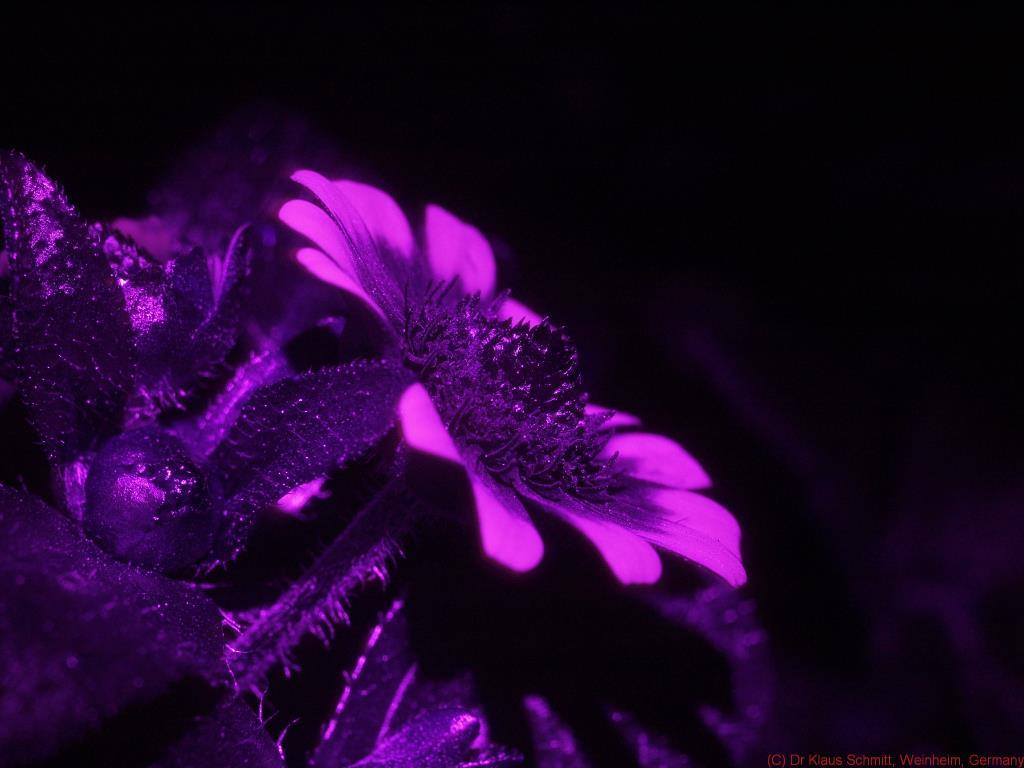
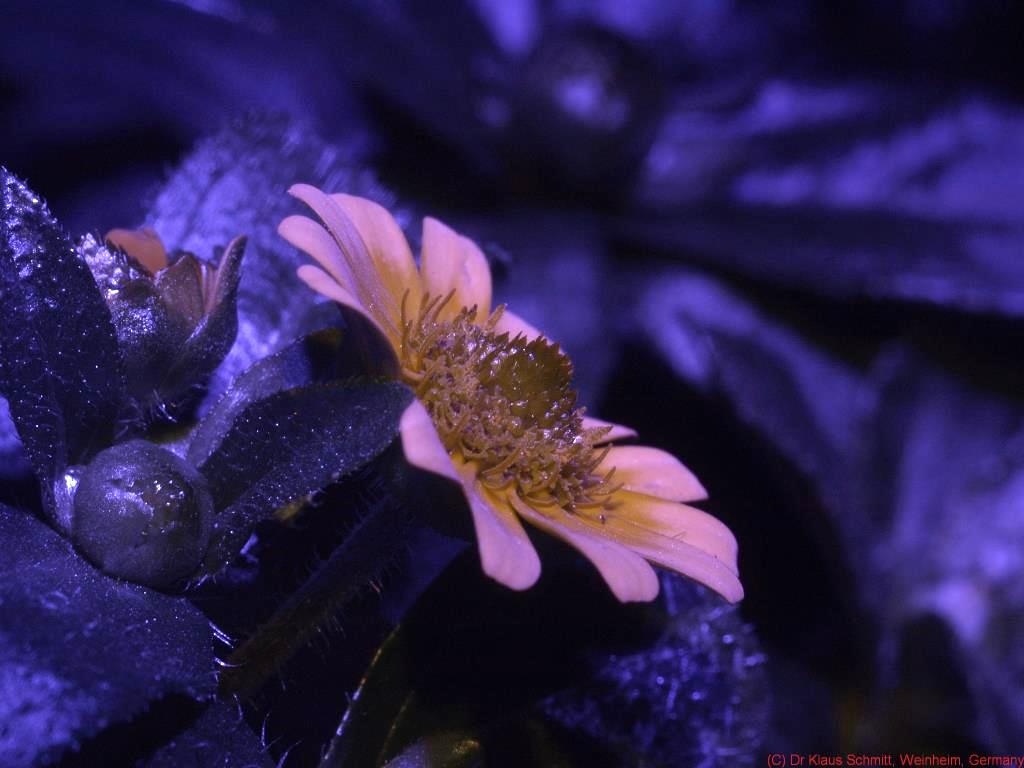
Showing posts with label bee. Show all posts

Friday, February 26, 2016

San Francisco Science Museum - Color of Life Exhibit with Rudbeckia fulgida in reflected ultraviolet (UV) photography II

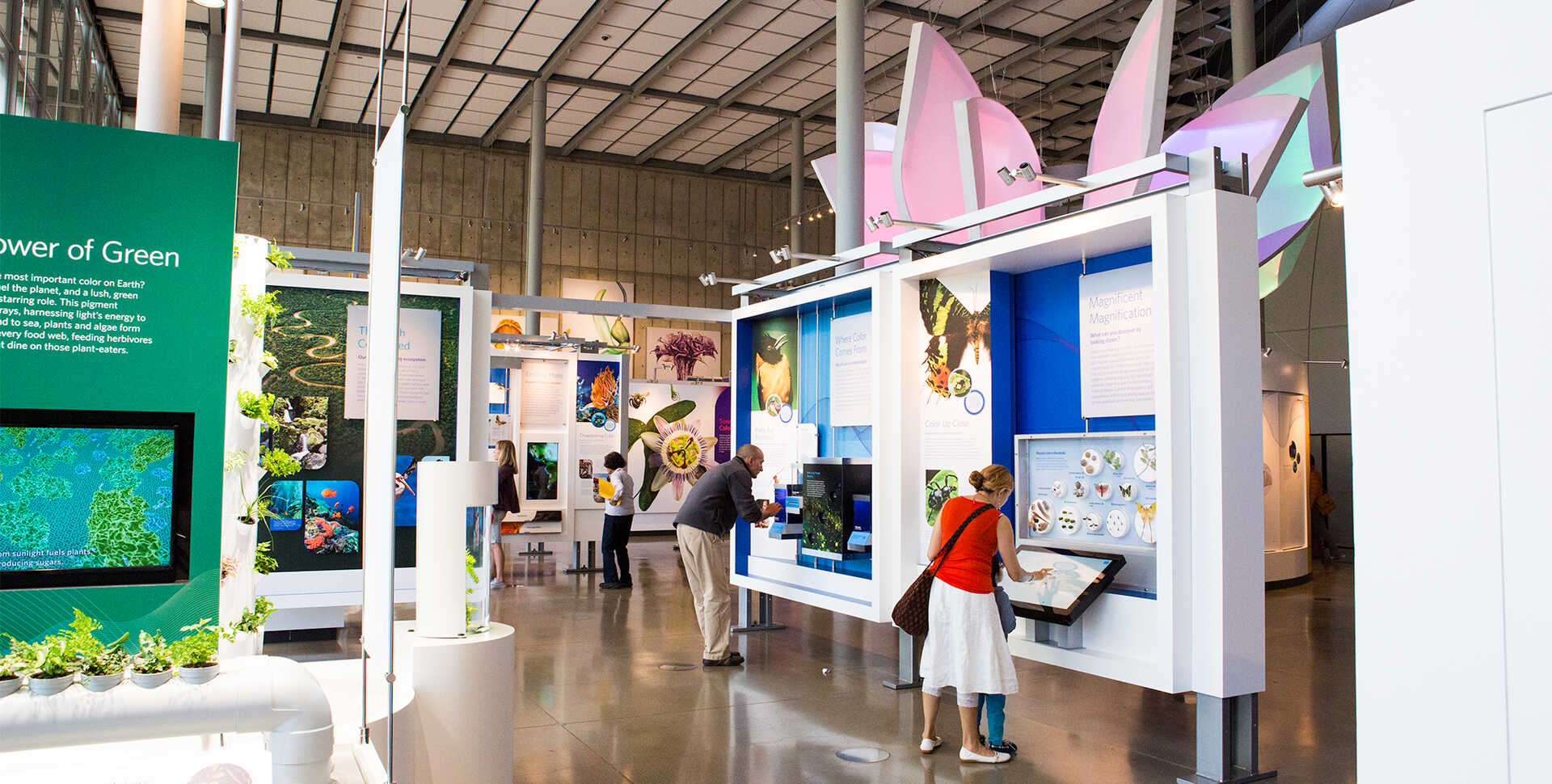
Today more about that soectacular exhibit at the San Francisco Science Museum which has opened in June 2015 and which has some of my work in it. They included my Rudbeckia fulgida var. deamii outside shots in visible and ultraviolet light.

San Francisco - California Academy of Science exhibit "Color if Life", a great honor to be part of it with my works!

Posted by Klaus Schmitt on Friday, February 26, 2016

The Science Museum has chosen my work, as UV photography reveals the very prominent "bullseye" UV patterns, visible to bees and butterflies, but invisible to us humans.

If you find time to, pay it a visit, certainly worth going, especially their new Thursday evenings (6-10pm) Nighlife events!!

I have written about this previously HERE
 
Stay tuned, more will follow on that fascinating subject...

Friday, November 20, 2015

BBC Four - Colour: The Spectrum of Science

BBC Channel Four has recently produced and aired their three episode series "Colour: The Spectrum of Science ". The last episode "Beyond the Rainbow" has been aired on November 18, 2015 and deals with invisible colors, resp. IR and UV, the latter also about using reflected UV for behavioural reasons (starling) and pollination (bees). I have consulted the production team about the latter and have photographed and shown them the European starlings UV pattern (I wrote about that HERE ).

Diptych (left to right): Human vison, reflected UV (Baader-U filter):


Quote BBC: " Colour: The Spectrum of Science - 3. Beyond the Rainbow
We live in a world ablaze with colour. Rainbows and rainforests, oceans and humanity, earth is the most colourful place we know of. But the colours we see are far more complex and fascinating than they appear. In this series, Dr Helen Czerski uncovers what colour is, how it works, and how it has written the story of our planet.

The colours that we see are only a fraction of what's out there. Beyond the rainbow there are colours invisible to our eyes. In this episode, Dr Helen Czerski tells the story of scientific discovery. To see the universe in a whole new light, Helen takes to the skies in a NASA jumbo jet equipped with a 17-tonne infrared telescope.

We can't see in ultra violet, but many animals can. Helen explores what the world looks like to the birds and the bees. With the discovery of x-rays we could look inside ourselves in ways that previously had only been possible after death. Today those same x-rays allow us to examine life at the atomic level, helping to develop new drugs and better materials. Ultimately, by harnessing all the colours there are, researchers are beginning to image the human body as never before, revealing new ways to treat disease."

Here now is the link to the video on BBC iPlayer

A wonderful production certainly worth watching!


Stay tuned, more will follow on that fascinating subject...

Sunday, October 18, 2015

ZDF TerraX Series "The Magic of Colors" Oct 18 2015 19:30h CET II

The TerraX/ZDF production company had contracted me and my UV cameras to contribute stills and a HD UV video to their series "The Magic of Colors". This episode has been aired on October 18, 2015 at primetime 19:30 hours CET and has shown the iportance of colors in human evolution, but also the importance for flowering plants and bees.

Here now is the video, Flowers + Bees in VIS + UV starts at 15:35
Impressive, as all the TerraX productions are and very worth watching!

I have written about that before HERE

Stay tuned, more will follow on that fascinating subject...

Saturday, August 1, 2015

San Francisco Science Museum - Color of Life Exhibit with Rudbeckia fulgida in reflected ultraviolet (UV) photography

Today about a new exhibit at the San Francisco Science Museum - Color of Life which has opened in June this year and which has some of my work in it. They included my Rudbeckia fulgida var. deamii outside shots in visible and ultraviolet light.

A glipse of the exhibit, located in several areas totalling an impressive 8.000sqft:
(C) California Science Museum

The Science Museum has chosen my work, as the petals of this R. fulgida exhibit a very prominent "bullseye" UV pattern, visible to bees and butterflies, but invisible to us humans.

Diptych of R. fulgida var deamii (left to right): Human vison, reflected UV:


This flower is reflecting UV strongly around 365nm at its petal tips (shown in yellow) with otherwise dark parts and hence creates a very distinct UV "bullseye pattern" nectar guide for its pollinators and all this gets nicely visible here.

If you find time to, pay it a visit, certainly worth going!!

I have written about this flower previously HERE
 
Stay tuned, more will follow on that fascinating subject...

Sunday, March 11, 2012

[UV] Animated GIF's from ultraviolet UV videos

Testing how to embed animated UV video GIF's made from UV videos.


Quite neat for a preview....


Stay tuned, more will follow on that fascinating subject...
More info on this very interesting field may be found on my site http://www.pbase.com/kds315/uv_photos

Friday, July 29, 2011

[UV] foraging bee on Campanula - ultraviolet HDTV video

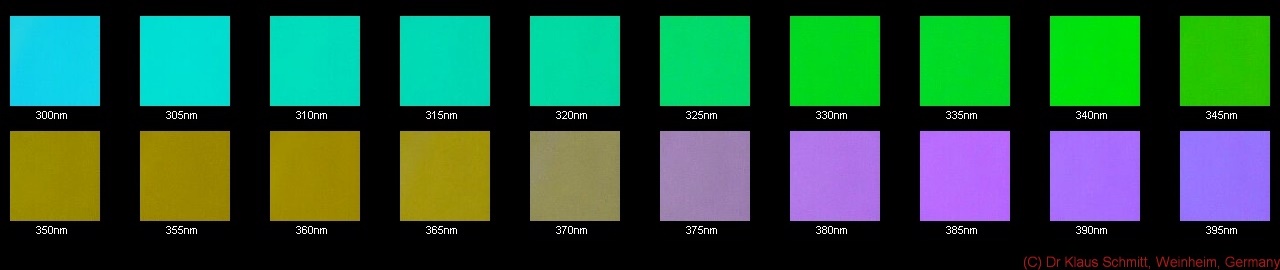
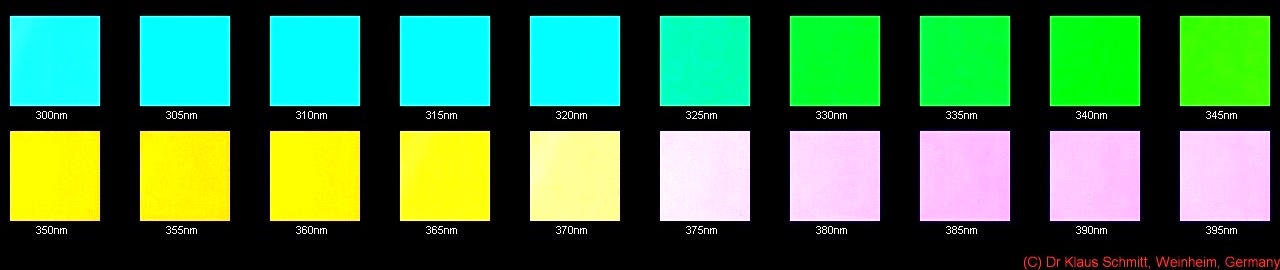
Today more about UV videos, here shots from Hermannshof Park, Weinheim, Germany of a Campanula persicifolia flower. This flower exhibit a long wave UV reflection and very light UV pattern, in blue/violet color corresponding to a about 395nm UV reflection (cf my false color UV palette), which gets nicely visible in this HDTV video.

This video here also uses my Standardized false UV color normal + high intensity palette:


UV video of Campanula:


Stay tuned, more will follow on that fascinating subject...

More info on this very interesting field may be found on my site http://www.pbase.com/kds315/uv_photos

[UV] foraging bee on Malva - ultraviolet HDTV video

Today more about UV videos, here shots from Hermannshof park of a Malva moschata flower. This flower exhibit a long wave UV reflection and very light UV pattern, in blue/violet color corresponding to a about 390nm UV reflection (cf my false color UV palette), which gets nicely visible in this HDTV video.

This video here also uses my Standardized false UV color normal + high intensity palette:


UV video of Malva:


Stay tuned, more will follow on that fascinating subject...
More info on this very interesting field may be found on my site http://www.pbase.com/kds315/uv_photos

[UV] Foraging bees on Echinops - ultraviolet HDTV video

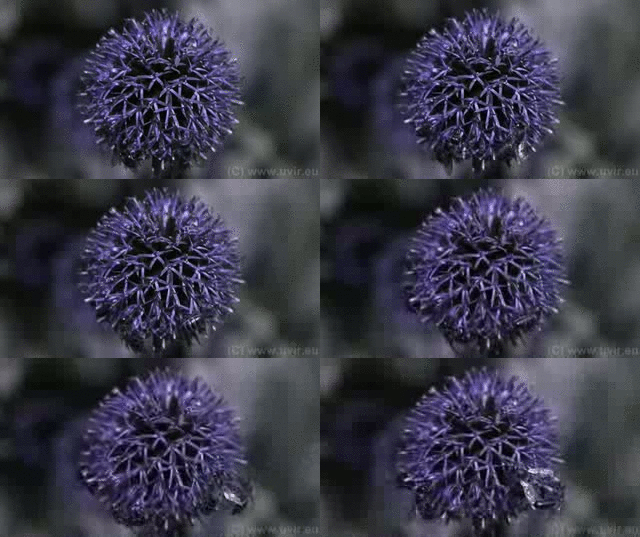
Today more about UV videos, here shots from Hermannshof park of a Echinops flower. This flower exhibit only a long wave UV reflection and very light UV pattern, in blue/violet color corresponding to a about 390nm reflection (cf my false color UV palette), which gets nicely visible in this HDTV video.

This video here also uses my Standardized false UV color normal + high intensity palette:


UV video of Echinops:


Stay tuned, more will follow on that fascinating subject...
More info on this very interesting field may be found on my site http://www.pbase.com/kds315/uv_photos

Wednesday, July 27, 2011

[UV] Helianthus tuberosus and foraging bee - ultraviolet video

Today more about UV videos, here shots from Hermannshof park of a Helianthus tuberosus flower. These flowers exhibit a quite prominent bullseye pattern, in yellow colors corresponding to a 360nm UV reflection (cf my false color UV palette), which gets nicely visible in this HDTV video.

This video here also uses my Standardized false UV color normal + high intensity palette:


UV video of Helianthus tuberosus:


Stay tuned, more will follow on that fascinating subject...
More info on this very interesting field may be found on my site http://www.pbase.com/kds315/uv_photos

[UV] Gaillardia with foraging Bumble Bee - ultraviolet HDTV video

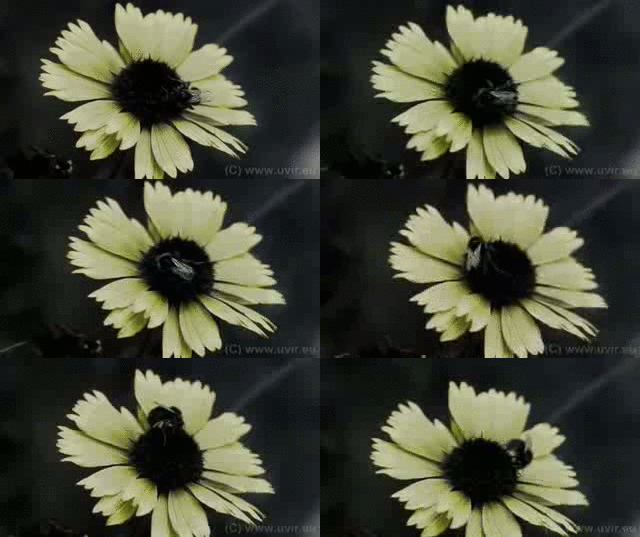
Today more about UV videos, here shots from Hermannshof park of a Gaillardia aristata flower. These flowers exhibit a hidden, but very prominent bullseye pattern, in yellow colors corresponding to an about 360 - 370nm UV reflection (cf my false color UV palette), which gets nicely visible in this HDTV video.

This video here also uses my Standardized false UV color normal + high intensity palette:


UV video of Gaillardia:


Stay tuned, more will follow on that fascinating subject...
More info on this very interesting field may be found on my site http://www.pbase.com/kds315/uv_photos

Tuesday, July 26, 2011

[UV] Zinnia with deep UV reflection pattern - ultraviolet HDTV video

Today more about UV videos, here shots from Hermannshof park of Zinnia flowers from Mexico (I published about them here earlier). These flowers exhibit a very prominent and very deep into UV reaching bullseye pattern, here represented by green - yellow colors corresponding to an about 340 - 360nm UV reflection (cf my false color UV palette), which gets nicely visible in this HDTV video.

This video here also uses my Standardized false UV color normal + high intensity palette:


UV video of deep UV reflecting Zinnias:


Stay tuned, more will follow on that fascinating subject...
More info on this very interesting field may be found on my site http://www.pbase.com/kds315/uv_photos

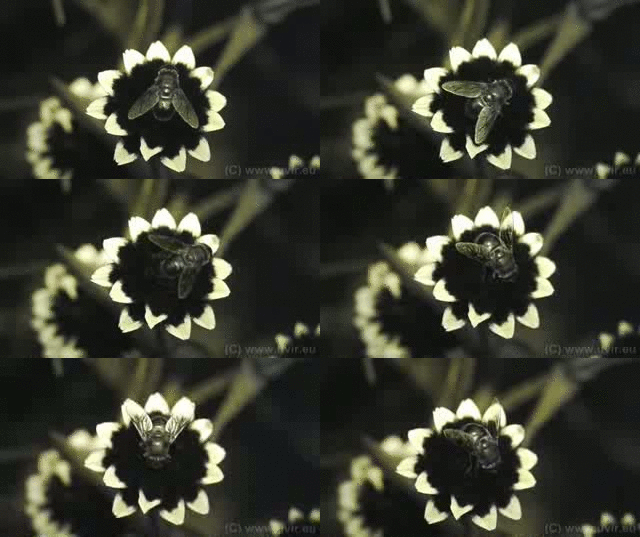
[UV] Foraging bee on Zinnia flower in UV - ultraviolet HDTV video

Today more about UV videos, here shots from Hermannshof park of a foraging bee on a Zinnia flower from Mexico (I published about them here earlier. This flower exhibits a very prominent and deep into UV reaching bullseye pattern with some grayish reflection, corresponding to an about 370nm UV reflection (cf my standardized false UV color palette), which gets nicely visible in this HDTV video.

This video here also uses my Standardized false UV color normal + high intensity palette:


UV video with foraging bee on a Zinnia:


Stay tuned, more will follow on that fascinating subject...
More info on this very interesting field may be found on my site http://www.pbase.com/kds315/uv_photos

[UV] Fly and Bumble Bee on Rudbeckia flower - ultraviolet HDTV video

Today more about UV videos, again using a Rudbeckia fulgida flower, but this time with two guests, an inspecting fly and a foraging Bumble Bee. This flower exhibit a very prominent UV bullseye pattern, which gets nicely visible in this HDTV video; before I had shown UV video snippets in May 2009 as a preparation for the filming of BBC's "Richard Hammonds Invisible Worlds".
These videos here also use my Standardized false UV color normal + high intensity palette:


UV video with Fly on Rudbeckia:
UV video with Bumble Bee on Rudbeckia:


Stay tuned, more will follow on that fascinating subject...

More info on this very interesting field may be found on my site http://www.pbase.com/kds315/uv_photos

Thursday, July 15, 2010

Rudbeckia hirta flower bottom up

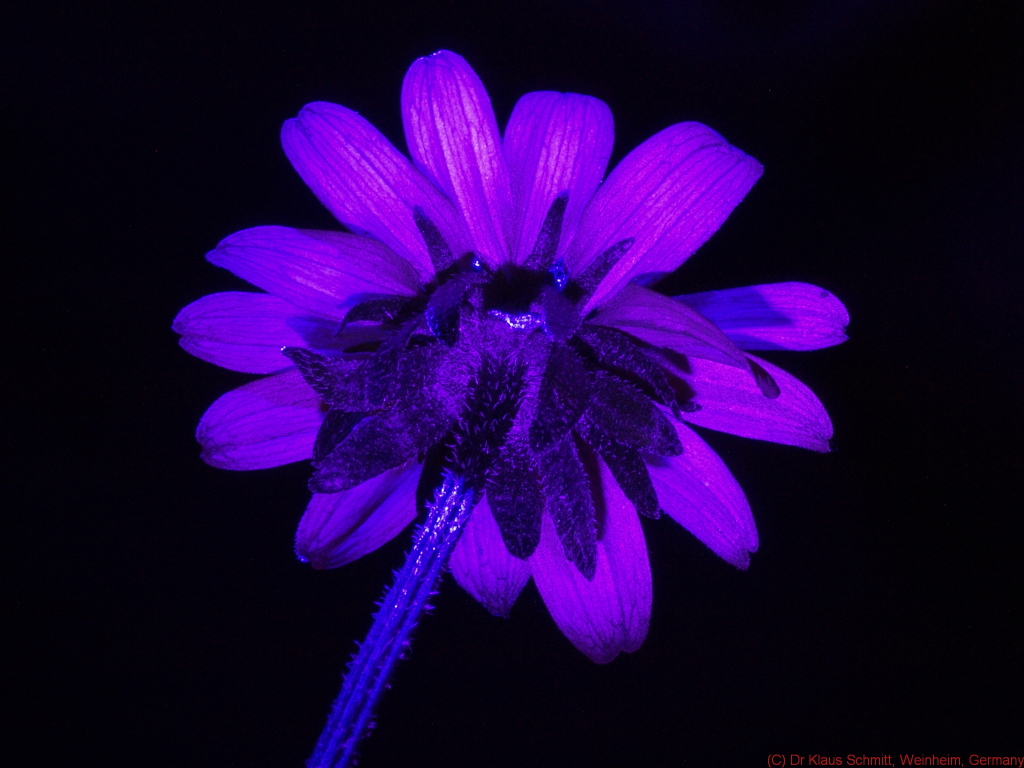
This is again about a Rudbeckia hirta a flower but this time shot bottum up.

[click on image to see a large image]

UV LED lit showing visible NIR fluorescence 


butterfly vision image shot using Xenon light:


Visible image shot using Xenon light 


Visible stereo image (for crosseyed viewing)


Stay tuned, more will follow on that fascinating subject...

More info on this very interesting field may be found on my site http://www.pbase.com/kds315/uv_photos

Sunday, June 6, 2010

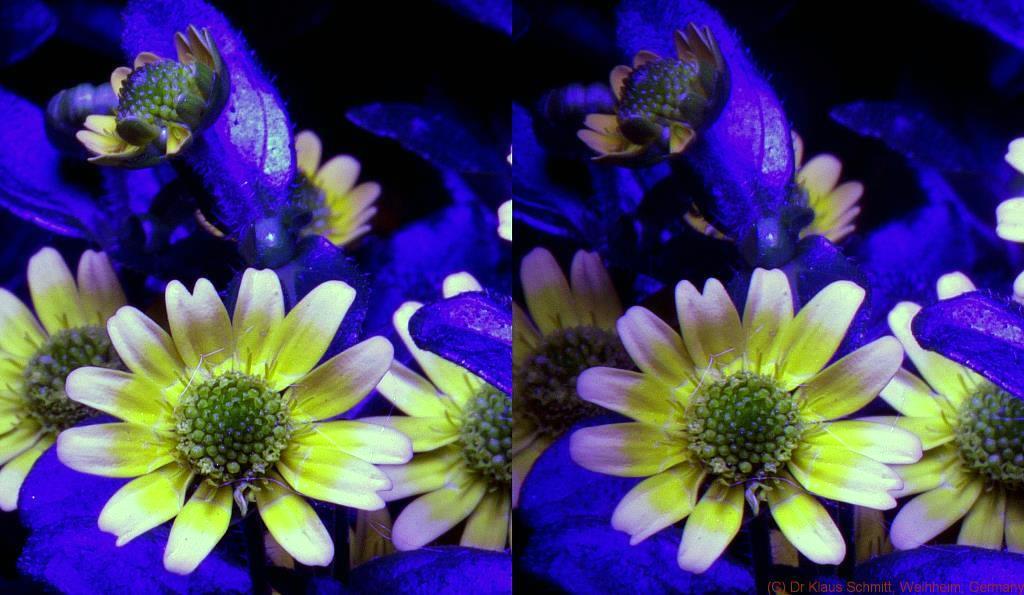
Sanvitalia (Creeping Zinnia) 3D Stereoscopic Butterfly Vision

Here a test shot of a Creeping Zinnia "Sanvitalia procumbens" flower, using a 2 shot stereo method with my UV-Rodagon 5.6/105mm lens. This is for cross eye viewing.

[click on image to see a larger one]

First some visible light shot (actually that was filtered out using the Baader UV/IR Cut filter and the rest setup was the same, to make sure I'm not seeing UV induced visible fluorescence):


Simulated Butterfly Vision (UV=blue) using my XBV2 filter: 


and another one: 


Sanvitalia is difficult to bring out the UV pattern, as that one happens much deeper in the UV region as with other flowers having that.


Stay tuned, more will follow on that fascinating subject...

More info on this very interesting field may be found on my site http://www.pbase.com/kds315/uv_photos

Sunday, April 18, 2010

Potentilla multispectral

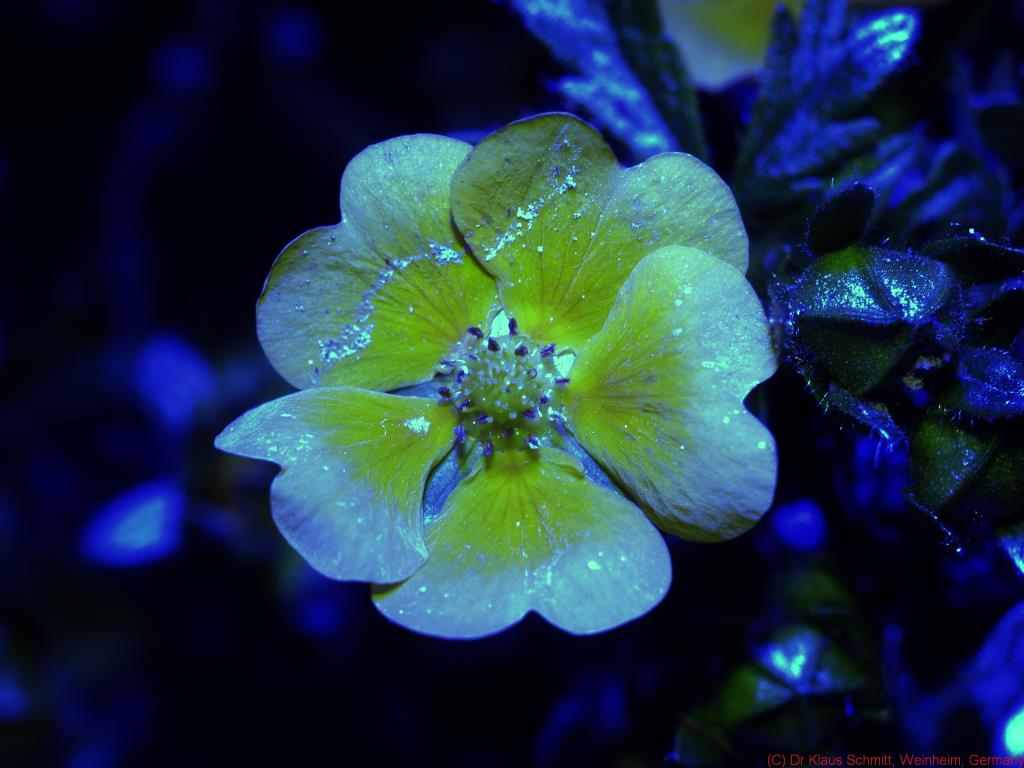
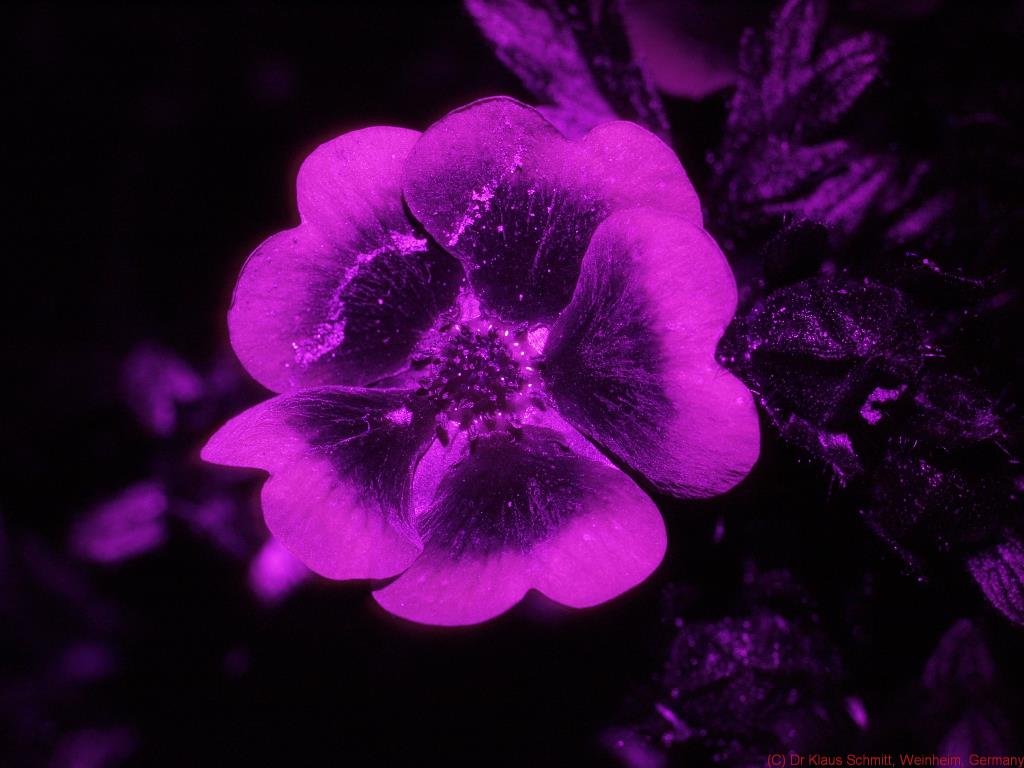
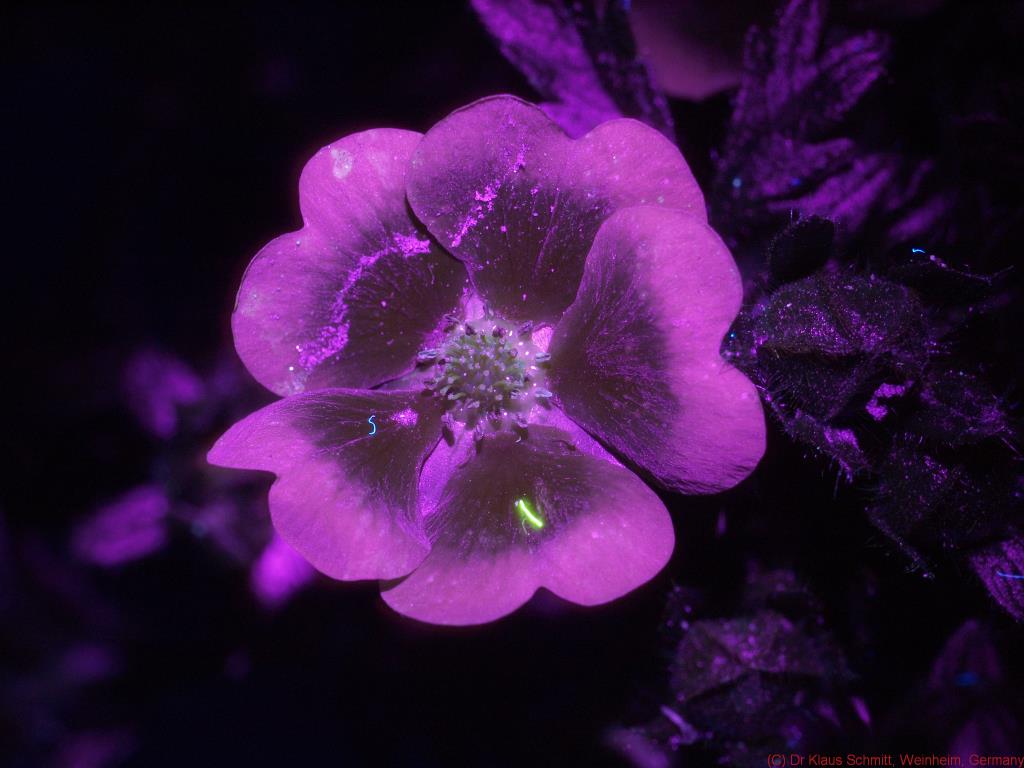
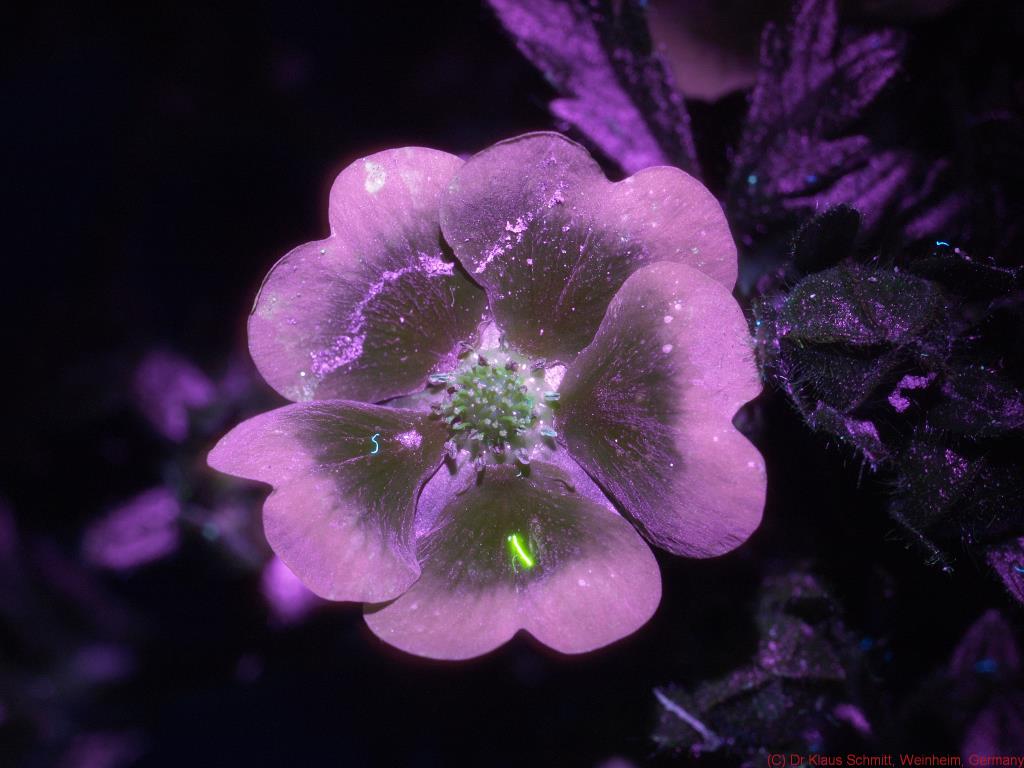
Well, also some flowers of the genus Potentilla (Sulfur Cinquefoil) has a very interesting pattern which only shows in ultraviolet, so I took a chance to shoot that interesting little flower using a UV-Planar 4/60mm lens and various filters /  lightsources.

[click on image to see a larger one]

Visual shot 


BV (simulated bee vision) shot 


UV (300-400nm) shot 


UV+FL shot 


FL (UV induced visilble fluorescence) shot 


Stay tuned, more will follow on that fascinating subject...

More info on this very interesting field may be found on my site http://www.pbase.com/kds315/uv_photos

Saturday, April 17, 2010

Creeping Zinnia multispectral

The first Creeping Zinnias appeared in 2010, so I took a chance to shoot that interesting little flower using a UV-Planar4/60mm lens and various filters and lightsources.

[click on image to see a larger one]

Visual shot 


FL (UV induced visilble fluorescence) shot 


UV+FL shot 


UV (300-400nm) shot 


BV (simulated bee vision) shot 


Stay tuned, more will follow on that fascinating subject...

More info on this very interesting field may be found on my site http://www.pbase.com/kds315/uv_photos

Friday, July 10, 2009

Gaillardia "Summerwind"

Well, I found a previously unknown (to me), pure yellow species of Gaillardia. Since that type of flower showed so many surprising aspects, I wanted to see what this new one hides from the human eye....

[click on image yields a larger one]

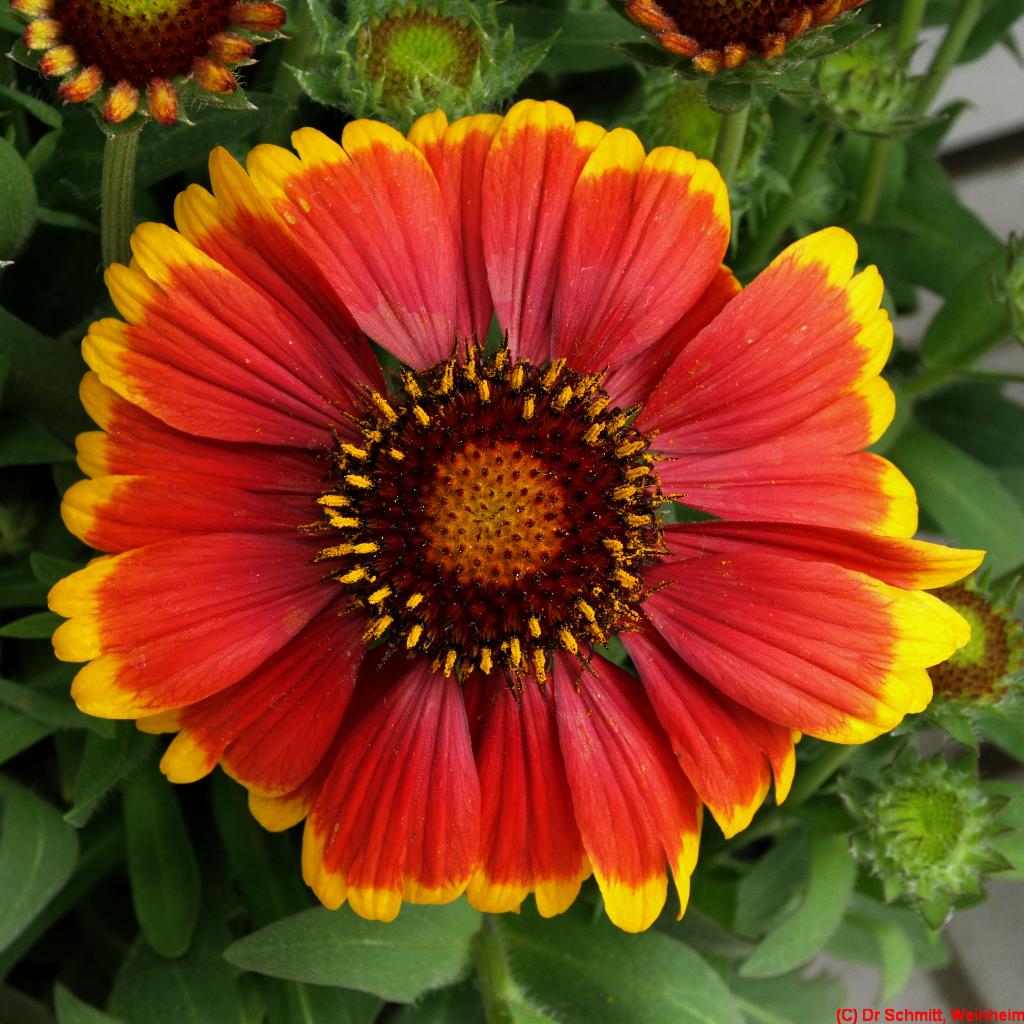
This now is the visual appearance as we humans are used to see:


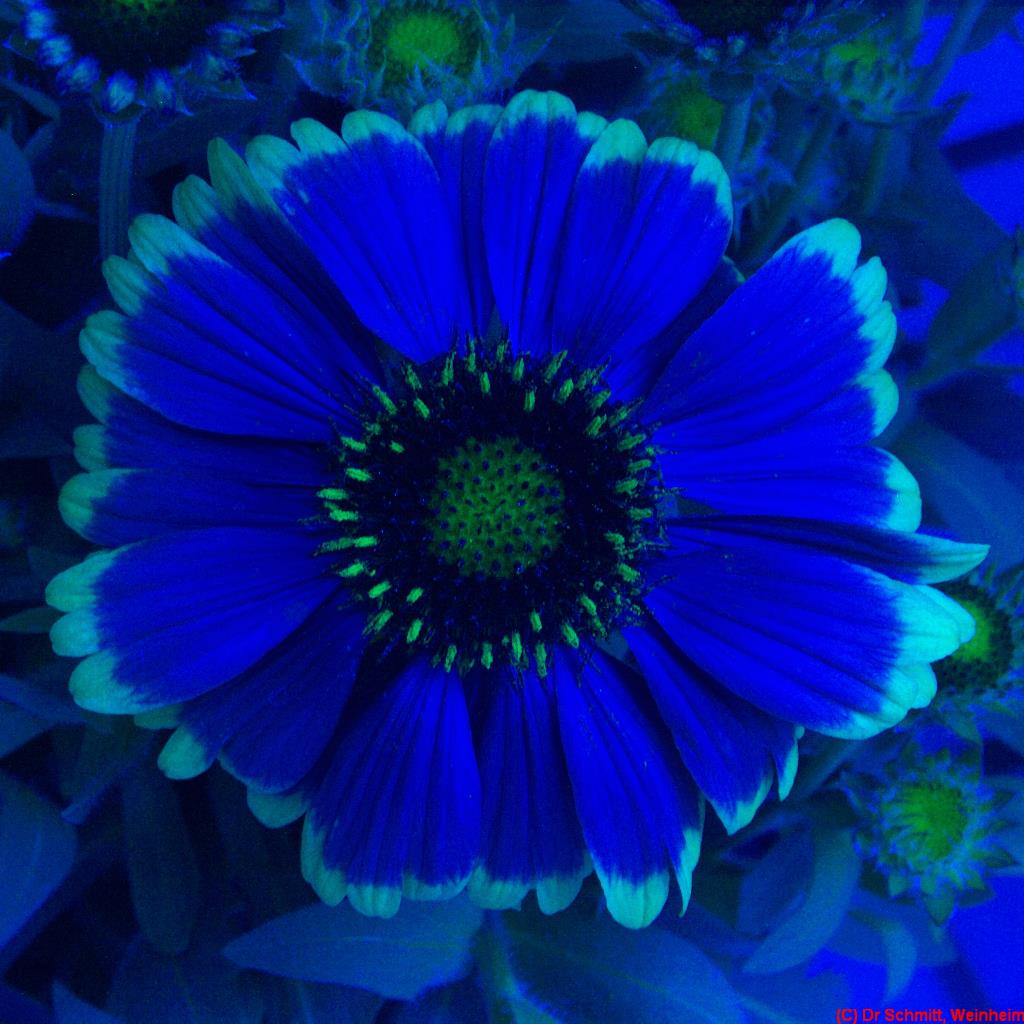
The tetrachromatic image ("butterfly" shot) (UV+B+G+R) using XBV2 filter:


The trichromatic image ("bee vision" shot) (UV+B+G) using XBV2 filter:


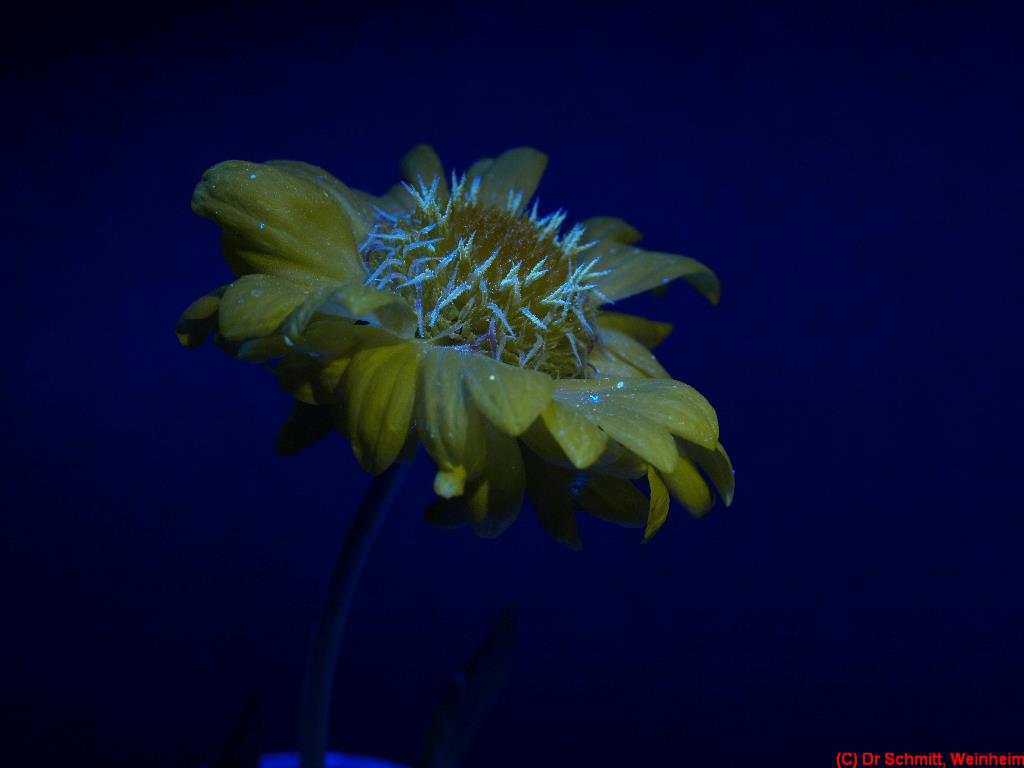
This is the UV induced fluorescence shot using XCUT2 filter:


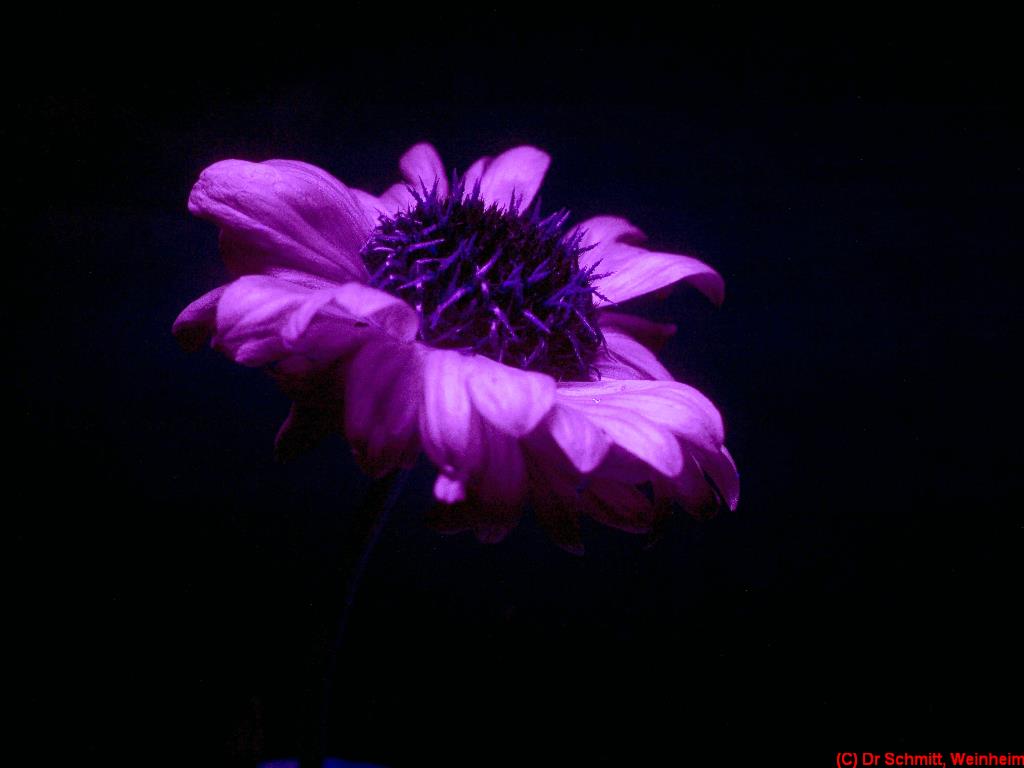
and this the reflected UV shot using XUVIR filter:


Well, also that flower shows some surprising properties ...

Stay tuned, more will follow on that fascinating subject...
More info on this very interesting field may be found on my site http://www.pbase.com/kds315/uv_photos

Wednesday, June 10, 2009

Gaillardia - trichromatic bee vision

This is about an interesting find, when I was wondering around in parks taking shots using my "bee vision" filter XBV2. I know that prominent "Gaillardia" flower since I was a kid, but I never thought that it would exhibit some prominent UV pattern - but it does! Have alook at my results, before we discuss that:

[click on image yields a larger one]

VIS shot:


simulated tetrachromatic vision ("butterfly vision" shot) (UV+B+G+R) using XBV2 filter:


simulated trichromatic vision ("bee vision" shot) (UV+B+G) using XBV2 filter:


I found it especially fascinating, that the red part of that prominent Gaillardia pattern has a very strong UV reflectance, accompanied by a prominent pattern the petal tips exhibits (UV+Green) so as to generate that "heliport landing spot" pattern. Is it just a coincidence that the pollen exhibits the very same color (and do I see some fluorescence there - to make the pollen look even brighter??)

Stay tuned, more will follow on that fascinating subject...

More info on this very interesting field may be found on my site http://www.pbase.com/kds315/uv_photos