Showing posts with label fluorescence. Show all posts

Saturday, November 22, 2025

A forthcoming publication about synthetic Lichens

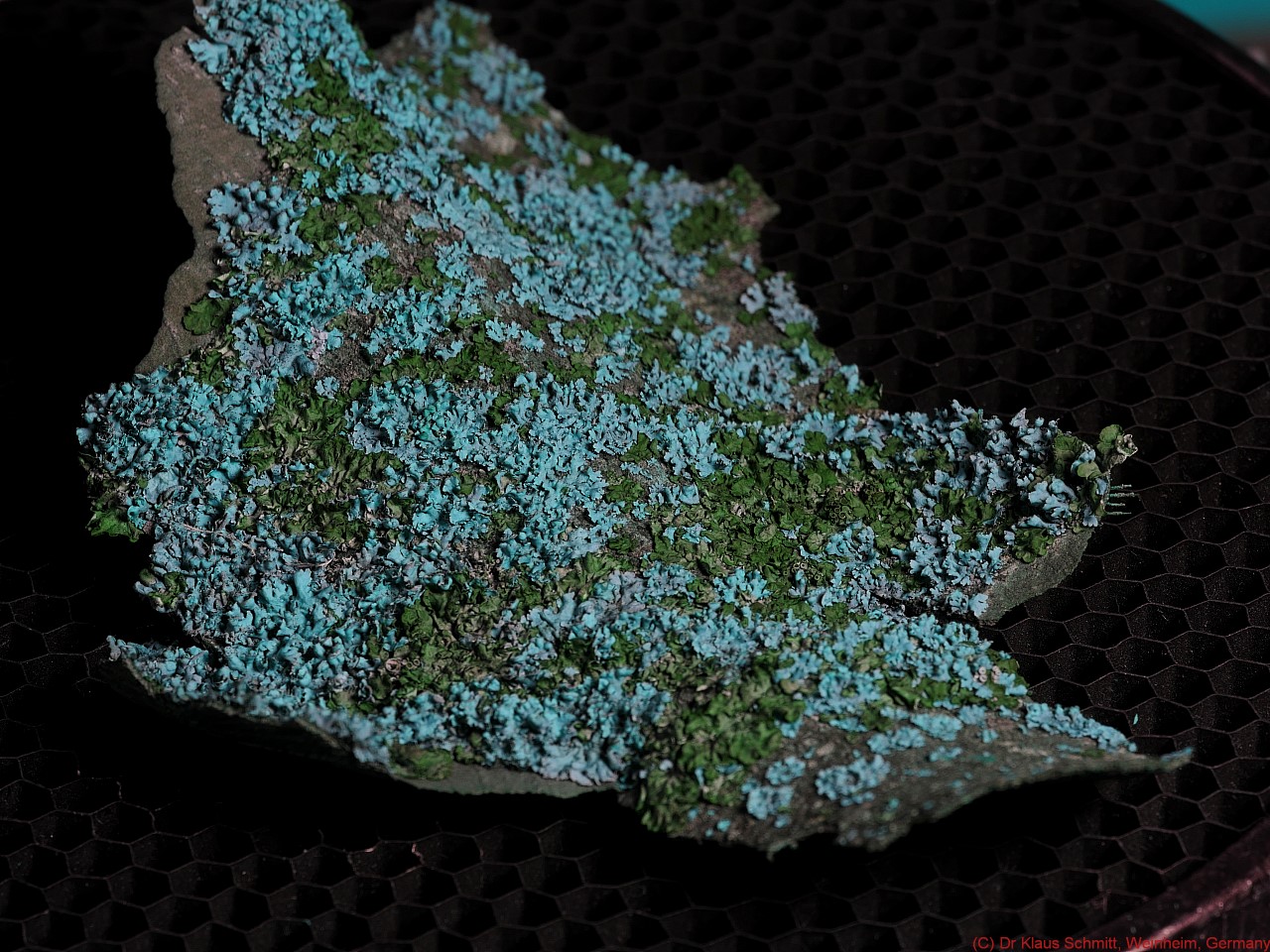
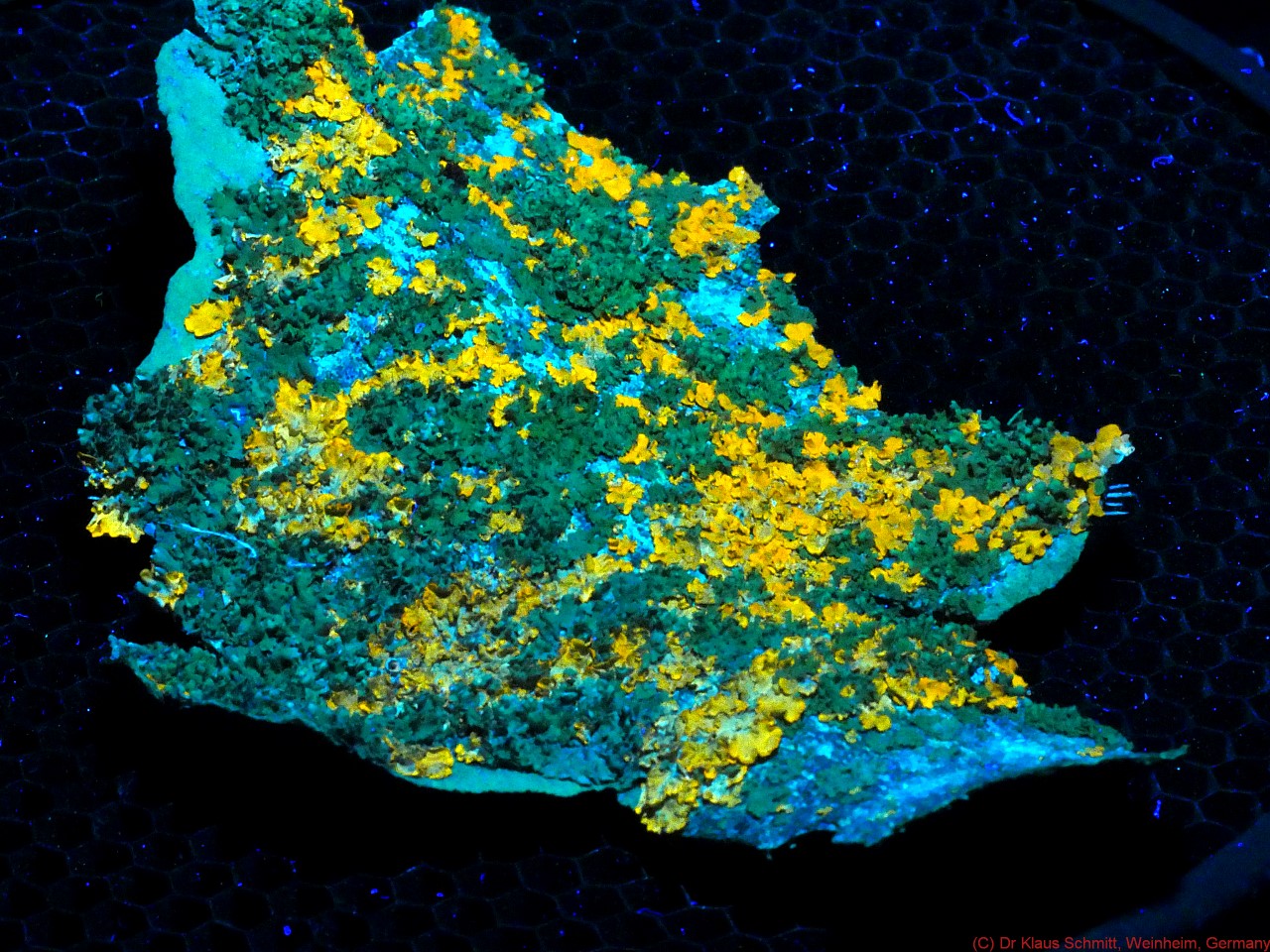
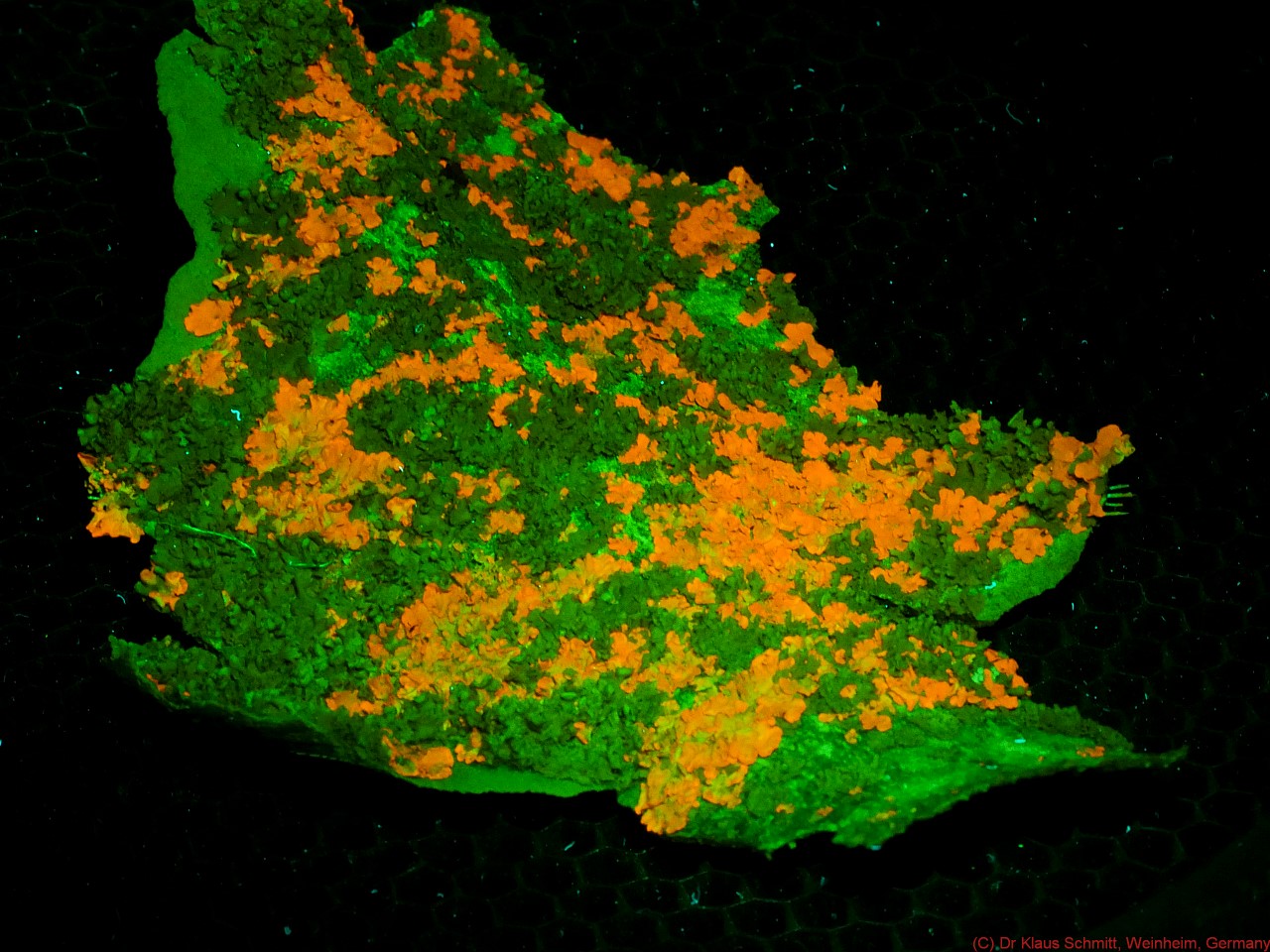
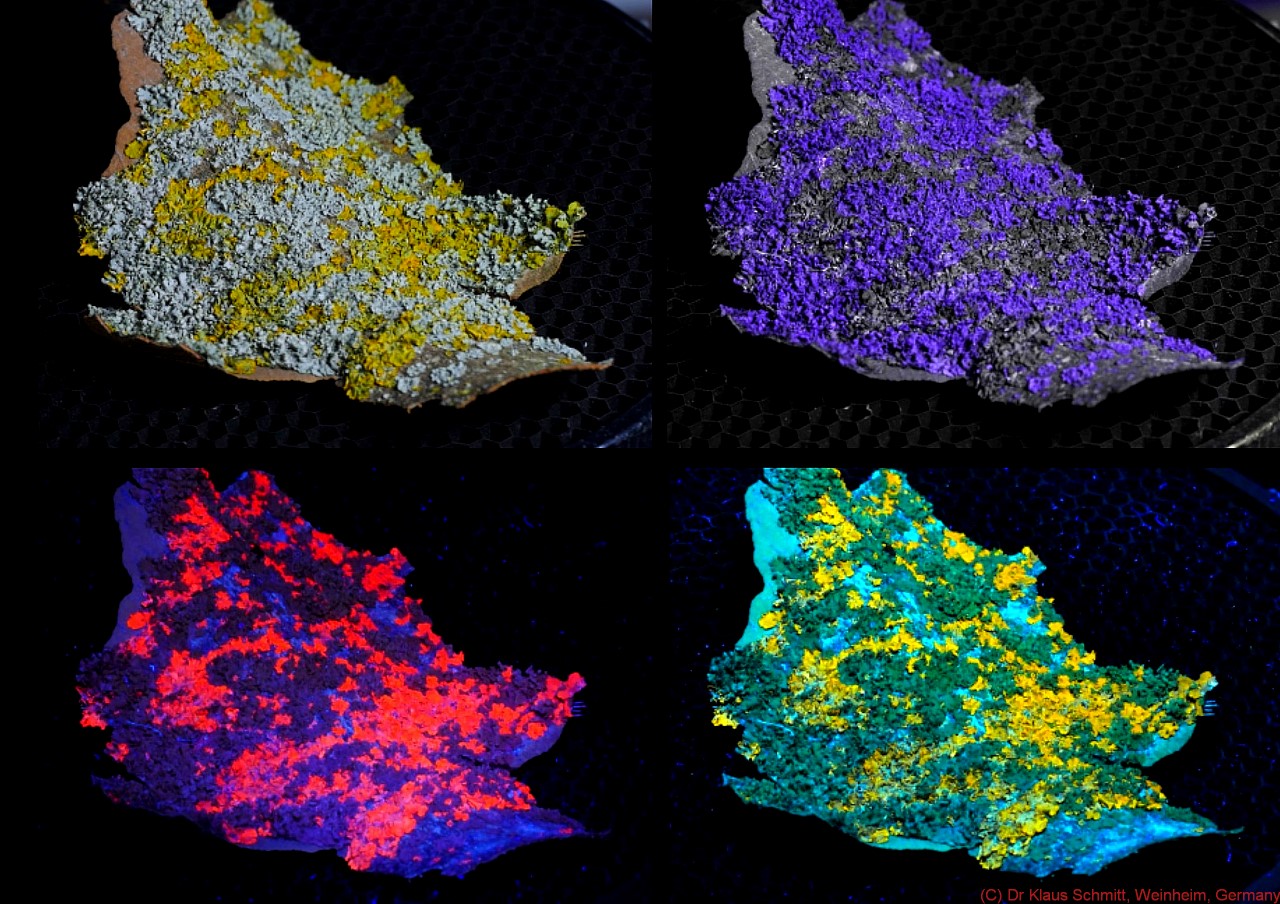
Today about a forthcoming publication using the following pictures of that same Lichen I have reported about (most likely Xanthoria parietina and Physcia adscendens grown into each other), that I found growing on a broken branch. Shots were done in UV induced visible fluorescence (UVIVF) using my CERCO 94mm quartz/fluorite lens, the Baader UV/IR Cut filter and another special longer wave cut filter as well as my Nichia high power UV LED system that was used as a light source.

[click on image to see a larger one]

Human vision image using UV/IR Cut filter:

UVIVF image using a special UV Cut filter:

UVIVF image using Baader UV/IR Cut filter:

Quite interesting colors get visible, hence why my images will be used in a publication about "synthetic lichens".


Stay tuned, more will follow on that fascinating subject...

More info on this very interesting field may be found on my site http://www.pbase.com/kds315/uv_photos

Thursday, December 7, 2023

My multispectral works in High Energy Physics presentation

Well, I never would have expected to see my work in a scientists presentation about most modern high energy particle theories in physics: The German Physicist Dr Michael Weinert has recently been using (with my permission of course) some of my multispectral works in his presentation on high energy particle physics! Source:  "Weinert COMEX7 2023".

Those shown multispectral images of mine where shot in my studio with my "work horse" UV-Nikkor f4.5/105mm quartz fluorite lens using the Baader UV/IR Cut filter and my proprietary XBV filters for simulated bee + butterfly vision. Light source in studio used was a Xenon flash modified for high UV output outside.

[click on image to see a larger one]

Visual image:


UV induced visible fluorescence using unfiltered commercial 365nm UV torch, no UV blocking:


UV induced visible fluorescence commercial 365nm UV torch, UV blocking:


UV induced visible fluorescence using Nichia 365nm UV torch, UV blocking:


Stay tuned, more will follow on that fascinating subject...

More info on this very interesting field may be found on my site http://www.pbase.com/kds315/uv_photos

Sunday, September 13, 2020

Lichen: human vision vs UV induced visible fluorescence vison and reflected UV ultraviolet photography

Today about a piece of bark with Lichen growing on it (most likely Xanthoria parietina and Physcia adscendens grown into each other), that I found blown over onto my balcony. Shots in reflected UV and UV stimulated visible fluorescence (UVIVF) were done using my UV-Nikkor 105mm quartz/fluorite lens. Filters used were the UV Baader-U filter and a 420nm sharp cut Longpass filter. A high power filtered Nichia 365nm UV LED was used as a light source. Different colors of the UVIVF images by using different white balance settings.

[click on image to see a larger one]

Human vision image using UV/IR Cut filter:


UV image using Baader-U filter:


Bee vision image using XBV filter:


UVIVF image:


UVIVF image:


UVIVF image:


UVIVF image:


UVIVF image:


Quadriptych: VIS, UV, UVIVF*2 (different whitebalance) image:


UVIVF is commonly what people imagine when they read or hear about "UV photography" - here you see the difference to reflected UV photography. UVIVF has gotten very common, as it is so much easier to do and no special lens is needed, as just visible light is recorded. 

I have written more about that HERE.


Stay tuned, more will follow on that fascinating subject...

More info on this very interesting field may be found on my site http://www.pbase.com/kds315/uv_photos

Tuesday, April 28, 2020

Enhancing the visibility of fossil tissue structures using UV reflected and UV stimulated visible flourescence photography II

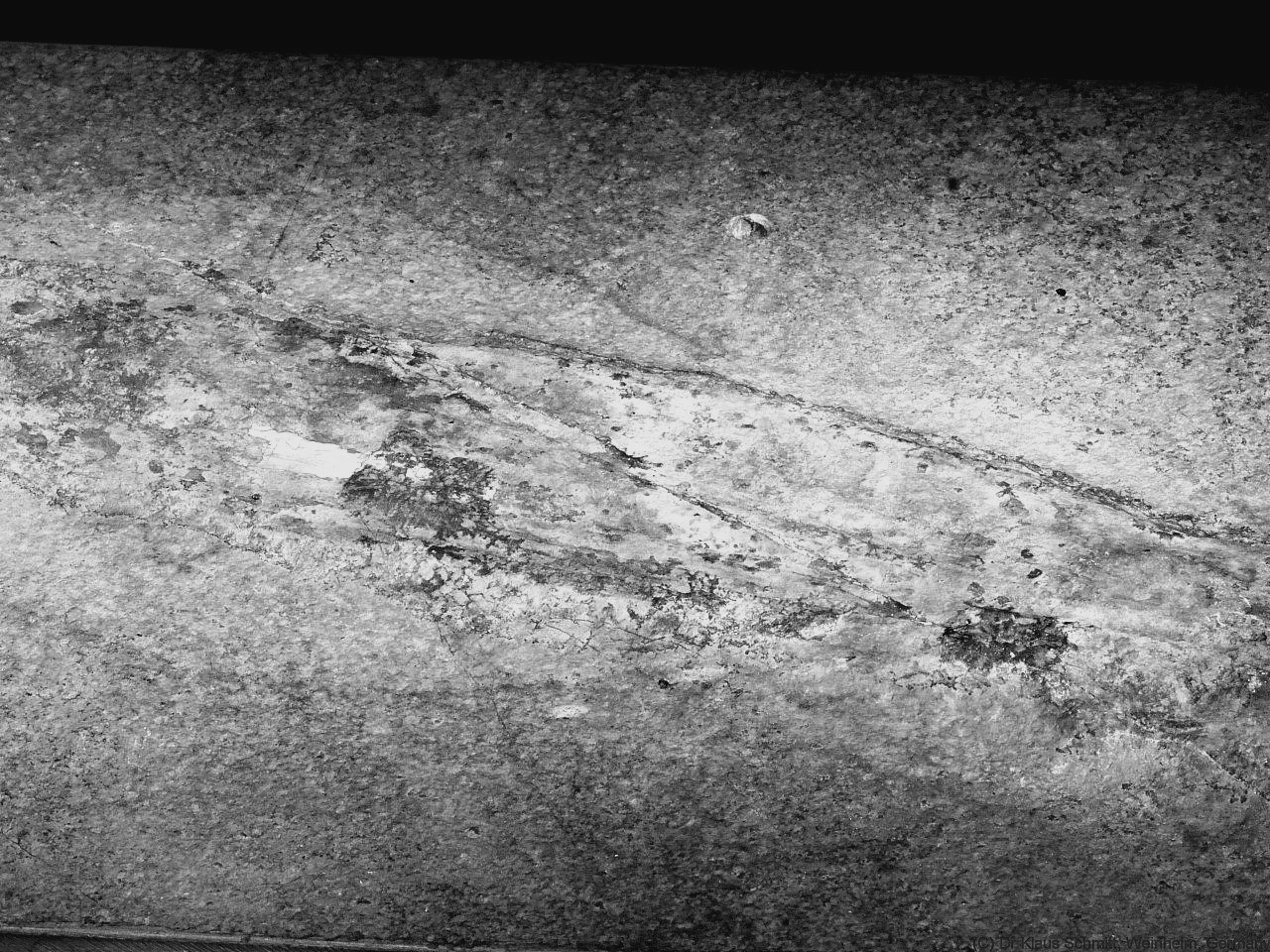
A while ago I had the honor to work with Neal Larson on a paper on fossilized cephalopods found in Hajoula, Lebanon. Today it is again about enhancing the visibility of fossil bone and tissue structures using reflected UV and UV stimulated visible fluorescence photography, but as it is some years later, using more modern equipment now. Lens used was my UV-Nikkor 105mm quartz fluorite lens, light sources were a modified high power Xenon flash, as well as a NICHIA 365nm LED. Filters used were the Baader-U filter as well as a 420nm Long Pass filter. Target was a fossilized squid from the Upper Cretaceous period, approx. 90 million years old.

[click on image to see a larger one]

Visible light image using UV/IR Cut filter:


Reflected UV image using Baader-U filter (310-390nm) with 365nm UV LED: 


Reflected UV image using Baader-U filter (310-390nm) with 365nm UV LED (in bw):


UV stimulated visible Fluorescence image with 420nm Longpass filter: 


UV stimulated visible Fluorescence image, 2nd version, with UV-IR Cut filter:


It gets nicely visible that using UV light photography brings out much more details than normal visible light photography and by doing so, enhances the visibility quite a bit.

I have written more about fossils HERE

Stay tuned, more will follow on that fascinating subject...

More info on this very interesting field may be found on my site http://www.pbase.com/kds315/uv_photos

Sunday, November 16, 2014

Enhancing the visibility of fossil tissue structures using UV reflected and UV stimulated visible flourescence photography

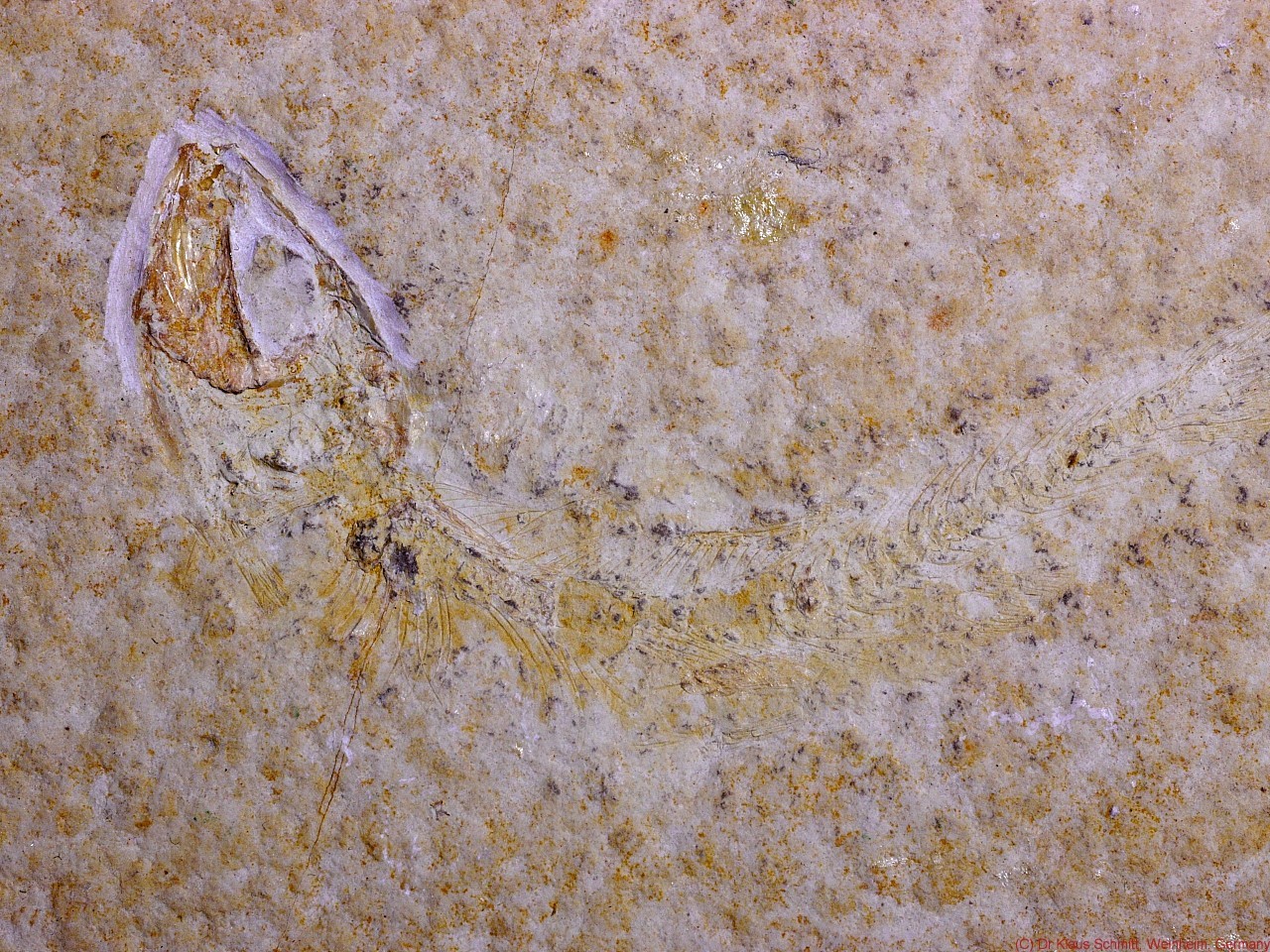
A while ago I had the honor to work with Neal Larson on a paper on fossilized cephalopods found in Hajoula, Lebanon. Today it is again about enhancing the visibility of fossil bone and tissue structures using UV reflected and UV stimulated visible fluorescence photography, but as it is some years later, using more modern equipment now. I will also use my remapping technology consisting of a visible image, a reflected UV image and an UV stimulated visible fluorescence image and combine them into multispectral images.

Lens used was my CERCO f4.1 / 94mm quartz fluorite lens, light sources were a modified high power Xenon flash, as well as a NICHIA 365nm Power LED. Target was a fossilized fish from Solnhofen, Germany, approx. 100 Mio years old.

[click on image to see a larger one]

Visible light image using UV/IR Cut filter:


Reflected UV image using Baader-U filter (310-390nm): 


UV stimulated visible fluorescence (FL) using Nichia 365nm UV LED:


Combined VIS - FL multispectral image: 


Combined VIS - UV multispectral image::


Combined FL - UV multispectral image::


It gets nicely visible that using UV light photography brings out much more details than normal visible light photography and by doing so, enhances the visibility of preserved bone and tissue structures quite a bit. Combining those different images into falso color multispectral images  enhances the structures even more.

Stay tuned, more will follow on that fascinating subject...

More info on this very interesting field may be found on my site http://www.pbase.com/kds315/uv_photos

Thursday, September 27, 2012

Lichen: UV induced visible fluorescence and reflected UV; ultraviolet photography

Today again about that same Lichen (most likely Xanthoria parietina and Physcia adscendens grown into each other) that I found growing on a broken branch that I have shown in reflected UV and UV induced visible fluorescence. So here a quadriptych of VIS-FL-UV images, just for viewing pleasure and of course also for comparison.

[click on image to see a larger one]

Quadriptych VIS-FL-UV:

Well, it seems that a little broken branch laying in the mud, can have quite some hidden and invisible beauty, that was just waiting to be revealed...

Stay tuned, more will follow on that fascinating subject...

More info on this very interesting field may be found on my site http://www.pbase.com/kds315/uv_photos

Wednesday, September 26, 2012

Lichen: UV induced visible fluorescence; UV ultraviolet photography

Today again about that same Lichen I have reported about (most likely Xanthoria parietina and Physcia adscendens grown into each other), that I found growing on a broken branch. Shots now were done in UV induced visible fluorescence (UVIVF) using my CERCO 94mm quartz/fluorite lens, the Baader UV/IR Cut filter as well as my Nichia high power UV LED system that was used as a light source.

[click on image to see a larger one]

Human vision image using UV/IR Cut filter:

UVIVF image using a special UV Cut filter:

UVIVF image using Baader UV/IR Cut filter:

Quite interesting colors get visible. So also that is nice to know as a target for UV photography when all flowers will be gone soon...


Stay tuned, more will follow on that fascinating subject...

More info on this very interesting field may be found on my site http://www.pbase.com/kds315/uv_photos

Wednesday, September 12, 2012

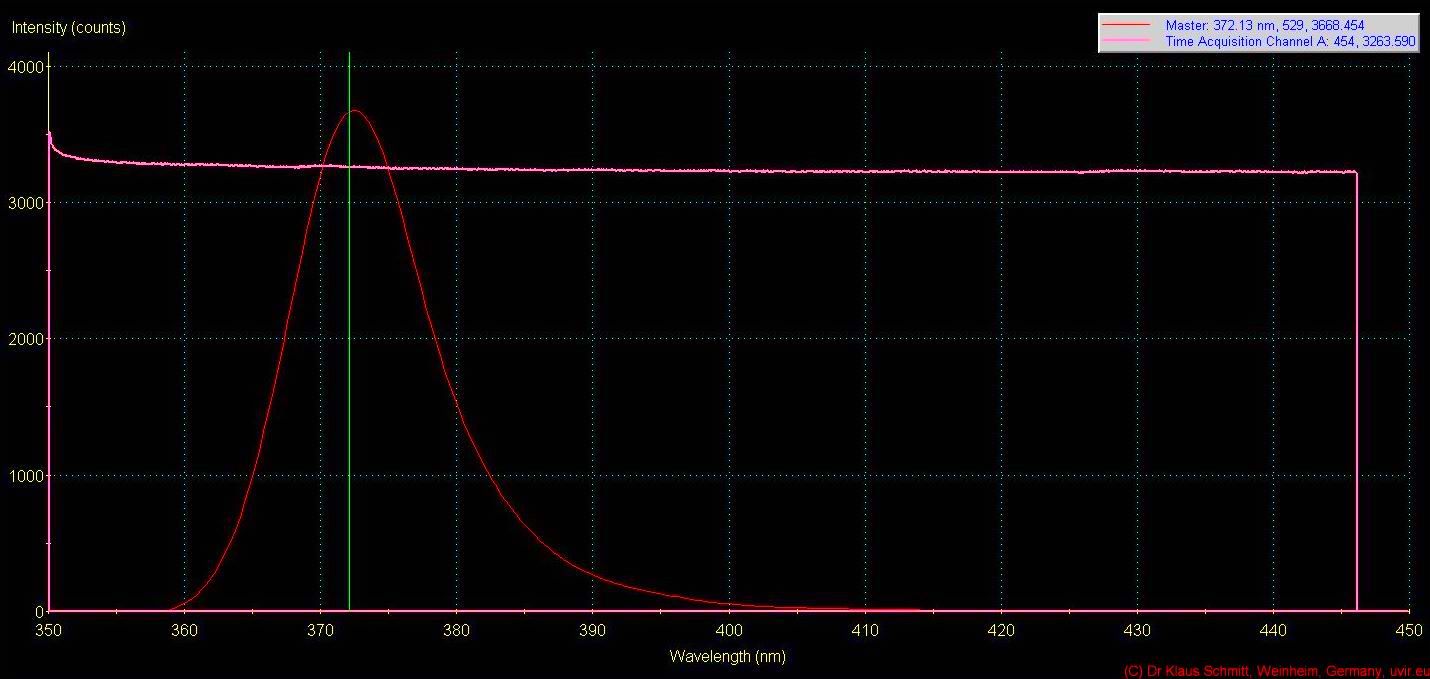
High Power UV LED Radiation System: 365nm 385nm 395nm 400nm 405nm

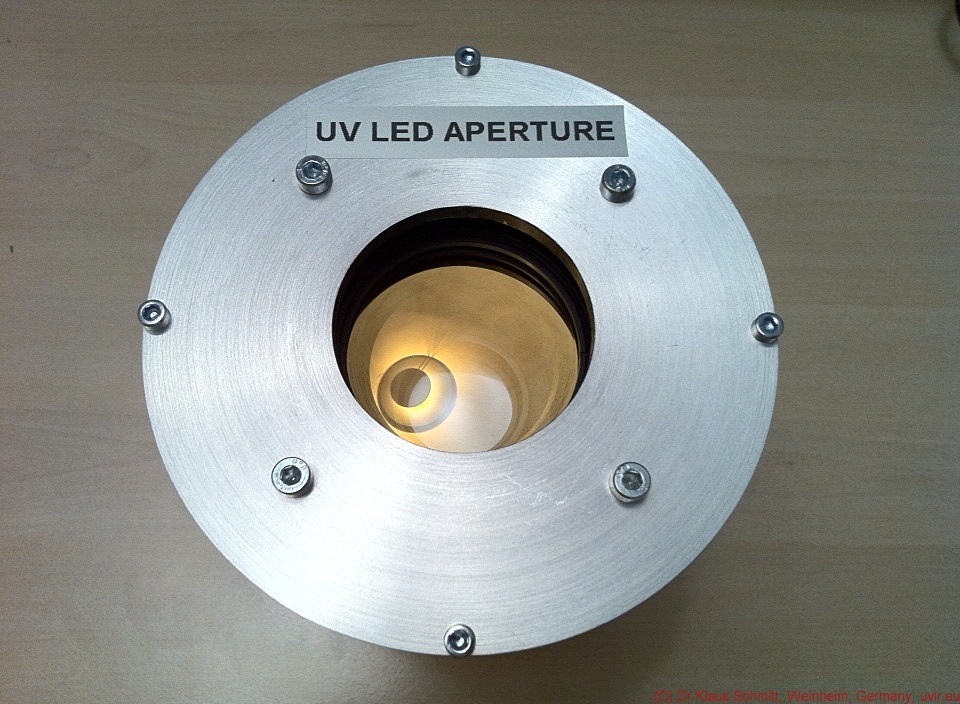
Today, after having previously shown the Nichia based NC4U133 (365nm) / NC4U134 (385nm) systems, I present here my newest High Power UV LED Radiation System with easily exchangeable radiation heads for nominal wavelength of 365nm, 385nm, 395nm, 400nm and 405nm using the most modern 40W UV LEDs. [Other visible or IR wavelngth also possible as well as high power white light for comparison studies. Optional: infrared or wire remote system control]

A specifically designed beam homogenizing system allows a very even radiation field that can be factory adjusted to a desired size. One example being a 365nm (nominal) head with a 55mm radiation field, evenness of radiation <20%, precisely adjustable radiation strength 2 ... 30mW/cm². The AC operated system is cooled and has been designed for long term radiation sessions up to several hours.

[click on image to see a larger one]

Radiation Head with mounted homogenizing optics:


Homogenizing optics, beam exit aperture showing UV coated fused silica optics:


System in stable operation for some 10.000sec (3h) at full power:


The system is useful for different applications, such as very even UV radiation for photocatalytic processes, to stimulate visible fluorescence, for reflected UV photography, forensic, dermatological and detal examinations and photographic recording, curing of UV glue / bonding, as well as leakage detection etc.

Stay tuned, more will follow on that fascinating subject...

More info on this very interesting field may be found on my site http://www.pbase.com/kds315/uv_photos

Friday, July 20, 2012

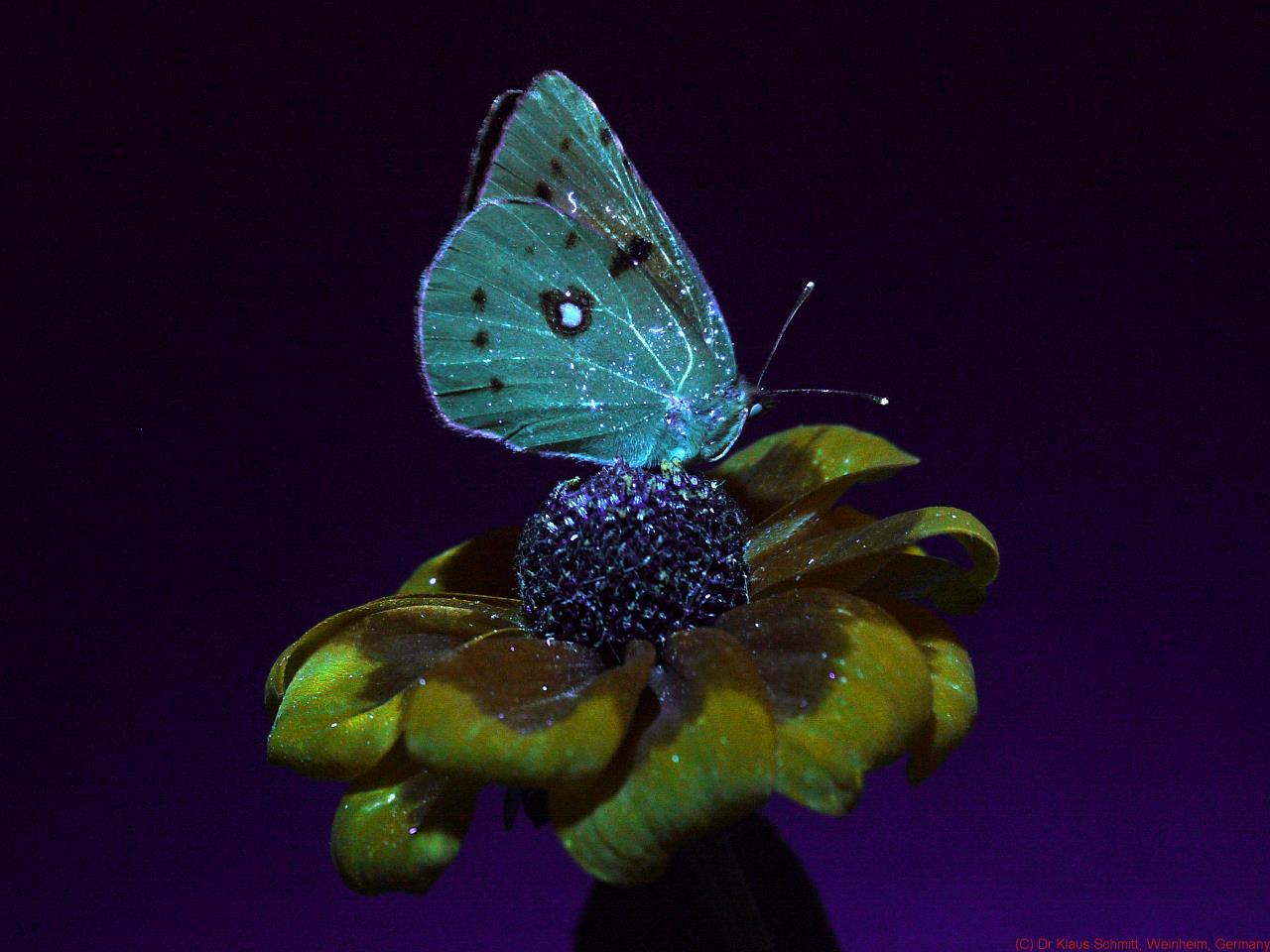
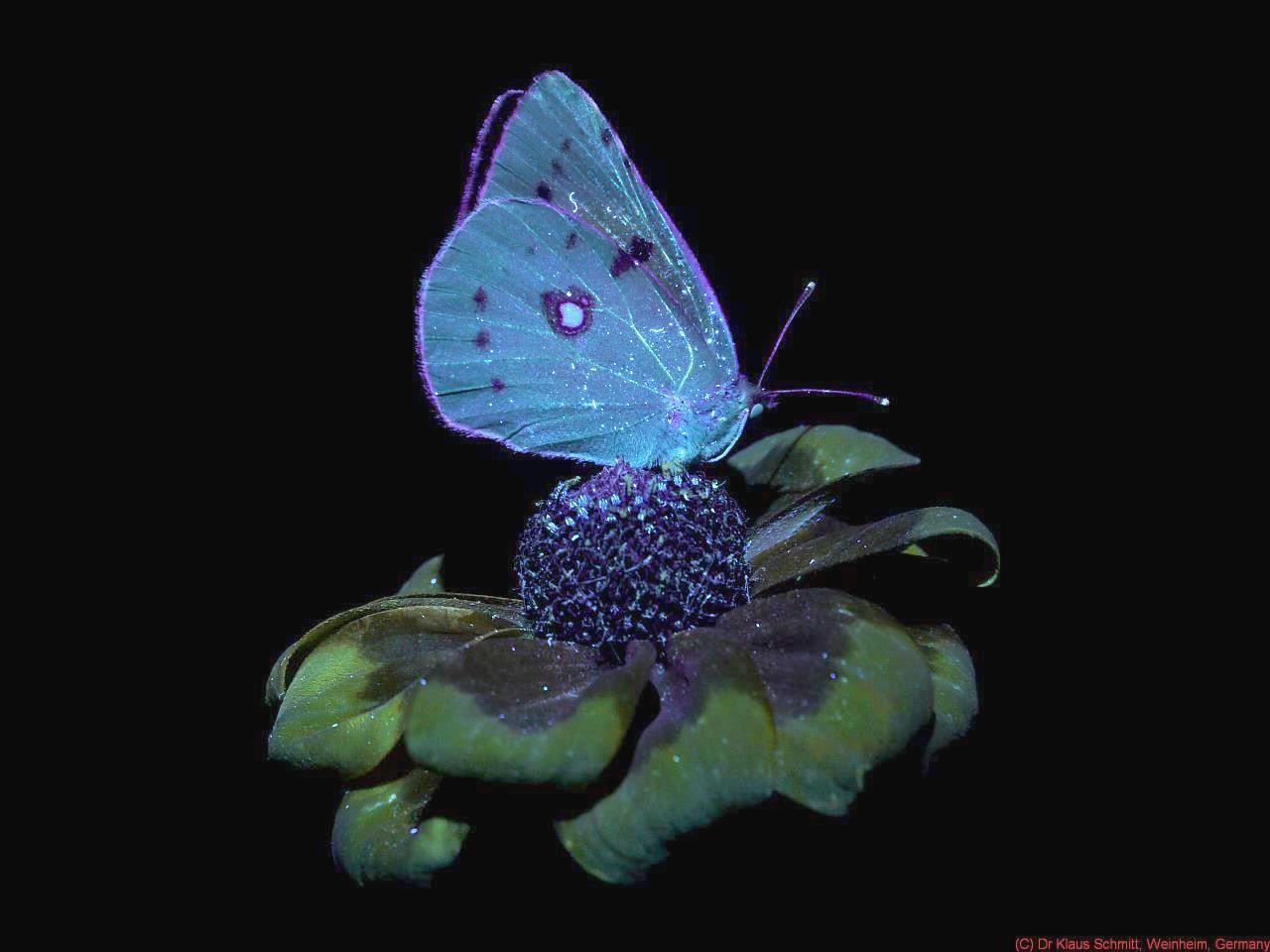
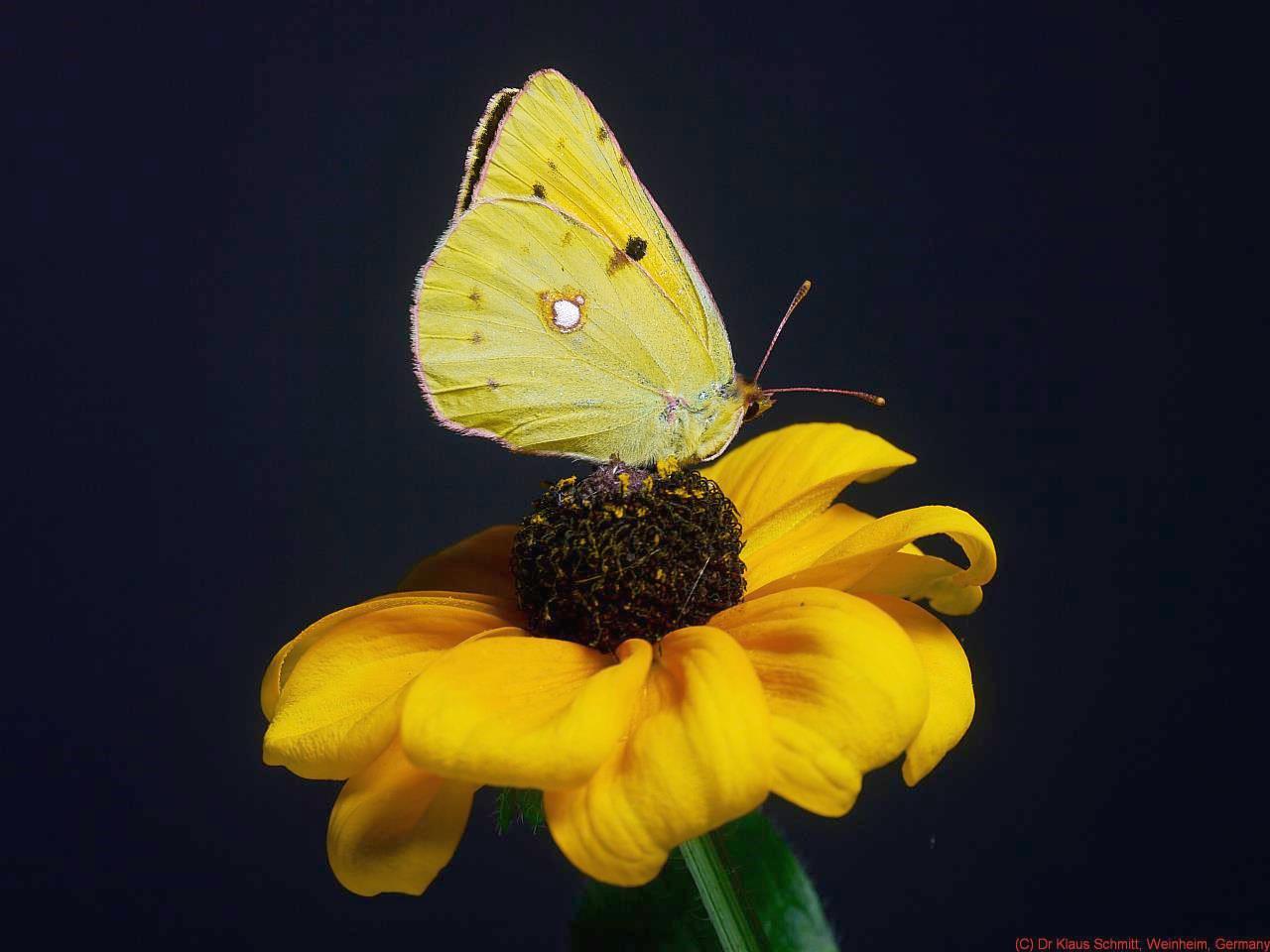
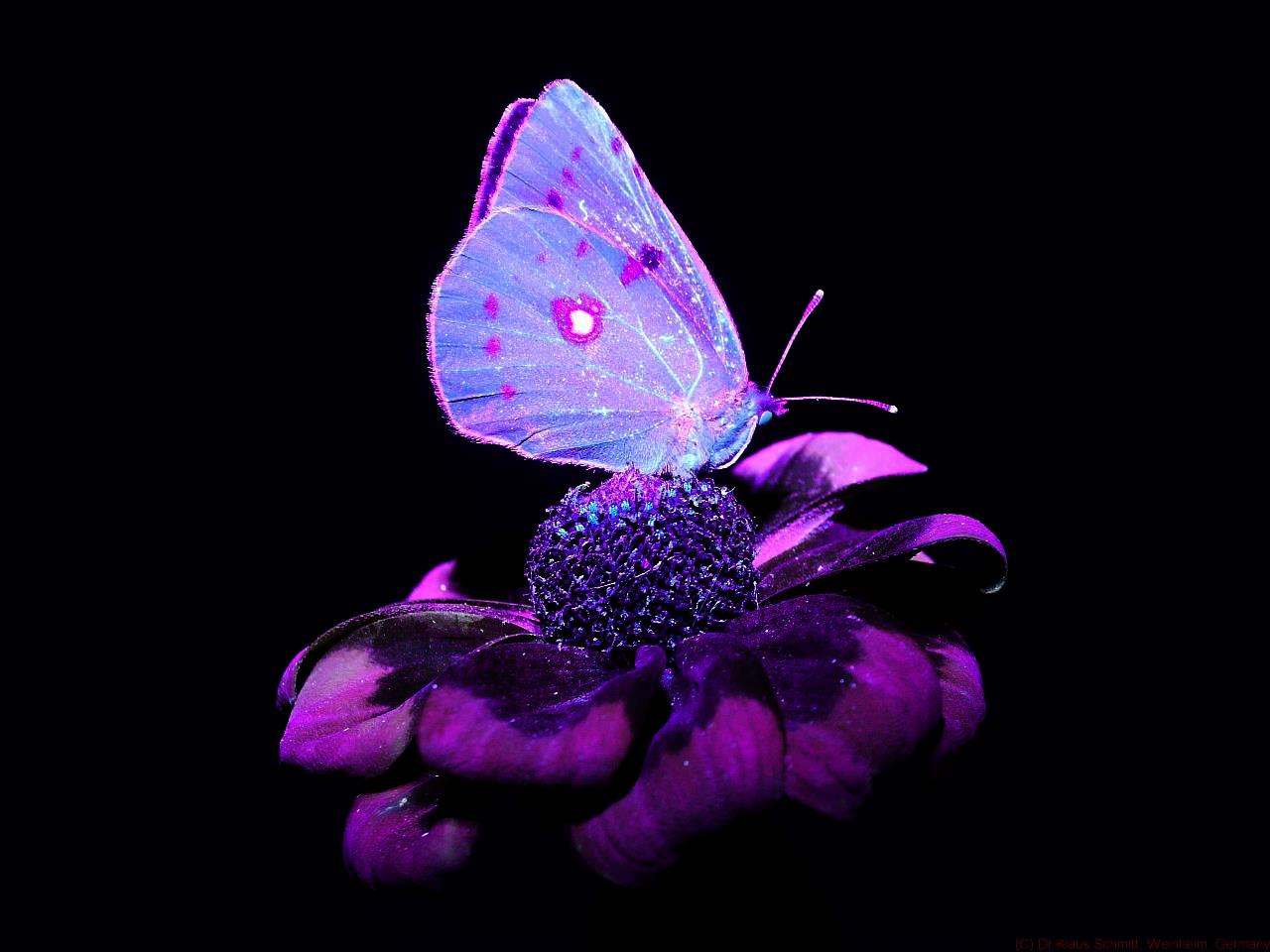
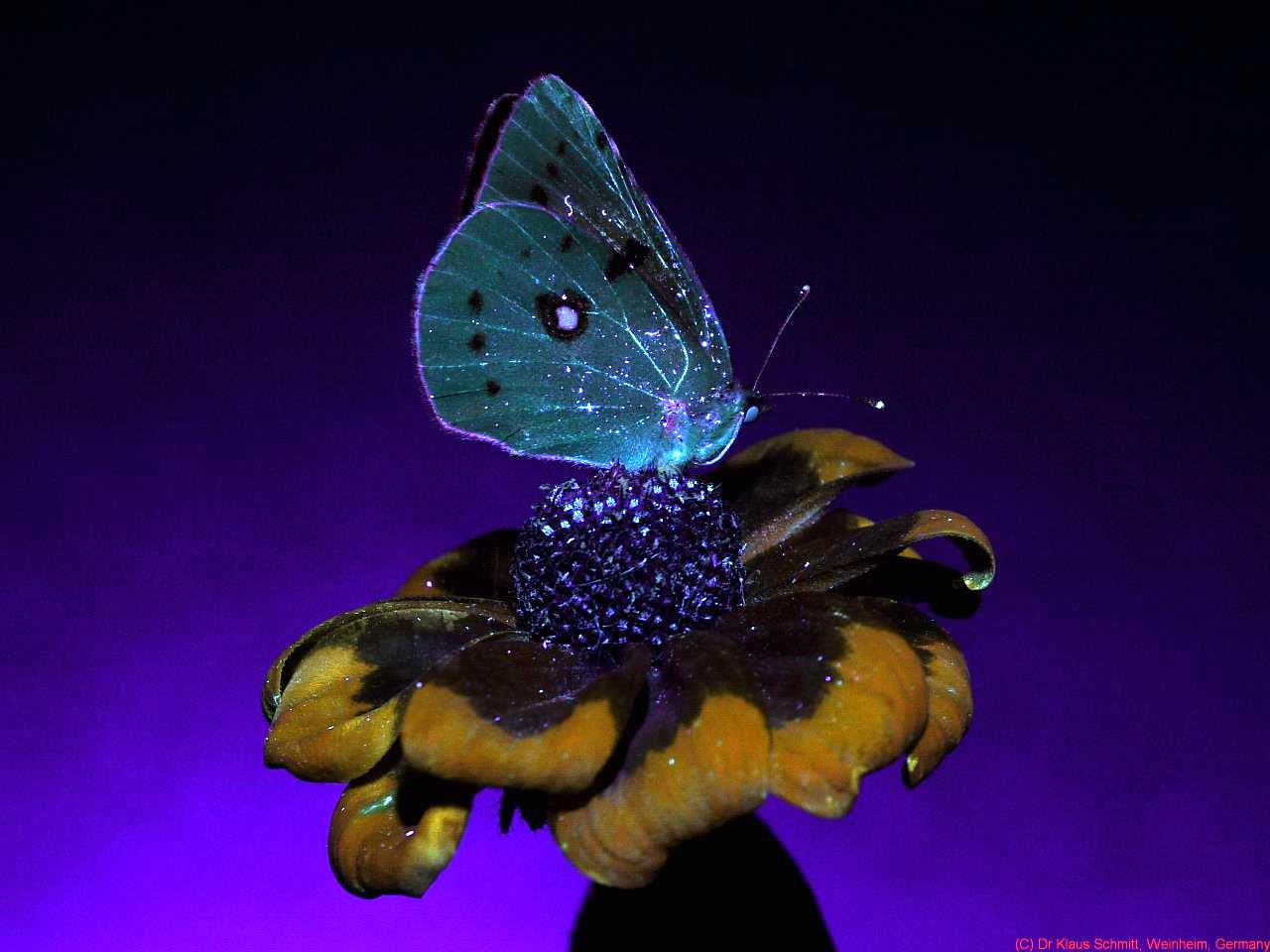
Gonepteryx cleopatra "Cleo" butterfly on Rudbeckia hirta: human vision; UV ultraviolet stimulated visible fluorescence photography

Here now after having shown it in bee vision and reflected ultraviolet photography that Cleo butterfly Gonepteryx cleopatra or Cleopatra, resting on a Rudbeckia hirta flower. Now here shown in normal visible as well as UV induced stimulated visible fluorescence, using various UV sources as well as blocking filters (BG38, Baader UV/IR CUT filter).

[click on image to see a larger one]

Visual image:


UV induced visible fluorescence using unfiltered commercial 365nm UV torch, no UV blocking:


UV induced visible fluorescence commercial 365nm UV torch, UV blocking:


UV induced visible fluorescence using Nichia 365nm UV torch, UV blocking:


UV induced visible fluorescence using UV filtered Nichia 365nm UV torch, UV blocking:


Nice results and a a lot of details on the wings gets visible using fluorescence method, yet personally I prefer reflected UV photography.


Stay tuned, more will follow on that fascinating subject...

More info on this very interesting field may be found on my site http://www.pbase.com/kds315/uv_photos

Saturday, March 24, 2012

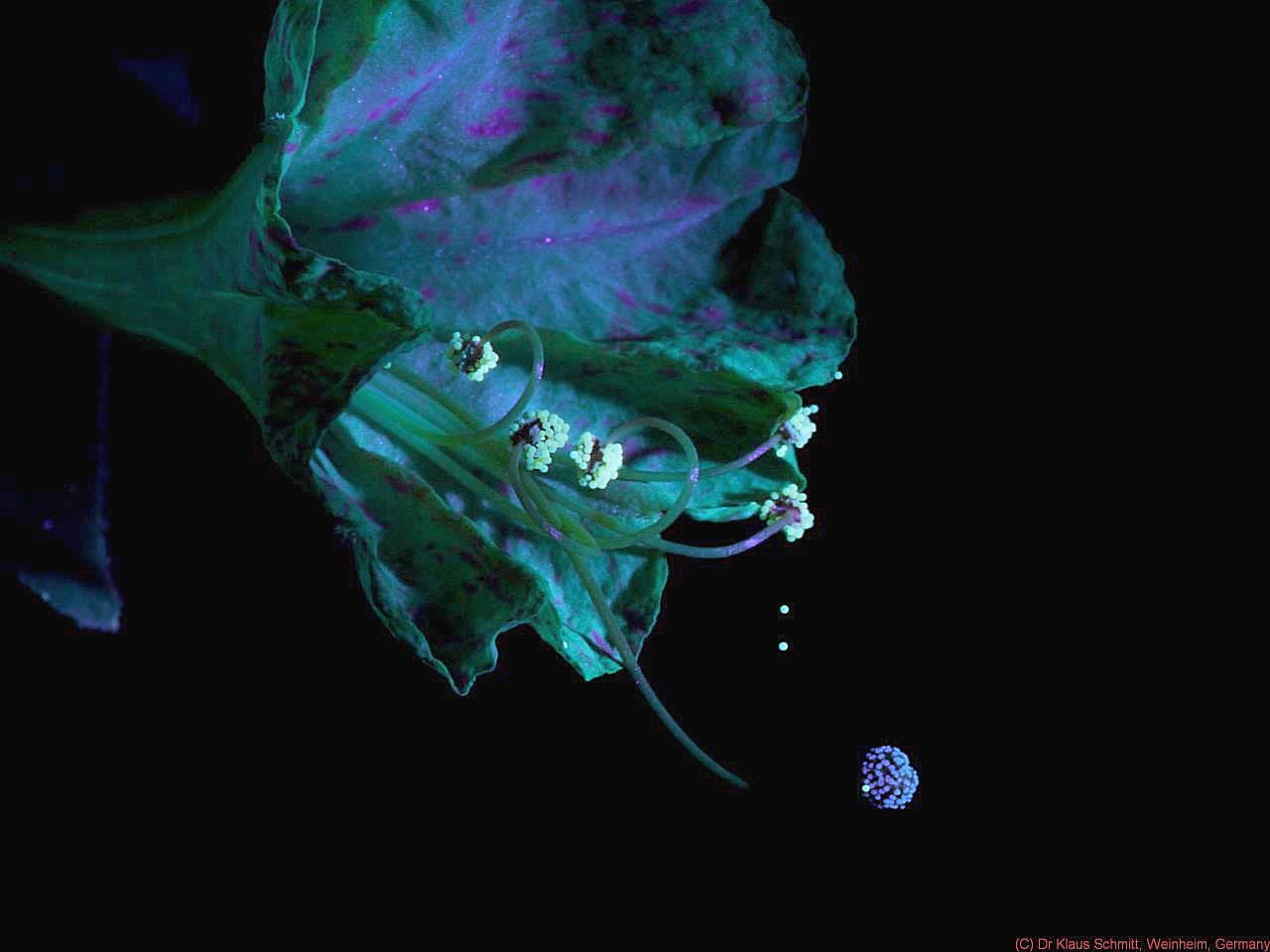
[UV] Mirabilis jalapa UV ultraviolet fluorescence - from "Kingdom of Plants"

Today about some earlier work I have done on Mirabilis jalapa flowers, that have some very special abilities - their pollens and flower petals are fluorescent when seen under ultraviolet light. This may also bee seen in the forthcoming new series about Kew Gardens by Sir David Attenborough called "Kingdom of Plants 3D".

[click on image to see a larger one]

Visible light:


UV induced visible fluorescence:


Mirabilis' pollen emits a strong blue greenish fluorescent light and some scientists believe that the special night active moths that pollinate them, might be able to see this.

Stay tuned, more will follow on that fascinating subject...

More info on this very interesting field may be found on my site http://www.pbase.com/kds315/uv_photos

Wednesday, August 10, 2011

Mirabilis jalapa UV induced fluorescent pollen

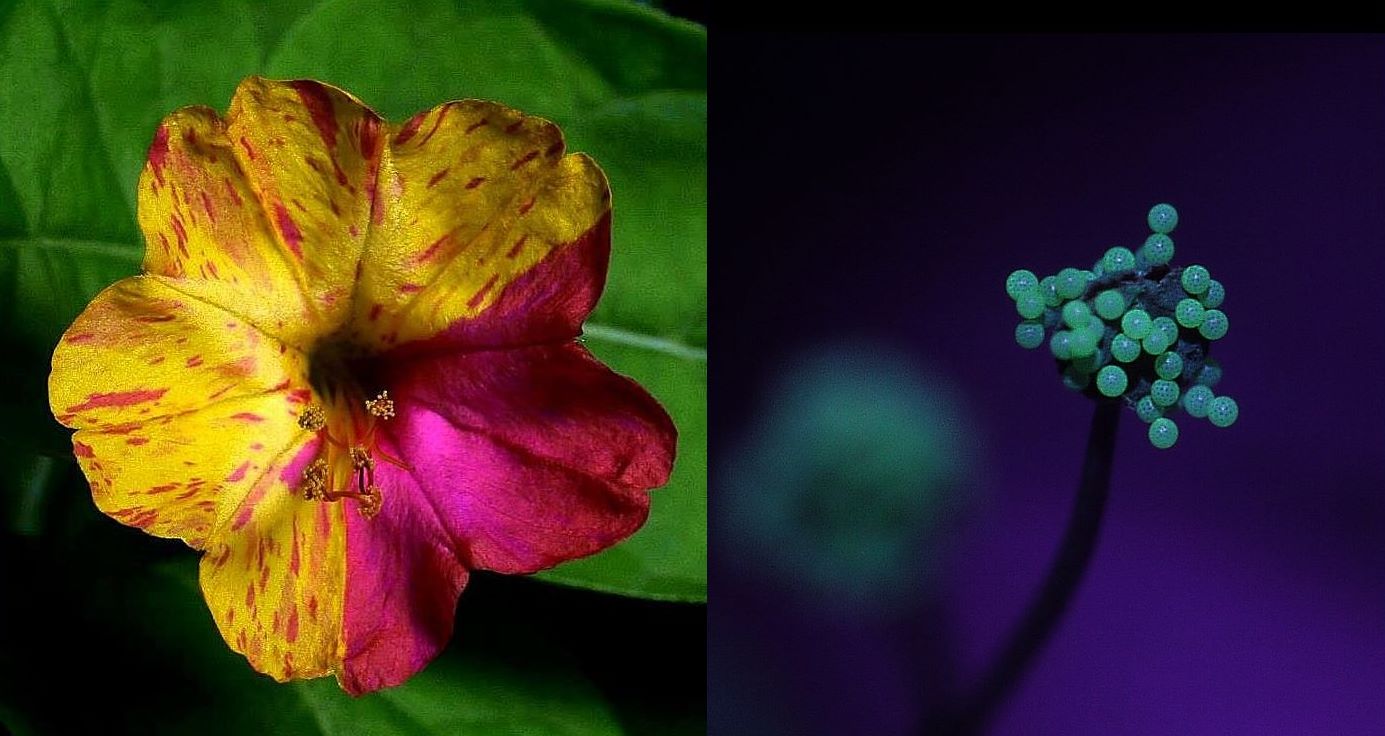
Today about a very interesting flower, Mirabilis jalapa. This flower, also called "four-a-clock" uses a very special technique to enhance the visibility to its pollinators, in that case hawkmoths, that are active when the light gets dimmer, i.e. in the late afternoon and evening hours (hence that name). Scientists have found out, that the pollen of this flower is highly fluorescent i.e. ultraviolet light, which is proportionally more present in early morning and later afternoon hours, is "used" and downconverted to visible light (i.e. fluorescence light) according to Stokes Law. So this down converted light overlays the visible light present and so enhances the visibility to its pollinators. The yellow parts of the flower petals also exhibit green fluorescence, but to lesser extent and in green light. Now let's see how that looks like...

[click on image to see a larger one]

Left: visible image; right: UV induced visible light pollen image:


It gets strikingly visible, how intense this effect actually is!

Stay tuned, more will follow on that fascinating subject...

More info on this very interesting field may be found on my site http://www.pbase.com/kds315/uv_photos
Thursday, February 24, 2011

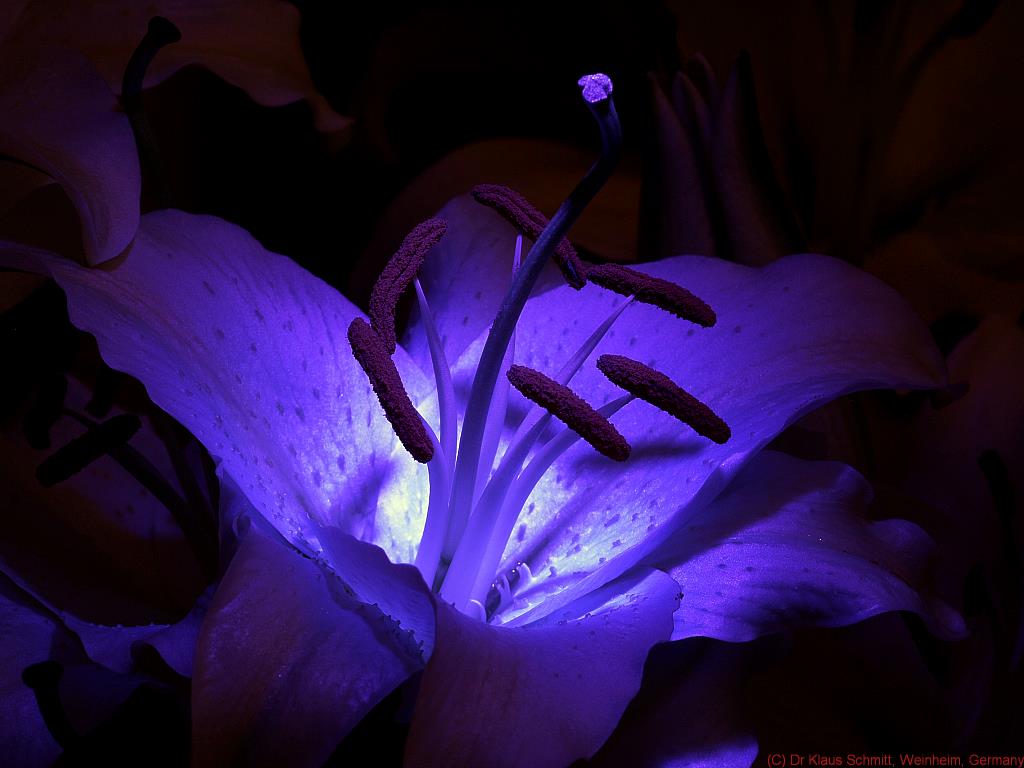
Flourescent Lilly using UV LED torch

Here a result of some fluorescence study using that wonderful Lilly flower I had used before.

Light source was a UV LED torch.

[click on image to see a larger one]


Stay tuned, more will follow on that fascinating subject...

More info on this very interesting field may be found on my site http://www.pbase.com/kds315/uv_photos
Tuesday, December 7, 2010

[UV, FL] Roman Artifacts paint / glaze visibility

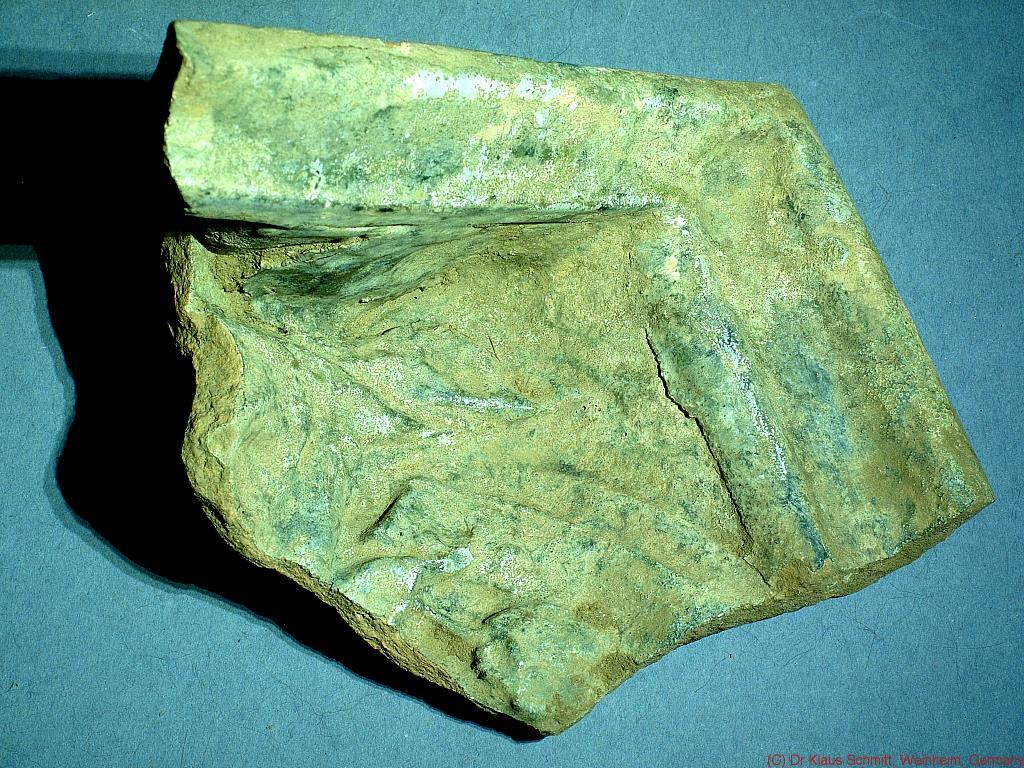
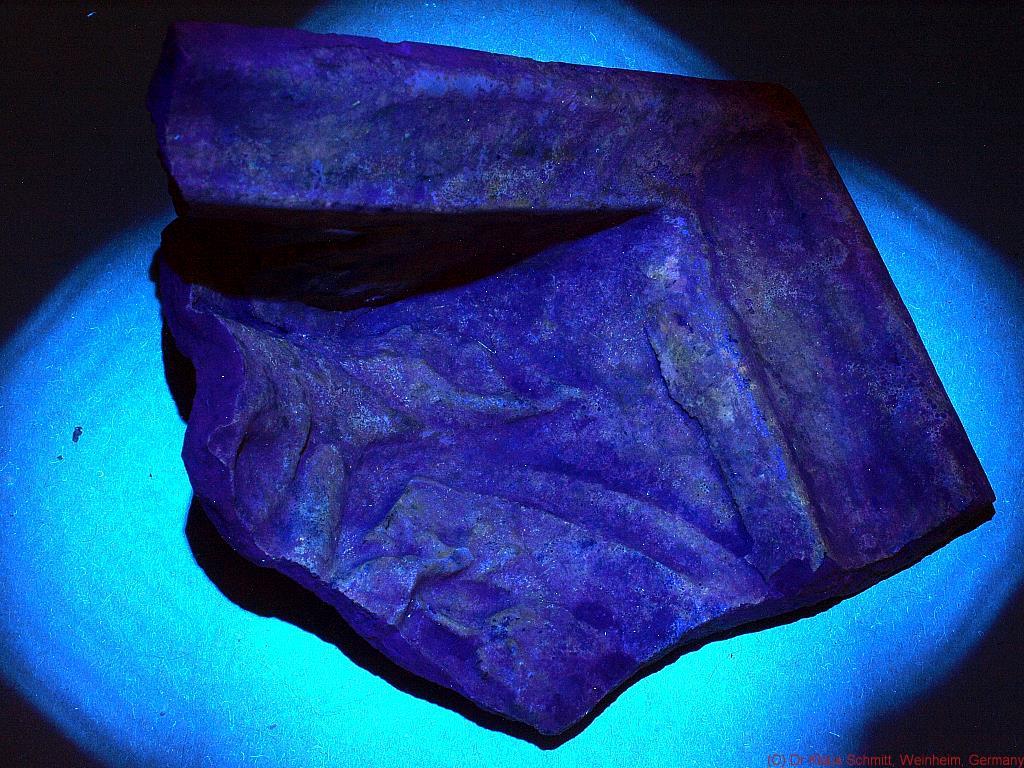
A study conducted for a friend using some excavated roman artifacts. The idea was to see, if deteriorated paint/lead glacing could be made visible after thousands of years, using these new high powered Nichia 4 dice UV LEDs (365nm + 385nm).

[click on image to see a larger one]

1) Visible light shot: 


2) FL (385nm Nichia UV LED induced visible fluorescence): 


3) FL (365nm Nichia UV LED induced visible fluorescence): 


4) differential 1 - 2 


5) differential 1 - 3 


Interestingly enough, the induced fluorescence was quite different, although the LED emissions are just 20nm apart. A comparison was done to see, if a nearly monochromatic excitation using UV LEDs would provide a different result than a wide band filtered Xenon lamp (300-400nm) excitation, which was not the case (not shown here). 

Stay tuned, more will follow on that fascinating subject...

More info on this very interesting field may be found on my site http://www.pbase.com/kds315/uv_photos
Wednesday, November 17, 2010

Aster hybride meets Noflexar 35mm lens
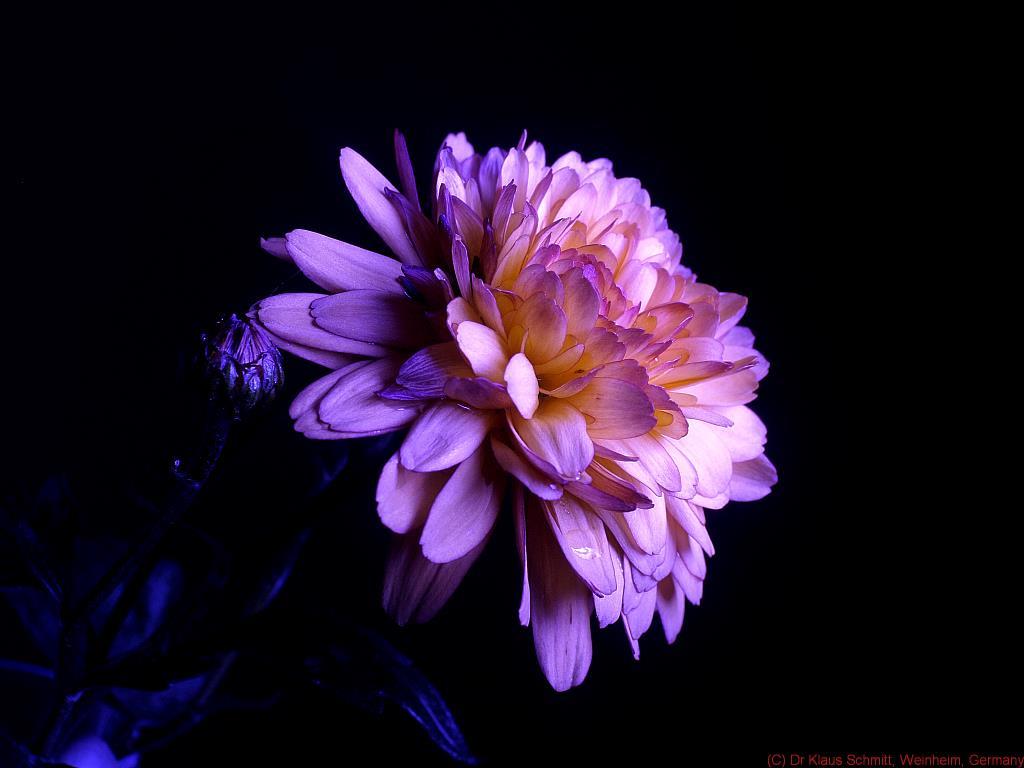
Today few shots of an Aster hybride using the Noflexar 3.5/35mm lens and various filters.
No noticeable patterns, as expected though.

[click on image to see a larger one]

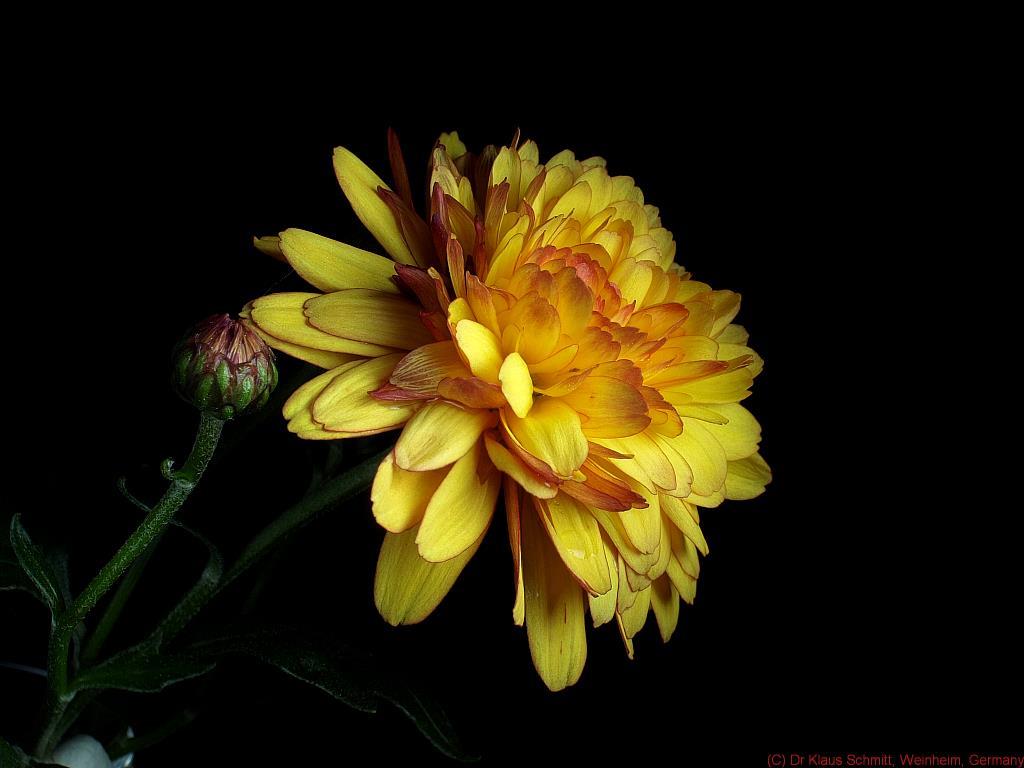
visible light shot: 


UV shot (using Baader U-filter and Xenon flash): 


Butterfly vision shot (using my XBV2 filter): 


UV induced visible flourescence shot (using Baader UV/IR Cut filter and Nichia 365nm UV light): 


As boring as it might look like, this now is quite interesting (to me) as it shows UV induced IR fluorescence. Lights were all Nichia UV LED sources I could get hold of (to make sure not a bit of IR would be present), a B+W 092 cut filter (>65nm) in front of the lens and 30sec exposure in total darkness:


With the naked (but UV protected!!) eye quite a bit deep red fluorescence gets visible, but hard to ban that on a photo....

Same experiment but using a dark orange filter and same UV lighting setup in darkness (Nichia 4x 365nm LED using a front attached Baader U-filter to block any visible light!):


I have now found a reliable method to professionally infinity convert Noflexar 35mm lenses to Nikon mount - ask me if you need one!

Stay tuned, more will follow on that fascinating subject...

More info on this very interesting field may be found on my site http://www.pbase.com/kds315/uv_photos