Showing posts with label multispectral photography. Show all posts

Wednesday, May 29, 2024

My multispectral works at the Tokyo Polytechnic University Color Science and Art Center

Today about my works being used with my permission by professor Yasushi Noguchi of the Tokyo Polytechnic University in Japan who is the director of their new Color Science and Art Center, which was created to educate about about color. There is now an exhibit about animal color and vision and the difference to human vision, hence why they liked to show my works there.

https://photos.app.goo.gl/p7GPvQENfwSDn2qX6 

Those shown multispectral images of mine where shot in my studio with my "work horse" UV-Nikkor f4.5/105mm quartz fluorite lens using the Baader UV/IR Cut filter and my proprietary XBV filters for simulated bee + butterfly vision. Light source in studio used was a Xenon flash modified for high UV output outside.

Stay tuned, more will follow on that fascinating subject...

More info on this very interesting field may be found on my site http://www.pbase.com/kds315/uv_photos

Wednesday, April 19, 2023

My work for France TV "C'est Toujours Pas Sorcier : Les superpouvoirs des abeilles"

France TV will be using my multispectral works in their programme  "C'est Toujours Pas Sorcier : Les superpouvoirs des abeilles".

Those multispectral images of mine where shot in my studio and outside with my "work horse" UV-Nikkor f4.5/105mm quartz fluorite lens using the Baader UV/IR Cut filter and my proprietary XBV filters for simulated bee vision. Light source in studio used was a Xenon flash modified for high UV output and sunlight outside.

[click on image to see a larger one]

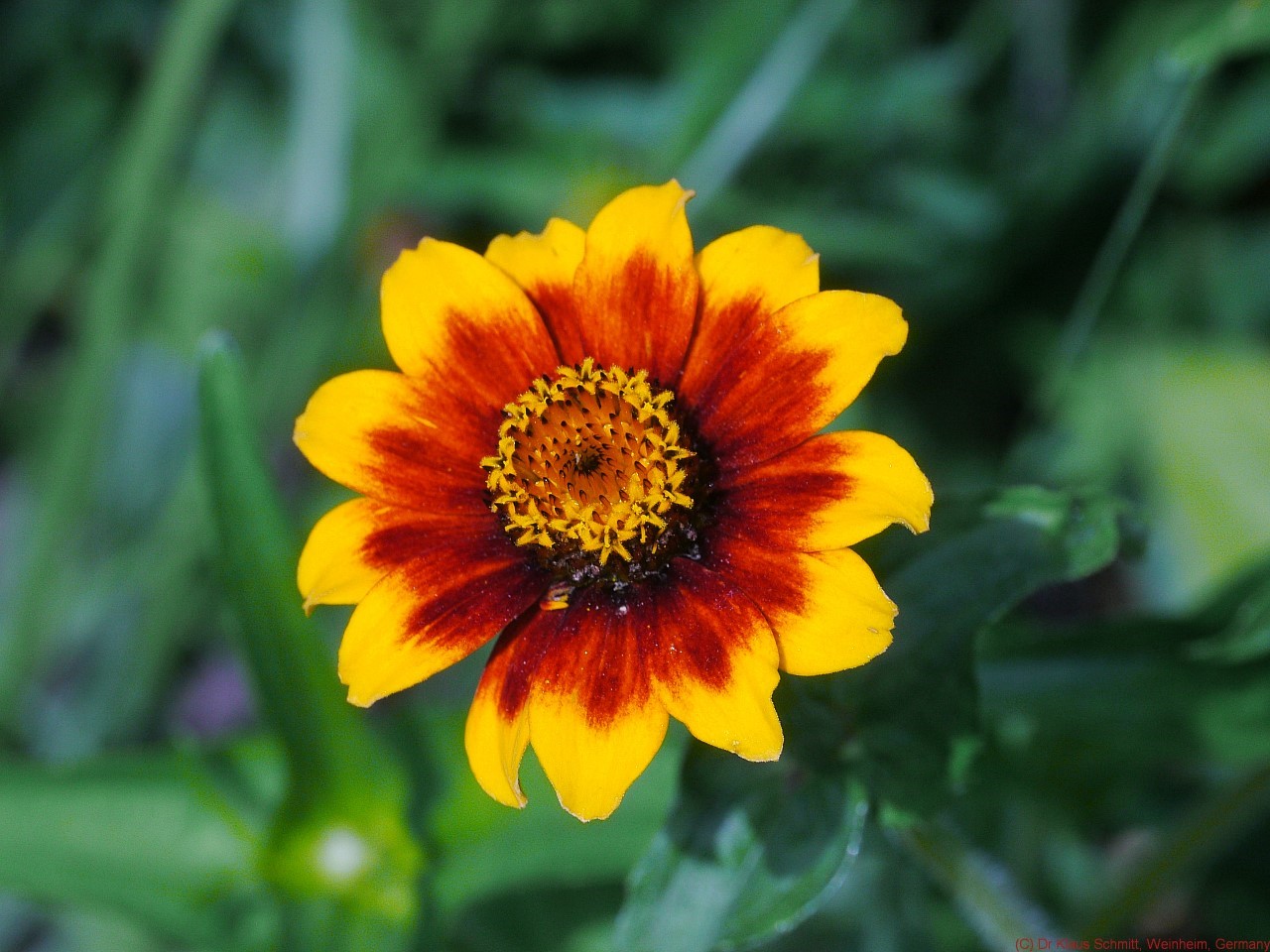
Mexican Zinnia Human Vision (VIS):
 

Mexican Zinnia simulated Bee Vision:
 

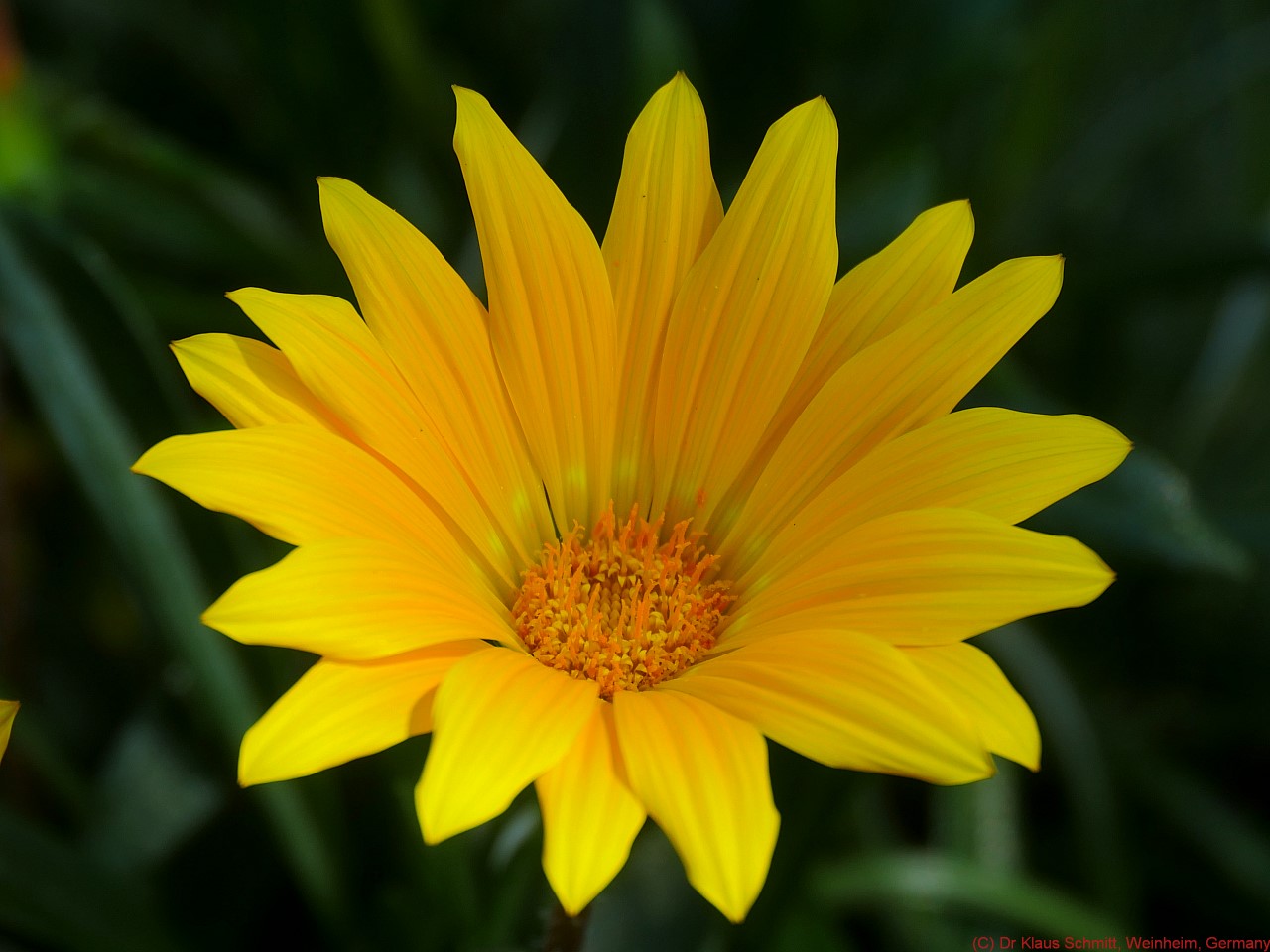
Gazania Human Vision (VIS):
 

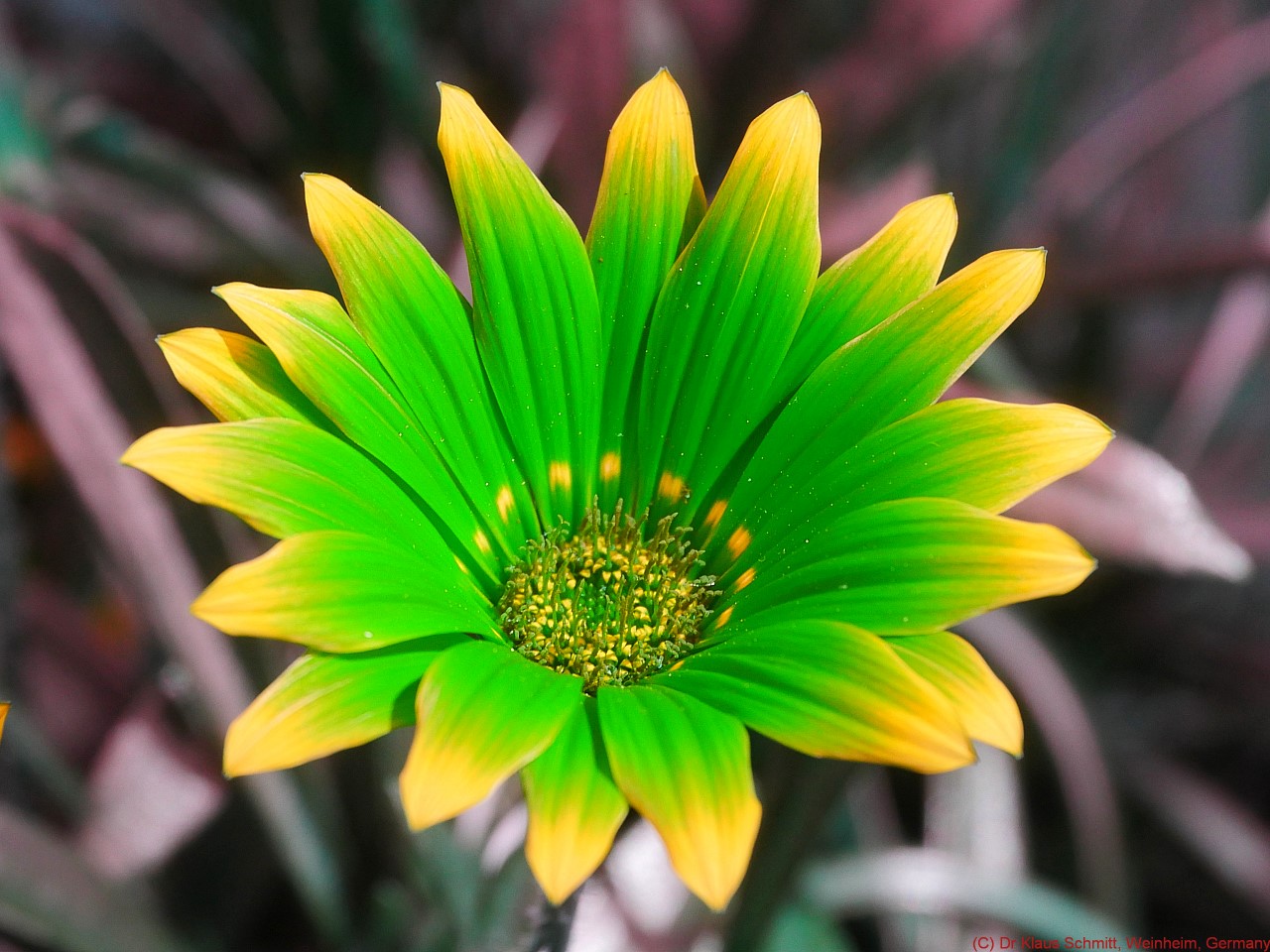
Gazania simulated Bee Vision:
 

All these flowers have very specific UV patterns; the outer part of their petals are UV reflective around 360nm, but their inner parts show a UV-dark area which gets nicely visible.

Stay tuned, more will follow on that fascinating subject...

More info on this very interesting field may be found on my site http://www.pbase.com/kds315/uv_photos

My work on display at the Neanderthal Museum Mettmann Germany

The Neanderthal Museum, Mettmann Germany , where Homo neanderthalensis was first found who lived there about 40.000 years ago, will be using some of my multispectral images for their forthcoming exhibt "Honey Bees in the Forest" May 20th 2023 - November 5th, 2023.

Those multispectral images of mine where shot in my studio and outside with my "work horse" UV-Nikkor f4.5/105mm quartz fluorite lens using the Baader UV/IR Cut filter and my proprietary XBV filters for simulated bee vision. Light source in studio used was a Xenon flash modified for high UV output and sunlight outside.

[click on image to see a larger one]

Rudbeckia missouriensis Human Vision (VIS):
 

Rudbeckia missouriensis simulated Bee Vision:
 

Mexican Zinnia Human Vision (VIS):
 

Mexican Zinnia simulated Bee Vision:
 

Gazania Human Vision (VIS):
 

Gazania simulated Bee Vision:
 

All these flowers have very specific UV patterns; the outer part of their petals are UV reflective around 360nm, but their inner parts show a UV-dark area which gets nicely visible.

Stay tuned, more will follow on that fascinating subject...

More info on this very interesting field may be found on my site http://www.pbase.com/kds315/uv_photos

Tuesday, February 9, 2021

If you like to see some of my works on display in 2021

 So if you would like to see some of my work (updated March 2021)...

...and if you live in Europe, then you have a chance to see some here:

The artist Dr Andrea Daisy Ginsberg will give a talk about the Eden Project, Cornwall, UK in Rappertwil, Switzerland in March 2021 using some of my multispectral flower images to illustrate the difference in perception of colour by different pollinator species.

The Gallery Oldham in Oldham, UK (greater Manchester area) will in 2021 include some of my Caltha palustris (Marsh marigold) simulated bee vision images in a presenation about pollinators.

... and if you live in North America, then you have a chance to see some here:

The San Diego Botanic Garden will give in 2021 a presentation about the difference in our vision and pollinator vision and how this has helped orchids evolve into what they are, using some of my multispectral works on orchids.

The Witte Museum in San Antonio, Texas wil give a presentation on pollinators using some of my multispectral works.

The Butterfly Conservation Club of the Southeast Michigan Butterfly Association will in February 2021 have a presenation about butterfly and plant interactions using some of my simulated butterfly and human vision images.

... and if you live in Asia, then you have a chance to see some here : 

Jurong Lake Gardens' Therapeutic Garden - Butterfly Maze in Singapore's Jurong Lake Garden will show in 2021 some of my simulated butterfly vision images, to demonstrate the difference betwen what we see and what butterflies see.

An overview of my works on display may be found HERE

My work for Movies and TV may be found HERE

Stay tuned, more will follow on that fascinating subject...

More info on this very interesting field may be found on my site http://www.pbase.com/kds315/uv_photos 

Saturday, September 14, 2019

Bird Protection using FireFly Bird Diverter II

Today more about birds and how to protect them against collision with power lines. Each year millions of birds die, especially when migrating in spring and autumn. The patented FireFly bird diverter device was invented and is manufactured by the Swedish company Hammarprodukter AB to protect all types of birds from being killed by high voltage powerlines and is distributed worldwide.

[click images to see larger ones]

Birds (many of them) have the ability to see UV (ultraviolet) light, which we humans cannot see! This following grahic makes this visible by comparing our human spectral range to the larger one birds have, based on them being tetrachromats (they see 4 colors: Ultraviolet, Blue, Green and Red), whereas we humans are trichromats (we see 3 colors: Blue, Green and Red).

Be reminded: The pink-magenta UV "color" used here to illustrate has been chosen to make it better visible for us humans, but it is a chosen "false color", as per definition UV light has no color!

The following are visual (left) and reflected ultraviolet (UV) light (right) images of the Hammarprodukter Firefly, shot using my multispectral Camera, a UV-Nikkor 105mm quartz fluorite lens and a suitable UV transmitting filter. These are real images, not made up ones.


The Hammarprodukter FireFly shows a very high UV reflection (around 370nm), as well as a very high visible light reflection by means of its special reflective decals and by this efficiently scares birds away, or makes them alter their flight path to a safer one, when approaching Firefly-protected high voltage powerlines!

HERE are some live video recordings I have done of birds being  effectively diverted 

HERE is more what I have written about bird vision!

HERE a link to the manufacturer product site Hammarprodukter.se

And HERE more about human vision vs bird vision and how to make that visible.

[all graphics shown here are (C) Hammarprodukter AB and Dr Klaus Schmitt, used with permission] 

More about that here later, as I took on the task to scientifically assist Hammarprodukter AB.

Stay tuned, more will follow on this fascinating subject...