Saturday, July 26, 2008

A comparative, subjective shootout of lenses for reflected UV photography


Now this will be a rather lengthy entry I presume, so be forewarned! Why you might ask? Well today I got a request and di a comparative shootout of various lenses for UV, using that Rudbeckia fulgida flower as a target, ca. 80mm (3.1") in diameter. The Baader U-filter was used, as well as Xenon lighting and UV LED lighting (365nm).

The candidates were the classic UV Nikkor 105mm, the Coastal Optics Micro Apo 105mm, the UV Rodagon 60mm (making up the group of the most expensive ones), then the EL Nikkor 3.5/63mm enlarger lens and my calibrated lenses for UV in 50mm, 90mm and 135mm focal length (X50, X90, X135).

Here now the results, and as usual here, a click on a picture opens up a large version of it.

UV Nikkor 105mm:

Visual shot:
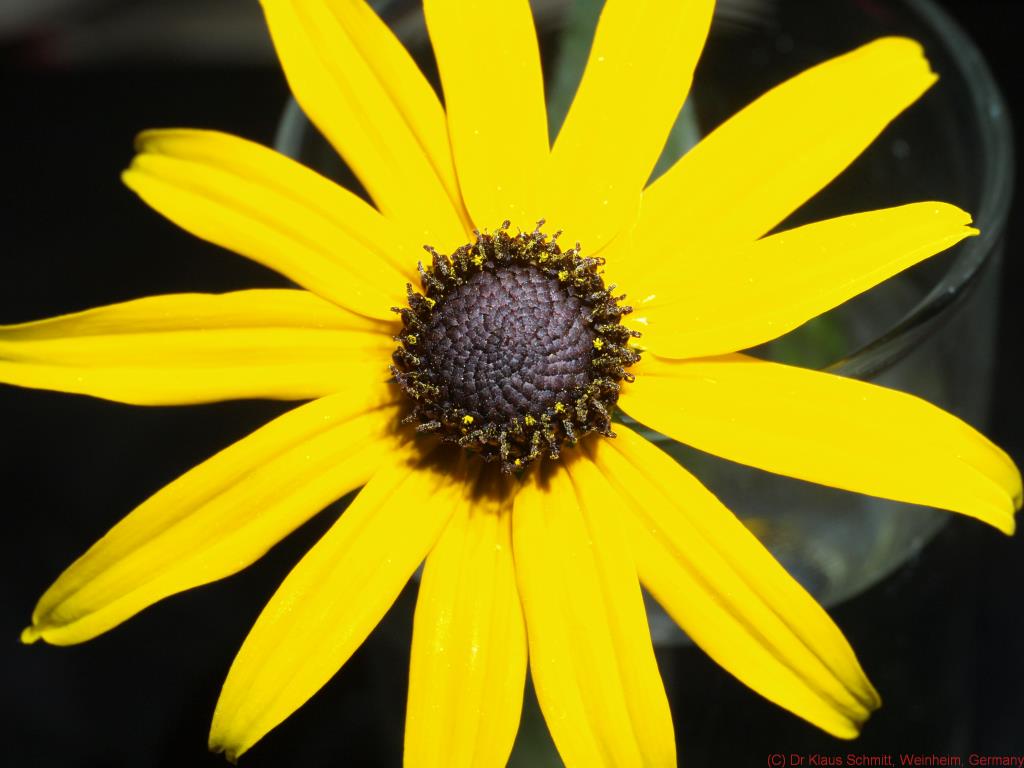


UV shot:
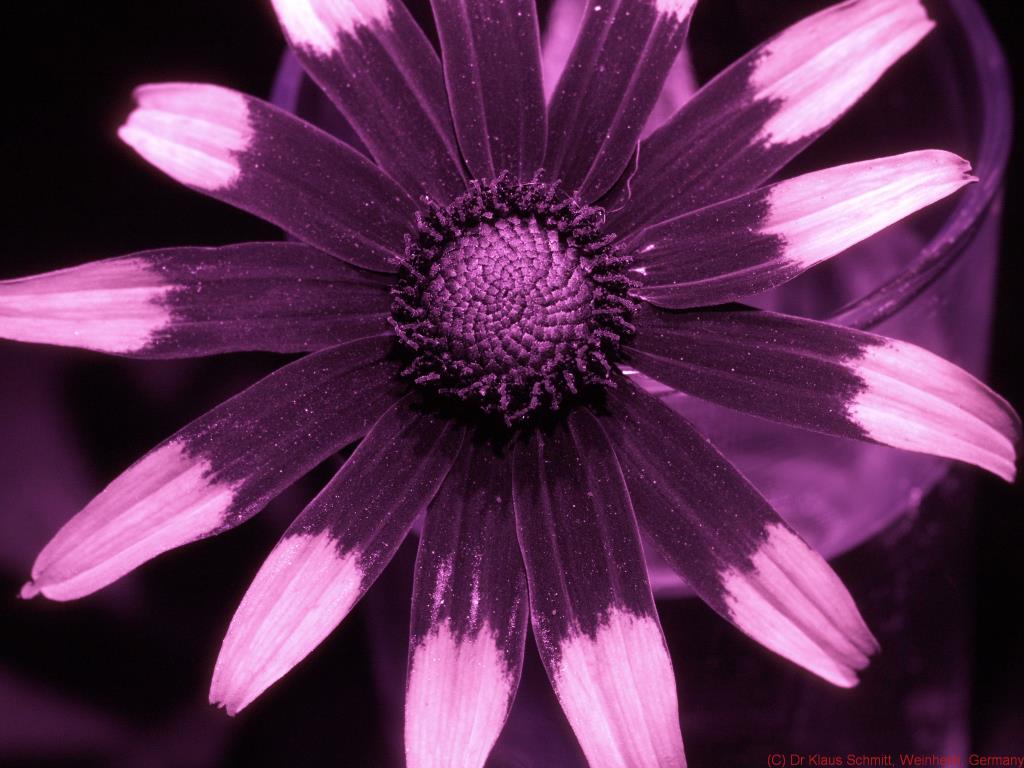


Coastal Optics Micro Apo 105mm:

Visual shot:


UV shot:
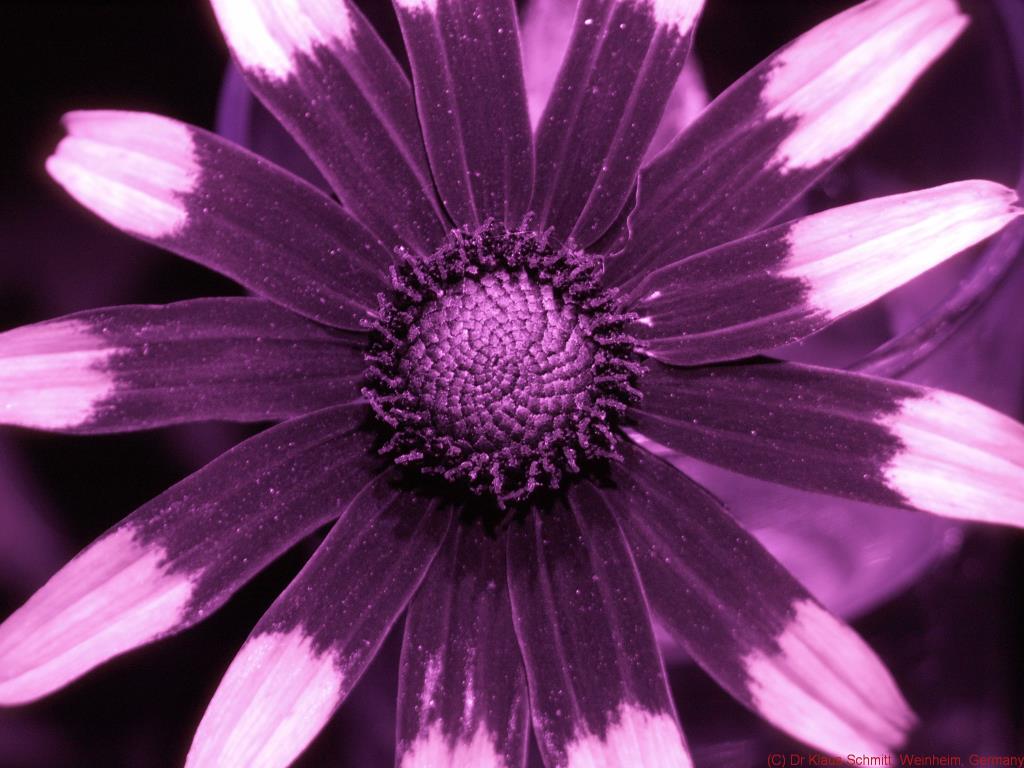


UV Rodagon 60mm:

Visual shot:
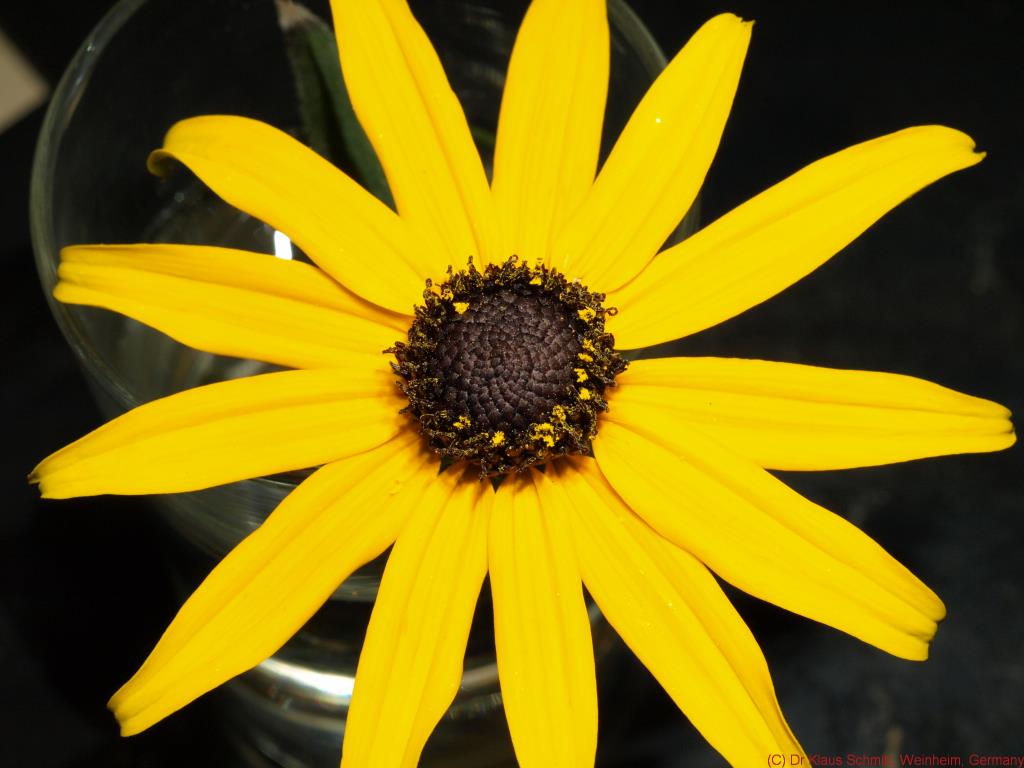


UV shot:
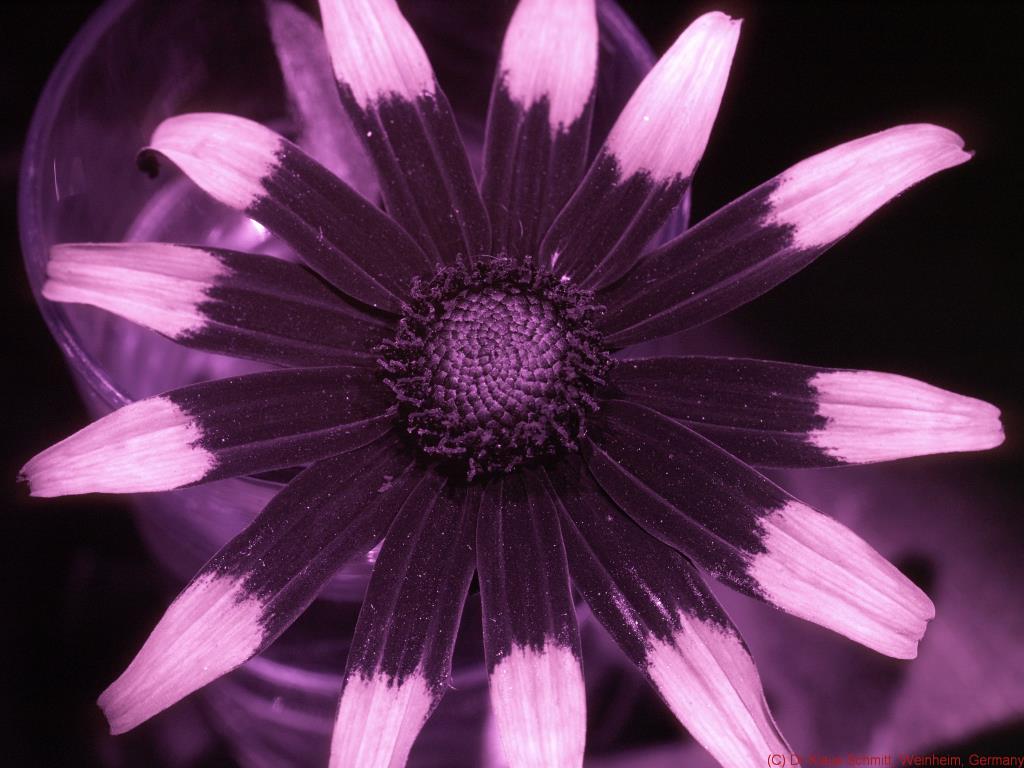


EL Nikkor 63mm:

Visual shot:
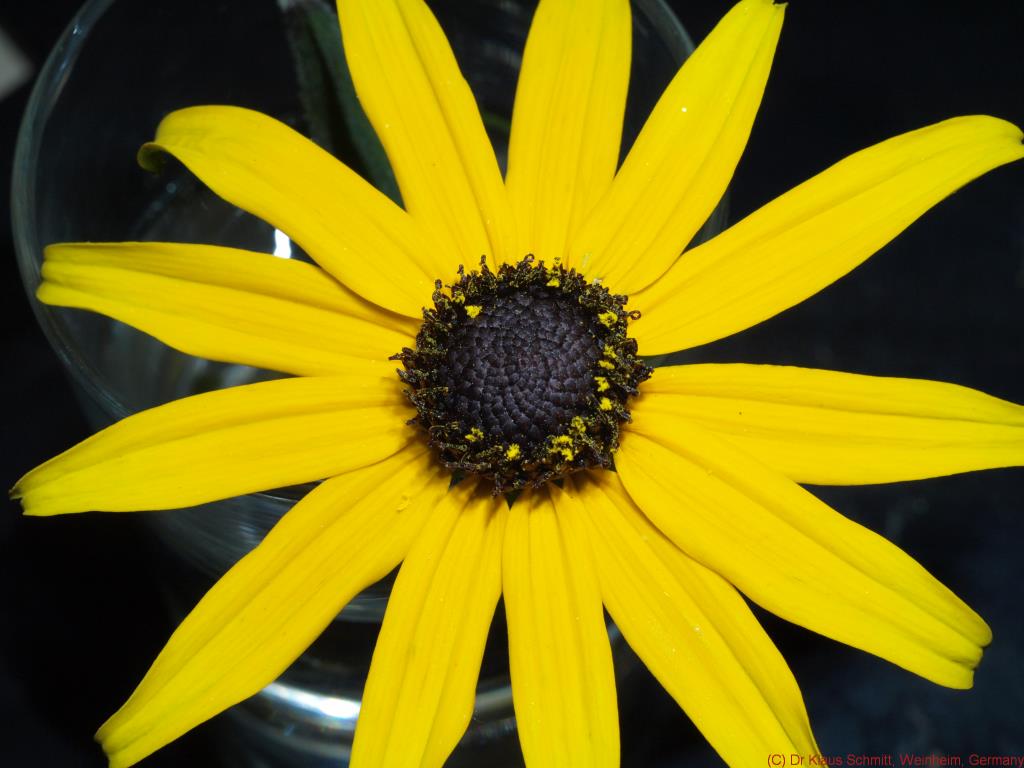


UV shot:
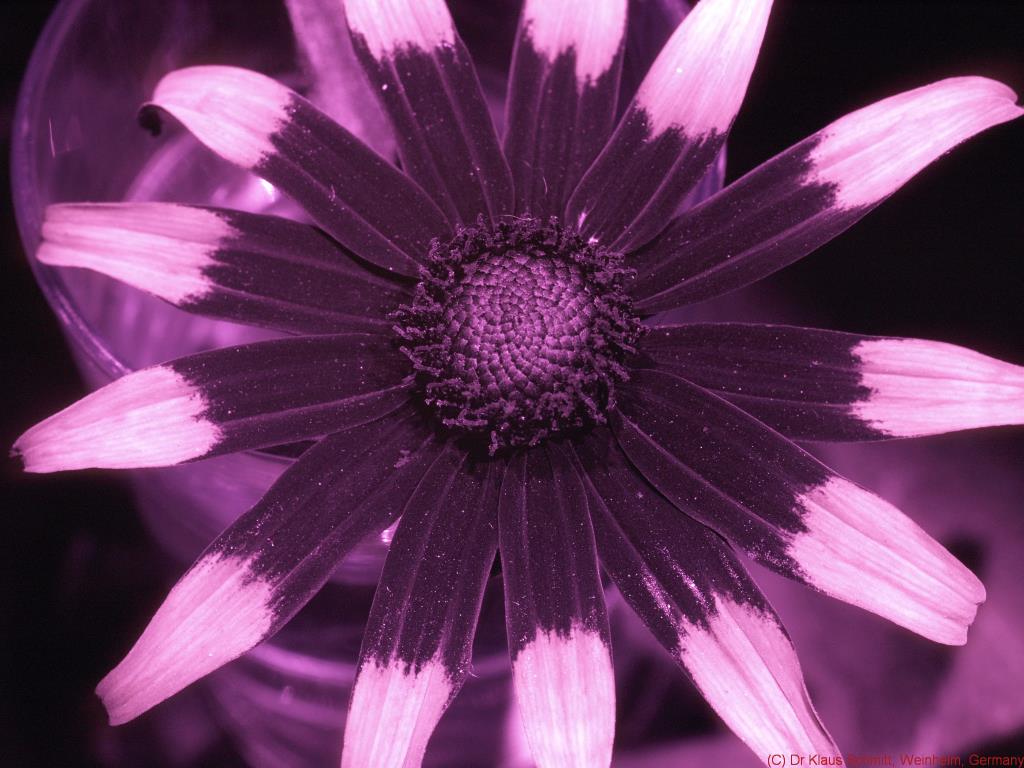


X50 calibrated lens for UV 50mm:

Visual shot:
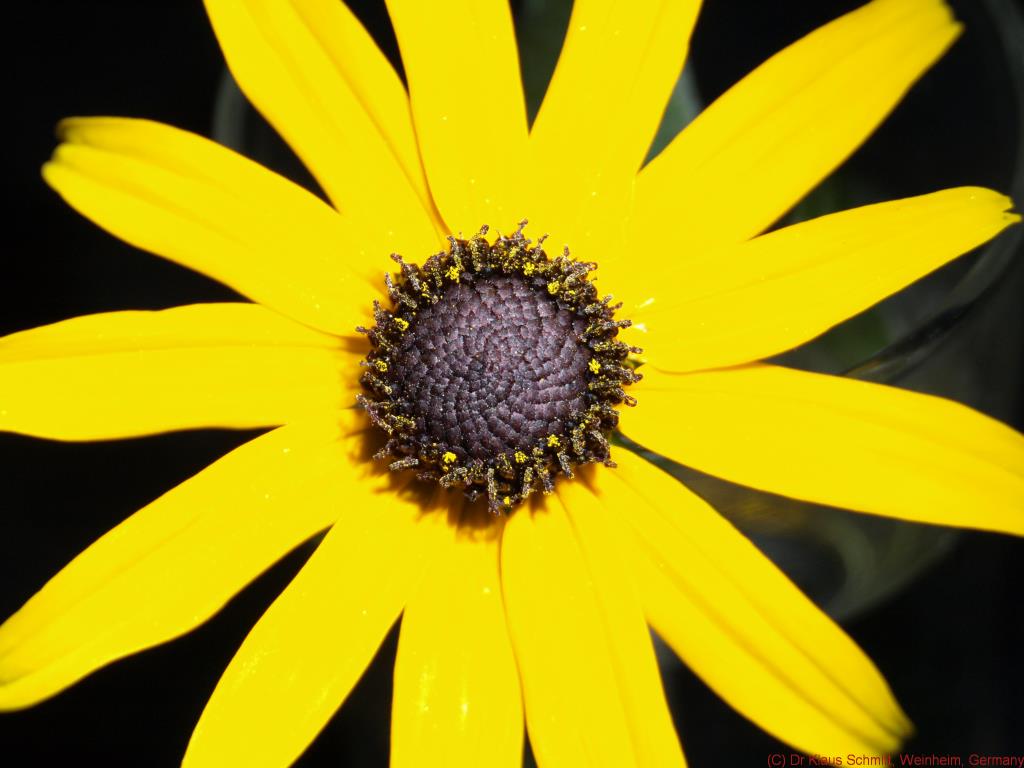


UV shot:
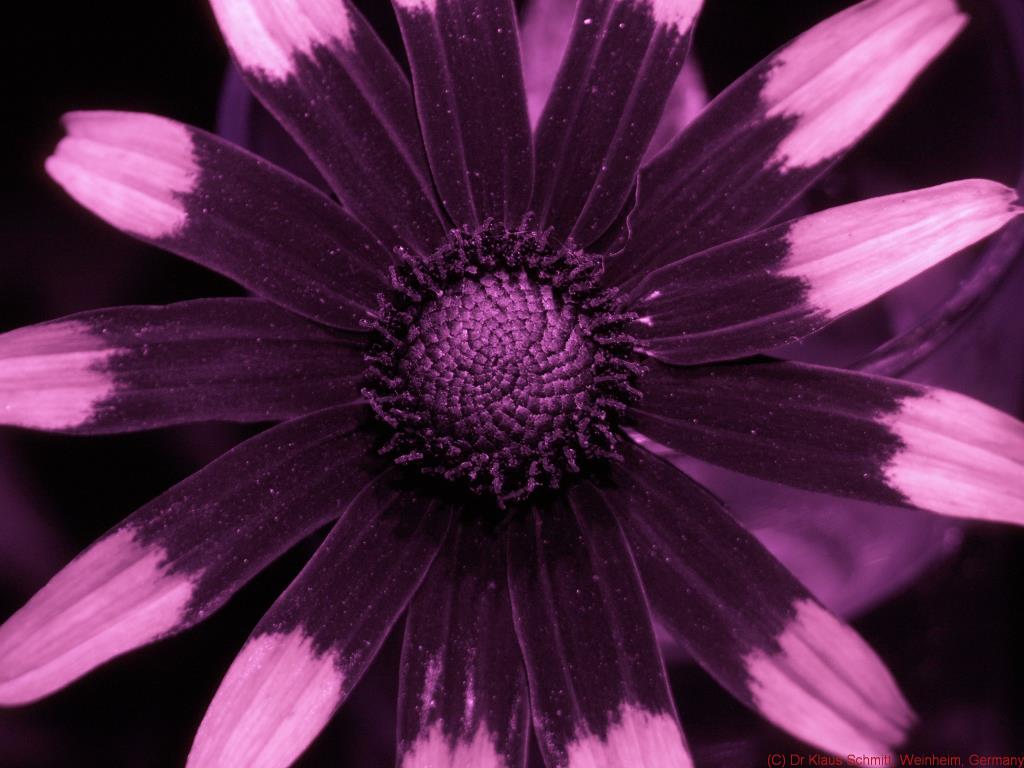


X90 calibrated lens for UV 90mm:

Visual shot:
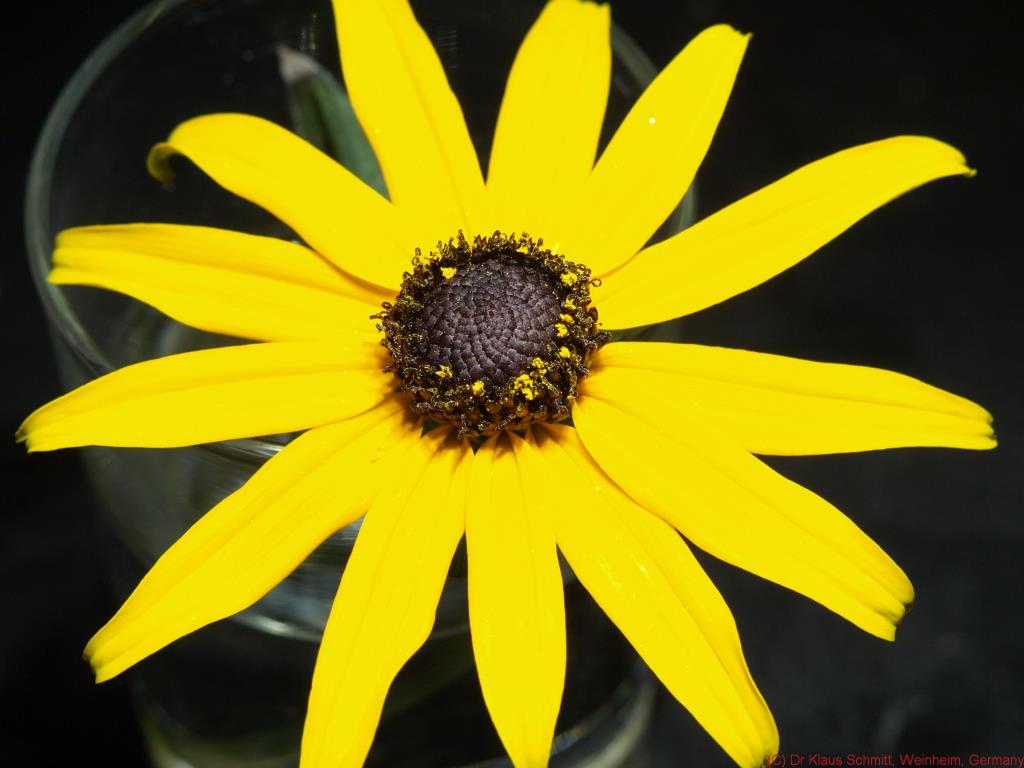


UV shot:
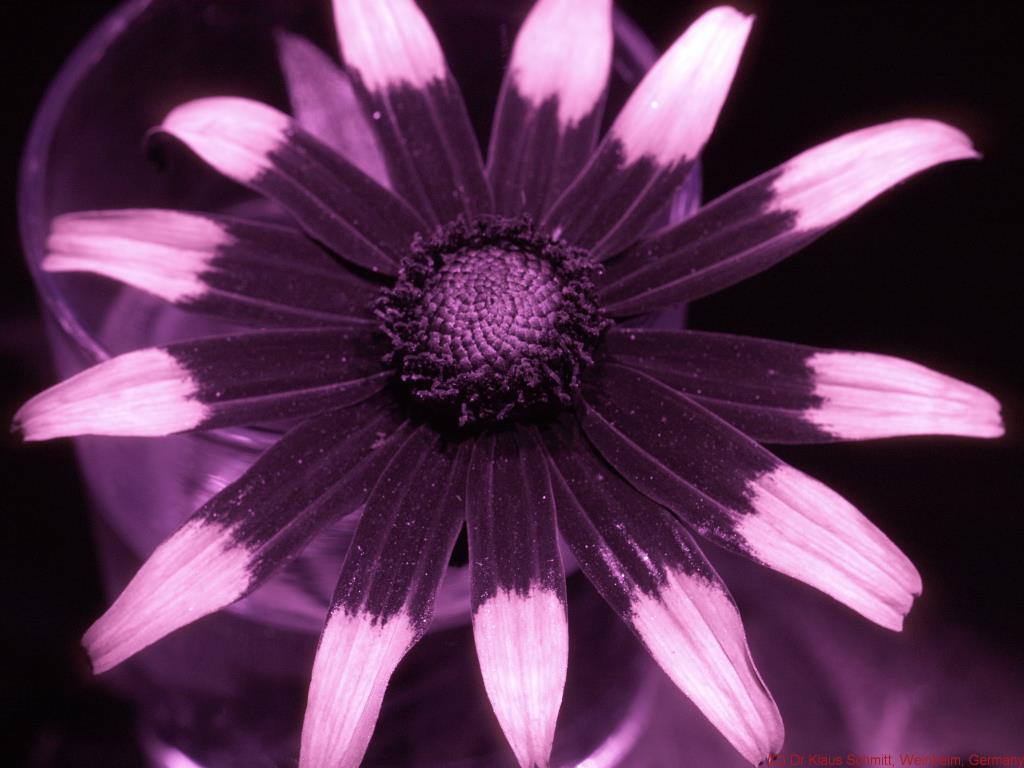


X135 calibrated lens for UV 135mm:

Visual shot:
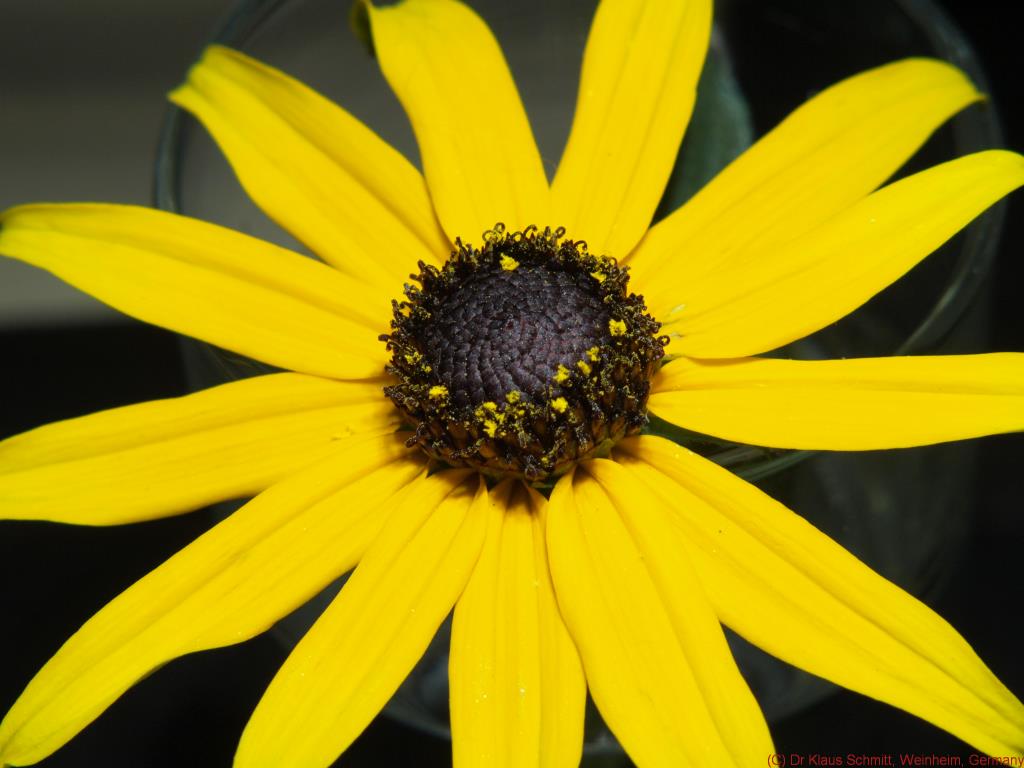


UV shot:
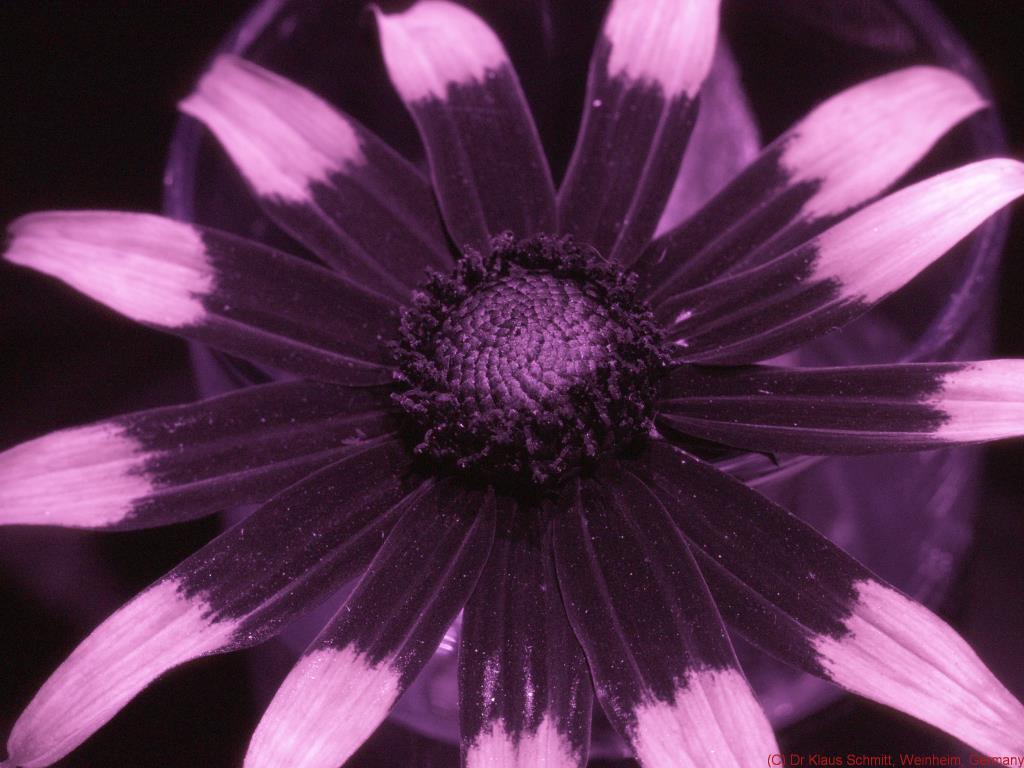


And now here a few days later a rare find, the results using an UV Rodagon 150mm. The flower has aged of course...

UV Rodagon 150mm:

Visual shot:
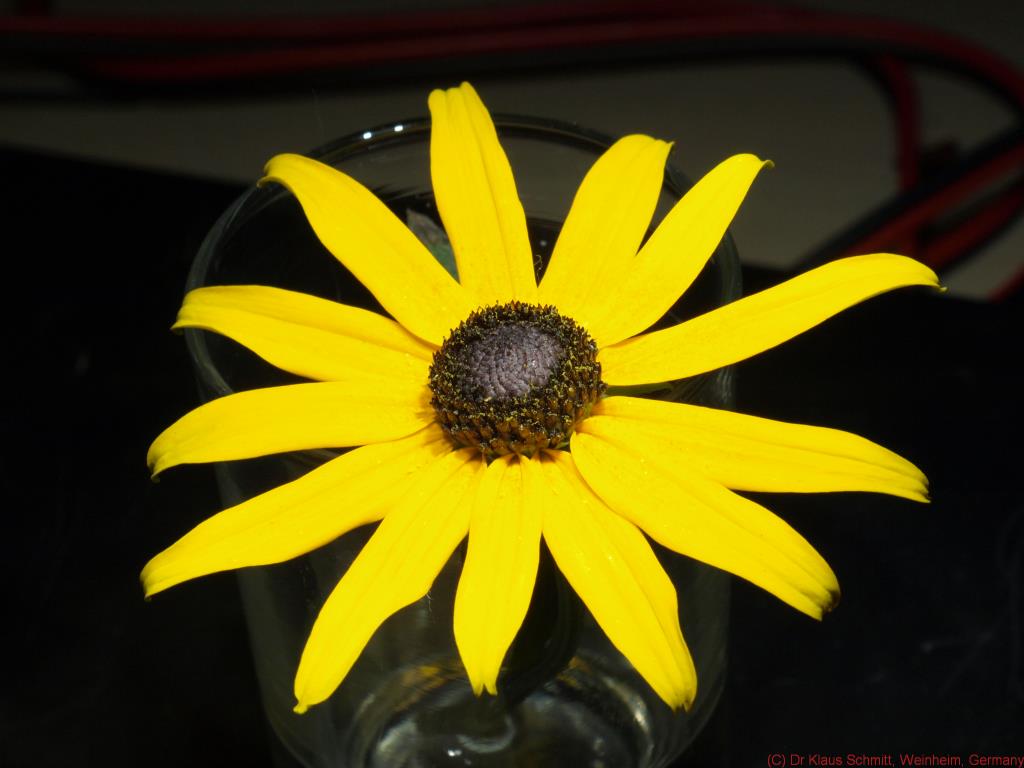


UV shot:
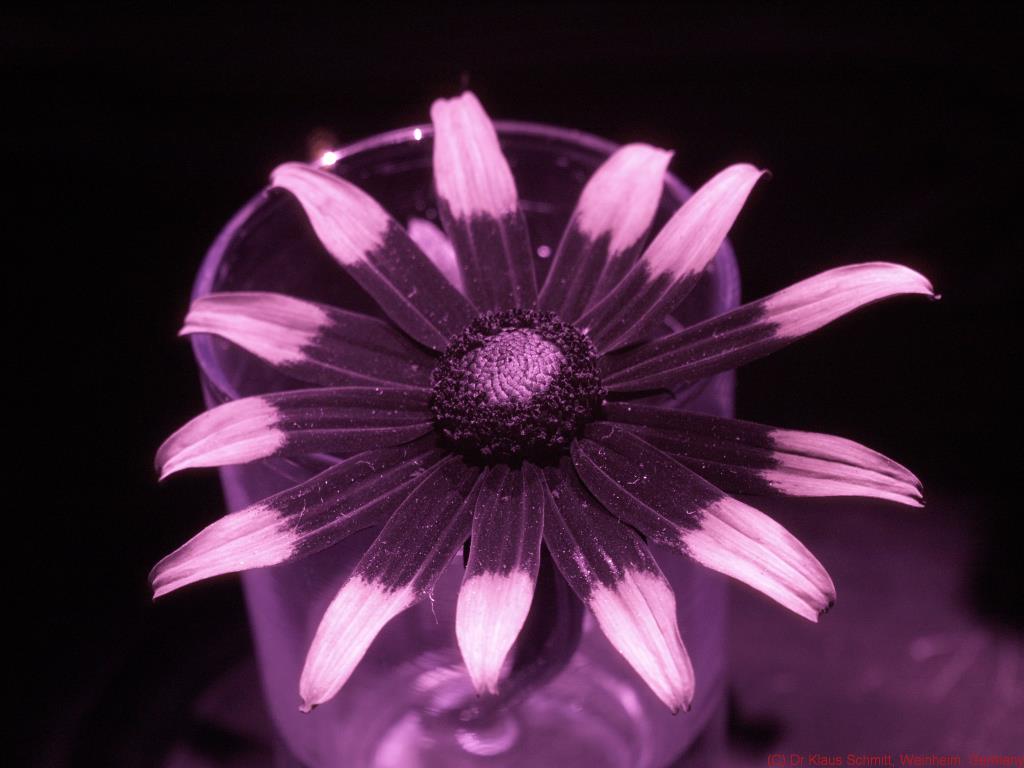


But now you're up to you to interpret....

[Just some hints: be careful when comparing the images, since the working distance had to be very different due to the different focal lengths used to achieve about the same magnification. So you will notice, that although the same aperture f8 was used, the depth of focus is different. This is because of the changed angle of view, and has nothing to do with a lens being more or less sharp.]

Stay tuned, more will follow on that fascinating subject...

More info on this very interesting field may be found on my site http://www.pbase.com/kds315/uv_photos

Thursday, July 24, 2008

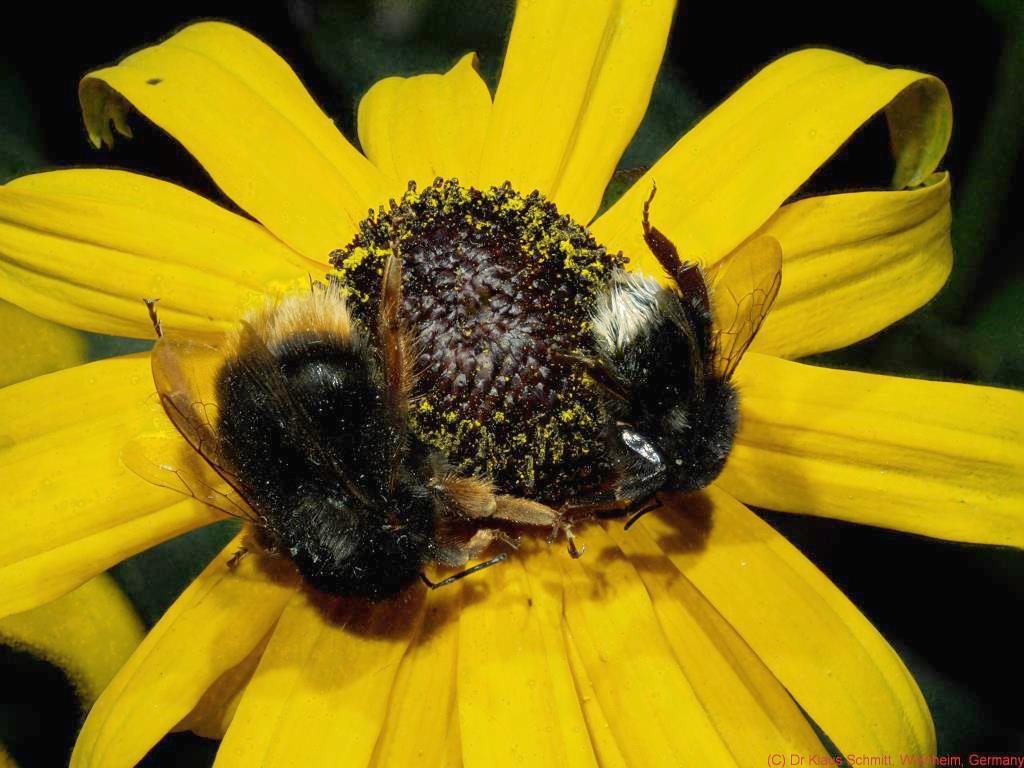
Bumble Bees on Rudbeckia fulgida (B. xanthopus, B. canariensis)


Here now a shot showing two types of Bumle Bee on Rudbeckia fulgida, Bombus xanthopus (left) and Bumbus canarienses (right).

Visual shot:


UV shot:


UV remapped into the visible domain now yields:


So, I hope you like that, too.


Stay tuned, more will follow on that fascinating subject...

More info on this very interesting field may be found on my site http://www.pbase.com/kds315/uv_photos
Friday, July 18, 2008

Rudbeckia fulgida and X135 calibrated lens for macro


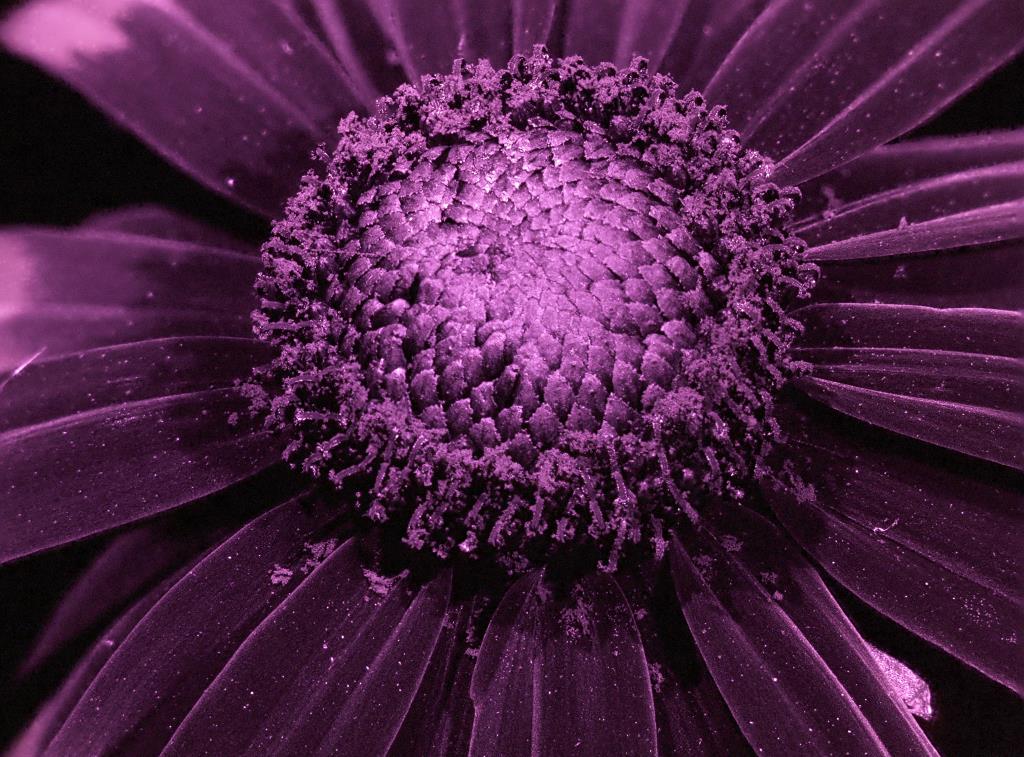
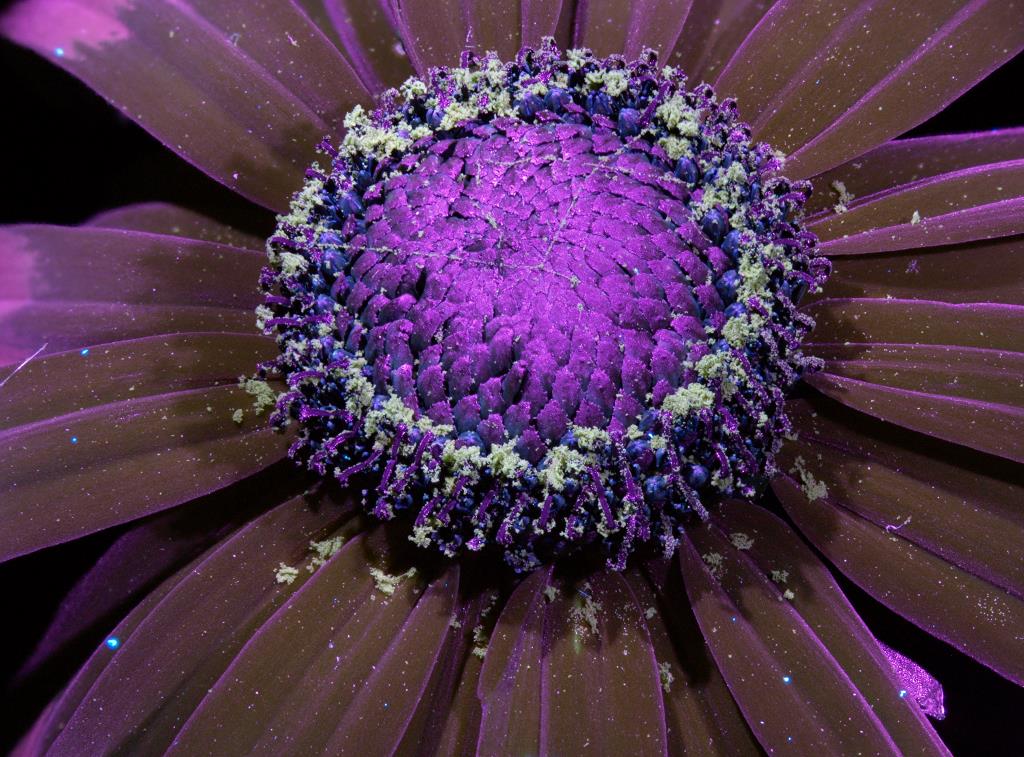
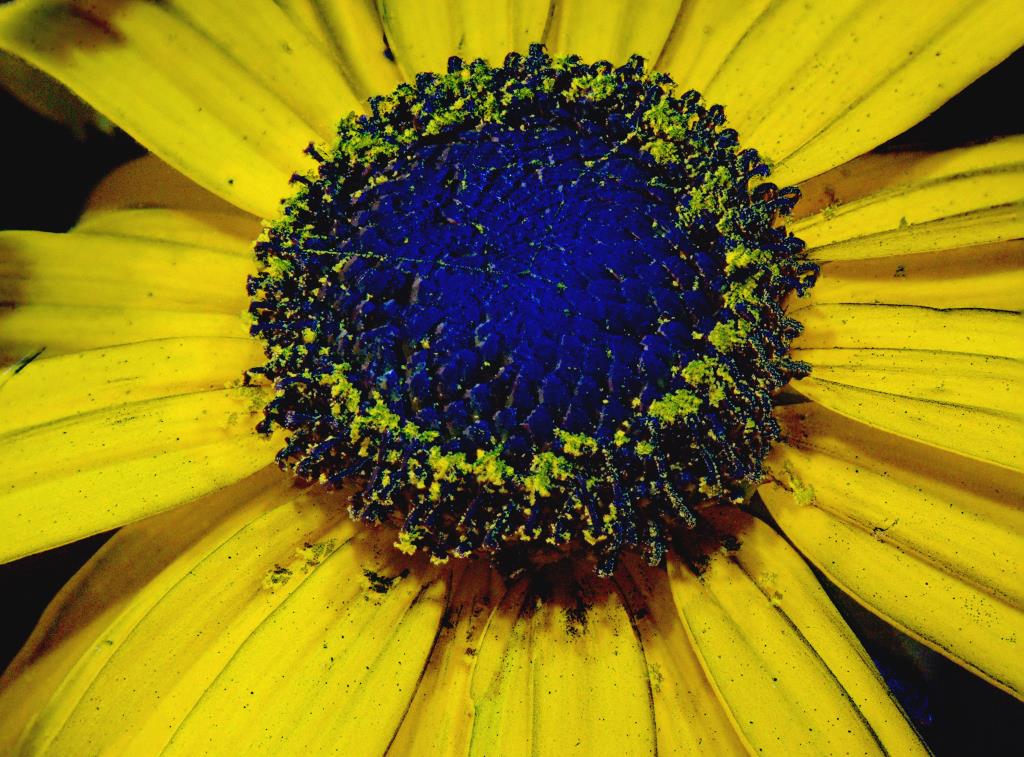
As shown before, Rudbeckia fulgida shows quite an impressive UV pattern, but there is more to discover. So using my famous calibrated X135 lens, a tilt/shift bellows, the great Baader U and UV/IR Cut Filter and my 365nm Nichia UV LED the following may be seen [click on image to see larger images]:

Visual shot:


UV shot:


UV induced visible flourescence shot (UV not suppressed):


UV induced visible flourescence shot (UV suppressed, using Baader UV/IR Cut filter):


So it may be seen that the pollen shows some impressive fluorescence, but also the other inner parts of the flower show different flourescence patterns!

Let's now have a look at how bees might see that now using my "bee vision algorithm" which remaps UV into our visual space as blue, so as if we had UV sight :


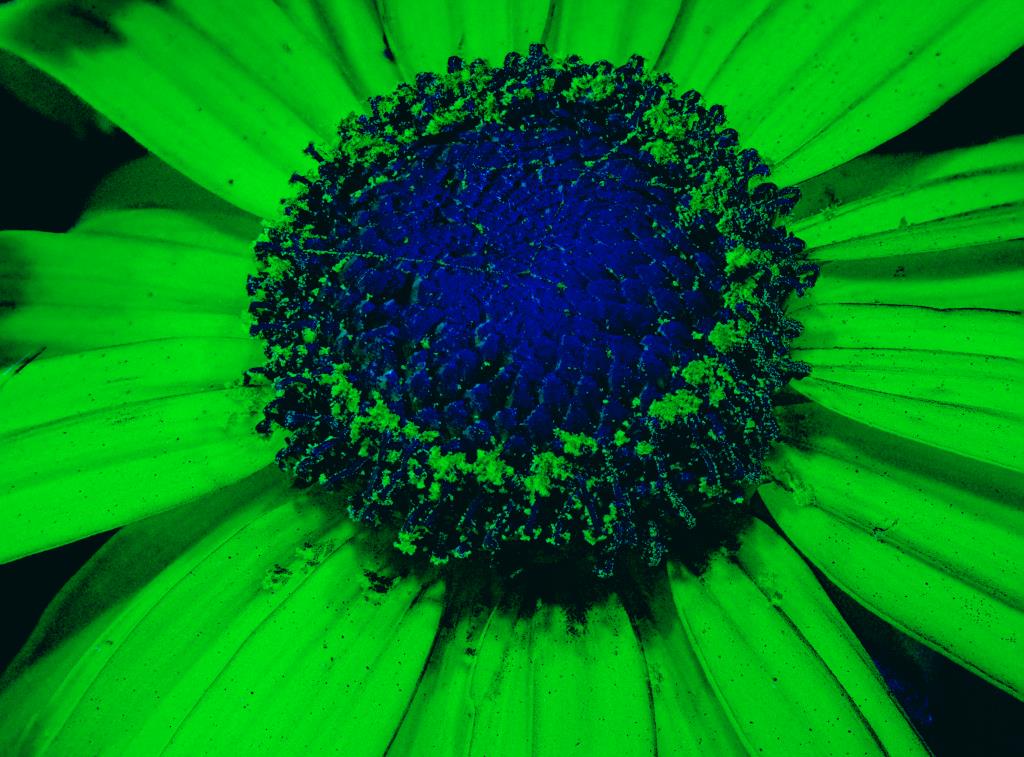
It is quite obvious, that the flower center has some strong UV reflectance which most likely help to attract pollinators such as bees and bumble bees. And the following picture now would be the bee's view (since bees don't see red):


The calibrated for UV X135 lens has again proven, how great it works for visual and UV shots, also for macro.

Stay tuned, more will follow on that fascinating subject...

More info on this very interesting field may be found on my site http://www.pbase.com/kds315/uv_photos
Thursday, July 17, 2008

UV pattern of a Bumble Bee on Rudbeckia fulgida


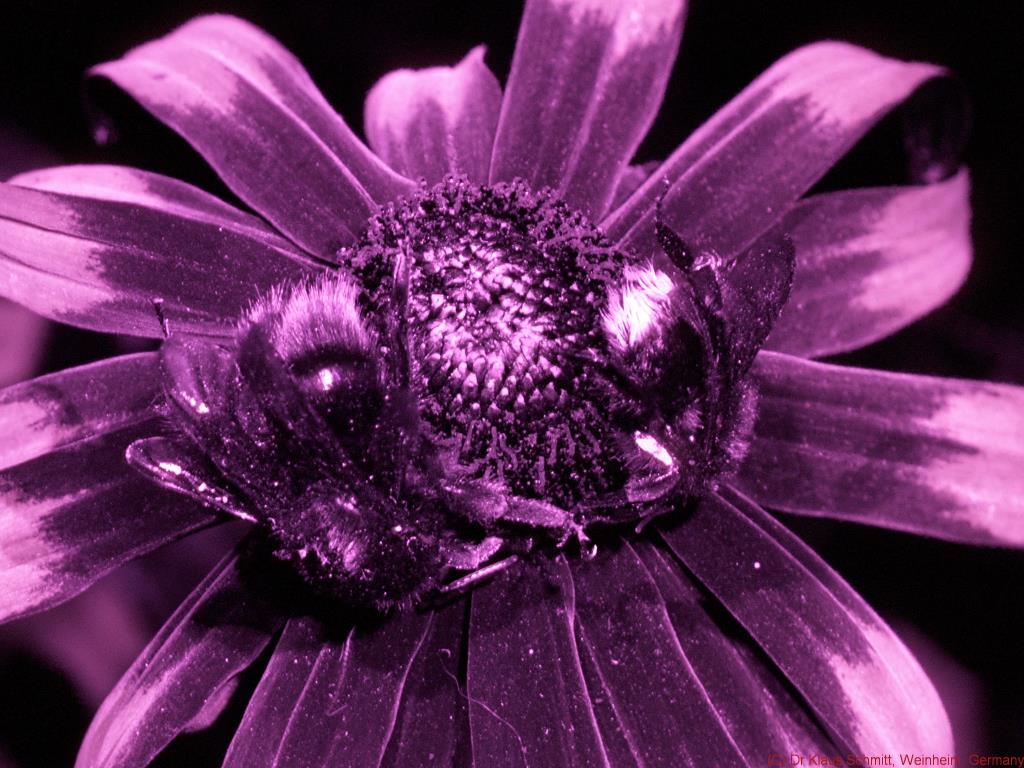
A Bumble Bee on a Rudbeckia fulgida shows it impressive UV pattern, as does the flower! Here the visual shot first [click on image to see much better and larger images]:


The outer petals reflect UV much stronger than the inside of the flower, as it the flower would create a "landing spot" for the Bumble bee. The following shot shows the UV reflection:


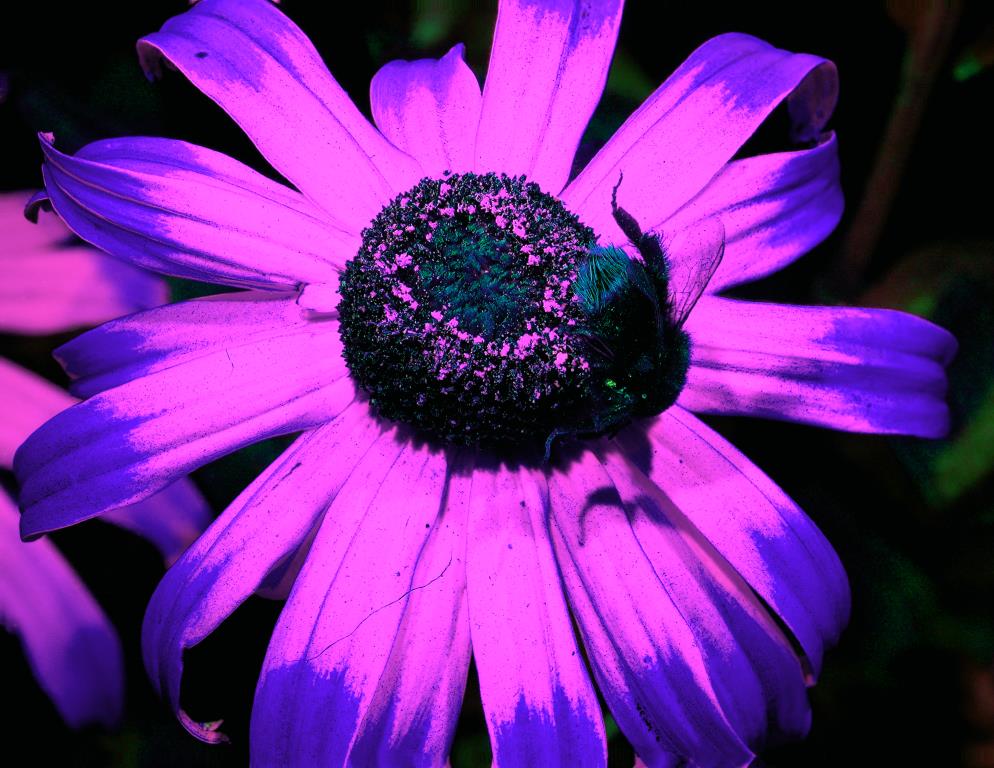
I find it quite fascinating that the abdomen of the Bumble Bee reflect UV so strong as if it would like to tell its colleagues "This one is taken for now...". I wanted to find out more about it and created a synthesized "bee vison" version of that one, a bit differently than usual by remapping the UV image into the visual space so that the UV reflecting abdomen gets clearly visible. Quite obviously that has the same UV reflection than the flower center.
Just pure coincidence? I guess not.....!


Stay tuned, more will follow on that fascinating subject...

More info on this very interesting field may be found on my site http://www.pbase.com/kds315/uv_photos

Sunday, June 22, 2008

Hermannshof Exhibition


Hermannshof, Weinheim, Germany hosts my first UV Flower exhibit from Jun 21st onwards for some weeks now in its Greenhouse. It is an invited presentation for their 25 year anniversary to celebrate the opening of the former, more than 200 year old park belonging to the Freudenberg dynasty, to the public.


30 of my works are shown, comprising visible, reflected UV, UV induced visible fluorescence and simulated bee vision shots. The exhibition may bee seen from 10 - 19h every day and there are also some plates about bee / insect vision to explain the science behind it (courtesy Prof. Lars Chittka; thanks Lars!).


Irrespectively of that exhibit, it is a wonderful park right in the center of Weinheim and worth a visit any time of the year as is the historic city itself.
http://www.sichtungsgarten-hermannshof.de/

Monday, May 5, 2008

Peony - Bee Vision

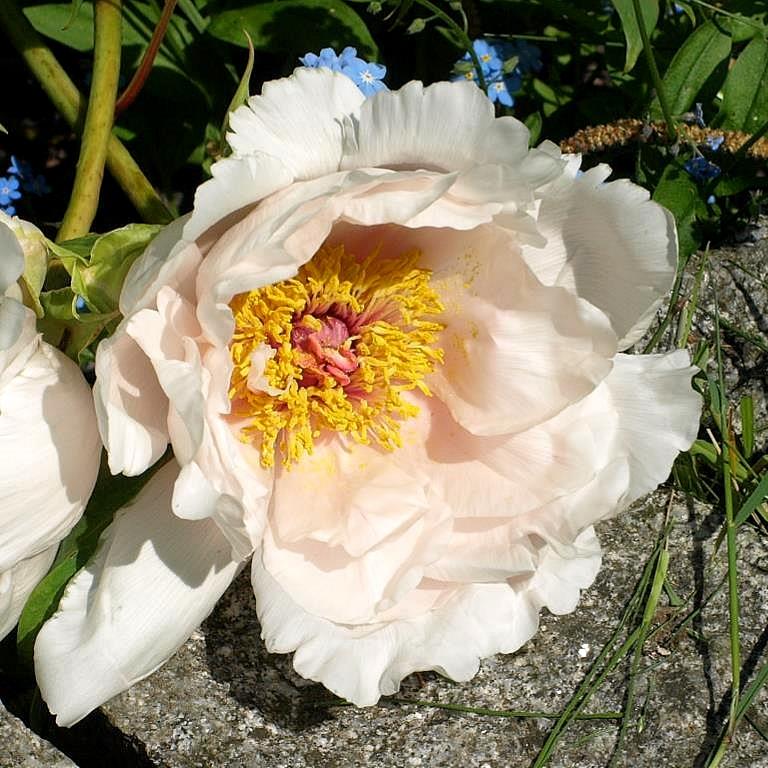
It is spring - finally - here and the Peonies explode their colors into the strong sun of spring. I wondered how bees would see that and took some shots today. To my surprise a creamy, otherwise all white Peony shows an UV pattern I haven't noticed before.


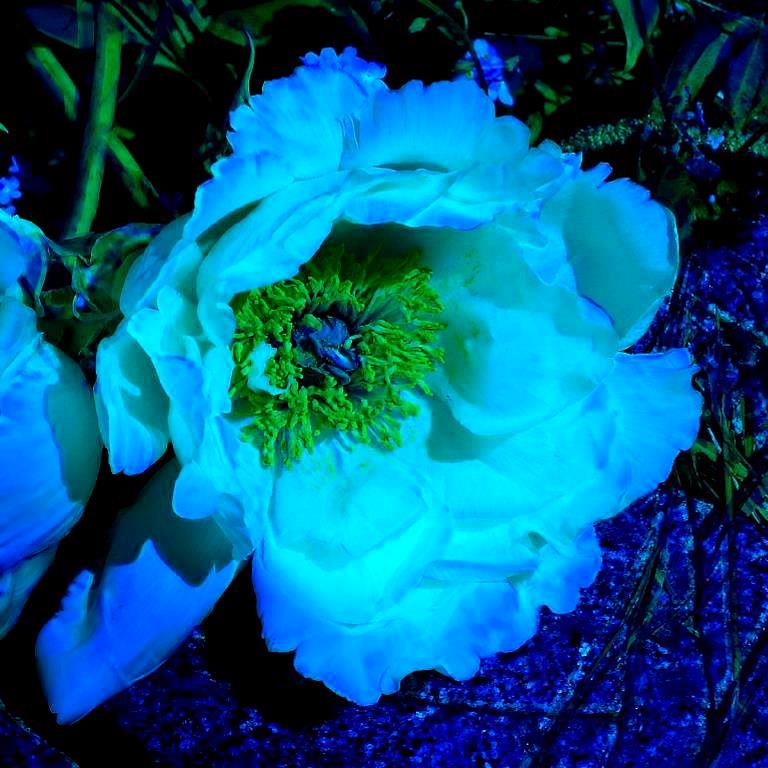
The outer petals reflect UV much stronger than the inside, thus creating some "landing spot" for their pollinators.


The synthesized bee vison version of that looks like that:


Stay tuned, more will follow on that fascinating subject...

More info on this very interesting field may be found on my site http://www.pbase.com/kds315/uv_photos

Waterlilly Reflections - remapped UV


Today it is just a picture, a remapped UV-to-visual image of waterlilly leaves in a pond nearby and some tree reflections. I found that visually appealing, so I hope you like it too:


This is also a remapped image, composed of two shots, a visual one and a reflected UV shot (310...390nm). UV was remapped into the visual domain as blue.

Stay tuned, more will follow on that fascinating subject...

More info on this very interesting field may be found on my site http://www.pbase.com/kds315/uv_photos