Saturday, June 16, 2012

Gazania rigens: human vision vs simulated bee vison using a quartz singlet lens for reflected UV ultraviolet photography (II)

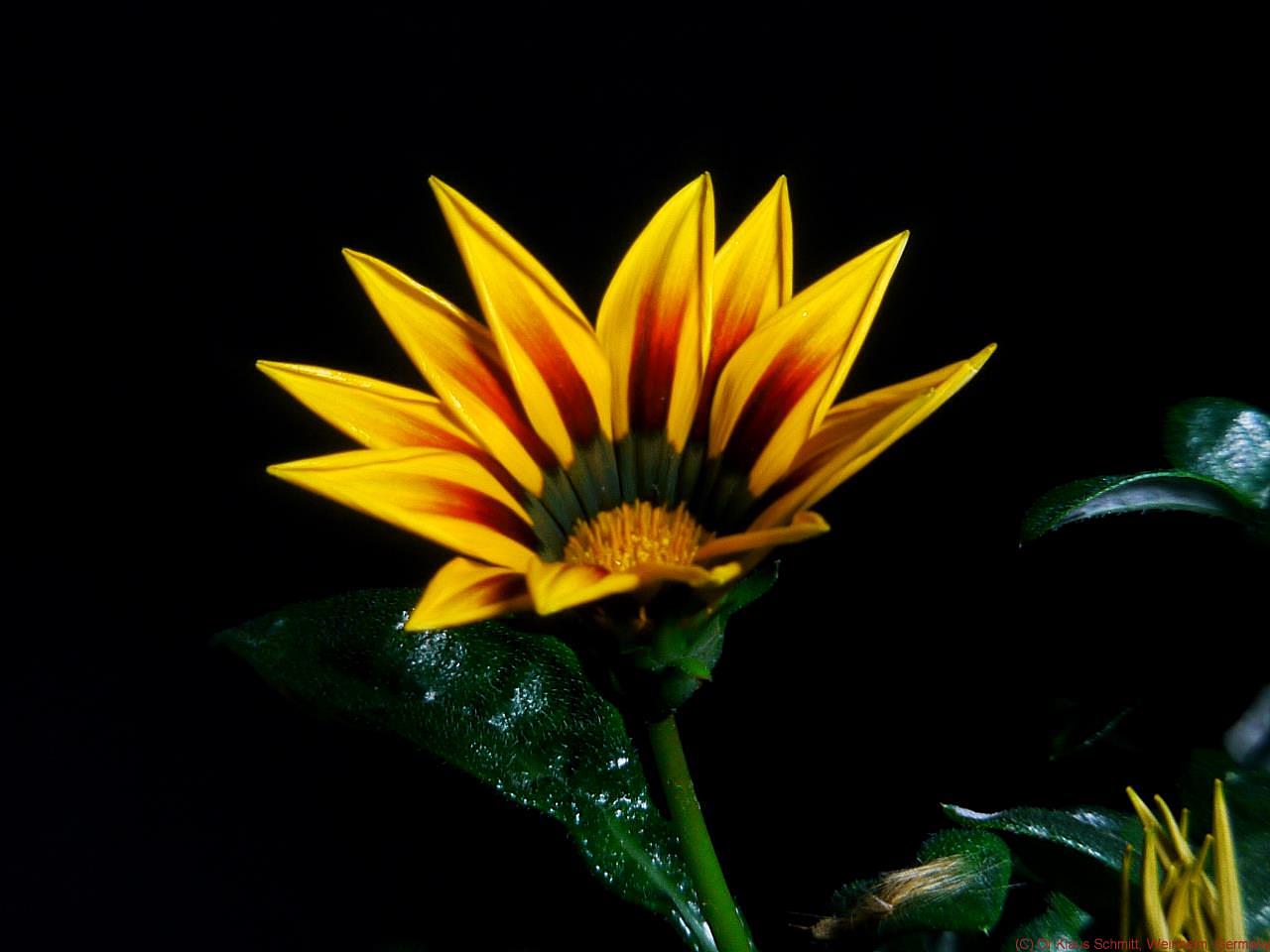
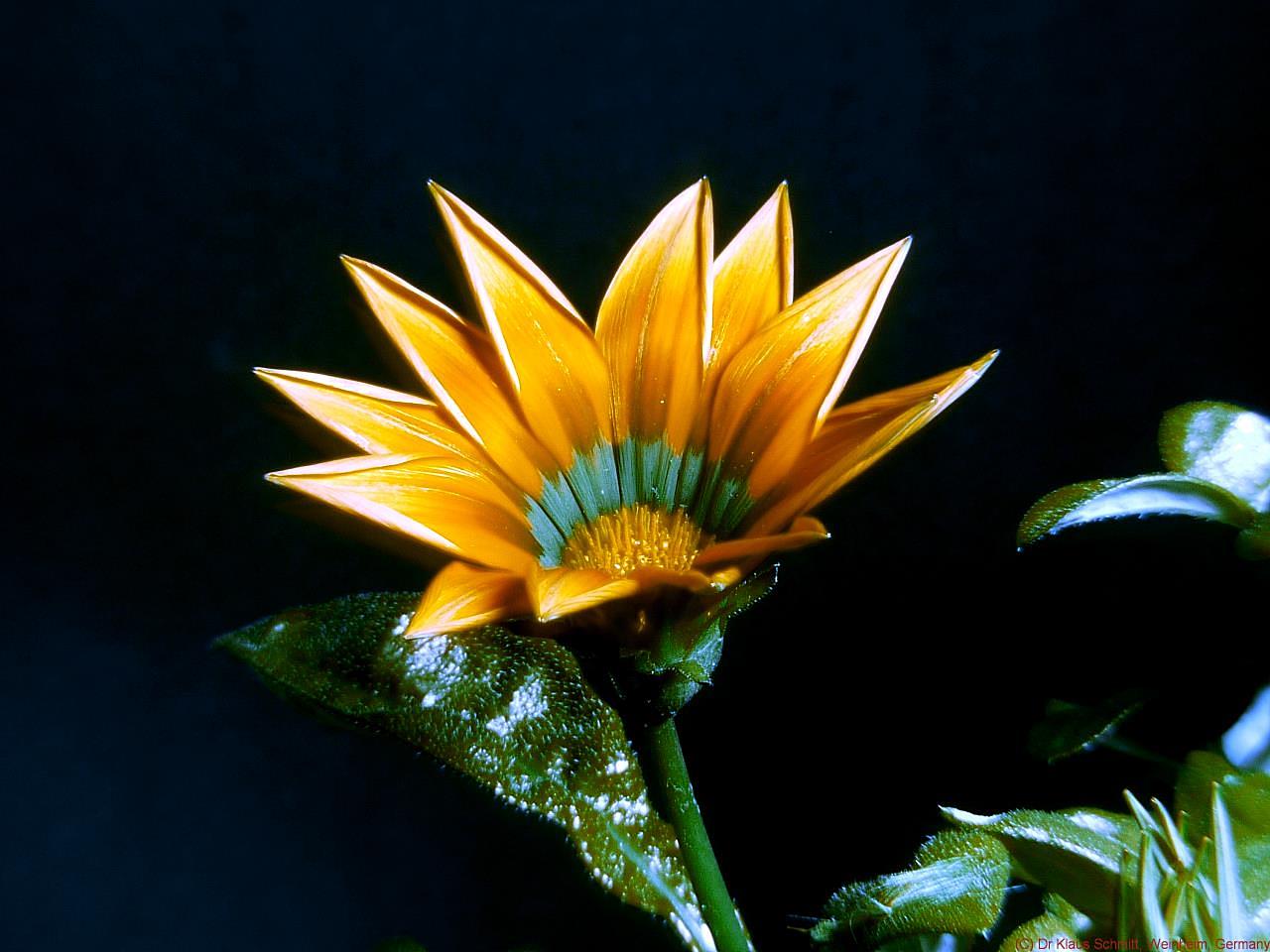
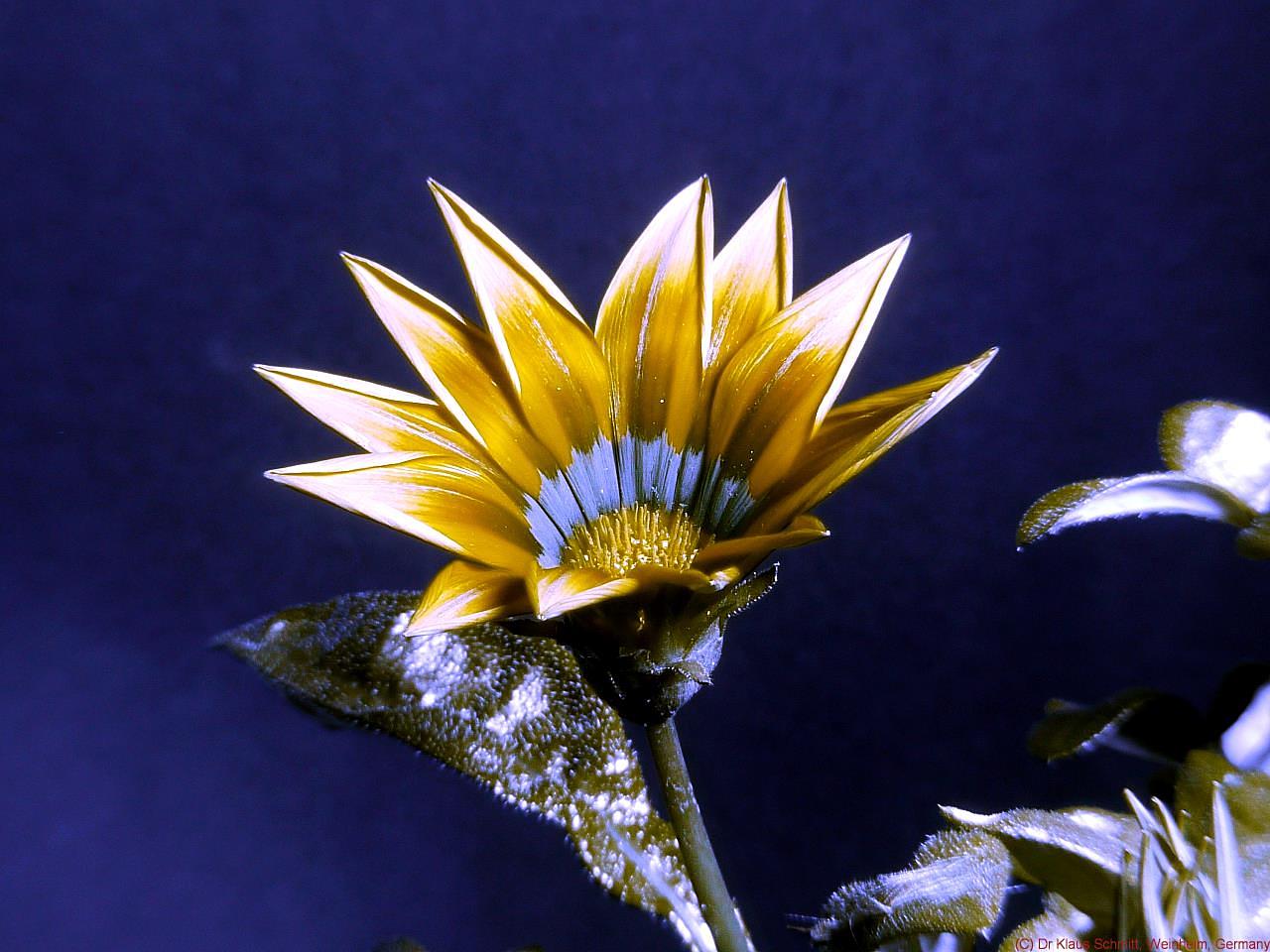
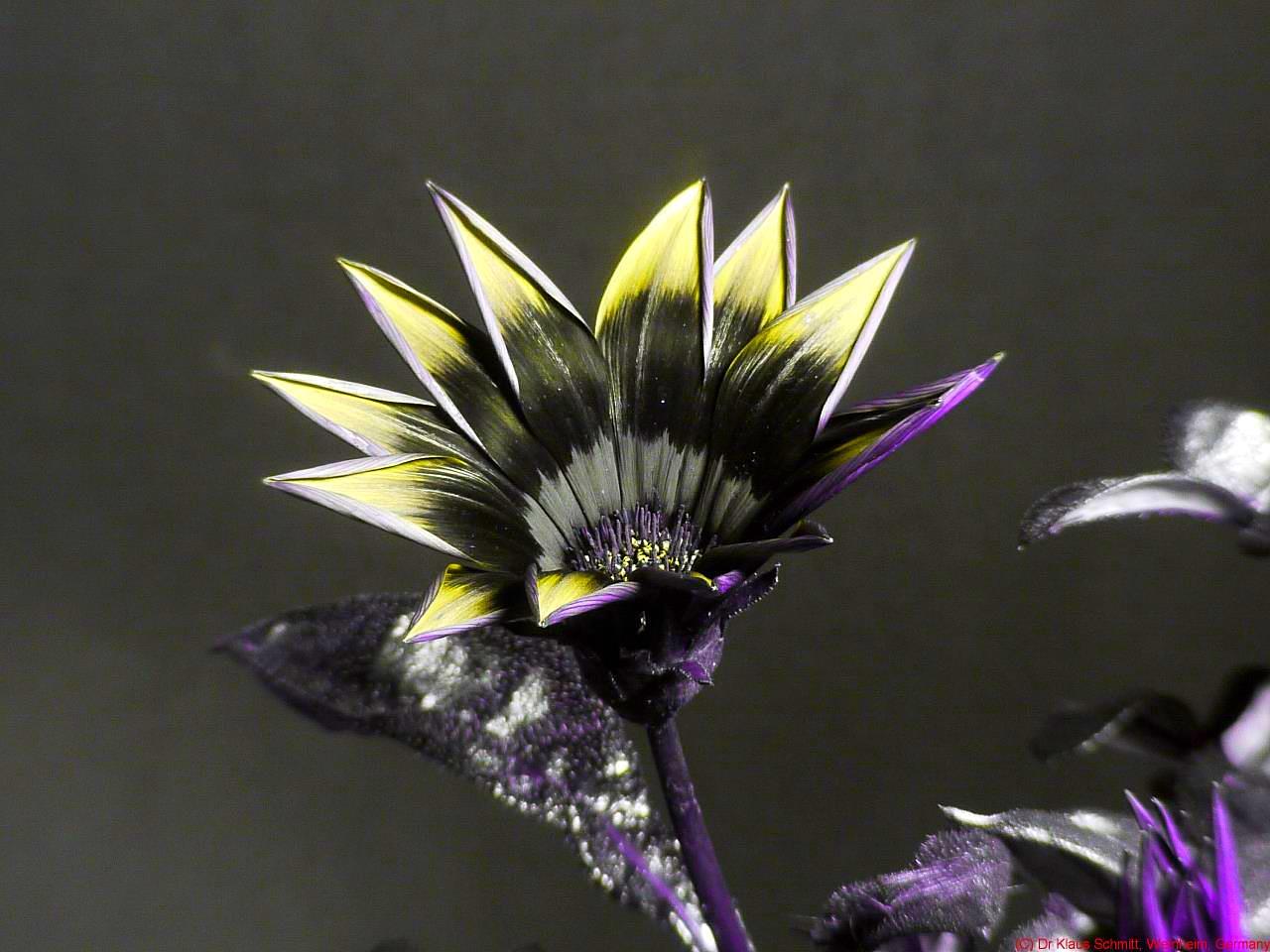
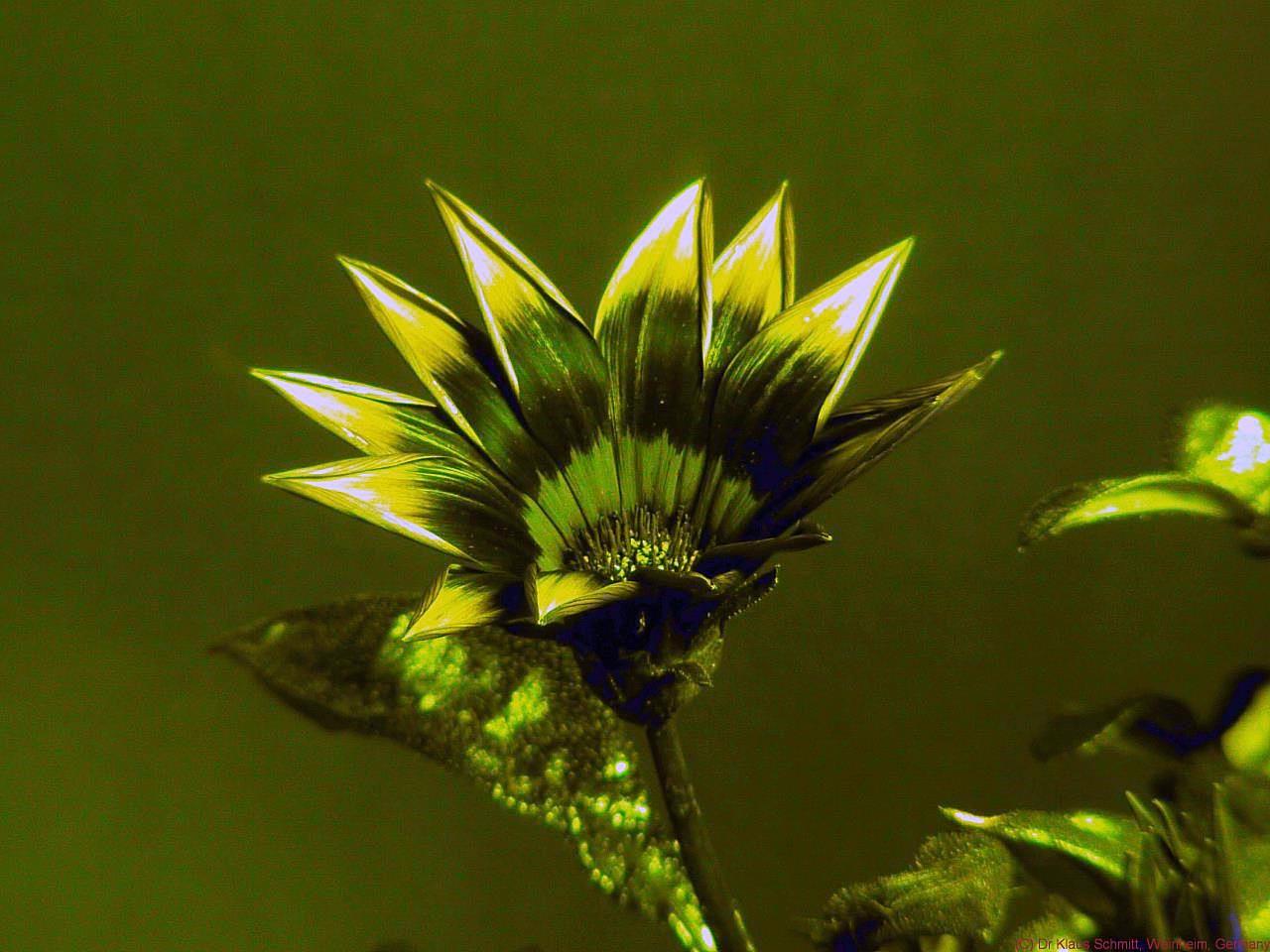
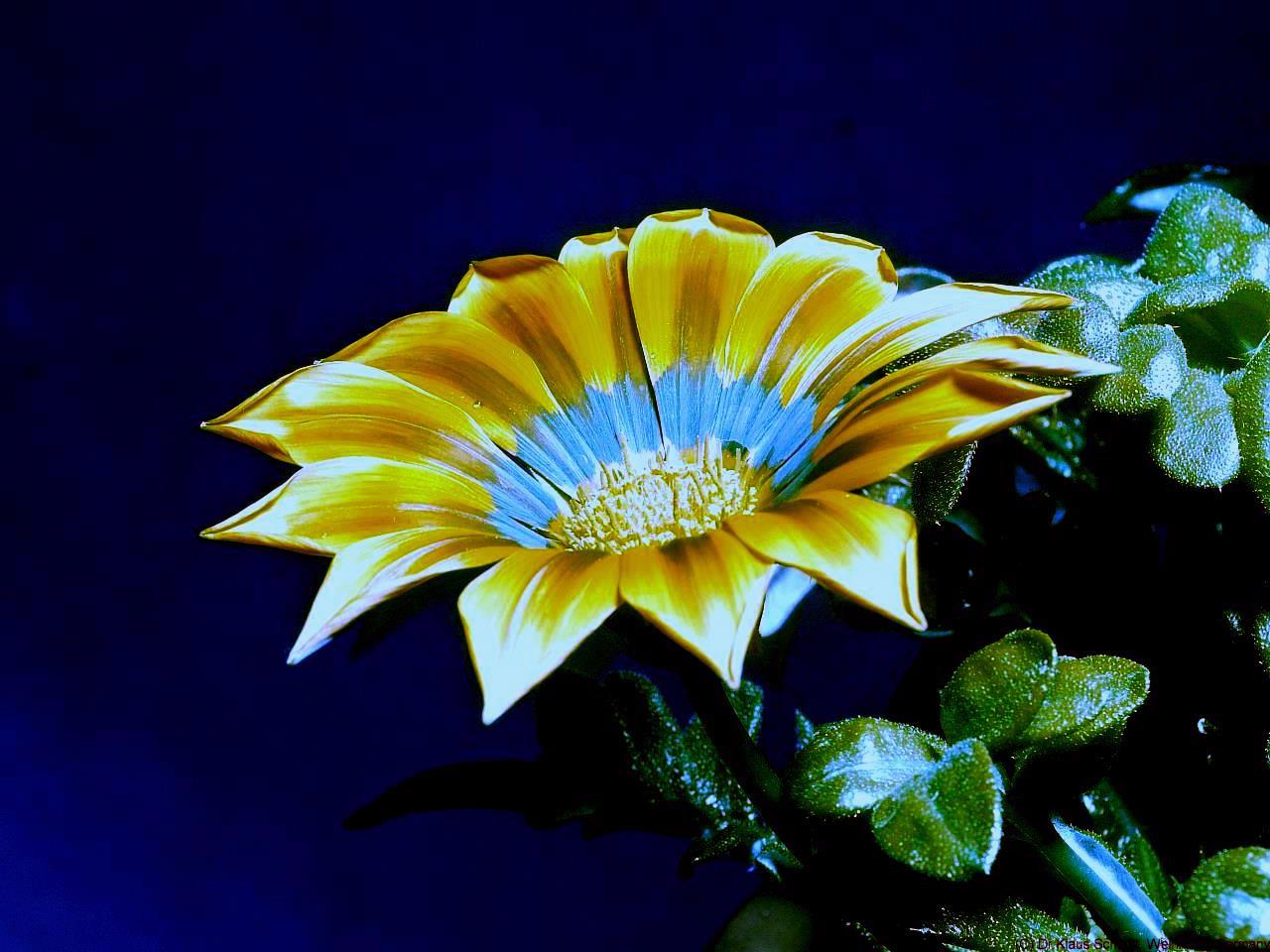
This is a 2nd set of shots with the same flower Gazania rigens flower that I have shot previously with a quartz-fluorite lens and the same setup as in shots before using a custom made up UV lens from a simple quartz singlet, stopped down to around f16 (estimated as no scale). Shots are in normal human vision VIS, in UV using the Baader-U and Jupiter-U filter, as well as in simulated bee vision using my XBV2 and XBV3 filters respectively.

[click on image to see a larger one]

Visual shot:


Simulated bee vison using XBV3 filter:


Simulated bee vison using XBV2 filter:


Simulated bee vison using XBV5 filter:


UV using Baader-U filter:


UV using Jupiter-U filter:


The idea behind that 2nd set was to get a better estimate of the VIS-UV focus shift (measured 5.8%, VIS is quite larger) as well as to show the effect of out-of-center imaging, to get an idea how the blur develops. I guess that gets pretty clear now.


Stay tuned, more will follow on that fascinating subject...

More info on this very interesting field may be found on my site http://www.pbase.com/kds315/uv_photos

Friday, June 15, 2012

Gazania rigens: human vision vs simulated bee vison using a quartz singlet lens for reflected UV ultraviolet photography

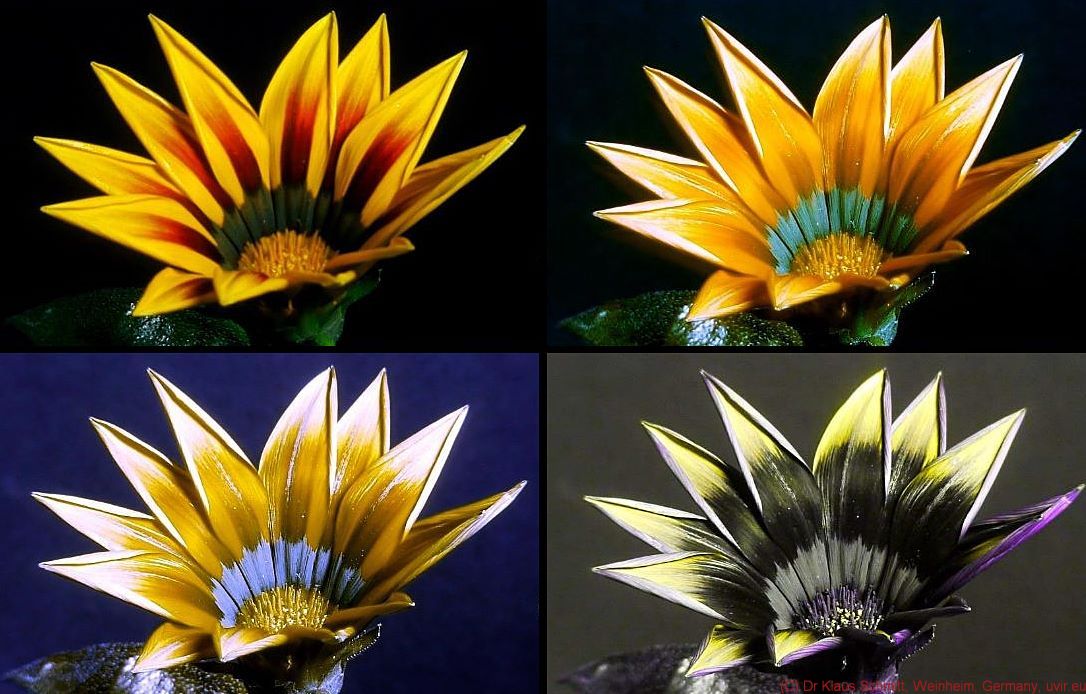
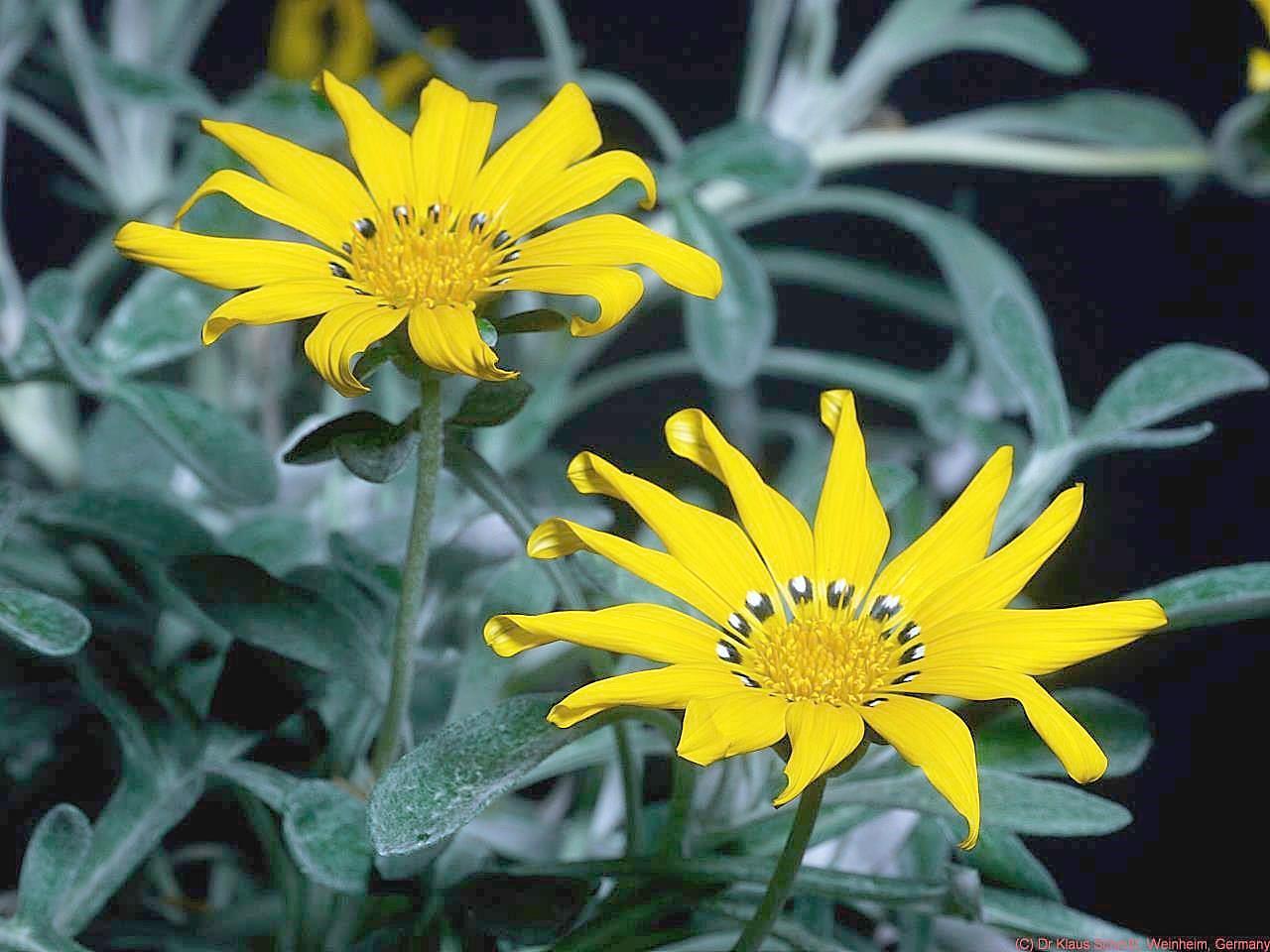
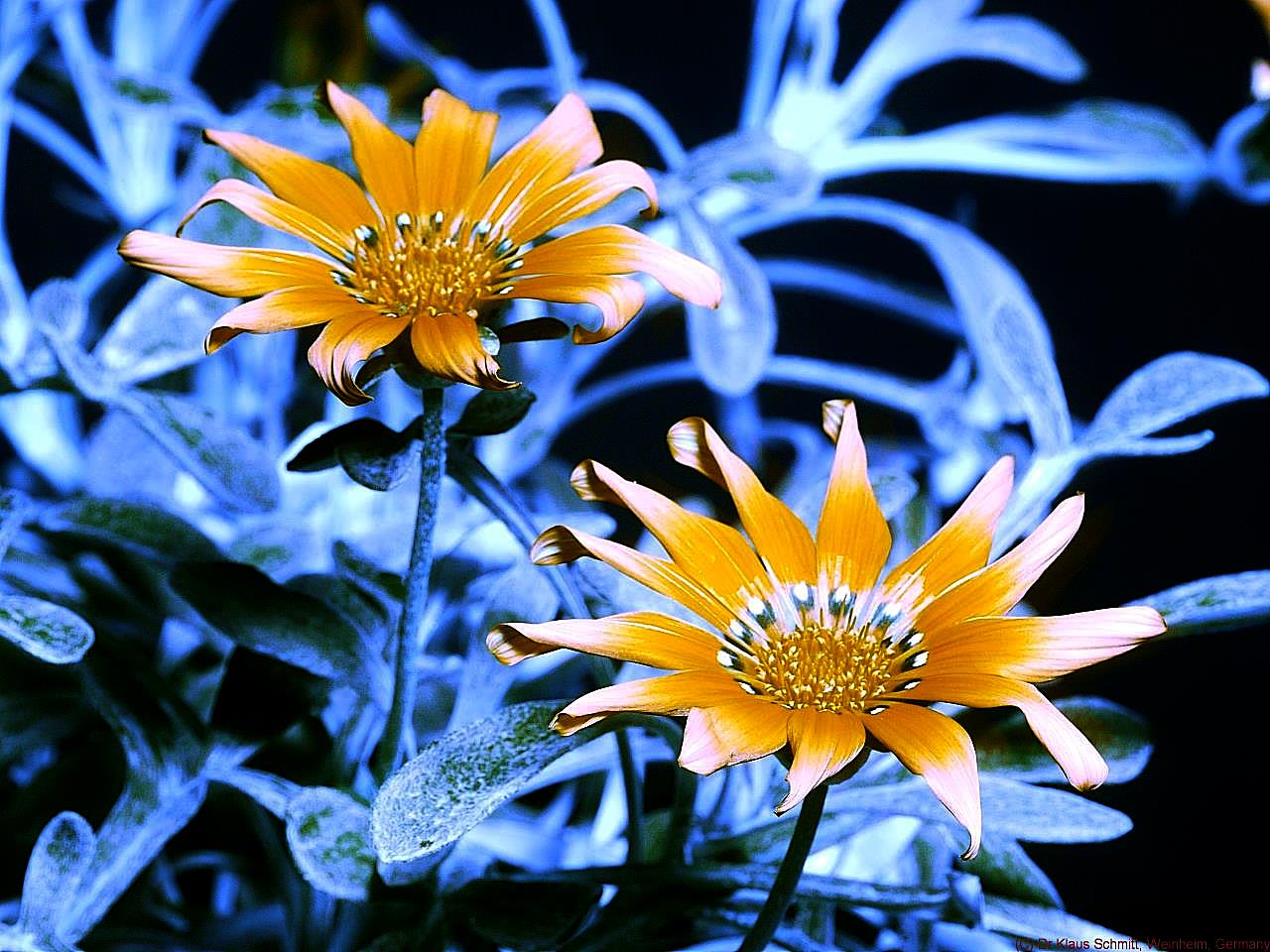
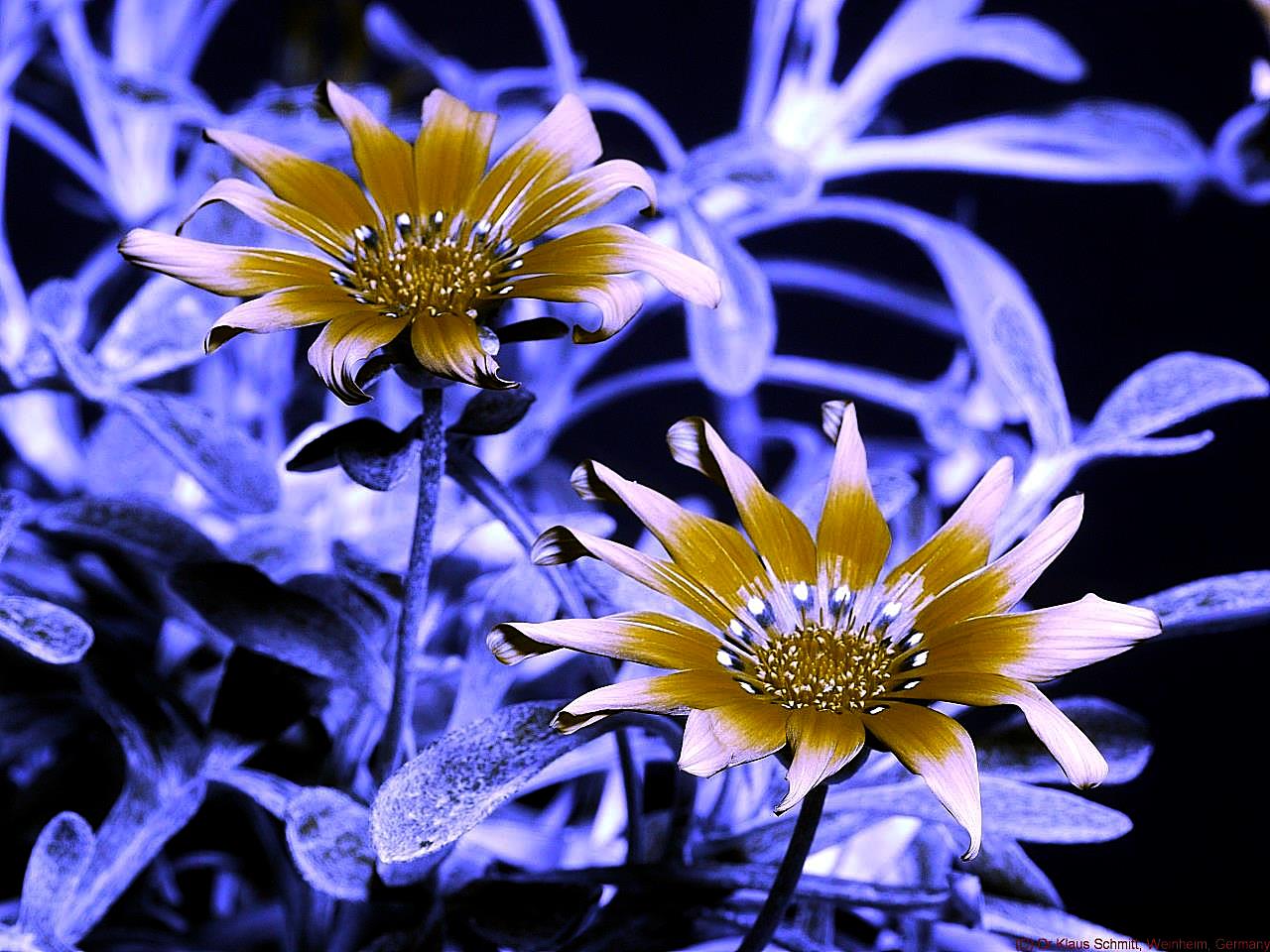
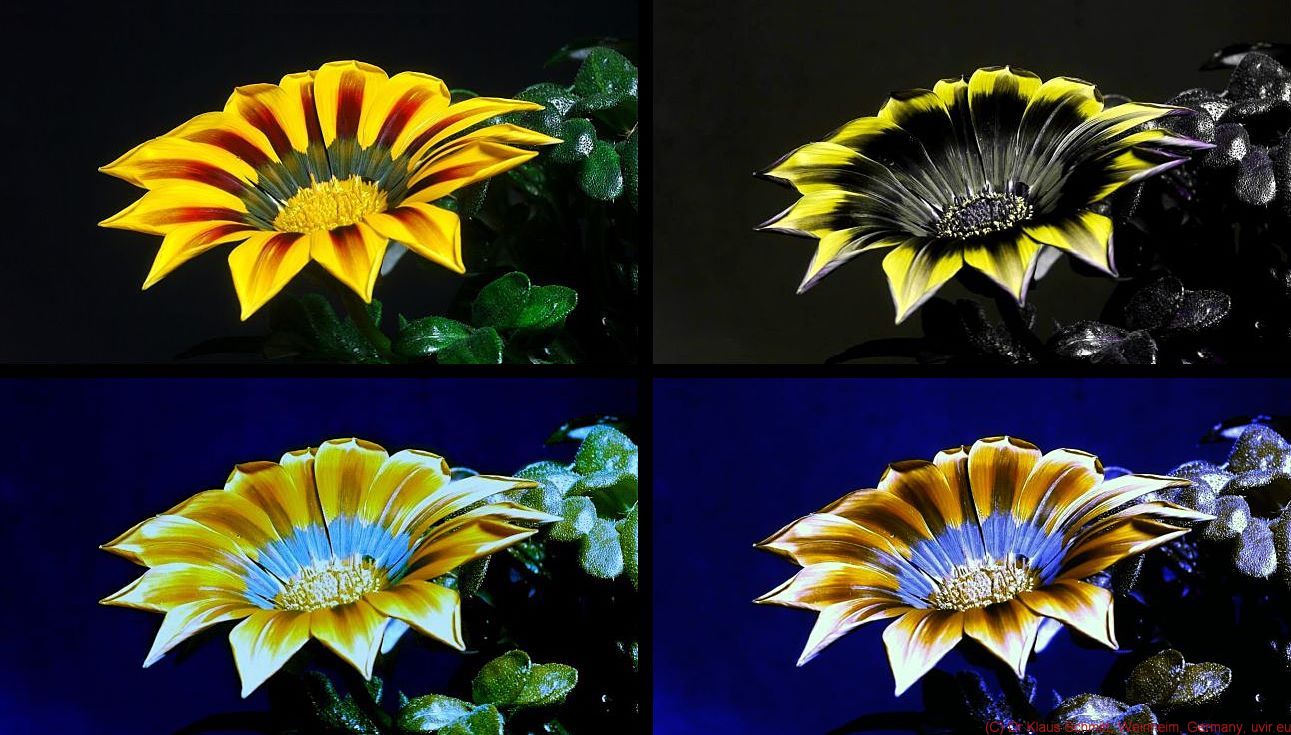
This is a Gazania rigens flower that I have shot before but now using a custom made up UV lens from a simple quartz singlet, stopped down to around f16 (estimated as no scale). Took some shots in normal human vision VIS, in UV using the Baader-U and Jupiter-U filter, as well as in simulated bee vision using my XBV2 and XBV3 filters respectively.

[click on image to see a larger one]

Visual shot:


Simulated bee vison using XBV3 filter:


Simulated bee vison using XBV2 filter:


UV using Baader-U filter:


UV using Jupiter-U filter:


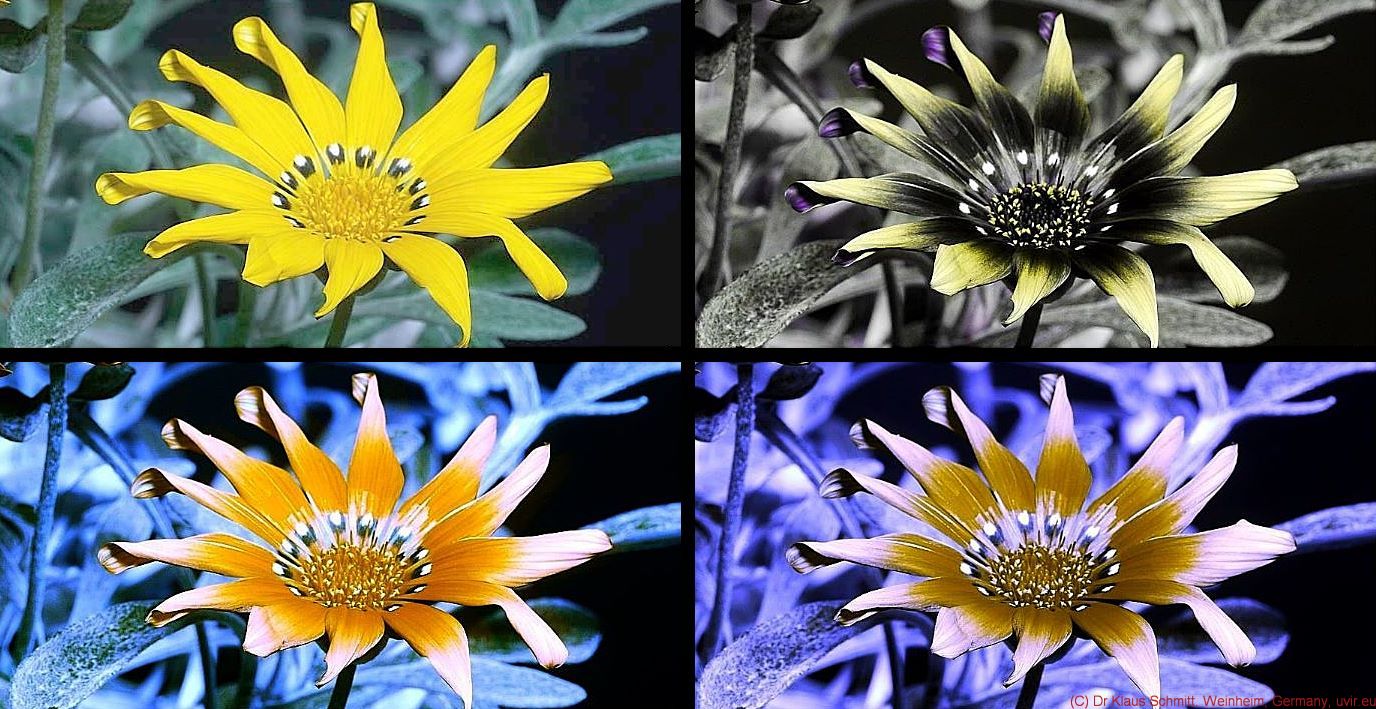
So and here you have the comparison as a quadriptych VIS-UV-BV2-BV3:


Missed the focus at the visible shot a bit obviously since this lens is not color corrected, i.e. has some focus shift. As you may further notice, the center is quite sharp, but of course the more outside it gets, the more the blur increases. For flowers this can actually be quite nice in my opinion.

Well, of course I cannot make a decision for somebody else if an investment of a few hours work and, depending if a mechanic is needed or not, the cost for making such a lens mount is within budget, but surely such a quartz singlet could be, as it can be had new for about $100. There is inconvenience of course, due to the "substantial" focus shift, but lifeview solves that easily.

Stay tuned, more will follow on that fascinating subject...

More info on this very interesting field may be found on my site http://www.pbase.com/kds315/uv_photos

Thursday, June 14, 2012

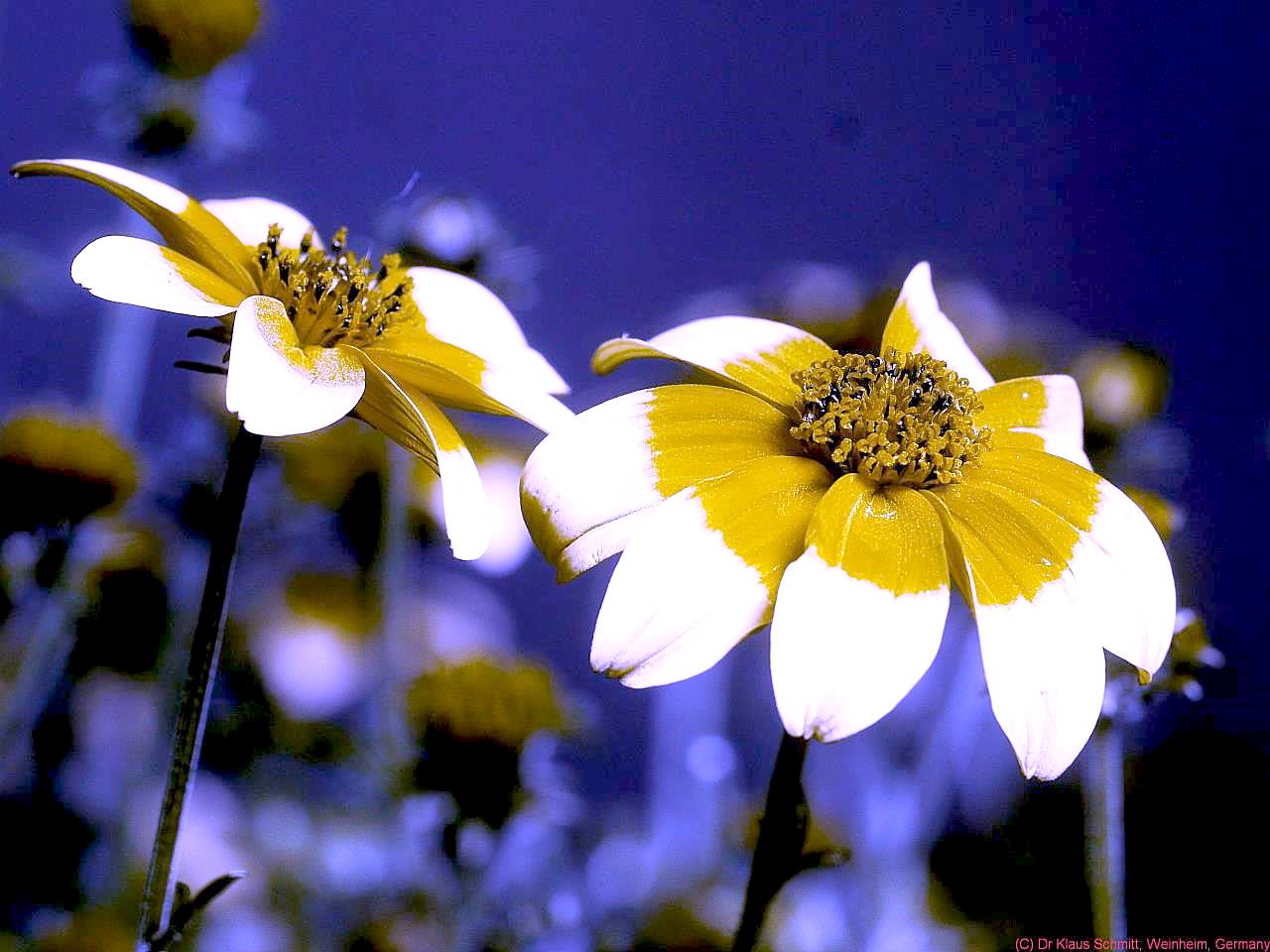
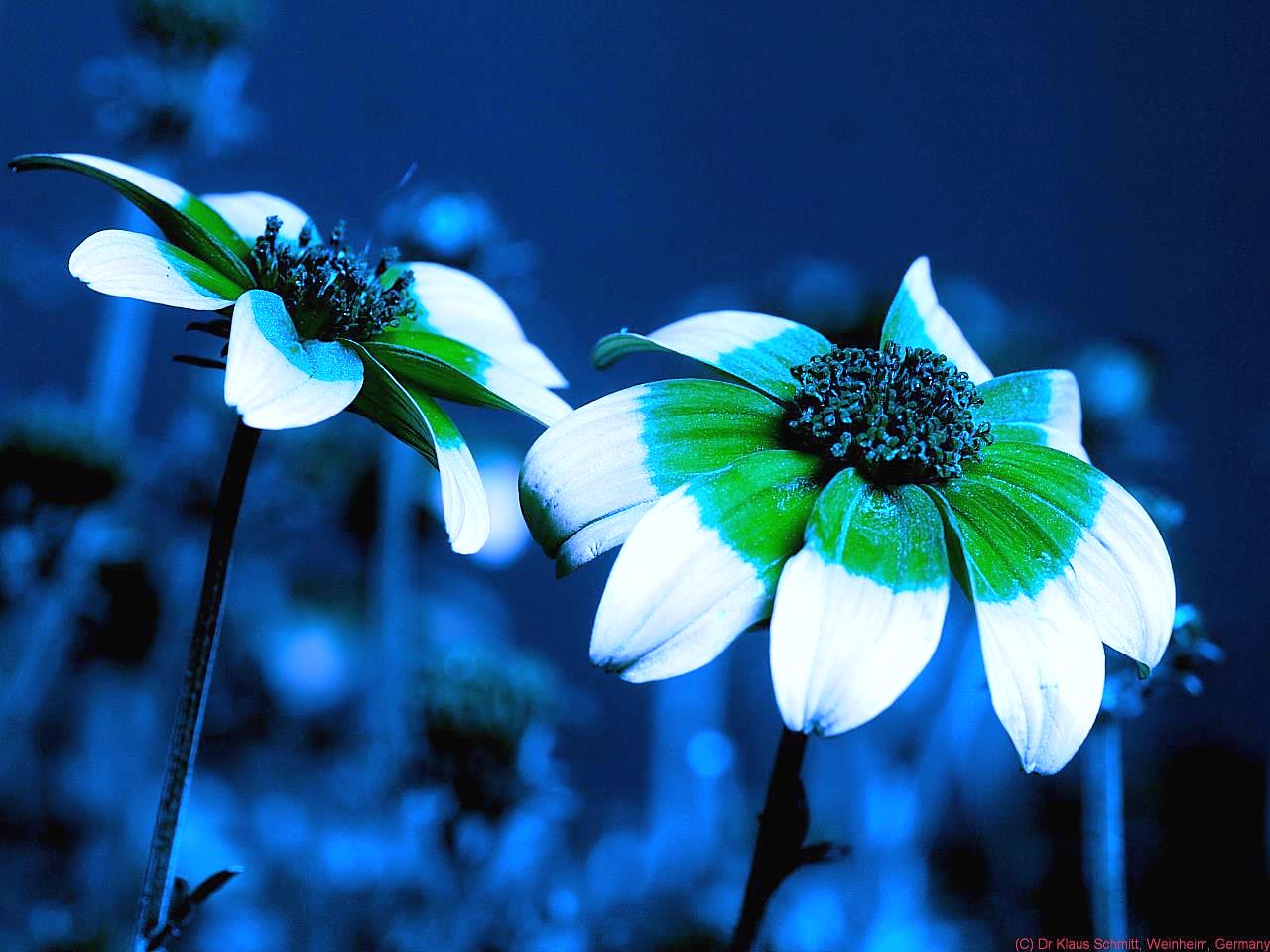
Bidens: human vision vs simulated bee vison

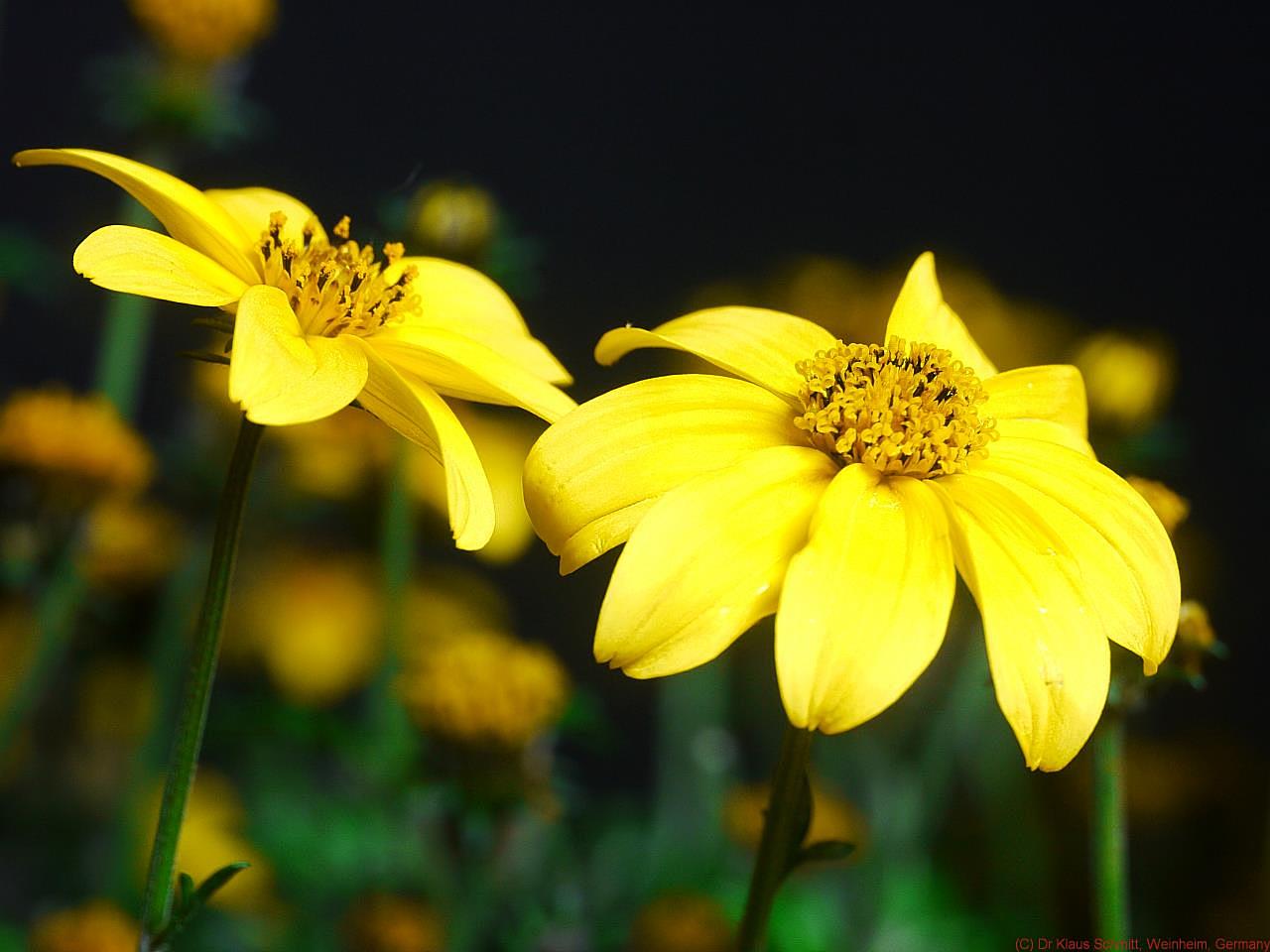
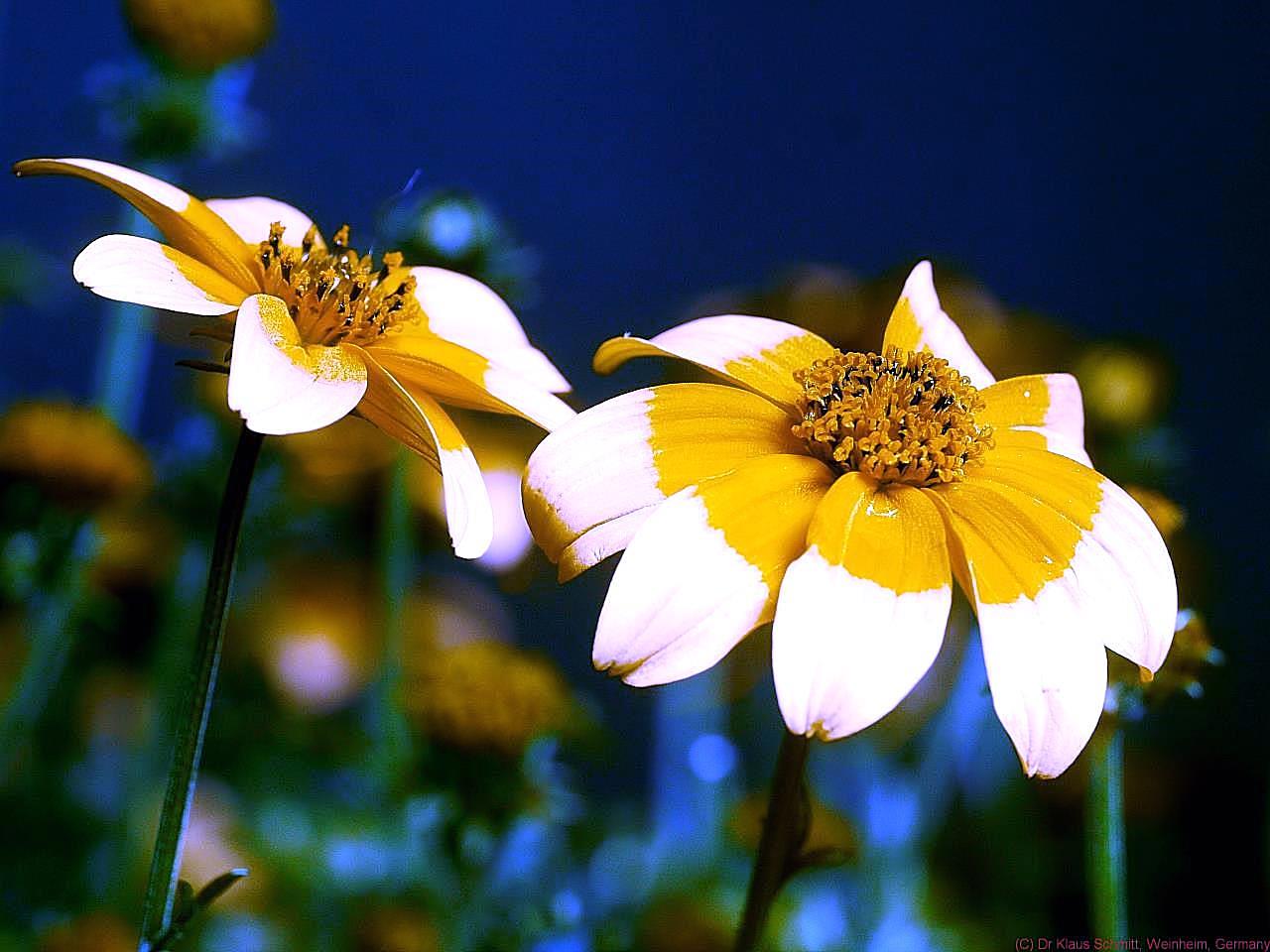
This is about a Bidens ferulifolia flower, one of my fav UV "models". I took some shots, in normal human vision, in UV using the Baader-U and Jupiter-U filter as well as in simulated bee vision using my various XBV filters respectively, that simulate insect / bee vision in just one shot.

[click on image to see a larger one]

Visual shot:


Simulated bee vison using XBV3 filter:


Simulated bee vison using XBV2 filter:


Simulated bee vison using XBV5 filter:


UV using Baader-U filter:


UV using Jupiter-U filter:


This flower has a very prominent UV pattern on its UV-bright petal tips.


Stay tuned, more will follow on that fascinating subject...

More info on this very interesting field may be found on my site http://www.pbase.com/kds315/uv_photos

Saturday, June 9, 2012

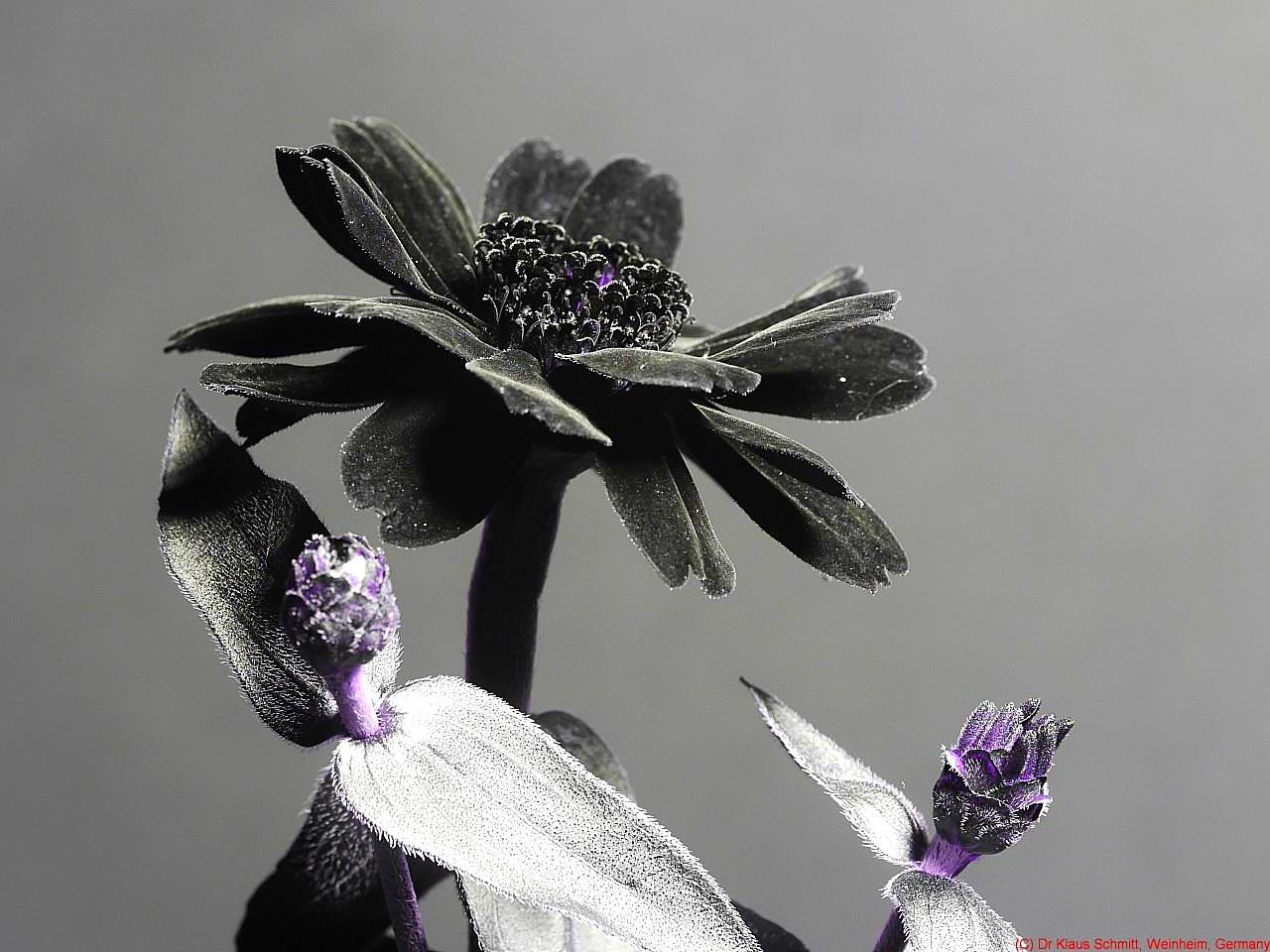
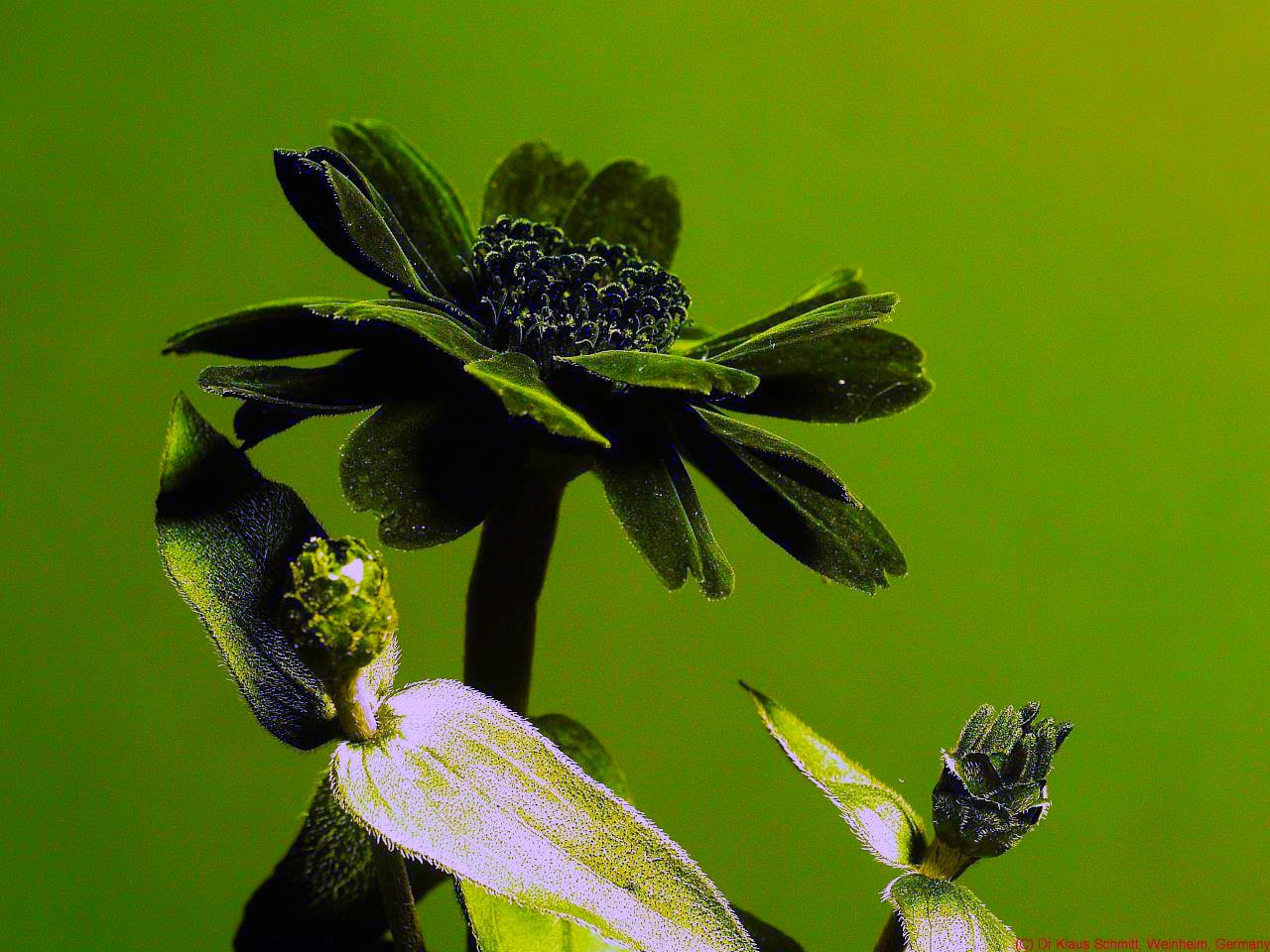
Zinnia: human vision vs simulated bee vison

This now is about a Zinnia hybride flower that I discovered on teh market today. Took some shots, in normal human vision, in UV using the Baader-U and Jupiter-U filter as well as in simulated bee vision using my XBV2 and XBV3 filters respectively.

[click on image to see a larger one]

Visual shot:


Simulated bee vison using XBV3 filter:


Simulated bee vison using XBV2 filter:


UV using Baader-U filter:


UV using Jupiter-U filter:


Interesting to note that this one hardly has any UV reflection.


Stay tuned, more will follow on that fascinating subject...

More info on this very interesting field may be found on my site http://www.pbase.com/kds315/uv_photos
Thursday, June 7, 2012

Gazania splendens: human vision vs simulated bee vison

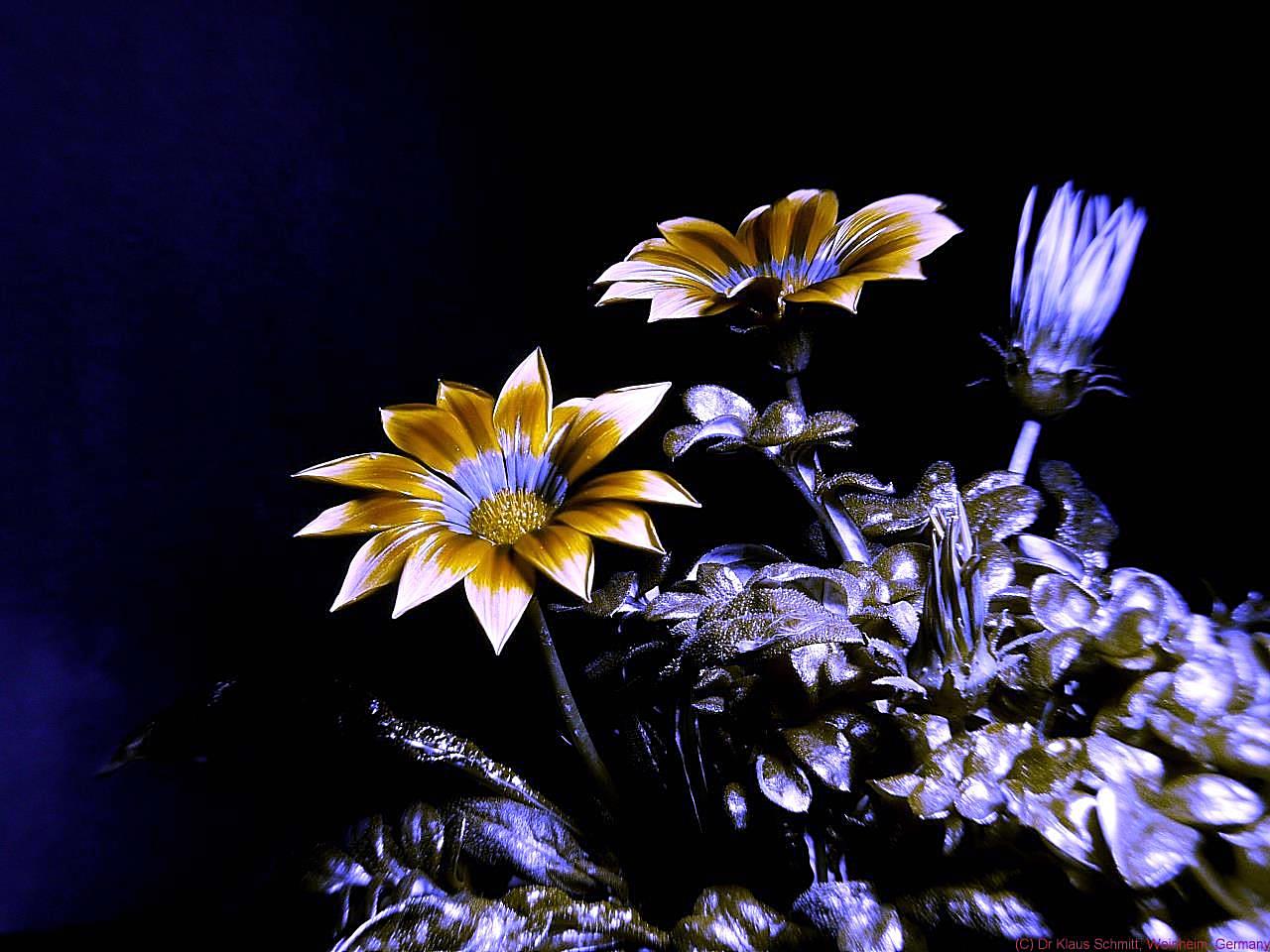
This now is about a Gazania splendens flower that just blossomed. Took some shots, in normal human vision, in UV using the Baader-U filter as well as in simulated bee vision using my XBV2 and XBV3 filters respectively.

[click on image to see a larger one]

Visual shot:


Simulated bee vison using XBV3 filter:


Simulated bee vison using XBV2 filter:


UV using Baader-U filter:


So and here you have the full comparison as a quadriptych VIS-UV-BV2-BV3:


Stay tuned, more will follow on that fascinating subject...

More info on this very interesting field may be found on my site http://www.pbase.com/kds315/uv_photos

Gazania rigens: human vision vs simulated bee vison

This now is about a Gazania rigens flower that today started to blossom again. Took some shots today, in normal human vision, in UV using the Baader-U filter as well as in simulated bee vision using my XBV2 and XBV3 filters respectively.

[click on image to see a larger one]

Visual shot:


Simulated bee vison using XBV3 filter:


Simulated bee vison using XBV2 filter:


UV using Baader-U filter:


So and here you have the full comparison as a quadriptych VIS-UV-BV2-BV3:


Stay tuned, more will follow on that fascinating subject...

More info on this very interesting field may be found on my site http://www.pbase.com/kds315/uv_photos

Sanvitalia procumbens: Simulated bee vison filter - improved version 3

So this is about tuning my proprietary Bee Vision Filter (that simulates the UV-Blue-Green vision of a bee in just one shot). Here again it is used on a Sanvitalia procumbens flower. As the greens were a bit underrepresented (take the green bud left for example) in my current XBV2 filter, I optimize my filter stack to get "better" greens in my new XBV3 filter.

[click on image to see a larger one]

Simulated bee vison using XBV2 filter:


Simulated bee vison using XBV3 filter:


For comparison, the normal vison:


So in my opinion, the new version XBV3 represents the leaf color better, yet still brings out the UV marks as white petal tips nicely.


Stay tuned, more will follow on that fascinating subject...

More info on this very interesting field may be found on my site http://www.pbase.com/kds315/uv_photos