Tuesday, June 26, 2012

Rudbeckia hirta: human vision vs simulated bee vison; reflected UV ultraviolet photography III

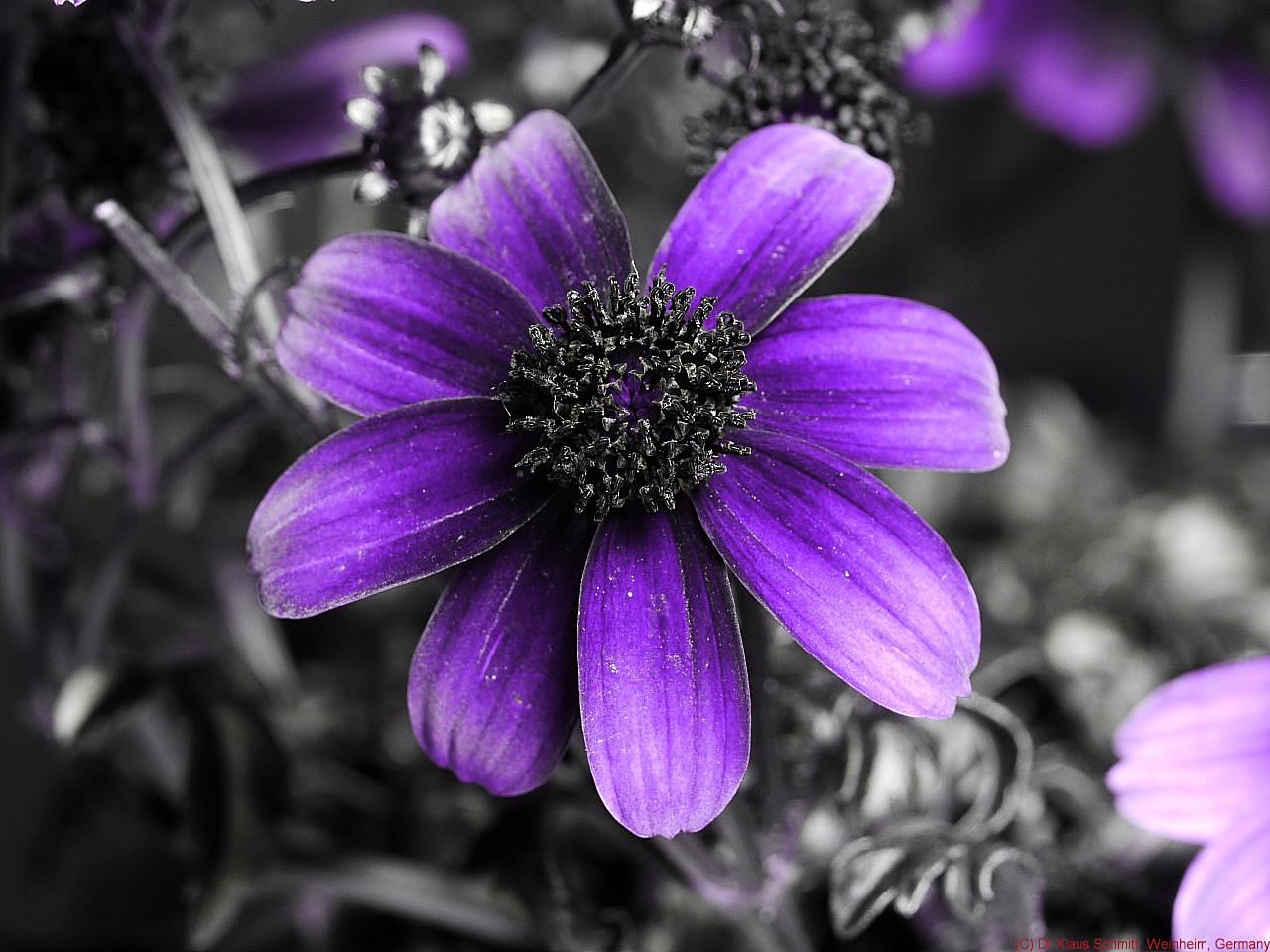
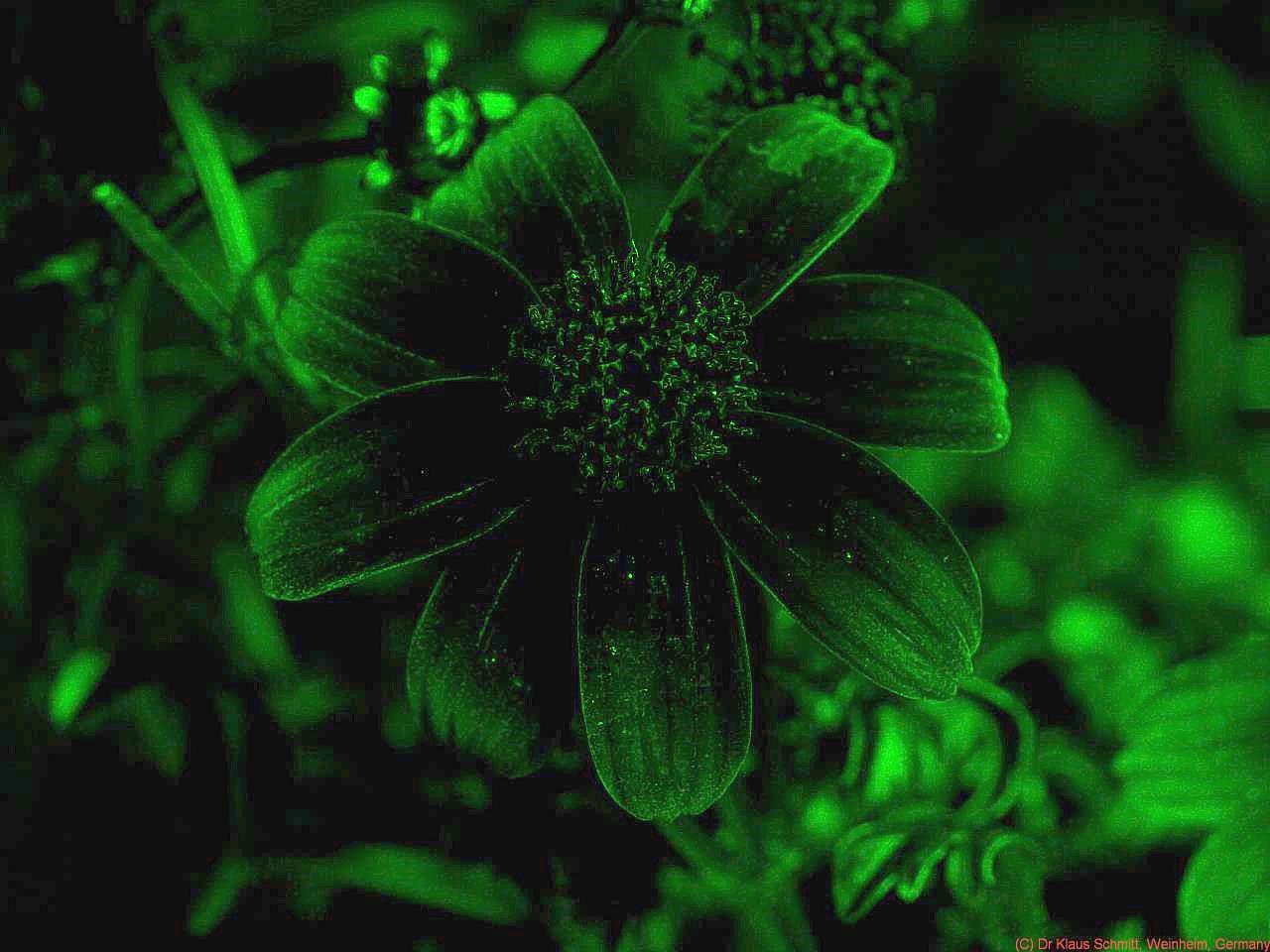
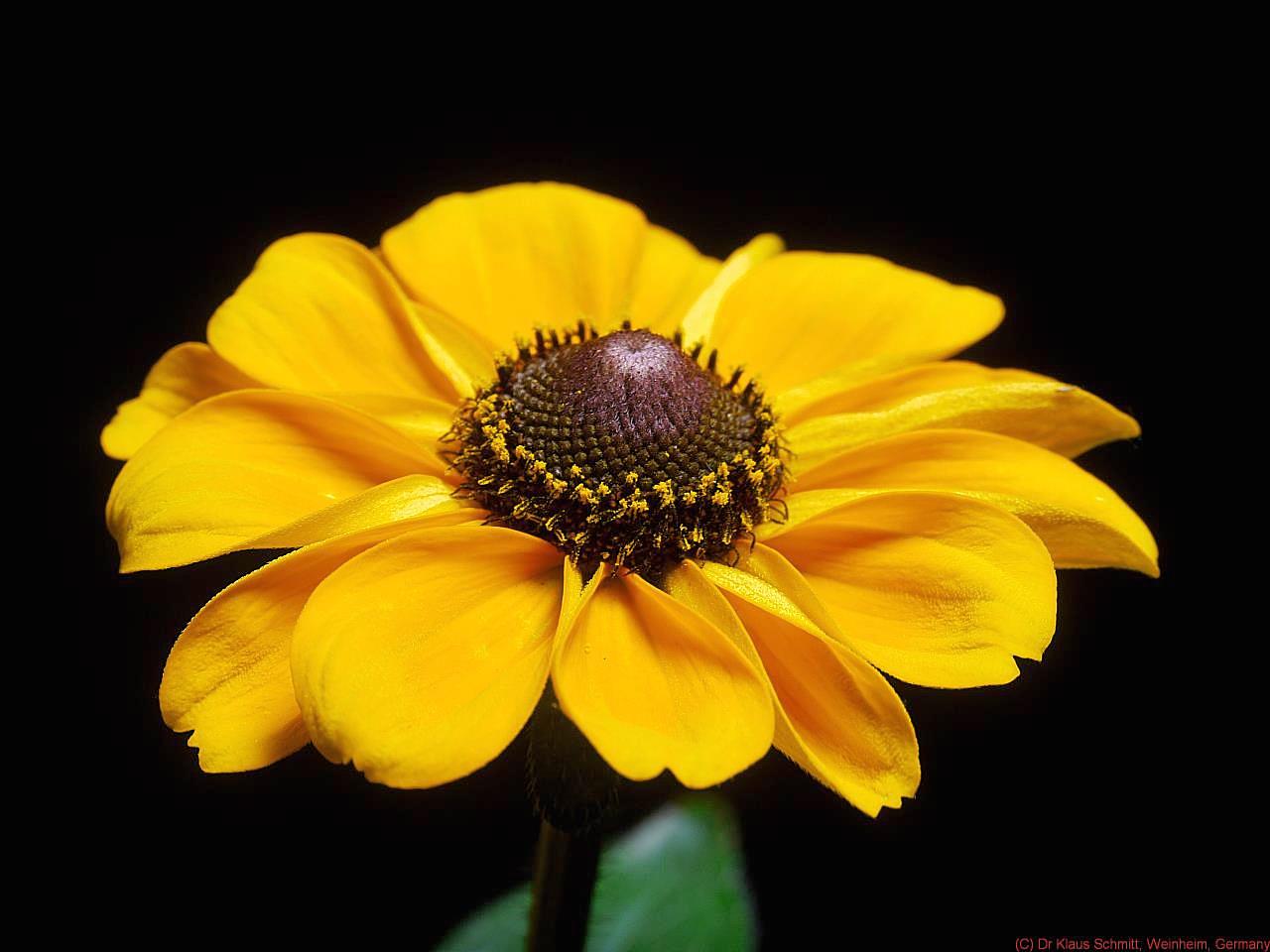
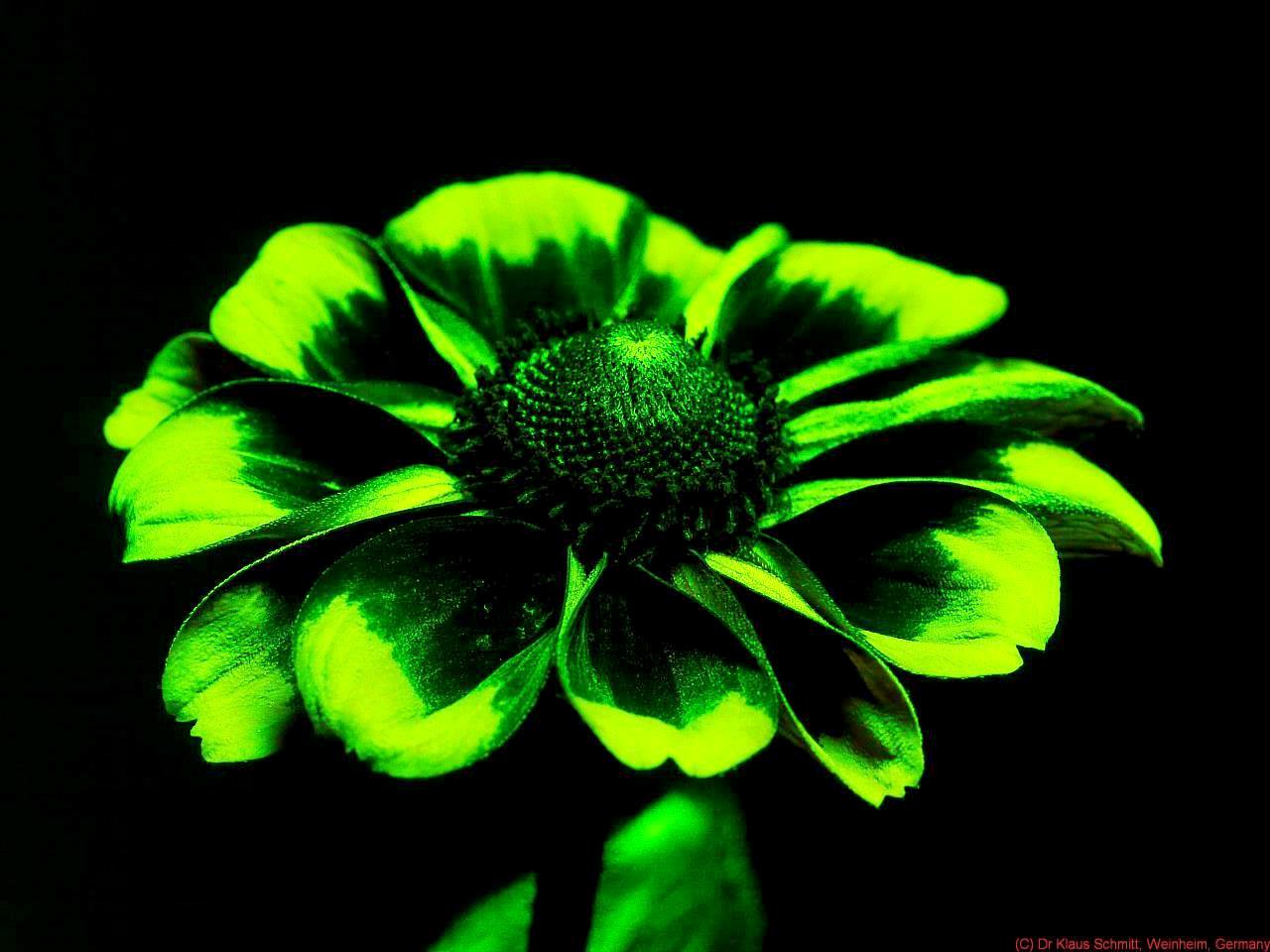
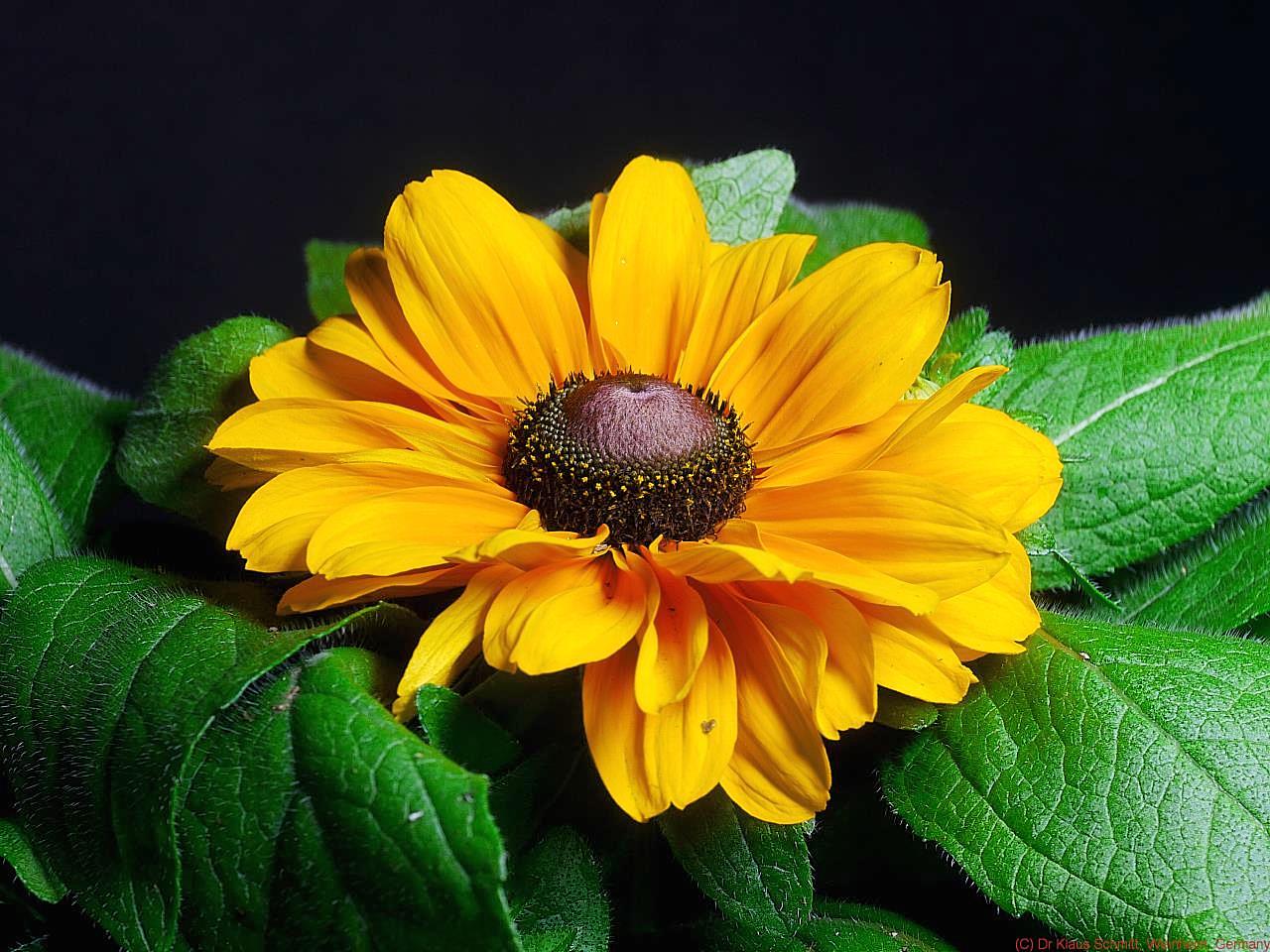
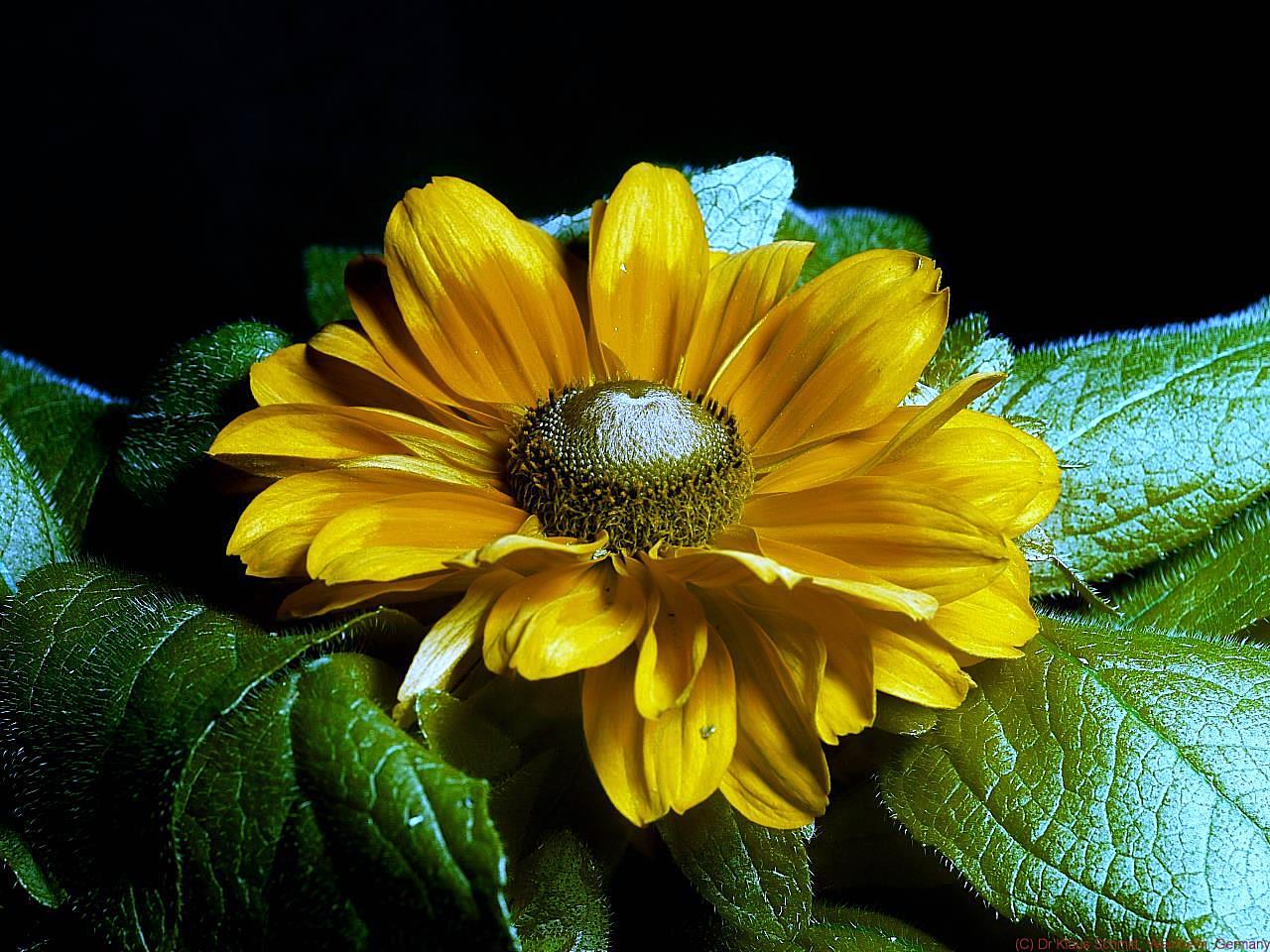
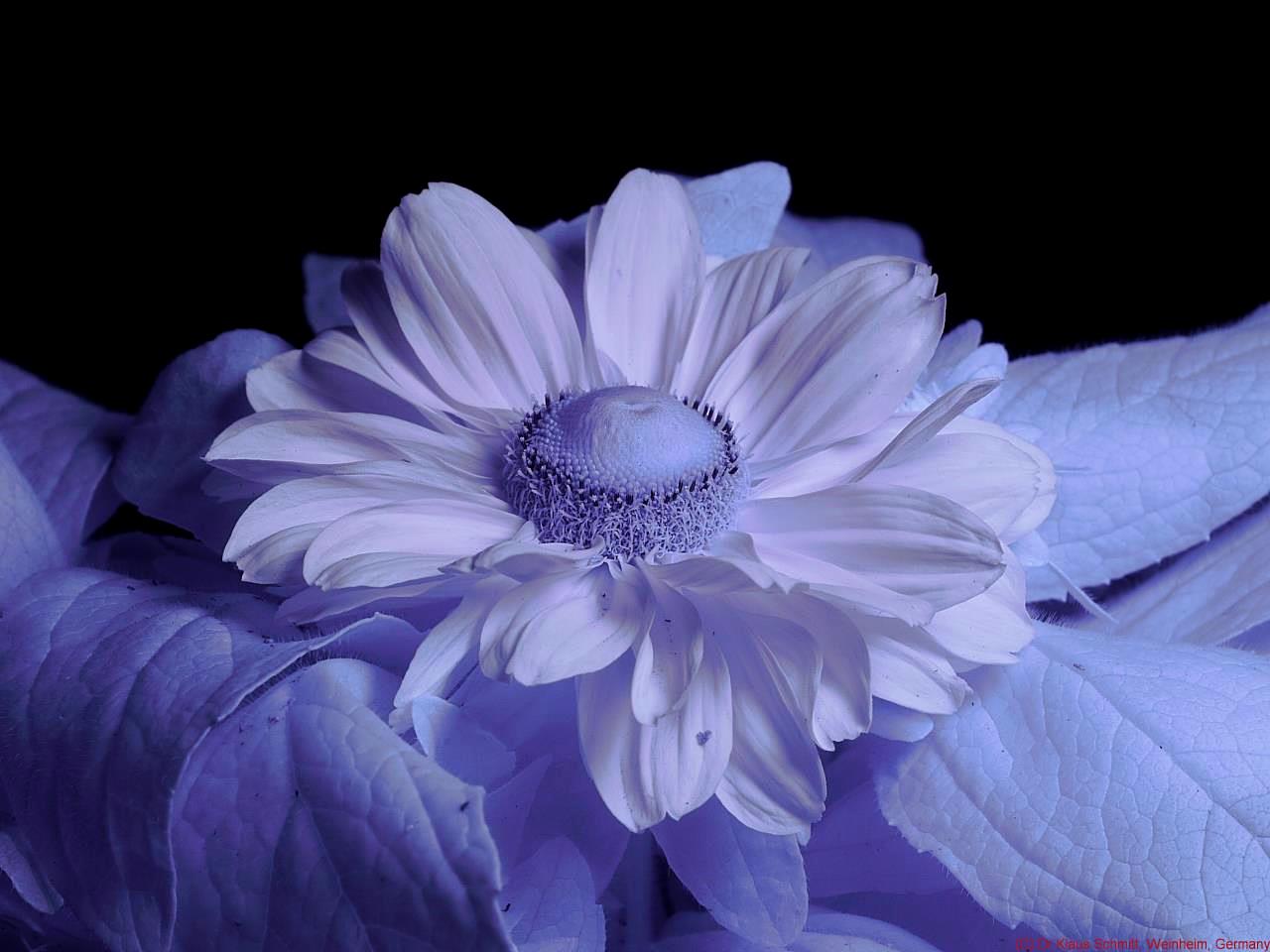
I had discovered flowering Rudbeckias a few days ago and since I was working on a new filter, here as I have shown before again R. hirta in its multispectral representation. So I took some shots in normal human vision VIS, in UV using the Baader-U, Jupiter-U and the new Saturn-U (300-350nm) filter, as well as in simulated bee and butterfly vision using my XBV2, XBV3 and the new, stricter XBV5 and XBV6 filters respectively.

[click on image to see a larger one]

Visual shot:


Simulated butterfly vison using XBV3 filter:


Simulated butterfly vison using XBV2 filter:
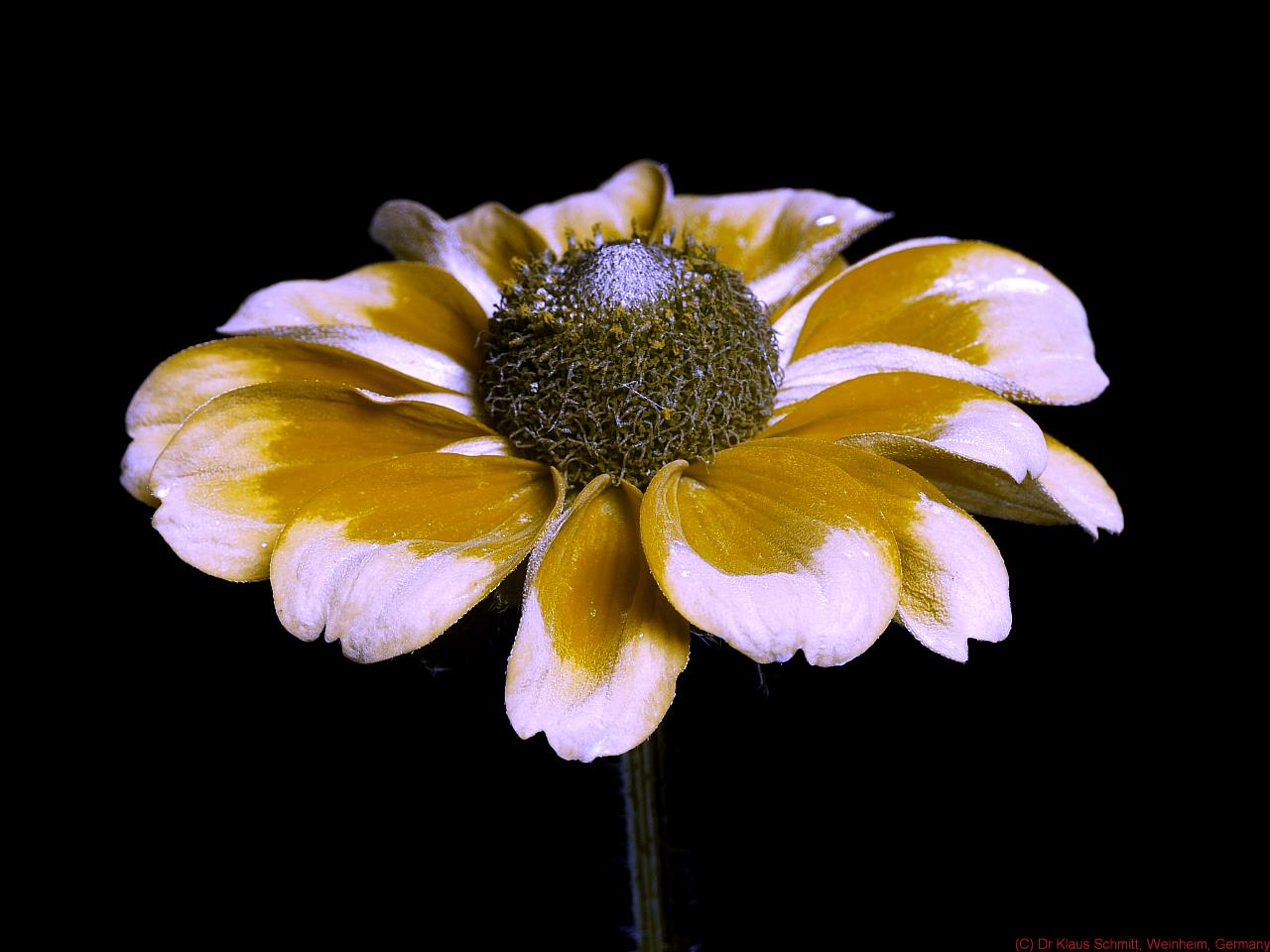

Simulated bee vison using XBV5 filter:
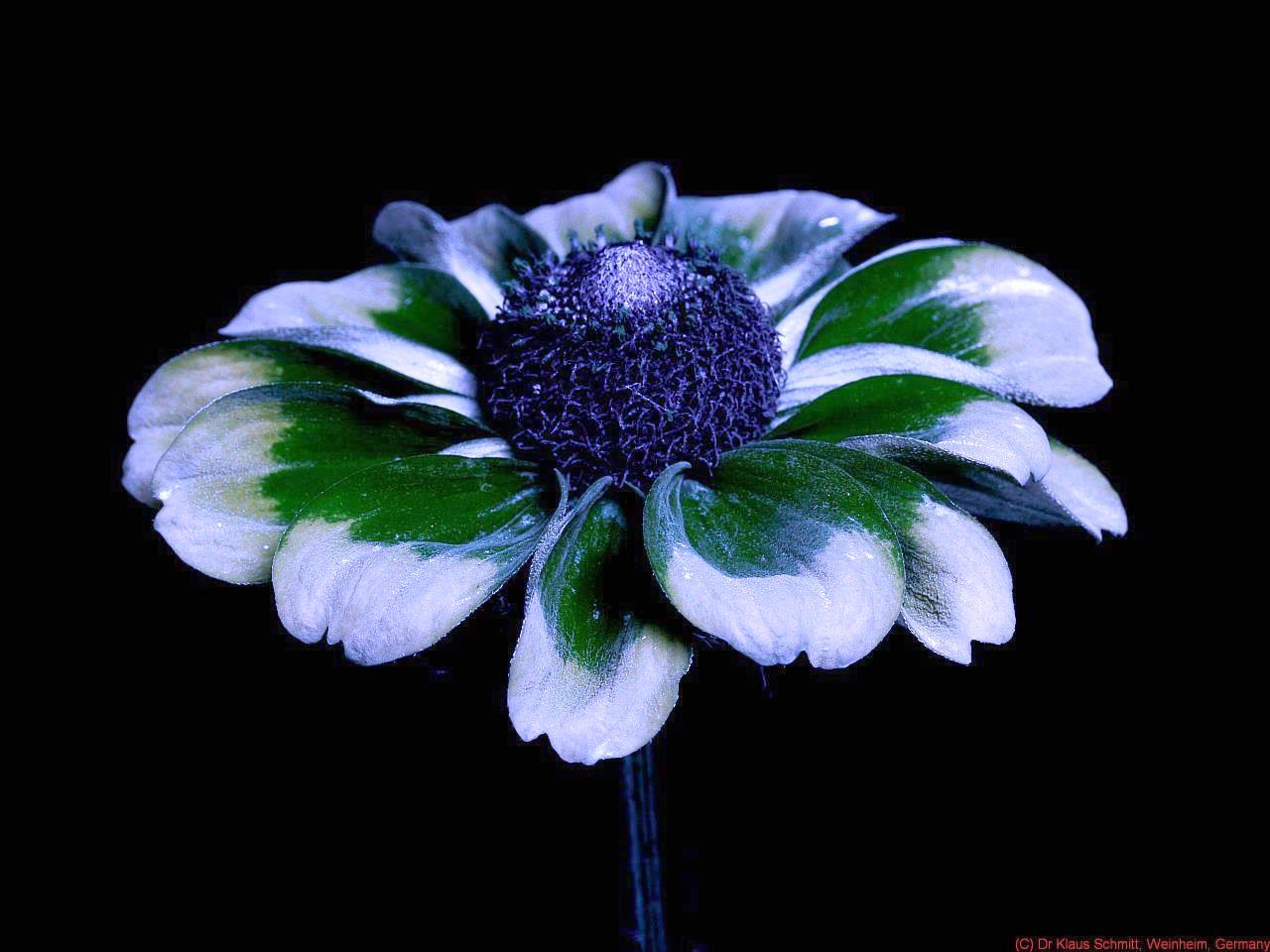

Simulated bee vison using XBV6 filter:


UV using Baader-U filter:


UV using Jupiter-U filter:


UV using Saturn-U (300-350nm) filter:
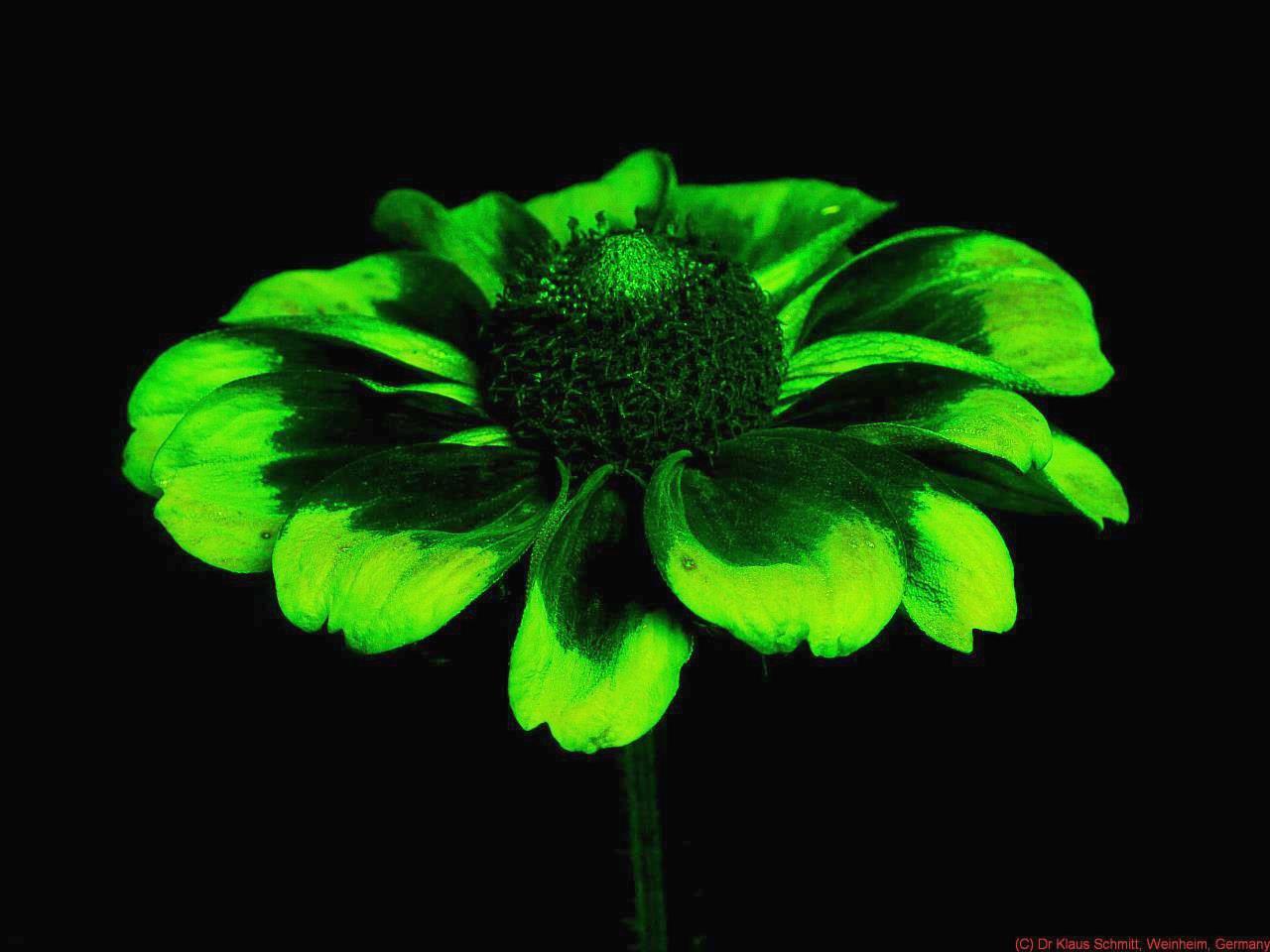

IR (basically) as it was shot using only a ND filter:


As you may have noticed, I'm still working on my bee vision (BV) filters; BV5 is a very strict one that cuts all longer than short wave green, wheras BV6 now is one with very intensive colors and much shorter exposure time, due to new filter glass combinations.

More about these special new filters here later in a seperate entry.


Stay tuned, more will follow on that fascinating subject...

More info on this very interesting field may be found on my site http://www.pbase.com/kds315/uv_photos

Bidens ferulifolia "alba": human vision vs simulated bee vison; reflected UV ultraviolet photography

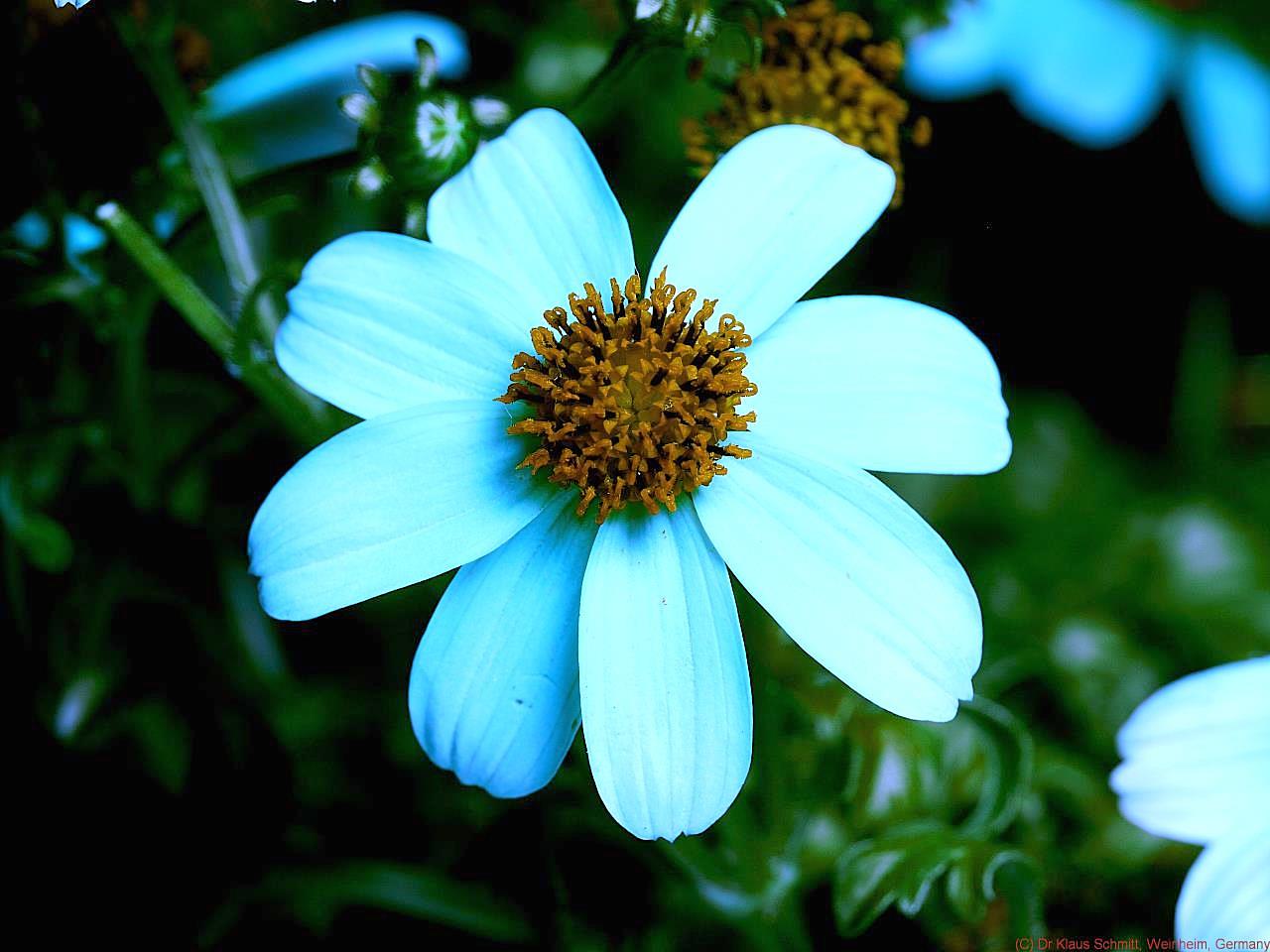
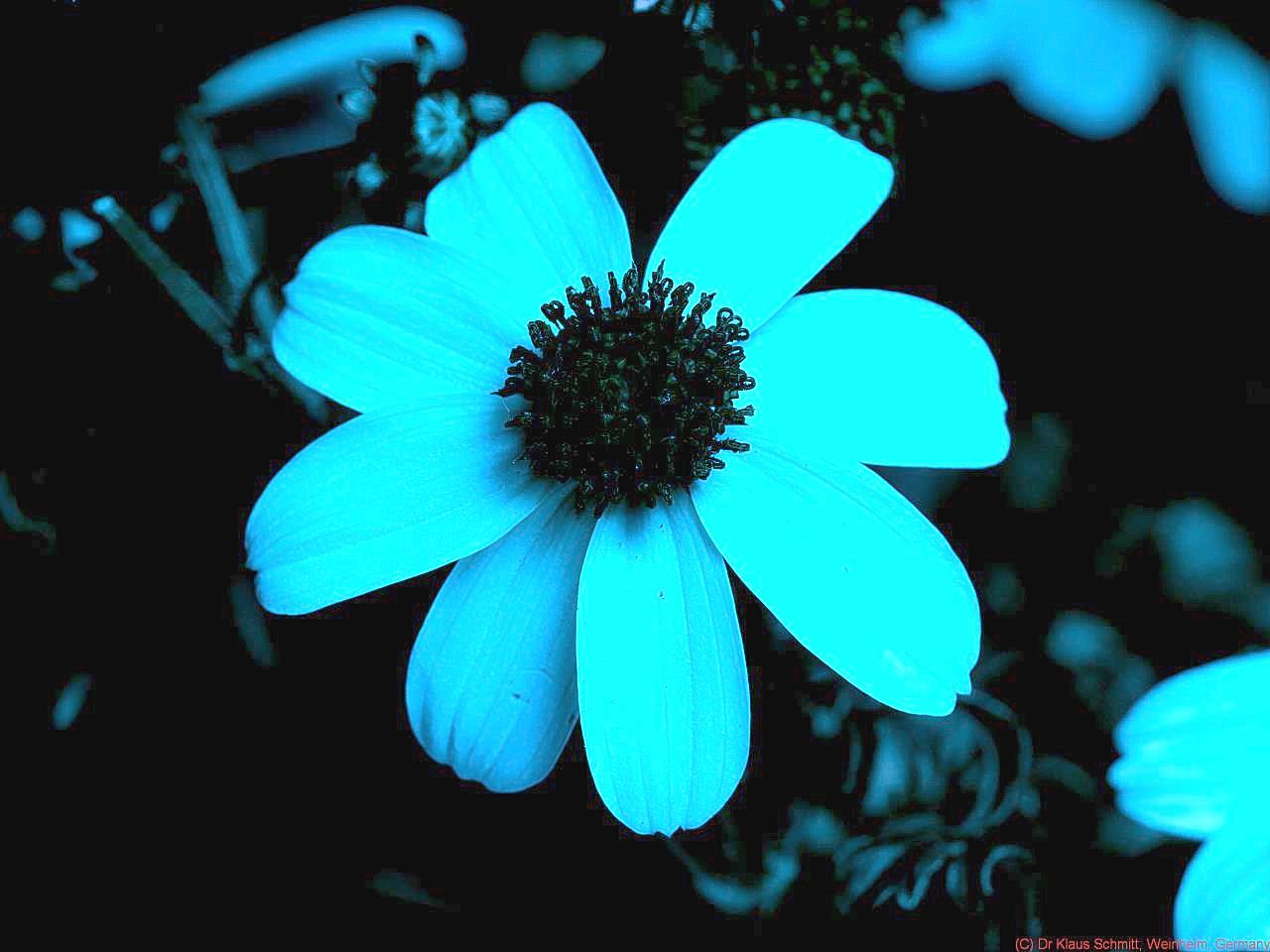
Found some flower I haven't seen before, a Bidens ferulifolia "alba" version, all white. So I wanted to show this one in its multispectral representation here. I took some shots in normal human vision VIS, in UV using the Baader-U, Jupiter-U and the new Saturn-U (300-350nm) filter, as well as in simulated bee vision using my XBV2, XBV3 and the new, stricter XBV5 filters respectively.

[click on image to see a larger one]

Visual shot:


Simulated bee vison using XBV3 filter:


Simulated bee vison using XBV2 filter:


Simulated bee vison using XBV5 filter:


UV using Baader-U filter:


UV using Jupiter-U filter:


UV using Saturn-U (300-350nm) filter:


IR (basically) as it was shot using only a ND filter:


Not much to see here in this variant, so the artificial breeding of this plant made that very prominent pattern the original yellow form has completely disappear.

I'm still working on my bee vision (BV) filters; BV5 is a very strict one that cuts all longer than short wave green. More about these special new filters here later in a seperate entry.


Stay tuned, more will follow on that fascinating subject...

More info on this very interesting field may be found on my site http://www.pbase.com/kds315/uv_photos

Saturday, June 23, 2012

Coryphanta vivipara: human vision vs simulated bee vison; reflected UV ultraviolet photography

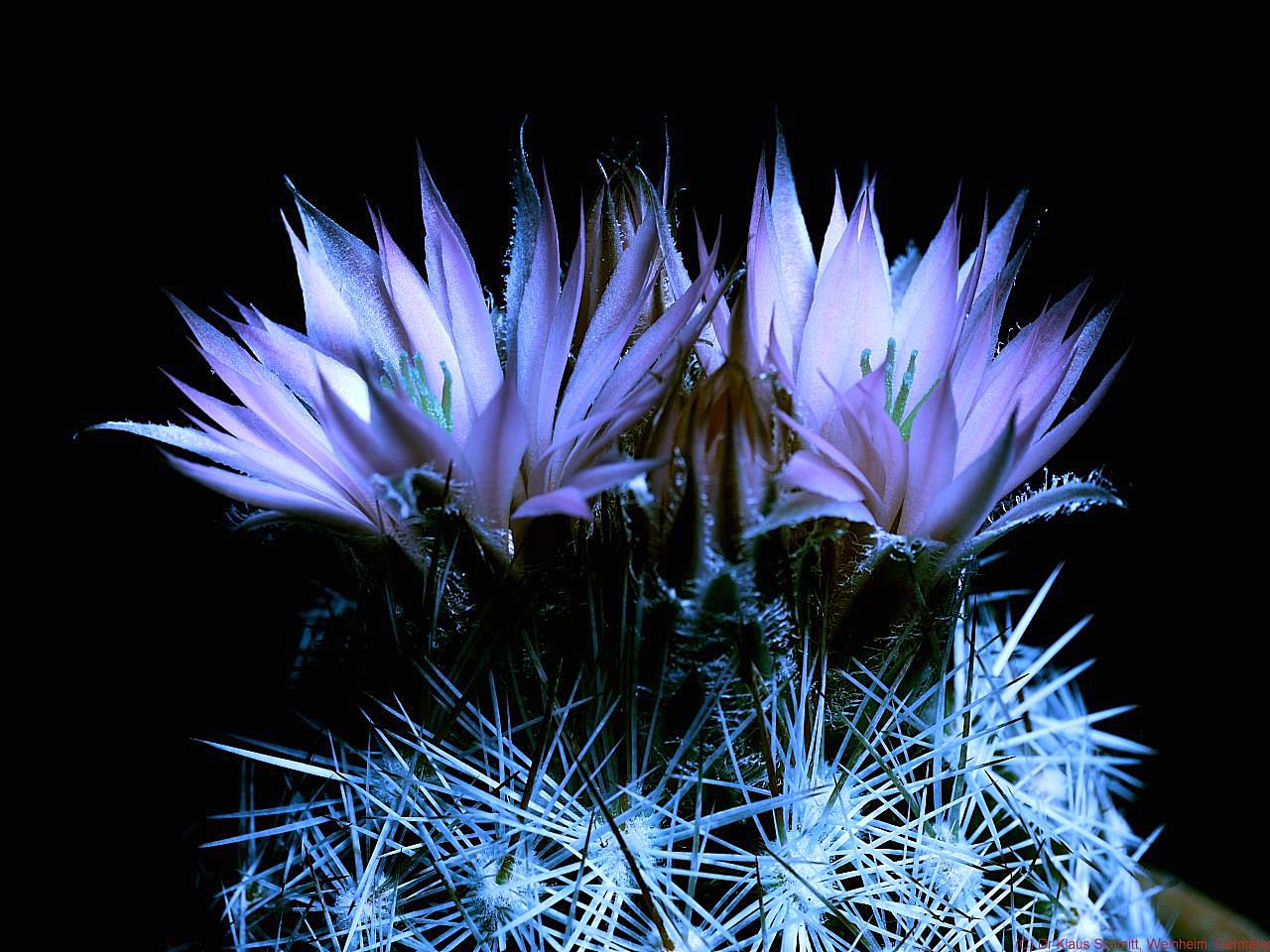
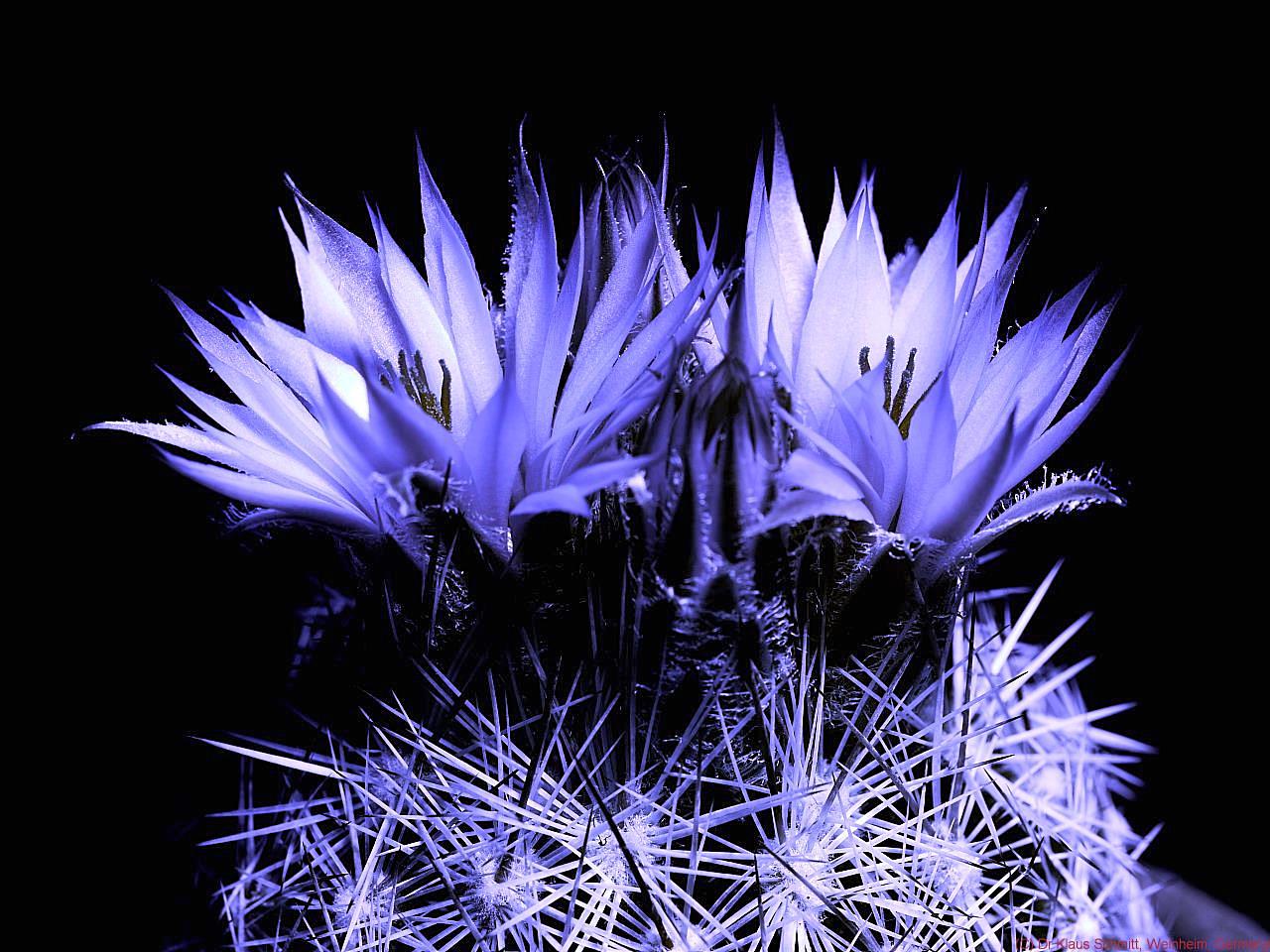
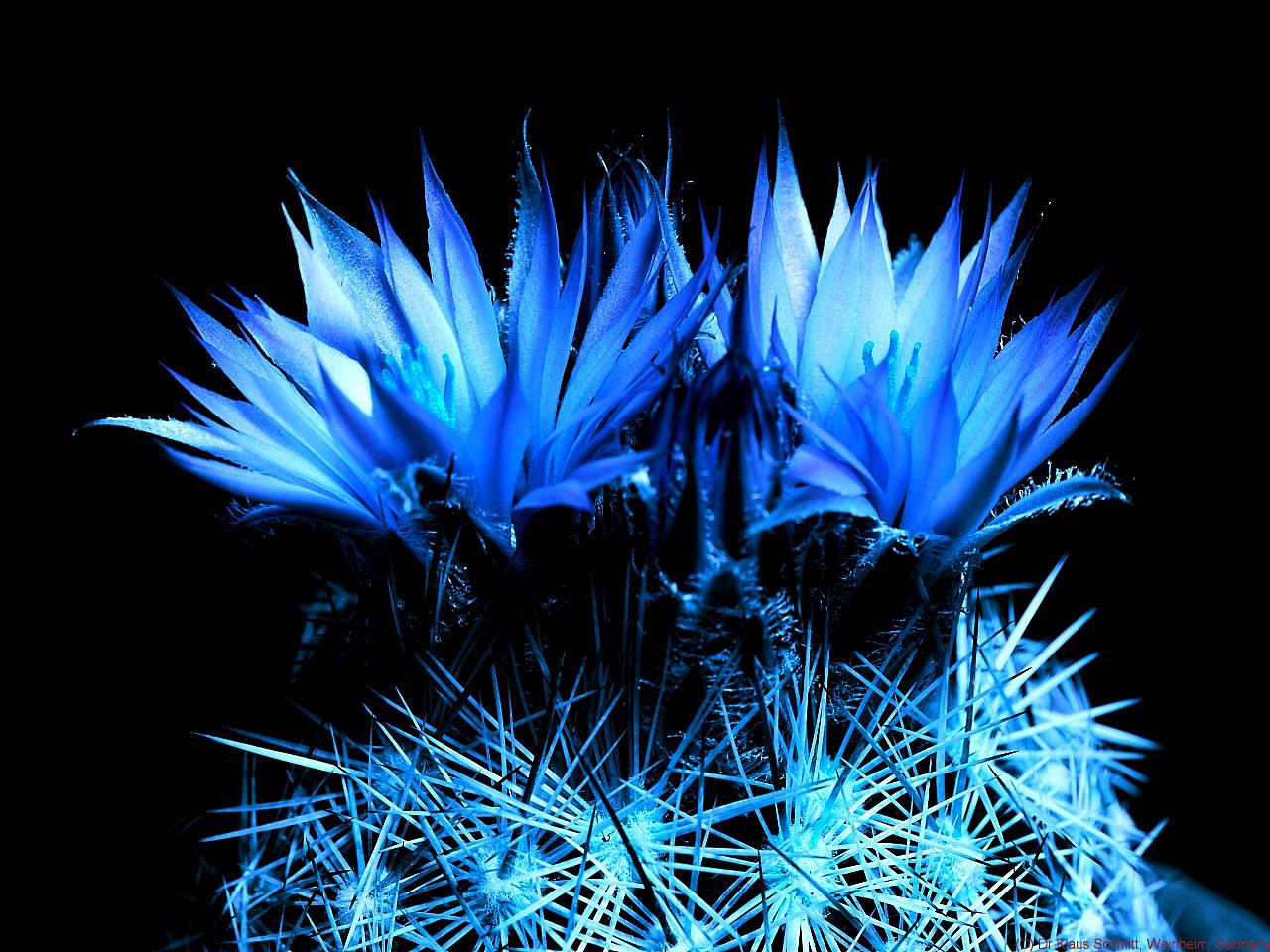
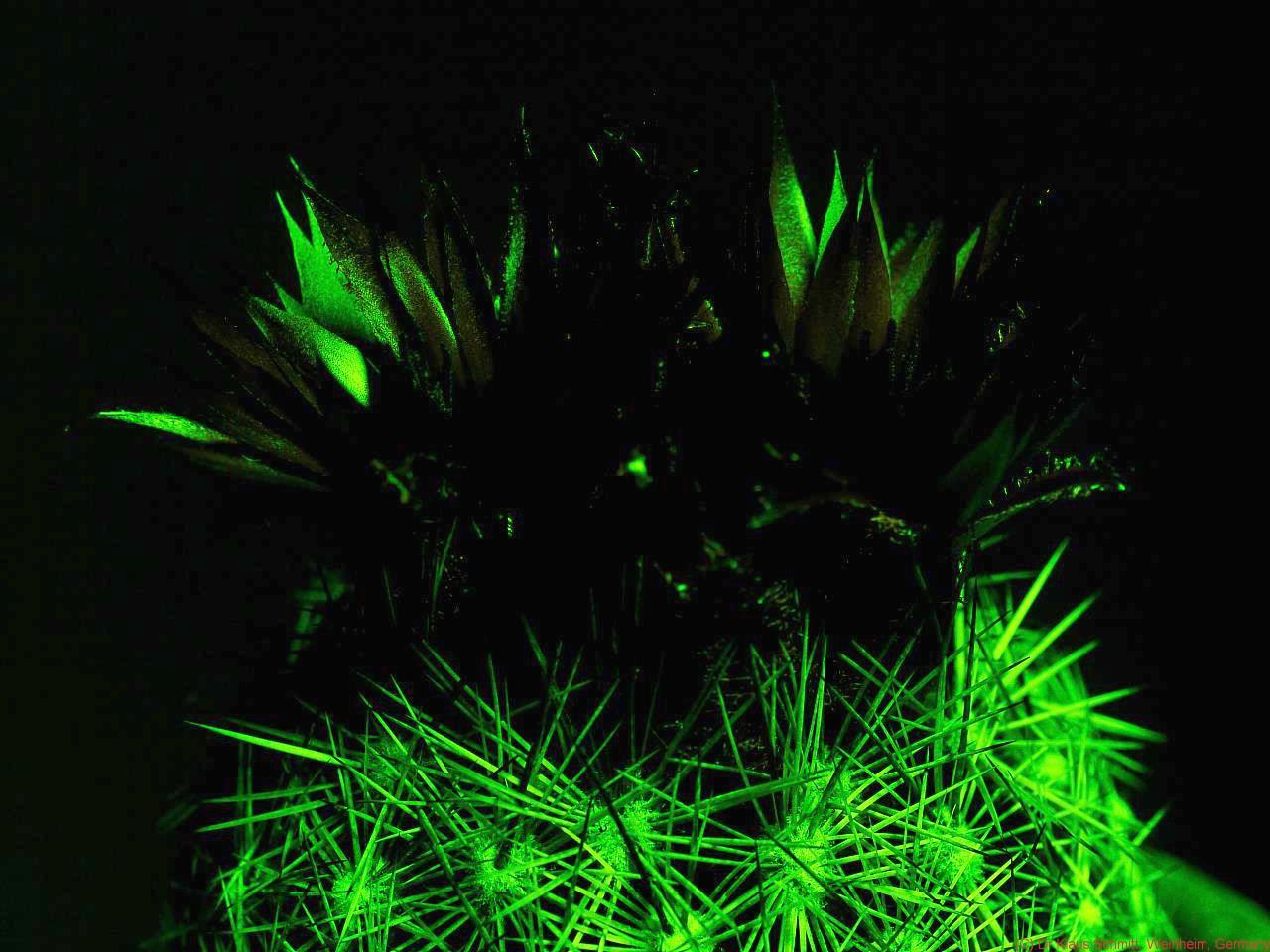
My wife's cute little cactus just today opened up two if its four flowers. I wanted to show this one in its multispectral representation today. So I took some shots in normal human vision VIS, in UV using the Baader-U, Jupiter-U and the new Saturn-U (300-350nm) filter, as well as in simulated bee vision using my XBV2, XBV3 and the new, stricter XBV5 filters respectively.

[click on image to see a larger one]

Visual shot:


Simulated bee vison using XBV3 filter:


Simulated bee vison using XBV2 filter:


Simulated bee vison using XBV5 filter:


UV using Baader-U filter:


UV using Jupiter-U filter:


UV using Saturn-U (300-350nm) filter:


IR (basically) as it was shot using only a ND filter:


And here a polyptych of a few of those images:


Interesting to note, that the shorter waveband the filters are, the clearer they differentiate the UV reflective petals inside from the much lower reflective petal outsides.

I'm still working on my bee vision (BV) filters; BV5 is a very strict one that cuts all longer than short wave green. More about these special new filters here later in a seperate entry.


Stay tuned, more will follow on that fascinating subject...

More info on this very interesting field may be found on my site http://www.pbase.com/kds315/uv_photos
Thursday, June 21, 2012

Rudbeckia hirta: human vision vs simulated bee vison; reflected UV ultraviolet photography II

I had discovered some flowering Rudbeckias the other day. So this is another R. hirta as I have shown before and I wanted to also show this one in its multispectral representation. So I took some shots in normal human vision VIS, in UV using the Baader-U, Jupiter-U and the new Saturn-U (300-350nm) filter, as well as in simulated bee and butterfly vision using my XBV2, XBV3 and the new, stricter XBV5 filters respectively.

[click on image to see a larger one]

Visual shot:


Simulated butterfly vison using XBV3 filter:


Simulated butterfly vison using XBV2 filter:


Simulated bee vison using XBV5 filter:


UV using Baader-U filter:


UV using Jupiter-U filter:


UV using Saturn-U (300-350nm) filter:


IR (basically) as it was shot using only a ND filter:


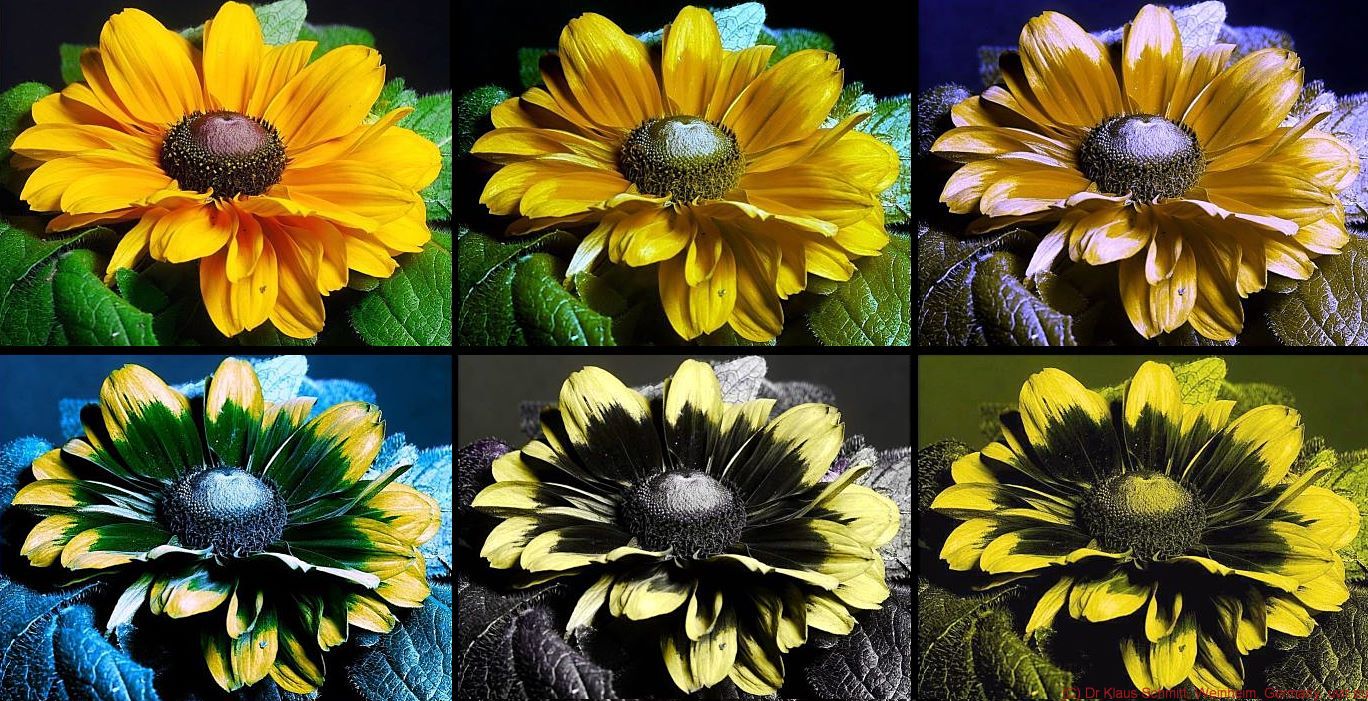
And here a polyptych of a few of those images:


As you may have noticed, I'm still working on my bee vision (BV) filters; BV5 is a very strict one that cuts all longer than short wave green.

More about these special new filters here later in a seperate entry.


Stay tuned, more will follow on that fascinating subject...

More info on this very interesting field may be found on my site http://www.pbase.com/kds315/uv_photos

Tuesday, June 19, 2012

Rudbeckia hirta: human vision vs simulated bee vison; reflected UV ultraviolet photography

Today I discovered some flowering Rudbeckias. So this is R. hirta and wanted to show this one in its multispectral respresentation. So I took some shots in normal human vision VIS, in UV using the Baader-U, Jupiter-U and the new Saturn-U (300-350nm) filter, as well as in simulated bee vision using my XBV2, XBV3 and the new, stricter XBV5 filters respectively.

[click on image to see a larger one]

Visual shot:


Simulated butterfly vison using XBV3 filter:


Simulated butterfly vison using XBV2 filter:


Simulated bee vison using XBV5 filter:


UV using Baader-U filter:


UV using Jupiter-U filter:


UV using Saturn-U (300-350nm) filter:


IR (basically) as it was shot using only a ND filter:


And here a polyptych of a few of those images:


As you may have noticed, I'm still working on my bee vision (BV) filters; BV5 is a very strict one that cuts all longer than short wave green.

More about these special new filters here later in a seperate entry.


Stay tuned, more will follow on that fascinating subject...

More info on this very interesting field may be found on my site http://www.pbase.com/kds315/uv_photos
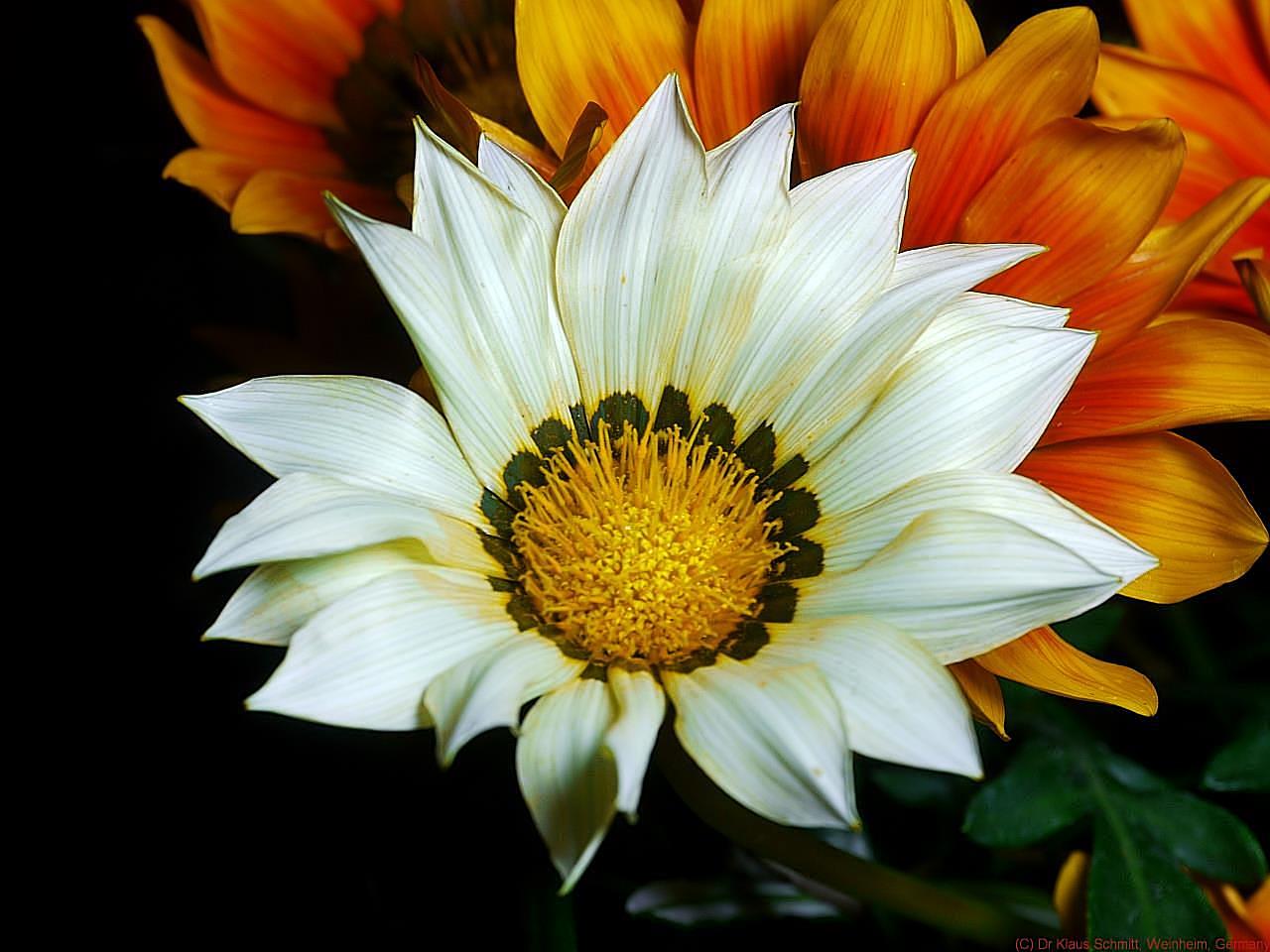
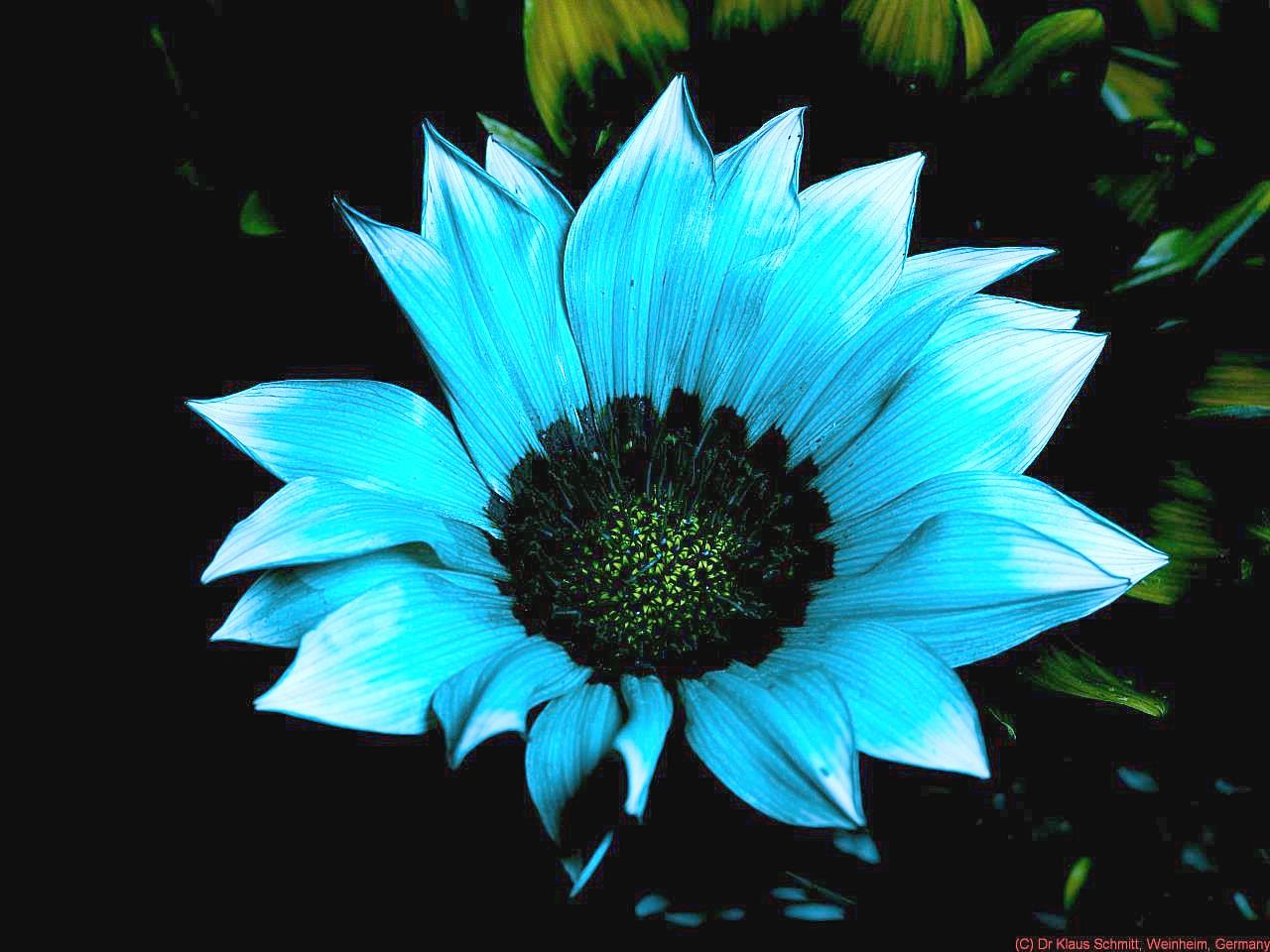
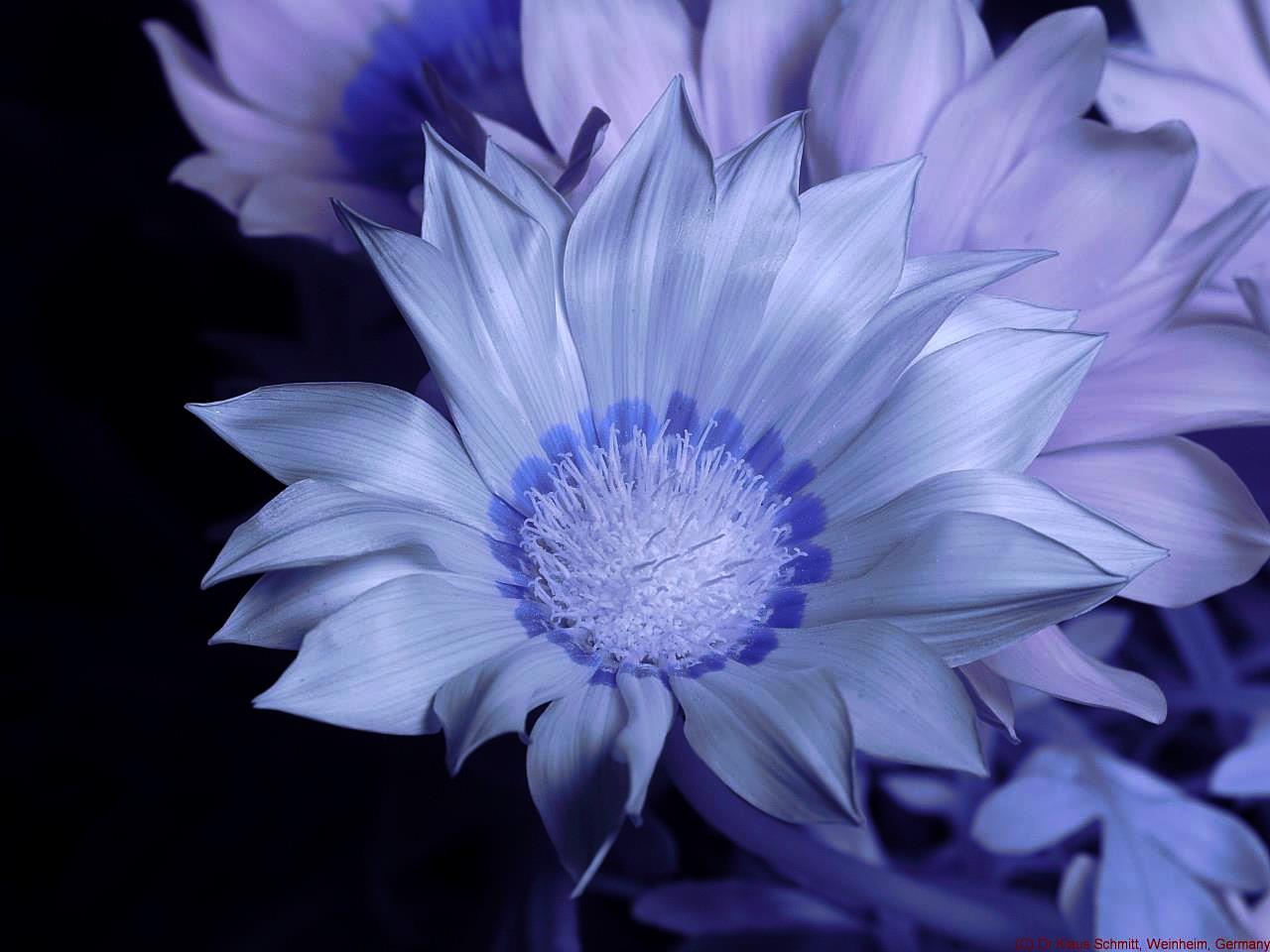
Gazania rigens "alba": human vision vs simulated bee vison; reflected UV ultraviolet photography
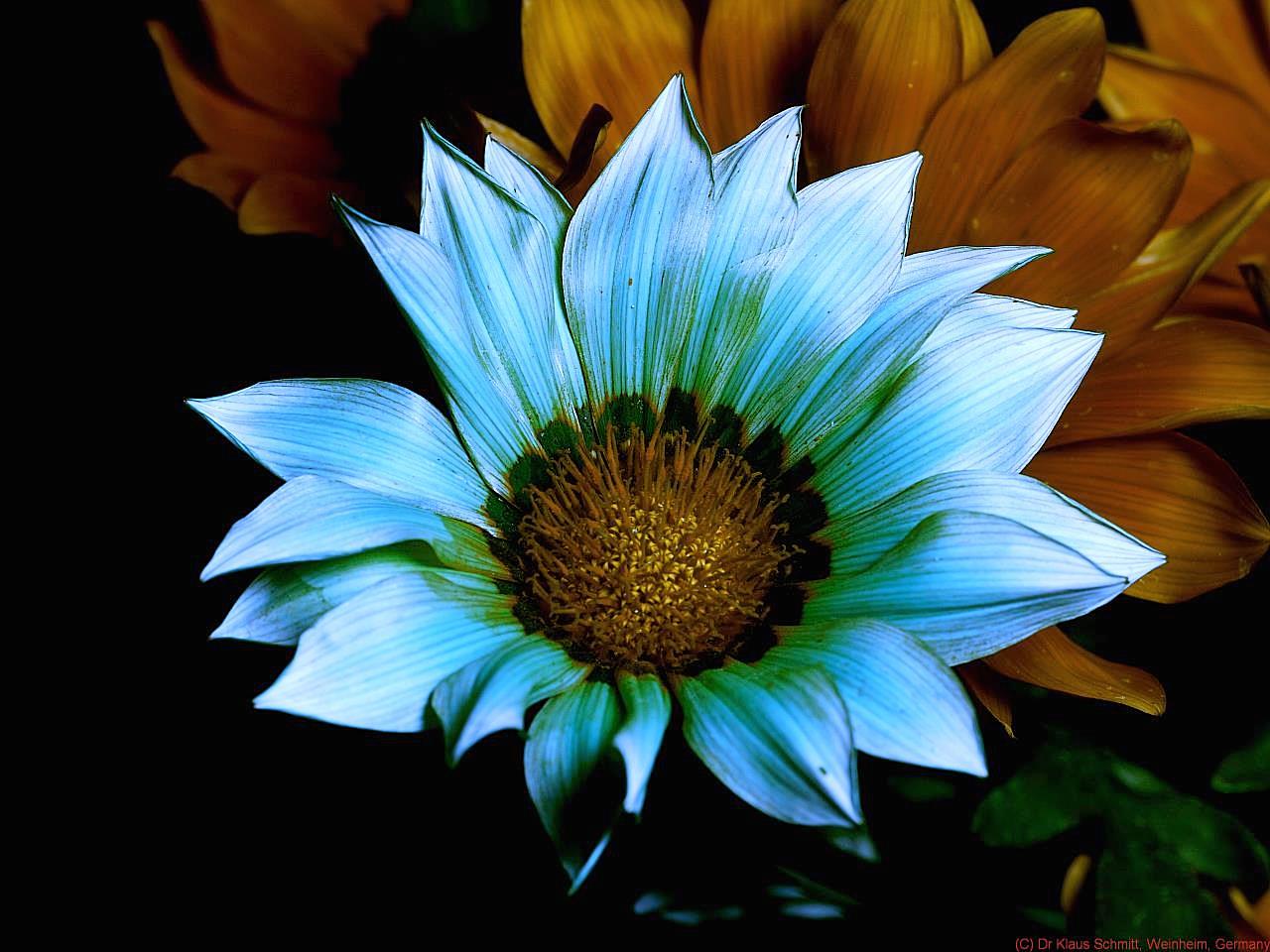
I discovered a white "alba" form of a Gazania rigens flower today and wanted to show this one in its multispectral respresentation. So I took some shots in normal human vision VIS, in UV using the Baader-U, Jupiter-U and the new Saturn-U (300-350nm) filter, as well as in simulated bee vision using my XBV2, XBV3 and the new, stricter XBV5 filters respectively.

[click on image to see a larger one]

Visual shot:


Simulated bee vison using XBV3 filter:


Simulated bee vison using XBV2 filter:


Simulated bee vison using XBV5 filter:


UV using Baader-U filter:


UV using Jupiter-U filter:


UV using Saturn-U (300-350nm) filter:


IR (basically) as it was shot using only a ND filter:


As you may have noticed, I'm still working on my bee vision (BV) filters; BV5 is a very strict one that cuts all longer than short wave green.

More about these special new filters here later in a seperate entry.


Stay tuned, more will follow on that fascinating subject...

More info on this very interesting field may be found on my site http://www.pbase.com/kds315/uv_photos