Sunday, July 1, 2012

Zinnia angustifolia: human vision vs simulated bee vison; reflected UV ultraviolet photography III

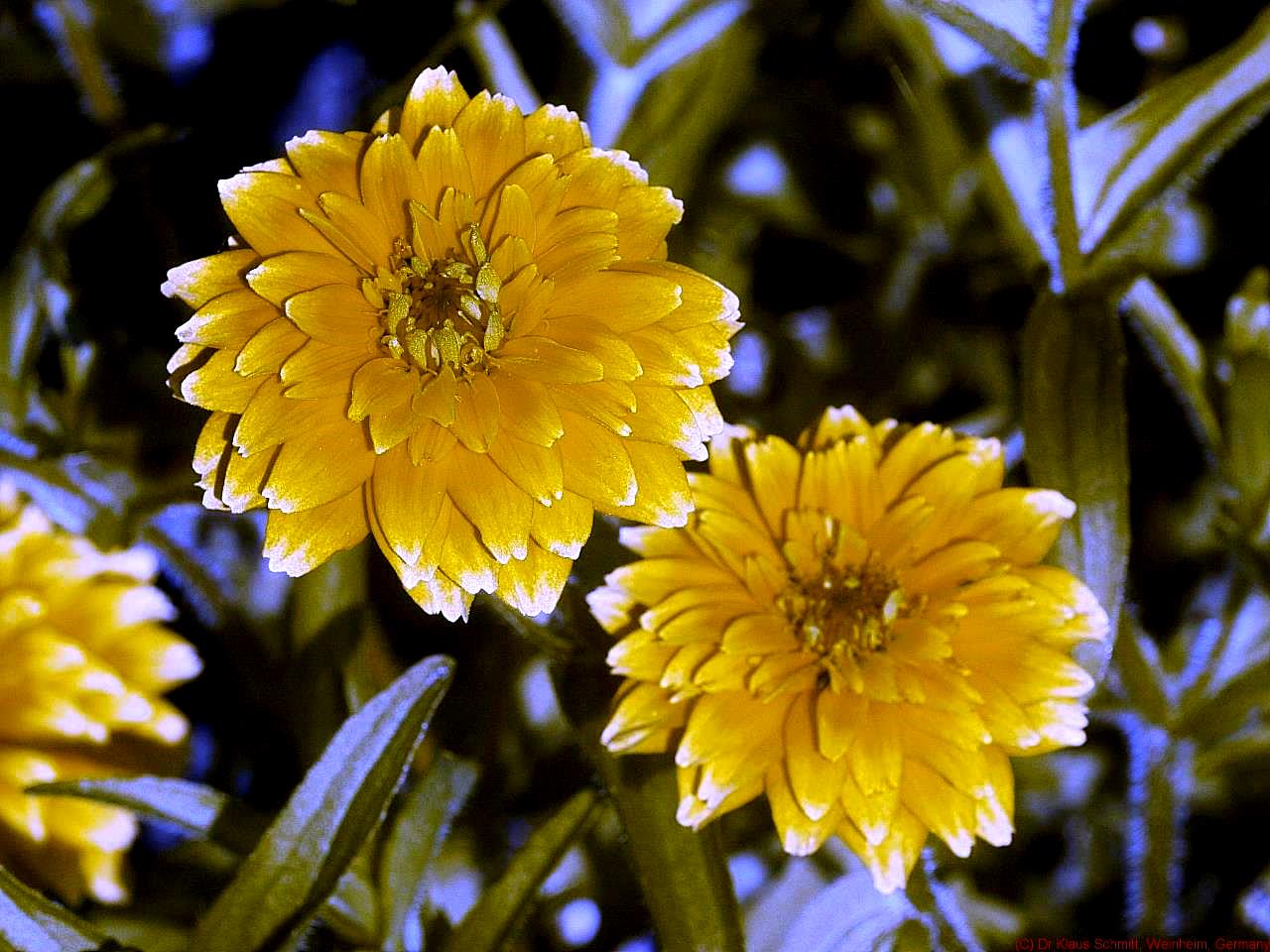
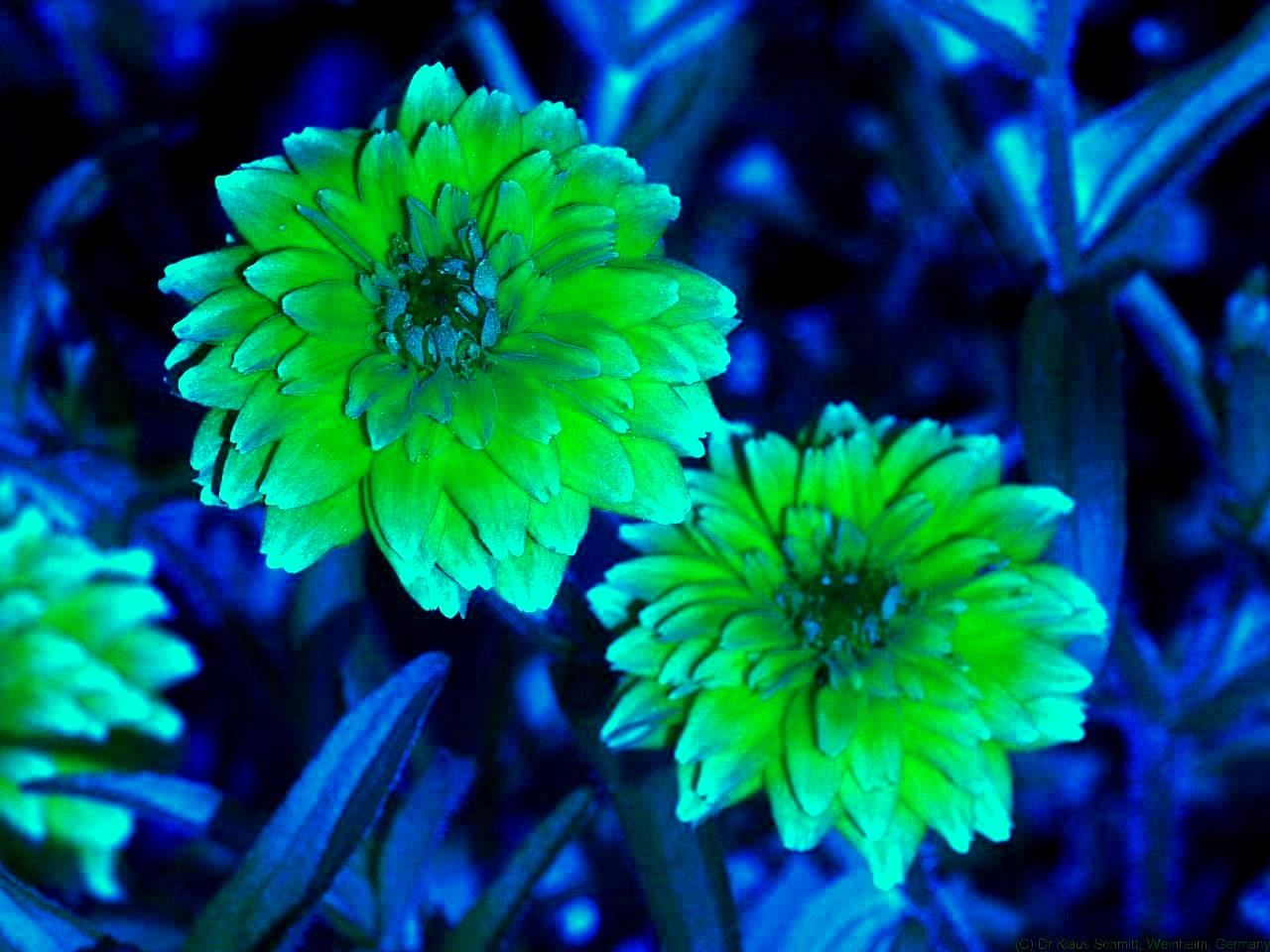
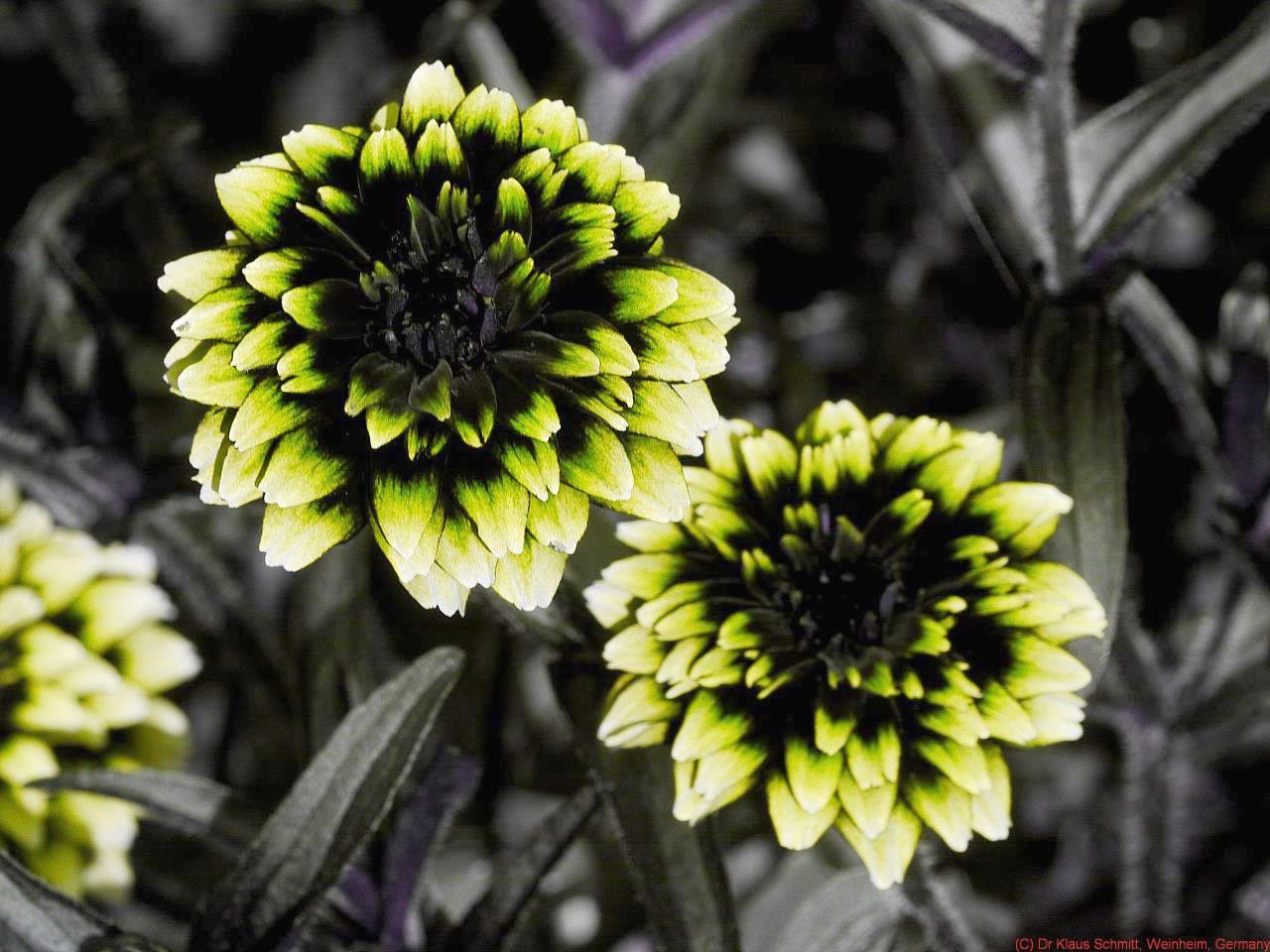
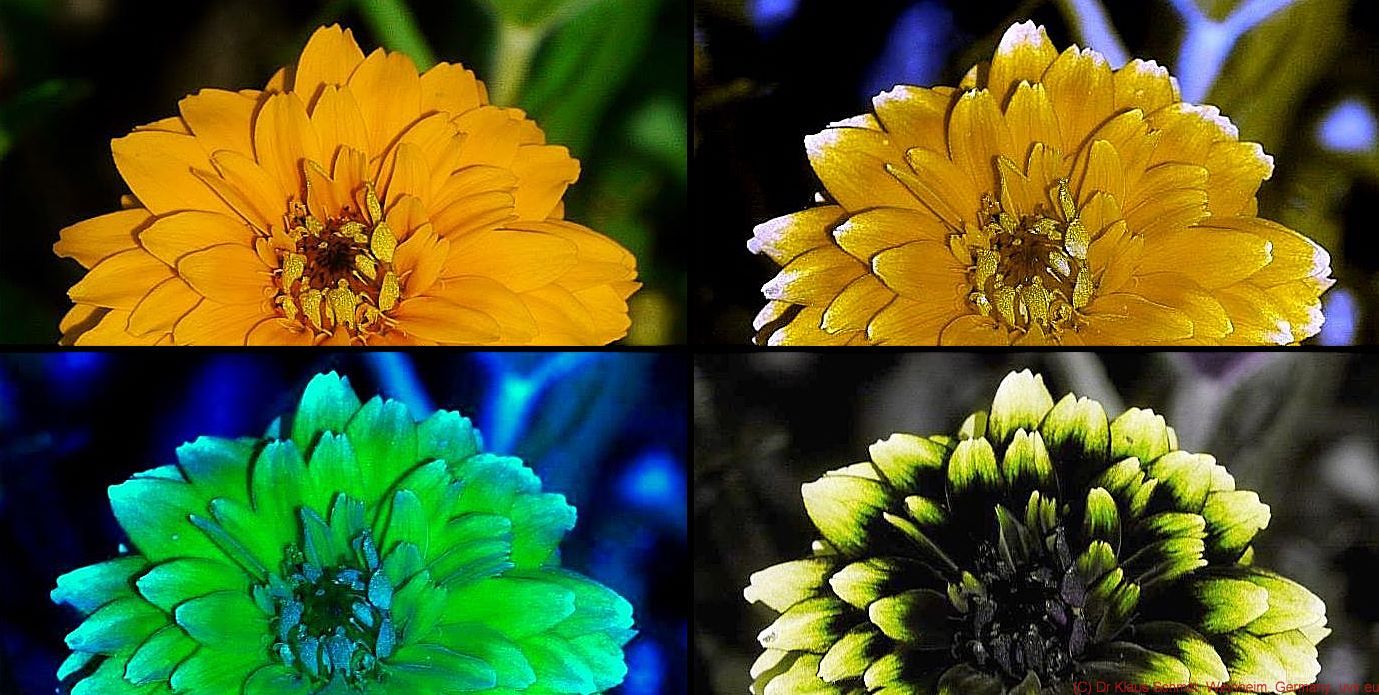
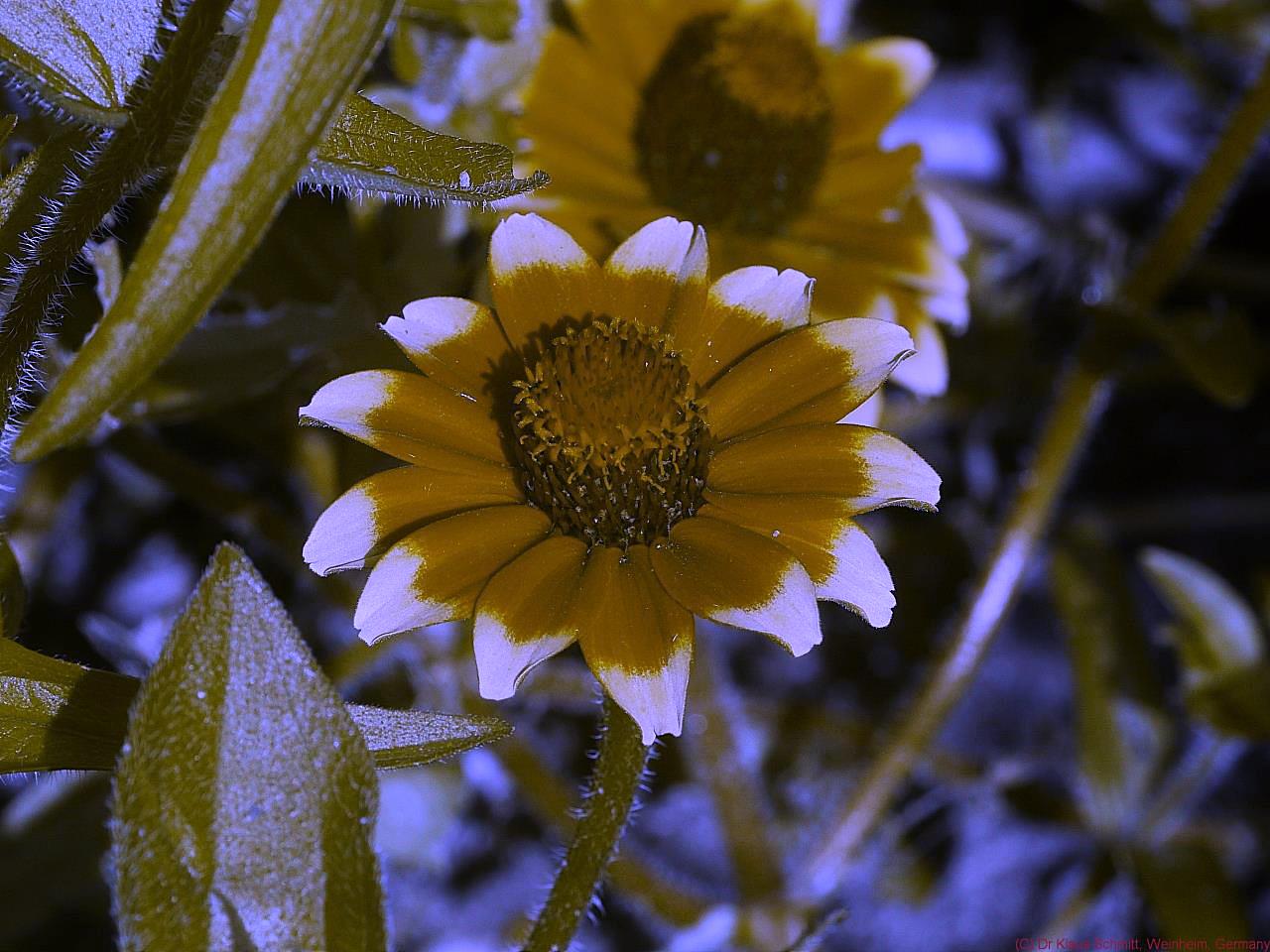
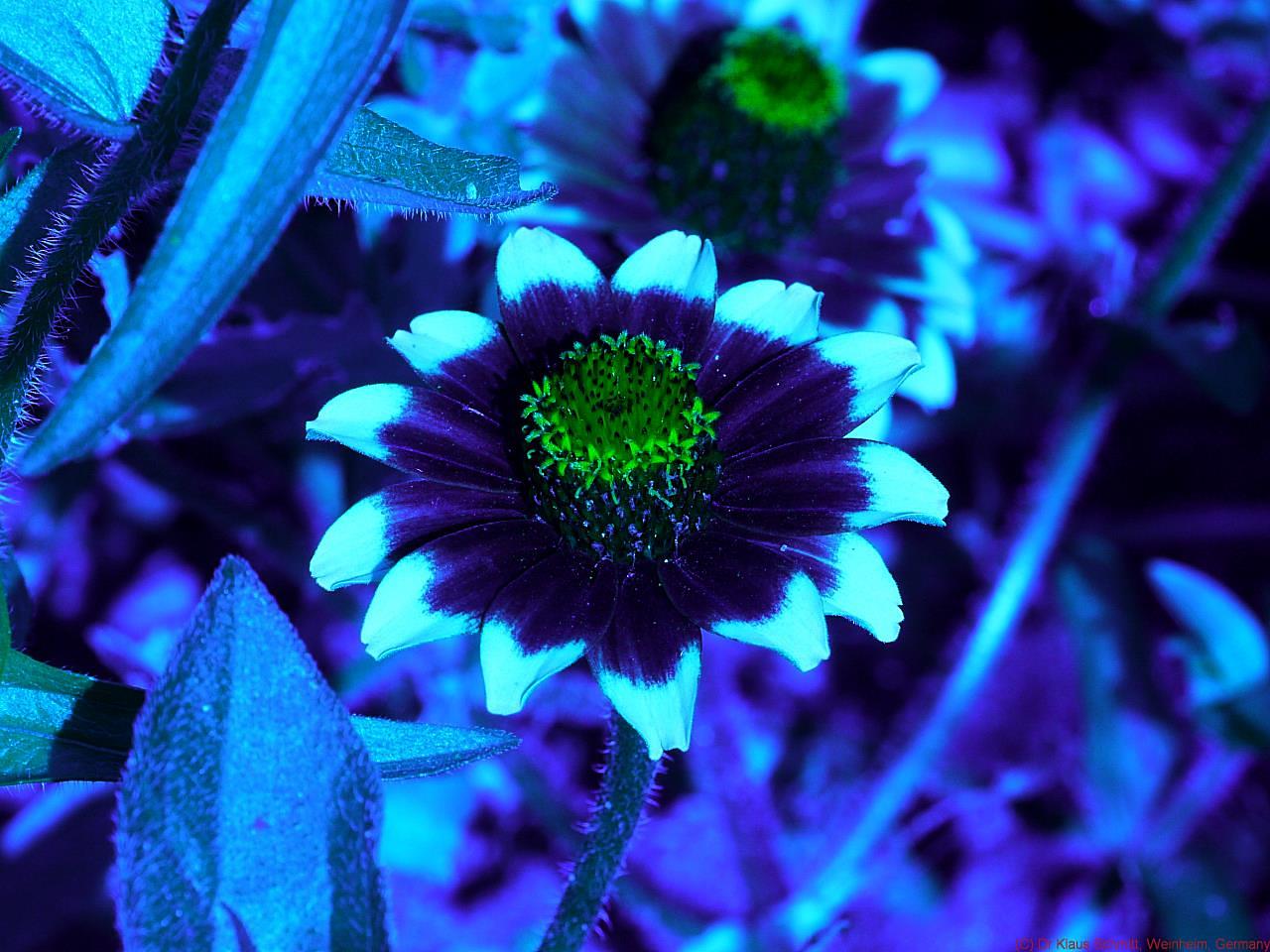
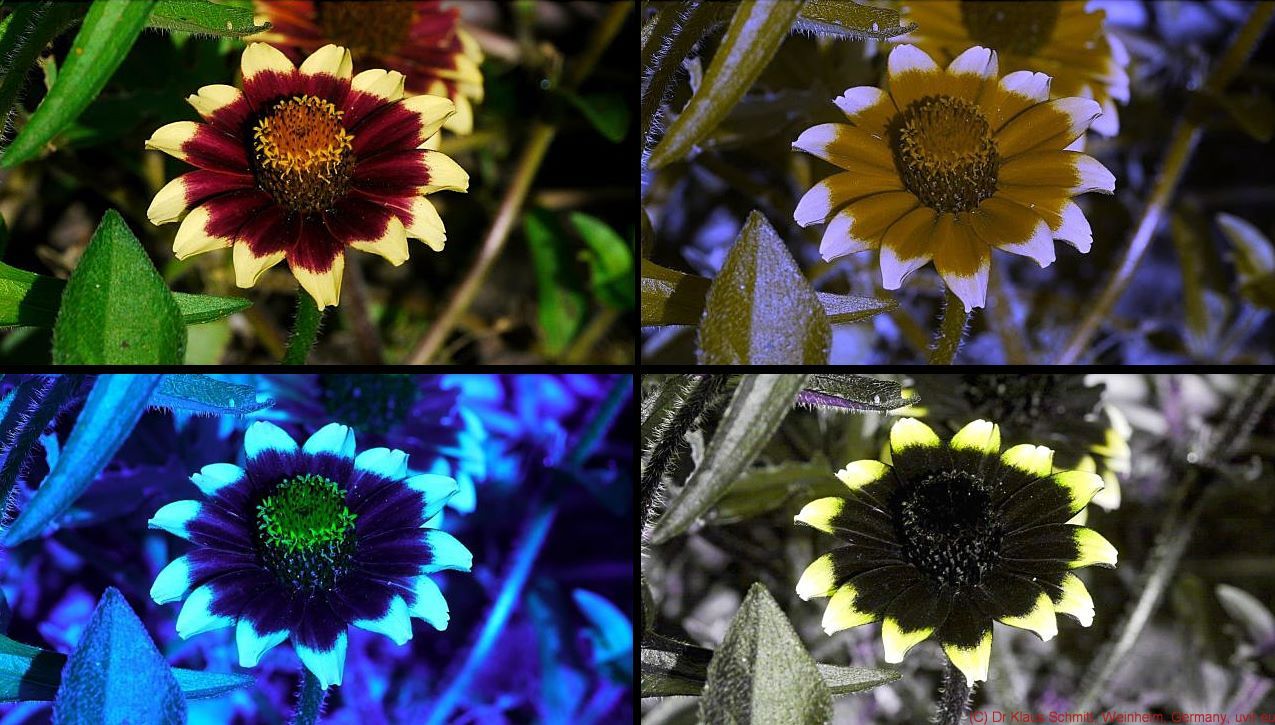
Again about Zinnia angustifolia, that special mexican variety. So here a Z. angustifolia flower specimen which has no visible patterns actually shown in its multispectral representation (with patterns). I took some shots at Hermannshof, Weinheim, Germany in normal human vision VIS, in UV using the Baader-U filter, as well as in simulated bee vision using my XBV2 and new XBV6 filters respectively.

[click on image to see a larger one]

Visual shot:
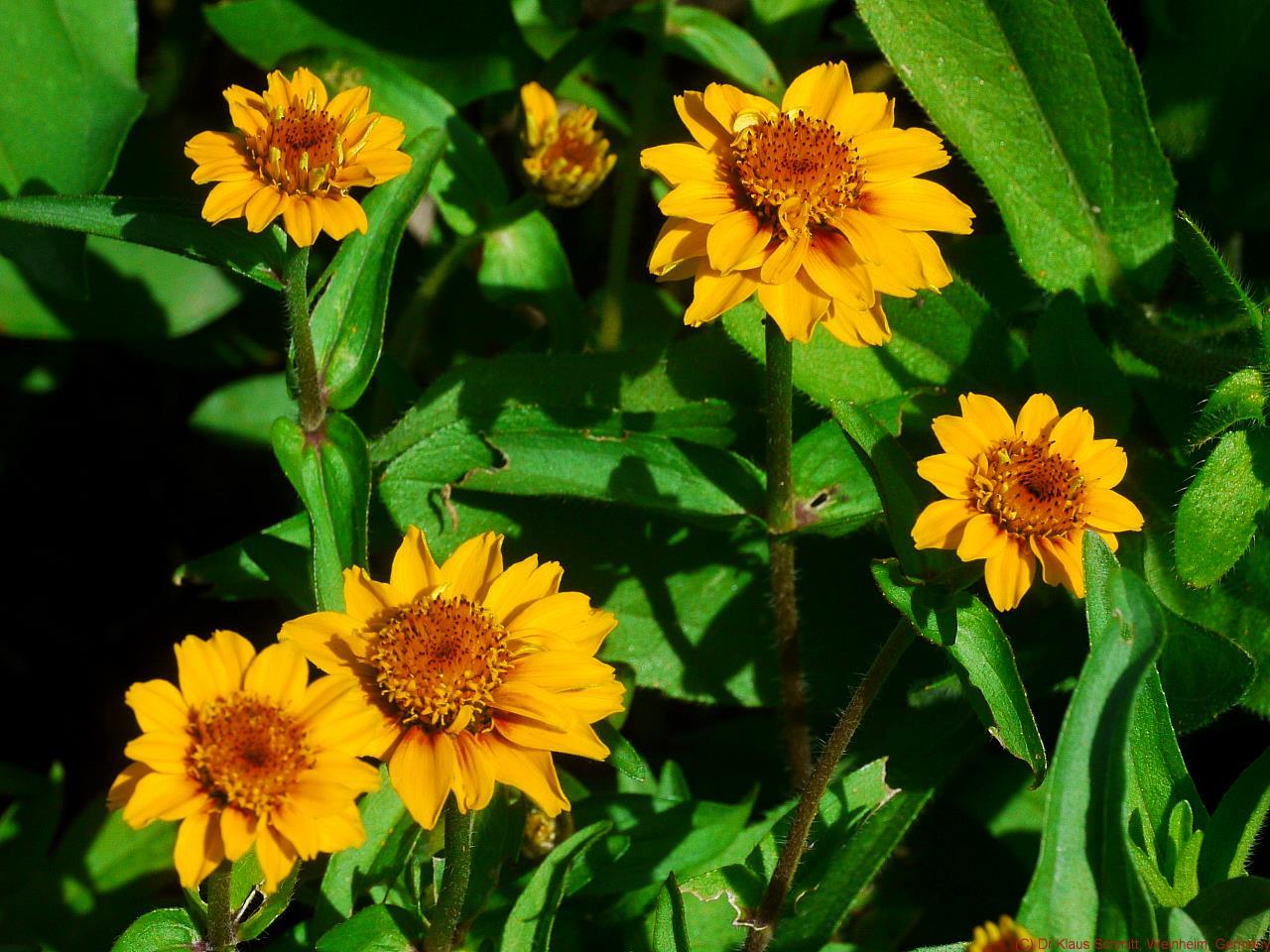

Simulated bee vison using XBV2 filter:


Simulated bee vison using XBV6 filter:


UV using Baader-U filter:


VIS-UV-BV quadriptych:


This Zinnia specimen exposes very nicely its well known deep into reaching UV tip pattern, that is completely invisible in human vision. To map that into a bee vision representation is rather tricky as it reacher quite deep into UV.

As you may have noticed, I'm still working on my bee vision (BV) filters; BV6 is one with very intensive colors and much shorter exposure time, due to new filter glass combinations.

More about these special new filters here later in a seperate entry.


Stay tuned, more will follow on that fascinating subject...

More info on this very interesting field may be found on my site http://www.pbase.com/kds315/uv_photos

Hemerocallis (Day Lilly): human vision vs simulated bee vison; reflected UV ultraviolet photography

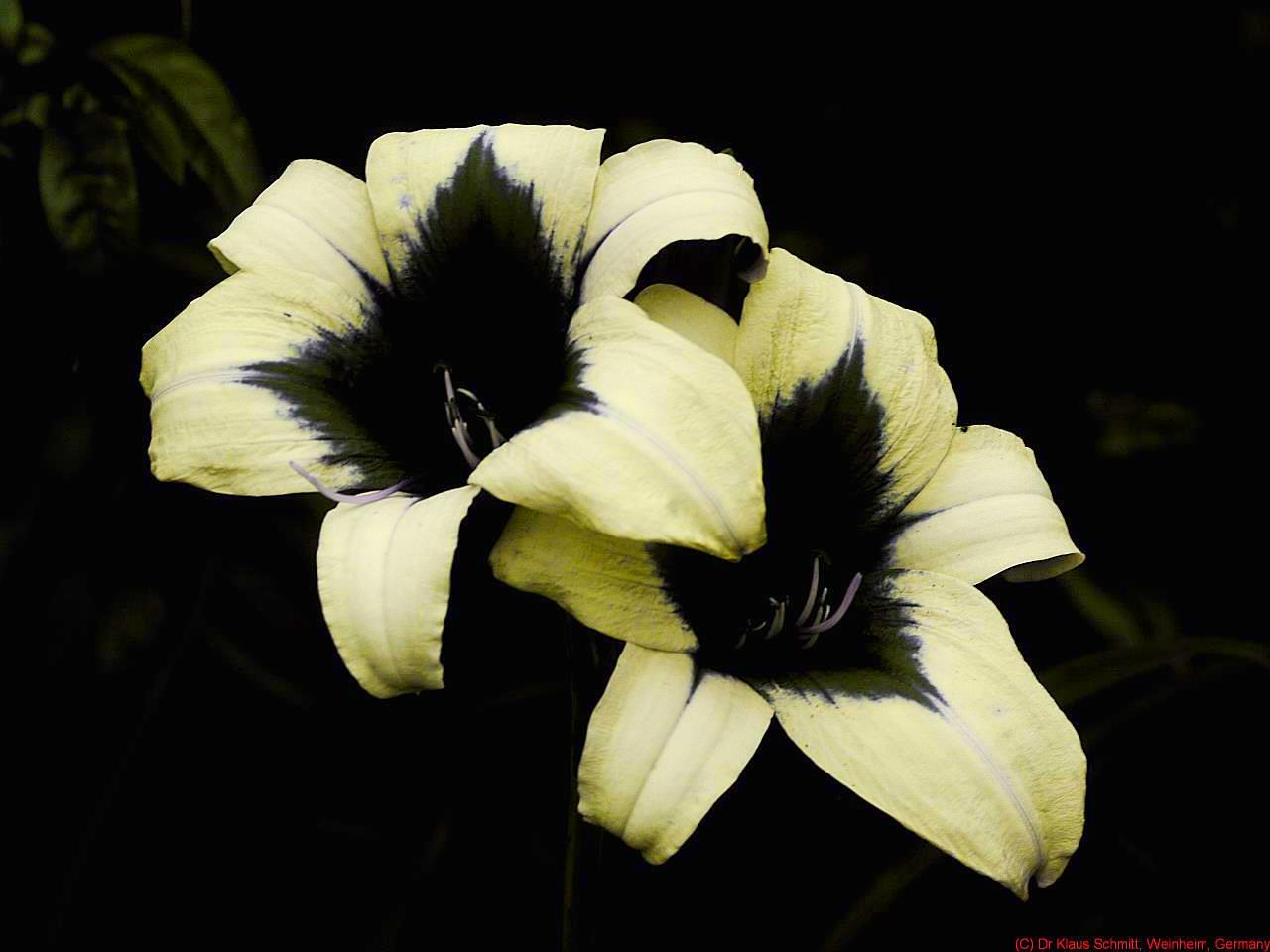
Today on my walk in the beautiful Hermanshof Park, Weinheim I discovered flowering Hemerocallis (Day Lillies), various varieties. So here comes one, a creamy whiteish yellow colored variant in its multispectral representation. I took some shots at Hermannshof, Weinheim, Germany in normal human vision VIS, in UV using the Baader-U filter, as well as in simulated bee vision using my new XBV2 and XBV6 filters respectively.

[click on image to see a larger one]

Visual shot:


Simulated bee vison using XBV2 filter:


Simulated bee vison using XBV6 filter:


UV using Baader-U filter:


Most Hemerocallis have a very prominent "dark throat" UV pattern, and also here that gets clearly visible.

As you may have noticed, I'm still working on my bee vision (BV) filters; BV6 is one with very intensive colors and much shorter exposure time, due to new filter glass combinations.

More about these special new filters here later in a seperate entry.


Stay tuned, more will follow on that fascinating subject...

More info on this very interesting field may be found on my site http://www.pbase.com/kds315/uv_photos

Zinnia angustifolia: human vision vs simulated bee vison; reflected UV ultraviolet photography II

Today on my walk in the beautiful Hermanshof Park, Weinheim I discovered more flowering Zinnia angustifolia, that special mexican variety. So here comes another Z. angustifolia, an orange colored variant in its multispectral representation. I took some shots at Hermannshof, Weinheim, Germany in normal human vision VIS, in UV using the Baader-U filter, as well as in simulated bee vision using my new XBV2 and XBV6 filters respectively.

[click on image to see a larger one]

Visual shot:


Simulated bee vison using XBV2 filter:


Simulated bee vison using XBV6 filter:


UV using Baader-U filter:


Here a quadriptych of these:


This Zinnia specimen exposes its well know deep into reaching UV tip pattern very nicely and in teh visible, do not show anything of it at all.

As you may have noticed, I'm still working on my bee vision (BV) filters; BV6 is one with very intensive colors and much shorter exposure time, due to new filter glass combinations.

More about these special new filters here later in a seperate entry.


Stay tuned, more will follow on that fascinating subject...

More info on this very interesting field may be found on my site http://www.pbase.com/kds315/uv_photos

Opuntia humifusa: human vision vs simulated bee vison; reflected UV ultraviolet photography

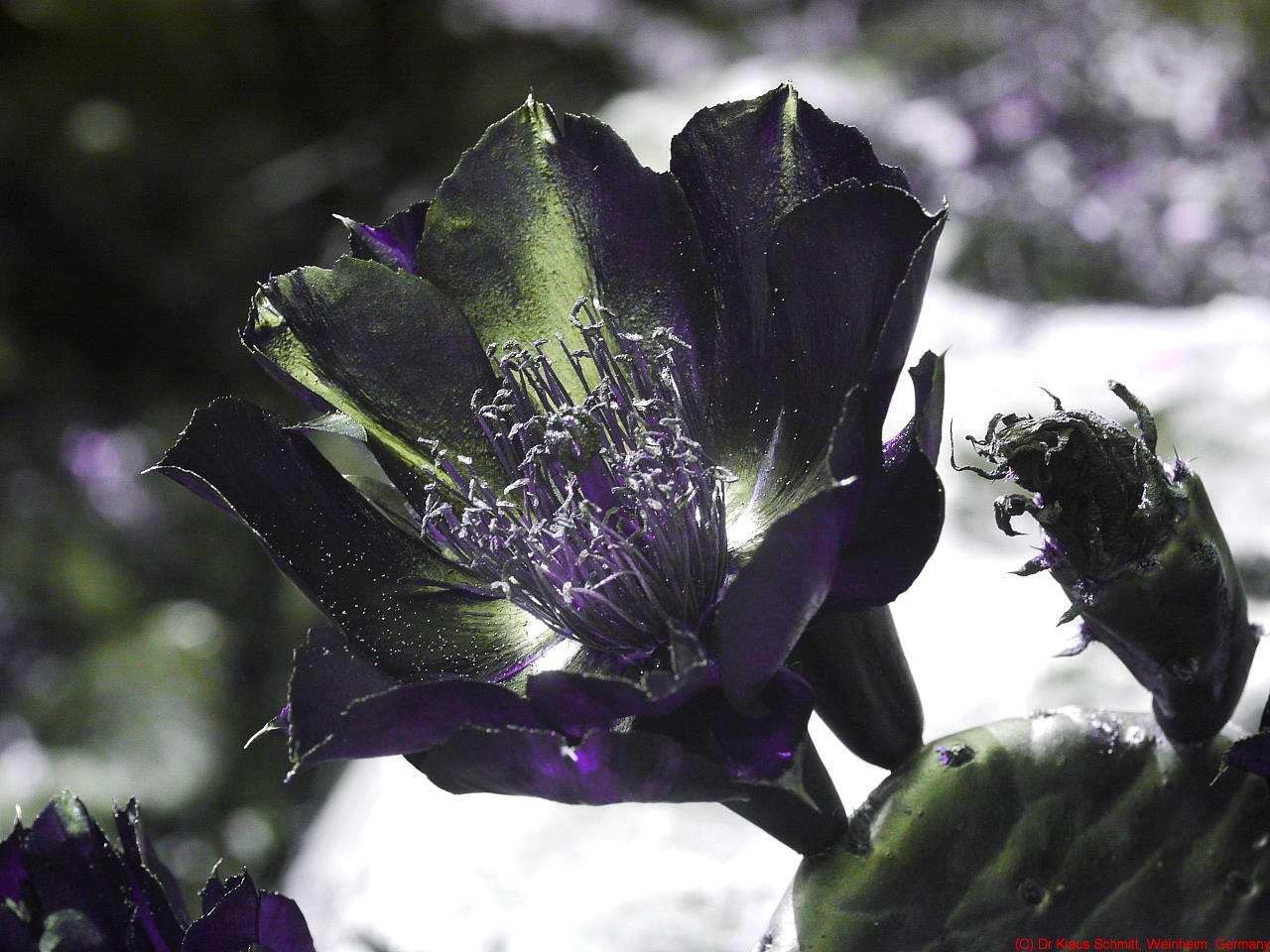
A walk today in the beautiful Hermanshof Park, Weinheim let me discover some flowering Opuntia humifusa, the reclining Opuntia. So here it comes in its multispectral representation. I took some shots at Hermannshof, Weinheim, Germany in normal human vision VIS, in UV using the Baader-U filter, as well as in simulated bee vision using my new XBV6 filter respectively.

[click on image to see a larger one]

Visual shot:


UV using Baader-U filter:


Simulated bee vison using XBV6 filter:


This specimen has very bright pollen even at daylight, which the XBV6 filter nicely shows. Reminds my of UV induced fluorescence photography. In UV the petals have a metallic like shine that reflects UV strongly, maybe to attract pollinators?

As you may have noticed, I'm still working on my bee vision (BV) filters; BV6 is one with very intensive colors and much shorter exposure time, due to new filter glass combinations.

More about these special new filters here later in a seperate entry.


Stay tuned, more will follow on that fascinating subject...

More info on this very interesting field may be found on my site http://www.pbase.com/kds315/uv_photos

Zinnia angustifolia: human vision vs simulated bee vison; reflected UV ultraviolet photography

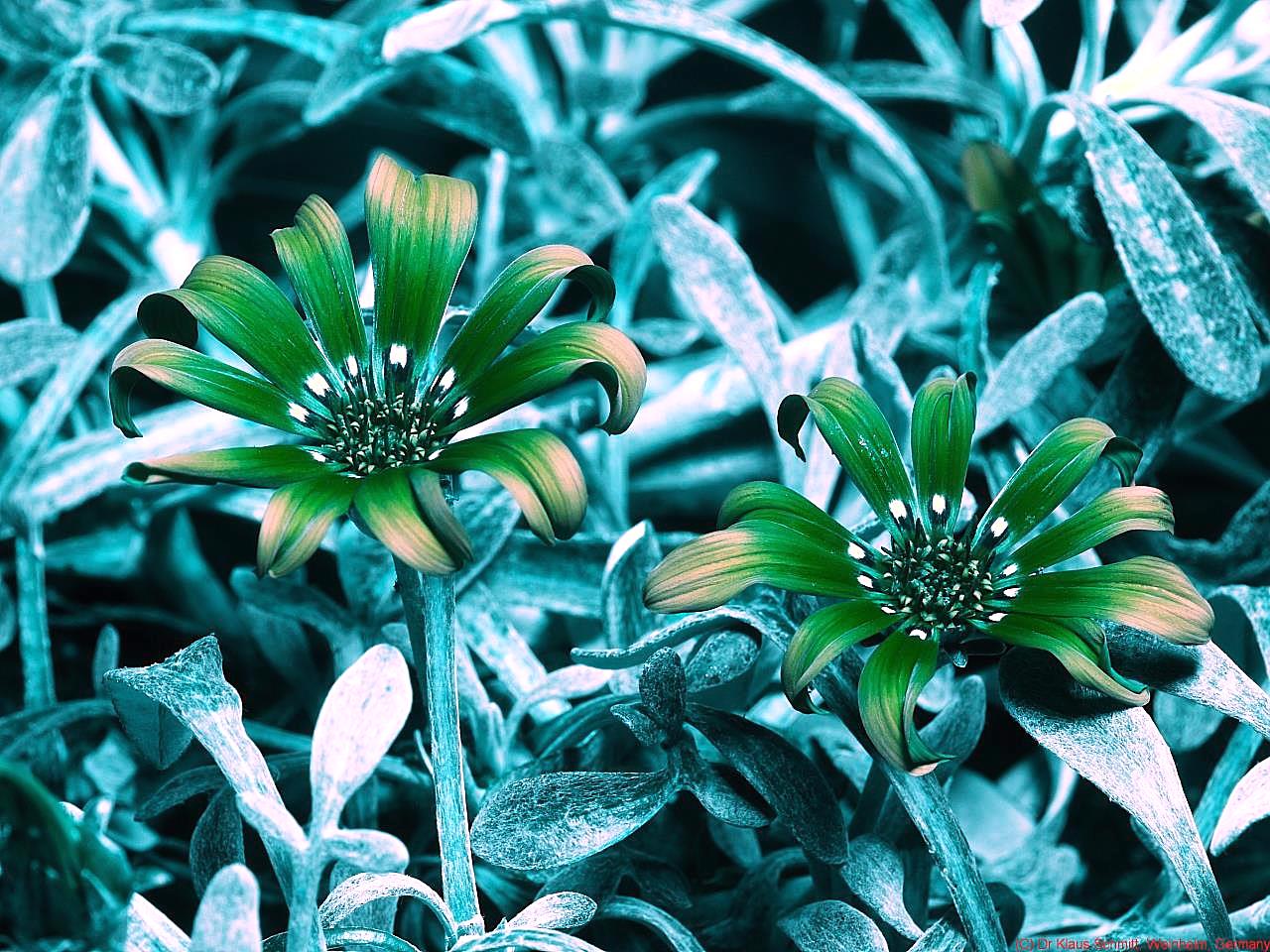
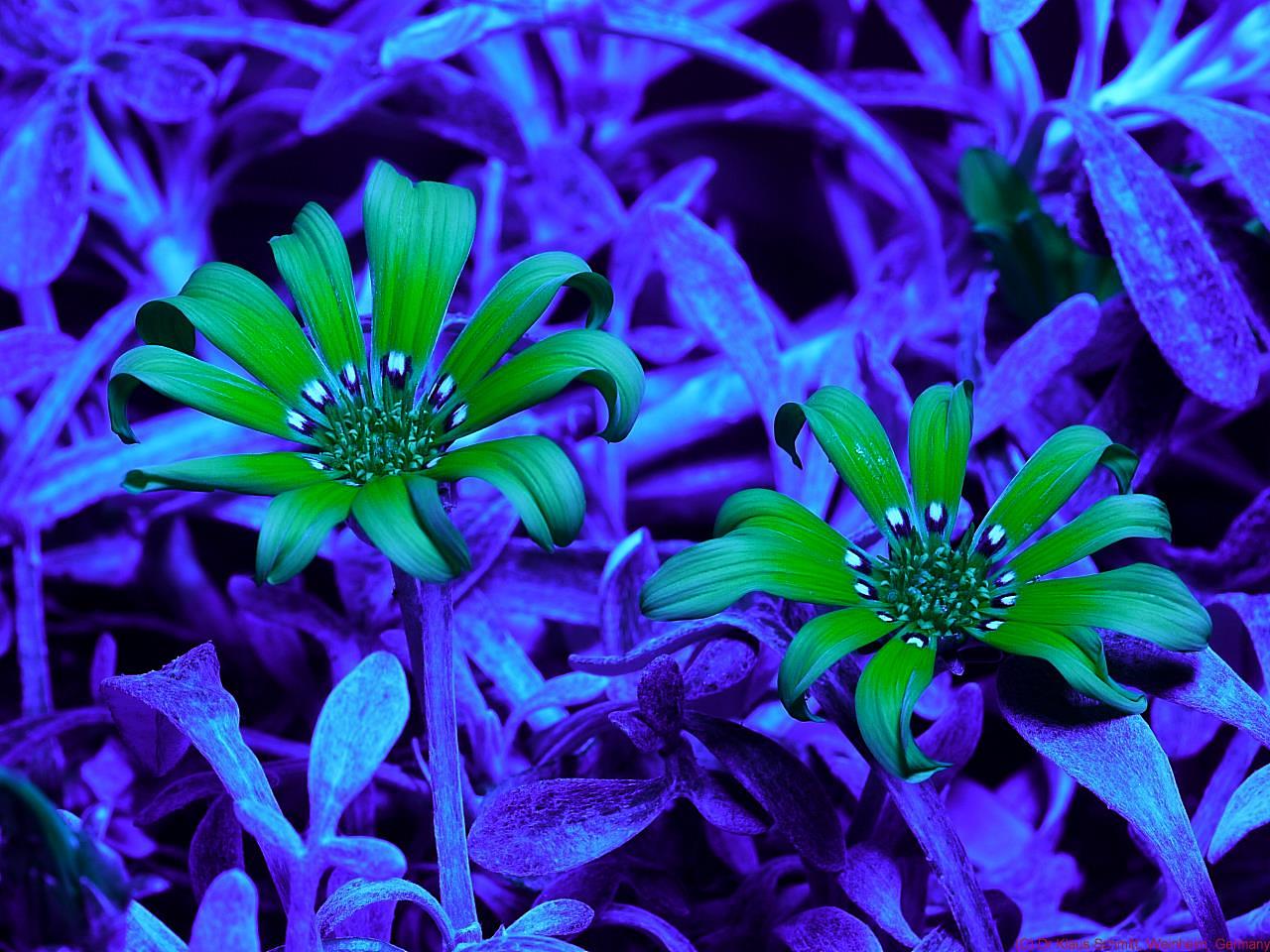
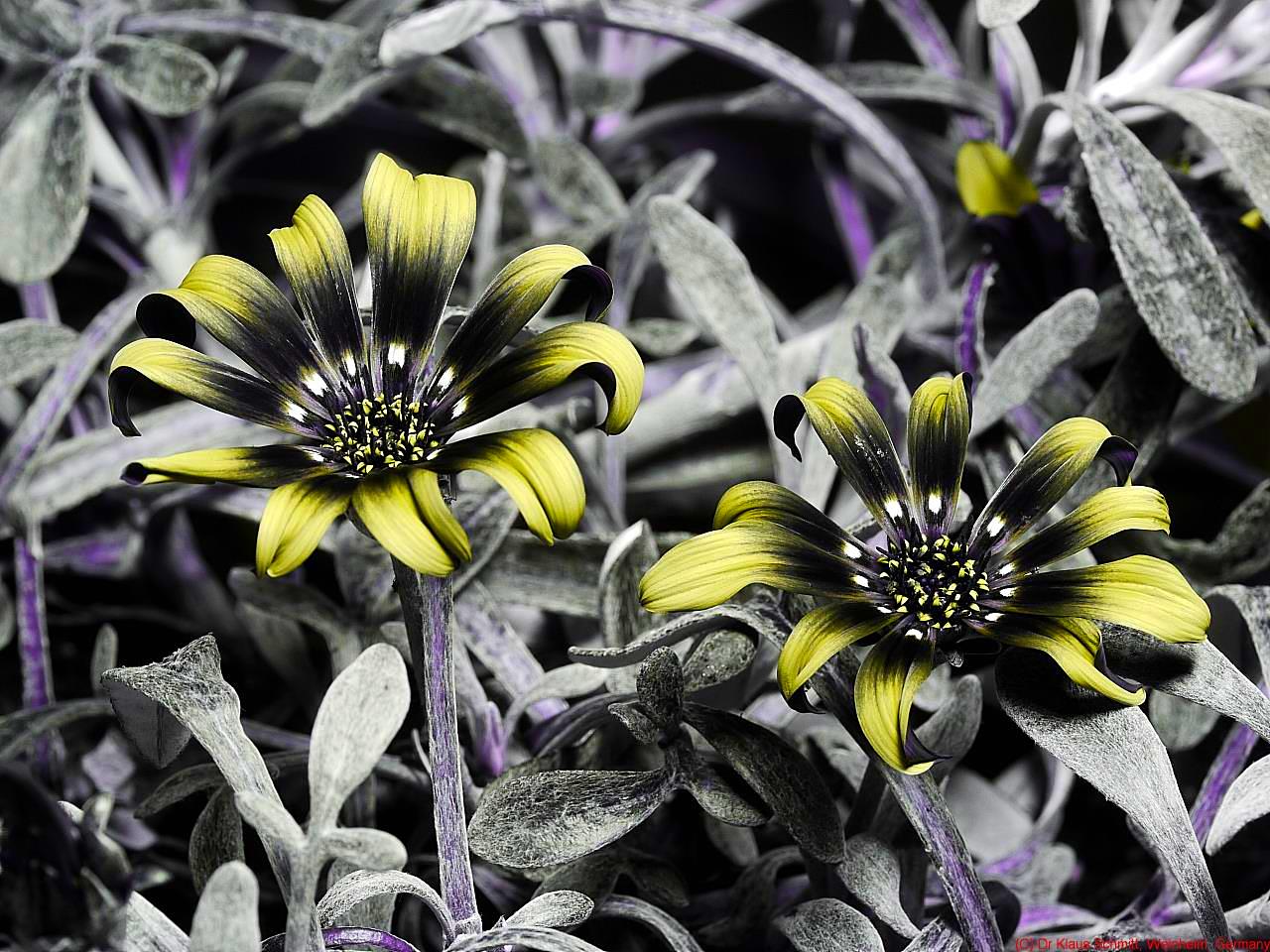
A walk today in the beautiful Hermanshof Park, Weinheim let me discover some flowering Zinnia angustifolia, that special mexican variety. So here comes Z. angustifolia in its multispectral representation. I took some shots at Hermannshof, Weinheim, Germany in normal human vision VIS, in UV using the Baader-U filter, as well as in simulated bee vision using my XBV2 and new XBV6 filters respectively.

[click on image to see a larger one]

Visual shot:


Simulated bee vison using XBV2 filter:


Simulated bee vison using XBV6 filter:


UV using Baader-U filter:


VIS-UV-BV quadriptych:


This Zinnia specimen exposes its well known deep into reaching UV tip pattern very nicely.

As you may have noticed, I'm still working on my bee vision (BV) filters; BV6 is one with very intensive colors and much shorter exposure time, due to new filter glass combinations.

More about these special new filters here later in a seperate entry.


Stay tuned, more will follow on that fascinating subject...

More info on this very interesting field may be found on my site http://www.pbase.com/kds315/uv_photos
Saturday, June 30, 2012

Rudbeckia missouriensis: human vision vs simulated bee vison; reflected UV ultraviolet photography

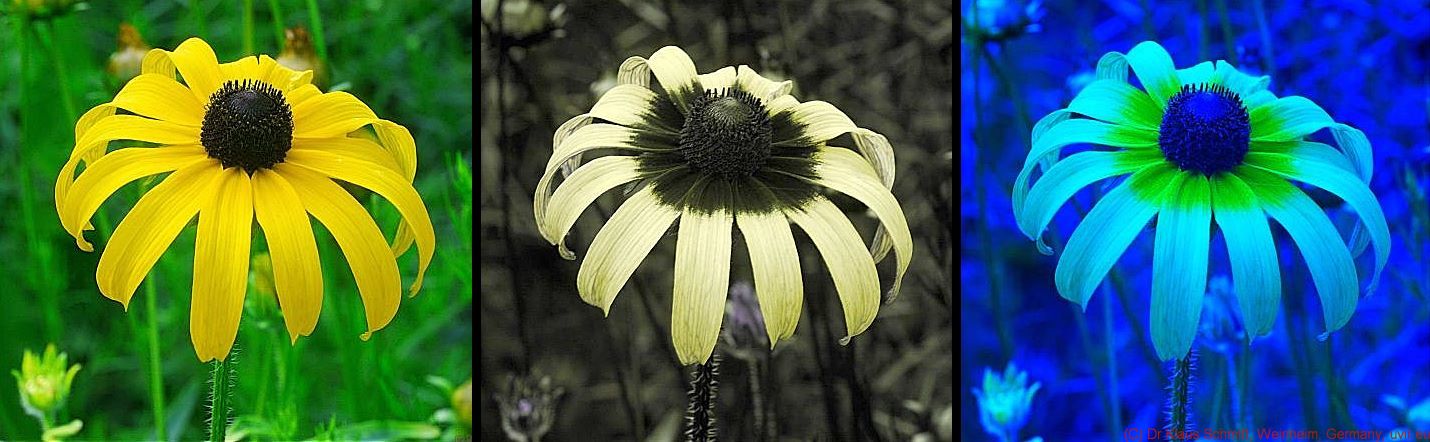
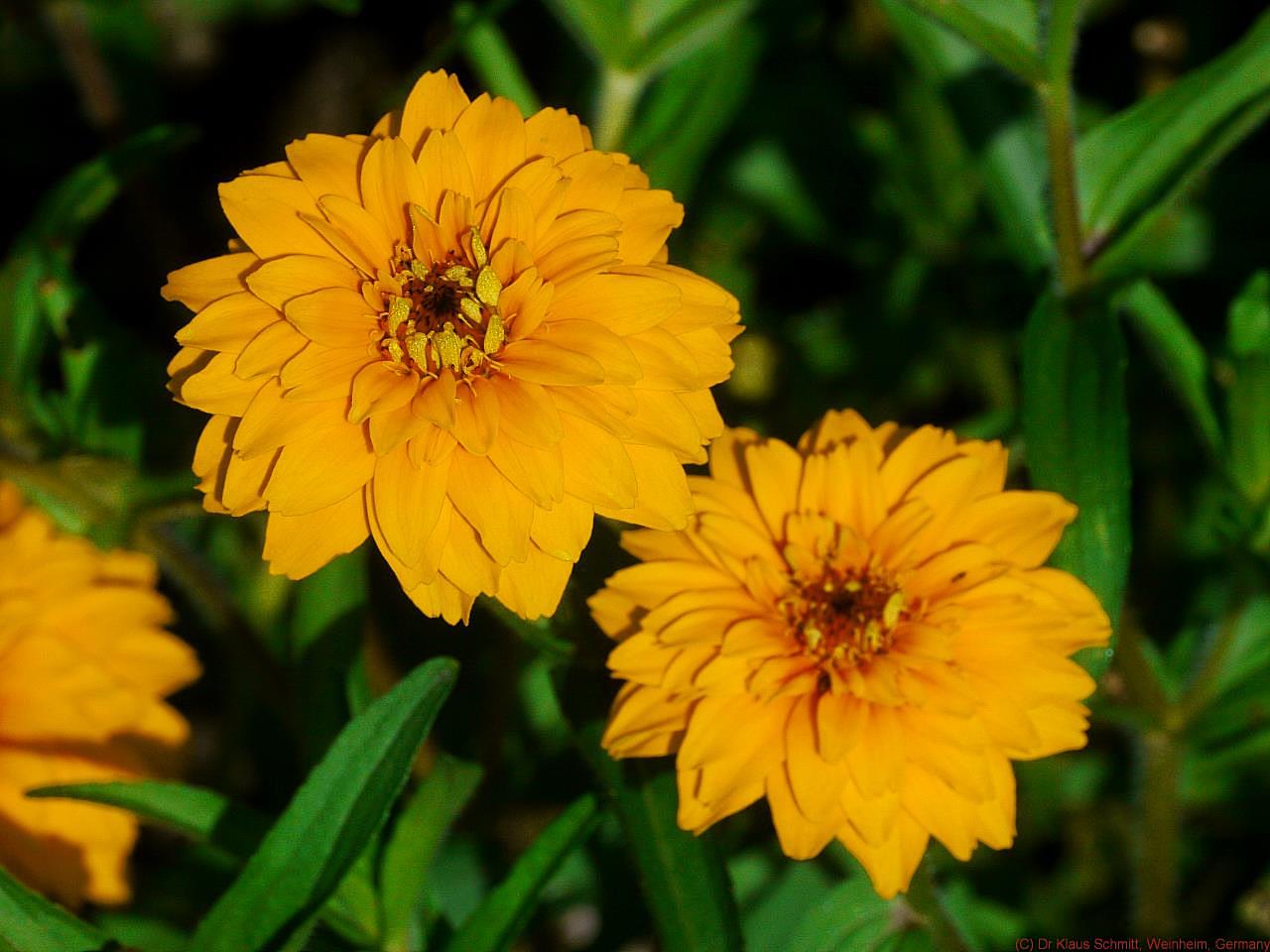
A walk today in the beautiful Hermanshof Park, Weinheim let me discover some flowering Rudbeckias. So here comes R. missouriensis in its multispectral representation. I took some shots in normal human vision VIS, in UV using the Baader-U filter, as well as in simulated bee vision using my new XBV6 filter respectively.

[click on image to see a larger one]

Visual shot:


UV using Baader-U filter:


Simulated bee vison using XBV6 filter:


VIS-UV-BV triptych:


This Rudbeckia shows its well known "UV bullseye pattern" very nicely.

As you may have noticed, I'm still working on my bee vision (BV) filters; BV6 is one with very intensive colors and much shorter exposure time, due to new filter glass combinations.

Studio shots of R. missouriensis and trichromatic vs tetrachromatic vision is HERE
 
Stay tuned, more will follow on that fascinating subject...

More info on this very interesting field may be found on my site http://www.pbase.com/kds315/uv_photos
Friday, June 29, 2012

Gazania splendens: human vision vs simulated bee vison; reflected UV ultraviolet photography

Today about a special yellow Gazania splendens flower I had shot a few times already, so since I was working on a new filter, here again it is in multispectral representation. I took some shots in normal human vision VIS, in UV using the Baader-U, Jupiter-U and Saturn-U filter, as well as in simulated bee vision using my XBV2, XBV3 and the new, stricter XBV5 and XBV6 filters respectively.

[click on image to see a larger one]

Visual shot:


Simulated bee vison using XBV3 filter:


Simulated bee vison using XBV2 filter:


Simulated bee vison using XBV5 filter:


Simulated bee vison using XBV6 filter:


UV using Baader-U filter:


UV using Jupiter-U filter:


UV using Saturn-U filter:


IR (basically) as it was shot using only a ND filter:


Also here it is uite interesting how this new filtering technique makes the very different reflectance of the petals visible.

As you may have noticed, I'm still working on my bee vision (BV) filters; BV5 is a very strict one that cuts all longer than short wave green, wheras BV6 now is one with very intensive colors and much shorter exposure time, due to new filter glass combinations.

More about these special new filters here later in a seperate entry.


Stay tuned, more will follow on that fascinating subject...

More info on this very interesting field may be found on my site http://www.pbase.com/kds315/uv_photos