Sunday, May 8, 2016

Treasury flower - Gazania rigens in reflected ultraviolet photography and simulated bee and butterfly vision XVI

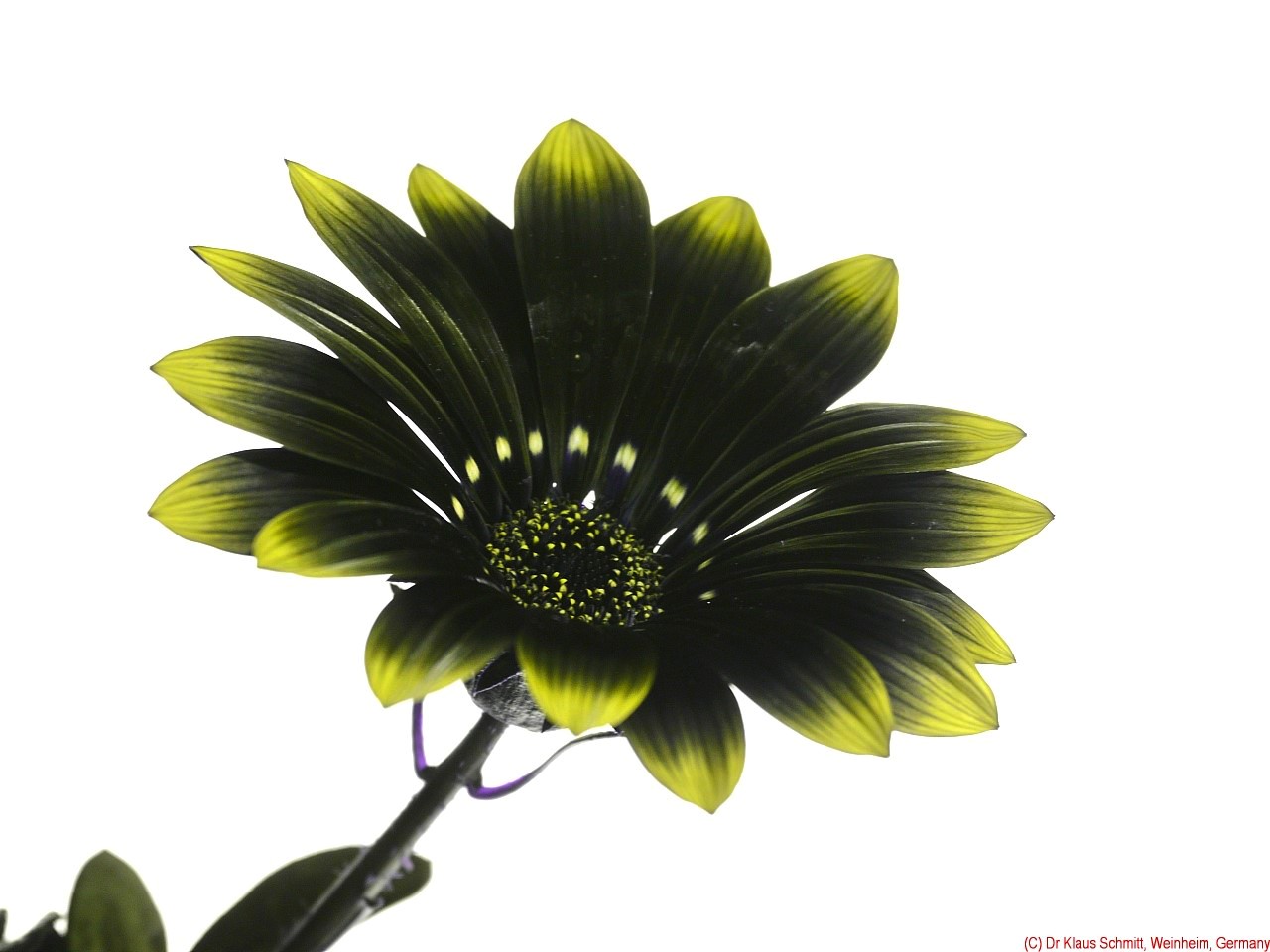
Today even more shots of a current, long blooming spring flower, an all orange variant of a Treasury flower - Gazania rigens in reflected ultraviolet photography and simulated bee and butterfly vision. All shots were done at f8 in reflected ultraviolet photography using my "work horse" UV filter, the Baader-U filter, as well as my XBV filters for simulated bee and butterfly vision. Lens was a UV-Nikkor 105mm quartz fluorite lens. Light source was sunlight, background was the flower's own foliage.

[click on image to see a larger one]

Human vision:
 

Reflected UV:
 

Simulated butterfly vision:
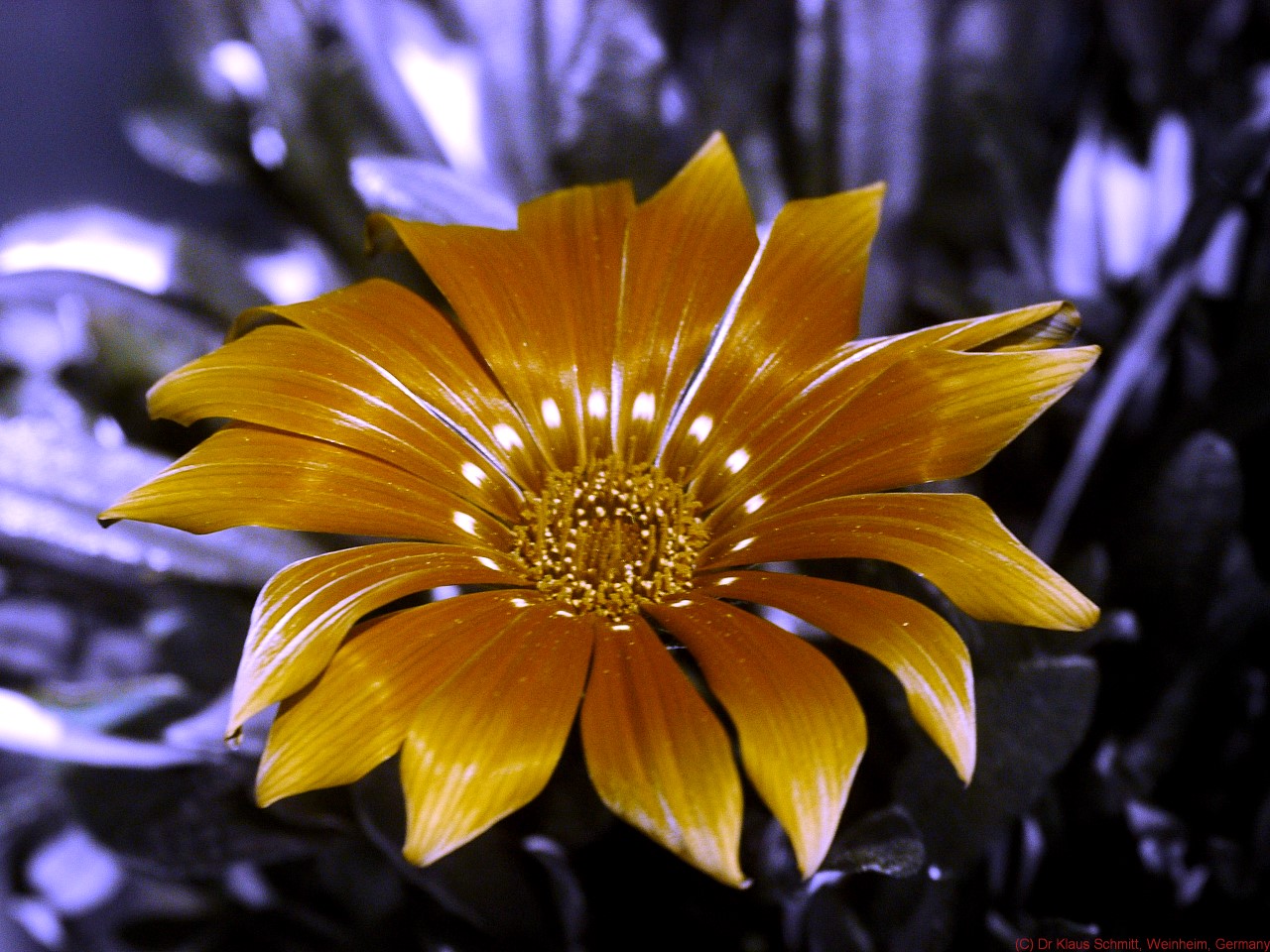
 

Simulated bee vision:
 

Quadriptych of human vision, UV, simulated butterfly and bee vision (left to right, top to bottom):
 

This Gazania's outer petals reflect strongly UV around 365nm, and there are also highly UV reflecting marks inside around a dark UV center, all invisible to us humans, but all this gets nicely visible, also in simulated bee and butterfly vision.

I have written about Gazania previously HERE
 
Stay tuned, more will follow on that fascinating subject...

More info on this very interesting field may be found on my site http://www.pbase.com/kds315/uv_photos

Wednesday, May 4, 2016

Treasury flower - Gazania rigens in reflected ultraviolet photography and simulated bee and butterfly vision XV

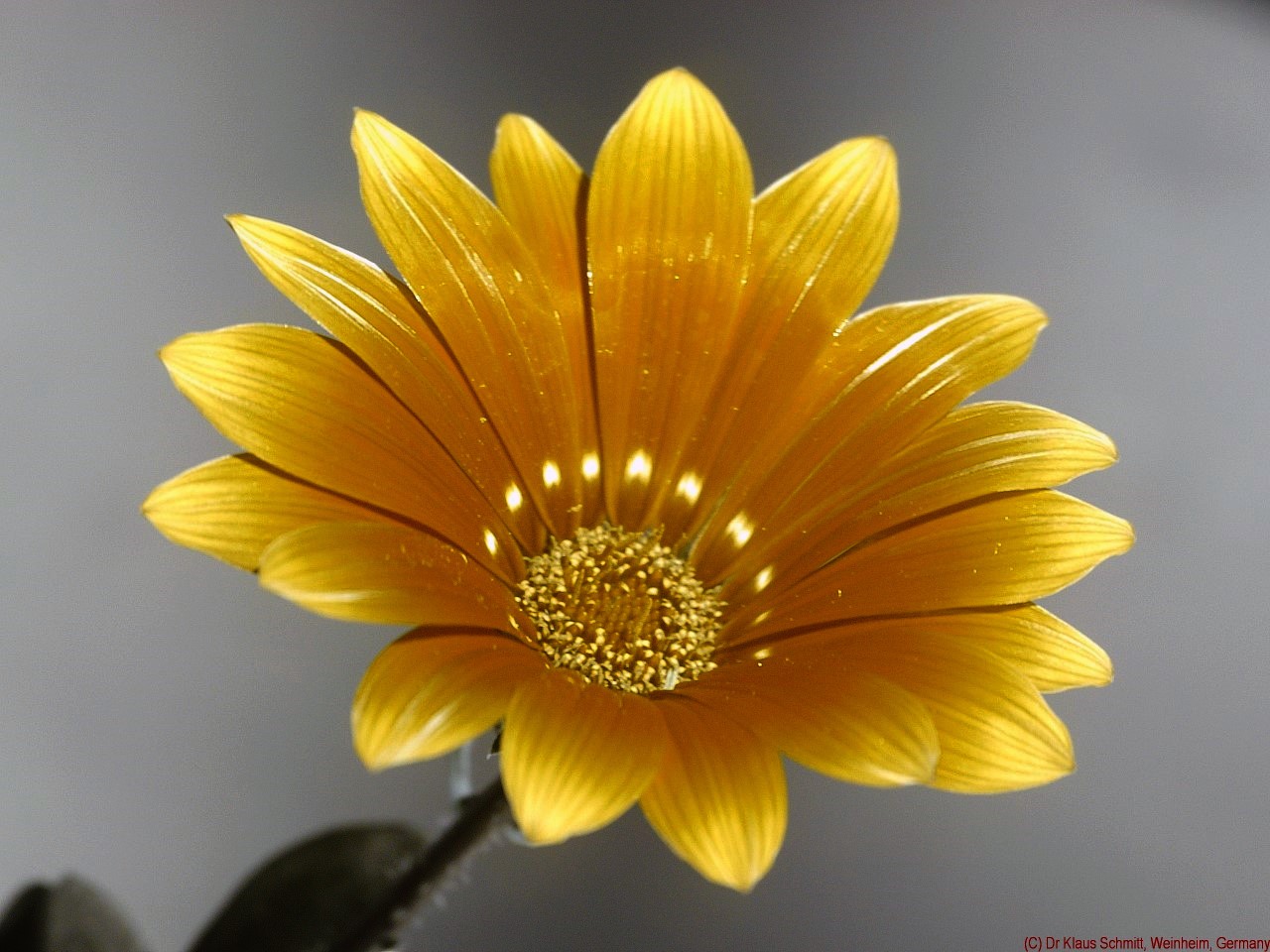
Today more shots of a current, long blooming spring flower, an all orange variant of a Treasury flower - Gazania rigens in reflected ultraviolet photography and simulated bee and butterfly vision. All shots were done at f8 in reflected ultraviolet photography using my "work horse" UV filter, the Baader-U filter, as well as my XBV filters for simulated bee and butterfly vision. Lens was a UV-Nikkor 105mm quartz fluorite lens. Light source was sunlight, but background was switched to a grey one.

[click on image to see a larger one]

Human vision:
 

Reflected UV:
 

Simulated butterfly vision:
 

Simulated bee vision:
 

Quadriptych of human vision, UV, simulated butterfly and bee vision (left to right, top to bottom):
 

This Gazania's outer petals reflect strongly UV around 365nm, and there are also highly UV reflecting marks inside around a dark UV center, all invisible to us humans, but all this gets nicely visible, also in simulated bee and butterfly vision.

I have written about Gazania previously HERE
 
Stay tuned, more will follow on that fascinating subject...

More info on this very interesting field may be found on my site http://www.pbase.com/kds315/uv_photos

Treasury flower - Gazania rigens in reflected ultraviolet photography and simulated bee and butterfly vision XIV

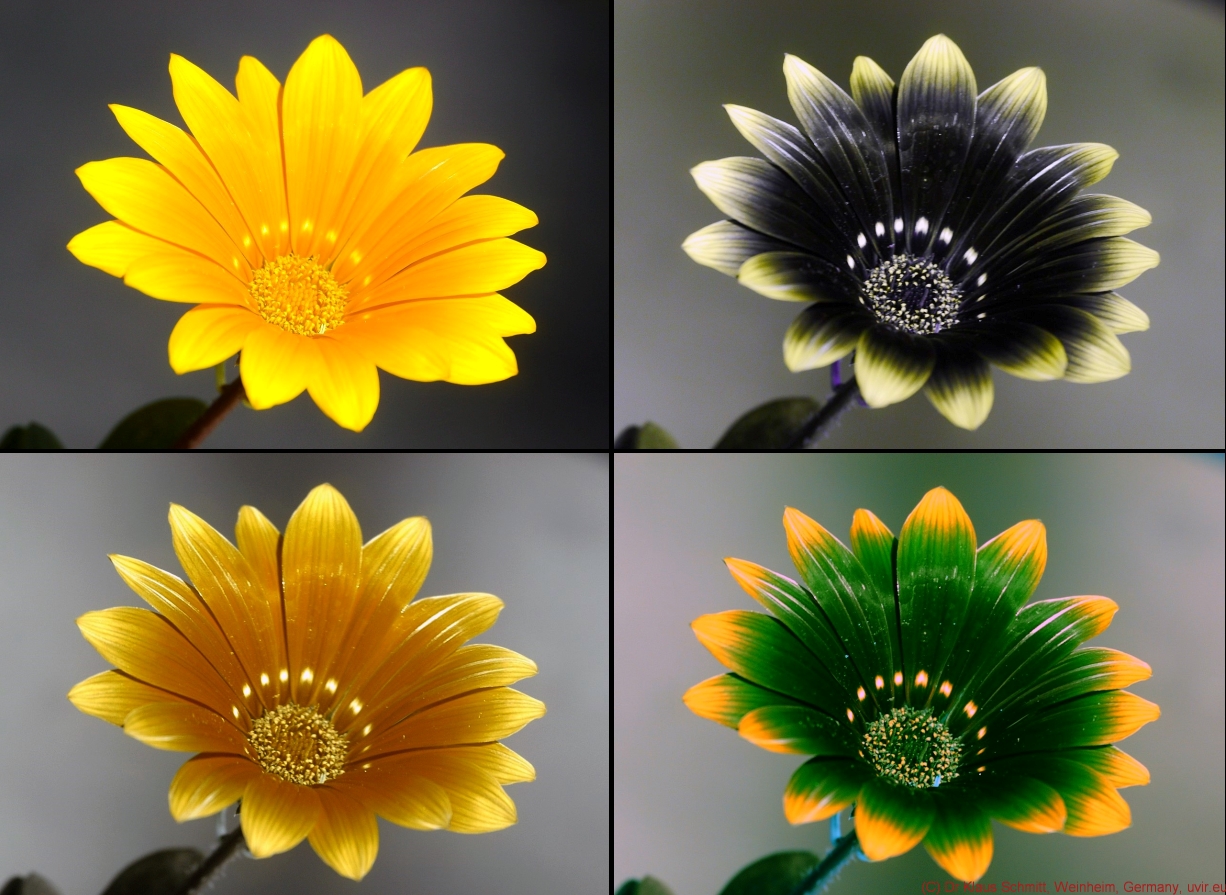
Today shots of a current, long blooming spring flower, an all orange variant of a Treasury flower - Gazania rigens in reflected ultraviolet photography and simulated bee and butterfly vision. All shots were done at f8 in reflected ultraviolet photography using my "work horse" UV filter, the Baader-U filter, as well as my XBV filters for simulated bee and butterfly vision. Lens was a UV-Nikkor 105mm quartz fluorite lens. Light source was sunlight and background was a bright one.

[click on image to see a larger one]

Human vision:
 

Reflected UV:
 

Simulated butterfly vision:
 

Simulated bee vision:
 

Quadriptych of human vision, UV, simulated butterfly and bee vision (left to right, top to bottom):
 

This Gazania's outer petals reflect strongly UV around 365nm, and there are also highly UV reflecting marks inside around a dark UV center, all invisible to us humans, but all this gets nicely visible, also in simulated bee and butterfly vision.

I have written about Gazania previously HERE
 
Stay tuned, more will follow on that fascinating subject...

More info on this very interesting field may be found on my site http://www.pbase.com/kds315/uv_photos

Friday, April 22, 2016

Dwarf Tulip - Tulipa pulchella violacea in reflected ultraviolet photography, simulated bee and butterfly vision II

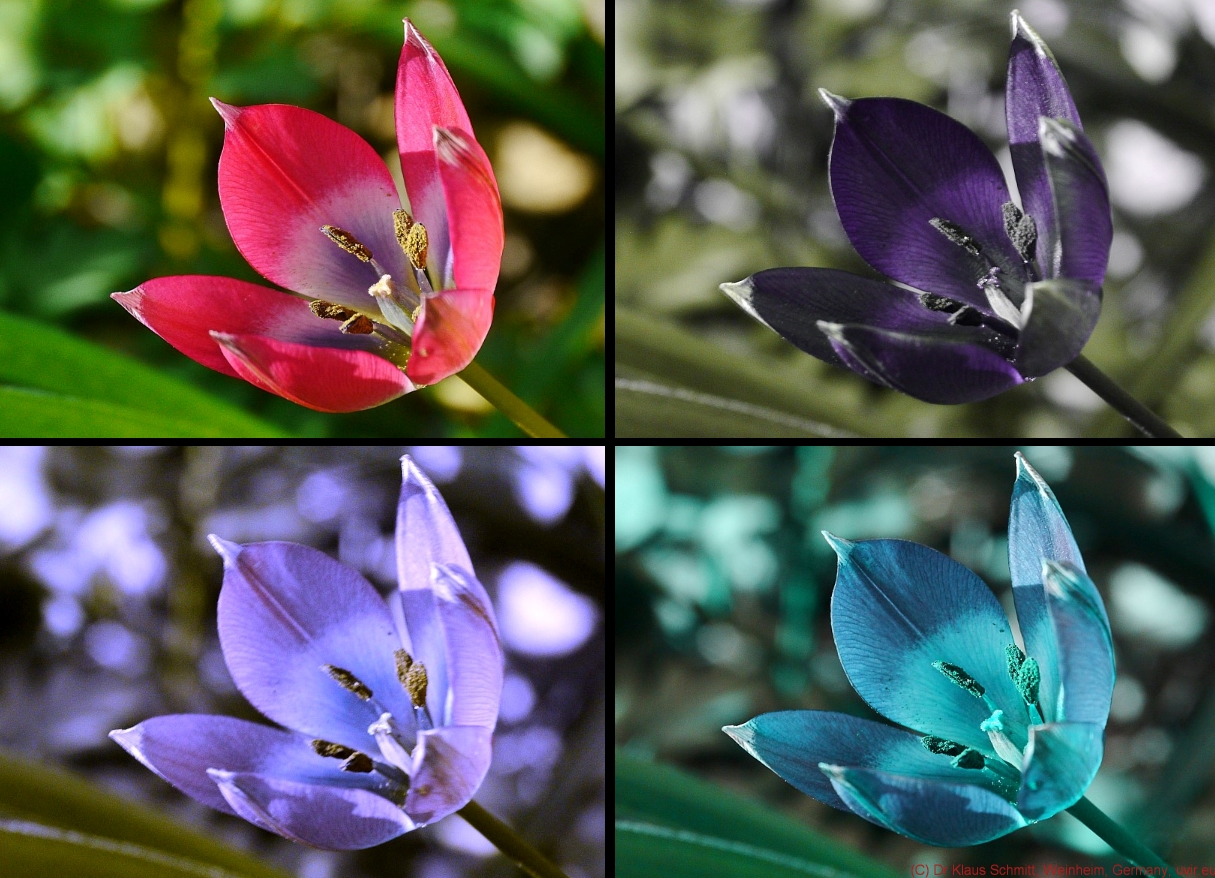
Today also about an early spring flower, I have written about before HERE, a Dwarf Tulip (Tulipa pulchella violacea) in reflected ultraviolet photography using my "work horse" UV filter, the Baader-U filter as well as my XBV filters for simulating butterfly and bee vision. Lens was a UV-Nikkor 105mm quartz fluorite lens. Light source was sunlight. All shots were done at f8.

[click on image to see a larger one]

Quadriptych human vision, UV, sim. butterfly vision, sim. bee vision (left to right, top to bottom):


This dwarf tulip has a quite visible UV pattern, its center is UV bright, surrounded by long wave UV reflecting tips and all this gets quite nicely visible.

Stay tuned, more will follow on that fascinating subject...

More info on this very interesting field may be found on my site http://www.pbase.com/kds315/uv_photos
Rock tulip - Tulipa saxatilis in reflected ultraviolet photography, simulated bee and butterfly vision III

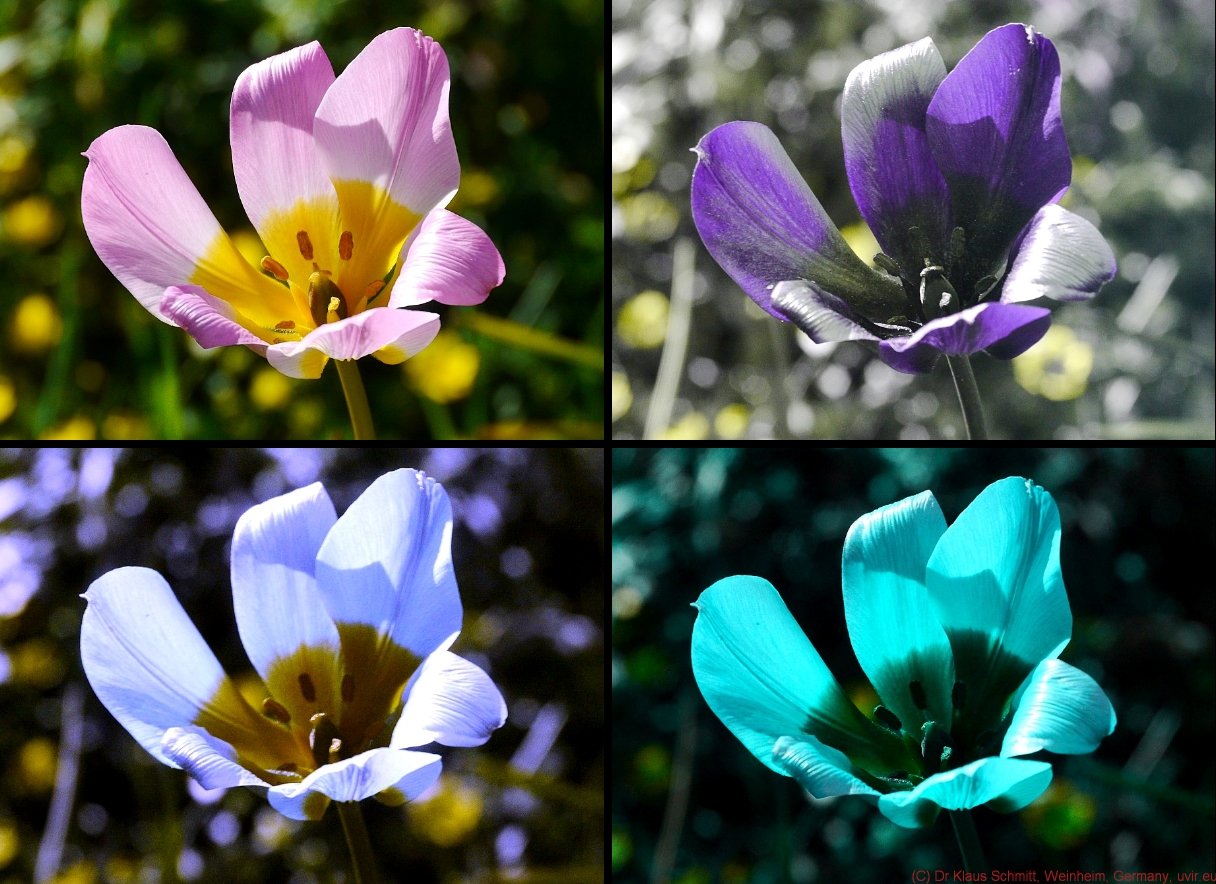
Today some shots of an early spring flower I have written about before, a Rock tulip - (Tulipa saxatilis "Lilac Wonder") (often wrongly labeled T. bakeri) in reflected ultraviolet photography using my "work horse" UV filter, the Baader-U filter as well as my XBV filters for simulating butterfly and bee vision. Lens was a UV-Nikkor 105mm quartz fluorite lens. Light source was sunlight. All shots were done at about f8.

[click on image to see a larger one]

Quadriptych human vision, UV, sim. butterfly vision, sim. bee vision (left to right, top to bottom):
 

This rock tulip has a not so strongly visible UV pattern, its petals are UV bright, and this gets quite nicely visible in these close-ups.

Stay tuned, more will follow on that fascinating subject...

More info on this very interesting field may be found on my site http://www.pbase.com/kds315/uv_photos

Marsh marigold - Caltha palustris flower in reflected UV ultraviolet photography and simulated bee and butterfly vision IV

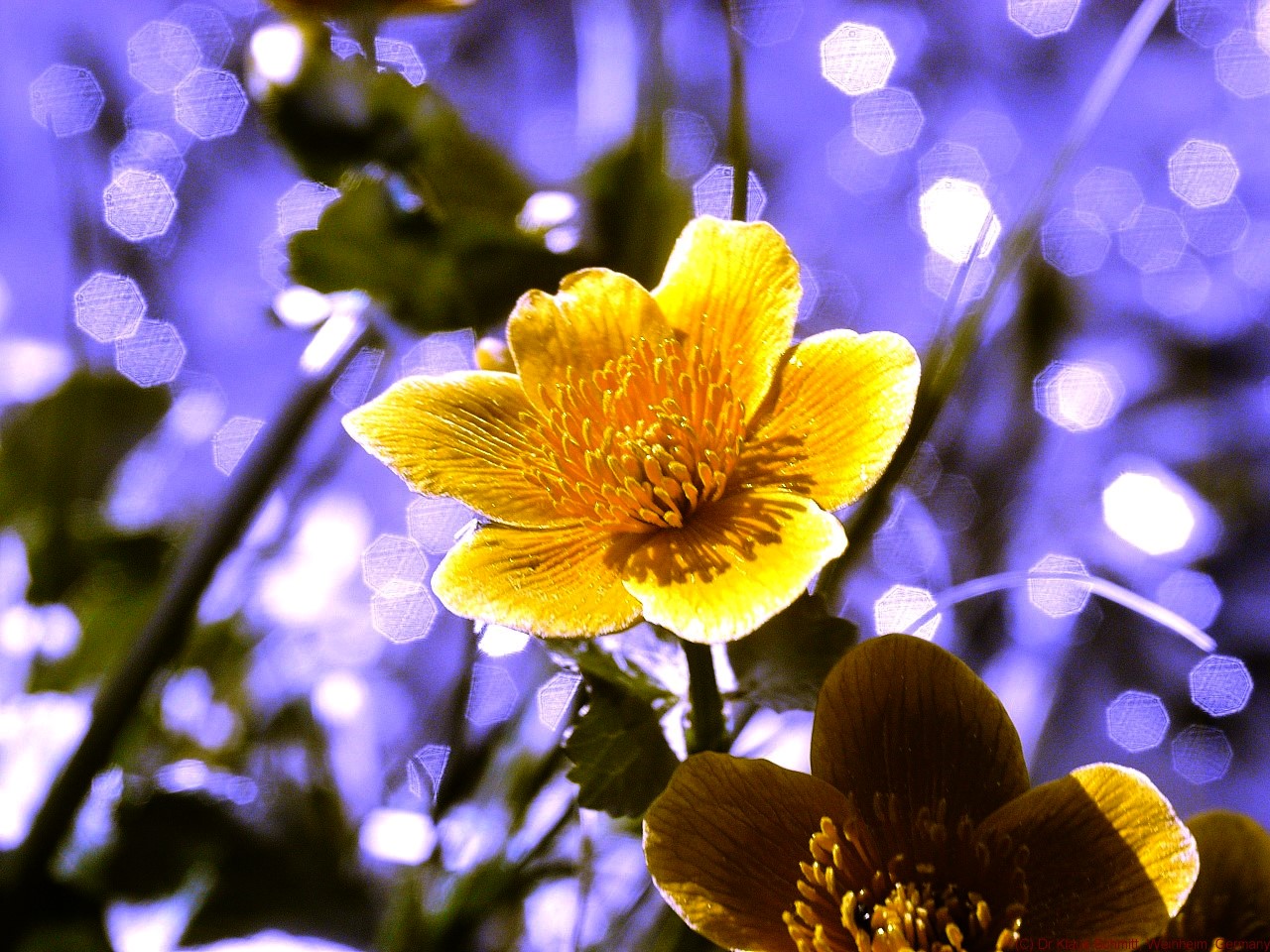
Today shots of a spring flower I have written about before, Marsh marigold (Caltha palustris) in reflected ultraviolet photography using my "work horse" UV filter, the Baader-U filter as well as my XBV filters for simulating bee and butterfly vision. Lens was a UV-Nikkor 105mm quartz fluorite lens. Light source was sunlight. All shots were done at f8.

[click on image to see a larger one]


Visible light image:
 

UV image using Baader-U filter:
 

Simulated butterfly vision (UV - VIS) using XBV3 filter:
 

Simulated bee vision (UV - VIS) using XBV6 filter:
 

Quadriptych human vision, UV, sim. butterfly vision, sim. bee vision (left to right, top to bottom):
 

This Caltha flower has quite a prominent UV pattern, its center is UV dark, as well as some UV dark veins on its petals. The bee vision image additionally reveals some lit up anthers and all this gets quite nicely visible.


Stay tuned, more will follow on that fascinating subject...

More info on this very interesting field may be found on my site http://www.pbase.com/kds315/uv_photos
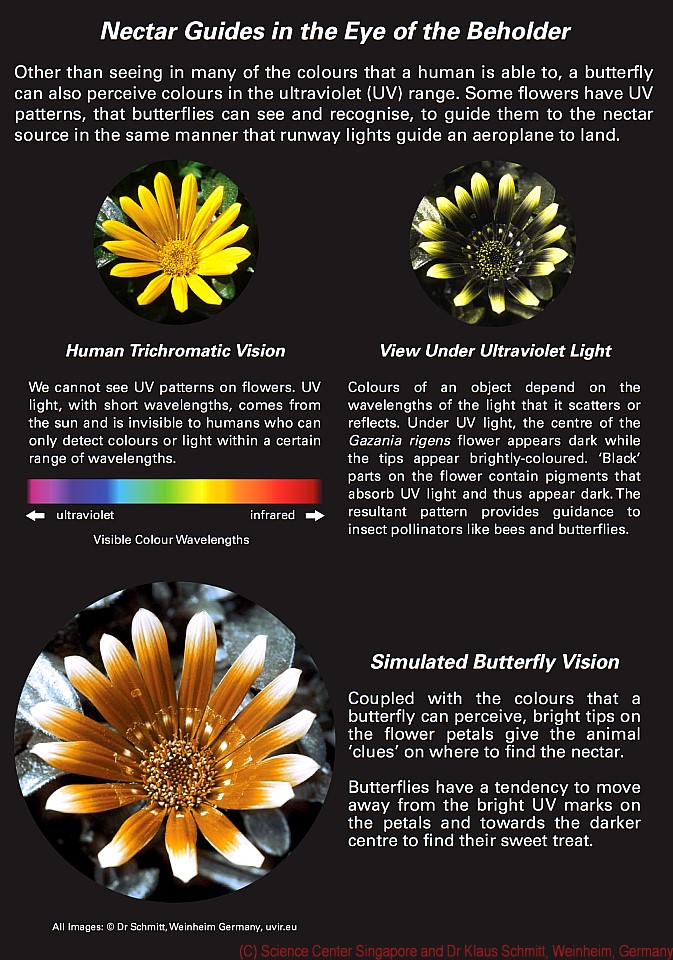
Science Center Singapore 2016 exhibit about butterfly vision II

The Science Center Singapore  will open an exhibit in 2016 which will include a showcase about butterfly vision. Some of my Treasury flower - Gazania rigens images will be used for this purpose, as these clearly demonstrate the difference between human and insect vision.

[click on image to see a larger one]

Gazania on Display:
 
(c) Science Center Singapore

They have chosen my work, as it "shows a great and interesting contrast between how we usually see this flower, and how the same flower might be perceived by a butterfly, particularly the colours and directional markers"

I have written about this flower and how this was photographed HERE
 
Stay tuned, more will follow on that fascinating subject...

More info on this very interesting field may be found on my site http://www.pbase.com/kds315/uv_photos