Sunday, March 29, 2020

Reflected UV photography in polarized light II

Today more about those UV polarizers experiments I have done, using special UV polarizers in front of my multispectral camera and UV-Nikkor 105mm lens, for recording reflected UV images. This now uses a UV transmitting filter for circular polarized light. UV filter used was my classic Baader-U filter; sun was used as light source.

[click on image gets you a larger image]

Here now more photographic results I got (took multiple images while rotating the filter), presented as animated gifs....

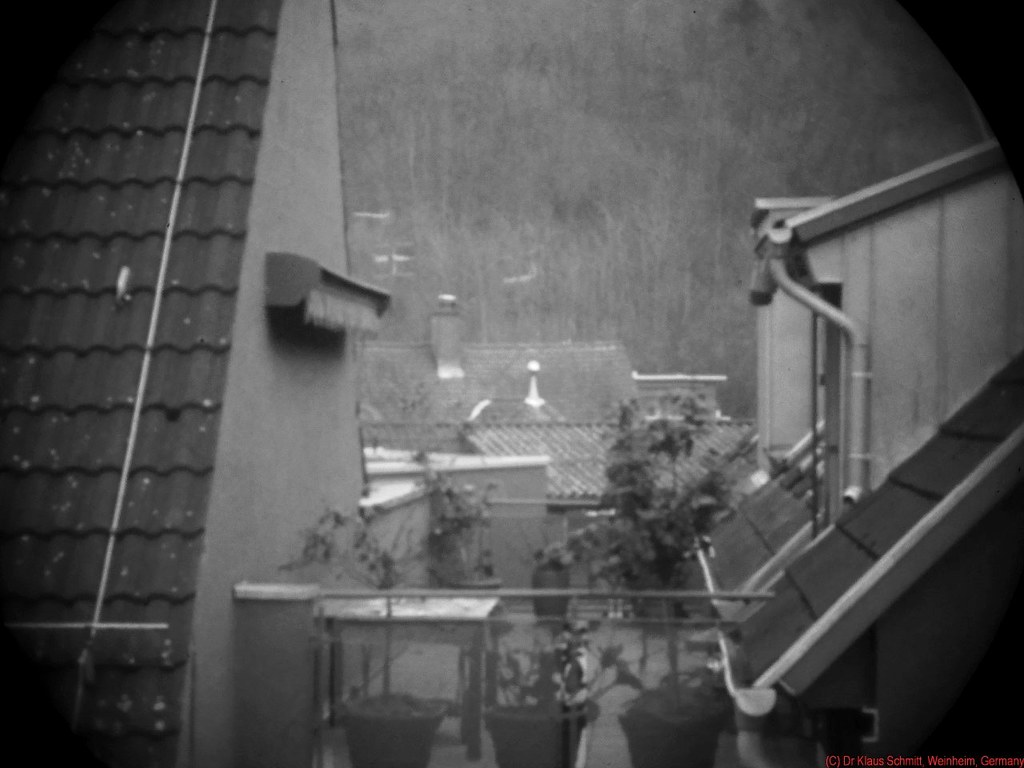
Roofs of some neighbouring houses showing strong polarizing effect of glass windows and metal:


Butterfly orchid - Phalaenopsis showing only mild polarizing effects:


Succulent plant - Lewisia showing strong polarizing effects:


Reflected UV photography in polarized light shows quite some usefulness, especially if there are (glossy) surfaces which change the polarization angle of light and which the polarizer filter makes visible. Downside is that one needs about 2 stops more exposure, due to the low approx. 25% transmission.

I have now solved the change of focus issue which I previously had.

Some insects are able to see the polarization angle (and btw. we humans can also, but needs some traing: Haidinger's Brush) especially honeybees which navigate using the polarization angle of ultraviolet (UV) light.

I will continue to make more tests later using the other polarizers and also the special waveplates, which allow for circular polarized light.


Stay tuned, more will follow on that fascinating subject...

More info on this very interesting field may be found on my site http://www.pbase.com/kds315/uv_photos

Wednesday, March 18, 2020

Reflected UV photography in polarized light I

Today about an experiment I have done, using a special UV polarizer made by Zeiss in front of my multispectral camera and UV-Nikkor 105mm lens for recording reflected UV images. This UV-Polarizer was especially made to work down to 300nm with some rather flat transmission and a 99-100% polarizing effectiveness in the 300-700nm range. It was part of a laboratory set of several UV-VIS-IR polarizers and wave plates I luckily acquired recently from a retired head of development. UV filter used was my classic Baader-U filter; sun was used as light source.

[click on image gets you a larger image]

Here the  transmission (linear scale) and absorbance (log scale) spectra of these polarizers:


Here now some of the photographic results I got (took multiple images while rotating the filter), presented as animated gifs....

Roofs of some neighbouring houses:


Flowering succulent plant (Cliff maids - Lewisia cotyledon):


Butterfly orchid - Phalaenopsis:


Reflected UV photography in polarized light shows quite some usefulness, especially if there are (glossy) surfaces which change the polarization angle of light and which the polarizer filter makes visible. Downside is that one needs about 2 stops more exposure, due to the low approx. 25% transmission.

Some may have noticed the change of focus, which might be caused by some unevenness of that special polarizing filter foil; it will be investigated later.

Some insects are able to see the polarization angle (and btw. we humans can also, but needs some traing: Haidinger's Brush) especially honeybees which navigate using the polarization angle of ultraviolet (UV) light.

I will make further tests later using the other polarizers and also the special waveplates, which allow for circular polarized light.


Stay tuned, more will follow on that fascinating subject...

More info on this very interesting field may be found on my site http://www.pbase.com/kds315/uv_photos

Monday, December 9, 2019

Reflected UV photography using a MCP Amplified Camera System

Today about an experiment I have done, using a light amplification device in front of a normal visible light camera for recording reflected UV images. This device uses a MCP (multi channel plate) with UV sensitive photocathode (approx. 190nm - 650nm), amplifies the light by approx. 20-50.000 and shows that image then on a green phosphor screen. Using a suitable optical system, I relayed this image to my normal, visible light camera. UV filter used was a fully IR blocked (OD6) UV transmission filter (peak 350nm).

[click on image gets you a larger image]

Some of the UV images which I recorded just for a few tests...

Using a 50mm quartz fluorite lens:


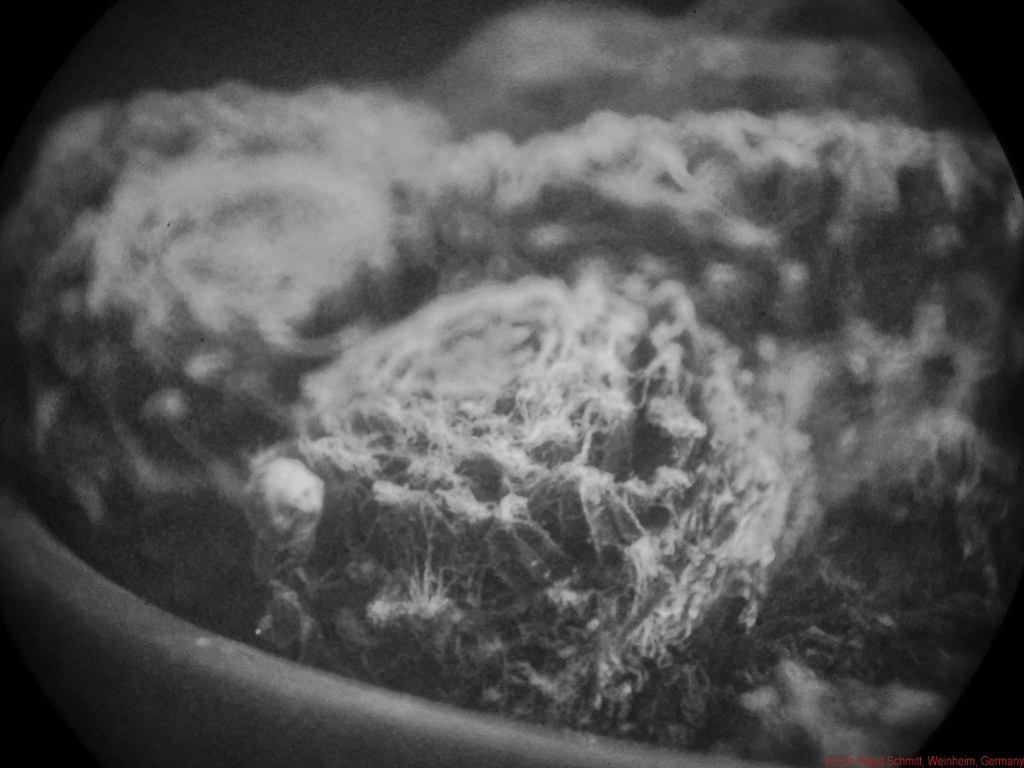
Using a 300mm catadioptric lens:


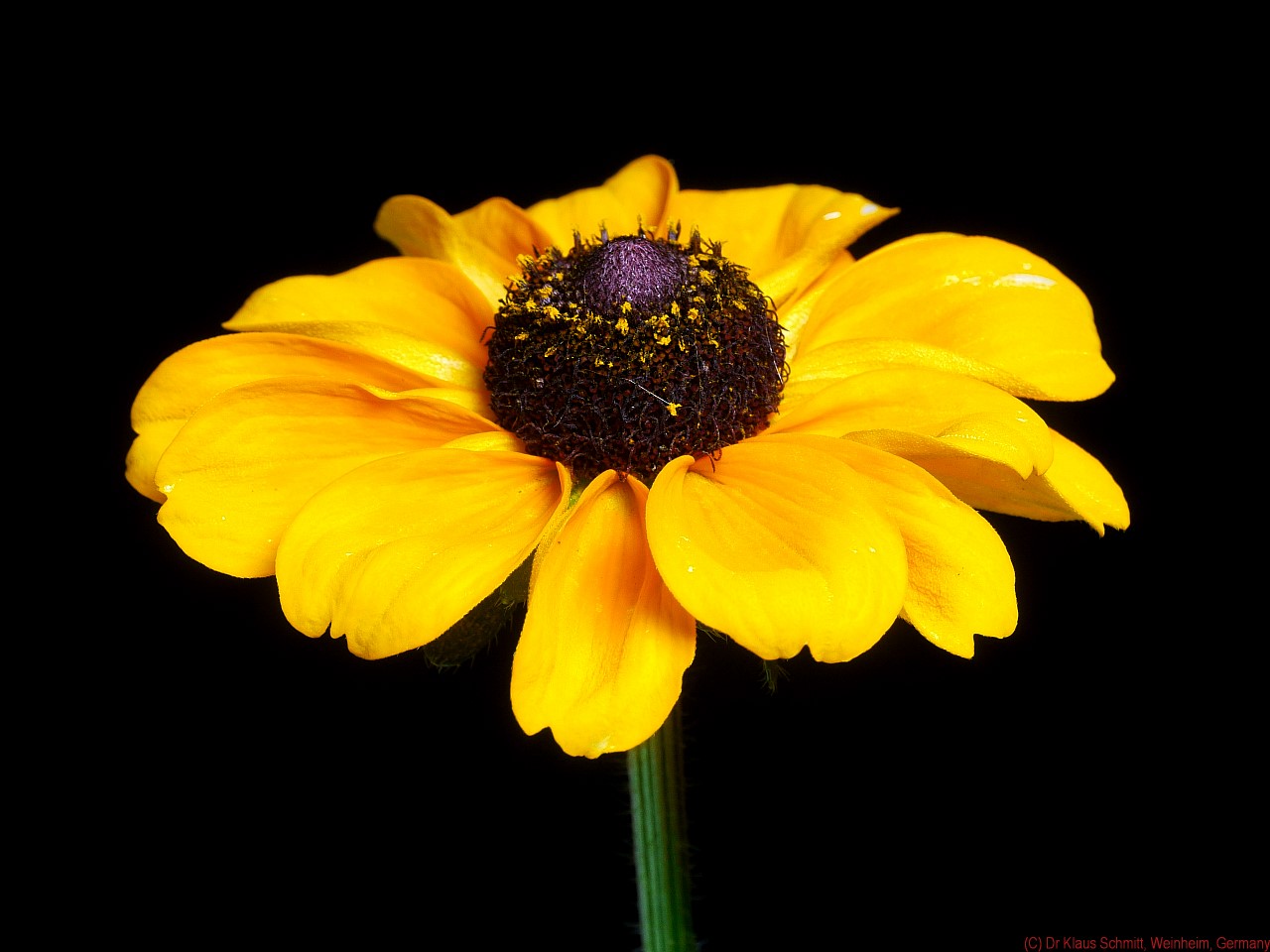
Rudbeckia close-up showing its prominent UV pattern:


Sedum close-up:


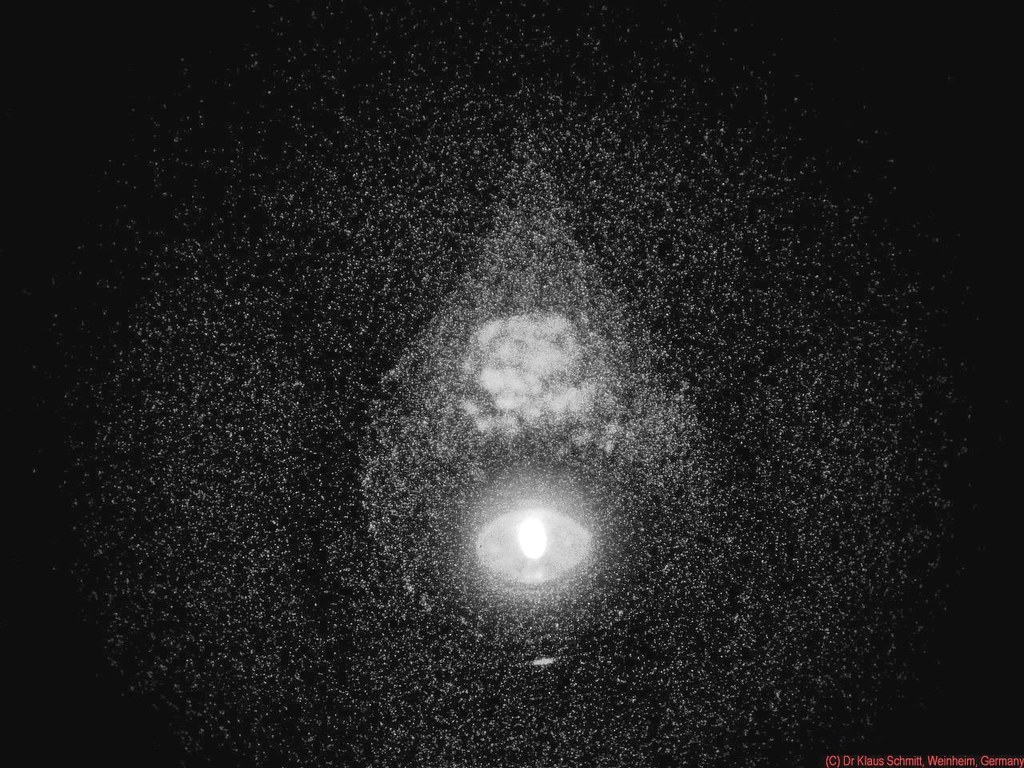
Tea candle inside showing how sensitive this system is:


It took a bit of experimenting to get this right, but now I have a range of useful lenses for this, working from far away up to close-up.

This system shows quite some usefulness, especially under low light conditions, or when it is about recording deeper in UV where a normal full spectrum camera is not sensitive anymore.

I have done similar with a different amplified camera system before which did not allow to have an external camera attached, with just a TV output HERE

Stay tuned, more will follow on that fascinating subject...

More info on this very interesting field may be found on my site http://www.pbase.com/kds315/uv_photos

Thursday, October 31, 2019

Exhibit Of Plants And Humans Deutsches Hygiene-Museum Dresden

Today about an exhibit at the Deutsches Hygiene Museum Dresden "Von Pflanzen und Menschen" ("of plants and humans") which runs until 19th April 2020.

It is about the long interaction between humans and plants in all its complexity and a very well made exhibit worth visiting.

[click on image gets you a larger image]

Some of my images have been used in this exhibit, especially these Rudbeckia hirta ones....

Human vision:
 

Simulated butterfly vision:
 

Simulated bee vision:
 

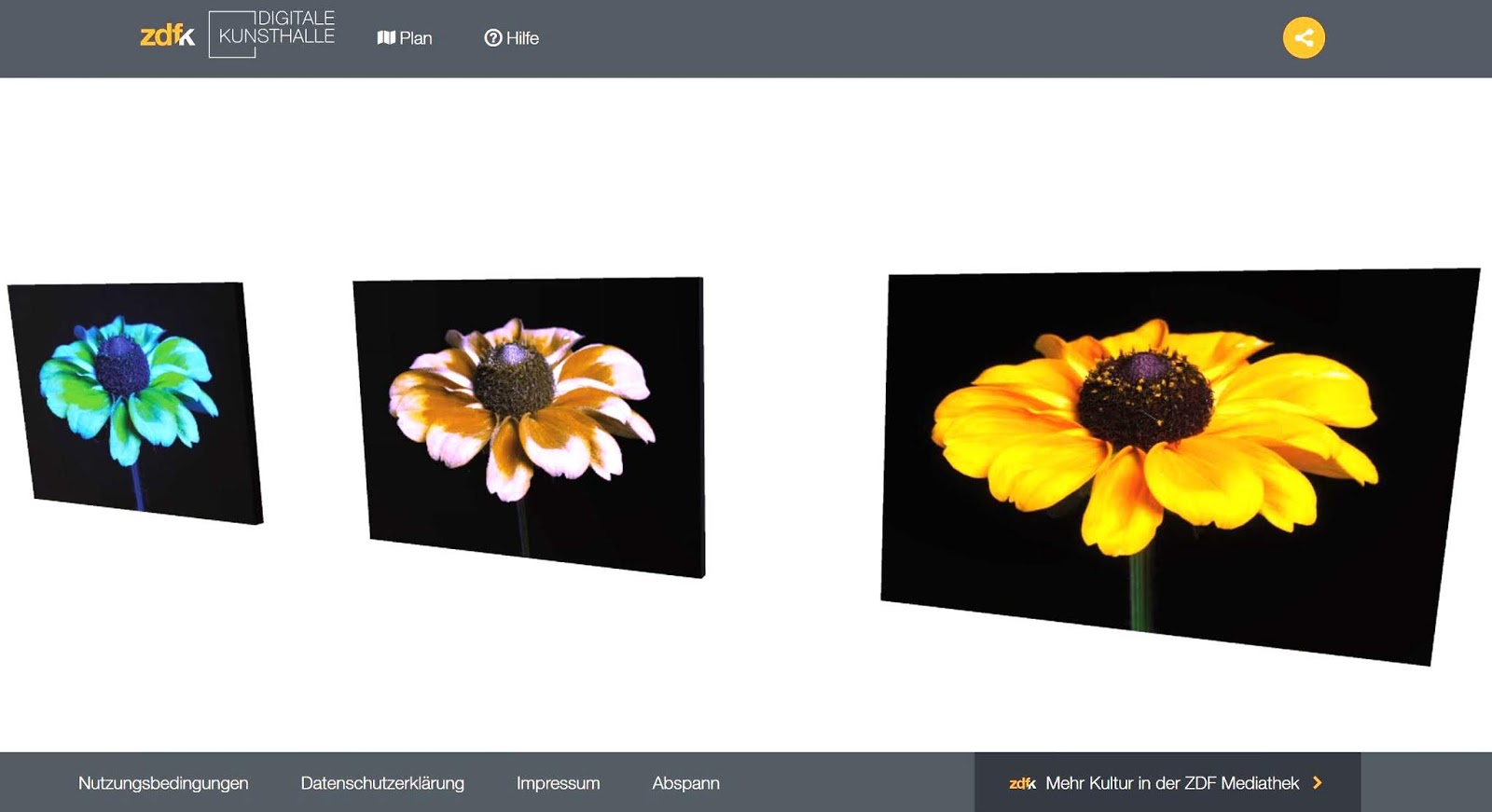
But not only visitors are able to see that exhibit, parts of it are available as a Virtual Reality (VR) exhibit, hosted at the online ZDF Kunsthalle platform HERE

And a few screenshots from that....


A wonderful exhibit worth visiting in person or online per VR!

Stay tuned, more will follow on that fascinating subject...

More info on this very interesting field may be found on my site http://www.pbase.com/kds315/uv_photos

Saturday, October 12, 2019

On Chinese ZWB1, ZWB2, ZWB3 filter problems for reflected UV photography

Today about Chinese UV (ZWB1, ZWB2, ZWB3) filters intended for reflected UV photography. Those seem to be attractive, since the offered prices for instance on the portals ebay or Alibaba are far below the prices of such filters made from original SCHOTT or HOYA filter glass, both world renowed glass makers. I bought several ZWB1, ZWB2, ZWB3 filters for testing and two of them showed some effects worth knowing of, which I have never seen with Schott or Hoya filter glass.

[click on image gets you a larger image]

Here some examples shot in reflected ultraviolet (UV) light. UV filter used on my multispectral camera for reflected UV photography was a stack of Schott UG11 + S8612 ionic glass filters. A 365nm UV LED light was the light source. Background was a white 100x100mm Spectralon (R) calibration target.

These both were ZWB2 filter glass which its equivalent is SCHOTT UG1.

82mm ZWB2 filter in reflected UV (365nm)
52mm ZWB2 filter in reflected UV (365nm)

It gets quite visible that some very prominent striae, as defined in the International ISO 10110 Part 4 standard are prominent in these two samples. This in my opinion based on lack of suitable or careful enough Quality Control (QC) of the Chinese glass manufacturer (this maker here unknown) and may possibly occur in all those black glass filters, as it needs special equipment to do QC-checking using transmitted and reflected UV light.

Let me be very clear: I'm not stating that these issues will always be there or how likely these issues will be, as I have no data on this. Just be careful and test out your filters! For my part I will stay with SCHOTT or HOYA filter glass, as I never had any issues like that...

PS: Now in 2026 knowing that company SCHOTT has given up producing those filter glasses for ultraviolet photography (UGxx and BGxx) there are only quite limited stock available at some dealers, there seem sto be no choice left than using those chinese ZWBxx filter glasses I guess... 


Stay tuned, more will follow on that fascinating subject...

More info on this very interesting field may be found on my site http://www.pbase.com/kds315/uv_photos

Tuesday, September 24, 2019

Shooting different wavebands using the same taking lens simultaneously

Today about a special contraption I have made, which allows to take images in different wavelengths, using the same lens simultaneously, and which even allows to compensate for focus shift within these wavebands.

[click on image gets you a larger image]

Here examples in visual light and reflected ultraviolet (UV) light, shot through the same taking lens. UV filter used was a stack of Schott UG + BG ionic glass filters. Sunlight was the light source as well as some help from a 365nm UV LED light.


I'm quite happy how well both the VIS an UV images are fitting in size:


I plan on revealing more about that solution later here...

Stay tuned, more will follow on that fascinating subject...

More info on this very interesting field may be found on my site http://www.pbase.com/kds315/uv_photos

Wednesday, September 18, 2019

The Bausch & Lomb f4.5 / 9" (229mm) lens for reflected UV II

Quite a few years ago I got an older lens, which was made many years ago by famous lens maker Bausch & Lomb, Rochester NY. It is a golden color coated, heavy and well made f4.5 / 9" (229mm) Phosphor lens which attracted me, since it was made to record images displayed by a P-16 phosphor screen. Nothing special actually, but since P-16 phosphor emits at about max. 380nm, that attracted me most for my UV work.


A while ago I tested it against the Coastal Optics Micro Apo 105mm and the Nikon UV Nikkor 105mm and it perfomed very well.

[click on image gets you a larger image]

The spectrometric results in comparison to the Kuribayashi 3.5/35mm lens, one of the best performing "normal" lenses for UV reveals that is very useful for reflected UV:


The B&L lens has a very high UV performance, at 365nm it transmits 74%, whereas the Kuribayashi has 80%, so very close to it. A very useful long focal length lens for reflected UV with quite high UV transmission and reaching rather deep into the UV range for a non quartz fluorite lens.

So and here a few shots I took the other day with it, first the roof of the neighbour house about 20 meters away:


Then a Rudbeckia hirta flower on my balcony from about 4 meters away:

It is indeed a rather sharp lens for reflected UV, which allows a nice working distance, if so needed. A good addition to the rare tools for reflected photography!

I have written HERE more about it.

Stay tuned, more will follow on that fascinating subject...

More info on this very interesting field may be found on my site http://www.pbase.com/kds315/uv_photos