Wednesday, September 23, 2009

Even more on Relay Lens Systems...

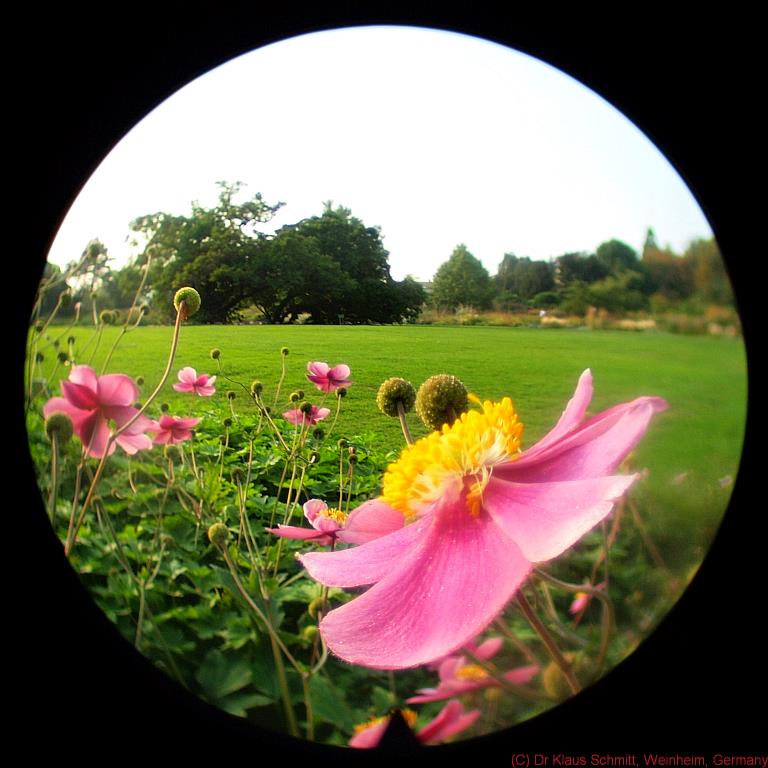
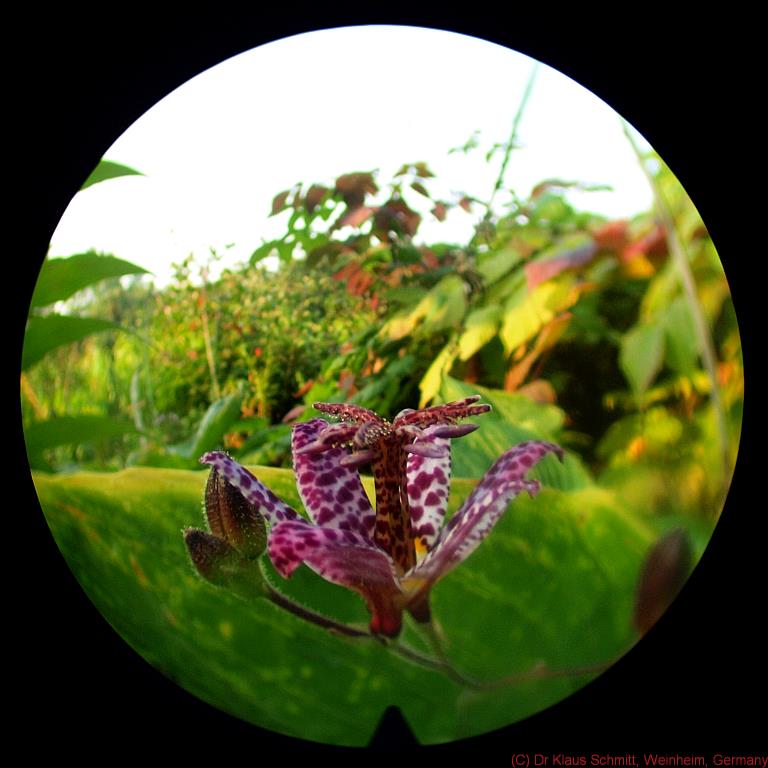
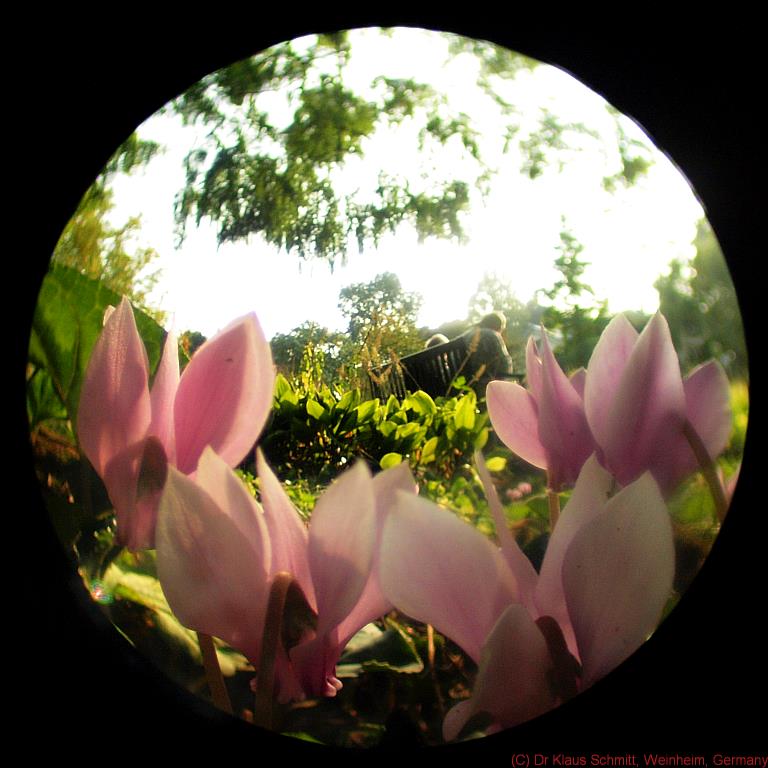
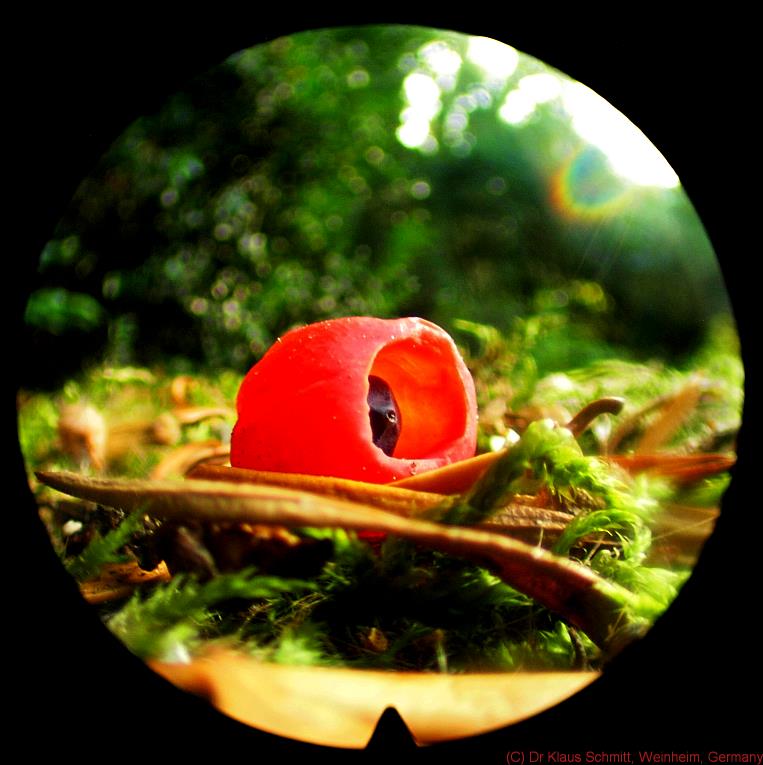
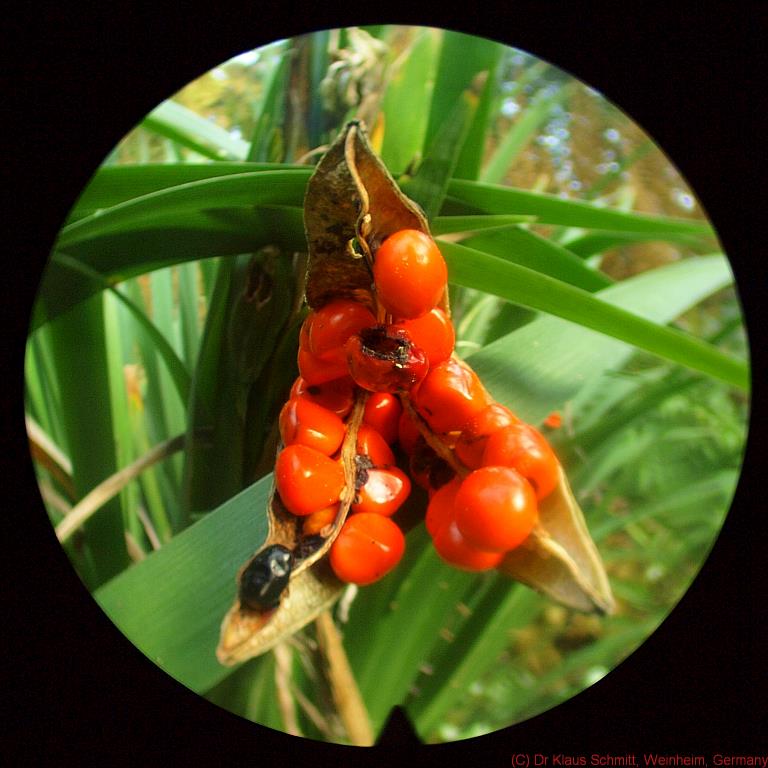
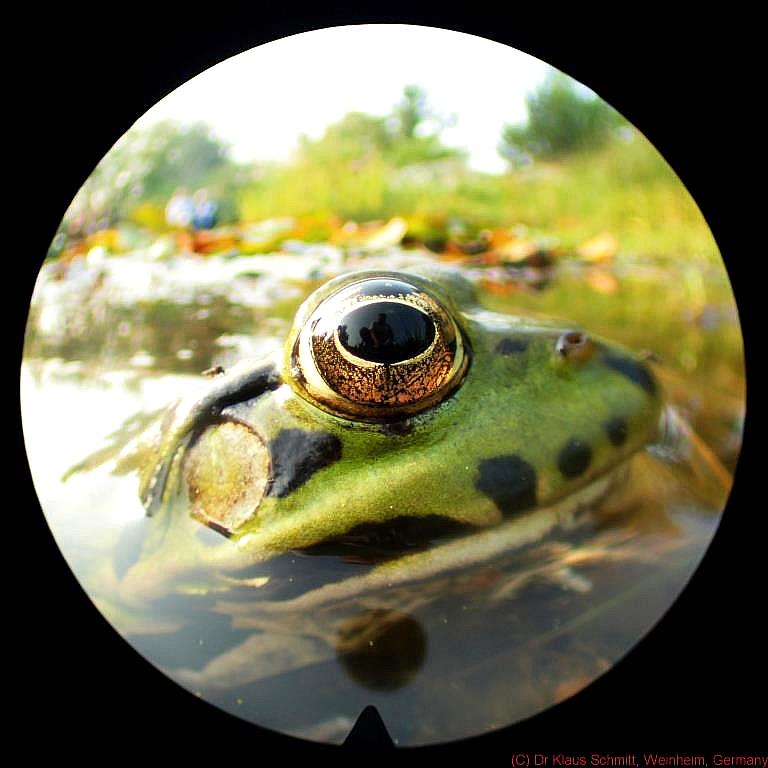
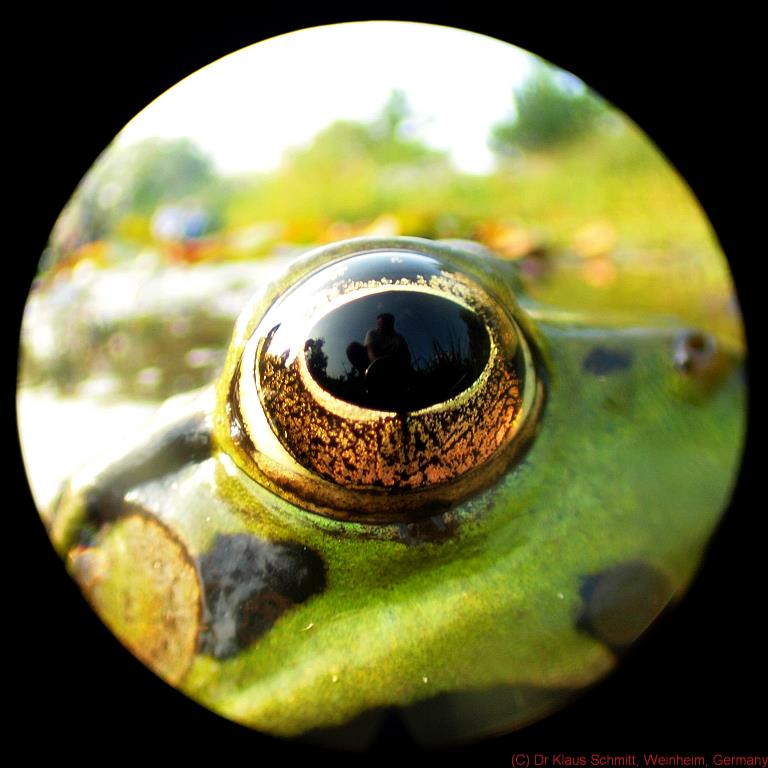
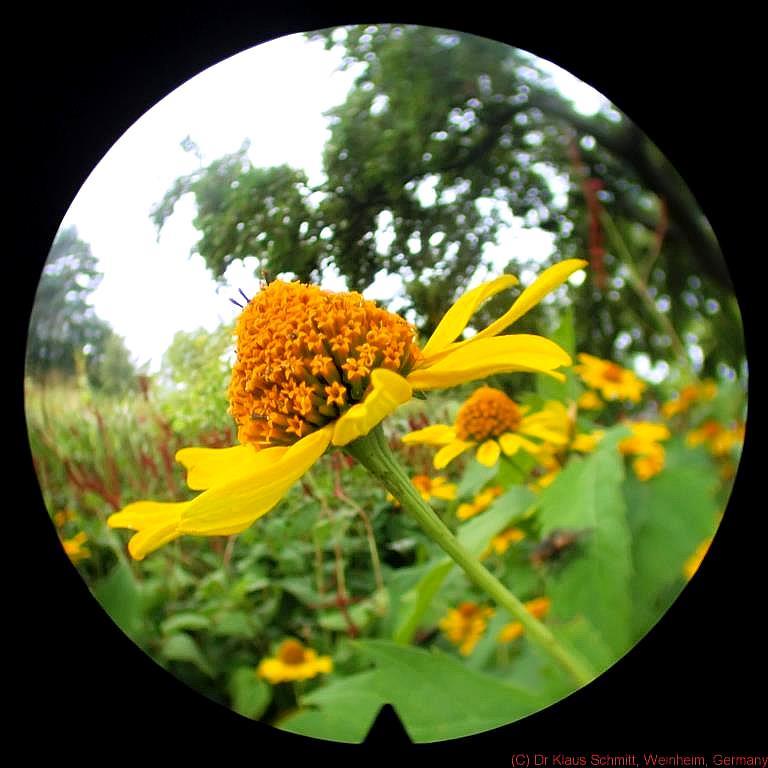
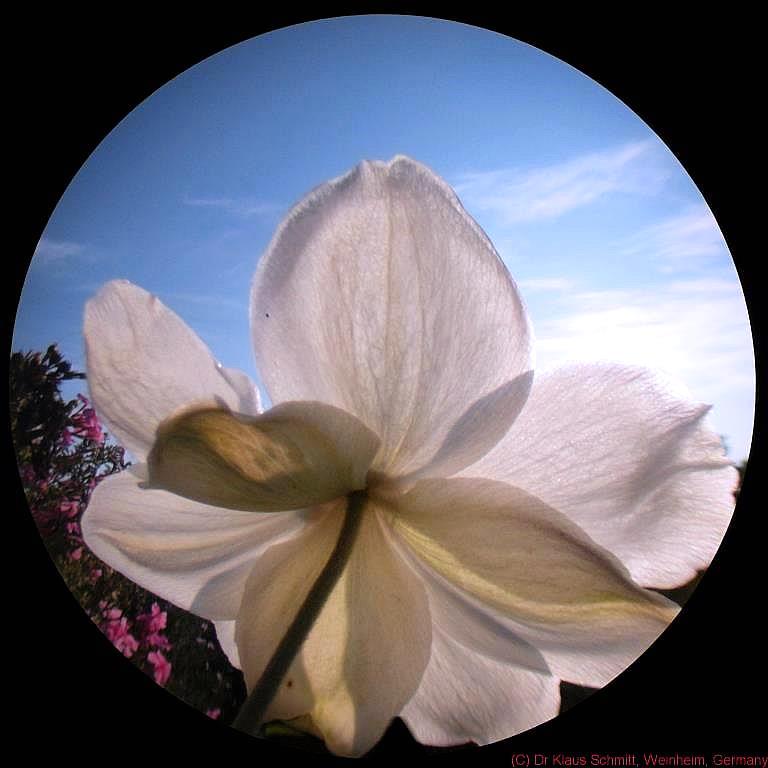
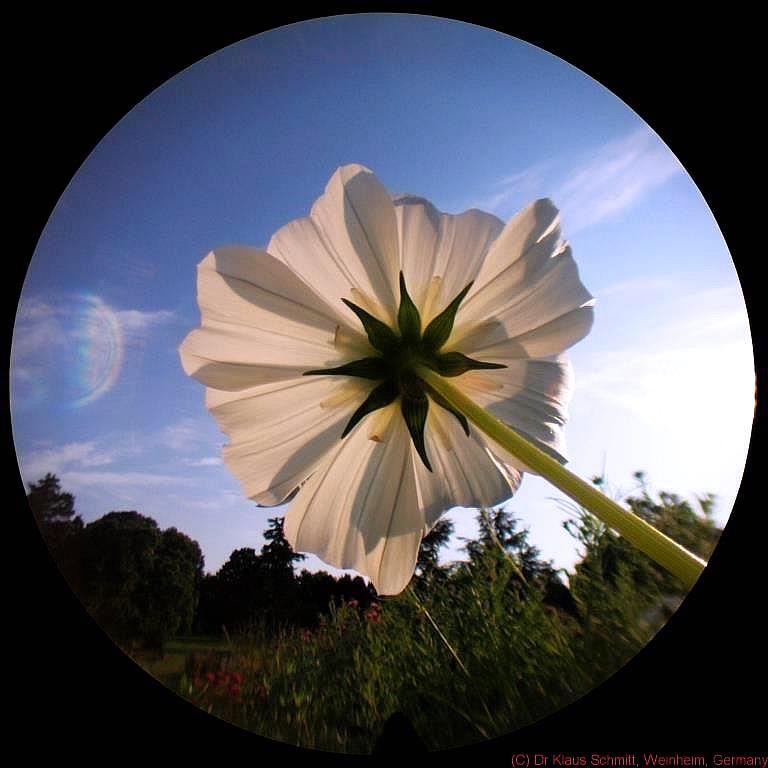
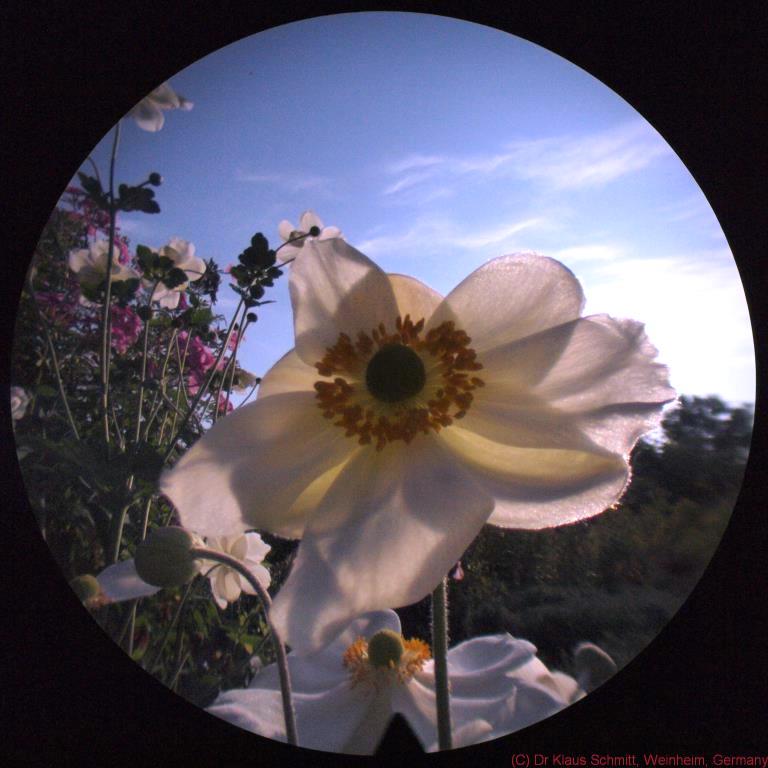
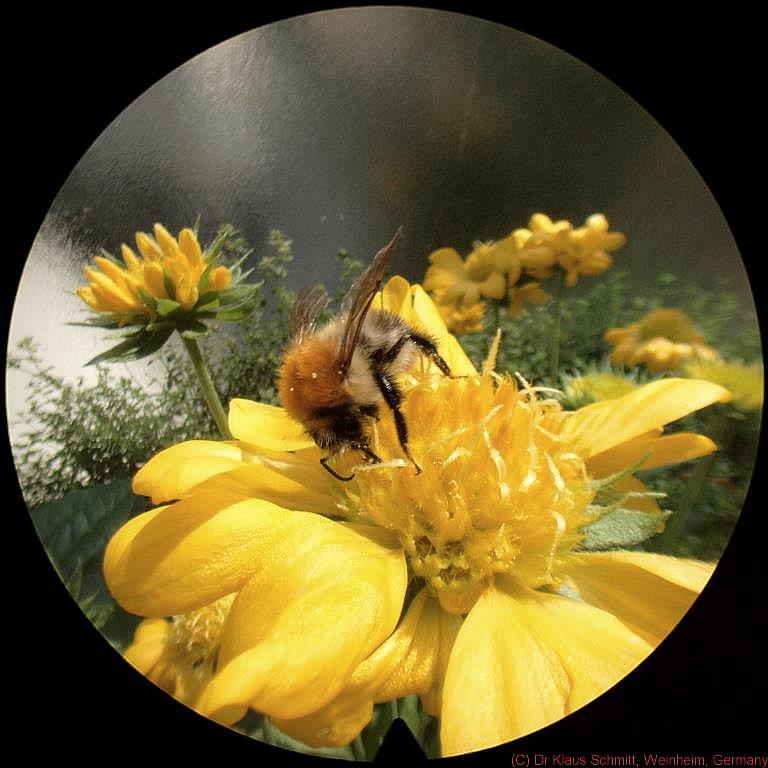
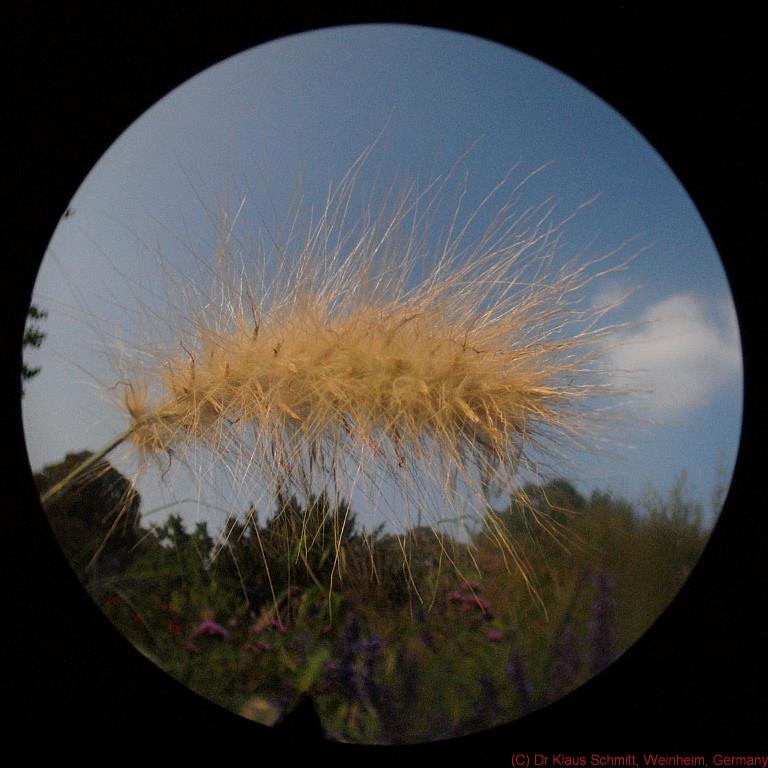
Well, more images for your viewing pleasure shot today in Hermannshof Park, Weinheim.

[click on image to see a larger one]


Stay tuned, more will follow on that fascinating subject...

More info on this very interesting field may be found on my site http://www.pbase.com/kds315/uv_photos

Tuesday, September 22, 2009

More about Relay Lens Systems

More about relay lens systems today. A few images for your viewing pleasure recently shot in Hermannshof Park in Weinheim.

[click on image to see a larger one]


Stay tuned, more will follow on that fascinating subject...

More info on this very interesting field may be found on my site http://www.pbase.com/kds315/uv_photos

Monday, September 14, 2009

Experiments with Relay Lenses - UV

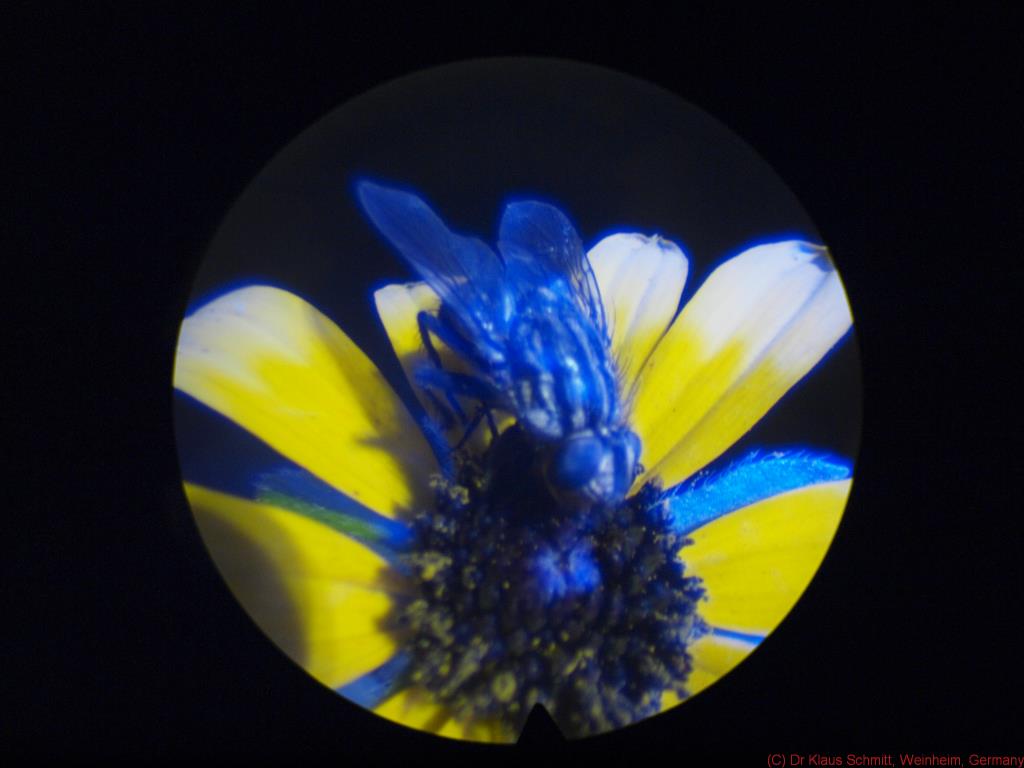
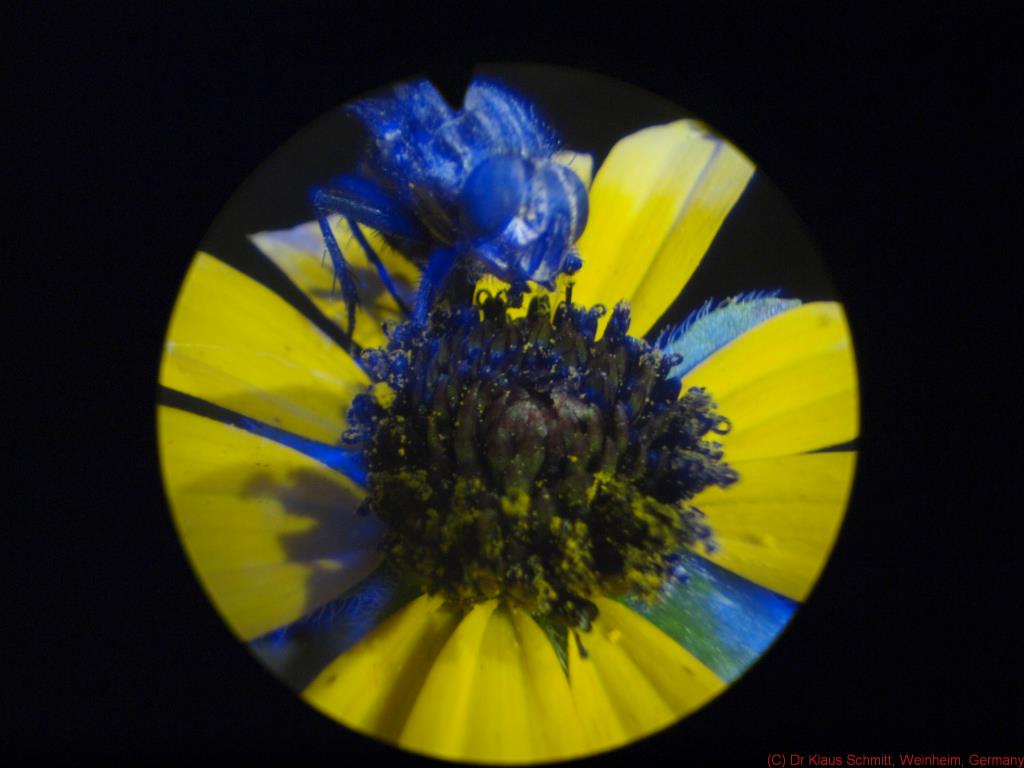
I promised to explain what that relay system has to do with UV photography - now here some preliminary results showing that same system being used to simulated tetrachromatic vision, so here in the second and fourth image also UV will be shown (as blue).

[click on image to see a larger one]


Stay tuned, more will follow on that fascinating subject...

More info on this very interesting field may be found on my site http://www.pbase.com/kds315/uv_photos

Thursday, September 10, 2009

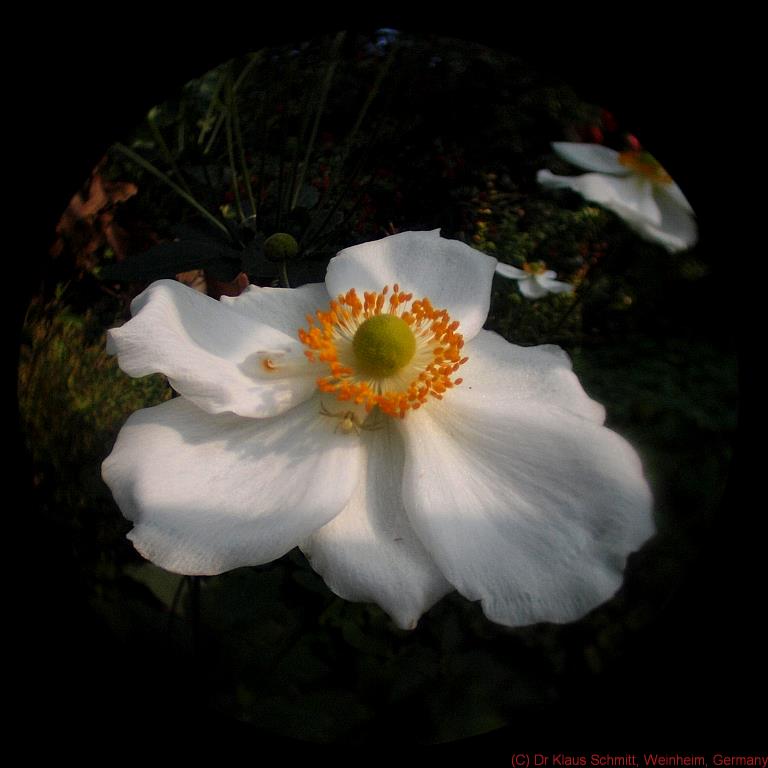
Experiments with Relay Lens Systems

About relay lens systems today and what they allow to achieve. Not much technical details today, just a few images for your viewing pleasure ...

If you wonder what all that has to do with UV photography - wait a bit, you'll see soon...wink


[click on image to see a larger one]


Stay tuned, more will follow on that fascinating subject...

More info on this very interesting field may be found on my site http://www.pbase.com/kds315/uv_photos

Monday, August 31, 2009

Test Pentax SMC f1.8/85mm vs. Ultra Achromatic Takumar f4.5/85mm

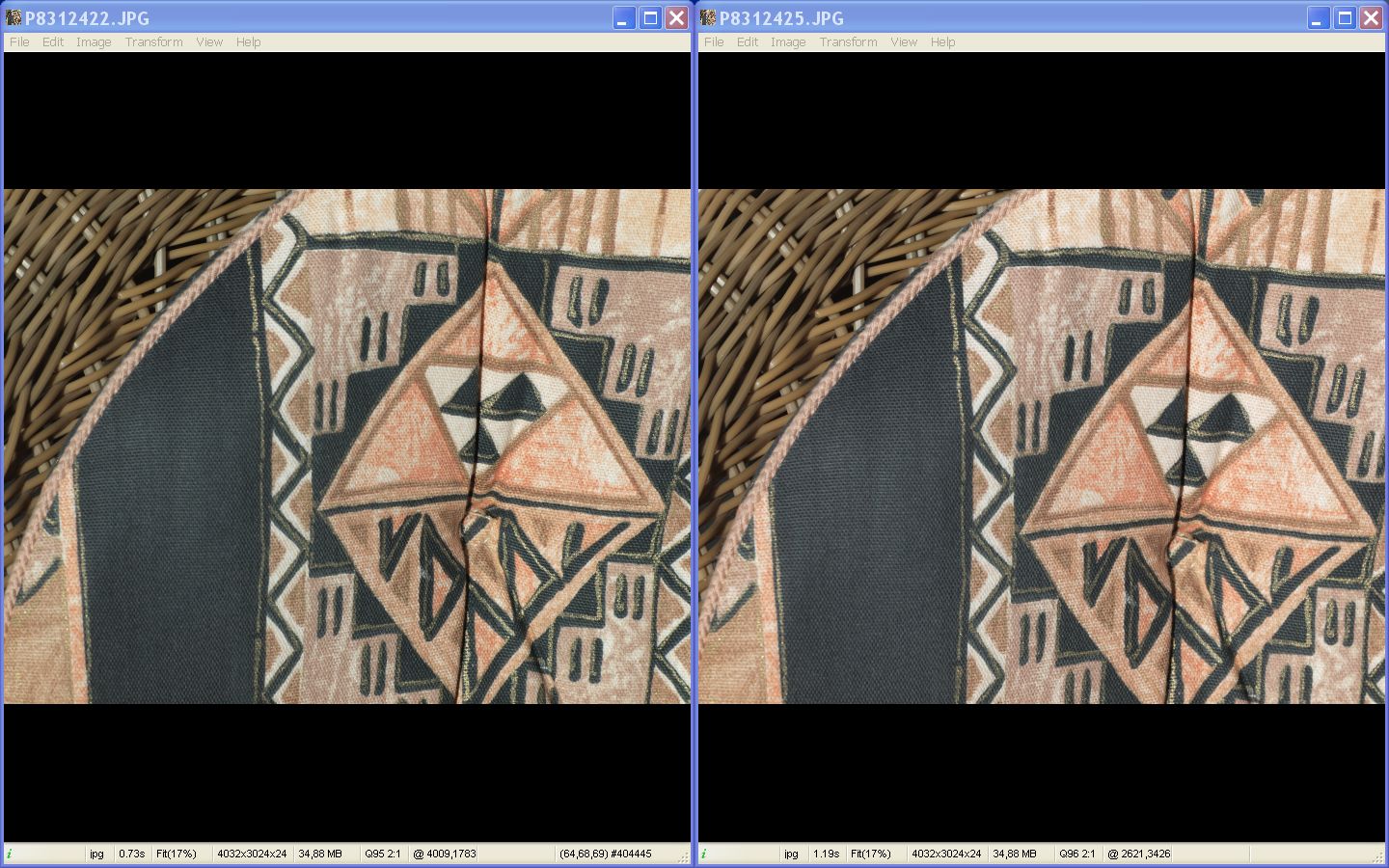
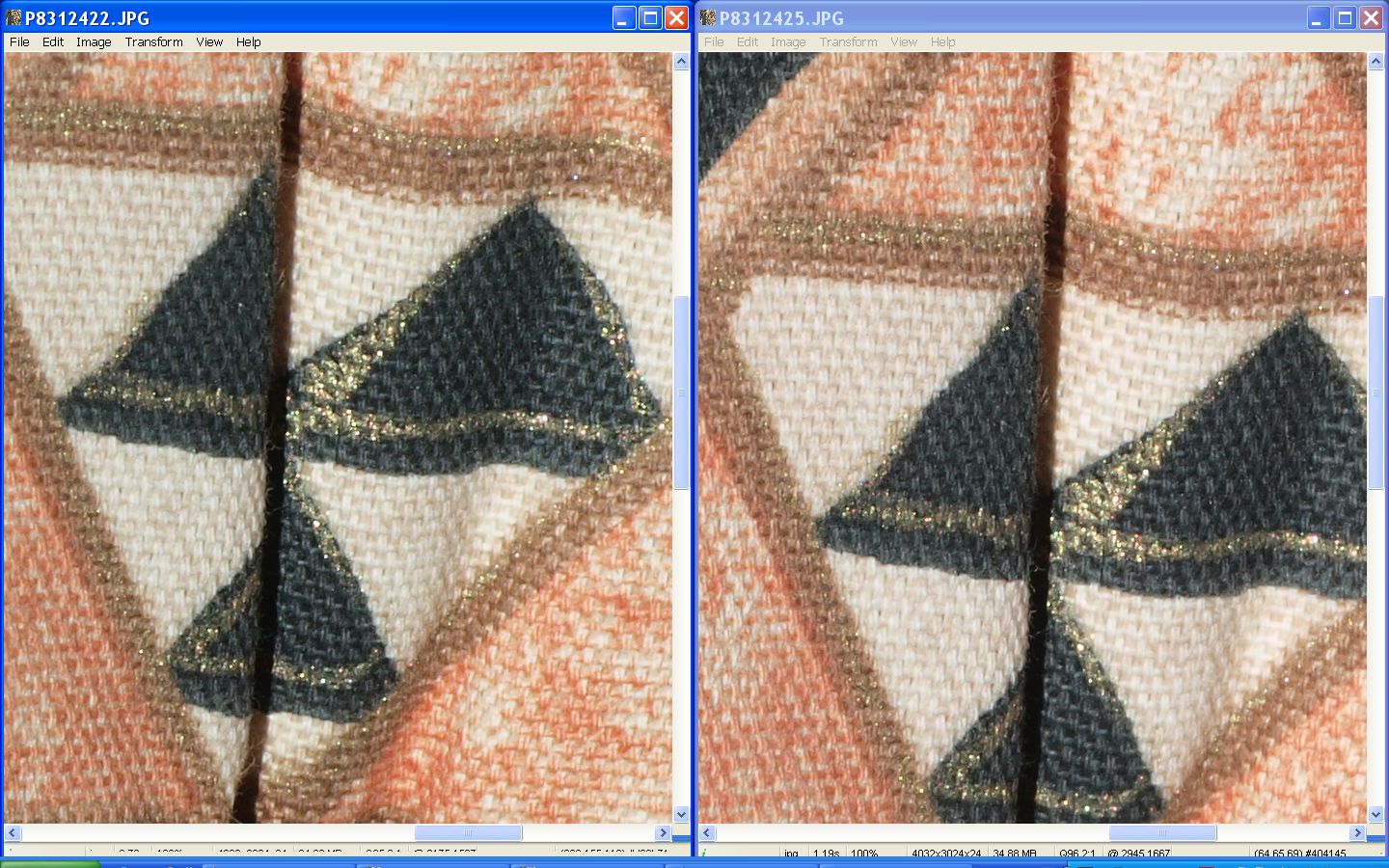
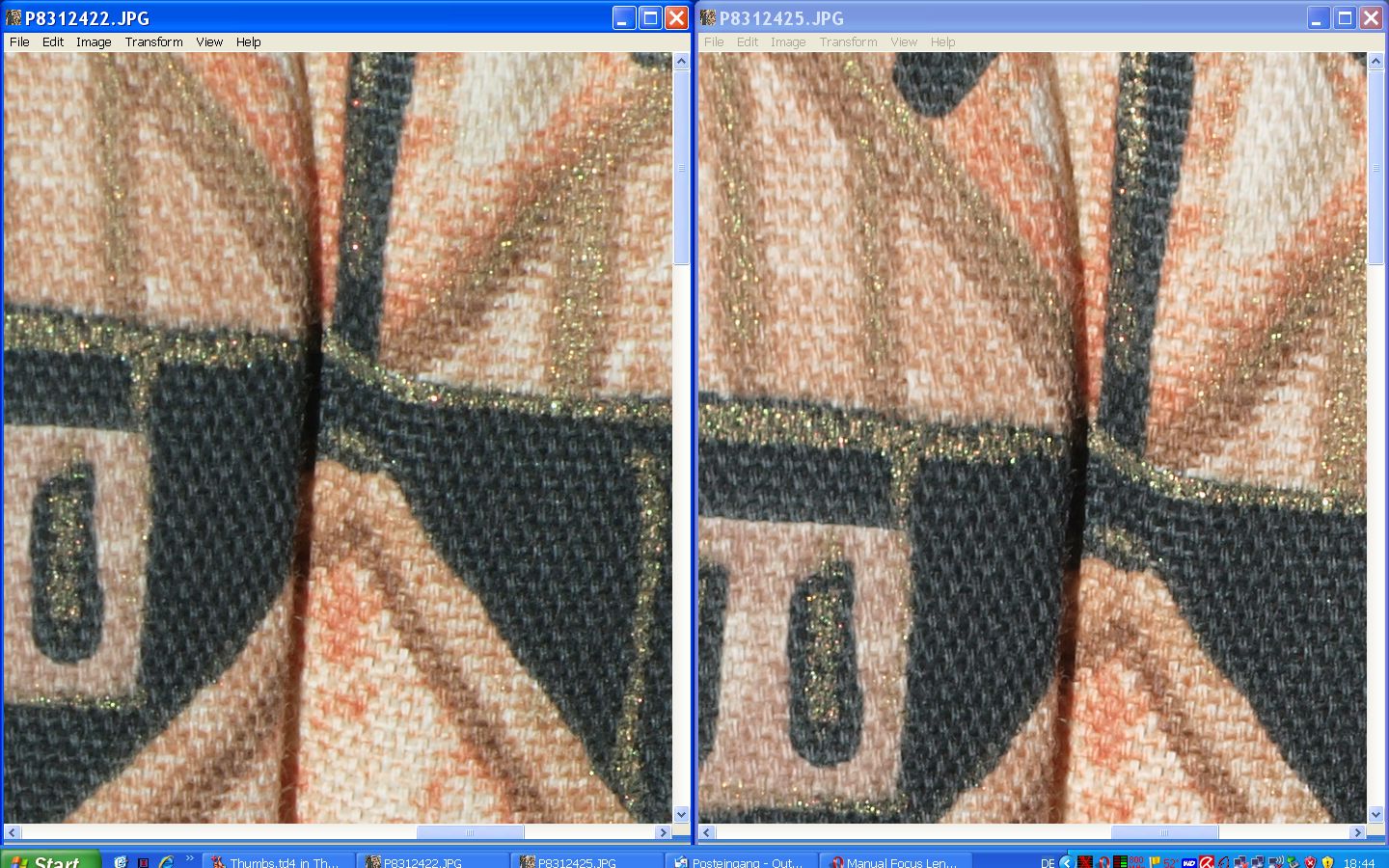
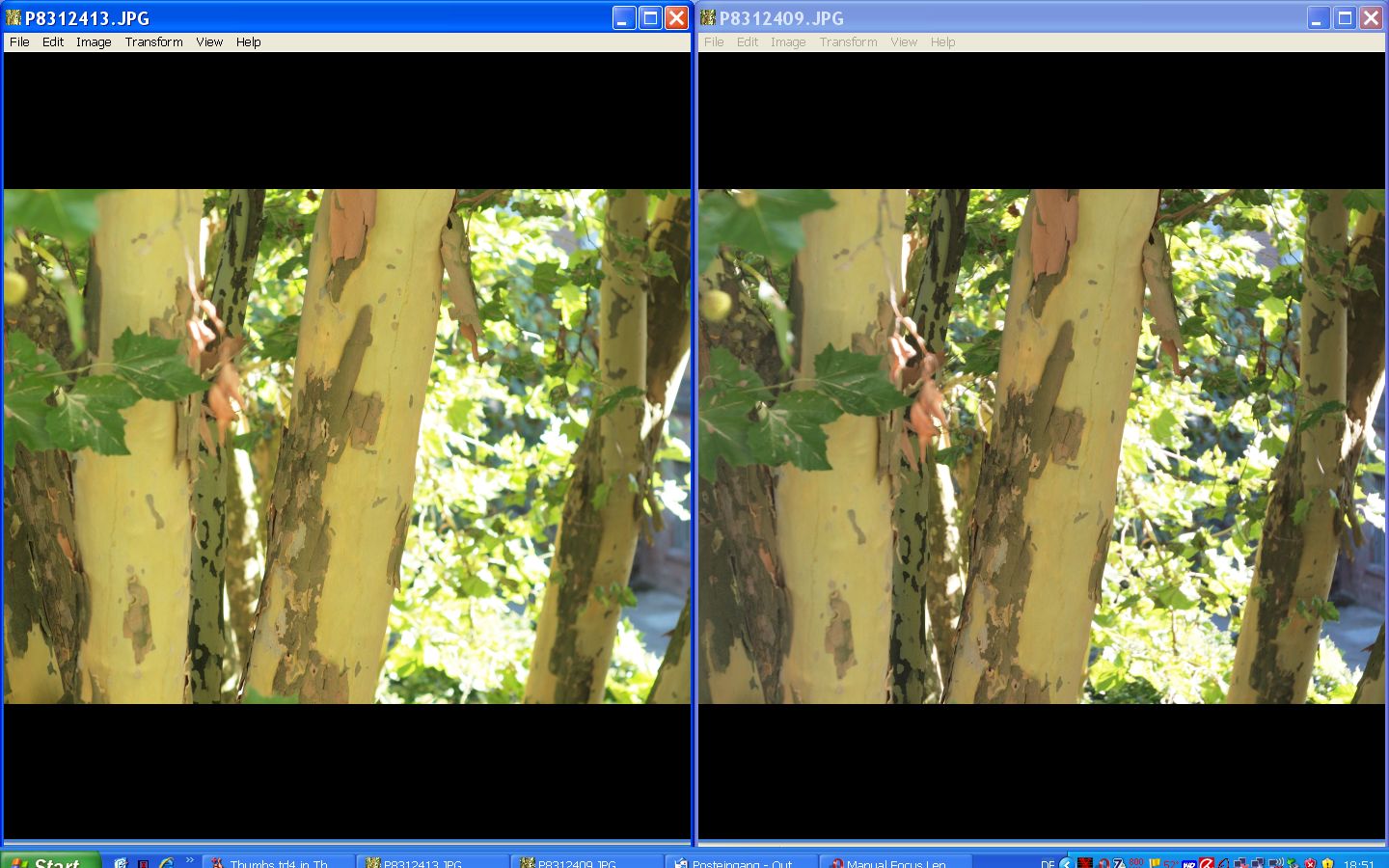
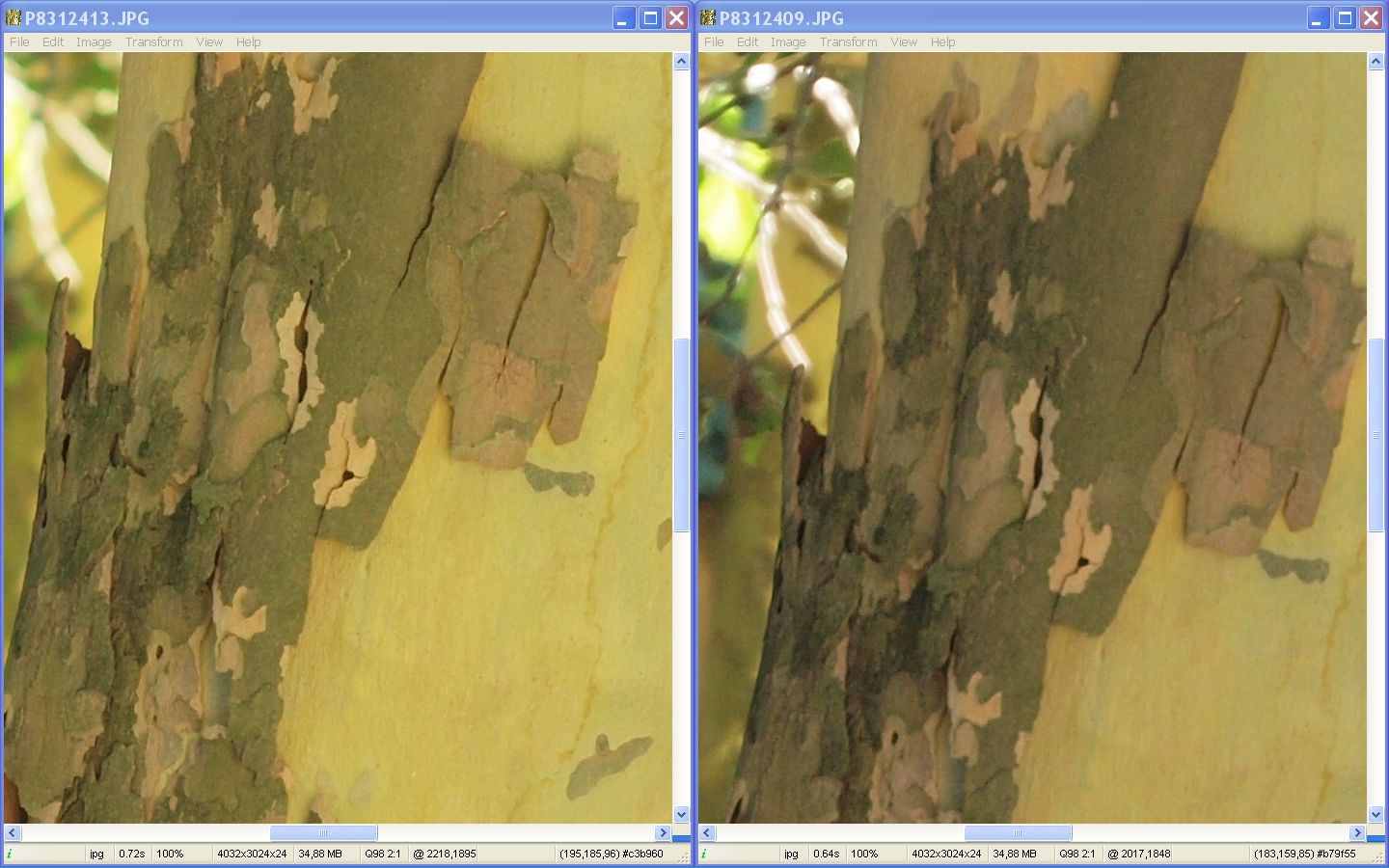
Here a quick test, Pentax SMC Takumar 1.8/85mm vs Ultra Achromatic Takumar 4.5/85mm to see how that might perform. That SMC lens is said to be the sharpest Pentax ever made for that focal length.

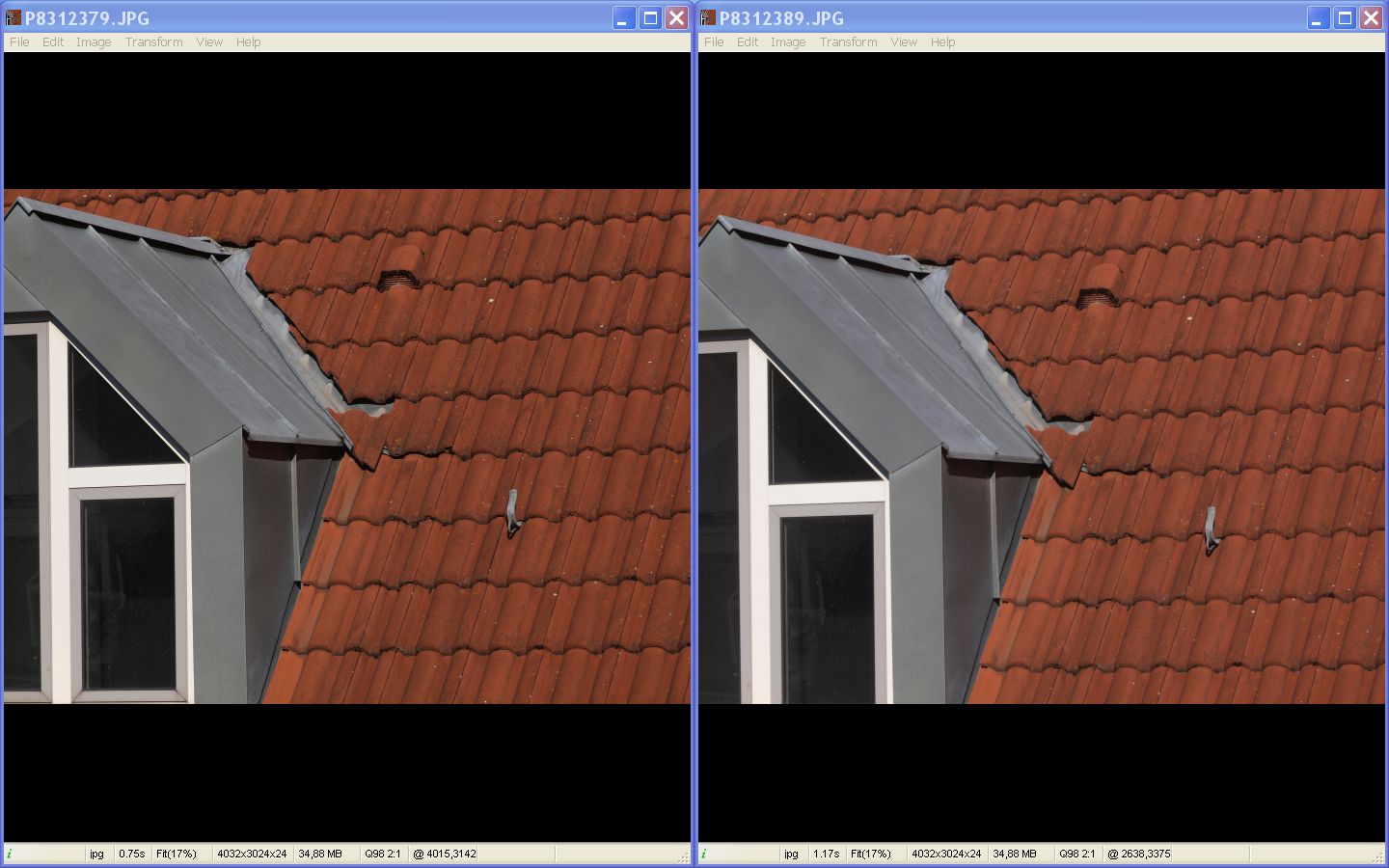
You'll find left the SMC, right the UAT 85mm. [click on image to see a larger one]

1) Cushion on my balcony, shot at f8.

full format:


100% detail:


2) Plantane trees about 5 meters from my balcony, shot fully open (different DOF due to f1.8 vs f4.5)

full format:


100% detail:


The UAT behaves not too bad considering, but already the SMC outshines it ....

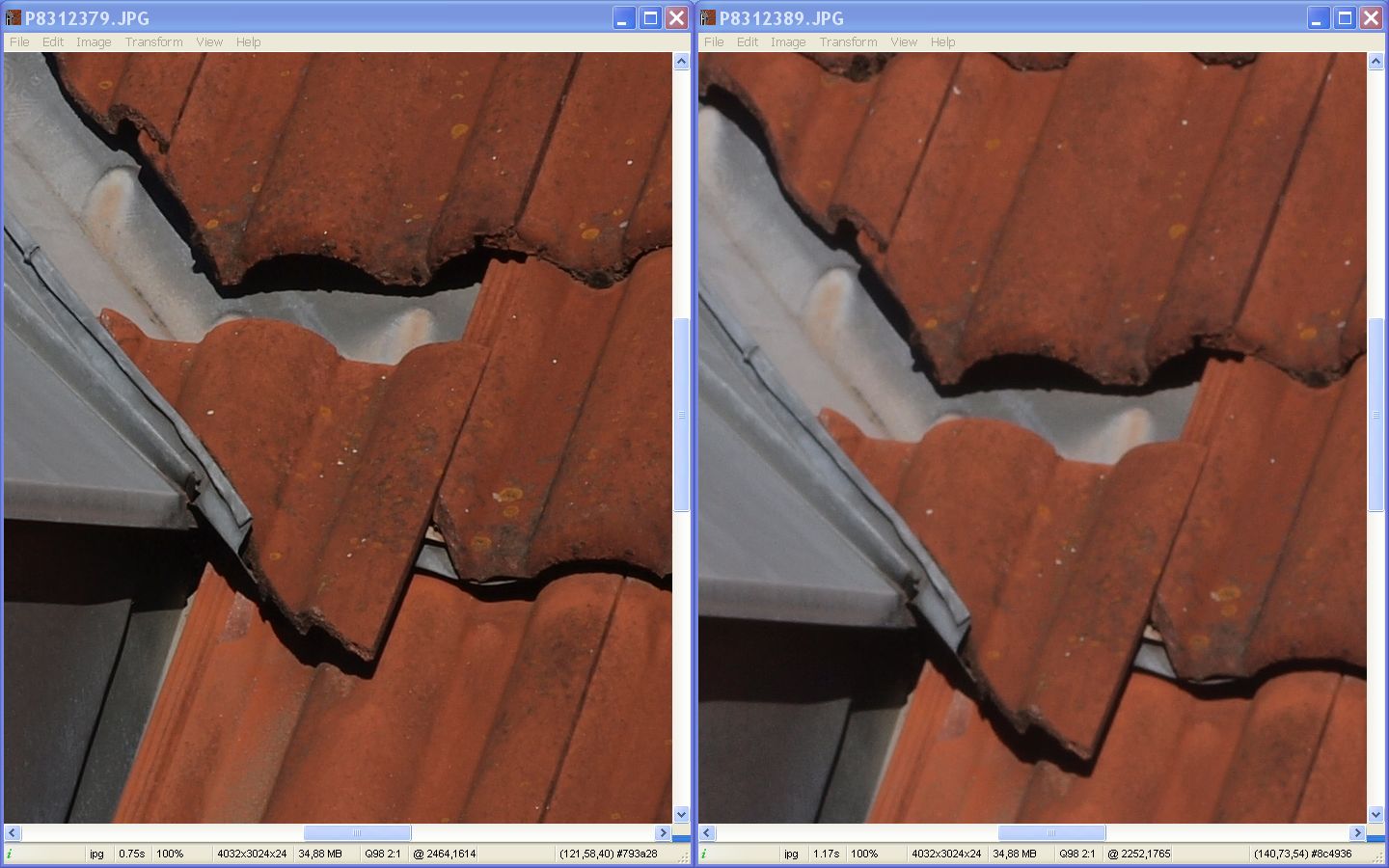
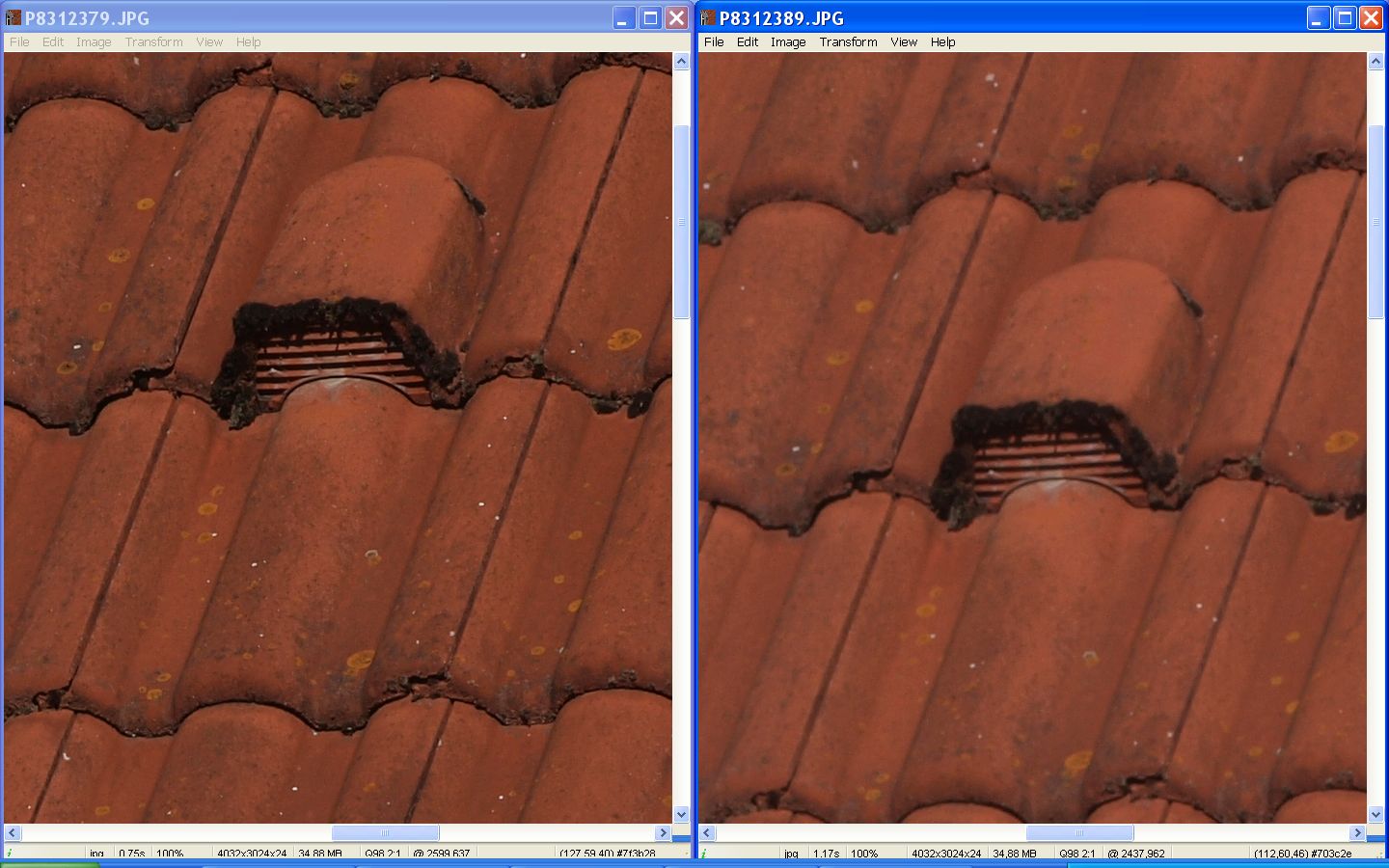
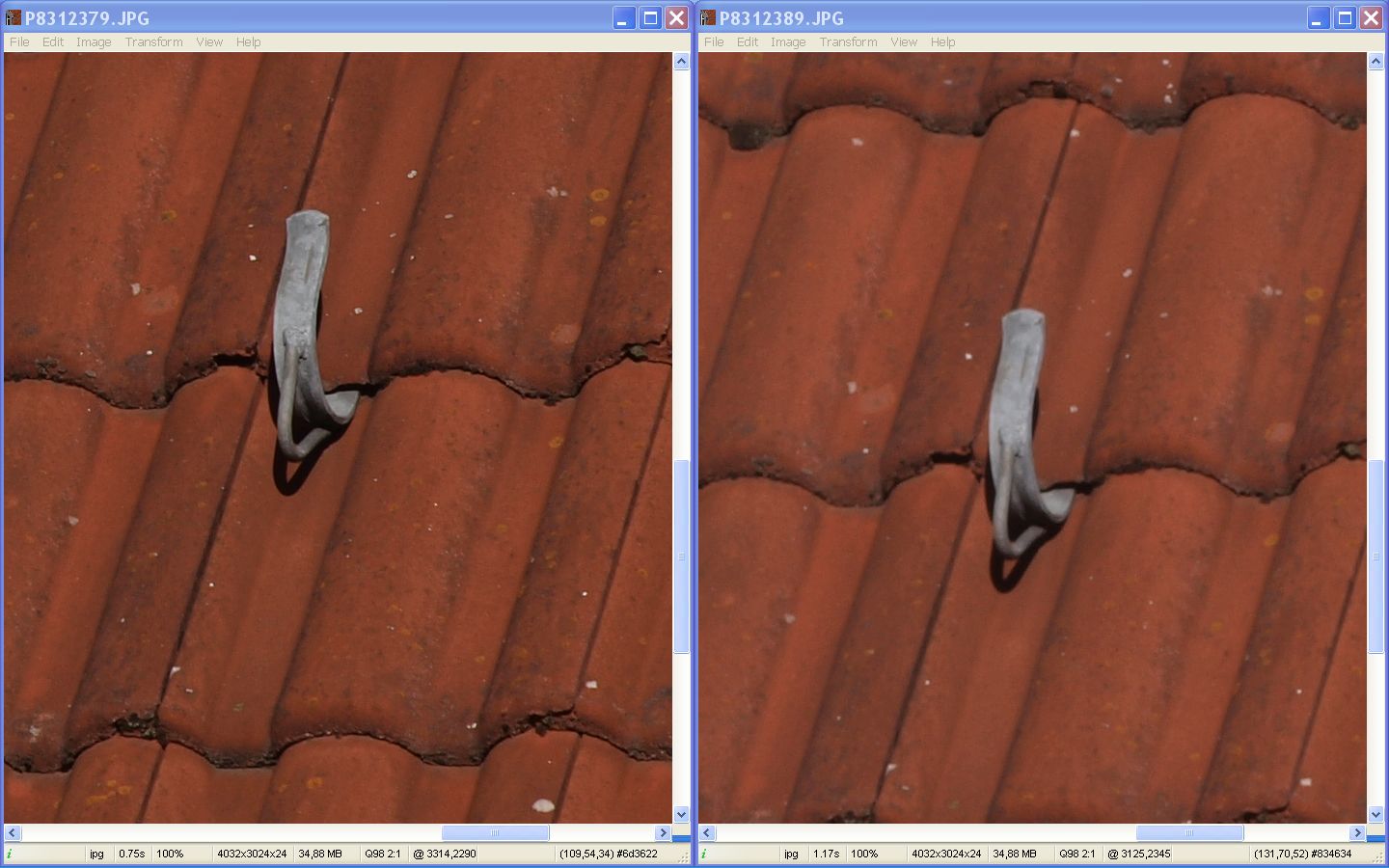
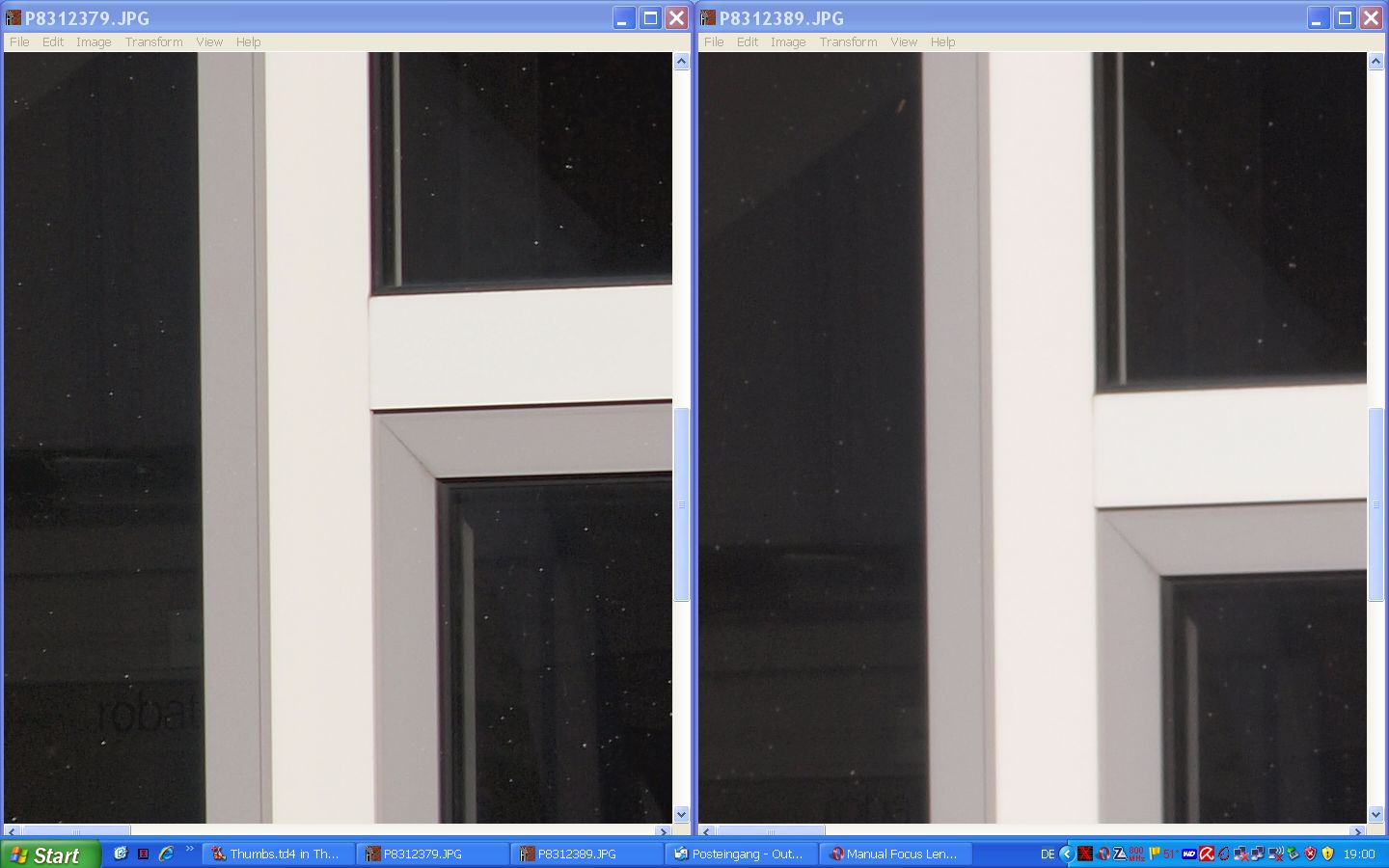
At (nearly) infinity, it starts to look different though since the UAT was designed for close work - tile roof ca 25 meters away, my "standard test" object, shot also at f8

full format:


100% details:


that latter one I usually use to determine the amount of CA on teh black white transitions.


Well, here at about infinity, the UAT clearly looses in terms of sharpness and contrast against the SMC 85mm lens!

But bear in mind, the UAT was made to record from 220nm to ca 1100nm without CA (UV to NIR) i.e. without focus shift and for that it keeps up with its rival excellently (which only does visible light)!!


Stay tuned, more will follow on that fascinating subject...

More info on this very interesting field may be found on my site http://www.pbase.com/kds315/uv_photos
Thursday, August 27, 2009

Nikon D80 / D200 spectral response UV IR

This time a technically oriented entry, about the spectral sensitivity of a (modified) Nikon D80 camera. This camera uses actually the same 10Mp CCD sensor chip as the Nikon D200, so the results should be transferrable to the D200 also. The camera has been modified by removing the internal filter, so the response is that of the bare sensor. This is a result of the work and has been made available through Dr Geert Verhoeven, Uni Ghent who works on aerial UV + IR archaelogy and with whom I have the pleasure to co-operate on this subject. I'm greatful for his permission to publish this result here.

[click on image to see a larger one]

Spectral response (valid for about 380-850nm) - (c) Dr G Verhoeven:

[Please note that the valid range of the results is about 380-850nm only, since outside that range, the equipment used was not suitable and the measurement errors too high.]

It gets quite obvious, that this camera has some useful UV response in the red channel and only minimal response in the green and blue channels.

For near IR (NIR) however it shows quite high response in the red but also green (>750nm) and blue (>780nm) channels.

[this is a excerpt from:

Journal of Archaeological Science Ref: JASC08-363R1
Title: An Attempt to Push Back Frontiers - Digital Near-UltraViolet Aerial Archaeology
Authors: Geert Julien Joanna Verhoeven, Ph.D.; Klaus D Schmitt, Dr.-Ing.

]

Stay tuned, more will follow on that fascinating subject...

More info on this very interesting field may be found on my site http://www.pbase.com/kds315/uv_photos
Tuesday, August 25, 2009

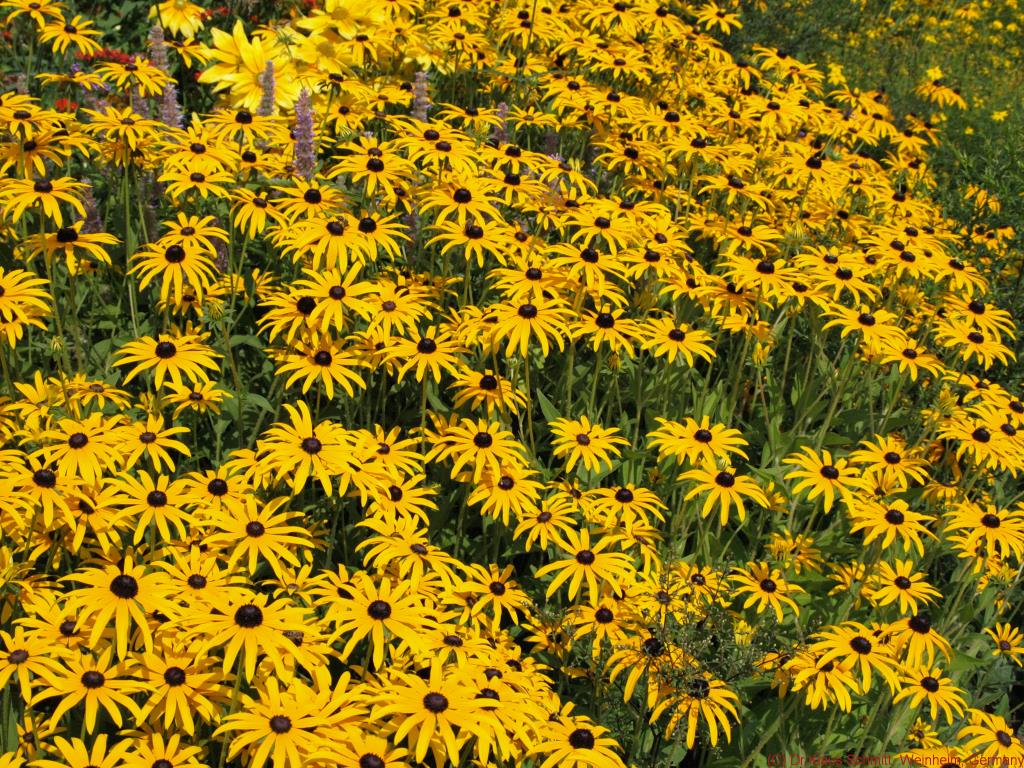
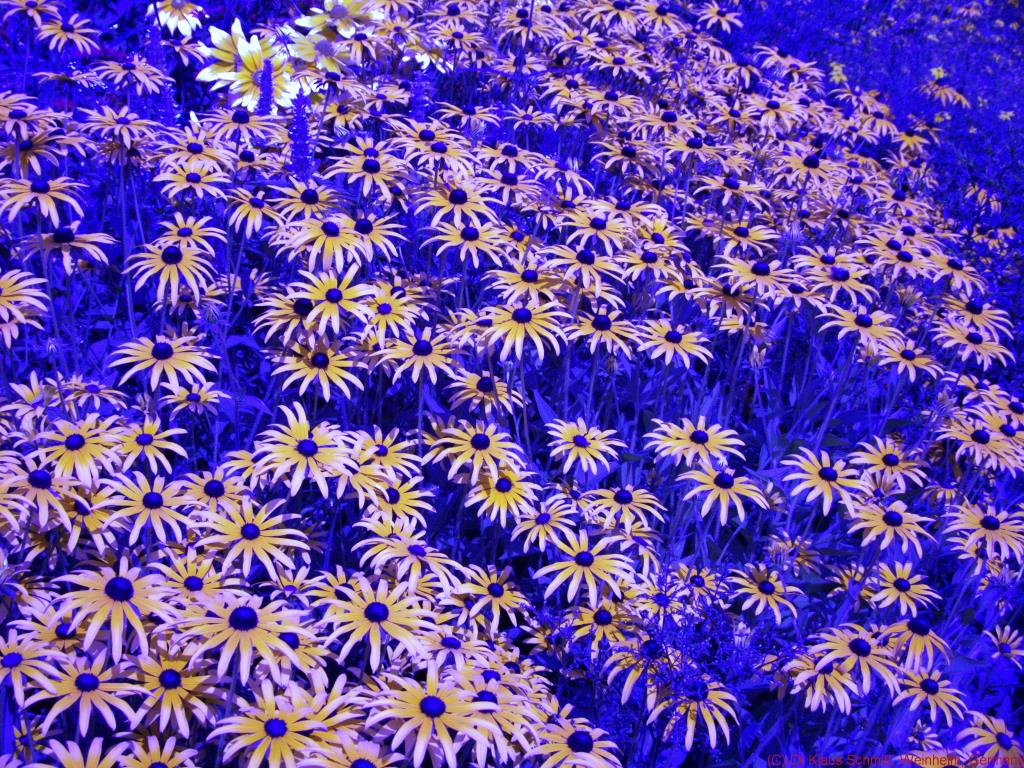
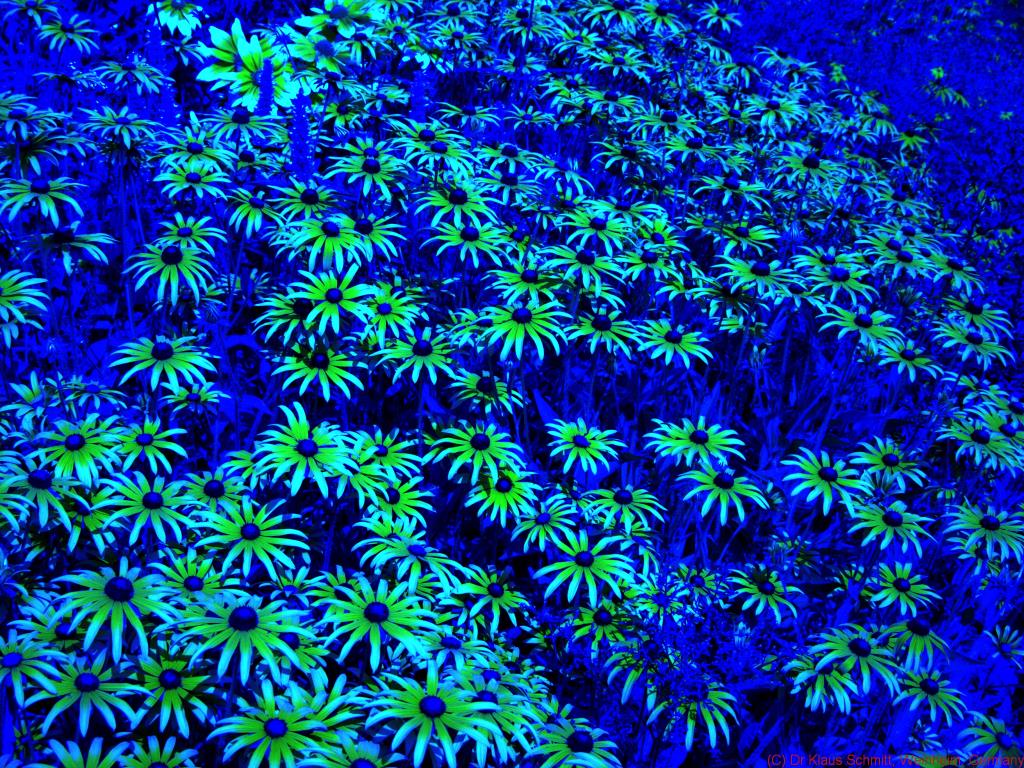
Rudbeckia Meadow - Human, Butterfly, Bee vision

A Rudbeckia meadow in full bloom, human, butterfly (tetrachromatic) and bee (trichromatic) vision shot using my one-shot XBV2 filter.

[click on image to see a larger one]

Human vision:


Simulated Butterfly vision:


Simulated Bee vision:


Stay tuned, more will follow on that fascinating subject...

More info on this very interesting field may be found on my site http://www.pbase.com/kds315/uv_photos