Thursday, May 2, 2013

Creeping Cinquefoil - Potentilla reptans flower in reflected UV ultraviolet photography and simulated bee vision II

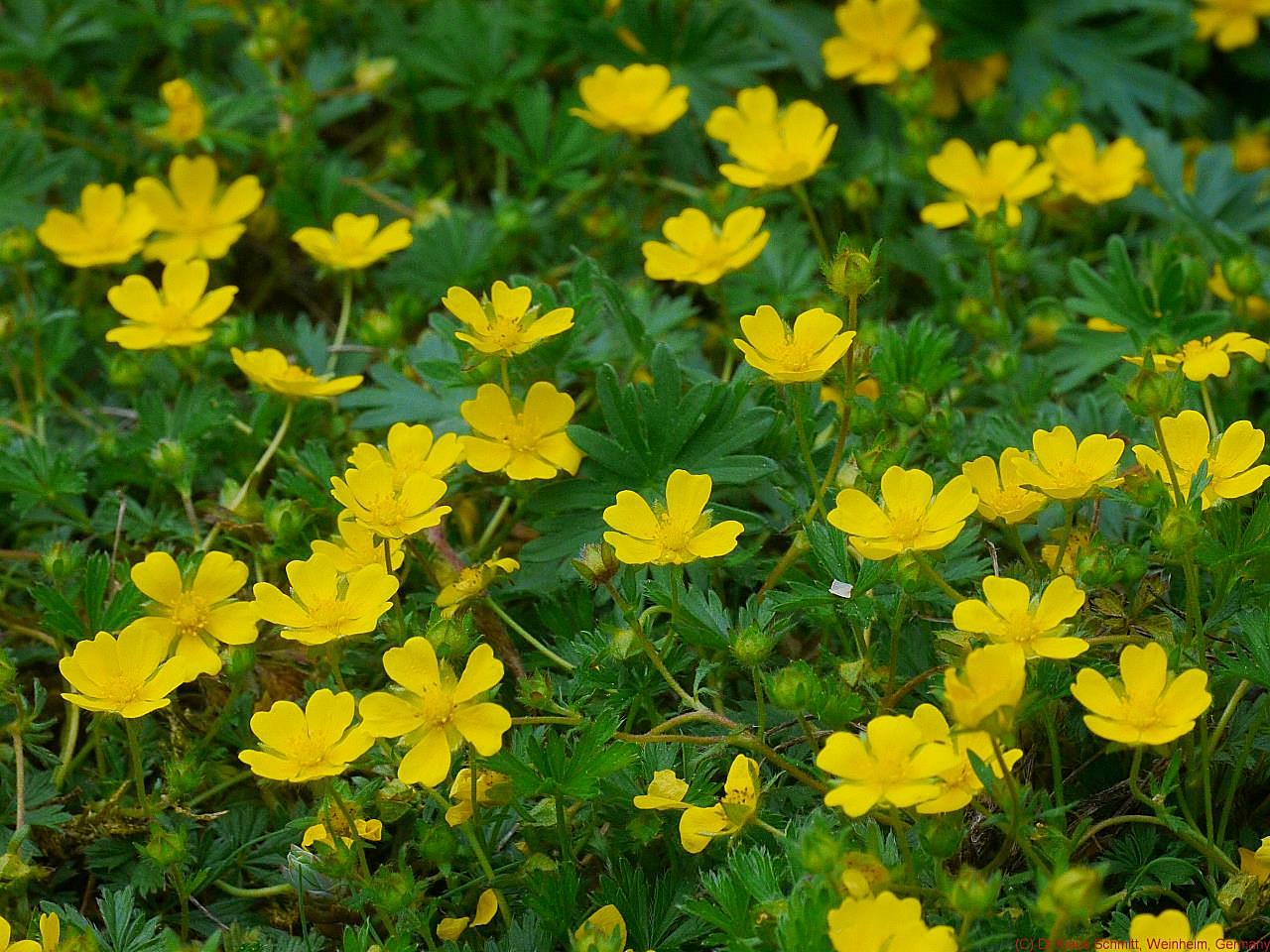
Today about another early spring flower which I have shown here before in close-up, Creeping Cinquefoil (Potentilla reptans) in reflected ultraviolet photography using my "work horse" UV filter, the Baader-U filter as well as my XBV filters for simulating butterfly and bee vision. Lens was a CERCO 94mm quartz fluorite lens. Light source was sunlight. All shots were done at about f5.6.

[click on image to see a larger one]

Visible light image:
 

UV image using Baader-U filter (approx. 320-395nm, effective peak approx. 375nm):
 

Simulated butterfly vision (UV - VIS) using XBV3 filter:
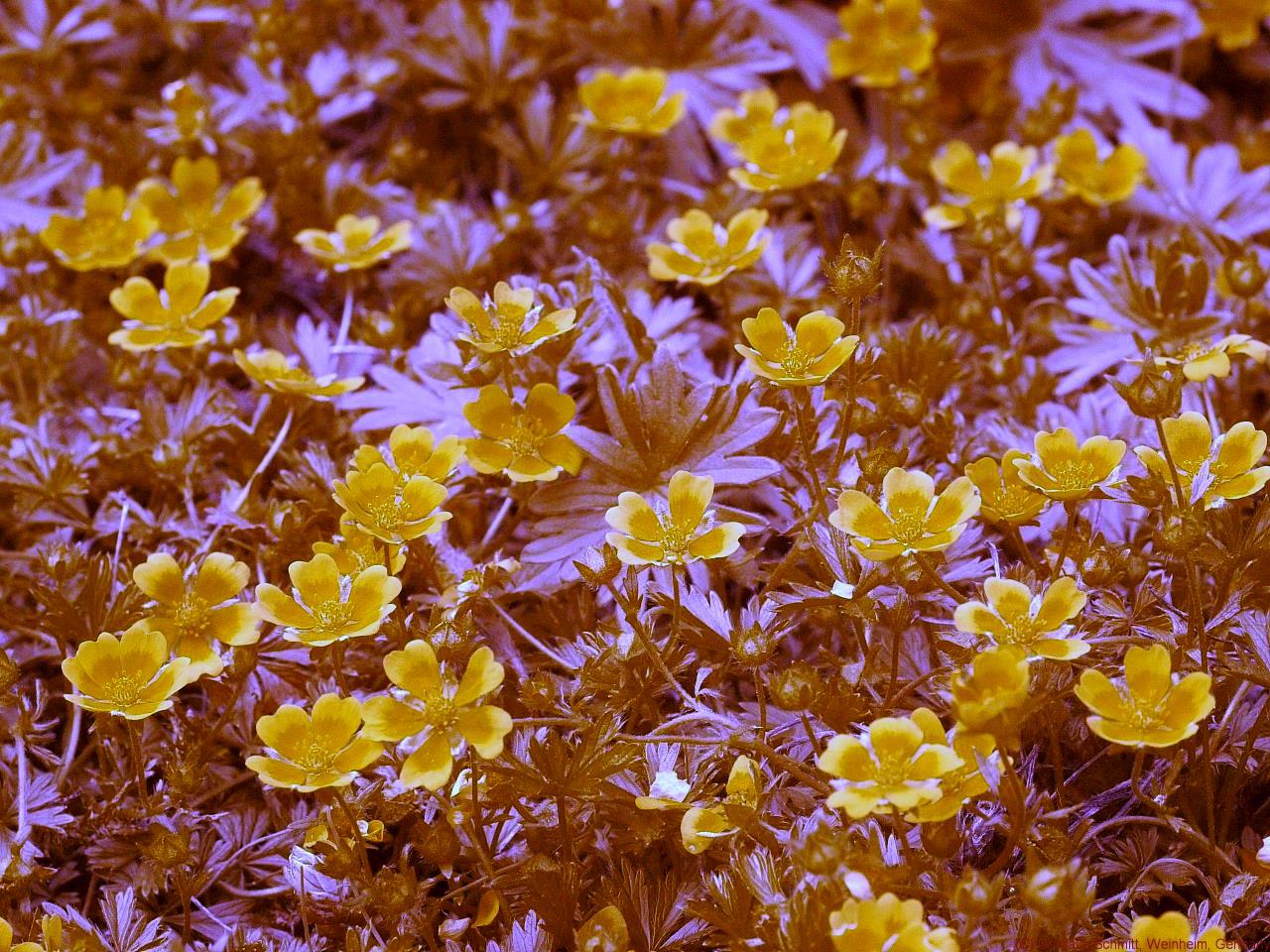
 

Simulated bee vision (UV - VIS) using XBV6 filter:
 

Simulated bee vision (UV - VIS) using XBV5 filter:
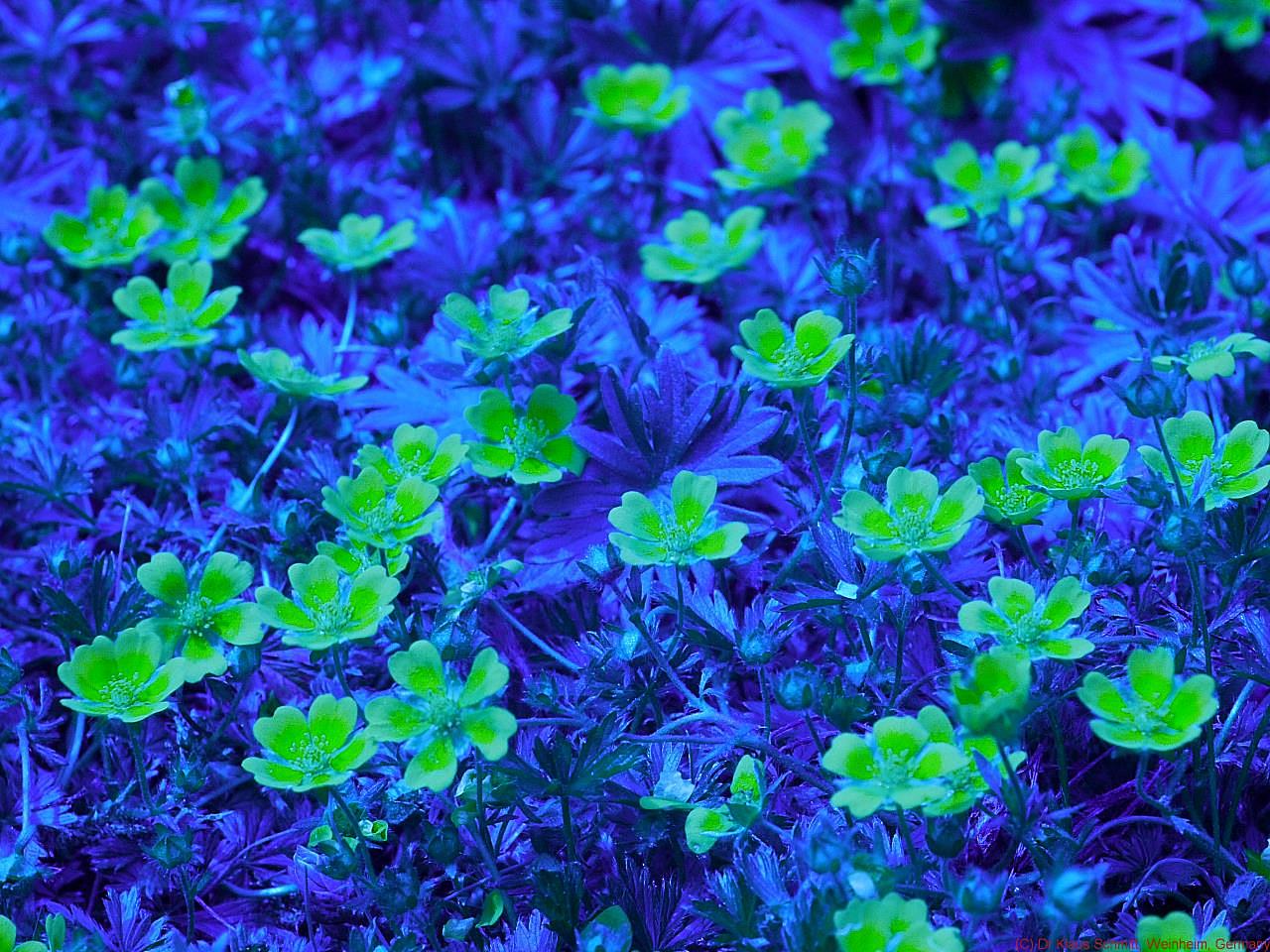
 

Quadriptych of the above:
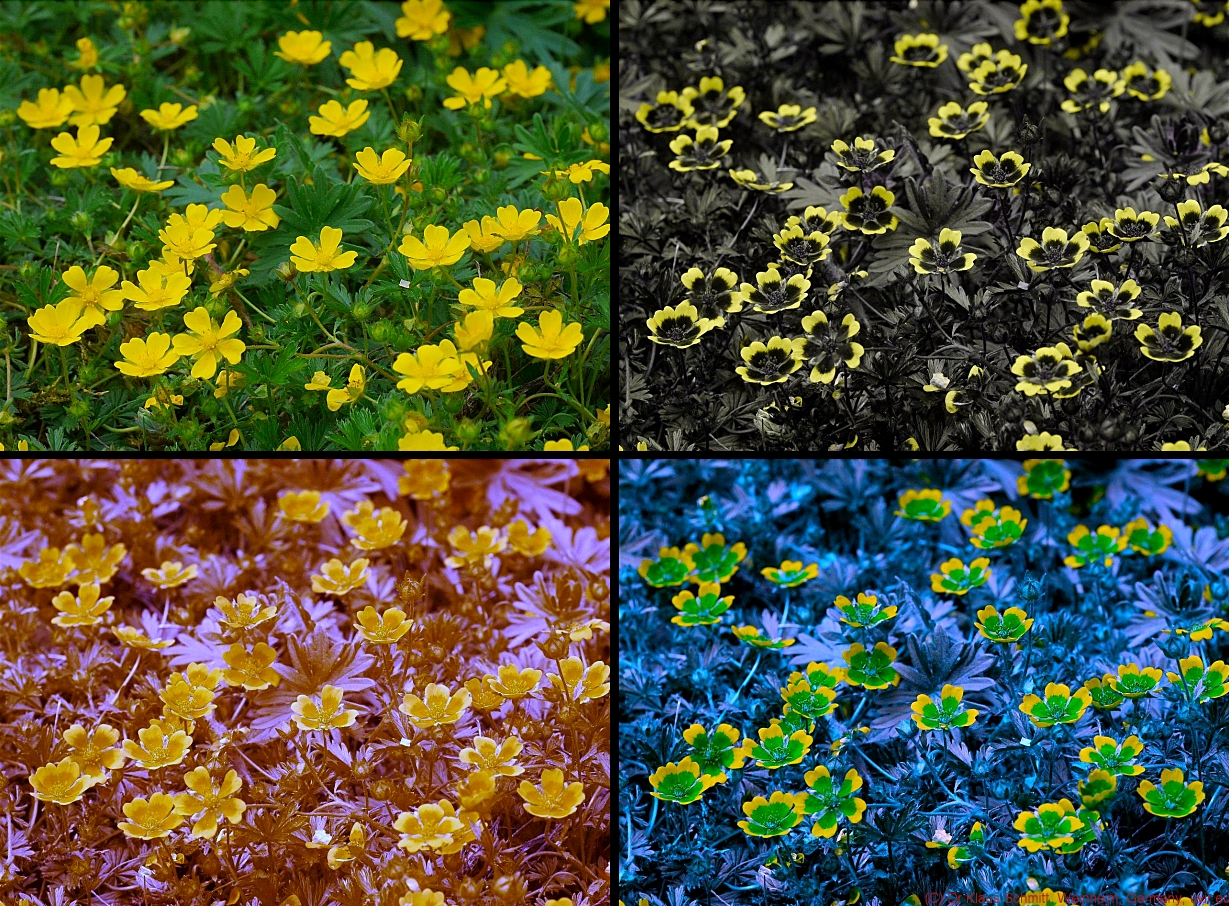


This Potentilla flower has quite a prominent UV pattern, its center is UV dark and this gets quite nicely visible, even in this "meadown" overview shot.


Stay tuned, more will follow on that fascinating subject...

More info on this very interesting field may be found on my site http://www.pbase.com/kds315/uv_photos

False Strawberry - Waldsteinia geoides in reflected ultraviolet photography, simulated bee and butterfly vision

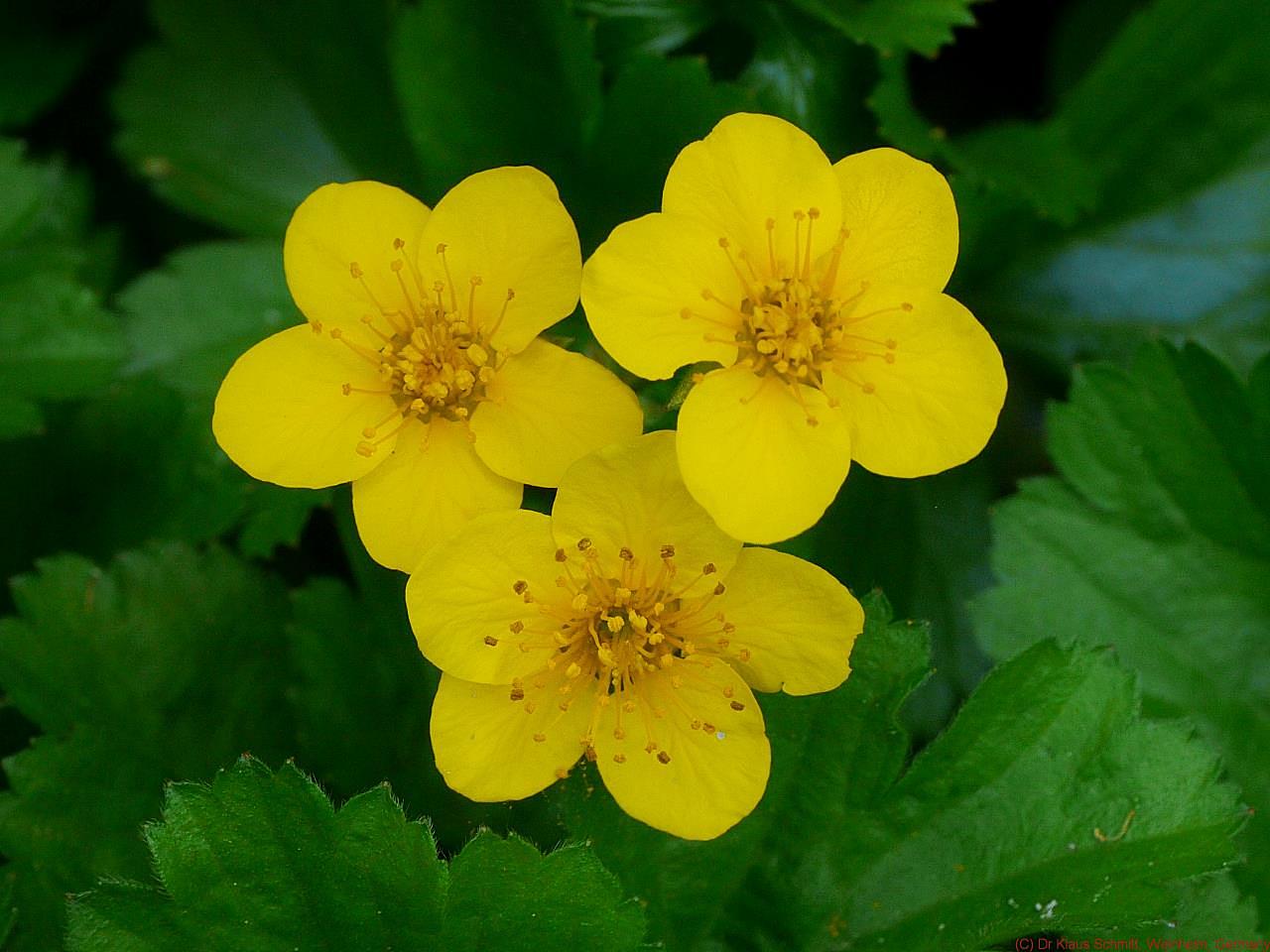
Today shots of a spring flower, a False Strawberry - Waldsteinia geoides in reflected ultraviolet photography using my "work horse" UV filter, the Baader-U filter as well as my XBV filters for simulating butterfly and bee vision. Lens was a CERCO 94mm quartz fluorite lens. Light source was sunlight. All shots were done at about f5.6.

[click on image to see a larger one]

Visible light image:
 

UV image using Baader-U filter (approx. 320-395nm, effective peak approx. 375nm):
 

Simulated butterfly vision (UV - VIS) using XBV3 filter:
 

Simulated bee vision (UV - VIS) using XBV6 filter:
 

Simulated bee vision (UV - VIS) using XBV5 filter:
 

Quadtriptych of some of the above:


This Waldsteinia flower has a specific UV pattern, its petals are bright in UV around 365nm, but anthers and stamen are UV dark and this gets quite nicely visible.


Stay tuned, more will follow on that fascinating subject...

More info on this very interesting field may be found on my site http://www.pbase.com/kds315/uv_photos
Wednesday, May 1, 2013

Bloodroot - Sanguinaria canadensis in reflected ultraviolet photography, simulated bee and butterfly vision

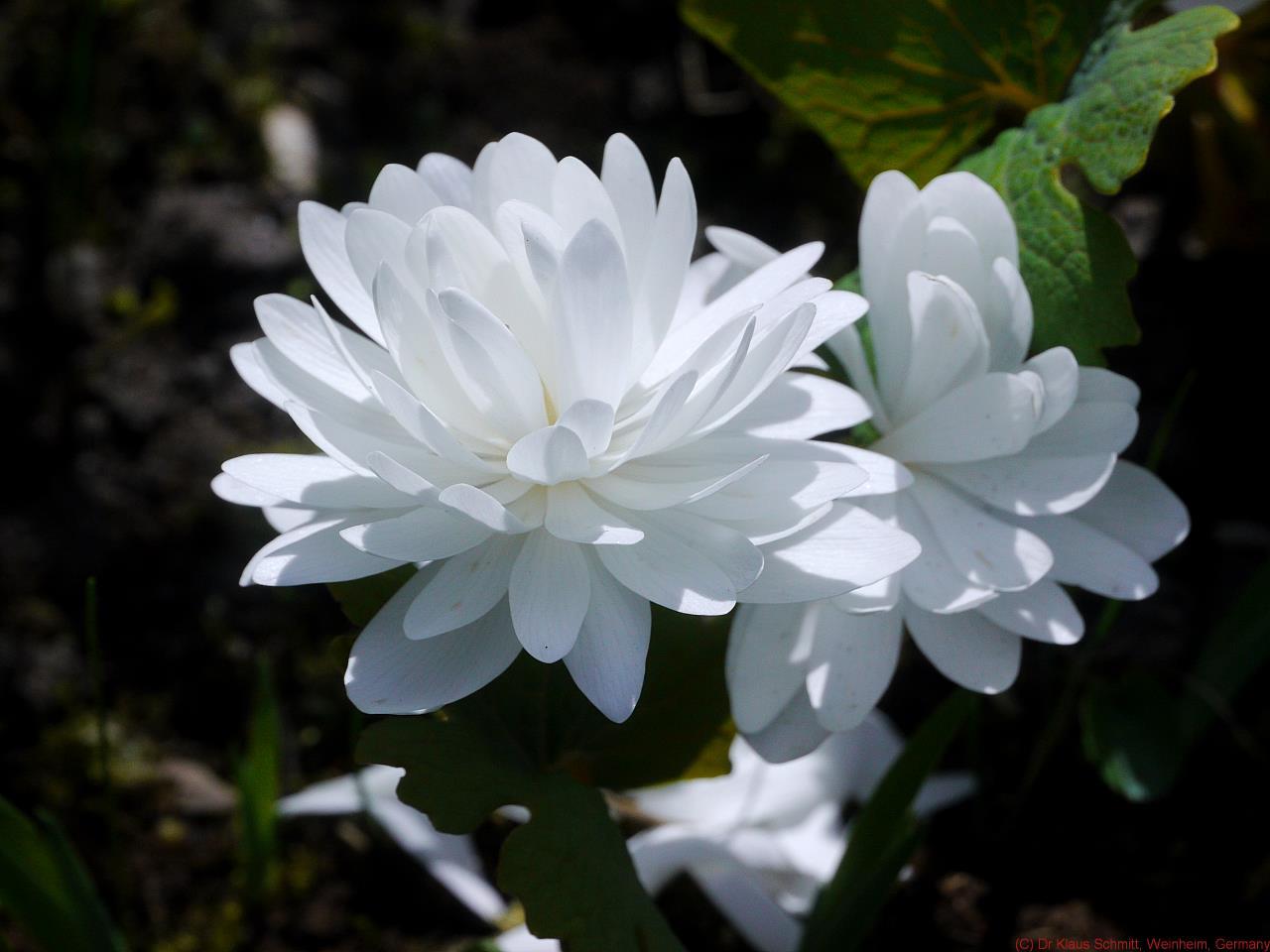
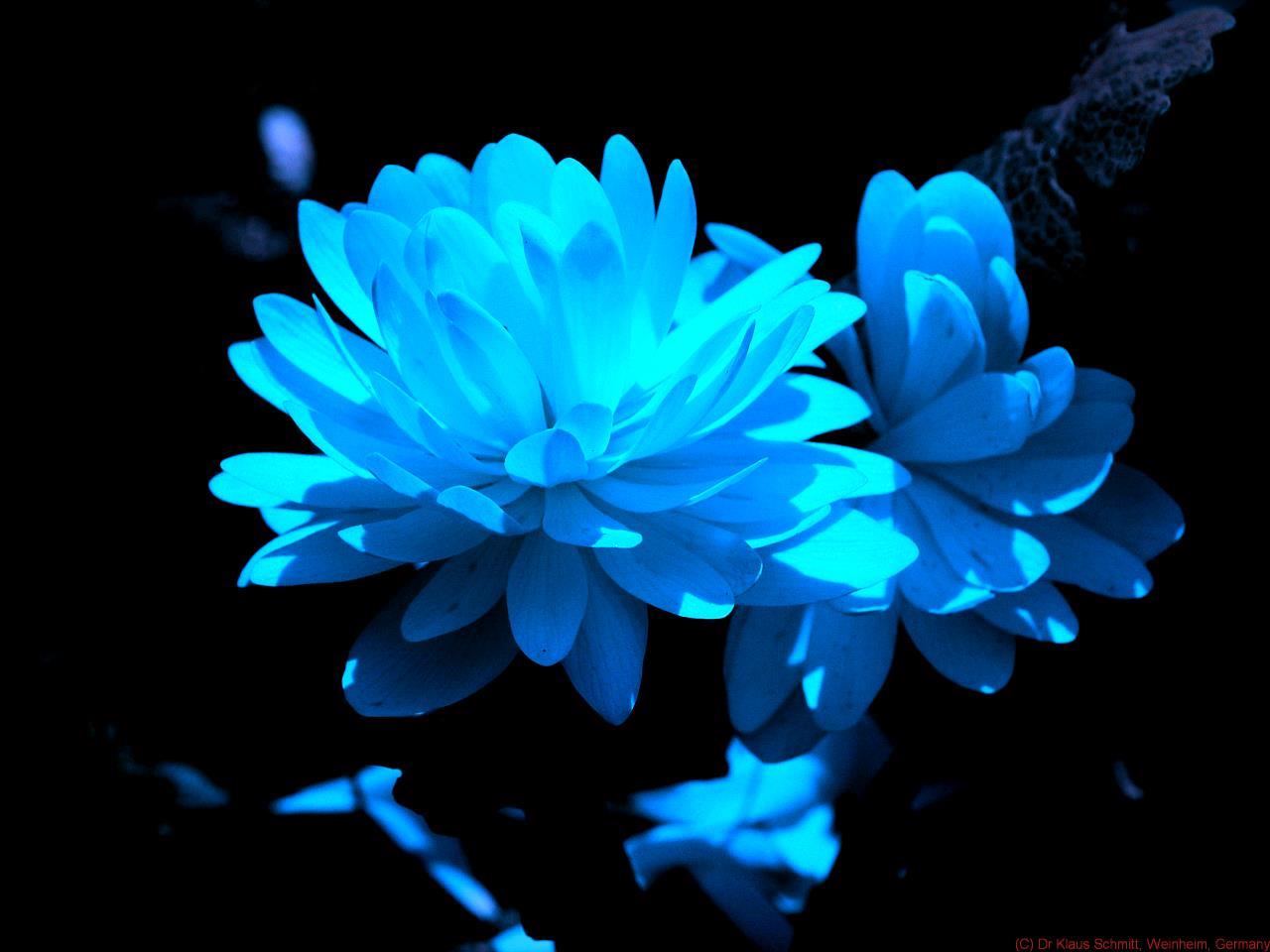
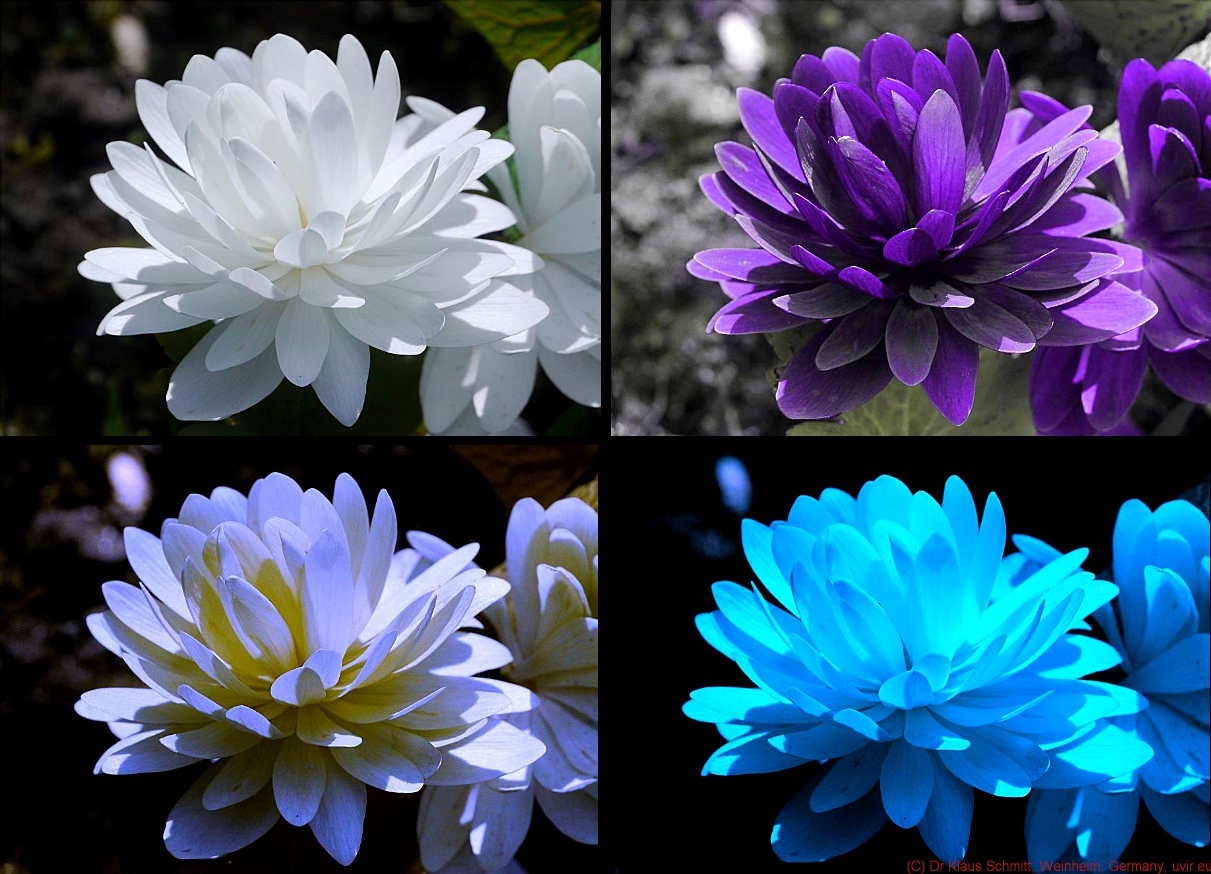
Today shots of a spring flower, a Bloodroot - Sanguinaria canadensis forma multiplex in reflected ultraviolet photography using my "work horse" UV filter, the Baader-U filter as well as my XBV filters for simulating butterfly and bee vision. Lens was a CERCO 94mm quartz fluorite lens. Light source was sunlight. All shots were done at about f5.6.

[click on image to see a larger one]

Visible light image:
 

UV image using Baader-U filter (approx. 320-395nm, effective peak approx. 375nm):
 

Simulated butterfly vision (UV - VIS) using XBV3 filter:
 

Simulated bee vision (UV - VIS) using XBV6 filter:
 

Quadtriptych of some of the above:


This beautiful, but poisonous Bloodroot flower (a cultivar) has no specific UV pattern, but its petals are bright in long wave UV around 380nm, so this gets quite nicely visible.


Stay tuned, more will follow on that fascinating subject...

More info on this very interesting field may be found on my site http://www.pbase.com/kds315/uv_photos

Monday, April 29, 2013

Apache beggarticks - Bidens ferulifolia in reflected ultraviolet photography, simulated bee and butterfly vision II

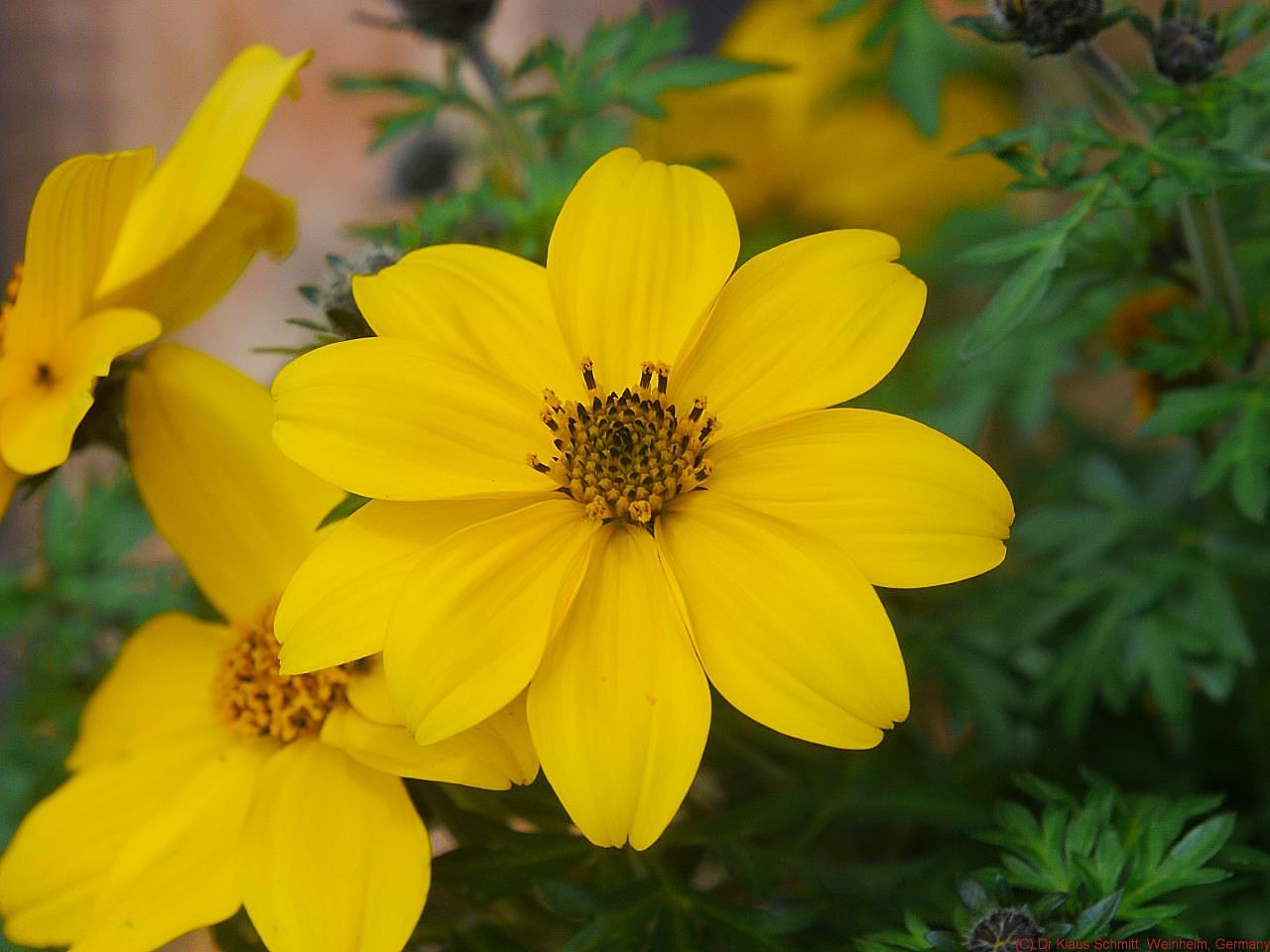
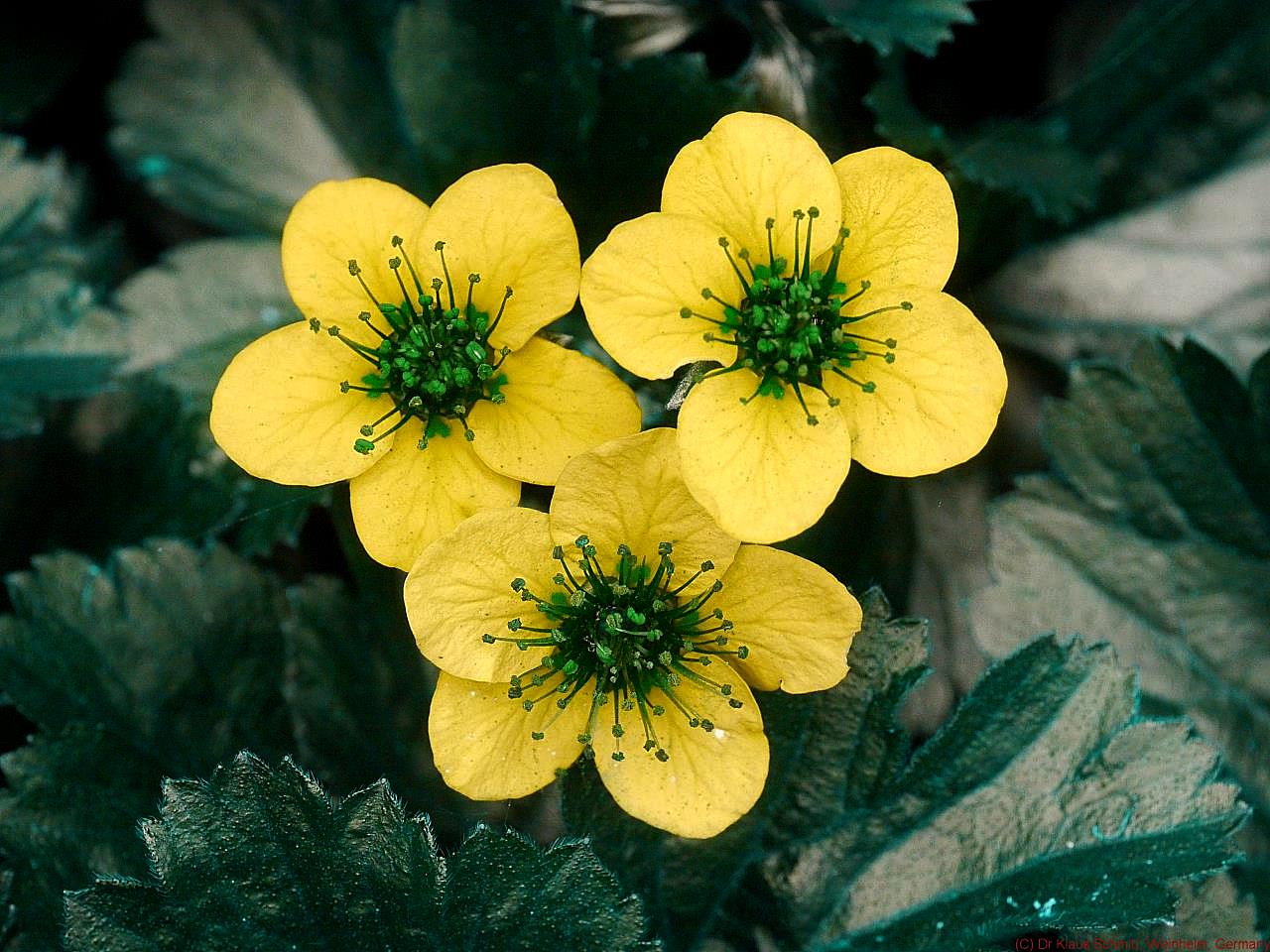
Today shots of a spring flower I have written about before, Apache beggarticks - Bidens ferulifolia in reflected ultraviolet photography using my "work horse" UV filter, the Baader-U filter as well as my XBV filters for simulating butterfly and bee vision. Lens was a CERCO 94mm quartz fluorite lens. Light source was sunlight. All shots were done at about f5.6.

[click on image to see a larger one]

Visible light image:
 

UV image using Baader-U filter (approx. 320-395nm, effective peak approx. 375nm):
 

Simulated butterfly vision (UV - VIS) using XBV3 filter:
 

Simulated bee vision (UV - VIS) using XBV6 filter:
 

Quadtriptych of some of the above:


Bidens has a strong visible UV pattern, its petal tips are UV bright around 365nm, its center is quite UV dark, so this gets quite nicely visible.


Stay tuned, more will follow on that fascinating subject...

More info on this very interesting field may be found on my site http://www.pbase.com/kds315/uv_photos
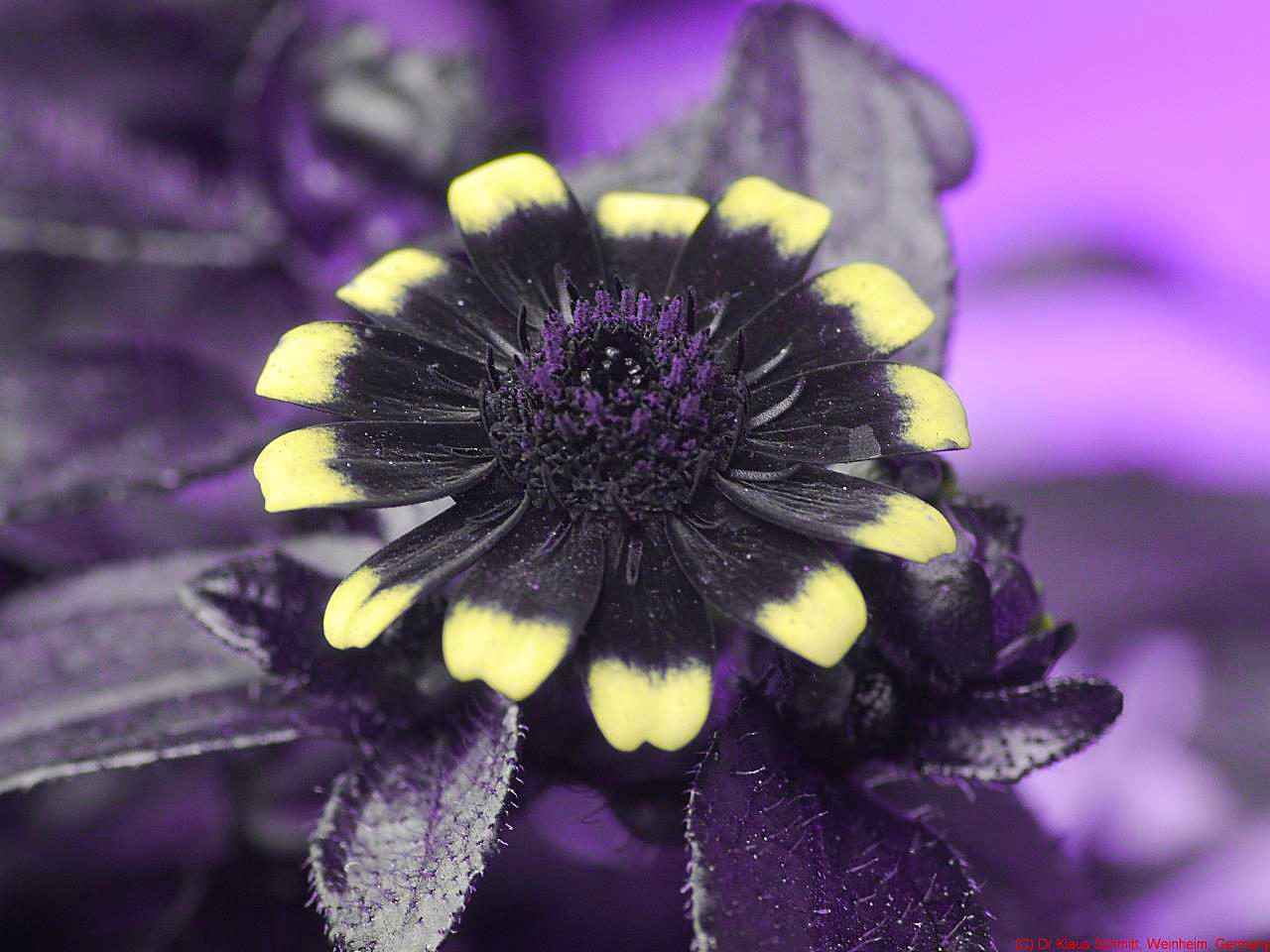
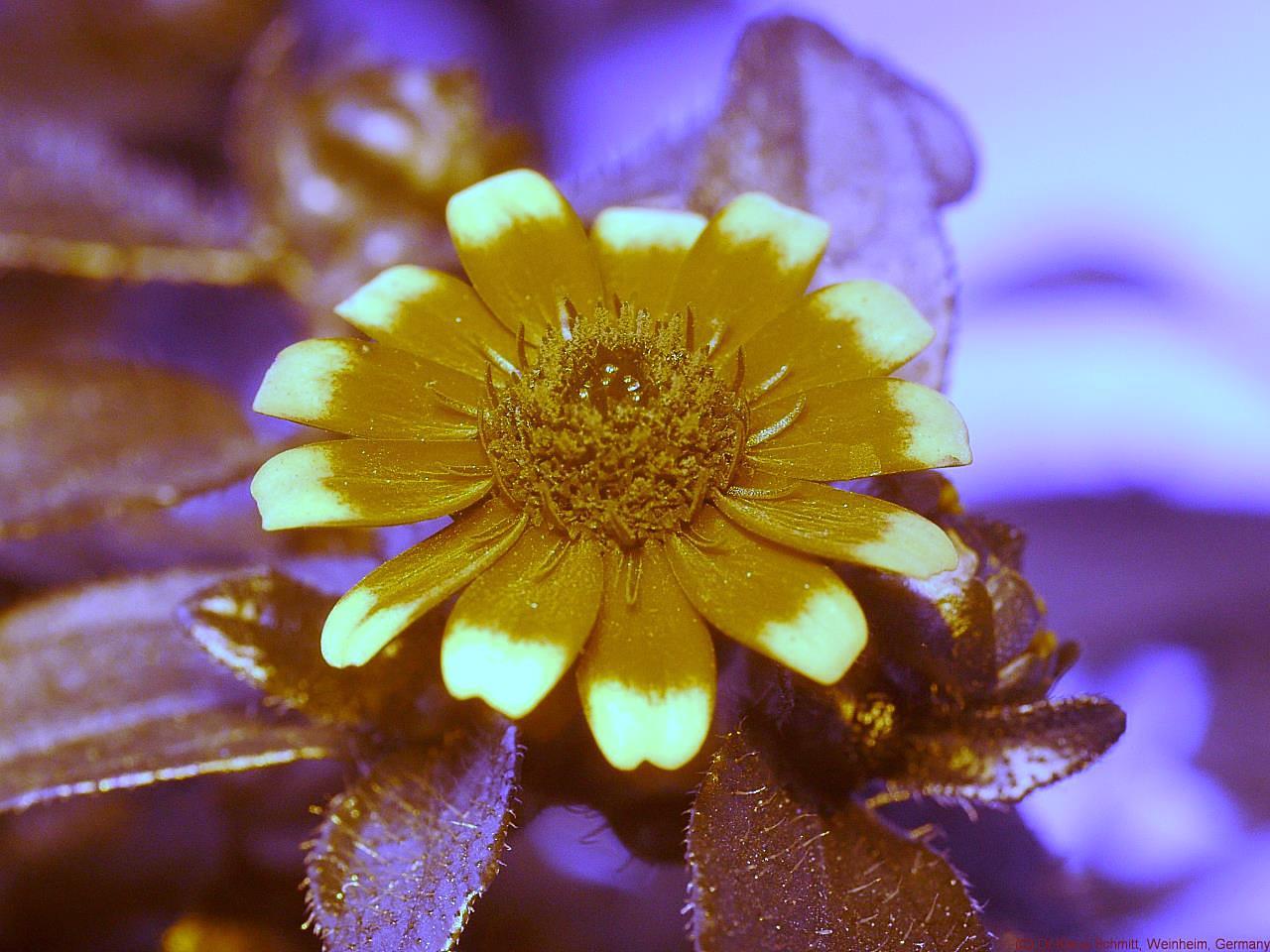
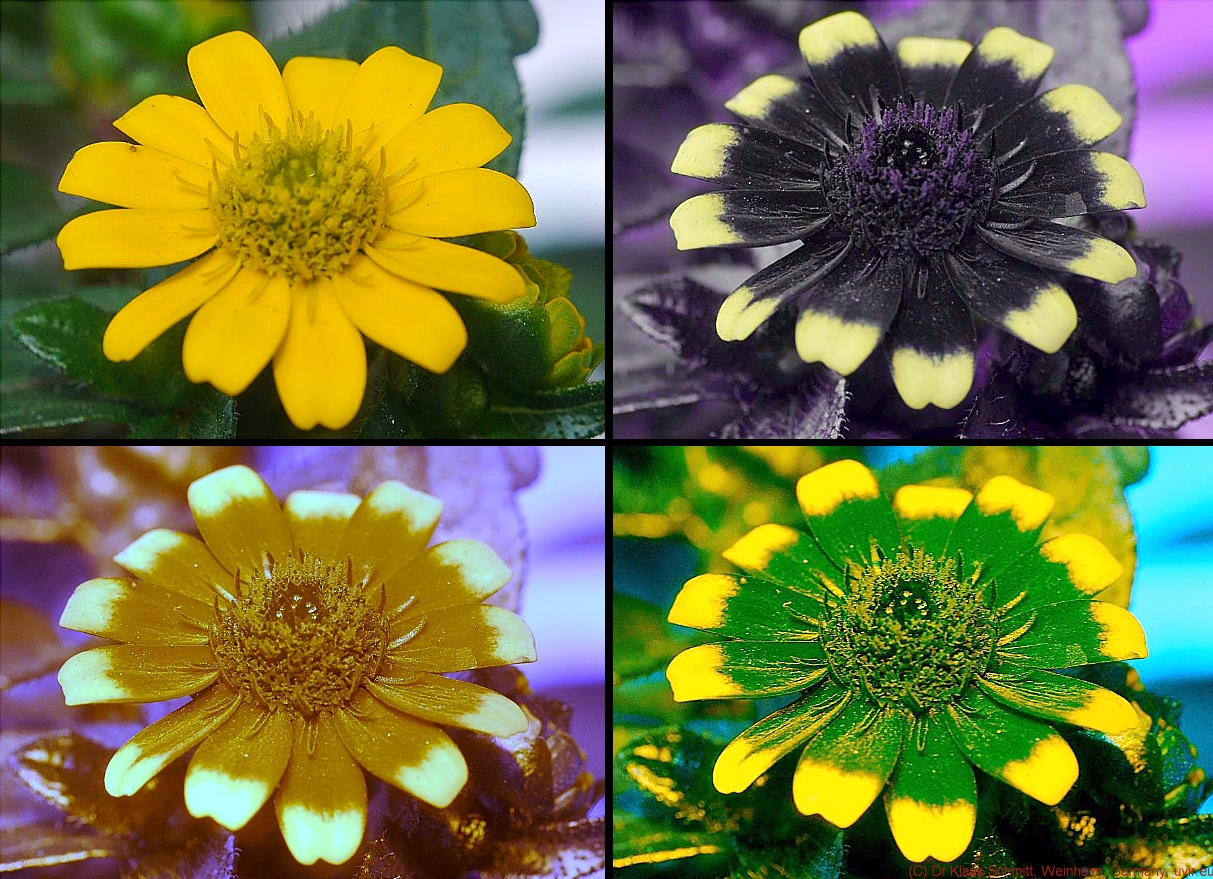
Mexican Creeping Zinnia - Sanvitalia procumbens in reflected ultraviolet photography, simulated bee and butterfly vision

Today shots of a spring flower, a Mexican Creeping Zinnia - Sanvitalia procumbens in reflected ultraviolet photography using my "work horse" UV filter, the Baader-U filter as well as my XBV filters for simulating butterfly and bee vision. Lens was a CERCO 94mm quartz fluorite lens. Light source was sunlight. All shots were done at about f5.6.

[click on image to see a larger one]

Visible light image:
 

UV image using Baader-U filter (approx. 320-395nm, effective peak approx. 375nm):
 

Simulated butterfly vision (UV - VIS) using XBV3 filter:
 

Simulated bee vision (UV - VIS) using XBV5 filter:
 

Simulated bee vision (UV - VIS) using XBV6 filter:
 

Quadtriptych of some of the above:


This Mexican Zinna has a strongly visible, deep into UV reaching pattern. Its petal tips are UV bright, its center is quite UV dark, so this gets quite nicely visible.


Stay tuned, more will follow on that fascinating subject...

More info on this very interesting field may be found on my site http://www.pbase.com/kds315/uv_photos

Thursday, April 25, 2013

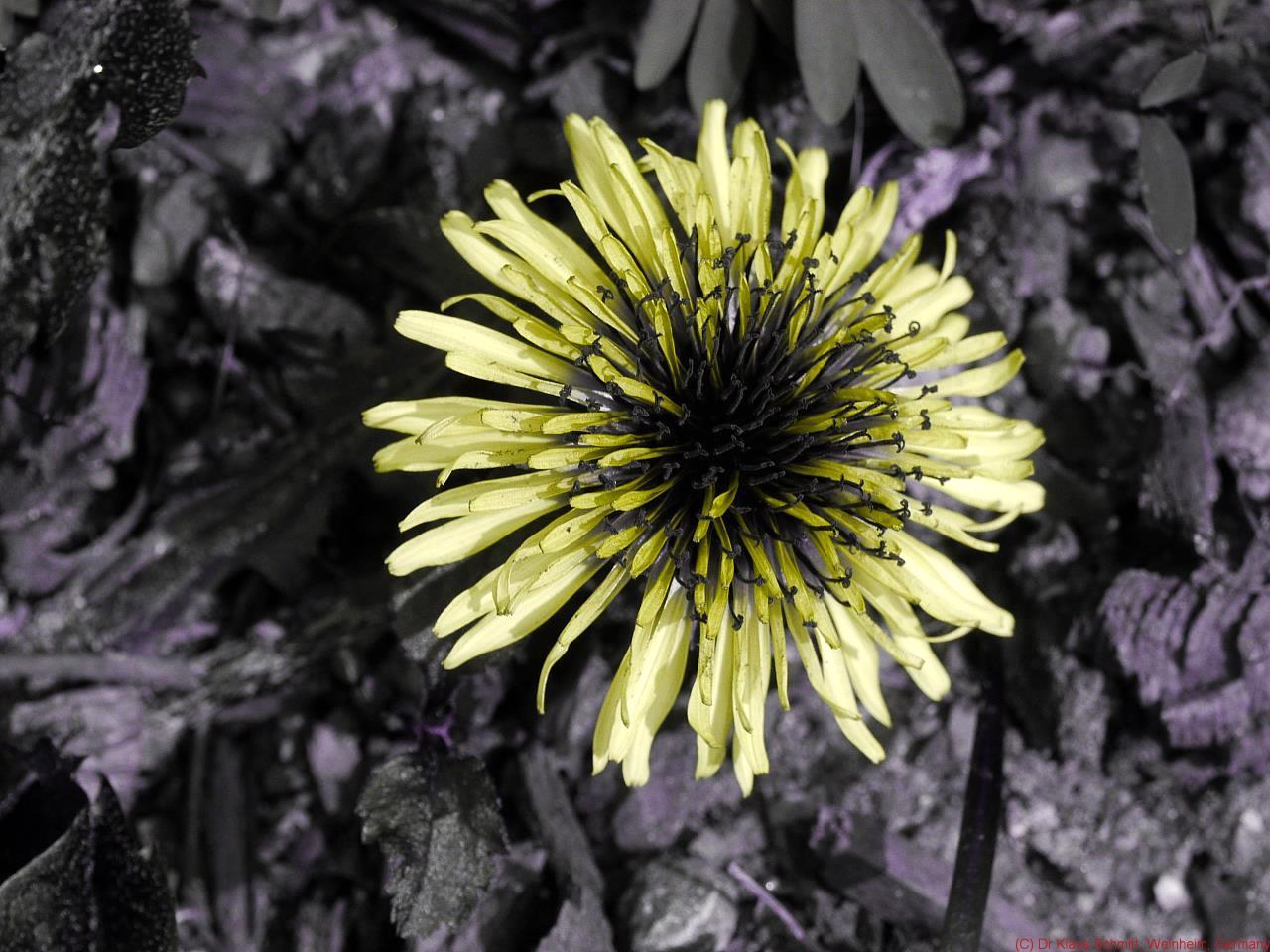
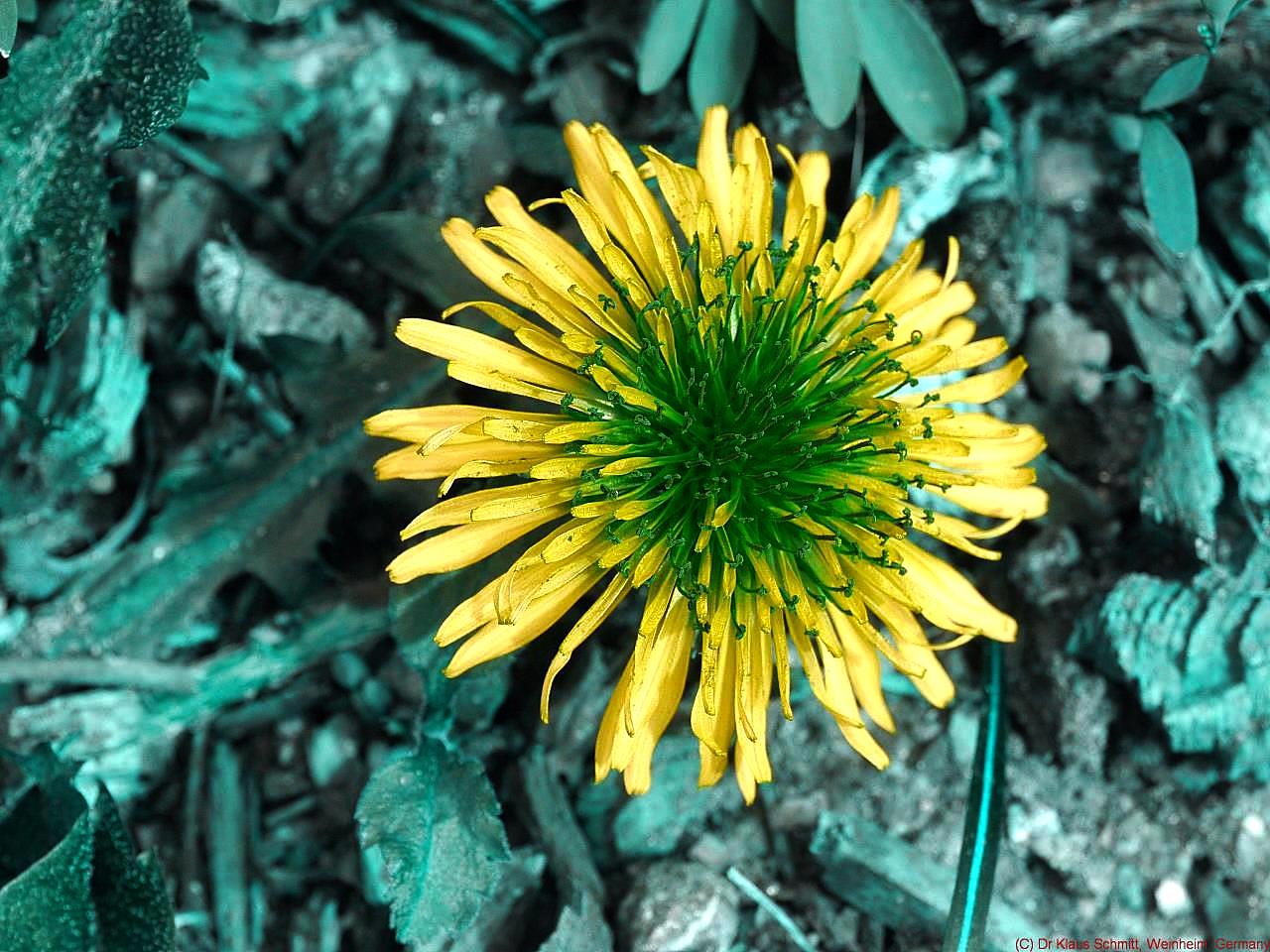
Dandelion - Taraxacum officinale flower in reflected UV ultraviolet photography and simulated bee vision

Today about another early spring flower, Dandelion - Taraxacum officinale in reflected ultraviolet photography using my "work horse" UV filter, the Baader-U filter as well as my XBV filters for simulating butterfly and bee vision. Lens was a CERCO 94mm quartz fluorite lens. Light source was sunlight. All shots were done at about f5.6.

[click on image to see a larger one]

Visible light image:
 

UV image using Baader-U filter (approx. 320-395nm, effective peak approx. 375nm):
 

Simulated bee vision (UV - VIS) using XBV6 filter:
 

Triptych of the above:


This Dandelion flower has quite a prominent UV pattern, its petals are UV bright around 365nm, its center is UV dark, especially the anthers, and this gets quite nicely visible.


Stay tuned, more will follow on that fascinating subject...

More info on this very interesting field may be found on my site http://www.pbase.com/kds315/uv_photos

Rock tulip - Tulipa saxatilis in reflected ultraviolet photography, simulated bee and butterfly vision II

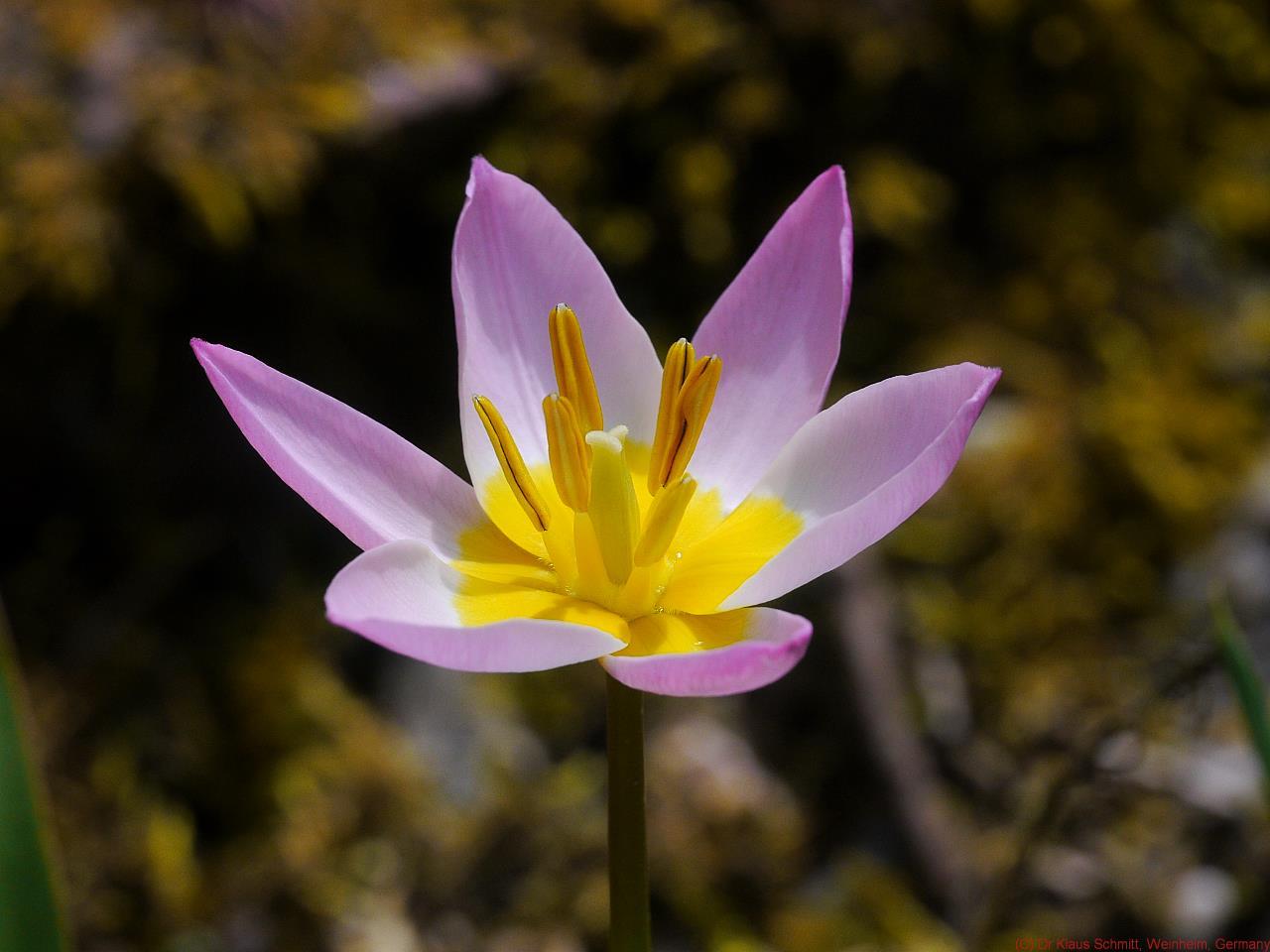
Today some close-ups of an early spring flower I have written about before, a Rock tulip - (Tulipa saxatilis "Lilac Wonder") (often wrongly labeled T. bakeri) in reflected ultraviolet photography using my "work horse" UV filter, the Baader-U filter as well as my XBV filters for simulating butterfly and bee vision. Lens was a CERCO 94mm quartz fluorite lens. Light source was sunlight. All shots were done at about f5.6.

[click on image to see a larger one]

Visible light image:
 

UV image using Baader-U filter (approx. 320-395nm, effective peak approx. 375nm):
 

Simulated butterfly vision (UV - VIS) using XBV3 filter:
 

Simulated bee vision (UV - VIS) using XBV6 filter:
 

Quadtriptych of the above:


This rock tulip has a not so strongly visible UV pattern, its petals are UV bright, and this gets quite nicely visible in these close-ups.


Stay tuned, more will follow on that fascinating subject...

More info on this very interesting field may be found on my site http://www.pbase.com/kds315/uv_photos